Good coffee packaging does three jobs at once: it lets carbon dioxide out of freshly roasted beans, keeps oxygen, moisture and light away from them, and sells the coffee on a crowded shelf or in a subscriber's mailbox. For most specialty roasters that means a multi-layer barrier bag with a one-way degassing valve and a reclosable top, backed by printed boxes for retail, gifting and subscriptions.
The choices that matter are the bag format, the film structure, the valve and closure, the label or print method, and the secondary packaging around the bag. This guide walks through each one from a roaster's point of view, starting with the coffee itself rather than the artwork.
Key takeaways
- Freshly roasted coffee releases carbon dioxide for days, so whole-bean bags need a one-way degassing valve or they puff up and can split.
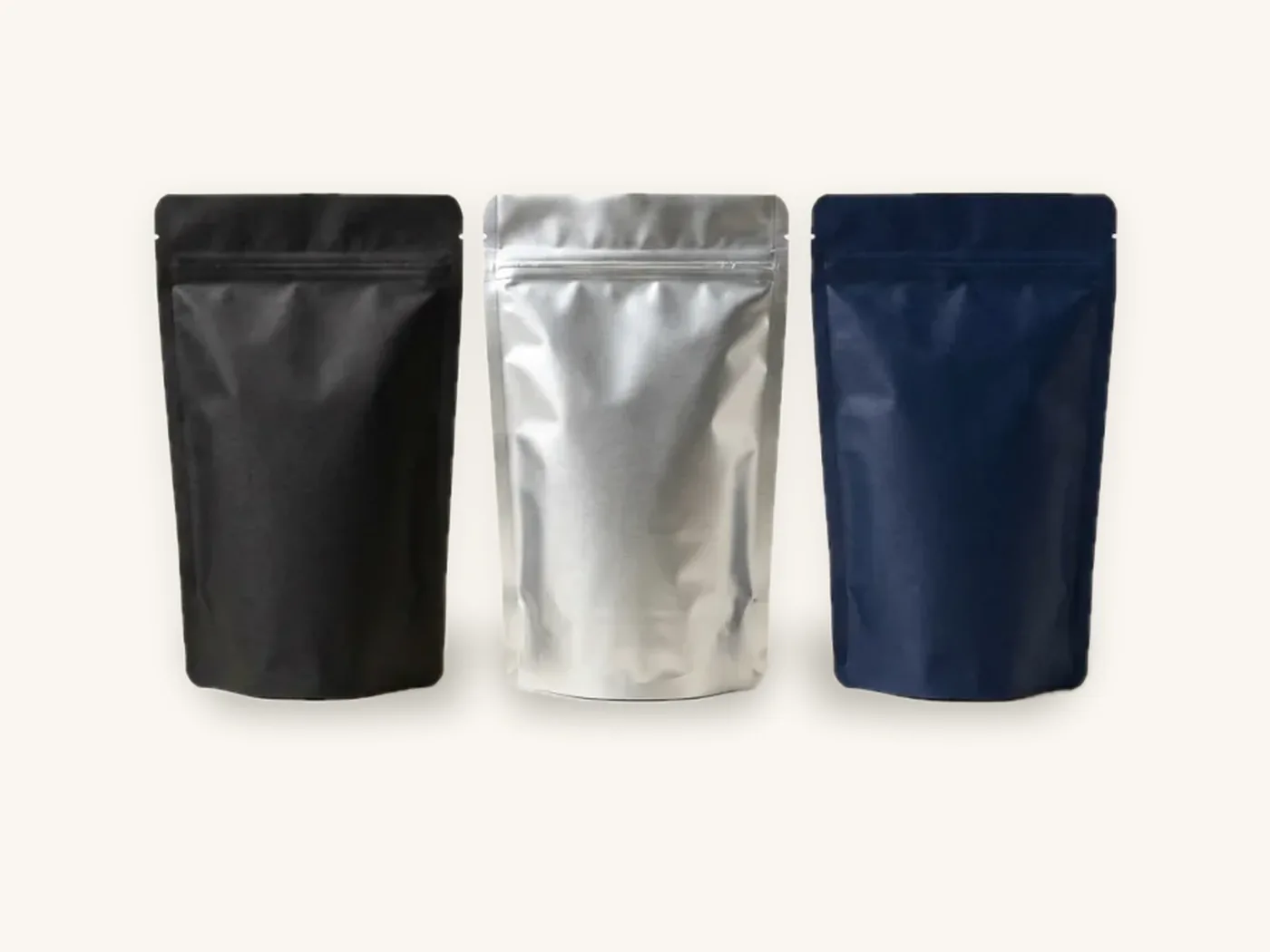
- Barrier comes from the laminate, not the outer paper. A kraft look can sit over foil or metallized film; kraft paper on its own protects very little.
- Stand-up pouches suit cafe retail and online shops; flat-bottom bags give five printable panels and stand straighter on shelves; side-gusset bags are efficient for wholesale and bulk.
- Custom coffee bags printed edge to edge look best at larger runs; stock bags with printed labels are the practical route for small batches and seasonal single origins.
- Label basics for packaged coffee sold in the US include a statement of identity, net quantity, and the name and place of business, as set by FDA food labeling rules.
- Printed mailers, gift boxes and counter displays around the bag are where most roasters build brand presence without reprinting bags for every origin.
Why coffee is harder to package than most dry foods
Roasted coffee is chemically busy. Right after roasting, beans release trapped carbon dioxide, and the rate is highest in the first day or two before tapering off over roughly two weeks. Ground coffee releases gas faster because more surface area is exposed.
At the same time, the aromatic compounds that make a washed Ethiopian taste different from a Sumatra begin oxidizing the moment oxygen reaches them. Moisture accelerates staling, and light degrades oils. A package that simply seals tight will balloon; a package that breathes freely will go flat.
The three enemies: oxygen, moisture and light
Each threat maps to a packaging property. Oxygen is blocked by the barrier layer's oxygen transmission rate. Moisture is blocked by its water vapor transmission rate. Light is blocked by an opaque layer such as aluminum foil or metallized film.
Clear windows look appealing because they show the beans, but every square inch of clear film lets light in. If a window matters to your brand, keep it small, place it on a side panel, and accept a shorter shelf window.
Why the valve exists
A one-way degassing valve is a small plastic disc welded to the inside of the bag. It opens under slight internal pressure to release carbon dioxide and closes again so outside air cannot flow back in. Without it, roasters must either let beans rest open for a day or two before sealing, losing aroma, or risk swollen bags that burst in transit.
Tip: squeezing the bag and smelling the valve is how many shoppers judge freshness. Place the valve where a hand naturally grips, usually centered on the upper front or back panel, and keep artwork elements clear of it so it does not land in the middle of your logo.
Coffee bag formats compared
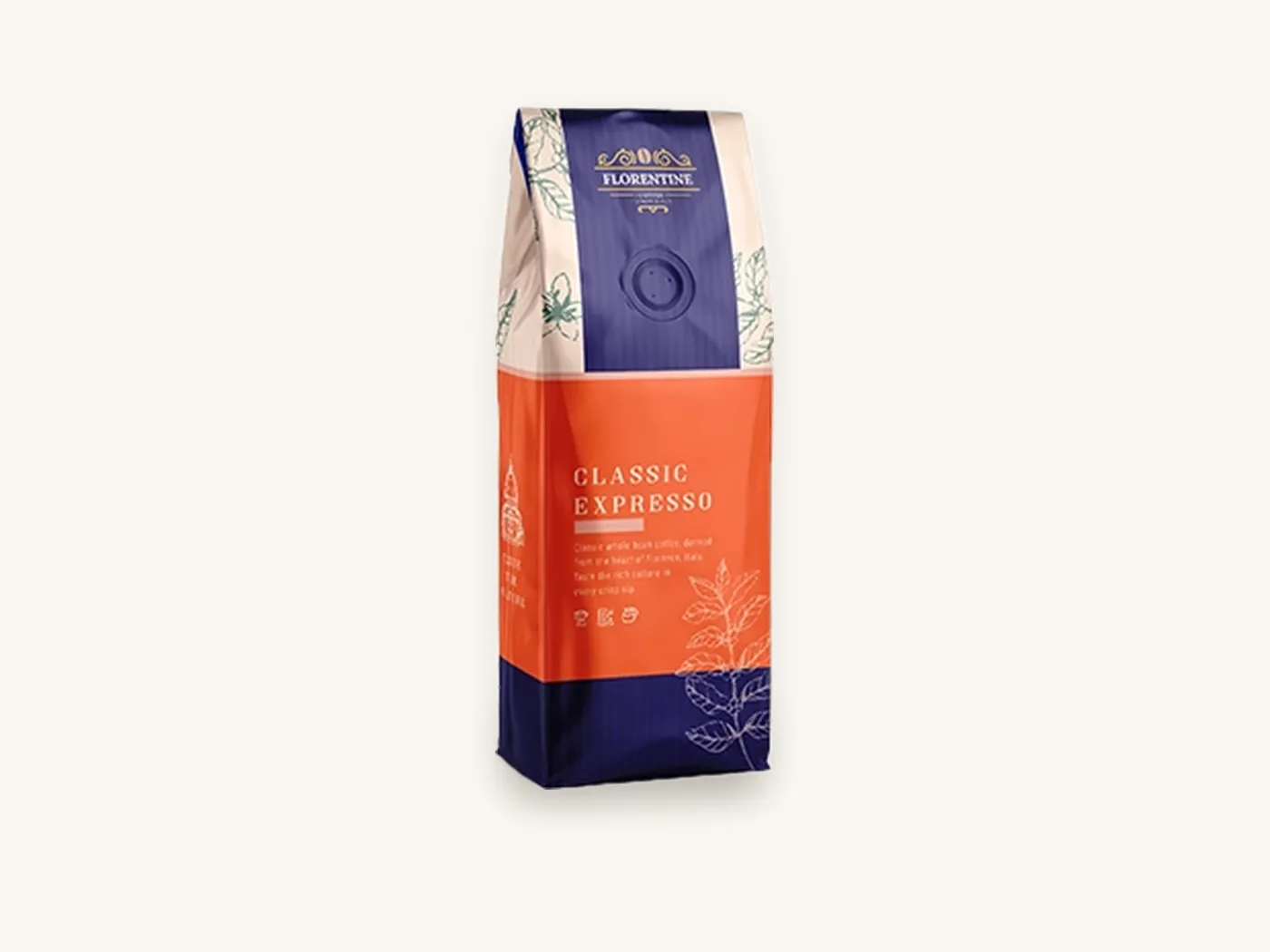
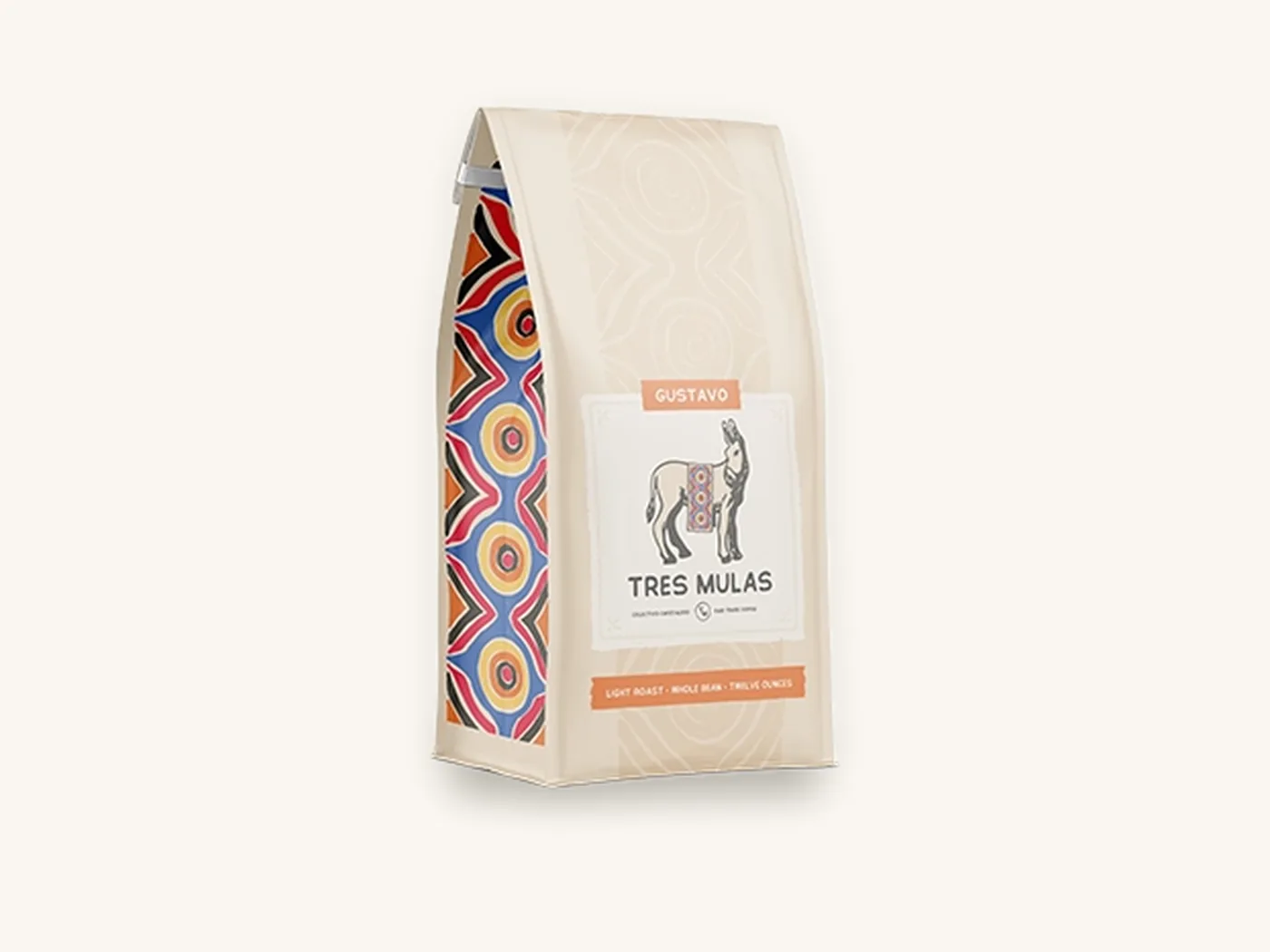
"Coffee bag" covers several constructions with different costs, shelf presence and filling speeds. Our coffee bags are offered in the main formats below, and the stand-up pouches style page shows related barrier pouches.
| Format | How it stands | Printable panels | Best for | Tradeoffs |
|---|---|---|---|---|
| Stand-up pouch (doypack) | Rounded bottom gusset | Front and back | Cafe retail, online orders, 8 oz to 1 lb | Leans slightly when partly empty |
| Flat-bottom (box pouch) | Square base with four side creases | Front, back, two sides, base | Premium retail shelves, gift sets | Higher unit cost, slower to fill by hand |
| Side-gusset bag | Folded side gussets, often laid flat | Front, back, gussets | Wholesale 2 lb and 5 lb bags, food service | Needs a tin tie or fold-and-clip to reclose |
| Flat pouch (pillow) | Does not stand | Front and back | Samples, single-brew portions | No room for a valve on very small sizes |
| Quad-seal bag | Four vertical seals, square profile | Four sides | High-volume retail, machine filling | Usually needs larger minimums |
Choosing a format by channel
Choose a stand-up pouch when most of your volume moves through your own cafe counter and website. It is the most forgiving format for hand filling and heat sealing on a bench sealer.
Choose a flat-bottom bag when you are pitching grocery or specialty retail buyers. The square base keeps the bag upright even when merchandised two deep, and the side panels carry brewing notes, origin maps or a roast scale.
Choose side-gusset bags for wholesale accounts. Cafes and offices that buy 2 lb or 5 lb bags care about price per pound and pour-ability, not shelf presence, and gusseted bags pack efficiently into cases.
Barrier films and materials: what is actually inside the bag
The outside of a custom coffee bag is only the first of two to four layers laminated together. Understanding the stack explains why two bags that look identical can protect coffee very differently.
| Structure (outside to inside) | Barrier level | Look | Notes |
|---|---|---|---|
| Kraft paper / PE | Low | Natural, rustic | Fine for very fast turnover or green coffee; not for shelf retail |
| Kraft paper / metallized PET / PE | Medium to high | Natural outside, silver inside | A popular middle ground for specialty roasters |
| PET / aluminum foil / PE | High | Glossy or matte printed film | Strongest light and oxygen barrier in common use |
| Matte BOPP / metallized PET / PE | Medium to high | Smooth, soft matte | Takes full-color print well |
| Paper / plant-based or compostable barrier layers | Varies by supplier | Natural | Ask for the certification and the tested shelf life, not just the claim |
Kraft outside does not mean kraft protection
A lot of roasters choose kraft because it signals craft and sustainability. The protection comes from the inner metallized or foil layer, while the paper supplies stiffness and texture. If you want the natural look, keep the barrier layer and let the kraft do the branding.
Recyclable and compostable coffee bags
Multi-material laminates are hard to recycle because the layers cannot be separated easily. Mono-material polyethylene bags and certified compostable structures are both available in the market, but their barrier performance and valve compatibility vary. Test a real bag with your roast for your target shelf life before switching a whole line.
If you print a "compostable" or "recyclable" claim, it has to be accurate and qualified. The Federal Trade Commission's Green Guides cover how environmental claims should be worded, and our sustainable packaging guide explains the tradeoffs across board and film. The eco-friendly materials page lists the paper-based options we run.
Valves, closures and fill sizes
Small components make a big difference to the customer experience after the first cup.
Closure options
- Press-to-close zipper: the easiest reclose for home brewers. Adds a little cost and needs a tear notch above it.
- Tin tie: a metal-cored strip glued below the top seal that folds down to reclose. Classic look, common on side-gusset and flat-bottom bags.
- Pocket zipper: a zipper hidden behind a tear-off strip on flat-bottom bags, keeping the top edge clean.
- Heat seal only: the lowest cost, best for single-use sample packs or wholesale bags that are emptied into hoppers.
Matching bag size to fill weight
Coffee density changes with roast level and whole bean versus ground. A dark roast is less dense than a light roast, so the same 12 oz fill takes more room. Always test fill your actual roast before approving bag dimensions.
| Fill weight | Typical use | Format most roasters choose | Sizing note |
|---|---|---|---|
| 2 to 4 oz | Samples, gift sets, tasting flights | Flat pouch or small stand-up | Valve may not fit very small bags |
| 8 oz | Rare lots, subscriptions with several origins | Stand-up pouch | Leave headspace above the fill line for the seal |
| 10 to 12 oz | Standard US retail bag | Stand-up or flat-bottom | Test with your darkest roast |
| 1 lb | Value retail, office accounts | Flat-bottom or stand-up | Heavier bags need a sturdier bottom gusset |
| 2 lb to 5 lb | Wholesale and food service | Side-gusset | Plan case packing at the same time |
Watch out: approving bag dimensions from a supplier's chart without test filling is the most common and costly coffee packaging mistake. Too little headspace and the zipper sits in coffee dust and will not seal; too much and the bag slumps and looks underfilled.
Coffee bag design: what goes on the panels
Coffee bag design works best when the fixed brand elements and the variable information are planned separately from the start. Your logo, colors and brand story rarely change; origin, process, tasting notes and roast date change constantly.
Labeling requirements for packaged coffee
Coffee sold in packaged form in the US is a food, so FDA food labeling rules apply. In general terms, the principal display panel needs a statement of identity (for example, "whole bean coffee") and the net quantity of contents, and the package needs the name and place of business of the manufacturer, packer or distributor. Flavored coffees and added ingredients can bring additional requirements.
These rules have specifics on placement and type size. Review the FDA's food labeling guidance and confirm your panels with a regulatory consultant or counsel, especially before selling into grocery chains.
A roaster's panel plan
- Front panel: brand mark, coffee name or origin, statement of identity and net weight.
- Upper front or back: valve position, kept clear of type.
- Back panel: tasting notes, process and elevation, brewing recommendation, company name and address.
- Label or stamp zone: a blank area for the roast date and lot, applied at packing.
- Base or gusset: a pattern, website or QR code linking to the farm story.
Printed bags or labeled stock bags
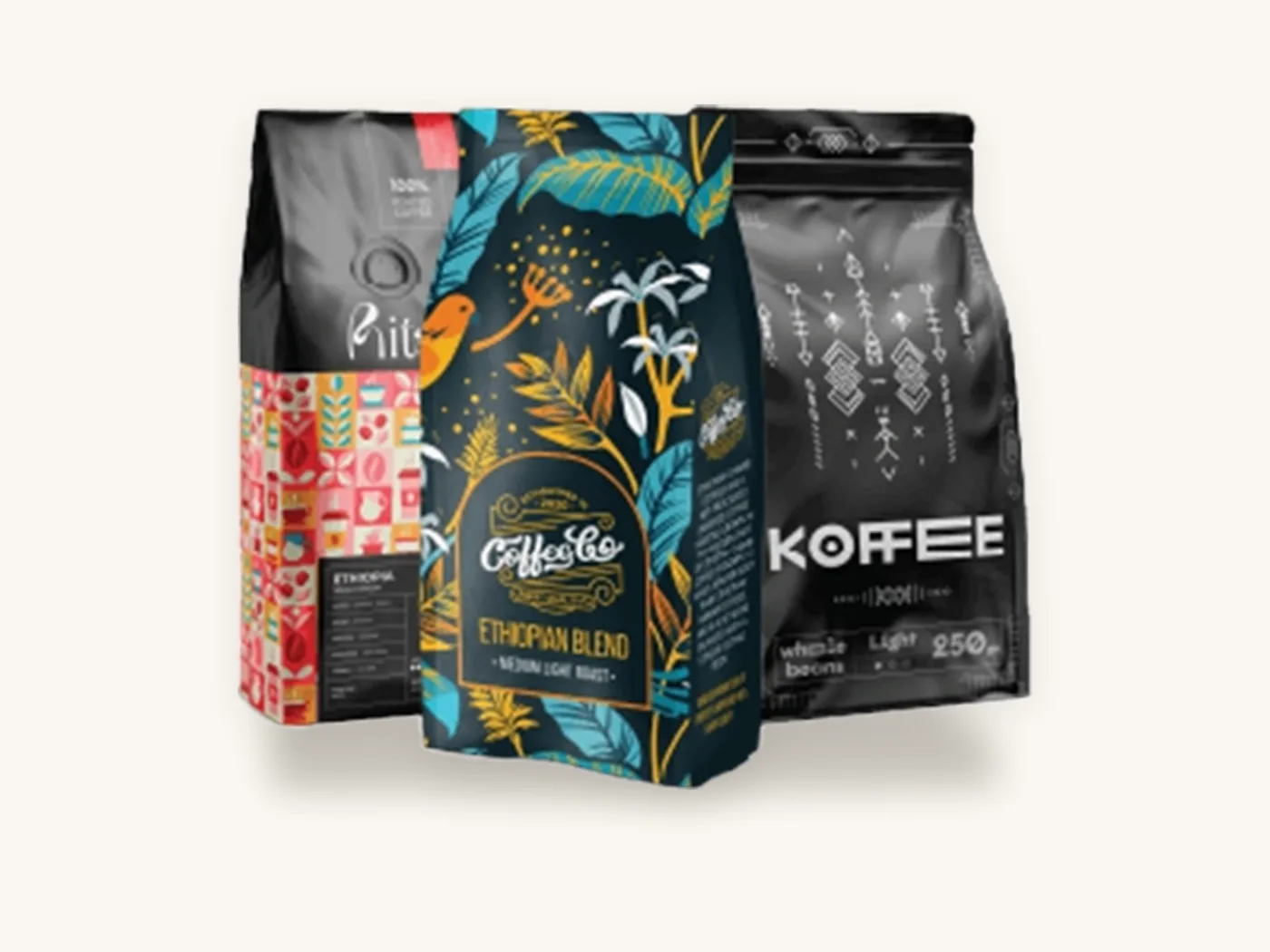
Fully printed custom coffee bags give the cleanest result and the lowest per-bag cost at volume, but every design change means a new print run. That is why many roasters use one printed "house" bag and apply origin-specific labels.
Custom labels and stickers let you run ten single origins on one bag design. Kraft or matte black stock bags with a well-designed front label and a roast-date sticker look intentional, and they are the sensible route when you are testing new coffees in small batches.
Boxes and secondary packaging for coffee
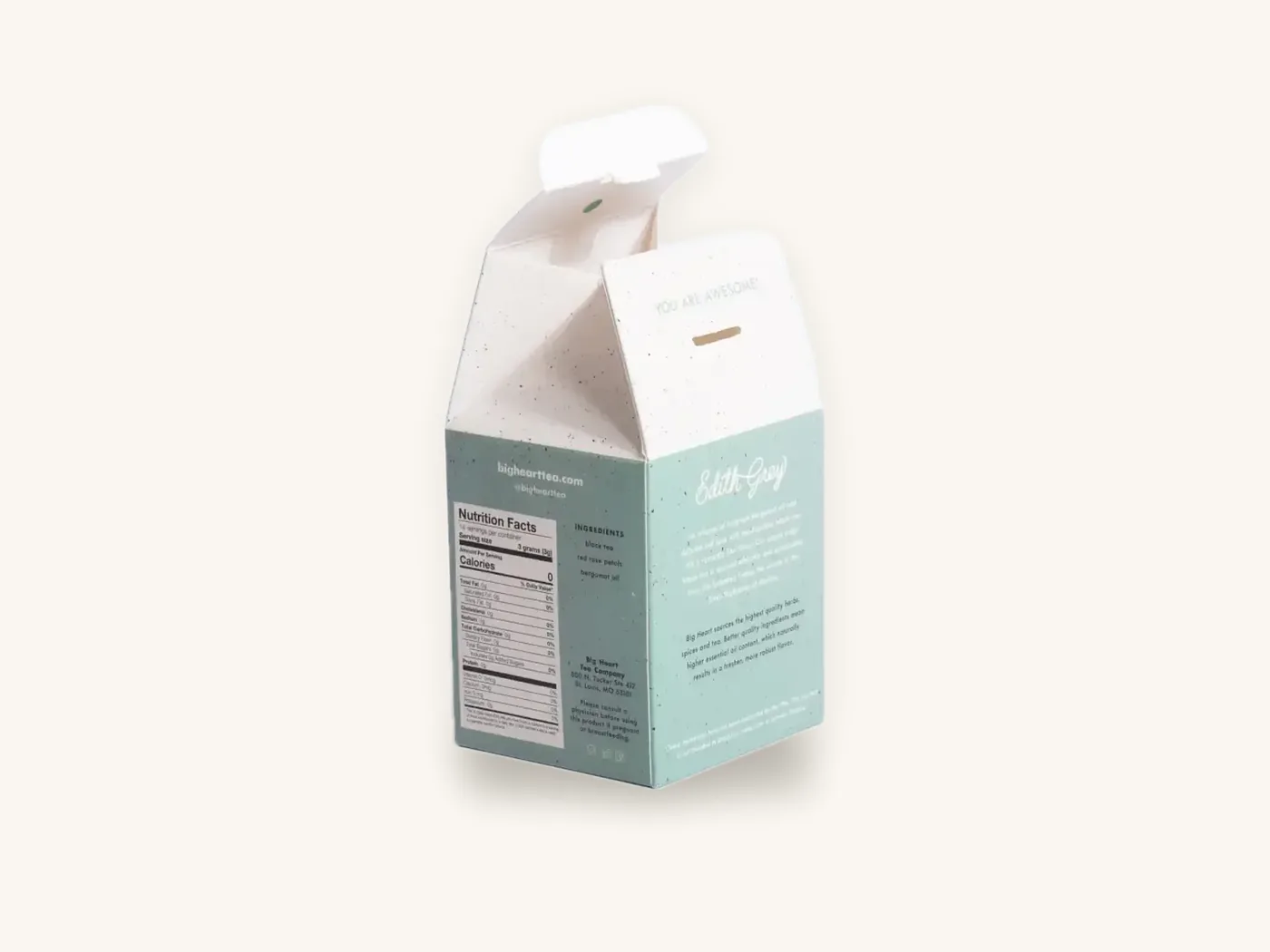
The bag protects the coffee. Boxes carry the brand into places a bag alone cannot: retail counters, holiday gifting, corporate orders and subscriptions. Browse the full range on our coffee and tea industry page.
Subscription mailers
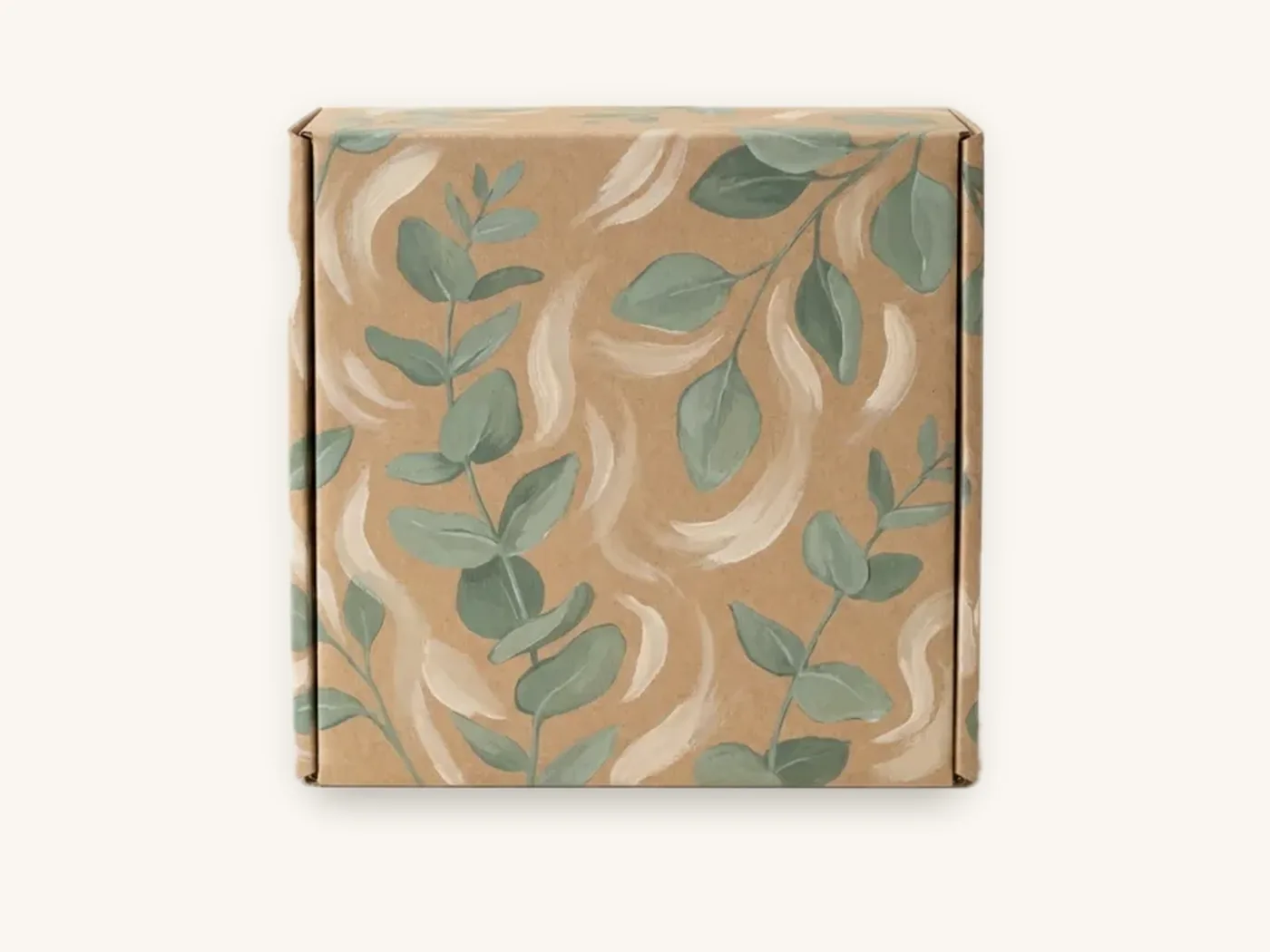
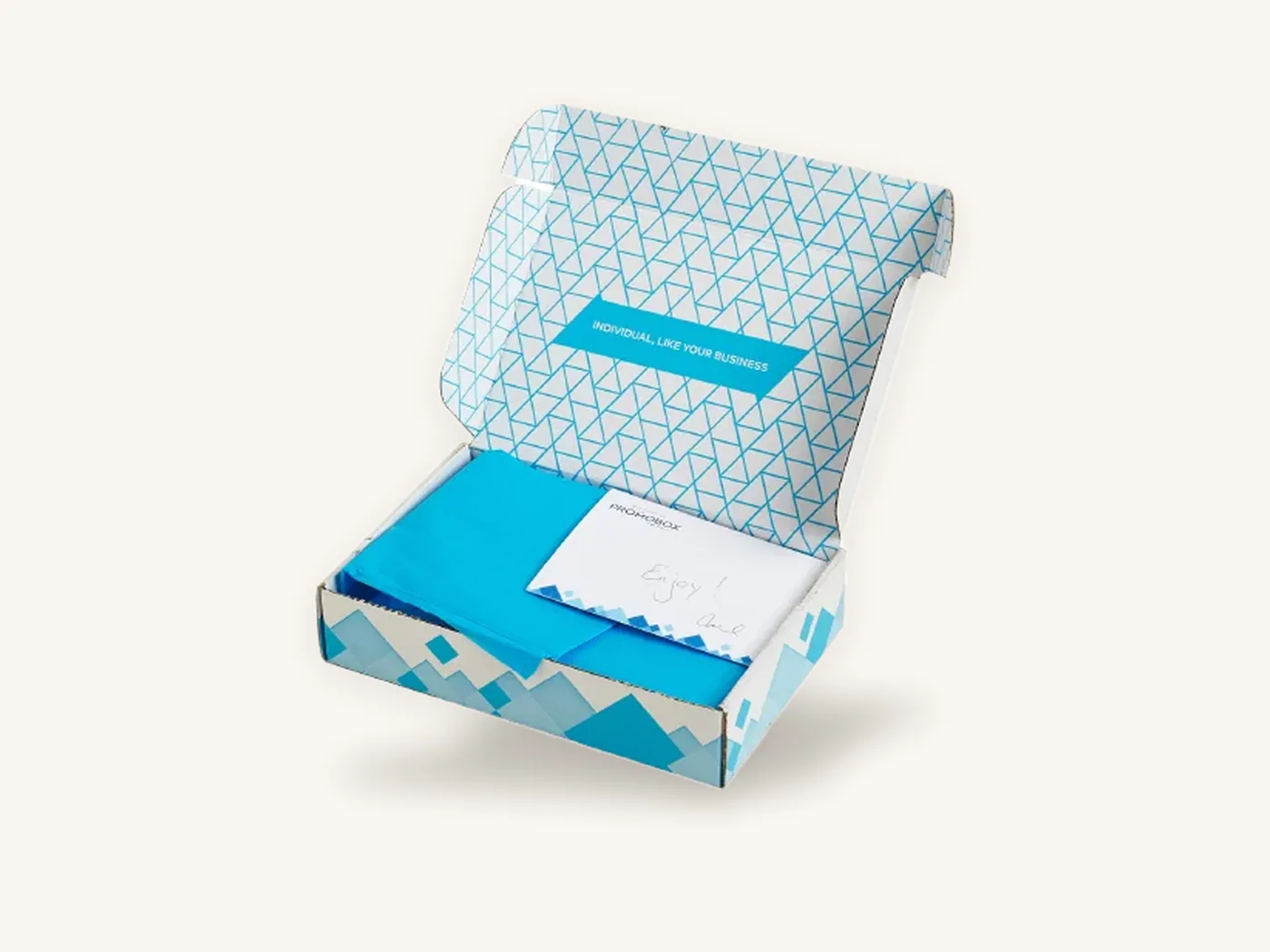
A subscription is the most repeated brand touchpoint a roaster has. A printed mailer holds the bags flat, keeps valves from being crushed by other parcels, and gives you an inside lid for this month's origin card.
As a reference from our price sheet, a 10x8x4 in E-flute mailer printed full color inside and outside, a size that commonly holds one or two 12 oz bags laid flat, runs about $4.33 each at 100 units and about $1.92 at 1,000, with US shipping included. Our subscription boxes page shows kit layouts, and the instant estimator prices your exact size.
Gift boxes and sampler sets
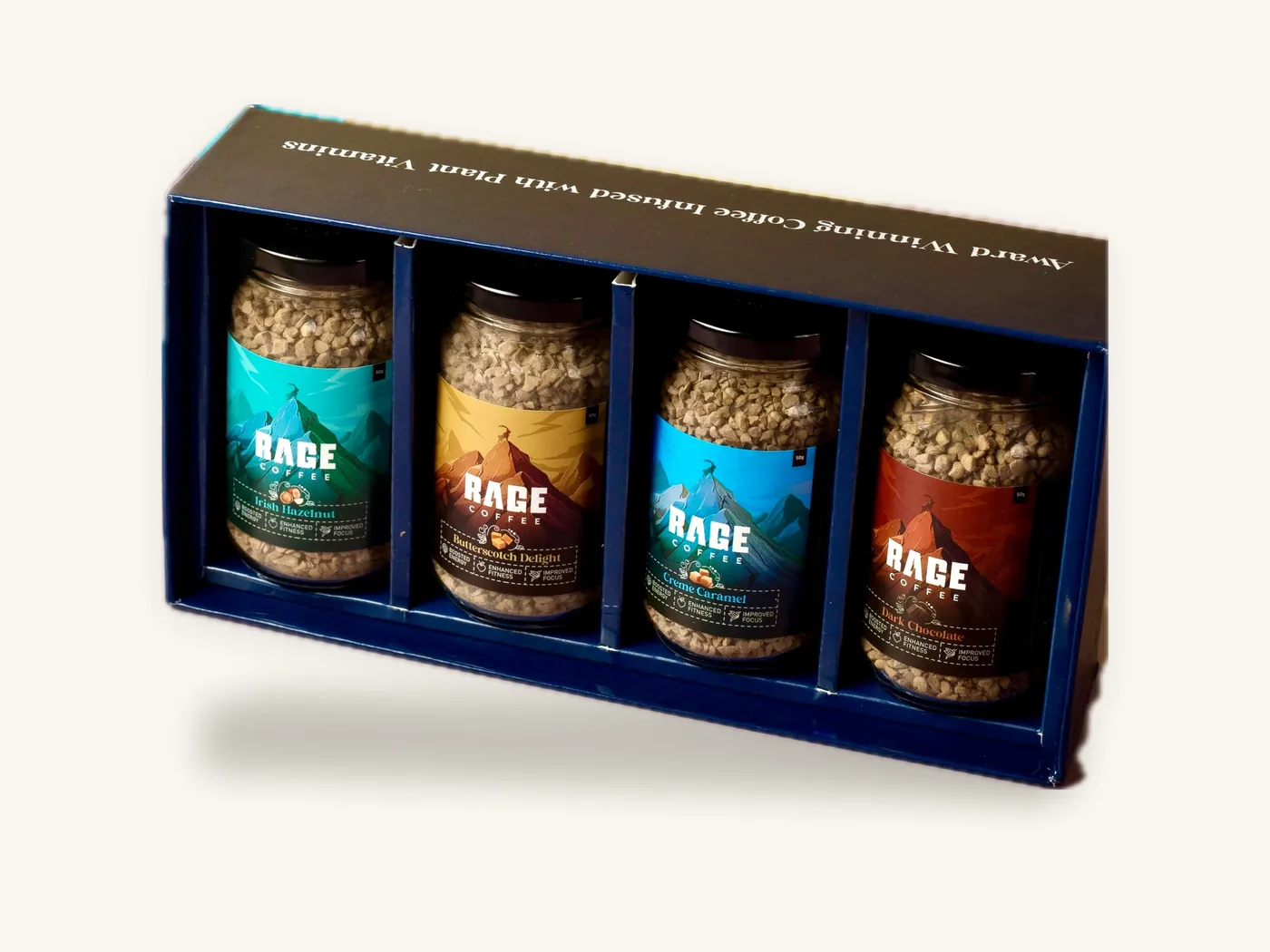
Holiday coffee sets usually combine two to four small bags, sometimes a mug or a pour-over dripper. A rigid or folding-carton gift box with a die-cut insert holds each item in place and turns a commodity purchase into a gift. Plan these by early autumn if you sell for the holidays, so artwork, proof and production fit comfortably.
Counter displays for single-serve and small bags
Drip-bag coffee, sample pouches and 2 oz bags sell well at the register. A counter display box in E-flute with a printed header holds a row of small pouches upright. A 10x8x6 in counter display printed full color is about $5.08 each at 100 units and about $2.26 at 1,000.
Cups and sleeves for the cafe side
If you also run a cafe, the takeaway cup is the most visible piece of packaging you own. Custom paper cups and cup sleeves extend the bag design into every order walking out the door. Our custom paper cups guide covers wall types, sizes and lid fit in detail.
Coffee packaging costs: what drives the price
We do not publish per-bag prices here, because film structure, size, closure and quantity move them too much for a single figure to be useful. These are the factors that change the number most.
| Cost driver | Effect on price | How to control it |
|---|---|---|
| Quantity per design | Largest single factor for printed bags | Use one printed bag plus variable labels |
| Film structure | Foil and specialty compostable layers cost more | Match barrier to real shelf time |
| Format | Flat-bottom costs more than stand-up | Save flat-bottom for retail SKUs |
| Valve and zipper | Each adds a component and a step | Skip zippers on wholesale bags |
| Finish | Matte, soft-touch or spot effects add cost | Put finishes on the front panel only |
| Number of SKUs | More plates or setups for printed runs | Group origins by label, not by bag |
For secondary packaging, the same principles apply: right-size mailers, limit print coverage, and choose finishes deliberately. Foil, embossing, spot UV and custom inserts carry one-time tooling; standard printing does not.
A packaging plan for a growing roaster
Say you roast in small batches, sell through a cafe and a website, and want to pitch a regional grocery chain next year. A practical sequence looks like this.
- Standardize the core bag. Choose one 12 oz stand-up or flat-bottom bag with a valve and zipper, printed with your brand but not with any origin details.
- Build a label system. Design a front label template for origins and a small roast-date sticker, so a new coffee takes an hour of design, not a new print run.
- Test shelf life. Pack your darkest and lightest roasts, store them at room temperature, and cup them weekly. That tells you which barrier level you truly need.
- Add a subscription mailer. Size it around two bags laid flat with a small insert card.
- Create a gift SKU before the holidays. A box holding two 4 oz bags and a card sells well to corporate buyers.
- Prepare for retail. Move your best sellers to a flat-bottom bag, confirm label compliance, and add a case-pack shipper sized to the retailer's shelf.
How to order coffee packaging with Box Sense
We manufacture printed boxes in-house and supply coffee bags and pouches alongside them, so the bag and the box can be planned in one conversation.
What to send with your request
- Fill weight and whether coffee is whole bean or ground
- Preferred bag format, closure and valve, or a request for a recommendation
- Look and barrier preference: kraft, matte, gloss, foil or compostable
- Artwork, or a note that you need help from our design services team
- For boxes: product dimensions, style (mailer, gift box, display), print sides and finishes
- Quantities per design and your target in-hand date
How the process works
- Quote within 24 hours. We confirm specs and pricing for each item and quantity.
- Free design support. We supply dielines, set up artwork and send a 3D digital proof, with two revision rounds included.
- Samples. Unprinted structural samples of boxes are free, and a printed box sample of approved artwork is free on orders of 100 or more. See the samples page.
- Production. Standard box production takes 8–12 business days after proof approval, with rush in 5 business days on most paperboard and corrugated styles. We confirm bag lead times in your quote.
- Delivery. Shipping is free on every US order; international shipping is quoted at cost.
The minimum order for boxes is 10, with no die or plate charges. Defective boxes reported within 14 days are reprinted free.
Frequently asked questions
Do coffee bags really need a degassing valve?
For freshly roasted whole beans, yes in most cases. Roasted coffee releases carbon dioxide for days, and a sealed bag without a valve can swell or burst. The one-way valve lets gas escape without letting oxygen back in. Some roasters skip valves for ground coffee that has rested, or for small sample pouches, but most specialty retail bags use one.
What is the best material for coffee packaging?
A multi-layer laminate with a real barrier layer, such as foil or metallized film, protects coffee best against oxygen, moisture and light. Kraft paper outside gives a natural look but little protection on its own. Compostable and mono-material options exist, but test them with your roast and shelf life before switching an entire range.
What size bag do I need for 12 oz of coffee?
It depends on bag format and roast density. Dark roasts take more room than light roasts at the same weight, and whole beans take more room than ground coffee. Order sample bags, fill them with your darkest roast, and check that the zipper or seal area stays clean with enough headspace before you approve the printed size.
Should I print custom coffee bags or use labels?
Print custom coffee bags when one design sells in steady volume, because printed bags look cleanest and cost less per unit at scale. Use stock or house-printed bags with labels when you rotate single origins, test new coffees or roast in small batches. Many roasters combine both: one printed brand bag plus origin labels.
What information has to be on a coffee bag?
In the US, packaged coffee generally needs a statement of identity, net quantity of contents, and the name and place of business of the manufacturer, packer or distributor, following FDA food labeling rules. Flavored products and added ingredients can require more. Confirm current requirements with the FDA's guidance or a regulatory consultant before printing.
Are kraft coffee bags recyclable?
Usually not through curbside programs, because most kraft coffee bags are laminated to plastic or foil barrier layers that cannot be separated. The kraft surface is a look, not a recycling guarantee. If recyclability matters, ask about mono-material or certified compostable structures, and make sure any claim printed on the bag is accurate and properly qualified.
What packaging do coffee subscriptions use?
Most coffee subscriptions ship bags inside a printed corrugated mailer, which keeps bags flat, protects valves and gives space for an origin card. Letter-sized flat mailers work for single bags, but a rigid-sided mailer survives the parcel network better. Size the mailer around the bags laid flat with a small amount of clearance.
Next steps
Settle your fill weight and bag format first, then plan the boxes around them. Use the packaging price estimator to cost mailers, gift boxes and displays, and request a coffee packaging quote with your bag specs and quantities. We will confirm pricing within 24 hours and prepare dielines and a 3D proof. If you also sell tea, our tea packaging guide covers cartons, tubes and drawer boxes.
Boxes in this guide
Order the packaging we covered
Written by the Box Sense Packaging Team
Our structural designers, prepress technicians and production staff print and convert custom boxes every day for brands in the United States, United Kingdom and UAE. Questions about this guide? Talk to us.