Sustainable packaging is packaging that uses less material, comes from responsibly sourced or recycled fiber, and has a realistic end of life, usually curbside recycling, without giving up the protection your product needs. For most brands shipping boxed goods, that means a right-sized paper-based box, printed with water-based or soy inks, finished with aqueous coating instead of plastic film, and free of mixed-material components that customers cannot separate.
It does not mean sacrificing a premium look. Embossing, careful typography, uncoated textured stocks, inside printing and well-engineered inserts all read as high end, and none of them add plastic. The harder part is making choices in the right order and describing them honestly.
This guide is the hub for our sustainability series. It explains where packaging impact actually comes from, how recyclable, compostable and plastic-free options compare, which premium finishes keep a box recyclable, what US and UK rules are changing, and a step-by-step plan for switching. Each section links to a deeper guide.
Key takeaways
- The biggest sustainability wins usually come from using less packaging and preventing damage, not from swapping to an exotic material.
- For shipped and retail boxes, recyclable paper-based packaging is the most practical default in the US, UK and UAE, because collection for it is widespread.
- Compostable packaging makes most sense when packaging is likely to be contaminated with food; for a clean shipping box, recycling is usually the better route.
- Plastic-free premium is achievable: embossing, debossing, textured papers, inside print and paper inserts replace laminations, foam and plastic windows.
- Extended producer responsibility (EPR) laws in several US states and the UK are turning packaging choices into direct costs for brands.
- Every environmental claim printed on a box must be specific and substantiated under the FTC Green Guides and similar rules.
Where packaging impact really comes from
Before choosing materials, it helps to know which decisions move the needle. Packaging affects the environment at four stages, and brands control more of them than they think.
- Material production. Making board, film and foam uses energy, water and raw material. Recycled fiber and responsibly managed forests reduce the burden.
- Conversion and printing. Inks, coatings, laminations and glues add material and can make a box harder to recycle.
- Transport. Oversized boxes take up more space in trucks and cost more to ship. Heavier packs burn more fuel.
- End of life. A box that is recycled becomes new board. A box that is landfilled because it cannot be separated wastes all the effort above.
There is a fifth factor that dominates all four: product damage. A broken product means a second product, a second box and a second shipment. Cutting board so far that breakage rises is not sustainable packaging. Our reduce shipping damage guide covers the protective side.
The order of operations that works
Most packaging sustainability frameworks agree on a hierarchy: reduce first, then choose materials that are reusable or recyclable, then think about compostable options for specific cases, and only then look at offsetting. Apply it in that order and the decisions become much clearer.
Recyclable, compostable, plastic-free and recycled content: what each term means
These terms are often used interchangeably on product listings, but they describe different things. A box can be one without being the others.
| Term | What it means | Good fit | Common misunderstanding |
|---|---|---|---|
| Recyclable | Collected and reprocessed into new material in programs available to a substantial share of your customers | Corrugated shippers, paperboard cartons, paper tubes | Technically recyclable is not the same as accepted where your customers live |
| Compostable | Breaks down into compost under specified conditions, typically verified to a standard | Food-soiled items like takeout and bakery packaging | Most compostable packaging needs industrial facilities, not a backyard pile |
| Plastic-free | Contains no plastic components, films or coatings | Brands removing plastic windows, laminations and foam | Plastic-free does not automatically mean recyclable or compostable |
| Recycled content | Made partly or wholly from recovered material | Most corrugated and many paperboards | Recycled content says nothing about end of life |
| Responsibly sourced | Virgin fiber from certified managed forests, such as FSC-certified | Premium white boards, specialty papers | Certification covers sourcing, not recyclability |
| Biodegradable | Breaks down eventually, with no defined time or conditions | Rarely a useful claim on its own | Regulators treat unqualified biodegradable claims with caution |
Each of these has its own deep dive: the recyclable packaging guide, compostable packaging, plastic-free packaging and FSC-certified packaging.
Step one: use less packaging
Reduction is the least glamorous lever and usually the most effective. Less board means less material, lighter parcels, smaller trucks and lower shipping bills, so it tends to pay for itself.
Right-size every box
An oversized shipper uses more board, needs void fill and often triggers higher dimensional weight charges. Measuring your packed product and cutting a custom size is the single most common improvement we see. The right-sized packaging guide shows how to build a small set of sizes that fits most orders.
Remove a layer
Many products ship in a retail carton inside a mailer inside a shipper. Ask whether each layer does a job:
- Can a printed mailer replace a plain shipper plus a retail box?
- Can a paperboard insert replace bubble wrap or foam?
- Can a paper band or sleeve replace a full carton for items that do not need one?
- Can the product box ship on its own, as a ship-in-own-container format?
Choose the lightest board that protects
E-flute corrugated is thinner and lighter than B-flute and protects most products under a few pounds. For folding cartons, 18 pt board is often enough where 24 pt was specified by habit. Our paperboard thickness guide explains calipers. Test before you downgrade.
Step two: pick materials with a realistic end of life
Once the structure is lean, choose materials your customers can actually dispose of properly. In practice, fiber-based packaging wins for most boxed goods because paper recycling collection is widespread.
| Component | Typical end of life | Sustainable choice | Watch out for |
|---|---|---|---|
| Corrugated board (mailers, shippers) | Widely recycled curbside | Kraft or white liners with recycled content | Plastic lamination over large areas |
| Paperboard cartons (SBS, kraft) | Widely recycled | FSC-certified or recycled board, aqueous coating | Metallized or heavily laminated boards |
| Rigid boxes | Board is recyclable; mixed parts complicate it | Paper-wrapped greyboard, no magnets or glued foam | Magnets, ribbons, foam inserts that customers must remove |
| Paper tubes | Recyclable when paper-ended | Paper ends and paper labels | Metal or plastic ends that stay attached |
| Molded pulp inserts | Recyclable with paper in many programs; some are compostable | Plain molded fiber trays | Coatings added for moisture resistance |
| Windows | Film must be removed | No window, or a die-cut opening; PLA film for specific cases | PET film glued into the carton |
| Foam inserts | Rarely accepted curbside | Paperboard or molded pulp alternatives | "Recyclable" foam claims without local access |
| Void fill | Paper fill recycles with the box | Kraft paper, crinkle paper | Plastic air pillows mixed into a paper box |
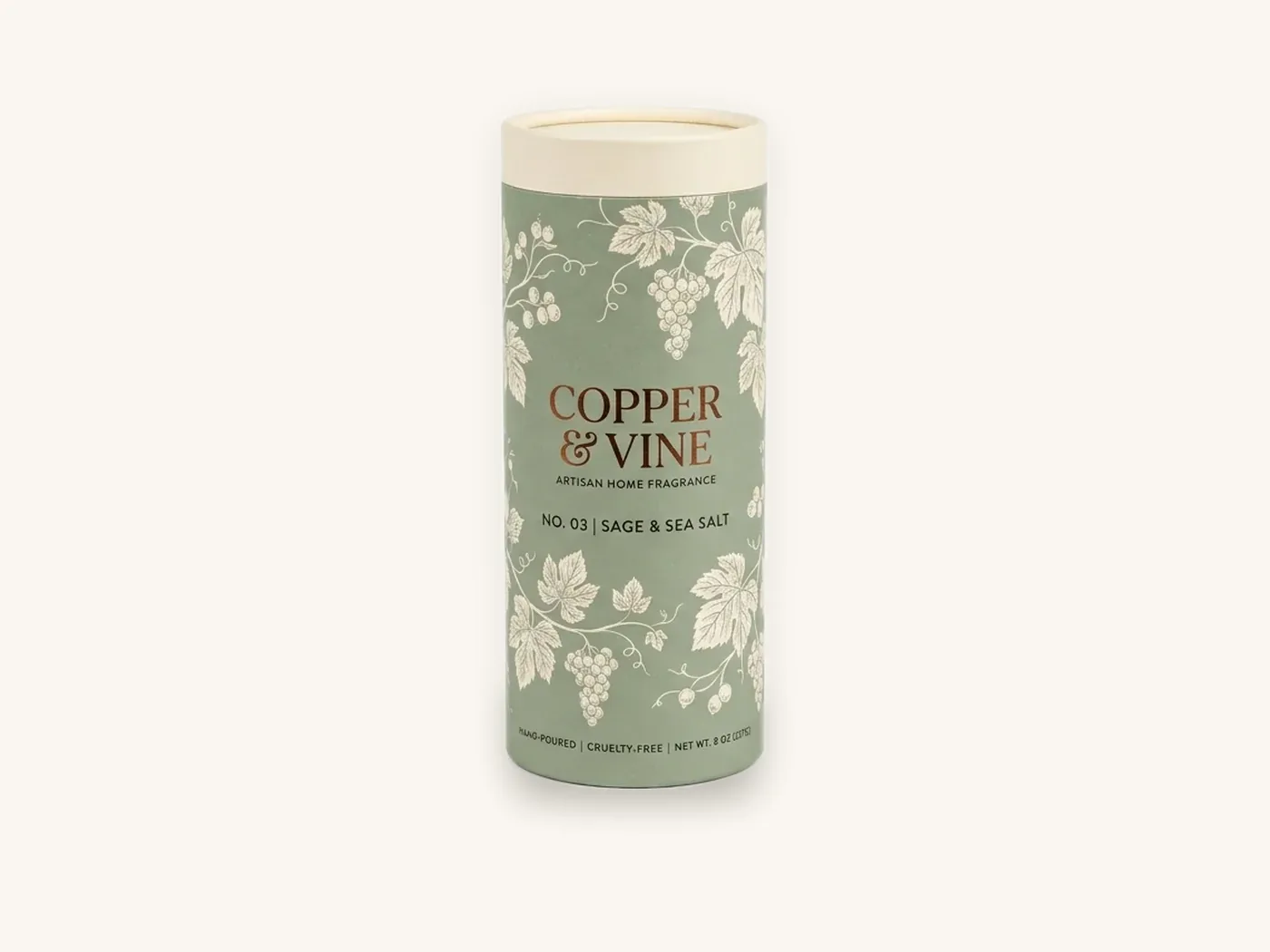
Paper tubes deserve a mention because they deliver a premium, rigid feel for cosmetics, tea and apparel while staying fiber-based, as long as you specify paper ends. Molded pulp packaging is the leading plastic-free replacement for foam and plastic trays.
When compostable beats recyclable
Compostable packaging earns its place when it is likely to be soiled with food or grease, which makes paper hard to recycle, and when customers have access to composting. Takeout containers, bakery boxes and coffee pods are typical examples. For a clean shipping box that ends up in a recycling bin, a compostable claim usually adds cost without improving the outcome.
Step three: premium packaging that stays recyclable
This is where many brands hesitate. They assume premium means plastic lamination, foil everywhere and foam inserts. It does not have to.
| Premium effect | Conventional way | Lower-impact alternative | Recyclability effect of the alternative |
|---|---|---|---|
| Rich, protected print | Gloss or matte film lamination | Aqueous coating, or uncoated textured stock | Aqueous stays in the paper stream |
| Velvety touch | Soft-touch film lamination | Uncoated felt or linen-textured paper | Paper-only |
| Raised logo | Foil plus embossing | Blind embossing or debossing with no foil | No added material at all |
| Metallic highlight | Large foil areas | Small foil accents, or metallic ink | Small accents are generally less of an issue than full coverage; ask your recycler |
| Product reveal | PET window | Die-cut opening or printed product image | Removes film entirely |
| Product cradle | EVA foam insert | Paperboard or molded pulp insert | Paper stream |
| Unboxing moment | Plastic-wrapped extras | Inside printing and printed tissue | Paper stream |
The printing and finishes page shows most of these techniques, and our aqueous coating guide explains how it protects print without film.
Tip: blind embossing on a heavy uncoated kraft or textured stock is one of the most convincing premium looks available, and it adds nothing to the box but shape. If you want one high-end detail, start there.
Kraft versus white board
Kraft board is unbleached and has a natural, honest look that many sustainability-led brands prefer. It hides scuffs and needs less ink to look finished. White board gives brighter color and suits beauty and fashion palettes. Both can be recyclable; choose on brand fit and protection, then minimize ink coverage and avoid film. The SBS vs kraft vs CUK guide compares the boards.
Step four: source responsibly and document it
Material sourcing is invisible to customers but matters to retailers, investors and regulators.
- FSC-certified board shows the fiber comes from certified sources, and the claim can be backed by the supply chain's chain-of-custody documentation. Using the FSC label on pack has its own rules.
- Recycled content reduces demand for virgin fiber. Ask for the percentage and how it is documented.
- Inks: soy- and water-based inks are widely available for paper packaging.
- Adhesives: water-based glues are standard for folding cartons and corrugated.
Keep a simple file for each packaging SKU with the board spec, certificates, recycled content and finish. You will need it for retailer questionnaires, EPR reporting and any claim you print. Box Sense offers recycled-content boards, soy and water-based inks, aqueous coatings and PLA windows; the sustainability page summarizes them.
Step five: understand the rules on EPR and green claims
Sustainable packaging is no longer only a brand choice. Laws are starting to put a price on it and to police how it is described.
Extended producer responsibility in the US
Several states, including Maine, Oregon, Colorado, California and Minnesota, have passed packaging EPR laws. The details differ, but the general model makes brand owners responsible for funding the collection and recycling of the packaging they put on the market, typically through a producer responsibility organization. Fees are expected to reflect material type and recyclability, which rewards simpler, recyclable packaging.
Thresholds, deadlines and reporting requirements vary by state and are still being finalized in places. Our EPR packaging laws guide summarizes the landscape; confirm your obligations with each state program or counsel.
The UK and other markets
The UK operates a Plastic Packaging Tax on plastic packaging below a set recycled-content level and has introduced packaging EPR for larger producers. If you sell into the UK, check current guidance from HMRC and the UK government's packaging EPR service. UAE requirements continue to develop, so confirm with local authorities before making sustainability claims there.
Green claims on your packaging
In the US, the Federal Trade Commission's Green Guides explain how environmental marketing claims should be qualified so they are not misleading. The general principles:
- Make claims specific: "box made from recycled paperboard" rather than "eco-friendly."
- Qualify recyclability if collection is not available to a substantial majority of your customers.
- Say which part the claim covers: the box, not the whole package, if the insert differs.
- Keep evidence for every claim.
Some states, notably California, have additional laws on recyclability and compostability labels. The green claims packaging guide goes into detail. When in doubt, ask counsel before printing.
Watch out: a leaf icon, green color palette and the word "eco" together can create an implied environmental claim even without a specific statement. Regulators look at the overall impression, not just the words.
A step-by-step plan for switching to sustainable packaging
Use this sequence whether you are launching or reworking an existing range.
- Audit what you ship today. List every packaging component per SKU, including tape, fill and inserts. Weigh each one.
- Find the empty space. Measure how much of each box is air or void fill.
- Remove or combine layers that do not protect or sell.
- Right-size structures and test the new sizes with real shipments.
- Replace problem components in this order: foam and plastic fill, film windows, laminations, plastic tape.
- Switch board sourcing to FSC-certified or recycled content where it fits your spec.
- Redesign for mono-material disposal: one material stream per package wherever possible.
- Test protection with drop tests and real carrier routes before scaling.
- Document specs and evidence for each component.
- Write specific, qualified claims and add simple disposal instructions.
- Review annually as EPR rules, recycling access and your product range change.
For product-by-product specs to request from suppliers, the eco-friendly boxes guide turns this plan into a buying checklist.
What sustainable boxes cost
Sustainable specs rarely cost much more than conventional ones, and some cost less. Removing lamination, foam and film windows often lowers the price, while right-sizing reduces both board and shipping. Real prices vary too much by job to list here, so the table ranks three common low-impact specs by relative cost and shows what drives each. Shipping is free.
| Spec | Relative cost | What drives the cost |
|---|---|---|
| Soap sleeve/box, 18 pt kraft, 3.5x2.5x1.25 in, 1-color | Lowest | Very little board and a single ink color |
| Kraft tuck carton, 18 pt kraft, 4x3x2 in, 1-color print | Low | Slightly more board, still one color and no lamination |
| Mailer box, E-flute, 8x6x3 in, full color outside | Medium | Corrugated board, a larger size and full-color print |
A one-color kraft carton or soap sleeve is among the least expensive printed boxes you can order, and unit cost falls sharply as quantity rises. Premium finishes like foil or embossing add one-time tooling. To compare a laminated spec against an aqueous one for your size, request a quote and ask for both specs on it.
Ordering sustainable packaging from Box Sense
Tell us your sustainability goals up front so we can recommend the structure and materials, not just print your artwork.
What to include in your request
- Product dimensions and weight, packed as shipped
- Your priorities: recyclable, plastic-free, FSC-certified, recycled content, compostable components
- Current packaging, if you are replacing something, and what you want to remove
- Preferred look: kraft, white, textured, minimal ink
- Finishes you are considering, such as embossing or small foil accents
- Quantities and target in-hand date
How the process works
- Quote within 24 hours, with material and finish options.
- Free design support: dieline, artwork setup and a 3D digital proof with two revision rounds. Our design services team can help simplify artwork for kraft stocks.
- Samples: unprinted structural samples and printed samples of approved artwork are available for a small fee.
- Production: 8–12 business days after proof approval; rush in 5 business days on most paperboard and corrugated styles.
- Delivery: free shipping on every order.
The minimum order is 10 boxes, with no die or plate charges, which makes it easy to trial a lower-impact spec before replacing a whole range. See our eco-friendly boxes and eco-friendly and compostable materials pages for options.
Frequently asked questions
What is the most sustainable packaging material?
There is no single answer, because impact depends on the product, how far it ships and how customers dispose of it. For most boxed goods in the US and UK, right-sized paper-based packaging with recycled or FSC-certified fiber is the most practical choice, because paper recycling collection is widespread. Compostable materials suit food-soiled packaging where composting access exists.
Is sustainable packaging more expensive?
Often not by much, and sometimes it is cheaper. Removing plastic lamination, foam inserts and film windows can lower unit cost, and right-sizing cuts both board and shipping charges. FSC-certified or specialty textured papers can add cost. Ask for both specs on the same quote before assuming the greener option costs more.
Can sustainable packaging still look premium?
Yes. Blind embossing and debossing, uncoated textured papers, careful typography, inside printing, printed tissue and precise paperboard or molded pulp inserts all read as premium without adding plastic. Small foil accents can work too. The key is replacing film laminations and foam with paper-based alternatives rather than removing design effort.
Is compostable packaging better than recyclable packaging?
Not automatically. Compostable packaging only delivers its benefit if it reaches a composting facility or suitable home compost. For clean shipping boxes and cartons, recycling is usually the better route because collection is more widely available. Compostable packaging makes most sense for items likely to be contaminated with food, such as takeout containers and bakery packaging.
What does EPR mean for packaging?
Extended producer responsibility makes the brand owner responsible for funding the collection and recycling of the packaging it sells. Several US states and the UK have packaging EPR programs, with fees that generally reflect material type and recyclability. Requirements and thresholds vary, so check each program's current rules or ask counsel about your obligations.
Can I call my packaging eco-friendly?
Broad terms like "eco-friendly" or "green packaging" are hard to substantiate and regulators discourage them without qualification. The FTC Green Guides recommend specific, supported claims, such as "made from recycled paperboard" or "box is recyclable where cardboard is collected." Keep evidence for every claim and review state laws before printing environmental statements on packaging.
Are kraft boxes more sustainable than white boxes?
Kraft board is unbleached and needs less ink to look finished, which many brands prefer for sustainability positioning. White board involves bleaching but gives brighter print. Both can be recyclable and FSC-certified. The bigger factors are usually right-sizing, avoiding plastic lamination and choosing paper inserts, so decide on brand fit first and then minimize film and ink coverage.
Next steps
Start with an audit of what you ship today, then work through the five steps above: reduce, choose recyclable materials, keep premium finishes plastic-free, source responsibly and claim carefully. When you have a spec, request a sustainable packaging quote. We will confirm pricing within 24 hours and suggest material and finish alternatives for your product.
Boxes in this guide
Order the packaging we covered
Written by the Box Sense Packaging Team
Our structural designers, prepress technicians and production staff print and convert custom boxes every day for brands across the United States. Questions about this guide? Talk to us.