Molded pulp packaging is a tray or insert formed from wet paper fiber on a shaped mold, then dried into a rigid, cushioning part that cradles a product. It does the job that foam and plastic trays have traditionally done, holding items in a precise position and absorbing shock, while staying fiber-based and plastic-free.
It is the right choice when a product needs a contoured cavity that flat paperboard cannot provide: earbuds, phones, bottles, candles in glass, cosmetics sets and small electronics. The trade-offs are a one-time mold, a less crisp surface than printed board, and design rules that differ from die-cut inserts.
This guide explains how molded fiber packaging is made, the difference between wet press and dry press parts, how tooling works, how to design a pulp insert that fits, and how it compares with foam, paperboard and plastic trays.
Key takeaways
- Molded pulp is formed from a water-and-fiber slurry on a mesh mold, then dried. Fiber can come from recycled paper or plant sources such as sugarcane bagasse or bamboo.
- Dry press (sometimes called transfer or thick-wall molding) gives a thicker, rougher part suited to protective trays. Wet press (thermoformed) molding gives thinner, smoother, more precise parts suited to premium retail inserts.
- Every molded pulp shape needs custom tooling, so it makes most sense for a product you will pack repeatedly.
- Design with draft angles, generous radii and no undercuts; pulp cannot release from a mold the way plastic can.
- Pulp inserts pair well with mailer, rigid and electronics boxes to create an all-fiber package, but check any recyclable or compostable claim against the actual materials and local programs.
- Box Sense makes molded pulp inserts as part of custom box orders; custom inserts carry one-time tooling, confirmed in your quote.
What molded pulp packaging is
Molded pulp, also called molded fiber, is one of the oldest forms of protective packaging. Egg cartons and drink carriers are familiar examples. Modern tooling and forming methods now produce much finer parts, which is why pulp trays have moved into consumer electronics, beauty and gift packaging.
Fiber sources
- Recycled paper and board: newspaper, office paper and corrugated waste are repulped. This is common for protective, industrial-looking trays.
- Sugarcane bagasse: the fibrous residue left after juice extraction. It forms smooth, light-colored parts.
- Bamboo and other plant fibers: long, strong fibers that can give good stiffness in thin walls.
- Virgin wood pulp: used where a very clean, consistent color or surface is required.
The fiber choice affects color, surface smoothness, strength and the environmental story, so decide what matters most for your product before choosing.
What molded pulp is good at
A pulp tray combines two functions. The cavity locks the product in a set position, which stops it moving and keeps it off the walls of the box. The fiber structure crushes slightly under impact, spreading and absorbing energy. Ribs, cones and raised feet molded into the tray add stiffness and a crumple zone without adding much material.

How molded fiber packaging is made
Most molded pulp processes follow the same basic sequence. The differences between them are mostly in how the wet part is dried and pressed.
The forming process step by step
- Pulping. Fiber is mixed with water and agitated into a slurry. Additives may be introduced at this stage for water or grease resistance, color or strength.
- Forming. A mold covered with fine mesh, shaped like the finished part, dips into the slurry or has slurry applied to it. Vacuum draws water through the mesh and leaves a layer of fiber on the mold surface.
- Transfer. A matching transfer tool lifts the wet part from the forming mold.
- Drying. The part is dried, either in an oven or on a conveyor after forming, or pressed between heated molds.
- Pressing, if used. Hot pressing compacts the fibers, sets the shape and smooths the surface.
- Trimming. The edges are trimmed to a clean outline, and any holes or cutouts are punched.
- Inspection and packing. Parts are checked against the drawing, then nested and packed.
Why tooling matters
The mold defines everything: the cavity shape, wall features, surface texture and outline. A forming tool, a transfer tool and, for pressed parts, heated press tools must all match. That is why molded pulp has an upfront tooling cost that die-cut paperboard inserts do not, and why changes after tooling are more expensive than changes to a dieline.
Wet press vs dry press molded pulp
Suppliers use different names for molded pulp grades, but the main practical split is between parts dried without pressing and parts pressed in heated molds while wet. Understanding the difference helps you ask for the right quality level.
| Factor | Dry press (dried, then lightly finished) | Wet press (hot pressed while wet) |
|---|---|---|
| Surface | Textured on one side, smoother on the mold side | Smooth on both sides, close to a paper finish |
| Wall thickness | Thicker, roughly 2 to 5 mm | Thinner, roughly 1 to 1.5 mm |
| Detail and precision | Moderate; softer edges | High; crisp edges and tight tolerances |
| Cushioning | Better for heavy or fragile items | Good for light products and positioning |
| Look and feel | Utilitarian, natural | Refined, suited to retail and premium unboxing |
| Tooling | Simpler, less costly | More complex heated tools, higher cost |
| Unit cost | Lower | Higher |
| Typical uses | Protective end caps, industrial trays, shipping inserts | Electronics trays, cosmetics inserts, premium gift sets |
Choosing between them
Choose dry press when protection matters more than appearance: heavier products, glass, ceramics, protective corners and parts that will not be seen at the unboxing. Choose wet press when the customer sees and touches the insert, when the cavity must fit closely around a small product, or when the tray replaces a smooth plastic tray in retail packaging.
Tip: ask for a physical sample of each grade before deciding. Photos rarely show the difference in surface texture and edge crispness, which is exactly what customers notice when they lift the lid.
Designing a molded pulp insert that fits
Pulp design has rules that differ from die-cut paperboard and from injection-molded plastic. Following them early avoids tooling revisions.
Core design rules
- Draft angles: cavity walls need a taper so the part releases from the mold. Vertical walls cause tearing and sticking. Several degrees of draft is typical; your supplier will specify the minimum for the grade.
- No undercuts: pulp cannot snap over a lip or around a hook the way flexible plastic can. Hold products with friction, shape and a lid, not overhangs.
- Generous radii: rounded corners form cleanly and resist cracking; sharp inside corners thin out the fiber.
- Uniform wall thickness: the process lays down fiber evenly across the mold, so very deep, narrow pockets can end up thin at the bottom.
- Ribs and feet for strength: molded ribs stiffen flat areas, and raised feet create a crumple zone under the product.
- Finger notches: add a notch or ramp beside small items so customers can lift them out.
- Clearance: allow a small gap around the product, typically finer on wet press than dry press, and confirm with a sample.
Designing the box and insert together
The insert defines the box size. Measure the product, design the tray around it, then size the box to the tray's outer footprint and height. If you design the box first, the tray ends up either too tight to fit or too loose to stay in place.
For custom mailer boxes, a tray that fills the full footprint also stiffens the box floor. For custom rigid boxes, the tray usually sits on a lift so the product is presented at the top of the base.
Information to prepare
| Input | Why it matters |
|---|---|
| Product dimensions, including caps, cables and buttons | Defines each cavity and its clearance |
| Product weight | Guides wall thickness, grade and rib design |
| 3D file or physical sample of the product | Lets the tool be designed accurately around complex shapes |
| Number of items and their layout | Sets the tray footprint and cavity pattern |
| Box style and internal size, if already chosen | Sets the outer limits of the tray |
| Visible or hidden insert | Decides between wet press and dry press |
| Color and surface expectations | Affects fiber choice and grade |
Molded pulp vs foam, paperboard and plastic trays
Molded pulp is not the best insert for every product. Compare it against the alternatives on protection, appearance, tooling and end of life.
| Insert type | Protection | Appearance | Tooling | End-of-life outlook |
|---|---|---|---|---|
| Molded pulp (dry press) | Good cushioning, strong for heavy items | Natural, textured | Custom mold | Fiber-based; check local paper recycling or composting access |
| Molded pulp (wet press) | Good positioning, moderate cushioning | Smooth, premium | Custom heated molds | Fiber-based; check local paper recycling or composting access |
| Die-cut paperboard | Positioning, light cushioning | Printable, crisp | Insert die | Recyclable with paper in most programs |
| Corrugated insert | Good crush resistance | Plain or printed | Insert die | Widely recyclable with corrugated |
| EVA or PU foam | Excellent cushioning, precise | Soft, luxurious | Cutting tool or program | Not accepted in most curbside programs |
| Vacuum-formed plastic tray | Good positioning | Clear or colored, glossy | Thermoforming mold | Depends on resin and local programs |
When to choose molded pulp
- The product has a curved or irregular shape that a flat die-cut insert cannot hold
- You want to remove foam or plastic from the package
- The product is fragile enough to need a crumple zone, not just positioning
- You will reorder the same insert over time, spreading the tooling cost
When another insert is better
- Die-cut paperboard: for simple, rectangular products, very short runs, or when the insert must be printed. See our comparison of foam vs paperboard inserts.
- Foam: for very high-value, delicate items where maximum cushioning and a plush look matter more than material.
- Corrugated: for heavy multi-item packs and dividers in shipping boxes.
Our box inserts guide covers each type in more depth, and the inserts and packaging fillers page shows the range.
Where molded pulp inserts work best
Some product categories suit molded fiber especially well because they combine irregular shapes, fragility and a customer who notices the packaging.
Electronics and tech accessories
Earbuds, chargers, cables, phones, smart home devices and headphones all need a precise cavity and protection against drops. A wet press tray gives a clean retail look, and separate cavities can hold cables and adapters. Electronics boxes and headphone boxes are common pairings; the electronics and tech packaging page shows typical formats.
Beauty, fragrance and wellness
Perfume bottles, serums, droppers and multi-product sets benefit from a tray that separates items and holds glass away from the box walls. A natural pulp tray also supports a low-plastic brand story.
Bottles, candles and glass
Wine and spirits bottles, candles in glass jars and ceramic mugs need cushioning around shoulders and bases. Dry press end caps or cradles are a strong option for shipping, and wine and spirits boxes can be built around them.
Kits and subscription sets
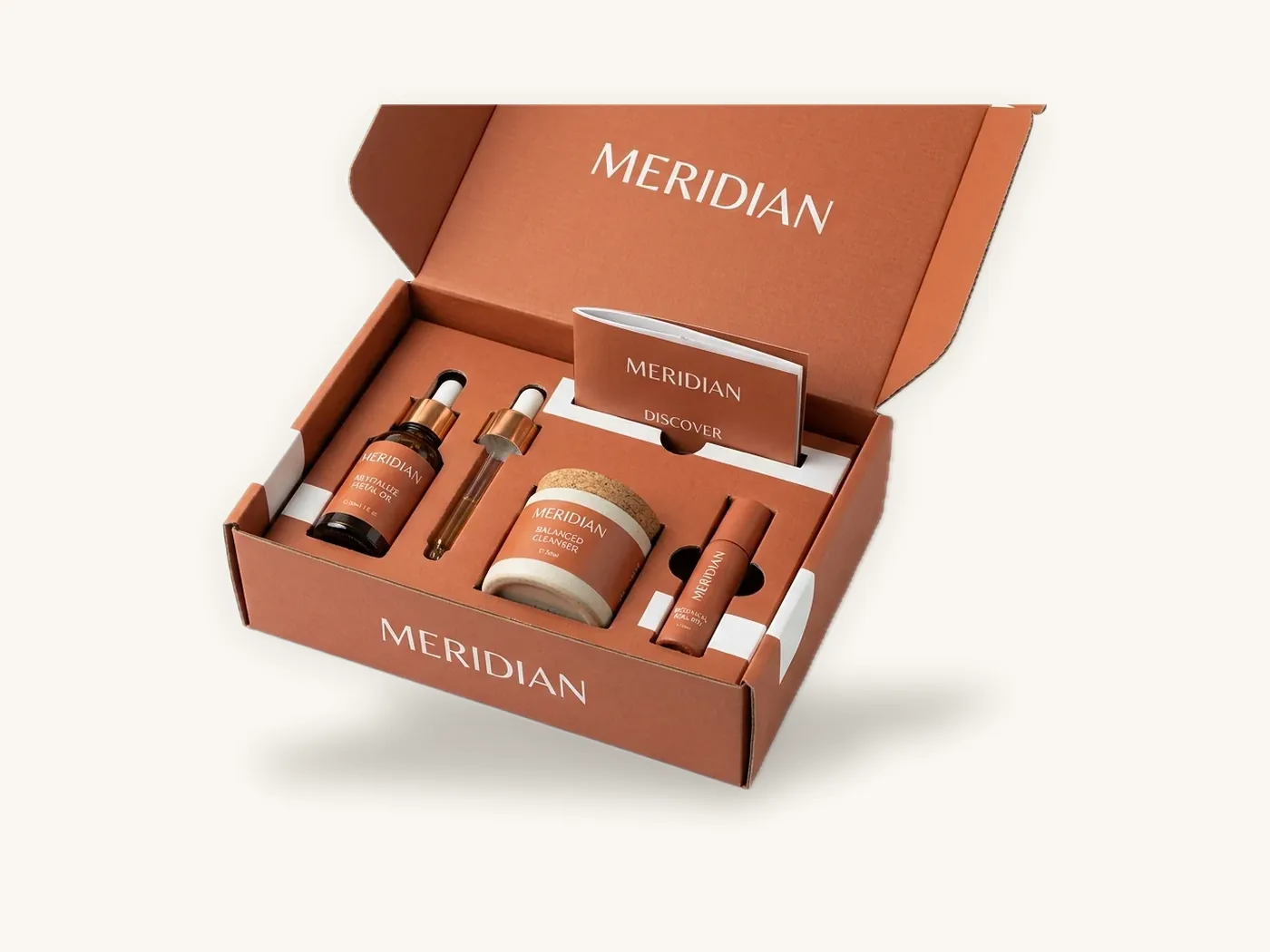
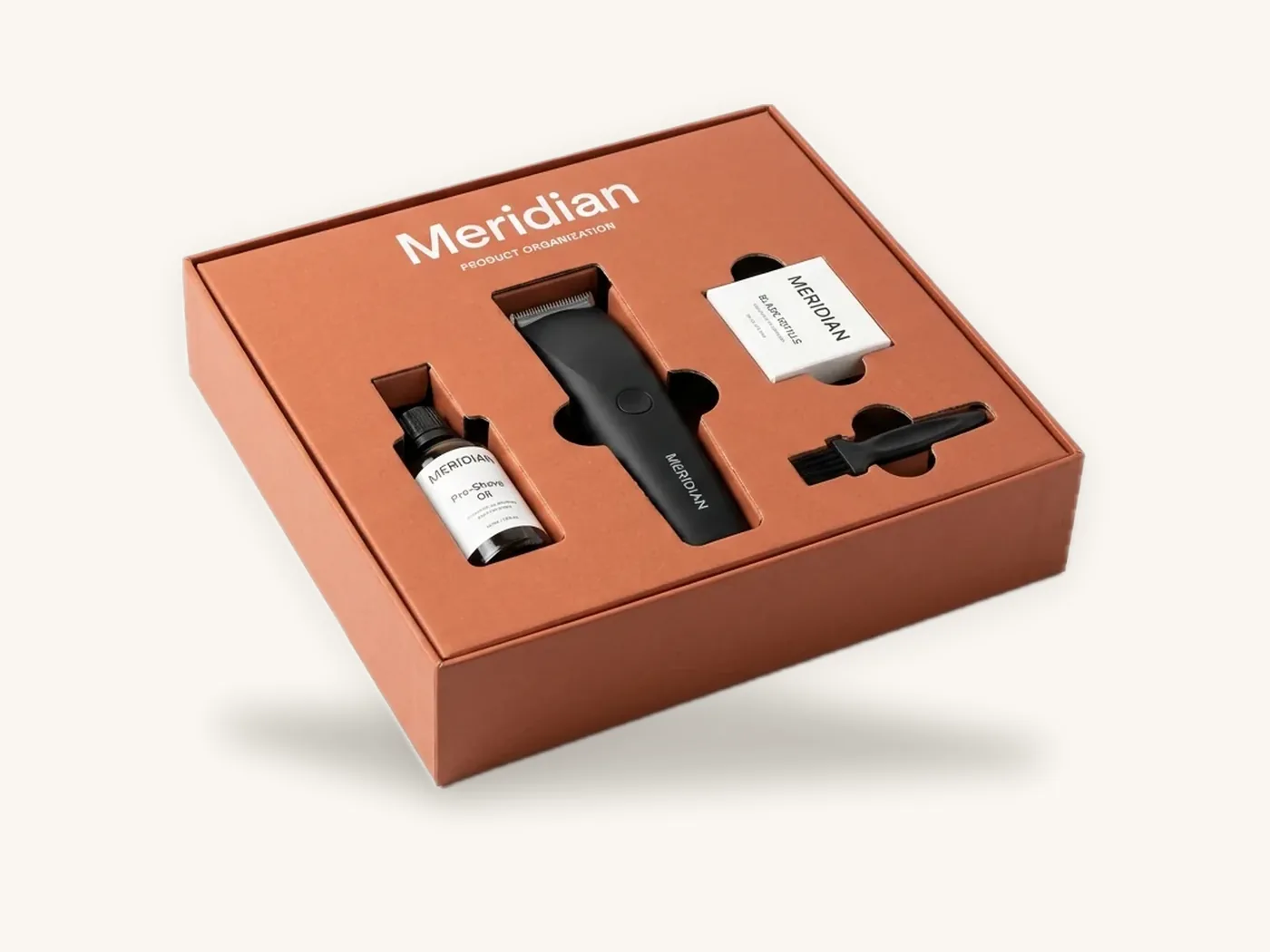
Multi-item kits with different shapes, such as a tool, a bottle and a small device, are hard to hold with flat inserts. A single tray with shaped cavities keeps every item in its place and makes packing faster and more consistent.
Sustainability of molded pulp: what you can and cannot claim
Molded pulp is often chosen for environmental reasons, and it has real advantages: it is fiber-based, can use recycled or agricultural residue fiber, and can replace foam and plastic trays. The claims you make still need to be accurate for the specific part.
Recyclability
Molded pulp is paper fiber, and some recycling programs accept it with paper and cardboard. Acceptance varies by program, and short recycled fibers may be less valuable to mills than longer fibers. Check with the programs your customers use before printing a recyclability claim.
Compostability
Plain molded fiber breaks down in composting conditions, but additives matter. Water- and grease-resistant additives and coatings can change how a part behaves, and some fluorinated additives are restricted in food packaging in several states. Only call a pulp insert compostable if the specific part is supported by testing or certification; our guide to compostable packaging explains the standards and the FTC Green Guides.
Making the whole package consistent
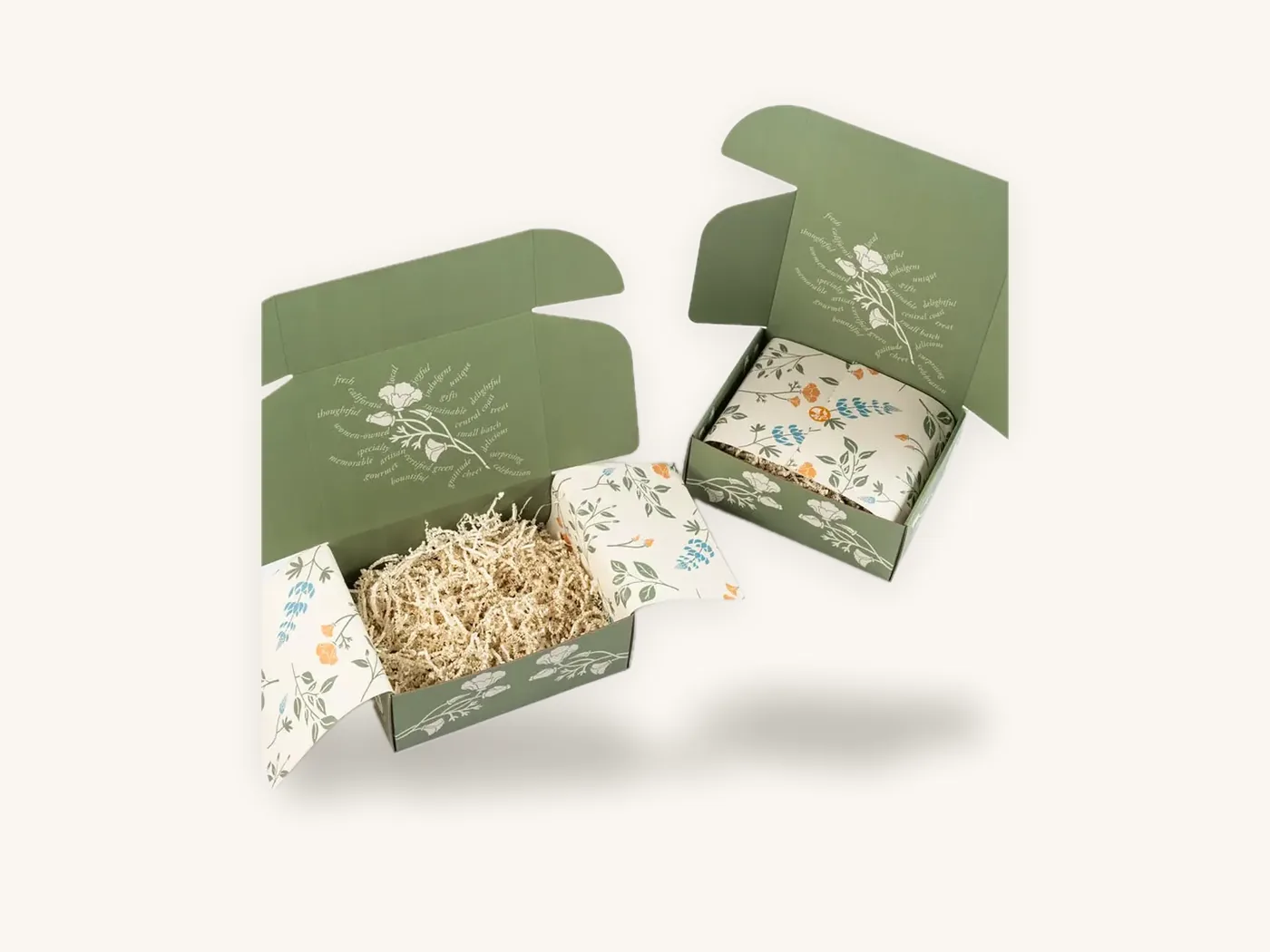
A pulp tray inside a laminated box with a plastic window undermines a plastic-free story. Pair it with eco-friendly boxes in recycled or FSC-certified board, aqueous coating instead of plastic lamination, soy or water-based inks and paper tape. Our sustainable packaging guide and eco-friendly boxes guide cover the rest of the pack.
Watch out: "plastic-free" is a specific claim. If the box has a PET or PLA window, a plastic lamination, a foam pad or plastic tape, the package is not plastic-free, even with a pulp tray inside.
Cost drivers for molded pulp inserts
Molded pulp pricing depends heavily on the part, so exact figures come from a quote. These are the factors that move the number.
| Cost driver | Effect on price |
|---|---|
| Tooling complexity | Wet press heated tools cost more than dry press forming tools; more cavities and fine detail add cost |
| Part size | Larger trays use more fiber and more space on the tool |
| Wall thickness and grade | Thicker dry press parts use more fiber; wet press needs more pressing time |
| Fiber type | Recycled paper is typically the most economical; bagasse, bamboo and virgin pulp vary |
| Additives and color | Water resistance, grease resistance and dyed fiber add cost |
| Quantity | Tooling is a one-time cost, so unit cost falls as volume rises |
| Secondary operations | Punched holes, trimming to tight outlines and debossed logos add steps |
Keeping costs sensible
- Standardize on one tray for products that share a shape rather than tooling a tray per variant
- Use dry press where the insert is hidden or protective only
- Avoid unnecessary fine detail that only adds tooling complexity
- For very short runs or simple shapes, compare against a die-cut paperboard insert, which may do the job for less
Box pricing for your outer box is available in the instant price estimator; send insert details with a quote request to get the full package priced.
Ordering molded pulp inserts with Box Sense
Box Sense offers molded pulp inserts as part of custom box orders, alongside die-cut paperboard and foam inserts, so the box and tray can be designed together from the same measurements.
Pre-order checklist
- Product samples or accurate dimensions, including caps, buttons and cables
- Product weight and how fragile it is
- A 3D file of the product, if you have one
- Layout: how many items and how they should be arranged
- Box style: mailer, rigid, folding carton or shipping box
- Whether the insert is visible at unboxing
- Preferred look: natural textured or smooth
- Quantities to price and your target in-hand date
- Any sustainability claims you plan to make, so we can discuss material choices
What to expect
- Quote within 24 hours for the box, with insert details and one-time tooling confirmed as part of the quote.
- Free design support: our design services team supplies the box dieline and a 3D digital proof, with two revision rounds included.
- Samples: unprinted structural box samples are free, and we can discuss insert samples for fit testing. See samples.
- Production: standard box production takes 8–12 business days after proof approval; confirm insert timing in your quote.
- Delivery: free shipping on every US order; international shipping quoted at cost.
The minimum order is 10 boxes, and there are no die or plate charges for the boxes themselves. One-time tooling applies only to foil, embossing, spot UV and custom inserts. For box-shape options around your tray, the die-cut boxes guide and our eco-friendly materials page are useful references.
Frequently asked questions
What is molded pulp packaging made from?
Molded pulp is made from paper fiber mixed with water into a slurry and formed on a shaped mesh mold. The fiber can be recycled paper and cardboard, sugarcane bagasse, bamboo or virgin wood pulp. Some parts include additives for water or grease resistance, color or strength. Fiber choice affects the tray's color, smoothness, stiffness and environmental story.
What is the difference between wet press and dry press molded pulp?
Dry press parts are formed and then dried with little or no hot pressing, giving thicker walls, a textured surface and strong cushioning at a lower cost. Wet press parts are pressed in heated molds while still wet, giving thin, smooth, precise walls that look premium. Choose dry press for protective, hidden inserts and wet press for inserts customers see.
Is molded pulp packaging recyclable?
Molded pulp is paper fiber, and some recycling programs accept it with paper and cardboard, but acceptance varies by location and by additives in the part. Check local program rules before printing a recyclable claim. Removing plastic windows, laminations and foam from the rest of the package helps keep the whole pack in the paper stream.
Is molded pulp compostable?
Plain molded fiber breaks down in composting conditions, but additives and coatings can change that, and a compostable claim needs evidence for the specific part. If you want to call an insert compostable, ask for testing or certification to a recognized standard and qualify the claim for home or industrial composting in line with the FTC Green Guides and state laws.
Why does molded pulp need tooling?
Each molded pulp shape is formed on a custom mesh mold, with a matching transfer tool and, for pressed parts, heated press tools. Those tools define the cavity shape and outline, so every new design needs its own set. Tooling is a one-time cost, which is why molded pulp is most economical for products you will pack repeatedly over time.
Is molded pulp as protective as foam?
For many products, yes. Molded pulp holds items firmly and absorbs impact through its fiber structure, ribs and raised feet, especially in thicker dry press grades. Foam still offers softer, more uniform cushioning for very delicate or high-value items. Test your product with drops in both inserts if protection is critical, and choose based on results.
When should I use a paperboard insert instead of molded pulp?
Choose a die-cut paperboard insert when the product is rectangular or simple in shape, when the run is short or one-off, or when the insert needs to be printed. Paperboard inserts need only an insert die, while molded pulp needs a custom mold. Choose molded pulp for curved or irregular products that need a contoured cavity and cushioning.
Next steps
Gather your product dimensions, weight and a sample or 3D file, then decide whether the insert is protective, visible or both. Price the outer box in the instant price estimator and request a quote with your insert details, and we will recommend a molded pulp grade or an alternative insert that fits the product and your plastic-free goals.
Boxes in this guide
Order the packaging we covered
Written by the Box Sense Packaging Team
Our structural designers, prepress technicians and production staff print and convert custom boxes every day for brands in the United States, United Kingdom and UAE. Questions about this guide? Talk to us.