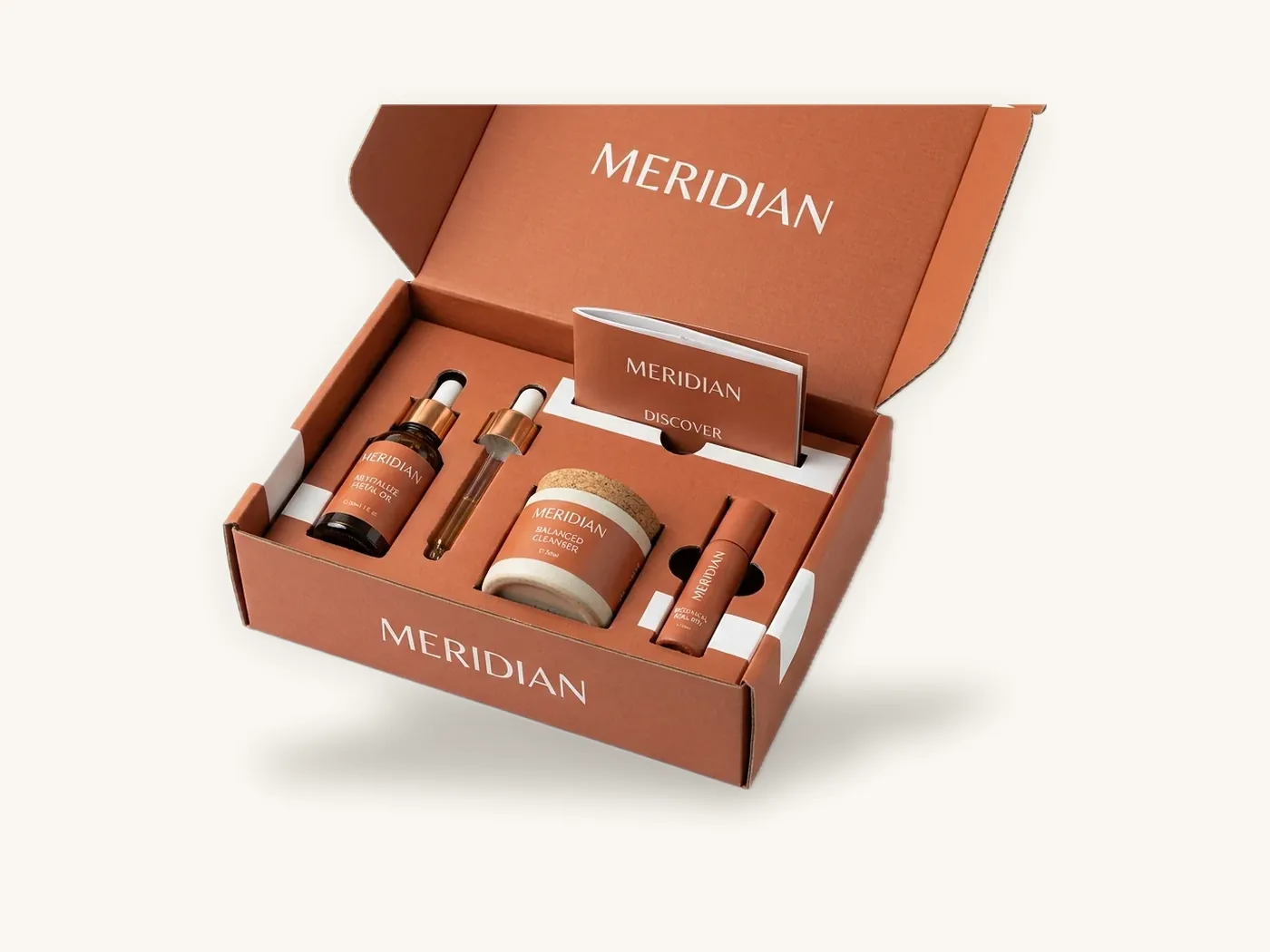
Custom box inserts are the internal structures that hold a product in a fixed position inside its box: die-cut paperboard or corrugated frames, cut foam, and molded pulp trays. The right choice depends on how fragile and heavy the product is, how it should look when the lid opens, and whether the whole package needs to go in a recycling bin.
As a quick rule: choose paperboard for light retail products and presentation, corrugated for weight and multi-item separation, foam for precise protection of electronics and glass, and molded pulp when you want protective, plastic-free packaging inserts. The rest of this guide explains why, how each material behaves, how to size a cavity so the product neither rattles nor jams, and how inserts change the size and cost of the outer box.
Key takeaways
- An insert has four jobs: immobilize, protect, separate and present. Rank them for your product before choosing a material.
- Paperboard is the lightest, most printable and most recyclable; foam gives the tightest, most protective fit; molded pulp balances protection with a plastic-free story.
- Cavity tolerance is typically tight but not forced: roughly 1 mm of total clearance for foam, 1–2 mm for paperboard and a little more for molded pulp.
- Size the insert and box together. Adding an insert after the box is made is the most common and most expensive mistake.
- A custom insert die at Box Sense is a one-time charge of about $45; foam and pulp have their own setup considerations.
- Order a structural sample with the real product in the cavity and drop-test it before approving a run.
What a packaging insert actually does
It is easy to think of inserts as padding. In practice, they do four distinct jobs, and a material that excels at one can be poor at another.
Immobilize
Most transit damage comes from products moving inside the box and hitting walls or each other. An insert removes that movement. Even a single paperboard platform with a die-cut hole can stop a jar from sliding.
Protect
Protection means absorbing energy when the box is dropped or struck. Foam and molded pulp absorb shocks by compressing. Paperboard does not compress much; it protects mainly by holding the product away from the walls.
Separate
Kits with several items, such as a set of bottles or a gift with three products, need dividers so items do not knock into one another. Corrugated and paperboard partitions are efficient here.
Present
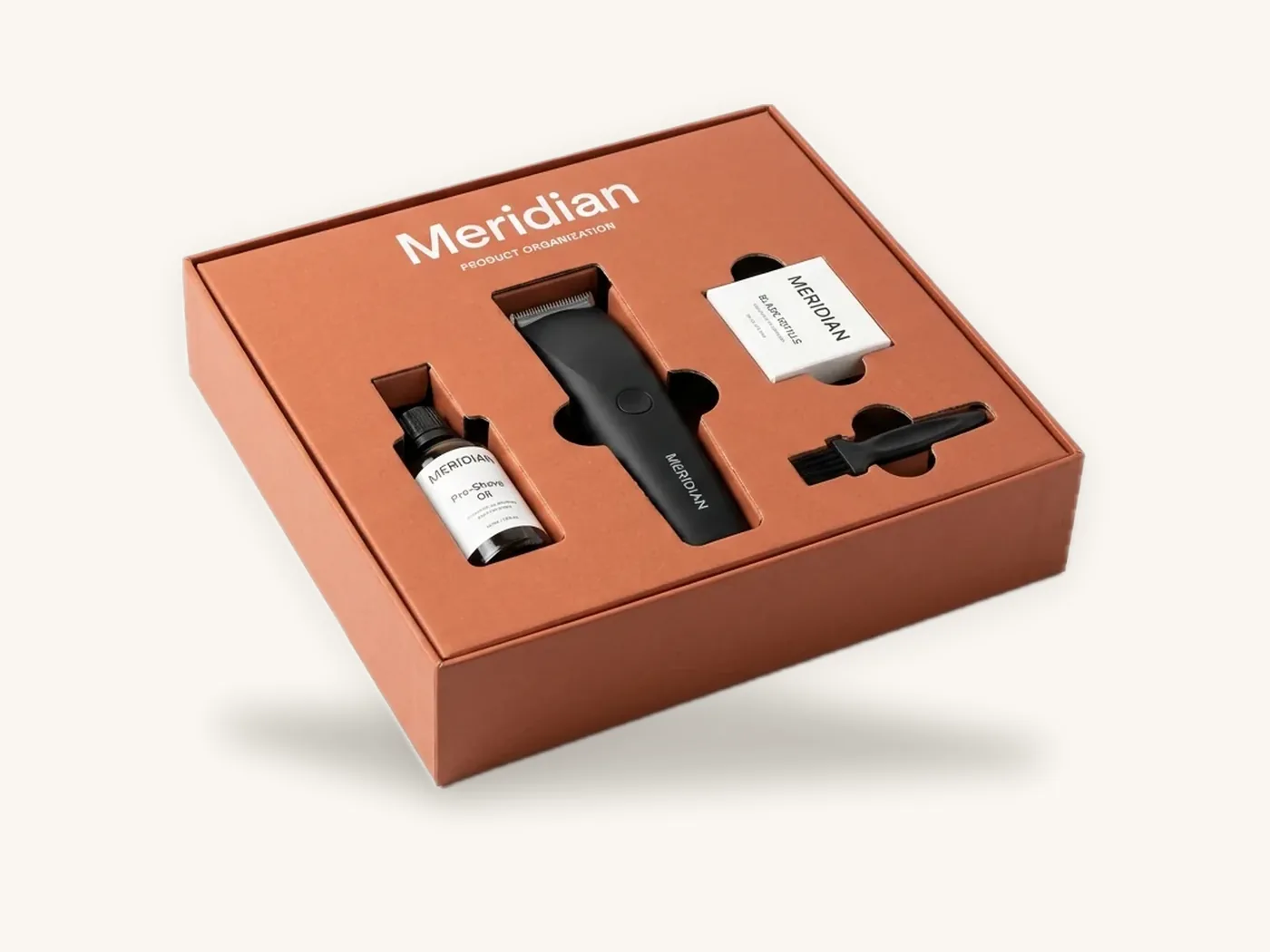
When the lid lifts, the insert frames the product. A wrapped paperboard insert matches a rigid box; a flocked or satin-lined insert reads as jewelry; a natural molded pulp tray signals sustainability. This job often decides the material for premium packaging.
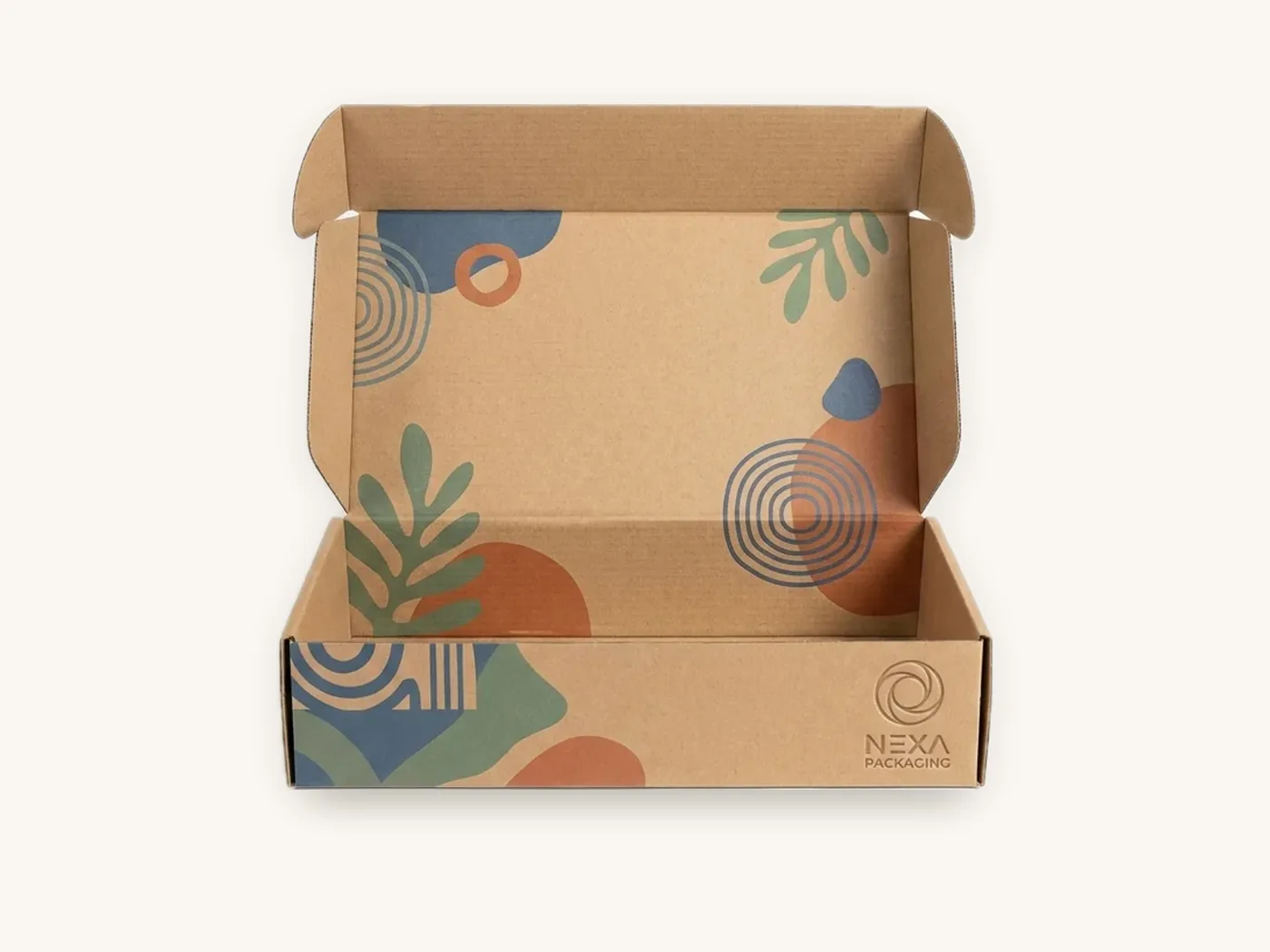
Custom box inserts compared: the four main materials
| Material | Protection | Presentation | Weight | Recyclability | Tooling and setup | Best for |
|---|---|---|---|---|---|---|
| Paperboard (SBS or kraft) | Low to moderate | Excellent; printable, can be wrapped | Very light | Curbside recyclable in most programs | Steel-rule die | Cosmetics, candles, small retail sets, rigid gift boxes |
| Corrugated (E or B-flute) | Moderate to good | Functional; printable | Light | Widely recyclable | Steel-rule die | Heavier items, bottles, multi-item kits, shipping |
| Foam (EVA, PU, PE) | Highest precision and shock absorption | Premium, dark and clean | Light to moderate | Limited; generally not curbside | Cut or die-cut; complex shapes cost more | Electronics, glass, tools, instruments, jewelry |
| Molded pulp | Good, especially for corners and fragile shapes | Natural, textured | Moderate | Recyclable or compostable depending on formulation | Custom molds are a larger upfront investment | Glass, electronics, eco-positioned brands |
Paperboard inserts
Paperboard inserts are die-cut from folding carton stock, commonly 18–24 pt SBS or kraft. They can be flat cards with holes, folded platforms that raise the product, or multi-panel frames that lock into the box walls. They take full-color print and can be wrapped in the same paper as a rigid box for a seamless look. See SBS paperboard for grades.
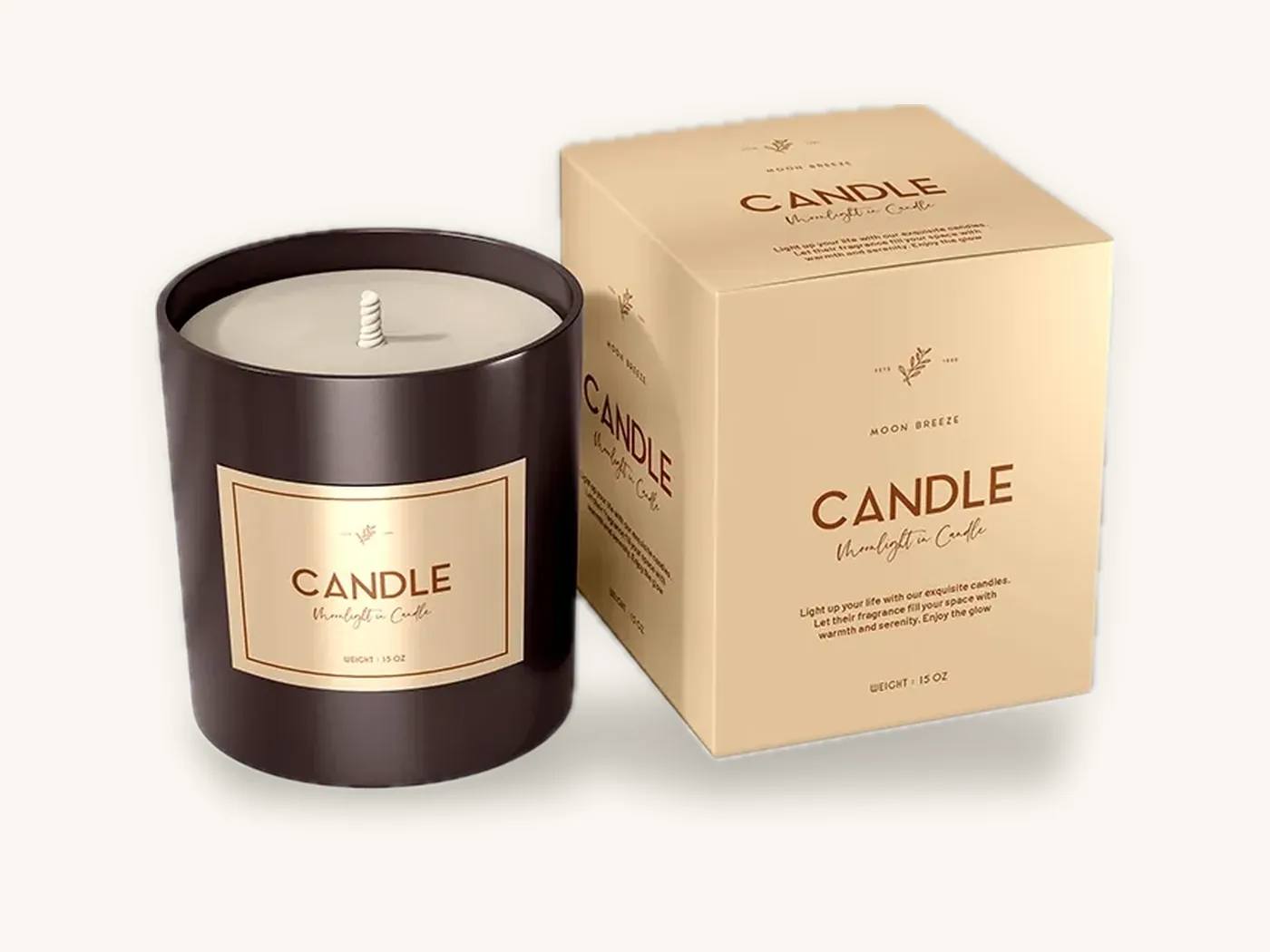
Choose paperboard when the product is light, the box does most of the protective work and presentation matters. It is the natural insert for candle boxes, skincare cartons and small gift sets.
Corrugated inserts and partitions
Corrugated inserts use the same board as mailers and shipping boxes. The flutes add rigidity and some cushioning, so they handle heavier items and hold their shape under load. Slotted partitions, the grid you see in wine shippers, separate bottles efficiently.
Choose corrugated when the product is heavy, when several items must be separated or when the box ships directly through parcel carriers. Our custom mailer boxes guide shows how corrugated inserts pair with mailers.
Foam inserts for boxes
Foam inserts are cut from sheets of EVA, polyurethane (PU) or polyethylene (PE) foam, with cavities matched to the product outline.
- EVA foam is dense, firm and smooth. It holds crisp cavity edges and looks refined, which is why it is common in electronics and tool cases.
- PU foam is softer, open-cell and more compressible. It cushions well and forgives small dimension variations, but edges are less crisp.
- PE foam is closed-cell, resilient and moisture resistant, often used for heavier or industrial items.
Choose foam when the product is fragile, valuable or irregularly shaped, and when a precise cavity is part of the presentation. Foam can be flocked or covered with fabric for jewelry and watches.
Molded pulp inserts
Molded pulp is formed from recycled paper fiber or plant fiber pressed into a mold. It compresses on impact, cradles irregular shapes and has a natural texture that many sustainable brands prefer over plastic. Smooth, thin-wall pulp looks more refined than rough, thick-wall pulp.
Choose molded pulp when you need genuine protection for glass or electronics and want a plastic-free story. Budget for the mold and allow extra development time compared with die-cut paperboard. The eco-friendly materials page covers related options.
Matching the insert to the product
Use this matrix as a starting point, then confirm with a sample.
| Product | Main risk | Recommended insert | Alternative |
|---|---|---|---|
| Earbuds, phones, small electronics | Scratches, shock, visible movement | EVA foam or thin-wall molded pulp | Wrapped paperboard with tight cavities |
| Candle in a glass jar | Glass breakage, jar sliding | Paperboard collar or platform | Molded pulp cup for heavier jars |
| Perfume or serum bottle | Neck breakage, cap loosening | Paperboard cradle or EVA cavity | Molded pulp cradle |
| Wine or spirits bottles | Weight, bottle-to-bottle contact | Corrugated partitions or molded pulp | Die-cut corrugated cradle |
| Cosmetic set (3–6 items) | Items colliding, messy presentation | Die-cut paperboard with printed base | Flocked foam for premium tiers |
| Chocolates and confectionery | Pieces shifting, crushing | Paperboard dividers or food-safe tray | Molded pulp for truffle-style sets |
| Jewelry and watches | Scratches, presentation | Flocked or fabric-covered foam | Wrapped paperboard with slot or cushion |
| Tools, instruments, auto parts | Weight, sharp edges | PE or EVA foam | Corrugated with partitions |
For category-specific ideas, see electronics boxes, headphone and earbud boxes, perfume boxes and wine and spirits boxes.
Tip: if you ship a product with a separate lid, cap or pump, test the insert with the product in the orientation customers will use. A cavity that holds a bottle upright can still let a pump head press into the box lid.
Designing a cavity that fits
The cavity is where an insert succeeds or fails. Too tight and customers struggle to lift the product out, or the insert tears. Too loose and the product rattles, which defeats the purpose.
Tolerance guidelines by material
| Material | Typical total clearance around product | Notes |
|---|---|---|
| EVA foam | About 0.5–1 mm | Foam compresses slightly, so a near-exact fit works |
| PU foam | About 0 mm or slightly undersized | Soft foam grips the product |
| Paperboard | About 1–2 mm | Board does not compress; allow for the print and coating |
| Corrugated | About 2–3 mm | Flute thickness varies slightly along the sheet |
| Molded pulp | About 1.5–3 mm | Draft angles on mold walls affect fit near the base |
These are working ranges, not fixed rules. Products with manufacturing variation, such as hand-poured candles or hand-blown glass, need more clearance than machined parts.
A cavity design process
- Collect several production units, not a single prototype. Measure the largest of them.
- Measure every critical dimension: length, width, height, and any protrusions such as caps, buttons, cables or handles.
- Decide orientation. Upright, lying flat or angled for display. This changes cavity depth and box height.
- Add finger access. A thumb notch, a ribbon pull or a lift tab lets customers remove the product without tipping the box.
- Set cavity depth. Most products should sit so the top is slightly below or level with the insert surface, so the lid does not press on them.
- Size the outer box around the insert, accounting for insert wall thickness on every side.
- Request a structural sample, load it with production units and test lifting, shaking and a corner drop.
How inserts change the outer box
Every insert adds thickness. A paperboard frame that wraps the inside walls adds its caliper on each side, so a 4 in product with an 18 pt frame needs an internal box width of more than 4 in plus clearance. A raised platform adds depth. Foam inserts are often 1/2 in or thicker at the base and walls, which can add an inch or more to each outer dimension.
That is why box and insert should be designed together from the start. If you already own boxes, give their exact internal dimensions to the insert designer and accept that the cavity layout may be constrained.
Inserts for different box styles
Folding cartons
Carton inserts are almost always paperboard: a collar around a bottle neck, a platform with a hole or a fold-in cradle. They are glued in place or dropped in during packing. Tuck end cartons for skincare and fragrance frequently use a simple neck insert.
Mailer boxes
Corrugated mailers take paperboard, corrugated or molded pulp inserts, and the insert often doubles as the display surface when the lid opens. Printed paperboard inserts are a low-cost way to make a kit look organized.
Rigid boxes
Rigid boxes suit wrapped paperboard, EVA foam and fabric-lined inserts, because the box itself provides the rigidity and the insert provides the presentation. Our luxury packaging guide explains how the interior drives perceived value, and custom rigid boxes shows the structures.
Sleeves and windows
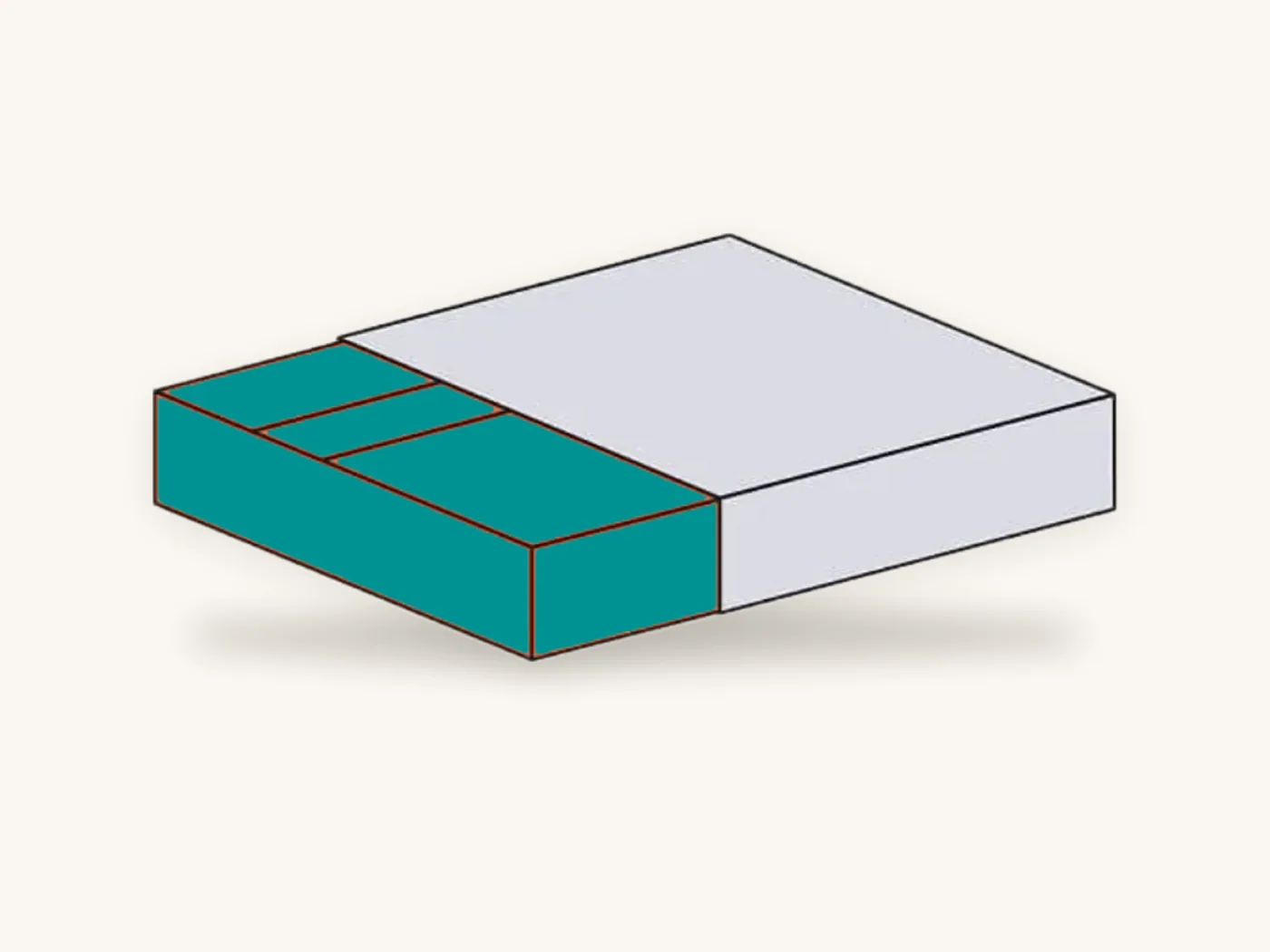
A sleeve and tray box relies on its tray insert to hold the product, since the sleeve slides off. A window box needs an insert that positions the product exactly behind the window. The sleeve boxes guide and the custom window boxes guide cover both.
Shipping boxes
For heavy or multi-unit shipments, corrugated partitions and foam end caps keep products off the walls. The custom shipping boxes guide covers board grades for those outer cartons.
What custom packaging inserts cost
Insert cost depends on material, size, number of cavities, whether it is printed or wrapped, and quantity. Tooling is usually a one-time cost.
Tooling
At Box Sense, a custom insert die is a one-time charge of about $45. There are no die or plate charges for the outer box itself; tooling applies only to custom inserts and finishes such as foil, embossing and spot UV. Because the charge is one-time, reorders do not repeat it.
Reference prices for boxes that include an insert
| Spec (US shipping included) | 100 | 500 | 1,000 | 5,000 |
|---|---|---|---|---|
| Candle box, 18 pt SBS, 3.5x3.5x4 in, full color, matte, foil, insert | $2.33 | $1.24 | $1.03 | $0.73 |
| Jewelry rigid box, 2 mm, 3x3x1.5 in, matte, foil, insert | $3.35 | $1.79 | $1.49 | $1.06 |
| Subscription mailer, E-flute, 12x9x4 in, both sides, insert and tear strip | $5.85 | $3.12 | $2.60 | $1.84 |
| Rigid magnetic box, 2 mm, 10x8x3 in, soft-touch, foil, insert | $14.23 | $7.59 | $6.32 | $4.49 |
These are complete box prices, not insert-only prices. Foam and molded pulp inserts are quoted to your product because cavity complexity and material thickness vary widely; use the pricing estimator for the box and request a quote for the insert.
Ways to reduce insert cost
- Simplify cavities. Rectangular cutouts cost less than product-outline shapes and often protect just as well.
- Use one insert for several SKUs with the same footprint.
- Print only the visible surface of a paperboard insert, or leave it unprinted in a contrasting stock.
- Replace foam with folded paperboard for light products that only need immobilizing.
Recyclability and material choices
Many brands now prefer inserts that go in the same recycling stream as the box. Paperboard, corrugated and most molded pulp are paper-based, so the whole package can often be recycled together. Foam generally cannot go in curbside bins, although it protects better and is sometimes kept by customers for storage.
If you choose foam for protection, say so honestly on the packaging and avoid implying it is recyclable. For paper-based inserts, FSC-certified board and soy or water-based inks are available. Any environmental claim should be specific and supported; the FTC's Green Guides set out how such claims should be qualified in the US, so confirm current guidance before printing one. More on our sustainability page.
How to order custom box inserts from Box Sense
What to send
- Production units of the product, or exact dimensions of the largest unit, including caps and protrusions
- Product weight and how fragile it is
- The outer box style and internal size, or a request to design box and insert together
- Preferred insert material, or the four jobs ranked in order of importance
- Orientation and whether the product should be visible on opening
- Print or wrap requirements for the insert
- Quantities and your target in-hand date
What happens next
- Quote within 24 hours for the box and insert.
- Structural design: we produce the dieline for box and insert together.
- Free structural sample: unprinted samples are free, so you can load real units and drop-test before approving. See samples.
- 3D digital proof with two revision rounds for any printed surfaces.
- Production: 8–12 business days after proof approval for standard work, rush in 5 business days on most paperboard and corrugated styles.
- Delivery: free on every US order.
The minimum order is 10 boxes, and defective boxes reported within 14 days are reprinted free. The box inserts and dividers page and the inserts and packaging fillers page show common constructions, and the printing and finishes page lists foam, pulp and paperboard insert options.
Frequently asked questions
What are custom box inserts made of?
The most common materials are die-cut paperboard, corrugated board, foam (EVA, PU or PE) and molded pulp. Paperboard suits light, presentation-focused products. Corrugated handles weight and dividers. Foam gives the most precise, protective fit for electronics and glass. Molded pulp offers good protection with a plastic-free, paper-based material.
Are foam inserts better than paperboard inserts?
Foam protects better against shocks and holds irregular shapes precisely, so it is better for fragile, valuable or oddly shaped products. Paperboard is lighter, cheaper, printable and recyclable, and it is enough for products that only need holding in place. Many brands use paperboard for retail cartons and foam for electronics or premium kits shipped by parcel.
How much clearance should an insert cavity have?
It depends on the material. EVA foam works with about 0.5–1 mm of total clearance because it compresses slightly. Paperboard needs about 1–2 mm, corrugated about 2–3 mm, and molded pulp about 1.5–3 mm. Products with natural variation, such as hand-poured candles, need more. Always test with several production units.
Is molded pulp packaging strong enough for glass?
Yes, when it is designed for the product. Molded pulp compresses on impact and cradles curved shapes, which suits bottles, jars and glassware. Thicker walls and deeper cradles add protection. For heavy glass shipped by parcel, pair the pulp insert with a corrugated outer box and confirm performance with a drop test.
Do box inserts increase the size of the outer box?
Usually, yes. Every insert adds its own thickness to the sides and base it touches. A thin paperboard collar adds very little, while a foam insert can add an inch or more to each outer dimension. That is why the box and insert should be sized together rather than adding an insert to boxes already made.
How much do custom packaging inserts cost?
Cost depends on material, size, cavity complexity and quantity. At Box Sense, a custom insert die is a one-time charge of about $45. As a reference, a 3.5x3.5x4 in candle box with full color, foil and an insert is about $1.03 per box at 1,000 units. Foam and molded pulp inserts are quoted to your product.
Can box inserts be recycled?
Paperboard, corrugated and most molded pulp inserts are paper-based and can often be recycled with the box. Foam inserts generally are not accepted in curbside programs. If recyclability matters, choose paper-based inserts and FSC-certified board, and make sure any recycling claim on your packaging is accurate and qualified.
Next steps
Gather a few production units, rank the four insert jobs for your product and check box pricing in the instant estimator. Then request a custom insert quote and we will design the box and insert together, confirm pricing within 24 hours and send a free structural sample to test.
Boxes in this guide
Order the packaging we covered
Written by the Box Sense Packaging Team
Our structural designers, prepress technicians and production staff print and convert custom boxes every day for brands in the United States, United Kingdom and UAE. Questions about this guide? Talk to us.