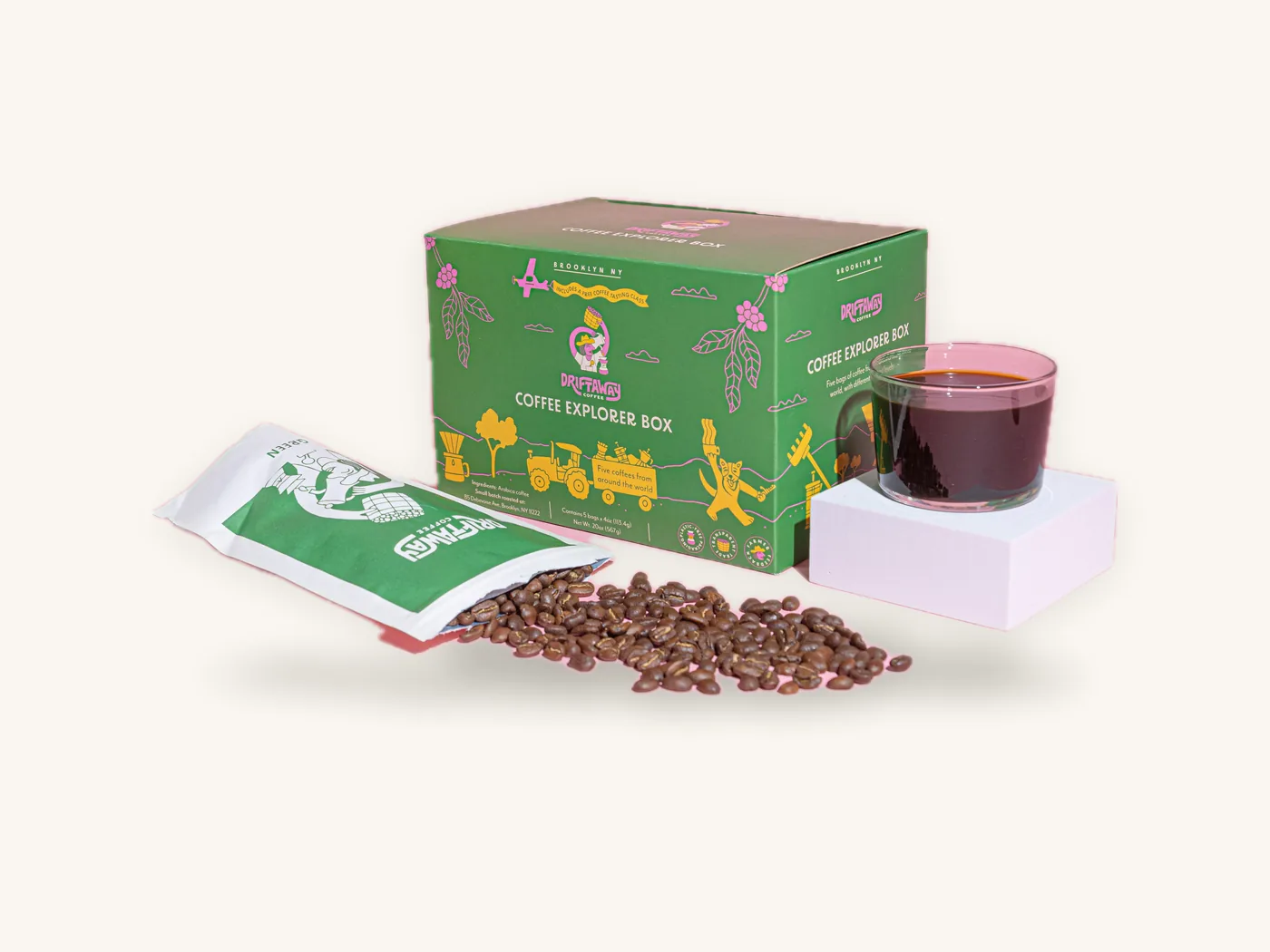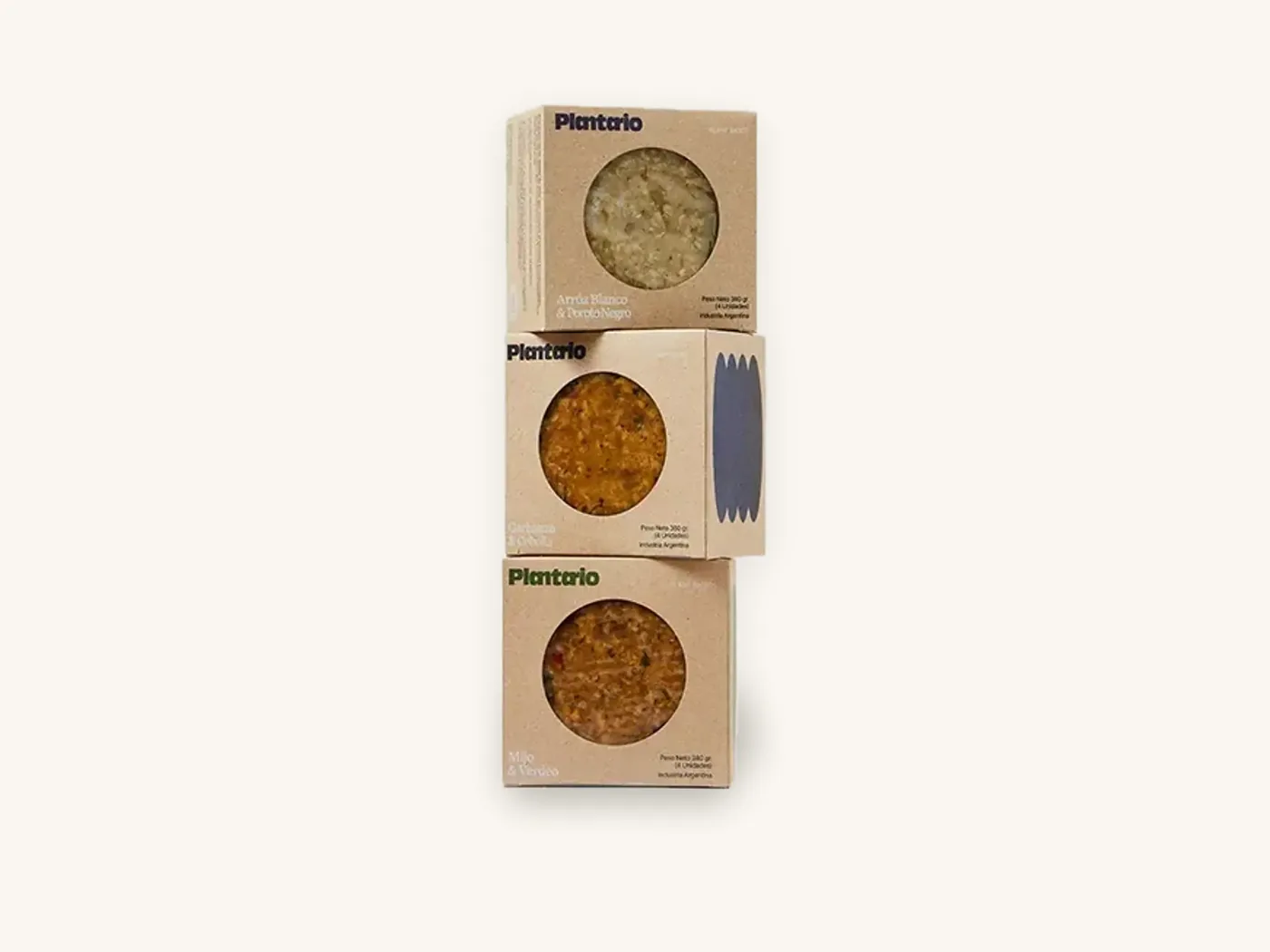
Custom window boxes are printed paperboard cartons with a die-cut opening, usually backed by a thin clear film, that let shoppers see the product without opening the pack. They make sense when the product itself sells better than any photo of it: baked goods, toys, candles, soaps, cosmetics and anything with color or texture that print cannot fully capture.
A good window box balances three things that pull against each other: how much product shows, how much printable panel remains for branding and required information, and how much strength the carton keeps after you remove board. This guide works through those tradeoffs as design rules, compares window films, shows which structures accept a window, and gives real per-unit prices so you can budget.
Key takeaways
- A window is a die-cut hole in the carton, patched on the inside with PET or compostable PLA film, or left open when airflow or touch matters more than protection.
- Keep windows at least roughly 1/4 in (6 mm) away from every crease and cut edge, and rarely let a window take more than about half of a panel.
- PET film is the clear, stiff default; PLA film is plant-based and industrially compostable but less heat tolerant; an unfilmed window suits dry goods that do not need a barrier.
- Almost any folding carton can take a window, including tuck end, auto-lock bottom, bakery, sleeve and pillow styles.
- A 4x4x4 in window box on 18 pt SBS, printed full color with aqueous coating, runs about $1.66 each at 100 units and about $0.74 at 1,000, with US shipping included.
- Box Sense makes boxes with windows from 10 units, with no die or plate charges and a free 3D proof that shows exactly where the window falls.
How a window box is actually made
Understanding the production steps explains most of the design rules later in this guide. A window carton goes through the same printing and cutting as a regular folding carton, plus one extra station.
Print, cut, patch, fold
- Printing. The flat sheet of paperboard is printed digitally for short runs or offset for larger ones, then coated or laminated.
- Die-cutting. A cutting die removes the carton outline, scores the fold lines and punches out the window in the same pass. Because the window is cut in the same strike as the creases, its position relative to the folds is very consistent.
- Window patching. The flat blank passes through a patching step that lays a strip of adhesive around the window on the inside surface and applies a film patch cut slightly larger than the opening.
- Folding and gluing. The carton is folded along its side seam and glued, then shipped flat for you to erect and fill.
That patching step is why the film always sits inside the carton, and why the film needs a glue margin around the window. It is also why windows close to a crease cause trouble: the film patch would span the fold, stiffen it and pull loose when the carton is erected.
Film patch vs open cut vs printed window
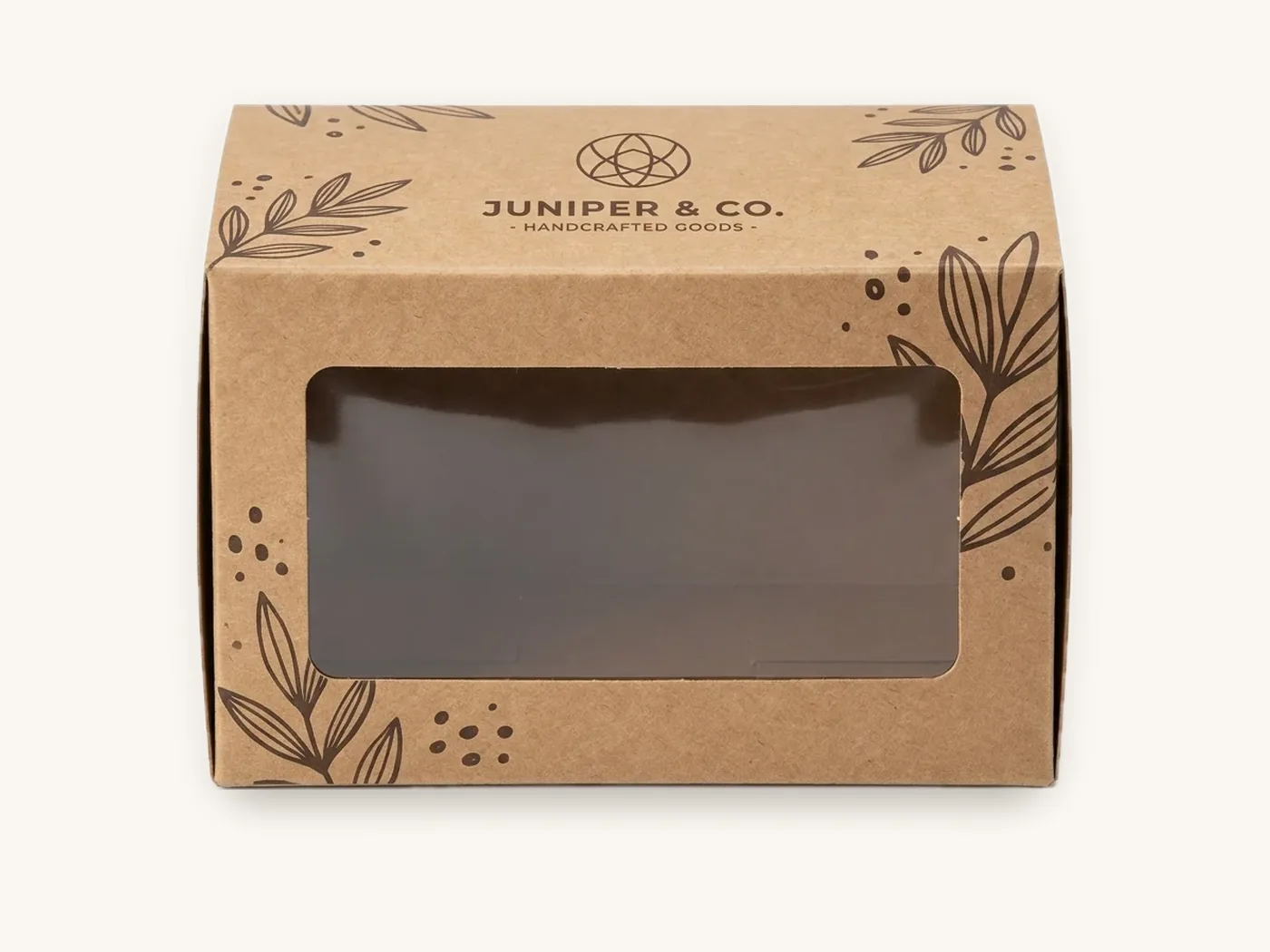
Not every window needs film. An open cut with no patch is cheaper and faster, and it lets customers touch a fabric, smell a soap or see a candle's wax surface. The tradeoff is dust, fingerprints and the chance of small items falling out. A printed window, where artwork frames a shape or the film itself carries a white or colored print, is less common but can turn the window into part of the design.
Window film options compared
Film choice affects clarity, rigidity, food contact suitability and end-of-life. The window film PET vs PLA guide goes deeper on the chemistry; here is the buying decision in one table.
| Window option | What it is | Strengths | Limits | Choose it when |
|---|---|---|---|---|
| PET film | Clear polyester film, commonly around 0.1–0.2 mm | Very clear, stiff, stays flat, resists scuffs | Plastic component in a paper pack | You want the cleanest look and the most durable window |
| PLA film | Plant-based, clear bioplastic film | Industrially compostable, similar clarity to PET | Softens with heat, can haze or wrinkle more easily, slightly higher cost | Your brand story is plastic-reduction and the product is not stored warm |
| Anti-fog film | PET treated to reduce condensation | Keeps the view clear on chilled or freshly baked food | Adds cost; only needed for moisture | Refrigerated pastries, fresh produce, warm-packed bakery items |
| Open cut, no film | Just the die-cut aperture | Lowest cost, fully paper, lets customers touch or smell | No barrier, dust and handling marks | Soap bars, textiles, dry goods, candles already wrapped |
| Glassine or translucent paper | Semi-transparent paper patch | Paper-only, soft frosted look | Shows shapes and color, not detail | Minimal, all-paper designs where a hint of the product is enough |
A note on recyclability
A paperboard carton with a small PET window is still typically handled by paper recycling streams, which are designed to screen out small amounts of film, but local programs vary. If you want to make a recyclable or compostable claim on the carton itself, check how the Federal Trade Commission's Green Guides say such claims must be qualified, and remember that "compostable" usually means industrial composting for PLA. Our sustainable packaging options page lists the eco materials we run.
Watch out: PLA film and hot environments do not mix. A box of PLA-windowed candles left in a hot delivery truck or a sunny shop window can come back with a wavy, wrinkled window. If your product ships through summer heat or is packed warm, test a sample or use PET.
Design rules for window size, shape and placement
Window packaging fails in predictable ways: cracked corners, film that lifts, cartons that bow, and branding that no longer fits. These rules prevent most of it. Treat them as sensible starting points; your structural proof confirms the final numbers for your carton.
| Rule | Starting point | Why it matters |
|---|---|---|
| Distance from creases and edges | At least roughly 1/4 in (6 mm), more on larger boxes | The film glue margin needs flat board, and the panel keeps its stiffness |
| Share of the panel | Usually no more than about half the panel area | Large windows weaken the carton and shrink room for branding and legal copy |
| Corner radius | Round inside corners, roughly 1/16 in (1.5 mm) or more | Sharp inside corners concentrate stress and can tear when the carton flexes |
| Wrap-around windows | Avoid crossing a fold unless designed as a special structure | Film spanning a crease pops loose and looks wrinkled |
| Minimum bridge width | Leave solid board strips of roughly 3/8 in (10 mm) or more between two windows | Thin bridges bend, crack and misalign during folding |
| Window over a glue flap | Avoid | Glue areas need solid board to bond the side seam |
Where to put the window
Start with where the eye lands on the shelf. For a carton standing upright, that is usually the upper-middle of the front panel. For a bakery box viewed from above, it is the lid. For a toy hanging on a peg, it is often the front panel below the hang tab.
Then look at what the window reveals. The goal is to show the best part of the product, not simply the most of it. A window that shows a candle's label is wasted; one that shows the poured wax surface and wick earns its place. A window that shows the face of a doll works harder than one that shows its feet.
Shapes beyond the rectangle
The cutting die can make almost any shape: circles, arches, a silhouette of your logo, a leaf, a bottle outline. Custom shapes add no die charge at Box Sense, but they do need more attention in proofing. Very narrow points and tight curves are hard to patch neatly, so simplify extreme details. Our die-cut boxes guide covers shaped structures in more depth.
Compensating for a big window
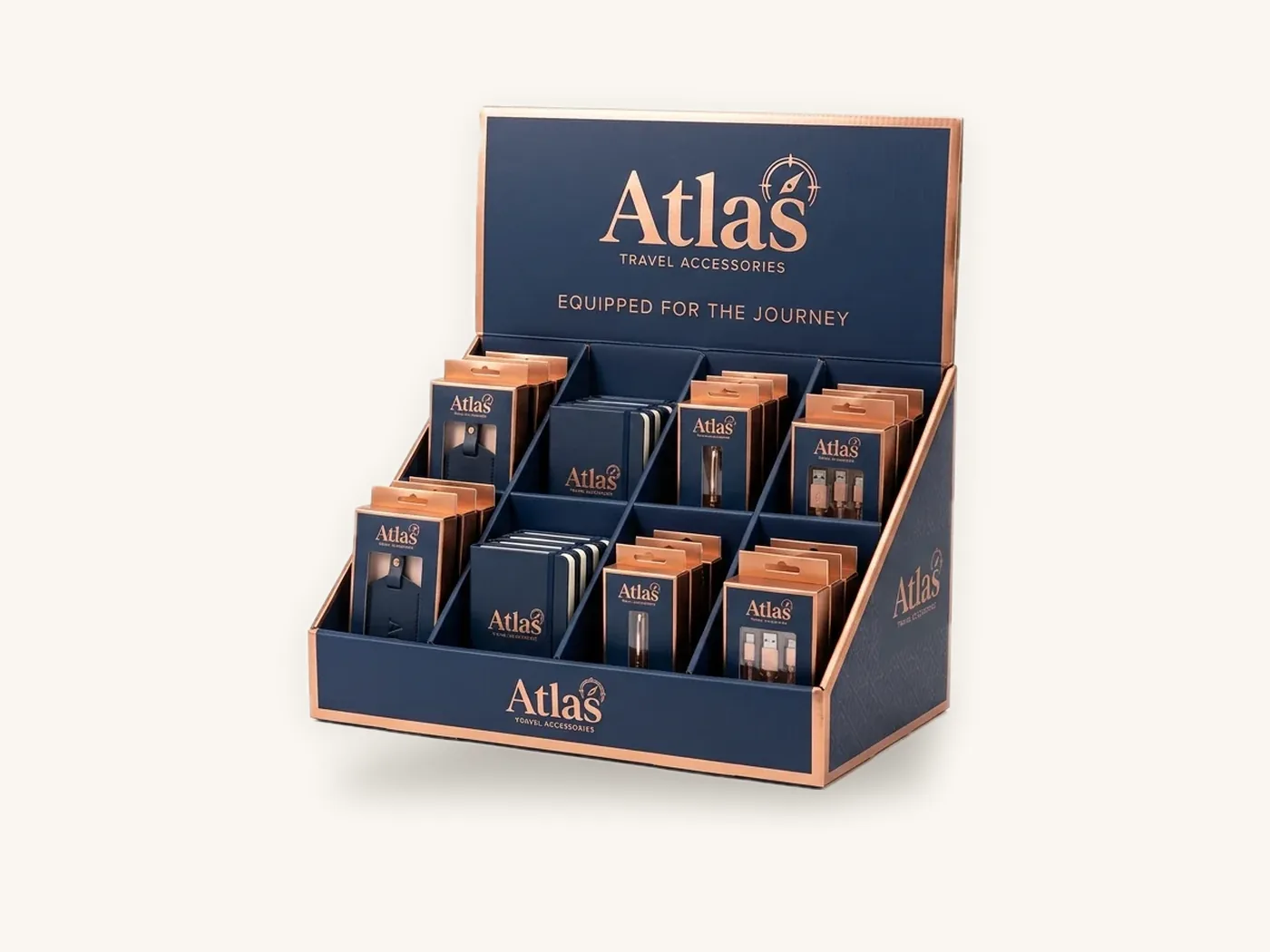
Sometimes a product needs a large window, such as a toy, a figurine or a multi-piece set. When the window takes a big share of the front, compensate elsewhere:
- Move up in board caliper, for example from 16 pt to 18 or 24 pt SBS.
- Add an internal card insert behind the product so the carton does not collapse inward.
- Use an auto lock bottom instead of a tuck bottom so heavier products do not push the base open.
- Reduce the window to the front panel only rather than wrapping it around a corner.
Which box styles take a window
Almost every paperboard structure can have a window. What changes is where the window can sit and what the box is for. The window boxes style page shows examples; this section maps the main options.
Tuck end and auto-lock cartons
The classic retail carton. A straight tuck end box with a front window is the most common format for cosmetics, soaps, small toys and accessories. Auto-lock bottoms add strength for heavier contents like candles in glass or jars. See the tuck end boxes guide for closure differences.
Bakery and cake boxes
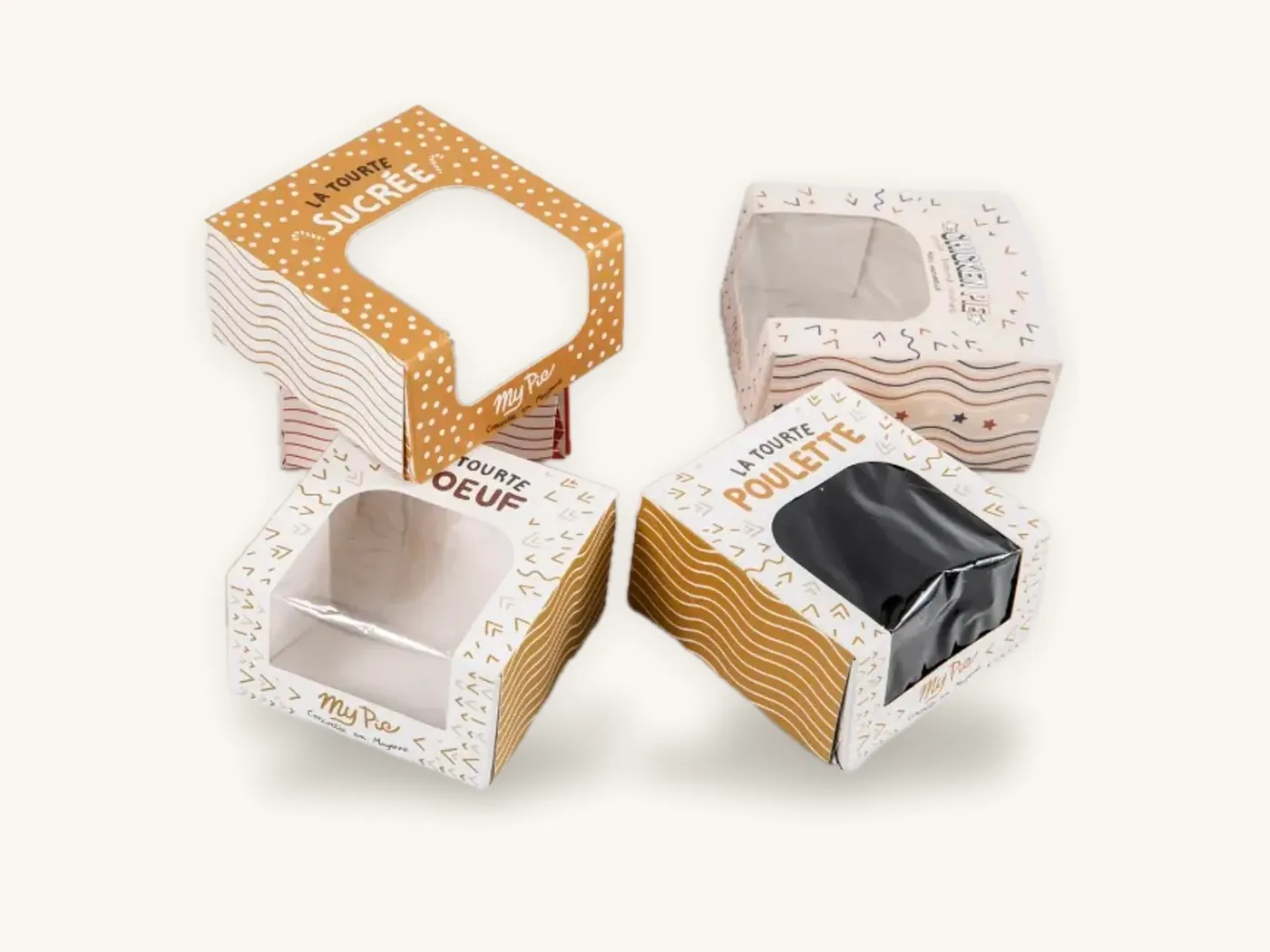
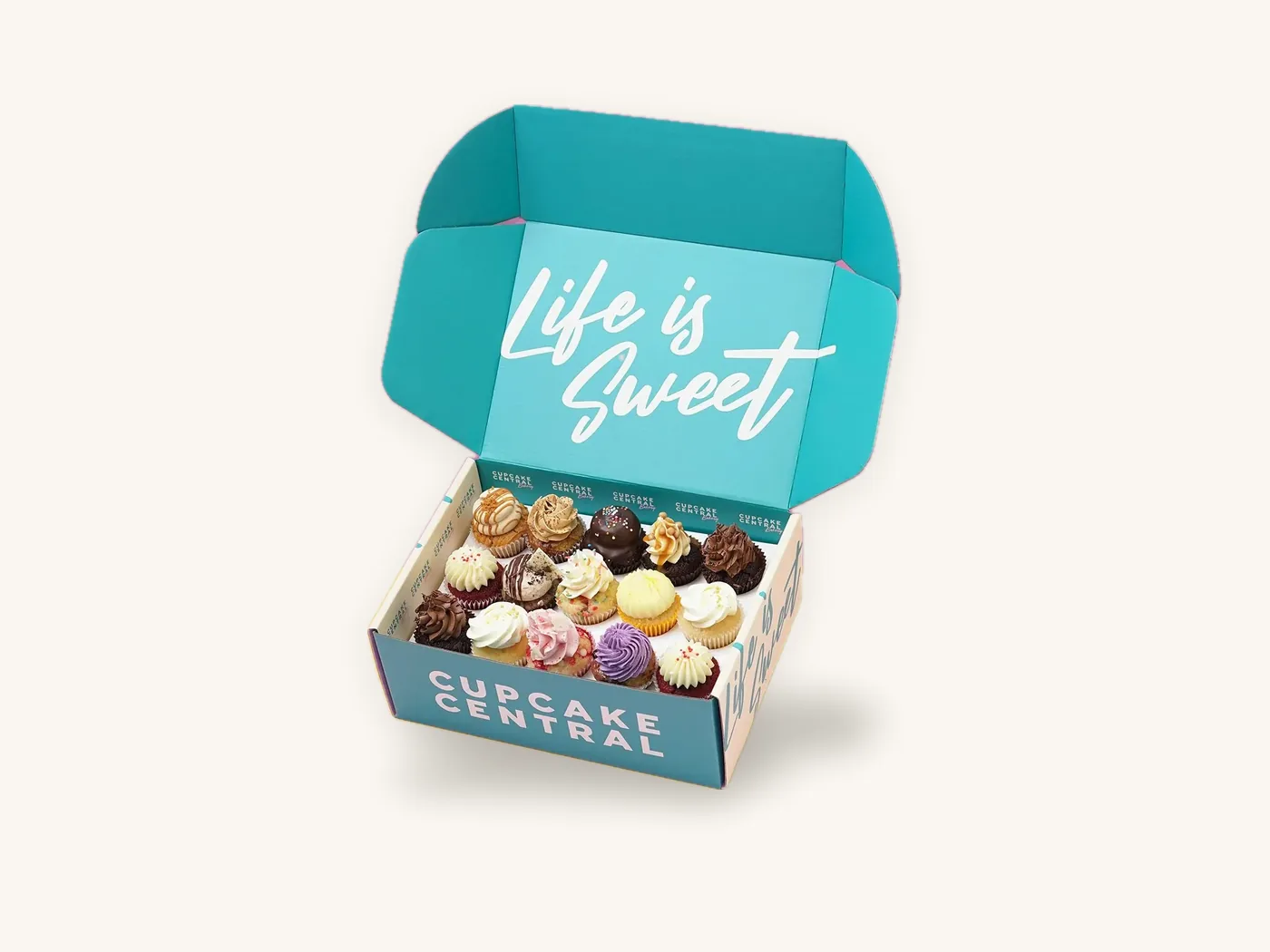
Bakery boxes typically place the window on the lid so customers and staff can see the decoration without opening the box. Cake boxes are usually lock-corner or tuck-lid structures on food-grade SBS, and cupcake boxes often combine a lid window with an insert that keeps each cupcake in place.
Sleeves, pillows and gable boxes with windows
A window in a sleeve reveals the tray underneath; see our sleeve boxes guide for how that interacts with the slide-out. Pillow boxes can take a small window on one curved face, which our custom pillow boxes guide discusses, and gable boxes sometimes get a side window for treats and favors, covered in the custom gable boxes guide.
Where windows do not fit well
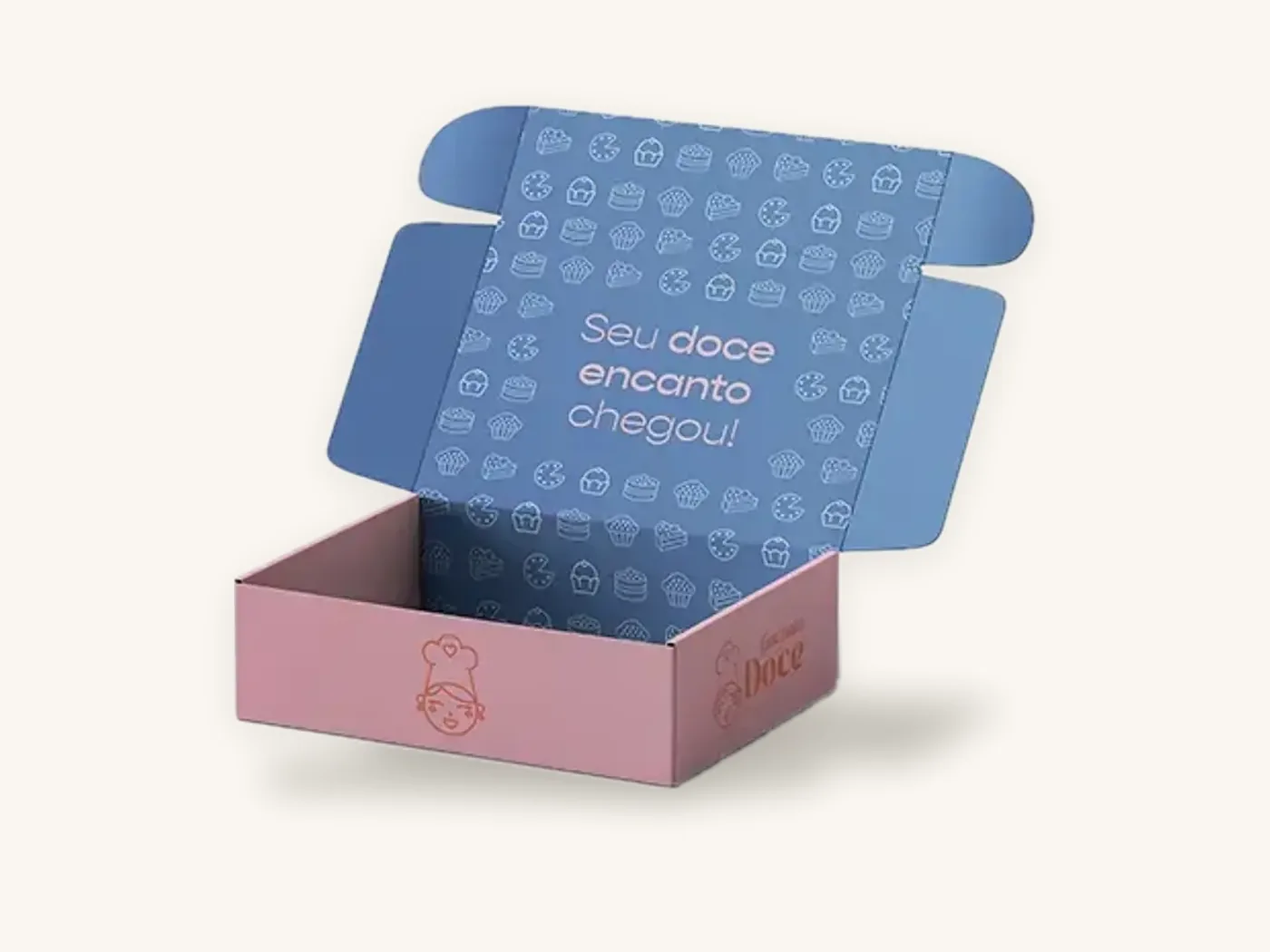
Corrugated shipping boxes rarely suit windows, because the film is exposed to rough handling and the flutes weaken quickly around a cut-out. If a windowed retail carton needs to ship, put it inside a custom mailer box or shipper. The custom mailer boxes guide explains how to size an outer box around a retail carton.
Window packaging by industry
The same window does different jobs depending on the product. Here is how the most common categories use boxes with windows.
| Industry | Typical structure | Window job | Film and material notes |
|---|---|---|---|
| Bakery and confectionery | Lock-corner cake box, cupcake box, cookie tuck box | Show decoration and freshness | Food-contact SBS; anti-fog PET for chilled items; grease-resistant board for butter-rich goods |
| Toys and games | Tuck end or auto-lock carton, sometimes with hang tab | Show the character, colors and scale | Heavier caliper, card insert, PET for durability in handling |
| Candles and home fragrance | Auto-lock carton | Show wax color and vessel | PET where heat is a risk; open cut if the vessel is lidded |
| Soap and bath | Tuck box or sleeve | Show texture, let customers smell | Often open cut or kraft board with a small window |
| Cosmetics and beauty | Tuck end carton | Show shade or product color | Keep regulatory copy on solid panels; window on front or side |
| Gifts and events | Favor box, pillow box, two-piece box | Tease the contents | Decorative shapes, often PET for sparkle |
Bakery and food
For food, the carton surface and the film that touch the product should be suitable for food contact. In the US, the Food and Drug Administration regulates materials intended to contact food, and suppliers can provide documentation for the board, ink and film system used. Confirm current requirements for your product with the FDA's food contact substances program or your food safety advisor. The bakery and confectionery packaging page shows our bakery styles.
Toys
Windowed toy packaging needs to carry age grading and any warnings required for the product on a solid, readable panel, not squeezed around the window. The Consumer Product Safety Commission sets the US rules for toy labeling, and requirements differ by product type and age range, so confirm yours with the CPSC or a testing lab. Our toys and games packaging page covers typical structures.
Setting up artwork for a windowed panel
Windows introduce a few artwork steps that a plain carton does not need. Missing them is the most common reason a window proof goes back for revisions.
Artwork checklist for window boxes
- Work on the dieline we supply; the window appears as a cut line, just like the outer edge.
- Extend background color and pattern about 1/8 in (3 mm) into the window as bleed, so a tiny cutting shift never leaves a white sliver around the opening.
- Keep text and logos at least 1/8 in outside the window cut line.
- Do not place barcodes, ingredient lists or warnings where the window will be; put them on solid panels.
- Remember that the inside of the carton is visible through the window. If the inside is unprinted white or kraft, decide whether that works with your product, or add inside printing.
- Check what shows through the window from the back or side of the carton, especially with a product that does not fill the box.
- Mark whether the window has film, no film or anti-fog film on the dieline or in your notes.
Previewing the product in the window
A flat artwork file cannot show how the product sits behind the window. Ask for a 3D proof, and if the view matters, send a photo of the product at the angle it will sit in the carton. Box Sense's design services team includes dieline and artwork setup and a 3D digital proof at no charge.
Tip: place the product in a free unprinted structural sample and photograph it straight on. You will see immediately whether the window shows the best part of the product, or whether moving the window a quarter inch up or down would help.
What custom window boxes cost
A window adds a small cost per carton for the extra patching step and film, and the size of that addition depends mostly on quantity. The bigger drivers are the same as any carton: dimensions, board, print coverage and finishes.
The table shows indicative per-unit prices from our current rates, US shipping included. Enter your exact size and spec in the instant price estimator.
| Spec | 10 | 100 | 250 | 500 | 1,000 | 5,000 |
|---|---|---|---|---|---|---|
| Window box, 18 pt SBS, 4x4x4 in, full color, aqueous, window | $2.52 | $1.66 | $1.18 | $0.89 | $0.74 | $0.53 |
| Bakery/cake box with window, 18 pt SBS, 10x10x5 in, full color | $6.17 | $4.09 | $2.91 | $2.18 | $1.82 | $1.29 |
The 4x4x4 in carton falls from about $2.52 at 10 units to about $0.89 at 500. That steep curve is why short digital runs work for launches and tests, while a steady-selling SKU usually benefits from moving up a quantity tier once the design is locked.
Cost drivers specific to window boxes
- Number of windows. Two windows mean two patches and more handling.
- Film type. PLA and anti-fog films cost more than standard PET; an open cut costs least.
- Window size. A very large window may push you to a heavier board or an insert.
- Finishes around the window. Foil or spot UV framing a window looks sharp but carries one-time tooling.
How to order custom window boxes from Box Sense
We can quote from a rough brief, but these details get you an accurate price and a proof faster.
What to send
- Product dimensions and weight, and a photo of the product if the window view matters.
- Carton style, such as straight tuck end, auto-lock bottom, cake box or sleeve, or ask for a recommendation.
- Window details: position, approximate size and shape, and film choice (PET, PLA, anti-fog or open).
- Board: SBS or kraft, and caliper if you know it. The SBS paperboard page explains the grades.
- Print and finish: full color, PMS colors, inside printing, coating or lamination.
- Quantities to price, for example 100, 500 and 1,000.
- Target delivery date and ship-to location.
From quote to delivery
- We confirm your quote within 24 hours.
- Our team supplies the dieline with the window marked, sets up artwork and sends a 3D digital proof, with two revision rounds included.
- Unprinted structural samples are free, so you can test the window position with your real product. A printed sample of approved artwork is free on orders of 100 or more; see free samples.
- Standard production is 8–12 business days after proof approval, with rush in 5 business days available on most paperboard styles.
- Shipping is free on every US order. The minimum is 10 boxes, and there are no die or plate charges.
Frequently asked questions
What is the minimum order for custom window boxes?
Box Sense makes custom window boxes from a minimum of 10 units. Short runs are printed digitally with no plates, and the window is cut in the same die strike as the carton, so small batches are practical for launches, seasonal flavors or retail tests. Unit prices drop quickly as quantity rises, so compare a few quantity tiers in the estimator.
Is PET or PLA better for box windows?
PET is clearer, stiffer and more heat tolerant, so it is the safer default for most products. PLA is a plant-based film that is industrially compostable and suits brands reducing conventional plastic, but it can soften or wrinkle in heat. For warm storage, summer shipping or freshly baked goods, choose PET or anti-fog PET, and test a sample.
Can window boxes be used for food?
Yes. Bakery, cookie, candy and chocolate boxes commonly use windows. Choose food-contact suitable board and film for surfaces that touch the food, and consider anti-fog film for chilled or warm-packed items and grease-resistant board for buttery goods. US rules for food contact materials come from the FDA, so confirm requirements for your specific product.
Do windows make a box weaker?
A window removes board, so it reduces panel stiffness, but a well-placed window has little practical effect on a retail carton. Keep windows roughly 1/4 in from creases, round the inside corners and avoid very large openings. For big windows, move up in board caliper, add a card insert or use an auto-lock bottom.
Can I have a window in a custom shape?
Yes. The window is cut by the same die as the carton, so circles, arches, logo silhouettes and other shapes are possible without a die charge at Box Sense. Very sharp points and thin details are hard to patch neatly with film, so simplify extreme shapes. Your 3D proof shows exactly how the shape sits on the panel.
How much does a window box cost?
As a reference, a 4x4x4 in window box on 18 pt SBS, printed full color with aqueous coating, costs about $1.66 per box at 100 units and about $0.74 at 1,000, including US shipping. A 10x10x5 in cake box with a window is about $1.82 at 1,000. Use the pricing page for your exact size and options.
Can you print on the inside of a window box?
Yes. Because customers can see into the carton through the window, inside printing is worth considering when the product does not fill the box or when the interior is visible from an angle. A single inside color or pattern often looks better than bare board. Keep inside artwork clear of glue areas along the side seam.
Next steps
Measure your product, decide what part of it the window should show, and run your size through the window box price estimator. When you are ready, request a quote for custom window boxes and we will confirm pricing within 24 hours, send a dieline with the window marked and prepare a 3D proof.
Boxes in this guide
Order the packaging we covered
Written by the Box Sense Packaging Team
Our structural designers, prepress technicians and production staff print and convert custom boxes every day for brands in the United States, United Kingdom and UAE. Questions about this guide? Talk to us.