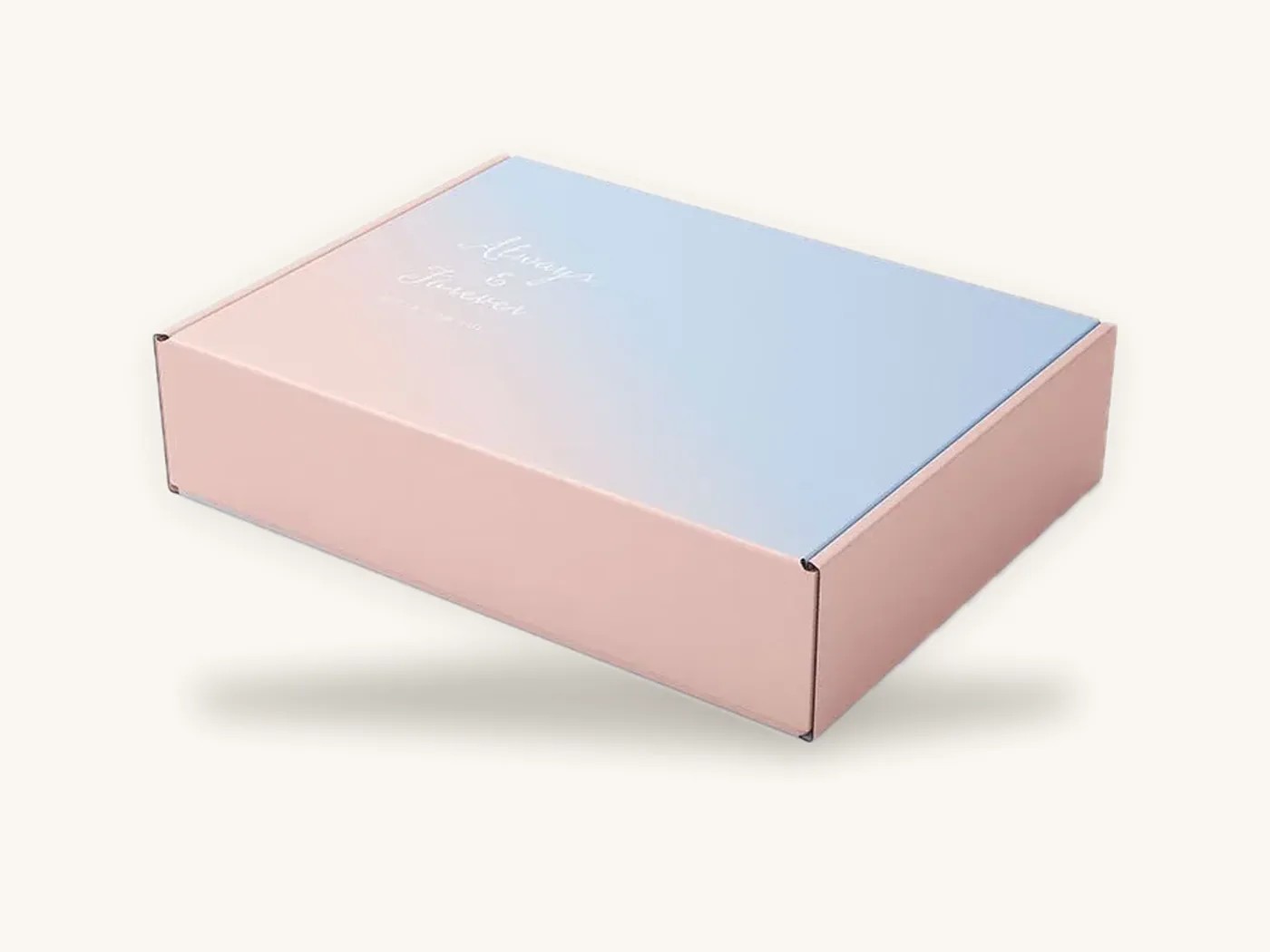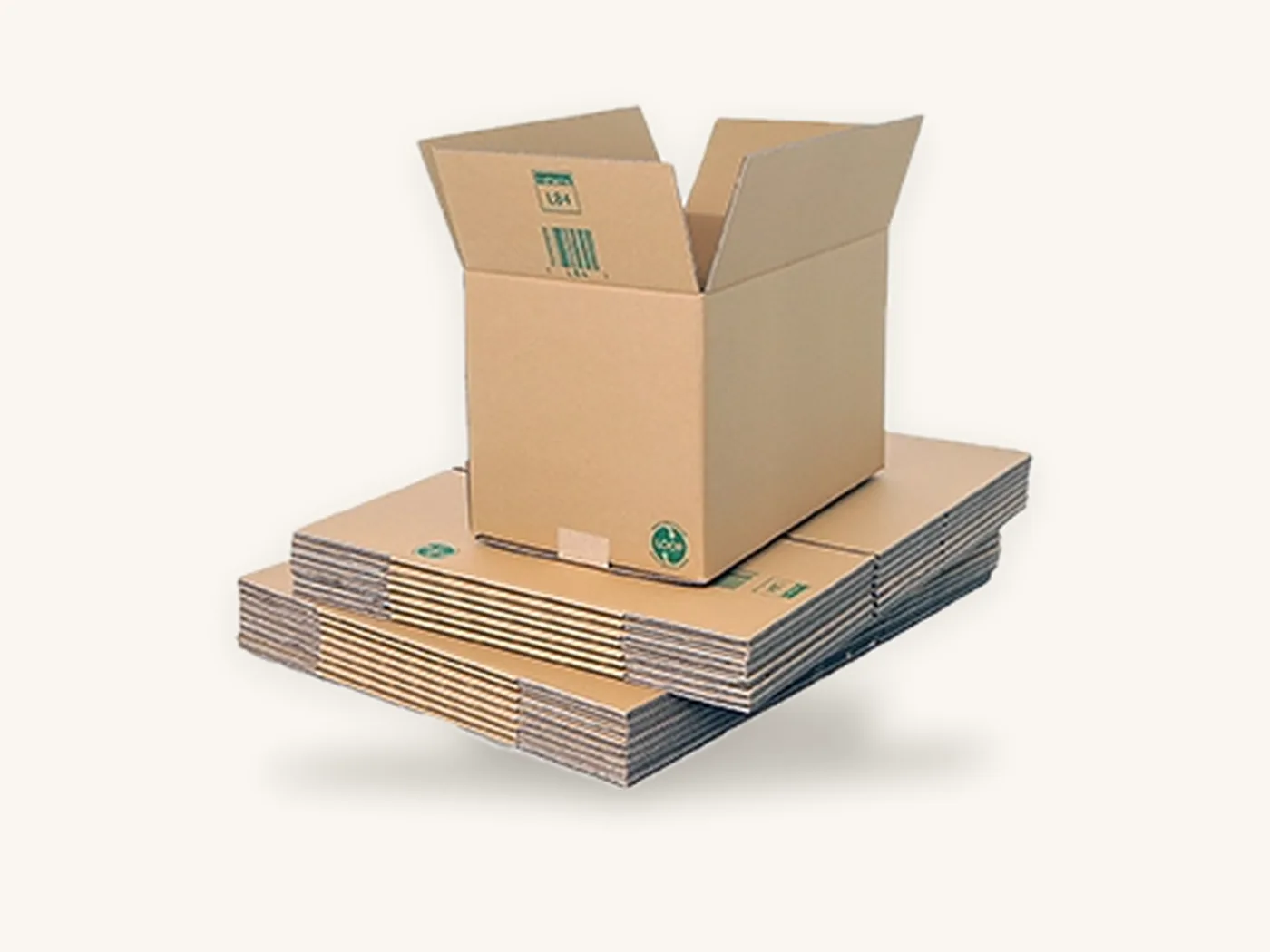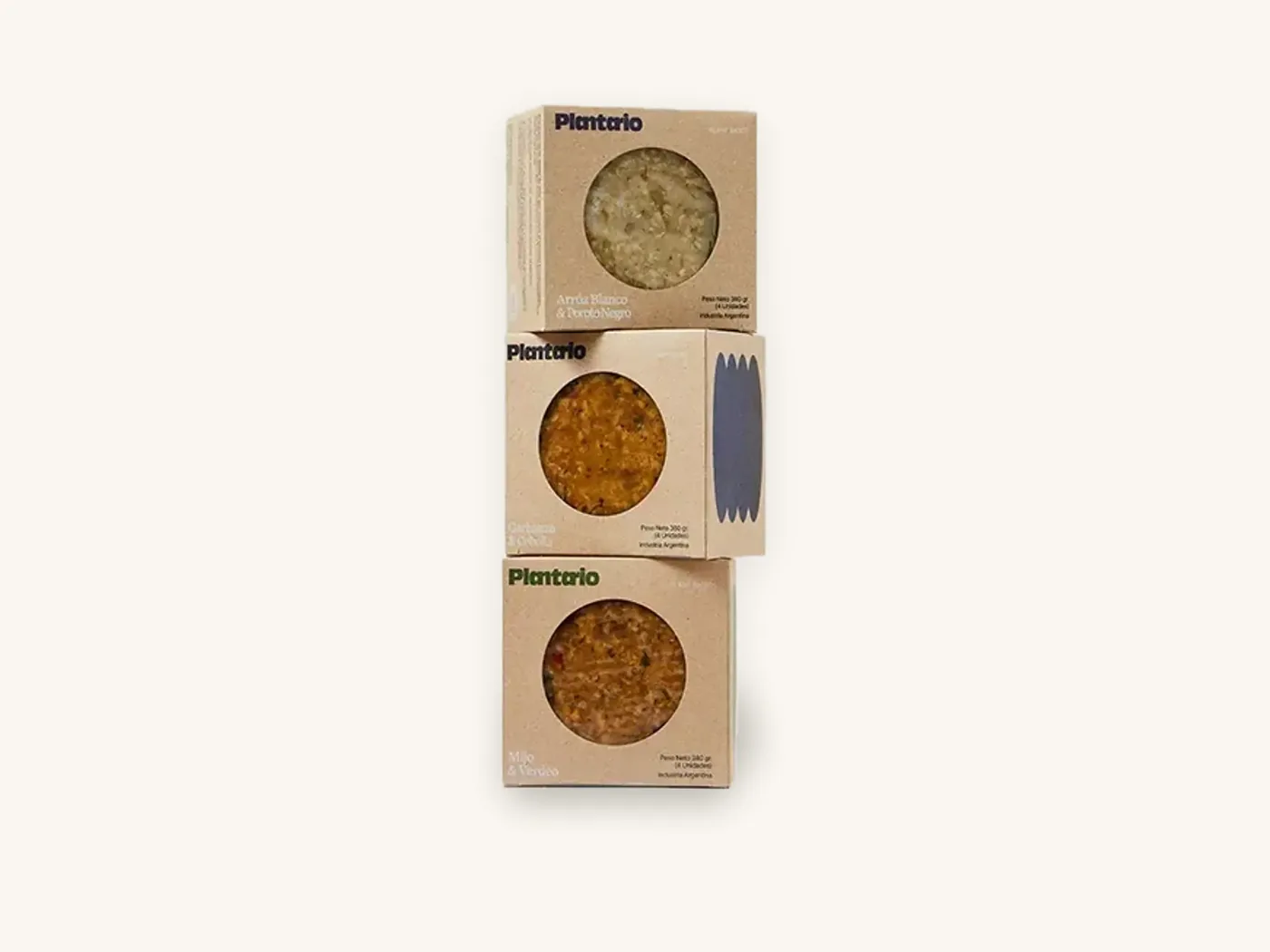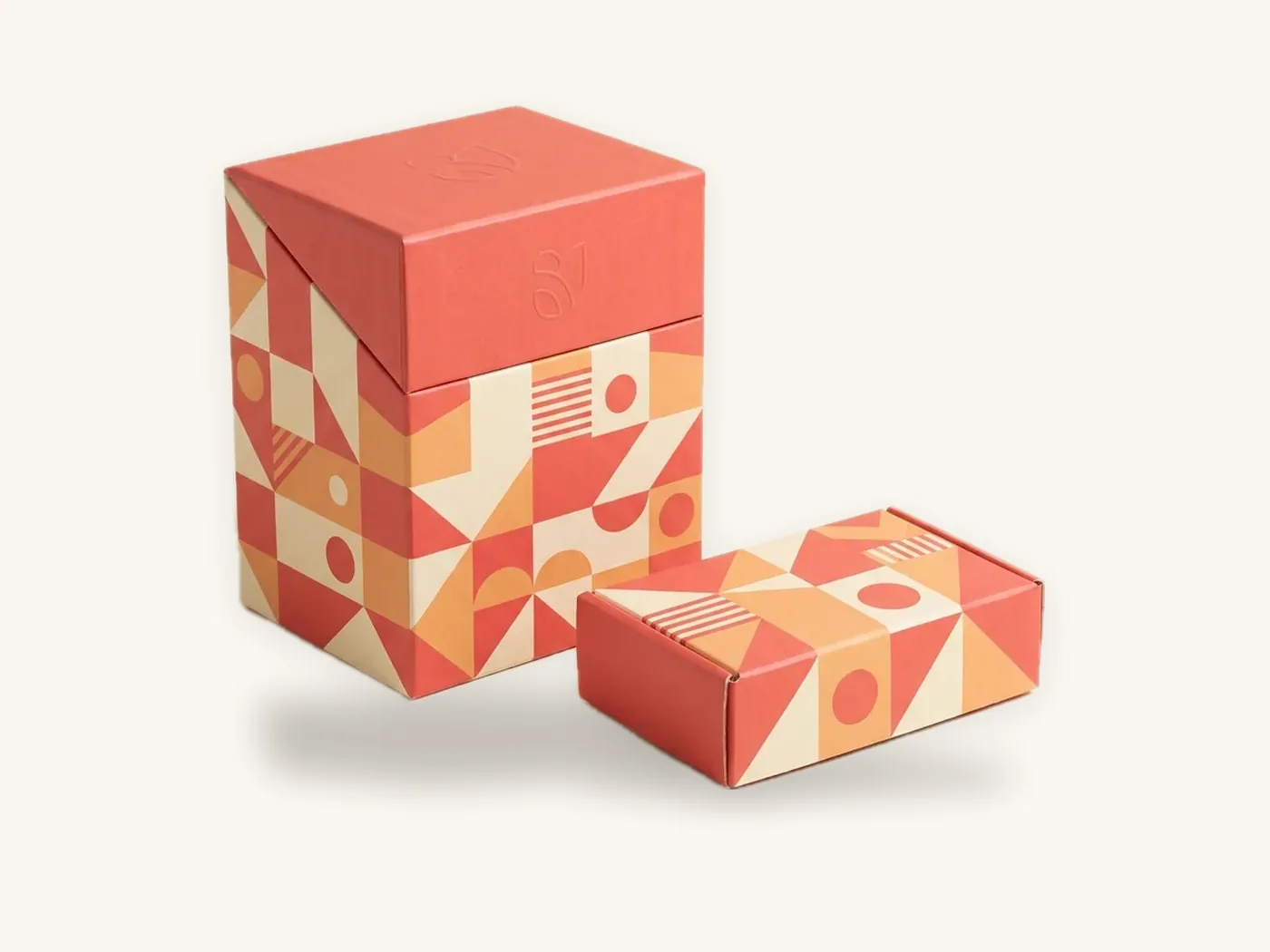
SBS paperboard (solid bleached sulfate) is bright white all the way through with a smooth clay coating, which makes it the best choice for color-critical retail cartons. Kraft paperboard is unbleached and uncoated, so it is brown on both sides, very tear resistant and suited to natural-looking packaging with simple graphics. CUK board (coated unbleached kraft) sits between them: a strong brown kraft core with a white printable coating on one side, used where cartons need to survive moisture, cold and rough handling.
The short version: pick SBS when print quality and a clean white interior matter most, kraft when a natural look and toughness matter more than color, and CUK when a carton needs kraft strength but a white, printable face. The details below explain the tradeoffs so you can match a board to your product rather than to a trend.
Key takeaways
- SBS is made from bleached virgin fiber and clay coated on one side (C1S) or both (C2S). It gives the sharpest, brightest print and a white interior.
- Kraft paperboard is unbleached and usually uncoated. It has high tear strength and a natural brown surface, and full-color art needs white ink or careful design.
- CUK board is unbleached kraft with a white clay coating on the print side. It combines strong, moisture-tolerant fiber with a good print face, and it is common for beverage carriers and frozen food cartons.
- Folds crack differently: SBS shows white at a split crease, while kraft and CUK can show brown, which matters with dark flood colors.
- All three are recyclable in most paper streams when finishes are chosen carefully; FSC-certified options exist for each grade.
- Box Sense prints cartons on SBS and kraft paperboard from 10 units, with free unprinted structural samples so you can compare boards in hand.
How SBS, kraft and CUK boards are made
All three start with the kraft pulping process, sometimes called the sulfate process, which cooks wood chips to separate strong, long cellulose fibers. That shared origin is why SBS is named "sulfate" and why all three are relatively strong for their weight. What happens next determines the board's color, surface and behavior.
| Step | SBS | Kraft paperboard | CUK board |
|---|---|---|---|
| Fiber | Mostly virgin wood fiber | Virgin or recycled unbleached fiber | Virgin unbleached kraft fiber |
| Bleaching | Bleached, typically elemental-chlorine-free | Not bleached | Not bleached |
| Board structure | White throughout | Brown throughout | Brown throughout |
| Coating | Clay coating on one or both sides | Usually none | White clay coating on the print side |
| Print face | Bright, smooth white | Natural brown, slightly toothy | White, smooth, marginally warmer than SBS |
| Reverse side | White (coated or uncoated) | Brown | Brown |
What bleaching and coating actually change
Bleaching removes lignin, the natural compound that makes kraft fiber brown. Removing it gives SBS its white core but also slightly lowers the fiber's natural toughness and wet strength compared with unbleached kraft.
Clay coating fills the tiny gaps between fibers with a smooth mineral layer. Ink sits on top of that layer instead of soaking in, so dots stay sharp and colors stay saturated. Uncoated kraft absorbs more ink, which softens detail and darkens color. CUK gets the coated surface without giving up the unbleached core.
SBS vs kraft vs CUK at a glance
| Property | SBS paperboard | Kraft paperboard | CUK board |
|---|---|---|---|
| Print quality | Excellent, the benchmark | Fair; best with dark inks or white ink | Very good on the coated face |
| Color accuracy to screen proof | Closest | Shifted darker and warmer | Close, slightly warmer whites |
| Tear and puncture resistance | Good | Very good | Very good |
| Moisture and wet strength | Moderate | Good | Good to very good |
| Look inside the carton | White | Brown | Brown |
| Fold cracking visibility | Low (white core) | Low on uncoated brown | Brown can show through a split white coat |
| Typical calipers for cartons | about 12–24 pt | about 14–24 pt | about 14–30 pt |
| Typical uses | Cosmetics, pharma, supplements, premium food | Soap, candles, natural food, eco brands | Beverage carriers, frozen food, hardware, heavy multipacks |
| Relative cost | Higher | Moderate | Moderate to higher, varies with market |
Calipers are typical ranges and vary by mill. For converting points to millimeters or gsm, see our paperboard thickness guide.
SBS paperboard in detail
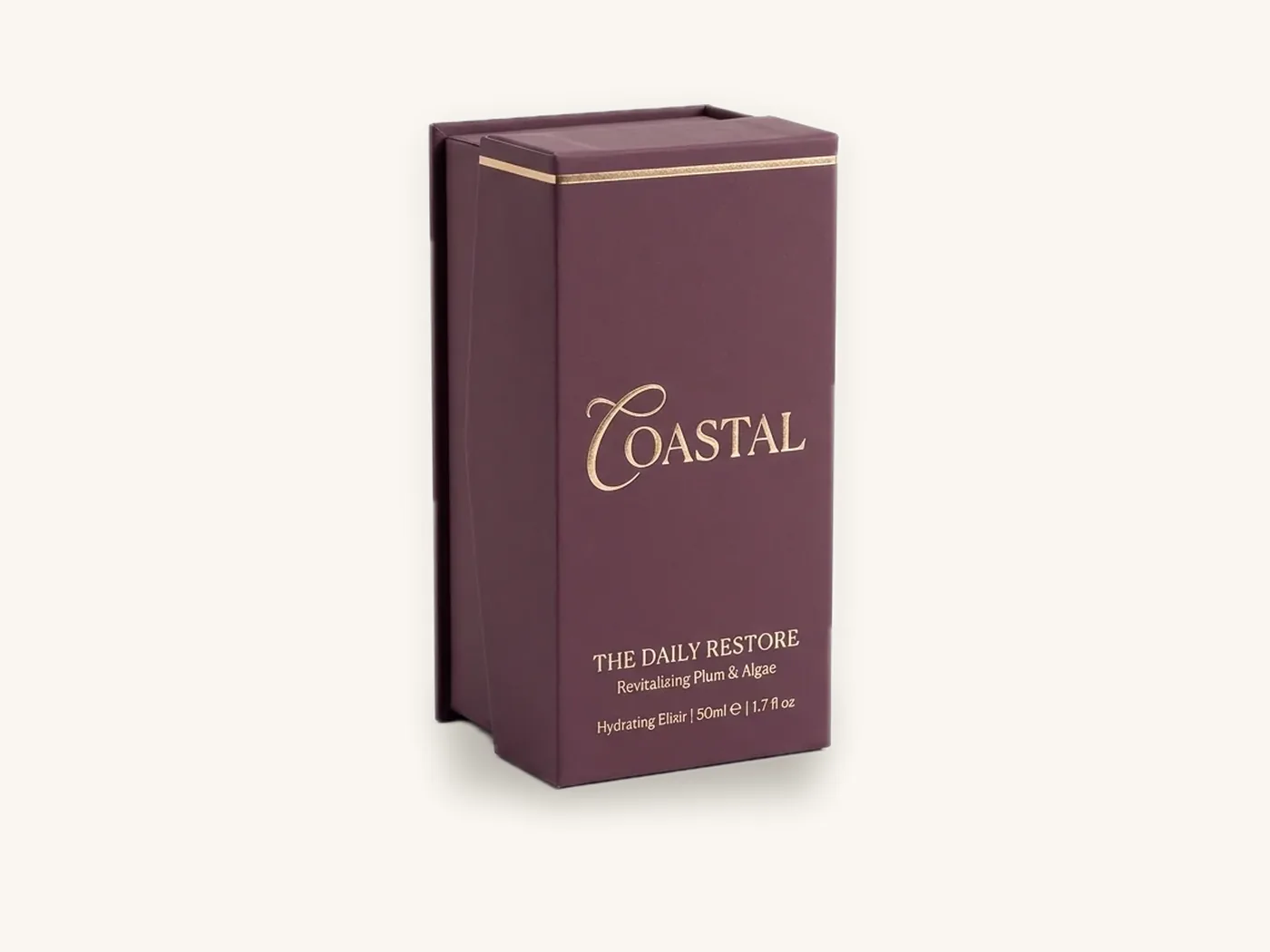
SBS is the default for retail cartons where the box sells the product. Its bright, even surface reproduces photography, gradients, pastels and fine type better than any other common carton board, and the white core means an opened carton looks clean inside.
C1S vs C2S
C1S (coated one side) has a clay coating on the outside print face and an uncoated white back. It is the usual choice for folding cartons printed on the outside only.
C2S (coated two sides) is coated on both faces. Choose it when you print inside the carton, when the inside is visible through a window or open top, or when you want a smooth, bright interior for presentation. It generally costs more than C1S.
Where SBS wins
- Color-critical branding: beauty, fragrance and skincare lines whose shade must match across products. Our cosmetic boxes are usually SBS for this reason.
- Premium finishes: soft-touch lamination, foil, spot UV and fine embossing all read crisply on its smooth face.
- Pharma and supplements: small, dense regulatory text stays legible.
- Food packaging: SBS made from virgin fiber is widely used for food cartons. Confirm food-contact suitability for your specific product and any coatings with your supplier.
Where SBS falls short
SBS is less tear resistant and less tolerant of moisture than unbleached kraft at similar calipers. In humid, refrigerated or frozen environments it can soften or scuff more readily unless coated or laminated. It also shows dirt and carrier marks, so it is better as a retail carton than as a shipping surface.
Kraft paperboard in detail
Kraft paperboard is unbleached board, often called solid unbleached sulfate (SUS) when made from virgin fiber, and simply kraft board when it contains recycled content. It keeps its natural brown color on both sides and is usually left uncoated.
Where kraft wins
Kraft signals natural, handmade or low-waste positioning at a glance, and it hides scuffs well. Its long, unbleached fibers give it high tear strength, so tuck flaps and hang holes survive repeated handling. It works well for soap boxes, candles, dry food, coffee and tea, and minimalist brands that use one or two strong colors.
How print behaves on kraft
Because the surface is brown and absorbent, ink goes down darker and softer. Black and deep colors stay crisp; pastels, light tones and photographs largely disappear unless printed over opaque white ink. We cover the design rules in our white ink on kraft guide, and the kraft boxes guide shows which box styles suit the look. Batch-to-batch board color can also vary slightly, which matters if exact brand color consistency is important.
Kraft paperboard vs kraft corrugated
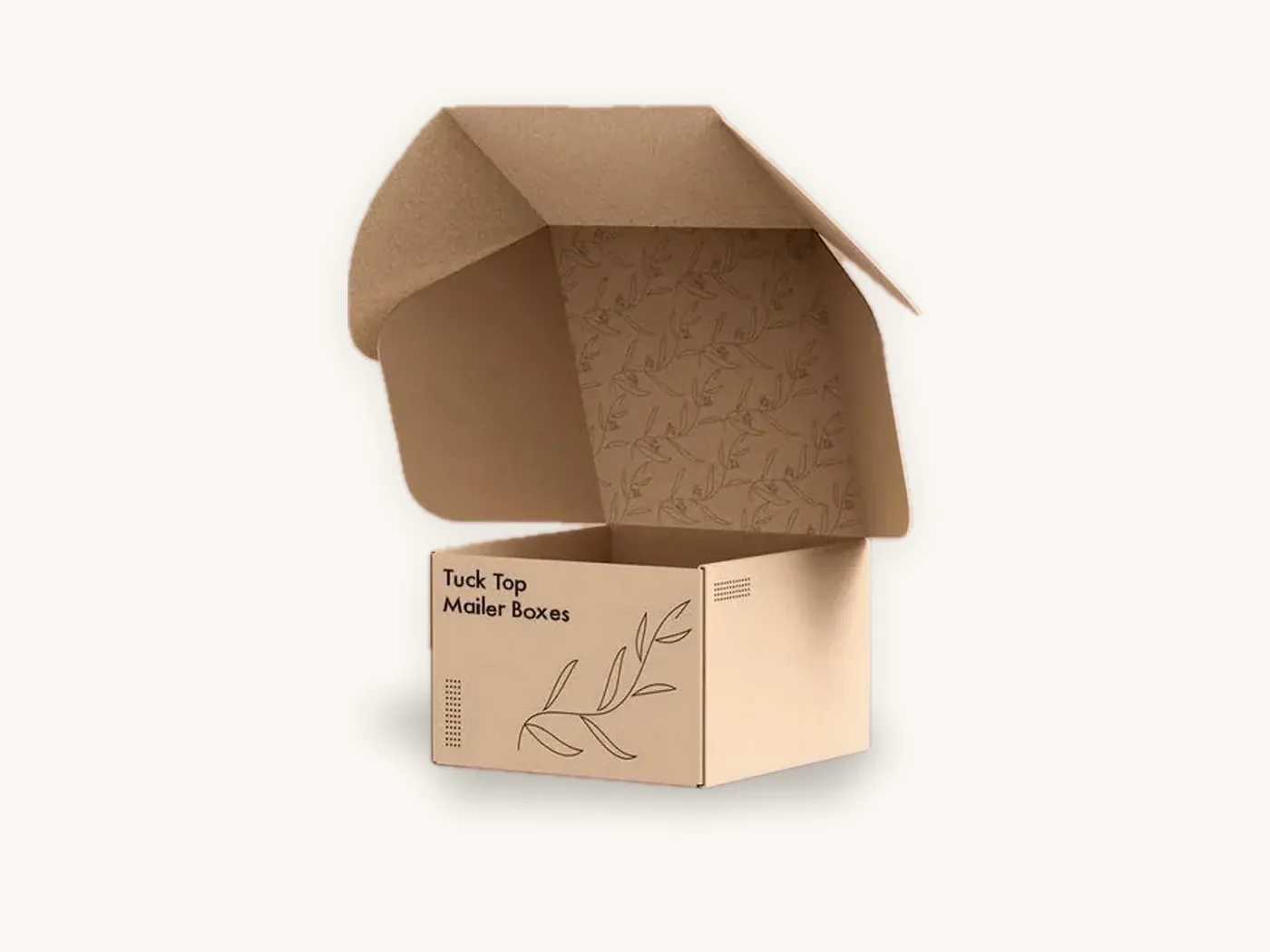
The word "kraft" also describes the brown liner on corrugated board. Kraft mailer boxes look similar to kraft cartons but are a different material, with a fluted core several times thicker. Choose paperboard for retail cartons and sleeves, and corrugated for anything shipping through carriers on its own; our corrugated flutes guide explains the grades.
CUK board in detail
CUK board, coated unbleached kraft, starts as strong virgin kraft board and adds a white clay coating on the outer face. The result prints almost as well as SBS on the outside while keeping the tear strength, stiffness and moisture tolerance of unbleached fiber.
Where CUK is used
CUK is most closely associated with applications that punish ordinary carton board:
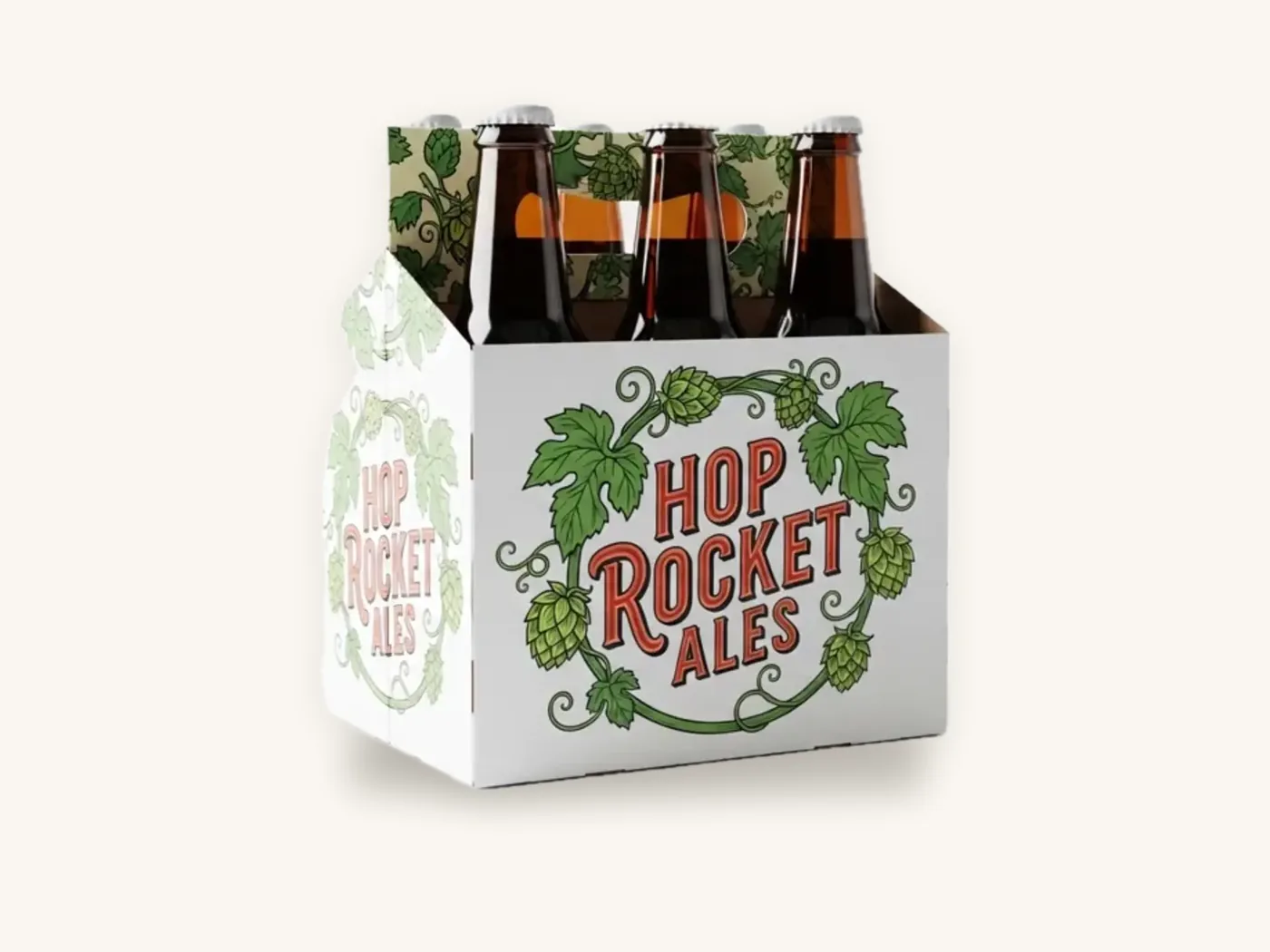
- Beverage multipacks and carriers, which must hold heavy, cold, sometimes wet bottles and cans by a handle.
- Frozen and refrigerated food cartons, which face condensation, freezer temperatures and rough case handling.
- Hardware, tools and heavier consumer goods that stress tuck flaps and panels.
- Club-store and multipack cartons that carry more weight than a single-unit retail box.
Our beverage carriers page shows the kind of structures where this class of strong, coated kraft board makes sense.
Tradeoffs to know
The inside of a CUK carton is brown, which some premium brands do not want. The coated face is white but can look a little warmer than SBS next to it on shelf. At a hard fold, especially with dark flood colors, the white coating can crack and reveal brown fiber, so creasing and artwork need care. Availability and pricing also move with the market for virgin kraft fiber, so CUK is not always the cheaper option.
Tip: if you are drawn to CUK for strength but also want a white interior, compare a thicker SBS caliper with a lamination, or an E- or F-flute carton, before deciding. Describe the load and environment in your quote request and ask which board the converter recommends.
Where recycled board and folding boxboard fit
Two other families often appear in the same quotes.
Coated recycled board (CRB), including grades sold as bux board, is made from recycled fiber with a white coated face and a grey or tan back. It prints well on the coated side and usually costs less than SBS, which makes it common for cereal-style cartons, toys and household goods. It is less stiff and less tear resistant for its thickness. Our bux board page explains when it is a sensible saving.
Folding boxboard (FBB) is widely used in Europe and the UK. It has a bleached top layer, a bulkier mechanical pulp middle and a coated face, which makes it stiff for its weight. If you receive a UK or European quote for a white carton, it may be FBB rather than SBS; compare caliper and stiffness, not just gsm.
How each board performs in real conditions
| Condition | SBS | Kraft paperboard | CUK |
|---|---|---|---|
| Humid bathrooms and warm shelves | Can soften; a coating or lamination helps | Holds shape well | Holds shape well |
| Refrigerator or freezer with condensation | Needs barrier coating or lamination | Better, but uncoated surface scuffs | Strong choice, commonly used |
| Grease or oil contact | Needs a grease-resistant coating | Needs a grease-resistant coating | Needs a grease-resistant coating |
| Heavy product hanging from a handle or peg | Moderate | Good | Very good |
| Repeated opening and closing | Good | Very good | Very good |
| Scuffing in transit | Shows marks on white | Hides marks | Shows marks on white face |
| Fold cracking with dark ink | White core hides small splits | Brown hides small splits | Brown may show through white coat |
For food contact, the FDA regulates paper and paperboard components that touch food, and the rules depend on the food type and conditions of use. Ask your supplier for documentation on the board and coatings, and confirm current requirements with the FDA or counsel. Our food-safe inks and coatings guide explains the moving parts.
Printing and finishes on each board
| Finish or feature | SBS | Kraft paperboard | CUK |
|---|---|---|---|
| Full-color CMYK and photography | Excellent | Muted without white underlay | Very good |
| PMS spot colors | Accurate | Shift darker; test first | Accurate, slight warm cast |
| Opaque white ink | Not needed | The key to light colors | Rarely needed on coated face |
| Soft-touch or matte lamination | Excellent | Possible, hides the natural texture | Very good |
| Foil stamping | Crisp | Works well; bold, simple shapes read best | Crisp |
| Spot UV | Strong contrast | Limited effect on uncoated surface | Good on coated face |
| Embossing and debossing | Fine detail possible | Good, softer edges | Good |
| Die-cut window with film | Clean | Clean | Clean |
If your carton needs a window, the choice between PET and compostable PLA film matters as much as the board; our PET vs PLA window film guide compares them. The printing and finishes page shows every option we offer.
Sustainability: comparing the three boards honestly
No single board is automatically the "green" choice. Each has a different sustainability profile.
- SBS relies mainly on virgin fiber, which some brands see as a drawback, but it can come from certified responsibly managed forests. It is recyclable in most paper streams when finishes allow.
- Kraft paperboard skips bleaching and can include recycled content, and its look communicates sustainability without extra claims. It is recyclable and, when uncoated and unlaminated, suits compostable positioning.
- CUK skips bleaching and uses strong virgin fiber, so less board can do more work in demanding uses.
- Recycled board keeps fiber in circulation but may need more caliper for the same stiffness.
Finishes often decide recyclability more than the board. Aqueous coatings keep cartons in the paper stream more easily than plastic laminations, and PLA windows avoid petroleum-based film. FSC-certified boards, soy or water-based inks and aqueous coatings are all available from Box Sense; see sustainability and our FSC-certified packaging guide. If you print environmental claims on the carton, the FTC's Green Guides set expectations for how they should be qualified, so review current guidance or consult counsel before adding one.
Choosing a board for your carton
Work through these questions in order. The first one that points clearly to a board usually settles it.
- Does the carton face cold, wet or heavy loads? Frozen food, beverage packs and heavy goods point to CUK or a laminated or corrugated alternative.
- Is exact color or photography essential to the brand? If yes, choose SBS, C2S if the inside shows.
- Is a natural or handmade look part of the brand? If yes, choose kraft paperboard and design with dark inks or white ink.
- Does the inside of the carton need to look white? If yes, rule out kraft and CUK.
- Is cost the main driver on a large, simple carton? Consider coated recycled board or bux board.
- Will you print environmental claims? Choose the board and finishes that let you substantiate them.
| Product example | Recommended board | Why |
|---|---|---|
| Serum or foundation carton | SBS C1S, 16–18 pt | Color accuracy and premium finishes |
| Gift set with a window and printed interior | SBS C2S | White, printed inside visible to shoppers |
| Handmade bar soap sleeve | Kraft paperboard, 18 pt | Natural look, tear-resistant tuck |
| Coffee or loose tea carton | Kraft or SBS | Kraft for an artisan look, SBS for photography |
| Six-pack bottle carrier | CUK-class coated kraft | Handle strength with a printable face |
| Frozen dessert carton | CUK or coated SBS | Condensation and freezer handling |
| Toy or household goods at scale | Coated recycled board | Good print at a lower board cost |
Ordering SBS and kraft cartons from Box Sense
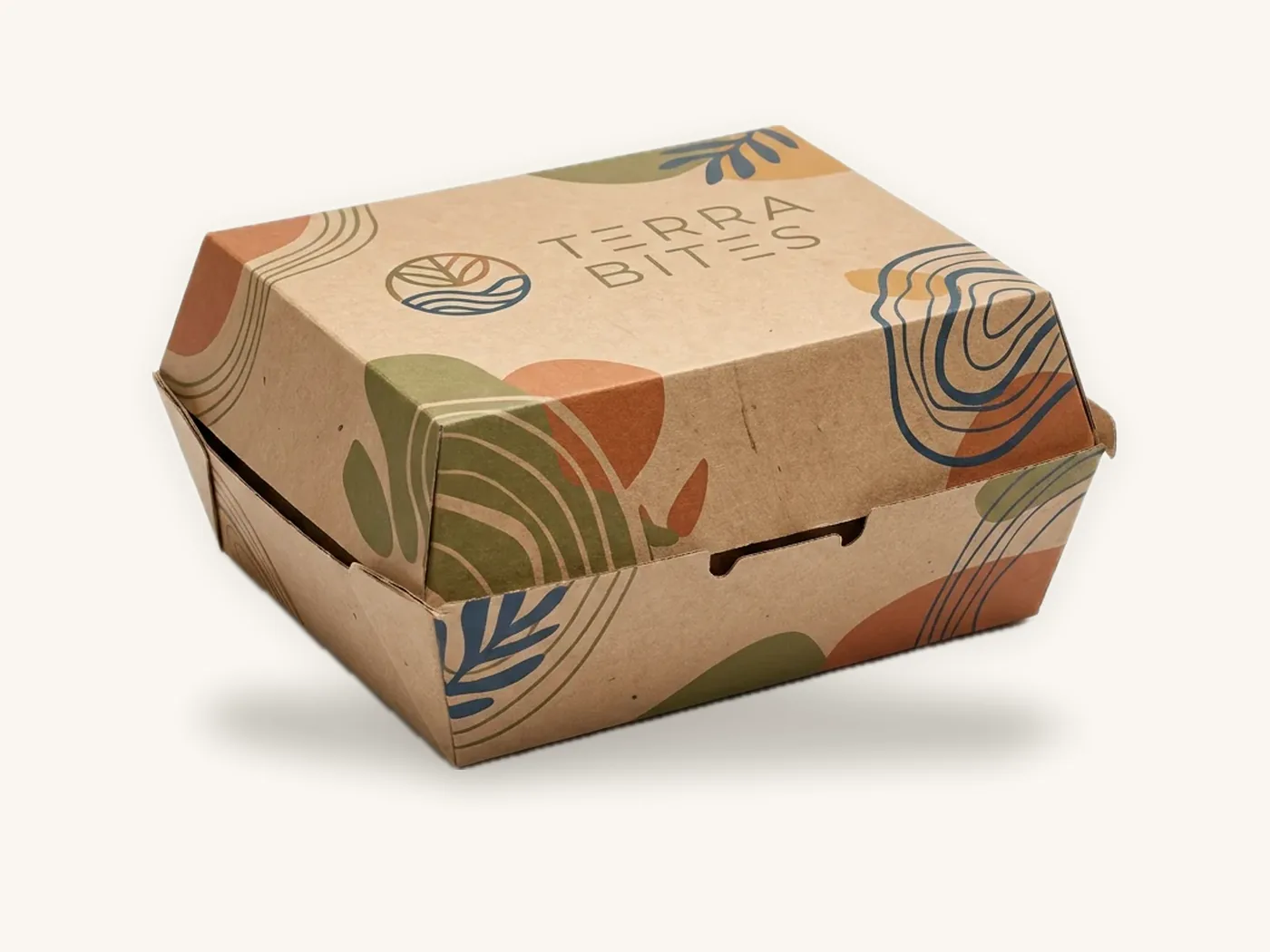
We print custom product boxes on SBS paperboard from 12 to 24 pt and on kraft paperboard from 14 to 24 pt. If your application sounds like CUK territory, describe the load and environment in your quote request and our team will advise on the most suitable construction.
What to send
- Product dimensions, weight and storage conditions (shelf, fridge, freezer, humid)
- Board preference, or the look you want: bright white, natural kraft, or undecided
- Whether the inside of the carton is visible or printed
- Print coverage, spot colors and finishes
- Any food-contact or retail requirements
- Quantities to price, and artwork or a request for design services
Indicative pricing on each board
These rows differ in size and print as well as board, so they are not a direct board-to-board comparison. Prices include free US shipping; use the price estimator to compare boards for your exact carton.
| Spec | 250 | 1,000 |
|---|---|---|
| Straight tuck end carton, 18 pt SBS, 3x2x5 in, full color outside, aqueous | about $0.82 | about $0.51 |
| CBD tincture box, 18 pt SBS, 1.5x1.5x4.5 in, full color, gloss, spot UV | about $0.93 | about $0.58 |
| Kraft tuck carton, 18 pt kraft, 4x3x2 in, 1-color print | about $0.57 | about $0.36 |
| Soap sleeve/box, 18 pt kraft, 3.5x2.5x1.25 in, 1-color | about $0.47 | about $0.29 |
Samples and timeline
The minimum order is 10 boxes, with no die or plate charges. Quotes are confirmed within 24 hours, and free design support includes a dieline, artwork setup, a 3D digital proof and two revision rounds. Unprinted structural samples are free, which is the easiest way to feel SBS and kraft side by side, and a printed sample of approved artwork is free on orders of 100 or more. Standard production is 8–12 business days after proof approval, with rush in 5 business days on most paperboard styles, and US shipping is free.
Frequently asked questions
What is SBS paperboard?
SBS paperboard, short for solid bleached sulfate, is a carton board made from bleached virgin wood fiber, so it is white throughout. It is usually clay coated on one side (C1S) or both sides (C2S) to create a smooth, bright print surface. It is the standard board for cosmetics, pharmaceuticals, supplements and premium food cartons where color accuracy matters.
What is the difference between SBS and kraft paperboard?
SBS is bleached and coated, so it is bright white with a smooth surface that reproduces color accurately. Kraft paperboard is unbleached and usually uncoated, so it is brown on both sides, absorbs ink more and has higher tear strength. Choose SBS for vivid, color-critical graphics and kraft for a natural look, bold simple artwork and extra toughness.
What is CUK board used for?
CUK board, coated unbleached kraft, is used where cartons need kraft strength plus a printable white face. Typical uses include beverage multipacks and carriers, frozen and refrigerated food cartons, hardware and heavier consumer goods. Its unbleached fiber resists tearing and tolerates moisture well, while the clay-coated outer face takes full-color print. The inside of the carton remains brown.
Is SBS paperboard recyclable?
Yes. SBS is a paper-based board and is accepted in most paper recycling streams, especially with aqueous coatings rather than heavy plastic laminations. Large amounts of foil, plastic windows or laminated films can complicate recycling in some programs. FSC-certified SBS is available if responsible sourcing matters to your brand. Check local program rules before printing a recyclability claim.
Is kraft paperboard stronger than SBS?
At similar calipers, unbleached kraft paperboard generally has higher tear strength and better tolerance of moisture than bleached SBS, because bleaching removes some of the natural compounds that bind the fiber. SBS offers excellent stiffness and a far better print surface. For most retail cartons both are strong enough, so the decision usually comes down to look, print and environment.
What is the difference between C1S and C2S?
C1S means coated one side: the outside print face has a smooth clay coating and the inside is uncoated. C2S means coated two sides, with smooth coated surfaces inside and out. Choose C1S for cartons printed only on the outside, and C2S when you print inside, when the interior is visible through a window, or when you want a brighter inside.
Which paperboard is best for food packaging?
It depends on the food and conditions. Virgin-fiber SBS is widely used for dry and bakery food cartons, CUK-class board suits frozen and refrigerated products, and kraft paperboard works for dry goods with a natural look. Greasy or moist foods need suitable coatings. Ask your supplier for food-contact documentation and confirm current FDA requirements for your specific product.
Next steps
Decide which matters most for your carton: color, natural look or toughness in tough conditions. Then compare SBS and kraft options in the carton price estimator, or request a quote with your product details and we will recommend a board, send a dieline and confirm pricing within 24 hours.
Boxes in this guide
Order the packaging we covered
Written by the Box Sense Packaging Team
Our structural designers, prepress technicians and production staff print and convert custom boxes every day for brands in the United States, United Kingdom and UAE. Questions about this guide? Talk to us.