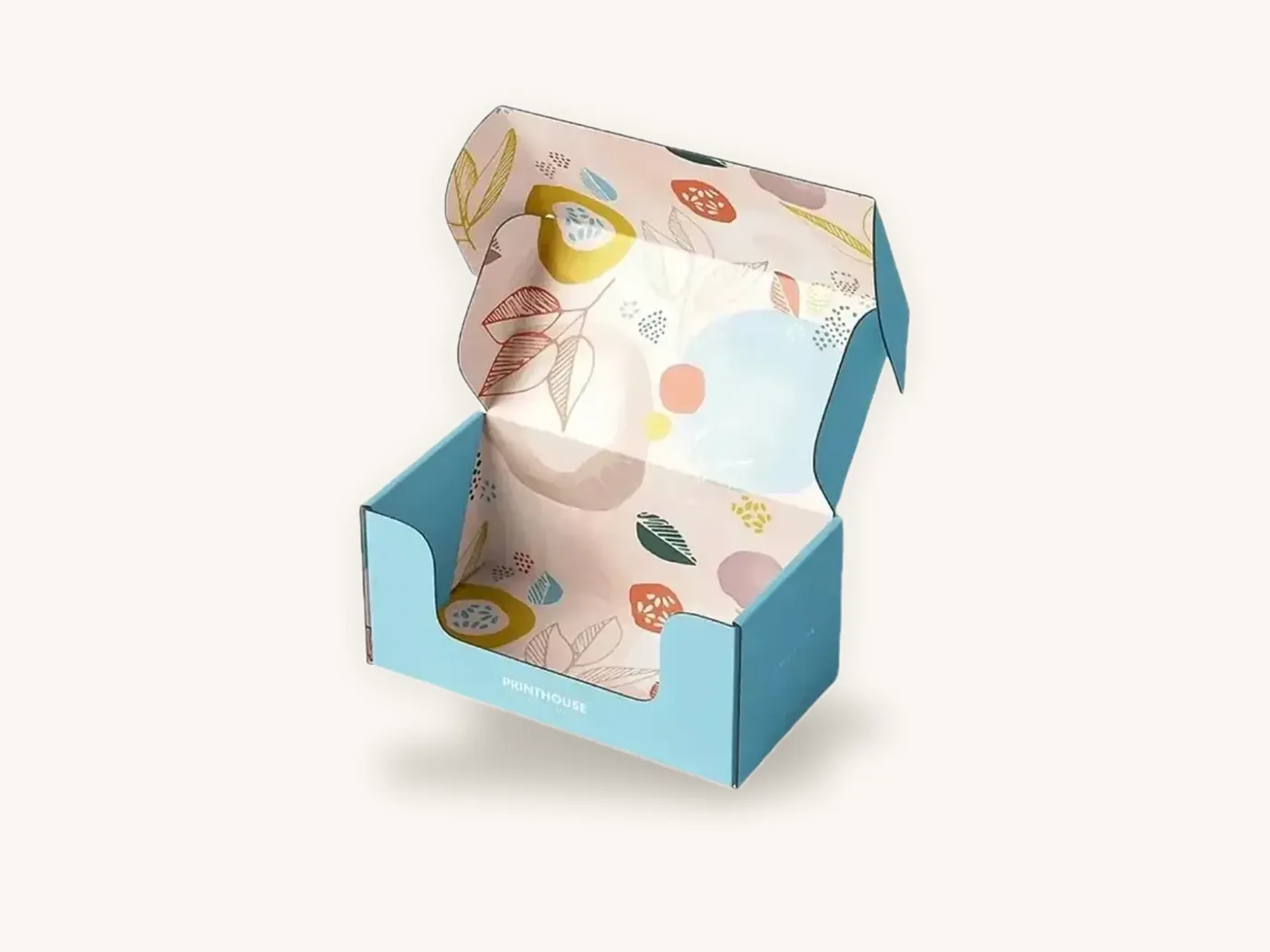
How much do custom boxes cost? The honest answer is that it depends on the box, and the spread is wide. Small paperboard cartons sit at the bottom of the range, corrugated mailers and shipping boxes in the middle, and large double-wall shippers and luxury rigid boxes at the top.
The type of box is the first thing that decides your price, before quantity or finish. A small tuck carton and a large shipping carton are different products made from different materials on different equipment, so comparing their prices directly is not useful.
This guide ranks each common box type by relative cost, explains what moves the number within each category, and shows you how to map your own product onto the closest row. Real prices vary too much by job to publish a single figure, so the aim here is to help you budget sensibly and write a quote request that gets you an accurate number.
Key takeaways
- Box type sets the price band. Paperboard cartons are the least expensive, corrugated boxes cost noticeably more, and rigid boxes cost several times more than cartons at the same quantity.
- Within a type, size and finish do most of the work: a larger or laminated box can cost far more than a plain small one.
- Short runs carry a much higher unit price than runs of a thousand or more; at very high volumes, savings flatten out.
- Shipping boxes cost more than their plain look suggests because the board is heavy and the boxes are large.
- For a figure on your own spec, request a quote.
Custom box prices at a glance
Start here to find the band your packaging falls into. Each row is a typical spec, so treat the ranking as a reference point rather than a promise for a different size or finish.
| Box type | Typical spec | Relative cost | What drives the cost |
|---|---|---|---|
| Soap sleeve or box | 18 pt kraft, 3.5x2.5x1.25 in, 1-color | Lowest | Very little board, one ink |
| Kraft tuck carton | 18 pt kraft, 4x3x2 in, 1-color | Lowest | Small blank, one ink, no coating |
| Straight tuck end carton | 18 pt SBS, 3x2x5 in, full color, aqueous | Low | Full-color print, light coating |
| Reverse tuck end carton | 14 pt SBS, 2x2x6 in, full color, gloss lamination | Low | Lamination offsets the lighter board |
| CBD tincture box | 18 pt SBS, 1.5x1.5x4.5 in, full color, gloss, spot UV | Low | Finishes, not board |
| Window box | 18 pt SBS, 4x4x4 in, full color, aqueous, window | Low to medium | Window cut and film |
| Cosmetic carton | 18 pt SBS, 2.5x2.5x6 in, soft-touch and foil | Medium | Soft-touch lamination and foil |
| Candle box | 18 pt SBS, 3.5x3.5x4 in, matte, foil, insert | Medium | Foil plus a custom insert |
| Mailer box | E-flute, 8x6x3 in, full color outside | Medium | Corrugated board, larger blank |
| Bakery box with window | 18 pt SBS, 10x10x5 in, full color | Medium to high | Large footprint, window |
| Shipping box (RSC) | B-flute, 12x10x6 in, 1-color | High | Board area and flute grade |
| Counter display box | E-flute, 10x8x6 in, full color | High | Header, tray and extra board |
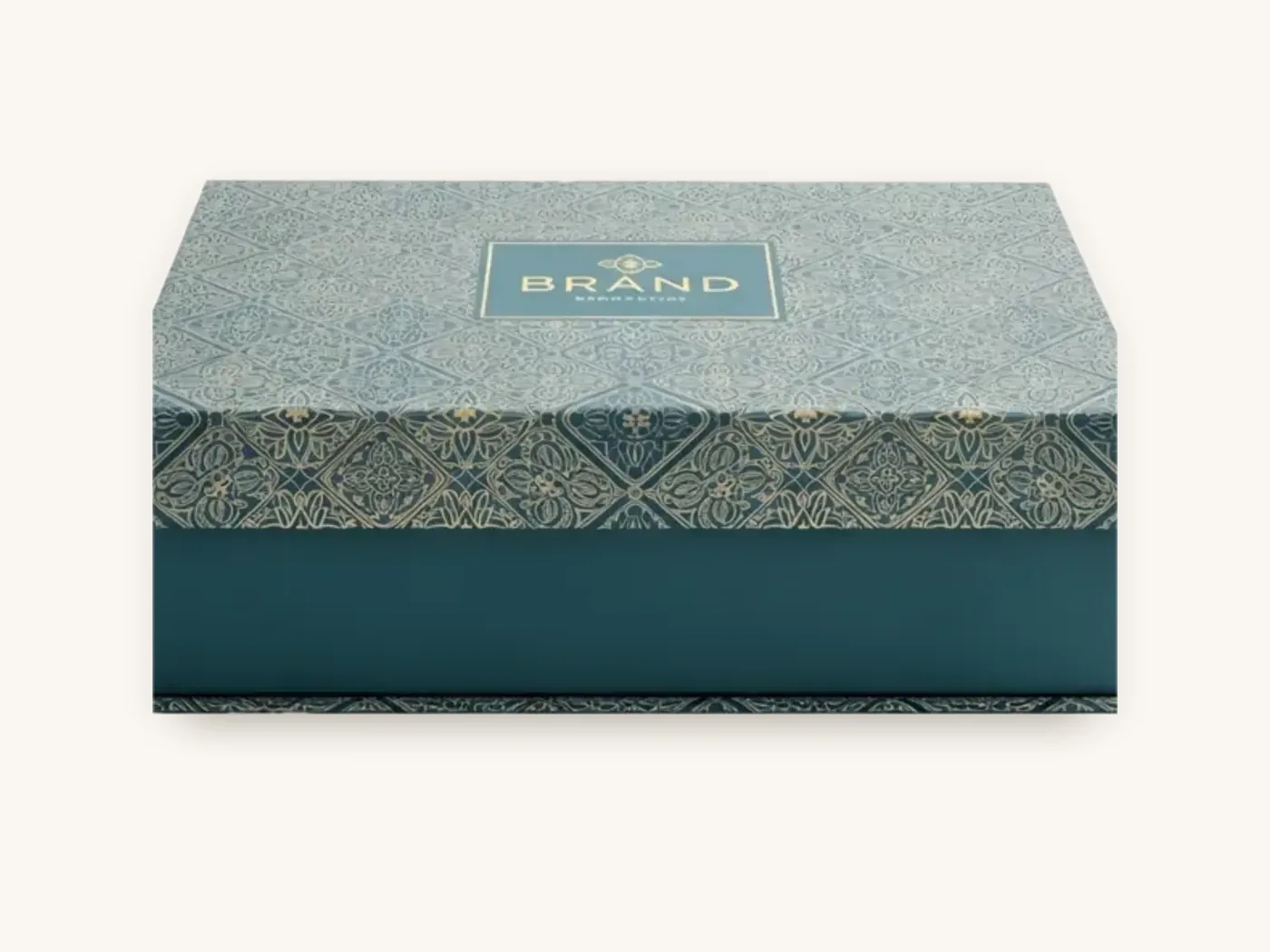
| Rigid box | 2 mm greyboard, 8x6x3 in, full color, matte | Highest | Greyboard, wrap and hand assembly |
| Double wall shipper | BC flute, 18x14x12 in, 1-color | Highest | Two fluted layers, very large blank |
Two patterns stand out. First, finishes can outweigh size: the tiny tincture box with spot UV costs more than a larger one-color kraft carton. Second, big corrugated boxes climb fast, because board area and grade both rise together.
Retail folding cartons: the lowest-cost printed boxes
Folding cartons are single sheets of paperboard, printed flat, die-cut, then folded and glued. They ship flat, pack quickly and suit anything that sits on a shelf or goes inside a shipper. The folding cartons style page shows the full family.
Tuck end cartons
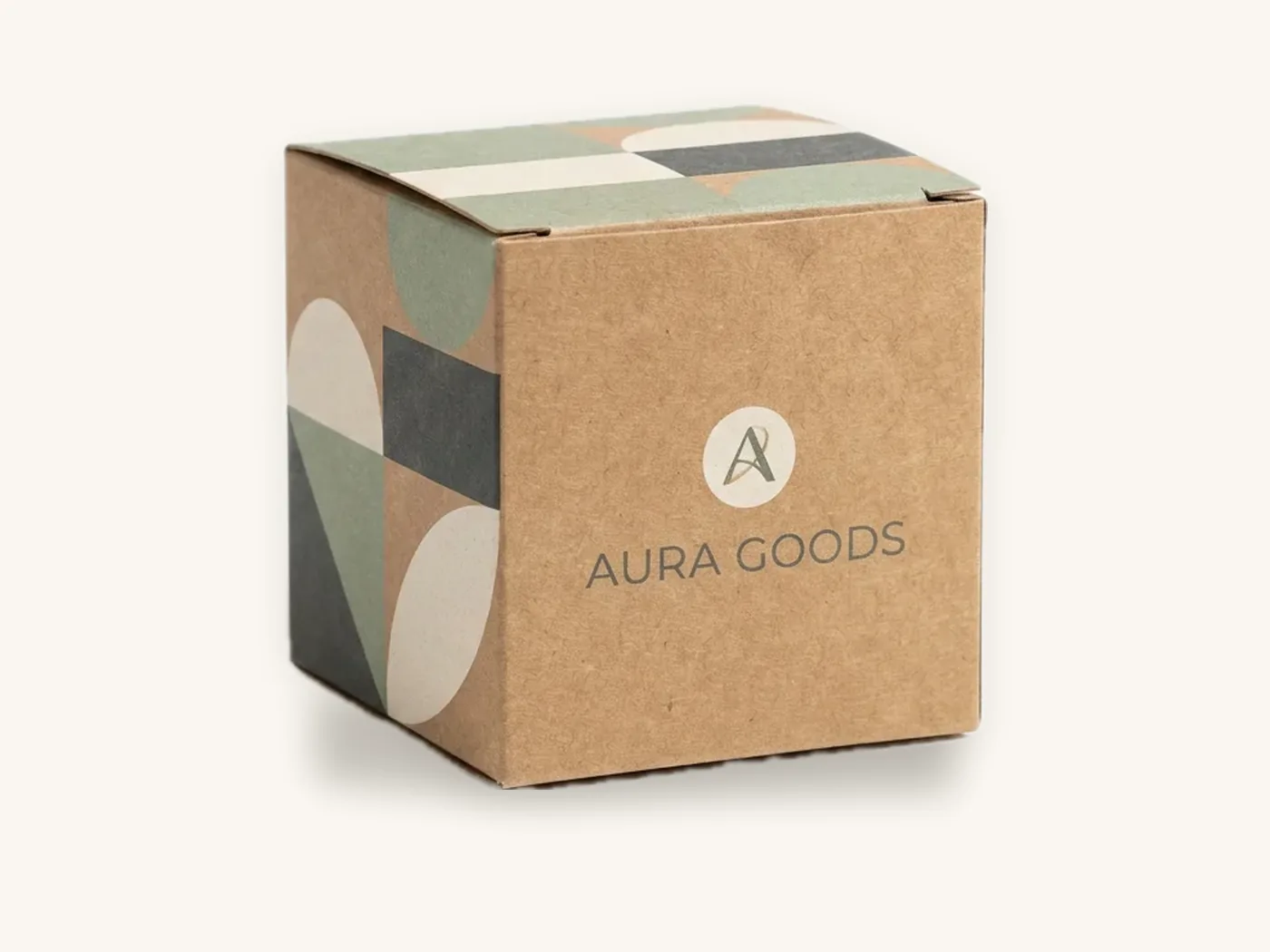
A straight tuck end carton closes both ends on the same side, giving an uninterrupted front panel. A reverse tuck end closes the ends on opposite sides, which uses board a little more efficiently. At the specs in the table, the two price very close to each other because the reverse tuck carries a gloss lamination. Straight tuck end boxes and reverse tuck end boxes cover the options.
Kraft cartons and sleeves
Natural kraft paperboard with one-color print is the cheapest printed option we make. A small kraft tuck carton or soap sleeve uses very little board, a single ink and no lamination, so almost nothing is added on top of the material itself. One color on kraft looks deliberate rather than budget, which is why handmade soap, tea and candle brands use it.
General-purpose product boxes
Most custom product boxes and custom cardboard boxes are tuck end cartons in 14 pt to 24 pt SBS. Expect costs in the same band as the tuck carton rows for small boxes, rising as dimensions grow. Heavier products may need an auto-lock bottom, which adds a little board and gluing but saves packing time.
What moves folding carton prices
| Choice | Effect on price | When it is worth it |
|---|---|---|
| Kraft with 1-color print instead of full-color SBS | Lower | Natural, minimal branding |
| 24 pt instead of 18 pt board | Higher | Heavy jars, tall bottles, premium feel |
| Aqueous coating instead of lamination | Lower | Most retail cartons, recyclability |
| Soft-touch lamination | Noticeably higher | Beauty and premium products |
| Window with film | Moderately higher | Product sells on sight |
| Foil, embossing, spot UV | Higher plus one-time tooling | A single logo highlight |
| Custom insert | Higher plus tooling | Bottles, candles, fragile items |
Specialty cartons for beauty, candles, CBD and bakery
These are still folding cartons, but they usually carry finishes, windows or inserts that lift the price above a plain tuck box.
Cosmetic and skincare cartons
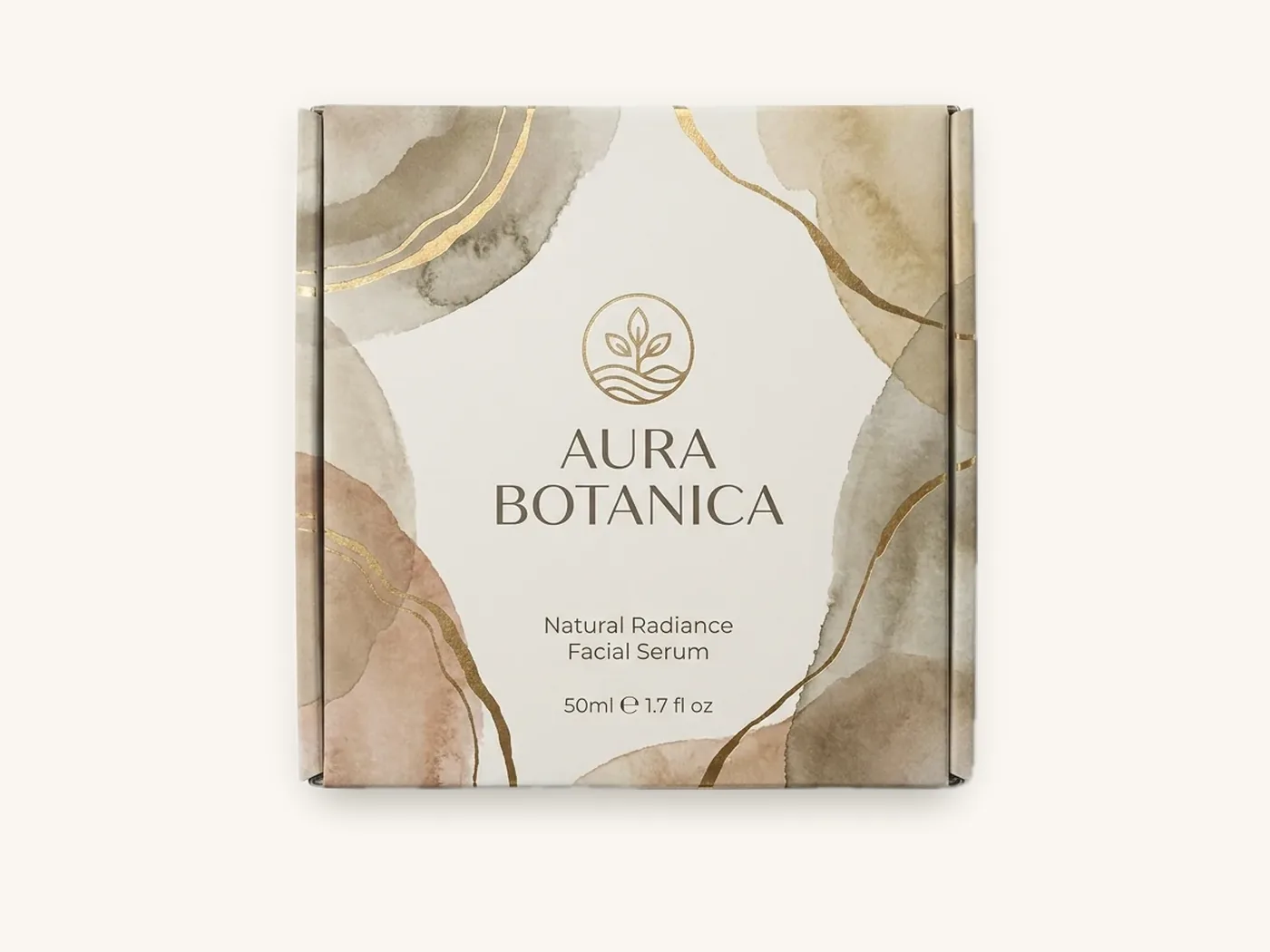
A cosmetic carton with soft-touch lamination and a foil logo sits a clear step above a plain carton of the same size. Without the soft-touch and foil, a similar carton would price close to the straight tuck row. Beauty brands often keep the embellishment because shelf presence matters at their price point. See cosmetic boxes for styles.
Candle boxes
A candle box with matte lamination, foil and an insert costs more again, and the gap is widest on short runs where tooling is spread over fewer boxes. The insert is the part many buyers do not budget for; it keeps a glass vessel centered and adds both a per-unit cost and a one-time die. Candle boxes come with or without inserts.
CBD tincture boxes
A narrow tincture box with gloss and spot UV uses very little paperboard. Board use is small, so finishes make up a large share of the price. If your product needs child-resistant packaging, that is a different structure with different pricing; confirm current requirements for your state program and product with the regulator.
Bakery boxes
A 10x10x5 in bakery box with a window in 18 pt SBS costs more than most retail cartons even though the print is simple. The large footprint is what drives the price, not the print. For food-contact use, tell us how the product touches the board so we can specify suitable materials.
Mailer boxes: printed corrugated for direct shipping
Mailer boxes are die-cut from E-flute corrugated, lock without tape and double as the unboxing experience. They cost more than cartons because corrugated uses more fiber and each box is larger.
| Mailer spec | Relative cost | What adds to it |
|---|---|---|
| E-flute, 8x6x3 in, full color outside | Medium | Baseline: board and one printed side |
| E-flute, 10x8x4 in, full color inside and outside | High | More board plus a second printed side |
| Subscription mailer, 12x9x4 in, both sides, insert and tear strip | Highest | More board, inside print, insert and tear strip |
The jump from the smallest to the largest row reflects three stacked changes: more board, inside printing and add-ons. Our custom mailer boxes cost guide separates those effects so you can see which one matters for your product.
Shipping boxes and heavy-duty corrugated
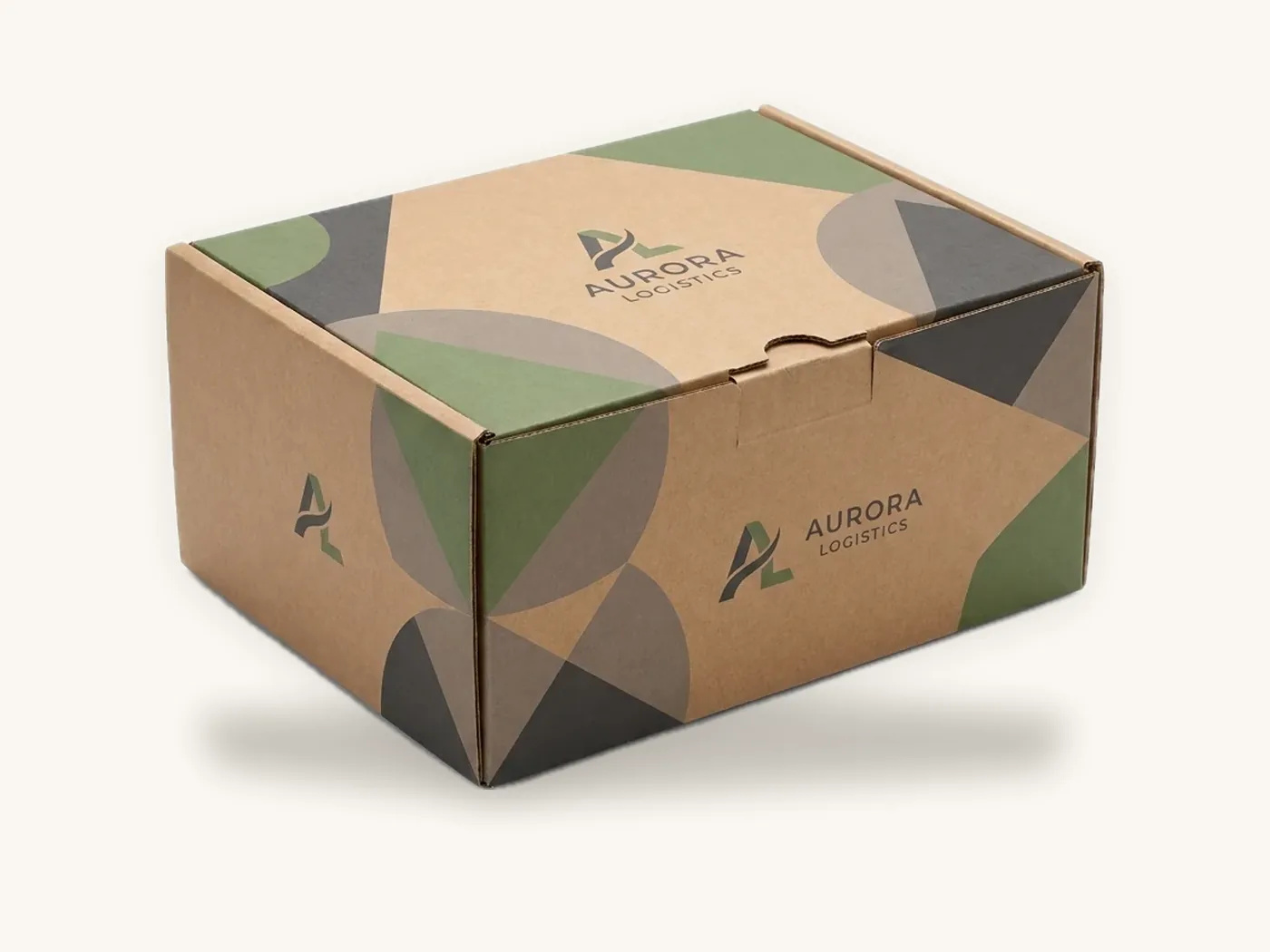
Shipping boxes are regular slotted containers (RSCs): four flaps top and bottom that meet in the middle and get taped. They look simple, yet they are some of the pricier boxes per unit because they are large and made from thicker board. Custom shipping boxes are available in single and double wall.
Single-wall B-flute RSCs
| Size | Relative cost | Why |
|---|---|---|
| 12x10x6 in, 1-color | High | Thick board, mid-size blank |
| 16x12x8 in, 1-color | Higher | Much larger blank from the same board |
Going from 12x10x6 in to 16x12x8 in raises every dimension by only a few inches, yet the price rises substantially at every quantity. Board area, not print, is what you are paying for. One-color print is the norm because shipping boxes get labeled and scuffed in transit.
Double-wall shippers
A BC-flute double-wall shipper at 18x14x12 in is the most expensive box in the at-a-glance table, and a very short run of them costs far more per box than a run of a thousand. Double wall uses two fluted layers and three liners, so it resists crushing under stacked loads and protects heavy or fragile goods. Choose it when contents are heavy, when boxes travel on pallets under other freight, or when a product has failed in single wall. Heavy duty double wall boxes cover the range.
Watch out: a shipping box that is too large costs you twice: once in board and again in dimensional weight postage. Measure the packed product and size the box to it before choosing a grade. Confirm current dimensional weight rules with your carrier.
For grades, ECT ratings and standard carrier sizes, see the custom shipping boxes guide.
Display boxes and rigid boxes
These two categories sit at the upper end, for different reasons.
Counter display boxes
A 10x8x6 in E-flute counter display printed full color costs more than a mailer of similar footprint. Displays combine a shipper and a retail tray, often with a tear-away lid and a tall printed header, so they use more board than their footprint suggests. Because retailers order them in small numbers, many brands buy 100 to 500. Counter display boxes show common formats.
Rigid boxes
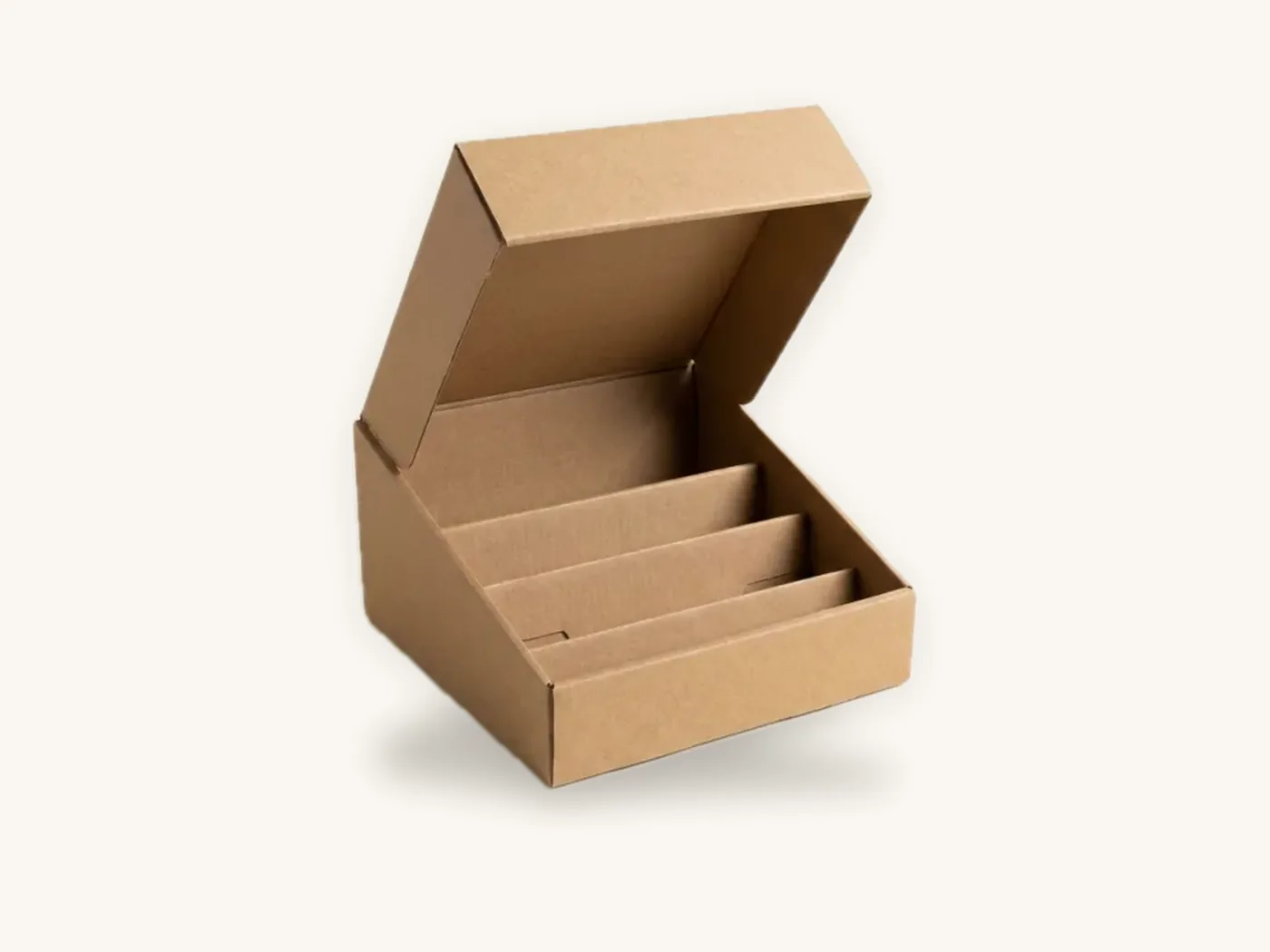
Rigid boxes are built from 2 mm greyboard wrapped in printed paper and assembled largely by hand. That labor and material put even a plain matte rigid box well above a mailer of the same size. A magnetic closure, soft-touch lamination, foil and an insert each add more, while a small jewelry rigid box costs far less than a large one because it uses so little board and wrap. Our rigid box cost guide explains the build and the ways to save.
Custom shapes and die-cut structures
Hexagons, pillow boxes, gable boxes and fully custom structures do not have a single reference row, because the blank shape changes how many boxes fit on a sheet. A shape that nests tightly on the sheet wastes little board and prices close to a tuck carton of similar size. A shape with long flaps, curves or interlocking panels leaves more offcut and may need extra gluing points or hand folding.
If you are considering a special shape, ask for a quote on a standard tuck or mailer at the same internal dimensions alongside it. That gives you a baseline, and the difference tells you exactly what the shape itself is costing. Custom die cut boxes include free dieline design, so the structure can be engineered before you commit to a run.
Why two quotes for the same box can be far apart
Buyers often request quotes for "a 6x6x6 printed box" and receive prices that differ widely. Usually the suppliers are pricing different boxes.
- Board grade. 14 pt SBS, 24 pt SBS, E-flute and B-flute are all "cardboard" to a customer, but they differ widely in cost.
- Inside versus outside dimensions. A box quoted on outer dimensions is smaller inside, and cheaper.
- Print coverage. Full bleed on every panel versus a logo on the lid.
- Coating. Aqueous, gloss, matte and soft-touch are priced very differently.
- Included services. Dieline, proofing, samples, plates, dies and freight may be included, itemized or missing.
- Lead time. Rush production can change the price.
- Quantity tiers. A quote at 1,000 units cannot be compared with one at 500.
The fix is to send every supplier the identical written spec, then compare delivered totals. Our custom packaging cost guide breaks a box price into its layers if you want to see where the differences come from.
Box types we do not price in this guide
Some packaging does not fit a simple per-box table. For pizza boxes, food-service items like cups and takeout containers, paper bags, pouches, labels, tape and tissue, the cost depends on factors such as food-contact coatings, barrier films, handle construction or roll length.
For those, describe the item, quantity and material in a quote request and we will price it directly. If you are a restaurant or food brand, the food and beverage page shows which formats we produce.
How to scope your box cost in five steps
- Identify your box type. Retail carton, specialty carton, mailer, shipper, display or rigid. Use the at-a-glance table to see where it sits on relative cost.
- Note your size. Larger boxes use more board and cost more; smaller ones use less and cost less.
- List your finishes. Lamination, soft-touch, foil, windows and inserts add cost; one-color print on kraft keeps it down.
- Pick your quantities. Short runs carry a higher unit price and volume brings it down, so choose two or three tiers to compare.
- Confirm with a quote. Request a quote with your exact dimensions, board, print and extras for the final number.
How to order custom boxes from Box Sense
Once you know the band you are in, ordering is straightforward.
Send us the box type or product description, internal dimensions, product weight, board preference, print coverage, finishes, two or three quantities and your delivery location. If you are unsure about any of these, describe the product and how it is sold and we will recommend a spec.
We confirm quotes within 24 hours. Design support is free: we supply the dieline, set up your artwork and send a 3D digital proof with two revision rounds. Unprinted structural samples and printed samples of approved artwork are available for a small fee.
Standard production is 8–12 business days after proof approval, with rush in 5 business days on most paperboard and corrugated styles. The minimum order is 10 boxes, there are no die or plate charges, shipping is free on every US order. If a box arrives defective and you report it within 14 days, we reprint it free.
Frequently asked questions
How much do custom boxes cost for a small business?
Most small businesses buy between 100 and 1,000 boxes. At those quantities setup is still a large share of each box, so the unit price sits well above what a high-volume buyer pays, and it drops quickly as the order grows. Printed tuck end cartons cost less than printed mailers, and kraft cartons with one-color print are cheaper still. US shipping is included. Order at least a few months of supply to reach a better tier.
What is the cheapest custom box I can print?
The lowest-cost printed boxes are small kraft paperboard cartons and sleeves with one-color print. A kraft soap sleeve or a small kraft tuck carton uses very little board and a single ink, and the unit cost keeps falling as quantity rises. Adding full color, lamination or a larger size raises the price.
How much do custom shipping boxes cost?
It depends mostly on outer size and board grade. A single-wall B-flute shipping box with one-color print costs more than a printed retail carton, a larger size costs more again, and double-wall shippers sit at the top of the range. Shipping boxes cost more than their plain appearance suggests because they are large and made from thick corrugated board.
Why do custom boxes cost more than stock boxes?
Stock boxes are produced in huge runs of standard sizes with no printing, so their setup is spread across enormous volumes. Custom boxes are cut to your dimensions, printed with your artwork and finished to your spec in a dedicated run. The premium buys a proper fit, branding and often lower postage from right-sizing.
How much does it cost to print a logo on a box?
It depends on the box and how the logo is applied. Printing is part of the per-unit price, and a simple one-color logo costs less than full-color coverage. A foil-stamped logo adds a per-unit charge plus one-time tooling, and embossing and spot UV carry one-time tooling as well. Box Sense has no plate charges for standard printing.
Do custom boxes get cheaper if I order more?
Yes. Setup, proofing and press time are spread across every box in the run, so a very short run carries a high unit price and each step up in quantity brings it down. The steepest savings come early, as an order moves from a handful of boxes into the hundreds and then to a thousand or so. Past a few thousand units, material becomes most of the cost and the price per box falls much more slowly.
How much do custom rigid boxes cost?
Rigid boxes are the most expensive common box type because they use 2 mm wrapped greyboard and are assembled largely by hand. Size is the main driver, followed by the closure and finishes: a magnetic closure box with soft-touch, foil and an insert costs noticeably more than a plain matte rigid box of similar size. Small jewelry rigid boxes start much lower because they use less board.
Next steps
Find your box type in the table above, then note your exact dimensions and finishes so we can price your spec. When you are ready, request a custom box quote and we will confirm pricing within 24 hours, supply a dieline and prepare a 3D proof.
Boxes in this guide
Order the packaging we covered
Custom Product Boxes
 Popular
Custom Shipping Boxes
PopularCustom Cardboard Boxes
Written by the Box Sense Packaging Team
Our structural designers, prepress technicians and production staff print and convert custom boxes every day for brands across the United States. Questions about this guide? Talk to us.