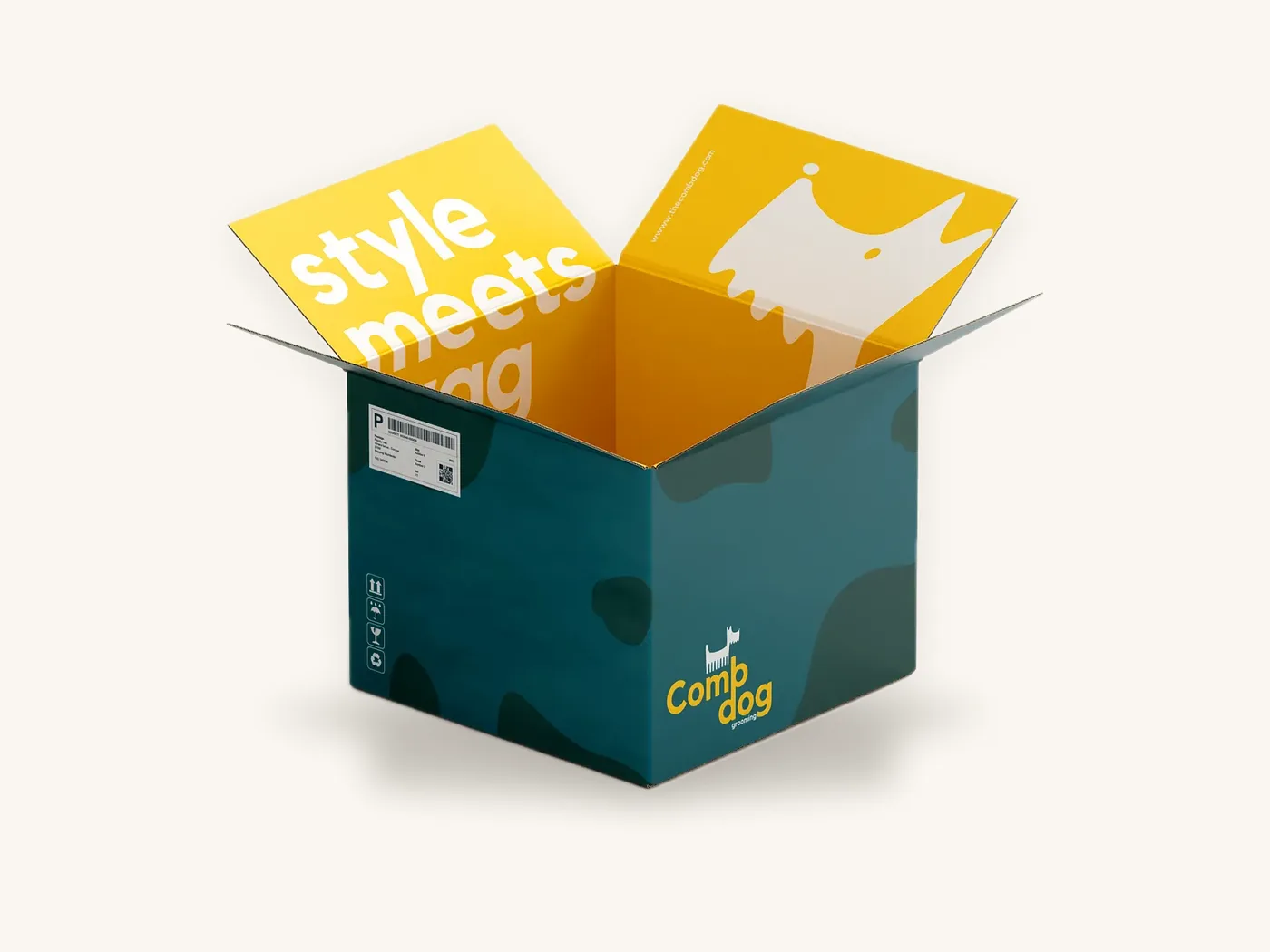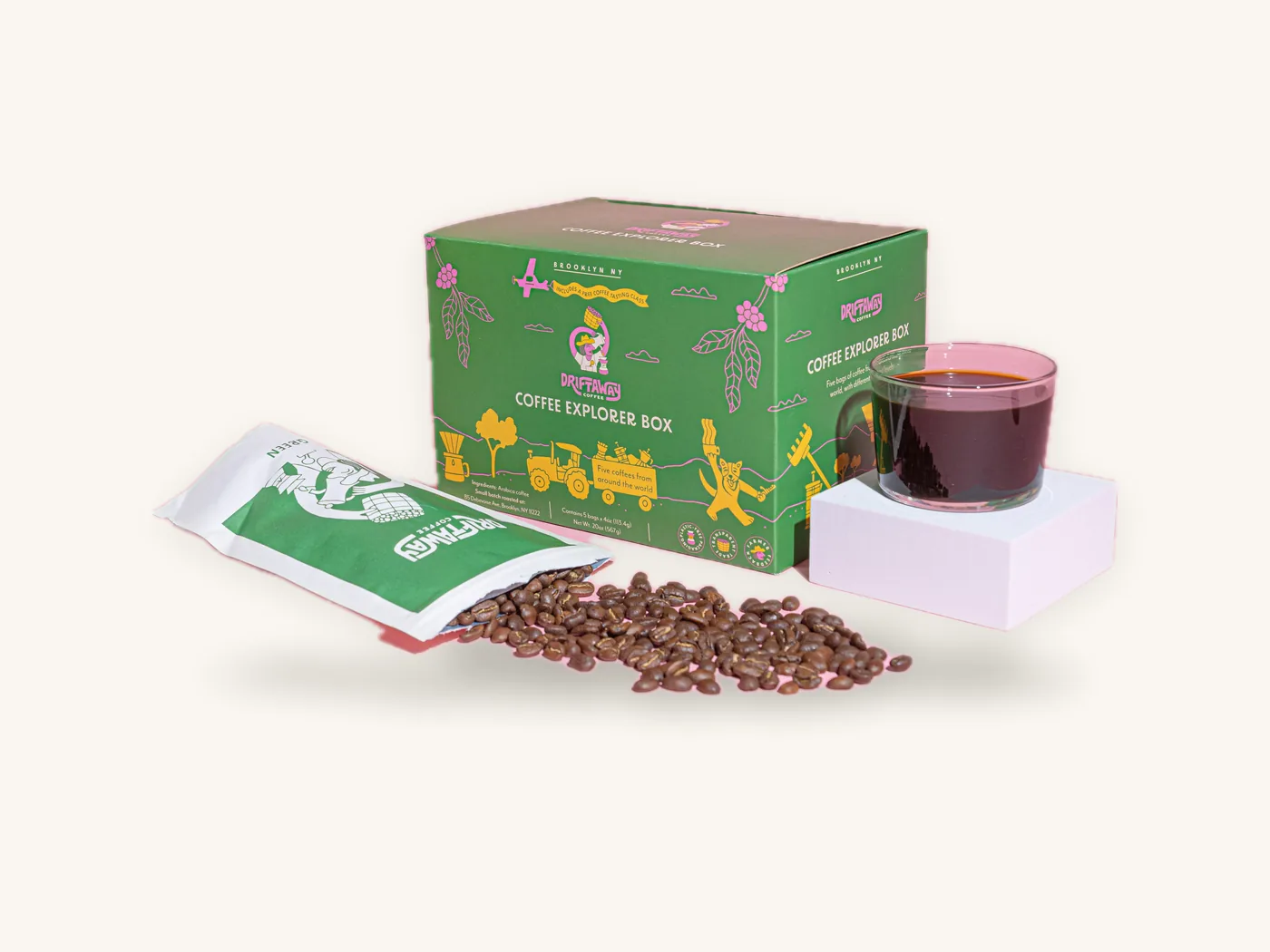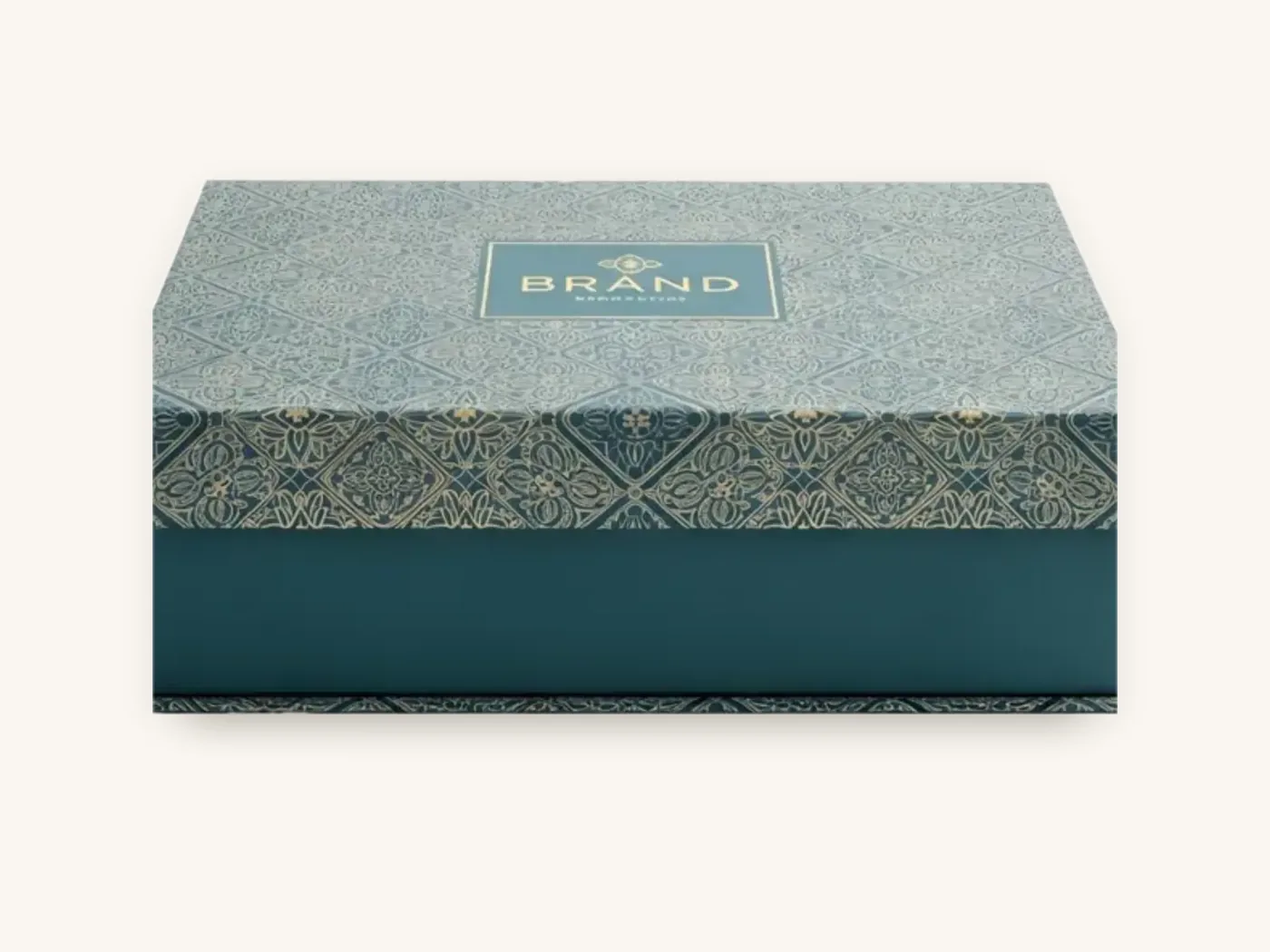
Rigid box cost usually runs from about $0.95 to about $21.50 per box. A small 3x3x1.5 in jewelry rigid box with foil and an insert is about $0.95 at 10,000 units, while a 10x8x3 in magnetic closure box with soft-touch, foil and an insert is about $21.50 if you order only 10. A mid-size 8x6x3 in wrapped rigid box with matte finish lands around $4.05 at 1,000 units.
Rigid boxes cost more than folding cartons or mailers because they are a different kind of object. The walls are thick greyboard that never folds flat, every surface is wrapped in paper by hand or semi-automatic machinery, and the finished boxes ship assembled. You are paying for material density, labor and volume.
The good news is that the rigid box price responds to the right decisions. This guide shows where the money goes, how a luxury box price compares with alternatives, and which savings keep the premium feel intact.
Key takeaways
- Greyboard and wrapping make up most of a rigid box price. At the same footprint, a rigid box costs roughly three and a half times a printed E-flute mailer.
- On large rigid boxes, size drives cost; on small ones, finishes do. Foil and an insert can be a large share of a jewelry box price.
- Magnetic box cost rises with size and the finish stack that usually comes with it, not just the magnets.
- Tooling is one-time: foil $60, embossing $60, spot UV $40 and an insert die $45. No die or plate charges otherwise.
- Rigid boxes arrive assembled and take real storage space; collapsible rigid boxes fold flat.
- The most effective savings are right-sizing, picking one hero finish and ordering at a better quantity tier.
Rigid box prices at a glance
Three reference specs cover most rigid box programs. Prices include free US shipping.
| Spec | 10 | 100 | 500 | 1,000 | 5,000 | 10,000 |
|---|---|---|---|---|---|---|
| Rigid box, 2 mm greyboard wrapped, 8x6x3 in, full color, matte | about $13.76 | about $9.10 | about $4.85 | about $4.05 | about $2.87 | about $2.59 |
| Magnetic rigid box, 2 mm, 10x8x3 in, soft-touch, foil, insert | about $21.50 | about $14.23 | about $7.59 | about $6.32 | about $4.49 | about $4.05 |
| Jewelry rigid box, 2 mm, 3x3x1.5 in, matte, foil, insert | about $5.06 | about $3.35 | about $1.79 | about $1.49 | about $1.06 | about $0.95 |
The spread between 100 and 1,000 units is wide: the price per box falls by more than half. That is steeper in dollar terms than any carton, because the base price is higher to begin with. For a buyer, this means quantity decisions on rigid boxes carry more weight than on any other packaging type.
Why rigid boxes cost more: how they are built
The easiest way to understand a luxury box price is to follow one box through production. Custom rigid boxes are also called set-up boxes because they are set up into their final shape at the factory.
- Board cutting. Sheets of 2 mm greyboard are cut into the panels for the base and lid. Greyboard is dense chipboard, many times thicker than 18 pt carton board.
- Corner forming. The panels are scored and formed into a tray, and the corners are taped or stayed so the walls stand square.
- Wrap printing. The printed wrap is a separate sheet of art paper or specialty paper, printed, coated or laminated, then cut to a blank larger than the tray.
- Gluing and wrapping. Glue is applied to the wrap, the tray is positioned on it, and the paper is folded up the walls and turned in over the top edges, leaving clean corners.
- Lid and closure. The lid is made the same way. For a magnetic or book-style box, a cover board with hidden magnets is wrapped and attached to the base.
- Lining and insert. An inside liner paper and any insert are glued or placed.
- Quality check and packing. Because the boxes are already assembled, they are packed carefully to prevent crushed corners.
Every step after cutting involves more handling than a folding carton, which runs through a printer, a die-cutter and a folder-gluer at high speed. Our rigid greyboard page covers board thicknesses and wrap papers.
Where the money goes inside a rigid box
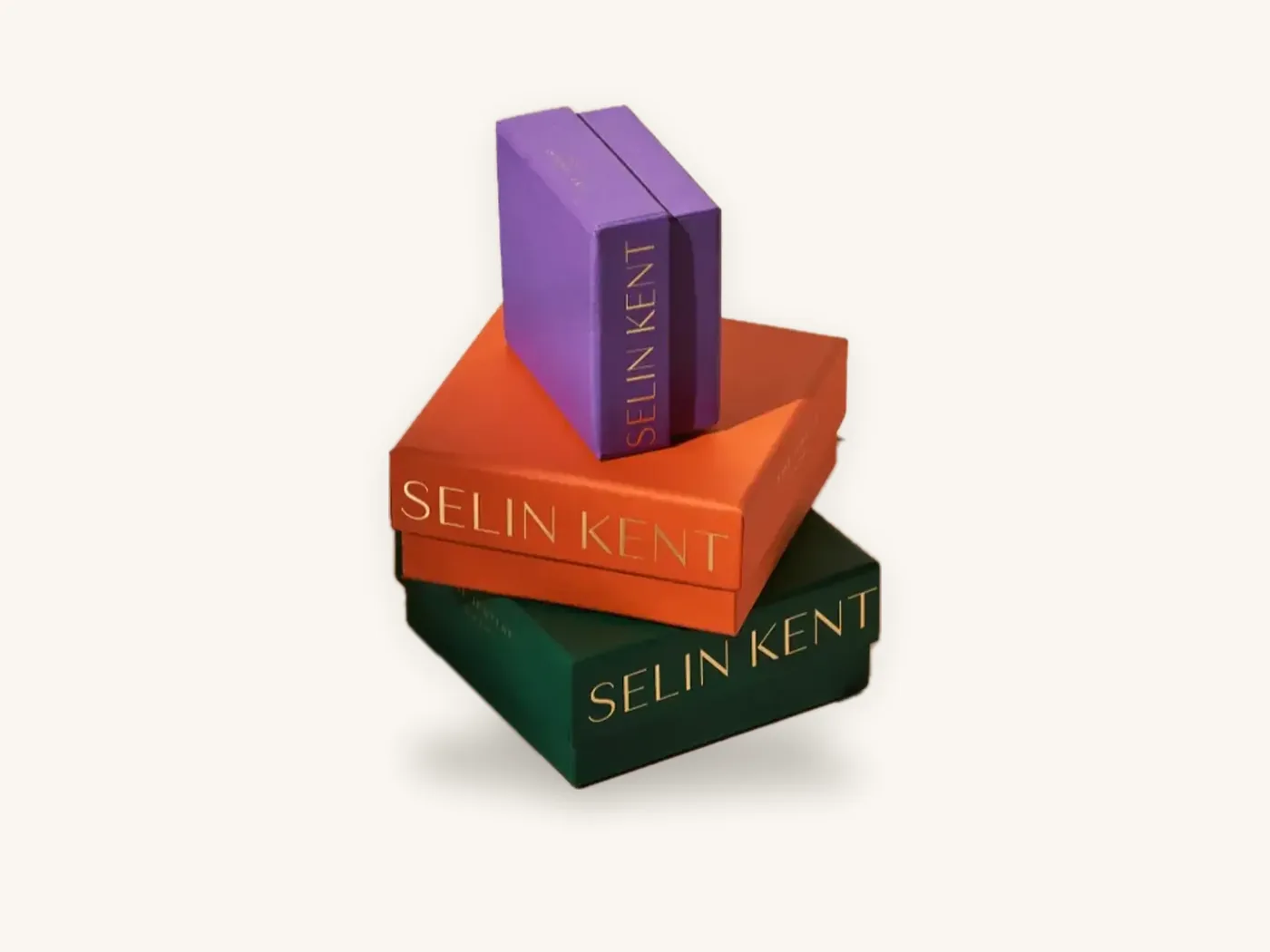
Working from our rates, board and wrapping account for the large majority of the 8x6x3 in rigid box price. Printing and the matte finish together are a much smaller slice. That tells you where savings live: size first, then construction, then finishes.
On the 3x3x1.5 in jewelry box, the picture flips. The board blank is small, so foil, the insert, printing and matte finish together make up a large share of the price, around two-fifths. On small rigid boxes, trimming a finish saves proportionally more than trimming a dimension.
Rigid box cost compared with other box types
Buyers often ask whether a rigid box is worth it, so here is the same 8x6x3 in footprint across three constructions.
| Construction | Spec | 250 units | 1,000 units | 2,500 units |
|---|---|---|---|---|
| Printed mailer | E-flute, 8x6x3 in, full color outside | about $1.88 | about $1.17 | about $1.00 |
| Rigid box | 2 mm greyboard, 8x6x3 in, full color, matte | about $6.47 | about $4.05 | about $3.44 |
| Premium folding carton | Cosmetic carton, 2.5x2.5x6 in, soft-touch and foil | about $1.37 | about $0.86 | about $0.73 |
The rigid box costs roughly three and a half times the mailer at every quantity. A premium carton is smaller, so it is not a like-for-like size match, but it shows how a soft-touch, foil-stamped paperboard box can deliver a premium feel for a fraction of rigid pricing.
For a wider comparison across shipping boxes, displays and bakery boxes, see how much custom boxes cost by type.
Magnetic box cost: what the closure really adds
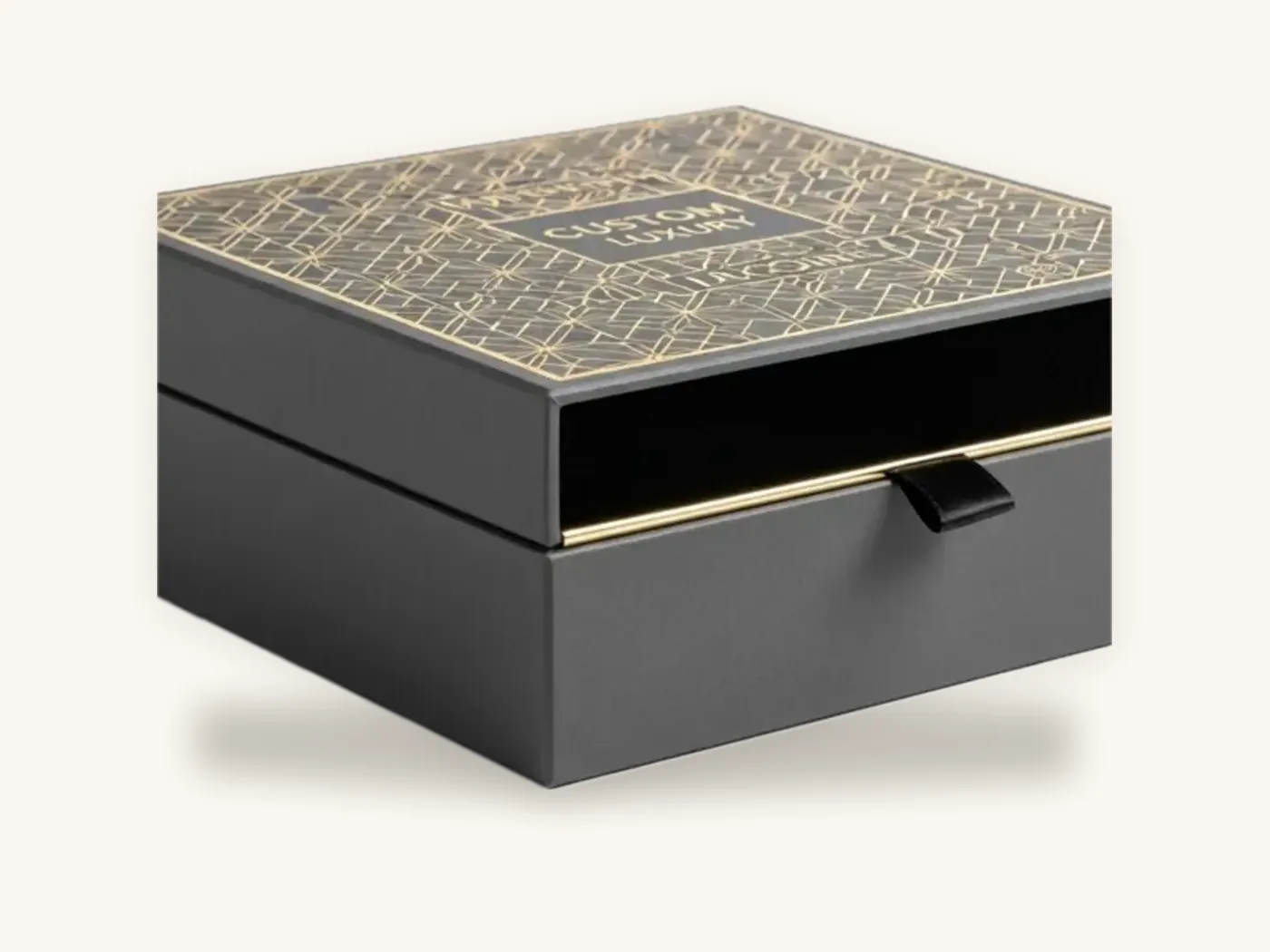
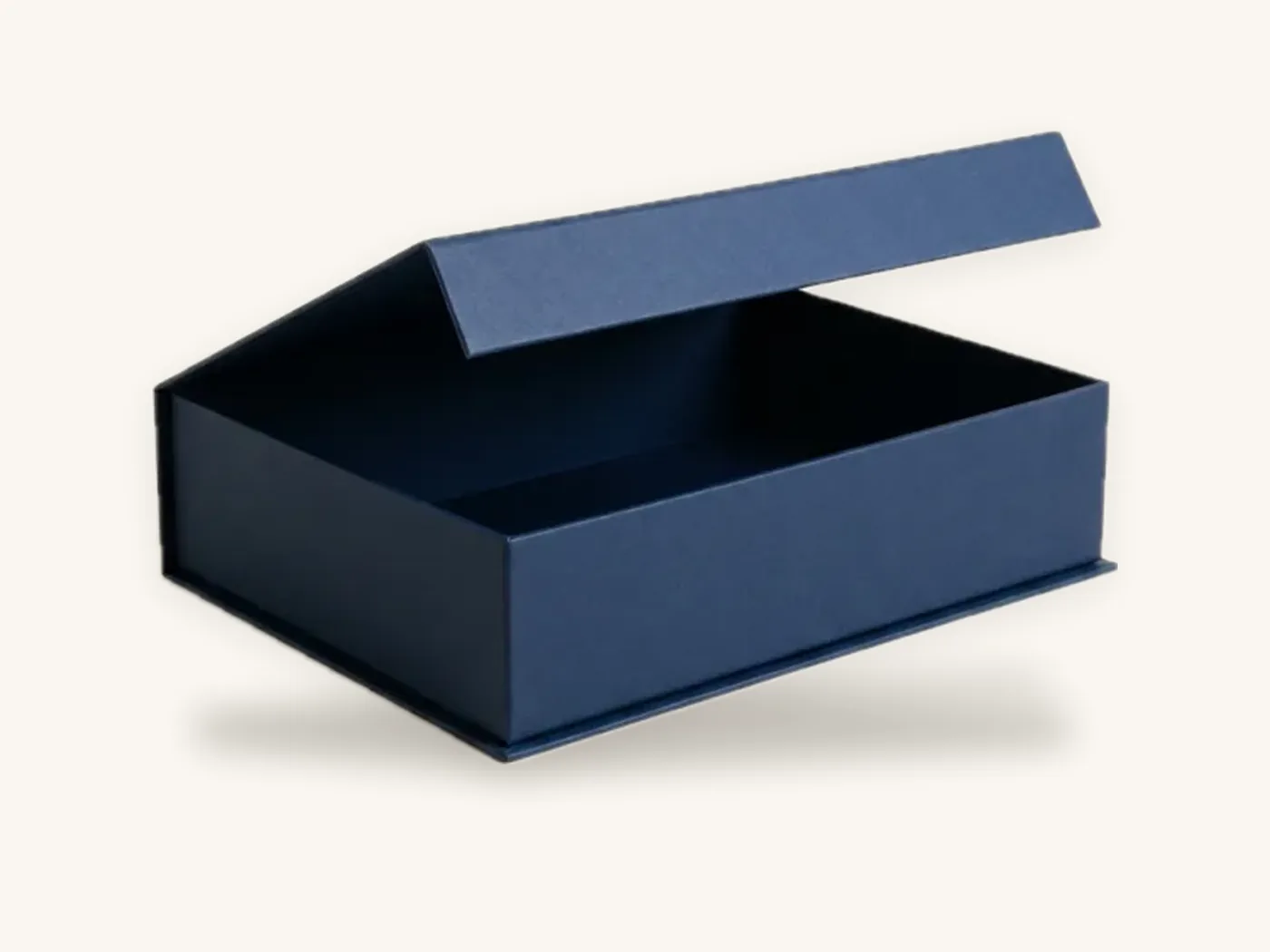
Magnetic closure boxes are book-style rigid boxes. The lid is a wrapped cover board hinged to the base, with thin magnets hidden under the wrap so it snaps shut.
Why magnetic boxes usually cost more than lift-off lid boxes
Compared with a lift-off lid box, a magnetic box uses a larger wrap because the cover folds over the front, and it requires extra alignment during assembly so the magnets meet. In practice, magnetic boxes are also usually ordered with the richest finish stack.
Look at the reference spec: 10x8x3 in with soft-touch, foil and an insert, about $6.32 at 1,000 units. Part of the gap from the 8x6x3 in rigid box is simply size, since the magnetic spec is larger. Part is the finish stack. If you price a magnetic box, isolate those effects in the estimator by changing one variable at a time.
Magnetic box cost-saving moves
- Keep the insert only if the product would move without it
- Use matte lamination instead of soft-touch if the wrap is textured paper
- Choose foil on the cover only, not on the spine and inside
- Consider a lift-off lid for products that do not need a hinged reveal
Luxury finishes and their effect on price
Luxury boxes earn their name through touch and detail. Each finish has a per-unit cost, and several add a one-time tool. The printing and finishes page shows each one.
| Finish | Per-unit effect | One-time tooling | Best use on rigid boxes |
|---|---|---|---|
| Matte lamination | Moderate | None | Clean, glare-free wraps; hides fingerprints |
| Gloss lamination | Moderate | None | Saturated color and photography |
| Soft-touch lamination | Higher | None | Velvety feel for beauty, tech and jewelry |
| Foil stamping | Moderate | $60 | Logo or name on the lid |
| Embossing or debossing | Moderate | $60 | Tactile logo; pairs well with foil |
| Spot UV | Moderate | $40 | Gloss pattern over matte |
| Paperboard insert | Moderate | $45 | Holding a product in a fixed cavity |
| Foam insert | Varies | Quoted | Electronics and fragile items |
The one-hero-finish rule
A rigid box already feels premium because of its weight and structure. Adding soft-touch, foil, embossing and spot UV at once rarely makes it feel four times better, but it does raise the price per unit and the tooling total. Choose one hero finish that suits your brand, such as a debossed logo on soft-touch or a foil logo on textured paper, and let it stand alone.
Tip: textured specialty papers can do the work of a lamination. A linen or felt-finish wrap gives a tactile, luxury surface on its own, so you may not need soft-touch on top. Ask for a paper swatch before choosing both.
Small rigid boxes: jewelry, watches and accessories
Small rigid boxes are the most affordable way into rigid packaging. The 3x3x1.5 in jewelry spec runs about $3.35 at 100 units and about $1.49 at 1,000, with foil and an insert included.
Because the board is a smaller share, small boxes reward finish discipline. Dropping foil on a small box saves proportionally more than dropping it on a large one. On the other hand, the insert is often essential for jewelry, since rings, earrings and pendants need a slot or cushion to stay in place.
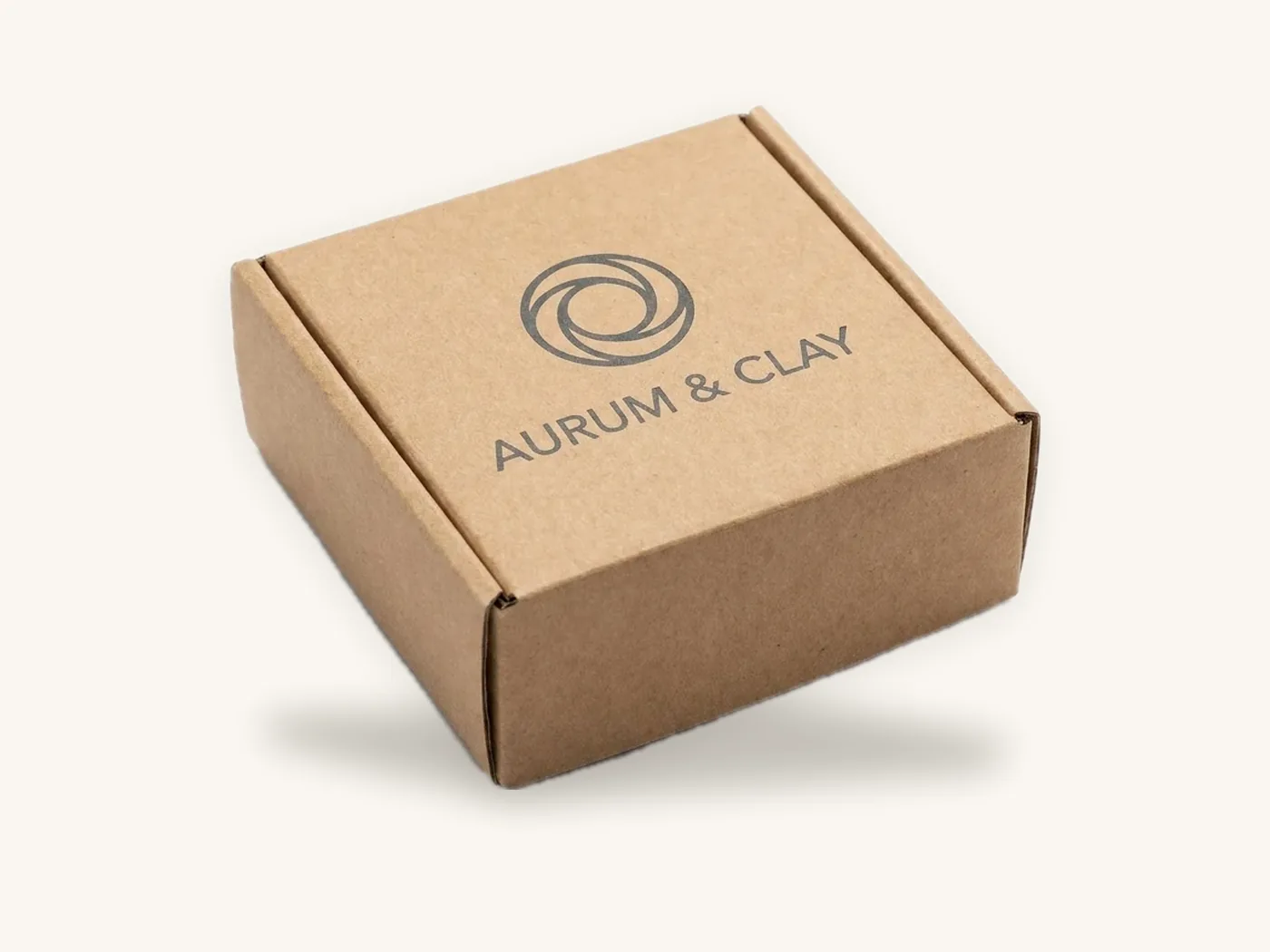
Jewelry boxes and drawer boxes are the most common small rigid formats. Drawer boxes add a sleeve and a pull ribbon, so price them separately in a quote.
The costs after production: freight and storage
Rigid boxes are shipped assembled, nested where possible but mostly as full boxes. That affects your total cost in two ways.
Freight volume
A carton of flat-packed mailers takes a fraction of the space of the same number of assembled rigid boxes. Box Sense includes free shipping on every US order, so inbound freight is covered in the per-unit price. International shipping is quoted at cost, and for UK or UAE deliveries, box volume can make a real difference.
Warehouse and 3PL storage
If you pay a fulfillment partner by pallet or bin, assembled rigid boxes occupy far more space for longer. Order quantities that match your sales pace, and ask your 3PL how they charge for storage before placing a large order.
Collapsible rigid boxes
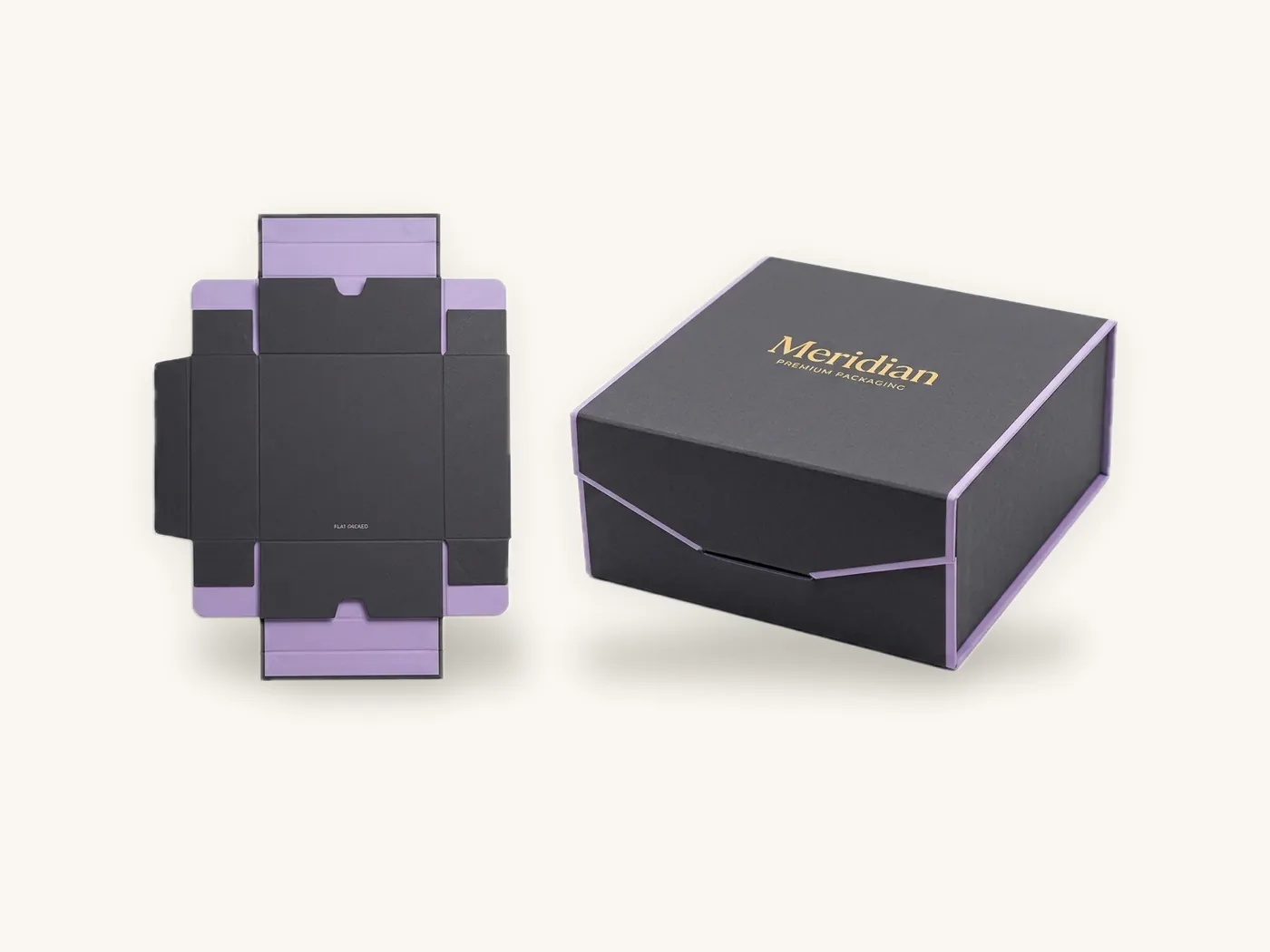
Collapsible rigid boxes are built from greyboard and wrapped like standard rigid boxes, but they fold flat and snap into shape, usually with magnets. They are a good choice for e-commerce and gifting programs where storage or international freight matters. Request a quote to compare them with a fixed rigid box for your size.
Eight ways to lower rigid box cost without losing the luxury feel
- Right-size the box. On large rigid boxes, every inch of board you remove saves more than any finish change.
- Choose one hero finish. Soft-touch or foil or embossing, not all three.
- Let the paper do the work. A textured wrap can replace a lamination.
- Keep inserts simple. A paperboard insert is often enough; reserve foam for electronics and fragile items.
- Pick a lift-off lid when the hinged magnetic reveal is not central to the experience.
- Print the wrap, not the liner. A plain inside liner is less expensive than full-color interior printing.
- Order at a better tier. A rigid box drops by more than half from 100 to 1,000 units, so plan quantities around six months of use.
- Standardize sizes across products. One box size with different inserts lets you order one larger quantity instead of several small ones.
Watch out: reducing wall thickness to save money can undermine the reason you chose a rigid box. Thin board makes lids bow and corners dent. Keep structural strength and trim finishes or size instead.
When a rigid box is worth the price
A rigid box is a presentation piece, not a shipping container. It makes sense when the box itself is part of what the customer buys.
| Situation | Rigid box? | Better alternative if not |
|---|---|---|
| High-price jewelry, watches, fragrance or tech | Yes | None needed |
| Corporate gifts and influencer or PR kits | Usually yes | Printed mailer with an insert |
| Gift sets sold at a premium | Often yes | Premium folding carton with a sleeve |
| Everyday DTC products shipped in volume | Rarely | Printed mailer box |
| Retail shelf products with small margins | Rarely | Folding carton with soft-touch and foil |
| Seasonal limited editions | Sometimes | Luxury gift boxes in a short run, or a sleeve over a carton |
The test is simple: will the customer keep the box, display it or give it as a gift? If yes, the rigid box extends your brand long after opening. If the box is recycled within minutes, a mailer or carton will deliver more value per dollar. The gifts and events page shows where rigid formats fit.
How to order rigid boxes from Box Sense
Rigid boxes benefit from careful specification, because they cannot be adjusted after assembly.
What to send
- Product dimensions and weight, and whether you want an insert
- Style: lift-off lid, magnetic closure, drawer, shoulder neck or collapsible
- Wrap: printed art paper or textured specialty paper
- Finish: lamination type and any foil, embossing or spot UV
- Inside liner: plain or printed
- Two or three quantities, delivery location and target date
What happens next
We confirm quotes within 24 hours. Design support is free: we supply the dieline for the wrap and insert, set up your artwork and send a 3D digital proof with two revision rounds.
Unprinted structural samples are free, which is especially useful for rigid boxes where fit and lid tension matter. A printed sample of approved artwork is free on orders of 100 units or more. Standard production is 8–12 business days after proof approval.
The minimum order is 10 boxes, there are no die or plate charges, US shipping is free, and defective boxes reported within 14 days are reprinted free. The custom rigid boxes guide covers styles and materials in more depth, and the rigid boxes style page shows the full range.
Frequently asked questions
How much does a rigid box cost?
A mid-size 8x6x3 in rigid box in 2 mm wrapped greyboard with full-color print and matte lamination costs about $9.10 each at 100 units, about $4.05 at 1,000 and about $2.59 at 10,000, with US shipping included. Small jewelry rigid boxes cost less, while larger magnetic boxes with soft-touch, foil and inserts cost more. Use the pricing estimator for your size.
Why are rigid boxes so expensive?
Rigid boxes use dense 2 mm greyboard, a separately printed wrap paper and much more handling than folding cartons. The board is formed into trays, wrapped, and assembled before shipping, so each box takes more material, labor and packing space. At the same 8x6x3 in footprint, a rigid box costs roughly three and a half times a printed corrugated mailer.
How much does a magnetic closure box cost?
A 10x8x3 in magnetic rigid box with soft-touch lamination, foil stamping and an insert costs about $14.23 per box at 100 units, about $6.32 at 1,000 and about $4.05 at 10,000. Foil adds $60 one-time tooling and the insert die $45. Removing the insert or choosing matte instead of soft-touch lowers the per-unit price.
What is the minimum order for custom rigid boxes?
Box Sense makes custom rigid boxes from a minimum of 10 units. Short runs cost more per box, since a rigid box is about $13.76 at 10 units versus about $4.05 at 1,000 for the same 8x6x3 in spec, but a small order is useful for launches, PR kits and testing a design. Free unprinted structural samples help confirm fit first.
Are collapsible rigid boxes cheaper than regular rigid boxes?
Collapsible rigid boxes use similar greyboard and wrap papers, so they are not automatically cheaper to make. Their savings come after production: they ship and store flat, which reduces warehouse space and international freight volume. They suit e-commerce and gifting programs with limited storage. Request a quote to compare both styles at your size and quantity.
How can I make luxury packaging cheaper?
Right-size the box, choose one hero finish instead of several, use a textured wrap paper in place of lamination, keep inserts simple and order a quantity that covers several months. If the box will not be kept or gifted, a printed mailer or a soft-touch folding carton gives a premium look at a fraction of the rigid box cost.
Do rigid boxes have setup or tooling fees?
There are no die or plate charges at Box Sense. One-time tooling applies only for specific finishes: foil stamping and embossing are $60 each, spot UV is $40 and a custom insert die is $45. Tools are reused on reorders of the same artwork, so repeat orders do not pay those charges again.
Next steps
Enter your rigid box size, wrap finish and insert in the rigid box price estimator and compare two quantities to see how steeply the price per box falls. When the spec is right, request a rigid box quote and we will confirm pricing within 24 hours. If you plan a small first run, read custom boxes with no minimum, and for volume programs see custom boxes wholesale and the custom packaging cost guide.
Boxes in this guide
Order the packaging we covered
Written by the Box Sense Packaging Team
Our structural designers, prepress technicians and production staff print and convert custom boxes every day for brands in the United States, United Kingdom and UAE. Questions about this guide? Talk to us.