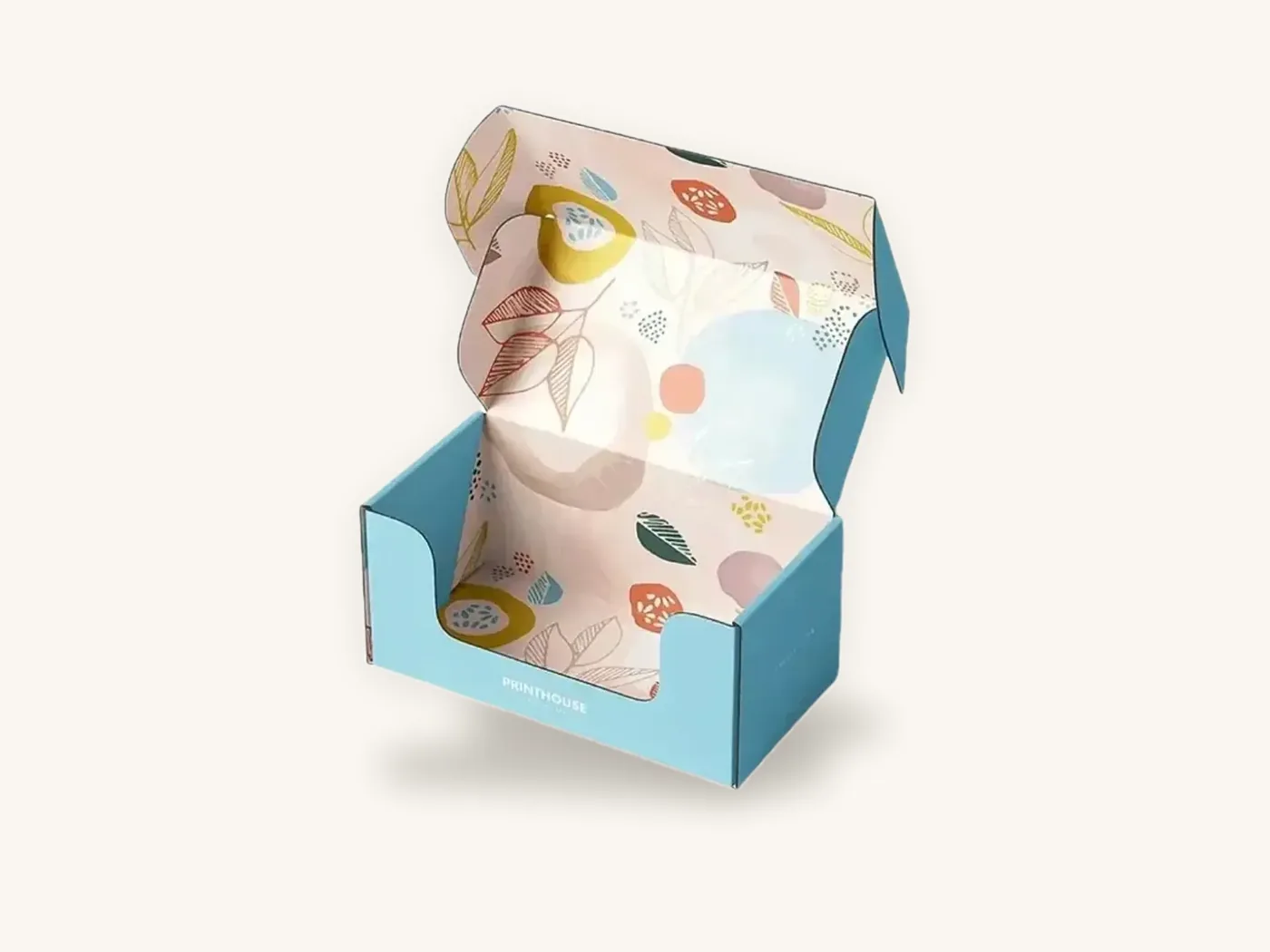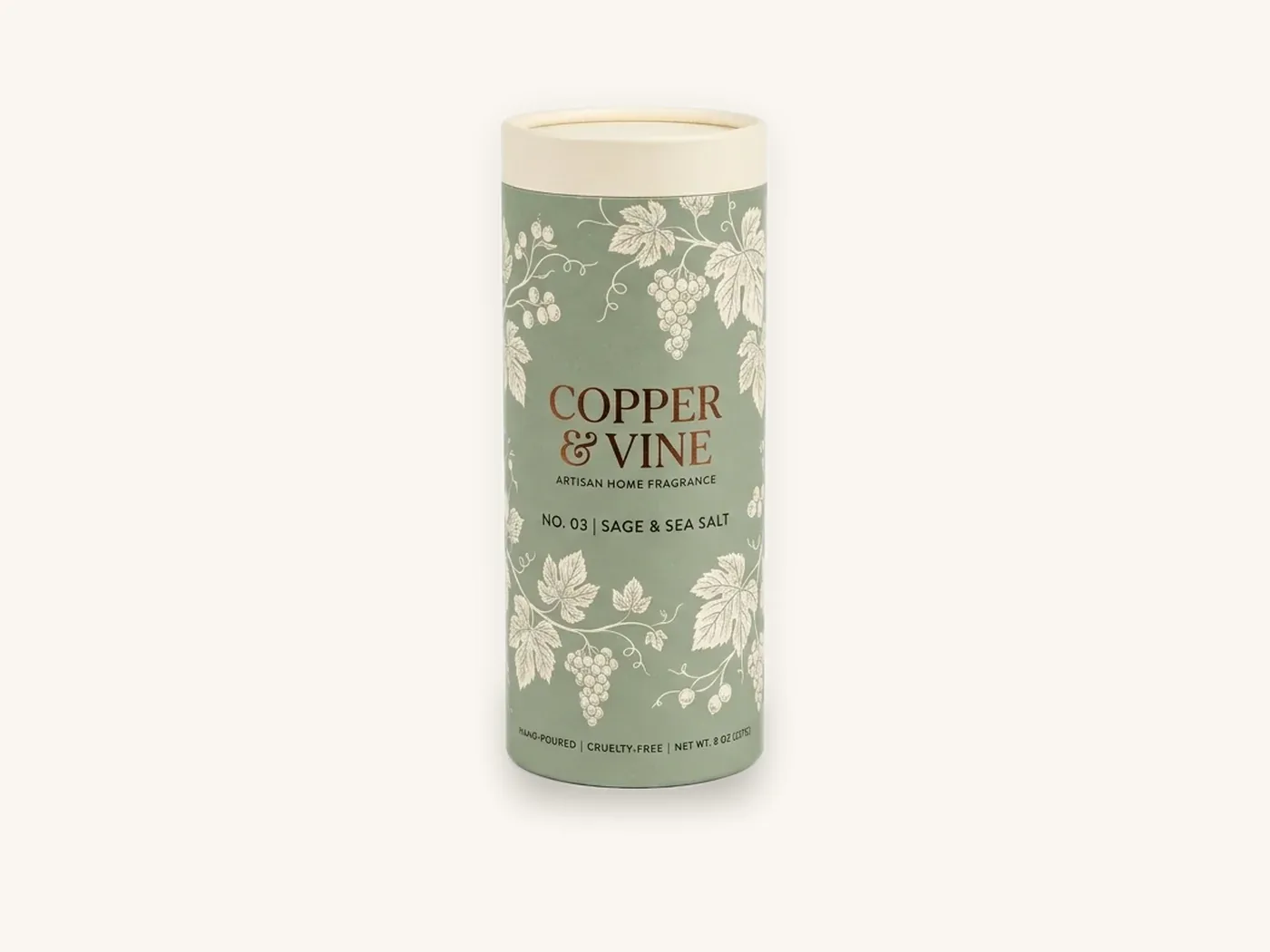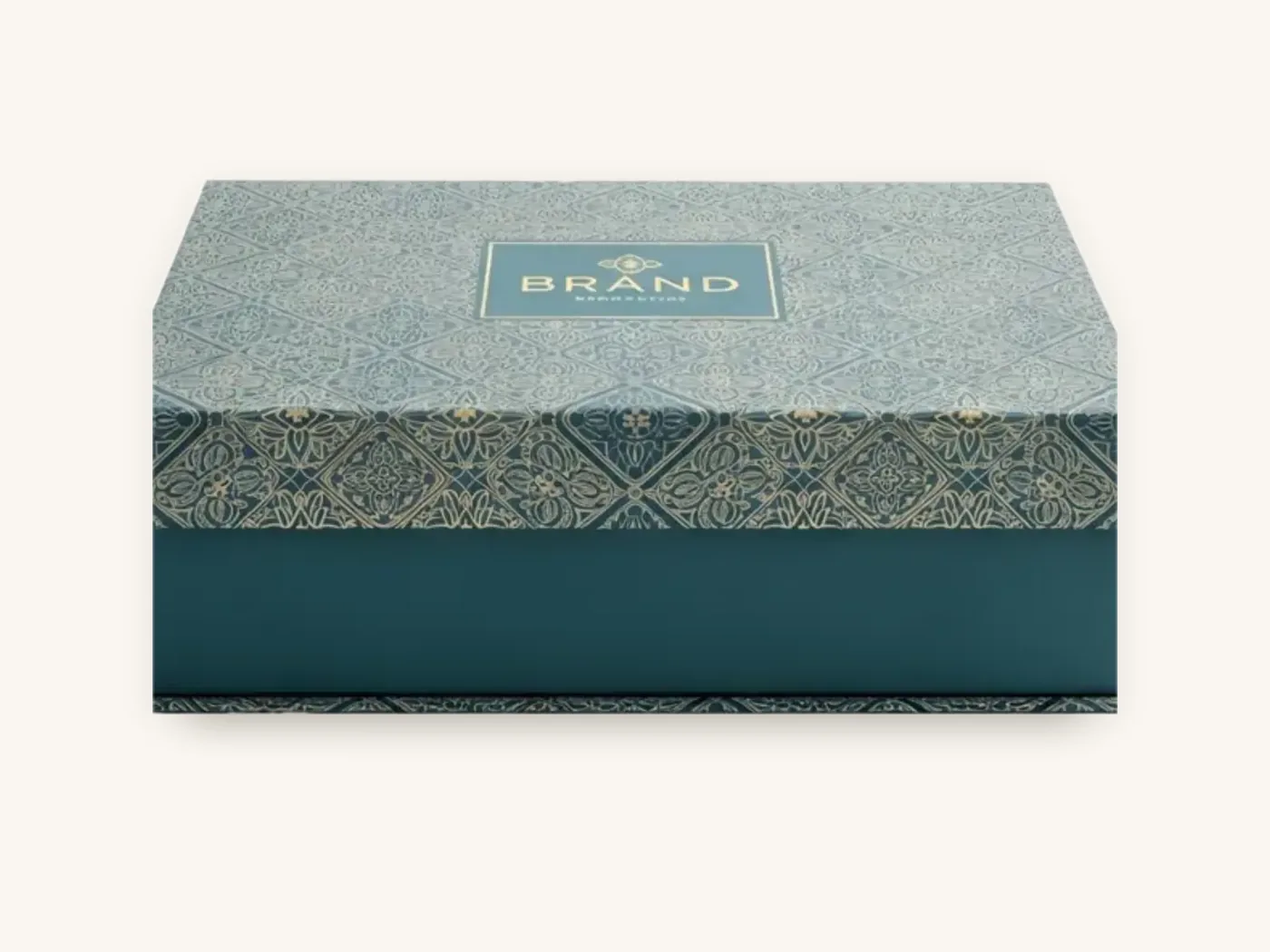
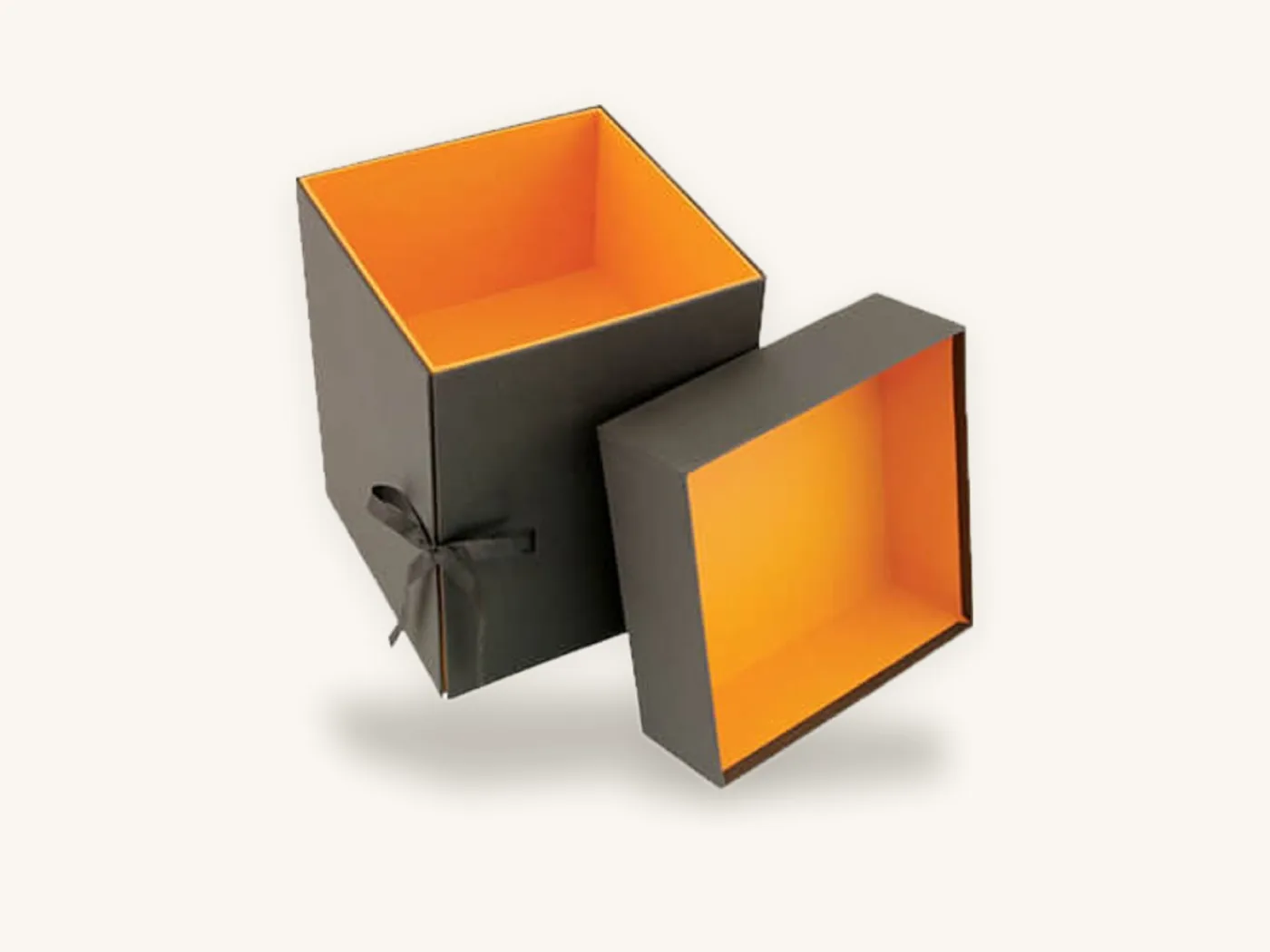
Custom rigid boxes are made from thick greyboard, typically 1.5 to 3 mm, wrapped in printed or textured paper and glued into a fixed shape that never folds flat. They are also called setup boxes, because they arrive already set up. The result is a box that feels heavy in the hand, holds its shape for years and turns a product into something people keep.
They are worth it when the box is part of what the customer is paying for: fragrance, jewelry, watches, premium electronics, gift sets, launch kits and corporate gifts. They are rarely worth it for consumables that get opened once and recycled. This guide explains how rigid packaging boxes are built, which styles and finishes to choose, what they cost and how to decide.
Key takeaways
- A rigid box is greyboard wrapped in paper, with the wrap folded over the edges and glued inside. It does not fold flat unless it is designed as a collapsible style.
- 2 mm greyboard suits most boxes; thinner board fits small jewelry boxes and thicker board fits large or heavy sets.
- Lid style drives both the experience and the cost: lift-off lid, shoulder neck, magnetic book, drawer and collapsible are the main options.
- An 8x6x3 in 2 mm rigid box with full-color matte wrap is about $9.10 each at 100 units and about $4.05 at 1,000, including US shipping.
- Rigid boxes take up full volume in storage and freight, so plan an outer shipper and warehouse space from the start.
- Box Sense makes custom rigid boxes from 10 units, with free design support, a 3D proof, and one-time tooling only for foil, embossing, spot UV and custom inserts.
How a rigid box is built
Understanding the construction explains almost everything about rigid boxes: why they feel premium, why they cost more than folding cartons, and why certain artwork mistakes are expensive.
The greyboard shell
The structure starts as flat sheets of rigid greyboard, a dense, recycled chipboard. The board is cut to the panel sizes for the base and lid, V-grooved or scored where it will fold, and formed into a tray. The corners are held by gummed tape or glue before wrapping.
Board thickness sets how solid the box feels:
| Greyboard thickness | Feel | Typical use |
|---|---|---|
| About 1.5 mm | Firm but light | Small jewelry, cosmetics, small accessories |
| About 2 mm | Classic premium weight | Most product and gift boxes up to a medium size |
| About 2.5 to 3 mm | Heavy, very stiff | Large gift sets, electronics, bottles, boxes over roughly 12 in |
The wrap
A printed sheet, usually art paper or a specialty paper around 100 to 150 gsm, is glued to the outside of the tray. The wrap is larger than the box so it can turn in: it folds over the top edges and tucks down inside the walls by a small margin. That turn-in is what hides the grey edge and gives a clean finish.
The inside of the tray can be left with the turn-in visible, lined with a separate printed paper, or covered by an insert. A lined interior costs a little more but looks finished even with the product removed.
Why the process costs more
A folding carton is printed, die-cut and glued at high speed as a flat blank. A rigid box needs board cutting, forming, wrapping and precise alignment of the wrap on each piece, with more hand finishing. That extra labor and the thick board are why rigid packaging boxes cost several times more than a paperboard carton of the same size.
Rigid box styles and how they open
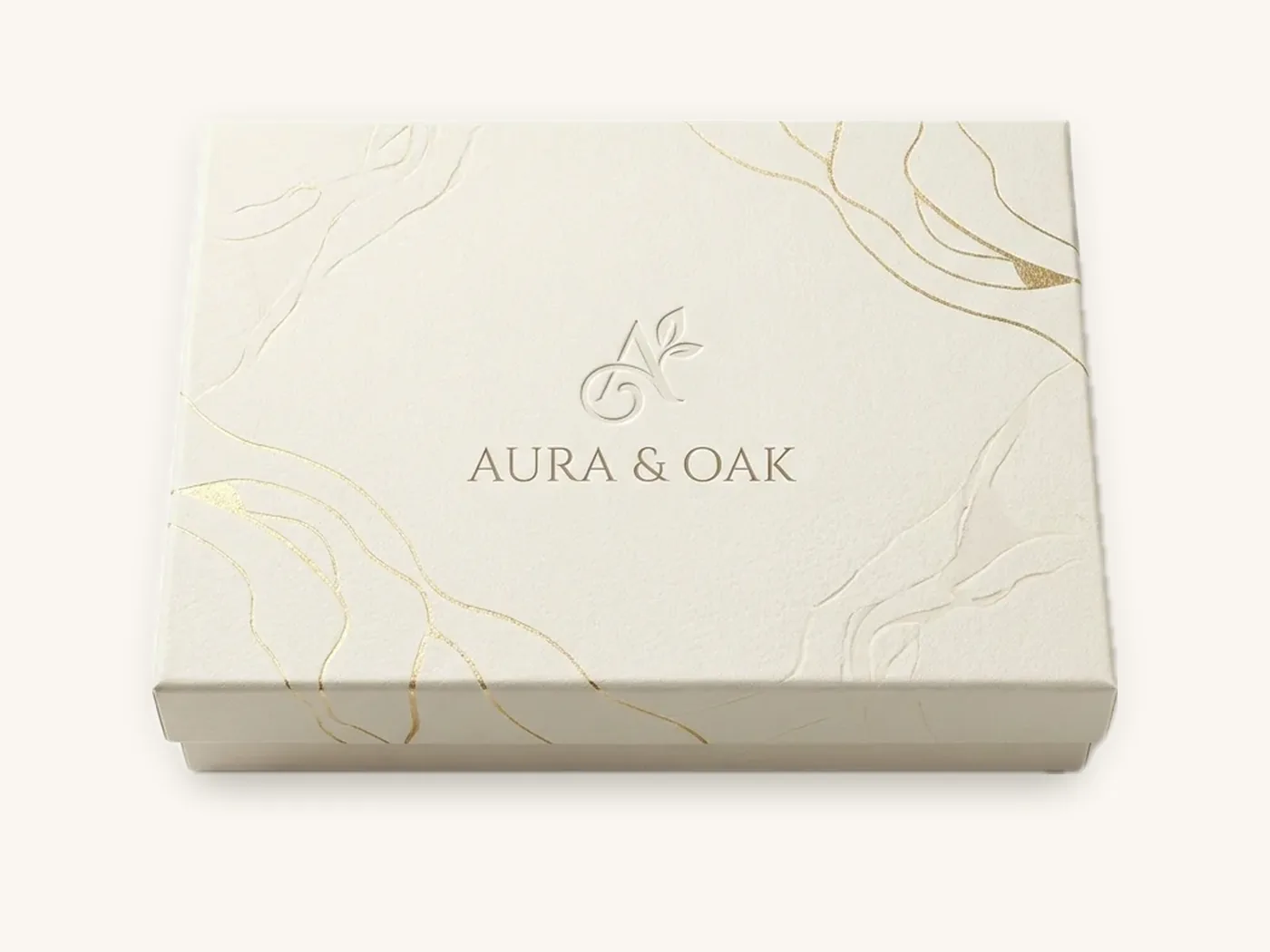
The lid design decides how the customer meets the product. It also changes how many pieces are made and how much board is used. The rigid boxes style page shows all constructions side by side.
| Style | How it opens | Best for | Cost and practical notes |
|---|---|---|---|
| Lift-off lid (two-piece) | Separate lid lifts off the base | Apparel, gifts, stationery, general premium products | The most economical rigid style; lid depth can be full or partial |
| Shoulder neck | Lid rests on an inner neck that shows when opened | Fragrance, skincare, spirits, jewelry | Three pieces; the contrast neck adds a distinct reveal |
| Magnetic book | Hinged front flap closes with hidden magnets | Electronics, beauty sets, launch kits, corporate gifts | Magnets add cost; very strong perceived value |
| Drawer | Tray slides out of an outer sleeve | Jewelry, watches, cosmetics, chocolates | Ribbon or thumb notch for pulling; tolerances matter |
| Collapsible | Folds flat and pops up, often with magnets | E-commerce gifts, subscription premium tiers | Ships and stores flat; slightly less monolithic feel |
| Round or tube | Cylindrical base with lift-off lid | Candles, tea, hats, spirits | Different tooling; see paper tubes |
Lift-off lid boxes
The two-piece lift-off lid is the traditional setup box. A full-depth lid covers the entire base and gives a slow, air-cushioned opening. A partial-depth lid leaves part of the base exposed, which uses less board and creates a visible color band. Our two piece boxes are available in both rigid board and paperboard if you want to compare.
Shoulder neck boxes
A shoulder neck box adds a third component: a raised inner neck glued into the base. The lid sits on the neck's shoulder, so when it lifts, a strip of contrasting color or foil appears. It is the signature of fragrance packaging. The shoulder neck boxes guide covers neck height and color pairing.
Magnetic closure boxes
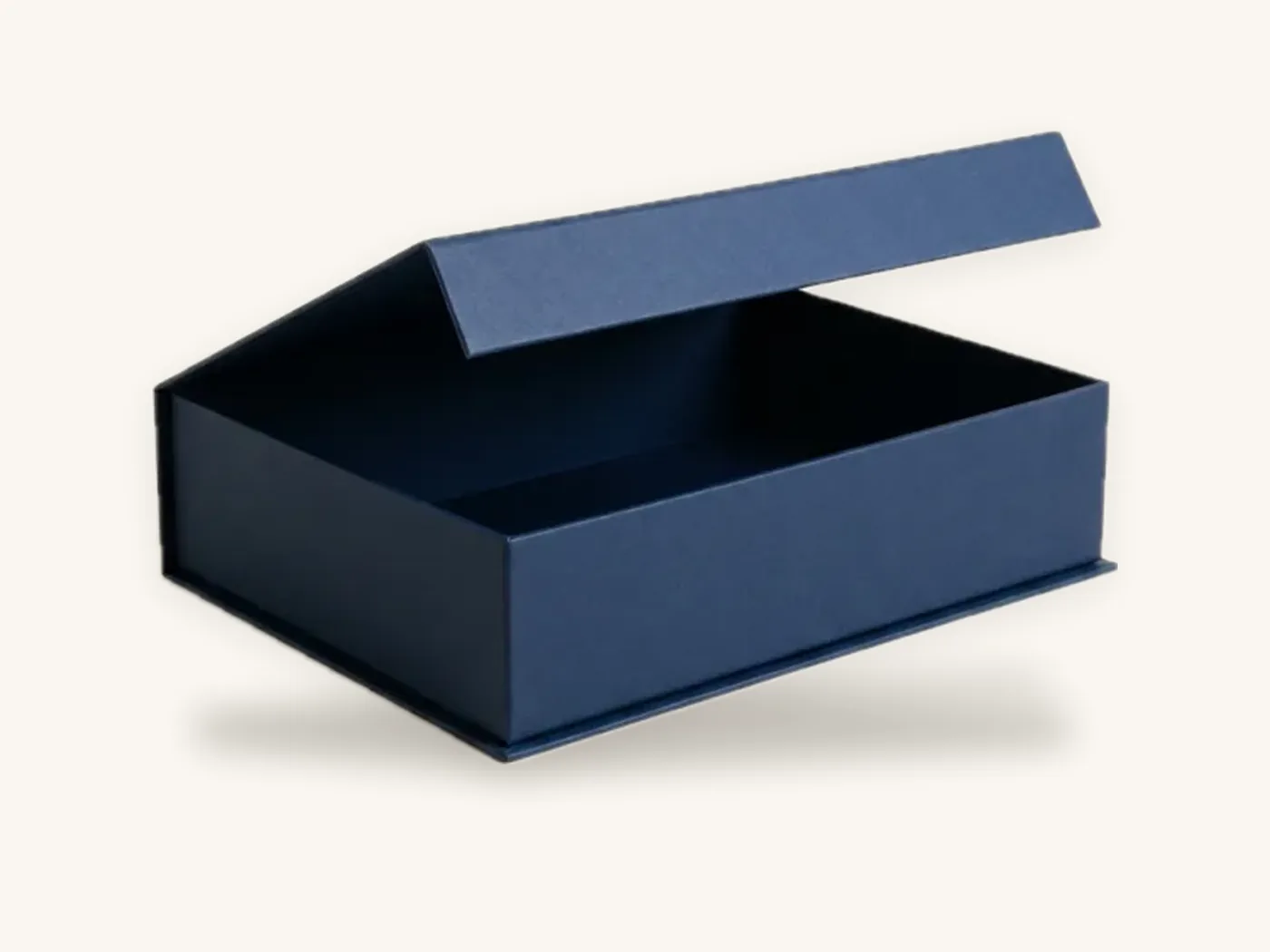
Magnetic closure boxes are book-style: the lid is hinged along the back and wraps over the front, where thin magnets hidden under the wrap pull it shut with a soft snap. They make a strong impression for launch kits and electronics, and the large front flap gives an extra print surface on the inside.
Drawer and collapsible styles
Drawer boxes suit small, precious items and repeat use. The sleeve and tray must be made to tight tolerances so the drawer slides without dropping out.
Collapsible rigid boxes are built with hinges in the greyboard so they ship and store flat, then snap into shape. They solve the storage problem of classic setup boxes; the collapsible rigid boxes guide explains the tradeoffs.
When custom rigid boxes are worth it
A rigid box costs more per unit, takes more space and adds weight. It pays for itself only when it changes what the customer believes the product is worth, or when it will be kept and seen again.
A practical decision matrix
| Situation | Rigid box | Folding carton | Mailer box |
|---|---|---|---|
| Product retail price is high relative to packaging cost | Strong fit | Possible with premium finishes | Usually for shipping only |
| The box will be kept, displayed or reused | Strong fit | Rarely kept | Sometimes kept |
| Product is a consumable opened once | Usually overkill | Strong fit | Good for DTC |
| Ships directly to customers in the parcel network | Needs an outer shipper | Needs an outer shipper | Ships on its own |
| Tight storage space or high freight costs | Choose collapsible | Ships flat | Ships flat |
| Influencer, PR or corporate gifting | Strong fit | Weak | Good for larger kits |
Questions to ask before committing
- Would the customer notice a downgrade? If a paperboard carton would make the product feel cheaper at its price, rigid is doing real work.
- Is the box part of the product's use? Watch boxes, jewelry cases and gift sets get stored and reopened.
- What is the packaging cost as a share of margin? Compare the per-unit figure at your realistic volume, not the 10-unit price.
- How will it ship? Budget the outer carton, fill and freight weight into the comparison.
- Can a hybrid work? A premium folding carton with soft-touch and foil, or a printed mailer with a rigid box only for a hero SKU, often gets most of the effect.
If most orders ship straight to a customer and the product is not a keepsake, a well-printed mailer may be the better investment; the custom mailer boxes guide makes that case.
Tip: use rigid boxes where the first impression counts most. Many brands put their hero product, launch kit or gift set in a setup box and keep everyday SKUs in folding cartons with a matching design.
Wraps, finishes and decoration
Because rigid boxes are wrapped, the paper choice matters as much as the printing. The finish is the first thing a customer touches, so choose it for feel as well as looks. The printing and finishes page has physical examples.
Wrap paper options
- Printed art paper: smooth coated paper printed in full color or PMS, then usually laminated. The most versatile option.
- Textured and specialty papers: linen, felt, leather-grain and pearlescent stocks, often left unprinted and decorated with foil or embossing. See textured and specialty papers.
- Solid-color paper: pre-colored stock that avoids flood printing and resists visible scuffs on edges.
Laminations and coatings
Printed wraps are usually laminated, because the paper is folded tightly around edges and handled often. Matte lamination gives a quiet, fingerprint-resistant finish. Soft-touch lamination adds a velvety feel that suits beauty and fragrance. Gloss lamination makes color look saturated but shows scuffs and fingerprints more.
Foil, embossing and spot UV
Foil stamping, embossing and debossing work especially well on rigid boxes because the greyboard backing gives a firm surface for a crisp impression. Spot UV adds a raised gloss highlight on matte or soft-touch laminations.
Each carries a one-time tooling charge: about $60 for foil, about $60 for embossing and about $40 for spot UV. Tooling can be reused on reorders of the same design. Small, deep embossing on thin wraps can wrinkle, so keep fine detail to foil and use embossing for bolder shapes.
Inserts for rigid packaging boxes
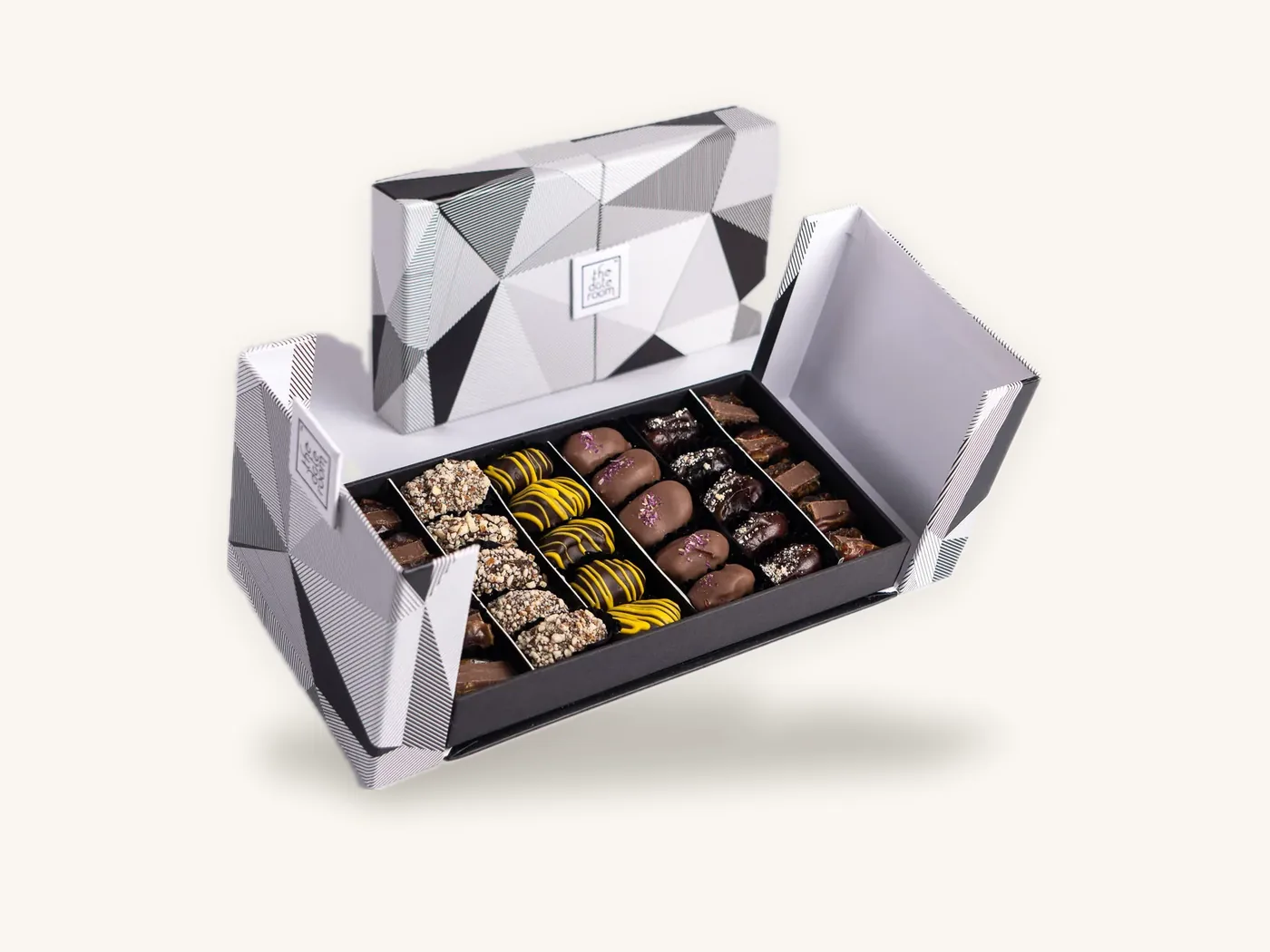
An insert holds the product in place, frames it when the lid opens and stops it from rattling. In a rigid box, the insert is often what the customer sees first.
| Insert type | Look and feel | Best for | Notes |
|---|---|---|---|
| Paperboard or greyboard wrapped insert | Clean, matches the box wrap | Bottles, jars, sets of items | Can be wrapped in the same paper as the box |
| EVA foam with fabric or flocked face | Precise, cushioned cavity | Electronics, watches, glass | Cut to the exact product shape |
| Molded pulp tray | Natural, plastic-free | Sustainable beauty and tech | Softer detail than foam |
| Satin or fabric lined platform | Soft, jewelry-case feel | Jewelry, fragrance, gifts | Works best with a raised platform |
| Ribbon lift or pull tab | Functional detail | Deep boxes, tight-fitting products | Lets customers lift the product out |
Custom-cut inserts carry a one-time insert die charge of about $45. Size the box and insert together, because the insert board thickness reduces usable inside space on every side it touches. Our box inserts and dividers page shows the common constructions.
Artwork and dimensions for setup boxes
Rigid box artwork is printed flat and wrapped around a three-dimensional shape, so the file setup is different from a folding carton.
Getting dimensions right
Specify inside dimensions of the base as length x width x depth. The outside of the box is larger by the board thickness plus the wrap on each side. For a lift-off lid, the lid is made slightly larger than the base so it slides on smoothly, which means a small visible step between them. That step is normal and is why matching the lid and base colors carefully matters.
Artwork checklist for wrapped boxes
- Use the dieline we supply, which includes turn-in areas for each panel
- Extend artwork fully into the turn-in so no white paper shows inside the rim
- Keep logos and text well away from edges, where the wrap folds around the board
- Avoid thin borders that line up exactly with an edge; tiny wrapping shifts make them look uneven
- Supply vector logos, outlined fonts and images at 300 dpi at final size
- Specify PMS colors when the lid, base and any sleeve must match exactly
- Mark where foil, embossing or spot UV goes on a separate layer
Watch out: a design that relies on artwork lining up perfectly across the lid and base, such as a stripe that continues from one to the other, is very hard to reproduce on every box. Break the design at the lid edge or use a pattern that tolerates small shifts.
What custom rigid boxes cost
The main cost drivers are size, board thickness, number of components, wrap and lamination, decoration and inserts, and quantity. Magnets, necks and drawers add components and labor.
These indicative per-unit prices come from our current rates and include free US shipping. Use the instant price estimator for your exact spec.
| Spec | 10 | 100 | 250 | 500 | 1,000 | 5,000 |
|---|---|---|---|---|---|---|
| Jewelry rigid box, 2 mm, 3x3x1.5 in, matte, foil, insert | $5.06 | $3.35 | $2.38 | $1.79 | $1.49 | $1.06 |
| Rigid box, 2 mm greyboard, 8x6x3 in, full color, matte | $13.76 | $9.10 | $6.47 | $4.85 | $4.05 | $2.87 |
| Rigid magnetic box, 2 mm, 10x8x3 in, soft-touch, foil, insert | $21.50 | $14.23 | $10.12 | $7.59 | $6.32 | $4.49 |
Two things stand out. First, quantity has a large effect: the 8x6x3 in box costs less than half as much per unit at 1,000 as it does at 100. Second, a magnetic box with soft-touch, foil and an insert sits at roughly one and a half times the price of a plain matte rigid box at most quantities, even though it is only a little larger. That is the price of added components and finishing.
For more on budgeting across packaging types, see how much custom boxes cost.
Where to save without losing the premium feel
- Choose a lift-off lid instead of a magnetic book when the product does not need the hinged reveal.
- Use a solid-color or textured wrap with one foil logo instead of full-color print plus lamination.
- Put the insert money into the product cavity and skip interior lining if the insert covers it.
- Order a realistic volume; the unit price falls steeply up to about 1,000 boxes.
- Consider collapsible construction if freight and storage are significant.
Shipping, storage and sustainability
Classic setup boxes arrive assembled, so 1,000 boxes occupy the same space as 1,000 finished products. Measure your storage before choosing quantity, or choose a collapsible style that ships flat.
Rigid boxes are not designed for the parcel network on their own. The wrap scuffs, corners crush and tape leaves marks. Place them inside a correctly sized corrugated shipper with a little cushioning; our custom shipping boxes guide explains how to size that outer box.
On sustainability, greyboard is typically made with recycled fiber and the paper wrap is recyclable in many programs. Laminations, magnets, foam and fabric make recycling harder. For a lower-impact rigid box, use an unlaminated textured wrap, a paper-based or molded pulp insert and no magnets, and ask for FSC-certified materials. The sustainability page lists available options, and any environmental claim printed on the box should follow the FTC's Green Guides.
Ordering custom rigid boxes from Box Sense
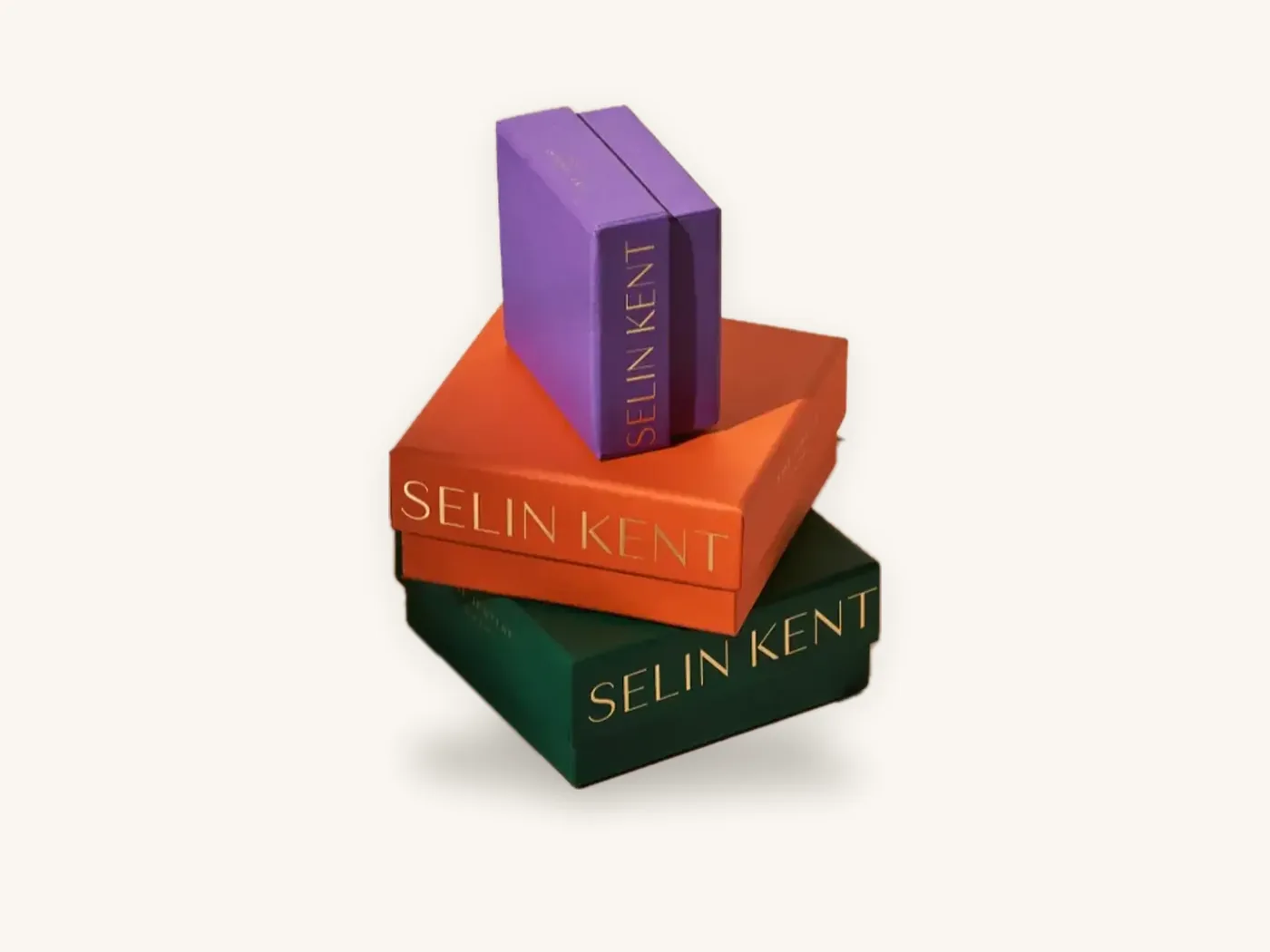
We make custom rigid boxes in every major style, from a 10-unit run for a PR kit to full production. Industries that use them most include cosmetics and beauty, fragrance, jewelry and corporate gifting.
What to send for an accurate quote
- Product dimensions and weight, and how many items go in each box
- Preferred style: lift-off lid, shoulder neck, magnetic, drawer, collapsible or a recommendation
- Board thickness preference, or product weight so we can recommend one
- Wrap: printed art paper, specialty paper or solid color
- Lamination and finishes: matte, soft-touch, foil, embossing, spot UV
- Insert type, and whether the inside should be lined
- Quantities to compare, such as 100, 500 and 1,000
- Target in-hand date and delivery location
The process
- Quote within 24 hours for your spec and quantities.
- Free design support: dieline, artwork setup and a 3D digital proof, with two revision rounds.
- Samples: an unprinted structural sample is free, which is especially useful for checking insert fit and lid feel. A printed sample of approved artwork is free on orders of 100 or more. See samples.
- Production: standard production takes 8–12 business days after proof approval. Rush timing depends on the construction, so ask when you request a quote.
- Delivery: free on every US order, and international shipping is quoted at cost.
The minimum order is 10 boxes. There are no die or plate charges; one-time tooling applies only to foil, embossing, spot UV and custom inserts. Defective boxes reported within 14 days are reprinted free.
Frequently asked questions
What is a rigid box?
A rigid box is a premium box made from thick greyboard, usually 1.5 to 3 mm, wrapped in printed or specialty paper. Unlike folding cartons, it is assembled at the factory and keeps its shape, which is why it is also called a setup box. Rigid boxes are used for luxury goods, gifts, electronics, jewelry and fragrance, where the packaging adds to perceived value.
What is the difference between a rigid box and a folding carton?
A folding carton is made from paperboard around 12 to 24 pt, printed and die-cut as one flat piece that the brand folds into shape. A rigid box uses much thicker greyboard wrapped in paper and arrives assembled. Rigid boxes feel heavier and last longer, but cost more and take more storage space. Folding cartons suit retail shelves and high-volume products.
How much do custom rigid boxes cost?
Price depends on size, style, finishes, inserts and quantity. As a reference, an 8x6x3 in 2 mm rigid box with a full-color matte wrap is about $9.10 each at 100 units and about $4.05 at 1,000. A 10x8x3 in magnetic box with soft-touch, foil and an insert is about $6.32 at 1,000. Prices include US shipping.
Are rigid boxes the same as setup boxes?
Yes. Setup box is the traditional industry name for a rigid box, because it is delivered already set up rather than flat. Both terms describe greyboard boxes wrapped in paper. Collapsible rigid boxes are a variation that ships flat and pops into shape, giving a similar look with lower storage and freight costs.
What is the minimum order for custom rigid boxes?
Box Sense makes custom rigid boxes from a minimum of 10 units, which suits PR kits, prototypes, corporate gifts and product launches. There are no die or plate charges, though foil, embossing, spot UV and custom inserts carry a one-time tooling fee. Unit prices fall significantly as quantity rises, so compare a few tiers before ordering.
Can rigid boxes be shipped without an outer box?
It is not recommended. Rigid boxes are strong but their paper wraps scuff easily and corners can dent in the parcel network. Pack them in a correctly sized corrugated shipping box with light cushioning. If you want the box to arrive looking as it did on the packing table, the outer shipper is essential, especially for dark or soft-touch wraps.
Are custom rigid boxes recyclable?
The greyboard and paper wrap are paper-based and recyclable in many programs, but laminations, magnets, foam inserts and fabric complicate recycling. For the most recyclable rigid box, choose an unlaminated or textured wrap, a paperboard or molded pulp insert and a lift-off lid rather than magnets. FSC-certified board and wraps are available.
Next steps
List your product dimensions, the style you have in mind and the finishes that matter most, then use the rigid box price estimator to compare quantity tiers. When you are ready, request a custom rigid box quote and we will confirm pricing within 24 hours, prepare a dieline and send a free structural sample to check the fit.
Boxes in this guide
Order the packaging we covered
Written by the Box Sense Packaging Team
Our structural designers, prepress technicians and production staff print and convert custom boxes every day for brands in the United States, United Kingdom and UAE. Questions about this guide? Talk to us.