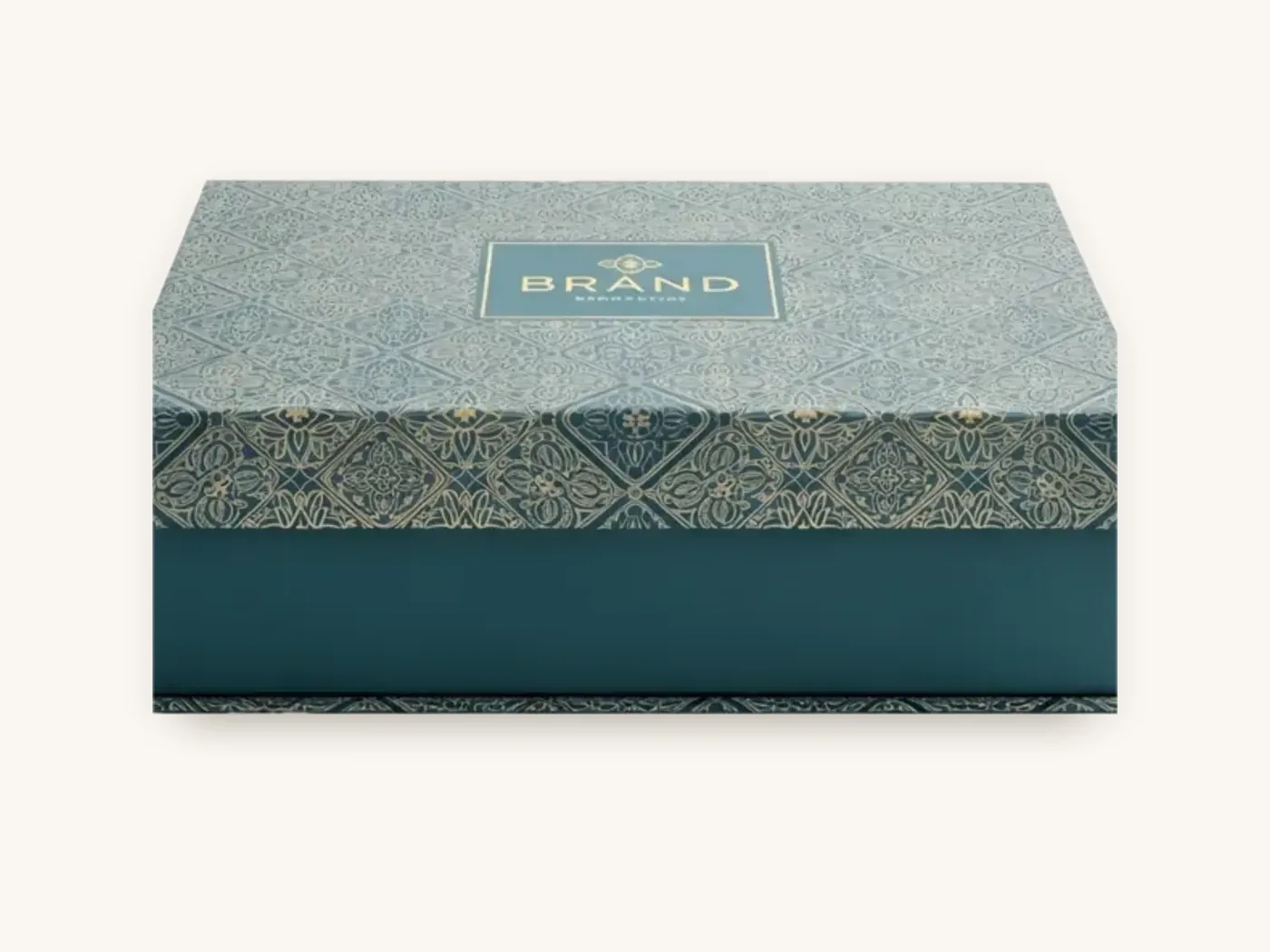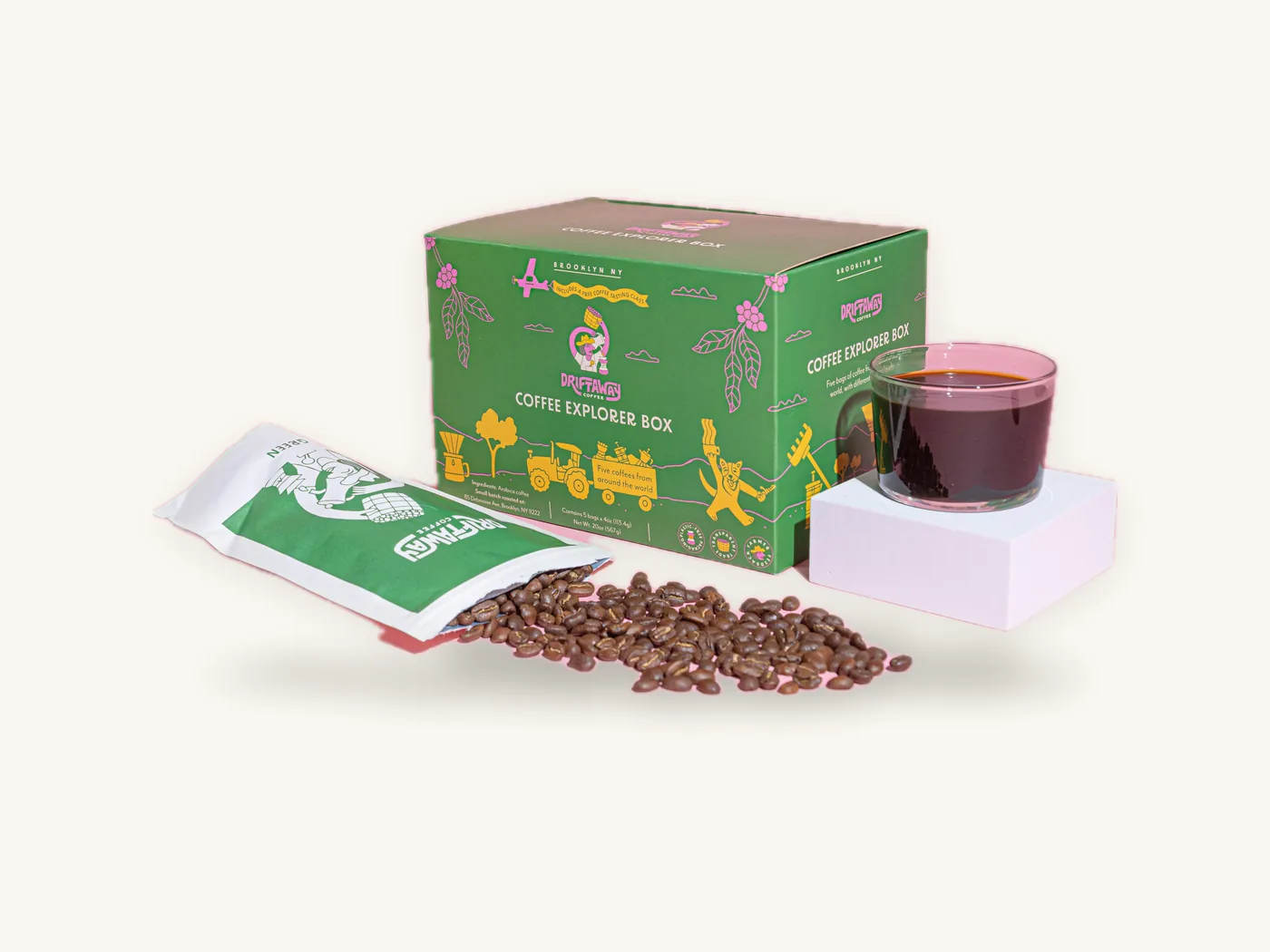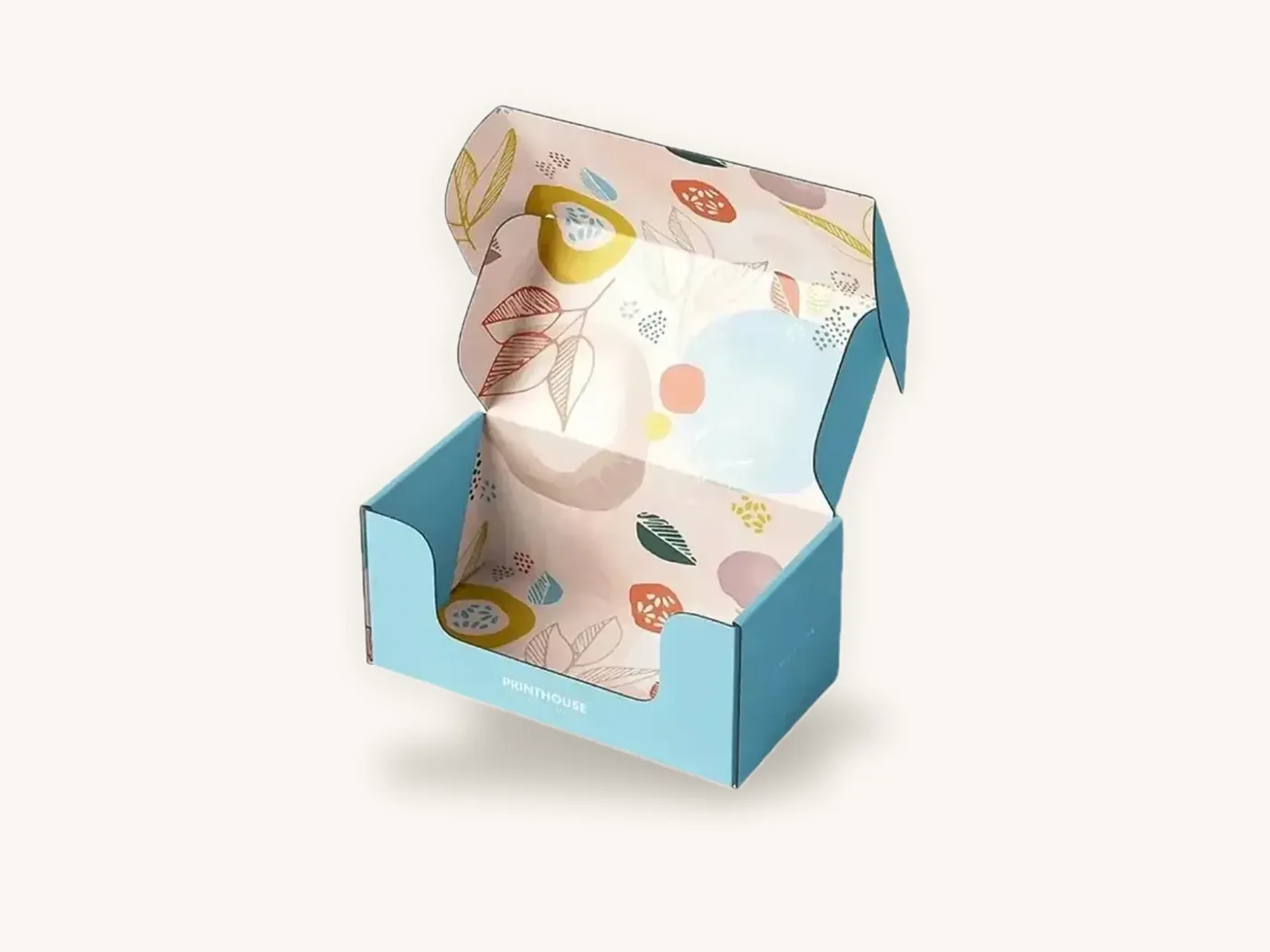
Custom mailer boxes cost more or less depending on three things: how big the box is, how much of it you print, and how many you order. A compact 8x6x3 in E-flute mailer printed on the outside and ordered in the thousands sits at the low end. A 12x9x4 in subscription mailer printed on both sides with an insert and tear strip, ordered as a run of only 10, sits at the high end, and the gap between the two is wide.
Of those three levers, quantity moves the price most, but size is the one brands underestimate. A mailer that grows by a couple of inches in each direction uses far more corrugated board, and board is the largest part of a mailer's cost.
This guide isolates each lever, shows which add-ons carry a one-time tool and which do not, and gives you a way to pick the cheapest mailer that still does the job. Real prices vary too much by job to print here, so the aim is to show what moves the number before you request a quote.
Key takeaways
- Board area is the biggest cost inside a mailer. Moving from 8x6x3 in to 10x8x4 in raises the cost far more than adding inside printing does.
- Inside printing is a modest adder compared with size, and printing only the inside lid trims it further.
- A mailer ordered in a very short run costs several times more per box than the same mailer ordered in the thousands, and the savings flatten out at high volume.
- Tear strips add a small per-unit cost with no tooling; a custom insert adds per-unit cost plus a one-time die, and foil adds a one-time tool.
- Kraft versus white liner matters less to price than size, print coverage or quantity.
- Request a quote for two sizes and two or three quantities at once to see which lever matters most for your box.
What you are paying for in a printed mailer box
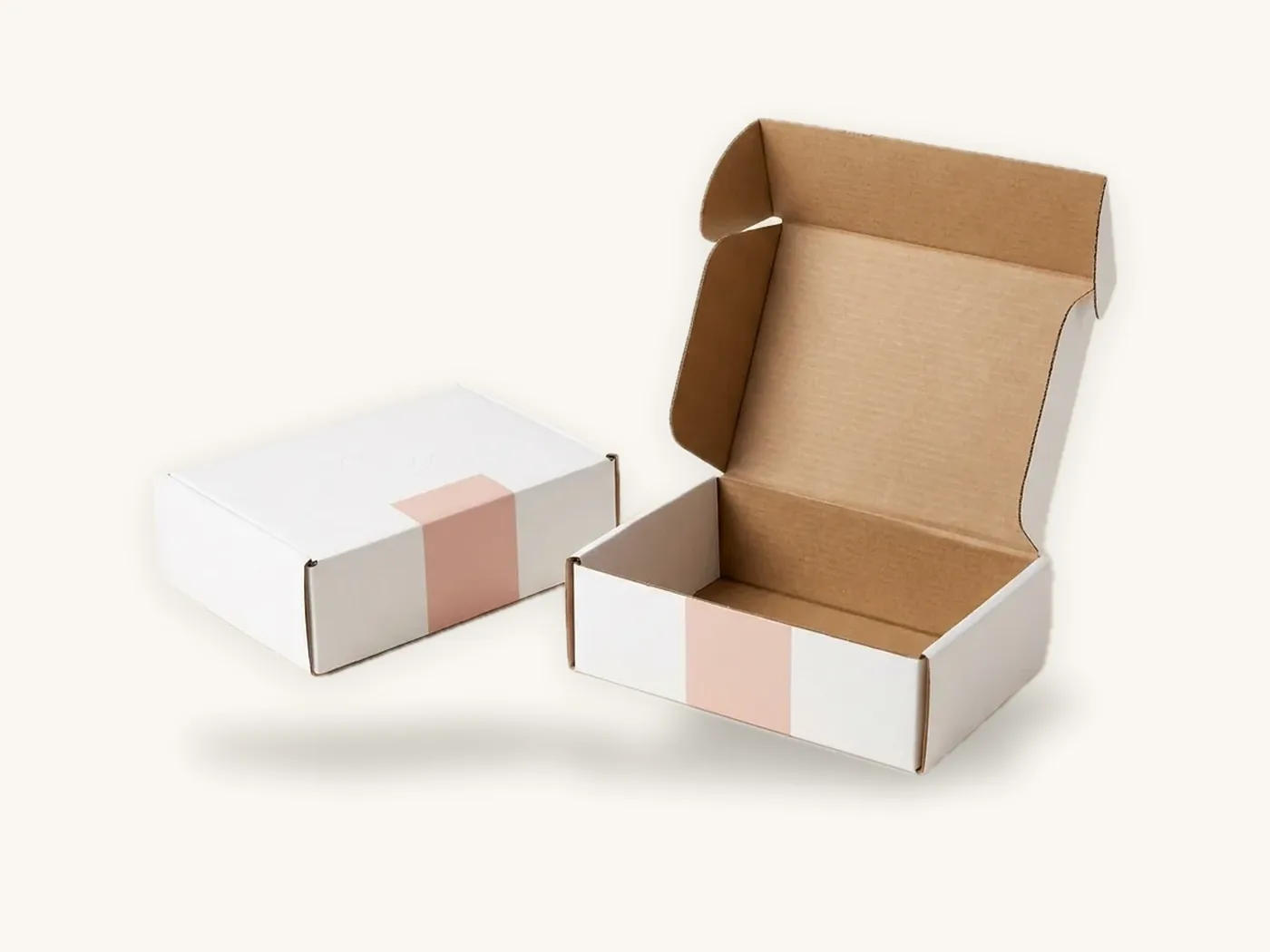
A mailer box is die-cut from a single sheet of E-flute corrugated, creased, and shipped flat. There is no hand assembly and usually no glue, so the cost breaks into a few clear parts.
| Cost component | What drives it | How big a share |
|---|---|---|
| Corrugated board | Flat blank area, which grows with every dimension | The largest share on most sizes |
| Die-cutting and creasing | A fixed amount per box on standard mailer styles | Small and stable |
| Printing | Outside only, or inside and outside | Moderate |
| Coatings | Aqueous, gloss, matte or soft-touch lamination | Small to moderate |
| Extras | Inserts, tear strips, foil, embossing, spot UV | Varies, some with tooling |
| Quantity multiplier | Setup spread over the run | Large at short runs, small at volume |
The flat blank for a mailer is much bigger than the closed box. It includes the base, the double-thickness rolled side walls, the lid, the tuck flap and the locking ears, plus trim around the die. That is why every added inch shows up in the price. Our corrugated board page explains E-flute and B-flute grades in more detail.
Lever 1: mailer box size
Size is the lever you control at the design stage, and it keeps paying back on every reorder.
How much a bigger mailer costs
Compare two standard mailer specs at the same quantity: an 8x6x3 in box printed outside, and a 10x8x4 in box printed inside and outside. The larger box costs noticeably more per unit, and it is tempting to blame the inside printing.
Only a small part of that gap comes from inside printing. Most of it is the larger blank: far more board for a box that is two inches longer, two inches wider and one inch deeper. Because the rolled side walls and the lid grow along with the base, a modest change in the closed dimensions becomes a large change in the flat sheet.
Size and dimensional weight
A larger mailer can also cost more to ship. Parcel carriers price many packages by dimensional weight, calculated from the outer dimensions rather than the actual weight. A lightweight product in a roomy box can be billed as if it were heavier. Confirm current dimensional weight divisors with USPS, UPS or FedEx for your service level, and see our guide on dimensional weight and packaging for how to calculate it.
Right-sizing in practice
Say you sell a candle set that packs to 7.5x5.5x2.6 in with tissue. A 10x8x4 in mailer would leave empty space that needs void fill. An 8x6x3 in mailer fits with a small clearance, uses less board, needs no fill and may drop into a lower postage band. Same product, cheaper box, better presentation.
Custom sizes do not carry a size premium
Because Box Sense charges no die or plate fees, a mailer cut to your exact dimensions is priced on its board area and spec, not on whether the size is a common one. An 8.25x5.75x2.5 in mailer built around your product is not penalized for being unusual. That removes the main reason brands settle for an off-the-shelf size that is slightly too big, and it means every fraction of an inch you trim comes straight off the board cost.
Tip: before settling on a size, measure the product as it will actually ship, including tissue and any card. Then ask for an unprinted structural sample at that size. It is the cheapest way to confirm you are not paying for air.
Lever 2: print coverage and liner
Print is where mailers become brand pieces, and where costs can be tuned without touching protection.
Outside only versus inside and outside
Printing the interior adds a second print pass. The adder is small per box on a volume run and larger per box on a short run, because setup is spread across fewer boxes. That is real money on a large program, but modest next to size.
If budget is tight, you have middle options:
- Print only the inside lid with a message or pattern
- Print the inside in a single color while the outside stays full color
- Keep the outside minimal and put the full-color artwork inside, where it is not scuffed or covered by labels
Full color versus one color
One-color print, especially on kraft, costs less than full-color CMYK. It also hides scuffs well and looks intentional. Full color makes sense when artwork includes photography, gradients or several brand colors.
Kraft or white mailers
Kraft mailer boxes use a natural brown outer liner, and white mailer boxes use a bleached white liner. Liner choice has a smaller effect on price than size, print coverage or quantity. The bigger cost question is how you print on it: pale colors on kraft need an opaque white ink underlay to stay visible, which adds to the print cost.
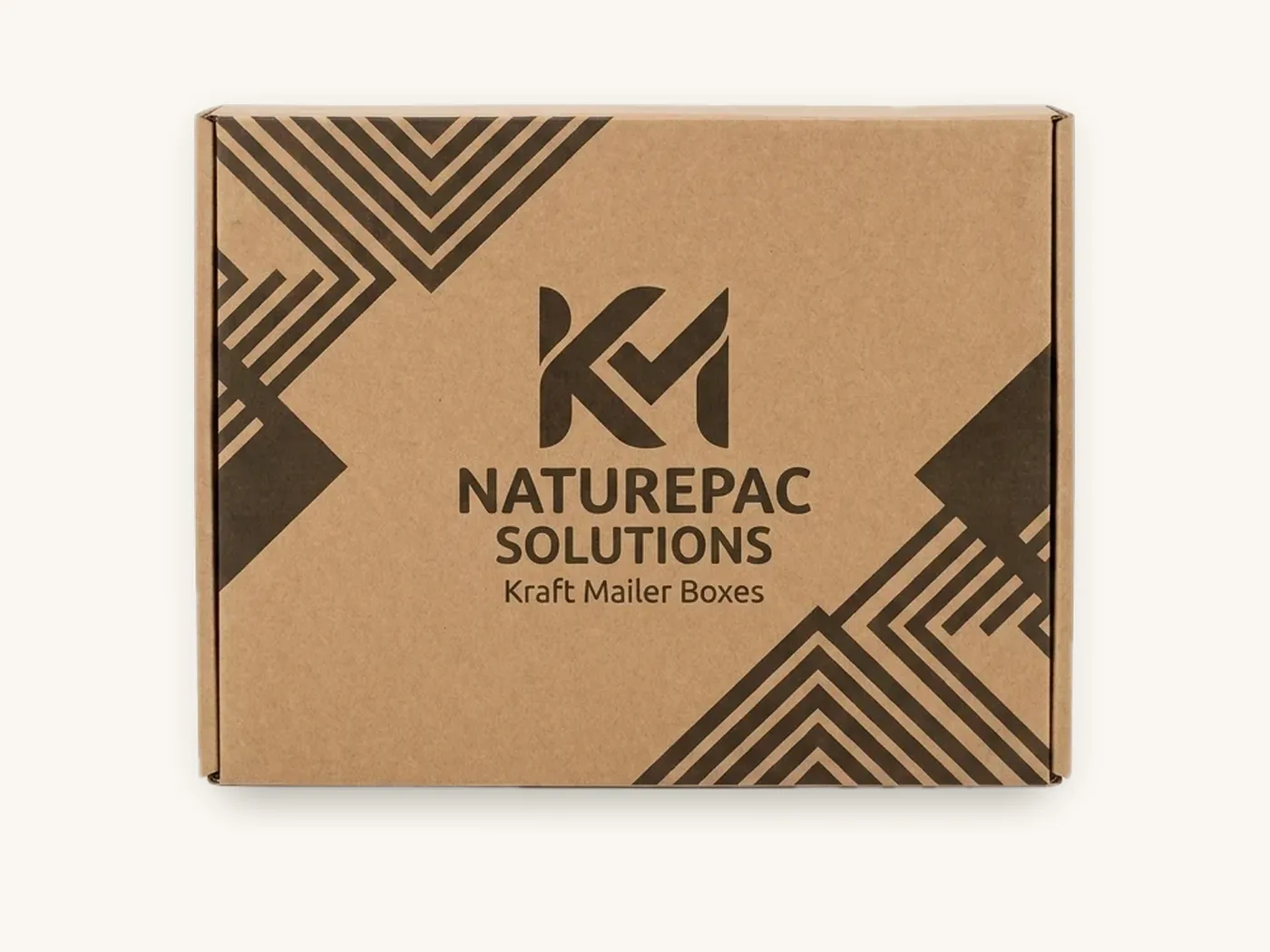
| Print setup | Relative cost | Best for |
|---|---|---|
| Unprinted kraft with a custom label | Lowest | Very tight budgets, testing |
| 1-color on kraft, outside | Low | Minimal, eco-positioned brands |
| Full color outside, white liner | Medium | Most DTC brands |
| Full color outside, 1-color inside lid | Medium plus | A reveal message on a budget |
| Full color inside and outside | Higher | Gifting, subscription and premium unboxing |
Lever 3: quantity and price breaks
The quantity multiplier is the most dramatic lever. The same 8x6x3 in, full-color-outside mailer moves through these tiers as the run gets longer:
| Quantity | Relative cost per mailer | What is happening |
|---|---|---|
| 10 | Highest | Setup is carried by a handful of boxes; right for samples and launches |
| 50 | Very high | Still a short digital run, with setup a large share of each box |
| 100 | High | A practical first order for a new product |
| 250 | Medium-high | Setup starts to spread; the unit cost is dropping quickly |
| 500 | Medium | The end of the steepest part of the curve |
| 1,000 | Medium-low | Board and ink now make up most of each box |
| 2,500 | Low | Savings per added box are getting smaller |
| 5,000 | Lower | Material cost dominates |
| 10,000 | Lowest | Only a small step down from the tier before |
Where the best value is
The steepest drop sits between 100 and 500 units, where the cost per mailer falls fastest. Beyond 2,500 units, each doubling of quantity saves much less per box, because board and ink dominate.
Look at 250 versus 500: the total order rises by far less than double, but you get twice as many boxes. If you ship 100 orders a month, 500 mailers last five months and cost far less per shipment than two separate orders of 250.
When a smaller order makes sense
Buying the larger tier is not always right. If your artwork is about to change, your product dimensions are not final, or storage is limited, a smaller run protects you from waste. Our guide to custom boxes with no minimum covers how to stage small orders before committing to volume.
Add-ons: what inserts, tear strips and finishes add
Add-ons are where a mailer box price can drift upward without anyone noticing. Some add only a per-unit cost; others add a one-time tool.
| Add-on | Per-unit cost | One-time tooling | Worth it when |
|---|---|---|---|
| Aqueous coating | Small | None | Almost always, for scuff resistance |
| Matte or gloss lamination | Moderate | None | Dark artwork or frequent handling |
| Soft-touch lamination | Higher | None | Beauty, jewelry and gift mailers |
| Tear strip | Small | None | Subscription and tamper-evident shipping |
| Paperboard insert | Moderate | One-time die | Multiple items or fragile products |
| Foil stamping | Moderate | One-time tool | A logo highlight on a premium box |
| Spot UV | Moderate | One-time tool | Gloss contrast on a matte lid |
| Embossing | Moderate | One-time tool | Tactile logo on the lid |
How tooling changes with order size
A foil tool is a fixed charge, so it barely registers per box on 1,000 mailers but becomes a large share of each box on 10. On a very short run, skip embellishments or add them later on a larger reorder, when the tool is spread across many boxes and does not repeat.
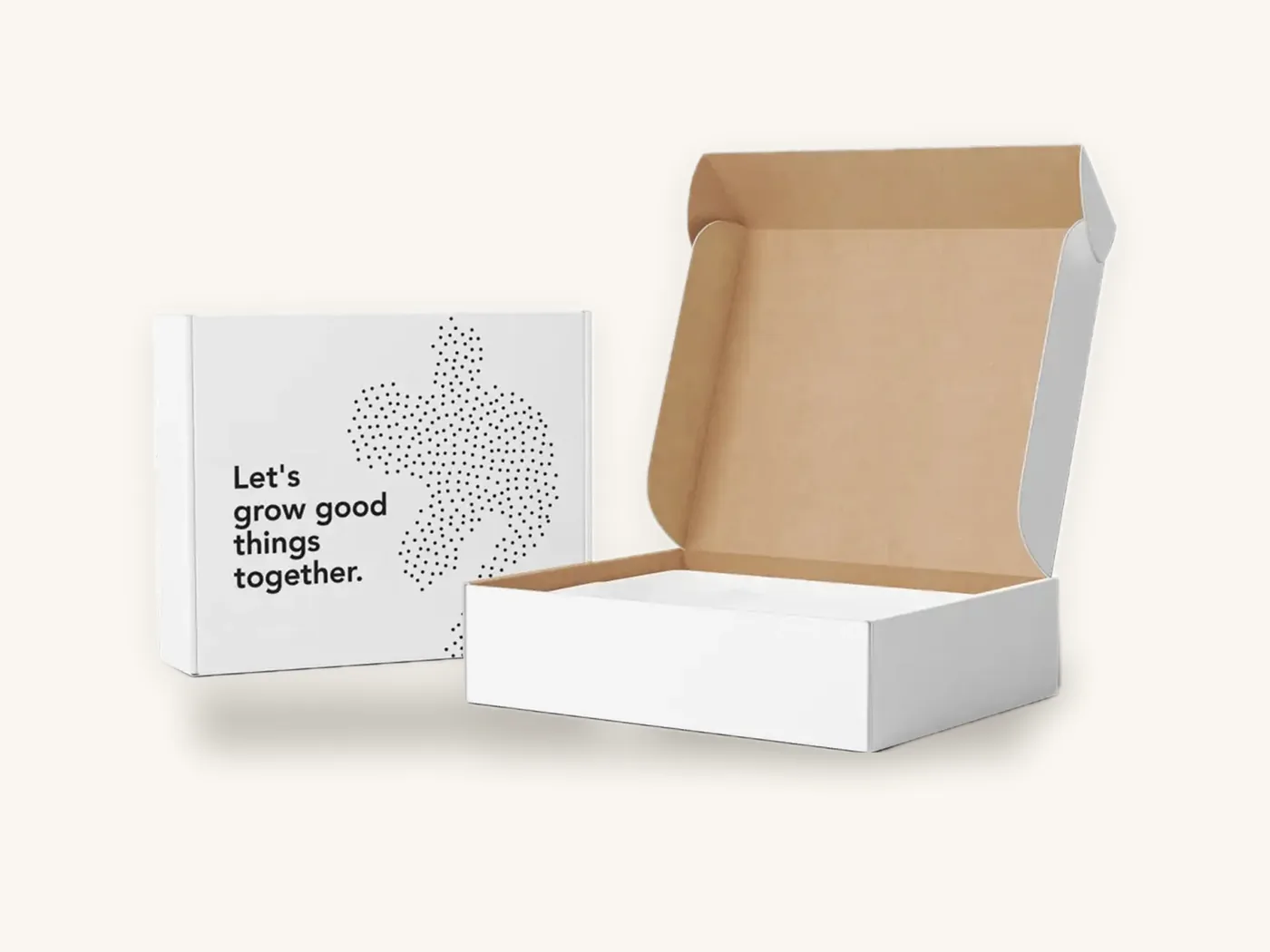
Subscription mailer pricing: cost per shipment
Subscription programs are where mailer pricing matters most, because the box is repeated every cycle.
The standard 12x9x4 in subscription box spec includes full-color printing on both sides, a paperboard insert and a tear strip:
| Quantity | Relative cost per subscription mailer | Suits |
|---|---|---|
| 100 | Highest | A pilot cycle or a new program |
| 500 | High | One cycle for a few hundred subscribers |
| 1,000 | Medium | Two or three cycles at that size |
| 2,500 | Low | About half a year of an evergreen design |
| 5,000 | Lowest | Established programs with stable artwork |
Planning for a subscription program
Say you have 400 subscribers and ship monthly. Ordering 500 mailers every month means paying the 500-unit rate six times over half a year. Ordering 2,500 once covers about six months at a clearly lower unit cost, so the total spend on boxes over the same period is substantially lower, in exchange for storing the stock and paying for it up front.
That saving is only real if the artwork stays the same for six months. Many subscription brands solve this by keeping the mailer evergreen and changing a printed card, sleeve or printed tissue paper each month instead. The e-commerce and subscription page shows how those layers combine.
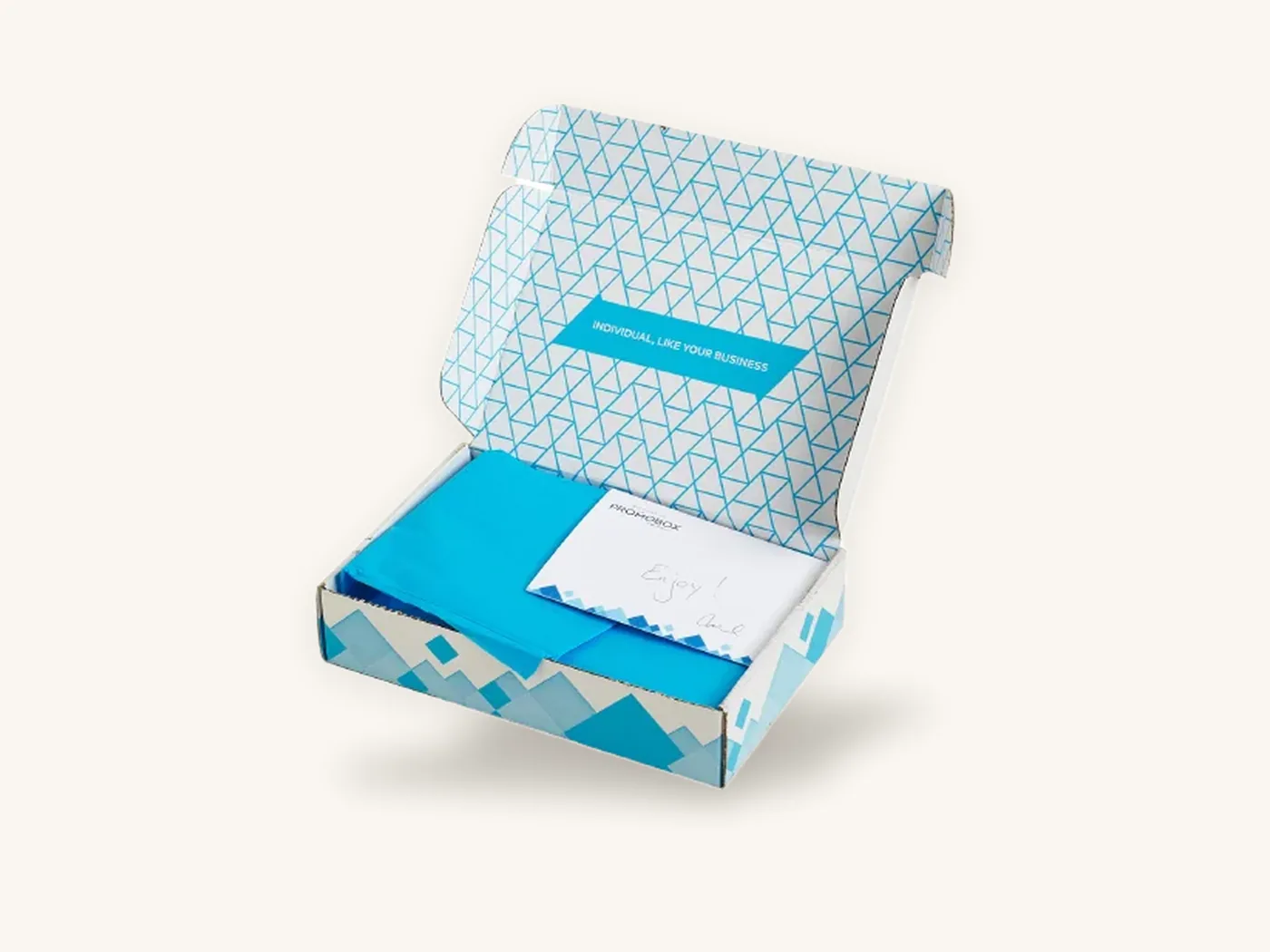
Mailer box price compared with other shipping options
Mailers are not always the cheapest way to ship, but they often win on total cost when presentation matters.
| Option | Example spec | Relative cost | Tradeoff |
|---|---|---|---|
| Printed mailer box | E-flute, 8x6x3 in, full color outside | Low | Protection plus branded unboxing |
| Shipping box (RSC) | B-flute, 12x10x6 in, 1-color | Medium | Larger and stronger, taped, basic branding |
| Folding carton inside a plain shipper | 18 pt SBS tuck carton, 3x2x5 in | Lowest for the carton, plus the shipper | Retail-ready, needs an outer box to ship |
| Rigid box inside a shipper | 2 mm greyboard, 8x6x3 in, matte | Highest, plus the shipper | Premium keepsake, highest cost |
A carton inside a stock shipper can look cheaper, but you pay for two boxes and extra packing time. A rigid box costs several times more at the same footprint; our rigid box cost guide explains when that premium pays off. For a structural comparison, read mailer box vs shipping box vs folding carton.
Seven ways to lower printed mailer box cost
- Shrink the box to the packed product. Less board, less fill, and often lower postage.
- Standardize on one or two sizes. Fewer SKUs let you order each size at a higher quantity tier.
- Print the inside lid only, or use one color inside.
- Use aqueous coating instead of lamination unless the artwork needs protection.
- Pick one embellishment and only on runs large enough to spread the tooling.
- Keep the mailer evergreen and put seasonal or campaign messaging on inserts, cards or tissue.
- Order by months of use, not by the lowest unit price. Compare cost per month across two or three tiers.
Watch out: switching from E-flute to B-flute to fix damage is not always the cheapest fix. If products are moving inside the box, a tighter fit or a simple insert usually solves the problem for less than a heavier board grade.
How to order custom mailer boxes from Box Sense
Our custom mailer boxes are made to your internal dimensions, and the mailer boxes style page shows tuck-front, tuck top and other variations.
To get an accurate price, send:
- Internal length, width and depth, and the weight of the packed product
- Style preference, or a note asking for a recommendation
- Liner: kraft or white; board: E-flute or B-flute
- Print: outside only, inside lid only, or inside and outside; full color or one color
- Coating and any extras such as inserts, tear strips or foil
- Two or three quantities to compare, and your delivery location
Quotes are confirmed within 24 hours. Design support is free, including a dieline, artwork setup and a 3D digital proof with two revision rounds. Unprinted structural samples and printed samples of approved artwork are available for a small fee.
Standard production is 8–12 business days after proof approval, with rush in 5 business days on most corrugated styles. The minimum order is 10 mailers, there are no die or plate charges, shipping is free, and defective boxes reported within 14 days are reprinted free. For a full walkthrough of styles and artwork setup, see the custom mailer boxes guide.
Frequently asked questions
How much does a custom mailer box cost?
It depends on size, print coverage and quantity, and the range is wide: a compact 8x6x3 in E-flute mailer costs several times more per box at 10 units than at 10,000. Larger sizes, inside printing and add-ons raise the cost, and US shipping is included. Request a quote with your internal dimensions and two or three quantities for an exact figure.
Does inside printing make mailer boxes much more expensive?
Inside printing adds a second print pass, but it is a smaller cost than most people expect. On a volume order it adds a small amount per box over outside-only printing, while increasing box size from 8x6x3 in to 10x8x4 in adds several times as much. Printing only the inside lid is a common way to get the effect for less.
Are kraft mailer boxes cheaper than white mailer boxes?
The liner itself has a smaller effect on price than size, print coverage or quantity. Kraft mailers become the cheaper option when you pair them with one-color print, because full-color artwork on kraft often needs an opaque white underlay that adds to the print cost. White liners give the brightest full-color results.
What is the price break for mailer boxes?
The largest drop in price per mailer happens between 100 and 500 units, where setup is spread across more boxes and the unit cost falls fastest. After 2,500 units, savings slow because material costs dominate. Compare the total order cost and how many months of use each tier covers.
How much does a subscription box mailer cost?
A 12x9x4 in subscription mailer printed on both sides with an insert and tear strip costs more than a plain outside-printed mailer because of the larger blank, the second print pass and the insert. Like any mailer, its unit cost falls sharply between a 100-unit pilot and a run in the thousands. Keeping the mailer design evergreen and changing inserts or tissue each cycle lets you order at a higher tier and lower the cost per shipment.
Is there a setup fee for custom mailer boxes?
Box Sense does not charge die or plate fees for mailer boxes. One-time tooling applies only if you choose certain options: foil stamping, embossing, spot UV and a custom paperboard insert each need a one-time tool, which is listed separately on your quote. Tear strips, coatings, laminations and inside printing add only a per-unit cost.
How can I make mailer boxes cheaper without losing quality?
Right-size the box to the packed product, standardize on fewer sizes, print only the outside plus the inside lid, choose aqueous coating over lamination and keep embellishments for larger runs. Put campaign messaging on inserts rather than reprinting the mailer. These changes reduce board and print costs without weakening protection or the unboxing experience.
Next steps
Measure your packed product, then request a mailer box quote for two sizes and two quantities to see which lever saves you the most, and we will confirm pricing within 24 hours and send a dieline and 3D proof. For the bigger picture across every box type, the custom packaging cost guide and custom box price ranges by type are good next reads.
Boxes in this guide
Order the packaging we covered
Written by the Box Sense Packaging Team
Our structural designers, prepress technicians and production staff print and convert custom boxes every day for brands across the United States. Questions about this guide? Talk to us.