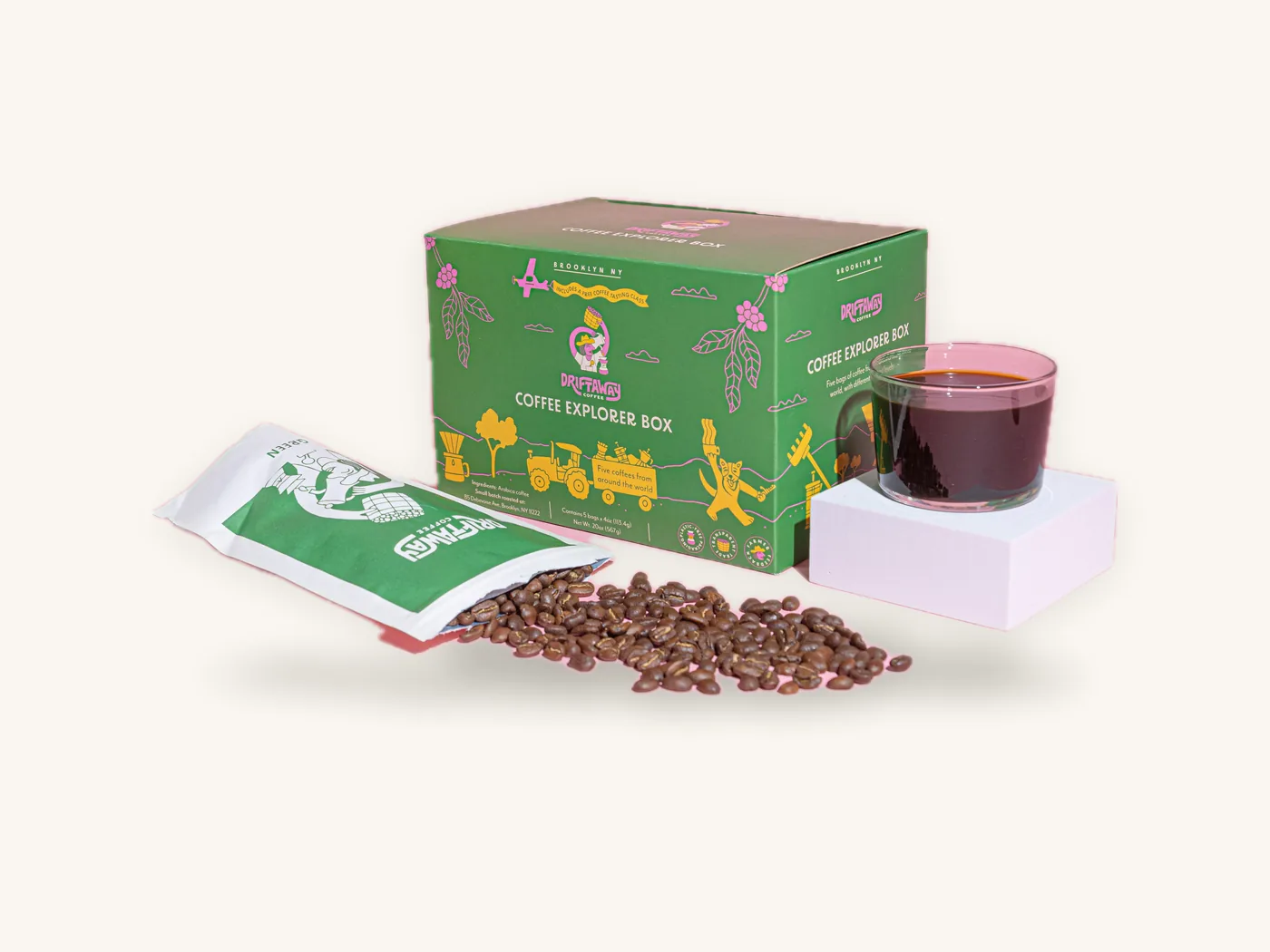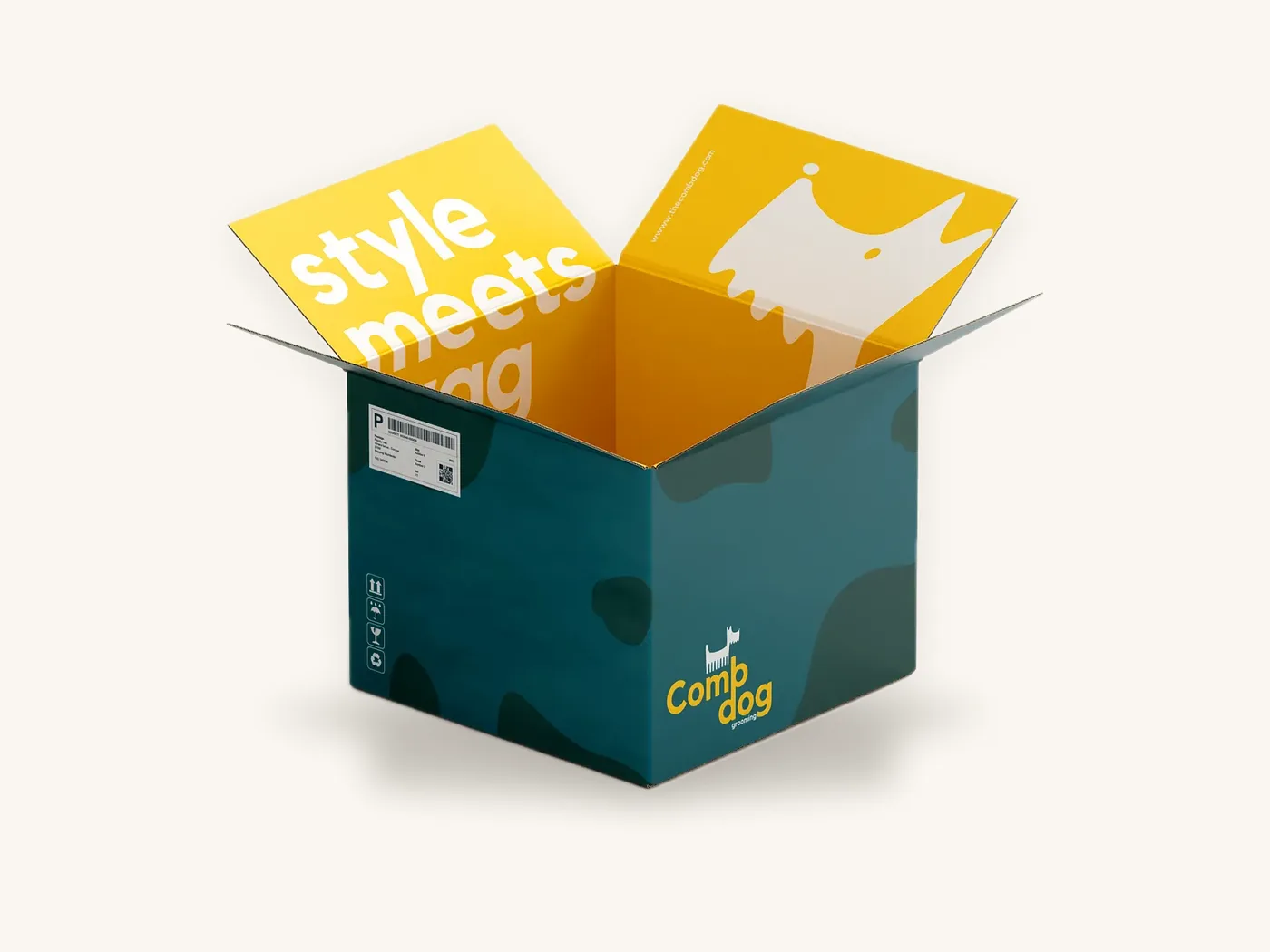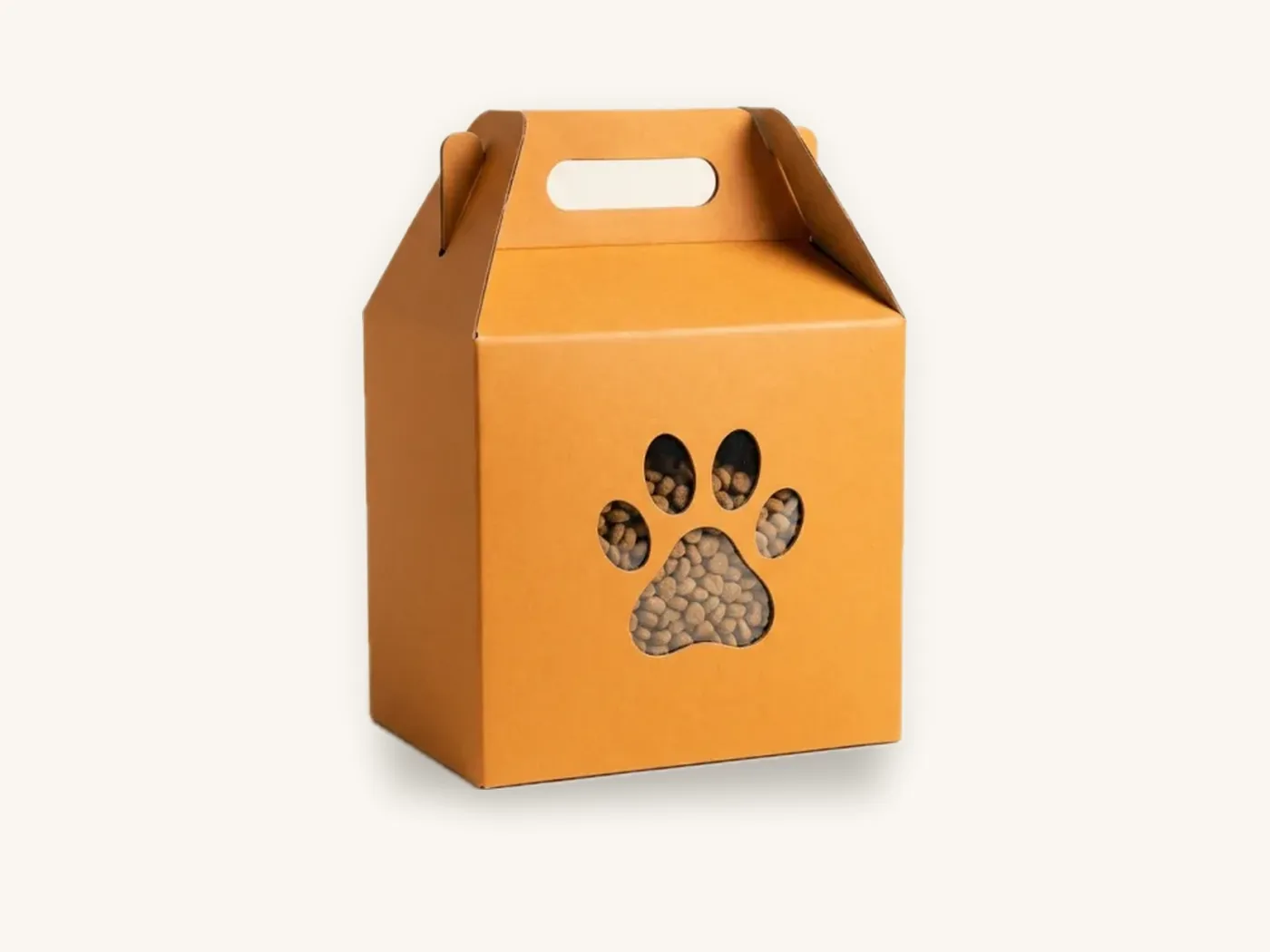
Pet product packaging has to do something most consumer packaging does not: survive contact with fat, moisture, strong smells and, occasionally, teeth. The right format depends on what is inside. Soft or jerky-style treats usually belong in a resealable barrier pouch, baked biscuits and chews do well in a lined paperboard carton, and toys, grooming kits and monthly bundles ship best in a corrugated mailer.
Most growing pet brands end up using all three. This guide sorts pet products by what they need from a package, explains the grease and odor problems that ruin plain cartons, covers the general labeling rules for pet food, and gives real cost references so you can plan a launch or a subscription program.
Key takeaways
- Match the format to the product: barrier pouches for moist or aromatic treats, lined cartons for dry biscuits and chews, mailers for toys, kits and subscriptions.
- Uncoated paperboard wicks oil. Any treat with visible fat needs an inner bag, a grease-resistant liner or a pouch, not just a nicer box.
- Pet food and treats fall under FDA oversight, and most states apply AAFCO-based label models. Check current requirements before you print.
- A kraft tuck carton at 4x3x2 in with a one-color print runs about $0.81 each at 100 units; a 12x9x4 in subscription mailer with insert and tear strip runs about $2.60 at 1,000.
- Pet owners handle packaging with one hand and a leash in the other, so closures, reseal features and scoop access matter more than decoration.
- Box Sense makes pet treat boxes, mailers and kit packaging from 10 units with free design support and standard production of 8–12 business days after proof approval.
Pet product packaging by product type
Before choosing a box, sort your range by what the contents do to packaging. A rope toy and a bag of salmon bites sit in the same catalog, but they have almost nothing in common as packaging problems.
| Product | Main packaging risk | Best primary format | Common secondary pack |
|---|---|---|---|
| Soft, jerky or freeze-dried treats | Moisture loss or gain, odor, oil migration | Resealable stand-up pouch | Display carton or mailer |
| Baked biscuits and dental chews | Crumbs, breakage, light grease | Paperboard carton with inner bag or window | Shipper case |
| Bully sticks and natural chews | Strong odor, sharp ends | Pouch or lined carton | Mailer |
| Toys and enrichment puzzles | Shelf appeal, peg display, tamper visibility | Window box, hang tab box or header card | Shipping box |
| Grooming kits and shampoos | Liquid leaks, bottle movement | Carton with insert | Mailer |
| Collars, leashes and apparel | Merchandising, tangling | Sleeve, hang tag or window box | Poly or paper mailer |
| Monthly subscription bundles | Mixed contents rattling, first impression | Printed mailer with insert or tissue | None needed |
Consumables vs durables
Consumables such as treats, toppers and supplements are repeat purchases. Their packaging needs to preserve freshness between openings and carry ingredient, feeding and lot information. Durables such as toys, beds and accessories are bought once, so the box is a sales tool on a shelf or a gift moment at the door.
That split drives budget. For consumables, spend on barrier and reclosability. For durables, spend on print, windows and structure that shows the product.
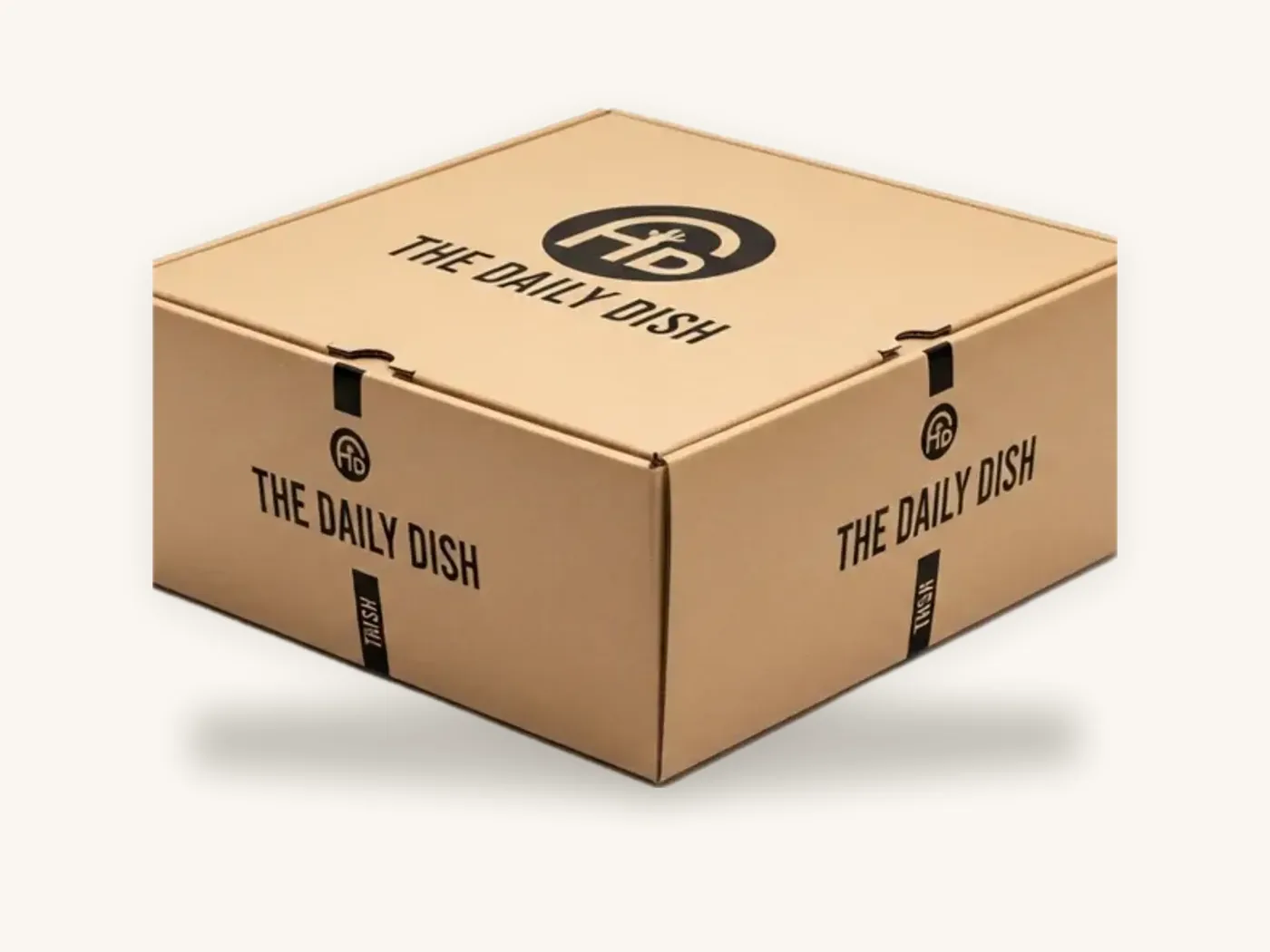
Pet treat packaging: grease, moisture and odor
This is the section most first-time pet brands skip, and it is where most packaging complaints come from.
Why plain cartons stain
Paperboard is made of wood fibers that absorb oil by capillary action. A bag of peanut-butter biscuits or a pack of salmon skins will leave translucent spots on an uncoated carton within days, and the stain spreads toward the printed face. An aqueous coating on the outside does nothing to stop oil coming from the inside.
You have three practical fixes:
- An inner bag. Pack the treats in a sealed or zip bag, then put the bag in a printed carton. This is the most reliable option for baked goods.
- A grease-resistant board or liner. Treated boards and inside coatings slow oil migration for lightly greasy products. Ask for a structural sample and leave treats inside it for a week before approving.
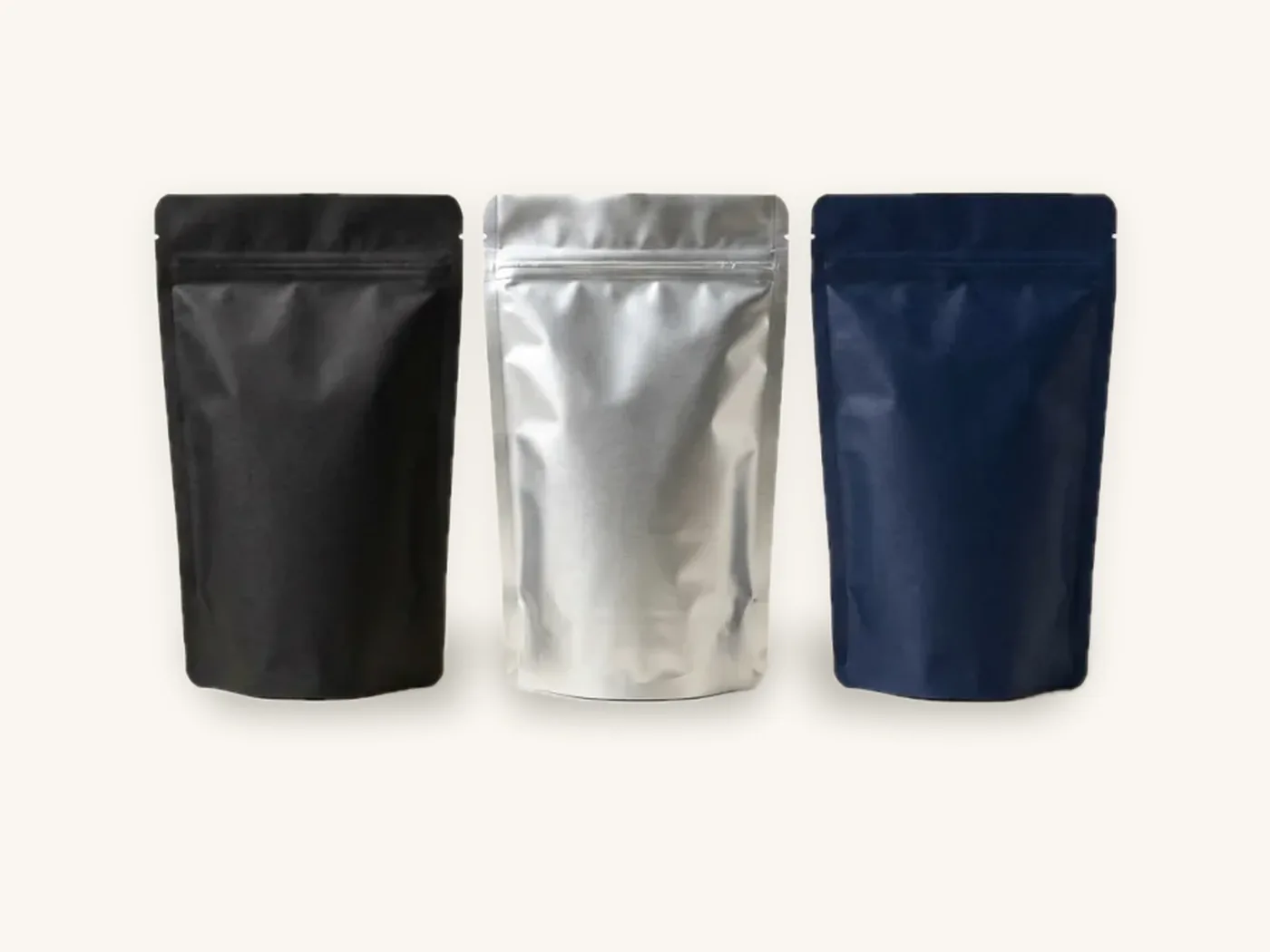
- Skip the carton. A laminated stand-up pouch handles grease, moisture and odor in one layer, and it can still be printed edge to edge.
Moisture and shelf life
Soft treats lose moisture and turn hard; crunchy treats absorb moisture and go soft. Both change palatability, and moist products can grow mold if the package breathes. Barrier pouch films are chosen by how much vapor and oxygen they allow through. A metallized or foil layer gives the highest barrier, while clear and kraft-look laminates give visibility or a natural look with somewhat less protection.
Your formulator or co-packer should set the barrier level based on water activity and target shelf life. Packaging can support shelf life, but it cannot fix a recipe that is too moist.
Odor containment
Pet treats are designed to smell strong to dogs, which means they also smell strong to the warehouse, the carrier and the customer's pantry. A zip closure that actually seals is the cheapest odor control you can buy. For bulk chews, pair a sealed pouch with a secondary carton so the scent does not transfer to the outer print or other items in a subscription box.
Watch out: do not put loose, oily treats directly into a printed corrugated mailer, even for one month's subscription. Corrugated liners soak up fat quickly and the staining shows through to the outside. Bag every consumable before it goes into the kit.
Our stand-up pouches guide covers film structures, zippers, tear notches and degassing in more depth.
Choosing between dog treat boxes, pouches and tins
Many brands ask whether to launch in a box or a bag. Both work; they suit different sales channels and price points.
| Factor | Dog treat boxes (carton + inner bag) | Stand-up pouch |
|---|---|---|
| Shelf presence | Flat, squared faces; easy to stack and face | Stands, but faces curve; can slump when half empty |
| Barrier | Depends on the inner bag | Built into the film |
| Reclosing | Tuck flap plus inner bag clip or zip | Integrated zipper |
| Print surfaces | Six panels, crisp type, window option | Front, back and gusset |
| Shipping efficiency | Ships flat to you, assembled at packing | Ships flat, filled by hand or machine |
| Premium signals | Foil, embossing, soft-touch, windows | Matte or soft-touch film, spot gloss |
| Best channel | Boutique retail, gift, grooming salons | Grocery, pet specialty, e-commerce |
When a carton wins
Choose dog treat boxes when you sell a premium baked line, a gift assortment or a dental chew with several individually wrapped pieces. A carton gives you a clean front panel for a product photo and a back panel with room for the guaranteed analysis and feeding directions without cramped type.
A window box lets shoppers see biscuit shapes, which is useful for bakery-style treats. A PET or compostable PLA film window keeps the opening covered.
When a pouch wins
Choose a pouch for high-moisture, freeze-dried or high-fat treats, for larger bag sizes, and for brands that sell mainly online where pouches pack lighter into a shipper. A clear window strip on a kraft-look pouch is a common middle ground between showing product and protecting it.
Tubes and other formats
Paper tube packaging is gaining ground for bully sticks, catnip and toppers. Tubes stand upright, reseal with a friction lid and feel giftable. Line the tube or use an inner bag for anything oily.
Pet food labeling basics to plan into your dieline
Packaging for pet food and treats is regulated, and panel space runs out quickly. Plan the information before the design, not after.
In the United States, the FDA regulates pet food, including treats, under federal food law, and requires that it be safe, properly manufactured and truthfully labeled. Many states also regulate pet food labels and generally base their rules on model regulations published by AAFCO, the Association of American Feed Control Officials. The details differ by product type and by state, and claims such as "complete and balanced" or health benefit statements carry their own requirements.
Information most pet food labels need to accommodate
In general terms, expect to make room for:
- Product name and the species it is intended for
- Net quantity statement
- Ingredient list
- Guaranteed analysis
- Feeding directions, especially for complete diets
- Manufacturer or distributor name and address
- Nutritional adequacy statement where applicable
- Lot code and best-by date area, usually printed at packing rather than on the box artwork
This list is a planning aid, not a compliance checklist. Confirm current requirements with the FDA's pet food guidance, your state feed control office and, for anything unusual, a regulatory consultant.
Design implications
- Reserve a blank area for lot and date coding so the inkjet or label does not land on your artwork.
- Keep the net quantity statement in the lower part of the principal display panel, where regulators and shoppers expect it.
- Size type for reading, not for fitting. A guaranteed analysis table set too small is a common reason labels get redesigned.
- Avoid unsupported claims. Words like "vet approved" or "human grade" have specific meanings and may need substantiation.
Non-food pet products such as toys and grooming tools do not fall under pet food rules, but general consumer product labeling, country of origin marking and marketplace requirements still apply. Our Amazon seller packaging guide covers barcode and marketplace prep for pet brands that sell through FBA.
Pet subscription boxes and kit packaging
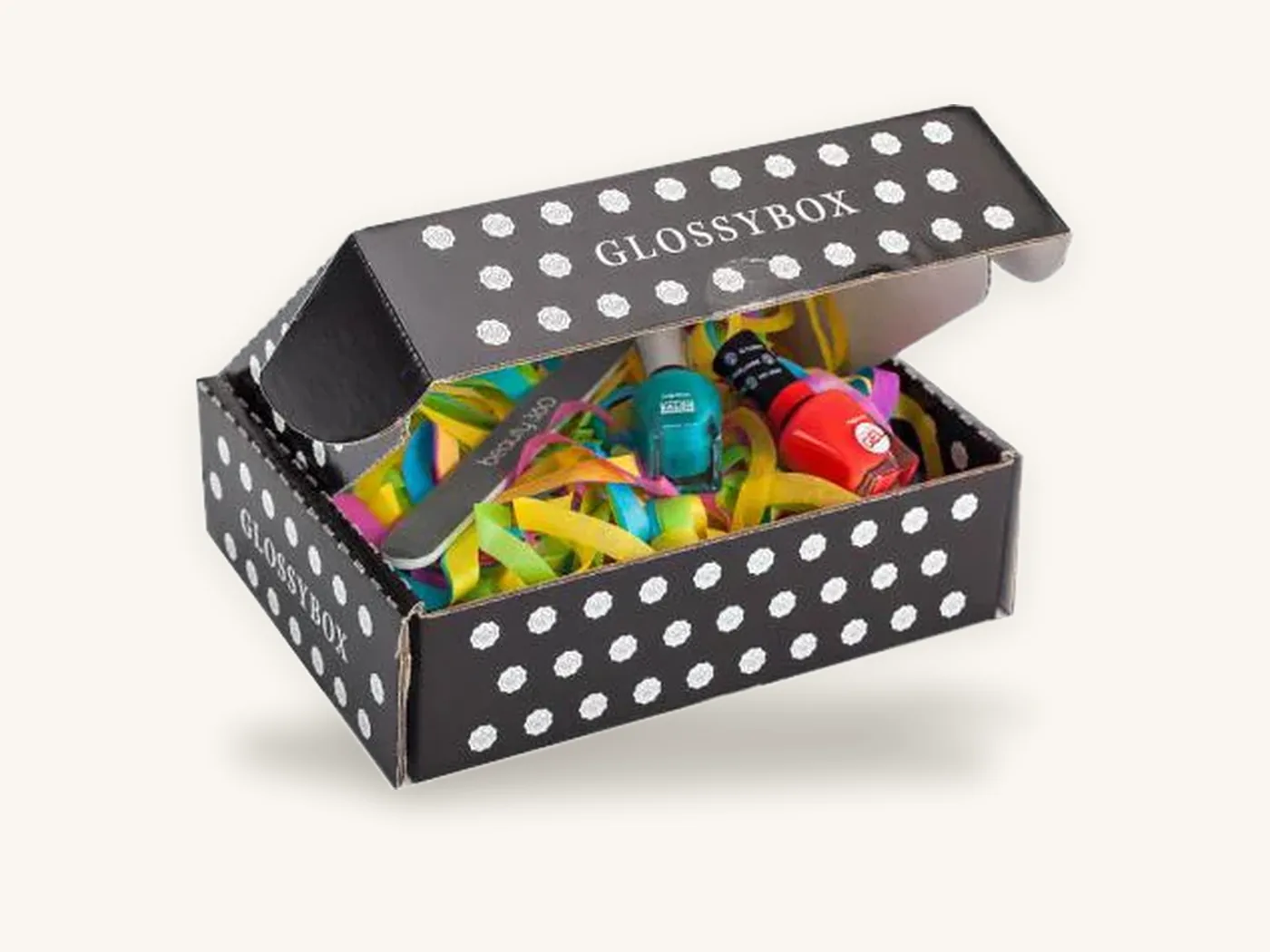
Pet subscription boxes combine consumables, a toy or two and sometimes an accessory. They are mailed, opened on camera more often than you would expect, and then usually recycled. The box is the whole retail experience.
Structure
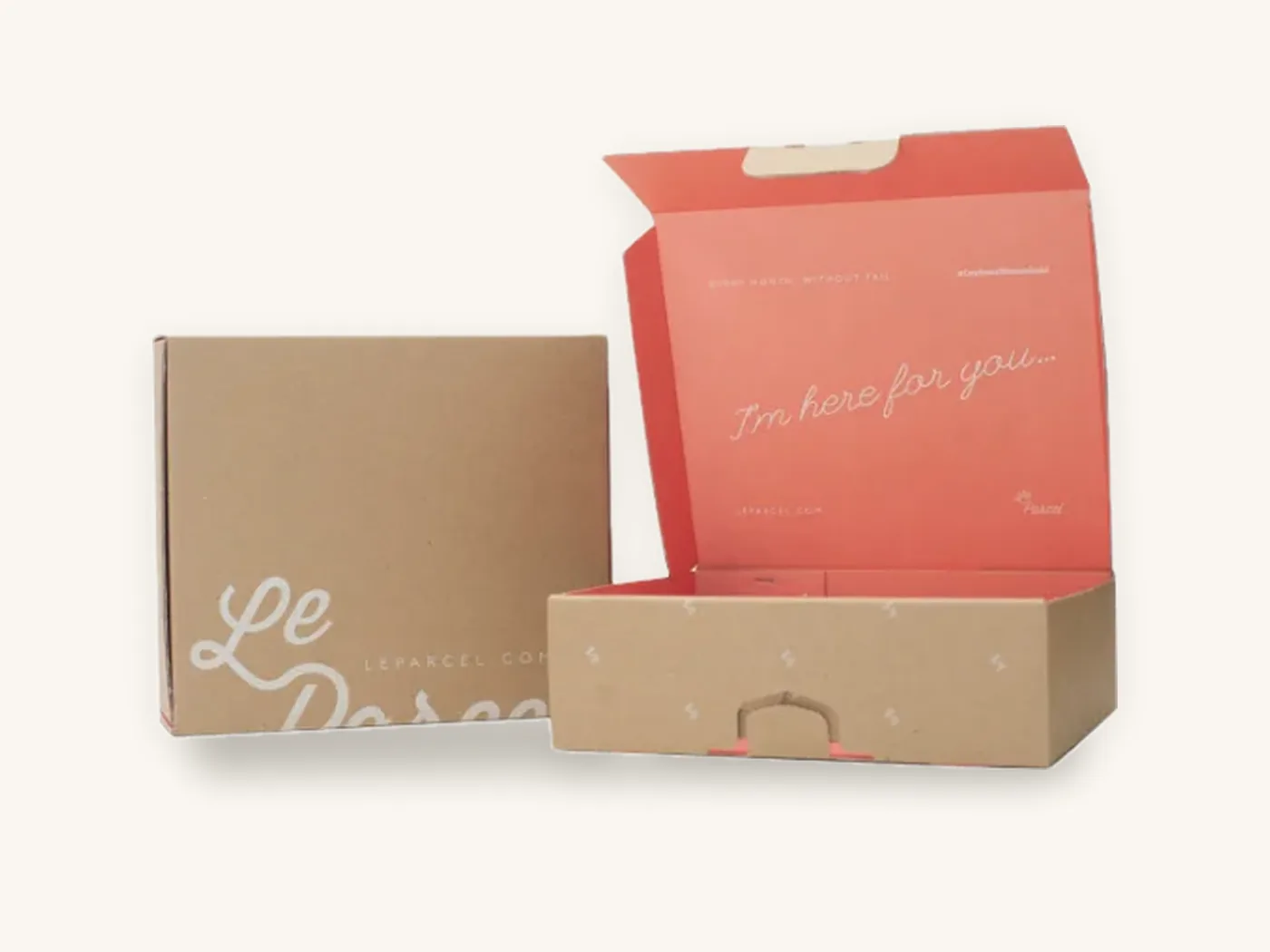
A subscription box is typically an E-flute roll-end mailer with a tear strip. E-flute is about 1.5 mm thick, prints cleanly and handles the few pounds a typical dog or cat box weighs. If you include canned food, jars or heavy chews, consider B-flute at about 3 mm.
A tear strip makes the opening feel intentional and shows whether the box was opened in transit. It also means the customer does not need a knife, which matters when a curious dog is nosing into the box.
Inside layout
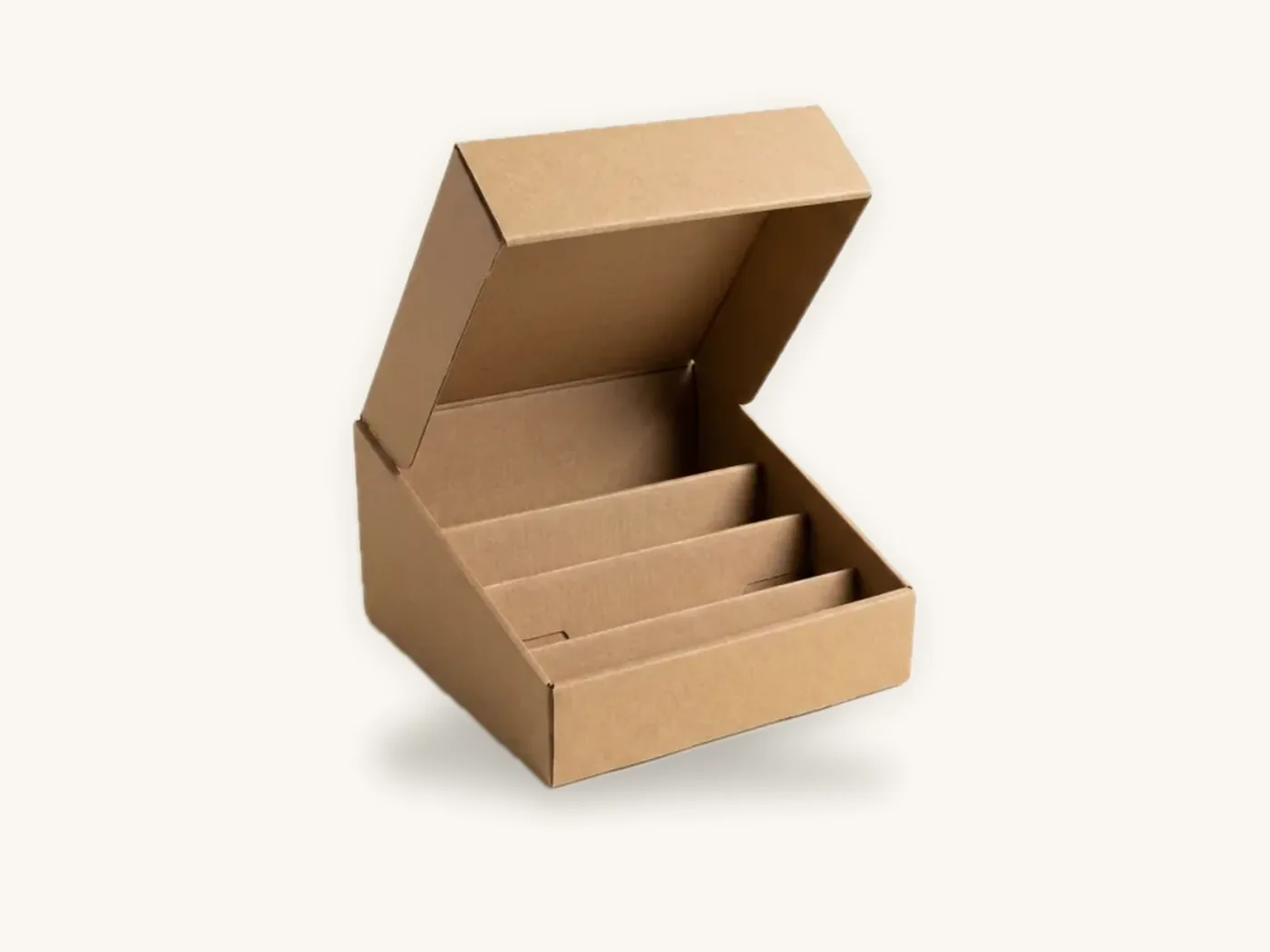
Mixed pet items are awkward shapes: a flat bag, a squeaky toy, a round tin and a bandana. A simple die-cut box insert with two or three compartments stops the heavy item crushing the soft ones. If contents change every month, printed tissue and paper crinkle fill are more flexible than a fixed insert.
Theme changes without reprinting everything
Many pet subscription programs print a standard branded mailer in a larger quantity for a lower unit price, then change the monthly theme with a printed card, a sticker or a sleeve. That keeps you in the cheaper quantity tier on the box while the unboxing still feels new.
For more on sequencing, card placement and fulfillment, see the subscription boxes guide and our e-commerce and subscription packaging page.
Materials and finishes that survive pet homes
Pet packaging lives in garages, mudrooms, car trunks and grooming vans. It gets handled with wet hands and stored next to the dog bowl.
| Material or finish | Where it fits in pet packaging | Limits |
|---|---|---|
| Kraft paperboard | Natural and single-ingredient treat cartons | Muted full-color print; needs inner bag for grease |
| SBS paperboard | Premium treat boxes and toy cartons with photo-quality print | Shows scuffs without coating |
| E-flute corrugated | Mailers, subscription kits, heavier toy boxes | Coarser print than cartons |
| Laminated pouch film | Soft, oily and aromatic treats | Harder to recycle curbside |
| Aqueous coating | Scuff resistance, keeps paperboard recyclable | No grease barrier from inside |
| Matte or gloss lamination | Wipe-clean surfaces for grooming and bath products | Adds plastic film to the carton |
| PLA or PET window | Showing biscuit shapes or toy color | Window area needs support in larger boxes |
Sustainability choices pet owners notice
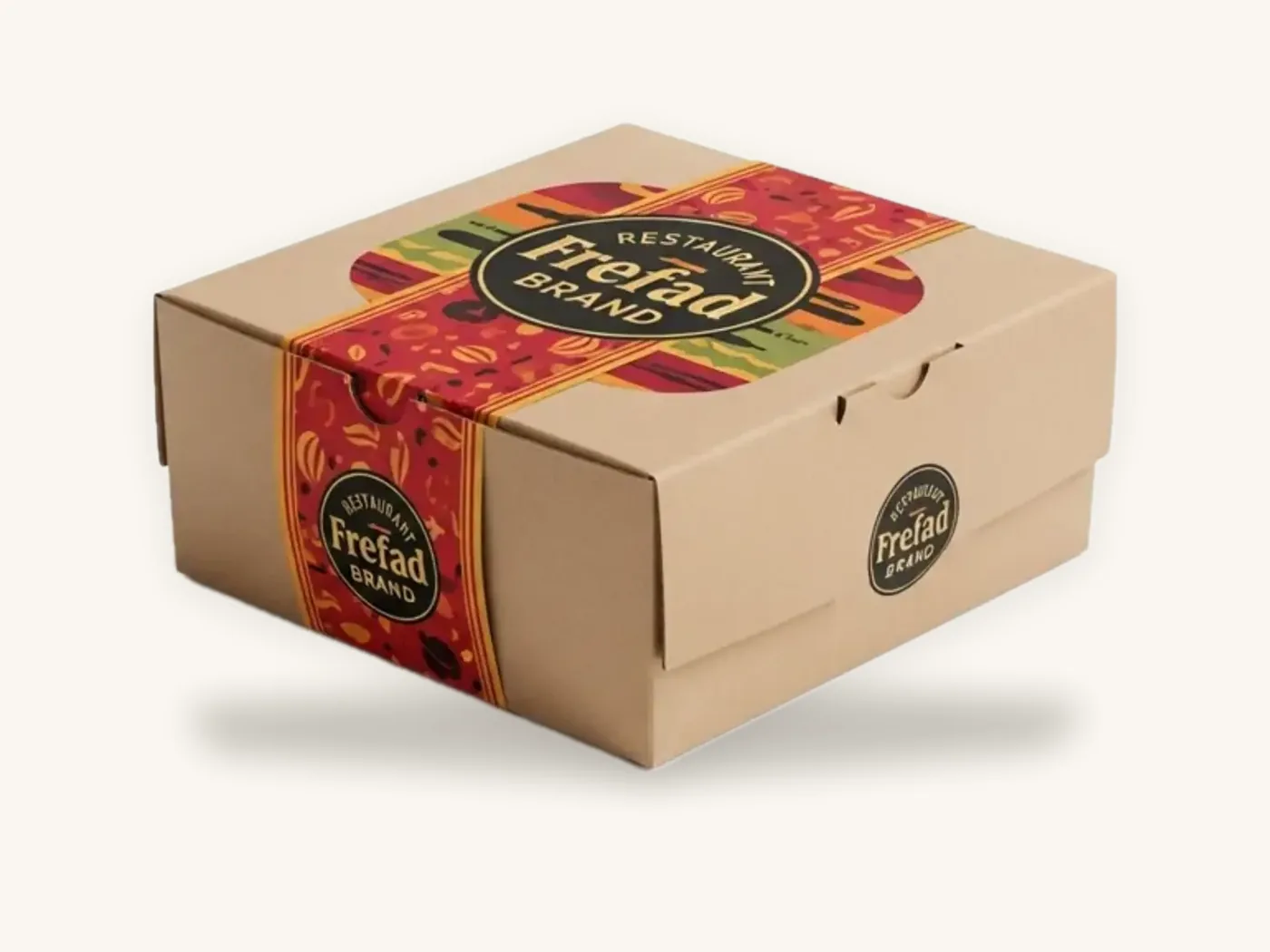
Pet owners who buy natural or single-ingredient treats often expect packaging to match. Practical steps include kraft paperboard for dry-treat cartons, FSC-certified board, soy or water-based inks, aqueous coating instead of film lamination, and paper fill in mailers.
The honest tradeoff: high-barrier pouches that keep moist treats fresh are usually multi-layer films that most curbside programs do not accept. If you make recyclability claims, the FTC Green Guides govern how they must be qualified, so be precise about which component can be recycled and where. The eco-friendly boxes page and our sustainability overview show what we can supply.
Retail display and marketplace considerations
If your pet line is heading into independent pet stores, groomers or veterinary clinics, the shipping unit and display unit matter as much as the individual pack.
Counter and peg display
Small treat packs and toys sell well from the register. A counter display box holds a dozen or more units with a printed header, and it ships flat. For toys, hang tabs or header cards put products on peg hooks at eye level.
Case packs and store deliveries
Retail buyers usually want products in consistent case packs with a clear label on the outer carton. Plan your inner carton dimensions so a round number of units fits snugly in a standard shipper; odd case counts slow down store receiving. The retail packaging guide walks through shelf-ready packaging and case pack planning.
Tip: design one master treat carton size and vary flavors by color band or sticker. A single die size across four flavors lets you order a larger combined quantity for a better unit price, and your display box fits every SKU.
What pet packaging costs
Cost depends on format, size, board, print coverage, finishes and quantity. The figures below are indicative per-unit prices from our current rates, with free US shipping included. Pouches, bags and labels are priced by quote, so use the instant price estimator or ask for a quote for those.
| Spec (typical pet use) | 100 units | 500 units | 1,000 units | 5,000 units |
|---|---|---|---|---|
| Kraft tuck carton, 18 pt kraft, 4x3x2 in, 1-color (single-ingredient treat carton) | $0.81 | $0.43 | $0.36 | $0.25 |
| Window box, 18 pt SBS, 4x4x4 in, full color, aqueous, window (biscuit box) | $1.66 | $0.89 | $0.74 | $0.53 |
| Mailer box, E-flute, 8x6x3 in, full color outside (toy or grooming kit) | $2.64 | $1.41 | $1.17 | $0.83 |
| Subscription mailer, E-flute, 12x9x4 in, full color both sides, insert + tear strip | $5.85 | $3.12 | $2.60 | $1.84 |
Where the money goes
- Quantity moves the price most. The kraft treat carton falls from about $1.22 at 10 units to about $0.36 at 1,000.
- Print coverage is next. One-color kraft is the most economical; full color inside and outside costs noticeably more on mailers.
- Finishes with tooling such as foil, embossing, spot UV and custom inserts add a one-time charge. There are no die or plate charges otherwise.
- Inner bags and pouches are a separate line item. Budget them alongside the carton, not as an afterthought.
How to order pet packaging from Box Sense
A pet brand's first order is often a mix: a treat carton, a pouch and a mailer. You can quote them together.
Specs to gather
- Product details. Weight, packed dimensions and whether the product is oily, moist or aromatic.
- Format per SKU. Carton, pouch, tube, window box or mailer, or ask us to recommend.
- Board or film. Kraft or white paperboard, E-flute or B-flute, barrier level for pouches.
- Label content. Final ingredient list, guaranteed analysis and required statements, so the dieline has room.
- Print and finish. One color, full color or PMS; aqueous, matte, soft-touch; windows or foil.
- Quantities. Price at least two tiers, for example 250 and 1,000.
- Timeline. Your launch or first subscription ship date.
From quote to delivery
- Quote within 24 hours for your spec and quantities.
- Free design support: dieline, artwork setup and a 3D digital proof with two revision rounds. Our design services team can lay out regulatory panels if you supply the text.
- Samples: unprinted structural samples are free, so you can run the grease test with real treats. A printed sample of approved artwork is free on orders of 100 or more. See samples.
- Production: 8–12 business days after proof approval, with rush in 5 business days on most paperboard and corrugated styles.
- Shipping: free on every US order; international shipping quoted at cost.
The minimum order is 10 boxes, which makes it practical to test a new flavor at a farmers market or a single store before a larger run. Browse the full range on the pet products industry page.
Frequently asked questions
What is the best packaging for homemade dog treats?
For dry, baked dog treats, a paperboard carton with a sealed inner bag works well and looks professional. For soft or high-fat treats, use a resealable barrier pouch, since cartons alone absorb oil and let moisture through. Whatever the format, test a sample with real treats for a week, and confirm label requirements for selling treats in your state before launch.
Do pet treat boxes need a liner?
Usually, yes. Uncoated paperboard absorbs oils from treats, which leaves stains that spread to the printed face. An inner bag is the most reliable solution. Grease-resistant boards or inside coatings can work for lightly greasy products, but test them first. Completely dry, low-fat items such as some rawhide-free chews may not need a liner.
What has to be printed on pet food packaging?
In general, pet food and treat labels carry a product name, species, net quantity, ingredient list, guaranteed analysis, feeding directions where relevant, and the manufacturer or distributor's name and address. The FDA oversees pet food, and many states apply AAFCO-based label rules. Requirements vary by product and state, so confirm the current rules before finalizing artwork.
Are stand-up pouches better than boxes for pet treats?
Pouches are better for moist, oily or strongly scented treats because barrier film and a zipper protect freshness. Boxes are better for premium baked treats, gift sets and shelf presentation because they offer flat, crisp print panels and windows. Many brands use both: a pouch inside the product line and a carton for gift or boutique retail versions.
How much do custom pet treat boxes cost?
It depends on size, board, print and quantity. As a reference, an 18 pt kraft tuck carton at 4x3x2 in with a one-color print is about $0.81 per box at 100 units and about $0.36 at 1,000. A 4x4x4 in full-color window box is about $0.74 at 1,000. US shipping is included. Check the pricing page for your exact spec.
Can I order a small run of pet packaging to test a product?
Yes. Box Sense produces custom boxes from a minimum of 10 units, printed digitally for short runs with no plate charges. That lets you test a new treat flavor, a holiday toy or a subscription concept before committing to a larger order. Unit prices drop as quantity rises, so compare a couple of tiers once the test succeeds.
What box works best for a dog subscription box?
An E-flute roll-end mailer with a tear strip suits most dog subscription boxes. It is light, prints well inside and out, assembles without tape and survives parcel shipping. Add a simple insert or paper fill so heavier items do not crush toys, and bag every treat so oils do not stain the corrugated board.
Next steps
Sort your pet range by consumables and durables, decide which items need a pouch, a lined carton or a mailer, and gather your label text. Then run the formats through the pet packaging price estimator and request a quote for your pet product packaging. We will confirm pricing within 24 hours and send free structural samples so you can test with real product.
Boxes in this guide
Order the packaging we covered
Written by the Box Sense Packaging Team
Our structural designers, prepress technicians and production staff print and convert custom boxes every day for brands in the United States, United Kingdom and UAE. Questions about this guide? Talk to us.