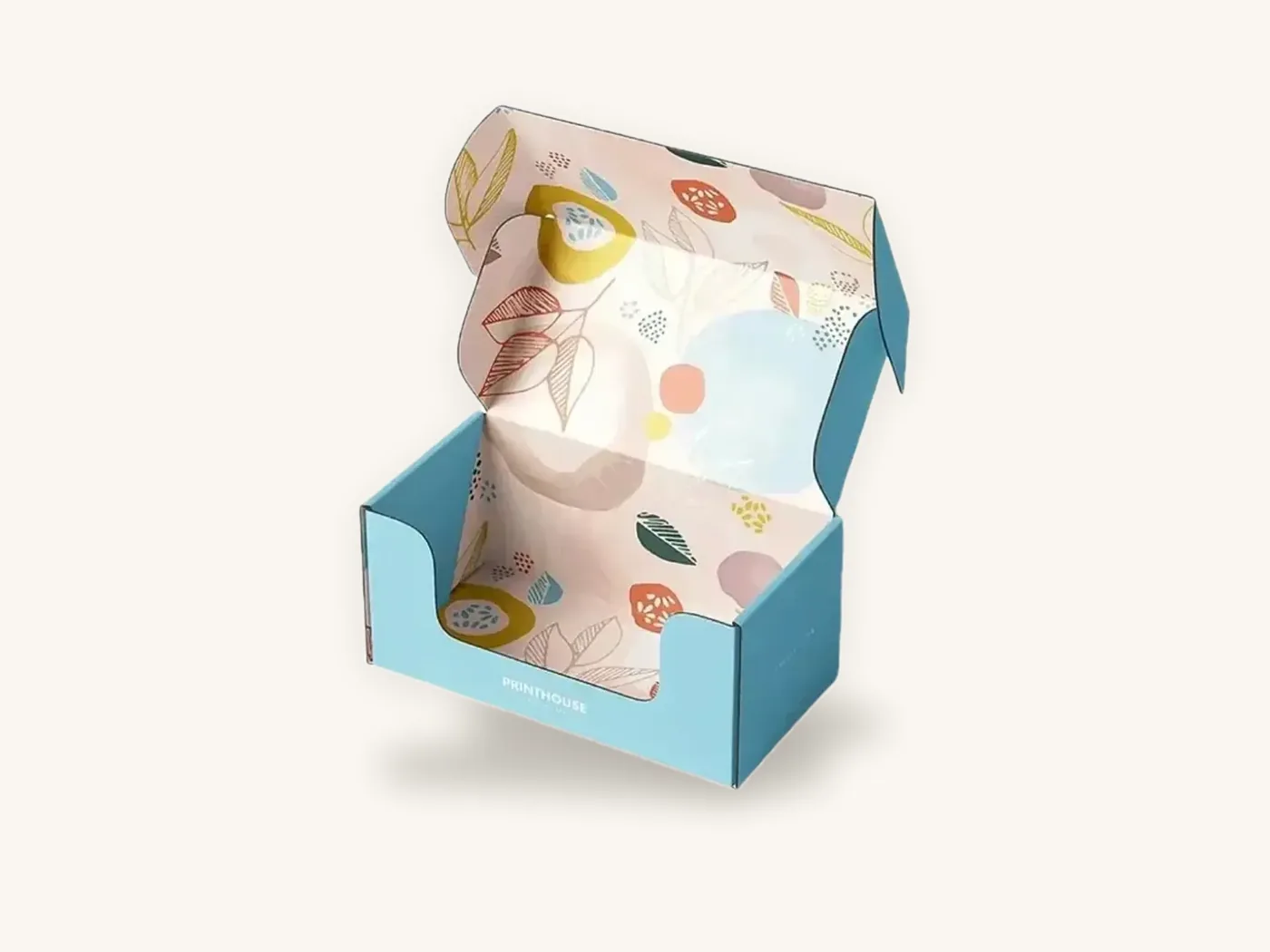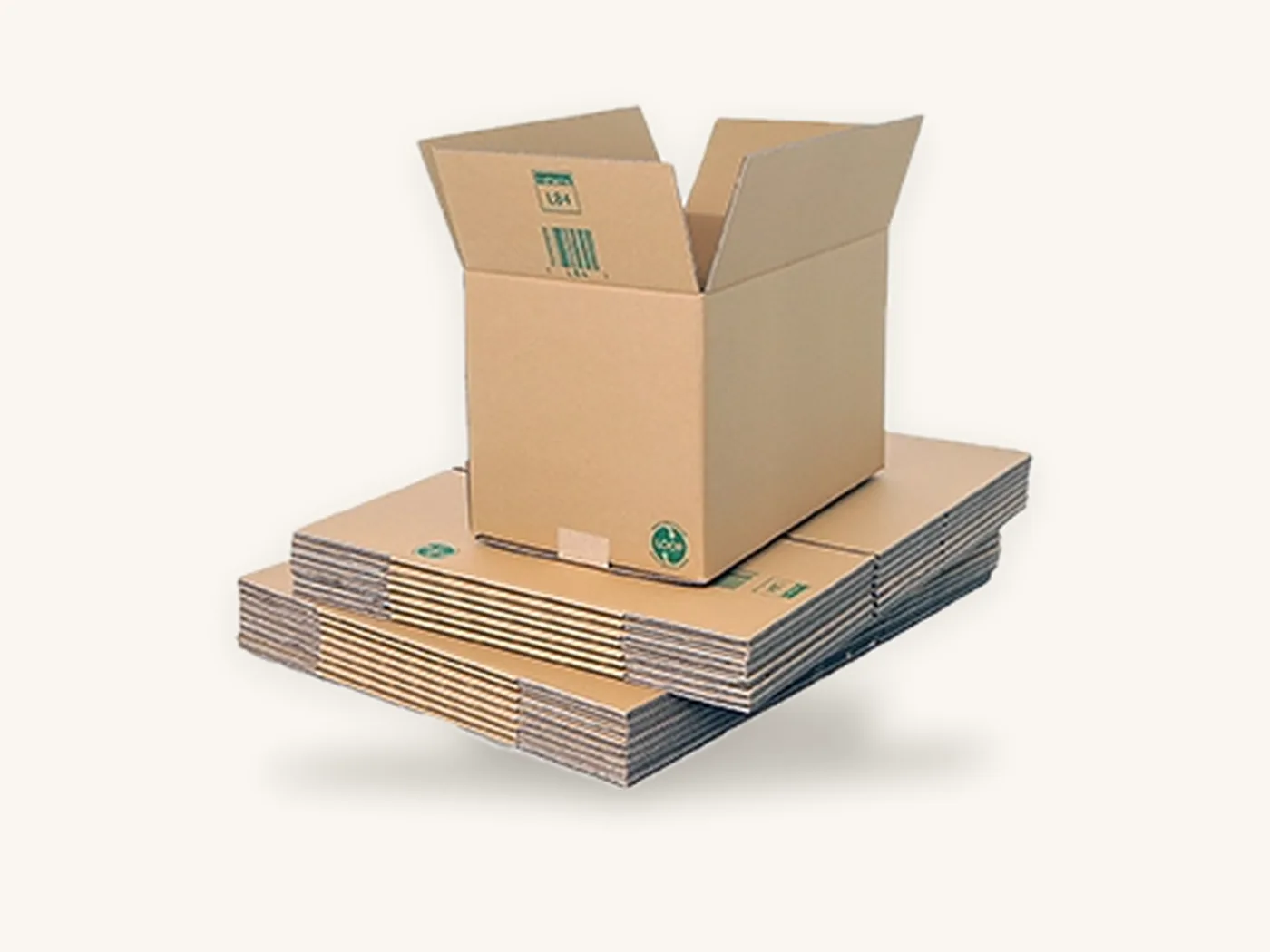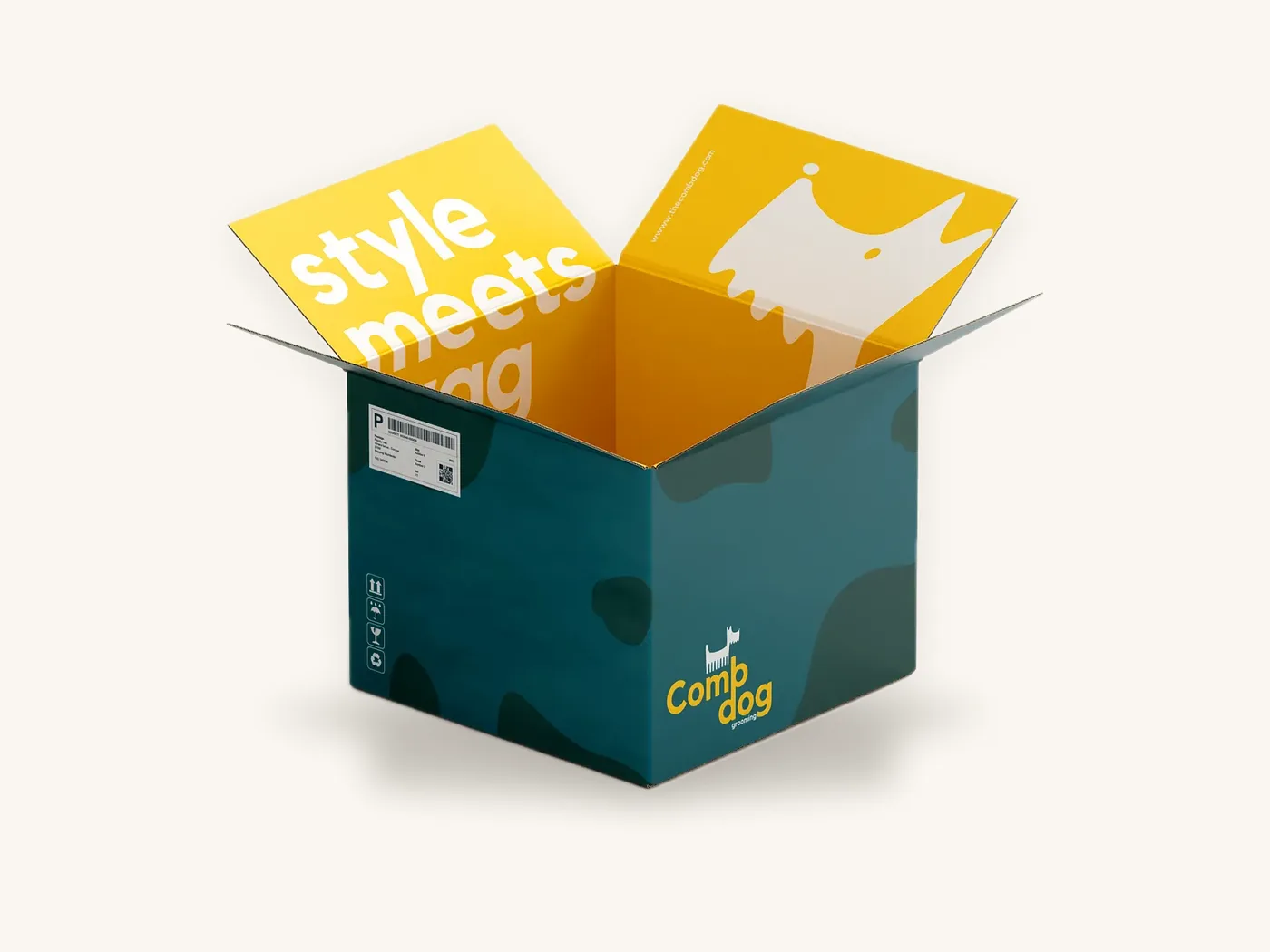
The best Amazon packaging for sellers is a branded product box designed around three constraints at once: it must meet Amazon's prep and labeling rules so inventory is received without problems, it should be sized so the product lands in the most economical fulfillment fee tier, and it has to deliver a brand experience in the few seconds after a customer pulls it out of the delivery package. Get all three right and packaging lowers fees and returns while building repeat buyers.
This guide is about packaging strategy, not the prep checklist. For the detailed inbound rules on labels, poly bags, suffocation warnings and carton limits, read our Amazon FBA packaging requirements guide. Amazon updates its policies regularly, so treat anything here as general guidance and confirm current requirements in Seller Central before you print.
Key takeaways
- Your product box is the only branding most Amazon customers see. Put the brand experience inside and on the product box, not on a shipper Amazon may never use.
- Dimensions drive fees. Amazon's fulfillment fees depend on the unit's packaged size and weight, so a few tenths of an inch can change what you pay on every order.
- Consider Frustration-Free Packaging. Packaging that can ship in its own container without an Amazon overbox can reduce waste, and Amazon has offered incentives and fee treatment for certified packaging in some programs.
- Design out damage. Damaged-on-arrival returns hurt ratings and margins; inserts and correct board grades are cheap insurance.
- A B-flute 12x10x6 in shipping box printed in one color costs about $2.08 each at 1,000 units; a full-color 18 pt SBS tuck end carton, 3x2x5 in, about $0.51.
- Box Sense makes Amazon product boxes from 10 units, so you can test a new size before a full inbound shipment.
Where branding fits in the Amazon journey
On your own website, you control the shipper, the tape, the tissue and the insert card. On Amazon, the path is different, and your packaging plan should reflect what the customer actually touches.
| Stage | Who handles the package | What they see | Packaging priority |
|---|---|---|---|
| Inbound to fulfillment center | Your supplier or prep center, then Amazon receiving | Case labels, unit barcodes | Compliance and case strength |
| Storage and picking | Amazon associates and automation | Unit barcode, box shape | Scannable label, stackable, durable |
| Outbound shipping | Amazon overbox or bag, or your box shipped alone | Usually Amazon's packaging, sometimes yours | Survives transit; ships alone if certified |
| Unboxing | The customer | Your product box | Brand, product, instructions, reorder cue |
| Listing and reviews | Future customers | Photos of your packaging | Box matches listing images, looks intact |
Why the product box carries the brand
Because many FBA orders are placed into an Amazon box or bag, the first surface a customer sees is often your product packaging. That makes the product box, its inside surfaces and any insert card the primary branding space. Designing an elaborate outer shipper for FBA is usually wasted money unless your product ships in its own container.
Keep listing images honest
Customers compare what arrives with the photos they saw. If your listing shows a premium rigid box and the product arrives in a plain carton, that mismatch invites negative reviews. Photograph the actual production packaging for your listing and update images when you change packaging.
Sizing Amazon product boxes to fulfillment fees
Amazon's FBA fulfillment fees are based on a product's size tier and shipping weight, calculated from the packaged unit's dimensions and weight. Amazon may also use dimensional weight for some tiers. The tier thresholds, fee tables and weight calculations change periodically, so check the current FBA fee schedule in Seller Central rather than relying on numbers from blog posts.
What does not change is the principle: the unit's longest side, median side, shortest side and weight determine where it falls, and packaging adds to all four.
Design levers that move a product between tiers
| Lever | How it helps | Watch for |
|---|---|---|
| Reduce the longest side | Tier thresholds often key on longest dimension | Product orientation inside the box |
| Flatten the box | Shorter dimensions can reduce dimensional weight | Crushing if product is fragile |
| Switch to lighter board | Lowers shipping weight | Must still pass transit and stacking |
| Remove unnecessary layers | Cuts both size and weight | Protection and presentation lost |
| Use a fitted insert instead of fill | Allows a closer-fitting box | Insert must be sized with the box |
| Change pack orientation | Standing a bottle vs laying it down changes proportions | Leaks and stability |
A practical sizing workflow
- Look up your product's current tier and the thresholds on either side in Seller Central.
- Measure the packaged unit as Amazon would, on its longest, median and shortest sides, and weigh it.
- Calculate how much room you have before the next tier up and how much you would need to cut to reach the tier below.
- Redesign the box around the product, not the other way around: fitted insert, minimum clearance, lighter board if protection allows.
- Make a structural sample and measure it again, since board thickness and folding add fractions of an inch.
- Confirm dimensions after inbound. Amazon measures products, and if its recorded dimensions differ from yours, fees follow its measurement. Monitor the dimensions shown for your ASIN.
Our dimensional weight packaging guide explains how volume-based pricing works across carriers, which follows the same logic.
Watch out: a box that is only slightly over a tier threshold costs you on every single unit sold, for as long as the listing is live. It is worth paying for a new dieline and samples to bring a best-selling product down a tier; a few cents per unit in packaging is small compared with a recurring fee difference.
Frustration-Free Packaging and shipping in its own container
Amazon's Frustration-Free Packaging program encourages packaging that is easy to open, uses recyclable materials and, at its higher levels, can ship to the customer in its own container without an Amazon overbox. Amazon has used names such as Frustration-Free Packaging, Ships in Own Container (SIOC) and Prep-Free Packaging for different tiers, and the exact tiers, eligibility rules and incentives have changed over time.
What certified packaging generally involves
- Easy to open: no clamshells, excess ties or packaging that needs tools.
- Recyclable materials: typically corrugated and paperboard, with minimal plastic.
- Protective on its own: for ship-in-own-container tiers, the package must survive the parcel network without an overbox.
- Testing: Amazon has required packaging to pass transit tests, often based on test procedures from the International Safe Transit Association, and certified through an approved lab or Amazon's own process.
- No prep needed: at the higher tiers, the package should not need extra bagging or bubble wrap at the fulfillment center.
Check the current Amazon Packaging Certification guidelines in Seller Central for tiers, testing and any incentive or chargeback rules. The ISTA drop testing guide explains what transit testing involves.
When a ship-in-own-container box makes sense
Shipping in your own container is most attractive when your product is already bulky or regularly overboxed, when damage is a recurring issue, and when your packaging can double as a branded shipper. Think small appliances, kitchen gadgets, larger toys and multi-item bundles. For small, light products that Amazon bags anyway, a well-designed retail carton usually makes more sense.
Branding a box that ships alone
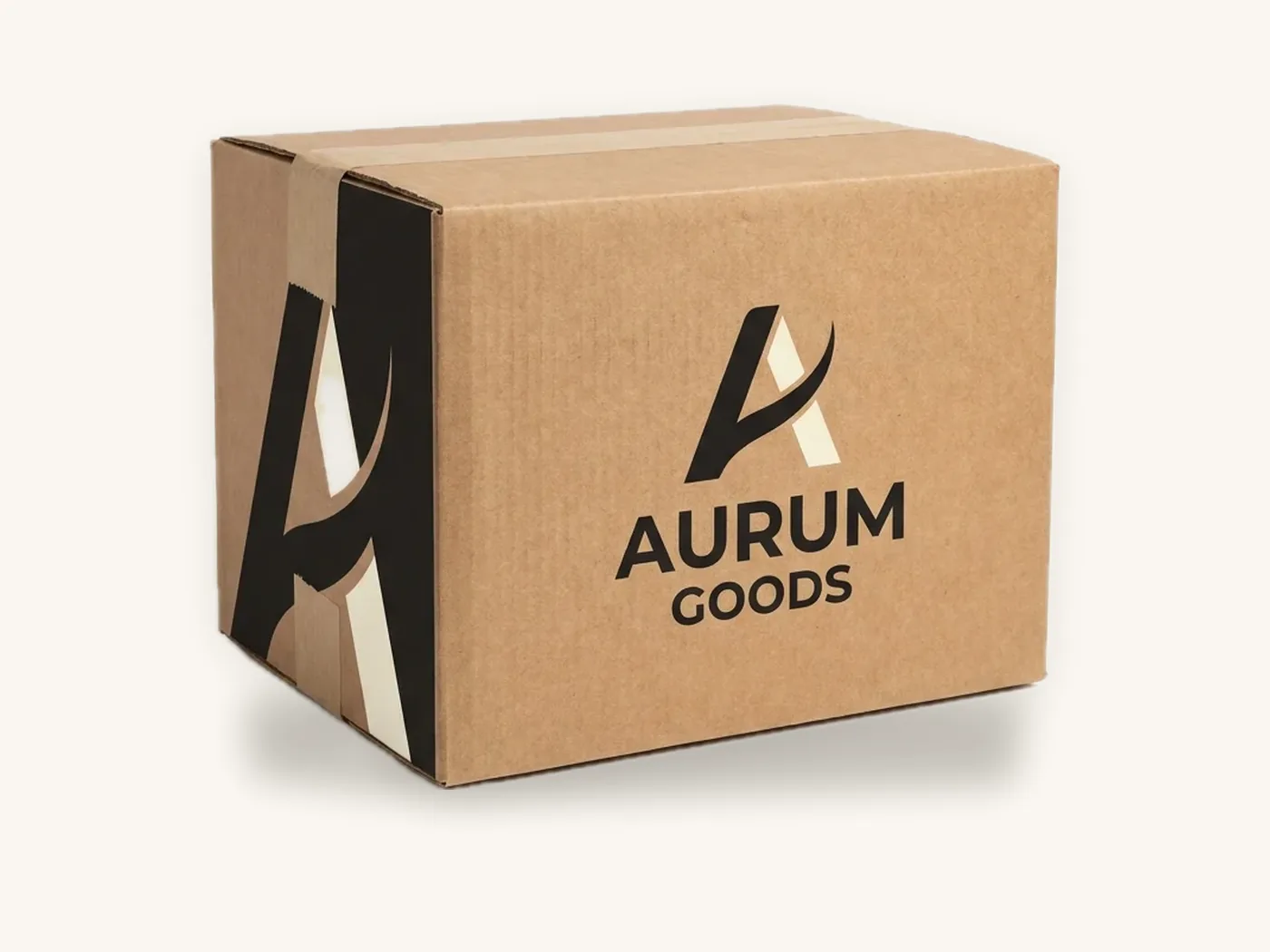
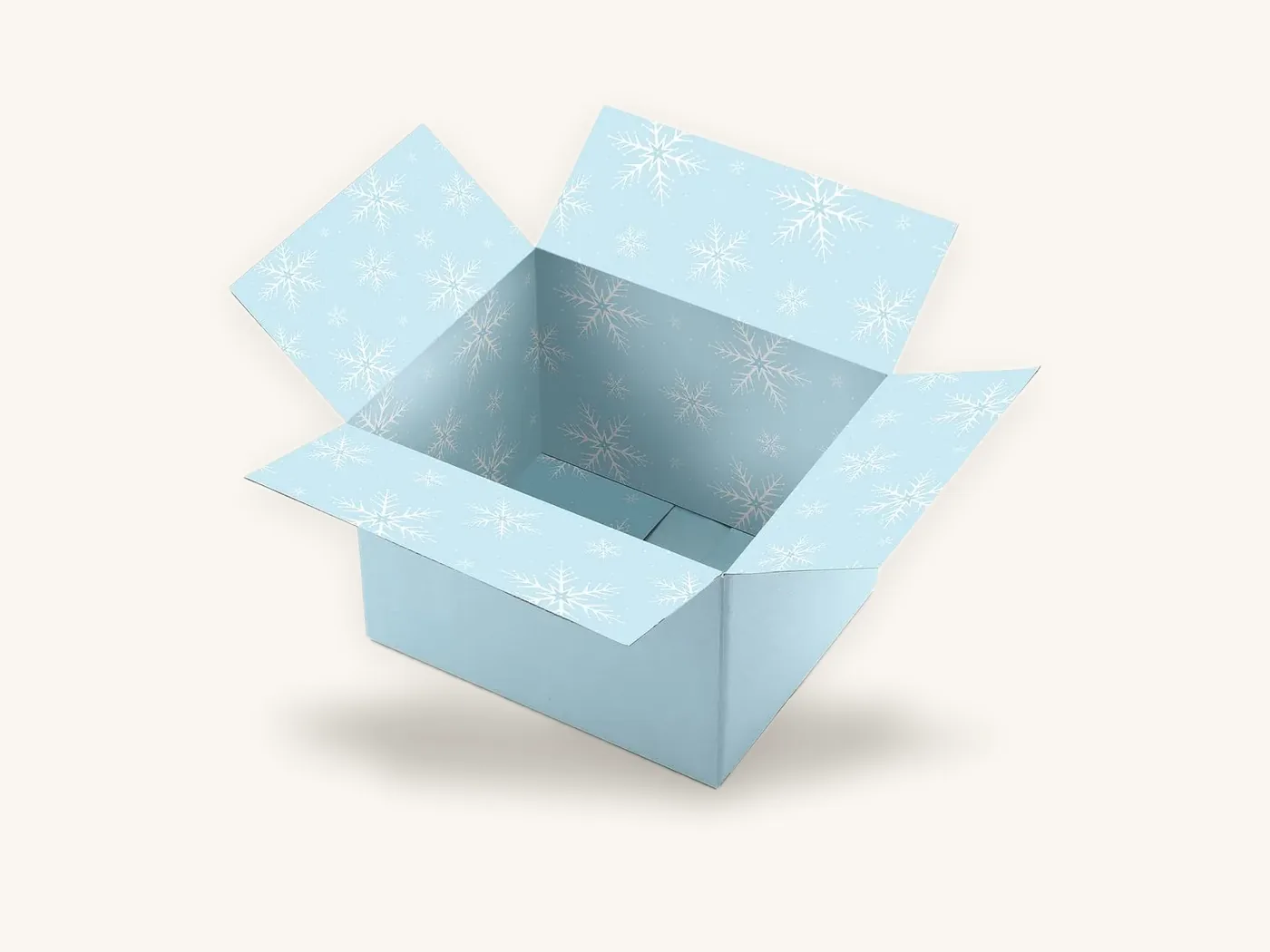
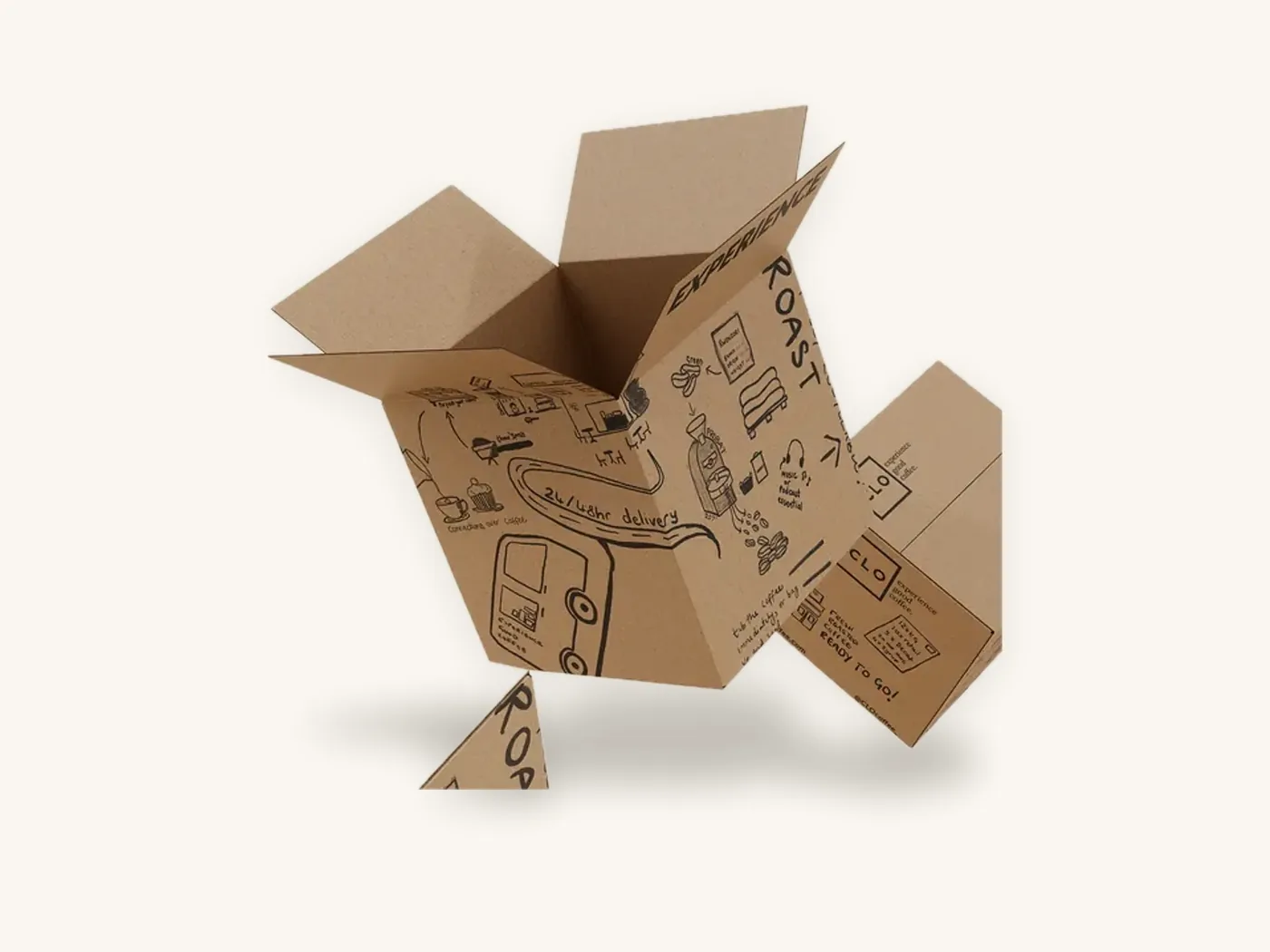
If your box ships without an overbox, it is visible to carriers, neighbors and porch cameras. For high-value products, consider keeping the outside discreet, with a simple logo and handling marks, and moving product imagery inside. A printed inside lid or insert card delivers the brand moment without advertising the contents on a doorstep.
Choosing the right structure for FBA packaging
The best structure depends on product weight, fragility and whether the box ships alone. Here are the formats Amazon sellers use most, and when each one fits.
Folding cartons
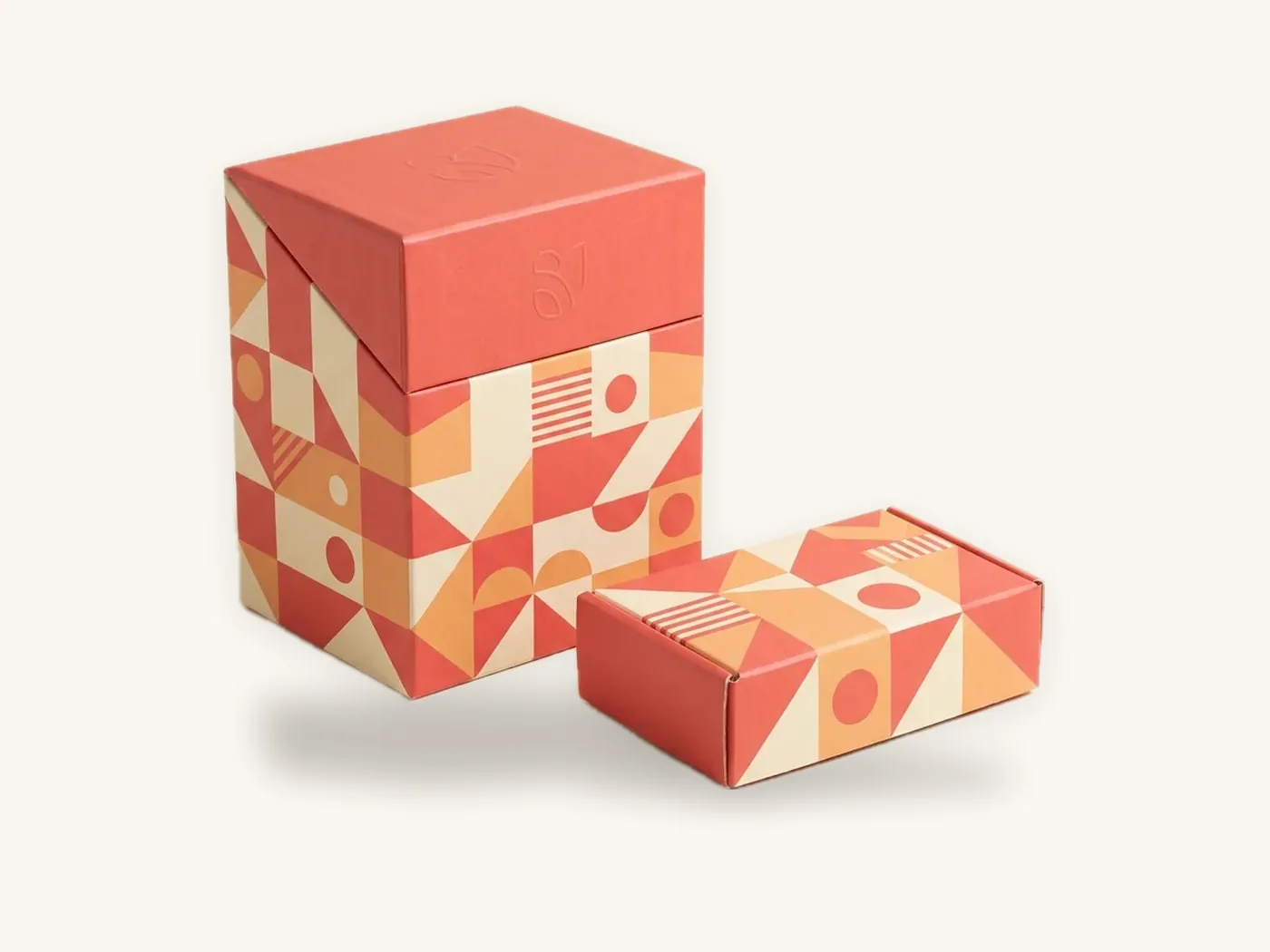
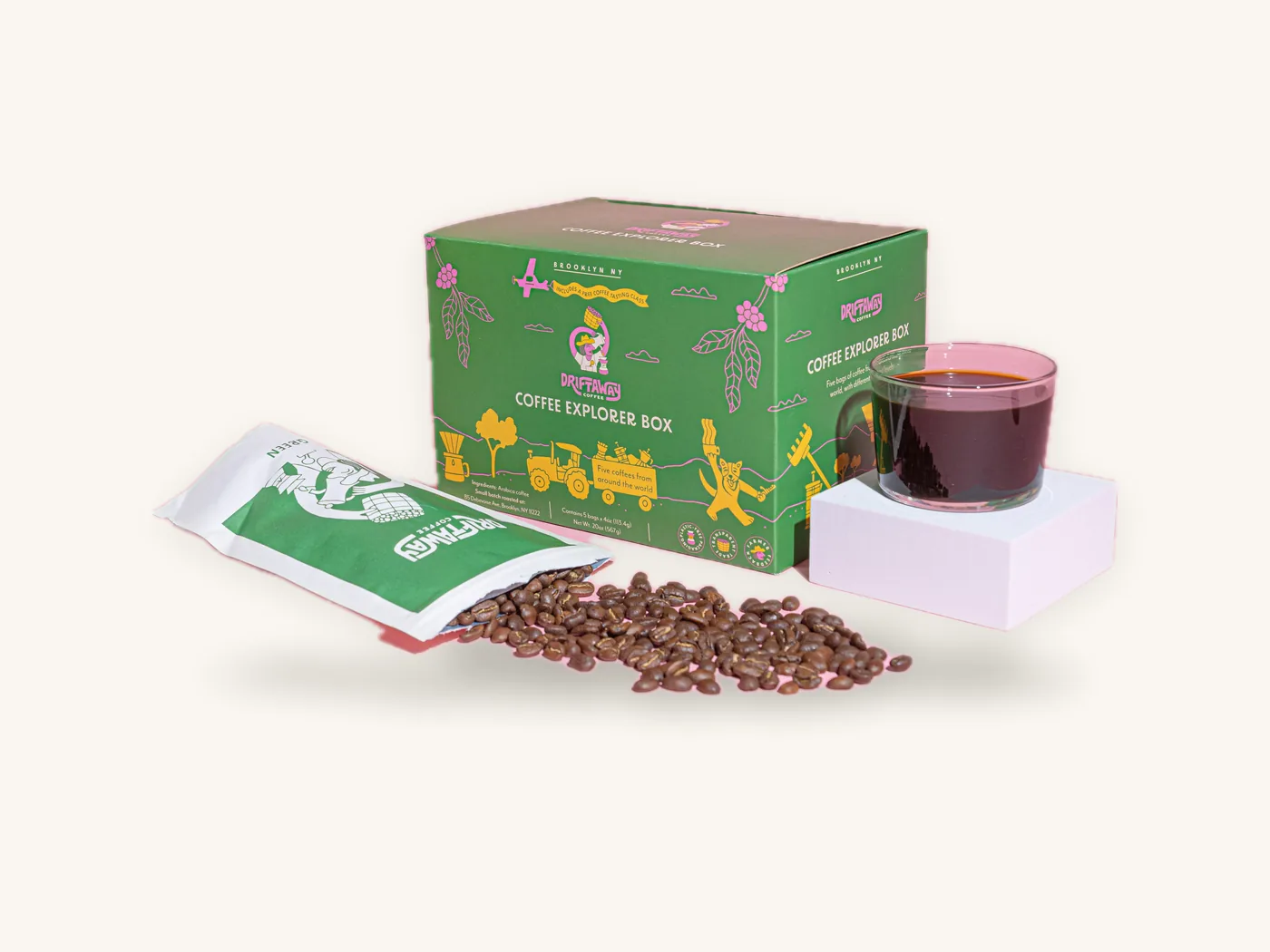
Printed paperboard cartons, such as tuck end and auto lock bottom boxes, suit most small to mid-sized products: beauty, supplements, candles, soaps, accessories and gadgets. They are light, print well and keep fees low. Amazon FBA boxes include carton styles with space planned for the unit barcode and any required warning text.
Corrugated mailers and shipping boxes
E-flute mailers suit products that need more protection or a stronger unboxing, and B-flute custom shipping boxes suit heavy, bulky or ship-in-own-container products. They cost more and add weight, so use them where protection or certification benefits justify it.
Rigid boxes
Rigid boxes feel premium but are heavy and bulky for their contents, which pushes products toward higher fee tiers. They can make sense for gifts and high-price items where perceived value supports the fee, but run the sizing workflow first.
| Structure | Weight and bulk | Protection | Best Amazon use |
|---|---|---|---|
| 18 pt SBS tuck end carton | Very light | Low to moderate | Small products Amazon overboxes or bags |
| Kraft paperboard carton | Very light | Low to moderate | Natural and eco-positioned products |
| E-flute mailer | Light | Moderate to good | Gift sets, fragile small goods, strong unboxing |
| B-flute RSC | Moderate | Good | Heavy, bulky or ship-in-own-container products |
| Rigid box | Heavy for size | Good | Premium gifts where price supports fees |
Designing packaging that reduces returns and bad reviews
Every return costs you the fee, the shipping and often the product. Packaging influences returns in three ways: damage, confusion and disappointment.
Damage
Products that arrive broken or dented generate returns and one-star reviews. Hold products still with fitted custom product boxes and inserts, choose a board grade that resists crushing in storage, and protect corners on heavier items. Our reduce shipping damage guide walks through testing.
Confusion
Customers return products they cannot figure out. A printed quick-start guide on the inside lid, a numbered parts layout in an insert, or a QR code to a setup video can prevent a "doesn't work" return.
Disappointment
When a product looks cheaper than its listing, customers feel misled. Make sure the packaging matches the price point and the listing photos. Consistent, clean packaging across your range also helps customers recognize your brand when they reorder.
Insert cards and review requests
Insert cards are common, but Amazon's policies restrict what they may say, particularly about reviews, incentives and directing customers off Amazon. Keep cards to product care, setup help and brand information, and check current Amazon communication guidelines before printing anything that mentions reviews.
Barcodes, labels and compliance on Amazon product boxes
Branded Amazon product boxes still need to carry the information Amazon and regulators require. Plan space for it in the dieline so it does not end up covering your design.
Plan these areas on the box
- Unit barcode: a flat, uncoated or matte area for the FNSKU label or a printed barcode, away from folds and seams. The UPC barcodes guide covers scannability.
- Required warnings: such as choking hazard statements for certain children's products or suffocation warnings on poly bags. Check the toy safety labeling guide if you sell children's products.
- Country of origin: imported products generally need origin marking.
- Regulated category labels: food, supplements, cosmetics and electrical products each carry their own federal requirements.
- Case labels: inbound shipping cartons need Amazon's box labels in the specified position.
For the full prep rules and inbound carton requirements, the Amazon FBA packaging requirements guide is the companion to this article. The Federal Trade Commission and the Consumer Product Safety Commission set many of the labeling rules that apply regardless of the sales channel; confirm the current rules for your category with the regulator or counsel.
What Amazon product boxes cost
Packaging cost for Amazon sellers is part of a larger unit economics picture: box price, fulfillment fee tier, damage returns and conversion rate all interact. Start with accurate box costs, then look at the fee impact of size.
Indicative per-unit prices from our current rates, free US shipping included:
| Spec | 100 | 500 | 1,000 | 2,500 | 5,000 |
|---|---|---|---|---|---|
| Straight tuck end carton, 18 pt SBS, 3x2x5 in, full color outside, aqueous | $1.15 | $0.61 | $0.51 | $0.43 | $0.36 |
| Kraft tuck carton, 18 pt kraft, 4x3x2 in, 1-color print | $0.81 | $0.43 | $0.36 | $0.30 | $0.25 |
| Mailer box, E-flute, 8x6x3 in, full color outside | $2.64 | $1.41 | $1.17 | $1.00 | $0.83 |
| Shipping box RSC, B-flute, 12x10x6 in, 1-color | $4.69 | $2.50 | $2.08 | $1.77 | $1.48 |
Say you are choosing between an 8x6x3 in printed mailer at about $1.17 and a 3x2x5 in carton at about $0.51, both at 1,000 units. The carton saves on packaging, but the bigger question is what each does to your size tier and damage rate. Run both through your fee calculation before deciding.
Use the instant price estimator to price your exact dimensions, and see the packaging landed cost guide to combine packaging, freight and fees in one number.
How to order Amazon product boxes from Box Sense
Because the minimum order is 10 units, you can make a small batch, measure it, send a test shipment to a prep center and check Amazon's recorded dimensions before placing a full order.
Information to include
- Product dimensions and weight, and your current Amazon size tier
- Target tier, if you are trying to move down
- Whether the product will be overboxed by Amazon or is intended to ship in its own container
- Structure preference: carton, mailer, RSC or rigid box
- Required label areas: FNSKU, warnings, origin, regulated panels
- Print and finish preferences, and whether you need inside printing or insert cards
- Quantities, ship-to address such as your prep center or 3PL, and target date
Our process
- Quote within 24 hours for the sizes and quantities you send.
- Free design support: we create the dieline with barcode and warning areas, set up artwork and send a 3D digital proof, with two revision rounds.
- Samples: unprinted structural samples are free so you can measure and test. Printed samples of approved artwork are free on orders of 100 or more.
- Production: 8–12 business days after proof approval, with rush in 5 business days on most paperboard and corrugated styles.
- Delivery: free shipping on every US order, including to prep centers, and international shipping quoted at cost.
There are no die or plate charges, and defective boxes reported within 14 days are reprinted free. Category guides for candle packaging and soap packaging show how popular Amazon categories apply these ideas.
Frequently asked questions
What packaging do Amazon sellers need?
Amazon sellers need product packaging that meets Amazon's prep and labeling rules, including a scannable unit barcode and any required warnings, plus inbound shipping cartons that meet carton requirements. Beyond compliance, a branded product box sized to your fee tier improves the customer experience. Check the current requirements in Seller Central because Amazon updates them regularly.
Can I use custom branded boxes for FBA?
Yes. Custom branded boxes are allowed for FBA as long as they meet Amazon's packaging and labeling requirements, such as a scannable barcode on a flat surface and appropriate protection for the product. Many sellers use printed folding cartons or mailers. Plan barcode and warning areas in the dieline so labels do not cover important artwork.
Does packaging size affect Amazon FBA fees?
Yes. FBA fulfillment fees depend on the product's size tier and shipping weight, which Amazon calculates from the packaged unit's dimensions and weight. A box that is slightly too large or heavy can push a product into a higher tier and raise fees on every unit. Check current tier thresholds in Seller Central.
What is Amazon Frustration-Free Packaging?
Frustration-Free Packaging is an Amazon program for packaging that is easy to open, made from recyclable materials and, at higher tiers, able to ship in its own container without an Amazon overbox. Packaging typically needs to pass transit testing to be certified. Tiers, testing and incentives change, so review the current certification guidelines in Seller Central.
What is the best box for Amazon products?
For most small and mid-sized products, a printed paperboard folding carton is best, because it is light, compact and brandable. Use an E-flute mailer for fragile items or stronger unboxing, and a B-flute corrugated box for heavy products or packaging meant to ship in its own container. Base the choice on fees, fragility and presentation.
How much do custom Amazon product boxes cost?
Costs depend on size, material, print and quantity. As a guide, a full-color 18 pt SBS tuck end carton, 3x2x5 in, is about $0.51 each at 1,000 units, an 8x6x3 in E-flute mailer about $1.17, and a one-color B-flute 12x10x6 in shipping box about $2.08, with US shipping included. Use the pricing estimator for exact specs.
Can I put a thank-you card in my Amazon packaging?
Many sellers include insert cards with setup instructions, care tips or brand information. Amazon restricts messages that ask for positive reviews, offer incentives or direct customers away from Amazon, so keep cards informational and review Amazon's current communication guidelines in Seller Central before printing anything that mentions reviews, discounts or your website.
Next steps
Measure your top-selling products as packaged, look up their current size tiers, and identify any that sit just above a threshold. Price redesigned sizes in the Amazon product box estimator, then request a quote for Amazon packaging and we will confirm pricing within 24 hours and prepare a dieline with barcode and warning areas planned in.
Boxes in this guide
Order the packaging we covered
Written by the Box Sense Packaging Team
Our structural designers, prepress technicians and production staff print and convert custom boxes every day for brands in the United States, United Kingdom and UAE. Questions about this guide? Talk to us.