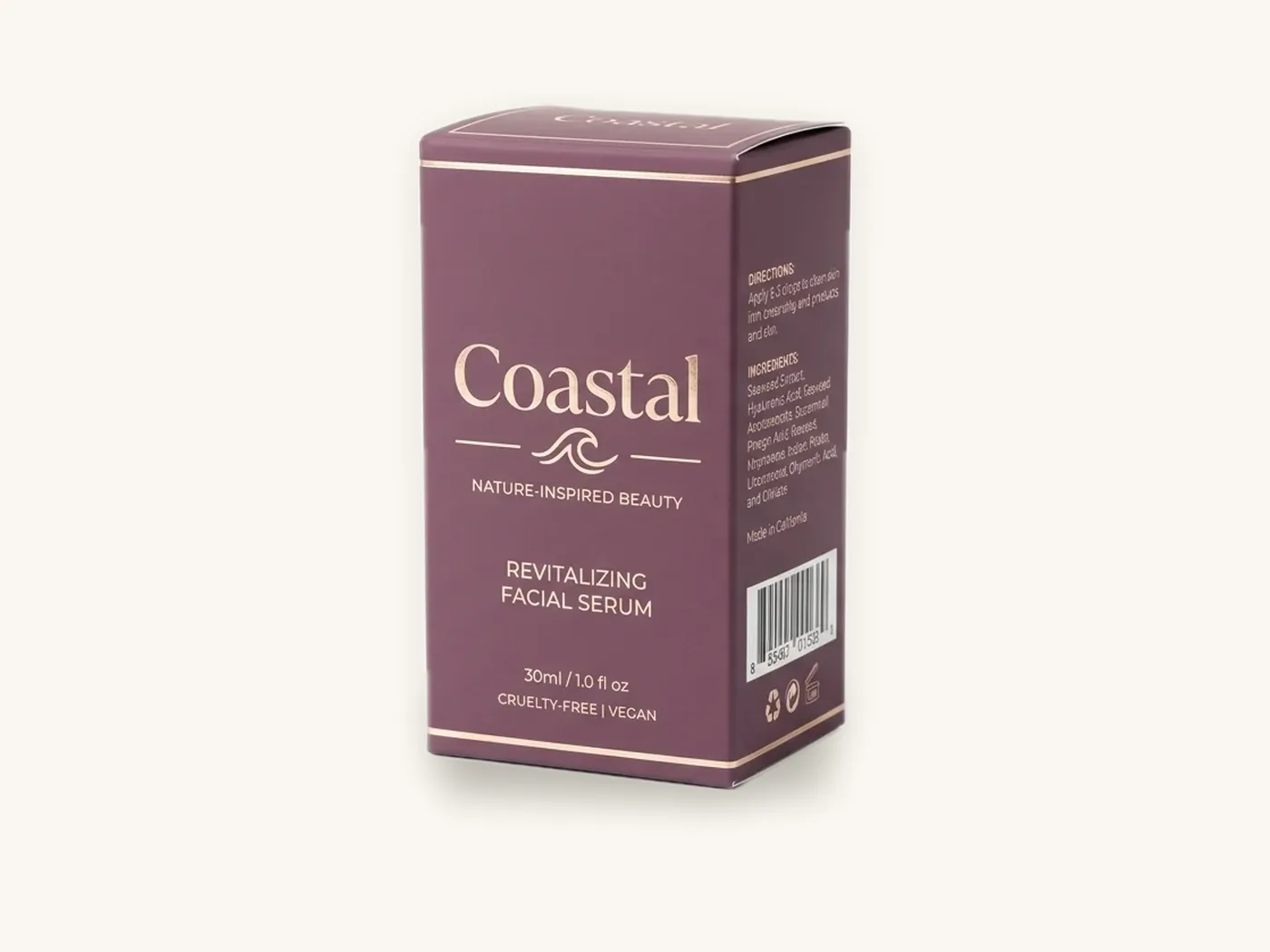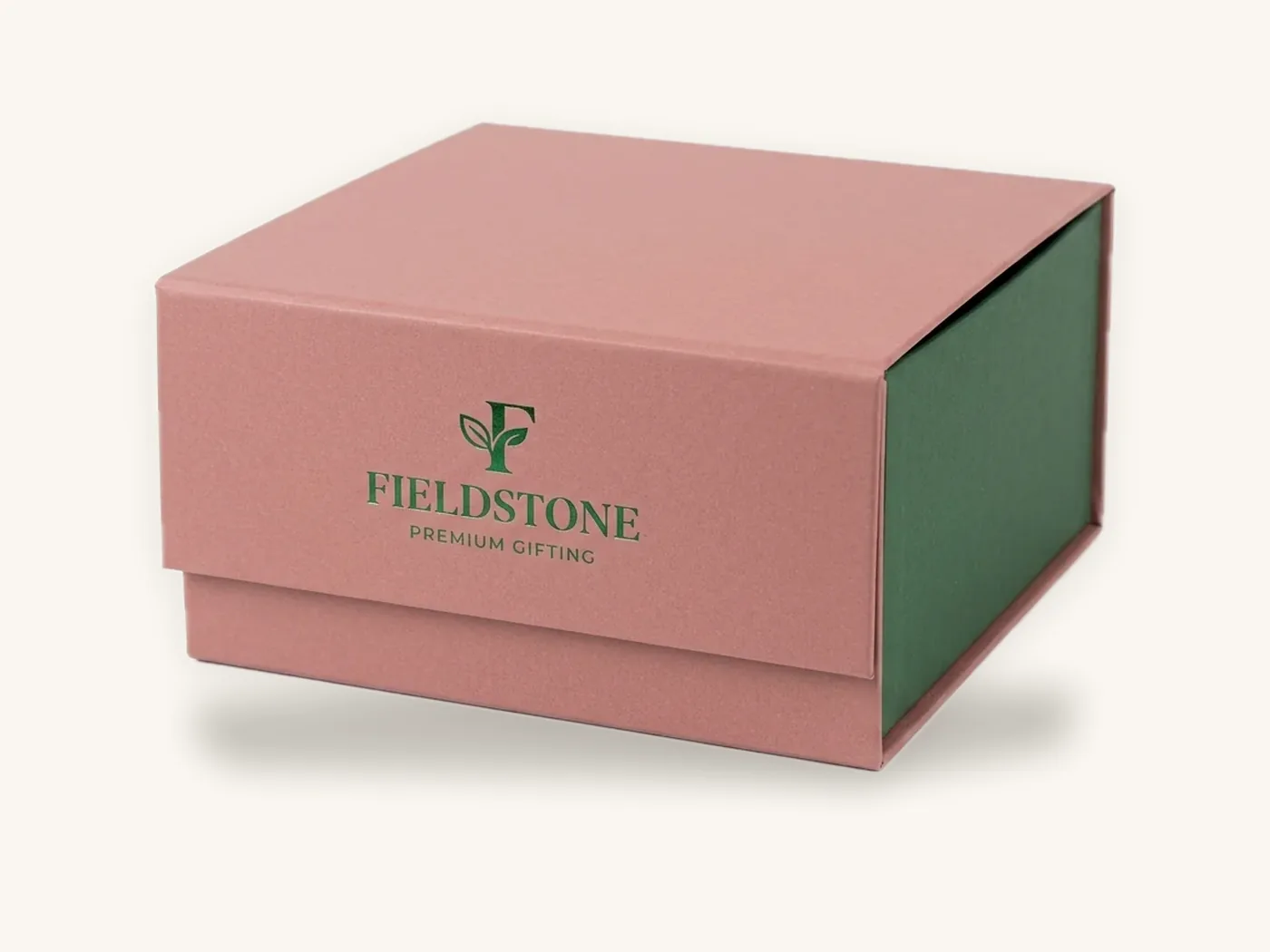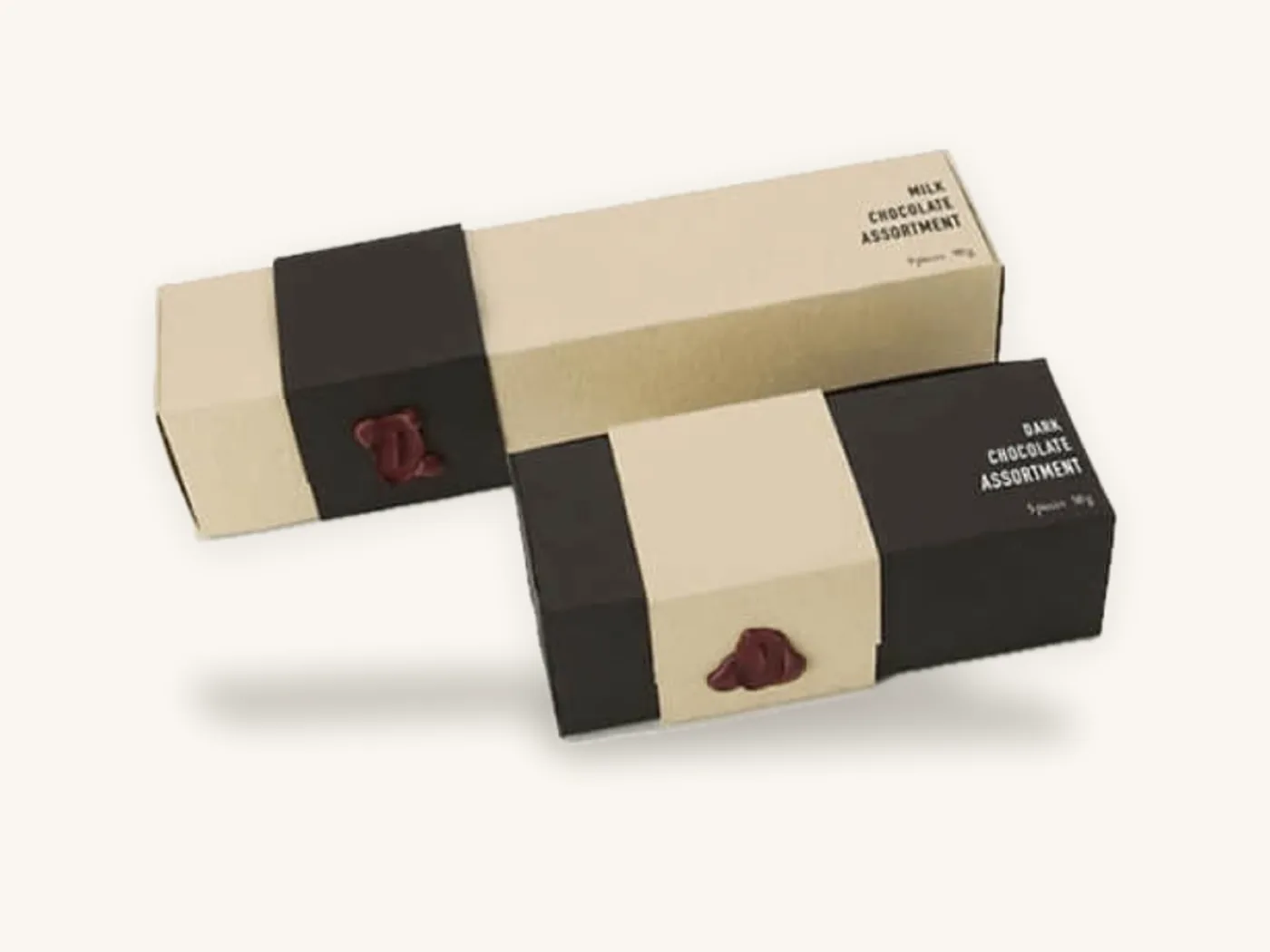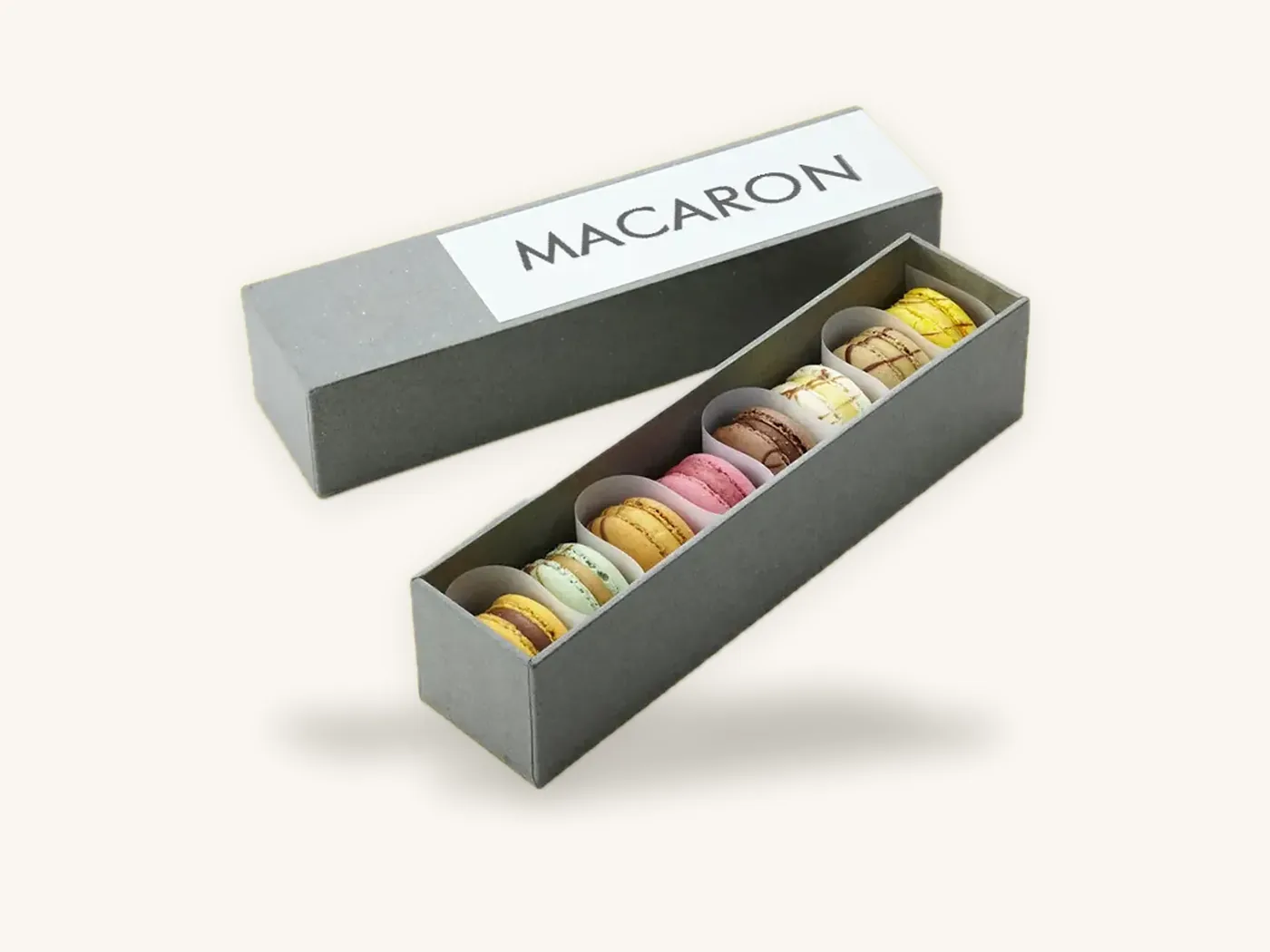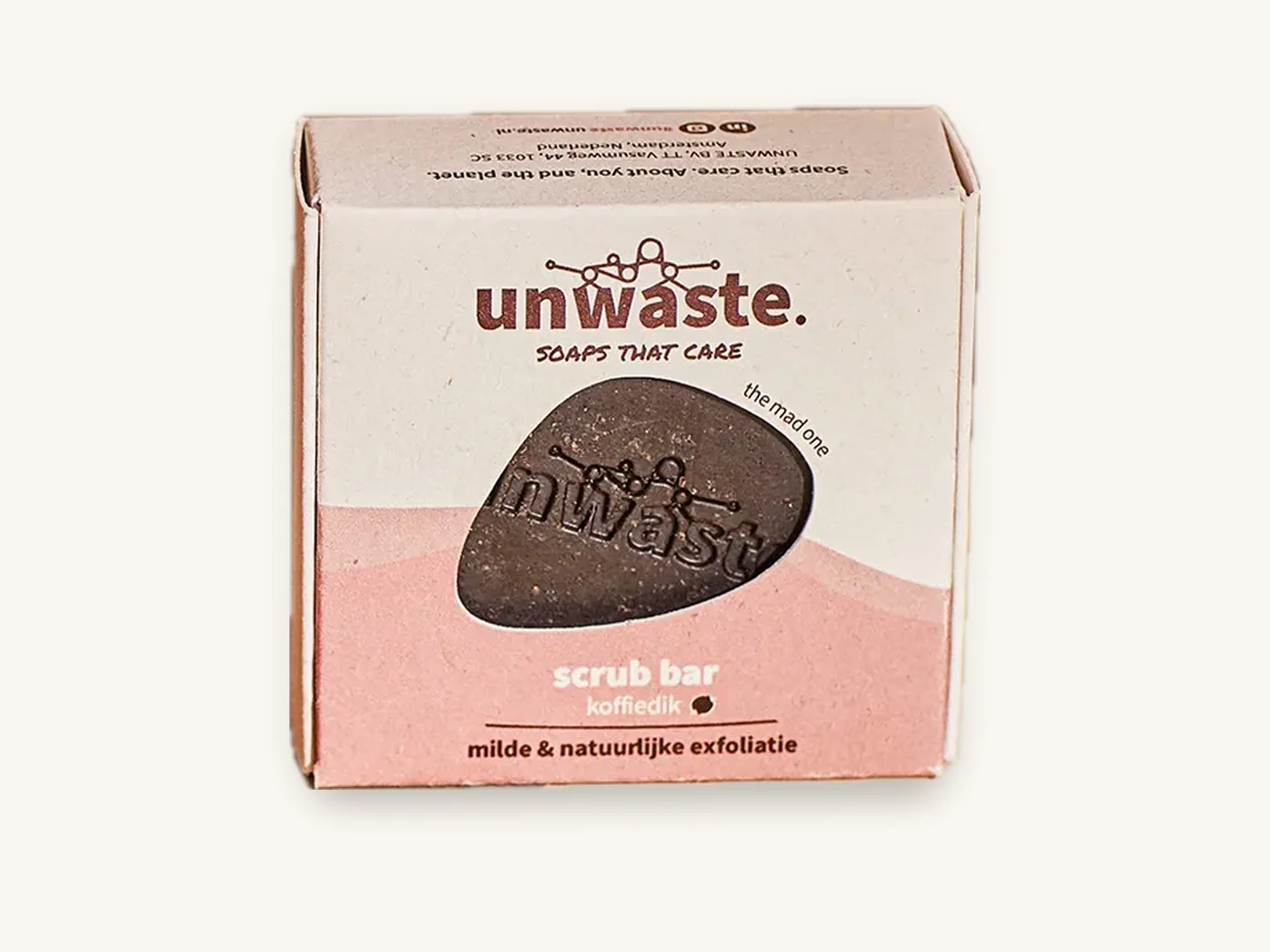
The best soap packaging depends on one question: how much of the bar do you want the customer to see, smell and touch before buying? Handmade soap makers usually choose a kraft paper band or sleeve that leaves the ends open, while retail and gift brands move to closed custom soap boxes that protect the bar, carry full labeling and stack neatly on shelf.
Soap is an easy product to package badly. Bars are oily, they keep losing water after they are cut, and a fully sealed box can trap the scent that sells them. This guide walks through the coverage options from a simple wrap to a rigid gift set, then covers sizing for cured bars, materials that resist oil, labeling rules and real prices.
Key takeaways
- Choose a coverage level first: band, sleeve, window box, closed carton or sleeve-and-tray. Each trades scent and visibility against protection and label space.
- Size soap sleeves and boxes to the fully cured bar, and measure several bars, because cold process soap can shrink noticeably during cure.
- Uncoated kraft shows oil spots over time; a coating, lamination or inner wrap keeps the box looking clean on shelf.
- "True soap" and soap sold with cosmetic or drug claims are regulated differently in the US, and that affects what the box must say.
- An 18 pt kraft soap sleeve or box, 3.5x2.5x1.25 in, printed in one color, is about $0.66 each at 100 units and about $0.29 at 1,000.
- Box Sense makes custom soap boxes and sleeves from 10 units, with free design support and free US shipping.
The soap packaging spectrum: from naked bar to gift box
Think of soap packaging as a spectrum. At one end the bar is almost unwrapped, which maximizes scent and a handmade feel. At the other end it sits in a rigid tray, which maximizes protection and perceived value. Most brands pick one level for their core line and one level up for gifting.
| Coverage level | What it is | Scent and touch | Protection | Label space | Best for |
|---|---|---|---|---|---|
| Paper band or belly wrap | A strip of paper around the middle | Excellent | Low | Small | Markets, craft fairs, bundles |
| Soap sleeve | A printed paperboard tube, ends open | Very good | Moderate | Good | Handmade brands, boutiques |
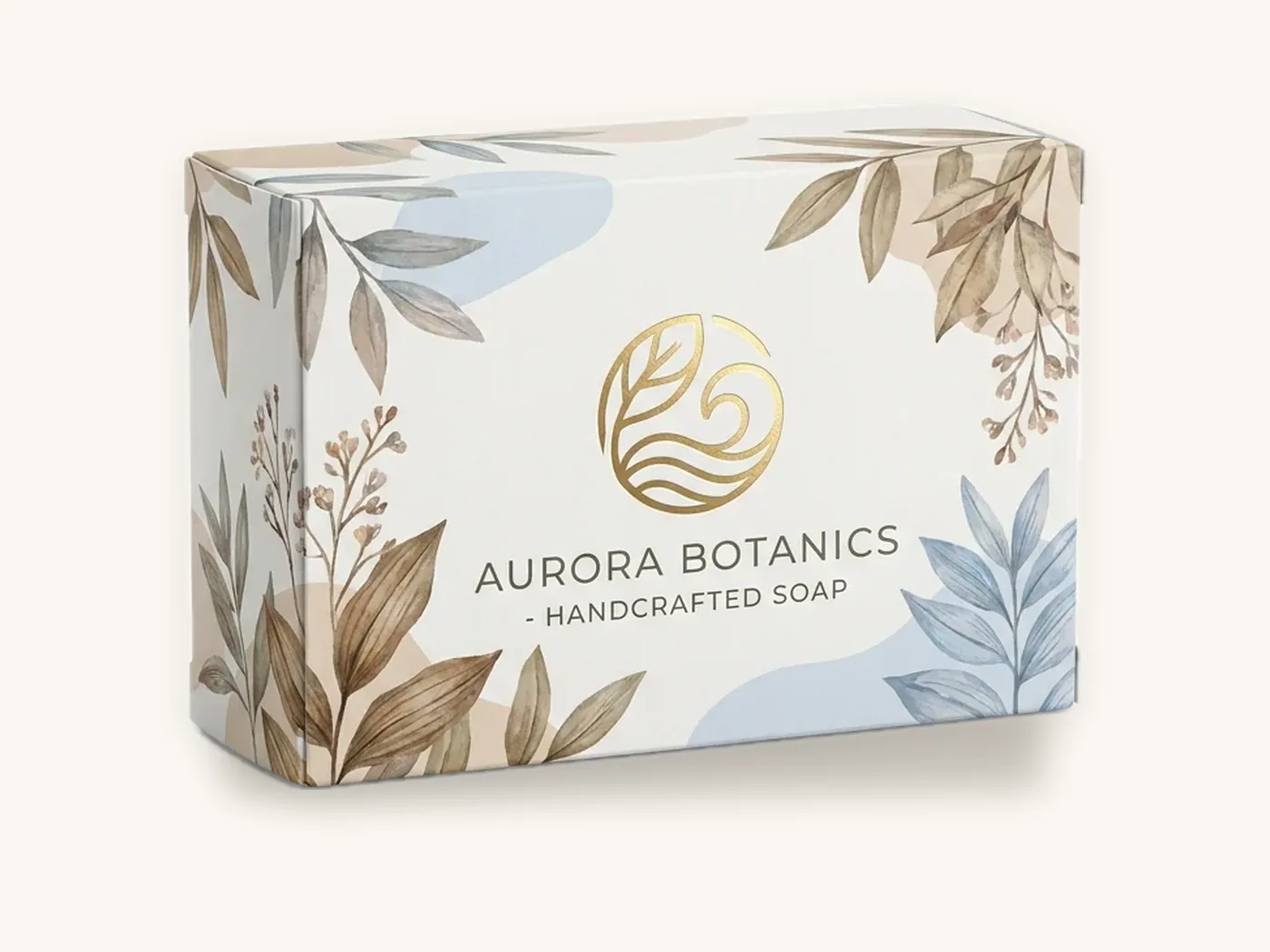
| Window box | Closed carton with a die-cut window | Moderate | Good | Good | Colorful or embedded designs |
| Closed tuck carton | Fully enclosed paperboard box | Low | High | Excellent | Retail, wholesale, pharmacy |
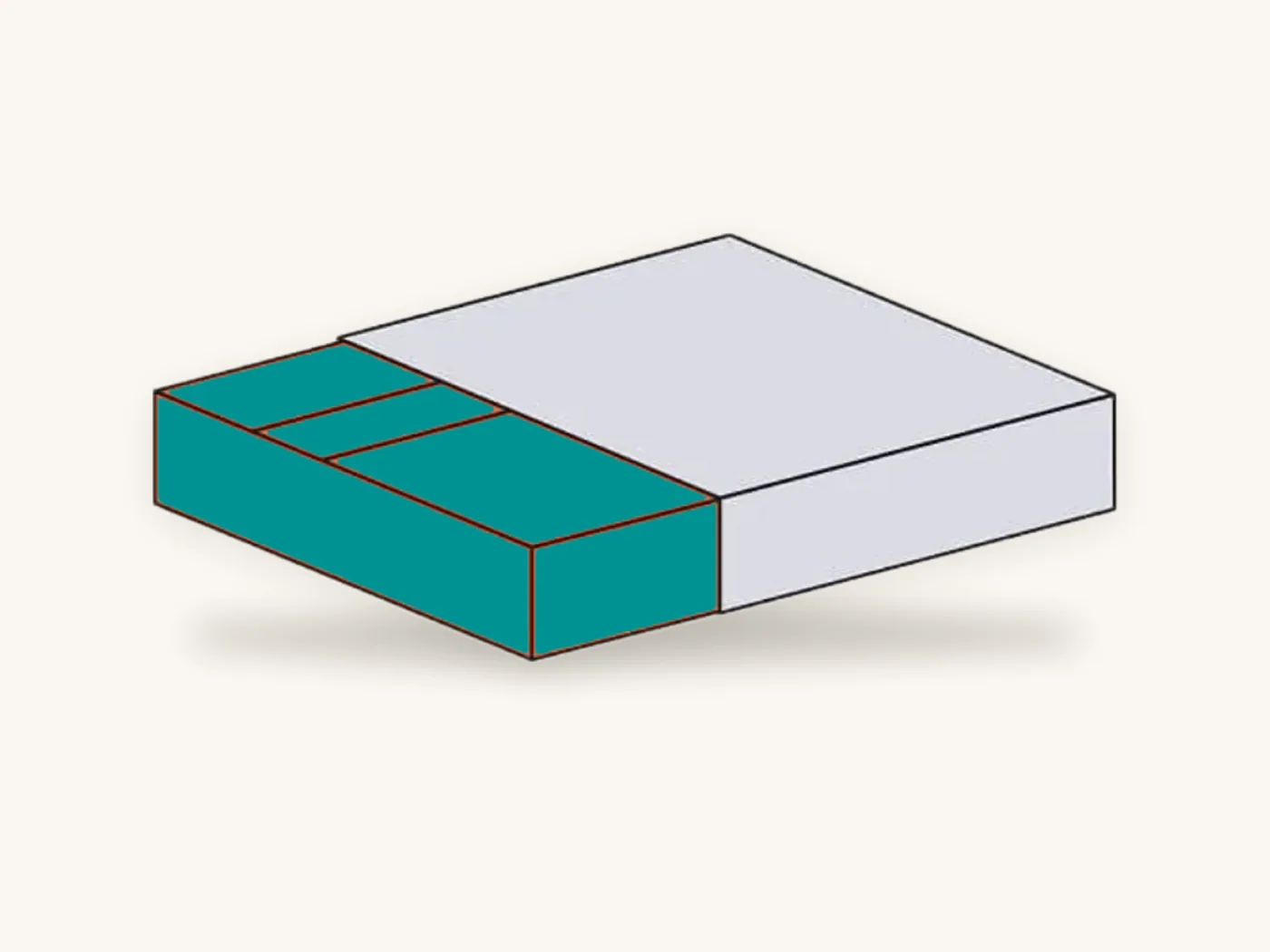
| Sleeve and tray | Tray slides out of an outer sleeve | Low | High | Excellent | Gift sets, hotel and spa |
| Rigid box set | Greyboard box with multi-bar insert | Low | Very high | Excellent | Luxury gifting, corporate gifts |
Choosing your level
Choose a band or sleeve when customers buy in person and smell before they buy, and when the soap itself is the visual. Choose a closed carton when the soap sells through retailers that need barcodes and full ingredients on every face, or when bars travel through distributors. Choose sleeve and tray or rigid when the soap is a gift and the opening matters.
Soap sleeves: the handmade favorite, done properly
Soap sleeves are the most common format for small soap makers because they are cheap, fast to apply and still look finished. A sleeve is a single printed piece of paperboard glued into a tube. The bar slides in and friction holds it.
Getting the fit right
A sleeve that is too loose lets the bar drop out when a shopper picks it up by one end. One that is too tight scuffs the bar and tears at the glue seam. For an 18 pt board sleeve, aim for a total clearance of roughly 1/16 in across the width and 1/32 in across the thickness, measured against a cured bar.
Sleeve length should normally be shorter than the bar, leaving about 1/4 to 1/2 in of soap exposed at each end. That exposed area is what shoppers smell.
Sleeve design ideas that cost nothing extra
- A die-cut thumb notch on one open end makes the bar easier to push out.
- A small die-cut shape on the front panel, such as a leaf or circle, shows the soap color without a film window.
- One printed sleeve for every scent, with the scent name on a round label, so a single print run covers the whole range.
- Ingredients on the back panel, set in a clean list, so the sleeve doubles as the full label.
The soap boxes product page shows sleeves alongside window and tuck styles, and the sleeve boxes style page covers sleeve construction for other products.
Custom soap boxes for retail and wholesale
When soap moves into retail distribution, the sleeve usually gives way to a closed box. Retail buyers want packaging that survives customer handling, keeps the bar clean and carries a scannable barcode on a flat panel.
Tuck end cartons
A straight tuck end carton opens at the top and bottom with friction tucks. It packs quickly by hand and lets shoppers open one end to smell the bar, then close it again. For a standard 4 to 5 oz bar, an internal size near 3.5x2.5x1.25 in is common, but always confirm against your own cured bars.
Window soap boxes
If your soaps have swirls, embedded botanicals or layered color, a window is often the strongest selling feature. A PET or compostable PLA film window keeps dust and fingers off the soap. An open die-cut window without film lets scent through but can let oil touch the edge of the cut. The custom window boxes guide covers window placement and film choices.
Sleeve and tray boxes for gift sets
A sleeve and tray box holds two to six bars in a die-cut tray, with an outer sleeve that slides off. It feels like a gift, reuses easily as a drawer organizer, and lets you print the collection name on the sleeve while the tray stays plain. It suits spa retail, weddings and holiday sets.
Moisture, oil and cure: why soap is hard on packaging
Soap is not an inert product. It keeps changing after it leaves the mold, and those changes affect packaging decisions.
Shrinkage during cure
Cold process bars typically cure for several weeks, losing water and shrinking a little along every dimension. If you size the box to a freshly cut bar, the cured bar rattles. If you size to a cured bar and pack a fresh one, it will not fit. Wait until bars are fully cured, measure at least six of them, and design to the largest.
Glycerin dew and sweating
Glycerin in soap attracts moisture from humid air, which can show up as droplets on the surface, often called glycerin dew or sweating. Melt-and-pour soap is especially prone. Paperboard in direct contact with a sweating bar absorbs that moisture and can warp or spot.
Wrapping melt-and-pour bars in shrink film before boxing is the usual fix. For cold process bars, a closed box in a dry storeroom is normally enough, but avoid storing finished stock near dishwashers, bathrooms or loading doors.
Oil spots on kraft
Superfatted soaps and high-oil recipes leave faint grease marks on uncoated kraft board over time. On a market stall that may look rustic; on a retail shelf after three months it looks like damage.
| Problem | Cause | Packaging fix |
|---|---|---|
| Bar rattles or falls out | Sized to fresh, not cured, bars | Re-measure cured bars; use the largest |
| Box warps or spots | Glycerin dew in humid storage | Shrink-wrap melt-and-pour bars; store dry |
| Grease marks on kraft | Oil migrating into uncoated board | Aqueous or laminated interior, or a glassine wrap |
| Faded print on the front | Light exposure on shelf | Laminated finish; avoid pale inks on kraft |
| Scent fades quickly | Fully open packaging in warm displays | Closed carton or sleeve with shorter exposure |
| Crushed corners | Bars shipped loose in a large carton | Divider insert or a right-sized mailer |
Watch out: a heavily fragranced soap boxed tightly next to other products can transfer scent into them. If you sell soap alongside candles or skincare in one gift set, wrap the soap separately or give it its own compartment.
Materials and finishes for soap boxes
Most soap packaging is made from paperboard, and the choice is mainly between kraft and white.
Kraft paperboard
Kraft paperboard is the natural fit for handmade and natural soap. It hides minor scuffs, looks honest and prints well in one or two strong colors. Opaque white ink on kraft makes lighter colors and small ingredient type readable, which matters on a soap label.
White SBS paperboard
White SBS gives the brightest color and suits clinical, fresh or colorful brands, including bars sold as skincare. It shows oil spots less than uncoated kraft once coated, and it is the better base if your design uses photography or pastel shades.
Finishes that make sense on soap
- Aqueous coating: light scuff resistance and still recyclable. A good default for sleeves.
- Matte lamination: a real barrier against oil marks and fingerprints on retail cartons.
- Embossing or debossing: a tactile logo on kraft that costs no ink.
- Foil stamping: effective in small areas for gift sets; skip it on everyday bars.
Browse finishes on real board on the printing and finishes page. For brands selling a full bath range, the soap and bath industry page shows how soap, bath bombs and lotion packaging can share materials.
Soap labeling: what the box has to say
Soap labeling in the US depends on how the product is made and, just as importantly, how it is marketed.
True soap versus cosmetic versus drug
The FDA describes "true soap" as a product made mostly of the alkali salts of fatty acids, where those salts provide the cleaning action, and that is marketed only as soap. True soap is regulated by the Consumer Product Safety Commission rather than the FDA.
If you market the same bar with cosmetic claims, such as moisturizing, deodorizing or fragrancing the skin, it is generally treated as a cosmetic under the FDA, with cosmetic labeling rules including an ingredient declaration. If you claim it treats a condition or kills germs, it may be regulated as a drug. Many synthetic detergent "beauty bars" are cosmetics regardless of wording.
Our guide to cosmetic labeling requirements explains the panel layout for products that fall on the cosmetic side. These rules change and the details matter, so confirm current requirements with the FDA, the CPSC or counsel before finalizing artwork.
Information worth including either way
- Product identity, such as "handmade goat milk soap"
- Net weight, stated for the cured bar
- Your business name and location
- Full ingredient list in descending order of predominance
- Any allergen or fragrance notes customers ask about
- Barcode on a flat panel if you sell wholesale
- A batch code area for traceability
Shipping soap to online customers
Soap is dense for its size, so a box of six bars is heavier than it looks. Loose bars in an oversized carton chip corners and scuff each other.
Single orders and bundles
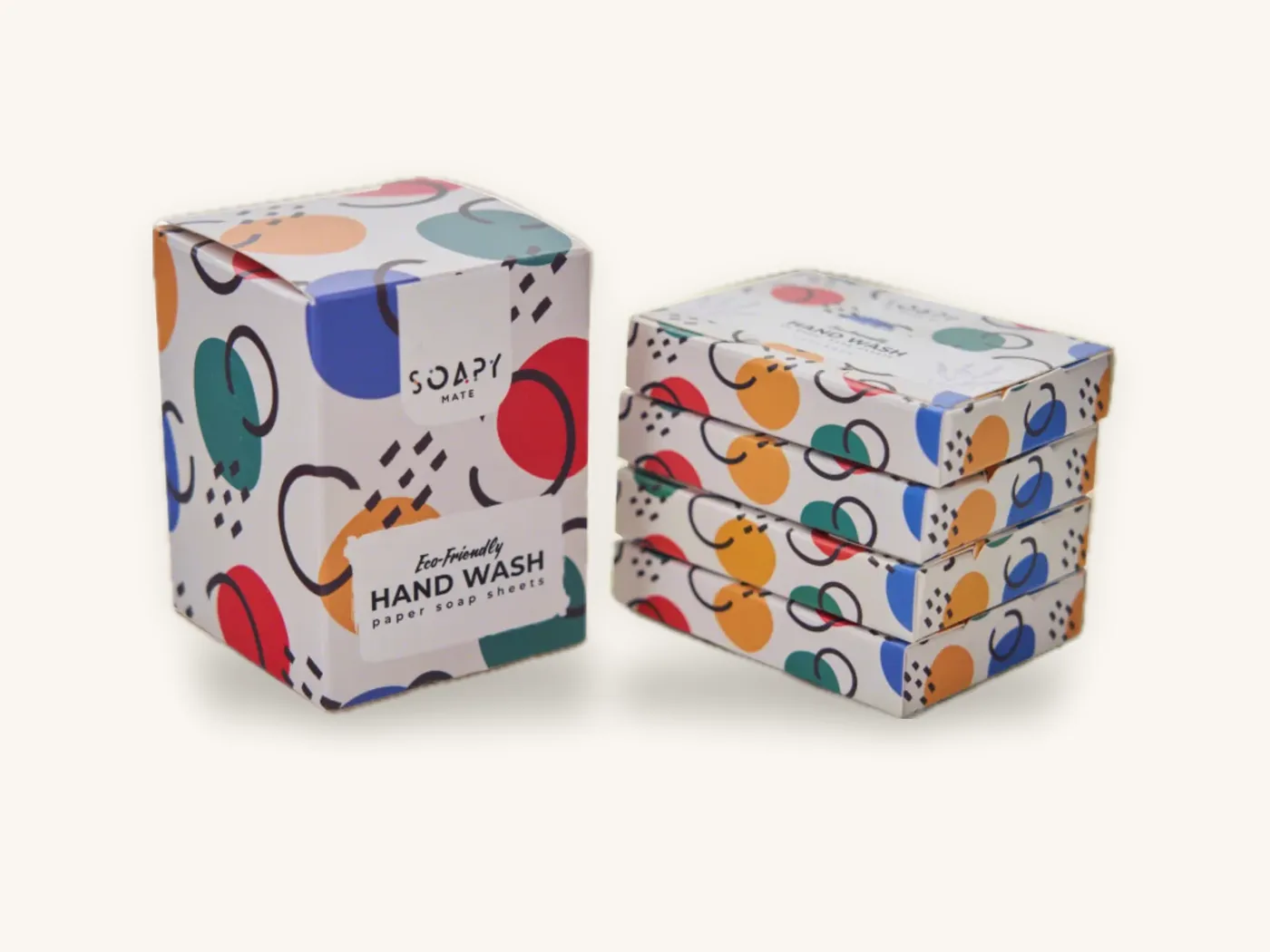
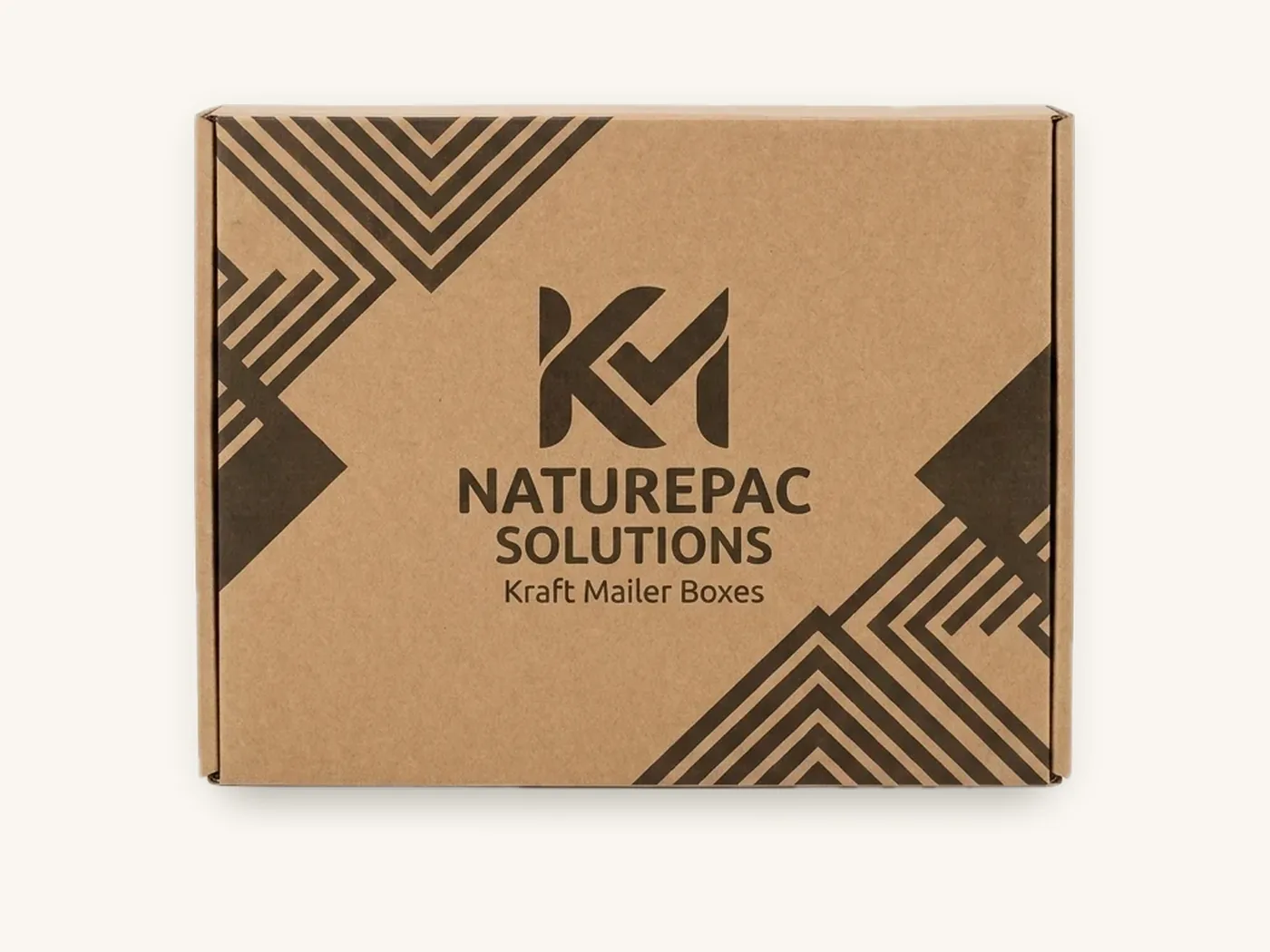
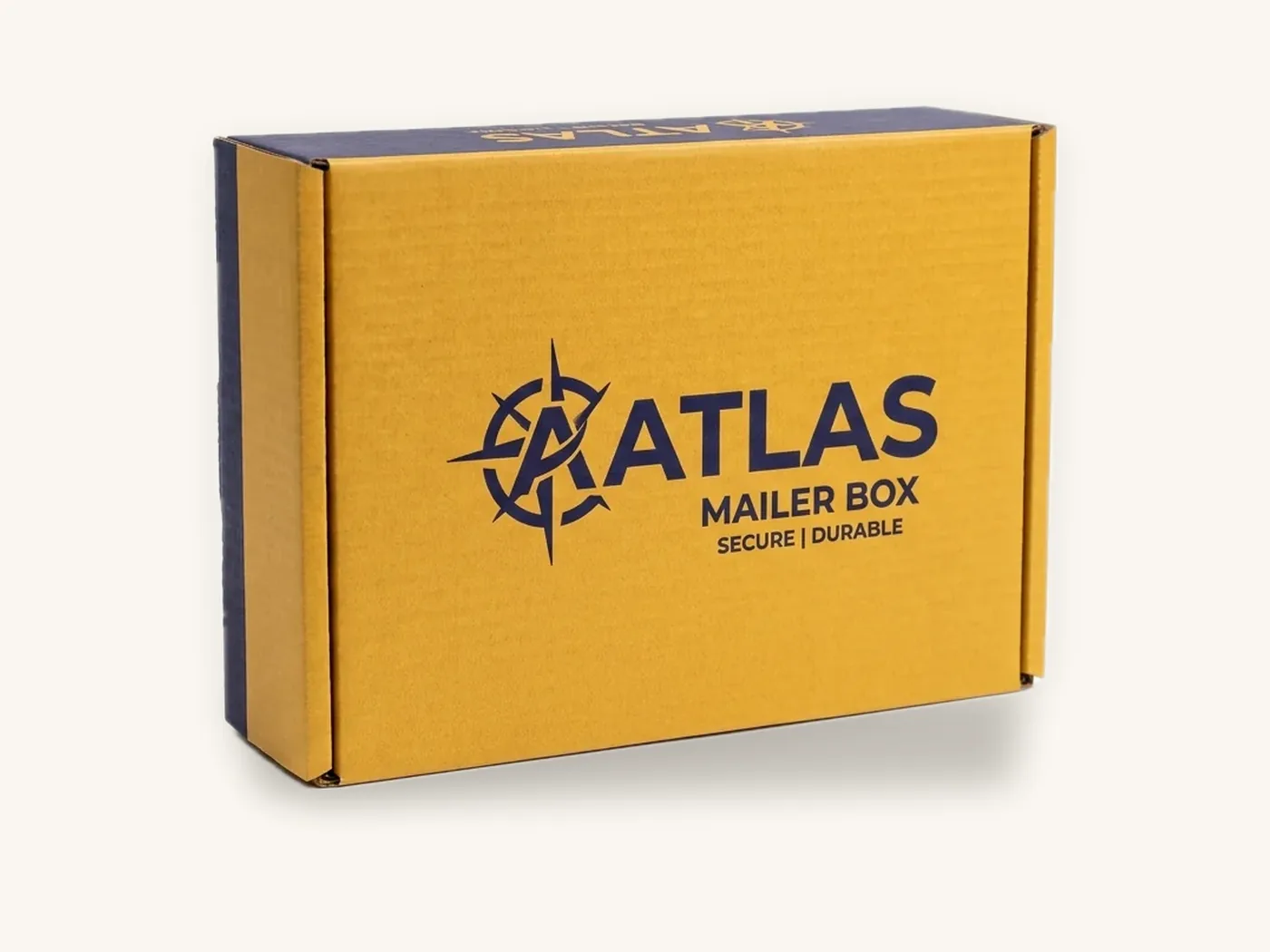
For one to three bars, a small printed kraft mailer box with tissue or a simple divider keeps sleeves from rubbing. For subscription or bundle orders, a paperboard divider insert holds each bar in its own cell. The box inserts guide covers divider layouts.
Keeping the sleeve presentable
A sleeved bar shipped loose in a mailer can slide out of its sleeve on the way. Either size the mailer so bars cannot move end to end, or add a sticker seal across the sleeve's open end for shipped orders only.
If you also sell to boutiques, the skincare packaging guide and bath bomb packaging guide cover adjacent products that often ship in the same order.
What soap packaging costs
Soap sleeves and small cartons are among the least expensive custom packaging you can buy, because the pieces are small and many fit on one sheet. These indicative per-unit prices come from our current rates and include free US shipping.
| Spec | 10 | 100 | 500 | 1,000 | 5,000 | 10,000 |
|---|---|---|---|---|---|---|
| Soap sleeve/box, 18 pt kraft, 3.5x2.5x1.25 in, 1-color | $0.99 | $0.66 | $0.35 | $0.29 | $0.21 | $0.19 |
| Kraft tuck carton, 18 pt kraft, 4x3x2 in, 1-color | $1.22 | $0.81 | $0.43 | $0.36 | $0.25 | $0.23 |
| Window box, 18 pt SBS, 4x4x4 in, full color, aqueous, window | $2.52 | $1.66 | $0.89 | $0.74 | $0.53 | $0.47 |
| Mailer box, E-flute, 8x6x3 in, full color outside | $3.99 | $2.64 | $1.41 | $1.17 | $0.83 | $0.75 |
The soap sleeve row covers most single bars. The window box row gives a sense of a larger gift or multi-bar carton, and the mailer row covers a shipped bundle. Use the soap box price estimator with your own bar size.
Keeping soap packaging costs low
- Print one design for all scents and label each scent separately.
- Use one color on kraft rather than full color; the natural board does much of the visual work.
- Standardize bar size across your range so one sleeve fits every soap.
- Order a larger quantity of the shared sleeve and smaller runs of seasonal gift boxes.
How to order custom soap boxes and sleeves from Box Sense
Specs to have ready
- Cured bar dimensions (largest of several bars) and weight
- Coverage level: sleeve, window box, tuck carton, sleeve and tray or rigid
- Board: kraft or white SBS
- Print: one color, full color, white ink on kraft or PMS
- Finish: uncoated, aqueous, matte lamination, embossing or foil
- Quantities, for example 250, 1,000 and 5,000
- Artwork and label text, or a request for help from our design services team
The process
- Submit the details and receive a confirmed quote within 24 hours.
- We supply a dieline sized to your bar and set up the artwork, then send a 3D digital proof with two revision rounds included.
- Request a free unprinted structural sample to test the fit with real cured bars. A printed sample of approved artwork is free on orders of 100 or more.
- Standard production runs 8–12 business days after proof approval, with rush in 5 business days on most paperboard styles.
- Shipping is free on every US order.
The minimum order is 10 units, there are no die or plate charges, and defective boxes reported within 14 days are reprinted free. You can also request a sample before committing.
Frequently asked questions
What is the cheapest way to package handmade soap?
A paper band or a one-color kraft soap sleeve is the lowest-cost option that still looks professional. Printing one sleeve design for every scent and adding a small label per fragrance keeps you on a single print run. For reference, an 18 pt kraft soap sleeve printed in one color is about $0.66 each at 100 units and about $0.29 at 1,000.
Should soap be packaged in a sleeve or a box?
Choose a sleeve when shoppers buy in person, smell the bar and value a handmade look. Choose a closed box when you sell wholesale, need space for full ingredients and a barcode, or ship bars through distributors. Many brands use sleeves for everyday bars and a window box or sleeve-and-tray set for gifts.
How do I size a soap box or sleeve?
Wait until bars are fully cured, measure at least six, and use the largest length, width and thickness. Add roughly 1/16 in clearance across the width and a little less across the thickness. Sleeves are usually shorter than the bar so the ends stay exposed. A free structural sample confirms the fit before printing.
Why does my soap packaging get oil stains?
High-oil and superfatted bars release small amounts of oil that soak into uncoated kraft board. In humid storage, glycerin dew adds moisture. A laminated or coated board surface, a glassine inner wrap, or shrink film on melt-and-pour bars prevents most staining. Storing stock in a cool, dry room helps too.
Does handmade soap need an ingredient label?
It depends on how it is marketed. True soap sold only as soap is regulated by the CPSC, while soap with cosmetic claims such as moisturizing is generally treated as a cosmetic by the FDA, which requires an ingredient declaration. Listing ingredients is good practice either way. Confirm current requirements with the relevant agency or counsel.
Are kraft soap boxes recyclable?
Kraft paperboard soap boxes and sleeves are widely recyclable, particularly when printed with soy or water-based inks and finished with aqueous coating rather than plastic lamination. Film windows should be avoided or made from compostable PLA if you want a simpler end-of-life story. Any recyclability claim on the box should follow the FTC Green Guides.
Can I get custom soap boxes in small quantities?
Yes. Box Sense produces custom soap boxes and sleeves from 10 units, printed digitally for short runs with no plate charges. Small runs are useful for testing a new design, a seasonal scent or a wholesale sample. Unit prices fall steeply as quantity rises, so compare a few tiers in the estimator.
Next steps
Measure your cured bars, choose a coverage level, then check prices for your size in the soap packaging price estimator. When you are ready, request a custom soap box quote and we will confirm pricing within 24 hours and send a dieline sized to your bar.
Boxes in this guide
Order the packaging we covered
Written by the Box Sense Packaging Team
Our structural designers, prepress technicians and production staff print and convert custom boxes every day for brands in the United States, United Kingdom and UAE. Questions about this guide? Talk to us.