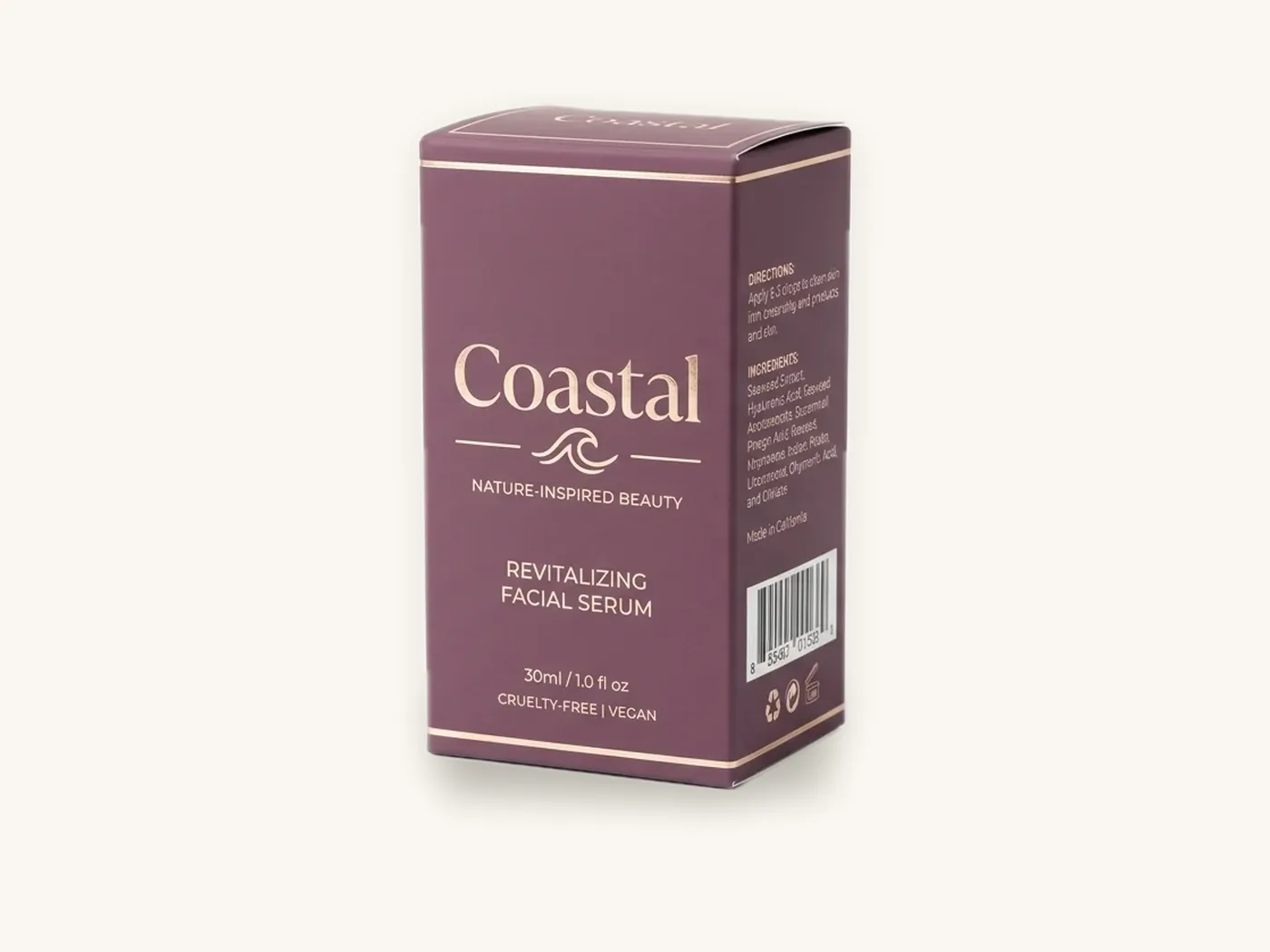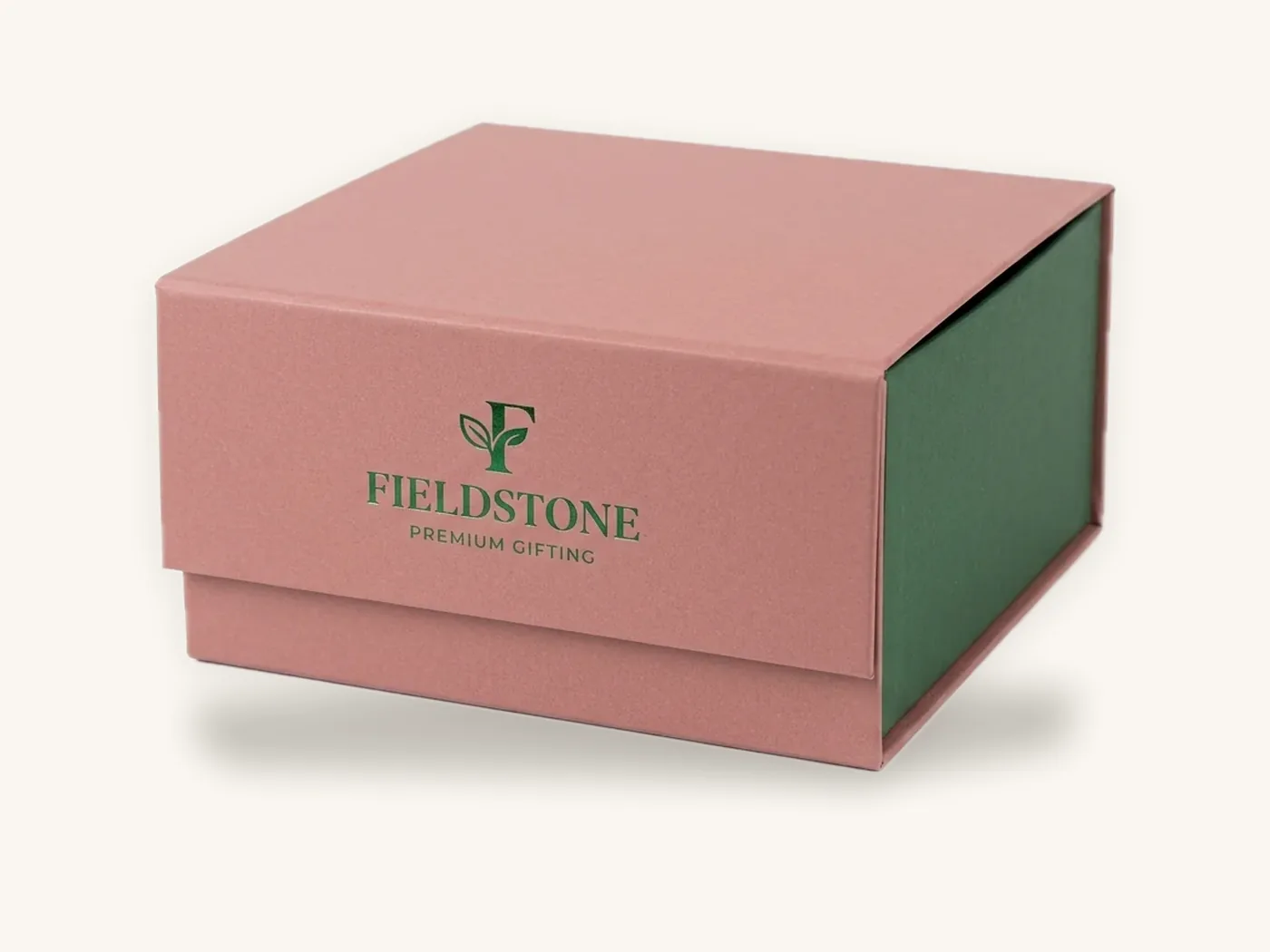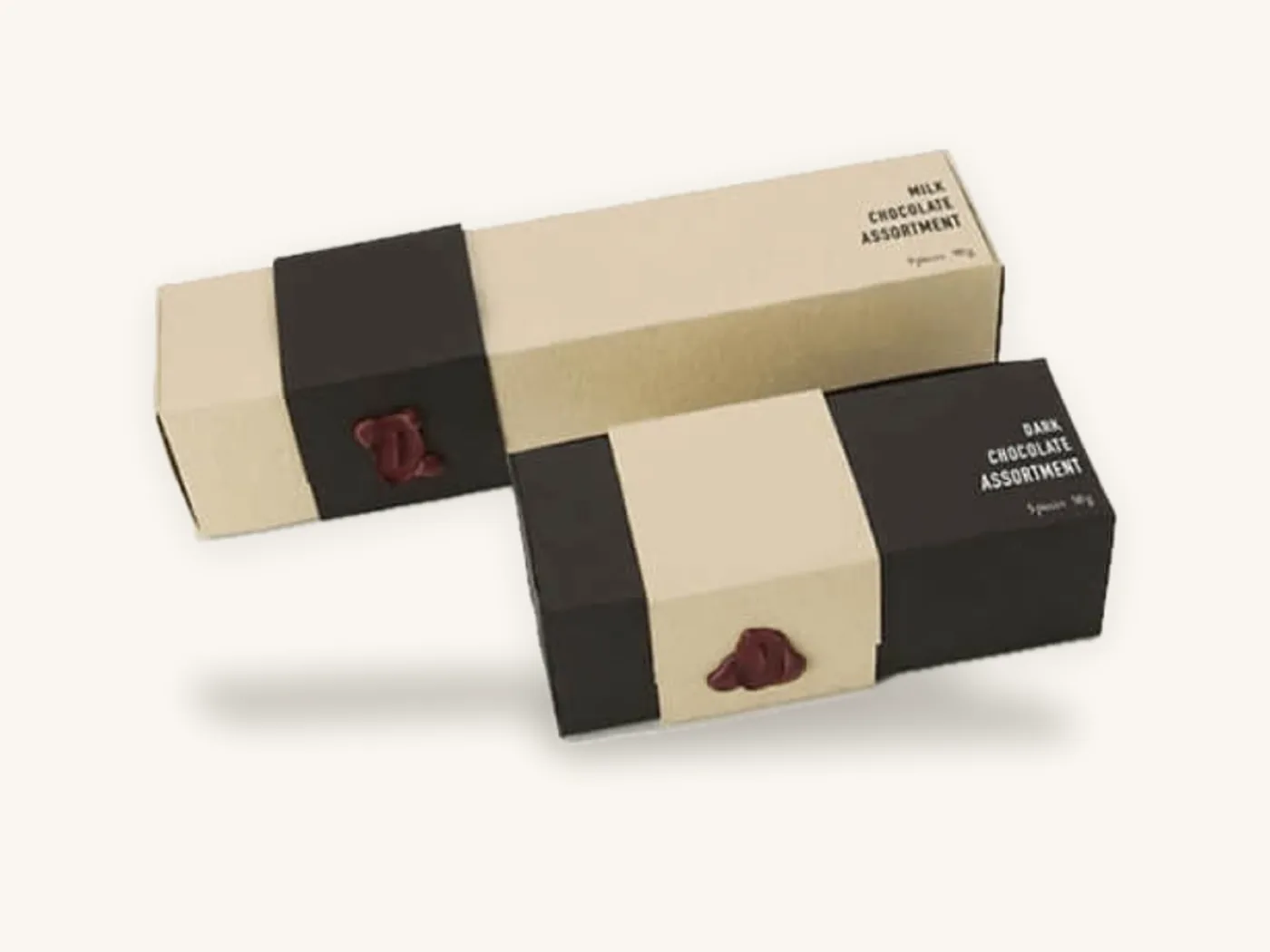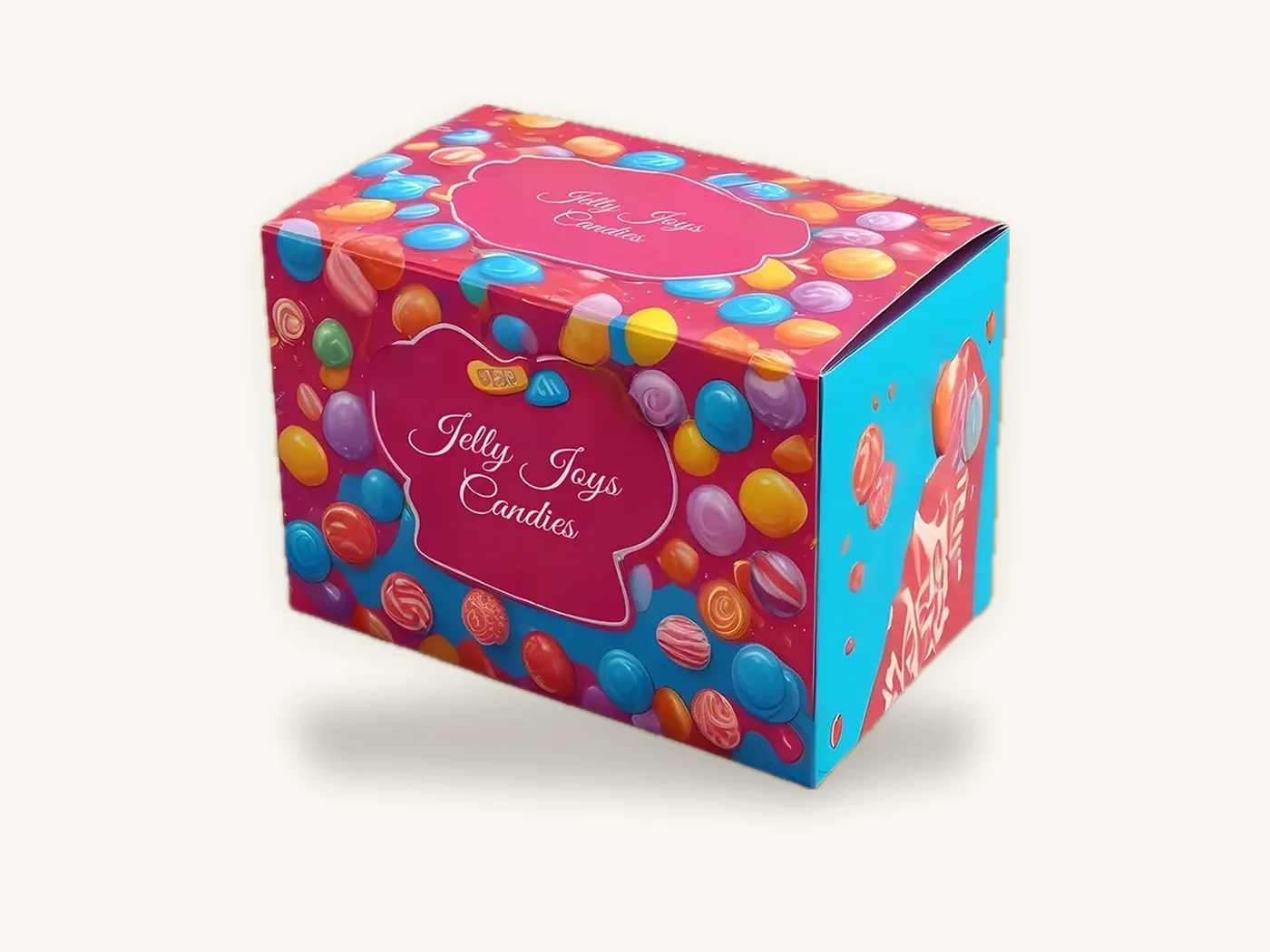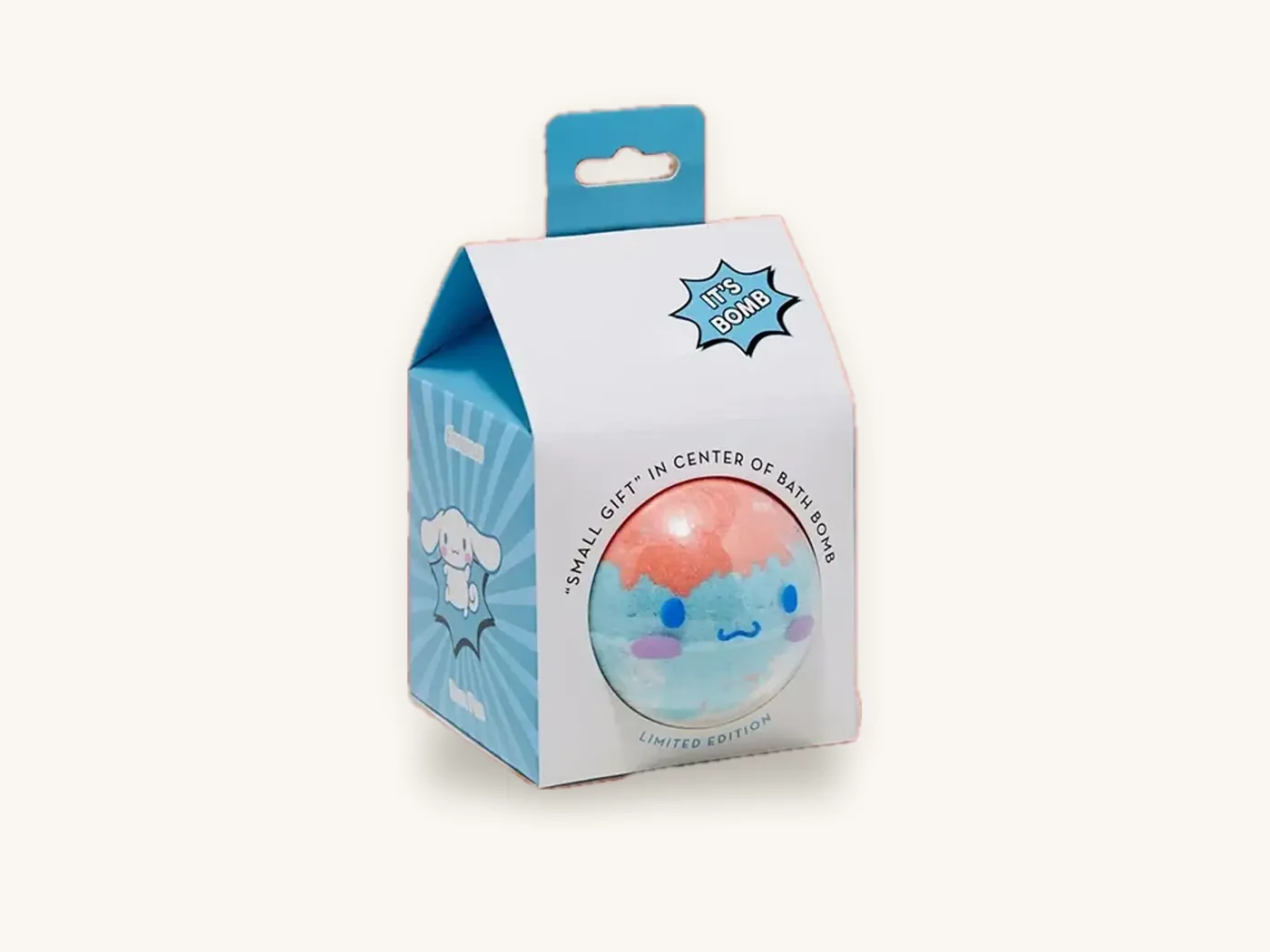
Effective bath bomb packaging does two things a normal cosmetic box does not: it keeps humid air away from a product designed to react with water, and it holds a pressed, brittle shape still enough that the edges do not rub into powder. In practice that means a sealed film layer directly on the bomb, then a snug paperboard box or insert that stops it rolling.
Most crumbling and "pre-fizzing" complaints are packaging problems, not recipe problems. The fixes are straightforward and inexpensive once you understand what goes wrong. This guide explains the failure modes, the layered system that prevents them, the bath bomb boxes that suit singles, sets and wholesale, and what each option costs.
Key takeaways
- Paperboard alone is not a moisture barrier. Seal each bath bomb in shrink film or a closed bag first, then box it.
- Crumbling comes from movement. A cavity insert or tight-fitting box that stops rolling matters more than thicker board.
- Store finished stock sealed and away from humid rooms; a bomb can start reacting in the stockroom long before it reaches a customer.
- A window box in 18 pt SBS, 4x4x4 in, full color with aqueous coating and a window runs about $1.66 each at 100 units and about $0.74 at 1,000.
- Bath bombs are generally treated as cosmetics in the US, so plan box space for ingredients and net weight, and avoid designs that look like food.
- Box Sense makes custom bath bomb boxes from 10 units with free dielines, 3D proofs and free US shipping.
Why bath bombs fail between the mold and the bathtub
A bath bomb is a compressed mix of baking soda and citric acid bound with a little oil or moisture. That reaction is the whole point in the tub, and the whole problem everywhere else. Understanding the four ways they fail tells you what the packaging must do.
1. Humidity triggers a slow reaction
Moisture in the air starts the acid-base reaction on the surface. You see it as a warty, bumpy texture, faint expansion, loss of fizz or a soft, cracked shell. The bomb has not dissolved, but it will underperform.
2. Movement erodes the shape
Pressed powder has little resistance to abrasion. A sphere rolling back and forth in a loose box grinds its seam line, and a heart or star loses its points first. The dust then coats the inside of the box and the window.
3. Impact snaps it along the seam
Round bombs pressed in two halves have a natural weak line. A drop onto a hard surface can split them cleanly in half, especially if the bomb hits the box wall rather than a cushioned insert.
4. Oils and colorants migrate
Butters, oils and embedded petals or glitter can leave marks on uncoated board, and some colorants transfer to anything they touch when humid.
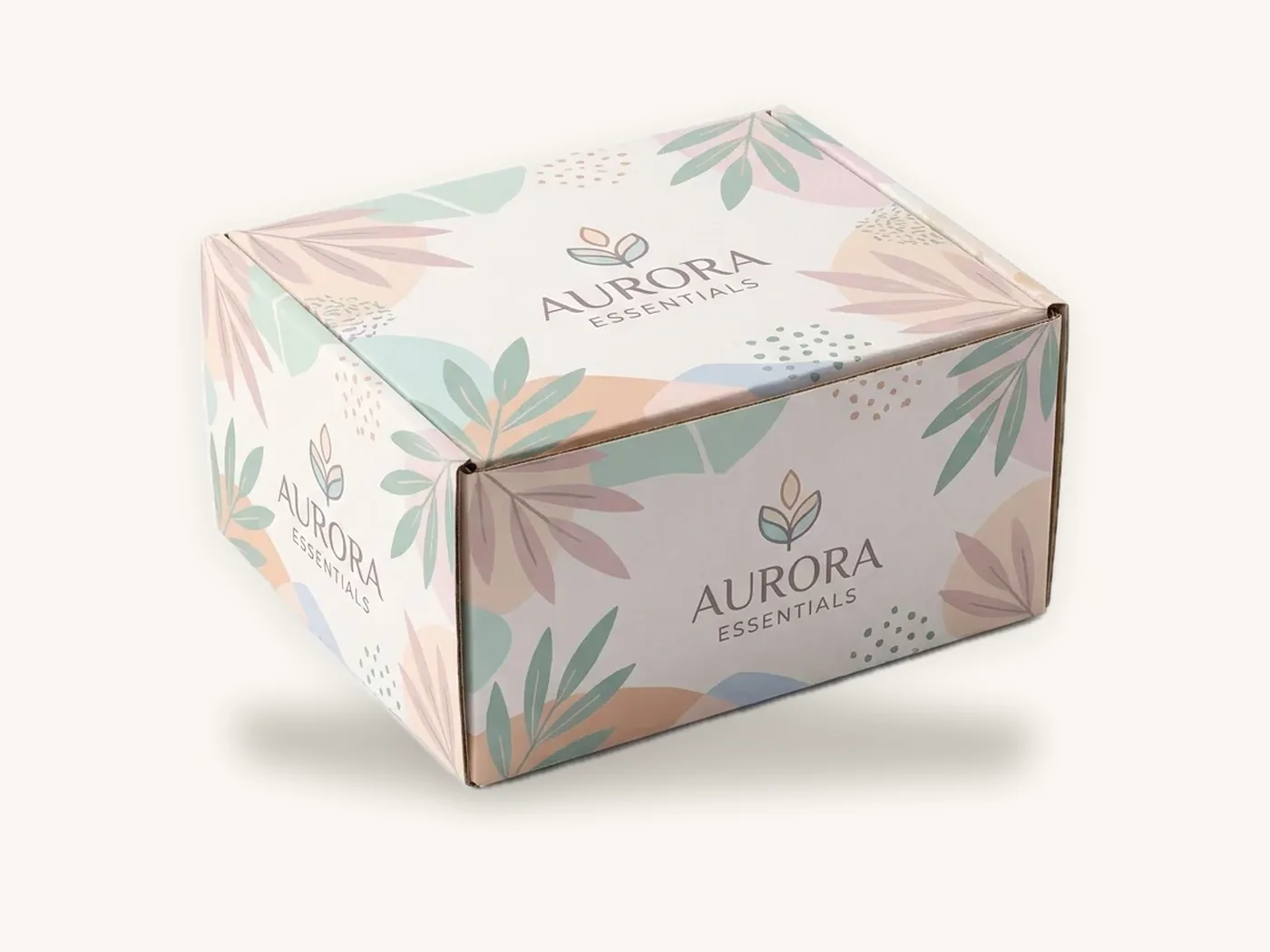
The three-layer protection system for bath bomb packaging
Treat bath bomb packaging as layers, each responsible for one failure mode. Skipping a layer is fine if you understand what you are giving up.
| Layer | What it is | Protects against | Can you skip it? |
|---|---|---|---|
| Primary barrier | Heat-shrink film or a sealed clear bag directly around the bomb | Humidity, colorant transfer, dust | Only for very fast-selling, in-person stock |
| Secondary box or insert | A paperboard box sized to the bomb, or a cavity insert | Rolling, abrasion, crushing, drops | No, if shipping or wholesaling |
| Shipping layer | A mailer or carton with dividers for online orders | Parcel impacts, stacking weight | Yes, for retail shelf stock |
The primary barrier
Shrink film is the most common primary layer because it conforms to the shape, keeps the bomb visible and costs very little per unit. A heat gun or small shrink tunnel does the job. Some brands use sealed cellophane or PLA bags tied with a label; they breathe slightly more but look more handmade. Either way, wrap as soon as the bomb has dried fully, not days later.
The secondary box
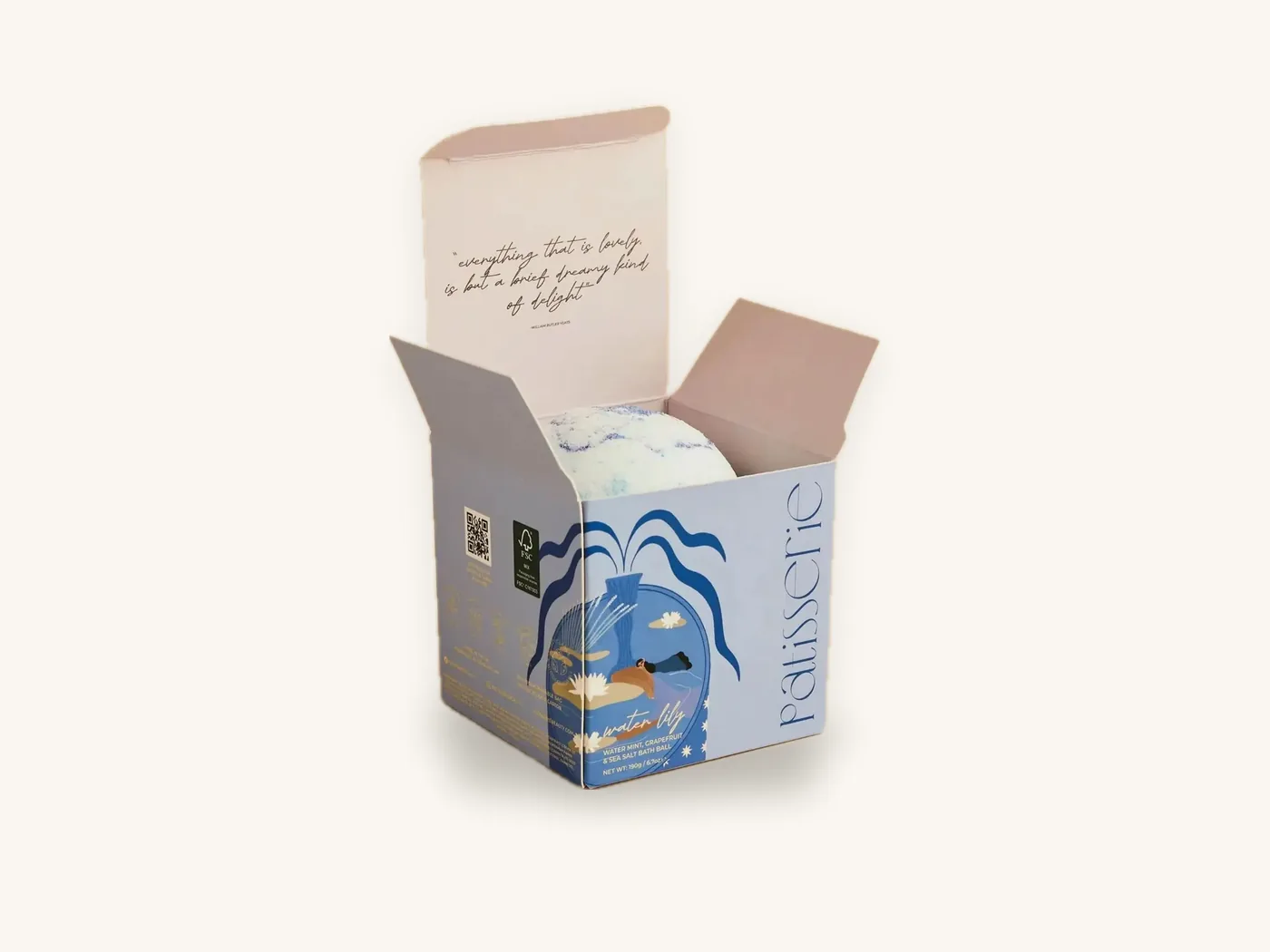
This is where branding and structure meet. Bath bomb boxes are usually small paperboard cartons, cubes or window boxes with a die-cut insert. Their job is to stop movement and hold the label information.
The shipping layer
For online orders, the retail box goes into a mailer. If you sell sets online only, you can often combine the secondary and shipping layers into one printed mailer with a multi-cavity insert.
Watch out: never pack an unwrapped bath bomb directly into a closed paperboard box and assume the box will keep it dry. Paperboard absorbs and releases moisture with the surrounding air. It slows humidity down slightly, but it does not stop it.
Bath bomb boxes compared: styles for singles, sets and shelves
The right style depends on how many bombs go in the box, what shape they are and where they sell.
| Style | Holds | Shape fit | Best channel | Notes |
|---|---|---|---|---|
| Cube tuck box | 1 sphere | Round or square | Retail singles, gift add-ons | Size internal cube to diameter plus a little clearance |
| Window box with cavity insert | 1–2 bombs | Any shape | Boutiques, gifting | Shows color and shape; insert keeps it centered |
| Hexagon box | 1 large bomb | Round | Premium singles | Distinctive shelf look, uses more board |
| Pillow box | 1 small bomb or fizzer | Flat or small | Favors, samples, events | Minimal protection; wrap first |
| Sleeve and tray set | 3–6 bombs | Round | Gift sets, holiday | Tray insert with round cavities |
| Egg-carton style tray | 4–12 bombs | Round | Multi-packs, wholesale | Shows bombs in rows, very little movement |
| Counter display box | 12–24 wrapped bombs | Any | Retail checkout | Loose wrapped bombs in an open tray |
Singles: cube and window boxes
A cube tuck box is the simplest bath bomb box. For a 2.5 in diameter sphere, an internal size of about 2.6 in on each side leaves enough room to insert it without scuffing the film, while the corners of the cube stop it rolling. A window box adds visibility, which suits bright colors, embedded flowers and novelty shapes.
Sets: trays with cavities
Once you have three or more bombs together, a tray with round cavities is far better than a divider grid. A grid lets spheres roll within each cell; a cavity cradles them. The custom window boxes guide explains how to combine a window lid with a cavity tray.
Shelves: display boxes
For checkout counters, wrapped bombs sit loose in a counter display box. The display does the branding, so individual wraps only need a small label.
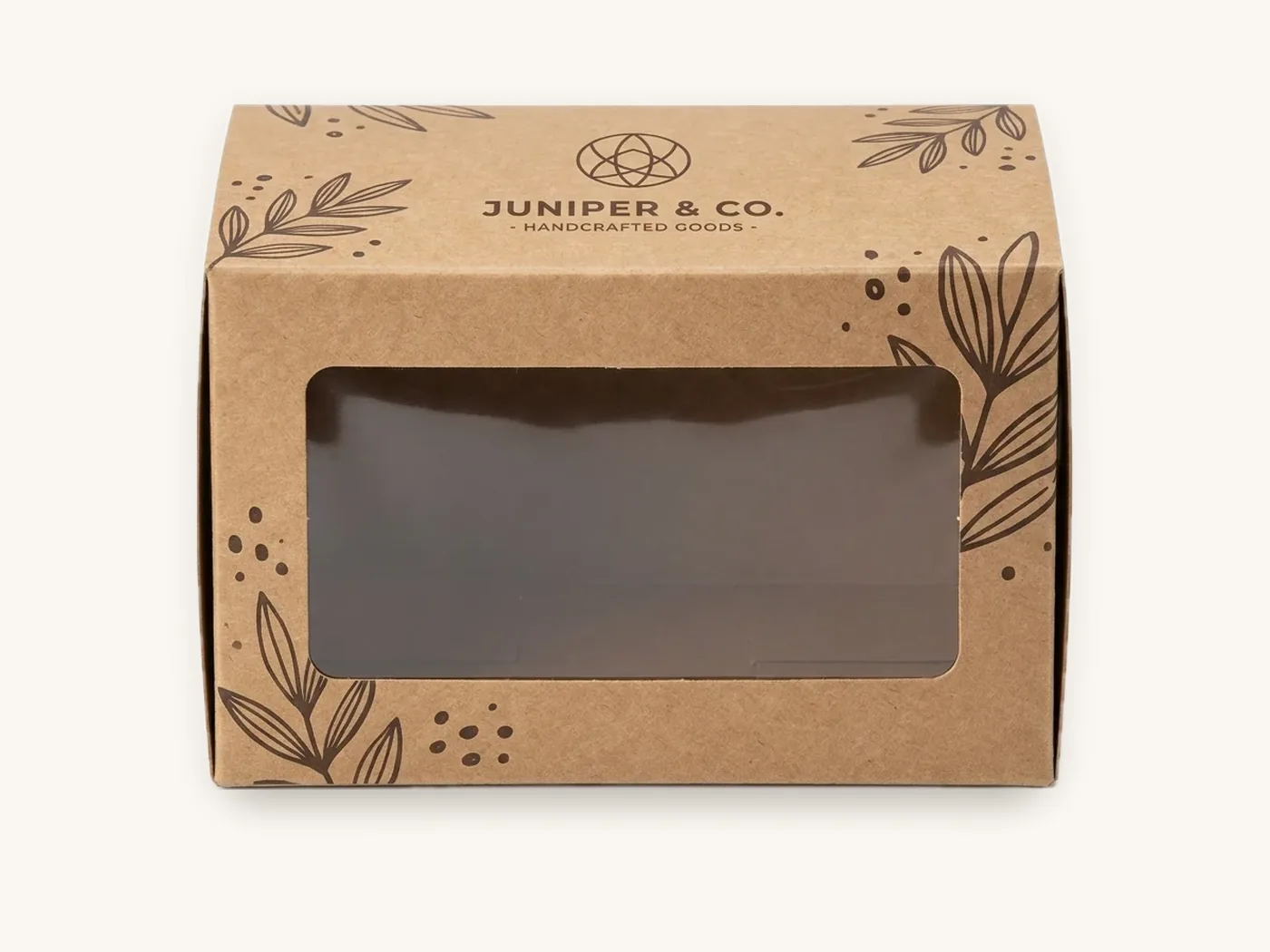
Sizing inserts for round, heart and novelty shapes
Inserts are where bath bomb boxes succeed or fail. Molded bombs vary more than people expect, particularly handmade ones pressed by hand. Follow this process to get a cavity that holds every bomb in a batch.
- Measure after drying and wrapping. Film adds a small amount to every dimension, and a bomb shrinks very slightly as it dries.
- Measure ten bombs, not one. Record the largest diameter and the seam bulge on each. Use the largest.
- Choose the cavity depth. For spheres, a cavity about one third of the diameter deep holds the bomb securely without hiding it.
- Set the cavity diameter at roughly the measured diameter plus 1/16 in. Tighter than that and staff will crush the film pushing bombs in.
- Add a lid clearance of about 1/8 in above the top of the bomb so the lid does not press on the seam.
- For hearts, stars and novelty shapes, send us the mold or a sample. We can cut a matching shaped cavity rather than a round hole.
- Test with a structural sample. Pack, close, drop from waist height on each face and inspect the seam and points.
Box inserts and dividers can be made from paperboard, which is printable and recyclable, or corrugated board, which cushions heavier sets better. The box inserts guide compares the two in more detail.
Windows, films and coatings on bath bomb boxes
Window film: PET or PLA
A window film keeps powder in and fingers out. PET film is clear, stiff and inexpensive. PLA film is plant-based and industrially compostable, and suits brands with natural or plastic-reduction positioning. Our comparison of window film PET vs PLA covers clarity and disposal differences.
An open window with no film is tempting for scent, but it lets powder escape and lets shoppers touch and pick at the bomb. Keep open windows small and use them only when each bomb is already wrapped.
Coatings for moisture and oil marks
Coatings protect the box surface, not the bomb. A gloss or matte lamination resists oil marks, colorant smudges and damp hands in a bathroom-product aisle. Aqueous coating gives light scuff resistance and keeps the box easy to recycle. Neither makes the box airtight, which is why the primary film layer still matters.
Board choice
18 pt SBS paperboard gives crisp color for playful, colorful designs. Kraft paperboard suits natural, botanical and zero-waste positioning and hides minor powder marks. For multi-bomb sets that will be shipped, a corrugated mailer with a paperboard tray is stronger than a large paperboard carton.
Storage and stockroom humidity
Many bath bomb makers wrap and box perfectly, then lose stock in storage. Finished bombs should be kept sealed, in a cool room away from showers, dishwashers, kettles and exterior doors.
- Wrap early: as soon as bombs have dried, not on the day they ship.
- Keep outer cartons closed in storage, and avoid concrete floors in damp buildings.
- Rotate stock first in, first out, and note the batch date on the box.
- Consider a small desiccant packet in bulk storage tubs, kept out of contact with the bombs themselves.
- Check a sample from each batch after a few weeks for texture change or loss of fizz.
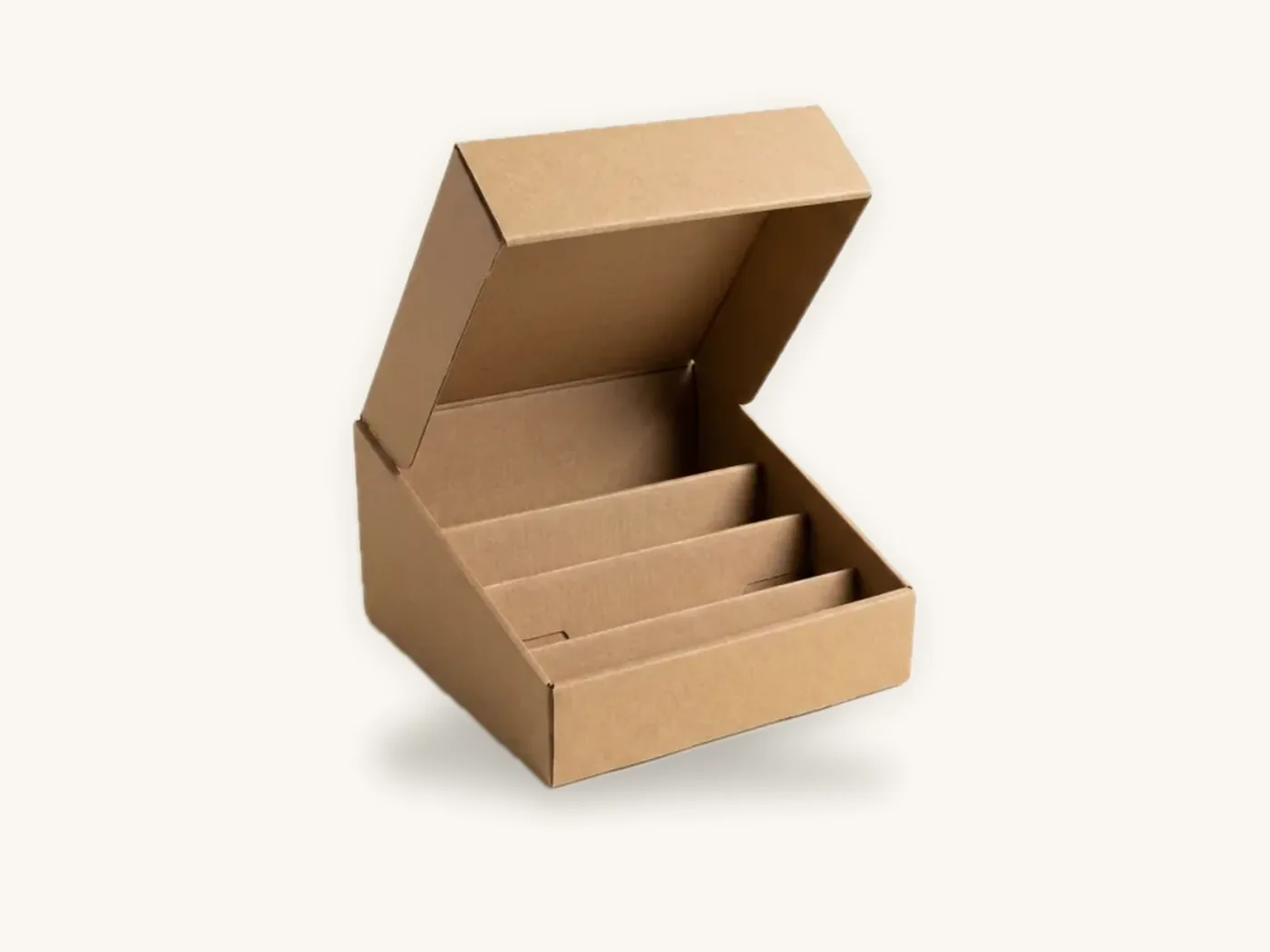
Tip: if you sell at summer markets or outdoor events, keep a closed display box of wrapped stock and put only one unwrapped tester on the table. Humid outdoor air degrades open bombs within a day.
Bath bomb box ideas for gifts, retail and wholesale
Good bath bomb box ideas usually solve a practical problem at the same time as looking good.
For gift and holiday sales
- A sleeve and tray box with three or six cavities and a printed collection name on the sleeve.
- An egg-carton style tray with a window lid, so the gift is visible without opening.
- A round or hexagon box for a single oversized bomb, with a short scent note on the lid.
- A seasonal sleeve over your standard tray, so only the outer piece changes each holiday.
For retail shelves
- A cube box with the scent name large on the front and ingredients on the back panel.
- A hang tab added to the cube so the same box works on a pegboard.
- A shared box design for every scent with a colored sticker, so reorders stay simple.
For wholesale and subscriptions
- A multi-bomb mailer with a corrugated cavity insert, ready to ship without a retail box.
- A display box that ships as the outer carton and opens into a tray at the retailer.
Bath brands often sell soap alongside bombs. The soap boxes we make can share board, finish and print setup with bath bomb boxes, and the soap packaging guide covers bars in detail. The soap and bath industry page shows the whole category.
Labeling bath bomb boxes
In the US, bath bombs are generally treated as cosmetics by the FDA because they are intended to be added to a bath for cleansing, fragrance or skin feel. That means the usual cosmetic labeling principles apply to the retail package, including a statement of identity, net quantity, the name and place of business, and an ingredient declaration.
Color additives in cosmetics must be approved by the FDA for their intended use, which is especially relevant to brightly colored bombs. Claims that a bomb relieves pain, treats a skin condition or delivers a therapeutic ingredient can change how the product is regulated.
Our guide to cosmetic labeling requirements explains the panels in more detail, and the cosmetic packaging guide covers the wider category. Requirements change, so confirm current rules with the FDA or counsel before printing.
Avoid food look-alike designs
Bath bombs shaped or decorated like cupcakes, donuts, macarons or candy are popular, but they can be mistaken for food, particularly by children. Keep packaging clearly labeled as a bath product, avoid confectionery-style wording, and consider placing "not for consumption" wording prominently.
What bath bomb boxes cost
Bath bomb boxes are small, so they are economical, but inserts and windows add cost. These indicative per-unit prices come from our current rates and include free US shipping.
| Spec | 10 | 100 | 250 | 1,000 | 5,000 |
|---|---|---|---|---|---|
| Window box, 18 pt SBS, 4x4x4 in, full color, aqueous, window | $2.52 | $1.66 | $1.18 | $0.74 | $0.53 |
| Kraft tuck carton, 18 pt kraft, 4x3x2 in, 1-color | $1.22 | $0.81 | $0.57 | $0.36 | $0.25 |
| Counter display box, E-flute, 10x8x6 in, full color | $7.68 | $5.08 | $3.61 | $2.26 | $1.60 |
| Subscription mailer, E-flute, 12x9x4 in, full color both sides, insert + tear strip | $8.83 | $5.85 | $4.16 | $2.60 | $1.84 |
The window box row is a good reference for a single large bomb or a pair. The kraft tuck carton row suits simple singles, and the mailer row suits shipped gift sets. A custom insert die is a one-time charge of about $45. Check your exact size in the bath bomb box price estimator.
How to order bath bomb boxes from Box Sense
What to send us
- Bomb shape, largest diameter after wrapping and weight
- How many bombs per box, and the layout for sets
- Style preference: cube, window, hexagon, tray set, display or mailer
- Board and finish: SBS or kraft, aqueous or laminated, PET or PLA window
- Insert type: paperboard or corrugated, round or shaped cavities
- Quantities to price and your target in-hand date
- Artwork and label copy, or a request for our design services team
From quote to delivery
- We confirm a quote within 24 hours.
- We supply the dieline and a 3D digital proof, with two revision rounds included at no cost.
- An unprinted structural sample is free, so you can test cavity fit with wrapped bombs. A printed sample of approved artwork is free on orders of 100 or more; see samples.
- Standard production takes 8–12 business days after proof approval, and rush in 5 business days is available on most paperboard and corrugated styles.
- US shipping is free, and international shipping is quoted at cost.
The minimum order is 10 boxes, with no die or plate charges, and defective boxes reported within 14 days are reprinted free.
Frequently asked questions
How do you package bath bombs so they don't crumble?
Stop the bomb from moving. Wrap it in shrink film, then place it in a box or cavity insert sized to its largest diameter plus about 1/16 in, with a little headroom so the lid does not press on the seam. A tight cube box or a tray with round cavities prevents rolling, which is what wears seams and points into powder.
How do you keep bath bombs from absorbing moisture?
Seal each bomb in shrink film or a closed bag as soon as it has dried, because paperboard boxes are not moisture barriers. Store finished stock in closed cartons in a cool, dry room away from bathrooms, kitchens and exterior doors. Laminated boxes resist damp hands and oil marks but do not make packaging airtight.
What size box do I need for a bath bomb?
Measure the wrapped bomb at its widest point, including the seam. For a cube box, set each internal dimension at that diameter plus a small clearance; a 2.5 in sphere typically suits a box about 2.6 in inside. For sets, use a cavity insert rather than a divider grid. A free structural sample confirms the fit.
Do bath bombs need to be shrink wrapped?
For anything shipped, wholesaled or stored for more than a few days, yes, or sealed in a bag. Shrink film blocks humid air, keeps colorant off the box and stops powder shedding. Brands selling fresh stock in person sometimes skip it, but unwrapped bombs lose fizz and texture much faster in humid conditions.
How much do custom bath bomb boxes cost?
For reference, an 18 pt SBS window box at 4x4x4 in, full color with aqueous coating and a window, is about $1.66 per box at 100 units and about $0.74 at 1,000, with US shipping included. A simple one-color kraft carton costs less, and inserts or sets cost more. Use the pricing page for your exact size.
What labeling do bath bomb boxes need?
Bath bombs are generally treated as cosmetics by the FDA, so retail packaging typically carries a product identity, net quantity, the business name and place of business, and an ingredient list. Color additives must be approved for cosmetic use. Therapeutic claims can change how a product is regulated, so confirm current requirements with the FDA or counsel.
Are window boxes good for bath bombs?
Yes, particularly for colorful, decorated or novelty-shaped bombs where appearance sells. A PET or compostable PLA film keeps powder in and fingers out. Pair the window with a cavity insert so the bomb stays centered and does not roll against the film. Open windows without film suit only bombs that are already wrapped.
Next steps
Wrap one bomb from your current batch, measure it at the seam, and try your size in the bath bomb packaging estimator. Then request a bath bomb box quote and we will confirm pricing within 24 hours and send a free structural sample to test your cavity fit.
Boxes in this guide
Order the packaging we covered
Written by the Box Sense Packaging Team
Our structural designers, prepress technicians and production staff print and convert custom boxes every day for brands in the United States, United Kingdom and UAE. Questions about this guide? Talk to us.