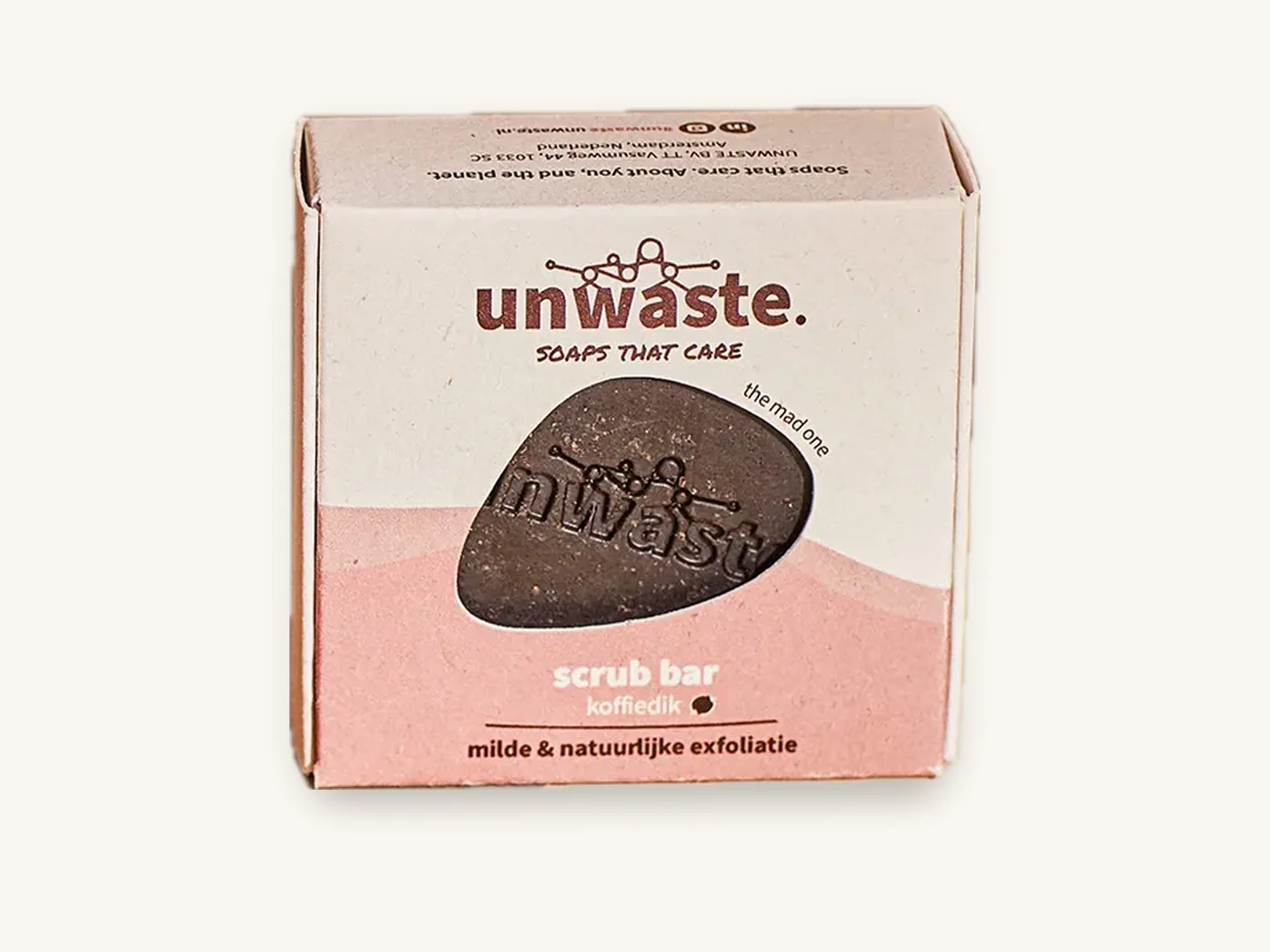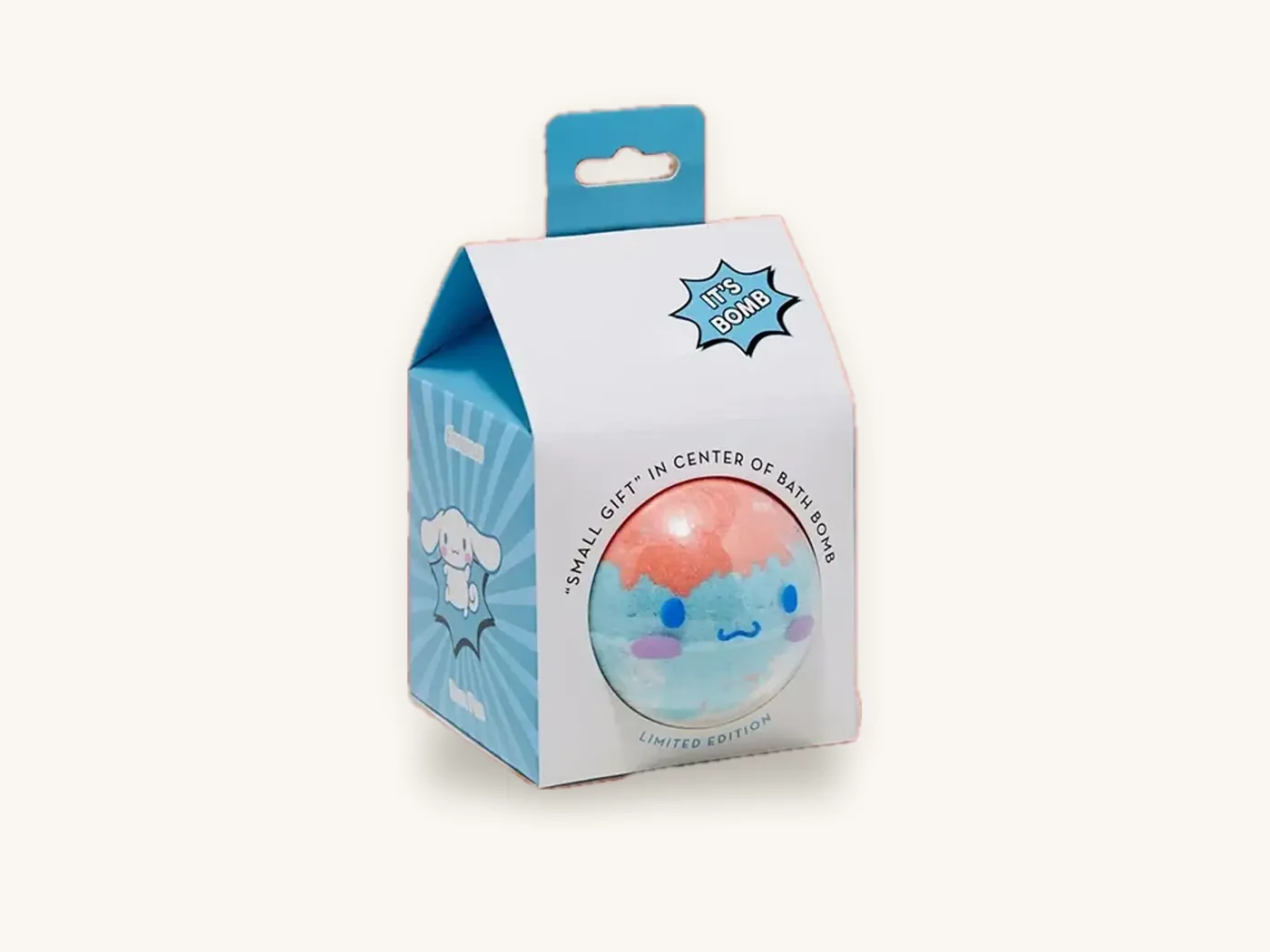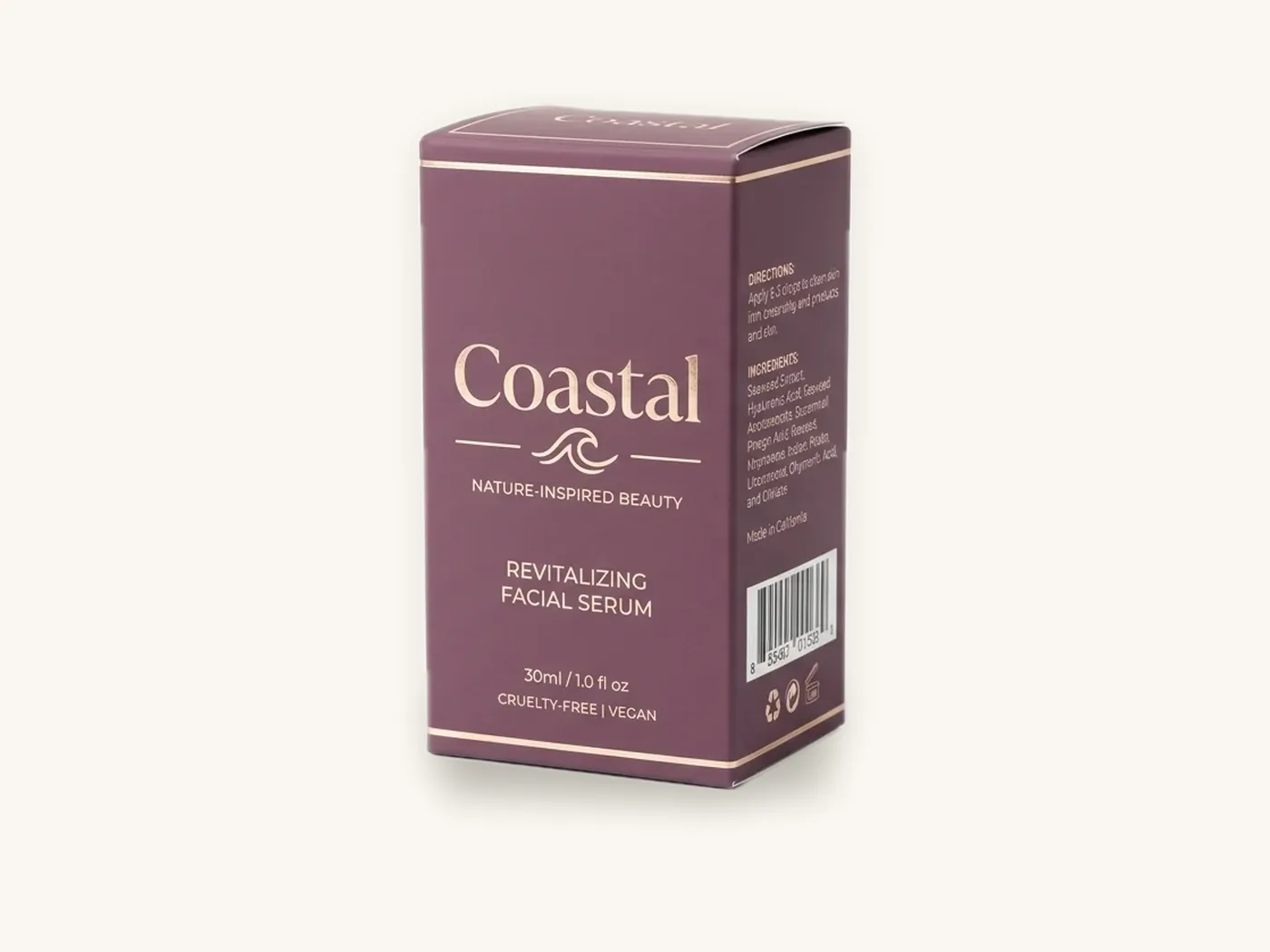
Cosmetic packaging is the set of containers, cartons and shippers that hold, protect and sell a beauty product, and for most brands the part you customize is the printed paperboard carton around the tube, compact, bottle or jar. The right carton depends on the product type, the price point and where it sells: a lipstick needs a slim tuck-end box, a palette suits a sleeve, and a prestige fragrance often moves up to a rigid box.
This guide works through beauty packaging the way a brand manager plans a line: by product category first, then by structure, board and finish, then by the practical problems of matching color across shades, fitting required labeling and keeping costs in check. It closes with specs to send when you order custom cosmetic boxes.
Key takeaways
- Plan cosmetic packaging in three layers: the primary container that touches the formula, the secondary carton that sells it, and the shipper that delivers it.
- Match structure to product: tuck-end cartons for lipsticks, bottles and tubes; sleeves for palettes; drawer or window boxes for lashes; rigid or shoulder-neck boxes for prestige fragrance and sets.
- 18 pt SBS paperboard is the everyday workhorse for beauty cartons; move up to 24 pt, metallic board or rigid greyboard as the price point rises.
- Across a multi-shade line, lock down the board, coating and brand PMS colors once, and approve all SKUs together so the shelf looks like one family.
- Reserve panel space for required labeling before designing the front; US cosmetic labeling is overseen by the FDA.
- A 2.5x2.5x6 in cosmetic carton with soft-touch and foil runs about $1.93 at 100 units and about $0.86 at 1,000, with free US shipping.
The three layers of cosmetic packaging
Beauty brands often say "packaging" and mean different things. Separating the layers makes briefs clearer and quotes more accurate.
| Layer | Examples | Main job | Who usually supplies it |
|---|---|---|---|
| Primary container | Lipstick bullet, compact, airless pump, dropper bottle, jar, tube | Holds the formula; compatibility and dispensing | Component or bottle supplier |
| Secondary carton | Tuck-end box, sleeve, window box, rigid box, insert | Branding, shelf appeal, labeling, protection on shelf | Carton and box manufacturer |
| Shipper and presentation | Mailer box, PR kit, gift box, case pack | Transit protection, unboxing, retail case packing | Box manufacturer |
This guide focuses on the second and third layers, which is where Box Sense works. The primary container still drives every decision: its exact dimensions, weight, closure height and whether it is glass or plastic determine the carton size, board and insert.
Get the component before the carton
Order your final primary components, or at least production-accurate samples, before you finalize a carton dieline. Pump heads, caps and droppers vary slightly between suppliers, and a few millimeters decide whether a carton closes cleanly or bulges.
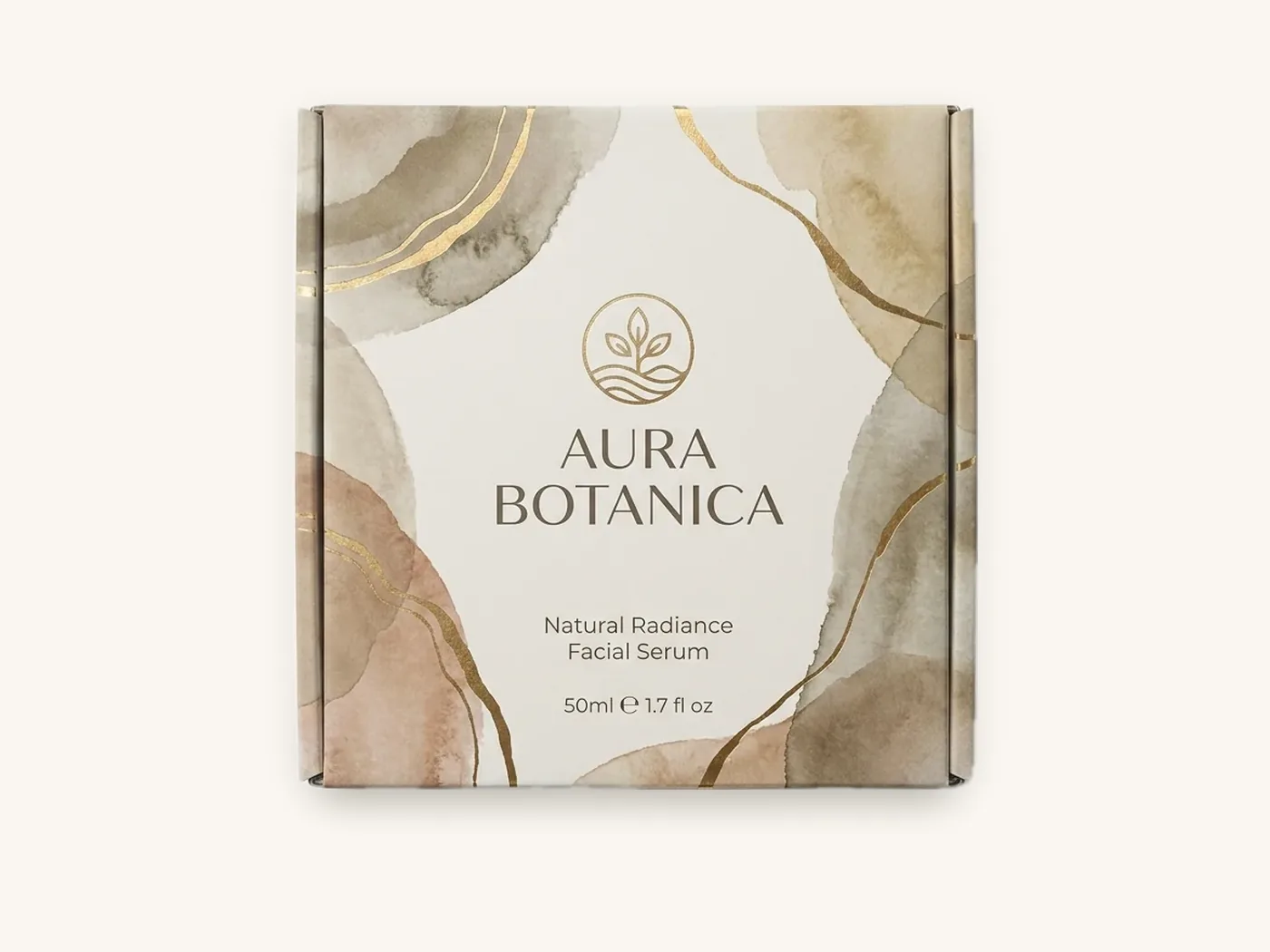
Custom cosmetic boxes by product category
Every beauty category has a structure that tends to work best. Use this matrix as a starting point, then adjust for your price point and channel. Browse the full range on our cosmetics and beauty page.
| Product | Common structure | Typical board | Insert | Notes |
|---|---|---|---|---|
| Lipstick, lip gloss, mascara | Slim straight or reverse tuck end | 14–18 pt SBS, metallic board | Optional collar to stop rattle | Tall, narrow panels; small type sizes |
| Foundation, serum, pump bottles | Straight tuck end or auto lock bottom | 18 pt SBS | Paperboard collar for glass | Heavier glass favors a lock bottom |
| Cream jars | Cube tuck end or auto lock bottom | 18–24 pt SBS | Die-cut ring or platform | Square cartons show large front panels |
| Eyeshadow and blush palettes | Sleeve, sleeve and tray, or thin two-piece | 18–24 pt SBS or rigid | Usually none | Flat format; sleeve slides off |
| Nail polish | Small tuck end or multi-bottle carton | 14–18 pt SBS | Divider for sets | Keep bottles upright |
| False lashes | Window, drawer or magnetic box | SBS or rigid | Plastic-free lash tray option | Product is the visual |
| Fragrance | Tuck end with insert, shoulder-neck or rigid | 18–24 pt SBS or 2 mm greyboard | Bottle cradle | Glass weight and cap shape drive fit |
| Hair extensions and wigs | Long magnetic box or window box | Rigid or SBS | Hanger card or tray | Long, flat format |
| Gift sets and PR kits | Magnetic box or sleeve and tray | Rigid or SBS | Die-cut multi-cavity | Plan cavity layout early |
Lipstick and lip products
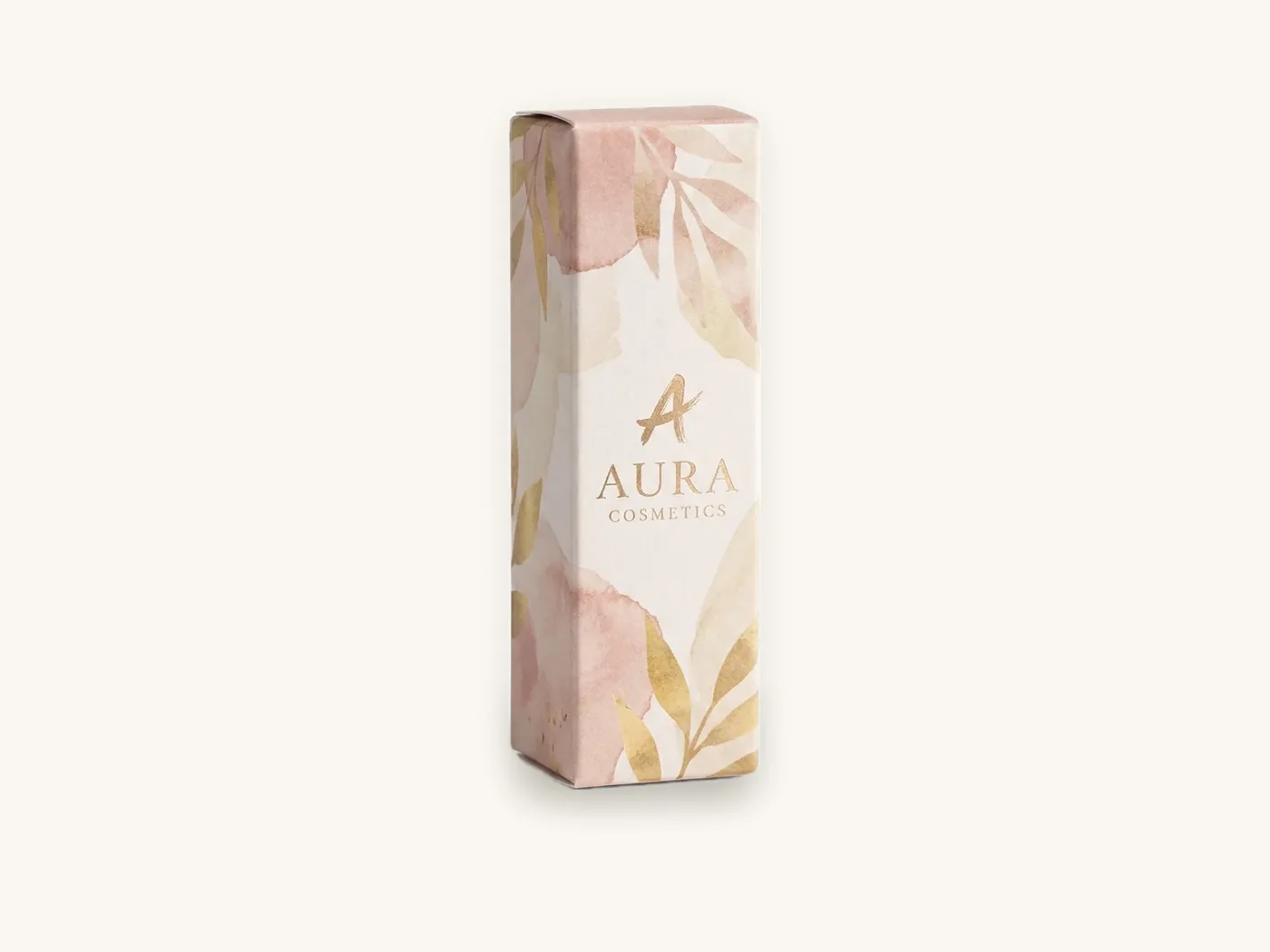
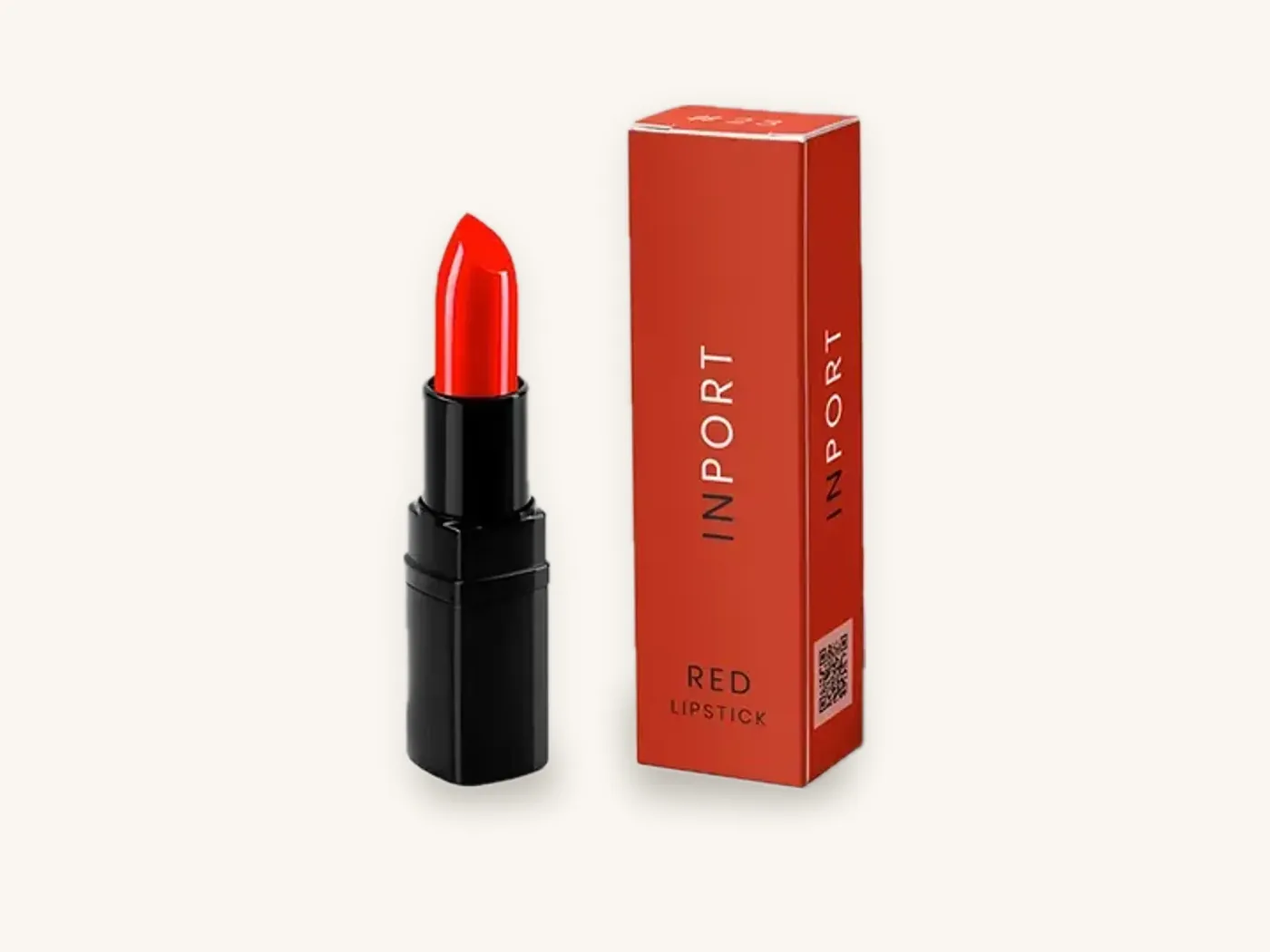
Lipstick boxes are small, so every millimeter of panel counts. A slim tuck-end carton sized just over the bullet keeps the pack tight, and a paperboard collar inside stops the component rattling. Metallic or holographic board adds impact without extra printing; see metallic and holographic board. Our custom lipstick boxes guide covers sizing in more detail.
Palettes and compacts
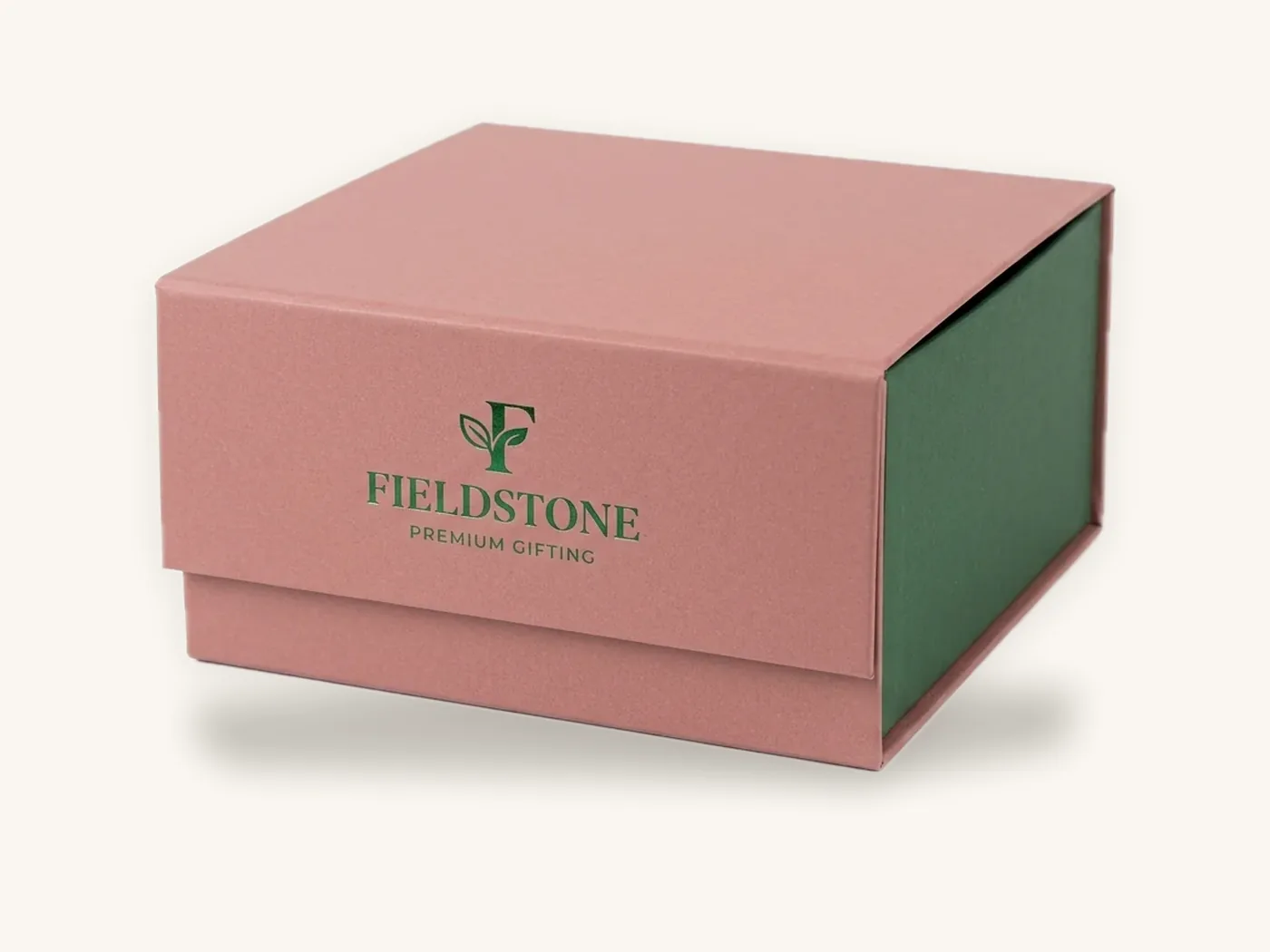
Makeup and palette boxes are usually flat and wide, which suits a printed sleeve over the palette or a sleeve-and-tray carton. Sleeves are inexpensive, give a satisfying slide-off reveal and leave room for a large shade image on the front.
Fragrance
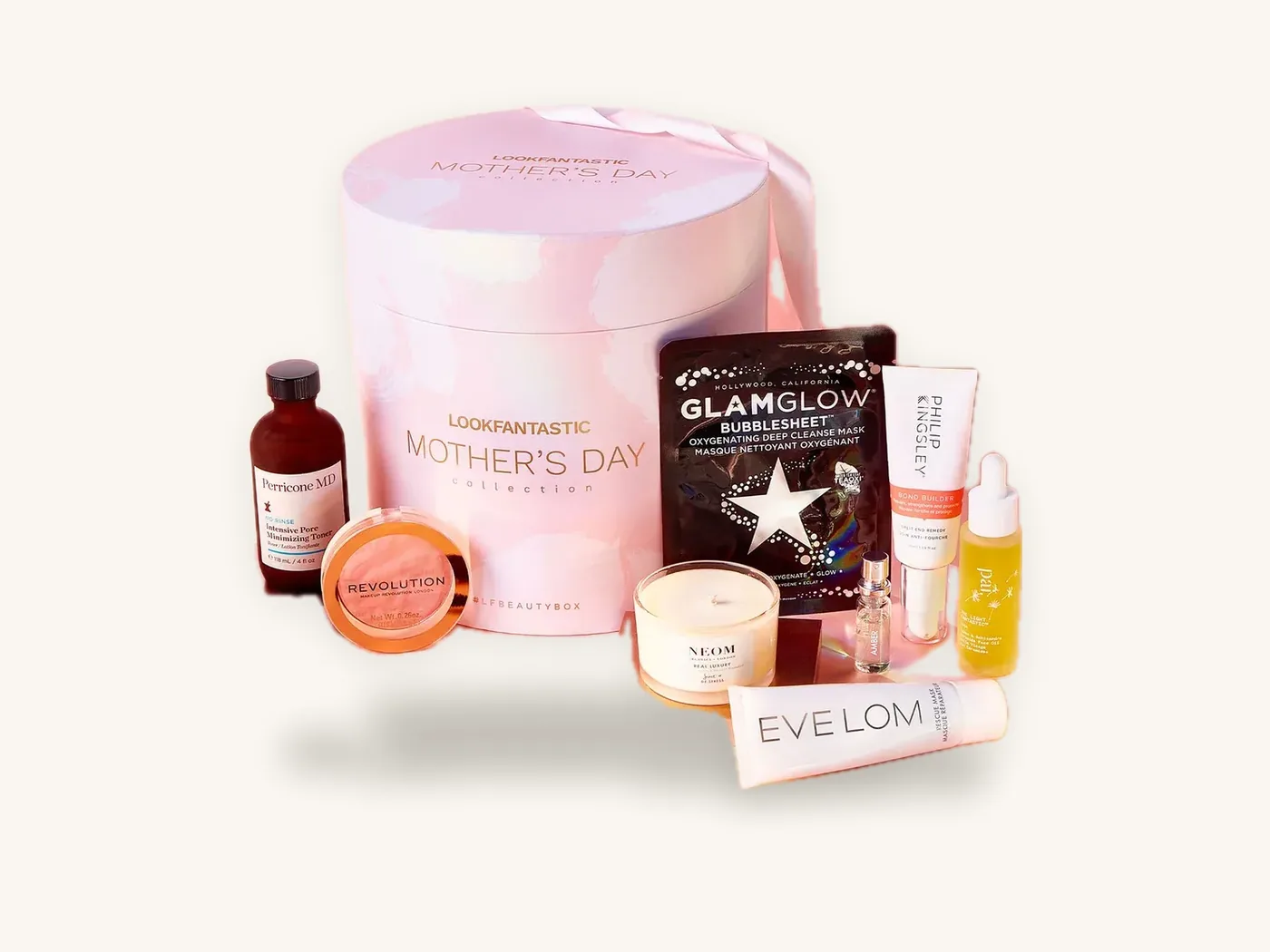
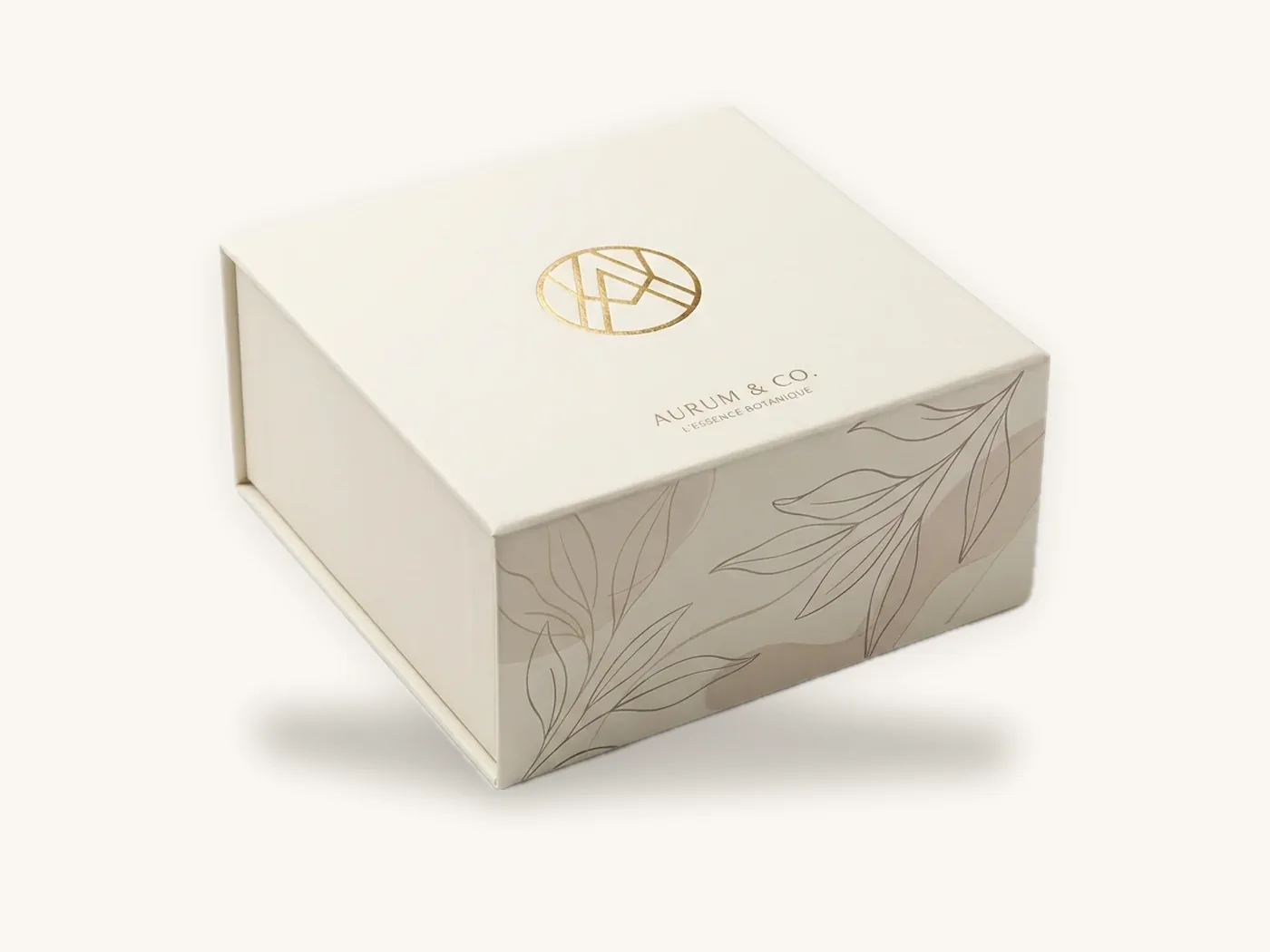
Perfume boxes carry the heaviest components in beauty. A folding carton with a die-cut cradle works well for mass and masstige scents, while shoulder-neck and rigid boxes suit prestige launches. The fragrance and perfume page shows both approaches, and our custom rigid boxes guide explains when greyboard is worth the step up.
Lashes, nails and hair
Eyelash boxes sell on the lash itself, so windows and drawers are common. Nail polish boxes need snug cavities so bottles stay upright in multi-packs. Hair extension boxes are long-format and usually rigid or windowed.
Board and finish choices by price point
Board and finish tell a shopper where the product sits in the market before they read a word. The trick is to spend on the one or two cues your customer will notice, rather than stacking every finish.
| Positioning | Board | Finish | Typical embellishment | |
|---|---|---|---|---|
| Mass and drugstore | 14–18 pt SBS | Full color | Aqueous coating or gloss lamination | None, or spot UV on the logo |
| Masstige | 18 pt SBS | Full color, brand PMS | Matte or soft-touch lamination | Foil logo or spot UV pattern |
| Clean and natural | 18 pt kraft or FSC-certified SBS | One or two colors, soy or water-based inks | Aqueous coating | Blind deboss |
| Prestige | 24 pt SBS or 2 mm rigid greyboard | Full color or minimal type | Soft-touch or textured paper | Foil plus embossing |
| Indie and limited editions | 18 pt SBS or metallic board | Digital full color | Matte | Holographic board instead of foil |
SBS paperboard: the everyday base
Solid bleached sulfate board has a bright white, smooth surface that reproduces skin tones, pastels and gradients accurately, which is why most beauty cartons use it. SBS paperboard at 18 pt is stiff enough for most bottles and tubes; 14 pt suits very small, light items like lip products, and 24 pt adds a noticeably firmer feel for prestige cartons.
Finishes that read as premium
Soft-touch lamination gives a velvety surface and a muted, sophisticated color. Foil stamping draws the eye to a logo or shade name. Embossing adds a tactile logo that shoppers touch. Spot UV creates contrast on a matte base. Each of foil, embossing and spot UV carries one-time tooling, for example about $60 for foil. The printing and finishes page shows samples.
Tip: soft-touch lamination darkens and slightly mutes colors. If your brand relies on a precise pink, nude or pastel, ask for a printed sample on the actual laminated board before approving the full run, and approve color against that, not your screen.
Keeping color consistent across a beauty line
Beauty lines grow sideways: new shades, new sizes, limited editions. Shoppers see them side by side, so small color shifts between cartons look like mistakes.
What causes shade-to-shade drift
- Different boards. White SBS, kraft and metallic board each change how the same ink looks.
- Different finishes. Soft-touch, matte and gloss laminations shift color in different directions.
- Different print methods. Digital and offset printing reproduce CMYK slightly differently, so a reorder that moves from digital to offset can shift.
- CMYK brand colors. Building a signature color from CMYK leaves it open to press variation.
- Separate approvals. Approving SKUs months apart, against different proofs.
How to control it
Specify brand-critical colors as PMS spot colors. Keep the board and finish identical across the family. Approve new SKUs next to a printed sample of an existing one, not only a digital proof. When you scale from a short digital run to a larger offset run, request a printed sample to check color before committing.
Building a SKU family: a planning process
A well-planned carton system saves money on every future launch. Follow this order when you design a line rather than a single box.
- Group products by component size. Bottles, tubes and jars that share dimensions can share a dieline.
- Design one master dieline per size group. Variation comes from print, not structure.
- Create a panel template. Fix the positions of the logo, product name, shade name, net contents, ingredients and barcode so every SKU follows the same layout.
- Choose a variable element for each shade. A color band, swatch or foil accent that changes while everything else stays fixed.
- Lock the board, finish and PMS colors. Record them in a spec sheet you send with every reorder.
- Prototype the largest and smallest SKU. If both work, the sizes between usually do too.
- Approve the whole family together on 3D proofs, then printed samples.
- Plan the shipper. Size a custom mailer box or case pack around the carton, not around the bare product.
Short digital runs make this practical for small brands: you can print 10 or 50 cartons of each shade rather than hundreds of each, and add shades later on the same dieline.
Planning panel space for labeling
A cosmetic carton is not just a canvas. In the US, cosmetics labeling is overseen by the Food and Drug Administration under the Federal Food, Drug, and Cosmetic Act and the Fair Packaging and Labeling Act. In general terms, the outer carton typically needs a statement of identity and net quantity on the front panel, an ingredient declaration, the name and place of business of the responsible company, and any required warnings. The Modernization of Cosmetics Regulation Act of 2022 added further requirements.
Products that make drug-type claims, such as sun protection or acne treatment, are regulated differently and need drug labeling. Rules change, so confirm current requirements with the FDA's cosmetics guidance or regulatory counsel. For a detailed walk-through, read our cosmetic labeling requirements guide.
Practical layout tips
- Put the ingredient list on a side or back panel large enough to keep type legible; small cartons fill up fast.
- Keep a clear area for a batch or lot code if you print it after production.
- Leave a quiet zone around any barcode and keep it off folds.
- Keep text at least 1/8 in inside cut and crease lines.
- If the carton is too small for everything, discuss options such as a larger carton, a fold-out label or an insert with a regulatory advisor.
What custom cosmetic boxes cost
Carton price depends on size, board, print coverage, finishes, inserts and quantity. The table shows indicative Box Sense prices for common beauty specs, with free US shipping included.
| Spec | 100 | 500 | 1,000 | 5,000 |
|---|---|---|---|---|
| Reverse tuck end carton, 14 pt SBS, 2x2x6 in, full color, gloss lamination | about $1.17 | about $0.63 | about $0.52 | about $0.37 |
| Cosmetic carton, 18 pt SBS, 2.5x2.5x6 in, full color, soft-touch + foil | about $1.93 | about $1.03 | about $0.86 | about $0.61 |
| Rigid magnetic box, 2 mm, 10x8x3 in, soft-touch, foil, insert | about $14.23 | about $7.59 | about $6.32 | about $4.49 |
| Mailer box, E-flute, 8x6x3 in, full color outside | about $2.64 | about $1.41 | about $1.17 | about $0.83 |
The gap between the first two rows is the cost of soft-touch, foil and a slightly larger, heavier carton. The rigid magnetic box shows why brands save rigid boxes for sets, PR kits and hero launches. Use the instant price estimator for your spec.
Where beauty brands overspend
- Stacking foil, embossing and spot UV on a carton that is seen for seconds.
- Using a rigid box where a sleeve and tray would give a similar reveal.
- Ordering many shades at once in large quantities before sell-through is known.
- Oversized cartons with loose fill instead of a snug carton or collar.
Sustainable beauty packaging choices
Beauty packaging often mixes materials, which makes recycling harder. Paperboard cartons are generally recyclable, and a few choices keep them that way: aqueous coating instead of plastic lamination where the look allows, paper-based inserts instead of plastic trays, and compostable PLA windows instead of PET where a window is needed. FSC-certified board and soy or water-based inks are also available.
Environmental claims on packaging need care. In the US, the FTC's Green Guides explain how claims like "recyclable" should be qualified, so review current guidance before printing one. Our sustainability page explains the material options.
How to order custom cosmetic boxes from Box Sense
We print, cut, glue and finish beauty cartons and rigid boxes in our own facility. Send what you have; our team will fill gaps and recommend structures.
Specs to send
- Primary component dimensions and weight, ideally a physical sample or a drawing with cap and pump
- Structure preference by SKU, or a request for recommendations
- Board and finish: SBS caliper, soft-touch, matte, gloss, foil, embossing, spot UV
- Brand PMS colors and whether shades need individual print variations
- Number of SKUs and quantity per SKU
- Any insert needs, such as a collar, cradle or multi-cavity tray
- Target in-hand date and ship-to address
- Artwork files, or a request for help from our design services team
Proofing, samples and timeline
We confirm quotes within 24 hours. Free design support includes dielines, artwork setup and a 3D digital proof with two revision rounds. Unprinted structural samples are free, and a printed sample of approved artwork is free on orders of 100 or more, which is especially useful for checking soft-touch colors; see samples. The minimum order is 10 boxes, with no die or plate charges; foil, embossing, spot UV and custom inserts carry one-time tooling. Standard production takes 8–12 business days after proof approval, and rush production takes 5 business days on most paperboard styles. Shipping is free on every US order.
Frequently asked questions
What is the best material for cosmetic boxes?
For most cosmetic boxes, 18 pt SBS paperboard is the best balance of print quality, stiffness and cost. Its bright white surface reproduces skin tones and pastels accurately. Use 14 pt for very small, light items like lipsticks, 24 pt for a firmer prestige feel, kraft board for a natural look, and rigid greyboard for gift sets and luxury launches.
How much do custom cosmetic boxes cost?
It depends on size, board, finishes and quantity. As a reference, an 18 pt SBS cosmetic carton at 2.5x2.5x6 in, printed full color with soft-touch lamination and foil, is about $1.93 per box at 100 units and about $0.86 at 1,000, with US shipping included. Foil and other embellishments add one-time tooling. Use the pricing estimator for your spec.
Can I order small quantities of cosmetic packaging?
Yes. Box Sense produces custom cosmetic boxes from a minimum of 10 boxes. Short runs are printed digitally without plates, which suits indie brands, product launches, PR samples and testing several shades before committing to larger runs. Unit prices drop as quantity rises, so compare a few quantity tiers when planning reorders.
What finishes make cosmetic packaging look premium?
Soft-touch lamination, foil stamping and embossing are the most effective premium cues in beauty packaging. Soft-touch adds a velvety feel, foil highlights the logo or shade name, and embossing adds a tactile detail. Spot UV on a matte base creates contrast. Choose one or two cues rather than all of them, since stacked finishes add cost without much extra impact.
What information has to be on a cosmetic box in the US?
In general, US cosmetic cartons typically carry a statement of identity, net quantity, an ingredient list, the responsible company's name and place of business, and any required warnings. The FDA oversees cosmetic labeling, and recent legislation added requirements. Products with drug claims follow different rules. Confirm current requirements with the FDA or regulatory counsel before printing.
How do I keep colors consistent across different shades?
Specify brand colors as PMS spot colors, keep the same board and finish across every carton, and approve all shades together on printed samples rather than screen proofs alone. Watch for shifts when moving from digital to offset printing or when changing lamination. Record the full spec so every reorder uses the same materials and color targets.
Should I use a rigid box or a folding carton for makeup?
Use a folding carton for individual makeup products sold at retail or online; it is lighter, cheaper and prints finely. Choose a rigid or magnetic box for gift sets, PR kits and prestige launches where the box is kept. A sleeve and tray carton is a good middle ground that gives a drawer-like reveal at paperboard cost.
Are cosmetic boxes recyclable?
Paperboard cosmetic boxes are generally recyclable, especially with aqueous coating, paper inserts and no plastic parts. Plastic laminations, PET windows and foam inserts can complicate recycling. FSC-certified board, soy or water-based inks and PLA windows are available. If you print a recyclability claim, follow FTC guidance and check local program acceptance.
Next steps
List your SKUs with component dimensions, choose a structure for each from the category matrix, and price your spec in the cosmetic packaging estimator. When you are ready, request a quote for custom cosmetic boxes and we will confirm pricing within 24 hours and prepare dielines and 3D proofs. For product-level detail, see cosmetic boxes, skincare boxes and our skincare packaging guide.
Boxes in this guide
Order the packaging we covered
Written by the Box Sense Packaging Team
Our structural designers, prepress technicians and production staff print and convert custom boxes every day for brands in the United States, United Kingdom and UAE. Questions about this guide? Talk to us.