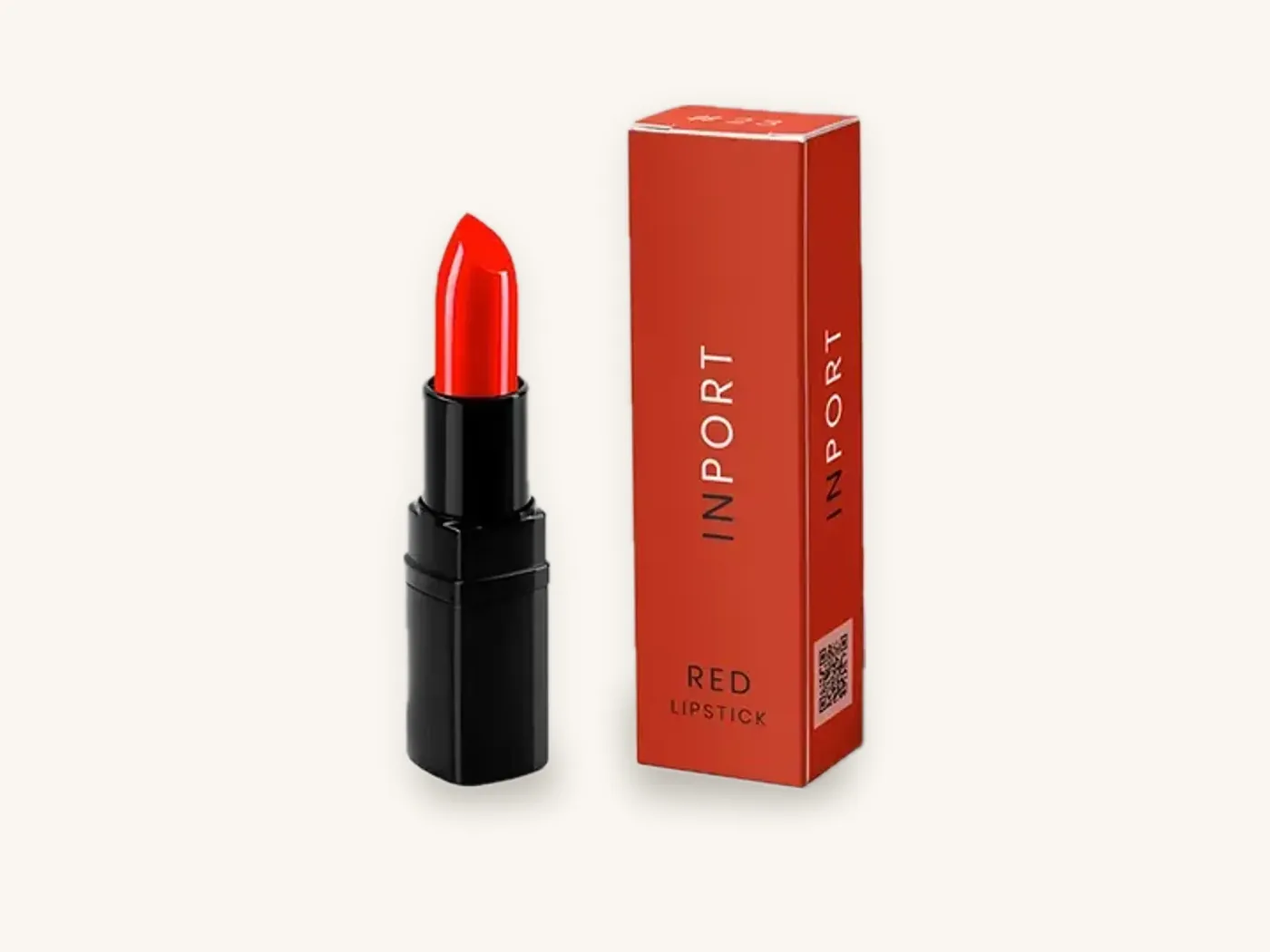
Good skincare packaging does two jobs at once: it protects a formula that can be sensitive to light, air and handling, and it convinces a skeptical shopper that what is inside is safe, honest and worth the price. For most brands that means a snug paperboard carton around the bottle, pump or jar, with a clear ingredient panel, restrained design and claims you can actually support.
Skincare buyers tend to read the box closely. They turn the carton over, look for the ingredient list, check the size and scan for words like "fragrance-free" or "dermatologist tested". This guide is built around that moment of scrutiny: which skincare boxes suit each container, how to size serum box packaging, how to handle claims and labeling, how the carton protects the formula, and what it all costs.
Key takeaways
- Shoppers judge skincare on legibility, restraint and proof: a readable ingredient panel and specific claims build more trust than heavy decoration.
- Match the carton to the container: tuck-end cartons for dropper bottles and tubes, auto lock bottoms for heavy glass jars, and inserts or collars wherever glass can move.
- An opaque carton helps shield light-sensitive formulas on the shelf, and a tamper-evident seal reassures buyers the product is untouched.
- Every claim on the box needs support. Wording that suggests treating a condition can change how a product is regulated in the US, so keep claims specific and check them with a regulatory advisor.
- Plan the information panel before the front panel; skincare cartons run out of space faster than you expect.
- A 2x2x6 in reverse tuck end carton in 14 pt SBS with gloss lamination is about $0.52 each at 1,000 units, with free US shipping.
What shoppers check on a skincare box before they buy
Before choosing structures and finishes, think about the questions the carton has to answer in a few seconds of handling. Each question points to a design decision.
- What is it and what does it do? A clear product name and a plain description of the product type, such as "hydrating serum" or "night cream", on the front panel.
- What is in it? A full, legible ingredient list. Skincare shoppers often look for specific actives or avoid specific ingredients.
- How much is in it? Net contents, easy to find.
- Is it for my skin? Skin type, key benefits and any cautions, stated specifically.
- Is it fresh and untouched? A batch code, an expiration date or period-after-opening mark where relevant, and a sealed carton.
- Who makes it? Company name and contact details, which signal accountability.
A box that answers these quickly feels trustworthy. A box that hides them behind decoration, or makes vague promises, invites doubt.
Skincare boxes by container type
The container decides the carton. The table below pairs the common skincare containers with the structure, insert and board that usually fit best. See our skincare boxes and lotion and cream boxes for examples.
| Container | Carton structure | Board | Insert or fit detail | Why |
|---|---|---|---|---|
| Glass dropper bottle (serum, oil) | Straight or reverse tuck end | 18 pt SBS | Collar or neck holder | Tall and narrow; glass must not rattle |
| Airless pump bottle | Straight tuck end | 18 pt SBS | Tight fit around the pump head | Pump heads snag loose cartons |
| Glass jar (cream, mask) | Auto lock bottom | 18–24 pt SBS | Platform or ring insert | Weight can push a tuck bottom open |
| Plastic jar | Tuck end, cube format | 18 pt SBS | Usually none | Lighter; square panels suit large ingredient lists |
| Squeeze tube (cleanser, SPF) | Reverse tuck end or seal end | 14–18 pt SBS | None; size to the crimp end | Long, light and flat |
| Ampoule or vial set | Sleeve and tray or two-piece | 18–24 pt SBS or rigid | Multi-cavity die-cut tray | Small glass pieces need separation |
| Sheet masks | Window or dispenser carton | 14–18 pt SBS | None | Sold in multiples; sachets show through or dispense |
| Regimen kit (3–5 items) | Magnetic box or mailer with insert | Rigid or E-flute | Multi-cavity insert | Keeps a ritual in order |
Dropper bottles and serum box packaging
Dropper bottles are the most common skincare container and the easiest to get wrong. The bulb and collar make the top wider than the bottle neck, and glass is heavy relative to its size, so a loose carton lets the bottle knock against the tuck flaps and crease them from inside.
Size the carton around the widest point, including the bulb, and add a paperboard neck holder or collar that grips the bottle below the dropper. This keeps the bottle centered and protects the bulb when the carton is squeezed on the shelf.
Jars and heavy containers
A glass cream jar is often heavier than the cream inside it. An auto lock bottom box has a pre-glued base that locks into place when the carton is opened, so the base will not give way when a shopper lifts the box. Add a raised platform insert if the jar is short, so it sits near the top opening and is easy to remove.
Tubes and pumps
Tubes are light and forgiving; a simple tuck end or seal end carton works, sized to the crimped end. Airless pumps need a tight fit around the actuator so the head is not pressed during shipping, which can dispense product inside the carton.
How to size a serum box: a worked example
Carton dimensions are given as length x width x depth, measured inside. For a tall bottle carton, length and width are the footprint and depth is the height.
- Measure the filled, capped bottle. Include the dropper bulb or pump head in its shipping position.
- Find the widest point. On dropper bottles, it is often the collar or bulb, not the shoulder of the bottle.
- Add clearance. Roughly 1/16 to 1/8 in on the footprint lets the bottle slide in without forcing.
- Add height clearance. A little extra on depth so the tuck flap closes flat.
- Account for the insert. A neck holder or collar adds board thickness where it touches; size the carton and insert together.
- Check panel space. Confirm the side and back panels fit your ingredient list at a legible size.
- Order a structural sample. Fit the real bottle, close the carton and shake it gently. It should not rattle.
Say your 30 ml glass dropper bottle measures 1.4 in across at the widest point and 4.3 in tall with the dropper. A 1.5x1.5x4.5 in internal carton gives about 1/10 in of clearance on the footprint and room for the flap to close. Add a collar insert and the bottle stays centered. For a larger 50 ml bottle or a pump, the 2x2x6 in format in the price table later in this guide is a common starting point.
Watch out: a carton that fits the bottle perfectly in a sample can still be tight on a production run if the bottle supplier changes the dropper or cap. Confirm component specs in writing and re-check fit whenever a component changes.
Claims on skincare packaging: what to print and what to prove
Claims are where trust is won or lost. Vague wording invites doubt, and US regulators pay attention to what packaging promises. Nothing here is legal advice; treat it as a map of the questions to raise with a regulatory advisor.
Cosmetic claims versus drug claims
In the US, the FDA generally treats a product intended to cleanse, beautify or change appearance as a cosmetic. A product intended to treat or prevent a disease, or to affect the structure or function of the body, may be regulated as a drug. Claims such as sun protection, acne treatment or reversing damage can move a product into drug territory, which brings different labeling and approval requirements. The words on the box are part of how that intended use is judged.
Common claim types and how to handle them
| Claim type | Examples | What to consider | Who oversees in the US |
|---|---|---|---|
| Appearance claims | "Visibly smoother", "brighter-looking skin" | Keep to appearance; support with testing where you cite results | FDA (intended use), FTC (advertising truth) |
| Treatment claims | "Treats acne", "SPF 30", "repairs skin barrier" | May indicate a drug; confirm classification first | FDA |
| Testing claims | "Dermatologist tested", "clinically shown" | Keep records of the testing; say what was tested | FTC |
| Free-from claims | "Fragrance-free", "paraben-free" | Must match the formula exactly | FTC, FDA |
| Undefined terms | "Clean", "natural", "hypoallergenic", "non-comedogenic" | Terms like "hypoallergenic" have no federal standard definition; qualify or explain | FDA, FTC |
| Ethical claims | "Cruelty-free", "vegan" | Be ready to document supply chain; third-party program marks have their own rules | FTC, program owner |
| Environmental claims | "Recyclable", "plastic-free packaging" | Qualify under the FTC Green Guides; check local recycling acceptance | FTC |
Writing claims that build trust
Specific beats superlative. "Fragrance-free, with 2% niacinamide" tells a shopper something concrete; "the ultimate miracle serum" tells them nothing and draws scrutiny. State results the way they were measured, avoid implying medical outcomes, and keep claim wording identical across the carton, the website and marketplace listings.
Labeling on the carton: a high-level map
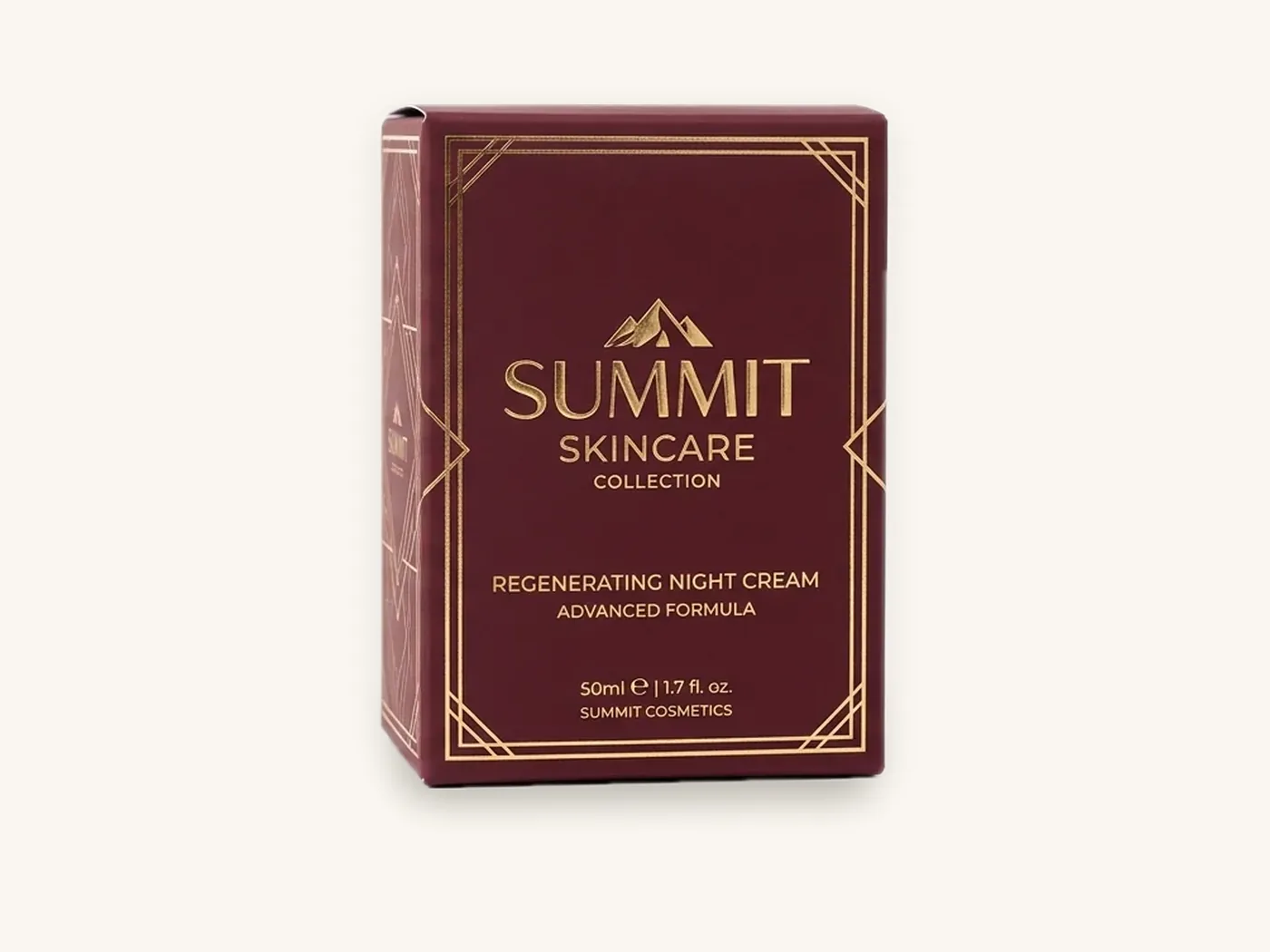
When a skincare product comes in an outer carton, the required label information generally needs to appear on that carton, not only on the bottle inside. In broad terms, US cosmetics labeling under FDA oversight covers a statement of identity and net contents on the principal display panel, an ingredient declaration, the name and place of business of the manufacturer, packer or distributor, directions and warnings where needed. The Modernization of Cosmetics Regulation Act of 2022 added requirements, and products regulated as drugs follow a separate format.
Requirements change and details matter, so check the FDA's cosmetics resources and a regulatory advisor before you print. Our cosmetic labeling requirements guide walks through the panels in more detail. If you also sell in the UK, remember the rules there differ; many UK and EU packs carry a period-after-opening symbol, which is common on US packs too.
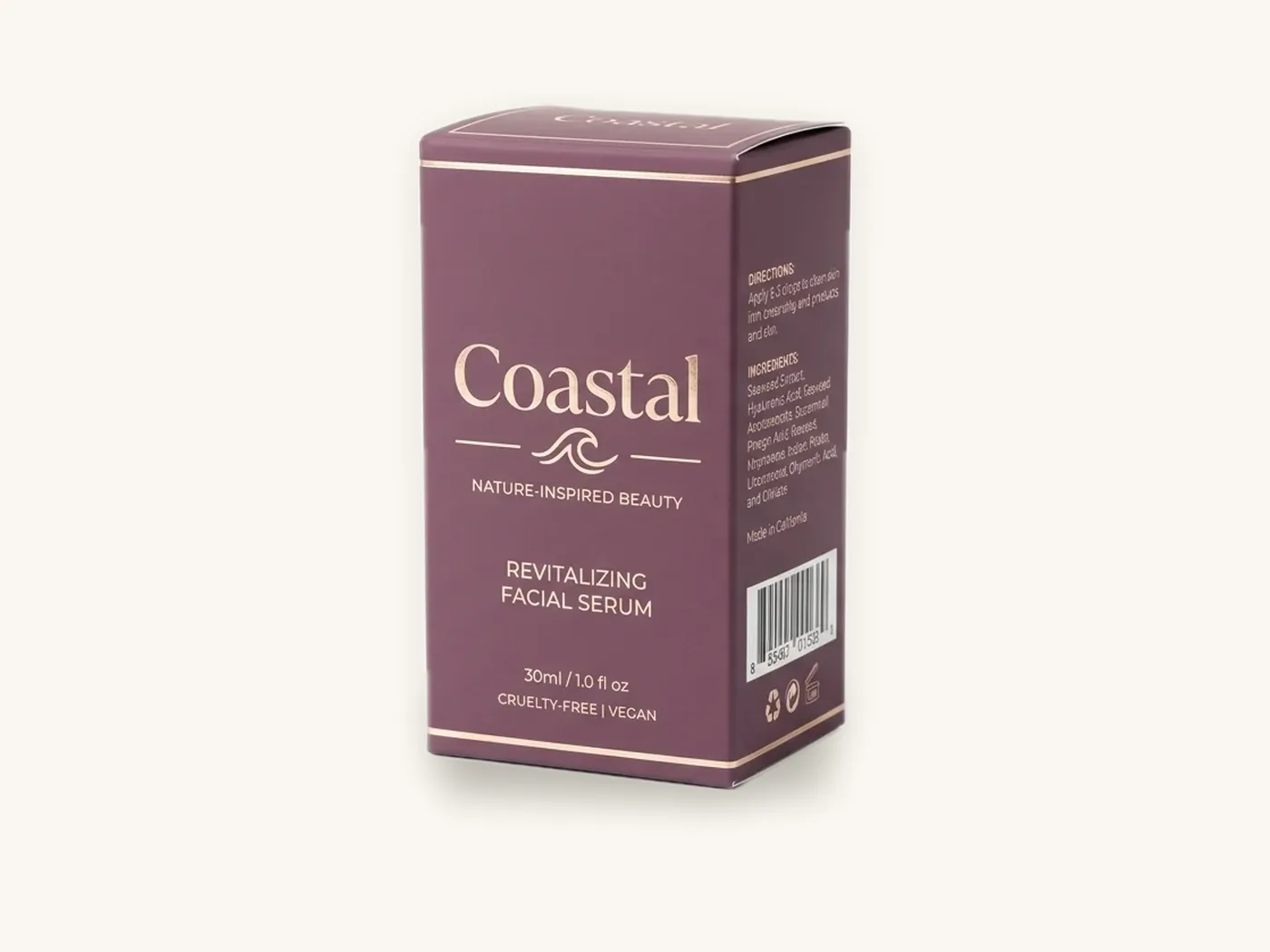
Panel planning on a small carton
- Assign each panel a job before designing: front for identity and size, one side for key claims and directions, the back for ingredients and company details.
- Keep ingredient type legible; if it does not fit, the carton may be too small.
- Leave a clear area for a batch code and expiration date printed or stamped after production.
- Keep text 1/8 in inside all cut and fold lines, and barcodes off the folds.
- For extra information, consider a folded leaflet or a printed insert, and check with your advisor whether that satisfies the requirement.
Protecting the formula: light, air, tampering and transit
A carton is not an airtight barrier, but it still protects skincare in ways shoppers notice.
Light
Many active ingredients are sensitive to light. The primary container does most of the work, which is why amber and opaque bottles are common, but an opaque paperboard carton keeps light off the bottle while it sits in a store or bathroom cabinet. If you use a window, keep it small or place it where it shows the carton design rather than the formula.
Tamper evidence
A skincare product goes on the face, so buyers want to know nobody has opened it. Options include a printed seal label across the tuck flap, a glued seal end carton, a tear strip, or shrink film around the carton. Our custom labels and stickers work well as seal labels that match your artwork. Tamper-evident features signal care; they do not replace any specific regulatory requirement.
Transit and inserts
Glass bottles and jars are the most common skincare breakage. Paperboard collars, platforms and multi-cavity box inserts keep components still. For direct shipping, put the carton inside a snug corrugated mailer rather than relying on the carton alone.
Design language that reads as credible
Skincare trust has a visual vocabulary. The right one depends on how your brand positions itself, but restraint is common to all of them.
| Brand position | Board | Finish | Color and type | What to avoid |
|---|---|---|---|---|
| Clinical or dermatological | Bright white 18 pt SBS | Matte lamination or aqueous coating | Lots of white space, one accent color, clear sans-serif | Glitter, heavy foil, crowded claims |
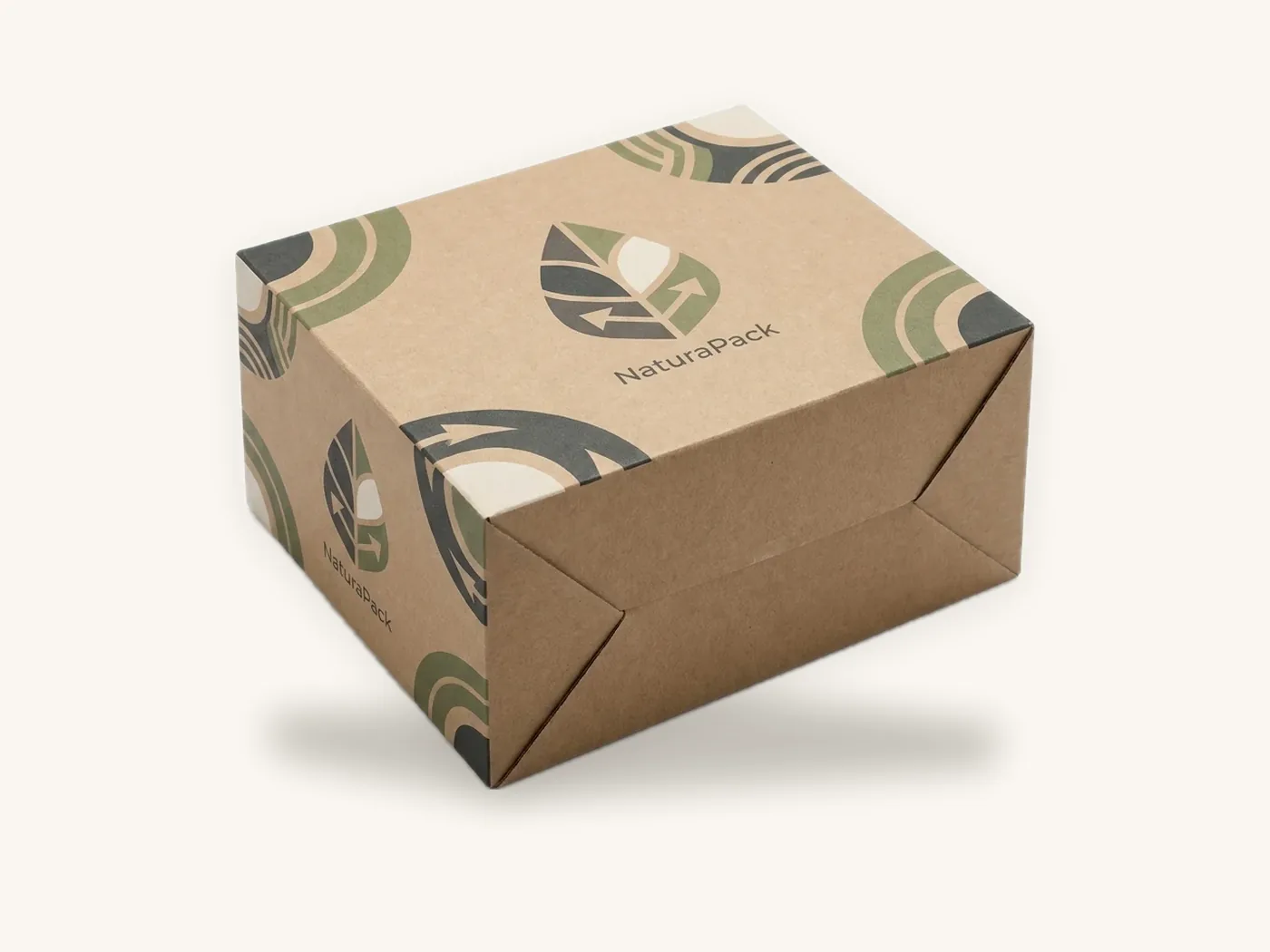
| Botanical or natural | Kraft or FSC-certified SBS | Aqueous coating, uncoated look | Earthy tones, simple illustration, soy or water-based inks | Unqualified "natural" or "eco" claims |
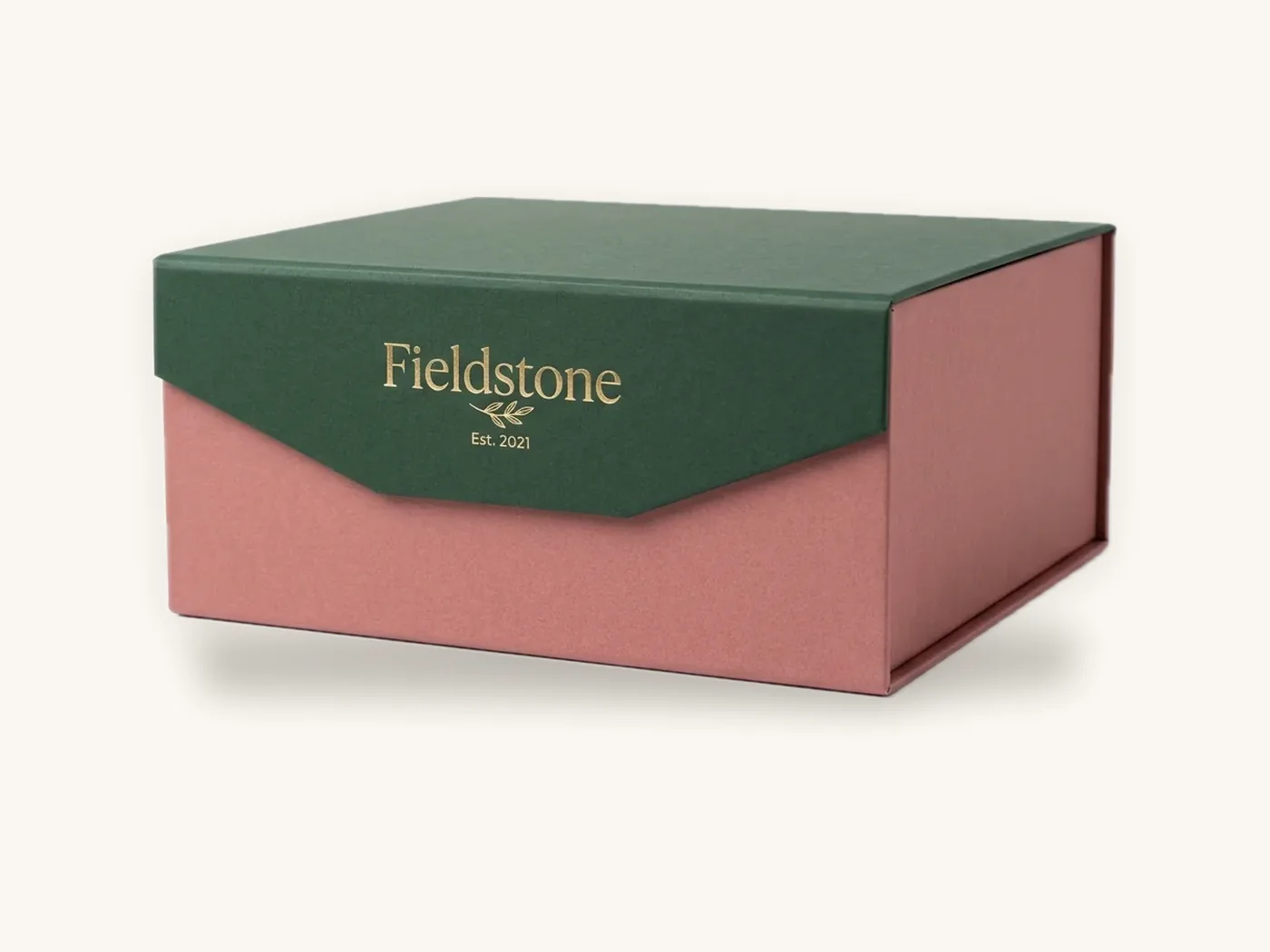
| Luxury skincare | 24 pt SBS or rigid | Soft-touch with foil or deboss | Deep tones, restrained serif type | Too many finishes on one pack |
| Accessible everyday | 14–18 pt SBS | Gloss or matte | Bright color coding by skin concern | Small ingredient type |
Typography that respects the reader
Ingredient lists and directions are read, not glanced at. Choose a typeface that stays readable at small sizes, avoid light weights on colored backgrounds, and keep enough contrast. Reversed white type on a dark carton looks elegant on the front but is harder to read in a long ingredient list.
Finishes with a purpose
Matte lamination and aqueous coatings suit clinical and natural positions. Soft-touch adds a premium feel but mutes colors, so approve it on a printed sample. Foil works as a single accent on a logo. The printing and finishes page and SBS paperboard page show how each looks.
Regimen sets, minis and refills
Skincare is often sold as a routine, and packaging can make the routine easier to follow.
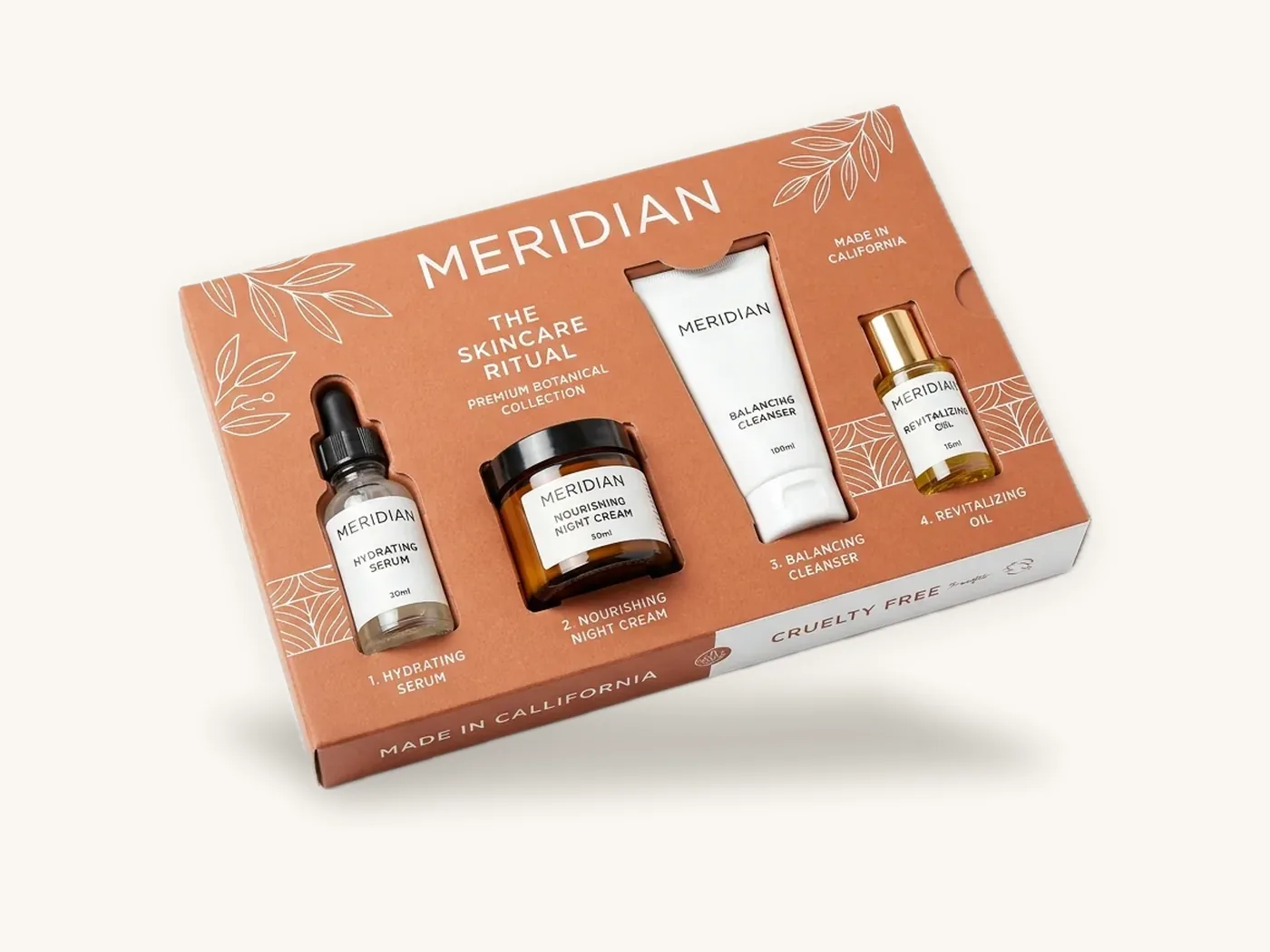
- Regimen kits. A sleeve and tray or magnetic box with a multi-cavity insert, numbered by step, turns three products into a clear ritual.
- Discovery and mini sets. Small cartons or a single tray with deluxe samples, often shipped in a small mailer for trial offers.
- Subscription replenishment. A branded mailer that fits one or two full-size cartons; see subscription boxes.
- Refills. A simple, lower-cost carton or sleeve for refill pods signals that the refill is the sustainable choice, not the lesser one.
For broader beauty lines, including makeup and fragrance, our cosmetic packaging guide covers structure choices by category. Brands with bath products alongside skincare may also find the bath bomb packaging guide useful.
What skincare boxes cost
Skincare cartons are usually small, so quantity, finishes and inserts drive the unit price more than board. These indicative Box Sense prices include free US shipping.
| Spec | 100 | 250 | 1,000 | 5,000 |
|---|---|---|---|---|
| Reverse tuck end carton, 14 pt SBS, 2x2x6 in, full color, gloss lamination | about $1.17 | about $0.83 | about $0.52 | about $0.37 |
| Straight tuck end carton, 18 pt SBS, 3x2x5 in, full color, aqueous | about $1.15 | about $0.82 | about $0.51 | about $0.36 |
| Cosmetic carton, 18 pt SBS, 2.5x2.5x6 in, full color, soft-touch + foil | about $1.93 | about $1.37 | about $0.86 | about $0.61 |
| Kraft tuck carton, 18 pt kraft, 4x3x2 in, 1-color print | about $0.81 | about $0.57 | about $0.36 | about $0.25 |
A custom insert die carries a one-time charge of about $45, and foil tooling about $60. There are no die or plate charges for the carton itself. Price your exact size and finish in the instant price estimator.
Pre-print checklist for skincare cartons
Run through this list before approving the final proof.
- The carton was fitted with the final bottle, jar or pump from production, not an early sample
- The bottle does not rattle, and the tuck flap closes flat
- Heavy glass sits on an auto lock bottom or has an insert
- The product identity and net contents are easy to find on the front panel
- The ingredient list is legible at printed size, with good contrast
- Every claim matches the formula and has documentation behind it
- Drug-type claims have been reviewed by a regulatory advisor
- Space is reserved for a batch code and any expiration or period-after-opening mark
- Barcode is clear of folds with a quiet zone around it
- Colors were checked on a printed sample if you use soft-touch or a brand PMS
- Environmental claims are qualified and accurate
- The shipper or mailer is sized around the carton
How to order skincare boxes from Box Sense
We print and convert paperboard cartons, inserts and mailers in our own facility. Send what you have and our team will help with structure, sizing and artwork setup.
What to send
- The filled container, or its exact dimensions and weight including dropper, pump or cap
- Preferred structure, or a request for a recommendation
- Board and finish preferences
- Insert needs: collar, platform or multi-cavity tray
- Number of SKUs and quantities per SKU
- Artwork files, or a request for help from our design services team
- Target in-hand date and ship-to address
What happens next
We confirm quotes within 24 hours. Free design support includes the dieline, artwork setup and a 3D digital proof with two revision rounds. Unprinted structural samples are free, so you can test the fit with your bottle, and a printed sample of approved artwork is free on orders of 100 or more; see samples. The minimum order is 10 boxes. Standard production takes 8–12 business days after proof approval, with rush production in 5 business days on most paperboard styles. Shipping is free on every US order, and defective boxes reported within 14 days are reprinted free. More options for beauty and wellness brands are on our cosmetics and beauty and health and wellness pages, and cosmetic boxes show more finish combinations.
Frequently asked questions
What is the best box for a serum bottle?
A straight or reverse tuck end carton in 18 pt SBS paperboard, sized just over the widest point of the bottle and dropper, suits most serum bottles. Add a paperboard collar or neck holder so the glass bottle stays centered and does not rattle. For heavier glass, an auto lock bottom adds security. Test the fit with the final bottle before printing.
What size box do I need for a 30 ml dropper bottle?
Measure the filled, capped bottle at its widest point, often the dropper collar, and its full height. Add roughly 1/16 to 1/8 in on the footprint and a little on height. As a hypothetical example, a bottle 1.4 in across and 4.3 in tall fits a 1.5x1.5x4.5 in internal carton. Always confirm with a structural sample.
Does skincare packaging need an ingredient list on the outer box?
In the US, when a cosmetic is sold in an outer carton, the required labeling, including the ingredient declaration, generally needs to appear on that carton so shoppers can read it before buying. Products regulated as drugs follow a different format. Rules change, so confirm current requirements with the FDA or a regulatory advisor before printing.
Can I print "dermatologist tested" or "hypoallergenic" on my box?
You can print claims you can substantiate, but they need care. Keep records of the testing behind "dermatologist tested" and describe it accurately. "Hypoallergenic" has no federal standard definition in the US, so it can mislead if not explained. Review testing and wording with a regulatory advisor, and keep claims consistent across packaging, website and listings.
How do I make skincare packaging look premium without overspending?
Pick one or two cues and execute them well. A bright white carton with matte lamination and a single foil logo reads as premium, as does soft-touch with a blind deboss. Generous white space and good typography cost nothing extra. Avoid stacking foil, embossing and spot UV on a small carton, since each adds tooling and the extra impact is minimal.
Are skincare boxes recyclable?
Paperboard skincare boxes are generally recyclable, especially with aqueous coating, paper inserts and no plastic windows or foam. Soft-touch and gloss laminations add a plastic layer, which some programs handle differently. FSC-certified board and soy or water-based inks are available. If you print a recyclability claim, qualify it under FTC guidance and check local acceptance.
What is the minimum order for custom skincare boxes?
Box Sense makes custom skincare boxes from a minimum of 10 boxes. Short runs are printed digitally without plates, which suits new launches, sample kits and brands testing several SKUs. Unit prices fall as quantity rises, so compare quantity tiers in the estimator. Unprinted structural samples are free, which helps confirm bottle fit before ordering.
Next steps
Measure your final containers, decide which claims your testing supports and map your panels, then price your cartons in the skincare box price estimator. When you are ready, request a quote and we will confirm pricing within 24 hours, supply a dieline sized to your bottle and send a free structural sample to test the fit.
Boxes in this guide
Order the packaging we covered
Written by the Box Sense Packaging Team
Our structural designers, prepress technicians and production staff print and convert custom boxes every day for brands in the United States, United Kingdom and UAE. Questions about this guide? Talk to us.