Toy packaging warning labels in the US come from a handful of federal rules: the small-parts choking hazard statements in 16 CFR 1500.19, the tracking label requirement added by the Consumer Product Safety Improvement Act (CPSIA), and the labeling provisions inside ASTM F963, the mandatory toy safety standard enforced by the Consumer Product Safety Commission (CPSC). Which ones apply depends on the toy's intended age, what it contains and how it is sold.
The packaging is where most of these statements live, so the box has to be designed around them rather than having them squeezed in at the end. This guide explains what each label is for, what triggers it, where it belongs on the carton, and how to build a workflow that keeps artwork, testing and certificates in step. It is general information, not legal advice: confirm your specific product with the CPSC and a CPSC-accepted testing laboratory before you print.
Key takeaways
- Toys and games intended for children aged 3 to under 6 that contain small parts generally need a choking hazard warning on the principal display panel of the package, in a specific format set out in 16 CFR 1500.19.
- Balloons, small balls and marbles have their own warning wording and age thresholds, so check which statement matches your product before writing artwork.
- CPSIA tracking labels require permanent marks on children's products and their packaging, to the extent practicable, identifying the maker, where and when it was produced, and batch or run details.
- A Children's Product Certificate based on third-party testing at a CPSC-accepted lab sits behind the label; the box claims nothing that the certificate does not support.
- Printing warnings directly on the carton is the most durable approach; custom labels and stickers are useful for batch codes and short-run variations.
- Box Sense prints toy boxes from 10 units, so you can print a compliant pilot run for lab samples and retailer review before committing to volume.
The four label families on a toy box
Before designing anything, sort the statements your box may need into four groups. Each has a different legal basis, a different trigger and a different preferred location.
| Label family | What triggers it | Where it usually goes | Rule to check |
|---|---|---|---|
| Small-parts choking hazard | Toy or game for ages 3 to under 6 containing small parts | Principal display panel, plus any display panel where it would be seen | 16 CFR 1500.19 (Federal Hazardous Substances Act) |
| Balloon, small ball and marble warnings | Latex balloons, balls at or under the small-ball size, marbles, for the relevant age ranges | Principal display panel | 16 CFR 1500.19 |
| Tracking label | Any children's product (designed primarily for children 12 and under) | On the product and on the packaging, to the extent practicable | CPSIA Section 14(a)(5) |
| Standard-specific labels | Hazards addressed in ASTM F963, such as certain magnets, projectiles, cords or sharp functional points | Package, product or instructions, as the standard specifies | ASTM F963 as incorporated by CPSC |
Barcodes, country of origin, brand claims and age grading sit on the same box but are separate topics. Our guide to UPC barcodes on packaging covers scan-grade placement, which competes for the same panel space.
Age grading comes first
Every warning decision rests on the age your toy is intended for. The CPSC publishes age determination guidelines that look at the toy's size, complexity, theme and how children of different ages actually play. An age label on the box does not by itself change who a toy is designed for, so a toy clearly suited to toddlers cannot escape small-parts rules by printing "3+" on the carton.
Settle age grading with your testing lab before artwork starts. Changing it later can move the product into a different set of rules and force a reprint.
Choking hazard labels under 16 CFR 1500.19
Small-parts rules are the ones most toy brands get wrong on the box, usually through wording, placement or size rather than omission.
How small parts are defined
Toys intended for children under 3 cannot contain small parts at all, under a separate regulation (16 CFR part 1501). A small part is one that fits entirely inside a test cylinder of specified dimensions, whether it is a whole piece or a component that breaks off during use-and-abuse testing.
For toys intended for children at least 3 but under 6, small parts are allowed, but the package needs a cautionary statement. That is where the choking hazard label comes in.
What the warning looks like
The regulation sets out the exact statements. For small parts, the familiar form uses the safety alert symbol (a triangle with an exclamation mark) followed by a signal word and a statement that the toy contains small parts and is not for children under 3. There are separate required statements for:
- Balloons, which warn of choking or suffocation for children under 8 and tell adults to supervise
- Small balls, for toys for children 3 and older but under 8
- Marbles, for toys and games containing marbles
- Toys with small parts marketed for children 3 to under 6
Copy the wording from the current text of 16 CFR 1500.19 on eCFR rather than from a competitor's box, which may be outdated or for a different product type.
Placement, prominence and type
The warning must be on the principal display panel, which for most toy boxes is the front face a shopper sees on the shelf. It must also be conspicuous: in English, legible, set apart from other text, and sized in relation to the panel under the general labeling rules in 16 CFR 1500.121. Bigger boxes need bigger warnings.
If the product is displayed in more than one orientation, for example a box that stands on a peg one way and sits on a shelf another, check whether a second display panel also needs the statement.
Watch out: do not place a choking hazard warning on a flap, tuck or panel that is hidden when the box is closed or hanging. A warning that is only visible after opening is not doing its job at the point of sale.
Online and catalog listings
The CPSIA extended cautionary statements to internet and catalog advertising. If a toy requires a choking hazard warning on its package, the same warning generally has to appear on the web page or catalog listing where it can be bought. Build this into your product data at the same time as the packaging artwork so both match.
CPSIA tracking labels: what they need to contain
The tracking label requirement exists so that, if a problem is found, the maker, retailer and consumer can identify exactly which units are affected. It applies to children's products broadly, not just toys, and it applies to both the product and its packaging to the extent practicable.
The information a tracking label carries
A tracking label is a permanent, distinguishing mark that lets someone determine:
- The manufacturer or private labeler's name
- The location and date of production
- Cohort information, such as a batch, run or lot number
- Any other identifying characteristics that help trace the source
The rule does not prescribe a format. Some brands print the name and a short code on the box and keep the full production details in a lookup table; others print everything in plain language. What matters is that the mark is permanent, legible and actually traceable through your records.
Printed tracking info or a batch sticker
This is where packaging decisions get practical. The brand name and address can be printed as part of the artwork, because they rarely change. The date, factory location and lot number change with every production run, which creates a choice.
| Approach | How it works | Best for | Tradeoff |
|---|---|---|---|
| Fully printed | Every run gets its own artwork with date and lot | Large, infrequent runs of one product | A new file and proof for each batch |
| Printed plus blank field | Artwork includes a boxed area; lot code is added at packing | Brands running several small batches per year | Needs a coding step at the packing line |
| Printed plus sticker | Permanent printed identity; lot and date on an adhesive label | Short runs, kits and multi-factory sourcing | Sticker must be permanent and hard to remove |
| Inkjet or stamp on carton | Code applied to a coated area after printing | High volume with in-house coding equipment | Test ink adhesion on your coating first |
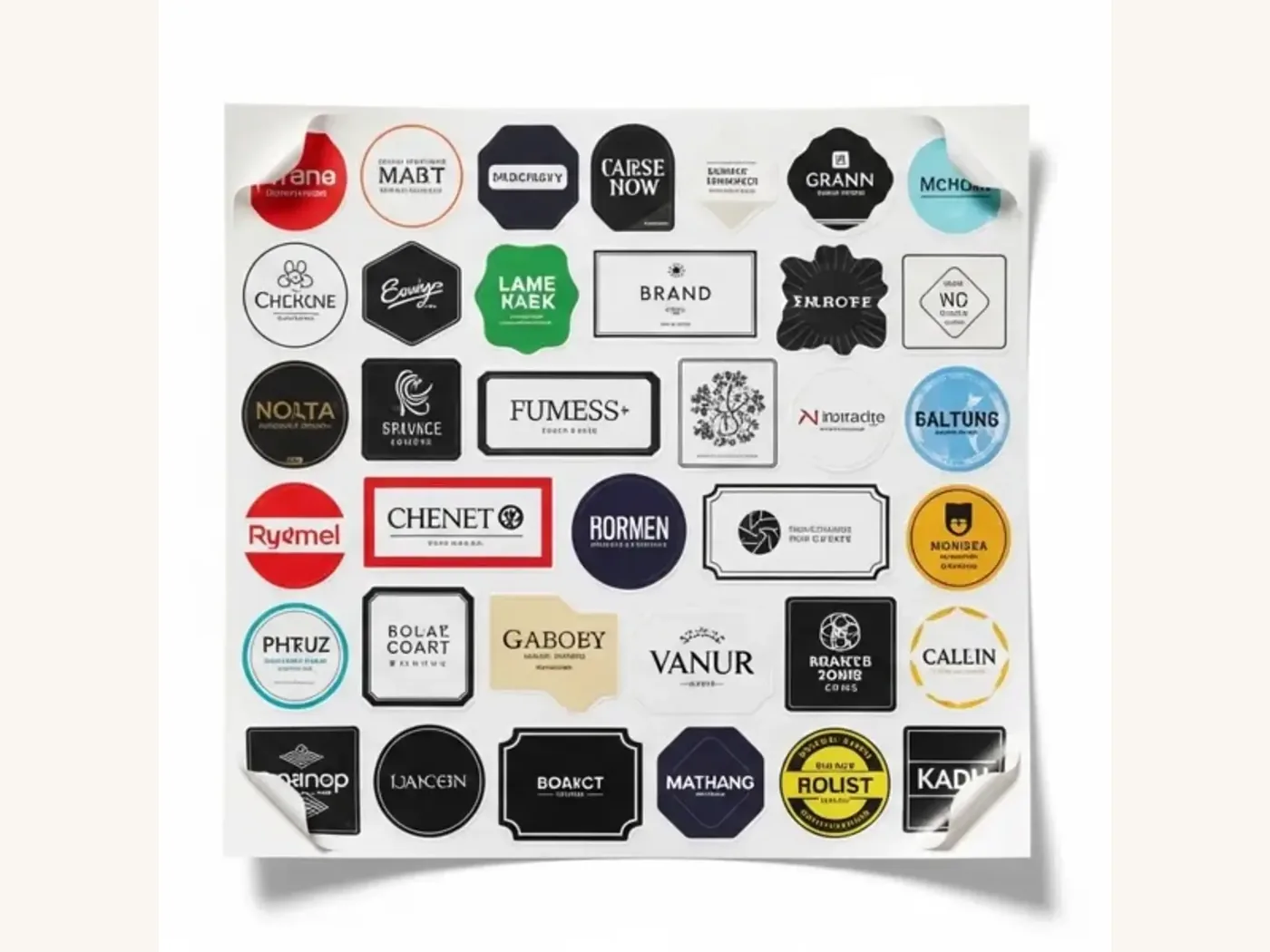
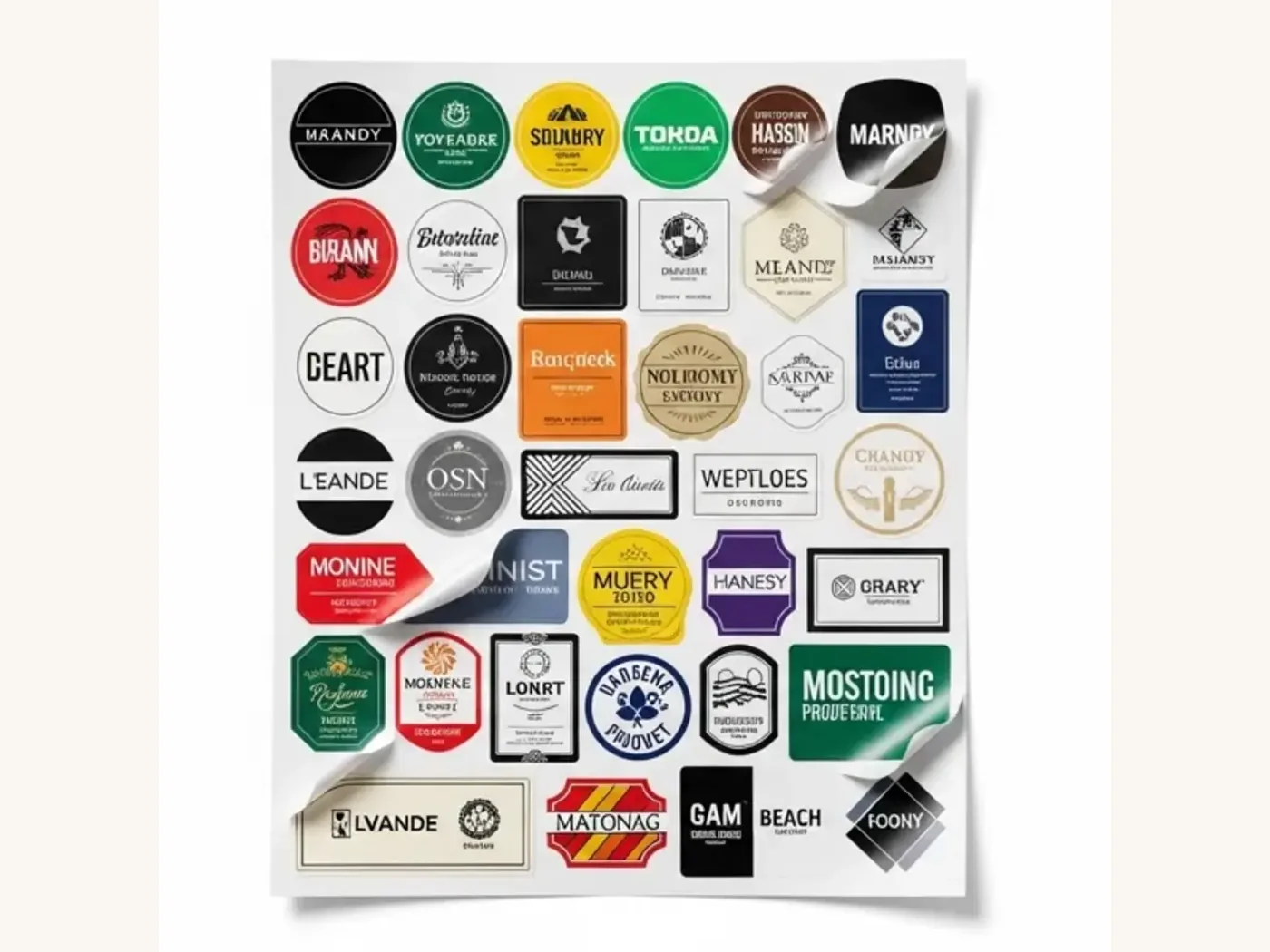
If you use a sticker, choose a permanent adhesive and a stock that tears rather than peeling cleanly. Our custom labels and stickers guide explains adhesives and face stocks in more detail.
Tip: leave a clear, uncoated or matte rectangle on the bottom or back panel for batch codes. Ink from stamps and handheld coders often smears on gloss lamination but dries well on matte or aqueous-coated areas.
The Children's Product Certificate and ASTM F963
A warning label is a visible output of a bigger compliance process. The box should never make a claim that your testing and certificate do not support.
What sits behind the label
For children's products subject to safety rules, the manufacturer or importer must issue a Children's Product Certificate (CPC) based on testing by a CPSC-accepted third-party laboratory. The certificate lists the applicable rules, the lab, the dates and places of manufacture and testing, and a contact for the records. The CPSC's business guidance for manufacturers explains who must certify and how.
For toys, the core rule is ASTM F963, the consumer safety specification for toy safety, which the CPSC enforces as a mandatory standard. It covers mechanical hazards, flammability, heavy elements in substrates, magnets, acoustics, battery-operated toys and more, and it includes its own labeling and instruction provisions. Your lab will test to the version currently incorporated by the CPSC.
Where packaging overlaps the standard
Several F963 topics touch the box:
- Packaging film and bags. Plastic bags and film used in toy packaging have requirements intended to reduce suffocation risk. If your box includes a poly bag for loose pieces, include it in the testing scope.
- Warnings and instructions. Some hazards require labeling on the package, the product or the instructions. Your lab report tells you which, and the artwork must match.
- Packaging that becomes part of the toy. If the box is meant to be played with, such as a dollhouse printed on the carton, it may be treated as part of the children's product and tested with it, including coatings.
Designing a toy box around its warnings
Treating warnings as design elements from the first sketch produces cleaner boxes and avoids last-minute shrinking of type that can make a label non-compliant.
Panel-by-panel planning
| Panel | Typical content | Warning considerations |
|---|---|---|
| Front (principal display panel) | Brand, product name, hero image, age grade | Choking hazard, balloon, ball or marble statement goes here |
| Window area | Die-cut opening showing the toy | Do not let the window cut through or crowd the warning |
| Back panel | Features, contents list, play ideas | Additional warnings or instructions from the lab report |
| Side panels | Brand, product name, age grade repeat | Consider repeating the warning if the box may face sideways on shelf |
| Bottom panel | Barcode, tracking label, company address | Leave room for lot and date coding |
| Hang tab | Peg hole for retail hooks | Keep warnings below the tab, not on it |
Box styles that make this easier
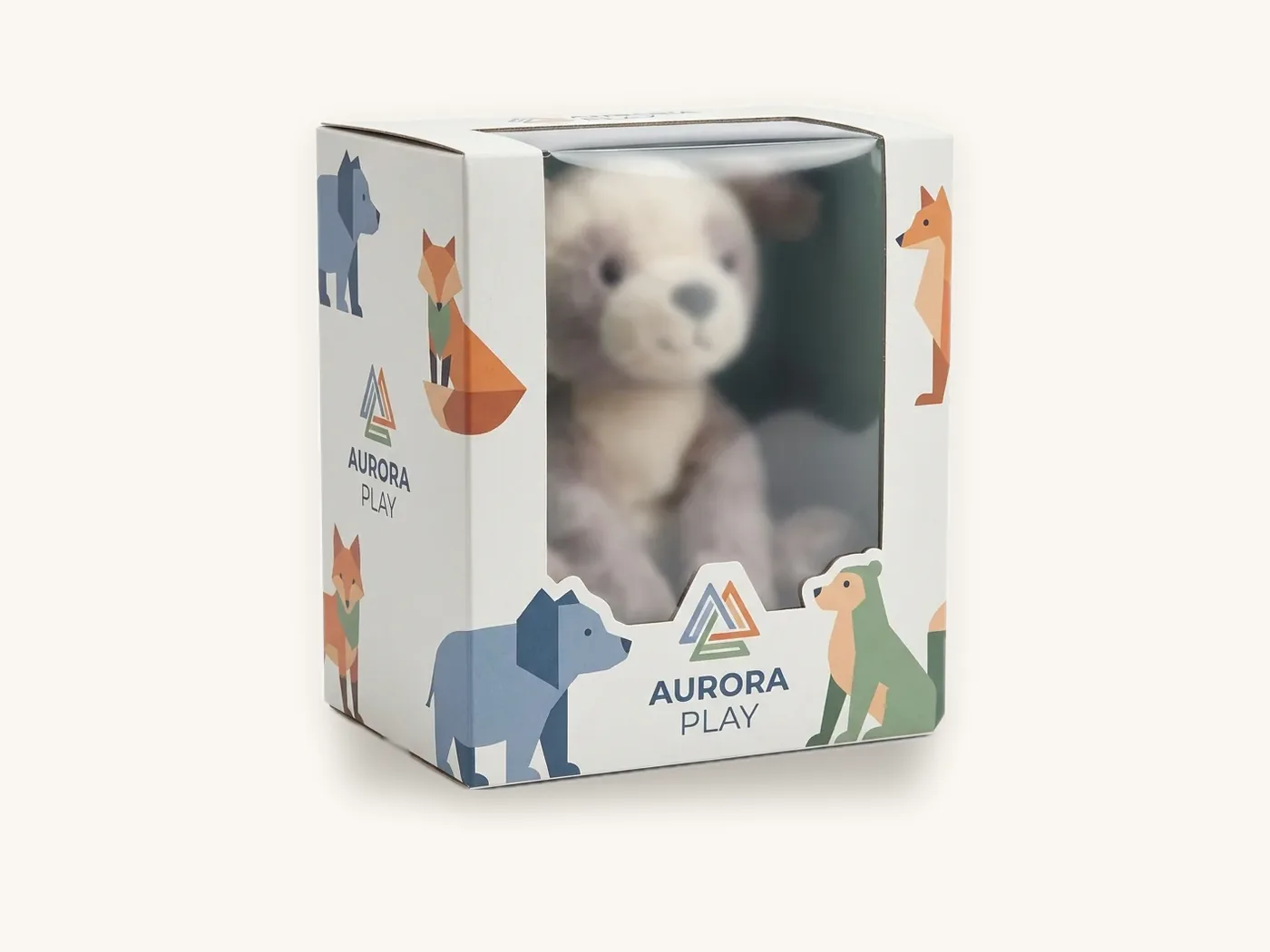
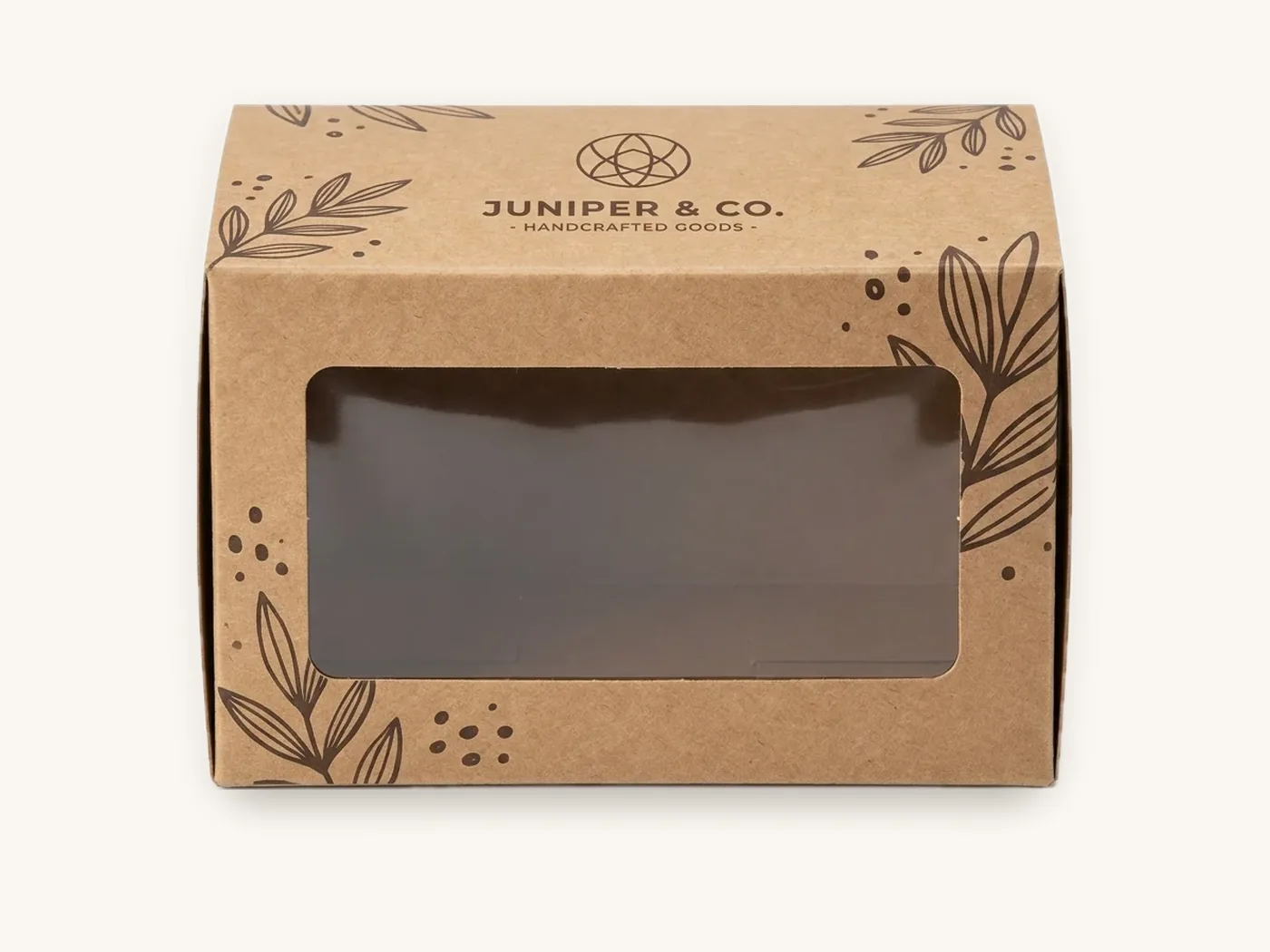
Toy boxes are usually folding cartons in 18 pt to 24 pt SBS paperboard, often with a window, an insert and a hang tab. Tuck end cartons give a large, uninterrupted front panel. A window box sells the toy visually but leaves less printable area, so plan the window around the warning block, not the other way round. The window box style page shows common window shapes.
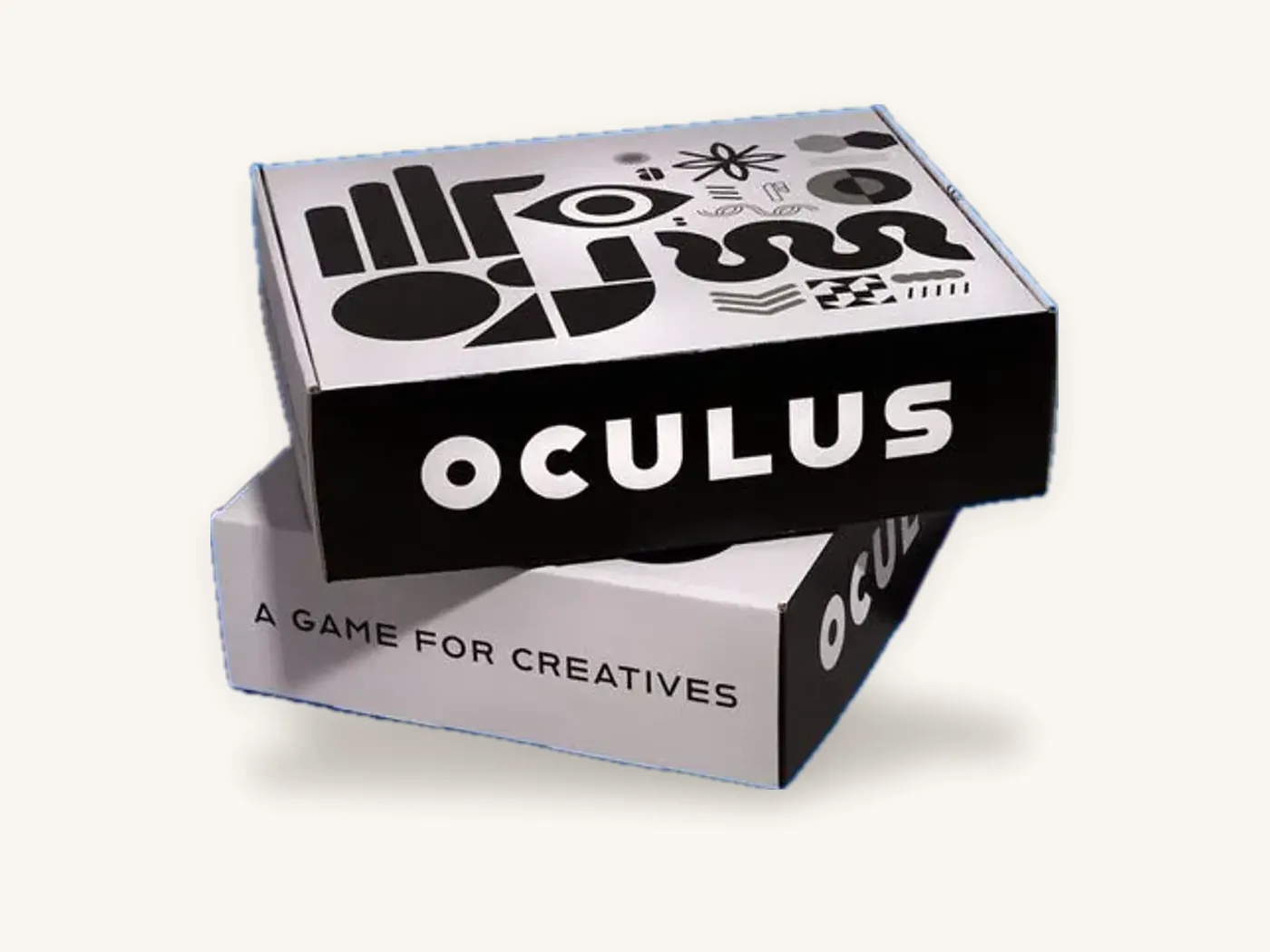
Games and puzzles usually use two-piece rigid or paperboard set-up boxes, where the lid is the display panel. Our board game and puzzle boxes are built that way, and the board game packaging guide covers lid lift, inserts and piece bags.
For peg-hung products, hang tab boxes add a die-cut header, which can hide behind the product in front on a crowded peg, so the warning belongs on the main front panel.
Print specifications for legibility
- Print warnings in solid black or a single dark color, not as a four-color build, so they stay sharp even with slight registration shifts.
- Place warnings on a plain, high-contrast background rather than over photography.
- Avoid reversing small warning text out of a dark background; fine type can fill in on board.
- Keep warning blocks at least 1/8 in inside every cut and crease line.
- Do not put foil, spot UV or embossing over the warning; texture and glare reduce legibility.
For other regulated categories, the same discipline applies. Our cosmetic labeling requirements guide shows how ingredient lists and net contents are planned on small cartons.
A compliance workflow for toy packaging artwork
Artwork, testing and certificates tend to run on separate tracks, and mismatches between them cause most reprints. This sequence keeps them aligned.
- Define the product and intended age. Write down the age range, all components and whether any piece is small, a ball, a marble, a balloon or a magnet.
- Engage a CPSC-accepted lab early. Ask which rules apply, which warnings are required and whether any packaging material needs testing.
- Get the exact warning wording. Pull the text from the current regulation and confirm it with the lab. Save the source and date in your compliance file.
- Choose the box style and size. Request a dieline sized to the product and insert so the principal display panel is known.
- Lay out warnings before decoration. Place the warning block, age grade, tracking field and barcode first, then design around them.
- Plan tracking data. Decide which fields are printed and which are added per batch, and set up your lot-code format.
- Review a 3D proof. Check every warning in context: visible when closed, not covered by a window, hang tab or shrink wrap graphics.
- Order a pilot run. Print a small quantity for lab samples, retailer compliance review and photography.
- Issue the certificate. Once testing passes, issue the Children's Product Certificate covering the production lot.
- Match online listings. Copy the same warnings onto marketplace and web listings before launch.
- Repeat for changes. A new component, color or supplier can require retesting and new artwork. Keep the workflow for every revision.
International and retailer requirements
Box Sense ships to brands in the US, UK and UAE, and toy rules differ by market. The UK and EU use their own toy safety regimes, with conformity marking, importer details and warnings in required languages that do not match US wording. A box designed for the US will usually need a separate version for those markets.
Large US retailers and marketplaces also run their own compliance programs. Many ask for the CPC, test reports and photos of the packaged warnings before a toy can be listed. Build a packaging photo set from your pilot run so you are not scrambling when a vendor portal asks for it. The toys and games industry page and the baby and kids packaging page show packaging formats common in those channels.
What compliant toy boxes cost to produce
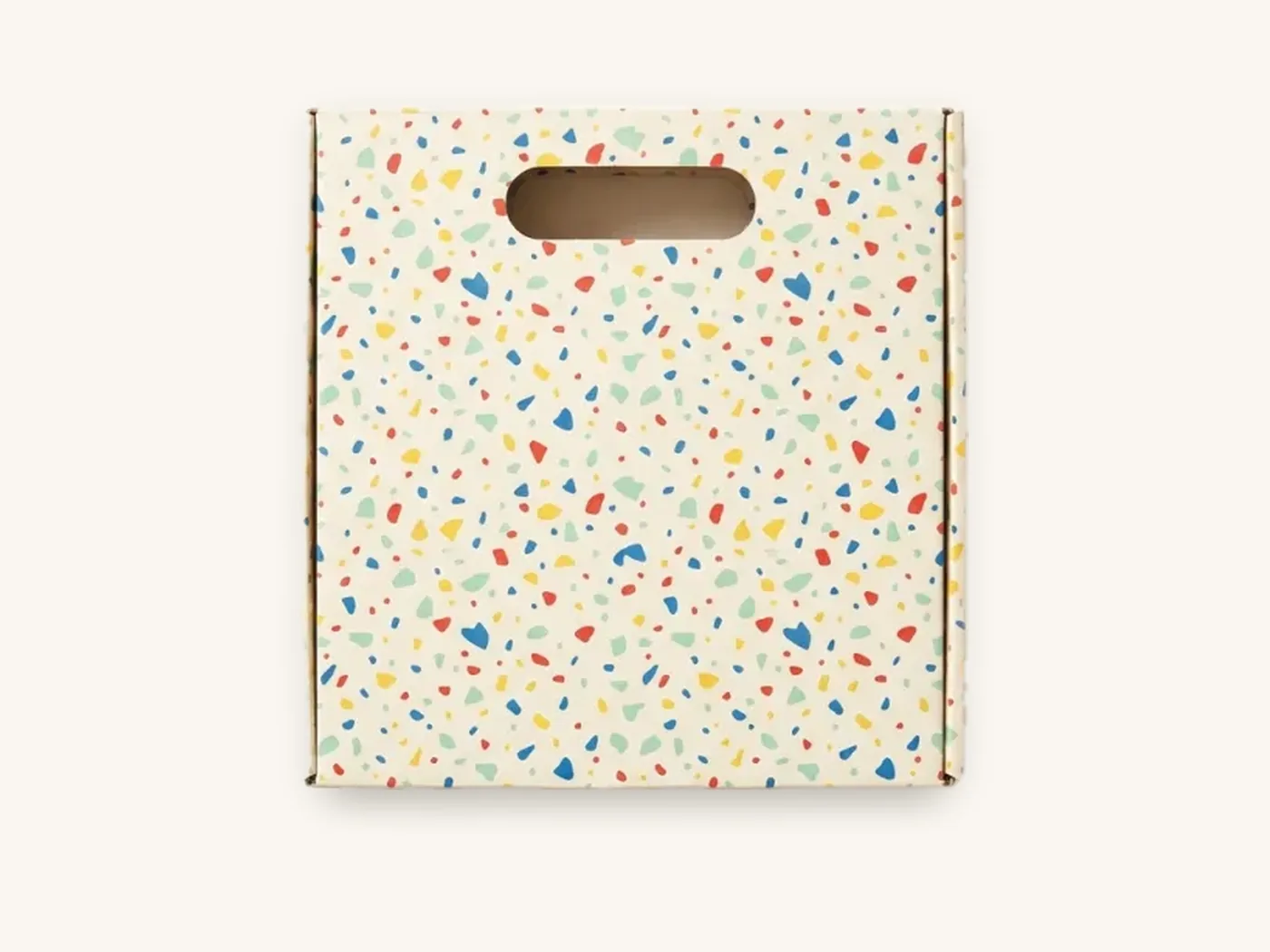
Warnings themselves add nothing to print cost; they are part of the artwork. Costs come from the structure, size, window, insert and quantity. A warning block printed in black on an existing full-color carton does not add a separate charge.
As reference points, a window box in 18 pt SBS, 4x4x4 in, printed full color with aqueous coating is about $1.66 per unit at 100 and about $0.74 at 1,000, with US shipping included. A straight tuck end carton in 18 pt SBS, 3x2x5 in, full color with aqueous coating is roughly $1.15 at 100 and $0.51 at 1,000. Larger toy boxes, inserts and rigid game boxes cost more; run your exact spec through the packaging price estimator.
Ordering toy boxes from Box Sense
We manufacture the printed box; your lab, certificate and legal review determine what it has to say. Our role is to make sure the structure gives the warnings the space they need and that the printed result is sharp and permanent.
What to send
- Toy dimensions and weight, plus any insert or piece bag
- Intended age range and the list of warnings your lab has confirmed
- Preferred style: tuck end carton, window box, hang tab box or two-piece game box
- Board and finish preferences, such as 18 pt or 24 pt SBS, aqueous coating or matte lamination
- Whether tracking data is printed per run or added with a sticker or coder
- Quantities to price, for example 10, 250 and 1,000
- Target in-hand date and destination
How the process runs
Quotes are confirmed within 24 hours. Our design services team supplies the dieline, sets up artwork and sends a 3D digital proof with two revision rounds, all free. We check that warnings are clear of cuts, creases and windows, but we do not review regulatory wording; confirm that with your lab.
Unprinted structural samples are free, and a printed sample of approved artwork is free on orders of 100 or more. See samples for details. Standard production is 8–12 business days after proof approval, with rush in 5 business days on most paperboard styles. The minimum order is 10 boxes, US shipping is free, and defective boxes reported within 14 days are reprinted free.
Frequently asked questions
Does every toy box need a choking hazard warning?
No. The small-parts choking hazard warning applies to toys and games intended for children aged 3 to under 6 that contain small parts. Toys for children under 3 cannot contain small parts at all, and toys for older children follow different rules. Balloons, small balls and marbles have their own warnings with different age ranges. Confirm which statement applies with a CPSC-accepted testing lab.
Where does the choking hazard label go on the package?
It goes on the principal display panel, which is the part of the package most likely to be seen by a shopper, usually the front of the box. It must be conspicuous, legible and in English, and sized relative to the panel. If the box may be displayed another way, such as on a side, consider adding the warning to that panel too.
What is a CPSIA tracking label?
A CPSIA tracking label is a permanent mark on a children's product and its packaging, to the extent practicable, that identifies the manufacturer or private labeler, the location and date of production, and batch or run information. It helps trace units in a recall. The format is flexible, as long as the information is permanent, legible and traceable through your records.
Can I use a sticker for toy packaging warning labels?
Stickers are common for batch codes and dates that change each run. For choking hazard warnings, printing directly on the carton is more durable and less likely to be removed or peeled off. If you use a sticker, choose a permanent adhesive and a face stock that tears on removal, and make sure it is applied in the correct position every time.
Do I need a Children's Product Certificate for my toy?
Children's products subject to CPSC safety rules generally require a Children's Product Certificate issued by the manufacturer or importer, based on testing by a CPSC-accepted third-party laboratory. For toys, testing typically covers ASTM F963 and other applicable rules. The CPSC's business guidance explains who must certify and what the certificate must include, so confirm your situation there.
Does packaging have to meet ASTM F963?
Packaging is not usually the children's product itself, but some parts of the standard reach it, such as requirements for plastic film and bags, and warnings that must appear on the package. If the box is designed to be played with, it may be tested as part of the toy. Ask your lab to include packaging in the testing scope.
Do online toy listings need the same warnings as the box?
Generally yes. The CPSIA extended cautionary statements for small parts, balloons, small balls and marbles to internet and catalog advertising. If a package requires the warning, the listing where the toy is sold should display it too. Copy the wording from your approved artwork into your product data so both stay consistent.
Next steps
Settle age grading and the warning list with your testing lab, then send us the toy's size and chosen style. Check costs at different quantities in the instant price estimator, and when your artwork plan is ready, request a toy box quote. We will confirm pricing within 24 hours and prepare a dieline that gives your warnings the space they need.
Boxes in this guide
Order the packaging we covered
Written by the Box Sense Packaging Team
Our structural designers, prepress technicians and production staff print and convert custom boxes every day for brands in the United States, United Kingdom and UAE. Questions about this guide? Talk to us.