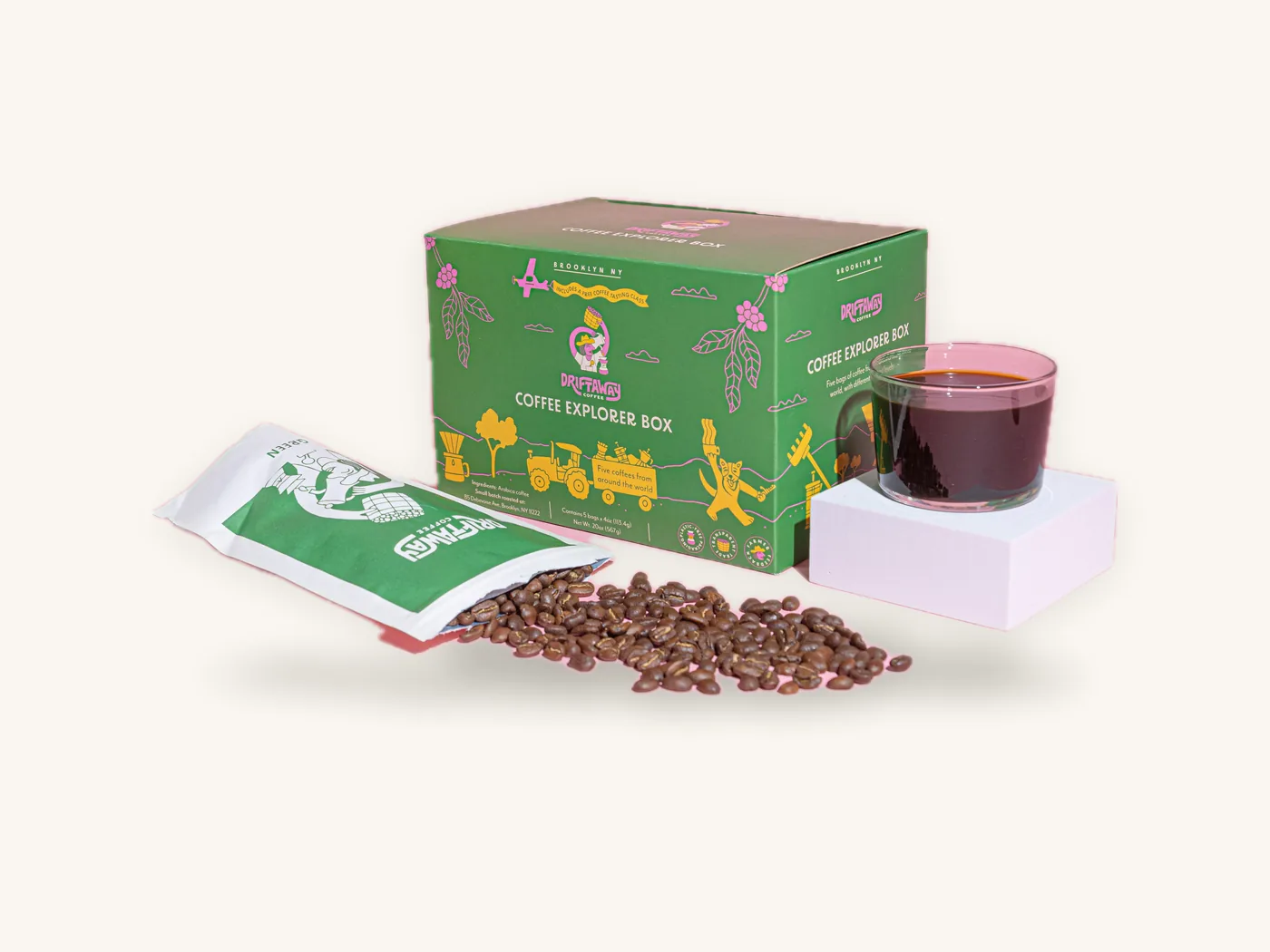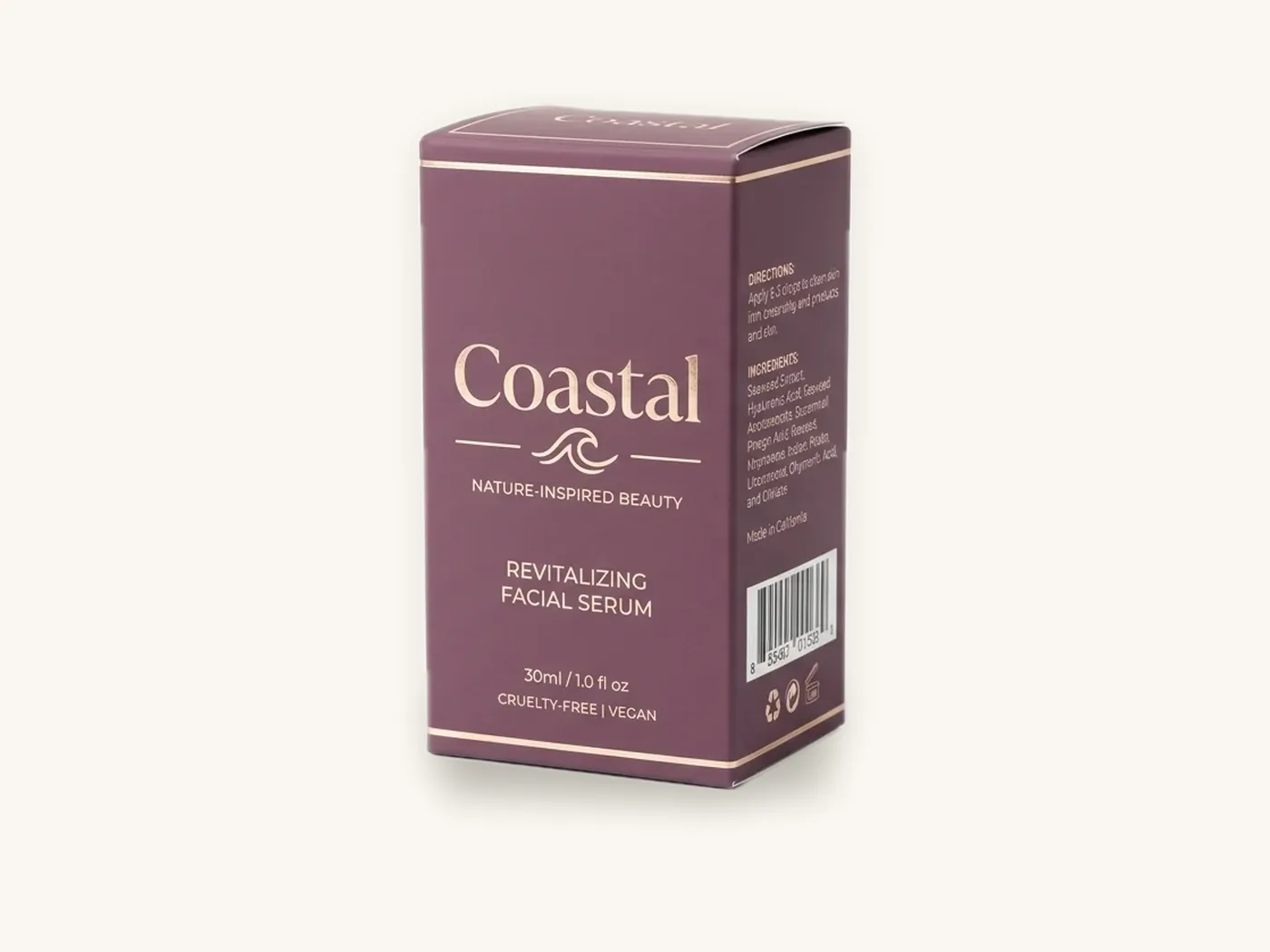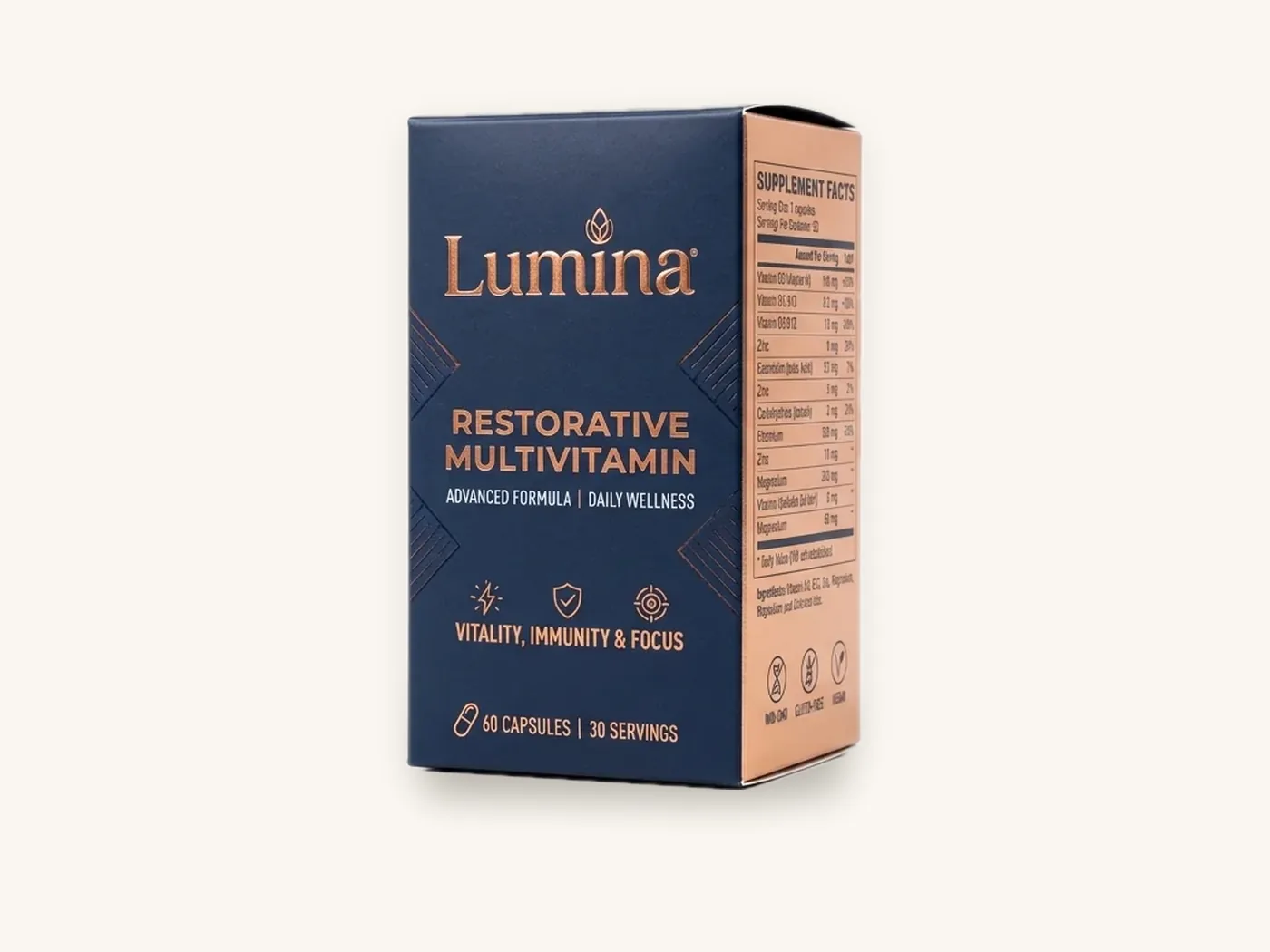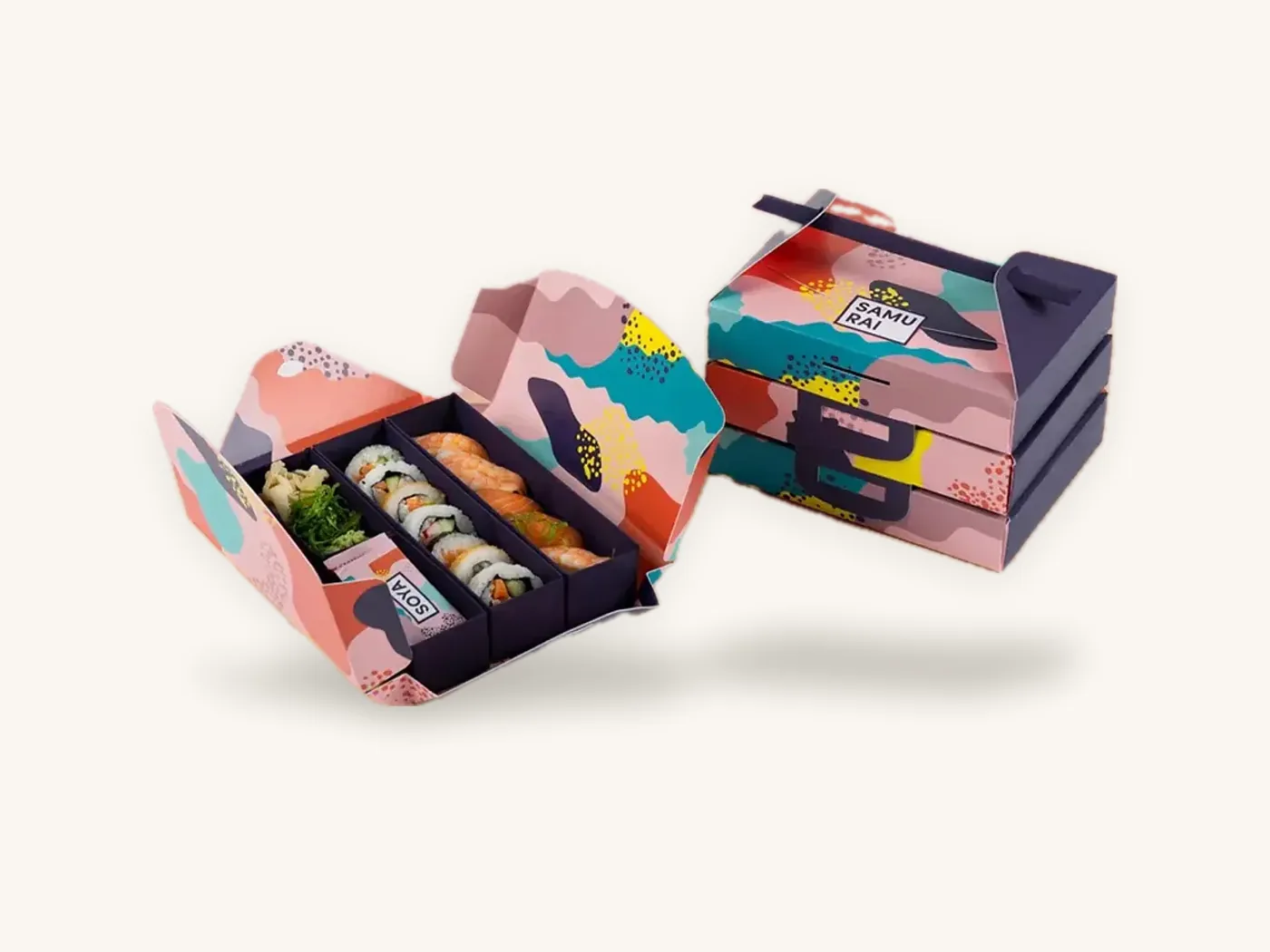
FDA food labeling requirements for a packaged food come down to two zones on the box. The principal display panel (the side shoppers see first) must carry the statement of identity and the net quantity of contents. The information panel, normally the panel immediately to the right of it, must carry the ingredient list, allergen information, the Nutrition Facts panel and the name and place of business of the manufacturer, packer or distributor.
Everything else, from type sizes to where a "Contains" statement sits, follows from those two zones. The trouble is that the rules are written for "containers," and brands buy boxes: tuck cartons, seal-end cereal boxes, gable boxes and window boxes, each with flaps, folds and panels that change where the required copy can go.
This guide maps the rules onto real box structures so your designer and your printer can place every element correctly the first time. It is a practical overview, not legal advice. FDA rules have exemptions and recent updates, so confirm your specific label with the FDA and a food regulatory specialist before you print.
Key takeaways
- Food labels are organized around the principal display panel (PDP) and the information panel; required statements must sit on the correct one.
- The PDP needs a statement of identity and a net quantity statement in the bottom 30% of the panel, in both US customary and metric units.
- The information panel carries ingredients, allergens, Nutrition Facts and the responsible firm's name and address, together and without unrelated copy in between.
- There are nine major food allergens under federal law; sesame joined the list through the FASTER Act, effective January 1, 2023.
- If a retail carton encloses the product, the carton is what the shopper reads, so it must carry the required labeling.
- Box Sense prints and structures the artwork your team supplies; your brand remains responsible for label content and compliance.
Which package needs the label
Start by deciding which layer of packaging is the "label" in FDA's sense. Federal rules apply to the package in the form it is offered for retail sale, so the answer depends on what the shopper actually handles.
The retail carton is usually the labeled package
If a granola pouch goes inside a printed carton and the carton sits on the shelf, the carton is the retail package. It must carry the full set of required information, because the shopper cannot see the pouch. The inner pouch may still need some information of its own, depending on how the product is sold and handled once opened.
Multipacks and variety boxes
A carton of individually wrapped bars sold as one unit needs complete labeling on the outer carton. If the individual bars are also sold on their own, each wrapper needs its own labeling too. Variety packs with different products inside raise more questions, including how to present multiple ingredient lists and Nutrition Facts panels, so plan the panel layout early.
Shipping cartons and mailers
A corrugated shipper that carries labeled retail units through distribution, and is never presented to the consumer for sale, is generally not the food label. A direct-to-consumer mailer that carries an unlabeled product is a different case. If the mailer is the only thing between the food and the buyer, get regulatory advice on what must appear on or inside it.
Finding the principal display panel on your box
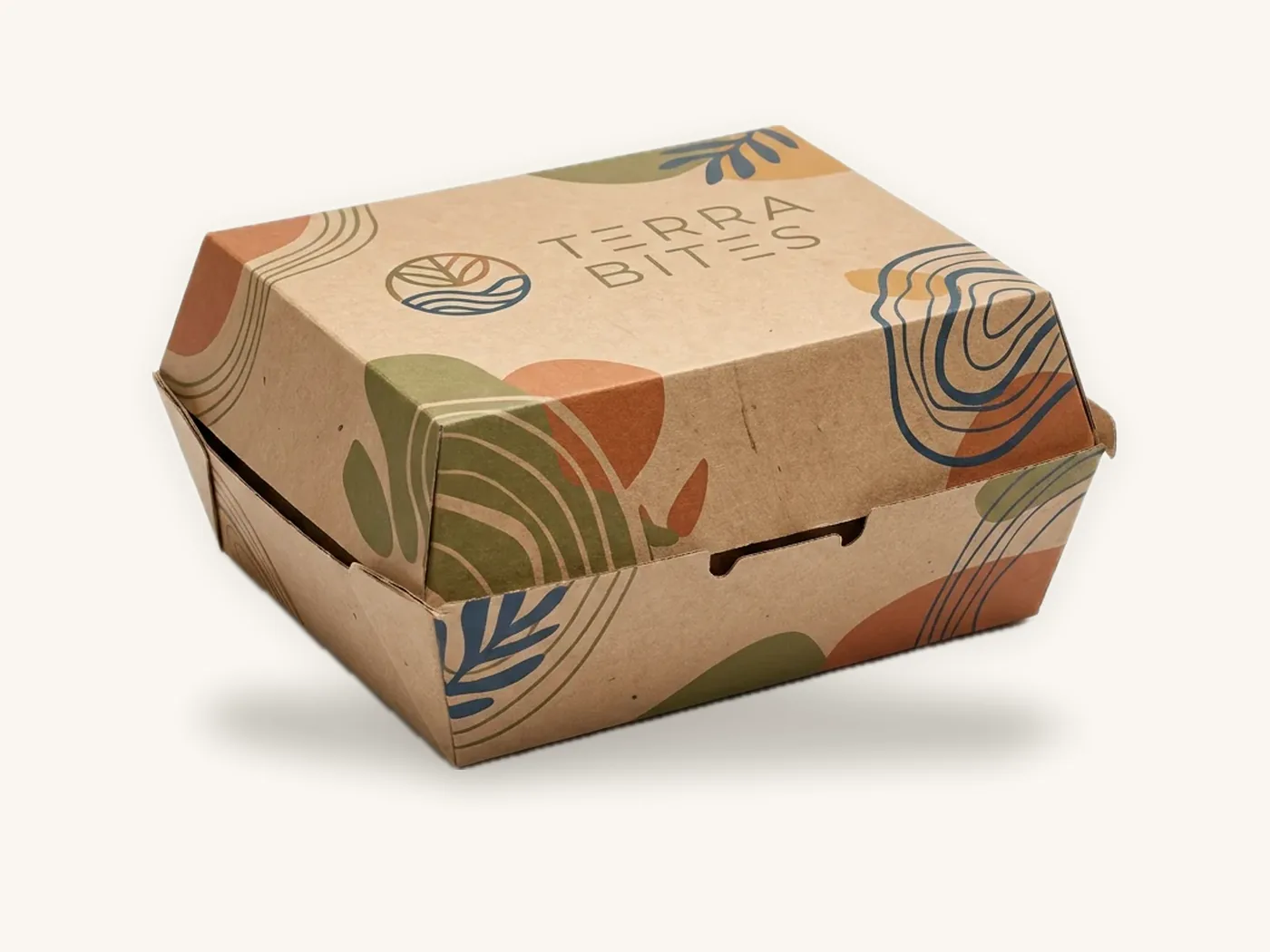
FDA defines the PDP as the part of the label most likely to be displayed, presented or examined under customary conditions of retail sale. For a rectangular box, that is one entire side. The area of the PDP, calculated as height times width of that side, sets the minimum type size for the net quantity statement, so measure it from your dieline before artwork starts.
The information panel is the panel immediately contiguous to, and to the right of, the PDP as you face it. If that panel cannot be used because of folds, flaps or its size, the next panel to the right becomes the information panel.
| Box style | Usual PDP | Usual information panel | Layout watch-outs |
|---|---|---|---|
| Straight or reverse tuck end carton | Largest front face | Right-hand side panel | Narrow side panels may be too small for Nutrition Facts in vertical format |
| Seal end cereal carton | Large front face | Right side panel, or back if side is too narrow | Glue flaps and top/bottom closures cannot carry required copy |
| Gable box | Front face below the handle | Right side face | Crease lines at the gable top distort type |
| Window box | Front face including window | Right side panel | Windows reduce printable area; keep required statements off the film |
| Sleeve and tray | Sleeve front | Sleeve side or back | Removable sleeves can separate information from the product |
| Pillow box | One curved face | Opposite face | Curved panels make small type harder to read |
Alternate PDPs
If a box is designed with two faces that could each be displayed to the shopper, such as a cereal carton where the back is as prominent as the front, both are treated as PDPs and each needs the statement of identity and net quantity. Plan these as mirror layouts from the start rather than retrofitting.
Measure from the dieline, not the render
A 3D mockup can make a panel look larger than it is. Calculate PDP area from the flat dieline dimensions of the face panel, excluding flaps, tuck tabs and glue areas. Our folding cartons page shows how each panel of a carton relates to the flat sheet.
What the principal display panel must say
The PDP needs two things. Everything else on it, from brand name to photography, is marketing, but it must not crowd out or contradict the required statements.
Statement of identity
The statement of identity is the common or usual name of the food, such as "Oat Cereal" or "Dark Chocolate Sea Salt Cookies." If there is no common name, use an appropriately descriptive name. It must appear in bold type on the PDP, in a size reasonably related to the most prominent printed matter on that panel, and generally in lines parallel to the base of the package as it is displayed.
A fanciful brand name does not replace the statement of identity. "Morning Thunder" on its own tells shoppers nothing; "Morning Thunder Honey Almond Granola" does.
Net quantity of contents
The Fair Packaging and Labeling Act and FDA's rules require a net quantity statement expressed in both US customary units and metric units, by weight for solids and semi-solids and by fluid measure for liquids. It must sit in the bottom 30% of the PDP, generally parallel to the base, and be separated from other printed matter by clear space.
Net quantity cannot include qualifying words that exaggerate, such as "jumbo" or "giant" attached to the quantity. The minimum height of the numbers and letters depends on the PDP area:
| PDP area | Minimum type height for net quantity |
|---|---|
| 5 sq in or less | 1/16 in |
| More than 5 to 25 sq in | 1/8 in |
| More than 25 to 100 sq in | 3/16 in |
| More than 100 to 400 sq in | 1/4 in |
| More than 400 sq in | 1/2 in |
Say your tuck carton has a front panel of 3 in by 5 in. That is 15 sq in, so the net quantity needs characters at least 1/8 in tall. The minimums refer to capital letters and numerals; if you set the statement in lowercase, the lowercase "o" must meet the minimum.
Watch out: the bottom 30% of a carton front is exactly where designers like to place photography, badges and claims. Reserve a clear band for the net quantity statement on the dieline before any imagery is placed.
What the information panel must say
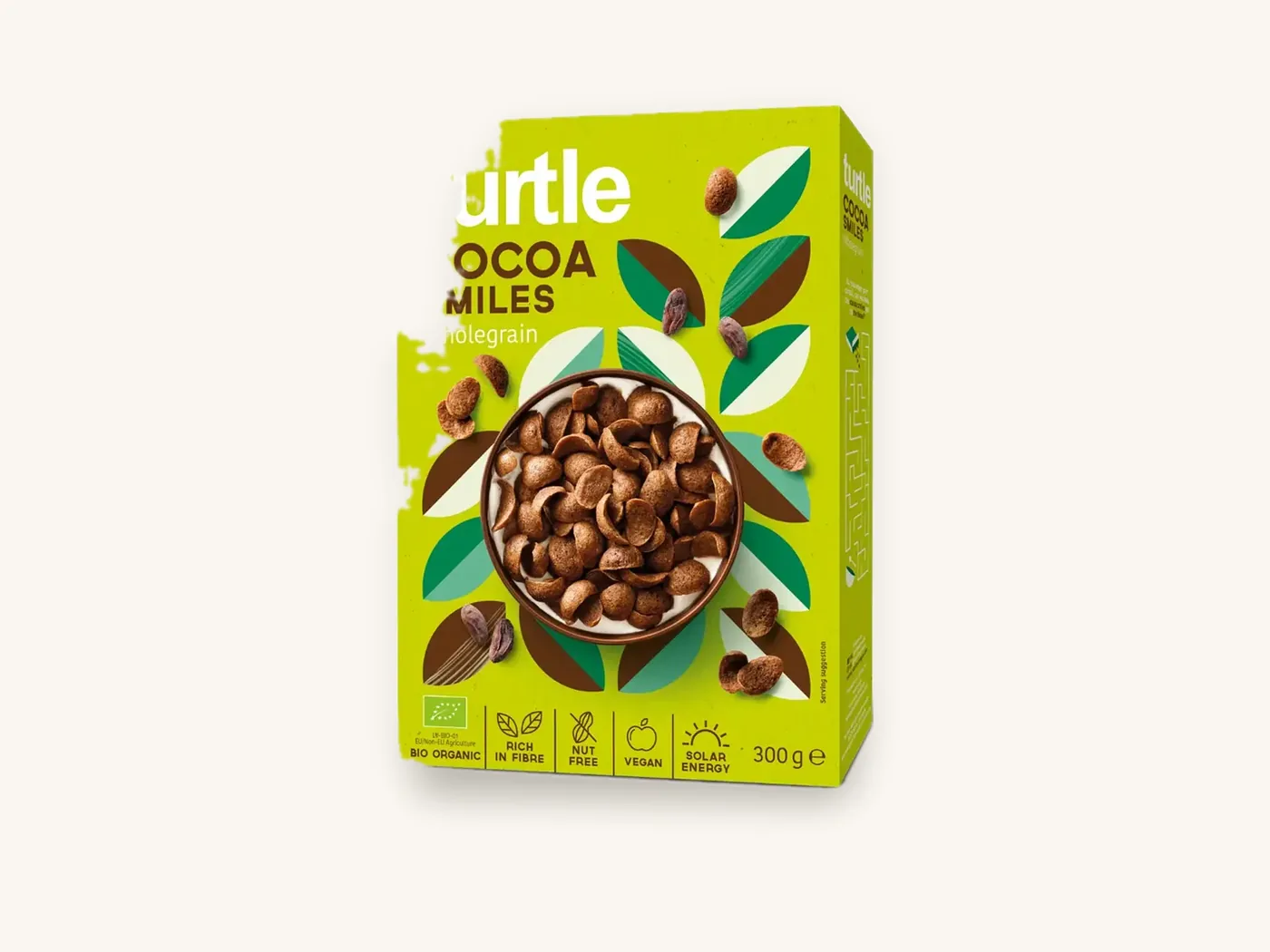
The information panel groups four elements: the ingredient list, allergen information, the Nutrition Facts panel and the name and place of business. They should appear together, without intervening material such as marketing copy or recipes between them. Type on this panel generally must be at least 1/16 in tall, measured by the lowercase letter "o," and must contrast clearly with the background.
Ingredient list
List ingredients by common or usual name in descending order of predominance by weight. Ingredients that are themselves made of multiple ingredients, such as chocolate chips in a cookie, are usually declared with their sub-ingredients in parentheses. Spices and natural or artificial flavors can often be declared collectively, while certified color additives must be named specifically.
Name and place of business
Show the name and place of business of the manufacturer, packer or distributor. If the firm named did not make the product, the name needs a qualifying phrase such as "Manufactured for" or "Distributed by." The address includes city, state and ZIP code; the street address can be left off only in limited circumstances, so check before dropping it.
Nutrition Facts panel
Most packaged foods need a Nutrition Facts panel in the updated format, with calories in large type, added sugars declared, and vitamin D and potassium among the required nutrients. The panel has several permitted formats, and the right one depends on available label space and the product.
| Format | Typical use on packaging | Space it needs |
|---|---|---|
| Standard vertical | Most cartons and bags with a full side or back panel | Tall, narrow column |
| Tabular (horizontal) | Wide, short panels where vertical will not fit | Wider than tall |
| Linear | Very small packages with limited label area | A single run of text |
| Dual-column | Packages that could be eaten in one sitting or several | Roughly twice the width of vertical |
| Aggregate | Variety packs with several distinct foods | Multiple columns side by side |
| Simplified | Foods where many nutrients are present at insignificant levels | Shorter than standard |
FDA restricts when the smaller formats can be used, so do not switch to linear just because it fits. If your panel does not fit in the permitted format for your package size, change the box size or structure rather than shrinking the type.
The official FDA food labeling and nutrition hub links to the Food Labeling Guide, Nutrition Facts graphics and current compliance information.
Allergen labeling on food boxes
The Food Allergen Labeling and Consumer Protection Act (FALCPA) requires packaged foods to declare major food allergens. Federal law now names nine: milk, eggs, fish, crustacean shellfish, tree nuts, peanuts, wheat, soybeans and sesame. Sesame was added by the FASTER Act and became a major food allergen on January 1, 2023.
Two ways to declare allergens
You can name the allergen source in the ingredient list, for example "whey (milk)," or add a "Contains" statement immediately after or adjacent to the ingredient list, such as "Contains: wheat, milk, soy." For tree nuts, fish and crustacean shellfish, the specific type must be named, such as almonds, cod or shrimp.
Precautionary statements
"May contain" and "made in a facility that also processes" statements are voluntary and not defined by FALCPA. If you use them, they must be truthful and not misleading, and they do not replace good manufacturing practices. Keep them visually separate from the required "Contains" statement so shoppers do not confuse the two.
Printing for allergen legibility
Allergen information is only useful if it can be read. Avoid placing allergen statements over photography, across crease lines or on glossy foil where glare hides small type. A solid, high-contrast background panel on the information panel is the safest layout choice.
Claims, exemptions and recent changes
Optional claims can bring extra rules onto the box. So can exemptions, which are narrower than many brands assume.
Nutrient content and health claims
Words such as "low fat," "high fiber" or "good source of protein" are nutrient content claims with defined criteria. Health claims connect a food or nutrient to a disease or health condition and are limited to authorized or qualified claims. Making either can trigger additional label disclosures, so settle claims before artwork starts rather than adding a badge at proof stage.
FDA updated the definition of the "healthy" nutrient content claim in a final rule published in late 2024, with a multi-year compliance period. FDA has also proposed a front-of-package nutrition information box. Check the current status of both with FDA before committing a design.
Gluten-free and other defined terms
"Gluten-free" has a federal definition that includes a limit of less than 20 parts per million of gluten. Terms such as "organic" are governed by USDA rules, and meat and poultry products fall under USDA's Food Safety and Inspection Service rather than FDA. Confirm which agency covers your product before designing.
Small packages and small businesses
Very small packages have some flexibility on where and how information appears, and certain small businesses or low-volume products may qualify for a Nutrition Facts exemption, sometimes only after filing a notice. Exemptions usually disappear if you make a nutrient content or health claim. Read the specific conditions in 21 CFR Part 101 or ask a regulatory specialist before relying on one.
Other labels that may apply
Imported foods and packaging may need country of origin marking under customs rules, covered in our country of origin labeling guide. Products sold in California may need a Proposition 65 warning, explained in the Prop 65 packaging guide.
Printing food label panels correctly
The regulatory content comes from your team. The printer's job is to reproduce it accurately, legibly and in the right place on the structure.
Layout rules that prevent reprints
- Keep all required text at least 1/8 in inside cut lines and away from creases and glue flaps.
- Use a solid, light background behind Nutrition Facts; FDA's graphic specifications assume black or one dark color on a white or neutral ground.
- Avoid reversing small type out of dark colors, especially on kraft board, where ink absorption softens fine strokes.
- Do not place required copy on a window, a foil area or a textured emboss.
- Leave a clear, uncoated area if you need to add a lot code, best-by date or barcode after printing.
Food contact and board choice
A carton that touches food directly, such as a bakery box or a cereal box without a liner, needs food-safe inks, coatings and board. Our food-safe inks and coatings guide explains the options. For most dry foods packed in an inner bag, SBS paperboard gives the smoothest surface for small regulatory type.
When a label beats a reprint
If a recipe changes, an allergen is added, or a regulation updates while you still hold printed cartons, custom labels and stickers can carry updated information panels. Make sure the label fully covers the old copy and adheres permanently, and plan to update the printed carton on the next run.
Pre-press checklist for FDA food box artwork
Work through this list with your designer and regulatory reviewer before you approve the proof.
- Confirm which package layer is sold at retail and therefore carries the label.
- Identify the PDP and any alternate PDP on the dieline, and calculate each PDP's area.
- Place the statement of identity in bold on each PDP.
- Place the net quantity in the bottom 30% of each PDP, in dual units, at or above the minimum height for that area.
- Identify the information panel, the first usable panel to the right of the PDP.
- Group ingredients, allergen declaration, Nutrition Facts and name and place of business on that panel, with no unrelated copy in between.
- Check every major food allergen, including sesame, against the recipe and supplier specifications.
- Confirm the Nutrition Facts format is permitted for your package size and product.
- Review every claim, badge and symbol for required disclosures.
- Check type heights, contrast and clearance from folds on the printed proof or physical sample.
- Get written sign-off from the person responsible for label compliance.
Ordering compliant food packaging from Box Sense
Box Sense manufactures and prints custom food boxes, cereal boxes, seal end cartons and window boxes for brands across the food and beverage industry. We lay out the panels your team supplies on an accurate dieline. We do not write or approve label content, so your regulatory reviewer stays responsible for what the label says.
What to send
- Product type, fill weight or volume, and whether the food touches the box directly
- Box style and internal dimensions, or product dimensions so we can recommend a structure
- Final label copy for each panel, including the Nutrition Facts graphic as vector artwork
- Notes on which face is the PDP and whether there is an alternate PDP
- Any areas to leave uncoated for date or lot coding
- Quantities to price, target in-hand date and ship-to location
Proofing, samples and timeline
We supply the dieline, help set up artwork and send a 3D digital proof, with two revision rounds included. Our design services team can check that panels line up with the structure, but not that the regulatory content is correct. Unprinted structural samples are free, and a printed sample of approved artwork is free on orders of 100 or more; see samples.
The minimum order is 10 boxes, with no die or plate charges. Standard production is 8–12 business days after proof approval, rush in 5 business days on most paperboard and corrugated styles, and US shipping is free. For reference, a straight tuck end carton in 18 pt SBS at 3x2x5 in, full color with aqueous coating, is about $1.15 each at 100 units and about $0.51 at 1,000.
Frequently asked questions
What are the basic FDA food labeling requirements for a box?
A packaged food generally needs a statement of identity and net quantity on the principal display panel, plus an ingredient list, allergen declaration, Nutrition Facts panel and the name and place of business of the manufacturer, packer or distributor on the information panel. Specific type sizes, placement rules and exemptions apply, so confirm your label with FDA guidance or a regulatory specialist.
Where does the Nutrition Facts panel go on a box?
It normally goes on the information panel, which is the panel immediately to the right of the principal display panel. If that panel is too small or unusable, it can go on the next panel to the right. On many cartons that means a side or back panel. It should sit together with the ingredients, allergen statement and firm name without intervening copy.
How big does the net weight statement need to be?
The minimum height depends on the area of the principal display panel. It starts at 1/16 in for panels of 5 sq in or less and rises to 1/8 in for panels over 5 up to 25 sq in, 3/16 in up to 100 sq in, 1/4 in up to 400 sq in, and 1/2 in above that. Place it in the bottom 30% of the panel.
Is sesame a major food allergen?
Yes. The FASTER Act added sesame as the ninth major food allergen, effective January 1, 2023. Packaged foods containing sesame must declare it, either in the ingredient list or in a "Contains" statement, in the same way as milk, eggs, fish, crustacean shellfish, tree nuts, peanuts, wheat and soybeans. Check supplier specifications for hidden sources such as seasonings.
Does my shipping box need FDA food labeling?
A corrugated shipper that only moves labeled retail packages through distribution is generally not the food label. If a mailer is the only packaging around an unlabeled food sent to the consumer, the situation is different, and required information may need to be on or in that package. Get regulatory advice for direct-to-consumer formats before printing.
Can I use a sticker to update my food label?
Yes, an over-label is a common way to correct or update an information panel on printed cartons you already hold. The label must fully and permanently cover the outdated copy, and the finished package must still meet every placement and legibility requirement. Treat it as a bridge and update the printed box on your next production run.
Does Box Sense check my food label for FDA compliance?
No. Box Sense prints and structures the packaging artwork you supply and makes sure panels land correctly on the dieline, with legible type and clearance from folds. Regulatory content, including ingredients, allergens, Nutrition Facts and claims, remains your brand's responsibility. Have a food regulatory specialist review the final label before you approve the proof.
Next steps
Measure your principal display panel on the dieline, place the required statements, and have your regulatory reviewer sign off on the copy. Then price your carton in the food packaging estimator and request a quote with your label files attached. If you also sell wellness or beauty products, compare the rules in our supplement label requirements guide and cosmetic labeling requirements guide.
Boxes in this guide
Order the packaging we covered
Written by the Box Sense Packaging Team
Our structural designers, prepress technicians and production staff print and convert custom boxes every day for brands in the United States, United Kingdom and UAE. Questions about this guide? Talk to us.