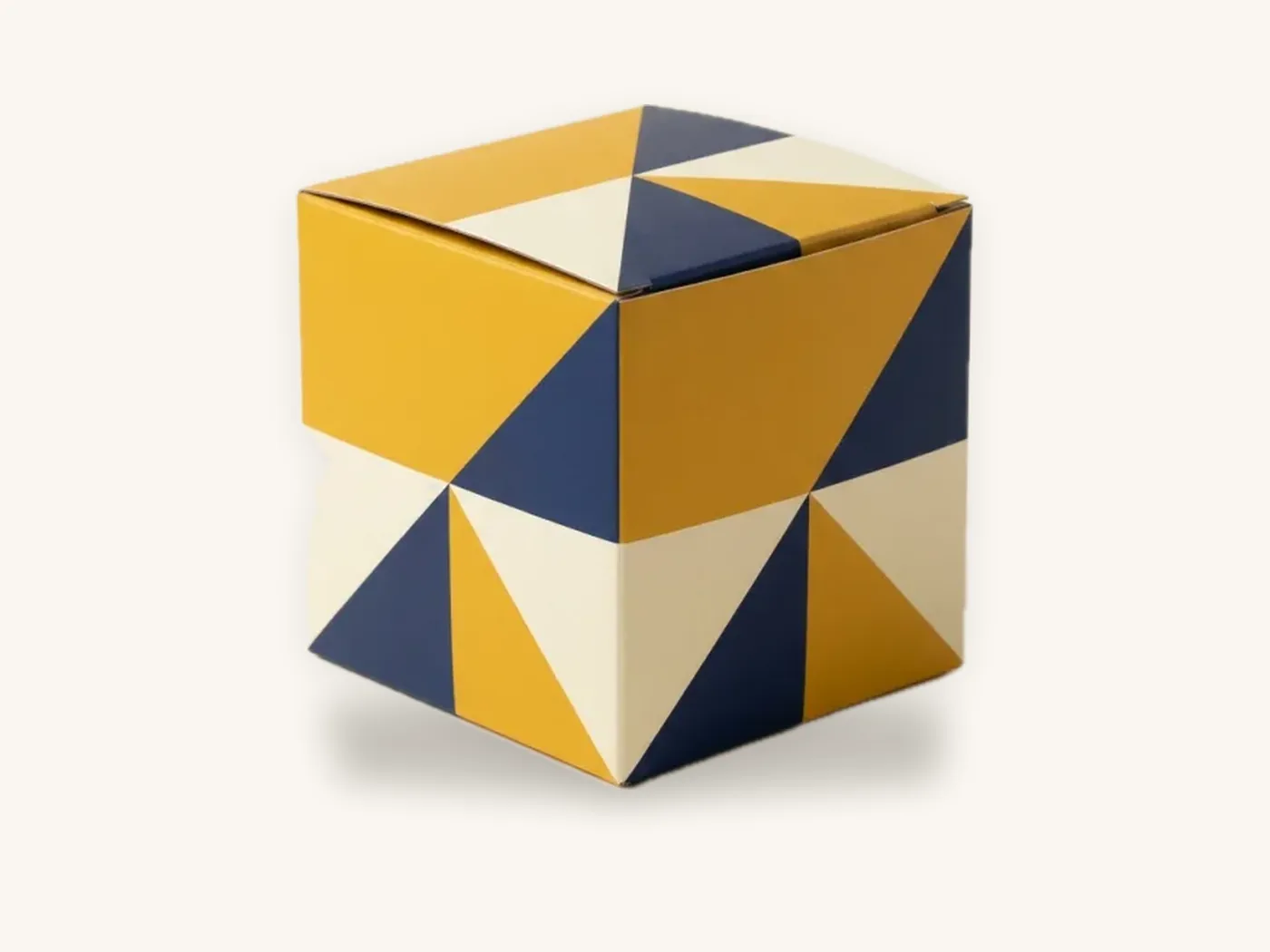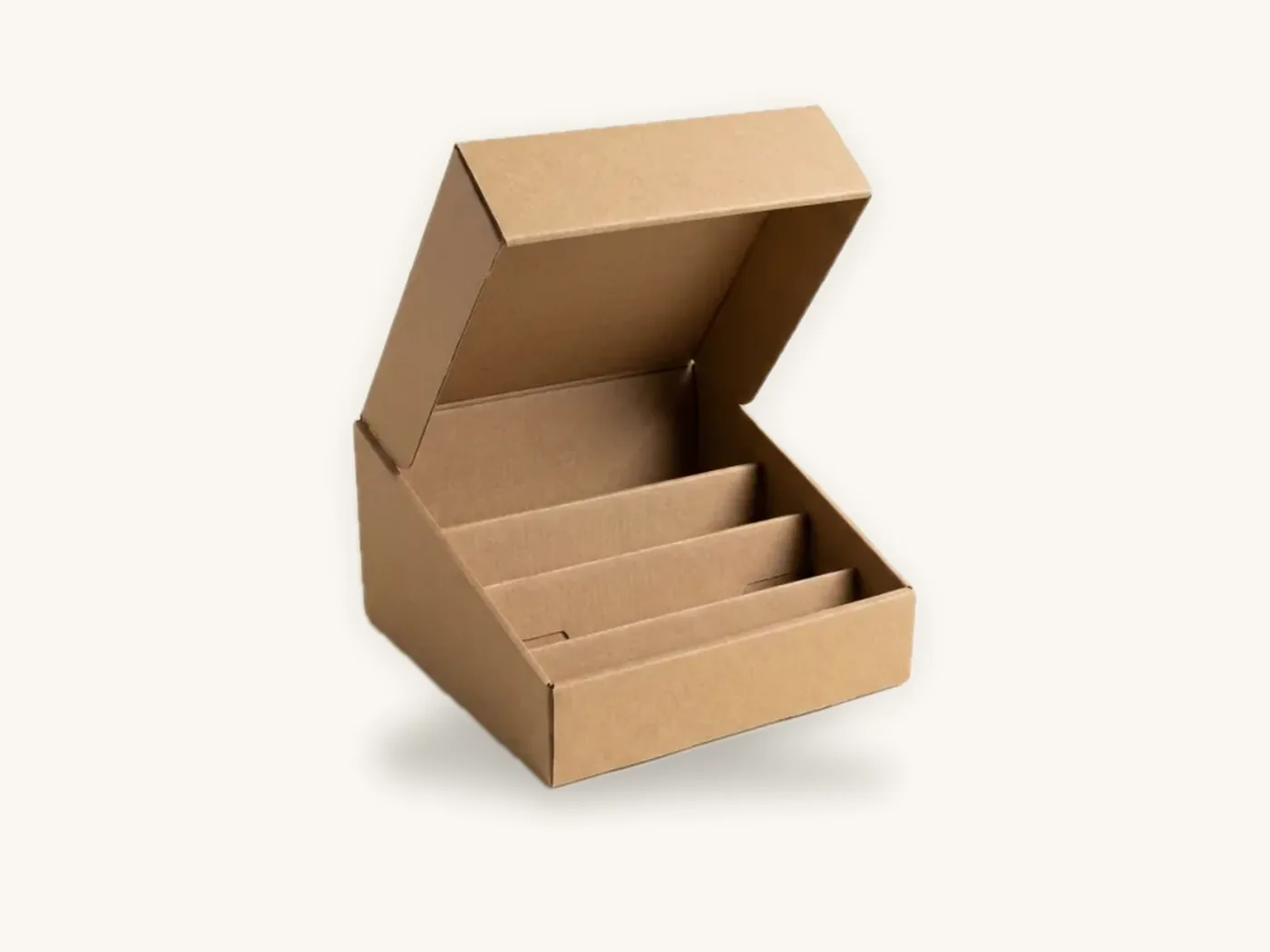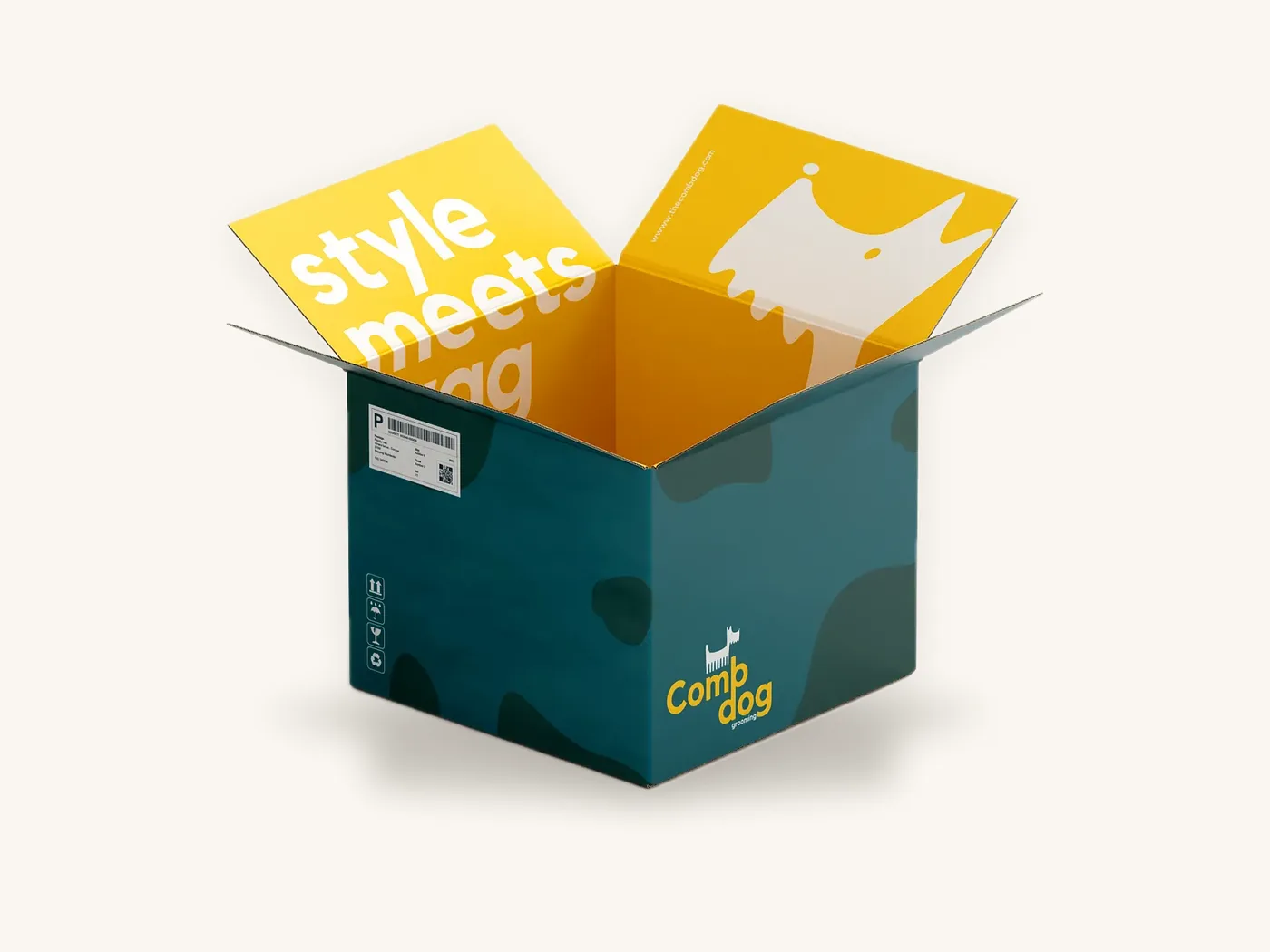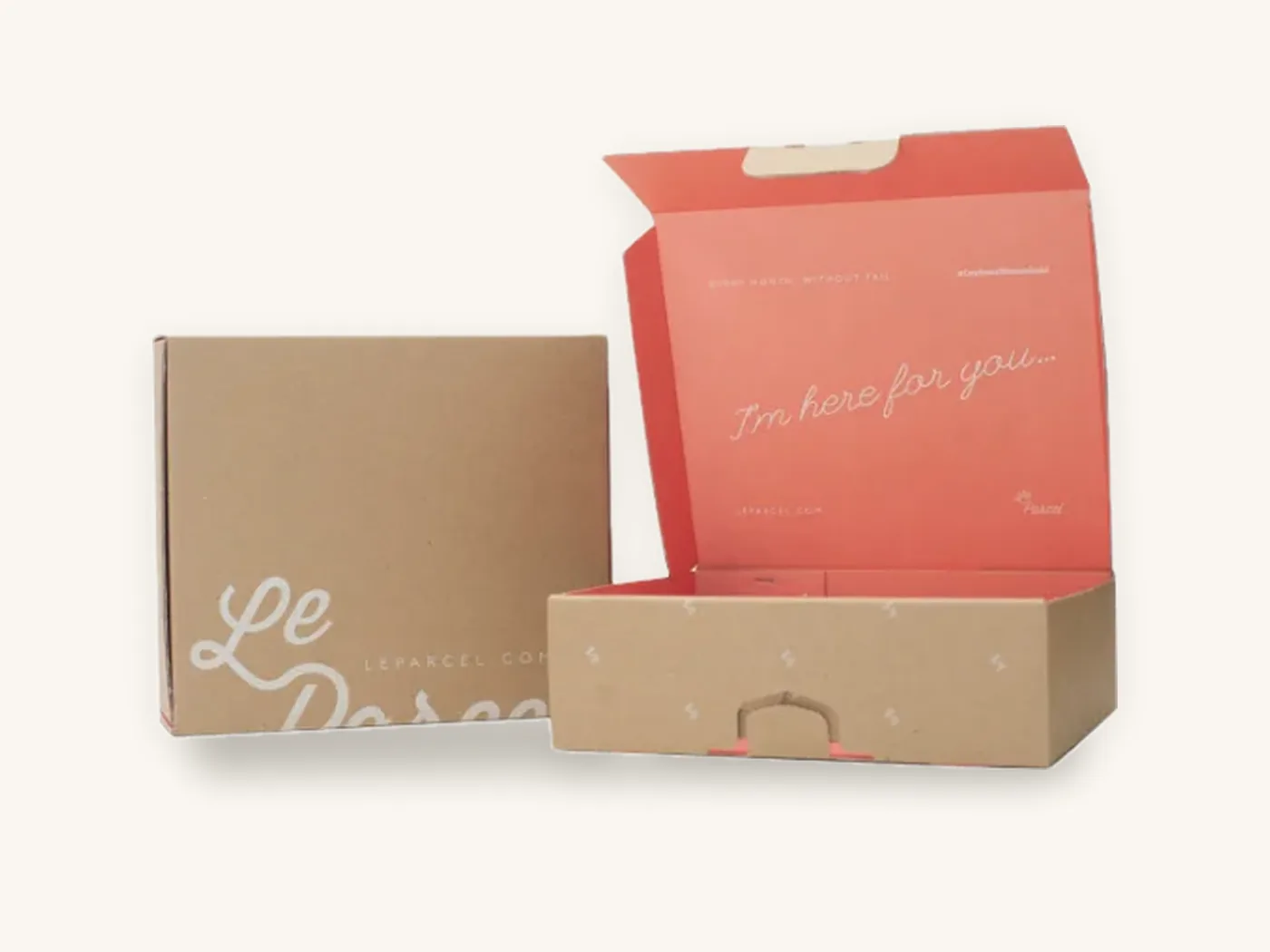
Custom subscription boxes are printed mailer boxes designed for a recurring program: one structure that ships every cycle, holds contents that change from month to month, and still opens like a gift. The best ones are usually E-flute corrugated mailers with inside printing, a tear strip or tuck closure, and an insert or fill system that adapts to each month's products.
The difference between a one-off product box and subscription box packaging is time. You are not designing for a single product; you are designing for twelve or more shipments, a growing or shrinking subscriber count, and a warehouse that has to pack hundreds of kits quickly. This guide works through the program decisions first, then sizing, structure, design, cost per subscriber and reorder planning.
Key takeaways
- Size the box for the largest realistic month, not the first month, and use inserts or fill to handle smaller kits.
- Keep the box design fixed and put monthly variation into cheap, fast components: stickers, printed cards, sleeves or tissue.
- An E-flute subscription mailer at 12x9x4 in, printed both sides with an insert and tear strip, costs about $5.85 each at 100 units and about $2.60 at 1,000, US shipping included.
- Order packaging in quarterly or multi-month batches to reach better price tiers without tying up too much cash or storage.
- Check dimensional weight before finalizing size; an extra inch on each side can cost more in postage than the box itself.
- Box Sense makes custom subscription boxes from 10 units with free design support, so you can test a pilot cohort before committing.
Start with the program, not the box
Before choosing a size or finish, write down how your program actually runs. These answers decide almost every packaging spec that follows.
Questions to answer first
- Cadence. Monthly, bi-monthly or quarterly? Longer gaps mean larger reorders and more storage.
- Content variability. Do contents change completely each cycle, or is there a core product plus rotating extras?
- Tiers. Do you offer a standard and a premium box? That may mean two sizes or one size with different inserts.
- Subscriber count and trend. How many boxes this month, and how many in six months? Growth changes your ideal order quantity.
- Who packs. In-house team, a 3PL, or you at a kitchen table? Packing speed favors self-locking mailers and simple inserts.
- Shipping method. Which carrier and service, and what is the weight range of a packed kit?
- Gifting. Are some boxes sent as gifts? If so, invoices should not be inside, and the outside may need to stay discreet.
A coffee club shipping two 12 oz bags every month has a very different problem from a curated beauty box whose items change shape each cycle. The coffee club can size tightly to two bags. The beauty box needs an envelope that fits a range of products and an adjustable interior.
Sizing subscription box packaging for contents that change
Sizing is where most programs go wrong. A box sized perfectly for month one may be too small by month four, and ordering a new size mid-program means a new structural sample, new artwork and duplicated inventory.
The envelope method
- List every product you might ship in the next 6–12 months, including the largest and heaviest likely items.
- Build the worst-case kit. Pack the combination with the greatest volume, including any card, tissue or pouch.
- Measure that kit at its widest points: length, width and depth.
- Add clearance of roughly 1/8–1/4 in on length and width for rigid items. Soft goods can be tighter.
- Check the lightest kit in the same box. If items slide freely, plan an insert, a divider or paper fill.
- Compare against carrier dimensional weight. Confirm current rules with USPS, UPS or FedEx for the service you use.
- Order an unprinted structural sample and pack both the heaviest and lightest kits in it.
Common subscription box sizes by kit type
| Kit type | Typical contents | Common internal size | Board |
|---|---|---|---|
| Snack or tea sampler | 4–8 small packs | 8x6x3 in | E-flute |
| Coffee club | Two bags of whole beans | 9x6x4 in | E-flute |
| Beauty and self-care | 4–6 mixed bottles, jars and tools | 10x8x4 in | E-flute with insert |
| Book or stationery club | A book plus small extras | 11x8x3 in | E-flute or book mailer |
| Pet treats and toys | Treat bags, one or two toys | 12x9x4 in | E-flute |
| Hobby or craft kit | Tools, materials, printed guide | 12x9x4 in or larger | E-flute or B-flute |
| Meal or bottle kits | Heavy or fragile items | Sized to contents | B-flute, often with dividers |
These are starting points, not rules. Your own worst-case kit measurement always wins. If you ship books, our guide to book mailer boxes covers wrap-style structures that hold flat items tighter than a deep mailer.
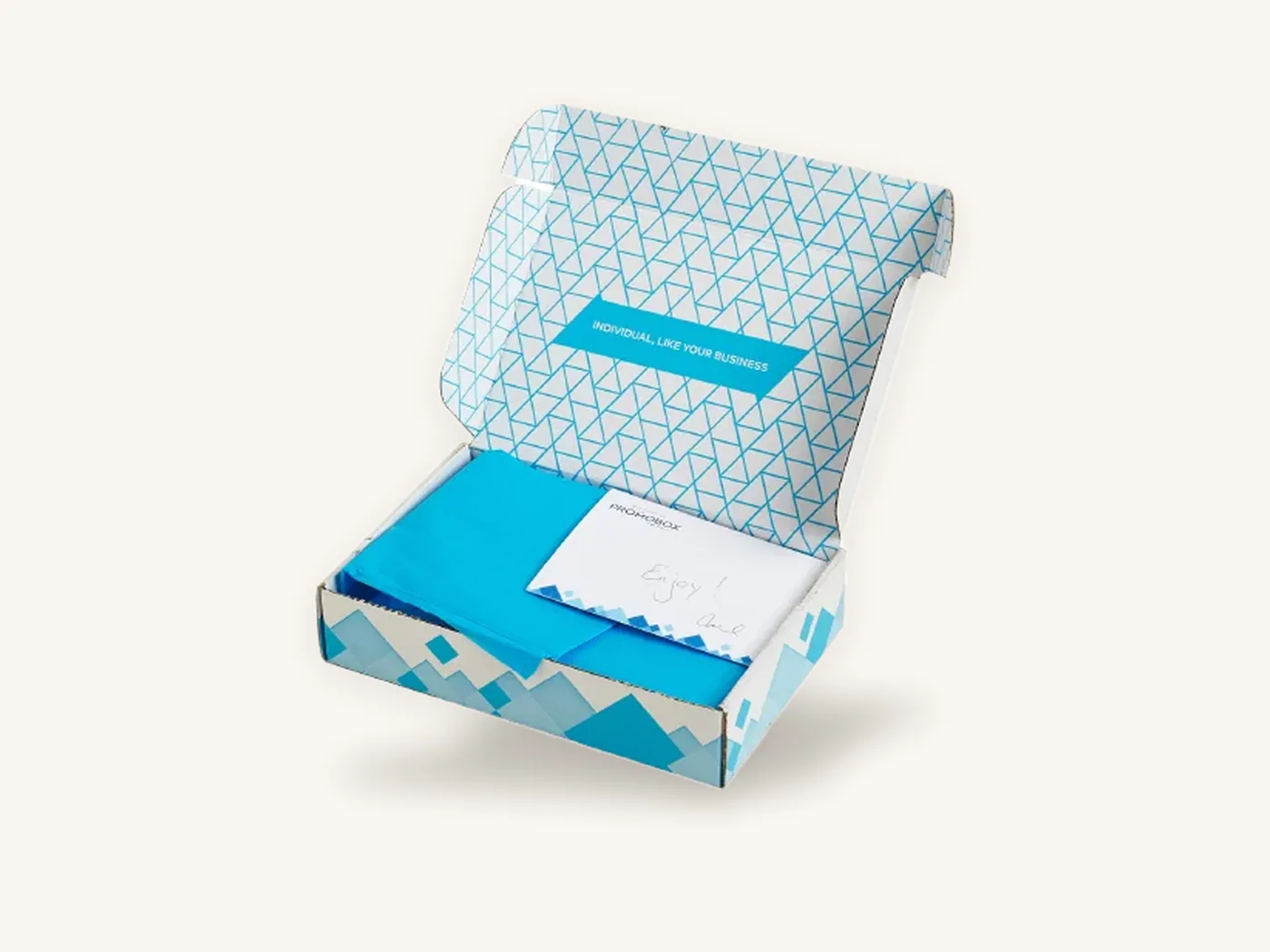
Watch out: a box that is oversized by even one inch on each side can move a parcel into a higher dimensional weight bracket. Over thousands of shipments, that postage difference can exceed what you spend on the box. Measure before you design.
Choosing the structure for monthly box packaging
Most programs use a corrugated mailer, but the closure and board depend on contents, packing speed and how the box travels.
| Structure | Closure | Strengths | Best for | Tradeoffs |
|---|---|---|---|---|
| Roll-end tuck-front mailer | Front flap tucks into base | Clean presentation, fast to pack, strong rolled walls | Most monthly programs | Needs tape or a seal for tamper evidence |
| Tuck-top mailer with tear strip | Flap tucks over front wall; strip tears open | Tamper-evident, no tape, satisfying opening | Beauty, supplements, gifted boxes | Tear strip adds a small per-unit cost |
| RSC shipper with inner kit box | Taped flaps, product box inside | Maximum protection, discreet outside | Heavy, fragile or high-value kits | Two components to buy and pack |
| Rigid or collapsible rigid box | Magnetic or lift-off lid | Keepsake value, premium tiers | Annual or premium editions | Much higher cost; overbox for shipping |
Our default recommendation
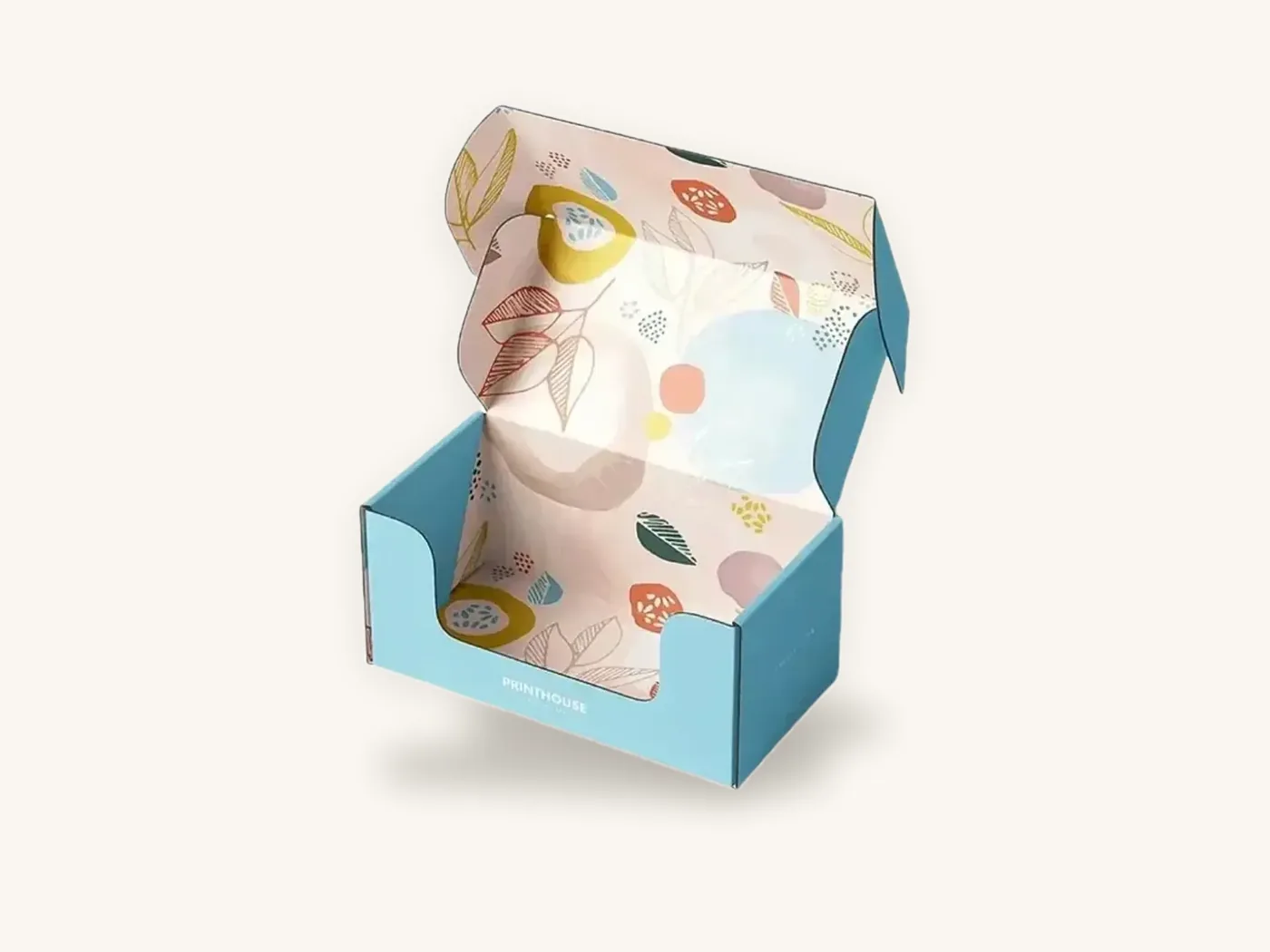
For most programs, start with a roll-end custom mailer box in E-flute, printed outside and on the inside lid. Add a tear strip if gifting or tamper evidence matters. Tuck top mailer boxes are the natural choice when you want the box to open by tearing rather than cutting tape. Move to B-flute or an inner-box-plus-shipper setup only when kit weight, glass or sharp edges demand it; the custom shipping boxes guide explains that route.
The mailer boxes style page shows all the variations, and the corrugated board page lists flute grades.
Designing a subscription box that works for 12 months
The most cost-effective subscription box packaging separates what stays the same from what changes. Treat the printed box as your permanent brand asset, and put seasonal or monthly content into short-run components.
Layer 1: the permanent box
The outside carries your logo, a pattern or color field and nothing time-sensitive. Avoid printing month names, theme artwork or promotional offers here. The inside lid carries a welcome line or a brand message that stays true every cycle. This lets you order the box in large, economical batches.
Layer 2: the monthly variable
- A printed card introducing the month's theme and products.
- A sticker or seal on the outside or tissue, color-coded by month or tier. Custom labels and stickers can be printed in small quantities.
- A belly band or sleeve around the box for seasonal editions.
- Printed tissue in a seasonal color, or plain tissue closed with a themed sticker.
Layer 3: the tier signal
If you run standard and premium tiers, you rarely need two box designs. A different sticker, a foil-stamped card or an upgraded insert can distinguish them while keeping one box SKU.
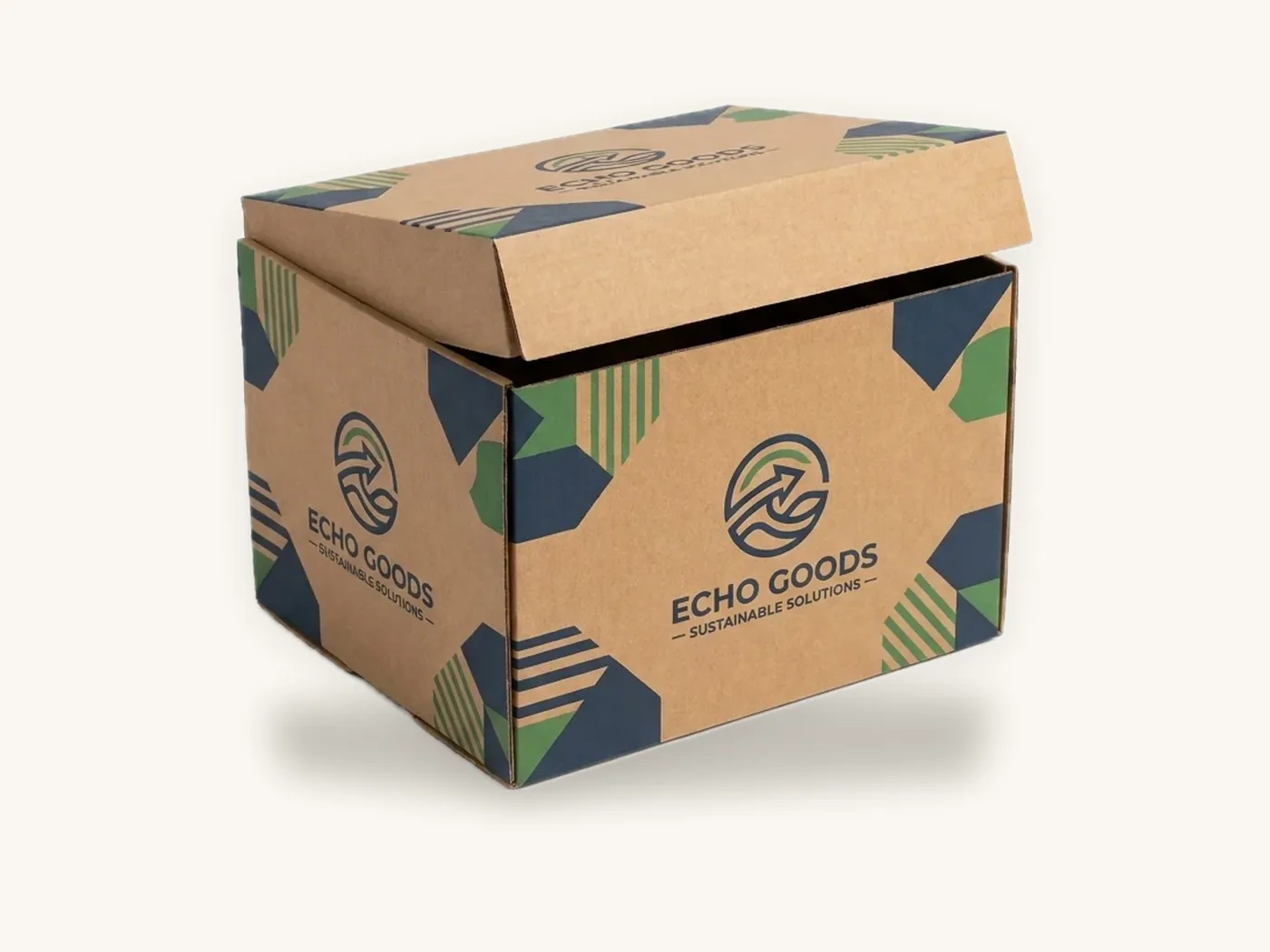
Artwork tips specific to subscription boxes
Keep the lid clear of the area where shipping labels land, usually the top center or one end panel. Leave a quiet space on one end for a batch code or month sticker. On kraft board, use one or two strong colors or opaque white ink so the design holds up across scuffs; kraft mailer boxes are forgiving in transit.
Inserts, dividers and fill for monthly kits
The interior is where variable contents meet a fixed box. Choose a system that your packers can adapt without a new die each month.
Adjustable approaches
- Crinkle paper or paper fill: the most flexible option. It adapts to any combination and adds color. Plan the amount per box so packing stays consistent.
- Printed tissue wrap: gathers items into one bundle and hides empty space. Printed tissue paper suits apparel and gift-style kits.
- A universal platform insert: a raised paperboard platform lifts contents toward the lid, so a lighter kit still looks full on opening.
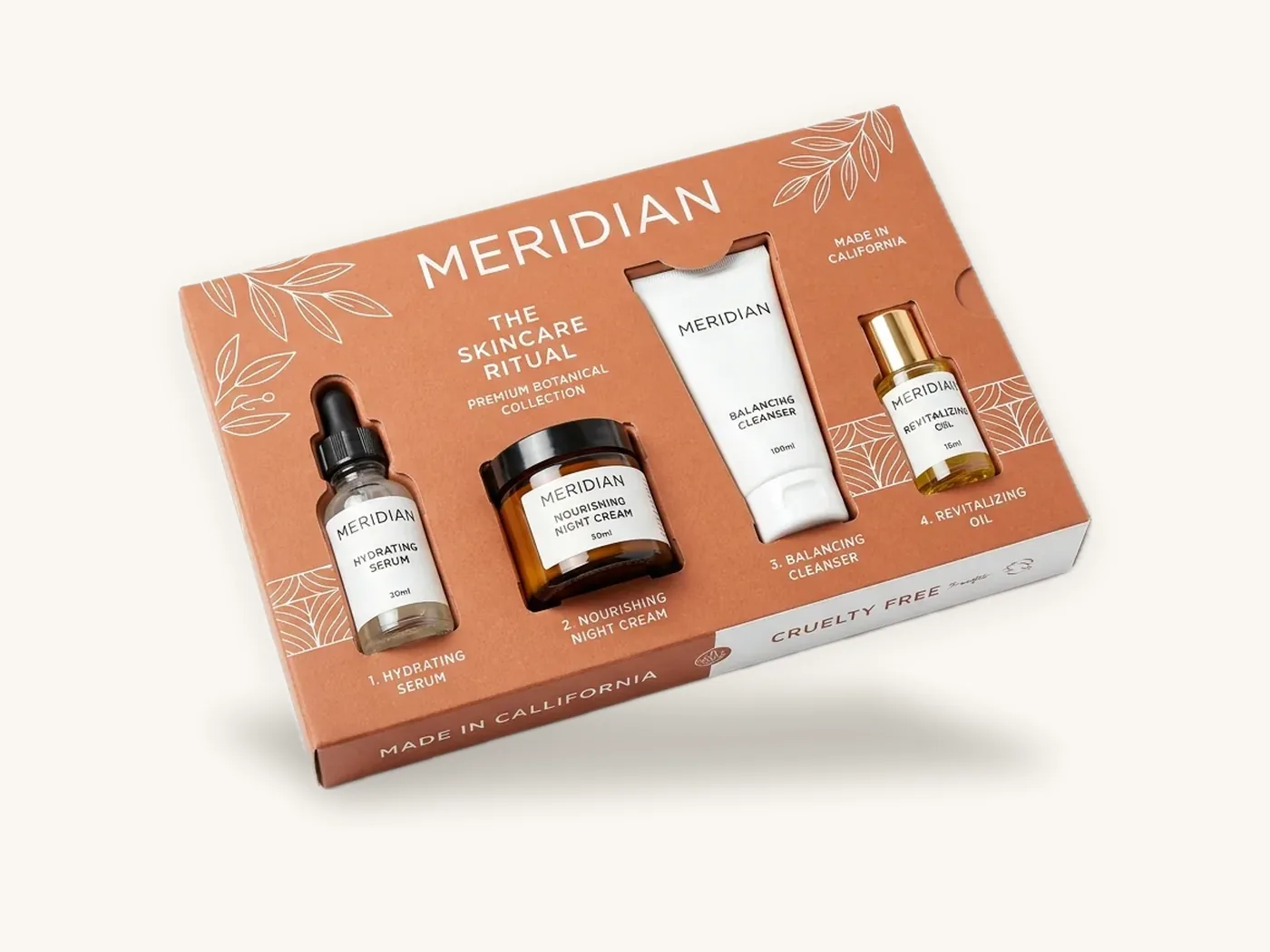
Fixed inserts
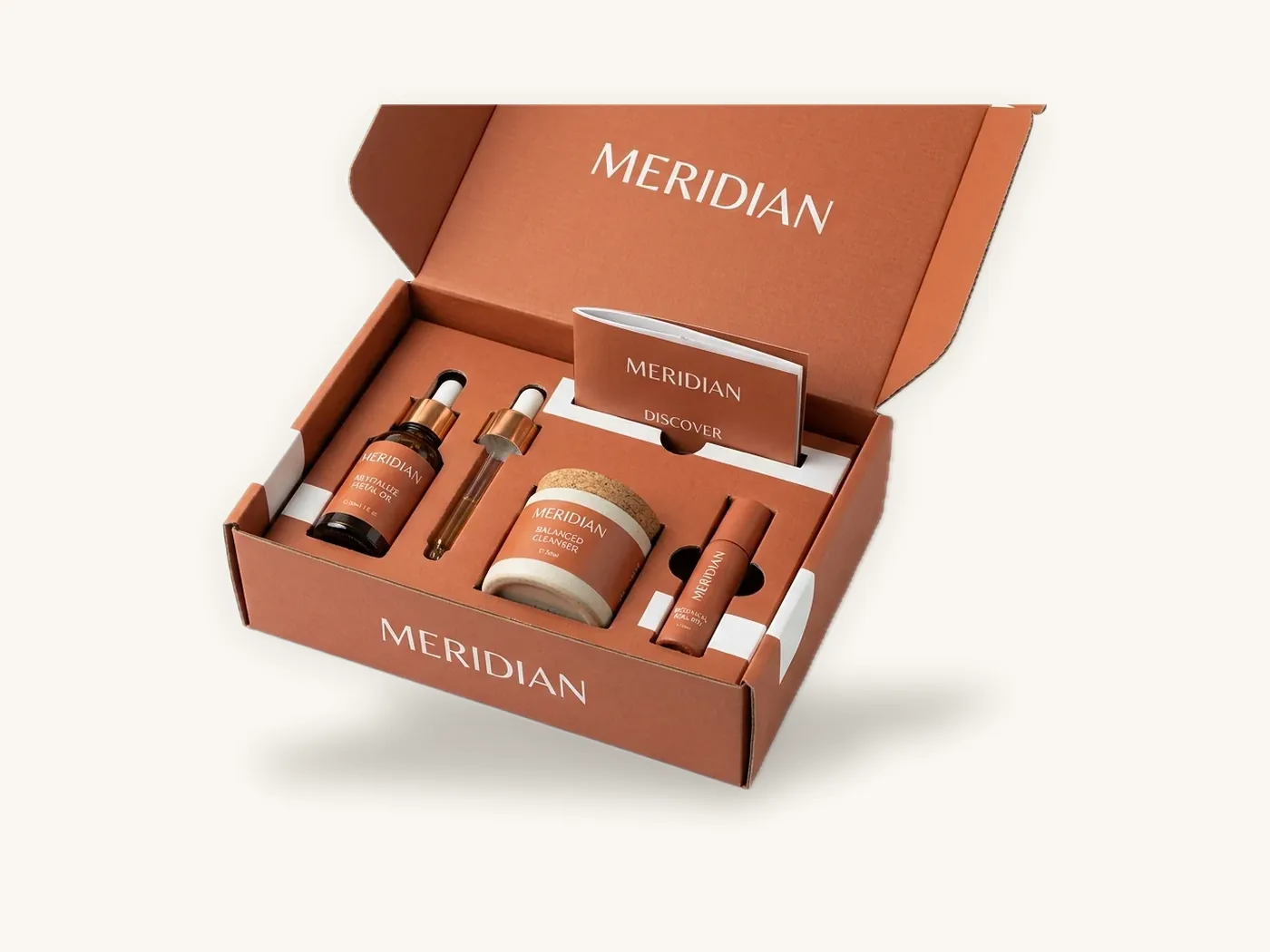
- Die-cut cavity inserts hold the same products in the same place every month. They suit programs with a consistent core, such as a coffee club or a supplement refill.
- Dividers separate bottles or jars and prevent contact damage.
- Molded pulp trays protect glass and fragile items without plastic.
Box inserts and dividers can be designed with the box so dimensions stay compatible. Our box inserts guide compares paperboard, foam and molded pulp in detail.
Tip: if contents change every month, avoid a product-specific cavity insert in the box order. Order the box with a simple platform or divider, then add a monthly die-cut insert only for editions that need it.
Cost per subscriber: modeling your packaging spend
Subscription economics run on cost per shipment, so model packaging as a line item per subscriber per cycle, alongside product, fulfillment labor and postage.
Indicative prices by batch size
| Spec (US shipping included) | 100 | 250 | 500 | 1,000 | 2,500 | 5,000 |
|---|---|---|---|---|---|---|
| Mailer, E-flute, 8x6x3 in, full color outside | $2.64 | $1.88 | $1.41 | $1.17 | $1.00 | $0.83 |
| Mailer, E-flute, 10x8x4 in, full color inside and outside | $4.33 | $3.08 | $2.31 | $1.92 | $1.63 | $1.36 |
| Subscription mailer, E-flute, 12x9x4 in, both sides, insert and tear strip | $5.85 | $4.16 | $3.12 | $2.60 | $2.21 | $1.84 |
A worked example
Say you run a snack box with about 400 subscribers and ship an 8x6x3 in mailer printed outside. Ordering 100 boxes at a time means paying about $2.64 each. Ordering a quarter's worth, roughly 1,000 boxes plus a small buffer, brings the price to about $1.17 each. The box design has not changed; only the batch size has.
Now say a beauty program with 900 subscribers needs a 12x9x4 in mailer with a tear strip and insert. At 1,000 units, packaging runs about $2.60 per shipment. Ordering 2,500 units to cover roughly three months brings that to about $2.21, if you have the storage space and confidence in retention.
What drives the number
- Box size: the largest single lever after quantity.
- Print coverage: outside only, inside lid only, or full interior.
- Extras: tear strips, inserts and finishes each add cost; foil or spot UV adds one-time tooling.
- Batch size: the biggest lever you control once the spec is set.
Use the subscription box price estimator with your own size to see where tier breaks fall.
Reorder planning and inventory
Running out of boxes in the middle of a shipping window is one of the most avoidable problems in a subscription business.
How much to order
Order enough for two to four cycles, plus a buffer for new signups and damaged stock. Ordering more than six months ahead ties up cash and space, and it locks you into a design you might want to refresh.
When to reorder
Work backward from your next ship date. Allow time for your internal reorder decision, a quick artwork check, production of 8–12 business days after proof approval and delivery. On repeat orders with unchanged artwork, the proof step is fast. Rush production in 5 business days is available on most corrugated styles, but plan so you do not rely on it.
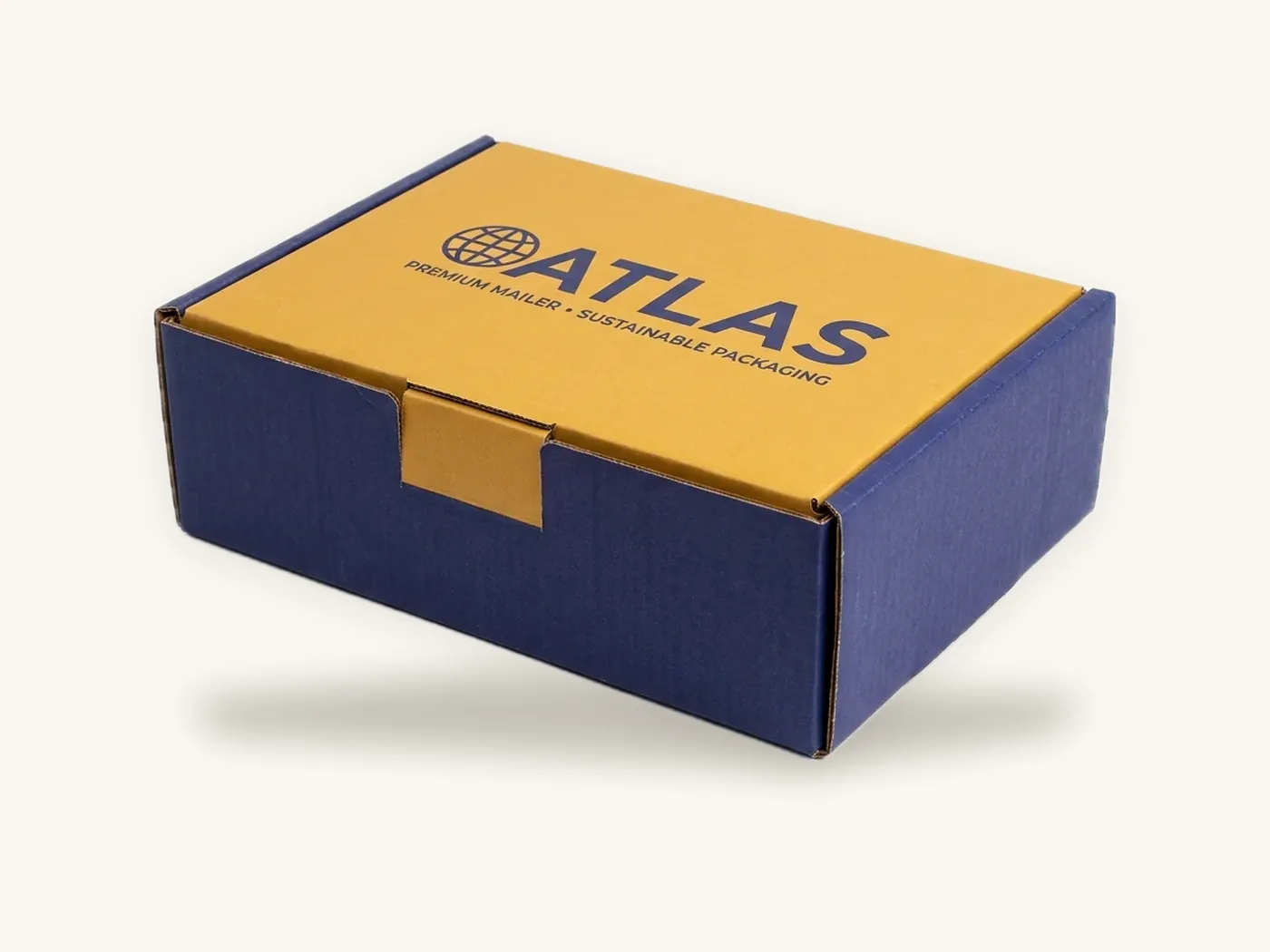
Storage
Mailers ship flat. E-flute stacks compactly, so a few thousand boxes fit on a small number of pallets depending on size. Store them dry and off the floor; corrugated absorbs moisture, which weakens folds and can warp printed panels.
Reorder checklist
- Current subscriber count and projected count at next ship date
- Boxes on hand, including any damaged or misprinted stock
- Any artwork changes, even small ones such as a new URL
- Insert or divider changes for upcoming editions
- Confirmed ship-to address, especially if you have moved to a 3PL
Fulfillment and shipping considerations
Packing speed
Self-locking mailers fold in seconds without tape. If a 3PL packs your boxes, confirm they can store flat stock and ask how they handle inserts and tissue. A simple, repeatable packing sequence reduces errors when volumes spike.
Labels and invoices
Decide where the shipping label goes and design around it. Keep invoices out of gifted boxes. A printed card with a QR code can link to the month's product details instead of a paper insert sheet.
Protecting the box in transit
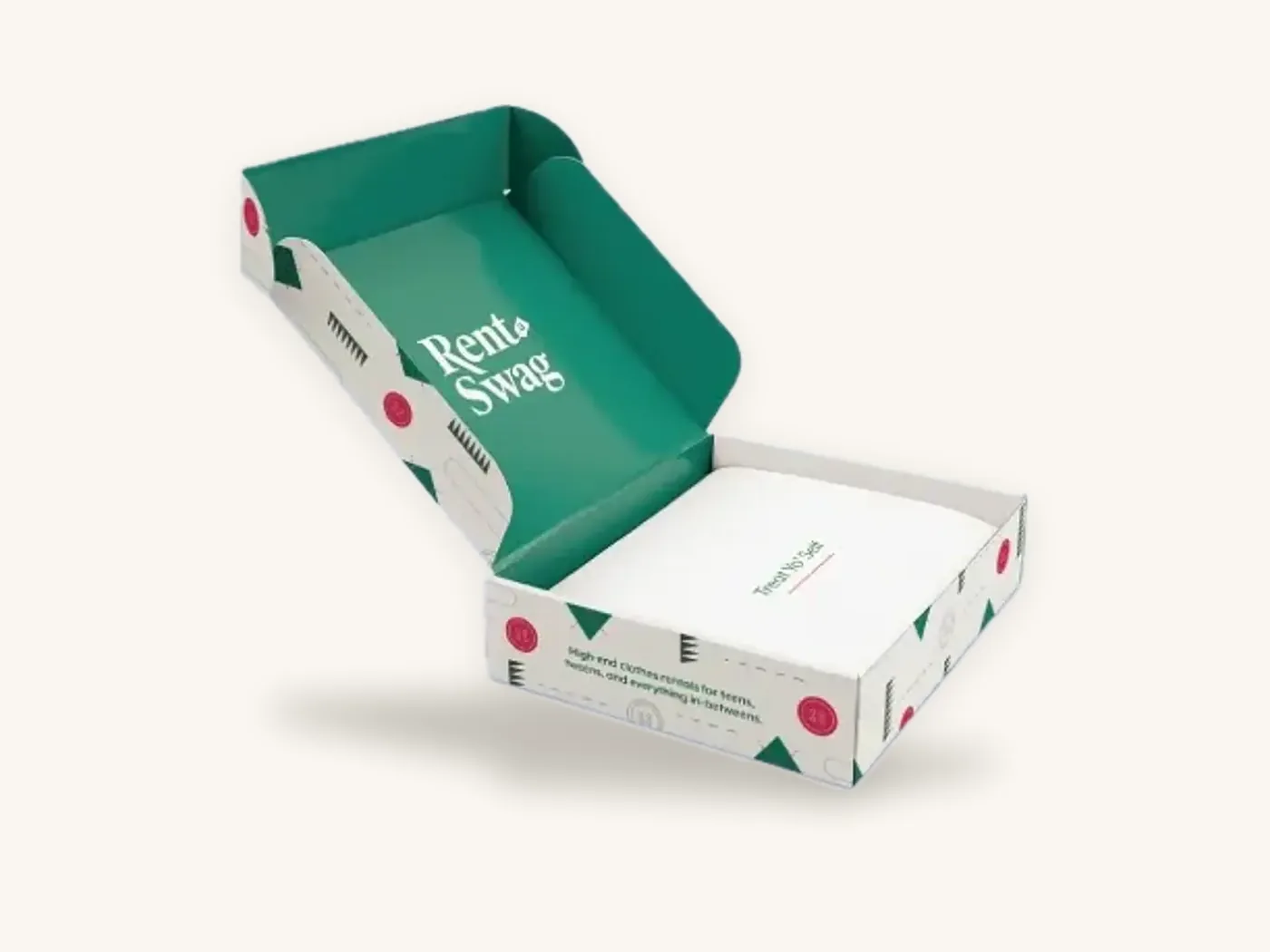
Corrugated mailers ship on their own, but the outside will pick up scuffs. Matte or gloss lamination improves scuff resistance; aqueous coating is lighter and keeps the box easier to recycle. Branded custom packaging tape or a tear strip adds security.
Retail and wholesale spin-offs
Some subscription brands later sell individual products at retail. If that is on your roadmap, the custom display boxes guide covers counter displays, and the auto lock bottom boxes guide covers retail cartons for heavier single items. For opening-moment ideas, see unboxing experience ideas for subscription boxes.
How to order custom subscription boxes from Box Sense
A subscription program benefits from a short pilot before the full run. With a 10-box minimum, you can test the size with real kits and a real carrier before ordering hundreds.
What to send
- Your worst-case and lightest kit dimensions and weights
- Cadence, current subscriber count and expected growth
- Preferred structure (tuck-front, tuck-top with tear strip, or shipper plus inner box)
- Print plan: outside, inside lid or full interior; full color, one color or PMS
- Insert or divider needs, or a request for a recommendation
- Quantities to price, such as 250, 1,000 and 2,500
- Ship date for your first cycle and ship-to location
The process
- Quote within 24 hours for your spec and quantity tiers.
- Free design support: dieline, artwork setup and a 3D digital proof with two revision rounds.
- Samples: unprinted structural samples are free; a printed sample of approved artwork is free on orders of 100 or more. Details on the samples page.
- Production: 8–12 business days after proof approval, rush in 5 business days on most corrugated styles.
- Delivery: free shipping on every US order; international shipping quoted at cost.
There are no die or plate charges, and defective boxes reported within 14 days are reprinted free. The e-commerce and subscription page and the subscription boxes product page show common configurations.
Frequently asked questions
How much do custom subscription boxes cost?
It depends on size, print coverage, extras and batch size. An 8x6x3 in E-flute mailer printed outside is about $1.17 each at 1,000 units. A 12x9x4 in subscription mailer printed both sides with an insert and tear strip is about $5.85 at 100 units and about $2.60 at 1,000, including US shipping. Check the pricing page for your exact spec.
What size should my subscription box be?
Measure your largest likely kit for the next 6–12 months, including tissue and cards, and use that as the internal size with a little clearance. Then check the lightest kit in the same box and plan fill or an insert for it. Avoid oversizing, which increases dimensional weight postage. A free structural sample confirms the fit.
Should I change my subscription box design every month?
Usually not. Reprinting the whole box monthly means small, expensive batches. Keep the box design permanent and change cheaper components instead: a printed card, a sticker or seal, a sleeve or seasonal tissue. Reserve a new box design for major rebrands, anniversary editions or holiday runs where the extra cost is justified.
What is the best box for a monthly subscription?
For most programs, an E-flute corrugated mailer box with inside-lid printing is the best balance of protection, presentation and cost. It ships without an outer box, folds without tape and gives you printable surfaces inside and out. Add a tear strip for tamper evidence, or move to B-flute or a shipper with an inner box for heavy or fragile kits.
How many subscription boxes should I order at once?
A practical range is two to four cycles of stock plus a buffer for new subscribers and damage. That reaches better price tiers without tying up too much cash or space. Ordering far beyond six months risks storing boxes you may want to redesign, and corrugated board should be kept dry and off the floor.
Can I order a small batch of subscription boxes to test?
Yes. Box Sense produces custom subscription boxes from a minimum of 10 units. A small printed batch lets you pack real kits, ship them through your carrier and check fit, print and arrival condition before committing to a larger order. Unprinted structural samples are also free if you only need to test sizing.
Do subscription boxes need an outer shipping box?
Most do not. Corrugated mailer boxes are built to travel through parcel networks on their own. Exceptions are heavy kits, glass, sharp-edged tools or premium rigid boxes, which should go inside a corrugated shipper. If gifting privacy matters, a plain outer shipper also hides the branded box until the recipient opens it.
How long does it take to produce subscription boxes?
Box Sense confirms quotes within 24 hours. Standard production is 8–12 business days after proof approval, and rush production in 5 business days is available on most corrugated styles. For a new program, allow extra time for a structural sample and proof revisions. Reorders with unchanged artwork move faster because the dieline and proof are already approved.
Next steps
Pack your largest and smallest kits, measure them, and run the size through the instant pricing estimator at a few batch sizes to see your cost per shipment. When the numbers work, request a subscription box quote and we will confirm pricing within 24 hours and send a dieline for your artwork.
Boxes in this guide
Order the packaging we covered
Written by the Box Sense Packaging Team
Our structural designers, prepress technicians and production staff print and convert custom boxes every day for brands in the United States, United Kingdom and UAE. Questions about this guide? Talk to us.