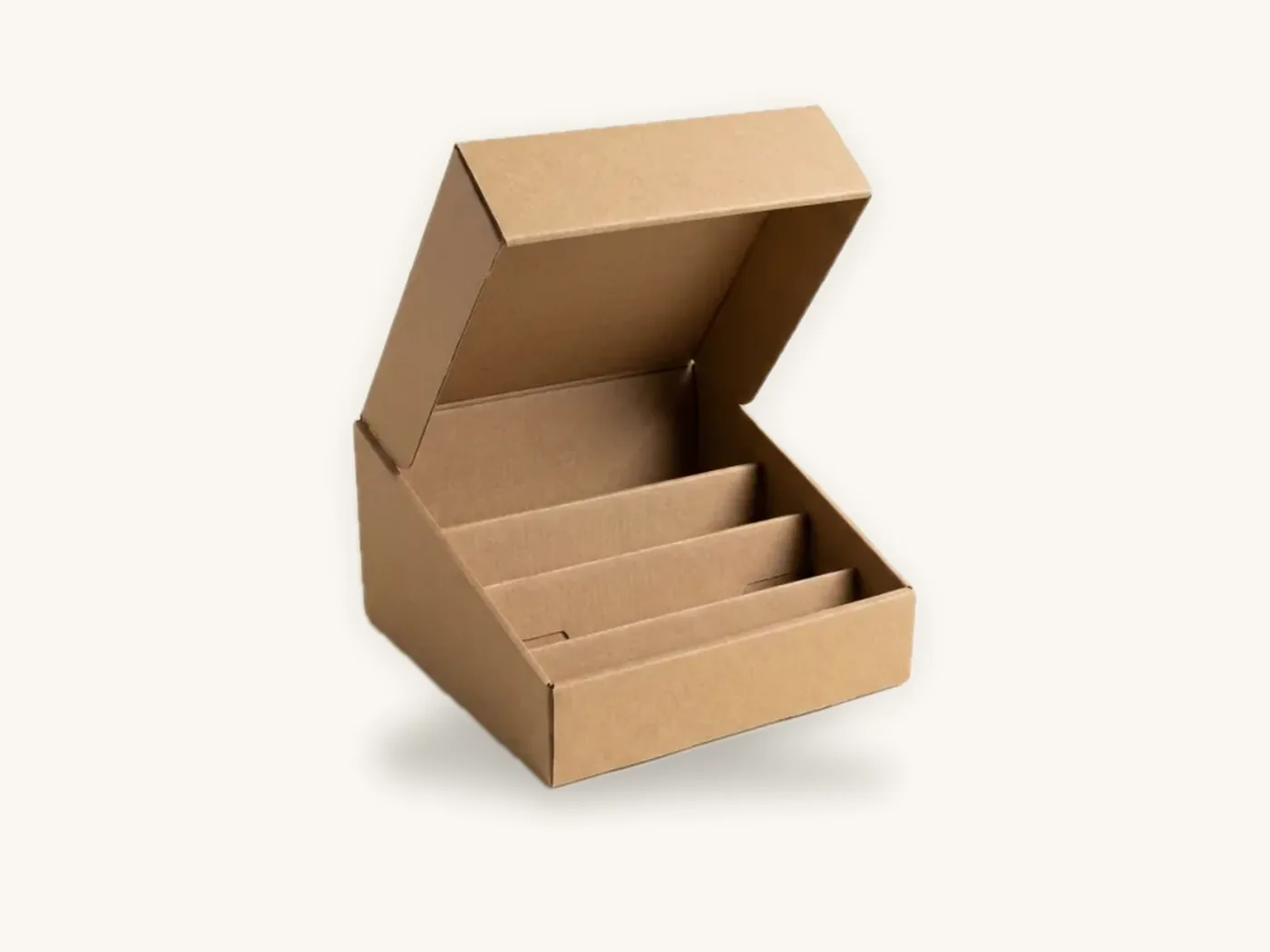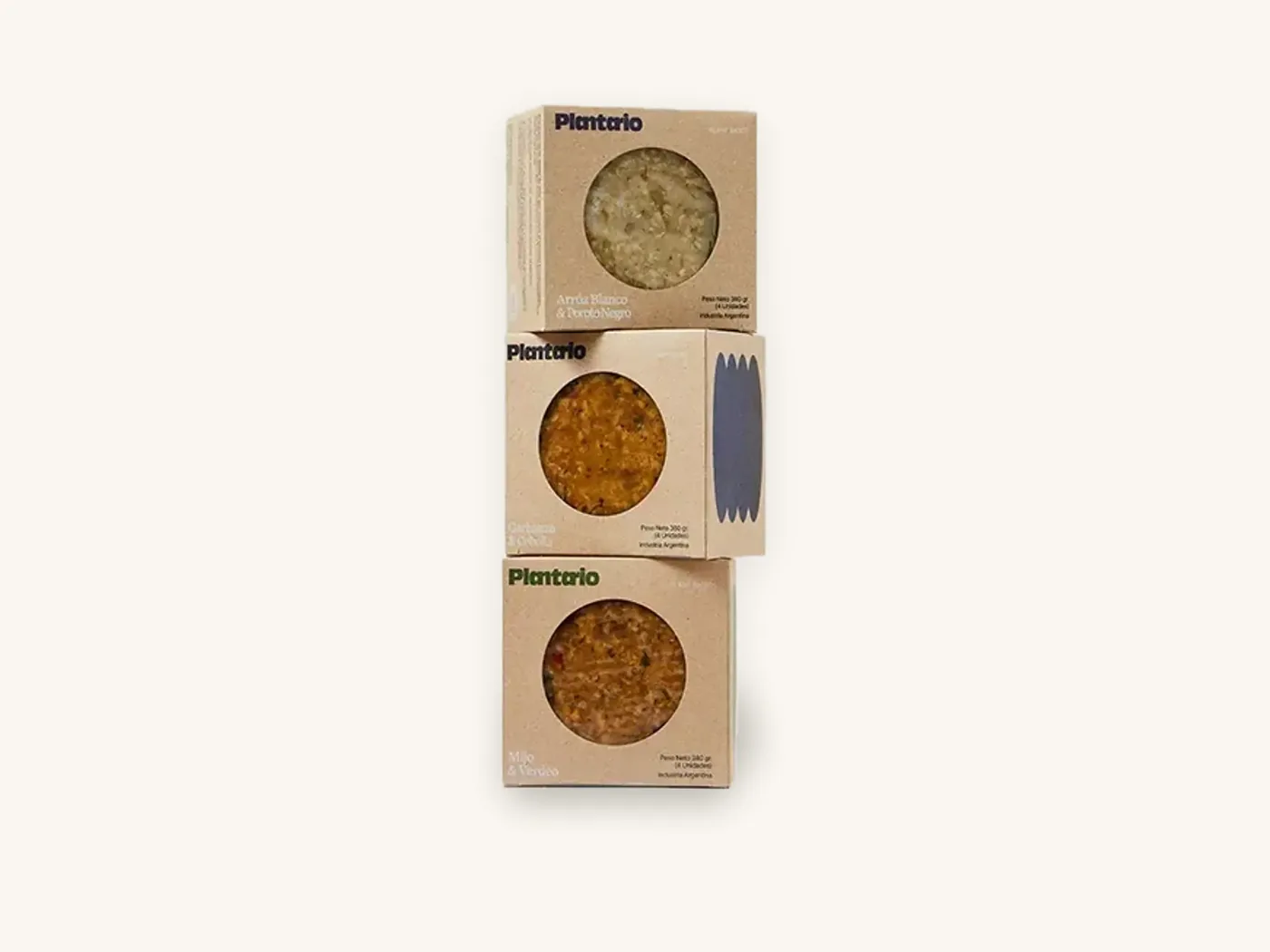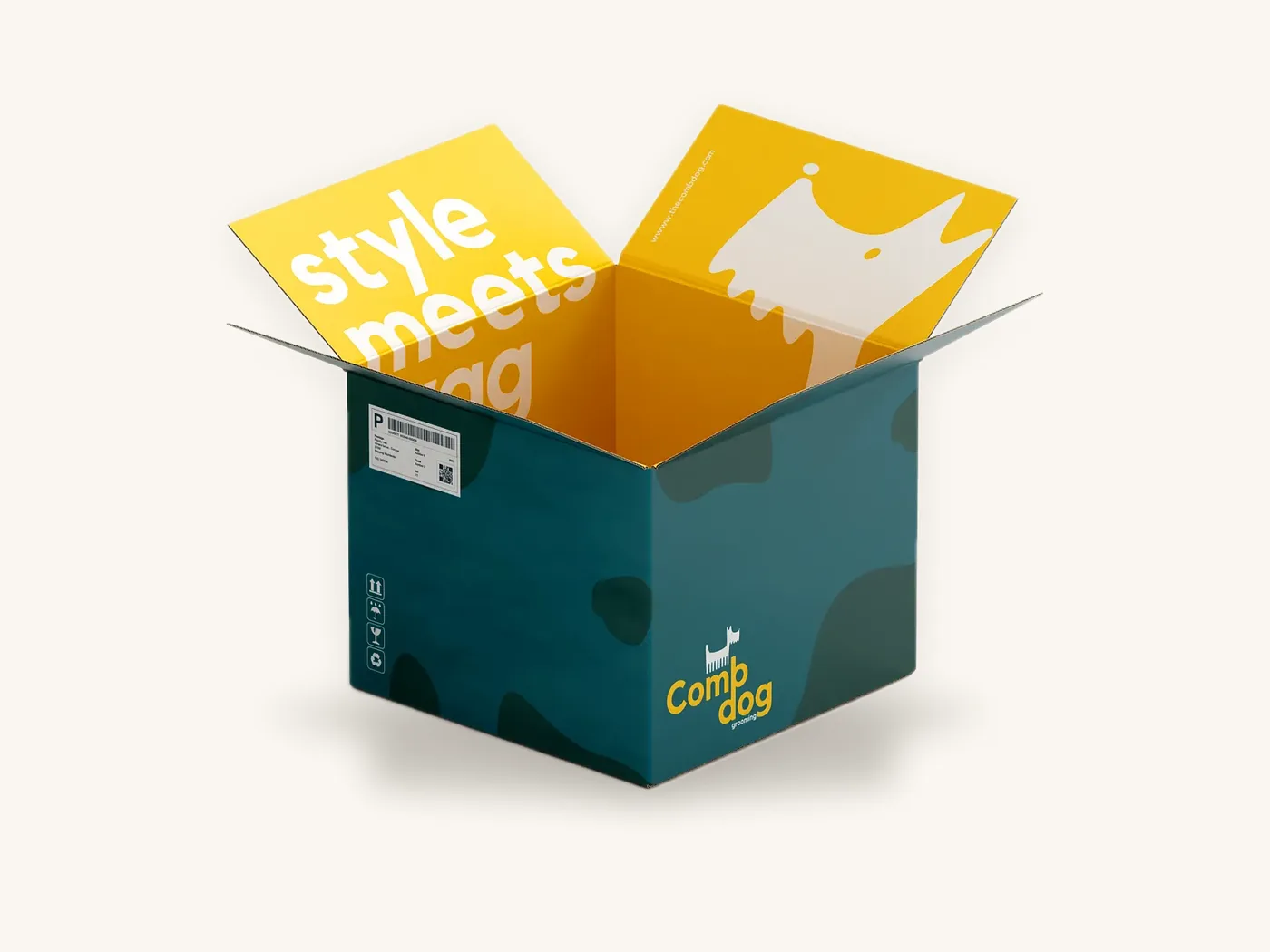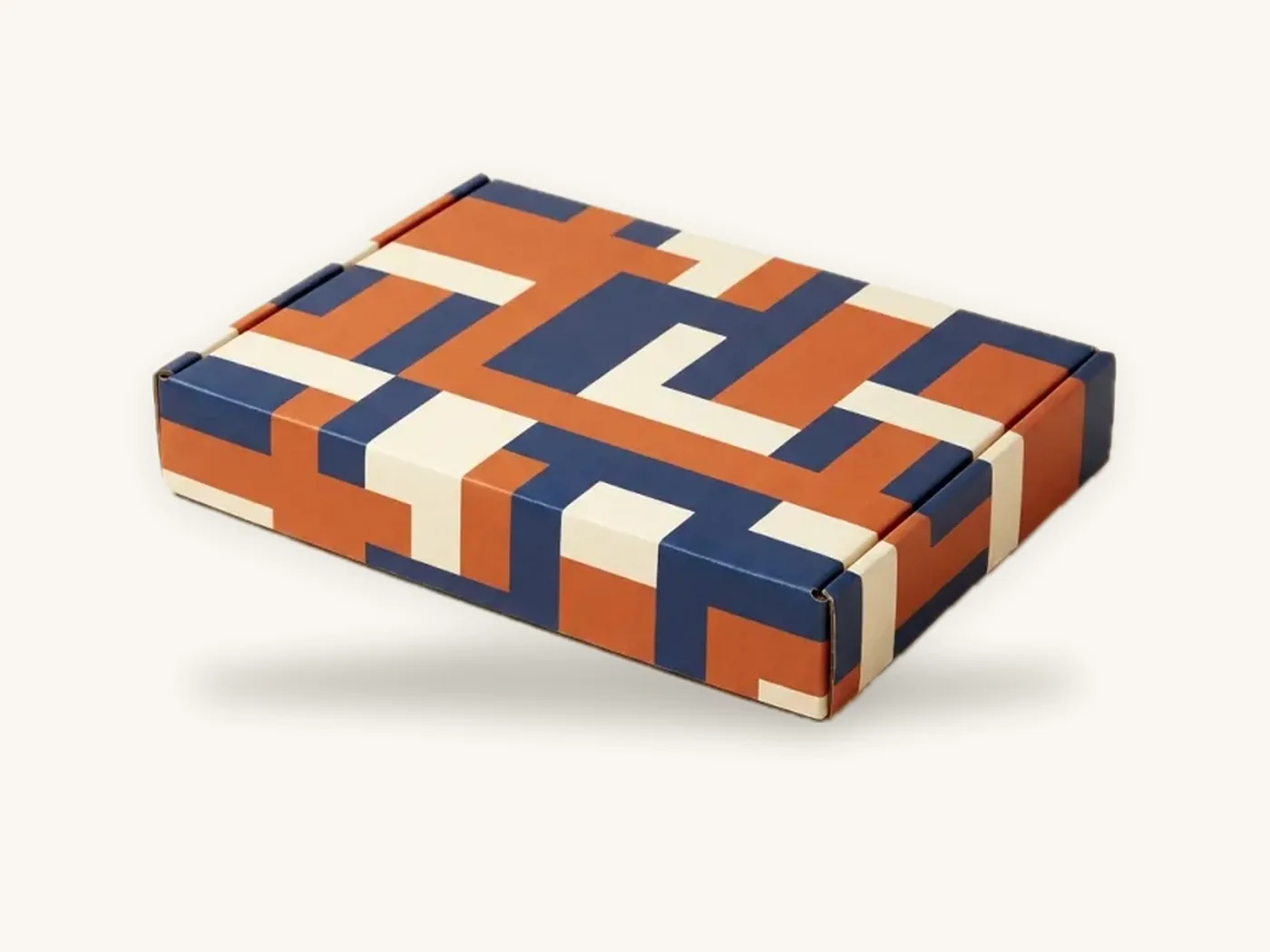
Book mailer boxes are slim corrugated mailers that wrap tightly around a flat item, so a book, planner, notebook or art print cannot slide, and its corners never touch the outer wall of the box. The most common style is the wrap-around mailer: a flat tray with side flaps that fold over the item, and a lid that locks everything in place with a peel-and-seal strip or tuck.
They exist because books are surprisingly easy to damage. A hardcover weighs enough to hit the inside of a loose box hard, and the corners and spine take that impact. A snug book mailer removes the gap that causes the damage. This guide explains how books get damaged, which book shipping boxes prevent each problem, how to size them from a trim size, and what to specify when you order.
Key takeaways
- Most book damage comes from movement inside the box, not from the box being crushed. Fit matters more than board thickness.
- Wrap-around mailers grip flat items from all sides; roll-end mailers suit a book plus extras or gift presentation.
- Size from the trim size plus spine thickness, adding only about 1/8 in on length and width for a snug fit.
- E-flute handles most single books and planners; B-flute is worth it for heavy hardcovers, boxed sets and framed prints.
- Protect covers from abrasion with a sleeve, tissue or a smooth inner liner, especially for soft-touch or matte laminated covers.
- Box Sense makes book mailer boxes from 10 units, with free structural samples so you can test a real copy before ordering a run.
How books get damaged in the mail
Knowing the failure modes makes it much easier to choose a box. Each type of damage has a specific cause and a specific fix.
| Damage | What it looks like | Main cause | Packaging fix |
|---|---|---|---|
| Bumped corners | Crushed or rounded board corners on hardcovers | Book slides and hits the box wall | Snug wrap-around fit; corner clearance built into the box |
| Spine damage | Creased, dented or split spine | Impact on a box edge while the spine faces out | Tight fit, B-flute for heavy books, spine not against a thin panel |
| Cover scuffs | Rub marks, dulled lamination, scratched foil | Book moving against corrugated or other items | Paper sleeve, tissue, or a smooth white inner liner |
| Bent or dog-eared pages | Paperbacks bowed or corners folded | Box too deep, book shifting diagonally | Shallow box matched to thickness; flat base support |
| Warping | Covers curl or pages ripple | Moisture during transit or storage | Keep stock dry; consider a paper wrap or sleeve |
| Crushed prints | Creases in unframed art prints | Board flexing under stacked parcels | Rigid backer board and a stiffer flute |
Why a regular box is the wrong choice
A standard shipping carton is sized in whole inches and is usually deeper than a book. The book lies flat with space above it, slides with each turn of a conveyor and lands corner-first on the walls. Filling the gap with loose fill helps, but fill compresses and shifts. A book mailer removes the empty space instead of trying to fill it.
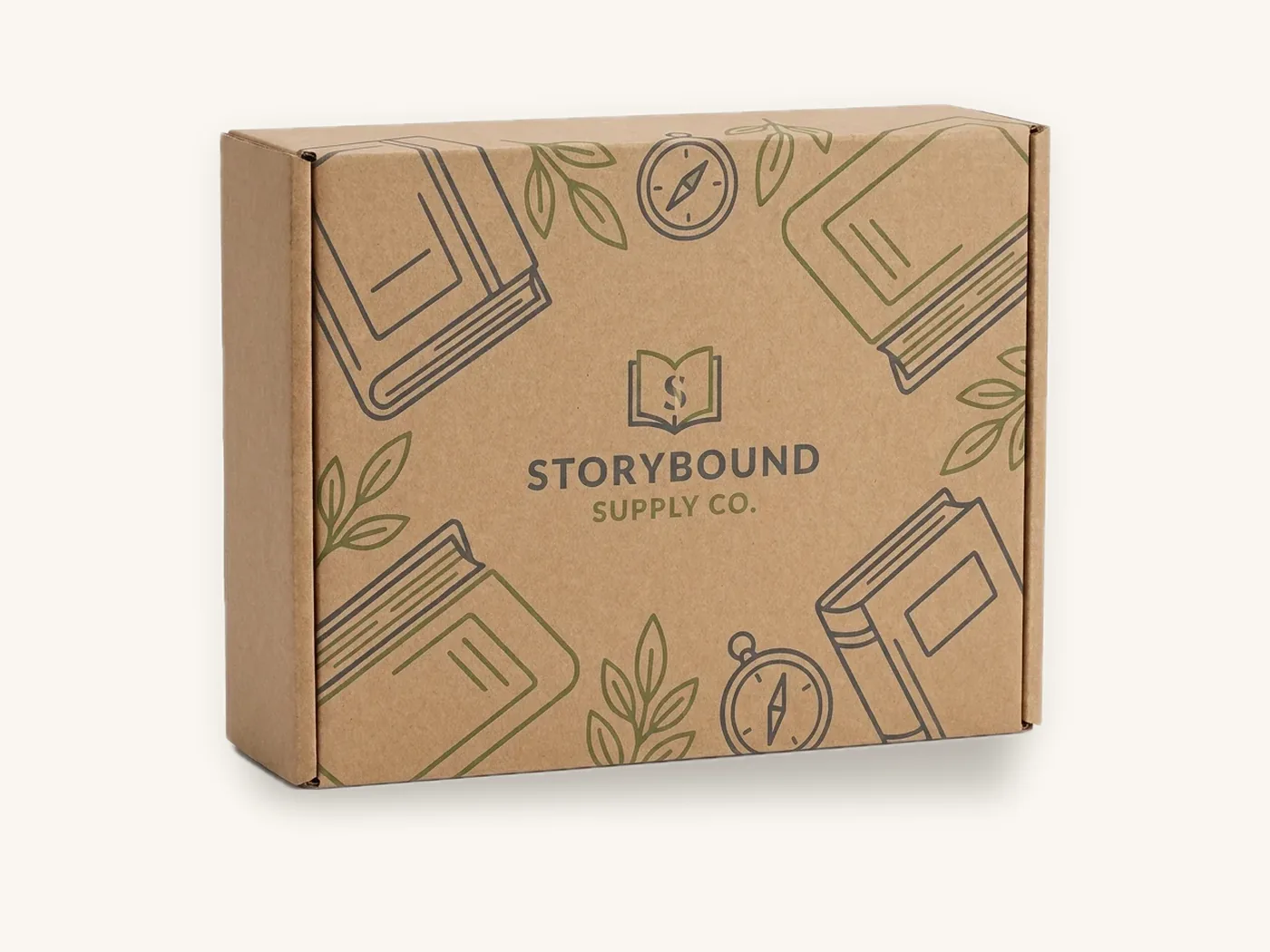
Book mailer styles: wrap-around vs roll-end vs sleeve
"Book mailer" describes a job, and several structures do it. The right one depends on the item, whether extras ship with it and how the box should open.
Wrap-around (book wrap) mailer
A single die-cut sheet with a center tray the size of the book. End flaps fold in, side flaps fold over and the front panel closes on top. Many versions include a peel-and-seal adhesive strip for closing and a tear strip for opening. The flaps create extra layers of corrugated at the edges, which cushions the corners exactly where damage happens.
Choose it for single books, planners, calendars, notebooks and prints on backer board. It is the most protective option for its weight and packs quickly once packers learn the fold order.
Roll-end tuck-front mailer
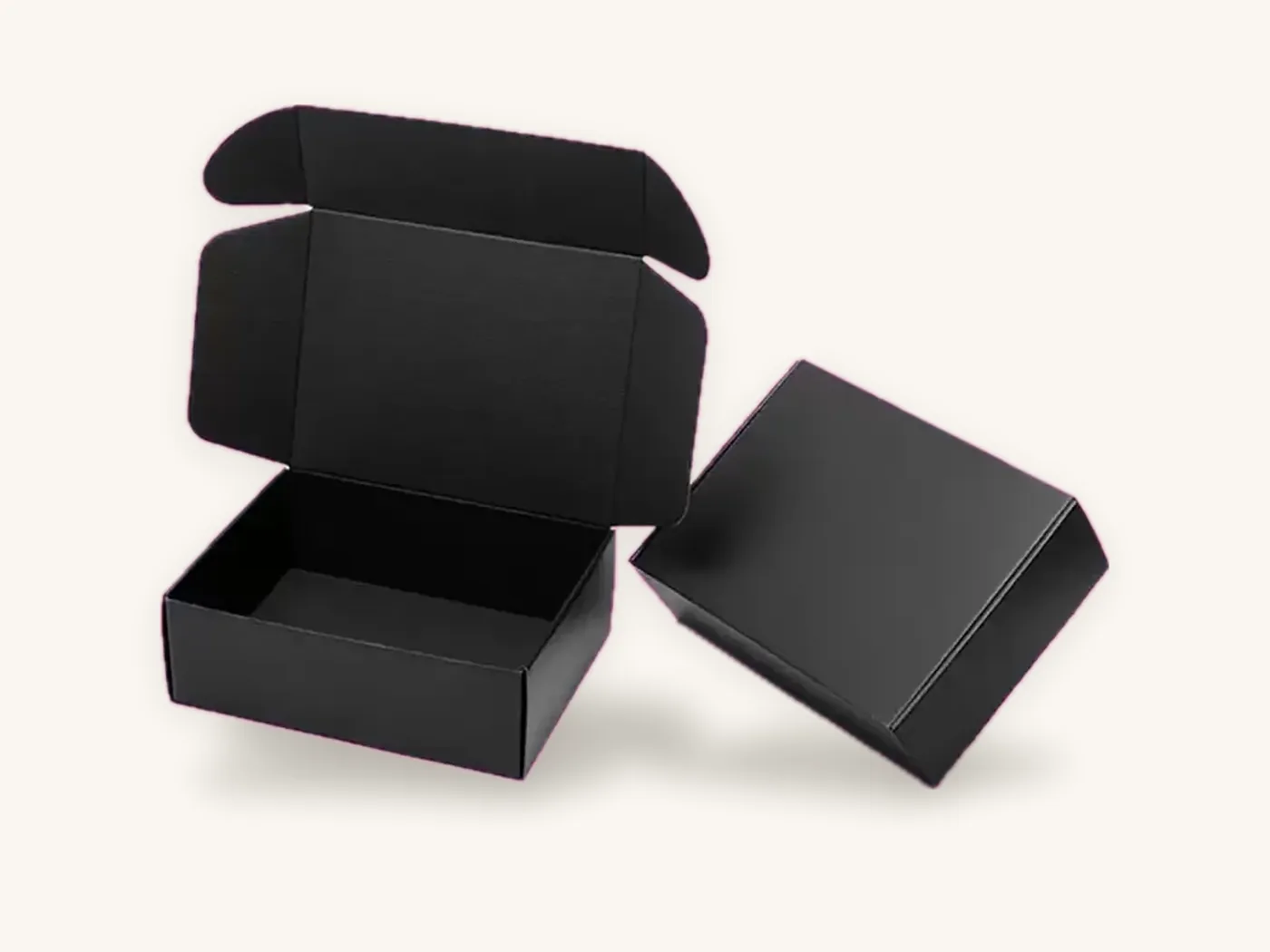
The familiar chest-style custom mailer box with rolled double walls and a hinged lid. It is less form-fitting than a wrap mailer, so it needs a tighter size or an insert to stop movement, but it offers a better presentation and more room for a bookmark, card, pen or small gift.
Choose it when the book is part of a gift set, a subscription kit or a signed edition with extras.
Sleeve over a tray
A tray that holds the book, with a printed sleeve slid over it. It looks polished for retail or special editions but is not built for parcel shipping on its own; ship it inside an outer mailer. Sleeve and tray boxes show the structure.
| Style | Protection | Presentation | Packing speed | Best for |
|---|---|---|---|---|
| Wrap-around mailer | Highest for flat items | Functional, printable outside | Fast once learned | Single books, planners, prints, calendars |
| Roll-end tuck-front mailer | Good with a snug fit or insert | Strong unboxing, prints inside | Very fast | Book plus extras, gift sets, book clubs |
| Sleeve and tray | Low alone; needs overbox | Premium retail look | Slower | Special editions, boxed collector sets |
| Rigid drawer or two-piece box | High, heavy | Keepsake | Slow | Luxury journals, limited-edition sets |
Sizing book shipping boxes from the trim size
Publishers describe books by trim size (width x height) and page count. You need three internal numbers: length, width and depth.
A sizing process that avoids surprises
- Measure a finished copy, not the spec sheet. Hardcover boards overhang the pages, and a dust jacket or shrink-wrap adds a little more.
- Record the largest dimension of the cover boards for length and width, and the thickest point of the spine for depth.
- Add clearance. For a wrap-around mailer, add roughly 1/8 in to length and width and about 1/16–1/8 in to depth. For a roll-end mailer, add a little more to allow the book to drop in, then plan tissue or an insert for any gap.
- Account for extras. A bookmark adds nothing; a pen, candle or second book changes the box type.
- Check multi-copy orders. If customers often buy two or three copies, decide whether you need a second, deeper size.
- Test with a free structural sample. Pack a real copy, close the box, shake it and drop it from waist height on a corner.
Typical sizes for common US trim sizes
| Item | Trim size | Typical spine | Suggested internal size |
|---|---|---|---|
| Mass-market paperback | 4.25 x 6.87 in | 0.75–1.25 in | 4.5 x 7.1 x 1.25 in |
| Trade paperback | 5.5 x 8.5 in | 0.5–1.25 in | 5.75 x 8.75 x 1.25 in |
| Trade paperback or hardcover | 6 x 9 in | 0.75–1.5 in | 6.25 x 9.5 x 1.5 in |
| A5 planner or notebook | about 5.8 x 8.3 in | 0.75–1.25 in | 6.1 x 8.6 x 1.25 in |
| Large-format hardcover | 8.5 x 11 in | 0.75–1.5 in | 8.75 x 11.4 x 1.5 in |
| Art print on backer board | 8 x 10 in | about 0.125 in | 8.25 x 10.25 x 0.5 in |
| Coffee table book | 10 x 12 in | 1–1.5 in | 10.4 x 12.4 x 1.75 in |
These are starting points. A hardcover with a thick board overhang, deckle edges or a slipcase will differ, which is why a real copy is the only reliable reference.
Watch out: a 6 x 9 in hardcover is often closer to 6.25 x 9.25 in because the cover boards extend past the pages. Sizing from the trim size alone can produce a run of boxes that will not close. Always measure a printed copy.
Board choices for book mailers
The corrugated board sets how much impact the box absorbs and how the print looks.
E-flute or B-flute
E-flute is about 1.5 mm thick. It folds sharply, prints cleanly and keeps a wrap mailer slim, which matters for postage on flat parcels. It suits paperbacks, planners, notebooks and most single hardcovers under a couple of pounds.
B-flute is about 3 mm thick and absorbs noticeably more impact at the corners. Use it for heavy hardcovers, coffee table books, multi-volume sets and prints where any crease ruins the item. The tradeoff is a bulkier box and softer fold lines.
Kraft or white
Brown kraft liners hide scuffs and suit independent bookshops, literary brands and eco-positioned publishers. Kraft mailer boxes look good with a single dark ink or opaque white. White liners give brighter full-color reproduction, which suits illustrated covers repeated on the box, children's books and planner brands with bold colors; see white mailer boxes.
Protecting covers, corners and edges
Fit prevents most damage, but a few small additions solve the rest.
Cover protection
Soft-touch and matte laminated covers mark easily when they rub against corrugated. A plain paper sleeve, a sheet of tissue or a smooth white interior liner protects them. Foil-stamped and embossed covers benefit most. Printed tissue paper doubles as a branded reveal for gift editions.
Corner and edge protection
Wrap-around mailers build in extra corrugated layers at the edges. For roll-end mailers, a die-cut paperboard frame or corner insert holds the book away from the walls. For very valuable editions, ship a wrap mailer inside a slightly larger outer shipper with a thin layer of paper fill between them; our custom shipping boxes guide covers outer carton grades.
Prints and flat artwork
Unframed prints need a rigid backer, such as a sheet of board cut to size, and a clear or paper sleeve. The mailer should hold the backer flat without any bowing. Mark "do not bend" on the outside if you like, but rely on the board and the fit rather than the label.
Book mailer boxes for different senders
Authors and independent publishers
Direct sales from an author website or crowdfunding campaign often involve signed copies and small extras. A printed wrap mailer with your title or imprint on the lid turns a routine shipment into a keepsake. With a 10-box minimum, you can print a small batch for a launch without over-ordering.
Bookshops and book clubs
Recurring shipments benefit from a single standard size that fits most titles, with a card or bookmark inside. A roll-end mailer with an inside-lid message works well for clubs; for the program side, see our custom subscription boxes guide.
Planner, journal and stationery brands
Planners often ship with stickers, pens and inserts. A roll-end mailer with a paperboard insert, or a stationery box inside a slim mailer, keeps accessories from pressing into the cover. The stationery and office page shows related formats.
Artists and print sellers
Flat prints and cards need rigidity more than cushioning. A wrap mailer with a backer board, sized so the print cannot move, is the most reliable choice.
Retail display
If your books also sell in shops, a counter display can present them at checkout. The custom display boxes guide covers that format, and the custom window boxes guide explains windowed cartons for notebooks and gift sets that customers want to see before buying.
Printing and design for book shipping boxes
What to print
- Outside lid: imprint logo, title artwork or a repeat pattern. Keep a clear area for the shipping label.
- Inside surface: a short message, reading prompt or QR code to an author note. Inside printing is seen at the moment of opening.
- Flaps: on a wrap mailer, the inside of the side flaps is visible as the box opens and can carry a pattern or a line of copy.
Artwork tips
Place artwork on the dieline supplied for your exact size, because wrap mailers have several fold panels and it is easy to put text upside down on a flap. Extend backgrounds 1/8 in past the cut line as bleed and keep text at least 1/8 in inside folds. Our design services team sets up artwork free and sends a 3D proof so you can check panel orientation.
What book mailer boxes cost
Book mailers are priced like other E-flute mailers of similar size, with the main drivers being flat sheet area, board grade, print coverage, adhesive or tear strips and quantity.
For reference, a standard 8x6x3 in E-flute mailer printed full color outside is about $2.64 each at 100 units and about $1.17 at 1,000, US shipping included. A slim wrap mailer for a 6 x 9 in book uses a comparable amount of board, while a large coffee table book mailer in B-flute uses considerably more.
Ways to keep costs down
- Standardize on one or two sizes that fit most titles, with a thin sheet of paper fill for smaller books.
- Print outside only, or outside plus a one-color inside message, rather than full interior coverage.
- Skip peel-and-seal strips if your packers use branded tape; add them if packing speed matters more.
- Order the next quantity tier when you know a reprint or second title is coming.
The instant pricing estimator shows the effect of size, print and quantity on your specific box.
How to order book mailer boxes from Box Sense
What to send
- Measured dimensions of a printed copy (length, width, spine thickness) and its weight
- The largest and smallest items the box must fit, and any extras shipped alongside
- Preferred style: wrap-around, roll-end or sleeve, or a request for a recommendation
- Board: E-flute or B-flute, kraft or white
- Print plan for outside, inside and flaps
- Closure extras: peel-and-seal strip, tear strip or none
- Quantities to price and your target in-hand date
Ordering checklist
- Request a free unprinted structural sample in your size.
- Pack a real copy, close it, drop-test a corner and ship one to yourself.
- Adjust size if needed, then approve the dieline.
- Place artwork on the dieline or send files to our design team.
- Approve the 3D digital proof (two revision rounds included).
- Confirm quantity; standard production takes 8–12 business days after proof approval, with rush in 5 business days on most corrugated styles.
The minimum order is 10 boxes, there are no die or plate charges, shipping is free on every US order, and defective boxes reported within 14 days are reprinted free. A printed sample of approved artwork is free on orders of 100 or more; see samples for details. The book mailer boxes product page and the mailer boxes style page show available constructions.
Frequently asked questions
What is a book mailer box?
A book mailer box is a slim corrugated mailer designed to fit tightly around a flat item such as a book, planner or print. The most common type is a wrap-around mailer, where flaps fold over the item from each side before the lid closes. The snug fit stops the book from sliding, which prevents bumped corners and spine damage.
What size box do I need to ship a book?
Measure a printed copy rather than relying on the trim size, because hardcover boards overhang the pages. Use the cover's length and width plus the spine thickness, then add about 1/8 in to length and width and a little depth. A 6 x 9 in trade book typically needs an internal size near 6.25 x 9.5 x 1.5 in, but confirm with a sample.
Are wrap-around mailers better than regular boxes for books?
For single flat items, yes. A regular box leaves space above and around the book, so it slides and hits the walls in transit. A wrap-around mailer removes that space and adds extra corrugated layers at the edges, which protects corners. Regular or roll-end mailers work better when you ship a book together with other items.
Is E-flute strong enough for shipping hardcover books?
E-flute works well for most single hardcovers and paperbacks when the box fits snugly. For heavy hardcovers, coffee table books, boxed sets or very valuable editions, B-flute gives more corner protection. You can also ship an E-flute wrap mailer inside a slightly larger outer shipper for rare or signed copies.
How do I stop book covers from getting scratched in the mail?
Scuffs happen when the cover rubs against corrugated board or other items. Wrap the book in a paper sleeve or tissue, choose a white or smooth inner liner, and make sure the book cannot move inside the box. Soft-touch, matte laminated and foil-stamped covers are most sensitive and benefit most from a sleeve.
Can I get custom printed book mailer boxes in small quantities?
Yes. Box Sense produces custom book mailer boxes from a minimum of 10 units, printed digitally for short runs with no plate charges. That suits author launches, signed editions and pilot book-club shipments. Unit prices fall as quantity rises, so compare a few tiers in the pricing estimator before ordering.
Can I ship art prints in a book mailer box?
Yes, if the print is supported. Place the print in a sleeve on a rigid backer board cut to size, then use a wrap mailer sized closely to the backer so nothing can flex or shift. A stiffer B-flute board helps for larger prints. Folding is the main risk, so rigidity and fit matter more than cushioning.
How long does it take to make custom book mailers?
Quotes are confirmed within 24 hours. After you approve the digital proof, standard production is 8–12 business days, and rush in 5 business days is available on most corrugated styles. Allow a few extra days at the start for a free structural sample, which is worth doing for books because a small sizing error affects the whole run.
Next steps
Measure a printed copy, note its weight, and check your size in the book mailer price estimator. When you have the numbers, request a book mailer box quote and we will confirm pricing within 24 hours and send a dieline sized to your book.
Boxes in this guide
Order the packaging we covered
Written by the Box Sense Packaging Team
Our structural designers, prepress technicians and production staff print and convert custom boxes every day for brands in the United States, United Kingdom and UAE. Questions about this guide? Talk to us.