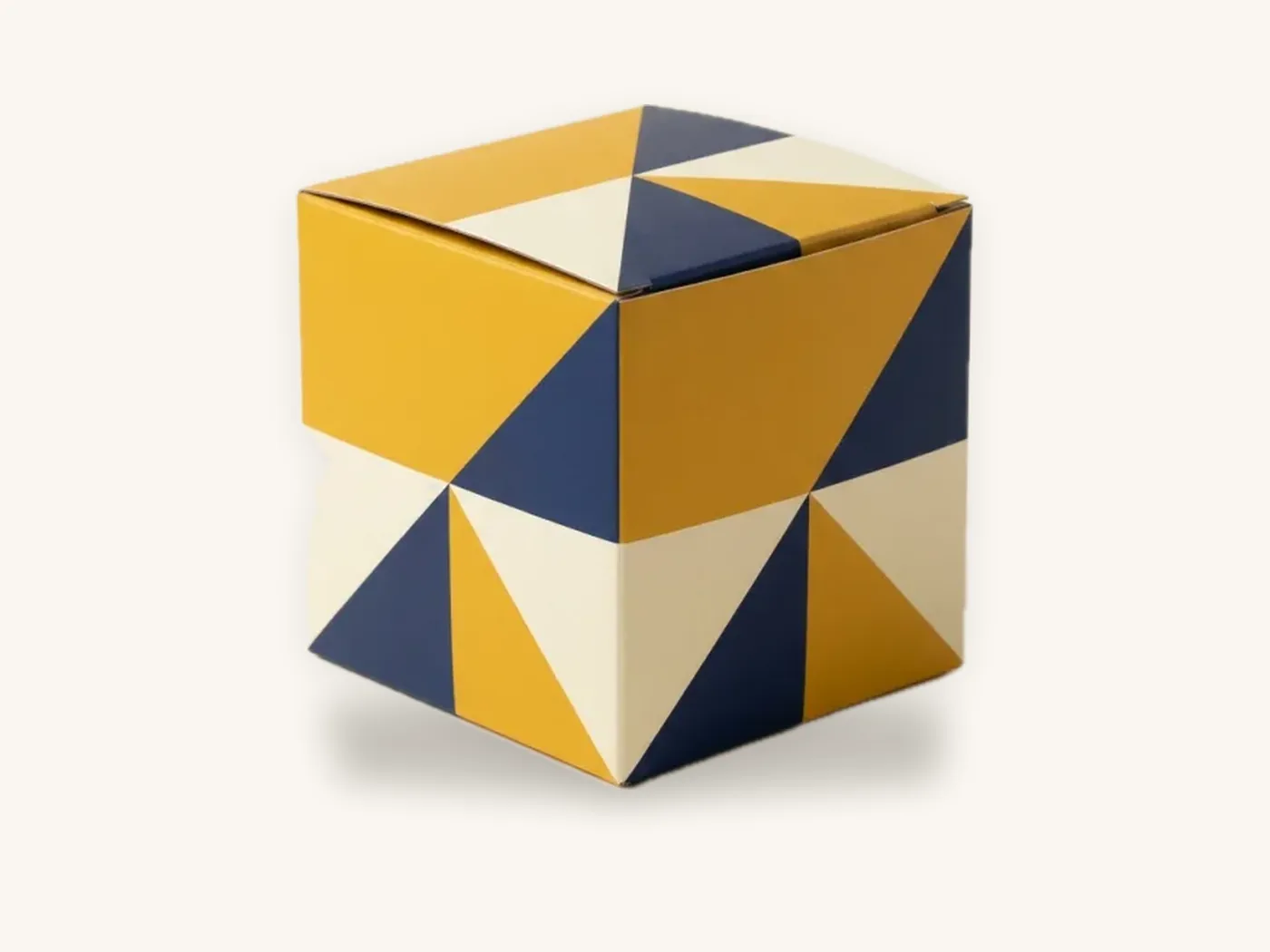
Auto lock bottom boxes are folding cartons with a base that is partly glued at the factory, so the bottom snaps into a locked, flat floor the moment you square up the flat carton. There is no flap-folding sequence and no tape. A packer opens the carton, drops the product in and closes the top tuck, which makes a crash lock bottom box one of the fastest paperboard cartons to pack by hand.
The same glued base also carries more weight than a tucked flap, so auto lock bottoms are the usual choice for glass jars, supplement bottles, tea tins, mugs and other products that would push a tuck end open. This guide explains how the mechanism works, how it compares with the cheaper 1-2-3 bottom box and a standard tuck bottom, what weight each can handle, and how to design and pack them efficiently.
Key takeaways
- An auto lock bottom, also called a crash lock bottom, has two pre-glued bottom flaps that fold flat for shipping and lock automatically when the carton is opened.
- A 1-2-3 bottom (snap lock) uses the same four-flap idea without factory glue, so it costs slightly less but has to be folded by hand in sequence.
- Auto lock cartons handle heavier products than tuck bottoms, typically in the range of roughly 1 to 3 lb depending on board and footprint.
- The glued base area is not a good place for artwork detail, barcodes or tight tolerances, so plan panels around it.
- The biggest benefit is labor: fewer handling steps per carton, less training and more consistent squareness, which adds up on runs of hundreds or thousands.
- Box Sense makes auto lock bottom boxes from 10 units, with free structural samples and rush production in 5 business days on most paperboard styles.
How a crash lock bottom box works
A standard carton base is four flaps: two dust flaps and two larger flaps that either tuck or interlock. In a crash lock design, the two larger bottom flaps are shaped with angled edges and small glue tabs. At the factory, those tabs are glued to their neighboring flaps while the carton is still flat.
Step by step, from flat to locked
- The carton arrives flat, glued along the side seam and at the bottom glue tabs. It looks like a flat sleeve with a folded base tucked inside.
- The packer pushes the side edges together, opening the carton into a tube.
- The glued flaps are pulled down and across by the movement of the side panels, sliding over each other.
- The angled edges catch and lock, forming a flat, double-layer floor.
- The product goes in from the open top.
- The top tuck closes, usually with friction locks, just like a tuck end carton.
The whole setup is a single motion. There is nothing to fold, align or tape at the bottom, and the finished base sits flat enough to stand the carton upright on a shelf.
Why it is stronger than a tuck bottom
A tuck bottom holds because a flap is pressed against the dust flaps by friction. Weight pushing down on it tries to slide it back out. A crash lock base spreads the load across two interlocking flaps and a glued joint, so downward force presses the flaps tighter together instead of pulling them apart.
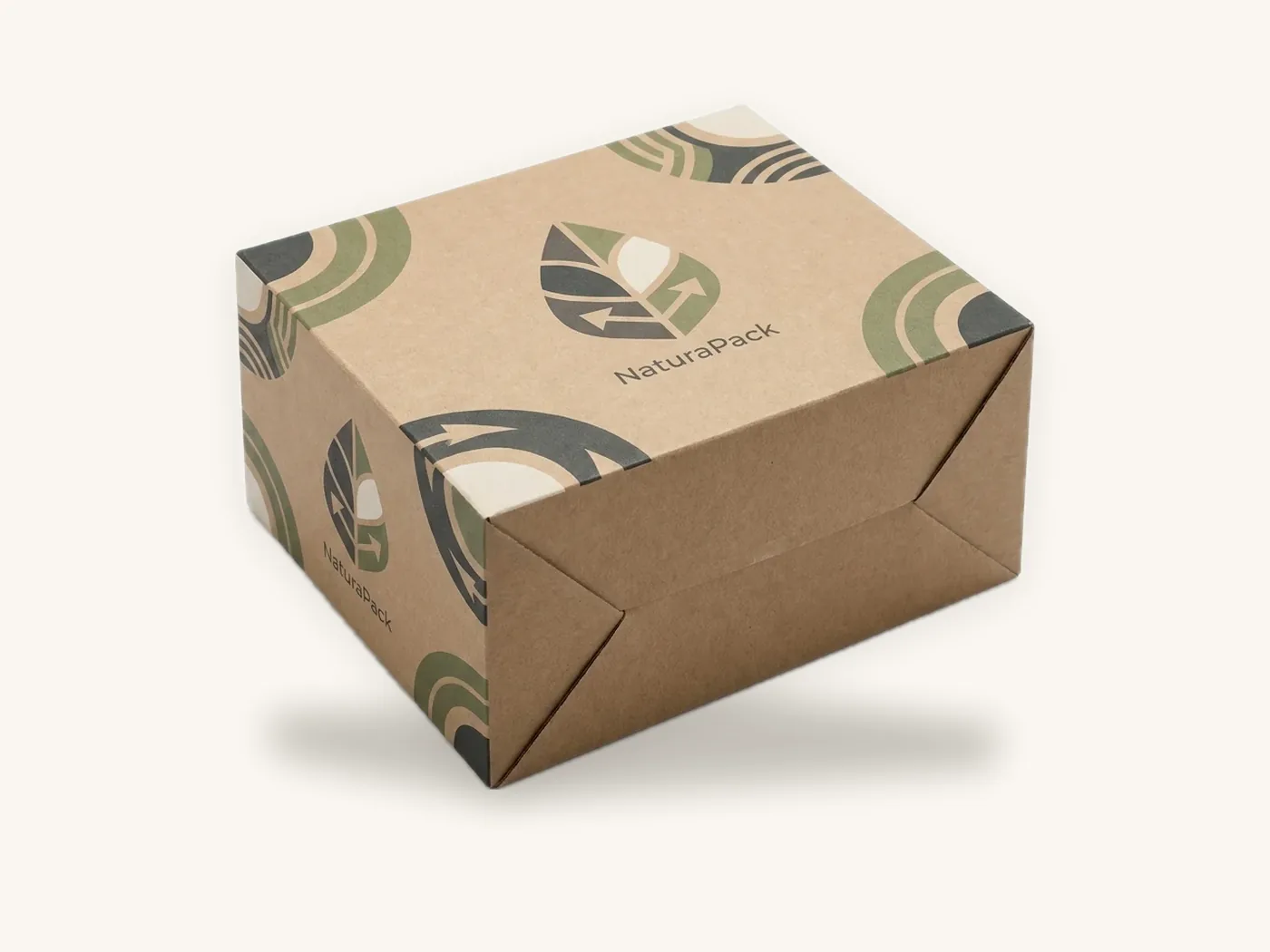
Auto lock vs 1-2-3 bottom vs tuck bottom vs seal end
These four bases cover almost every paperboard carton. The right one depends on product weight, how the cartons are packed and whether you want the base to be tamper evident.
| Base style | Factory gluing at the base | Setup at packing | Relative weight capacity | Relative unit cost | Best for |
|---|---|---|---|---|---|
| Tuck bottom (tuck end) | None | Fold dust flaps, then tuck | Light | Lowest | Light cosmetics, tinctures, small accessories |
| 1-2-3 bottom (snap lock) | None | Fold four flaps in order by hand | Medium | Low | Medium-weight products in modest volumes |
| Auto lock (crash lock) bottom | Glue tabs on bottom flaps | Square up the carton; base locks itself | Medium to heavy | Moderate | Jars, bottles, tins, mugs, higher packing volume |
| Seal end bottom | Glued at packing | Machine or hand-applied glue | Medium | Low on automated lines | Dry food, cereal, tamper-evident retail |
The 1-2-3 bottom box explained
A 1-2-3 bottom box is named after its folding sequence. The packer folds flap one, then flap two, then pushes flap three into a slot so the flaps interlock. Done correctly, it carries weight nearly as well as a crash lock. Done in a hurry, a flap misses its slot and the base sags or opens.
Because no bottom gluing is needed at the factory, a 1-2-3 bottom is a little cheaper per carton. It suits brands packing a few hundred units by hand where time is less of a constraint, or products that are packed by the same trained person every time.
When a tuck bottom is enough
A tuck bottom is fine for products that weigh a few ounces and sit upright without concentrating weight on one point. Our tuck end boxes guide covers when straight tuck or reverse tuck cartons make sense.
When to choose seal end
Seal end boxes are glued shut rather than locked, which makes opening visible. They are most efficient on automated cartoning lines. For hand packing, auto lock bottoms are usually faster.
Tip: if you are unsure between an auto lock bottom and a 1-2-3 bottom, order free unprinted structural samples of both and have the person who will pack them assemble twenty of each. The difference in effort, and in how many bases come out imperfect, usually decides it.
How much faster is an auto lock bottom to pack?
The time saving depends on the carton size, the packer's experience and the product, so there is no single number. What you can do is estimate it for your own operation.
A hypothetical packing calculation
Say you pack 2,000 jars of face cream a month by hand. Time a trained packer assembling ten cartons of each type with a stopwatch, and divide by ten. Suppose your own test shows a 1-2-3 bottom takes a few seconds longer per carton than an auto lock bottom. Multiply that difference by 2,000 cartons, and you have the monthly labor time the crash lock saves. Compare that labor cost with the small price difference between the two carton styles in your quote.
This matters more than it first appears, because the time saved is not just folding. Auto lock bottoms also reduce:
- Rework: fewer bases that fail and have to be refolded or replaced.
- Training: a new or temporary packer understands the carton immediately.
- Inconsistent squareness: a locked base keeps cartons square, so they stand straight on shelves and fit cleanly into shippers and displays.
- Product drops: a base that does not open under weight means fewer damaged goods at the packing table.
For seasonal peaks, when temporary staff pack most orders, those factors often matter more than the seconds themselves.
Weight limits and board choice for auto lock bottom boxes
Weight capacity depends on board caliper, carton footprint and how the product's weight is spread. A wide, heavy jar sitting flat distributes load differently from a narrow glass bottle. Treat these as starting ranges, then confirm with a structural sample.
| Packed product weight | Typical board | Base style | Example products |
|---|---|---|---|
| Under about 8 oz | 16–18 pt SBS or kraft | Tuck bottom or auto lock | Tea sachets, small tins, serums |
| About 8 oz to 1 lb | 18 pt SBS or kraft | Auto lock recommended | Supplement bottles, face cream jars, spice sets |
| About 1–2 lb | 18–20 pt | Auto lock | Glass candles, large supplement tubs, sauces |
| About 2–3 lb | 20–24 pt | Auto lock, with an insert if the item is fragile | Mugs, kitchenware, multi-jar sets |
| Over about 3 lb | E-flute corrugated | Auto lock in corrugated or a mailer | Heavy bottles, small appliances, tool kits |
SBS or kraft for crash lock cartons
SBS paperboard gives the brightest print and the crispest creases, so it is standard for supplements, cosmetics and pharmacy products. Kraft paperboard is naturally strong for its caliper and suits tea, coffee, soap and food brands that want a natural look. Our kraft boxes guide explains how to design for brown stock.
When the product moves beyond paperboard, E-flute corrugated can be die-cut with the same crash lock base. The custom cardboard boxes guide explains how corrugated grades compare.
Designing an auto lock bottom carton
The crash lock mechanism introduces a few design rules that tuck end cartons do not have. Following them avoids cartons that fail to lock or artwork that ends up hidden.
Treat the base as a structural zone
The bottom flaps overlap, and parts of them are covered in glue. Keep barcodes, ingredient lists and fine type off the base. A simple logo, a pattern or a solid color works; anything that must be read should live on a side or back panel. If you need a batch code, reserve a clear area on a side panel or the top tuck.
Respect glue areas
Glue tabs need bare or lightly coated board to bond reliably. Your manufacturer will mark glue areas on the dieline. Lamination and heavy coatings over those areas can prevent the glue from holding, which is how crash lock bases come apart in use. Leave them as marked.
Get internal dimensions right
A crash lock base locks at a fixed size. If the carton is too tight for the product, the base can be pushed partially out of lock when the product goes in. If it is too loose, the product slides and puts uneven pressure on the base. Specify internal length, width and depth, and allow a small clearance, roughly 1/16 in (1.5 mm) on each dimension for rigid items like jars.
Choose the top closure
The base is fixed, but the top can vary:
- Tuck top with friction locks: reclosable and the most common choice.
- Tuck top with a hang tab: for peg display in retail.
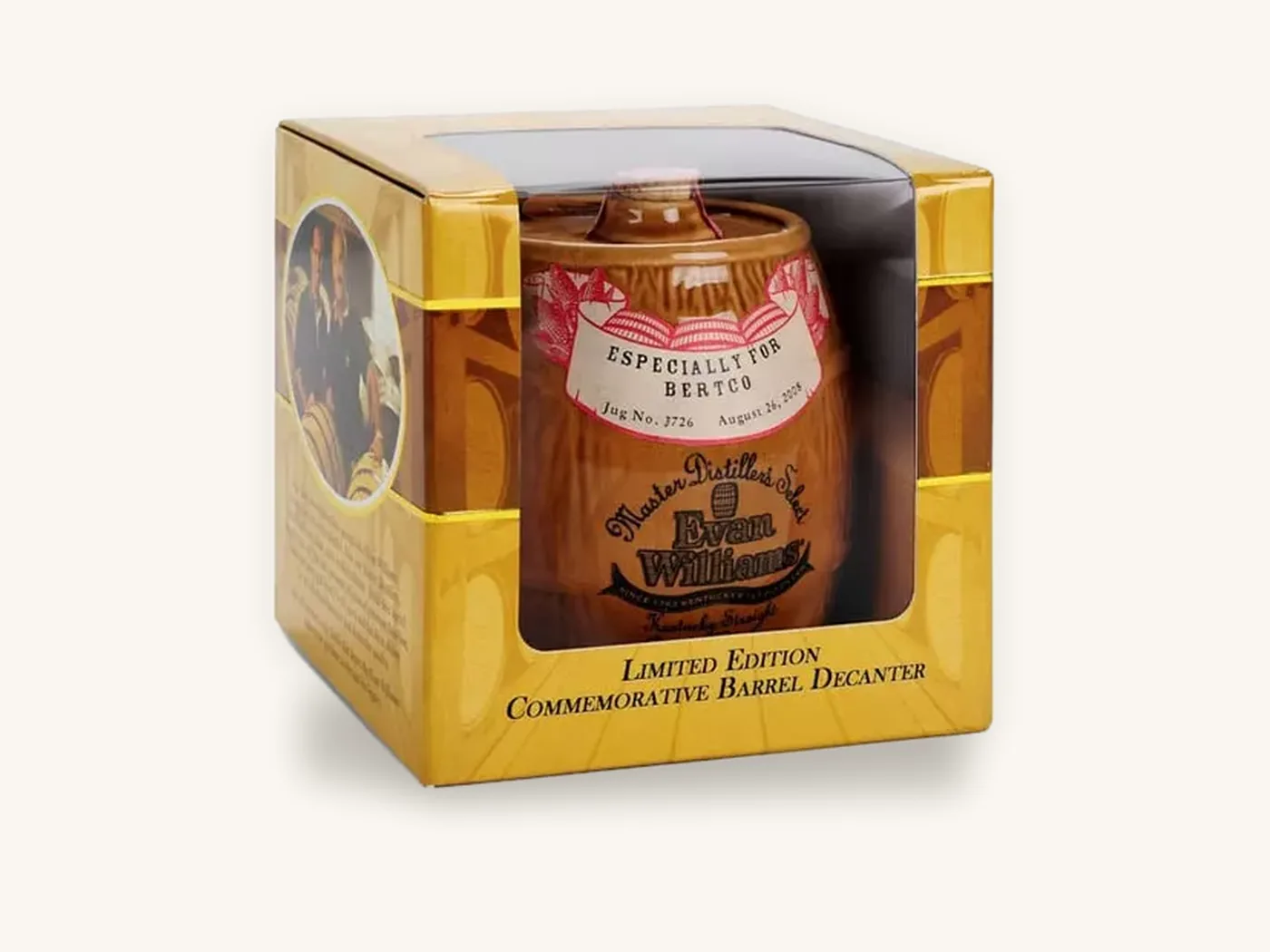
- Tuck top with a window on the front panel: shows the product while the base carries its weight.
- Seal top: glued shut for tamper evidence.
Add an insert where needed
A glass jar, a mug handle or a pair of bottles benefits from a paperboard insert that holds the item away from the carton walls. The insert changes internal dimensions, so design it together with the carton. Box inserts and dividers shows the common shapes.
Watch out: a crash lock carton that has been opened and flattened again will not always relock as firmly, because the glue tabs can shear. If a customer returns a product or a packer makes an error, use a fresh carton rather than refolding the old one.
Where auto lock bottom boxes are used
Crash lock cartons appear wherever products are too heavy for a tuck bottom and packing volume makes speed worthwhile.
Supplements and wellness
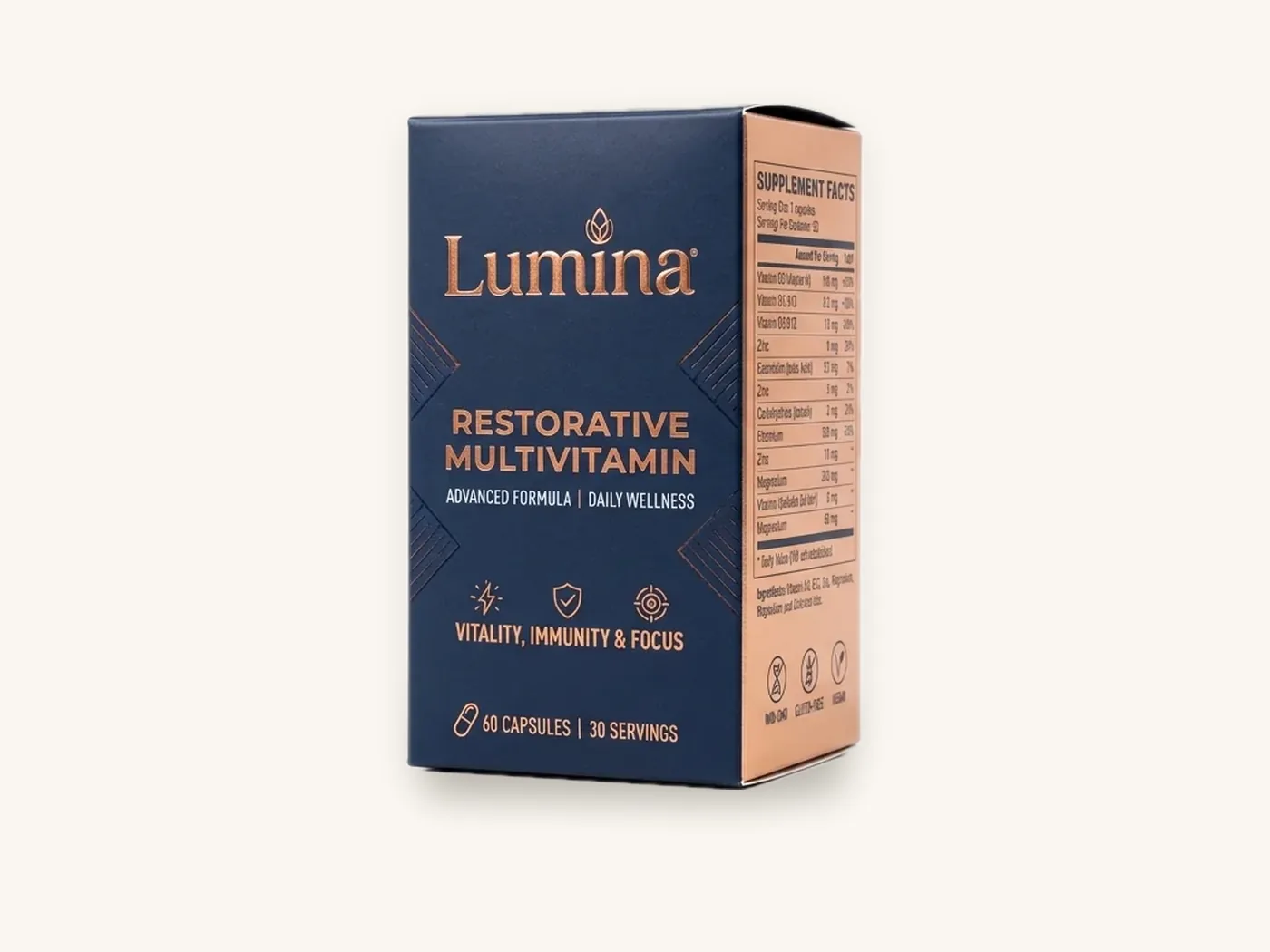
Bottles of capsules, gummies and powders are dense and often packed in volume. Supplement boxes commonly use auto lock bases with a tuck top, leaving the side and back panels free for supplement facts and directions. The health and wellness packaging page shows typical formats, and the supplement packaging guide goes deeper on panels. Labeling rules for supplements are set by the FDA; confirm current requirements for your product with the agency or counsel.
Tea and coffee
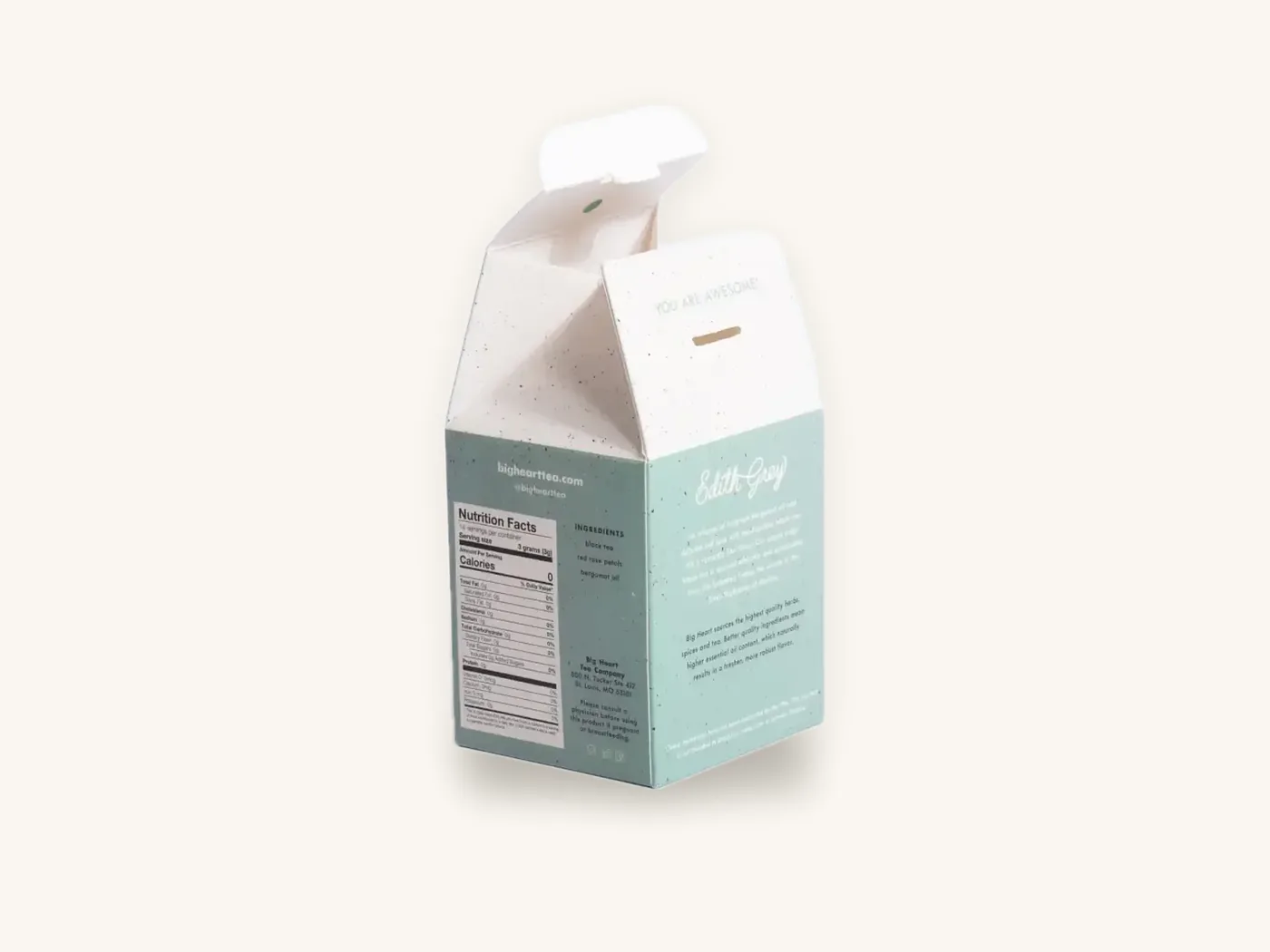
Tins, pouches and loose tea are heavier than they look, and tea brands often pack by hand in small batches. Tea boxes with crash lock bases stand straight on shelves and stay square in multi-flavor gift sets. See coffee and tea packaging for more examples.

Beauty jars and lotions
Glass and heavy plastic jars in lotion and cream boxes push down hard on a small footprint, which is exactly the load a tuck bottom struggles with.
Candles, mugs and home goods
Glass candles and ceramic mugs are heavy and fragile. Candle boxes and kitchenware and mug boxes often pair a crash lock base with a paperboard insert and a heavier caliper.
Setting up a packing station for crash lock cartons
A few simple steps make the most of the speed advantage.
- Stage flat cartons within reach, standing on edge in their case so each one lifts out easily.
- Open and lock a batch of cartons first for smaller runs, lining them up before filling. For larger runs, open each carton as you fill it to save table space.
- Check that each base has fully locked by pressing the floor from inside with two fingers. A partially locked base shows a visible gap at the center.
- Insert any divider or insert before the product.
- Place the product so its heaviest point sits centered over the base.
- Close the top tuck and add a seal sticker if you want tamper evidence.
- Pack cartons upright into shippers so the base, not the tuck, carries stacked weight.
- Keep spoiled cartons aside instead of refolding them.
Cartons are retail packaging, not parcel shippers. For e-commerce, pack them in a mailer or shipper; the custom mailer boxes guide and custom shipping boxes guide explain how to size an outer box.
What auto lock bottom boxes cost
A crash lock carton uses about the same board as a tuck end carton of the same size, plus an extra gluing step at the base. That makes it a modest premium over a tuck end carton, and the difference narrows as quantity rises.
A tuck end reference point
We do not list a separate crash lock row on our price sheet, so the closest reference is the tuck end carton it is usually compared with. An 18 pt SBS straight tuck end carton, 3x2x5 in, printed full color outside with aqueous coating, runs about $1.15 each at 100 units, about $0.61 at 500 and about $0.51 at 1,000, with US shipping included. An auto lock bottom version of a similar carton sits somewhat above that. Use the instant price estimator to see your exact spec.
What moves the price
- Board caliper: heavier products need thicker board, which costs more per square inch.
- Carton size: larger footprints use more board and more glue.
- Print and finish: full color, lamination, foil (about $60 one-time tooling) and spot UV (about $40) add cost independent of the base.
- Inserts: a custom insert die is about $45 one time, plus insert material.
- Quantity: short runs print digitally; longer runs print offset at a lower unit price.
How to order auto lock bottom boxes from Box Sense
We can recommend whether an auto lock bottom, a 1-2-3 bottom or a tuck bottom suits your product.
Send us
- Product dimensions and packed weight, including the jar, bottle, cap or insert
- How you pack: by hand, how many cartons per day or month
- Board preference and look: SBS, kraft or specialty
- Top closure: tuck, hang tab, window or seal
- Print coverage, coating and any foil, spot UV or embossing
- Quantities to price and your target in-hand date
The process
- Quote within 24 hours, with alternatives if a different base suits better.
- Free design support: a dieline built around your product, artwork setup, a 3D digital proof and two revision rounds.
- Free unprinted structural samples, so your packers can test the crash lock with real product. A printed sample of approved artwork is free on orders of 100 or more; see samples.
- Production in 8–12 business days after proof approval, or 5 business days with rush on most paperboard styles.
- Free shipping on every US order, and international shipping quoted at cost.
Our minimum order is 10 cartons, with no die or plate charges. Defective cartons reported within 14 days are reprinted free. Browse auto lock bottom boxes or the auto lock bottom style page for more examples, and the folding cartons guide for the wider carton family.
Frequently asked questions
What is an auto lock bottom box?
An auto lock bottom box is a paperboard carton whose bottom flaps are partly glued at the factory. The carton ships flat, and when you push its sides open the bottom flaps slide into place and lock, forming a flat base without folding or tape. It is also called a crash lock bottom box and is used for heavier retail products.
What is the difference between a crash lock bottom and a 1-2-3 bottom box?
Both use interlocking bottom flaps. A crash lock bottom is pre-glued at the factory, so it locks automatically when the carton is opened. A 1-2-3 bottom has no factory glue at the base, so the packer folds the flaps by hand in a set sequence. The 1-2-3 bottom costs slightly less; the crash lock is faster and more consistent.
How much weight can an auto lock bottom box hold?
In paperboard, auto lock bottom boxes typically handle products of roughly 1 to 3 lb, depending on board caliper, carton footprint and how the weight is distributed. Heavier products usually move to E-flute corrugated with the same crash lock design. A structural sample tested with your real product is the most reliable way to confirm the right board.
Are auto lock bottom boxes more expensive than tuck end boxes?
Slightly. They use similar board, but the bottom needs an extra gluing step at the factory. The premium is modest and shrinks at higher quantities. For medium and heavy products or high packing volumes, the time saved at packing and the reduced risk of failed bases often outweigh the difference. Compare both styles in the pricing estimator at your quantity.
Can you print on the bottom of an auto lock box?
You can print a simple color, pattern or logo on the bottom, but the base is made of overlapping flaps and glue areas, so fine text and barcodes do not belong there. Place ingredient lists, supplement facts, barcodes and batch codes on the side or back panels, where they stay flat and fully visible.
Can auto lock bottom boxes be reused or flattened?
Crash lock cartons can be pushed flat again, but the glue tabs can weaken, and a reflattened carton may not relock as firmly. For packing, always use a fresh carton if one is set up incorrectly. Customers can generally flatten used cartons for recycling, and paperboard with aqueous coating is widely accepted in curbside programs.
What is the minimum order for auto lock bottom boxes?
Box Sense makes custom auto lock bottom boxes from a minimum of 10 units. Short runs are printed digitally without plates, so small orders for testing packing speed or launching a product are practical. Free unprinted structural samples let you check the fit and the crash lock with your product before ordering.
Next steps
Weigh your packed product, time a few cartons at your packing table, and check your spec in the carton price estimator. Then request an auto lock bottom box quote, and we will confirm pricing within 24 hours and recommend the base that fits your product and packing volume.
Boxes in this guide
Order the packaging we covered
Written by the Box Sense Packaging Team
Our structural designers, prepress technicians and production staff print and convert custom boxes every day for brands in the United States, United Kingdom and UAE. Questions about this guide? Talk to us.