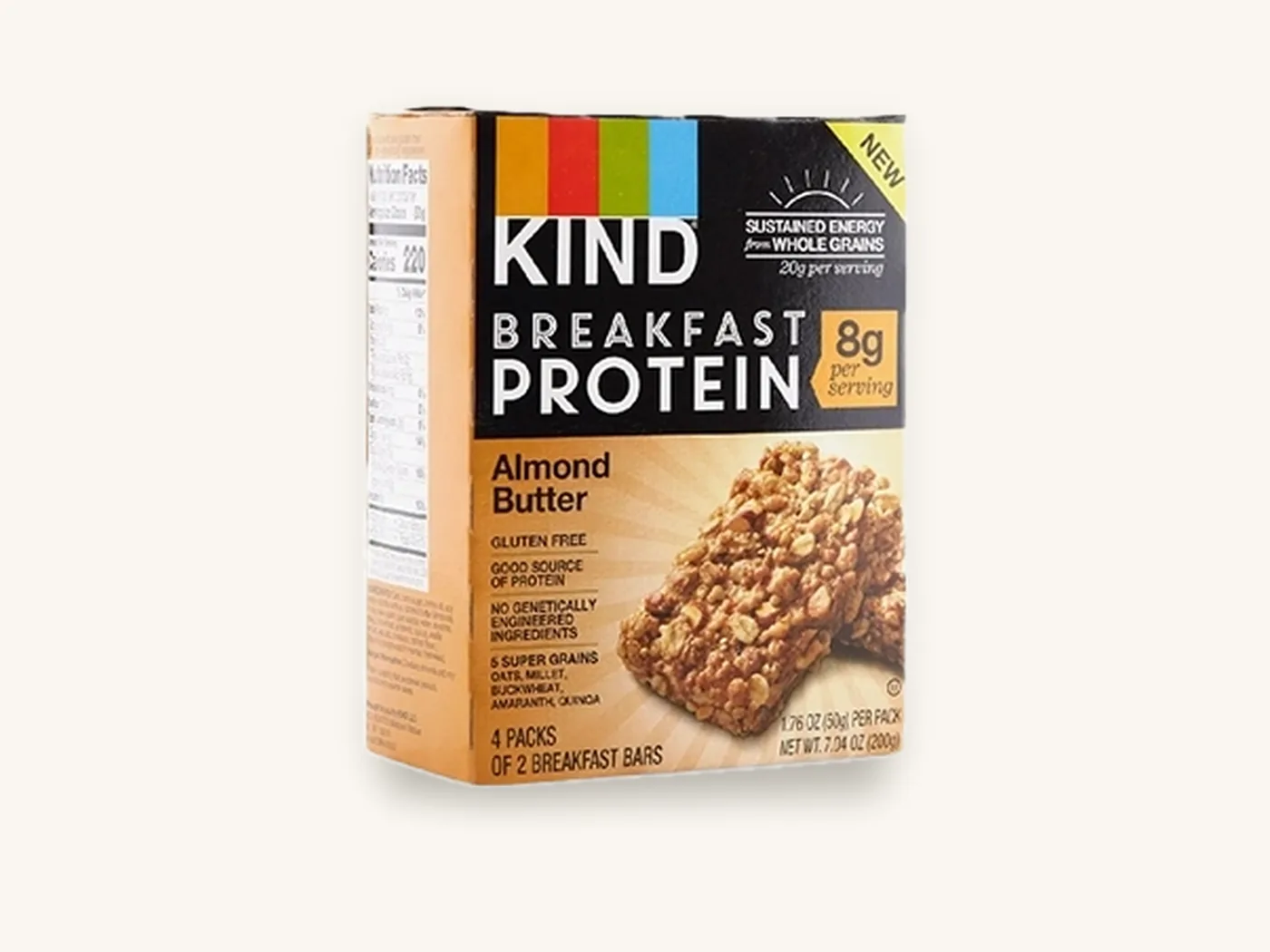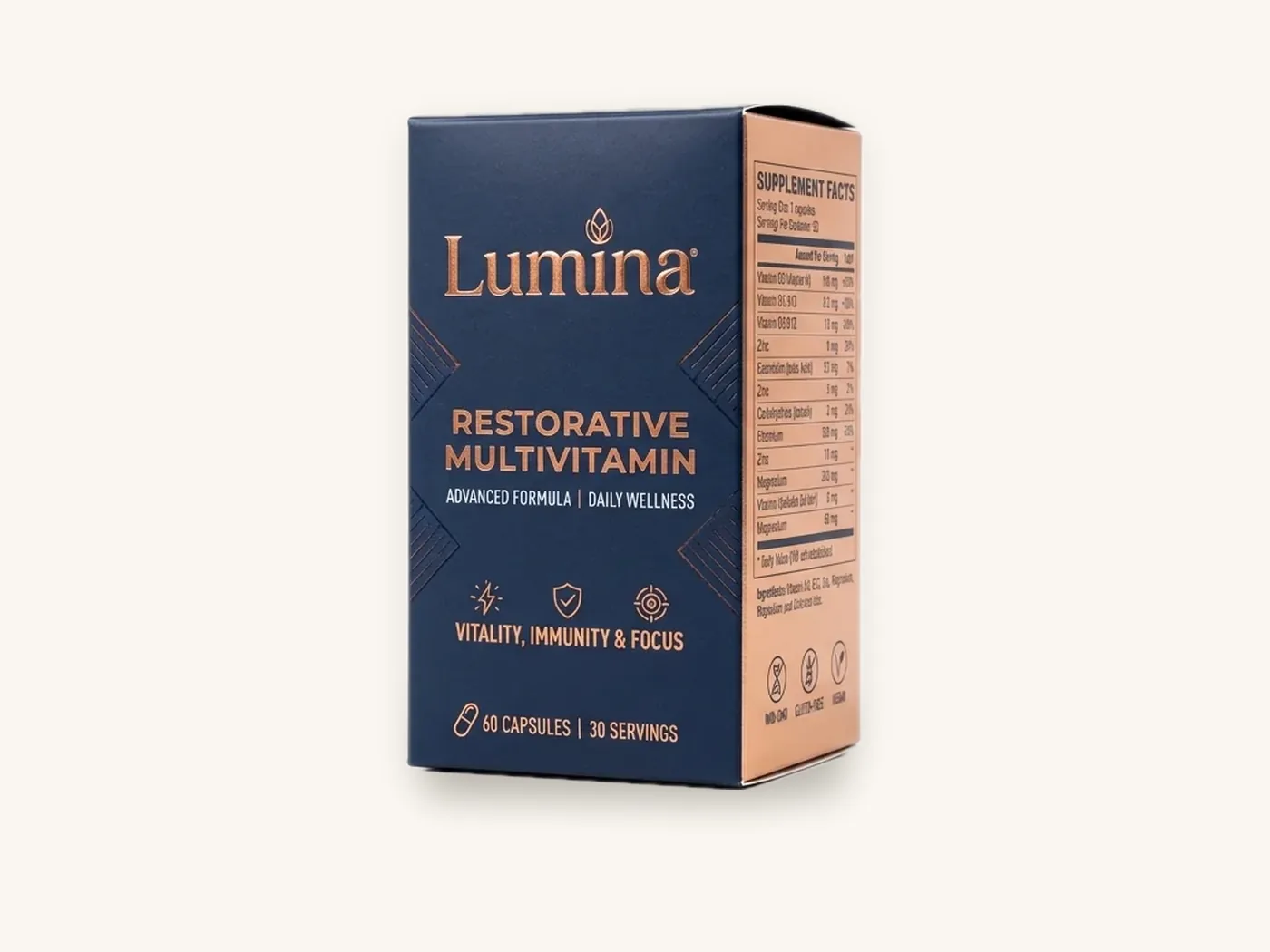
Supplement packaging is a two-part decision. First you choose the primary container that protects the product from moisture, light and air: a bottle, jar, tub, pouch, stick pack or blister. Then you decide whether that container sells on its own or goes inside a printed carton that gives you more label space, tamper evidence and shelf presence. Most vitamin and nutraceutical brands end up with a bottle or pouch plus a tuck end carton for retail, and a leaner setup for subscription and online sales.
The constraint that shapes every supplement box design is information. In the US, dietary supplements carry a Supplement Facts panel and other required label elements under FDA rules, and that content has to fit legibly alongside your brand. This guide walks through containers, the carton decision, panel planning, claims, freshness, channel-specific packaging, costs and how to order.
Key takeaways
- Container first. Moisture- and oxygen-sensitive formulas need a barrier container; the carton is for information, protection in handling and presentation.
- Add a carton when you sell at retail, need more label space than a bottle allows, want a clear tamper-evident layer or are building a premium line. Skip it for many subscription and bulk formats.
- Plan the Supplement Facts panel before the design. It is often the largest single block of required text, and small bottles run out of room first.
- Keep claims to what your regulatory counsel approves. Structure/function statements carry a required FDA disclaimer, and disease claims are off-limits for supplements.
- A 3x2x5 in straight tuck carton on 18 pt SBS with full color and aqueous coating is about $1.15 each at 100 units and about $0.51 at 1,000, with US shipping included.
- Box Sense makes custom vitamin boxes from 10 units, with free design support and standard production in 8–12 business days after proof approval.
Choosing the primary container
Every format below can be sold with or without a carton. The container's job is to protect the formula over its shelf life and deliver the dose conveniently.
| Container | Suits | Barrier and protection | Label space | Watch for |
|---|---|---|---|---|
| HDPE or PET bottle | Capsules, tablets, softgels, gummies | Good with an induction seal; desiccant for moisture-sensitive products | Limited wrap label | Rattle in the carton; label panel is curved |
| Amber or cobalt glass bottle | Liquids, premium capsules | Excellent, with light protection from tinted glass | Limited | Weight and breakage |
| Dropper bottle | Liquid extracts and drops | Good | Very limited | Needs a snug carton or insert |
| Tub or wide jar | Powders, gummies, large counts | Good with a foil seal | Moderate | Scoop, headspace, shipping weight |
| Stand-up pouch | Powders, gummies, capsule refills | Depends on film structure; barrier films are very good | Large, flat front and back | Crush in transit, zipper quality |
| Stick packs and sachets | Single-serve powders | Very good | Tiny | Usually need an outer carton for retail |
| Blister cards | Tablets, capsules, travel packs | Excellent per dose | Card and foil only | Needs a carton for full labeling |
Bottles
Bottles are the category default because they are familiar, reclosable and fill quickly on standard lines. An induction seal under the cap is the usual freshness and tamper layer. The limitation is the wrap label: a small bottle's curved face holds far less text than a flat carton panel.
Pouches
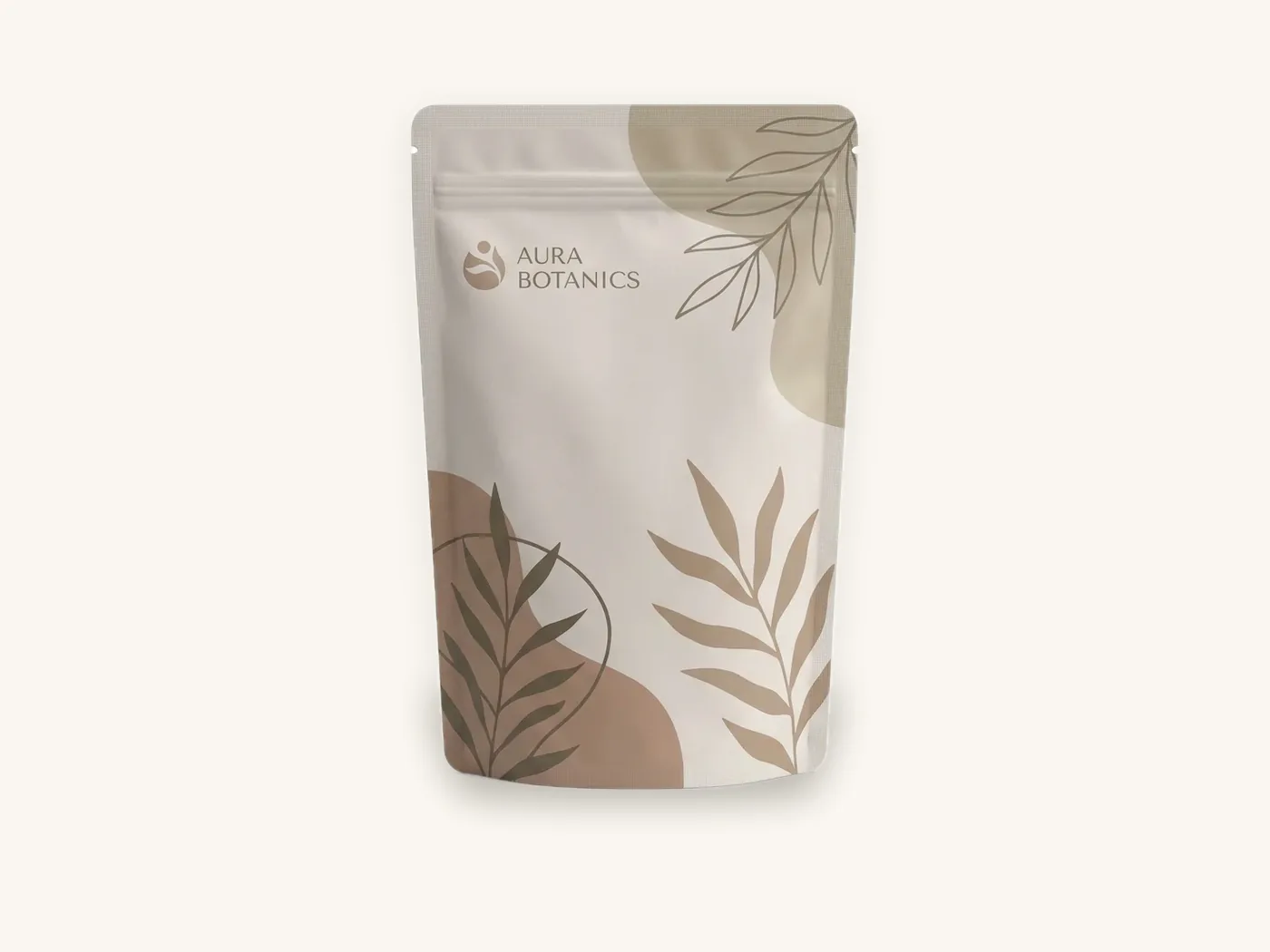
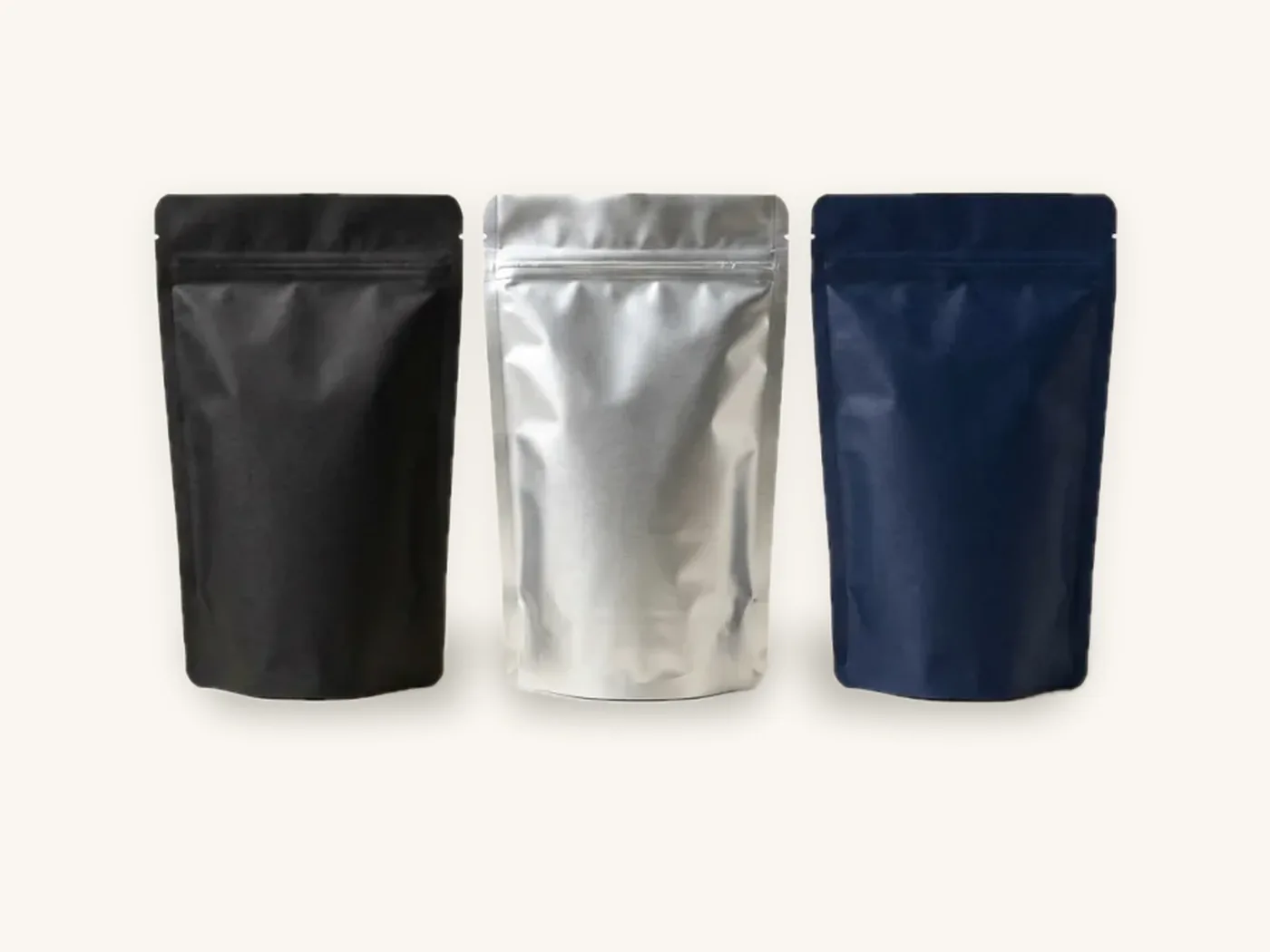
Stand-up pouches give you two large flat faces and a lighter shipping weight, which is why powder and gummy brands use them for both retail and refills. Film structure decides barrier performance, so match it to the product's sensitivity. Our stand-up pouches guide explains the options.
Single-serve formats
Stick packs, sachets and blister cards give precise dosing and portability, but they are too small to carry full labeling for retail sale on their own, so they almost always go in a carton or dispenser box.

Do you need a carton? A decision matrix
A carton adds cost, packing time and waste, so it should earn its place. Here is how the decision usually breaks down by situation.
| Situation | Carton recommended? | Why |
|---|---|---|
| Retail pharmacy, grocery or specialty store | Usually yes | Flat panels for full labeling, shelf blocking, handling protection, tamper evidence |
| Premium or gift positioning | Yes | Finishes, inserts and presentation |
| Glass bottles shipped to consumers | Yes, or a protective mailer insert | Breakage |
| Stick packs, sachets or blister cards | Yes | Primary packs cannot carry all required labeling alone |
| Label content does not fit legibly on the bottle | Yes | More panel area, but check which elements must be on the container itself |
| Direct-to-consumer subscription refills | Often no | A pouch or bottle in a branded mailer can be enough |
| Amazon and marketplace sales | Depends | Follow the marketplace's current prep requirements; cartons help with scuffing and bundling |
| Bulk or practitioner channel | Often no | Cost and waste matter more than shelf presence |
Watch out: a carton does not replace the label on the container. If the carton is discarded, the bottle or pouch still needs to carry the information your regulator and retailers require. Plan both layers together and confirm with counsel which elements belong on each.
Supplement box design: planning the label panels
Good supplement box design starts with the required content, then fits the brand around it, not the other way around.
Common label elements
FDA regulations for dietary supplements, which stem from the Dietary Supplement Health and Education Act of 1994 (DSHEA) and later rules, set out the elements that typically appear on supplement labels. In general terms, these include:
- Statement of identity, identifying the product as a dietary supplement
- Net quantity of contents
- Supplement Facts panel, with serving size, servings per container, and dietary ingredients with amounts
- Other ingredients, listed outside the Supplement Facts panel
- Name and place of business of the manufacturer, packer or distributor
- Allergen information where applicable
- Directions and warnings as applicable to the product
Our supplement label requirements guide explains the framework in more depth. Requirements are detailed, including placement, type sizes and formatting, and they are updated, so have regulatory counsel review your label against current FDA rules before you print.
Which panel does what
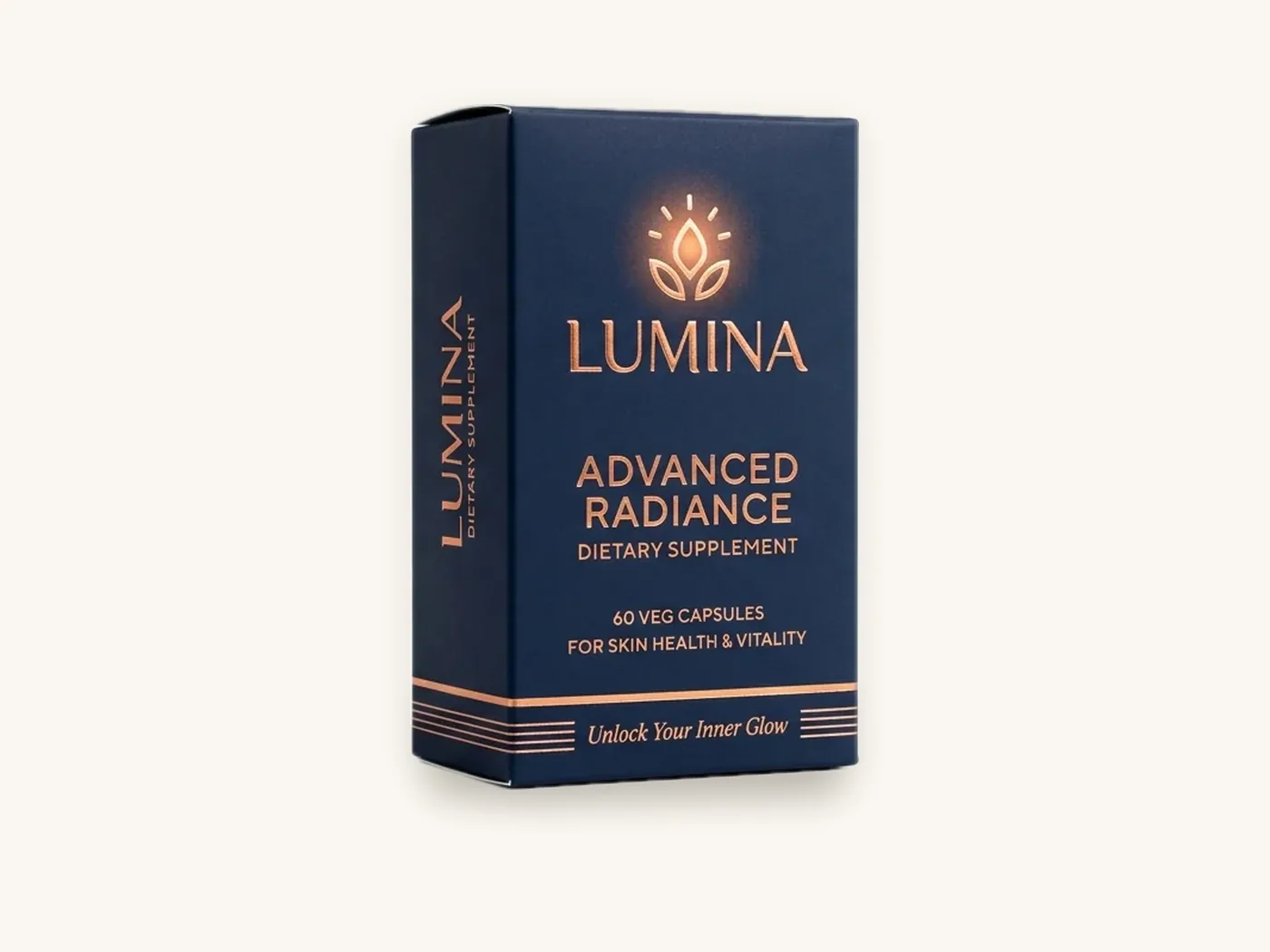
On a carton, the front panel (the principal display panel) usually carries the brand, product name, statement of identity, a short benefit line approved by counsel, and net quantity. The panel immediately to the right is commonly used as the information panel for the Supplement Facts, other ingredients and business name.
For a 3x2x5 in carton, that means the Supplement Facts panel sits on a 2 in wide side panel or the 3 in back panel. A formula with 20 or more ingredients may not fit legibly on the narrow side. Common fixes:
- Rotate the Supplement Facts panel onto the wider back panel.
- Choose a carton with a wider information panel, for example a square footprint instead of a rectangle.
- Use a tabular or linear format only where the rules allow it for the package size.
- Move non-required content, such as brand story, to the inside of the carton or a leaflet.
A design system for a vitamin range
Say you sell six single-ingredient vitamins and three blends. Keep one carton size for the singles and one for the blends, fix the position of the Supplement Facts panel on each, and differentiate SKUs with a color band and a large product name. When a formula changes, only one panel's artwork changes, and your proofing checklist stays the same across every SKU.
Claims, disclaimers and what not to print
Supplement packaging is marketing, and marketing claims on supplements are regulated by both the FDA (labels) and the FTC (advertising, including packaging copy that functions as advertising).
- Structure/function claims, which describe how an ingredient affects the normal structure or function of the body, are permitted when truthful and substantiated. They require the standard FDA disclaimer on the label, and the FDA expects to be notified of them.
- Disease claims, which say or imply that a product diagnoses, treats, cures or prevents a disease, are not permitted for dietary supplements.
- Qualifiers and implied claims count too. Imagery, product names and seals can imply a claim as clearly as words.
- Environmental claims on the box, such as "recyclable", should follow the FTC's Green Guides.
Write every claim with counsel, then leave room for the disclaimer at a legible size. It is easier to design around a known disclaimer than to squeeze one in at the proof stage.
Freshness, moisture and tamper evidence
The carton protects the container from knocks, light on the shelf and handling, but freshness is mainly the container's job.
Moisture and oxygen
Probiotics, effervescent tablets, some gummies and many powders are moisture-sensitive. Use a bottle with an induction seal and desiccant, a barrier pouch, or blister packs. A paperboard carton adds almost nothing to moisture protection.
Light
Tinted glass, opaque HDPE bottles and foil-lined pouches block light. If you use a clear container for a light-sensitive product, a carton without a window helps keep it dark on the shelf.
Tamper evidence
Induction seals, shrink bands and breakaway caps are the usual container-level features. At carton level, a clear seal label across the tuck flap or a glued tuck makes opening on shelf obvious. Many retailers expect visible tamper evidence, so ask your buyers what they require.
Packaging by sales channel
The same formula often needs different packaging in different channels. Building for each saves money compared with one over-built pack everywhere.
Retail shelves
Retail favors a carton with a strong front face, a scannable barcode on a flat panel and dimensions that suit standard shelf depths. For impulse and single-serve products, a counter display box at the register helps a new product get tried. The retail and consumer goods page shows display and carton combinations.
Direct-to-consumer and subscription
For online orders, the shipper does most of the protective work. A pouch or bottle can ship in a printed custom mailer box with a simple insert, and a monthly kit can hold several bottles in a planned layout. Our health and wellness industry page covers typical kit formats.
Sports nutrition
Pre-workout, protein bars and sachets lean toward bold graphics, counter displays and multi-packs. The sports nutrition packaging guide and sports nutrition boxes cover that category specifically.
Liquid supplements
Drops and liquid extracts in dropper bottles need a snug carton and often a neck insert. The tincture box guide covers bottle sizing, and the same cartons appear on the tincture boxes page.
Sizing vitamin boxes around bottles and pouches
Round bottles in square cartons leave corner space by design, but the carton should still hold the bottle without rattling.
- Measure the bottle with the cap on, including any shrink band, at its widest point.
- Add roughly 1–2 mm per side on length and width, and 2–3 mm on height.
- Check the label. A carton that is too tight scuffs the wrap label as the bottle slides in.
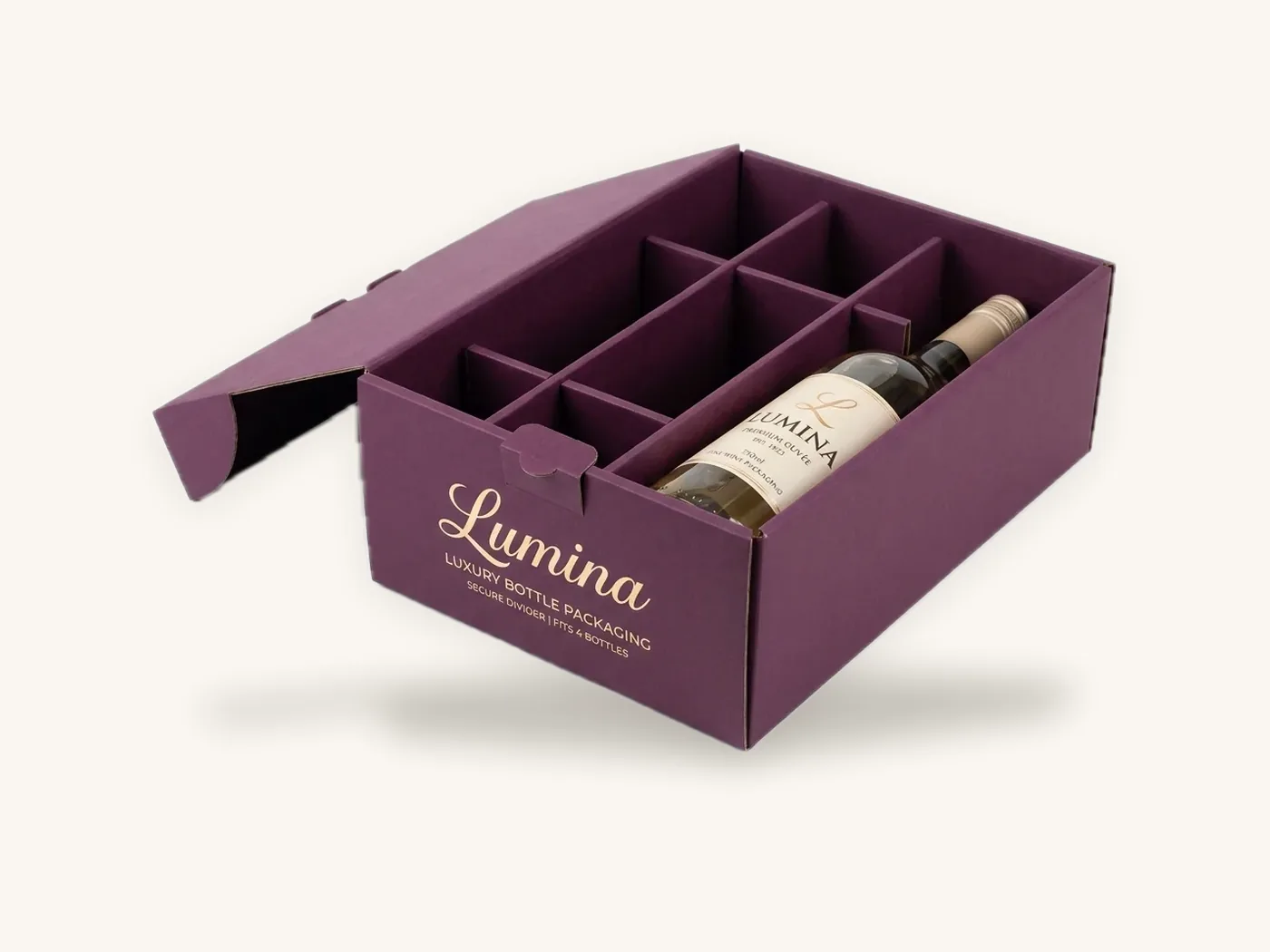
- Decide on an insert if the bottle is glass or the carton holds more than one item.
- Choose the closure. Tuck end for light bottles; an auto lock bottom box for heavy jars and tubs.
- Order a free structural sample and pack a filled bottle before approving artwork.
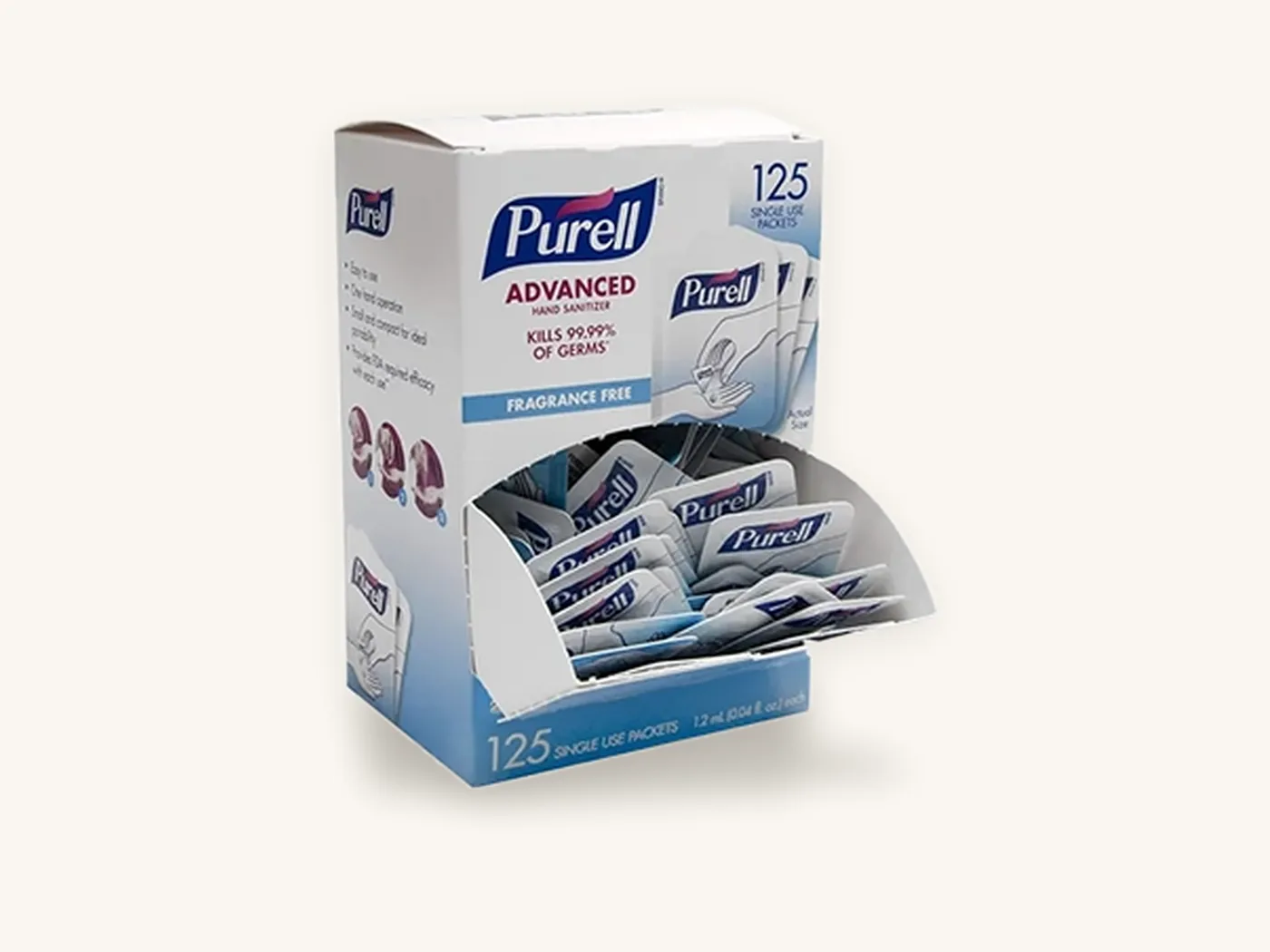
For stick packs and sachets, size the carton around a counted stack or a standing row, and consider a perforated dispenser front so retailers can open it into a shelf-ready display.
What supplement packaging costs
Carton costs depend on size, board, print coverage, finishes, inserts and quantity. The rows below are indicative per-unit prices for standard specs that suit common supplement formats, with free US shipping included.
| Spec | 10 | 100 | 500 | 1,000 | 5,000 |
|---|---|---|---|---|---|
| Straight tuck end carton, 18 pt SBS, 3x2x5 in, full color outside, aqueous | $1.73 | $1.15 | $0.61 | $0.51 | $0.36 |
| Reverse tuck end carton, 14 pt SBS, 2x2x6 in, full color, gloss lamination | $1.77 | $1.17 | $0.63 | $0.52 | $0.37 |
| Liquid supplement carton, 18 pt SBS, 1.5x1.5x4.5 in, full color, gloss, spot UV | $1.98 | $1.31 | $0.70 | $0.58 | $0.41 |
| Window box, 18 pt SBS, 4x4x4 in, full color, aqueous, window (gummy jar or tub) | $2.52 | $1.66 | $0.89 | $0.74 | $0.53 |
| Mailer box, E-flute, 8x6x3 in, full color outside (DTC shipper) | $3.99 | $2.64 | $1.41 | $1.17 | $0.83 |
Foil, embossing, spot UV and custom inserts carry one-time tooling. Pouches, labels and stick packs are priced by spec, so use the instant price estimator or ask for a quote.
Keeping costs sensible
- Use one carton size per product family and change artwork only.
- Choose aqueous coating unless you need lamination for scuff resistance.
- Skip cartons in channels that do not need them, such as refills and practitioner bulk.
- Keep formula-dependent content on one panel so a reformulation does not force a full redesign.
How to order supplement boxes from Box Sense
We print, die-cut and glue supplement and vitamin boxes in-house, and you can order from 10 units to test a new SKU or a retail pitch.
What to send
- Container type and exact dimensions with the cap or dropper fitted
- Carton structure preference, or a note asking for a recommendation
- Number of SKUs, and which share a size
- Board (white SBS or kraft), print and finishes
- Whether you need inserts, a window or a tamper-evident seal area
- Quantities to price per SKU
- Artwork, including your counsel-approved label copy, or a request for our design services
Process and timeline
- Quote confirmed within 24 hours.
- Free dieline and artwork setup with a 3D digital proof, flat proofs for regulatory review, and two revision rounds.
- Samples: unprinted structural samples are free; a printed sample of approved artwork is free on orders of 100 or more.
- Production in 8–12 business days after proof approval, with rush in 5 business days on most paperboard styles.
- Delivery: free US shipping, international shipping quoted at cost, and free reprints of defective boxes reported within 14 days.
We handle structure, print and layout; label content and regulatory compliance stay with your brand and its advisers.
Frequently asked questions
What is the best packaging for supplements?
It depends on the format and channel. Capsules and tablets usually go in an HDPE bottle with an induction seal, powders in a tub or barrier stand-up pouch, and single-serve powders in stick packs. For retail, a printed 18 pt SBS tuck end carton adds label space, protection and shelf presence. Direct-to-consumer refills often skip the carton and ship in a branded mailer.
Do vitamin bottles need a box?
Not always. Many brands sell bottles without cartons, especially online and in subscription programs. A box is worth adding for retail shelves, premium lines, glass bottles, or when required information does not fit legibly on the bottle label. The container still needs its own required labeling, so confirm with counsel which elements must appear on each layer.
What must be on a supplement label?
In general terms, US dietary supplement labels include a statement of identity, net quantity, a Supplement Facts panel, other ingredients, the name and place of business of the manufacturer, packer or distributor, and applicable allergen information and warnings. Structure/function claims need the FDA disclaimer. Rules on placement and formatting are detailed, so have regulatory counsel check your final label.
How much do custom vitamin boxes cost?
A 3x2x5 in straight tuck carton on 18 pt SBS with full-color print and aqueous coating is about $1.15 per box at 100 units and about $0.51 at 1,000, with US shipping included. Larger cartons, windows, laminations, foil and inserts cost more. Use the pricing estimator to check your exact size and quantities.
How do I fit a Supplement Facts panel on a small box?
Place the panel on the widest flat side, often the back rather than a narrow side panel, or choose a carton with a square footprint. Move brand story and non-required content elsewhere. Some alternative panel formats are permitted for small packages under FDA rules, but only in specific conditions, so check with counsel before using one.
Should supplement packaging be tamper-evident?
Many retailers expect visible tamper evidence on supplements, and it reassures shoppers. The most common approach is an induction seal under the cap, sometimes with a shrink band, plus an optional seal label across the carton's tuck flap. Ask your retail buyers and counsel what is required for your products and channels before finalizing packaging.
What is the minimum order for supplement boxes?
Box Sense produces custom supplement boxes from a minimum of 10 units. Short runs are printed digitally without plates, which makes small quantities practical for new formulas, retailer presentations and seasonal products. The unit price falls significantly at higher quantities, so compare tiers in the estimator before your first order.
Next steps
Settle your container and label copy, decide which channels need a carton, and price the carton sizes you are considering in the supplement box price estimator. When you are ready, request a supplement packaging quote and we will confirm pricing within 24 hours and send dielines ready for your regulatory review.
Boxes in this guide
Order the packaging we covered
Written by the Box Sense Packaging Team
Our structural designers, prepress technicians and production staff print and convert custom boxes every day for brands in the United States, United Kingdom and UAE. Questions about this guide? Talk to us.