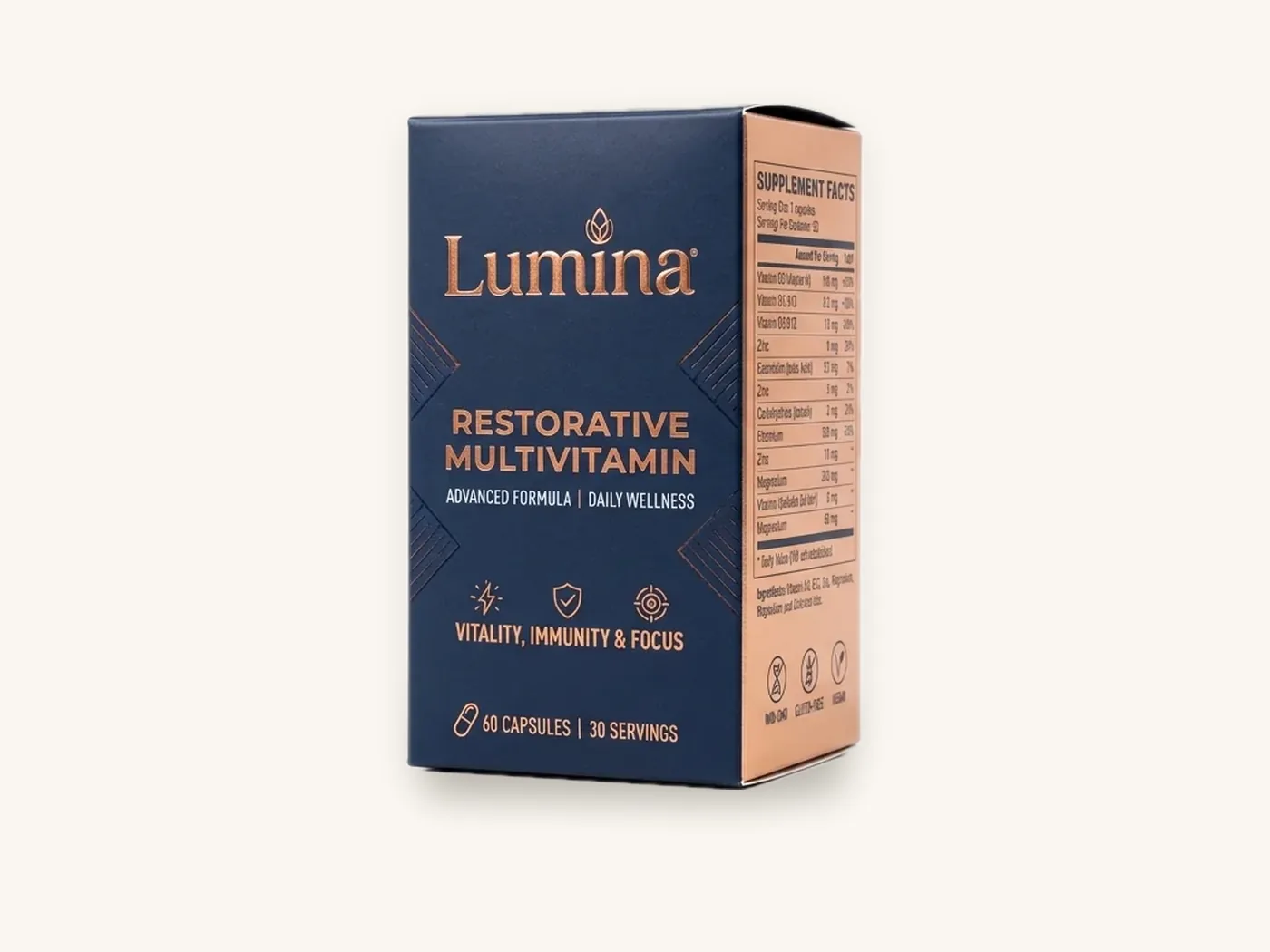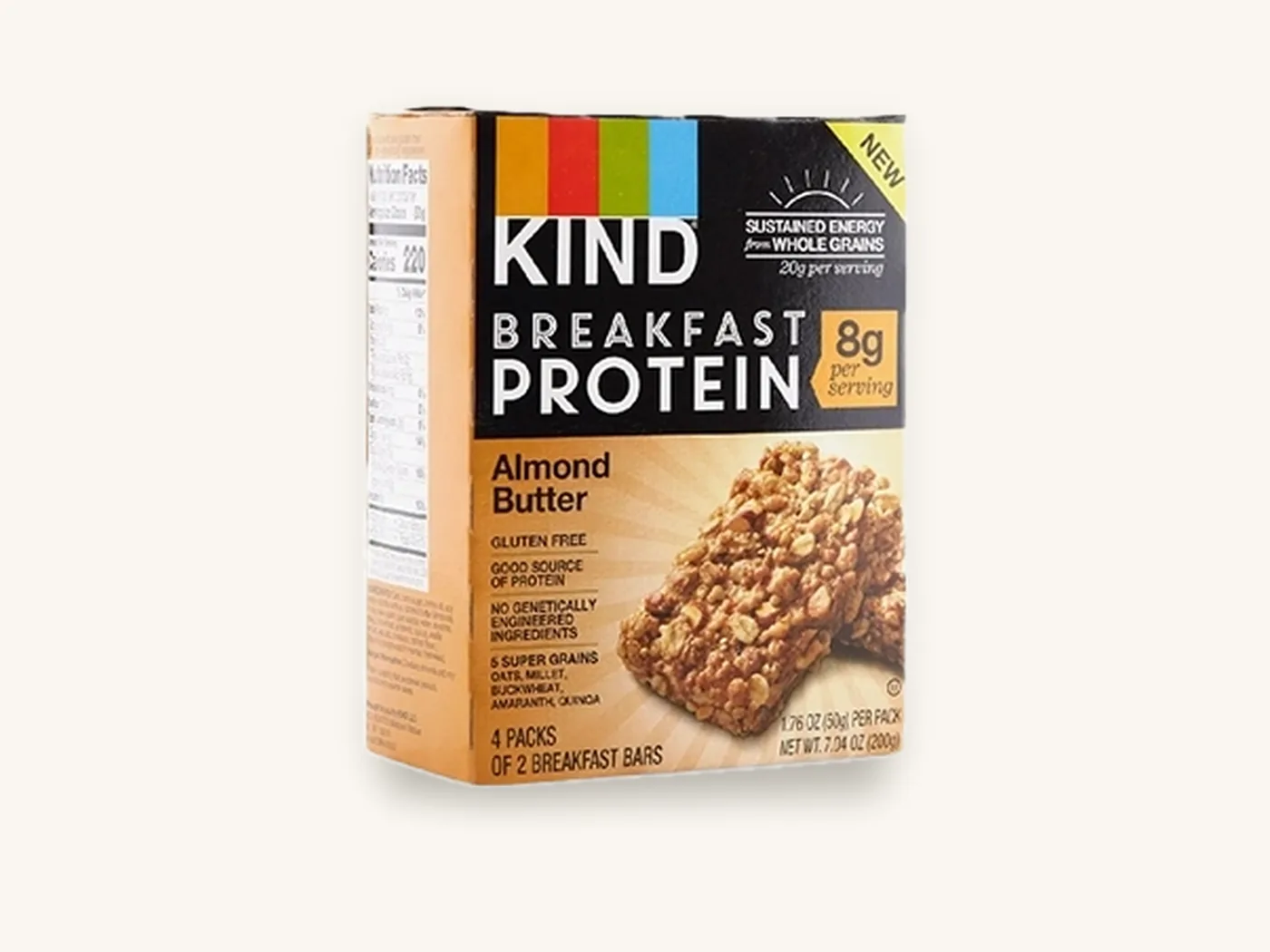
Sports nutrition packaging has to work in three very different places: on a gym front desk or convenience store counter where a shopper grabs a bar in two seconds, in a kitchen cupboard where a powder gets scooped every morning for a month, and in a parcel when an athlete orders a variety pack online. The right format is usually a printed carton or counter display for bars, a barrier stand-up pouch or a carton around a tub for powders, and a dispenser carton for sachets and gels.
This guide is organized by product format rather than by material, because a protein bar and a pre-workout powder fail in different ways. It covers the packaging each format needs, how to build displays that retailers will actually put by the register, what the label has to carry, what it costs and how to order.
Key takeaways
- Bars, powders and sachets need different structures. Bars sell from displays and multipack cartons; powders need moisture and oxygen barriers; sachets need dispensing.
- The display is the salesperson. A counter display box with a tall printed header and a tear-away lid gets a place at checkout far more easily than loose wrapped bars.
- Decide early whether each product is a food or a dietary supplement. That choice changes the label panel from Nutrition Facts to Supplement Facts, and the FDA rules that apply.
- Design for sweat, gym bags and hands. Aqueous coating or lamination keeps cartons from scuffing and softening when handled.
- A full-color E-flute counter display, 10x8x6 in, runs about $2.26 each at 1,000 units; an 18 pt straight tuck end carton, 3x2x5 in, about $0.51.
- Box Sense makes sports nutrition boxes from 10 units, with free design support and standard production of 8–12 business days after proof approval.
Sports nutrition packaging by product format
Before choosing a box, map every SKU to a format. Most sports nutrition brands end up with three or four packaging types that share a design system rather than one package for everything.
| Product format | Primary package | Secondary or retail package | Main packaging risk |
|---|---|---|---|
| Protein and energy bars | Flow-wrap film from your co-packer | Multipack carton, counter display box | Crushed bars, display falling apart after opening |
| Protein powder, bulk (1–5 lb) | Tub or large stand-up pouch | Shipping carton or retail carton around tub | Moisture clumping, split seals, heavy shelf load |
| Pre-workout, creatine, BCAA | Small tub or stand-up pouch | Folding carton for retail | Clumping, scoop hygiene, tamper evidence |
| Single-serve sachets and stick packs | Film sachet | Dispenser carton or display | Sachets spilling out, cartons emptying messily |
| Gels and chews | Film pouch | Counter display, multipack carton | Leaks or sticking in heat |
| Trial and sample kits | Mixed | Mailer box with insert | Items rattling, weak first impression |
What Box Sense makes in this category
We make the printed paperboard and corrugated packaging: cartons, multipacks, counter displays, dispenser boxes, mailers and stand-up pouches. Flow-wrap film, tubs and sachet film typically come from your co-packer or a flexible packaging converter, so plan dimensions with them before sizing the outer carton.
Protein bar boxes and multipacks
Protein bar boxes serve two jobs: getting a case of wrapped bars from the co-packer to a store, and selling them once they arrive. Treat those as separate problems.
Single-flavor multipack cartons
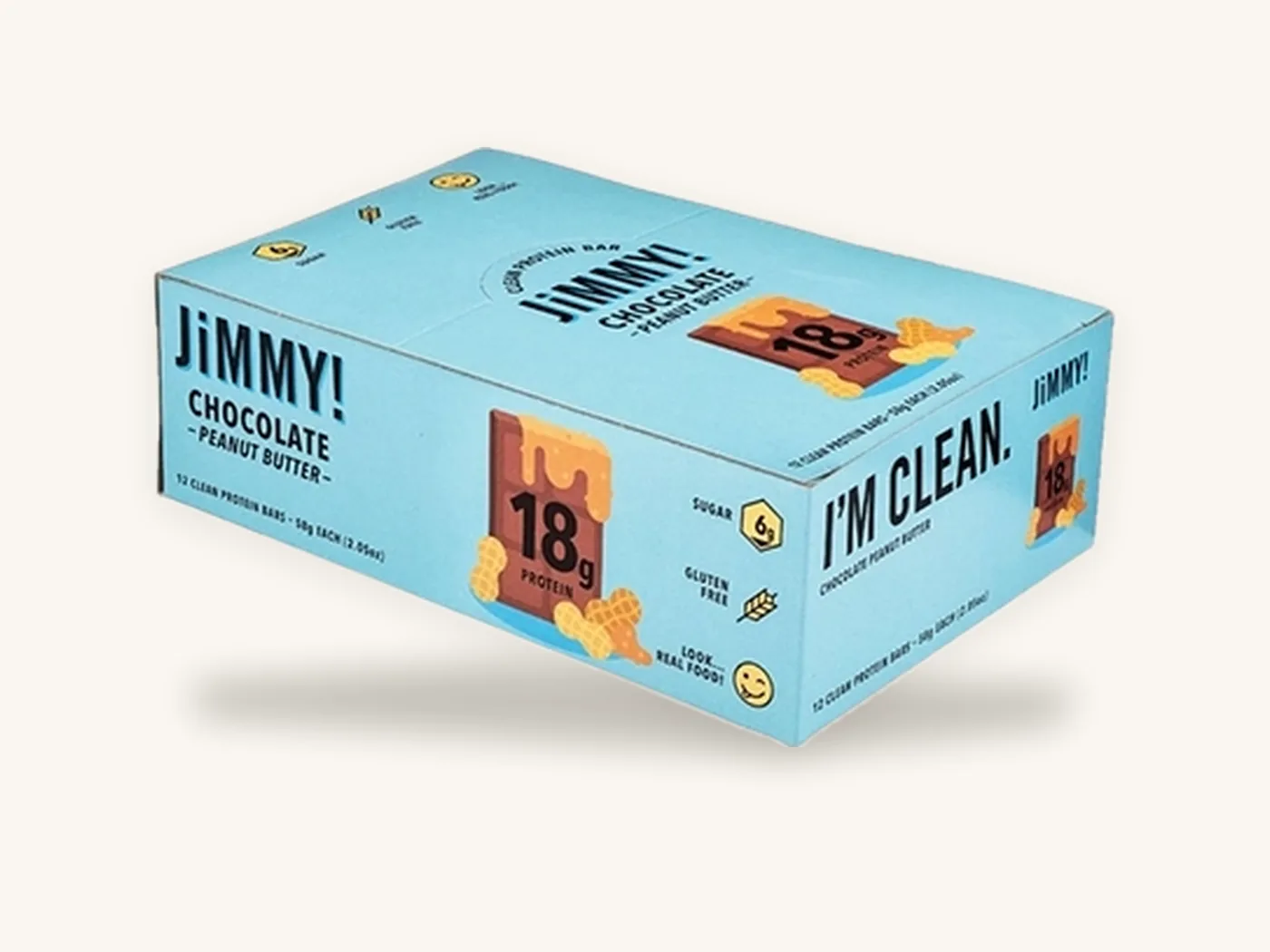
A multipack of 12 bars in a printed carton is the grocery and club store format. The carton is usually a straight tuck end box or a reverse tuck end box in 16 to 18 pt paperboard, with bars standing on edge in two rows. For heavier multipacks, an auto lock bottom carries the weight better and assembles quickly on a packing line.
Measure a stack of wrapped bars, not a single bar, because flow-wrap fin seals and end crimps add thickness unevenly. Twelve bars can measure noticeably longer than twelve times one bar.
Variety packs
Variety packs sell well online and as gifts. A carton with a window or a printed flavor grid on the side panel helps shoppers see what they are getting. If the pack ships direct, a mailer with a paperboard divider keeps flavors in order so the unboxing looks deliberate rather than scrambled.
Handling heat and grease
Some bars, especially those with chocolate coatings or nut butter, can leave oil marks when wrappers are imperfect or bars are stored warm. A coated interior or a gloss lamination on the carton resists staining better than uncoated board. Store finished goods away from heat regardless of packaging.
Tip: print the flavor name and protein content on the carton's short end panel as well as the front. Store staff restock cartons end-out on shelves and in backrooms, and that narrow panel is often the only face visible.
Supplement display boxes for counters and gyms
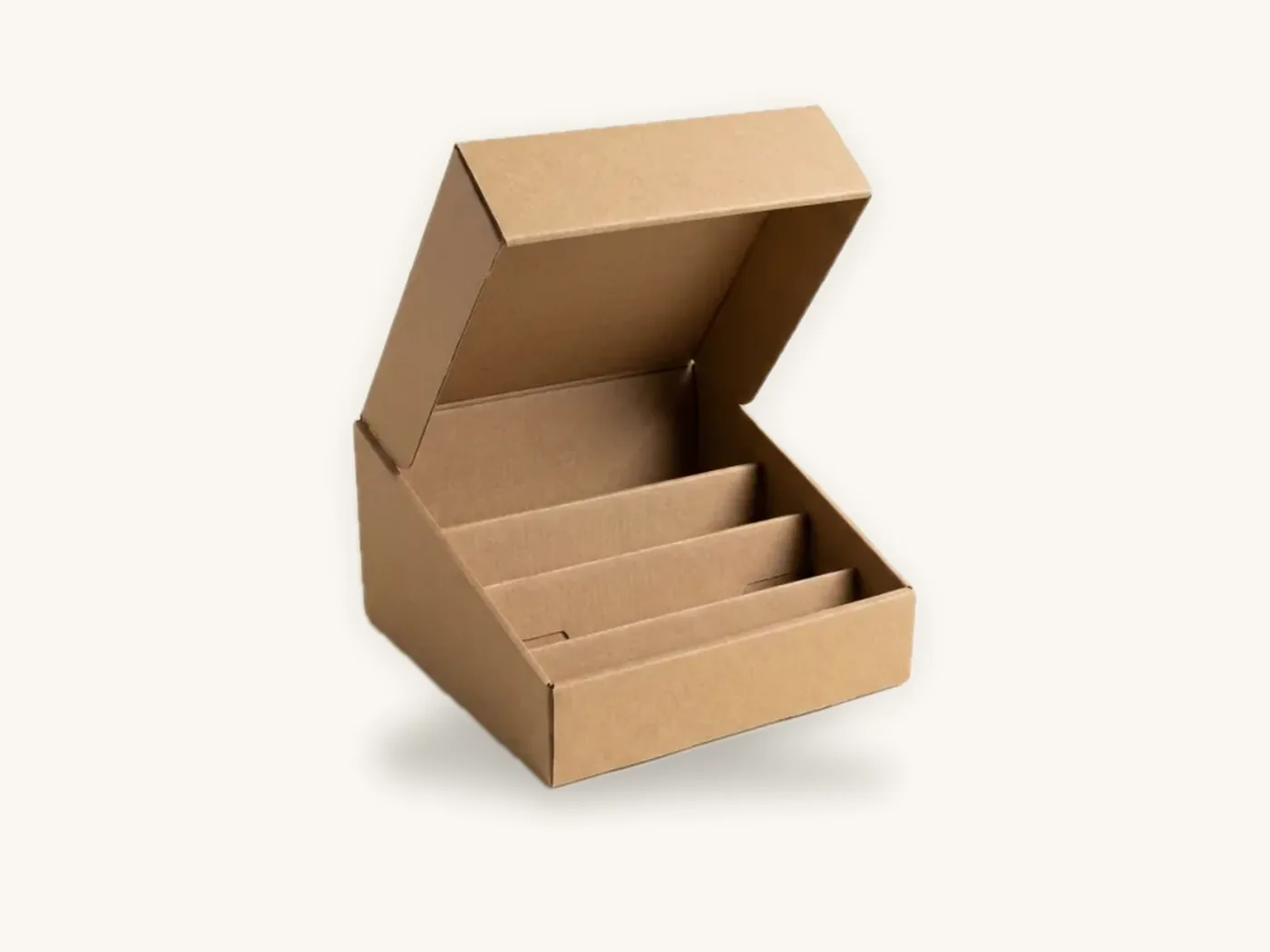
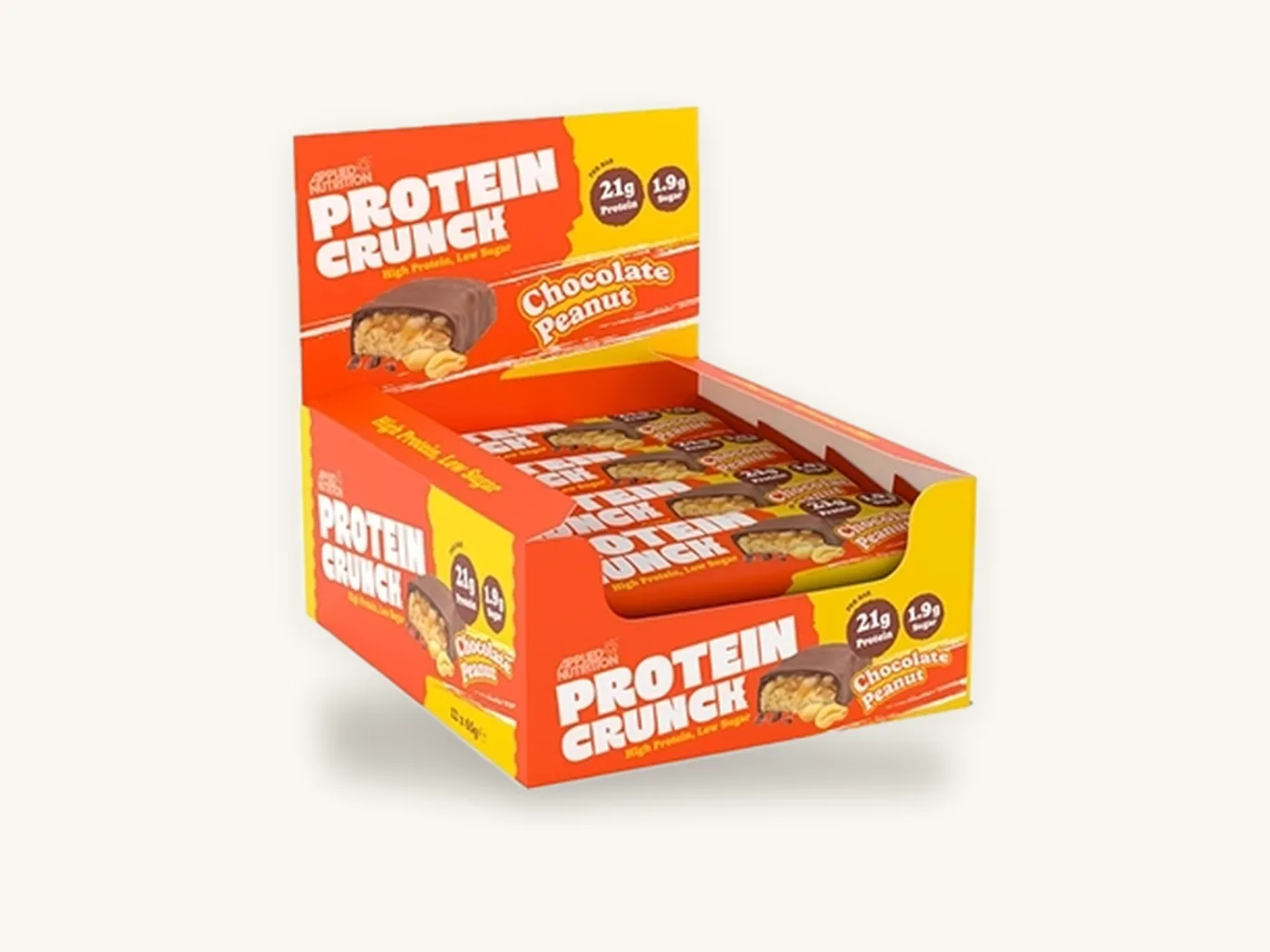
A supplement display box is a corrugated or paperboard tray with a tall printed header that turns a shipping case into a point-of-sale unit. It is how most bars, gels and sachets get into gyms, cafes, convenience stores and nutrition shops.
How a counter display works
Most counter display boxes ship closed, with a perforated lid that the store tears away. The back panel folds up into a header card that carries the brand, product name and one strong benefit. The front lip is low so hands can reach in, but high enough to keep bars from sliding out when the display is nudged.
Sizing a display for bars and sachets
| Contents | Typical count | Layout | Notes |
|---|---|---|---|
| Standard protein bars | 12 | One row standing on edge | Fits a small counter footprint |
| Standard protein bars | 24 | Two rows or stacked flat in two layers | Common for gyms and convenience stores |
| Energy gels | 24 | Standing in two or three rows | Low front lip so gels stay upright |
| Stick packs or sachets | 30–50 | Upright in a slotted insert | Insert keeps sachets from collapsing forward |
| Small tubs or shots | 6–12 | Single layer with dividers | Heavier, so use E-flute and a strong base |
The site's counter displays hold roughly 6 to 48 units, which covers most sports nutrition counts. Size the display from the packed product, then check it against the space retailers actually give you, which is often less than a sheet of printer paper.
Design rules for a display that sells
- Keep the header to three elements: brand, product name, one benefit such as grams of protein.
- Print the header on both sides if the display will sit on an island counter or gym desk that faces two ways.
- Repeat the flavor on the front lip so shoppers can choose without lifting bars out.
- Use E-flute corrugated for 24-count bar displays and anything with tubs; paperboard is fine for light sachet displays.
- Put the case barcode on the outside of the closed shipper, not on the header.
Our custom display boxes guide goes deeper on header heights and lid styles, and the display boxes style page shows the structures available.
Protein powder and pre-workout packaging
Powders are the hardest sports nutrition products to package well, because they are heavy, hygroscopic and scooped from many times after opening.
Stand-up pouches vs tubs
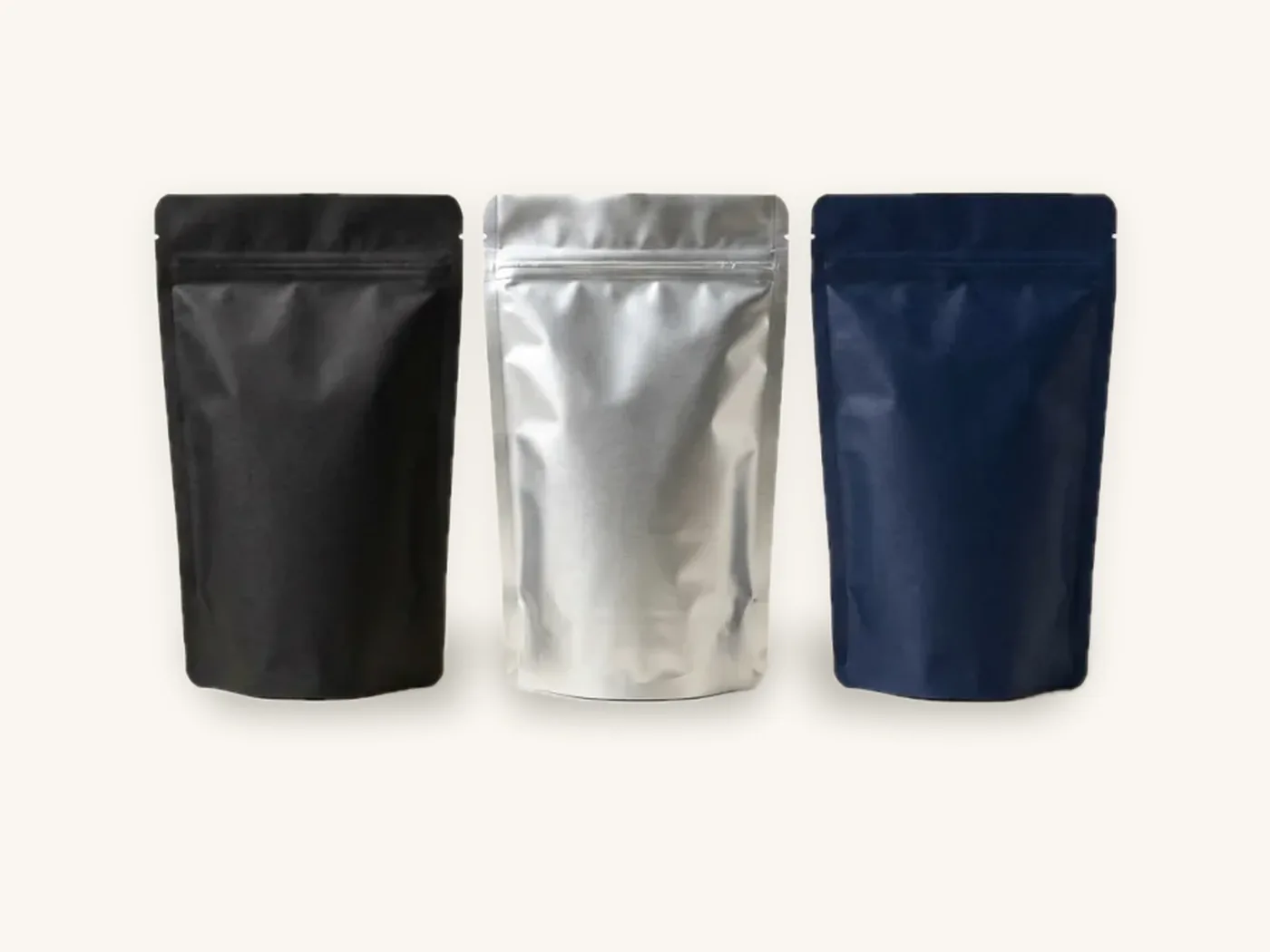
Stand-up pouches use multilayer film with a resealable zipper and a gusseted base. They use much less material than rigid tubs, ship flat before filling, and give a large printable front panel. Their weakness is that a heavy pouch slumps on a shelf and can be awkward to scoop from near the bottom.
Tubs stand up straight, feel substantial and make scooping easy. They take more space before filling and in shipping, and their labels are usually wrap-around rather than printed directly.
Many brands use pouches for refill sizes and online orders, and tubs for their flagship retail SKU. The stand-up pouches guide compares films and closures.
Barrier and seal considerations
Protein, creatine and pre-workout blends pick up moisture and clump. Choose a pouch structure with a moisture barrier suited to your formula, and ask for a metallized or foil layer if oxygen or light sensitivity is a concern. Heat seals must be strong enough for the fill weight, which your filler should test with real product.
A tear notch above the zipper gives a clean first opening and doubles as basic tamper evidence. For stronger tamper evidence, discuss options such as sealed inner liners with your filler.
Retail cartons around powders
A printed carton around a tub or pouch helps on crowded shelves, protects the primary pack in shipping and gives space for detailed usage directions. For a premium pre-workout launch, a carton also makes a gift-worthy retail product. Supplement and vitamin boxes cover the smaller tub and bottle formats.
Label requirements for sports nutrition products
Label content drives box design, because regulated information needs a specific amount of space. In the US, sports nutrition products are regulated by the Food and Drug Administration, and the first question is how each product is marketed.
Food or dietary supplement
Protein bars and ready-to-drink shakes are commonly sold as conventional foods and carry a Nutrition Facts panel. Many powders, pre-workouts and capsules are sold as dietary supplements and carry a Supplement Facts panel. The category is determined by how the product is represented and used, not just its format, and it changes which rules apply to ingredients, claims and labeling. Confirm the classification with a regulatory consultant before artwork starts.
Panels most sports nutrition labels include
- Principal display panel: brand, statement of identity (for example "protein bar" or "dietary supplement") and net quantity of contents.
- Information panel: Nutrition Facts or Supplement Facts, ingredient list, allergen statement and the name and place of business of the manufacturer, packer or distributor.
- Directions: serving size and usage, especially for pre-workout products with stimulants.
- Claims and disclaimers: structure/function claims on supplements require a specific FDA disclaimer; avoid disease claims.
- Codes: lot number and date code area, plus a scannable barcode for retail.
The FDA's dietary supplement labeling guide is the primary reference. Our supplement label requirements guide and FDA food labeling guide explain the panels in plain language. Third-party certification programs for banned-substance testing also have their own logo usage rules, so check with the program before printing a mark.
Watch out: a multipack carton is often the package a shopper sees at retail, even if every bar wrapper carries a full label. If the carton is sold as a unit, it generally needs its own compliant label panels too. Ask your regulatory advisor before assuming the wrapper covers it.
Materials, print and finishes that hold up in gym bags
Sports nutrition products get thrown in gym bags, handled with chalky or sweaty hands and stored in hot cars. Choose materials for rough use, not just shelf appeal.
Board choices
| Package | Board | Why |
|---|---|---|
| Single-flavor bar multipack | 16–18 pt SBS paperboard | Bright white print surface, crisp folds |
| Heavy multipack or tub carton | 18–24 pt SBS or E-flute | Resists crushing under weight |
| Counter display, 24-count bars | E-flute corrugated | Stays rigid after the lid is torn away |
| Natural or plant-protein brand carton | 18 pt kraft paperboard | Earthy look, pairs with one or two ink colors |
| Sample kit shipper | E-flute mailer | Survives parcel shipping on its own |
Print and finish
Bold, saturated color is common in this category, which suits full-color print on white SBS. Gloss lamination adds impact and wipes clean; matte or soft-touch lamination gives a premium, understated feel for clean-label and high-end brands. Aqueous coating is the lighter, more recyclable option and still reduces scuffing.
Spot UV on a logo or protein number adds contrast on a matte carton, and metallic foil suits limited editions. Each adds one-time tooling: spot UV about $40 and foil about $60. The printing and finishes page shows every option.
Sustainability choices
Paper-based cartons and displays are widely recyclable, while multilayer film pouches generally are not accepted in curbside programs. If sustainability matters to your buyers, use FSC-certified board and aqueous coating on cartons, and be careful with environmental claims on film packaging. The FTC's Green Guides set expectations for recyclability claims.
What sports nutrition boxes cost
Carton costs are driven by size, board caliper, print, finishes, inserts and quantity. Displays cost more than cartons because they use corrugated board and more complex die-cutting.
Indicative per-unit prices from our current rates, free US shipping included:
| Spec | 50 | 250 | 1,000 | 2,500 | 10,000 |
|---|---|---|---|---|---|
| Straight tuck end carton, 18 pt SBS, 3x2x5 in, full color, aqueous | $1.32 | $0.82 | $0.51 | $0.43 | $0.33 |
| Window box, 18 pt SBS, 4x4x4 in, full color, aqueous, window | $1.92 | $1.18 | $0.74 | $0.63 | $0.47 |
| Counter display box, E-flute, 10x8x6 in, full color | $5.87 | $3.61 | $2.26 | $1.92 | $1.45 |
| Subscription mailer, E-flute, 12x9x4 in, full color both sides, insert + tear strip | $6.76 | $4.16 | $2.60 | $2.21 | $1.66 |
A launch order of 250 counter displays for gym accounts comes to about $3.61 each. A retail rollout of 10,000 small cartons drops to roughly $0.33 per carton. Stand-up pouch pricing depends heavily on film structure, size and zipper, so use the pricing page or request a quote rather than estimating from carton prices.
Keeping costs sensible across a range
- Use one carton dieline for all flavors and change only the artwork; digital printing handles short runs of each flavor without plate costs.
- Put the variable information, such as flavor and lot, where it can change without redesigning the whole panel.
- Start displays at a smaller quantity for a pilot group of gyms, then reorder with confirmed sell-through.
The supplement packaging guide covers bottles and capsules if your range extends beyond sports formats.
How to order sports nutrition boxes from Box Sense
The minimum order is 10 units, which lets you make a handful of displays for sales meetings or a trade show before a full run.
Brief checklist
- Product format and count per package, such as 12 bars, 24 gels or one 2 lb pouch
- Dimensions of the wrapped bar, sachet, tub or filled pouch, measured from production samples
- Package type for each SKU: carton, display, dispenser, mailer or pouch
- Board and finish preferences, or a note asking for a recommendation
- Label content ready or in progress, including the Facts panel size
- Number of flavors or variants and quantity per variant
- Target in-hand date, for example ahead of a retail reset or trade show
- Ship-to locations, such as your co-packer and your warehouse
The process
- Quote within 24 hours for each SKU and quantity tier.
- Free design support: dielines, artwork setup and a 3D digital proof, with two revision rounds. Our design services team can adapt one flavor's artwork across the range.
- Samples: unprinted structural samples are free, which is the best way to check that a real stack of wrapped bars fits. Printed samples of approved artwork are free on orders of 100 or more.
- Production: 8–12 business days after proof approval, or rush in 5 business days on most paperboard and corrugated styles.
- Shipping: free on every US order, including direct to your co-packer, and international shipping at cost.
There are no die or plate charges. The sports nutrition boxes page and the sports and fitness packaging page show the formats we make for this category.
Frequently asked questions
What is the best packaging for protein bars?
Individually flow-wrapped bars are usually sold in a printed paperboard multipack carton for grocery shelves and a corrugated counter display box for checkouts, gyms and convenience stores. Online variety packs ship well in an E-flute mailer with a divider. Measure a stack of wrapped bars rather than one bar, because wrapper seals add thickness unevenly.
How many protein bars go in a counter display box?
Most counter displays hold 12 or 24 standard bars, either standing on edge in one or two rows or stacked flat in two layers. Twelve suits small counters and trial accounts; 24 is common for gyms and convenience stores. Box Sense counter displays range from roughly 6 to 48 units, sized from your actual wrapped bar.
Are protein bars labeled as food or supplements?
Protein bars are commonly marketed as conventional foods with a Nutrition Facts panel, while many powders and pre-workouts are sold as dietary supplements with a Supplement Facts panel. Classification depends on how the product is represented and intended to be used. Confirm your product's status with a regulatory advisor and current FDA guidance before finalizing label artwork.
Should protein powder come in a pouch or a tub?
Choose a stand-up pouch when you want lower material use, flat storage before filling, lower shipping weight and a large print area, which suits refills and online sales. Choose a tub when shelf presence and easy scooping matter most. Many brands offer both: a tub for the main retail SKU and a pouch refill.
How do I stop supplement boxes from scuffing?
Add a protective finish. Aqueous coating reduces scuffing and keeps cartons recyclable; gloss or matte lamination offers stronger rub resistance and wipes clean, which helps for products handled in gyms. Use at least 16 to 18 pt paperboard for bar cartons, and E-flute corrugated for displays and heavier packs so corners do not crush.
How much does a supplement display box cost?
A full-color E-flute counter display, 10x8x6 in, costs about $3.61 each at 250 units and roughly $2.26 at 1,000, with US shipping included. Price depends on size, header height, print coverage, inserts and quantity. Use the Box Sense pricing estimator for your exact dimensions, or request a quote for a custom display.
Can I order small quantities of sports nutrition packaging?
Yes. Box Sense produces sports nutrition boxes and displays from 10 units, printed digitally with no die or plate charges. Small runs work well for sales samples, trade shows, pilot gym accounts and testing flavor artwork. Unit prices fall as quantity rises, so compare several quantity tiers before placing the production order.
Next steps
List your SKUs by format, measure your wrapped bars and filled pouches, and check the numbers in the sports nutrition packaging estimator. When you know which cartons and displays you need, request a sports nutrition packaging quote and we will confirm pricing within 24 hours and prepare dielines for proofing.
Boxes in this guide
Order the packaging we covered
Written by the Box Sense Packaging Team
Our structural designers, prepress technicians and production staff print and convert custom boxes every day for brands in the United States, United Kingdom and UAE. Questions about this guide? Talk to us.