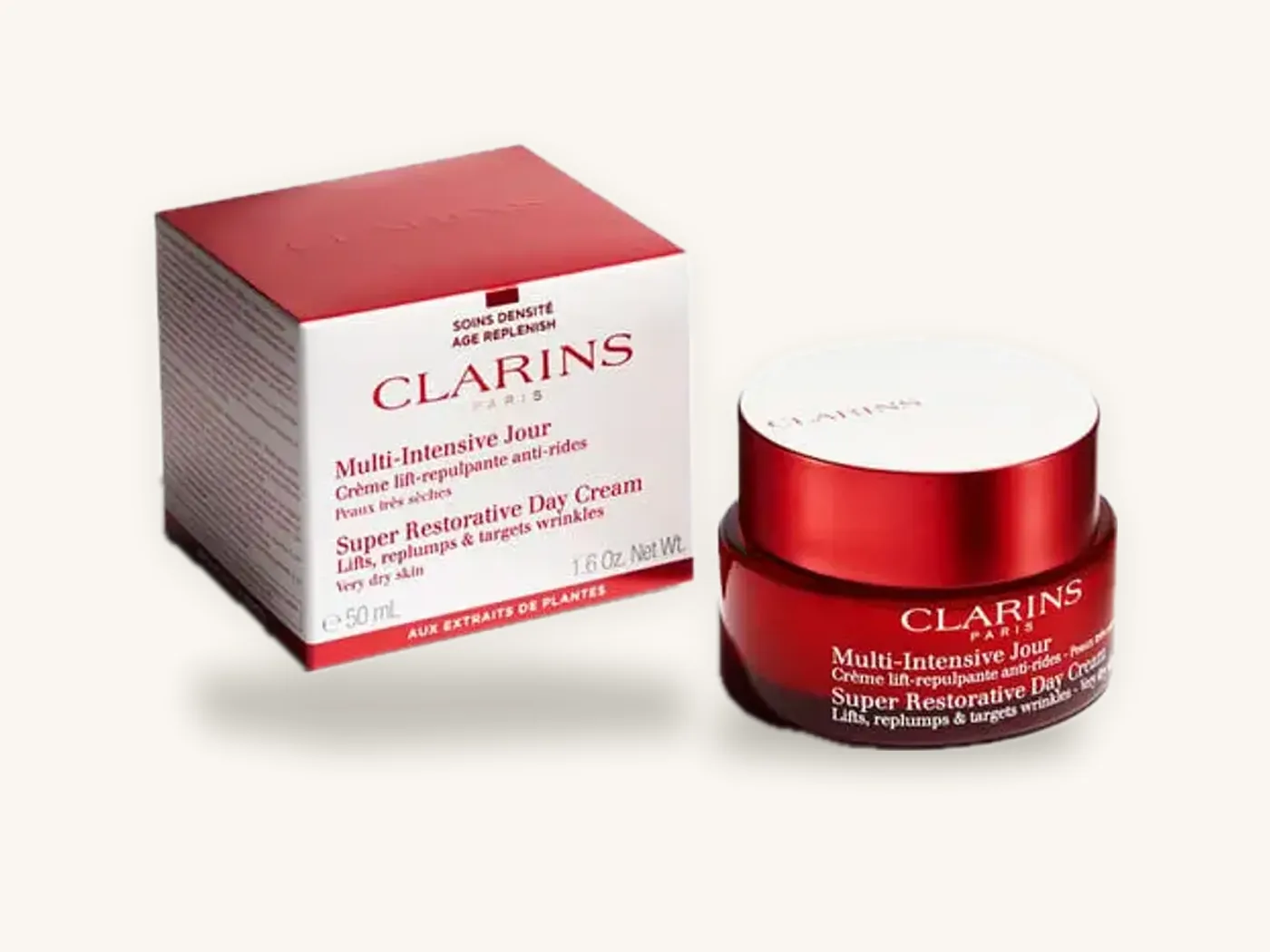
Custom cardboard boxes are any boxes made to your size and printed with your design from paper-based board. The problem is that "cardboard" is not a material a manufacturer can quote. In the packaging industry, it can mean three very different things: thin paperboard used for retail cartons, fluted corrugated board used for mailers and shipping boxes, or dense chipboard (greyboard) used for rigid gift boxes.
Those three differ in thickness, strength, print quality and price by wide margins. Ask for "cardboard boxes" and one supplier may quote a cereal-style carton while another quotes a shipping carton. This guide translates the everyday word into the specs packaging makers use, shows you how to tell which one you need, and walks through ordering printed cardboard boxes without surprises.
Key takeaways
- "Cardboard" covers three materials: paperboard (roughly 12 to 24 pt), corrugated (fluted, about 1.5 to 7 mm) and chipboard or greyboard (about 1.5 to 3 mm, usually wrapped in printed paper).
- Look at the cut edge: a solid thin edge is paperboard, a wavy middle layer is corrugated, a thick dense gray edge is chipboard.
- Pick the material by job: paperboard for shelves, corrugated for shipping, chipboard for keepsake presentation.
- Many products need two layers, such as a paperboard retail carton inside a corrugated mailer.
- For scale, an 18 pt straight tuck end carton at 3x2x5 in is about $0.51 each at 1,000 units, while a 2 mm rigid box at 8x6x3 in is about $4.05 at 1,000.
- Box Sense makes all three families in-house, from a minimum of 10 boxes, with free dielines and a 3D proof.
The three materials hiding behind the word "cardboard"
Here is how the three compare on the things that affect your order.
| Paperboard | Corrugated board | Chipboard (greyboard) | |
|---|---|---|---|
| What it is | A single dense sheet, often with a coated print surface | A fluted medium glued between two flat liners | Thick, compressed recycled fiber board |
| Typical thickness | about 12 to 24 pt (0.3 to 0.6 mm) | E-flute 1.5 mm up to BC double wall 7 mm | about 1.5 to 3 mm |
| How it ships | Flat, glued; folds up on the packing table | Flat; folds up, often without glue | Usually ships assembled, or as a collapsible version |
| Print surface | Excellent, sharp detail | Good on E-flute, rougher on thicker flutes | Printed on a paper wrap, excellent |
| Strength role | Holds and presents a light product | Protects in transit and in stacks | Feels solid; protects by stiffness |
| Common names | Folding carton, product box, retail box | Mailer box, shipping box, RSC | Rigid box, set-up box, gift box |
| Relative unit cost | Lowest | Middle | Highest |
Paperboard: the retail carton
Paperboard is what cereal, cosmetics, supplements and toothpaste come in. Solid bleached sulfate (SBS) is the bright white version with a smooth coated face; kraft paperboard is the natural brown version. Our SBS paperboard page lists the grades. It is ideal on a shelf and inside a shipper, but it is not designed to go through the parcel network on its own.
Corrugated: the shipping box
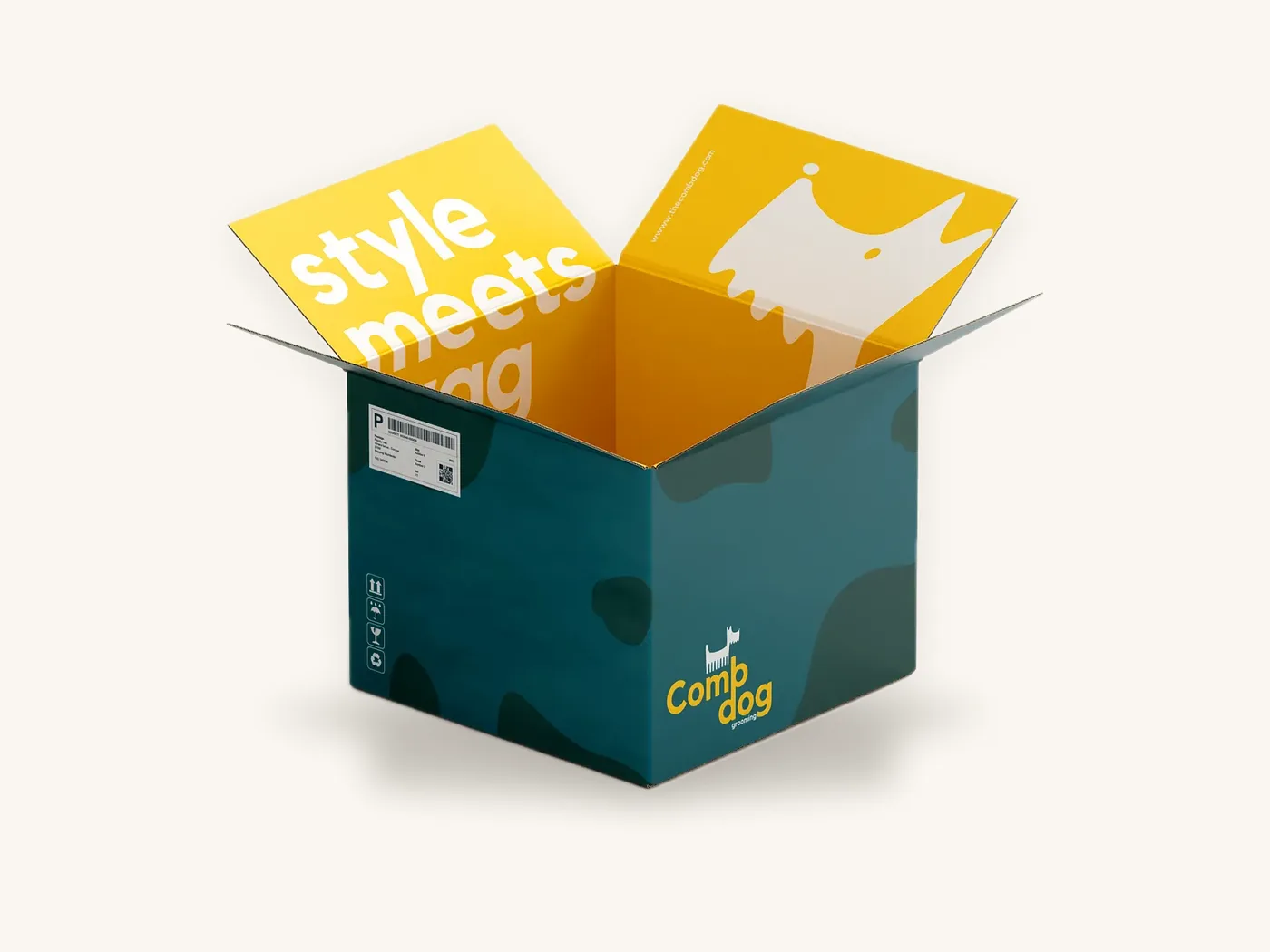
Corrugated board is what most people picture when they say cardboard box, especially the brown box on the doorstep. The arched flutes make it stiff and cushioning for its weight. Our corrugated boxes guide goes deep on flutes and grades.
Chipboard: the rigid box
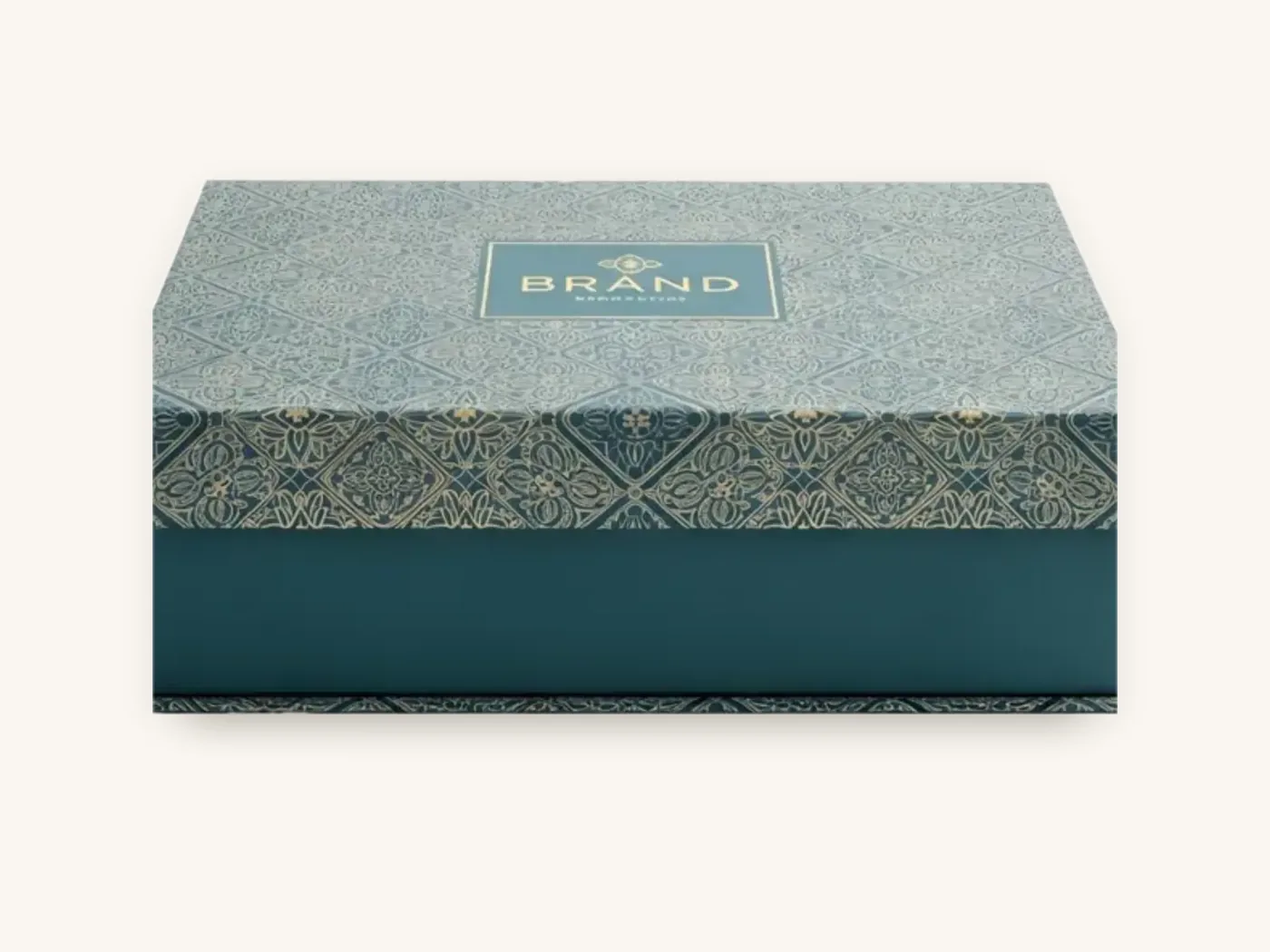
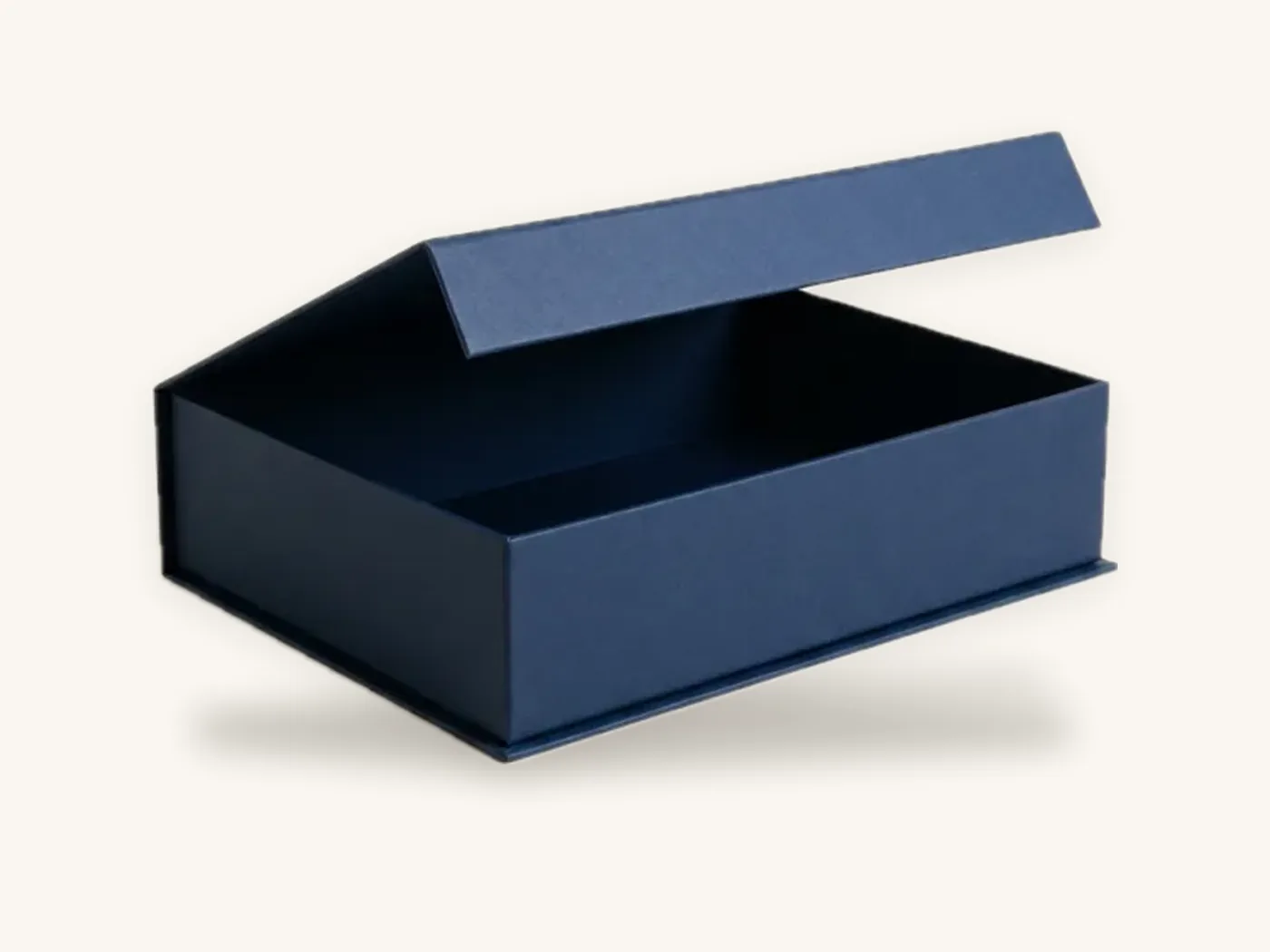
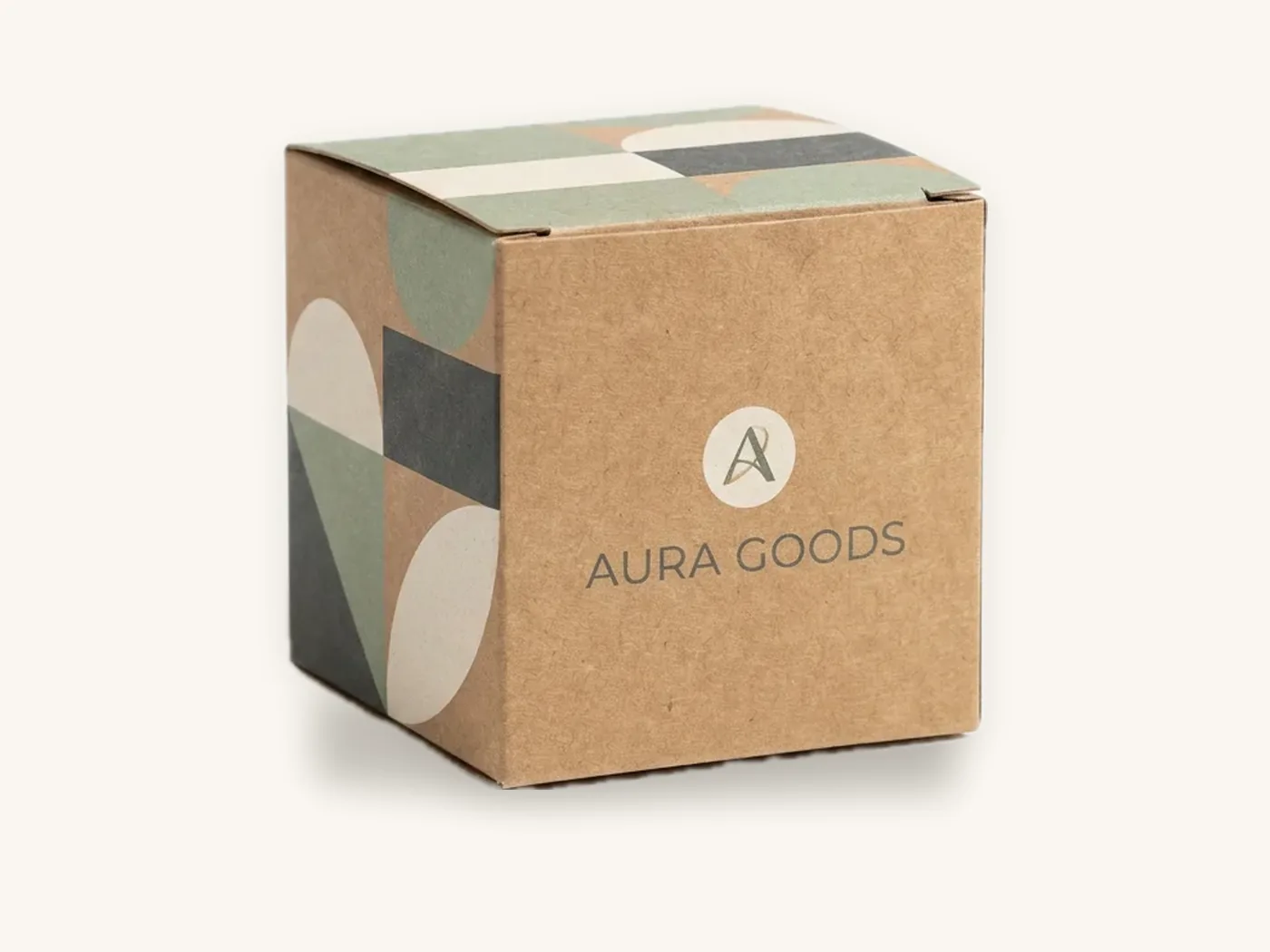
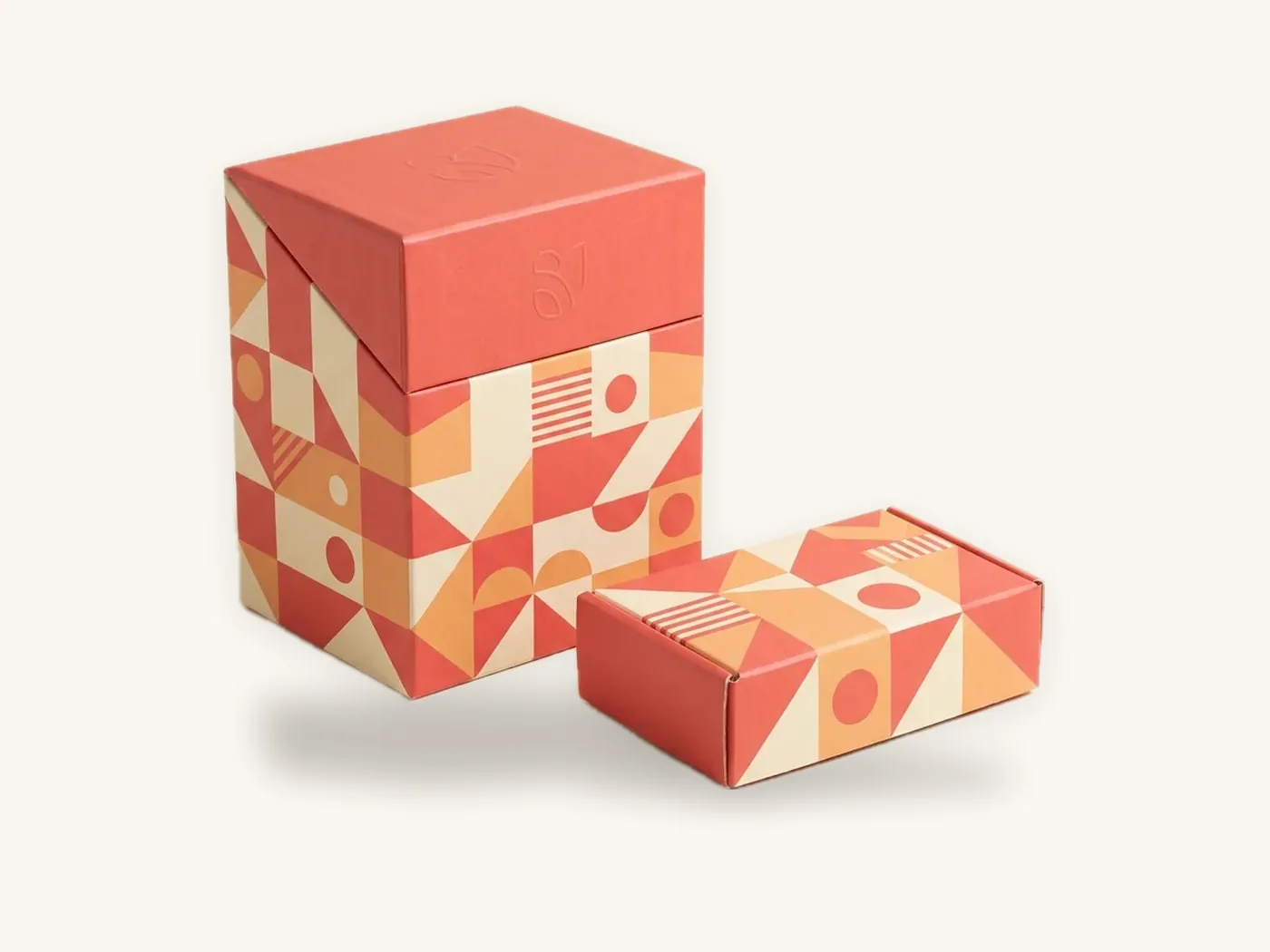
Chipboard, also called greyboard, is thick and dense and does not fold. Pieces are cut, joined and wrapped in printed or textured paper to make a rigid box, the kind a phone, watch or luxury gift set comes in. The custom rigid boxes guide explains the construction, and the rigid greyboard material page covers thicknesses.
How to tell which cardboard you already have
If you are replacing a box you already use, or copying a competitor's format, you can identify the material in a couple of minutes.
- Find a cut edge. Look at the edge of a flap or tear a corner.
- Check for a wavy layer. If you see a row of arches between two flat layers, it is corrugated. Small tight waves suggest E-flute; larger ones suggest B or C-flute; two rows of waves means double wall.
- If the edge is solid, measure it. A thin solid edge you can bend easily by hand is paperboard. A thick, dense, gray edge that will not fold is chipboard.
- Look at the inside. Paperboard is often white or gray inside. Rigid boxes usually show a paper wrap folded over the edge onto the inner walls.
- Check how it was assembled. A glued side seam with tuck flaps is a folding carton. Locking tabs and a hinged lid suggest a corrugated mailer. Solid corners with no flaps point to a rigid box.
- Measure thickness if you can. Use calipers, or stack ten flat sheets and divide. It helps you compare quotes.
A quick guide to thickness units
Packaging uses different units for each material, which adds to the confusion.
| Unit | Used for | What it means | Example |
|---|---|---|---|
| Points (pt) | Paperboard | Thousandths of an inch | 18 pt is 0.018 in, roughly 0.46 mm |
| gsm | Paperboard, wrap papers | Grams per square meter, a weight not a thickness | 12 to 24 pt SBS is roughly 250 to 450 gsm |
| Flute letter | Corrugated | Flute size, which sets thickness | E-flute about 1.5 mm, B-flute about 3 mm |
| ECT or burst | Corrugated | Strength grade | 32 ECT is a common single wall grade |
| Millimeters | Chipboard | Board thickness | 2 mm greyboard is a common rigid box core |
Heavier gsm usually means thicker board, but two boards of the same gsm can differ in caliper depending on density and coating. When you compare quotes, compare the same unit.
Choosing the right cardboard packaging boxes for the job
Three questions settle the material for most products.
Does the box travel through a parcel carrier by itself? If yes, you need corrugated. Paperboard cartons get crushed and punctured in parcel sorting unless they are packed inside a shipper.
What does the customer need to feel? A light, well-printed carton says "retail product." A sturdy mailer says "direct-to-consumer brand." A heavy rigid box says "premium, keep me."
How heavy is the product? Light items under about a pound are fine in 18 pt paperboard. Denser items, bottles and jars often need 24 pt board or an auto-lock bottom. Heavier products and anything fragile need corrugated or an insert.
| Scenario | Material | Style to start with |
|---|---|---|
| Serum bottle sold in stores and online | Paperboard | Tuck end carton, shipped inside a mailer |
| Apparel sold only online | Corrugated E-flute | Mailer box |
| Heavy kitchen appliance | Corrugated B-flute or double wall | Shipping box with insert |
| Watch or premium headphones | Chipboard | Rigid two-piece or magnetic box |
| Bulk goods on a store shelf | Corrugated | Open-front bin |
| Corporate gift that must ship flat | Chipboard, collapsible | Collapsible rigid or magnetic box |
One product, three kinds of cardboard
Say you sell a scented candle in a glass jar through a website and a handful of boutiques. The boutique shelf needs an 18 pt paperboard carton with an insert that grips the jar. The online order ships that same carton inside a small corrugated mailer. And for the holiday season you add a limited gift set in a rigid box with a magnetic lid.
That is one product in all three materials, each chosen for a different job. Planning them together means the carton fits the mailer without dead space, and the artwork system stays consistent.
Box styles in each cardboard family
Once you know the material, the style decides how the box opens, closes and fills.
Paperboard styles
- [Straight tuck end boxes](/products/straight-tuck-end-boxes): both tuck flaps on the same side, for a clean front panel.
- Reverse tuck end: flaps on opposite sides, the most economical carton for small products.
- [Auto lock bottom boxes](/products/auto-lock-bottom-boxes): a bottom that snaps into place when the carton is opened, for heavier contents and faster packing.
- Sleeves, pillow boxes, gable boxes and window boxes for specific looks and uses.
Our folding carton guide compares these in depth, and the folding cartons style page shows the range.
Corrugated styles
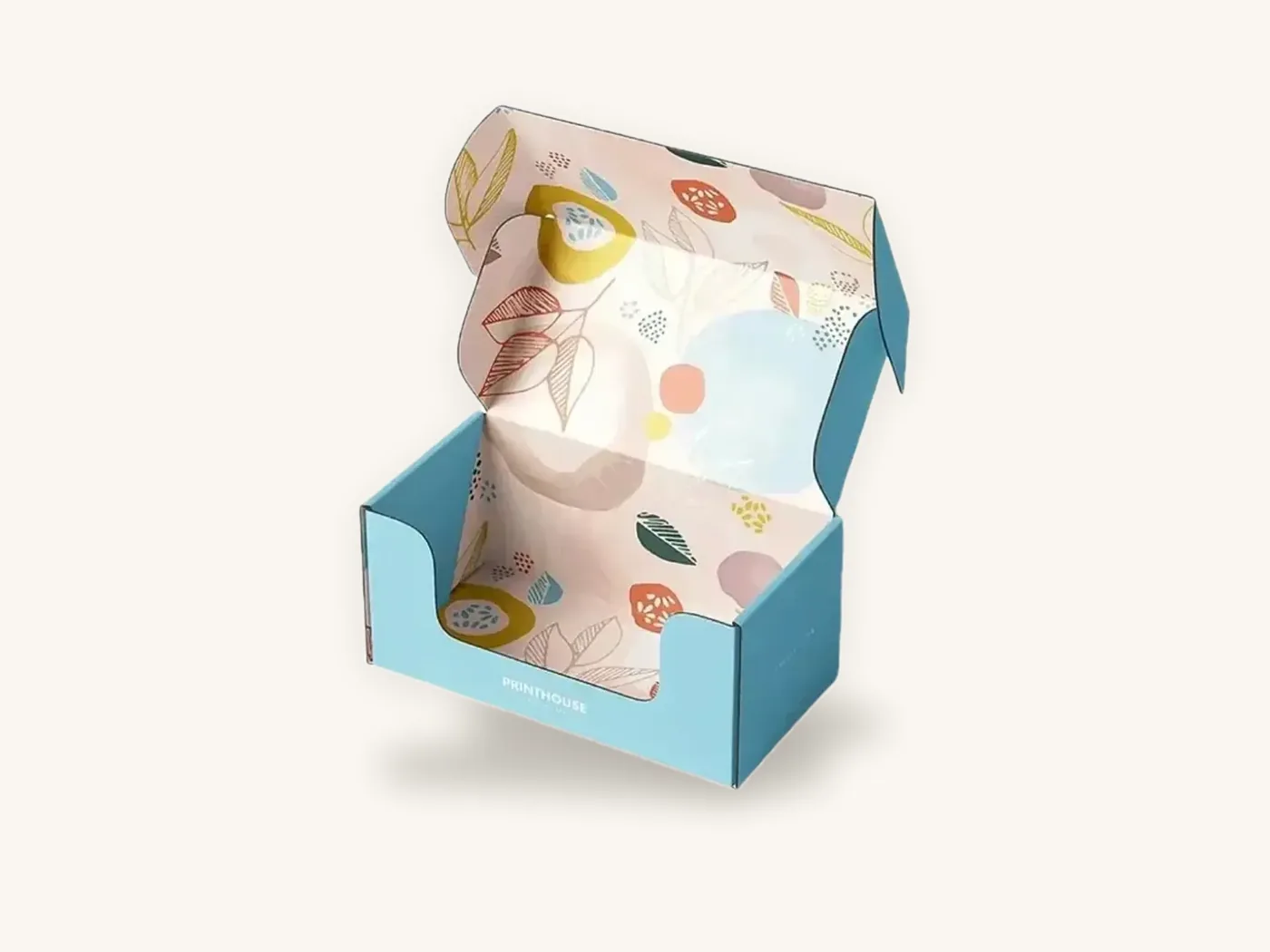
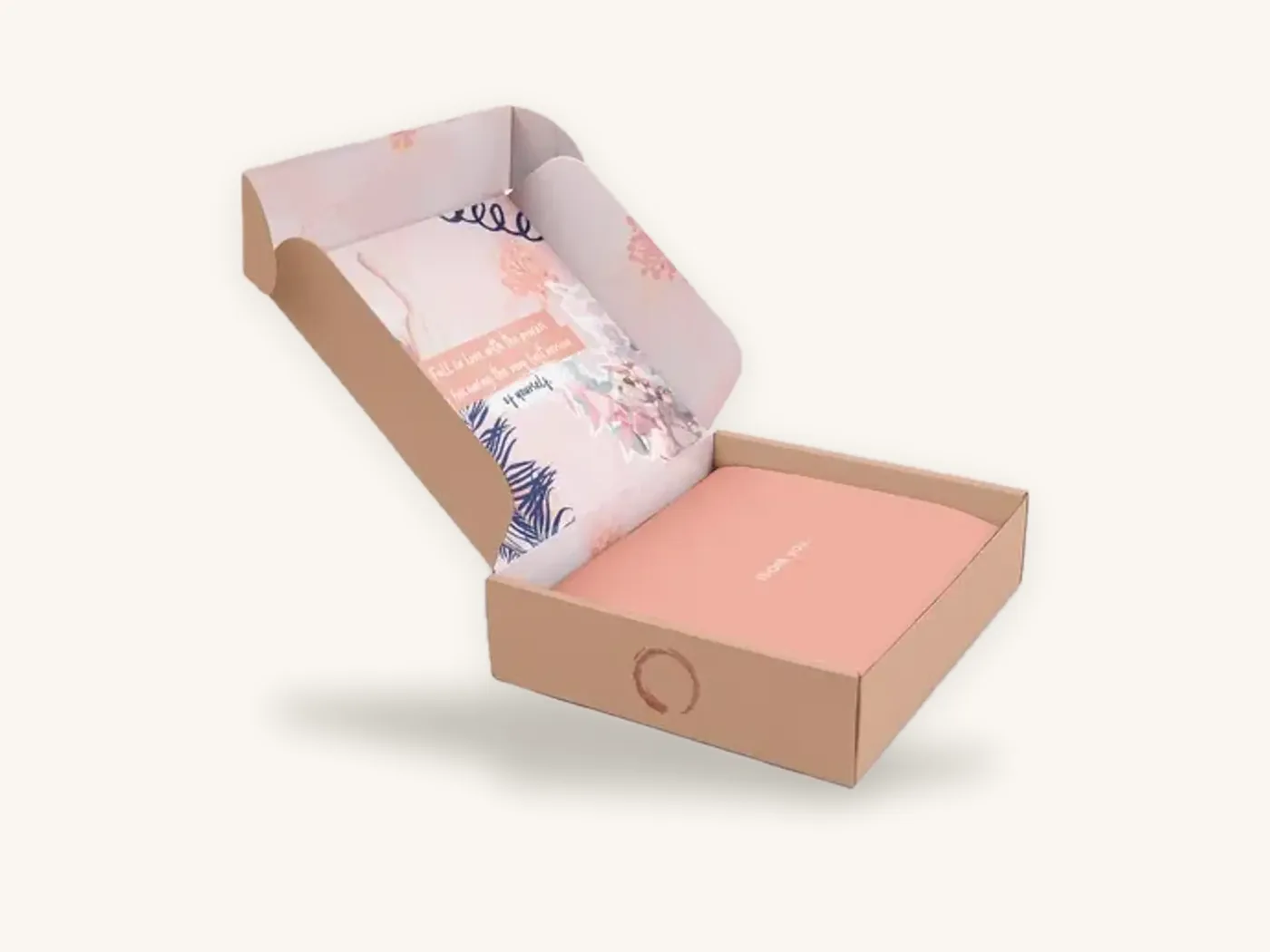
- Mailer boxes that lock without tape and present well when opened. See the custom mailer boxes guide.
- Regular slotted containers for shipping and storage. See the custom shipping boxes guide.
- Trays, bins and displays for retail and warehouse shelving, such as cardboard bin boxes.
Chipboard (rigid) styles
- Two-piece lid and base for apparel, games and gift sets.
- [Magnetic closure boxes](/products/magnetic-closure-boxes) that open like a book. The magnetic closure boxes guide covers them.
- Drawer and shoulder neck boxes for jewelry and fragrance.
Printed cardboard boxes: what each material can do
Print quality varies more between materials than between print methods, so match your artwork ambitions to the board.
Printing on paperboard
Paperboard gives the sharpest, most accurate print of the three. Coated SBS reproduces photography, fine type and gradients well, and it takes every finish: matte, gloss and soft-touch lamination, foil, embossing and spot UV. If your packaging carries a lot of information in small type, such as ingredients, directions or regulatory panels, paperboard handles it best.
Printing on corrugated
E-flute corrugated prints close to paperboard with digital printing and offset laminated onto the board. Thicker flutes are rougher and suit bolder graphics. Large solid areas of dark color can show faint lines from the flutes, so patterns and white space tend to look better.
Printing on chipboard
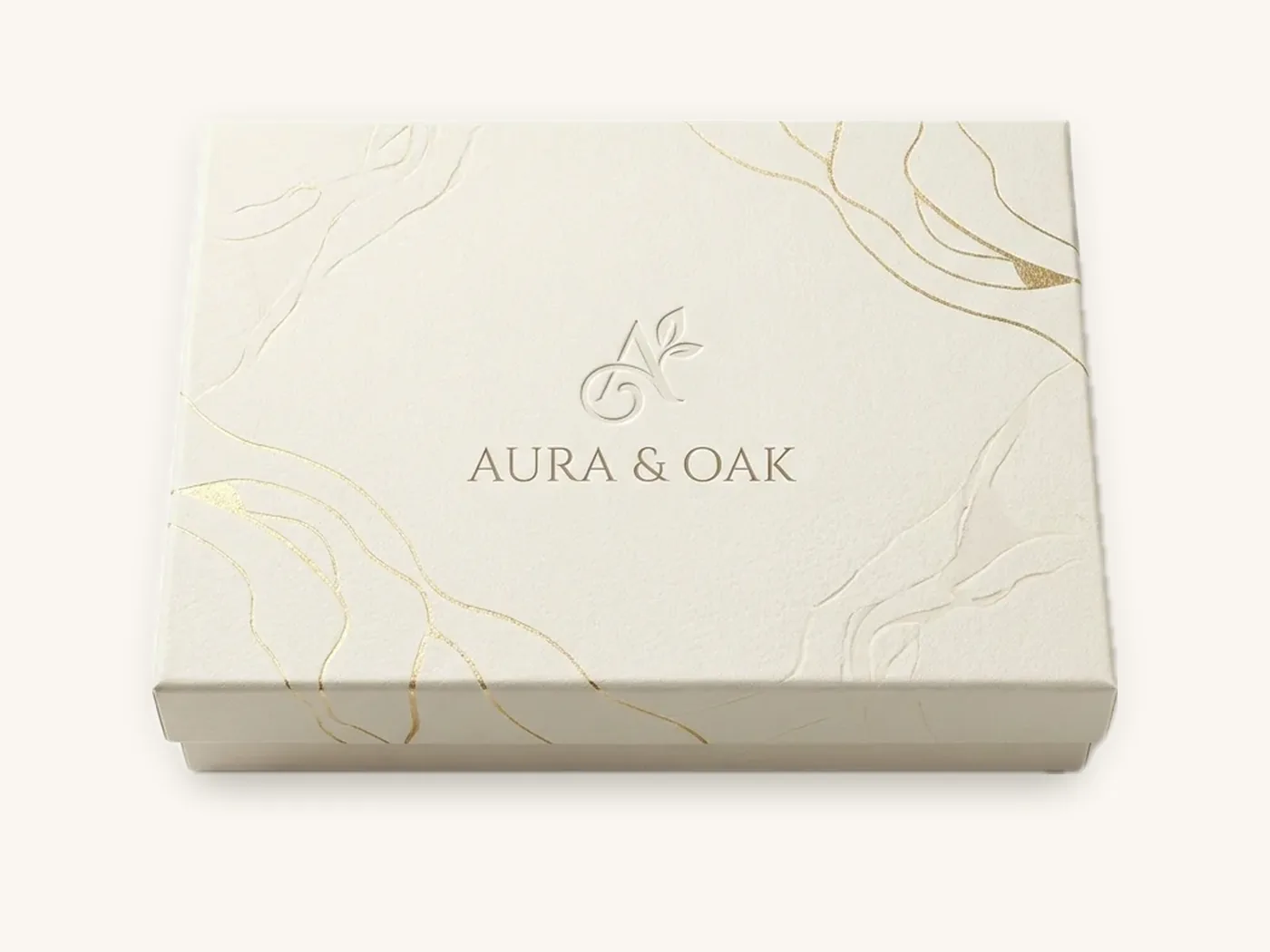
Chipboard is not printed directly. The artwork is printed on a wrap paper, then glued around the board. That means rigid boxes get paperboard-level print quality plus access to specialty papers with linen, leather-grain or pearlescent textures.
Print methods
Box Sense prints short runs, roughly 10 to 500 units, digitally, so there are no plates and full color costs no more than one color. Larger runs move to offset for the best detail and unit price. The printing and finishes page shows coatings, foils and embellishments for each material.
Tip: if you want identical artwork on a paperboard carton and a corrugated mailer, expect them to look slightly different even when printed from the same file. The board surface changes how ink sits. Approve color on a printed sample of each material, not just one.
What custom cardboard boxes cost
Because the three materials use such different amounts of board and labor, their prices sit in very different ranges. The table below compares typical specs from each family. These are indicative per-unit prices with free US shipping; sizes differ, so treat it as a view of each family's range rather than a like-for-like comparison.
| Family | Spec | 100 | 500 | 1,000 | 5,000 |
|---|---|---|---|---|---|
| Paperboard | Straight tuck end carton, 18 pt SBS, 3x2x5 in, full color, aqueous | $1.15 | $0.61 | $0.51 | $0.36 |
| Paperboard | Window box, 18 pt SBS, 4x4x4 in, full color, aqueous, window | $1.66 | $0.89 | $0.74 | $0.53 |
| Corrugated | Mailer box, E-flute, 8x6x3 in, full color outside | $2.64 | $1.41 | $1.17 | $0.83 |
| Corrugated | Shipping box RSC, B-flute, 12x10x6 in, 1-color | $4.69 | $2.50 | $2.08 | $1.48 |
| Chipboard | Rigid box, 2 mm greyboard wrapped, 8x6x3 in, full color, matte | $9.10 | $4.85 | $4.05 | $2.87 |
What moves the price within a family
- Size: more board, more cost.
- Board grade: thicker paperboard, heavier flute or thicker greyboard.
- Print coverage: inside printing, extra panels, white ink on kraft.
- Finishes: foil and embossing each carry one-time tooling of about $60, spot UV about $40.
- Inserts: a custom insert die is about $45 one time.
- Quantity: the biggest lever, because setup is shared across more units.
Run your own size in the instant price estimator to see where your spec lands.
Common mistakes when ordering cardboard boxes
Most problems with a first order trace back to a vague spec. These are the ones we see most.
- Asking for "cardboard" without a material. You receive quotes for different products and cannot compare them.
- Giving outside dimensions. Box makers work from inside dimensions. Measure the product and say "internal."
- Sending a retail carton through the mail alone. Paperboard is not a shipper. Plan a corrugated outer.
- Choosing thickness by feel. A thicker board is not always stronger in the way you need. Describe the product weight and how it travels instead.
- Designing before choosing the material. Fine type that works on SBS may blur on B-flute, and pale colors vanish on kraft.
- Skipping the sample. A free unprinted structural sample shows fit before you pay for printing.
Watch out: a design copied from a competitor's rigid box and requested "in cardboard" usually means a much cheaper paperboard or corrugated version. That can be a smart move, but the box will not feel the same in hand. Decide whether the weight and stiffness are part of what you are paying for.
How to order custom cardboard boxes from Box Sense
Because we manufacture paperboard, corrugated and rigid boxes in-house, you do not need to know the right material before you contact us. Describe the product and where it goes, and we will recommend one.
What to send
- Product dimensions and weight, and a photo if you have one
- Where it goes: retail shelf, direct shipping, gifting, or all three
- Material if you know it (paperboard, corrugated or chipboard), or "recommend"
- Style preference, or an example box you like
- Internal dimensions if you already have them
- Print: which panels, full color or limited colors, inside printing
- Finishes and inserts
- Quantities to price, for example 100, 500 and 1,000
- In-hand date and ship-to location
The process
- Quote within 24 hours, with a material recommendation if you asked for one.
- Free design support: dieline, artwork setup, and a 3D digital proof with two revision rounds. See design services.
- Samples: unprinted structural samples are free; a printed sample of approved artwork is free on orders of 100 or more. See samples.
- Production: 8–12 business days after proof approval, or rush in 5 business days on most paperboard and corrugated styles.
- Delivery: free shipping on every US order; international shipping quoted at cost.
The minimum order is 10 boxes, with no die or plate charges, and defective boxes reported within 14 days are reprinted free. Start from our custom cardboard boxes or custom product boxes pages, or browse retail and consumer goods packaging.
Frequently asked questions
Is cardboard the same as corrugated?
Not exactly. Corrugated board is one type of cardboard, the kind with a wavy fluted layer between two liners, used for shipping and mailer boxes. People also call thin paperboard cartons and thick chipboard rigid boxes "cardboard." When ordering, name the specific material so suppliers quote the same thing and you can compare prices fairly.
What thickness of cardboard do I need for a product box?
For a light retail product under about a pound, 18 pt paperboard is a common starting point. Heavier jars, bottles or dense items often need 24 pt board or an auto-lock bottom. If the box ships through a parcel carrier on its own, choose corrugated instead, starting with E-flute for light goods and B-flute for heavier ones.
Can printed cardboard boxes be shipped without an outer box?
Corrugated boxes such as mailers and shipping boxes are built to ship on their own. Paperboard cartons usually are not; they can be crushed or punctured in parcel sorting, so ship them inside a corrugated mailer or shipper. Rigid chipboard boxes are sturdy but their wraps scuff easily, so most brands overbox them for shipping.
How much do custom cardboard boxes cost?
It depends on which material you need. An 18 pt paperboard tuck end carton at 3x2x5 in is about $0.51 each at 1,000 units. An E-flute mailer at 8x6x3 in is about $1.17 at 1,000, and a 2 mm rigid box at 8x6x3 in is about $4.05. All include US shipping. Use the pricing page for your exact size.
What is the difference between chipboard and paperboard?
Both are solid, non-fluted boards, but at very different thicknesses. Paperboard is thin, roughly 12 to 24 pt, and folds into cartons. Chipboard, or greyboard, is thick and dense, about 1.5 to 3 mm, and does not fold. It is cut and wrapped in printed paper to make rigid boxes, which feel much heavier and more premium.
Are cardboard packaging boxes recyclable?
Paperboard cartons and corrugated boxes are widely accepted in curbside recycling. Rigid boxes are paper-based too, but magnets, ribbons and some specialty wraps can complicate recycling. To keep any box easy to recycle, choose aqueous coating over plastic lamination and paper-based inserts over foam, and check FTC guidance before printing a recycling claim.
What is the minimum order for custom cardboard boxes?
Box Sense makes custom cardboard boxes from a minimum of 10 units across paperboard, corrugated and rigid styles. Short runs are printed digitally with no plates and no die charges. Unit prices fall significantly at higher quantities, so it is worth pricing a few quantity tiers before deciding on an order size.
Next steps
Work out which of the three cardboards your product needs, then compare sizes and quantities in the custom box price estimator. If you are still unsure about material or style, send us your product details for a quote and we will recommend a build, confirm pricing within 24 hours and prepare a dieline.
Boxes in this guide
Order the packaging we covered
Written by the Box Sense Packaging Team
Our structural designers, prepress technicians and production staff print and convert custom boxes every day for brands in the United States, United Kingdom and UAE. Questions about this guide? Talk to us.