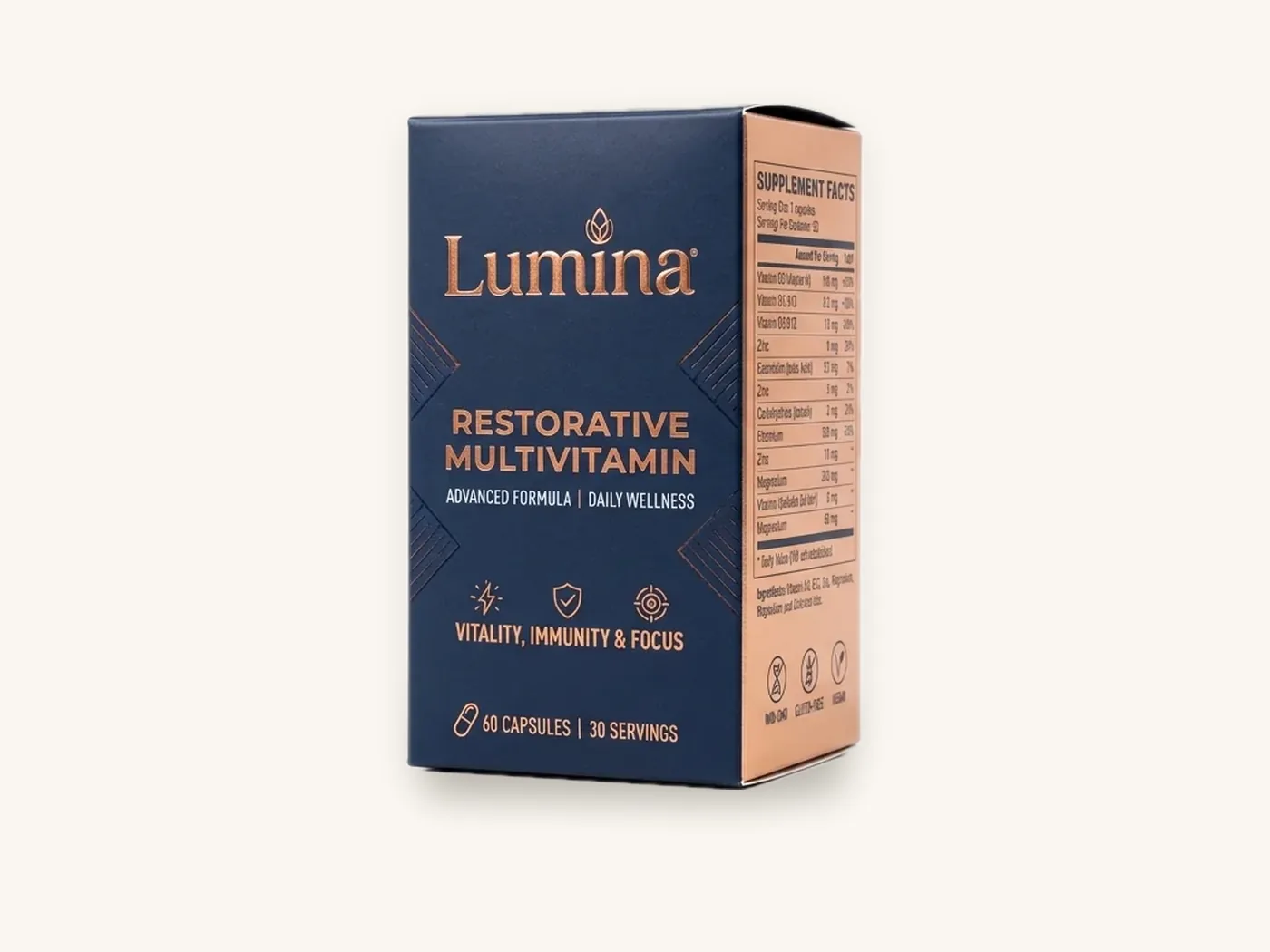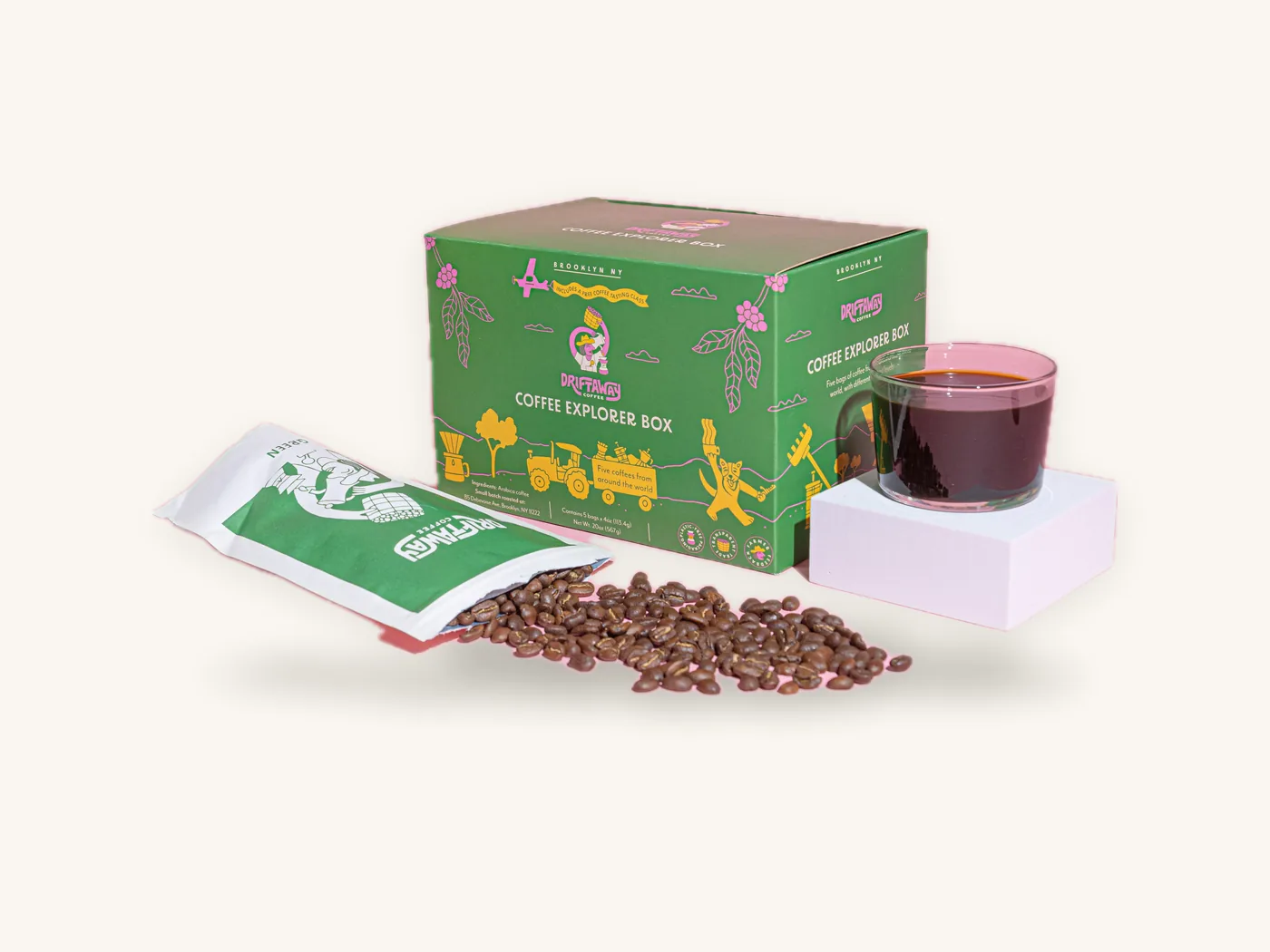
Retail packaging has a few seconds to do its job. A shopper walking an aisle scans a shelf, notices a shape or color, reads a brand and a product name, and decides whether to reach. Packaging that wins that moment has a clear front panel hierarchy, a structure suited to where it sits in the store, and enough strength to look new after being stocked, faced and handled.
This guide treats retail boxes as a sequence of tests your package has to pass, from across the aisle to the checkout. It covers the five-second front panel, formats for shelves, pegs and counters, shelf ready packaging that retailers ask for, materials and finishes under store lighting, how to test a design before printing, cost and ordering.
Key takeaways
- Design for distance first. From a few feet away, shoppers see color, shape and one or two words. Detail only matters once the box is in hand.
- Use a strict front panel order: category cue, brand, product name, one key benefit, then variant.
- Pick the structure by placement. Shelf, peg hook, counter and floor displays each call for different box styles.
- Retailers care about the case, not just the box. Shelf ready packaging that opens into a display tray saves store labor and gets stocked faster.
- A full-color 18 pt SBS straight tuck end carton, 3x2x5 in, runs about $0.61 each at 500 units; an 18 pt SBS window box, 4x4x4 in, about $0.89.
- Box Sense makes retail boxes from 10 units with free design support, and production takes 8–12 business days after proof approval.
The five-second shelf test
Shoppers do not read a shelf; they scan it. Your package passes through three distances in a few seconds, and each distance needs something different from the design.
| Distance | What the shopper takes in | What your package needs |
|---|---|---|
| Across the aisle, about 10 ft | Color blocks, shape, how many facings | A distinctive dominant color and silhouette |
| Walking past, about 3–5 ft | Brand mark, category, product name | Large, high-contrast brand and name on the front |
| In hand, about 1–2 ft | Benefits, size, ingredients, price | Clear secondary panels and easy-to-find details |
What happens at each stage
At ten feet, a shopper is looking for the category they came for. A package that looks nothing like its category risks being skipped, while one that looks identical to its neighbors disappears. The goal is to fit the category cue and still own a color or shape.
At arm's length, the brand and product name have to be legible in a glance. This is where small type, low contrast and busy backgrounds lose sales.
Once the box is picked up, the shopper turns it over. Now the side and back panels answer questions: what is inside, how big, how to use it and why it is better.
Designing the front panel hierarchy
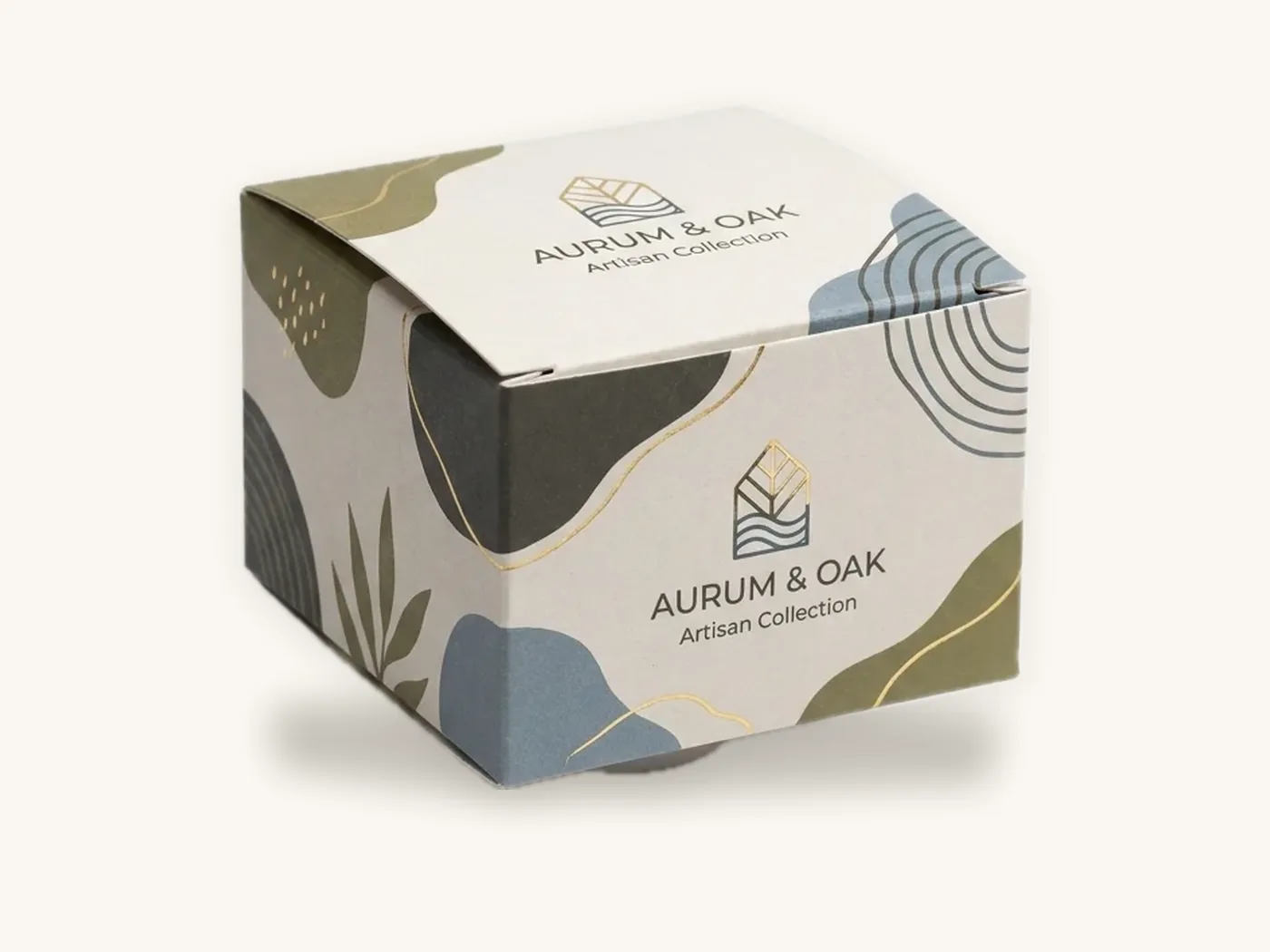
The front panel is the most valuable area on your retail boxes, and it is small. Give every element a rank and do not let lower-ranked elements compete with higher ones.
A front panel in five layers
- Category cue: color, imagery or shape that tells shoppers what kind of product this is.
- Brand block: your logo in a consistent position across every SKU, so a range reads as a family.
- Product name: what the product is, in plain language, at a size readable from several feet.
- One key benefit: a single claim, number or feature. Not three.
- Variant marker: scent, flavor, color or size, often color-coded, so shoppers find their version quickly.
Net contents usually belong on the front panel too, and for regulated categories the placement and size are set by the relevant agency. Food labeling rules come from the FDA, cosmetics from the FDA, and many general consumer commodities follow Federal Trade Commission labeling rules. Confirm current requirements for your category before finalizing the front panel.
Type and color rules that hold up in stores
- Keep the product name to a typeface with open letterforms and strong weight contrast against the background.
- Avoid placing type over photography unless there is a solid or darkened area behind it.
- Test contrast in grayscale: if the name disappears, it will struggle under uneven store lighting.
- Use color-coding for variants consistently across the range, and add a word label so color is not the only cue.
The packaging typography guide and packaging color psychology guide cover these choices in more depth.
Tip: photograph your mockup on a real shelf next to competing products, then shrink the photo to thumbnail size on your phone. If you cannot find your box and read the product name in that thumbnail, the front panel needs simplifying.
Retail box formats by placement
Where the product sits in the store determines the structure. A beautiful carton designed for a shelf will not work on a peg hook, and a counter display fails if the store has no counter space.
| Placement | Typical products | Recommended structure | Key design point |
|---|---|---|---|
| Shelf, standing | Beauty, food, supplements, candles | Tuck end carton, window box | Front panel faces out; top panel visible on low shelves |
| Shelf, stacked flat | Games, gift sets, tea | Two-piece box, sleeve and tray | Lid is the display face |
| Peg hook | Phone accessories, small tools, cosmetics | Hang tab box, header card | Hang hole strength and balance |
| Counter | Impulse items, bars, lip balm | Counter display box | Header card, small footprint |
| Endcap or floor | Promotions, seasonal ranges | Floor display stand, bin box | Stability, weight capacity, assembly time |
| Locked case or behind counter | Fragrance, electronics, premium goods | Rigid box, window box | Readable through glass, premium finish |
Folding cartons for shelves
Most shelf products use paperboard folding cartons. A straight tuck end carton has both tucks on the same side, giving an unbroken front panel. A reverse tuck end carton alternates the tucks, which suits automated packing lines. For heavier products, an auto lock bottom holds weight without tape.
Window boxes
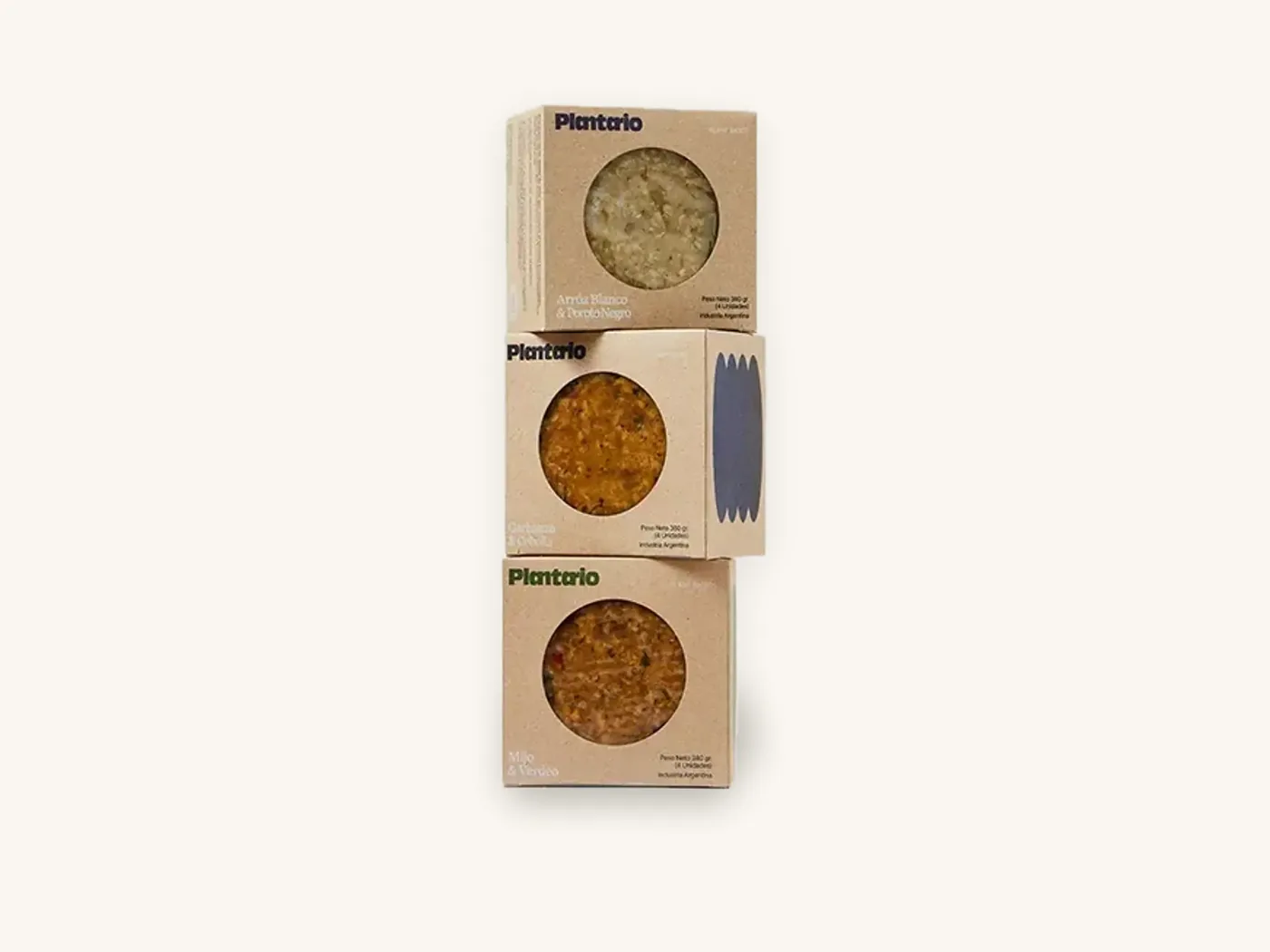
Window boxes show the product through a die-cut opening covered with PET or compostable PLA film. They work best when the product itself is attractive and consistent, such as candles, baked goods, toys or cosmetics. A window also reduces the need to explain what is inside. Keep the window away from creases and leave enough board around it for the box to stay rigid. The custom window boxes guide covers placement and film choices.
Hang tab boxes for peg hooks
Peg hook merchandising puts products at eye level in narrow spaces. Hang tab boxes add a die-cut tab with a hole, often a sombrero or round hole shape, above the carton. The tab should be double thickness or reinforced for heavier items, and the box should hang straight rather than tilting forward.
Shelf ready packaging and retailer requirements
Store buyers judge your packaging on two things: how it sells and how it stocks. Shelf ready packaging, sometimes called retail ready packaging, is a shipping case designed to open into a display tray that goes straight onto the shelf, so store staff do not unpack individual units.
What makes packaging shelf ready
- Easy identification: the case clearly shows brand, product and variant from the outside, so staff find it in the backroom.
- Easy opening: a perforated tear strip or removable front panel opens the case without a knife.
- Easy shelving: the opened tray fits the shelf depth and holds units upright.
- Easy shopping: shoppers can see and remove a unit without disturbing the rest.
- Easy disposal: the case flattens and goes into cardboard recycling.
Individual retailers publish their own specifications for case dimensions, barcodes, labels and shelf ready formats in their supplier portals. Those change and differ between chains, so request the current supplier requirements from each buyer before designing cases.
Barcodes and case marking
Retail units generally need a scannable UPC or EAN on a flat panel away from folds, with enough quiet zone around it. Shipping cases often need their own case code and marking. The UPC barcodes guide explains sizing and placement, and the packaging for wholesale and retail guide covers case packs and buyer expectations.
Counter and floor displays
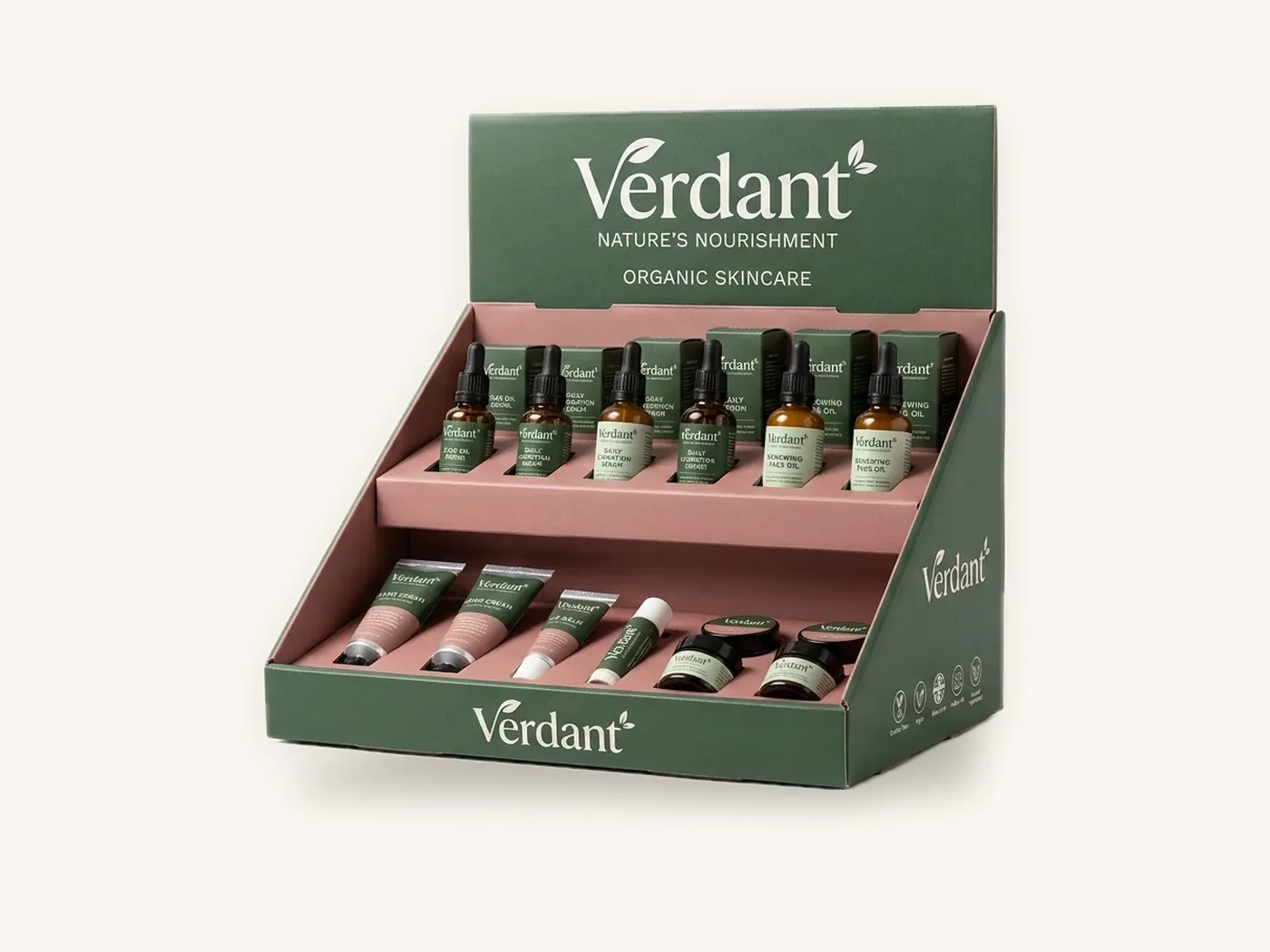
Counter display boxes combine shipping case and display: they arrive closed, the lid tears away and the back panel becomes a printed header. For promotions and seasonal ranges, floor display stands put a full assortment on the store floor. Check whether the retailer allows free-standing displays and what dimensions they accept before designing one. The custom display boxes guide walks through header and tray design.
Watch out: a display that takes store staff more than a minute or two to assemble often never gets built. Prefer displays that ship pre-assembled or pop up with minimal folding, and print simple assembly steps on the inside of the shipper.
Materials and finishes that survive the store
Retail boxes are handled more than most people expect: packed, shipped in cases, unpacked, faced forward, picked up by shoppers and put back. Materials must keep corners sharp and print clean through all of that.
Board selection for retail boxes
| Board | Typical caliper | Best for | Trade-off |
|---|---|---|---|
| SBS paperboard | 14–24 pt | Bright full-color cartons, beauty, food, health | Shows scuffs without a coating |
| Kraft paperboard | 18–24 pt | Natural, handmade and eco-positioned products | Colors print darker on brown |
| Bux board and specialty board | 18–24 pt | Heavier products, economical cartons | Less bright surface on some grades |
| E-flute corrugated | about 1.5 mm | Heavier retail boxes, displays | Bulkier, less crisp fine detail |
| Rigid greyboard, wrapped | 1.5–3 mm | Premium gifts, fragrance, electronics | Higher cost and storage space |
SBS paperboard is the most common choice because its white surface reproduces color accurately. Caliper matters: a thin carton around a heavy product bows and creases on the shelf, which makes it look damaged even when it is not.
Finishes under store lighting
Store lighting is often bright and directional, so glare is a real issue.
- Matte lamination cuts glare and resists fingerprints, which keeps shelf faces readable.
- Gloss lamination makes color pop but can reflect light straight into a shopper's eyes at some angles.
- Soft-touch lamination rewards shoppers who pick the box up, and suits premium beauty and gifts.
- Spot UV on a matte box highlights the brand name or product image without making the whole panel shiny.
- Foil stamping catches light as shoppers move, which draws attention across an aisle when used sparingly.
- Aqueous coating is the economical, recyclable option that still reduces scuffing.
Foil and embossing each carry one-time tooling of about $60, and spot UV about $40. See the printing and finishes page for samples.
Testing a retail design before you print
Most retail packaging problems are visible before production if you test the right way. Budget a few days for this; it costs far less than reprinting a run.
A pre-print testing checklist
- Print a full-size color mockup on the actual board or a close substitute, not office paper.
- Fold it and fill it with the real product to check fit, bowing and closure.
- Place it on a shelf, peg or counter next to competing products and view from 10 ft, 4 ft and in hand.
- Photograph the shelf and shrink the image to thumbnail size.
- Check every regulated element: net contents, barcode, ingredients, warnings, company name and address.
- Scan the barcode from the printed mockup with a phone app or scanner.
- Hand the box to someone unfamiliar with the product and ask what it is and who it is for.
- Order a structural sample from your packaging supplier and confirm tucks, windows and hang tabs hold.
A 3D digital proof shows how artwork wraps around panels, and a physical sample shows how it behaves. Use both. The packaging samples guide explains which sample to request at each stage.
What retail boxes cost
Retail box pricing is driven by size, board caliper, print coverage, finishes, windows or inserts, and quantity. Quantity matters most, because setup spreads over more units.
Indicative per-unit prices from our current rates, with free US shipping included:
| Spec | 100 | 500 | 1,000 | 5,000 | 10,000 |
|---|---|---|---|---|---|
| Straight tuck end carton, 18 pt SBS, 3x2x5 in, full color, aqueous | $1.15 | $0.61 | $0.51 | $0.36 | $0.33 |
| Reverse tuck end carton, 14 pt SBS, 2x2x6 in, full color, gloss lamination | $1.17 | $0.63 | $0.52 | $0.37 | $0.33 |
| Window box, 18 pt SBS, 4x4x4 in, full color, aqueous, window | $1.66 | $0.89 | $0.74 | $0.53 | $0.47 |
| Counter display box, E-flute, 10x8x6 in, full color | $5.08 | $2.71 | $2.26 | $1.60 | $1.45 |
A retail launch of 1,000 window boxes comes to about $0.74 each, and moving to 5,000 drops that to roughly $0.53. A matching counter display for 100 pilot stores runs about $5.08 per display. Use the instant price estimator for your exact dimensions and finishes.
Where retail budgets are best spent
- Spend on the front panel and one signature finish, not on decorating every surface.
- Standardize one dieline across a range so variants differ only in artwork.
- Use digital printing for short initial runs of new SKUs, then move proven SKUs to larger offset runs.
- Put the display budget where the retailer has confirmed placement.
How to order retail boxes from Box Sense
With a minimum of 10 units, you can print prototypes for buyer meetings and trade shows, then order production once a retailer confirms.
Send us
- Product dimensions and weight, and how many units per carton
- Store placement: shelf, peg, counter, floor or a mix
- Structure preference, such as tuck end, window, hang tab or display, or ask for a recommendation
- Board, print and finish preferences
- Retailer specifications if you have them, such as case dimensions or shelf ready requirements
- Quantities per SKU and target in-hand date for a store reset or launch
What happens next
- Quote within 24 hours for each SKU and quantity tier.
- Free design support: dielines, artwork setup and a 3D digital proof, with two revision rounds. Our design services team can help structure the front panel hierarchy.
- Samples: unprinted structural samples are free. A printed sample of approved artwork is free on orders of 100 or more.
- Production in 8–12 business days after proof approval, with rush in 5 business days on most paperboard and corrugated styles.
- Shipping is free on every US order, and international shipping is quoted at cost.
There are no die or plate charges, and defective boxes reported within 14 days are reprinted free. Browse custom product boxes and the retail and consumer goods page for formats. Category-specific guides for candle packaging and cosmetic packaging apply these principles to those shelves.
Frequently asked questions
What is retail packaging?
Retail packaging is the box, carton, display or bag a product is sold in at a physical store. Its jobs are to attract shoppers, communicate what the product is, protect it through stocking and handling, and meet retailer and regulatory requirements. Common formats include folding cartons, window boxes, hang tab boxes, rigid boxes and counter or floor displays.
What is shelf ready packaging?
Shelf ready packaging is a shipping case designed to open into a display tray that goes directly onto a store shelf. It usually has a tear-away front or lid, clear external branding and a tray that holds units upright. It saves store staff from unpacking individual units, so retailers often prefer or require it for high-volume products.
What should go on the front of a retail box?
Prioritize a category cue, the brand, the product name, one key benefit and a variant marker such as flavor or scent. Include net contents where regulations require it. Keep everything else, including ingredients, directions and detailed claims, on the side and back panels so the front stays readable from several feet away.
How do I make my product stand out on a shelf?
Own a dominant color or shape that fits your category but differs from neighbors, keep the brand and product name large and high contrast, and use one finish, such as foil or spot UV, to catch the eye. Test by photographing your mockup on a real shelf beside competitors and viewing it at thumbnail size.
What material is best for retail boxes?
SBS paperboard in 14 to 24 pt is the most common, because its bright white surface reproduces color accurately and folds crisply. Kraft paperboard suits natural and eco-positioned brands. Heavier products and displays use E-flute corrugated, and premium goods often use wrapped rigid greyboard. Choose caliper by product weight so cartons do not bow.
How much do custom retail boxes cost?
Cost depends on size, board, print, finishes and quantity. As a guide, an 18 pt SBS straight tuck end carton, 3x2x5 in, printed full color with aqueous coating, is about $0.51 each at 1,000 units, and a 4x4x4 in window box about $0.74, with US shipping included. Use the pricing estimator for your exact spec.
Do retailers have packaging requirements?
Yes. Many retailers publish supplier requirements covering barcodes, case dimensions, case labels, shelf ready formats and sometimes sustainability criteria. Requirements vary by chain and change over time, so ask each buyer for the current supplier guide before designing cases and displays, and confirm regulated label content with the relevant agency.
Next steps
Build a mockup of your front panel, test it on a real shelf at three distances, and price your preferred structures in the retail box price estimator. When you are ready, request a retail packaging quote with your placement, quantities and deadline, and we will confirm pricing within 24 hours and send dielines for proofing.
Boxes in this guide
Order the packaging we covered
Written by the Box Sense Packaging Team
Our structural designers, prepress technicians and production staff print and convert custom boxes every day for brands in the United States, United Kingdom and UAE. Questions about this guide? Talk to us.