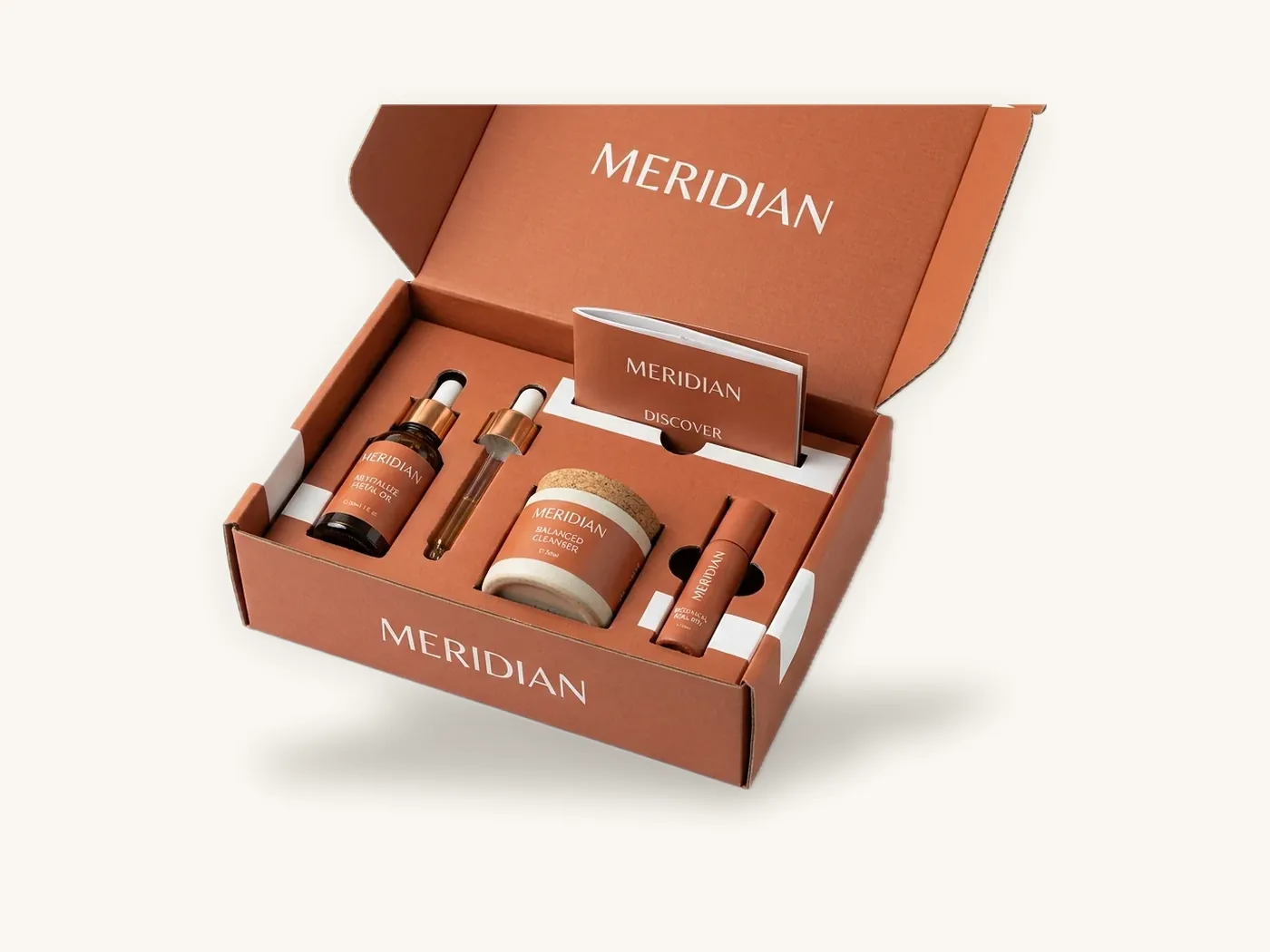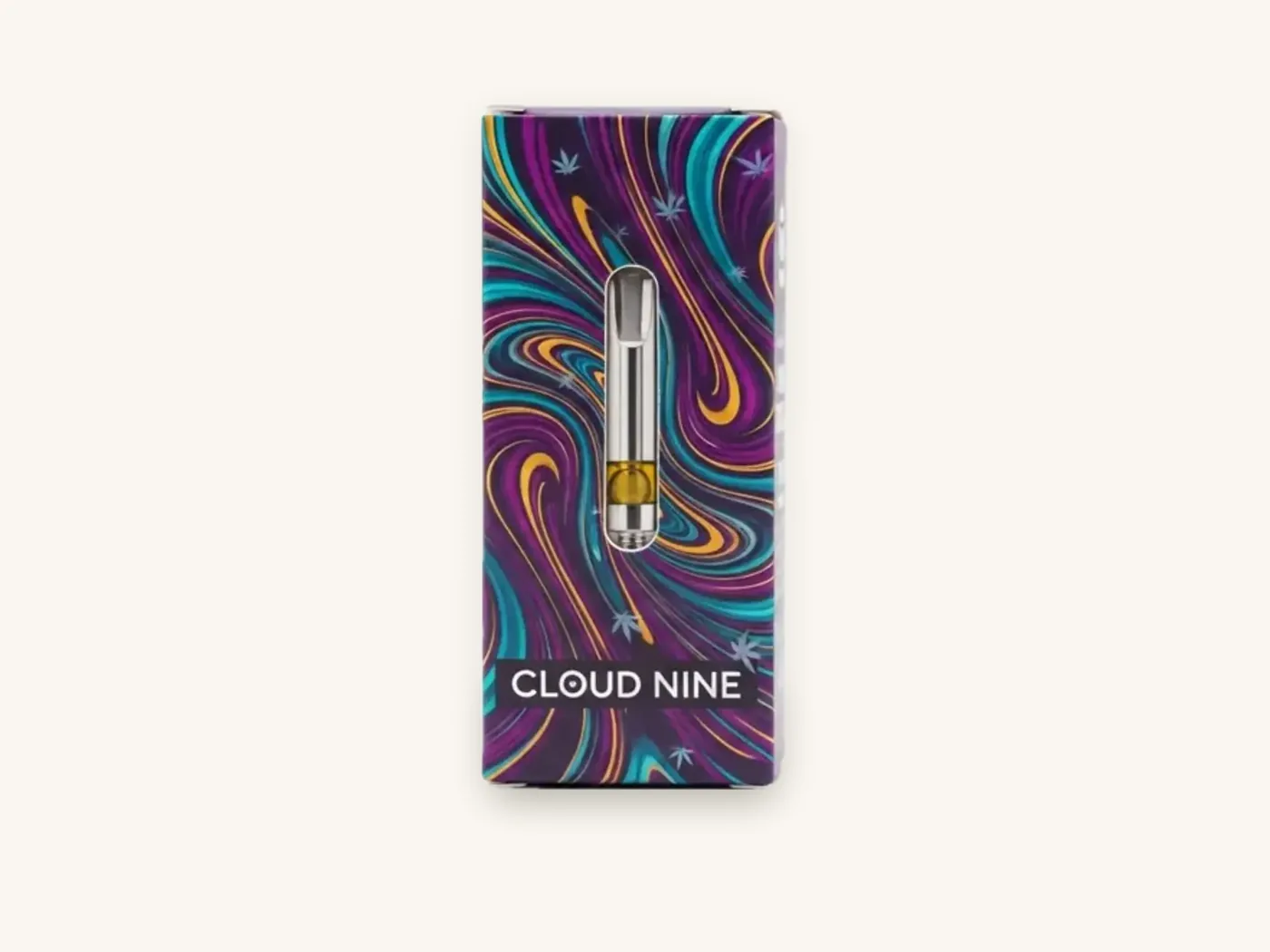
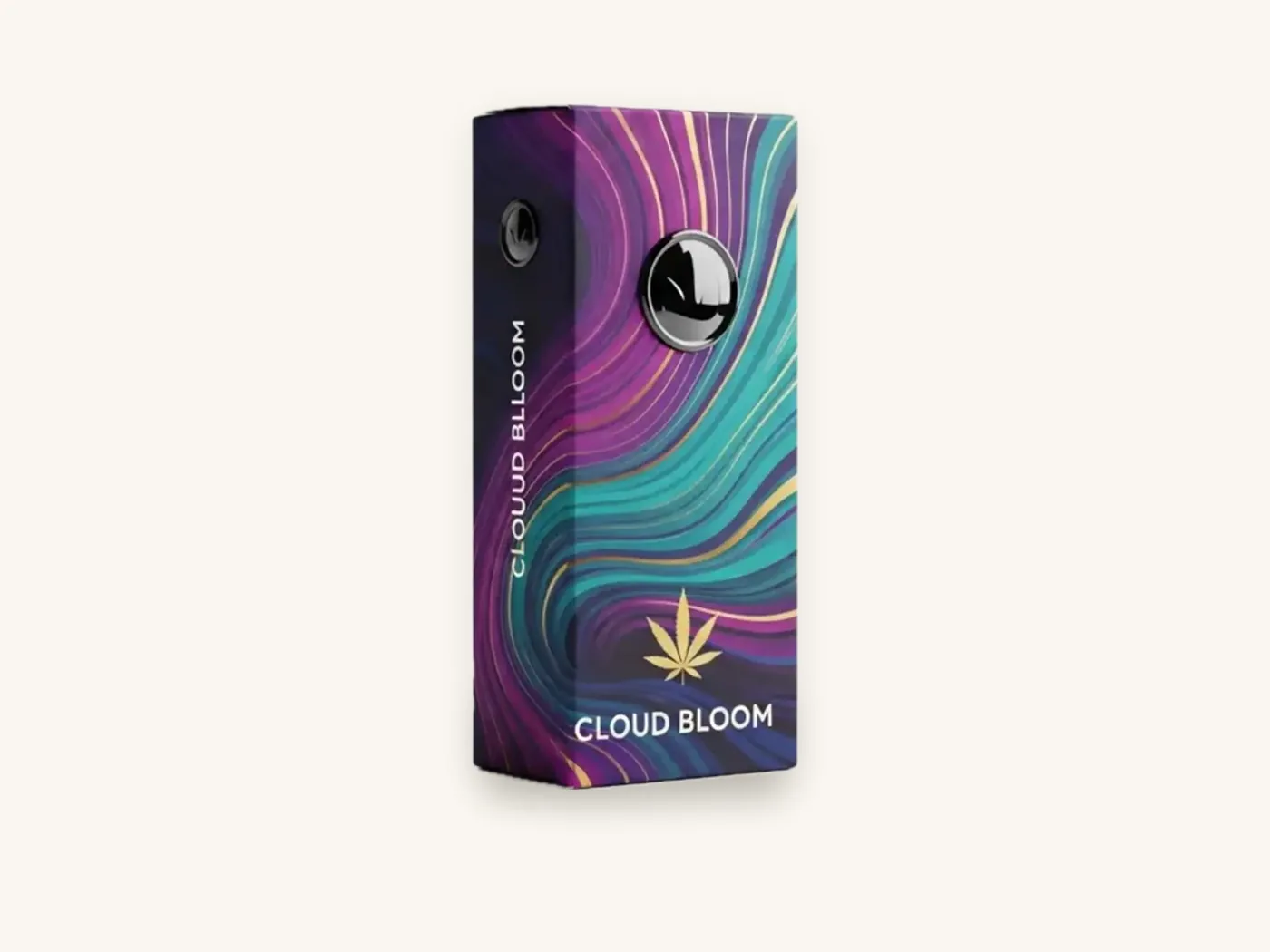
Vape cartridge packaging has one job that most retail cartons do not: it must hold a small, oil-filled piece of hardware upright and still, so it does not leak, crack or wear through its carton before it reaches the customer. The usual solution is a slim paperboard carton with a die-cut insert that grips the cartridge by its body, sometimes with a hang tab for peg display or a child-resistant structure where the product and market call for it.
The second thing that sets vape boxes apart is the regulatory backdrop. Nicotine vapes and cannabis cartridges sit under different rule sets, and both restrict how products are sold and shipped. This guide starts from the hardware, works outward through inserts, box styles and retail display, then covers compliance-readiness, shipping limits, cost and ordering.
Key takeaways
- Design from the hardware out. Measure the filled cartridge, mouthpiece and any battery, then build the insert first and the box around it.
- Orientation matters. Most oil cartridges should travel mouthpiece up; an insert that holds them upright reduces leaks and clogging.
- Hang tab cartons suit convenience and smoke shop pegs; slide and child-resistant boxes suit dispensaries and premium lines.
- Nicotine vapes fall under FDA tobacco-product rules and federal age restrictions, while cannabis cartridges follow state programs. Rules differ and change, so confirm current requirements with your regulator and counsel.
- Shipping vape products is heavily restricted, and lithium batteries add their own shipping rules. Plan fulfillment before you design shippers.
- Box Sense makes custom cartridge boxes from 10 units, with free dielines and 3D proofs and standard production of 8–12 business days after proof approval.
Know the hardware before you choose vape boxes
"Vape" covers several very different objects, and a box sized for one will not fit another. Start with the actual device your filler or manufacturer supplies, filled and capped.
| Hardware type | What it is | Rough size range | Packaging concerns |
|---|---|---|---|
| 510-thread cartridge | Glass or plastic oil tank with a mouthpiece, screws onto a battery | About 10–11 mm wide, roughly 50–75 mm long with mouthpiece | Leaks if stored on its side; glass tank breakage |
| All-in-one disposable | Tank and battery in one sealed device | Roughly 80–120 mm long, flat or round | Built-in lithium battery; heavier |
| Pod | Refill pod for a closed pod system | Small and flat, often sold in packs of two to four | Multiple units per carton; seals |
| Battery or starter kit | Rechargeable battery, often with charger | Varies widely | Kit layout, cable storage, battery rules |
| E-liquid bottle | Dropper or squeeze bottle, commonly 10–60 ml | Varies | Child-resistant cap requirements for liquid nicotine |
Measure these five numbers
- Overall length with the mouthpiece fitted
- Maximum diameter or width, usually at the mouthpiece or base
- Diameter of the body where an insert will grip
- Weight when filled
- Any protective cap or silicone plug that adds length
Hardware varies slightly between batches and suppliers. Ask your hardware supplier for their drawing and tolerances, and measure several filled samples rather than one.
Insert engineering: the part that stops leaks and breakage
In cartridge boxes, the insert does more for product quality than the board or the finish. A cartridge rattling in a carton chips glass, scuffs the mouthpiece and, if it lies on its side for weeks in a warehouse, can seep oil into the airflow path.
Insert options
| Insert type | How it holds the cartridge | Best for | Tradeoff |
|---|---|---|---|
| Die-cut paperboard collar | A punched hole grips the body below the mouthpiece | Single 510 carts in slim cartons | Must match body diameter closely |
| Folded paperboard cradle | Scored platform with a cutout at each end | Carts or disposables that need end support | Adds folding at packing |
| Molded pulp tray | Formed cavity shaped to the device | Kits, multi-packs, plastic-free lines | Tooling for the mold; less crisp look |
| EVA foam cutout | Precision cavity in foam | Premium kits, batteries, glass-heavy hardware | Higher cost, not curbside recyclable |
| Clear blister or window tray | Plastic cavity visible through a window | Retail visibility on pegs | Plastic content; window reduces print area |
Getting the fit right
A collar insert works when the hole is sized just under the body diameter, so the cartridge snaps in and does not slide. Too tight and packers damage the carton pushing it in; too loose and it drops through. Expect to fine-tune this on a structural sample, which is why free unprinted samples are worth ordering before artwork is final. The box inserts page shows the paperboard, foam and pulp options, and our box inserts guide covers how to specify them.
Tip: design the insert to hold the cartridge mouthpiece up and keep the carton's top flap at the mouthpiece end. Cartons stacked on a shelf or in a drawer then store the hardware upright by default, and customers open the box to find the mouthpiece first.
Box styles for vape cartridge packaging
Once the insert is defined, pick the outer structure based on where the product sells and how premium it needs to feel.
Slim tuck end cartons
The workhorse. A narrow tuck end carton on 14–18 pt SBS board with a collar insert is inexpensive, prints on four sides and packs quickly. Straight tuck end boxes keep the front panel uninterrupted, which helps with warnings and symbols.
Hang tab cartons
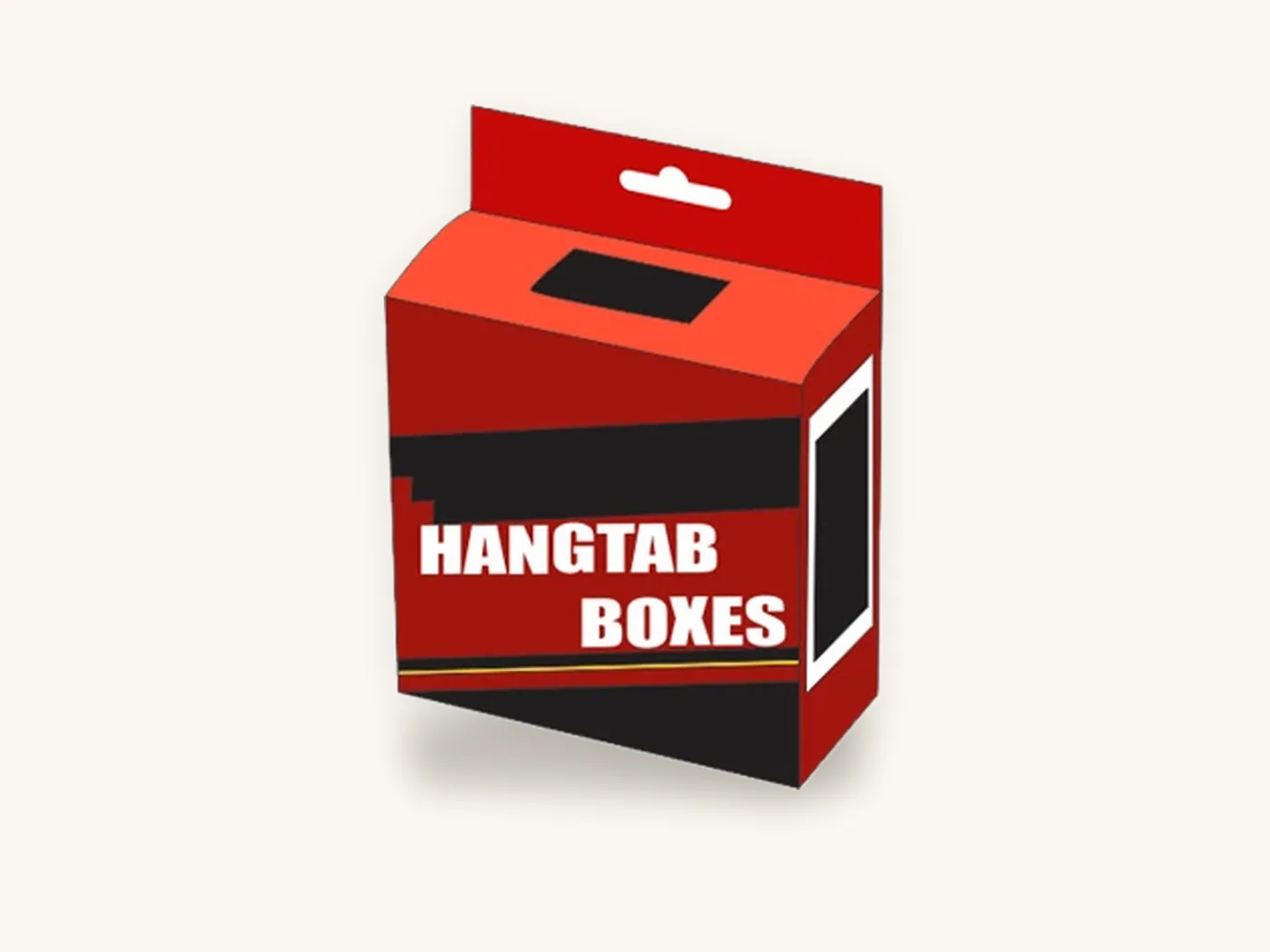
A carton with an extended top panel and a Euro or delta slot hangs on retail pegs. It suits convenience stores, smoke shops and accessory walls where products are shopped visually. The hang tab boxes page covers tab shapes, and the hang tab boxes guide explains how to reinforce the tab so it does not tear under weight.
Slide and drawer boxes
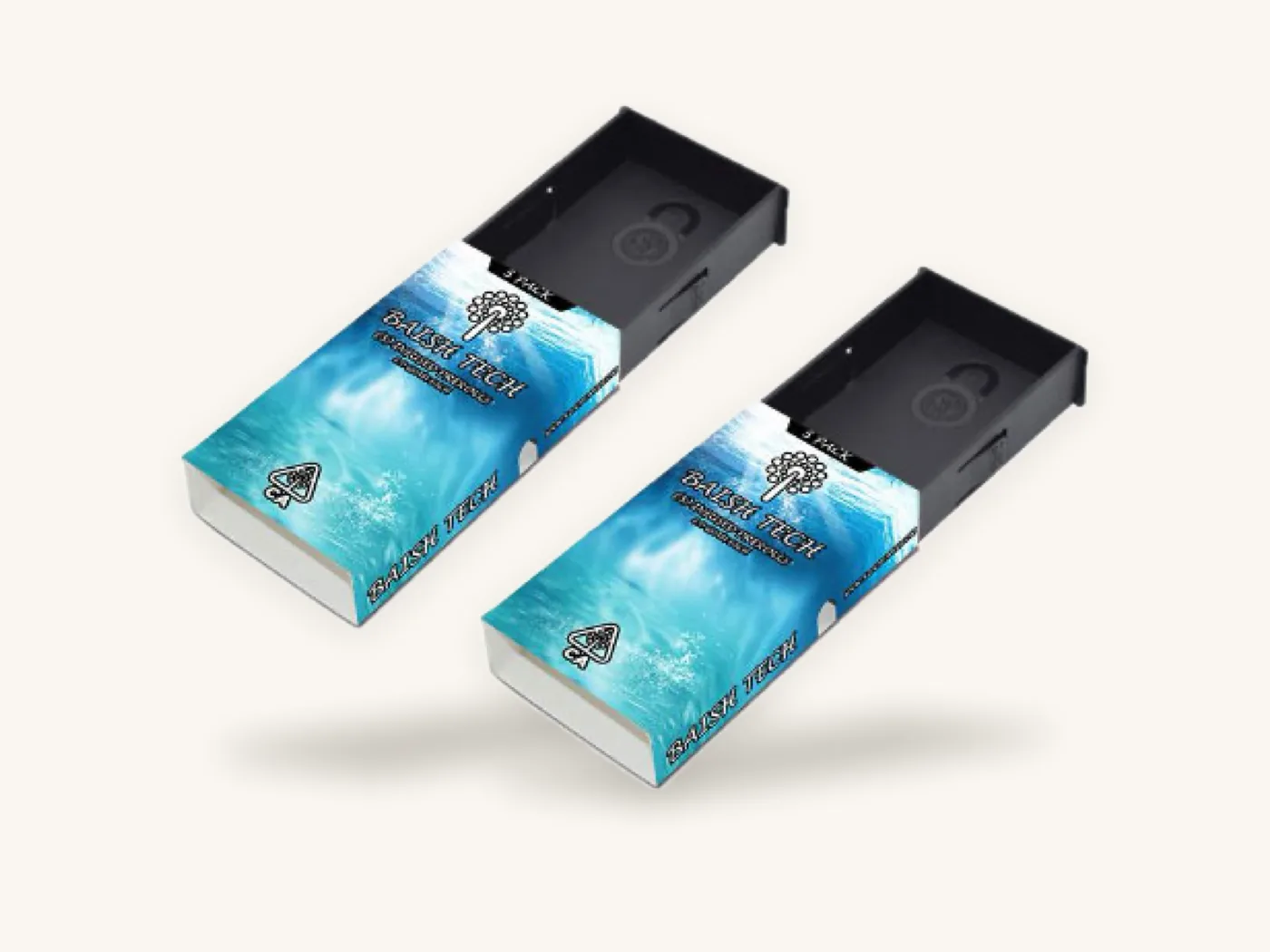
A tray sliding from a sleeve feels more premium and reopens cleanly, useful for pod packs or kits the customer keeps. Adding a push-to-release lock turns it into a child-resistant structure.
Child-resistant cartons
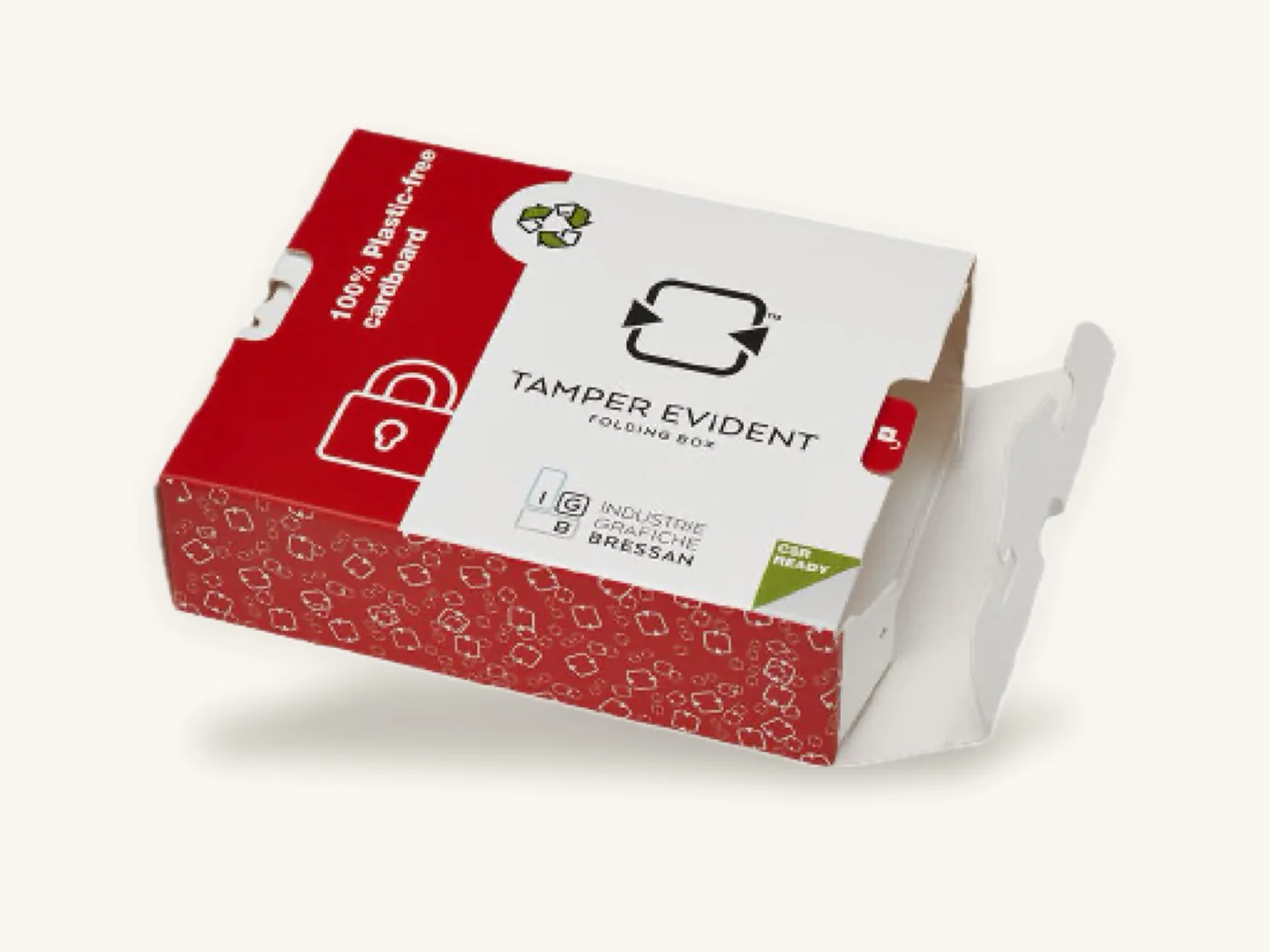
Child resistant boxes require two coordinated actions to open, typically pressing a tab while sliding a drawer. Where child resistance is required, it can be delivered by the carton, by a pouch or by the container itself, and each route has different cost and handling implications. The child-resistant packaging guide explains the testing approach in plain language.
Rigid kit boxes
Starter kits with a battery, cartridges and a charging cable suit a rigid or magnetic box with a foam or pulp tray. The box becomes storage, which supports repeat purchase of cartridges that fit the same battery.
Retail display: pegs, counters and locked cases
Where the product is displayed shapes the front panel more than the brand guidelines do.
- Pegs: the top third of the carton, including the tab, is what shoppers see first. Put the brand, flavor or strain and hardware type there.
- Counter displays: a counter display box holding 12 to 24 cartons gives a new product a visible block near the register, which is where many cartridge purchases happen.
- Locked cases and behind-counter shelves: customers point at what they want from a distance, so large, high-contrast type and a clear color system by flavor or strain matter more than fine detail.
For peg display, also consider how the carton looks when hanging among competitors. A carton with a matte finish reads clearly under bright store lights, while gloss lamination or holographic board catches the eye but can glare over small text.
Compliance-readiness: nicotine and cannabis follow different rules
This is the section to read with your compliance lead, not instead of them. Packaging requirements for vape products depend on what is inside the device, where it is sold and how it reaches the customer, and they change often. Nothing here is legal advice.
Nicotine vapes and e-liquids
In the US, the FDA regulates e-cigarettes and e-liquids as tobacco products. That brings federal requirements that touch packaging, including a required nicotine addictiveness warning with placement and size rules, restrictions on marketing, and product authorization requirements. Federal law sets a minimum age of 21 for tobacco product sales, including vapes, and federal law also requires child-resistant packaging for liquid nicotine containers. States and cities add flavor restrictions, tax stamps and further labeling rules. Check current requirements with the FDA Center for Tobacco Products and your state before finalizing artwork.
Cannabis and hemp cartridges
Cannabis cartridges are regulated by state cannabis programs, and hemp-derived products by a mix of federal and state rules that have been changing. Common requirement types include child-resistant packaging, restrictions on transparent packaging, state universal THC symbols, warning panels, cannabinoid content statements, batch or lot numbers and QR codes linking to lab results. Our cannabis packaging laws overview explains how these show up across state programs.
Design moves that make compliance easier
- Reserve the largest uninterrupted panel for warnings and required symbols, and check minimum sizes before placing the logo.
- Keep warnings in a single solid color on a plain background, with no foil, spot UV or imagery behind them.
- Leave a blank, uncoated code area for batch or lot numbers added at packing.
- Avoid imagery, colors and flavor names that could be read as appealing to minors.
- Use a QR code for information that changes by batch, and test scanning at printed size.
- Send flat proofs, not only 3D renders, for legal review so every panel is visible at actual size.
Watch out: a carton that works in one state can be non-compliant in another. If you sell a cannabis cartridge in more than one market, design a shared structure and grid, then run state-specific artwork versions rather than trying to fit every state's requirements onto one box.
Shipping restrictions and batteries
Plan how products will move before you design shippers, because the rules may decide the channel for you.
Carrier and mail restrictions
Federal law restricts sending vaping products through the US mail, with only narrow exceptions, and major private carriers apply their own limits and age-verification requirements for these products. Cannabis products that are illegal federally cannot move across state lines regardless of packaging. Brands selling online should confirm current carrier policies, federal rules and state laws for every destination.
Lithium batteries
Disposables and battery kits contain lithium batteries, which are subject to hazardous materials shipping rules covering packaging, marking and quantity limits, particularly for air transport. Your carrier and a hazmat-trained shipper can confirm what applies. From a box standpoint, this usually means a snug inner carton that prevents devices from activating or shorting, inside a shipper suited to the rules that apply.
Case packs for distribution
Wholesale and distributor sales move in case packs. Choose carton dimensions that divide evenly into a standard custom shipping box, and specify how many cartons per inner pack and per case.
Materials and finishes for vape boxes
Vape boxes are small, so premium finishes add little per unit.

- 18 pt SBS paperboard is the standard: stiff for its thickness, bright white and precise at small sizes. See SBS paperboard.
- Metallic and holographic board gives a technical, high-shine look that suits hardware and flavor lines without adding a separate foil step. The metallic and holographic board page shows the effect.
- Matte or soft-touch lamination keeps warning text readable and resists scuffing on pegs.
- Spot UV and foil add emphasis to the logo or product name, with one-time tooling.
- Embossing works on heavier cartons and rigid kits.
Keep decorative finishes off warning panels and code areas. See printing and finishes for samples.
What cartridge boxes cost
The main cost drivers are carton size, insert type, child-resistant structure, finishes and quantity. The rows below are the closest standard specs from our price sheet, with free US shipping included; they are indicative for the spec shown, not for every vape format.
| Spec | 10 | 100 | 500 | 1,000 | 5,000 |
|---|---|---|---|---|---|
| Slim carton, 18 pt SBS, 1.5x1.5x4.5 in, full color, gloss, spot UV | $1.98 | $1.31 | $0.70 | $0.58 | $0.41 |
| Reverse tuck end carton, 14 pt SBS, 2x2x6 in, full color, gloss lamination | $1.77 | $1.17 | $0.63 | $0.52 | $0.37 |
| Counter display box, E-flute, 10x8x6 in, full color | $7.68 | $5.08 | $2.71 | $2.26 | $1.60 |
| Rigid box, 2 mm greyboard wrapped, 8x6x3 in, full color, matte (starter kit) | $13.76 | $9.10 | $4.85 | $4.05 | $2.87 |
A custom paperboard insert adds a one-time insert die of about $45, and spot UV tooling is about $40. Hang tabs, child-resistant locks and foam inserts change the price; check your exact spec in the instant price estimator.
Launch checklist for a new cartridge line
- Collect filled hardware samples and the supplier drawing.
- Decide the sales channel: pegs, counter, locked case, online, or a mix.
- Confirm with counsel which regulatory track applies and which requirement types you need space for.
- Choose the child-resistant route, if required: carton, pouch or container.
- Specify the insert and order a free unprinted structural sample.
- Test fit, orientation, drop from waist height and a week stored upright and on its side.
- Build the panel grid, then artwork, keeping warnings on plain panels.
- Review flat proofs with compliance, then approve.
- Plan case packs and confirm shipping options before production finishes.
How to order vape boxes from Box Sense
We manufacture cartridge boxes in-house, including die-cut inserts, and you can start with as few as 10 boxes to validate fit and artwork. Our tobacco and vape industry page shows the structures we make most often.
What to include in your request
- Hardware type and measurements, or send filled samples
- Units per carton and insert preference, or ask us to recommend one
- Structure: tuck, hang tab, slide, child-resistant or rigid kit
- Board and finishes, including metallic or holographic options
- Number of flavors or strains and quantity per version
- Artwork, or a request for our design services team
Timeline
Quotes are confirmed within 24 hours. We supply the dieline, artwork setup and a 3D digital proof free, with two revision rounds. Unprinted structural samples are free, and a printed sample of approved artwork is free on orders of 100 or more. Production takes 8–12 business days after proof approval, with rush in 5 business days on most paperboard styles. US shipping is free, international shipping is quoted at cost, and defective boxes reported within 14 days are reprinted free.
Your brand remains responsible for label content, product authorization and regulatory compliance; we focus on a structure and layout that give that content room and protect the hardware.
Frequently asked questions
What is the best box for vape cartridges?
For single 510 cartridges, a slim tuck end carton on 18 pt SBS with a die-cut paperboard collar insert is the most practical choice: it holds the cartridge upright, prints on four sides and costs little per unit. Choose a hang tab version for peg retail, a slide or child-resistant box for dispensaries, and a rigid box with a tray for kits.
How do I stop vape cartridges from leaking in the box?
Hold the cartridge upright with the mouthpiece at the top using a snug collar or cradle insert, and avoid loose cartons where hardware rolls onto its side. Keep the carton's opening at the mouthpiece end so stacked boxes store upright naturally. Test a structural sample by storing it on its side for several days before approving the design.
Do vape boxes need to be child-resistant?
It depends on the product and market. Federal law requires child-resistant packaging for liquid nicotine containers, and many state cannabis programs require child-resistant packaging for cartridges. The feature may be delivered by the container, a pouch or the carton. Requirements differ and change, so confirm the current rule with your regulator and counsel.
What warnings go on vape cartridge packaging?
Nicotine products carry a federally required nicotine addictiveness warning with placement and size rules, and states may add more. Cannabis cartridges typically need state-specific warnings and often a universal THC symbol. Reserve a large, plain panel for warnings, keep finishes off it, and have counsel review the flat proof against the rules that apply to your product.
Can I ship vape products in custom mailer boxes?
The box is rarely the obstacle; the rules are. Federal law restricts mailing vaping products through the US mail, private carriers apply their own restrictions and age checks, and devices with lithium batteries face hazardous materials shipping rules. Confirm current carrier, federal and state requirements before selling online, then design shippers to suit the channel that is allowed.
How much do custom cartridge boxes cost?
A slim 1.5x1.5x4.5 in SBS carton with full color, gloss and spot UV is about $1.31 per box at 100 units and about $0.58 at 1,000, with US shipping included. A custom paperboard insert adds a one-time die charge of about $45. Hang tabs, child-resistant locks and foam inserts change the price, so check your spec in the estimator.
What is the minimum order for vape boxes?
Box Sense makes custom vape and cartridge boxes from 10 units. Short runs are printed digitally without plates, so small quantities are practical for fit testing, flavor launches and trade shows. Unit prices fall substantially at higher quantities, so compare tiers in the estimator before deciding on your first run.
Next steps
Measure your filled hardware, decide on the insert and the retail format, and confirm your regulatory track with counsel. Then price a few carton sizes in the cartridge box price estimator and request a vape packaging quote; we will confirm pricing within 24 hours and send a dieline sized to your hardware.
Boxes in this guide
Order the packaging we covered

Written by the Box Sense Packaging Team
Our structural designers, prepress technicians and production staff print and convert custom boxes every day for brands in the United States, United Kingdom and UAE. Questions about this guide? Talk to us.