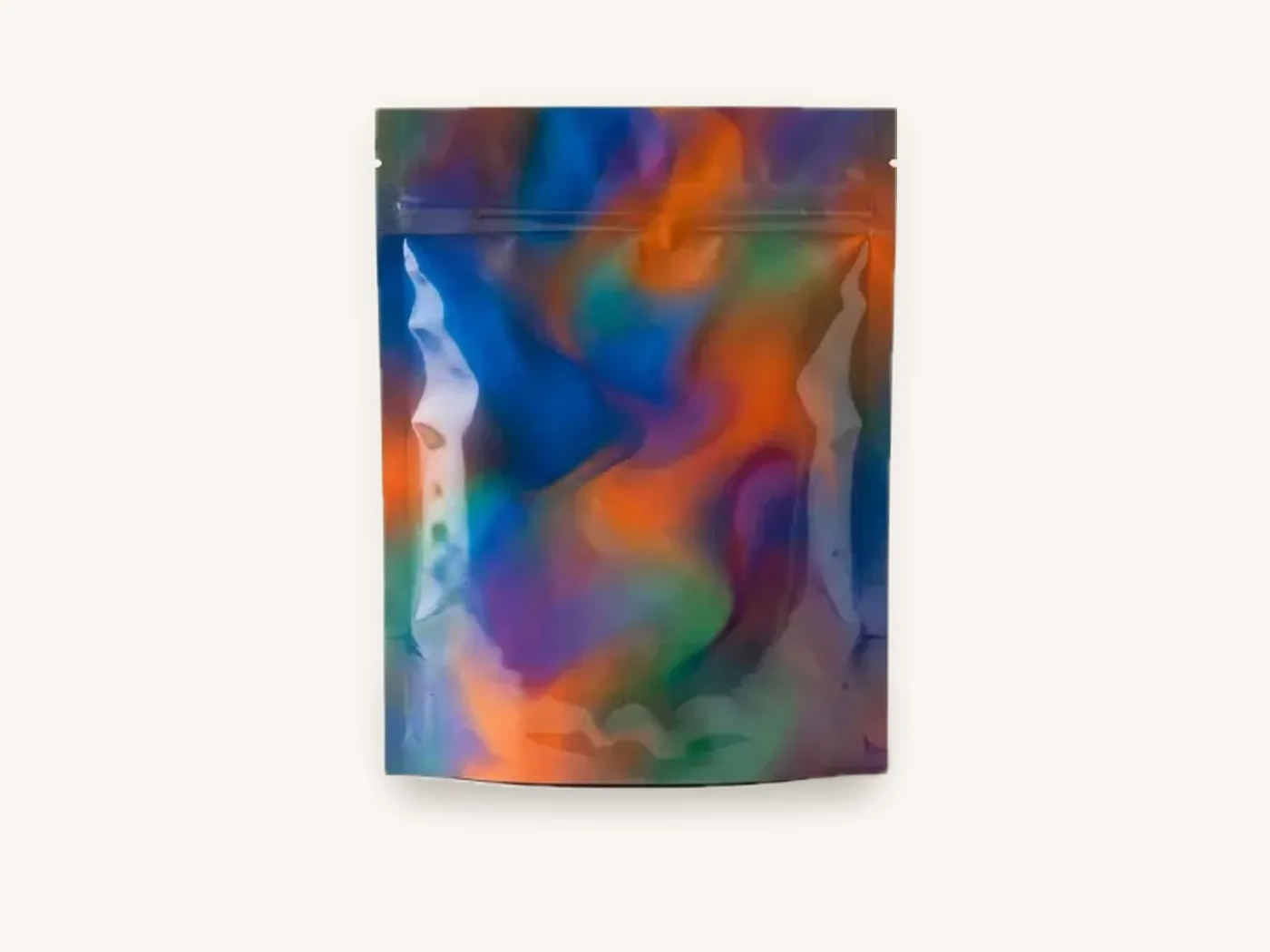
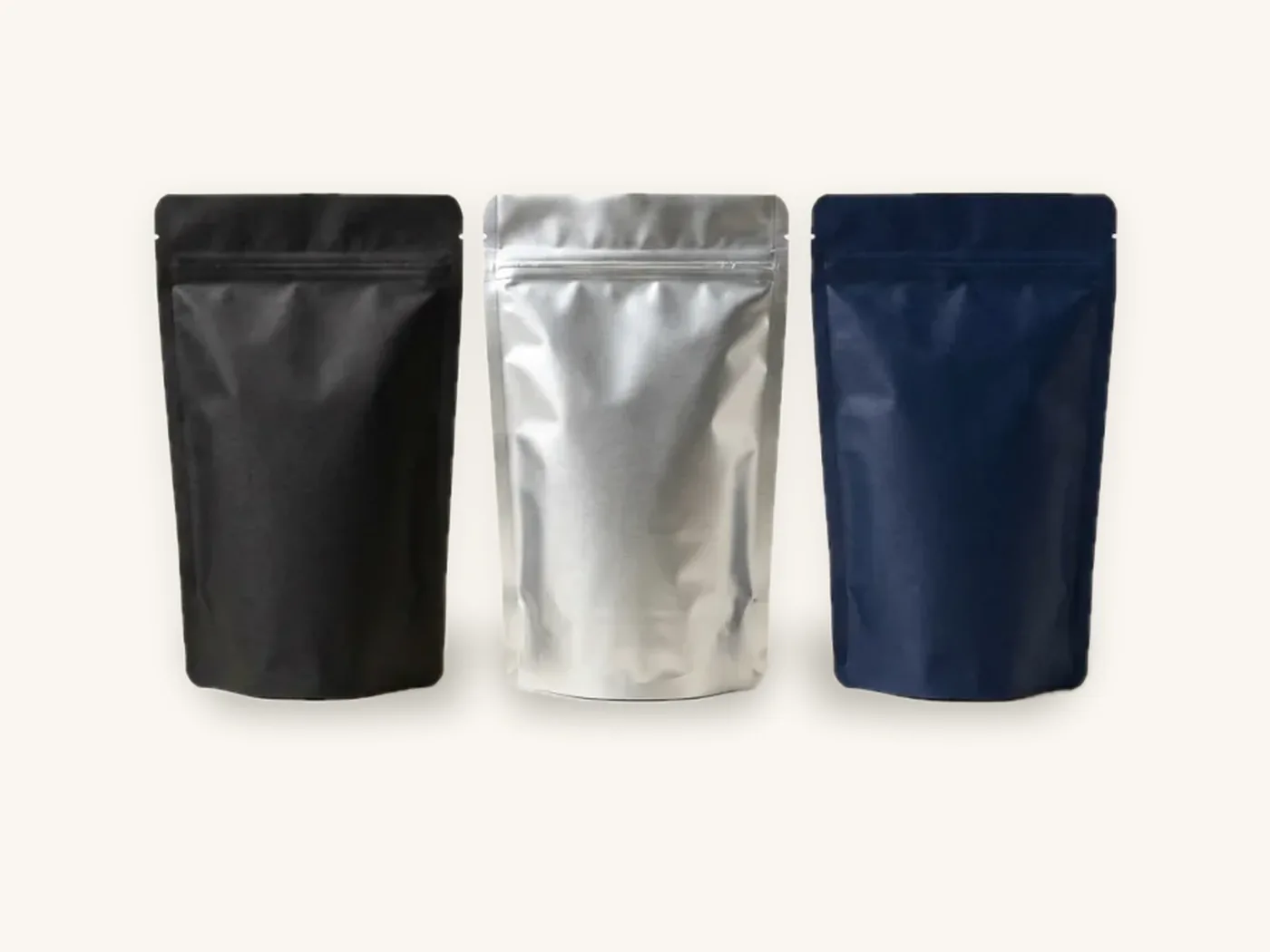
Custom mylar bags are opaque, heat-sealable pouches built around a metallized or foil film layer, printed with your branding and usually fitted with a resealable or child-resistant zipper. Brands use them when a product must be kept away from light, air and moisture, when odor needs to stay inside, and, in regulated categories like cannabis, when state rules call for opaque, resealable and child-resistant packaging.
The word "mylar" gets used loosely, so two bags sold under the same name can perform very differently. This guide explains what the films actually are, what makes a bag genuinely low-odor, how child resistance is tested and certified, and how to get printed mylar bags that look sharp and stay compliant.
Key takeaways
- "Mylar" is a trade name for a polyester (BoPET) film; in packaging it has come to mean any bag with a metallized or aluminum foil layer.
- Foil laminates give the strongest barrier against light, oxygen and odor; metallized films are lighter and cheaper with a slightly lower barrier.
- Smell proof mylar bags depend on three things working together: a continuous barrier layer, a clean heat seal and a well-fitted zipper.
- Child resistance is a tested performance standard, not a zipper style. Ask for certification that covers the exact bag and closure you order.
- State cannabis programs set their own packaging and labeling rules, and they change. Confirm current requirements with your state regulator before approving artwork.
- Box Sense makes custom mylar bags with free design support, quotes within 24 hours and standard production of 8–12 business days after proof approval.
What "mylar" means in a custom bag
Mylar is a brand name for biaxially oriented polyethylene terephthalate, usually shortened to BoPET or PET film. It is strong, dimensionally stable and prints well. On its own, clear PET is only a moderate barrier. The performance people associate with mylar bags comes from what is added to it.
Metallized film vs aluminum foil
A metallized film has a layer of aluminum vapor-deposited onto PET, so thin it is measured in nanometers. It gives the bag its silvery inside, blocks most light and substantially reduces oxygen and moisture transfer.
An aluminum foil layer is a solid sheet of metal, far thicker than a metallized coating, laminated between films. Foil gives the highest barrier of common flexible structures. Its drawback is that it can develop pinholes if the bag is folded sharply and flexed repeatedly, so heavier handling calls for a slightly thicker structure.
How the layers stack
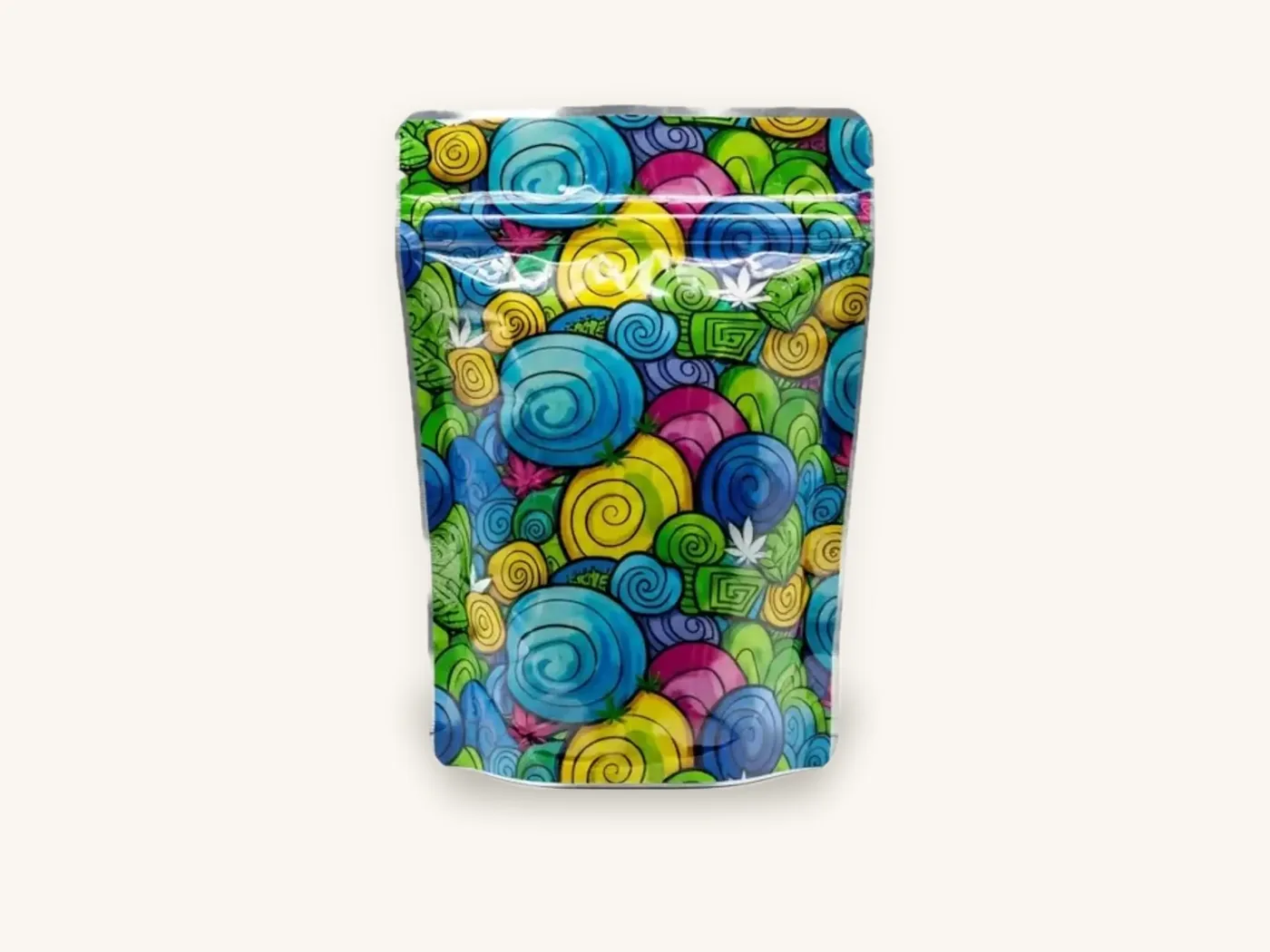
A typical custom mylar bag is a three- or four-layer laminate: a printed outer film (PET, or matte BOPP for a soft finish), the barrier layer (metallized PET or foil), and an inner polyethylene sealant layer that melts to close the bag. The stand-up pouches guide walks through these layers and pouch formats in more depth.
Barrier films compared
Choose the film by what you need to keep in or out. The table compares structures you are likely to be offered.
| Structure | Light | Oxygen and moisture | Odor | Product visibility | Typical use |
|---|---|---|---|---|---|
| PET / foil / PE | Blocks fully | Highest | Highest | None | Flower, edibles, long-term food storage |
| Matte BOPP / foil / PE | Blocks fully | Highest | Highest | None | Premium cannabis and wellness brands |
| PET / metallized PET / PE | Blocks most | High | High | None | Gummies, snacks, CBD products |
| Clear PET front / metallized back | Partly blocks | Moderate | Moderate | Front panel | Products sold on sight with shorter shelf life |
| Holographic film / metallized / PE | Blocks most | High | High | None | Shelf-impact designs, novelty and gift packs |
| Kraft paper / metallized PET / PE | Blocks most | High | High | None | Natural-look food and herbal products |
When a clear front is a mistake
Clear-front bags are popular because customers can see the product. But light degrades many plant-based and oil-based products, and a clear panel lets more odor and oxygen through than an opaque one. Several state cannabis programs also require opaque packaging for some product types. If you want visibility, keep the window small or show the product with photography printed on an opaque bag.
Smell proof mylar bags: where odor actually escapes
No flexible package is perfectly odor-proof forever. "Smell proof" in practice means the bag keeps odor transmission low enough that it is not noticeable during normal storage and handling. A high-barrier film is necessary but not sufficient. Odor finds the weakest point, and that is rarely the film itself.
The four weak points
- The zipper. A zipper track is a mechanical seal, not a fused one. Low-quality tracks or tracks clogged with product dust leak odor after the first opening.
- The heat seal. If product residue or moisture sits in the seal area when the bag is closed, the seal forms around it and leaves microscopic channels.
- Flex cracks and pinholes. Repeated folding, especially of foil structures, can crack the barrier layer along creases.
- Tear notches and hang holes. Die-cuts through the seal area must sit fully within a sealed zone, or they open a path into the bag.
How to keep a bag low-odor
- Specify a foil or high-barrier metallized structure, not clear film.
- Ask for a heat seal above the zipper, so the bag is fully fused until the customer tears it open.
- Keep the seal area clean when filling; a folded paper collar or funnel stops residue.
- Choose a bag size with enough headspace that customers are not forcing the zipper closed over product.
- Store filled bags flat or upright without heavy stacking that creases the film.
Tip: test odor containment the simple way. Fill a sample bag with a strongly scented product, heat seal it, and leave it in a closed glass jar for a few days. Then open the jar and smell it. Repeat after opening and resealing the zipper, because that is the condition customers live with.
Child-resistant mylar bags and how certification works
For cannabis, some supplements and certain household products, packaging may need to be child resistant. In the US, the framework comes from the Poison Prevention Packaging Act, administered by the Consumer Product Safety Commission (CPSC), which defines a test protocol for special packaging. Many state cannabis programs reference that protocol, or the related ASTM classification standard, in their own rules.
What the test involves, in general terms
Child-resistant packaging is tested with panels of young children, who try to open the package within a set time, and panels of adults, including older adults, who must be able to open and properly reclose it. The package passes only if it keeps most children out and most adults can use it. The details of panel sizes, ages and pass rates are set in the regulation, so consult the CPSC's current requirements rather than relying on summaries.
The key point for buyers: certification applies to a specific package and closure combination. A zipper that passed testing in one bag size and film does not automatically certify a different bag. Ask your supplier for the test documentation that matches what you are buying, and keep it on file.
Child-resistant closure types
| Closure | How it opens | Adult usability | Notes |
|---|---|---|---|
| Push-and-slide or pinch-and-pull zipper | Pinch a specific point or push two tabs while pulling apart | Good once shown | The most common CR bag closure |
| Press-to-close CR track with hidden grip | Requires coordinated pressure at marked points | Moderate | Instructions printed near the zipper help |
| CR slider | A slider that needs a press or tab release to move | Good | Adds bulk to the top of the bag |
| Standard zipper inside a CR exit bag | The outer exit bag carries the CR function | Good | Some states allow this at point of sale; others require CR primary packaging |
Primary packaging vs exit bags
Some programs require the product's own package to be child resistant. Others accept a child-resistant exit bag that the retailer puts the purchase into at checkout. Rules differ by state and have changed over time, and some require resealability after opening as well. Confirm which approach your state requires with the state cannabis regulator before choosing a structure.
Watch out: a bag described as "child-resistant style" or "CR-ready" is not the same as a certified child-resistant package. If your compliance depends on it, get documentation for the exact bag, size and closure, and confirm the testing standard your state accepts.
Tamper evidence, opacity and labeling space
Child resistance is one of several functions regulated bags often need. Plan all of them before artwork begins, because they compete for space at the top of the bag and on the back panel.
Tamper-evident features
A heat seal above the zipper with a tear notch is the simplest tamper-evident feature: once torn, it cannot be restored. Brands add a printed "sealed for freshness" line near the notch so customers know to check it. Tamper-evident stickers across the top of the bag are another option; the custom labels and stickers guide covers destructible label stocks for that job.
Planning the label panel
Regulated products usually carry a lot of mandatory text. Requirements vary by state and product, so treat this as a planning checklist rather than a compliance list:
- Product name and net weight or net contents
- Potency or cannabinoid content fields, often with batch-specific values
- Required warning statements and any state universal symbol
- Batch or lot number and testing information
- Manufacturer or licensee identification
- Ingredients and allergen information for edibles
- Space for a QR code linking to lab results, if your state allows or requires it
Batch-specific data changes with every production lot. Many brands print a fixed brand design on the bag and apply a batch label with variable information, which keeps printed bags usable across lots.
Sizing custom mylar bags
Mylar bag sizes are given as width x height, plus a bottom gusset for stand-up styles. Because product density varies (a gram of loose flower takes far more space than a gram of gummies), size by a fill test rather than a weight label on a stock bag.
Bag format by product
| Product | Common format | Why |
|---|---|---|
| Small flower quantities | Small lay-flat or stand-up bag with CR zipper | Low volume, needs opacity and odor control |
| Pre-rolls in multi-packs | Lay-flat bag inside a printed carton, or a slim stand-up bag | Protects shape; carton adds shelf presence |
| Gummies and edibles | Stand-up bag with CR zipper and window-free film | Customers open and close it many times |
| Larger flower quantities | Stand-up bag with K-seal bottom | Stands steadily when heavier |
| Long-term food storage | Thick lay-flat foil bag, often with an oxygen absorber | Maximum barrier, stored inside a bin or bucket |
| Samples and single servings | Small three-side seal bag | Low cost, tear-open, no zipper needed |
Sizing steps
- Order stock sample bags in two or three sizes near your estimate.
- Fill each with your real product at its target net weight.
- Leave headspace so the zipper closes without pressing on product, plus room above the zipper for the heat seal.
- Seal, stand or lay the bag flat, and check that the label panel is not distorted by product bulk.
- Open and reclose the zipper several times to confirm customers can use it comfortably.
Printed mylar bags: finishes and artwork that work
Printed mylar bags are usually reverse printed on the outer film, which buries the ink between layers so it resists scuffs. Digital printing handles short runs and multiple strains or flavors without plates; gravure suits long runs of one design where cylinder costs can be spread over large volumes.
Finishes on mylar
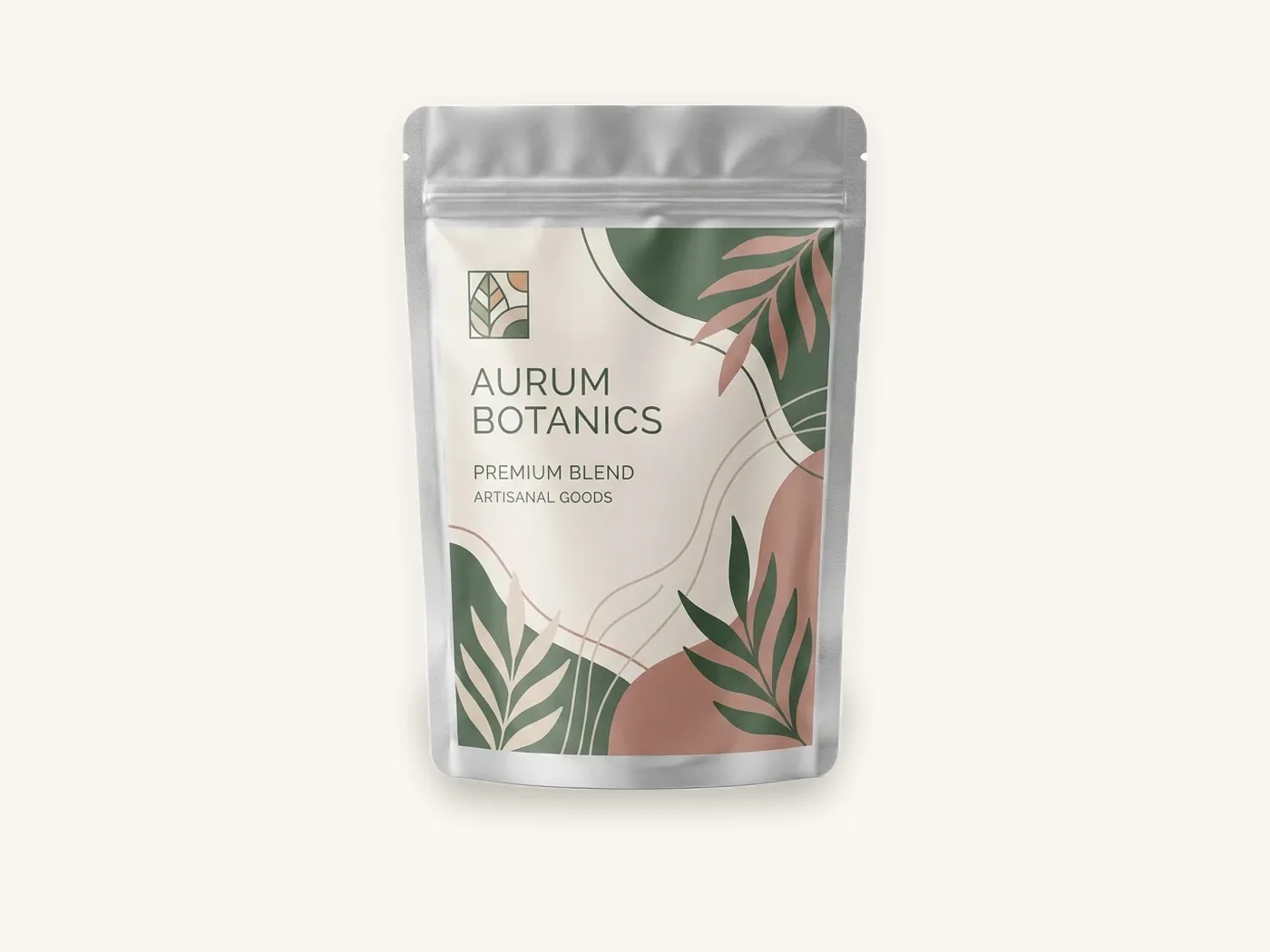
- Matte: a soft, low-glare exterior that reads as premium and hides fingerprints.
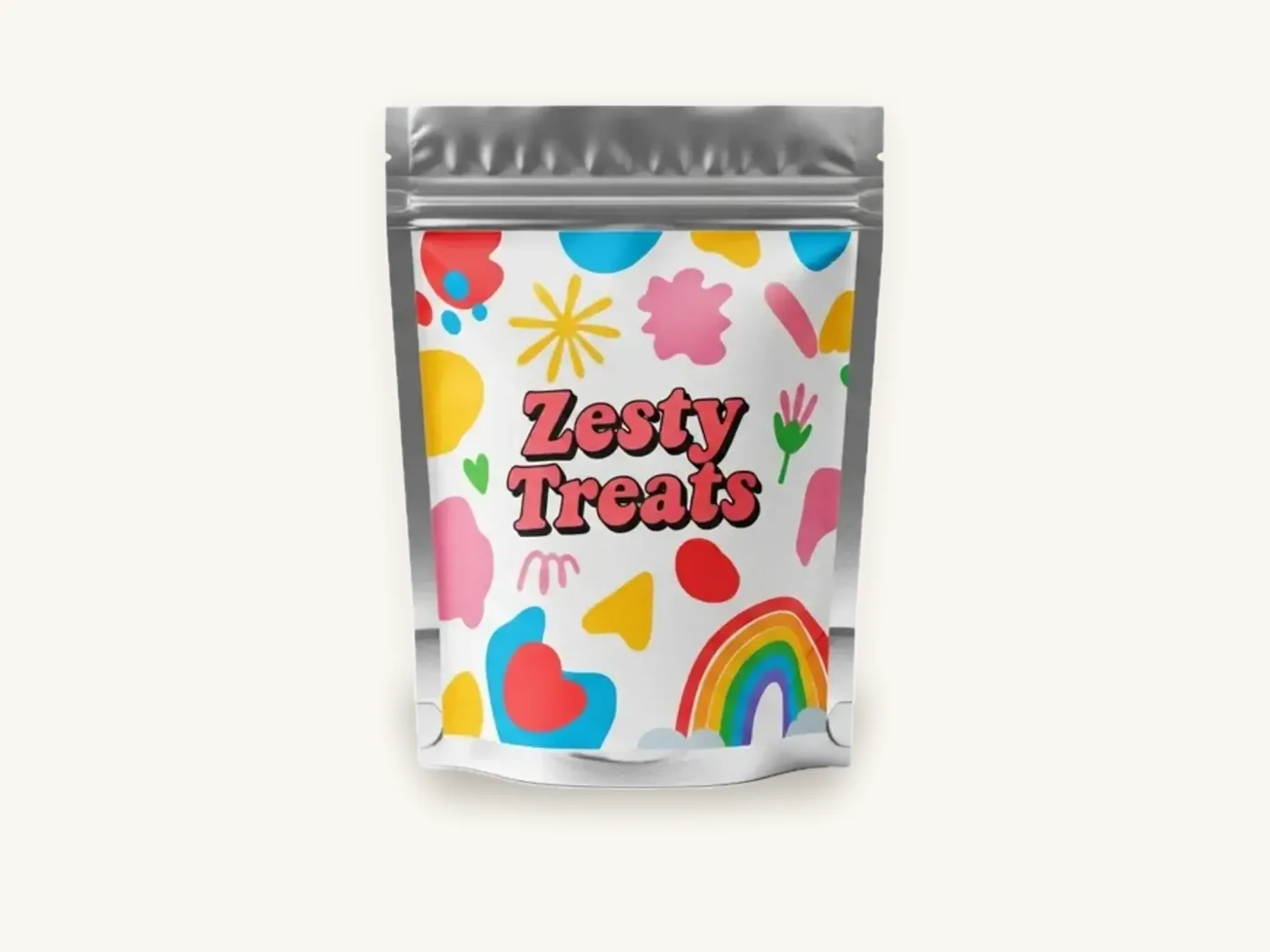
- Gloss: saturated color and shine, good for bright, playful brands.
- Soft-touch: a velvety matte film with a tactile feel.
- Registered spot gloss or matte: shine or matte only where you want it, similar to spot UV on a box.
- Holographic: a rainbow-effect film under or around your artwork.
- Metallic effects: printing on metallized film and leaving areas without white ink lets the silver show through as a built-in foil look.
Artwork tips for opaque bags
Place white ink behind any color that should look solid on metallized or holographic film, or it will appear tinted. Keep logos, warnings and barcodes out of seals, the zipper band and the bottom gusset. Put mandatory text on a flat back panel with high contrast; small gray type on holographic film is hard to read and may not satisfy legibility rules.
Die-cut shaped bags
Mylar bags can be die-cut into custom outlines, such as a rounded top or a character shape. Shaped bags cost more and waste more film, and tight curves make seals harder to form. Keep the product area a simple rectangle and let the shape happen at the top edge.
Pairing mylar bags with boxes and cartons
A bag alone can look sparse on a dispensary shelf, and some brands want a rigid structure for premium lines. Pairing the bag with a carton adds shelf presence and more label space.
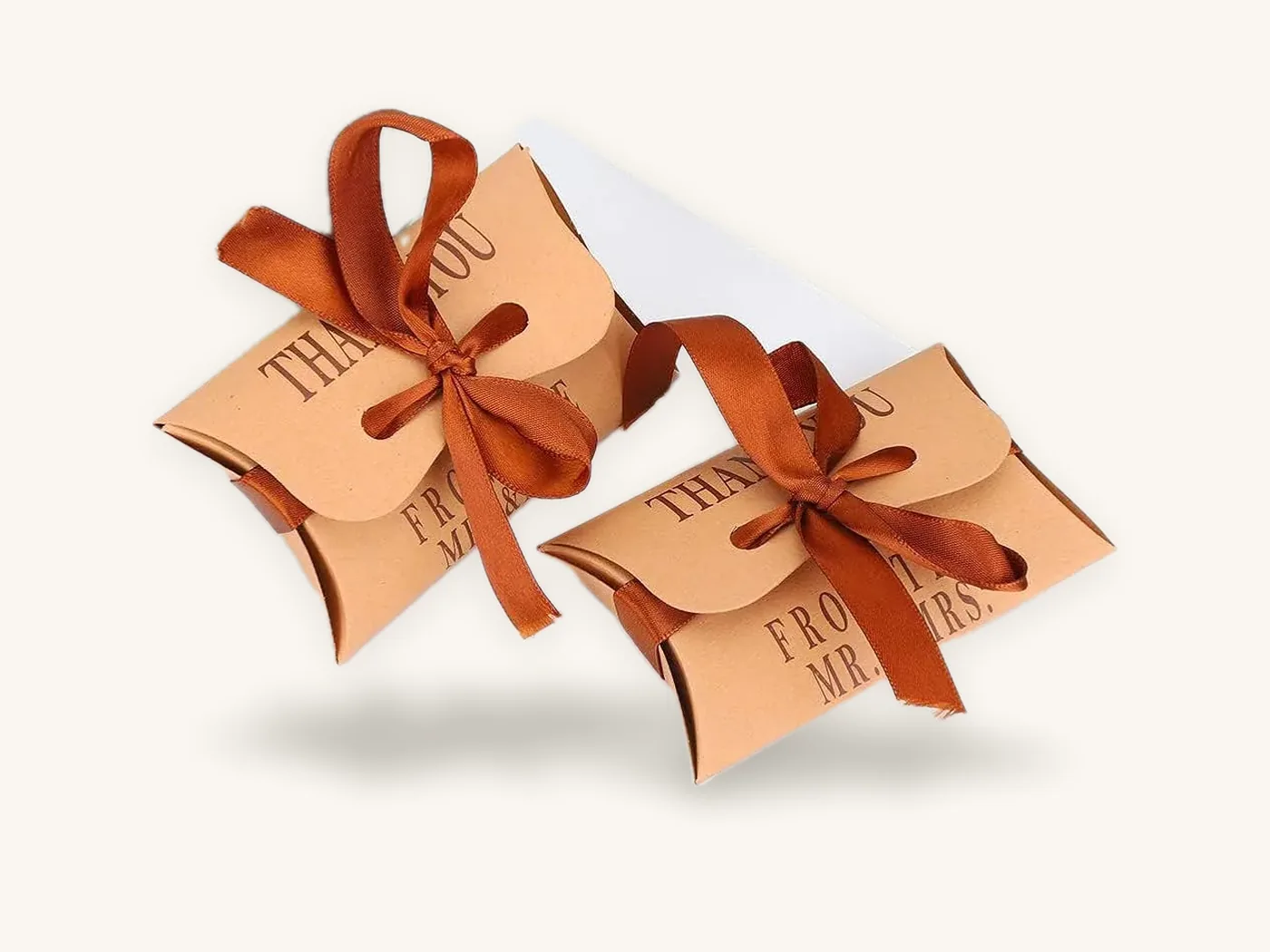
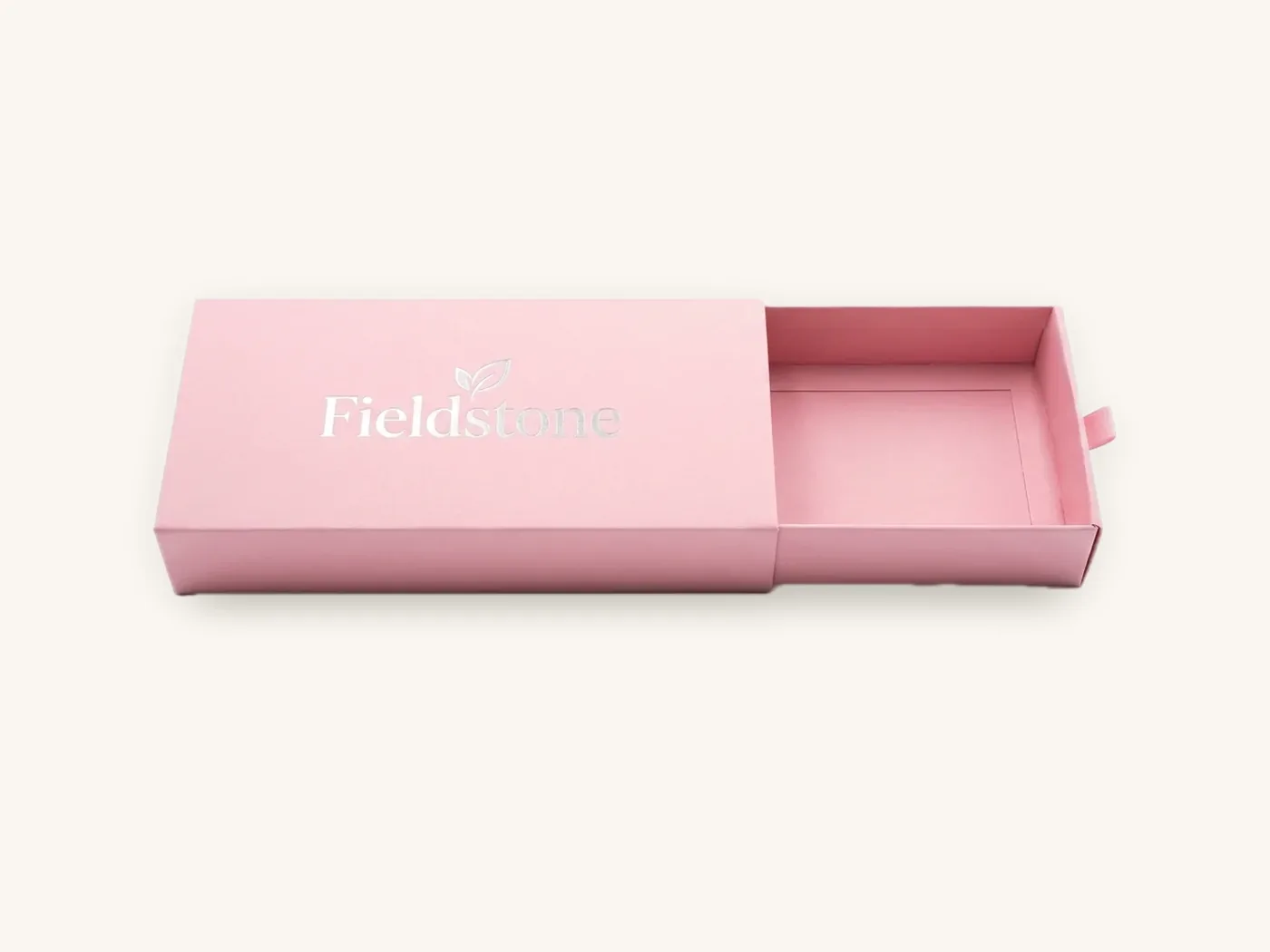
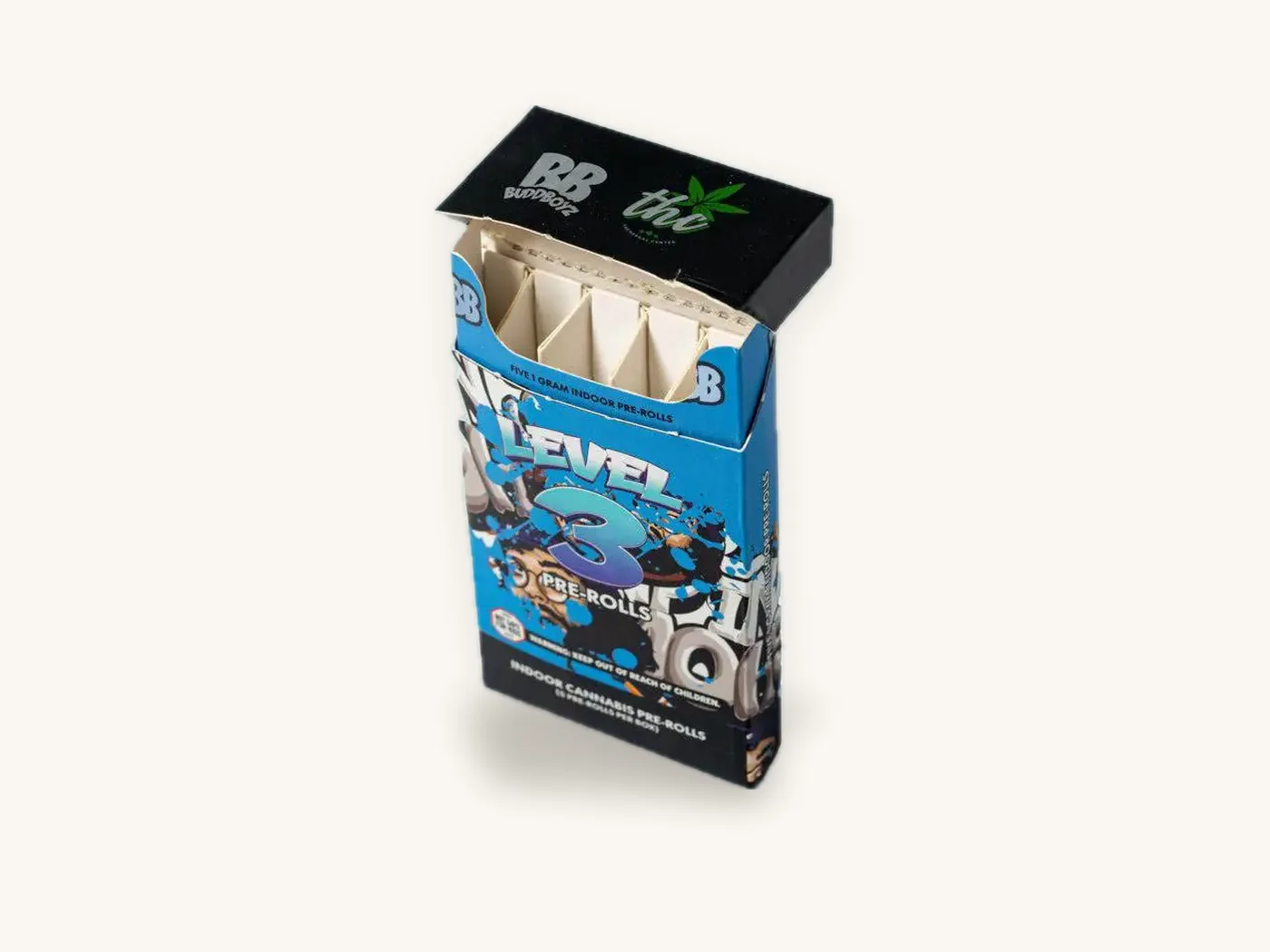
Pre-roll boxes and CBD boxes are often used as an outer carton around a sealed bag or tube. Child-resistant boxes carry the CR function in the carton itself for products where that suits your state's rules. Slide-out formats like those in our drawer boxes guide, and compact pillow boxes, work well for gift packs and multi-strain samplers.
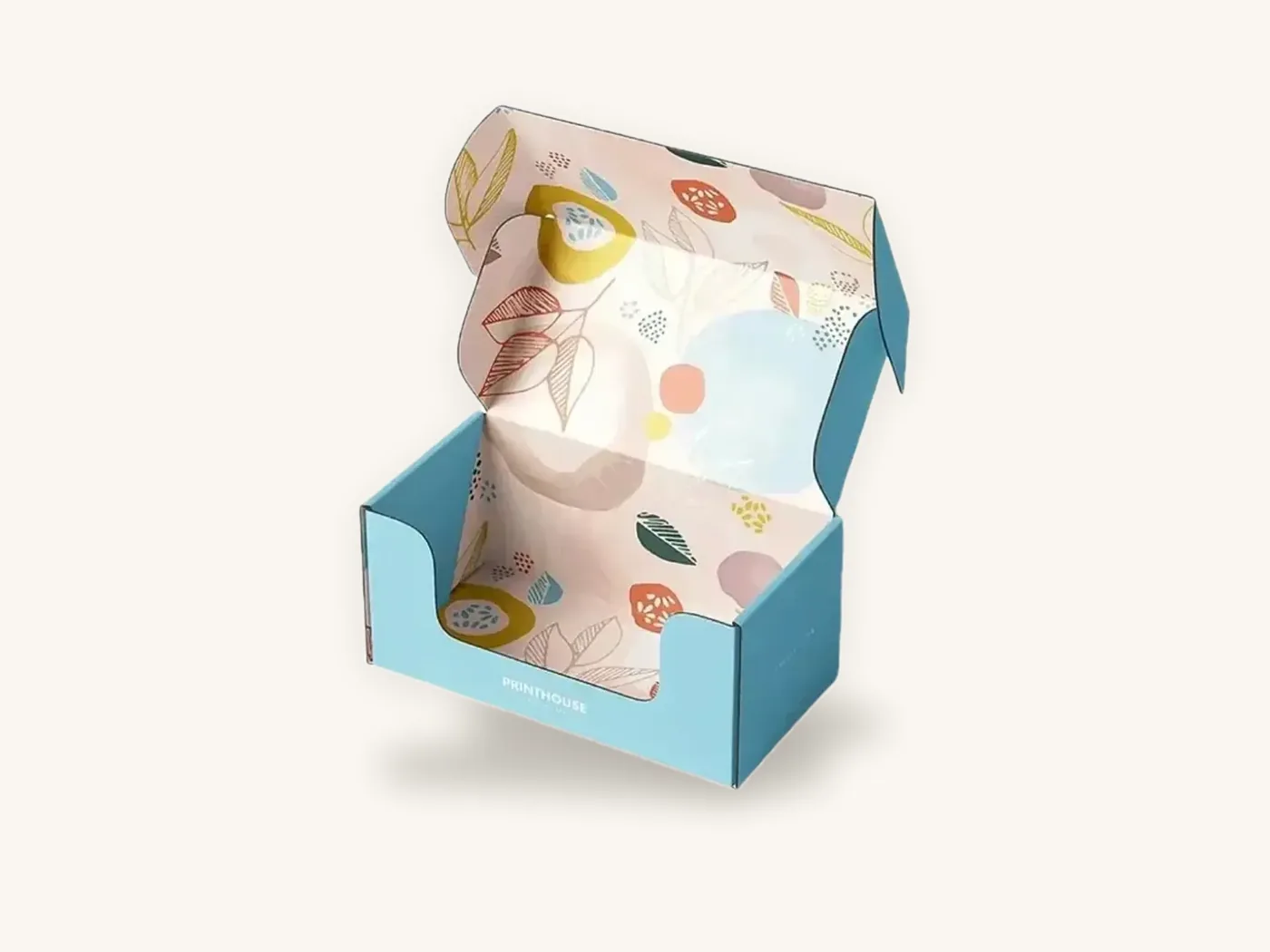
For direct-to-consumer shipments of legal hemp and CBD products, ship bags inside a plain or discreet custom mailer box so the parcel does not advertise its contents. The CBD and cannabis packaging page shows the full range of options.
What affects the cost of custom mylar bags
Flexible packaging prices depend on too many variables for a single chart, so use our pricing page for a starting point on your wider packaging program and request a confirmed quote for bags. These are the decisions that move the price.
| Decision | Lower cost | Higher cost |
|---|---|---|
| Barrier layer | Metallized PET | Aluminum foil |
| Exterior | Gloss PET | Matte, soft-touch or holographic films |
| Closure | Standard zipper or no zipper | Certified child-resistant zipper or slider |
| Format | Lay-flat, three-side seal | Stand-up or flat-bottom |
| Shape | Rectangle | Custom die-cut outline |
| Designs | One design with batch labels | Separate printed design per strain or flavor on a plate-based press |
| Quantity | Larger runs spread setup | Very short runs of many designs |
Two moves save the most without hurting compliance: print one brand design and apply variable batch labels, and reserve foil and specialty finishes for the lines that need them.
How to order custom mylar bags from Box Sense
Specs to send
- Product type, net weight and whether it is flower, edible, powder or food
- Whether you need child resistance, and which state or states you sell in
- Film preference: foil or metallized, matte, gloss, soft-touch or holographic
- Format: lay-flat, stand-up or flat-bottom, plus dimensions if you know them
- Features: heat seal above zipper, tear notch, hang hole, window (if permitted)
- Number of designs and quantities to price for each
- Your label content and compliance text, or a draft from your compliance advisor
- Artwork files, or a note that you want help from our design services team
From quote to delivery
- Quote within 24 hours for your structure, closure and quantities.
- Free design support: a bag dieline marking seal, zipper and gusset zones, artwork setup and a digital proof with two revision rounds.
- Samples: request stock sample bags for fill testing before approving artwork; the samples page explains what is free.
- Production: standard production is 8–12 business days after proof approval.
- Delivery: free shipping on every US order; international shipping quoted at cost.
We make the artwork and structure to your specification. Compliance with your state's packaging and labeling rules remains your responsibility, so have your compliance advisor review the final proof before you approve it.
Frequently asked questions
What is the difference between mylar bags and regular stand-up pouches?
Mylar bags are stand-up or lay-flat pouches whose laminate includes a metallized or aluminum foil barrier layer, making them opaque with high resistance to light, oxygen, moisture and odor. Regular stand-up pouches can use the same construction, but many use clear, kraft or lower-barrier films. In everyday usage, "mylar bag" signals an opaque, high-barrier bag.
Are custom mylar bags really smell proof?
A well-made foil or metallized bag with a clean heat seal keeps odor very low while sealed. After opening, the zipper becomes the weak point, so a quality track and a clean seal area matter. No flexible bag is perfectly odor-proof indefinitely, so test samples with your own product, both sealed and after reclosing the zipper several times.
How do I know if a mylar bag is certified child resistant?
Ask the supplier for test documentation showing the specific bag, size and closure passed child-resistance testing under the protocol your state accepts, commonly the CPSC special packaging test or the related ASTM classification. Certification covers a specific package design, so a different size or film may need its own testing. Keep the documentation with your compliance records.
Do cannabis products require child-resistant bags?
Many state cannabis programs require child-resistant, opaque and often resealable packaging for some or all products, but the details differ by state and change over time. Some states allow a child-resistant exit bag at checkout instead of child-resistant primary packaging. Confirm the current rules with your state cannabis regulator or compliance counsel before ordering.
Can mylar bags be printed in full color?
Yes. Printed mylar bags are typically reverse printed in full color on the outer film, with white ink placed behind colors that should look solid over the metallic layer. Digital printing suits short runs and multiple strains or flavors, while gravure suits long runs of one design. Matte, gloss, soft-touch and holographic finishes are all available.
Can you use a clear window on a mylar bag?
You can, but a window reduces light, oxygen and odor protection, and some state rules require opaque packaging for certain cannabis products. If your product is light-sensitive or your state requires opacity, skip the window and use printed product photography instead. For food and non-regulated products with short shelf life, a small window is usually fine.
What thickness of mylar bag do I need?
Thickness depends on the product and handling. Thin metallized bags suit light retail products that sell quickly. Heavier foil laminates suit sharp or dense contents, long-term food storage and bags that get handled or folded repeatedly, since thicker structures resist punctures and flex cracking. Fill and drop test samples before committing to a thickness.
Next steps
Decide your barrier level and closure first, confirm your state's current packaging rules, and fill test a few sample sizes. Then request a quote for custom mylar bags with your specs and label content, and use the pricing page to plan the cartons and mailers that go with them. We confirm quotes within 24 hours.
Boxes in this guide
Order the packaging we covered
Written by the Box Sense Packaging Team
Our structural designers, prepress technicians and production staff print and convert custom boxes every day for brands in the United States, United Kingdom and UAE. Questions about this guide? Talk to us.