The short answer on digital vs offset printing packaging: digital printing is cheaper and faster for short runs because it needs no plates, so it suits roughly 10 to 500 boxes, frequent design changes and multiple versions. Offset printing costs more to set up but less per box as quantity rises, and it gives the tightest control over spot colors, large solid areas and consistency across big runs.
Most brands do not choose one forever. They start digital, learn what sells, and move their steady, high-volume SKUs to offset once quantities justify the setup. This guide explains how each process works on paperboard and corrugated, where quality really differs, how to read the cost crossover, and how to switch without your boxes changing color between orders.
Key takeaways
- Digital prints straight from the file with no plates. Setup is minimal, so short run box printing is affordable and each order can carry different artwork.
- Offset transfers ink from plates to a rubber blanket to the sheet. Plates and make-ready add fixed cost, but unit cost drops steeply at volume.
- Quality gaps are narrower than they used to be. Offset still leads on exact PMS matching, big flat solids and run-to-run consistency.
- The cost crossover depends on size, colors and finishes, but for most folding cartons and mailers it falls somewhere in the hundreds of units.
- Finishes such as lamination, foil, embossing and spot UV are applied after printing and work with either process.
- Box Sense prints short runs of roughly 10 to 500 digitally and larger runs offset, with no plate or die charges on either.
How digital printing works on boxes
Digital presses build the image directly from your artwork file. There are no plates to make, so the press can move from one job to the next with little more than a file change and a quick calibration.
Inkjet and toner-based systems
Packaging digital presses fall into two broad families. Inkjet systems spray tiny droplets of ink through printheads and are used on paperboard and, in wide formats, directly on corrugated sheets. Toner and liquid-toner systems fuse or transfer charged ink particles onto the sheet and are common for folding cartons and labels.
Both print in CMYK, and some add extra colors such as orange, green or violet to widen the color range. That extended gamut lets a digital press simulate many PMS colors, though not all of them.
What digital does especially well
- No setup cost per design. Ten boxes and ten designs cost about the same to prepare as ten boxes and one design.
- Versioning. Flavors, scents, languages and seasonal editions can run together without separate plates.
- Variable data. Serial numbers, names, QR codes or batch numbers can change on every box.
- Speed to press. With no plates to image and mount, approved artwork reaches the press sooner.
How offset printing works on boxes
Offset lithography is the long-standing standard for high-quality printed cartons. Each color is separated into its own aluminum plate. Ink is transferred from the plate to a rubber blanket, then from the blanket onto the board. The "offset" is that extra transfer step, which lets the soft blanket lay ink evenly onto the board's surface.
Plates, make-ready and color control
A standard full-color job uses four plates (cyan, magenta, yellow, black), plus one per PMS spot color and often another for a coating. Before the run starts, operators adjust ink density and registration on make-ready sheets until the printed color matches the proof. Once dialed in, the press runs thousands of sheets per hour at consistent color.
Offset printed boxes on corrugated
Offset presses print sheets of paper or paperboard, not thick fluted board. For offset printed boxes in corrugated, the usual method is litho-lamination: the artwork is printed offset on a paper liner, and that liner is laminated onto the corrugated board before die-cutting. The result has carton-quality graphics on a shipping-strength structure. Our corrugated board page explains the board side of that construction.
What offset does especially well
- True spot colors. A PMS ink is mixed to formula, so brand colors match closely and consistently.
- Large solids. Big flat areas of dark or saturated color lay down evenly.
- Consistency at scale. Once the press is set, box 200 and box 20,000 look the same.
- Unit cost. Fixed setup is spread across the whole run, and running cost per sheet is low.
Quality compared: where the differences actually show
At normal viewing distance, a well-run digital carton and a well-run offset carton look very similar to most customers. The differences appear in specific situations, and those are the ones to test.
| Quality factor | Digital printing | Offset printing |
|---|---|---|
| Full-color photography and gradients | Excellent | Excellent |
| Exact PMS spot color | Simulated from process inks; many colors close, some out of reach | Mixed ink to formula; closest match |
| Large solid dark areas | Good; can show slight banding or texture on some systems | Smooth and even |
| Fine type and thin lines | Sharp at normal sizes | Very sharp, including small reversed type |
| Metallic and fluorescent inks | Limited | Available as spot inks |
| Consistency across a long run | Good | Very high |
| Consistency between separate orders | Good with calibration | Very high with ink formulas and targets |
| Variable data and versioning | Native | Not practical |
| Coatings and laminations | Compatible | Compatible |
| Foil, embossing, spot UV | Compatible | Compatible |
When quality should drive the choice
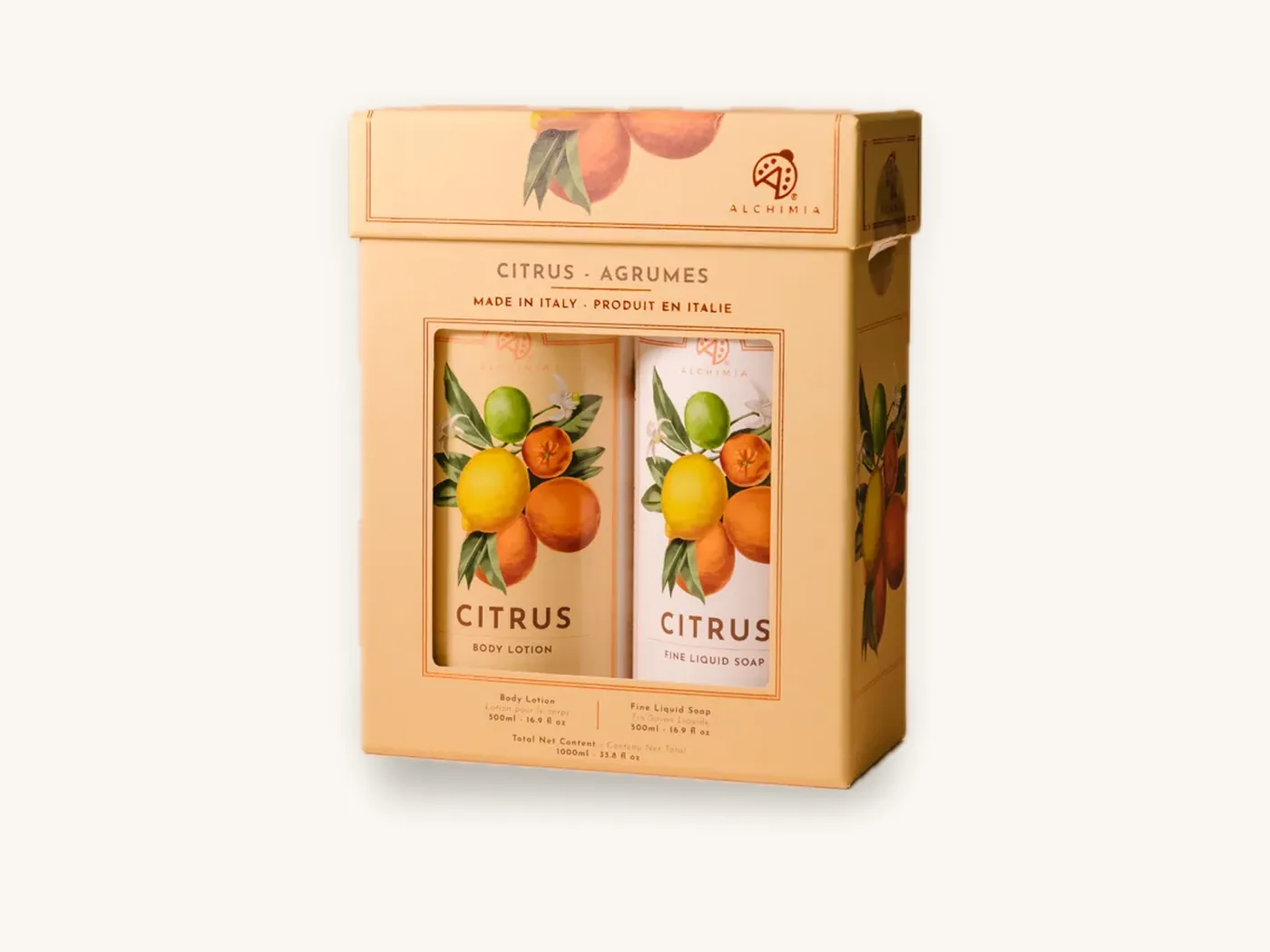
Choose offset when a PMS color is central to your brand identity, when a design relies on large dark floods, or when the box sits next to other offset-printed products on a shelf and must match them. Choose digital when artwork is photographic or illustrative, when you need several versions, or when the run is short enough that offset setup would dominate the cost.
Tip: if your brand color is a bright orange, a vivid green or a specific blue, ask for a printed sample of that color on your chosen board before committing. Those are the hues where process-ink simulation and mixed spot ink differ most.
Cost compared: fixed setup versus running cost
The economics are simple once you separate costs into two buckets.
- Fixed cost per job: prepress, plates, make-ready sheets, press setup and color matching. Near zero for digital, significant for offset.
- Running cost per box: ink or toner, board, press time and finishing. Higher for digital, lower for offset.
Short runs are dominated by fixed cost, which is why digital wins. Long runs are dominated by running cost, which is why offset wins. The quantity where the two totals meet is the crossover.
What moves the crossover point
| Factor | Pushes crossover lower (offset sooner) | Pushes crossover higher (digital longer) |
|---|---|---|
| Number of spot colors | Few colors, simple plates | Many PMS colors on offset |
| Box size | Large sheets use more digital ink | Small boxes gang many up per sheet |
| Ink coverage | Heavy floods favor offset ink cost | Light coverage keeps digital cheap |
| Number of versions | One design | Many designs or languages |
| Reorder frequency | Large, infrequent runs | Small, frequent releases |
| Color requirements | Strict PMS matching | CMYK artwork |
What the price curve looks like in practice
These per-unit prices from the Box Sense price sheet include US shipping. Quantities up to roughly 500 run digitally and larger runs offset, so the curve reflects both processes.
| Spec | 50 | 250 | 500 | 1,000 | 2,500 | 10,000 |
|---|---|---|---|---|---|---|
| Reverse tuck end carton, 14 pt SBS, 2x2x6 in, full color, gloss lamination | $1.36 | $0.83 | $0.63 | $0.52 | $0.44 | $0.33 |
| Cosmetic carton, 18 pt SBS, 2.5x2.5x6 in, full color, soft-touch and foil | $2.23 | $1.37 | $1.03 | $0.86 | $0.73 | $0.55 |
| Window box, 18 pt SBS, 4x4x4 in, full color, aqueous, window | $1.92 | $1.18 | $0.89 | $0.74 | $0.63 | $0.47 |
The pattern is consistent: large drops in unit price up to around 1,000, then steady but smaller savings. You can test your own size and finish in the instant price estimator. For a deeper look at the setup side, see packaging MOQ explained.
Decision matrix: which process fits your situation
Use this as a starting point, then confirm with a quote at your actual quantities.
| Situation | Better fit | Why |
|---|---|---|
| Launching a new product, under 500 boxes | Digital | No plates; test the design before scaling |
| Crowdfunding rewards or influencer kits | Digital | Short run, often personalized |
| Five scents in one box size, 200 each | Digital | Versions share one run without separate plates |
| Seasonal or limited edition | Digital | Short life; no reason to amortize plates |
| Core SKU selling steadily, several thousand per order | Offset | Lowest unit cost, consistent color |
| Brand built on a single PMS color | Offset | Mixed spot ink matches best |
| Luxury carton with large black floods | Offset | Even solids |
| Retail program that must match existing offset packaging | Offset | Same process, same color targets |
| Serialized or personalized boxes | Digital | Variable data |
| Unsure of future demand | Digital first | Keep cash free until sales are proven |
Finishes, boards and printing method compatibility
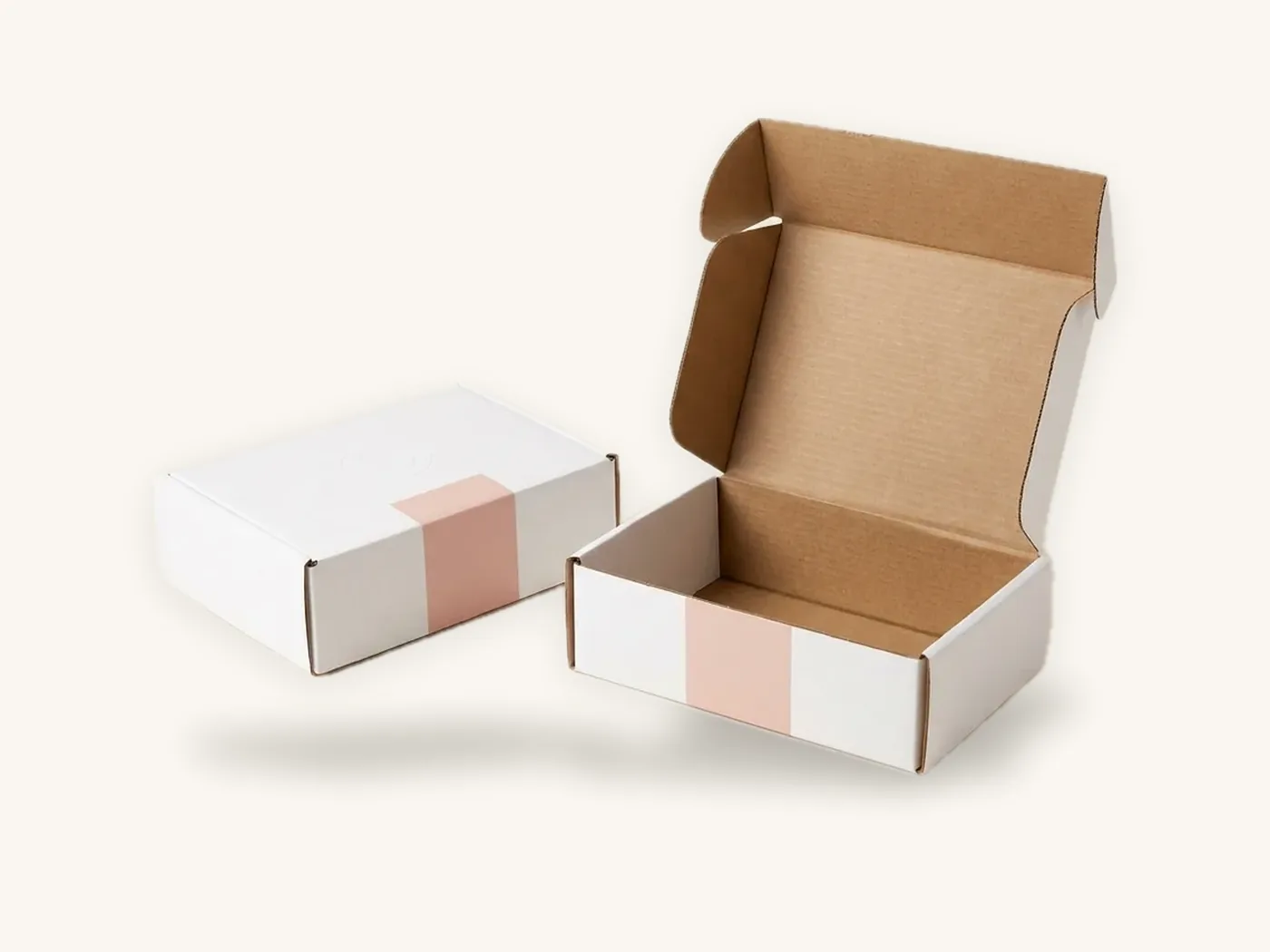
Printing is only one layer of a finished box. Most embellishments are applied after the print pass, so they work with both processes.
Coatings and laminations
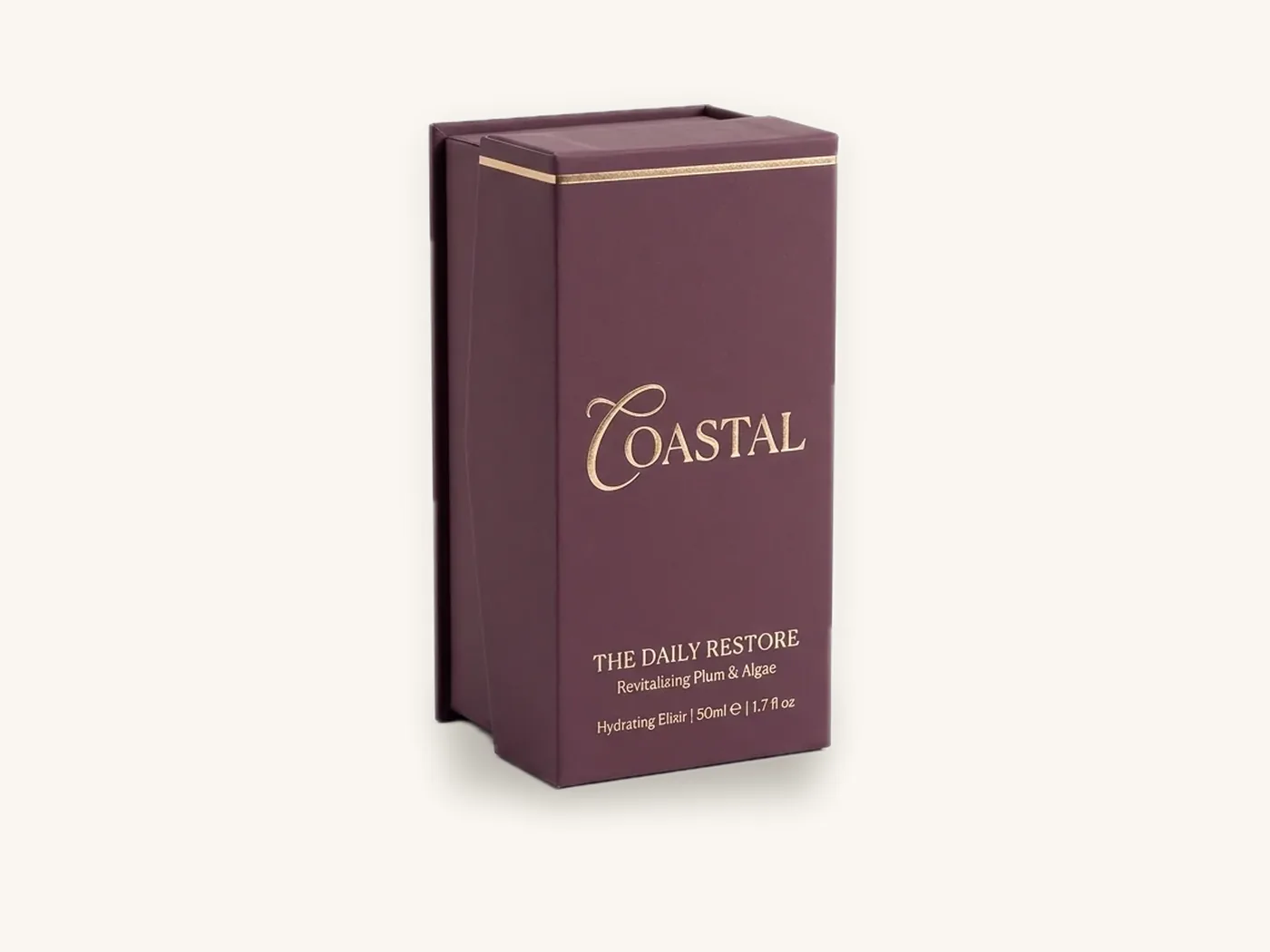
Aqueous coating, gloss, matte and soft-touch laminations go on over either digital or offset print. Lamination also evens out small differences in surface sheen between the two. The printing and finishes page shows each finish.
Foil, embossing and spot UV
These use their own tooling and happen on separate equipment after printing. The one-time tooling is the same regardless of print process: about $60 for foil, about $60 for embossing and about $40 for spot UV at Box Sense. On very short runs that tooling is a visible part of the order total; on longer runs it spreads out.
Board choice
Both processes print well on SBS paperboard, which has a bright, coated surface. On kraft paperboard, the brown base mutes colors in either process, and white ink under the artwork makes a bigger difference than the choice of press. On corrugated, digital can print directly on the liner for short runs, while offset normally uses a printed, laminated liner.
How to switch from digital to offset without a color shift
The riskiest moment is the first offset run after a successful digital launch. Customers and retailers have seen the digital boxes, and the new ones need to look the same. A structured handover prevents surprises.
- Keep a reference box. Pull several boxes from the approved digital run and store them away from light. They become the physical color target.
- Name the critical colors. List which colors must match: usually the logo, one background and any color-coded product information.
- Convert to spot colors where it matters. If the digital artwork used CMYK builds for a brand color, decide whether offset should use a PMS ink instead. That often improves consistency but can look slightly different from the digital build, so agree on the target.
- Rebuild the file for offset. Check rich black builds, overprint settings, minimum dot sizes in light tints, and the size of reversed type. Settings that were fine digitally may need adjustment.
- Request a contract or press proof. Compare it with the reference box under the same lighting, ideally daylight-balanced.
- Approve a first-article sample. Where possible, check the first printed sheets or a production sample before the full run.
- Record the targets. Keep PMS numbers, coating and board specifications on file so every future order starts from the same settings.
Watch out: a change of board, coating or lamination at the same time as a change of print process makes it hard to tell what caused a color shift. Change one variable at a time, or approve a sample that includes all the changes together.
Artwork preparation rules for both processes, including bleed, safe zones and color setup, are covered in how to prepare artwork for custom box printing.
Lead time and planning differences
With no plates to make, digital jobs can reach the press sooner, which helps when a launch date is tight. Offset needs plates and a longer make-ready, but once running it produces large quantities quickly. For most orders, proof approval and finishing steps have more effect on the calendar than the press type. The custom packaging lead times guide walks through each stage.
Freight also changes with quantity. A larger offset run means more pallets, more storage and a different delivered cost per box, which the packaging landed cost guide helps you calculate before choosing a tier.
A hybrid approach many brands use
- Core SKUs that sell steadily run offset in larger quantities.
- New flavors, limited editions and retailer tests run digitally in short batches in the same box size.
- Artwork is built on one master template, with brand colors specified the same way, so digital and offset boxes sit together on a shelf without looking mismatched.
Say you sell tea in six blends, all in the same carton size. The two best sellers might run offset in thousands, while the four slower blends run digitally in a few hundred each, reordered as needed. Both sets share the same dieline, board and coating, so the shelf reads as one family.
Ordering digital or offset printed boxes from Box Sense
You do not need to choose a process yourself. Tell us the quantity, artwork and any critical colors, and we run the job on the process that fits: digital for short runs of roughly 10 to 500, offset for larger runs.
What to include in your request
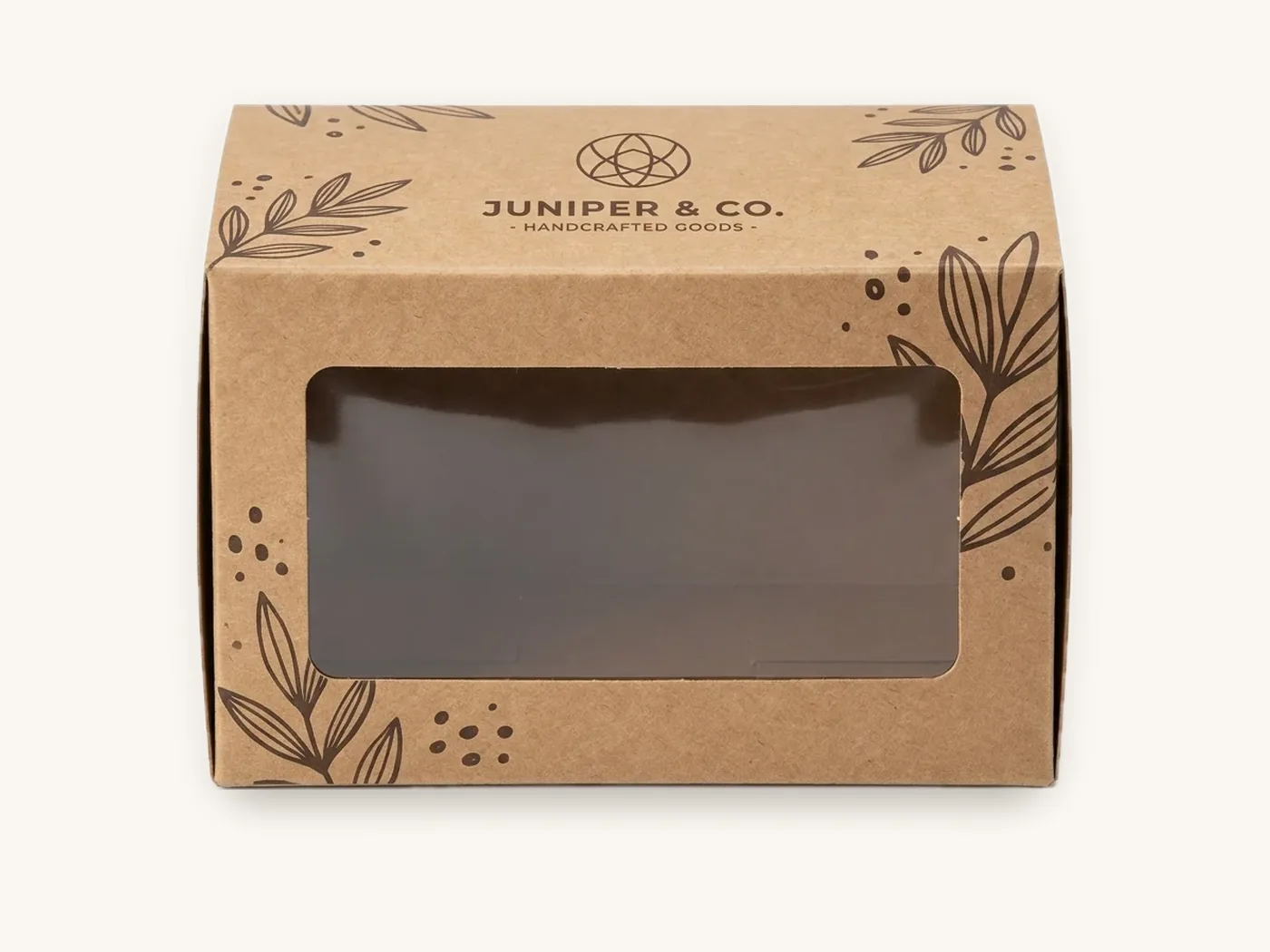
- Box style and internal dimensions, for example custom product boxes, cosmetic boxes or custom mailer boxes
- Board preference and any FSC requirement
- Print coverage: outside, inside or both
- Brand colors that must match, with PMS numbers
- Finishes: coating, lamination, foil, embossing, spot UV
- Two or three quantities, so you can see the price at each
- Your in-hand date and ship-to location
What you get
- A confirmed quote within 24 hours, with no die or plate charges on either process
- A dieline, artwork setup and a 3D digital proof from our design services team, with two revision rounds included
- Free unprinted structural samples, and a free printed sample of approved artwork on orders of 100 or more (see samples)
- Standard production of 8–12 business days after proof approval, with rush in 5 business days on most paperboard and corrugated styles
- Free shipping on every US order, international shipping at cost, and free reprints of defective boxes reported within 14 days
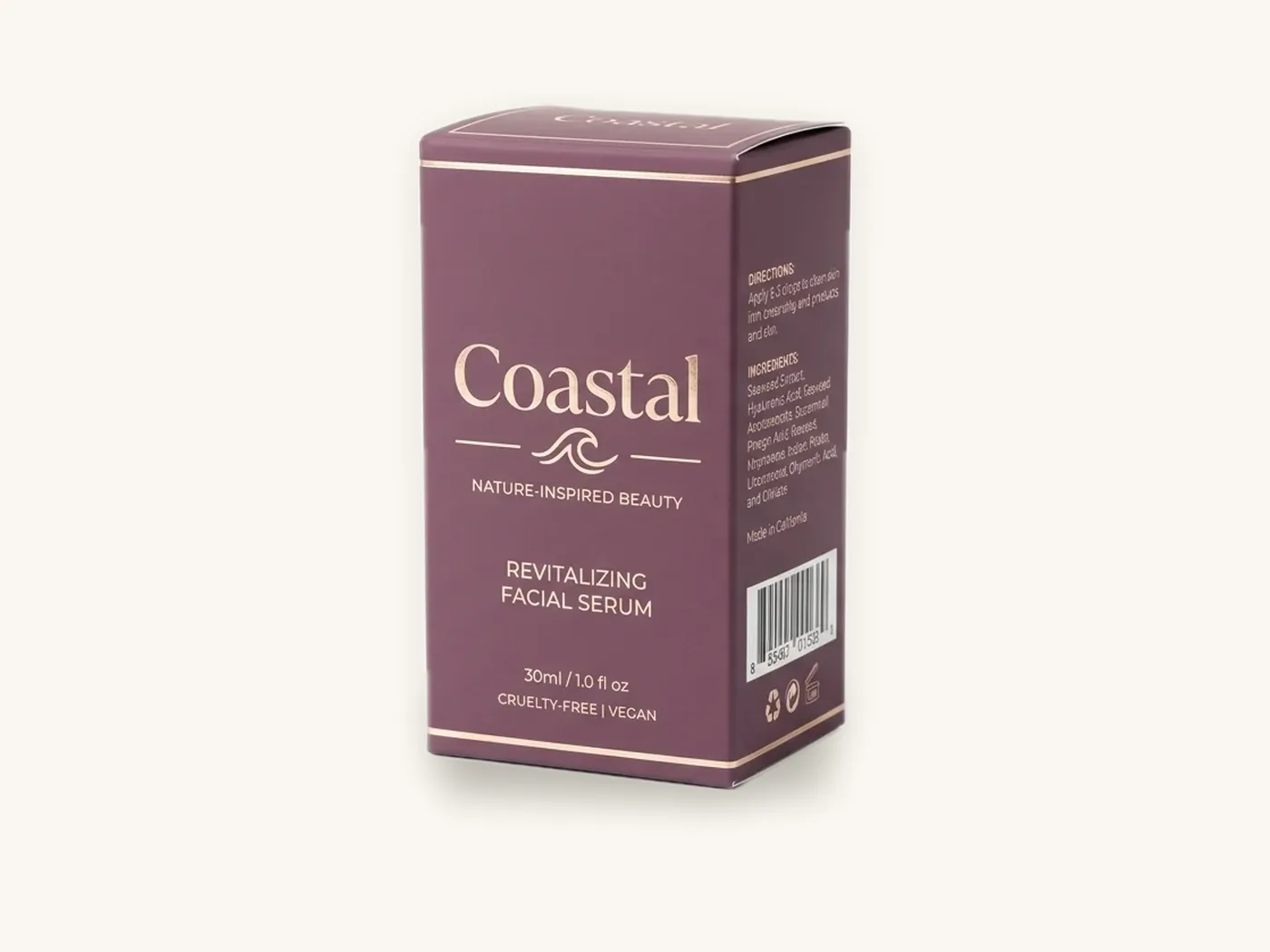
Beauty brands, where color and finish carry much of the product's appeal, can see common carton formats on the cosmetics and beauty packaging page.
Frequently asked questions
Is digital or offset printing better for packaging?
Neither is better in every case. Digital printing is better for short runs, multiple versions and fast turnarounds because it needs no plates. Offset is better for large runs, exact PMS spot colors, large solid areas and consistent color across repeat orders. Many brands use digital for launches and limited editions and offset for steady, high-volume products.
At what quantity is offset cheaper than digital for boxes?
It depends on box size, ink coverage, number of colors and finishes. For many folding cartons and mailers the crossover sits in the hundreds of units, which is why Box Sense prints roughly 10 to 500 digitally and larger runs offset. Ask for prices at several quantities, or use the pricing estimator, to see where your spec lands.
Can digital printing match Pantone colors?
Digital presses reproduce PMS colors by blending process inks, sometimes with extra colors to widen the range. Many Pantone colors can be matched closely, but some vivid oranges, greens, blues and metallics fall outside what process inks can produce. If a color is critical, request a printed sample on your chosen board, or use offset with a mixed spot ink.
Do digitally printed boxes look cheap?
No. Modern digital printing produces sharp text and rich full-color images suited to retail and e-commerce packaging. With a lamination or coating and embellishments like foil, digital cartons can look fully premium. Differences show mainly in very large solid dark areas and exact spot colors, which is where offset keeps an advantage.
What is short run box printing?
Short run box printing means producing a small quantity of custom printed boxes, typically from a handful up to a few hundred, usually on digital presses. Because there are no plates to make, setup cost is low and small orders are affordable. It suits product launches, samples, seasonal designs, crowdfunding rewards and brands testing packaging before committing to volume.
Can I switch from digital to offset later?
Yes, and it is a common path. Keep reference boxes from the approved digital run, identify the colors that must match, rebuild the artwork file for offset if needed, and approve a proof against the reference before production. Changing only the print process, not the board or coating at the same time, makes color matching far easier.
Can foil stamping and embossing be used with digital printing?
Yes. Foil stamping, embossing, debossing and spot UV are applied after printing on separate equipment, so they work with digital and offset alike. They require their own one-time tooling. On short runs that tooling is a visible part of the total, so some brands launch with printed artwork and add foil once volume grows.
Next steps
Enter your box size, finish and a few quantities into the box printing price estimator to see how unit cost changes across the digital and offset range. Then request a quote for your printed boxes with your critical colors noted, and we will confirm pricing within 24 hours and recommend the process that fits your run.
Boxes in this guide
Order the packaging we covered
Written by the Box Sense Packaging Team
Our structural designers, prepress technicians and production staff print and convert custom boxes every day for brands in the United States, United Kingdom and UAE. Questions about this guide? Talk to us.