Toy packaging has to win two audiences in a few seconds: the child who wants the toy and the adult who decides whether to buy it. On a store shelf that usually means a printed window box or hang tab box that shows the toy, states the age grade clearly and carries the required safety information. Online, it means a sturdy, attractive box that survives shipping and still feels like a present when it is opened.
The packaging also has to hold the toy still without a mess of plastic ties, fit the retailer's shelf or peg, and meet US labeling rules for children's products. This guide covers each of those, starting with how the sales channel shapes the box and ending with prices and how to order custom toy boxes.
Key takeaways
- Channel first: peg hooks call for hang tab boxes, shelves for window boxes, register areas for counter displays, and e-commerce for mailers or overboxed retail cartons.
- A window shows the toy and reduces the need for large product photos, but it weakens the panel it is cut into, so position and size it carefully.
- Die-cut paperboard inserts can hold most toys securely and replace many plastic ties and trays.
- Age grading, choking hazard warnings and tracking labels are core US requirements for many toys; confirm exactly what applies to your product with the CPSC or a testing lab.
- Design for two readers: bold character and color for kids at eye level, clear age, contents and safety information for parents.
- A 4x4x4 in window box on 18 pt SBS with full color and aqueous coating is about $1.66 each at 100 units and about $0.74 at 1,000.
How the sales channel shapes toy packaging
The same plush toy might hang on a peg in a pharmacy, sit on a shelf in a specialty toy store, be sold from a counter display at a museum gift shop and ship directly from your website. Each needs a slightly different package.
| Channel | Packaging format | Key requirements | Common mistakes |
|---|---|---|---|
| Big-box shelf | Window box or printed carton | Stackable, face-out branding, barcode | Window too big, box crushes in stacks |
| Peg hook | Hang tab box or header card | Hang tab that holds the weight, flat front | Tab tears on heavy toys |
| Checkout or counter | Counter display box with small cartons | Holds several units, printed header | Display too tall for the counter |
| Specialty and gift stores | Rigid or premium window box | Gift-worthy look, sturdy lid | Over-packaged relative to toy price |
| Online direct | Mailer box or retail box inside a shipper | Survives parcels, good unboxing | Retail box shipped alone gets damaged |
| Online marketplace | Carton meeting the platform's prep rules | Barcodes, sturdy corners | Ignoring the marketplace's prep rules |
Shelf packaging
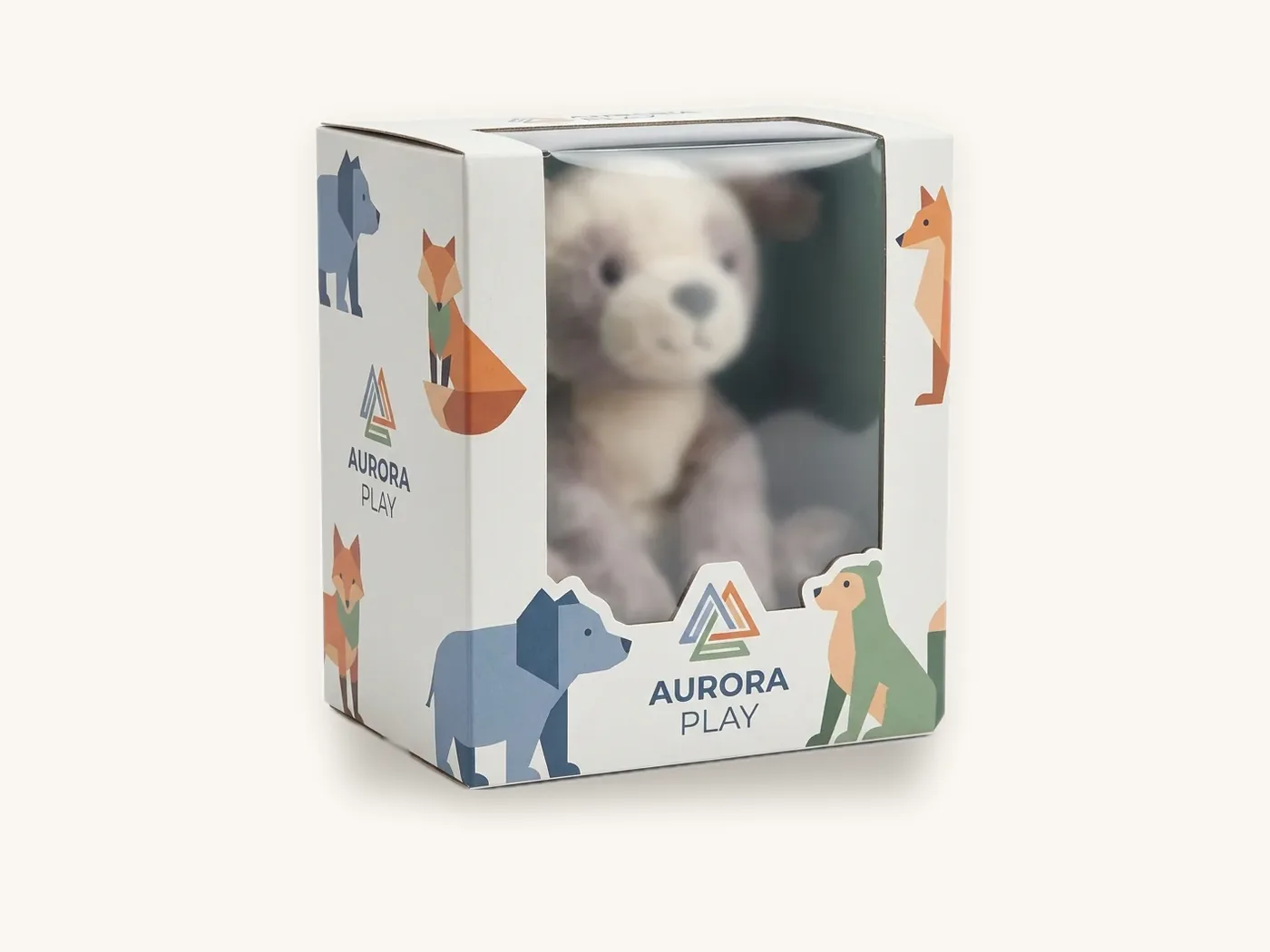
On a shelf, the front panel and top edge do the selling. Window boxes are the classic toy format because they let shoppers see the real product and its size. The window boxes style page shows window shapes and positions.
Peg packaging
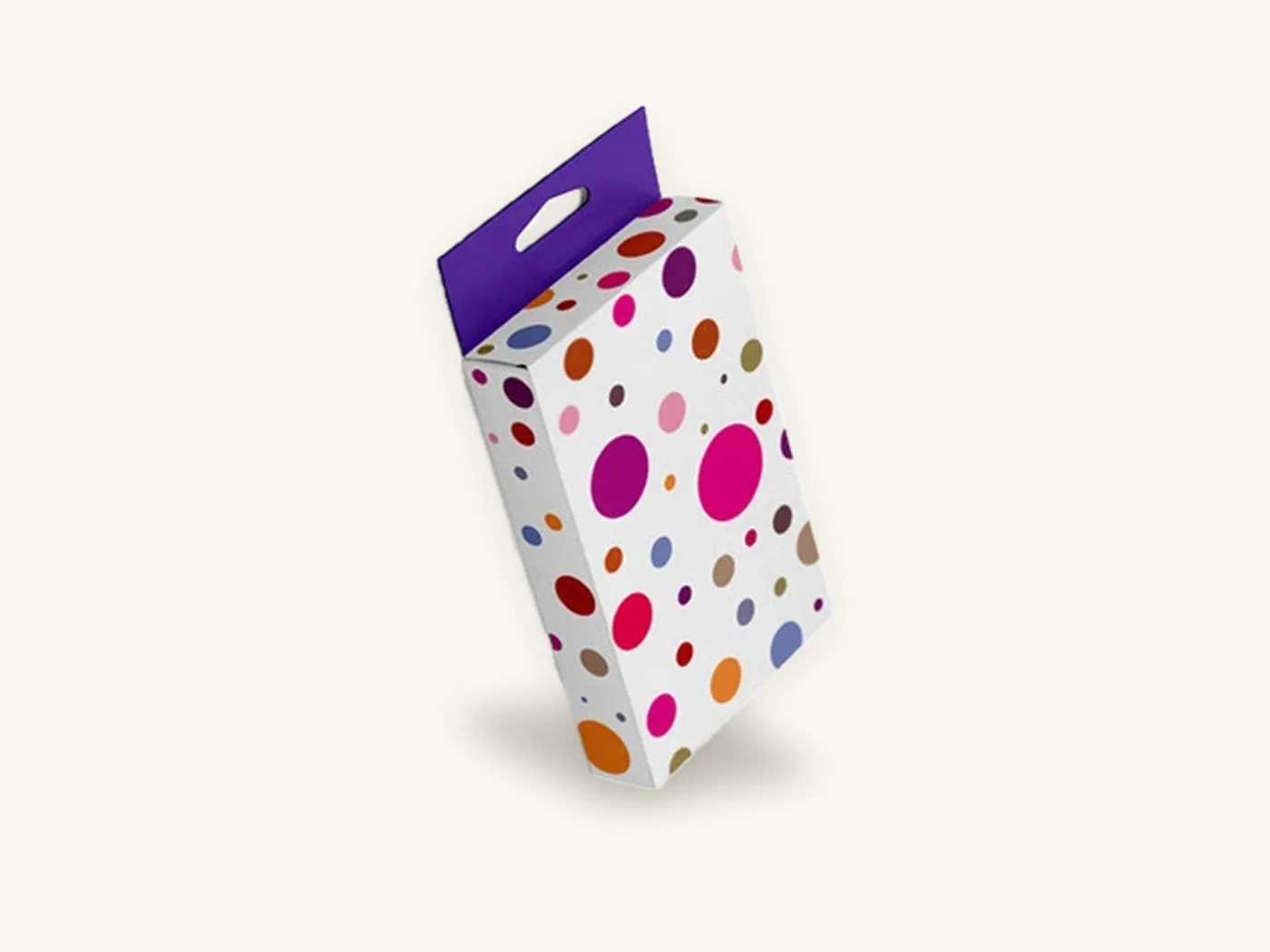
For lighter toys, peg hooks put products at eye level in narrow aisles. Hang tab boxes have a reinforced tab with a Euro slot or round hole at the top. For heavier toys, the tab needs a double thickness of board, or the toy should sit on a shelf instead.
E-commerce and marketplaces
A retail toy box shipped alone arrives scuffed and dented. Either ship it inside a plain shipper or design the retail box on corrugated board so it can ship on its own. The e-commerce packaging guide covers overboxing and parcel testing.
Custom toy boxes: structures that work
Toys come in every shape, so toy packaging uses a wider range of box styles than most categories. Choose the structure by the toy's weight, fragility and how it will be displayed.
Tuck end and auto lock bottom cartons
Straight tuck end cartons are the most economical box for small and lightweight toys: card sets, small figures, craft kits. For heavier toys, an auto lock bottom box pops into shape with a locked base that will not open under weight, which matters when a child picks up the box by the top.
Window boxes
A window box is a folding carton with a die-cut opening covered by clear film. Windows can be on the front, wrap around a corner or show through two panels. Film options include PET and compostable PLA.
Hang tab boxes and header cards
A hang tab box is a carton with an extended, reinforced panel for hanging. Header cards fold over a bag and are stapled, which suits loose small toys, but boxes present better and protect more.
Rigid boxes and premium formats
Collector figures, wooden toys and gift sets sometimes use rigid lid-and-base or magnetic boxes. They cost more but double as storage, which parents appreciate. Games and puzzles have their own conventions, covered in the board game packaging guide.
Display boxes
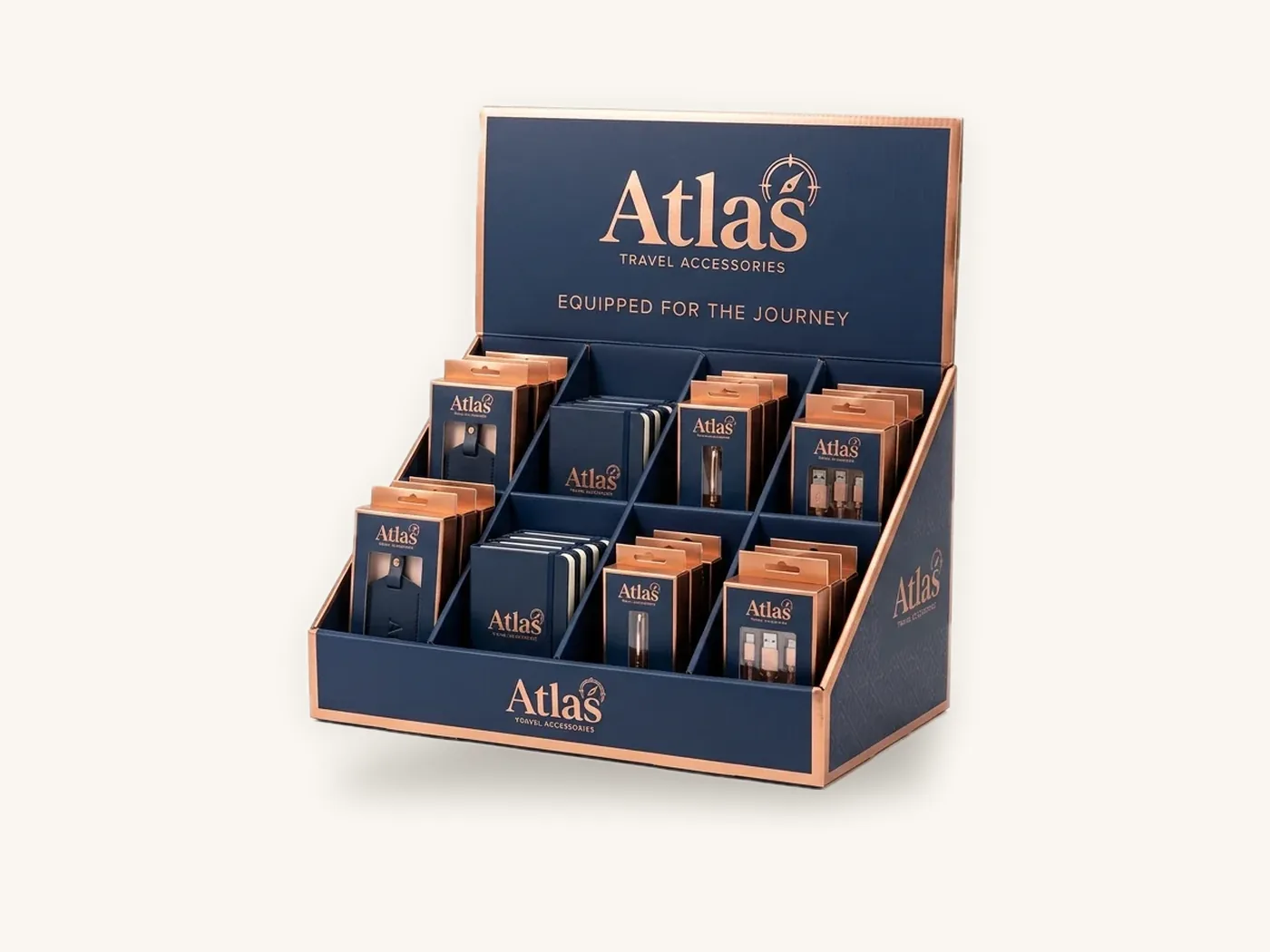
A counter display box holds multiple small toys at the register with a printed header. For larger promotions, a floor display stand can hold full product lines. The custom display boxes guide explains sizing and loads.
Designing windows that sell without weakening the box
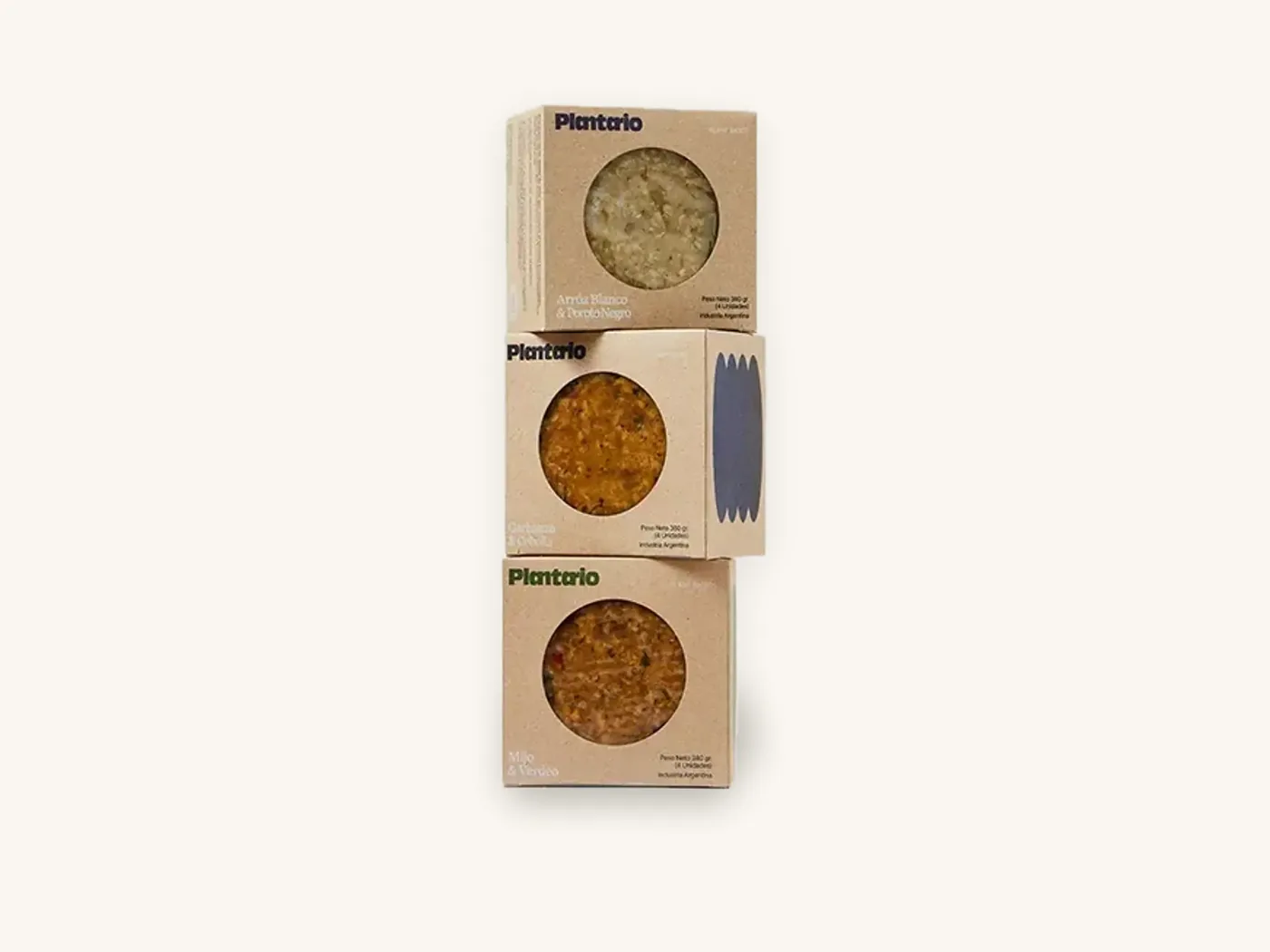
Windows are powerful but have trade-offs. Every square inch removed from a panel reduces the box's stiffness and the space for graphics.
Placement rules
- Keep at least roughly 1/2 in of board between the window and any fold or edge so the panel does not buckle.
- Align the window to the toy's most appealing feature, not the geometric center of the box.
- Leave space below or above the window for the product name and age grade.
- On heavy toys, avoid windows that extend around a corner, where they weaken the column strength of the box.
Film choice
PET film is clear, stiff and resists scuffing. PLA is compostable in industrial facilities and suits brands with plastic-reduction goals, though it can be slightly less stiff. Skip the film entirely for toys that are clean and robust: an open die-cut window lets children touch fabric or feel textures, but it also lets dust in and makes tampering easier.
Show, then tell
The window shows what the toy looks like; the printed panels explain what it does. Use the side and back panels for play photos, feature callouts, what is included and the batteries note if relevant.
Tip: before approving the dieline, place the toy in a plain structural sample and look at it from six feet away at shelf height. If the window frames a leg or the back of a head, move it now; a new window position after printing means a new run.
Securing the toy inside the box
A loose toy rattles, scuffs through the window film and arrives looking used. The goal is to hold the toy in its display position without an unboxing process that frustrates parents.
Paperboard inserts
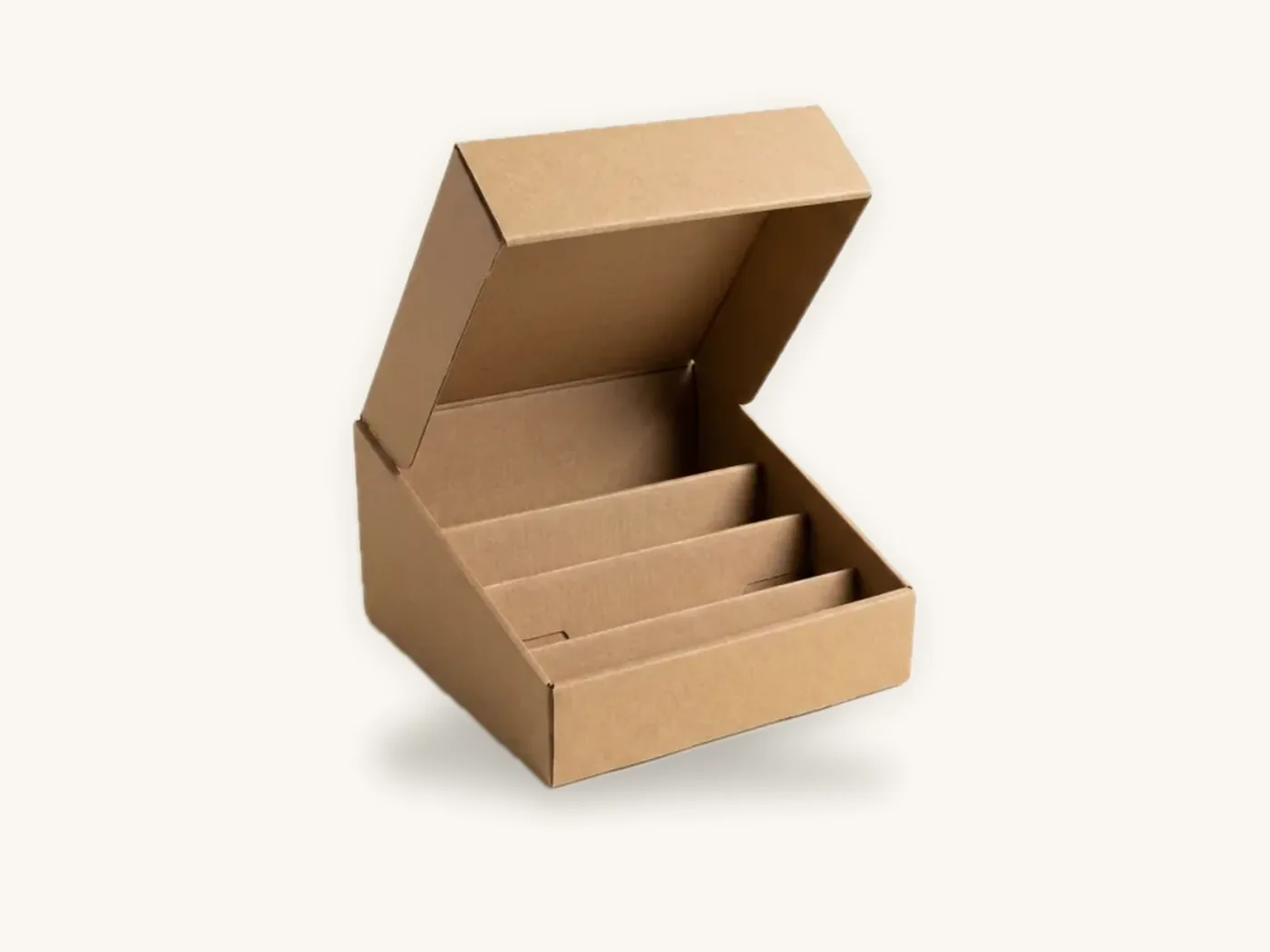
A die-cut paperboard insert with slots, tabs or a shaped cradle can hold figures, vehicles and dolls in place. Inserts can be printed with a background scene, so the toy appears to stand in its world through the window. Our box inserts are cut to your toy's shape.
Reducing plastic ties and trays
Plastic twist ties and thermoformed trays are common in toy packaging but make opening slow and add non-paper waste. Many toys can be held with paperboard tabs, slots and fold-over clips instead. Where a tie is needed, a paper-covered tie or a single string through two punched holes is easier to remove.
Protecting small parts and accessories
Accessories and small pieces should sit in a closed compartment or small bag inside the box, not loose behind the insert. That keeps parts together and makes it easier to count contents during quality checks.
Packaging inserts checklist
- Measure the toy in its display pose, including any protruding parts.
- Decide which features must show through the window.
- Sketch where tabs or slots can grip without marking the toy.
- Plan a compartment for accessories, batteries or instructions.
- Test how long it takes an adult to remove the toy; aim for under a minute without tools.
- Shake and invert the sample box to confirm nothing moves.
- Drop-test a packed sample in its shipping configuration.
US toy safety labeling on packaging
Toys sold in the US are regulated as children's products, and several labeling requirements affect the box. This section covers them in general terms only. The details depend on the product and age grade, so confirm current requirements with the US Consumer Product Safety Commission or an accredited testing lab, and consult counsel where needed. Our detailed toy safety labeling guide goes further.
Age grading
Toys are designed and tested for an intended age range, and that age grade drives which warnings apply. Print it prominently on the principal display panel. Shoppers use it, and it signals which rules the product was evaluated against.
Choking hazard warnings
Under the federal rules the CPSC enforces, certain toys and games intended for young children that contain small parts, small balls, marbles or balloons must carry specific cautionary statements on the packaging. The wording, format and placement are prescribed, so use the exact statement that applies and do not paraphrase it. It must also be visible to the shopper before purchase, including on product listings online.
Tracking labels
The Consumer Product Safety Improvement Act (CPSIA) requires tracking information on children's products and their packaging to the extent practicable. That typically includes the manufacturer or private labeler, production location and date, and batch or run details. Many brands print a fixed panel and apply a variable batch code by label or inkjet.
Certification and testing
Children's products generally need third-party testing by a CPSC-accepted lab and a Children's Product Certificate. The toy safety standard ASTM F963 is central to that testing. These are product requirements rather than box requirements, but the packaging must match what was certified, including age grade and warnings.
| Label element | Where it usually goes | Printed or applied | Notes |
|---|---|---|---|
| Age grade | Front panel | Printed | Must match the tested age grade |
| Choking hazard statement | Front or principal display panel | Printed | Use exact prescribed wording where required |
| Tracking information | Side, bottom or back panel | Printed plus variable code | Plan space for a batch label |
| Barcode | Back or bottom | Printed | Check each retailer's placement rules |
| Contents and battery info | Back or side panel | Printed | Helps parents and reduces returns |
| Country of origin | Back or bottom | Printed | Confirm marking rules for your product |
Watch out: reserve space for warnings and tracking information on your dieline before design starts. Squeezing a mandatory statement into leftover space after artwork is finished is the most common cause of late redesigns in toy packaging.
Toy box design for kids and parents
Good toy box design reads on two levels at once. Children respond to characters, color and the toy itself. Parents look for age, value, what is included and whether it is safe.
Front panel priorities
- The toy, through a window or as a clear photo
- The product or character name in large type
- The age grade, prominent and easy to find
- A short phrase describing the play: builds, lights up, glows, rolls
- Any required warning statement
Side and back panels
Use the sides for a play photo and the back for contents, features, batteries, other products in the range and the barcode. If the box sits in a stack, print the product name on the top and at least one side so it can be identified from any angle.
Color and printing
Saturated colors print best on bright white SBS paperboard. Gloss lamination deepens colors and resists fingerprints from little hands. Aqueous coating is a lower-cost and more recyclable option. Foil and spot UV can highlight a logo or character name on premium lines. The printing and finishes page shows each finish.
Reading at distance
Shoppers see toy aisles from several feet away. Test your front panel at a thumbnail size on screen, then print it to scale and view it from across a room. If the name or age grade disappears, enlarge it.
Sustainable toy packaging
Parents increasingly notice excess plastic and oversized boxes. You can reduce both without making the toy less appealing.
Practical options
- Replace plastic trays and ties with paperboard inserts and tabs where the toy allows.
- Use compostable PLA window film or an open window instead of PET.
- Right-size the box so there is less board and less empty space.
- Choose FSC-certified board and soy or water-based inks.
- Favor aqueous coating over plastic lamination when shelf scuffing is not a concern.
Our eco-friendly materials page lists options. If you print environmental claims such as "recyclable" on the box, make sure they are accurate and qualified in line with the FTC's Green Guides.
What custom toy boxes cost
Toy box cost depends on the structure, size, board, window, inserts, finishes and quantity. Folding cartons are inexpensive; rigid boxes and complex inserts add cost.
| Spec | 10 | 100 | 250 | 500 | 1,000 | 5,000 |
|---|---|---|---|---|---|---|
| Window box, 18 pt SBS, 4x4x4 in, full color, aqueous, window | $2.52 | $1.66 | $1.18 | $0.89 | $0.74 | $0.53 |
| Straight tuck end carton, 18 pt SBS, 3x2x5 in, full color outside, aqueous | $1.73 | $1.15 | $0.82 | $0.61 | $0.51 | $0.36 |
| Counter display box, E-flute, 10x8x6 in, full color | $7.68 | $5.08 | $3.61 | $2.71 | $2.26 | $1.60 |
Prices are indicative per unit with US shipping included. The window box fits a small figure or plush; the tuck end carton suits small toys, craft kits and card sets; the counter display holds several small cartons at the register. Larger toys, auto lock bottoms, hang tabs and custom inserts are priced to spec in the instant price estimator.
Controlling cost
- Standardize a few box sizes across a toy line and change only the print.
- Use digital printing for short runs and seasonal characters, and move best sellers to offset at higher volumes.
- Keep windows rectangular where possible; complex shapes can add die complexity.
- Build accessories into a single paperboard insert rather than separate trays.
How to order toy packaging from Box Sense
Toy packaging involves structure, safety copy and retail requirements, so a clear brief saves revision rounds.
What to send
- Toy dimensions in display pose, weight and any protruding parts
- Where it will sell: shelf, peg, counter, online or several
- Box style preference: window box, hang tab, auto lock bottom, rigid, or a recommendation
- Window size and position, and film preference
- Insert needs: how the toy is held, accessories and instructions
- Label content you need space for: age grade, warnings, tracking, barcode
- Retailer packaging guidelines, if you have them
- Quantities to price and target in-hand date
From quote to delivery
- Quote within 24 hours.
- Free design support: dieline with window and insert, artwork setup, and a 3D digital proof with two revision rounds. Our design services team can lay out panels with space reserved for required statements, but you remain responsible for the regulatory content itself.
- Samples: unprinted structural samples are free, which is the best way to check window position and insert fit. A printed sample of approved artwork is free on orders of 100 or more. See samples.
- Production: 8–12 business days after proof approval, or rush in 5 business days on most paperboard and corrugated styles.
- Delivery: free shipping to US addresses, and international shipping at cost.
Orders start at 10 boxes with no die or plate charges, and defective boxes reported within 14 days are reprinted free. The toys and games industry page shows more formats, and custom toy boxes lists toy-specific options.
Frequently asked questions
What is the best packaging for toys sold in stores?
For shelves, a printed window box is the most common choice because shoppers can see the toy. For peg hooks, a hang tab box with a reinforced tab works for lighter toys. For checkout areas, small cartons in a counter display box sell well. Whatever the format, include a clear age grade, required warnings and a barcode.
Do toy boxes need a choking hazard warning?
Many do. US federal rules enforced by the CPSC require specific cautionary statements on the packaging of certain toys and games intended for young children that contain small parts, small balls, marbles or balloons. The exact wording and placement are prescribed. Confirm what applies to your toy with the CPSC or a testing lab before finalizing artwork.
What are CPSIA tracking labels?
The Consumer Product Safety Improvement Act requires tracking information on children's products and their packaging to the extent practicable. It generally identifies the manufacturer or private labeler, where and when the product was made, and batch or run details. Many brands print fixed details on the box and add a variable batch code with a label or inkjet printer.
How much do custom toy boxes cost?
It depends on the box style, size, window, inserts and quantity. As a reference, a 4x4x4 in window box on 18 pt SBS printed full color with aqueous coating is about $1.66 per box at 100 units and about $0.74 at 1,000, including US shipping. Enter your toy's dimensions in the Box Sense pricing estimator for an exact figure.
How can I make toy packaging more sustainable?
Replace plastic trays and ties with die-cut paperboard inserts, use compostable PLA film or an open window, and right-size the box to cut board and empty space. FSC-certified board, soy or water-based inks and aqueous coatings are also available. Keep any environmental claims printed on the box accurate and properly qualified.
Can toy packaging ship directly to customers?
A standard paperboard retail box usually needs an outer shipper to arrive undamaged. You can either place it inside a plain corrugated mailer with fill, or design the toy box itself in corrugated board so it survives parcel handling. Test a packed sample through your carrier before ordering a large run.
What should go on the front of a toy box?
The toy itself through a window or as a clear photo, the product name in large type, the age grade and any required warning statement. A short line about how the toy plays helps parents understand it quickly. Keep contents, features, batteries and the barcode on the side and back panels.
What is the minimum order for custom toy boxes?
Box Sense produces custom toy boxes from 10 units. Short runs are printed digitally with no plates, so small quantities work for prototypes, crowdfunding samples, trade show units and retailer pitches. There are no die or plate charges, and unit prices fall as quantity rises.
Next steps
Measure your toy in its display pose, decide where it will sell and gather the label content you need space for. Then compare formats and quantities in the toy box price estimator and request a toy packaging quote; we will confirm pricing within 24 hours and send a structural sample to check window and insert fit.
Boxes in this guide
Order the packaging we covered
Written by the Box Sense Packaging Team
Our structural designers, prepress technicians and production staff print and convert custom boxes every day for brands in the United States, United Kingdom and UAE. Questions about this guide? Talk to us.