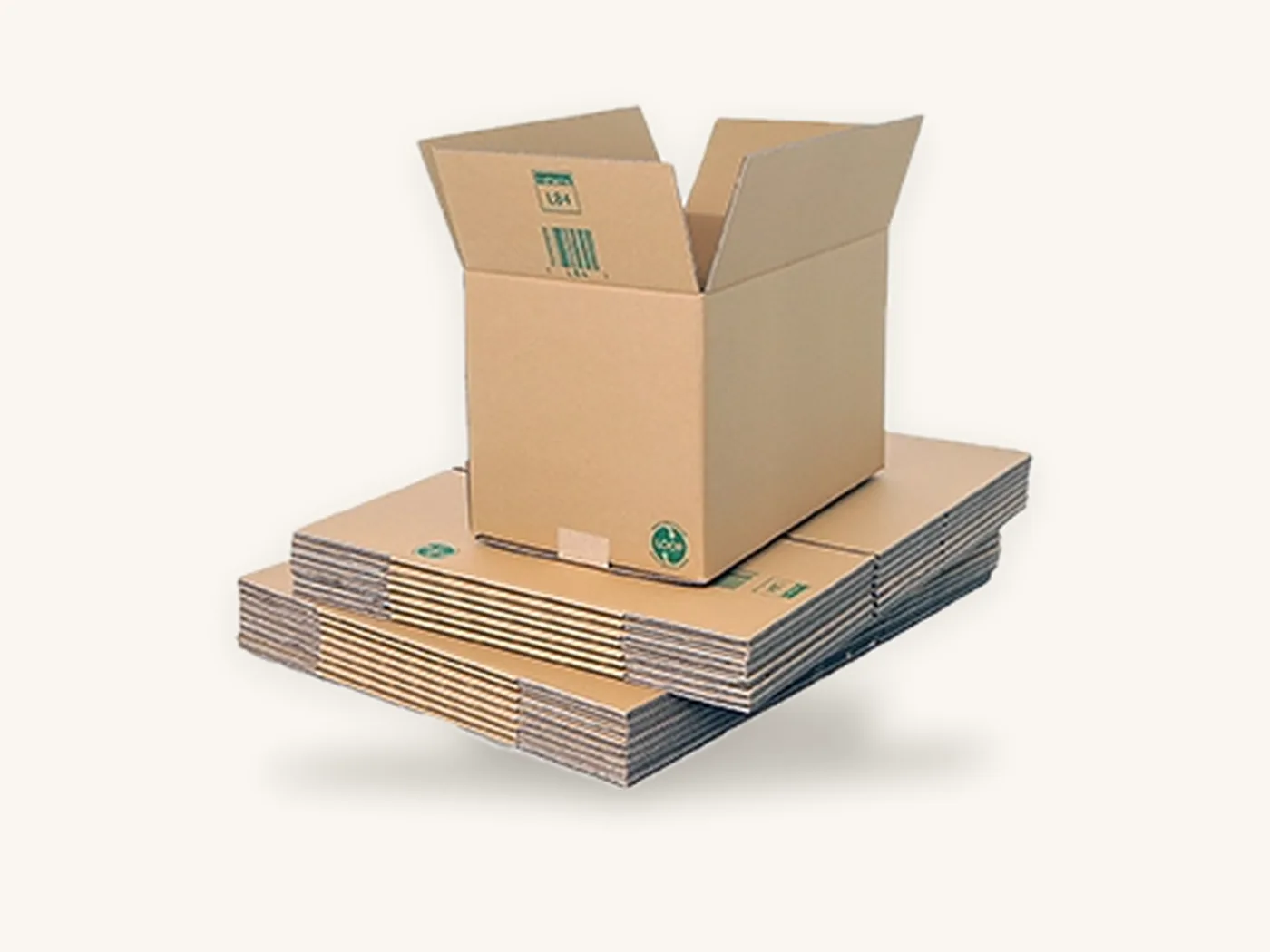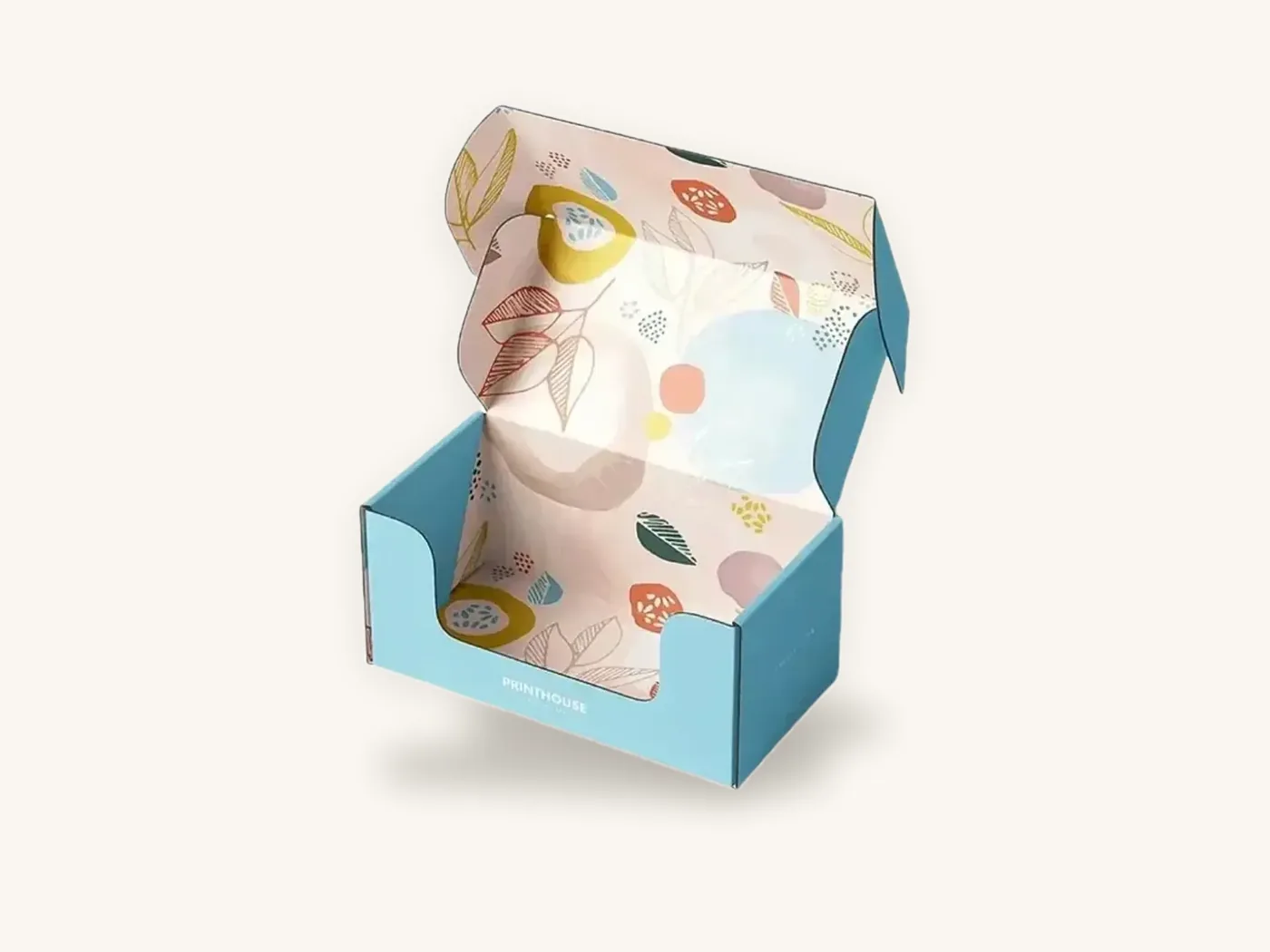
Ecommerce packaging is everything that carries an online order from your packing bench to a customer's door: the product's own box, any insert or fill, the outer shipper, tape and the shipping label. The best setup for most online brands is a small set of right-sized corrugated mailers or shipping boxes, chosen by order profile, that protect the product, keep carrier charges down and look good when opened.
Unlike retail, nobody sees your package on a shelf first. They see it on a doorstep after it has been dropped, stacked and scanned. That changes the priorities, and this guide works through them in the order an operator should decide: order profile, packaging layers, box format, sizing for carrier fees, protection, branding, cost per order, sustainability and scaling. Each section links to a deeper guide where one exists.
Key takeaways
- Start from your order data, not a box catalog. Your most common order sizes decide how many box sizes you need.
- Size boxes to the packed product. Carriers price larger parcels on dimensional weight, so empty space costs money twice: in fill and in postage.
- Mailers for presentation, shipping boxes for weight. E-flute mailers suit most direct-to-consumer orders; B-flute RSCs suit heavy, multi-item and bulk orders.
- Measure cost per order, not cost per box. Box, insert, fill, tape, labor and damage all count.
- An 8x6x3 in E-flute mailer printed full color outside costs about $1.41 at 500 units, and a B-flute 12x10x6 in shipping box in one color about $2.50.
- Box Sense makes custom e-commerce boxes from 10 units, with free US shipping and 8–12 business day production after proof approval.
Start with your order profile
Before choosing any online store packaging, pull the last few months of orders and group them. You are looking for patterns in how many items ship together, how heavy they are and how fragile.
Questions to answer from your order data
- What share of orders contain a single item, and which item is it most often?
- What are the two or three most common multi-item combinations?
- What is the heaviest regular order, packed?
- Which products break, leak, bend or scuff, and how often are they returned damaged?
- Do you ship internationally, to marketplaces or to retailers as well as direct?
- Who packs: your own team, or a third-party logistics warehouse?
Matching order profiles to formats
| Order profile | Typical products | Recommended format | Why |
|---|---|---|---|
| Single soft item | Apparel, textiles | Poly mailer or thin E-flute mailer | Lightest and smallest; mailer if presentation matters |
| Single small rigid item | Skincare, accessories, candles | E-flute mailer with insert | Protects corners, strong unboxing |
| Flat items | Books, prints, planners | Book mailer | Wraps tightly so corners do not crush |
| Two to five mixed items | Beauty sets, gift bundles | Larger E-flute mailer with divider | Keeps items organized and still |
| Heavy or dense orders | Kitchenware, tools, bulk refills | B-flute RSC shipping box | Better crush and puncture resistance |
| Fragile goods | Glass, ceramics, electronics | Mailer or RSC with molded or die-cut insert | Suspends the product away from the walls |
| Subscription kits | Monthly boxes | Branded mailer with tear strip | Repeatable size, tamper-evident opening |
Most online brands can cover the large majority of orders with three to five box sizes. More sizes cut void fill but make packing slower and inventory harder to manage.
The layers of shipping packaging for ecommerce
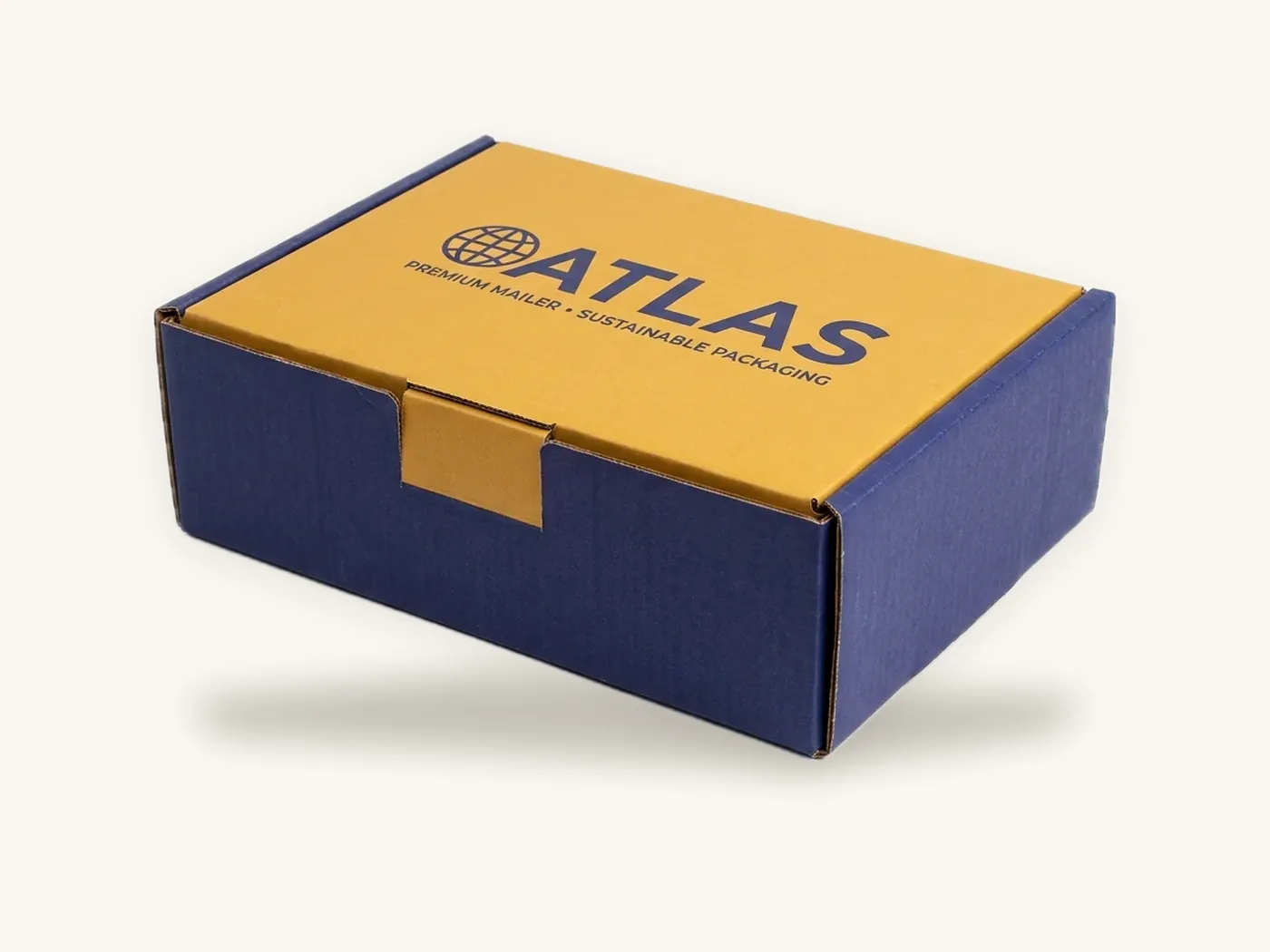
Think of every order as a stack of layers. Each has one main job, and adding a layer only makes sense when it does something the others cannot.
| Layer | Examples | Main job | Skip it when |
|---|---|---|---|
| Primary | Bottle, jar, pouch, garment bag | Contain the product | Never; it is the product |
| Product box | Folding carton, rigid box | Retail presentation, information | The mailer itself is the presentation |
| Insert or divider | Paperboard insert, molded pulp, foam | Hold items still | Soft goods or tight-fitting single items |
| Fill and wrap | Tissue, kraft paper, crinkle paper | Fill small gaps, add a reveal | The box is right-sized with an insert |
| Outer shipper | Mailer box, RSC, poly mailer | Survive the carrier network | Never for parcel shipping |
| Closure | Paper tape, printed tape, tear strip | Seal and show tampering | Self-locking mailer where security is not a concern |
| Label and documents | Shipping label, packing slip, card | Route and inform | Never |
The biggest cost-saving decision is often removing a layer. A brand shipping a folding carton inside a plain shipping box with paper fill can sometimes replace all three with one printed mailer and an insert, which is faster to pack and looks better.
Choosing the outer box: mailer, shipping box or poly mailer
The outer shipper does the heaviest lifting. Here is how the three main options compare for online store packaging.
Corrugated mailer boxes
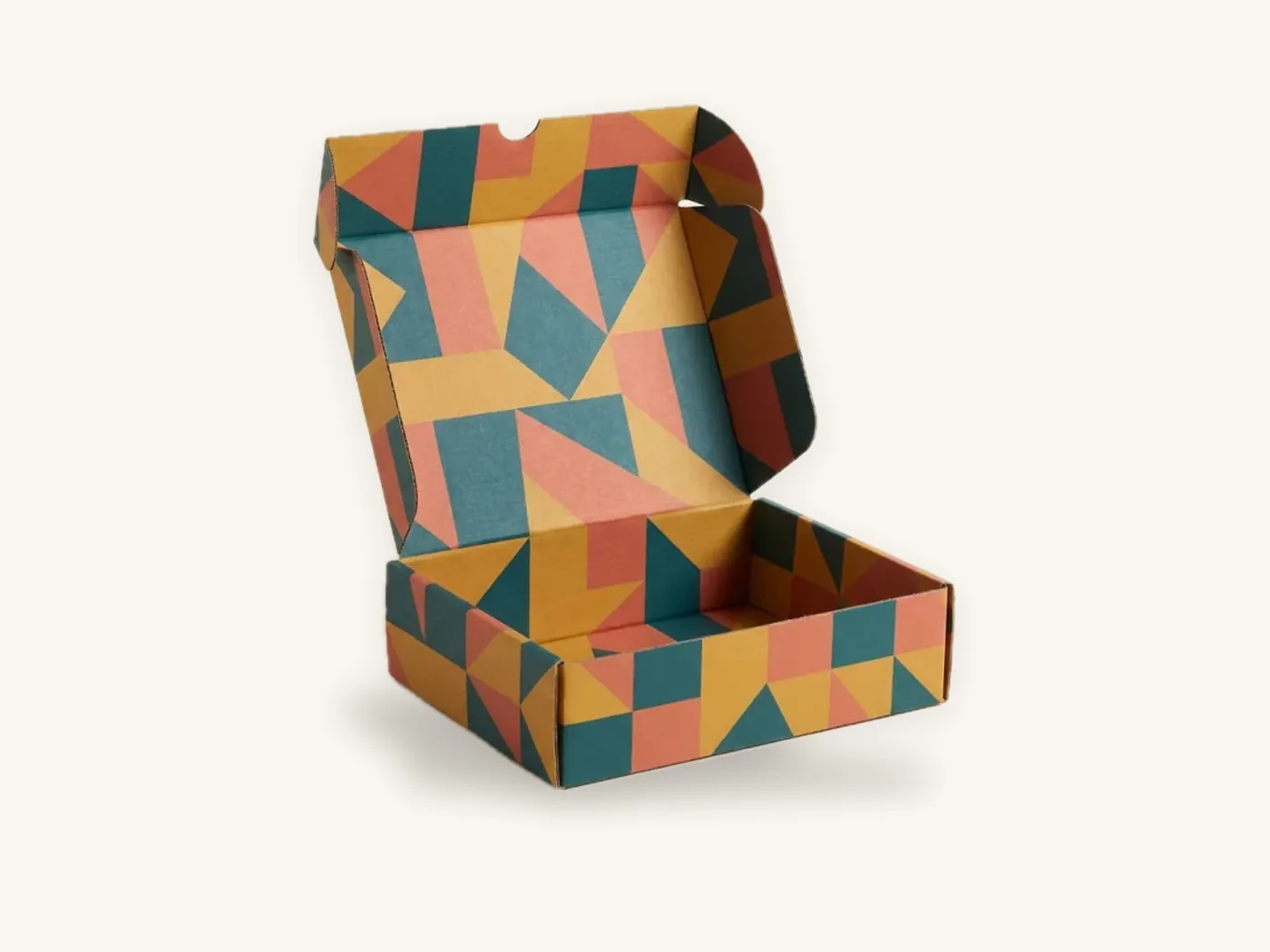
Custom mailer boxes are one-piece, die-cut E-flute boxes that fold together without tape and open like a chest. They print well inside and out, stack neatly when flat and give the customer a proper unboxing. They are the default for beauty, fashion accessories, gifts and subscription brands.
Shipping boxes (RSC)
Custom shipping boxes are regular slotted containers with four flaps top and bottom that are taped closed. They come in heavier board grades, cost less per cubic inch and suit heavy, bulky or multi-item orders. Printing is usually one or two colors on kraft. The custom shipping boxes guide covers grades and styles.
Poly mailers
Poly mailers are light, flat plastic bags that suit soft goods that cannot break. They save space and postage but offer almost no crush protection and a limited unboxing. Our poly mailer vs mailer box guide compares the two in detail, including where each makes financial sense.
Tip: you do not need one format for everything. Plenty of apparel brands ship single items in poly mailers and multi-item or gift orders in printed mailer boxes. Set a simple rule at the packing station, such as "two or more items, or any gift order, gets a box."
Sizing to carrier fees: dimensional weight and right-sizing
Carriers charge for the space a parcel occupies as well as its weight. For many services, the billable weight is the greater of the actual weight and a dimensional weight calculated from the box's outside length, width and height divided by a carrier-set divisor.
That means an oversized box can cost more to ship than a heavier box that fits. Say you ship a 1.5 lb candle set. In a 12x10x6 in box, the dimensional weight is likely well above the actual weight on services that apply dimensional pricing. In a snug 8x6x4 in box, dimensional weight may be close to or below the actual weight, and the billable weight drops.
Divisors, rounding rules and which services apply dimensional pricing differ by carrier and change periodically. Check current rules with USPS, UPS and FedEx, and read our dimensional weight packaging guide for worked examples.
A right-sizing process
- List your top SKUs and combinations by order volume.
- Pack each one with the insert or wrap it needs, and measure the packed bundle.
- Cluster bundles that fit within about half an inch of each other.
- Assign one box size per cluster, with internal dimensions set to the largest bundle plus a small clearance.
- Calculate billable weight for each box at your carrier's current rules.
- Test ship samples to a few distant addresses and inspect on arrival.
- Review quarterly as your product mix changes.
The right-sized packaging guide covers clustering in more depth, and shipping box sizes for USPS, UPS and FedEx lists common sizes against carrier pricing breaks.
Protecting products in transit
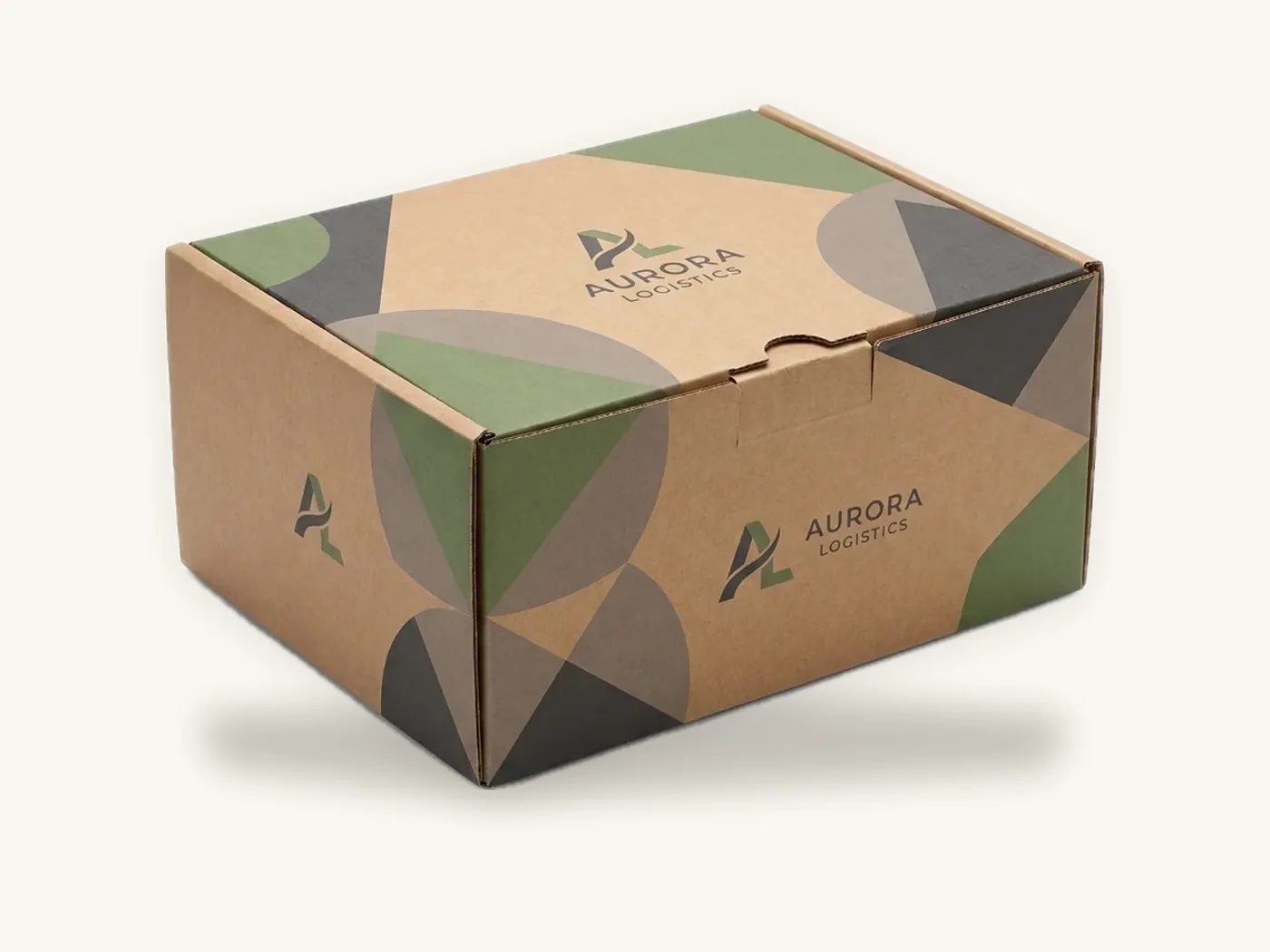
Parcels are dropped from conveyors, tossed into trucks, stacked under heavier boxes and left in the rain. Protection is about controlling what happens to the product inside when that occurs.
The three causes of most damage
- Movement: a product sliding inside a box hits the wall at speed. Fix it with a snug box, an insert or a divider.
- Crushing: heavy parcels on top compress the box and the contents. Fix it with a stronger board grade or a box that is filled to the top so the contents support the lid.
- Puncture and corners: sharp corners of other parcels or conveyor edges. Fix it with thicker flutes and inserts that hold the product away from the walls.
Inserts and fill compared
| Protection | Best for | Pros | Cons |
|---|---|---|---|
| Die-cut paperboard insert | Jars, bottles, sets | Printable, holds a planned layout | Fixed to one product configuration |
| Corrugated insert or divider | Heavier items, glass | Good cushioning, recyclable | Adds bulk |
| Molded pulp tray | Fragile items, electronics | Plastic-free, strong | Tooling and longer development |
| Foam insert | Precision and high-value items | Precise cavity, best cushioning | Not curbside recyclable |
| Crinkle or kraft paper fill | Mixed or variable orders | Flexible, cheap, recyclable | Compresses; slower to pack |
Box inserts and dividers can be designed together with the mailer so both are proofed at once. For a systematic approach, including drop tests, the reduce shipping damage guide and shipping fragile items guide go step by step.
Branding the package without slowing the packing line
Branded e-commerce packaging is worth doing when it is quick to pack and consistent. A beautiful box that takes three minutes to assemble costs more in labor than it earns.
Where branding does the most work
- Outside the mailer: a clean logo placement and one brand color. It gets scuffed and labeled, so do not put essential messages here.
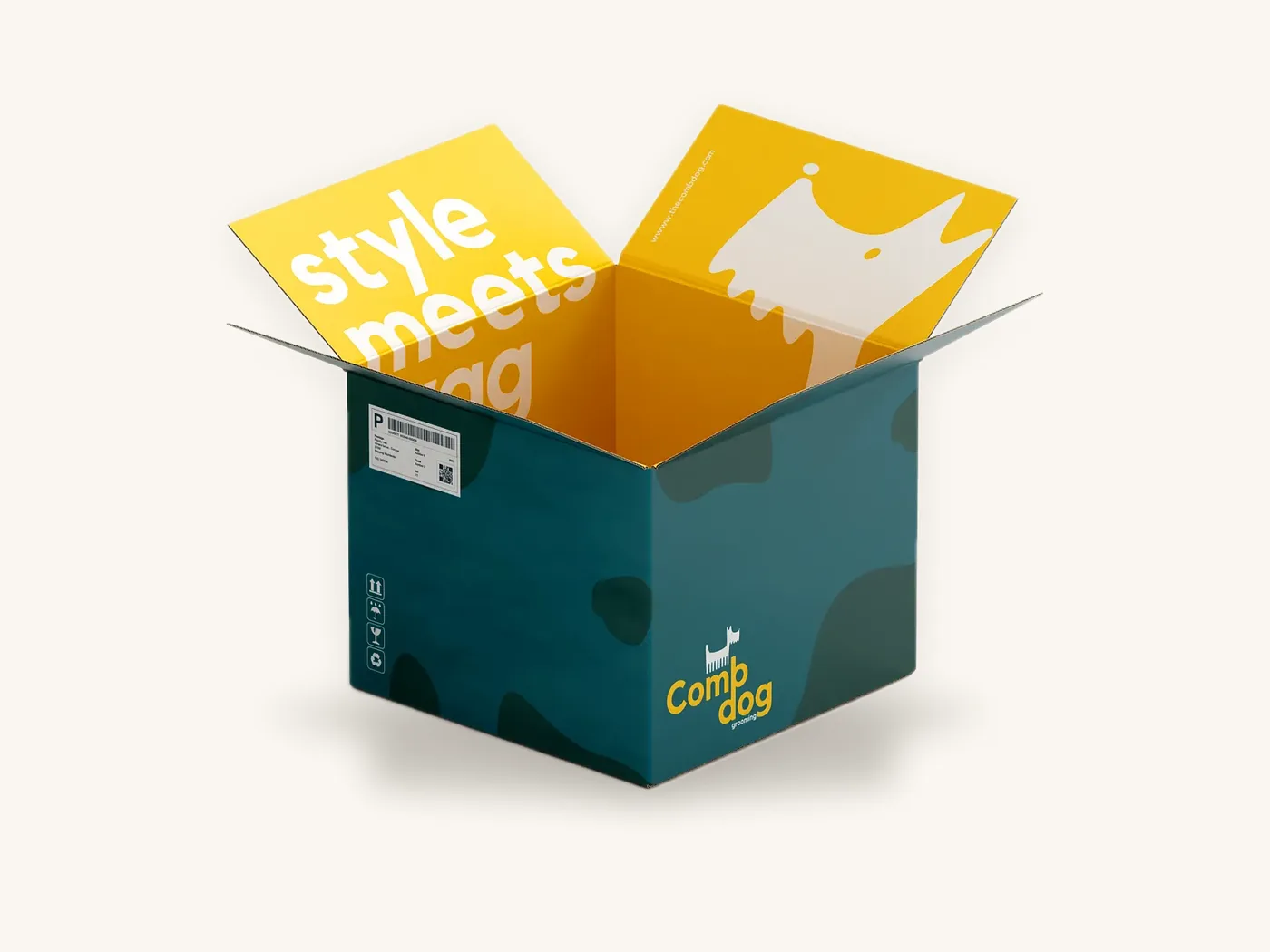
- Inside the lid: the first surface a customer sees on opening. A short message, a pattern or a social handle works well.
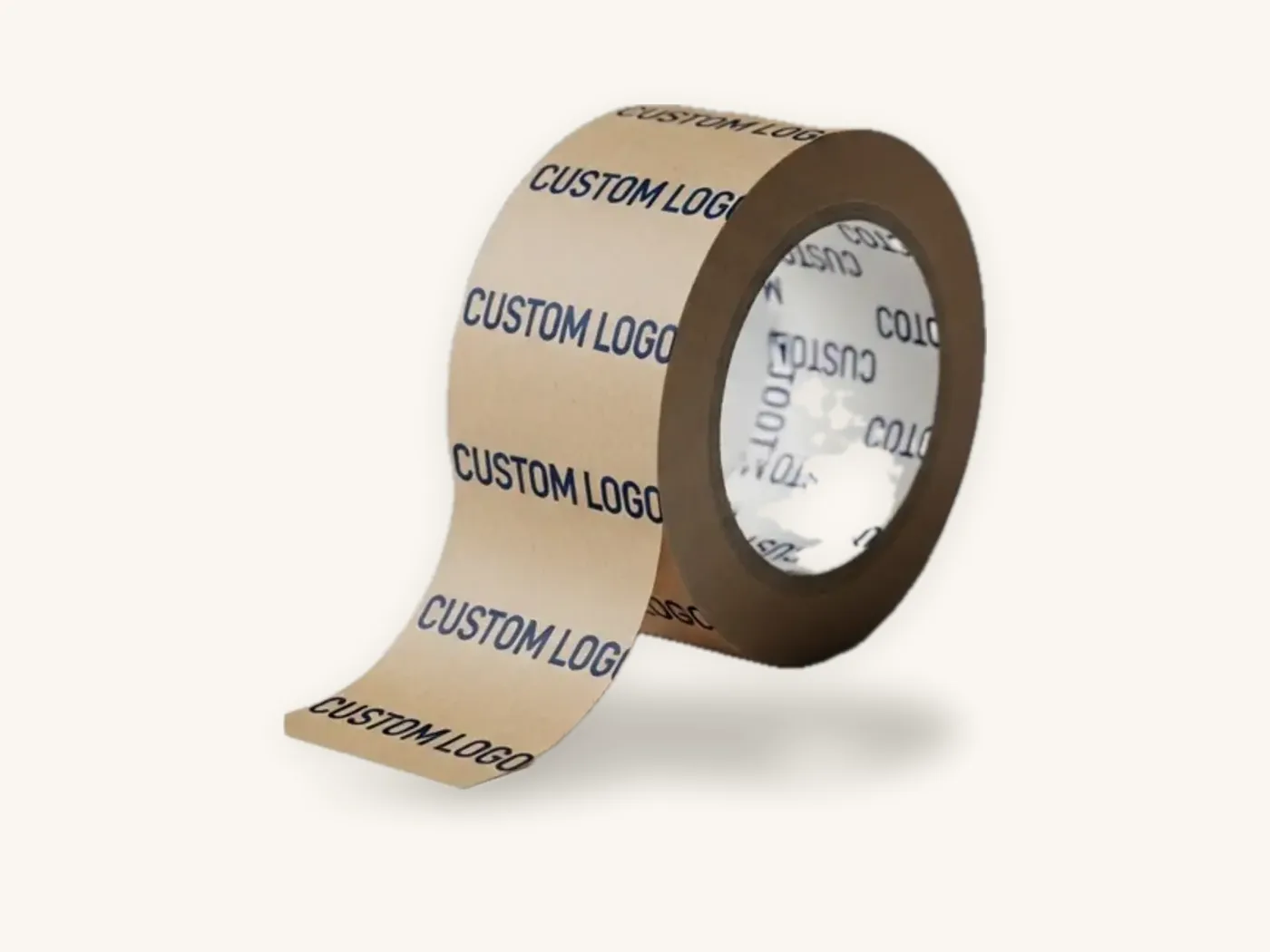
- Tape: custom packaging tape brands plain RSCs instantly and makes tampering visible.
- Tissue and cards: printed tissue adds a reveal layer; a small card can carry care instructions or a reorder code.
- Stickers: a printed seal on tissue is inexpensive and fast to apply.
Keep packing time low
Self-locking mailers fold in seconds. Pre-folded inserts, tissue cut to size and a packing station arranged left to right in the order items go into the box all save time on every order. If a 3PL packs for you, ask them how long your packaging takes to pack and whether they charge extra for inserts or tissue; the packaging for 3PL guide lists what to agree upfront.
For online store owners on Shopify, the Shopify packaging guide connects packaging choices to store settings like product dimensions and shipping profiles. And if you are weighing whether premium unboxing is worth it, e-commerce unboxing ROI explains how to measure it without guesswork.
Cost per order: what e-commerce packaging really costs
The box price is only one line. A realistic cost per order adds every material and the minutes spent packing, plus the cost of reshipping damaged orders.
Box prices at common e-commerce quantities
Indicative per-unit prices from our current rates, free US shipping included. Use the instant price estimator for your exact size.
| Spec | 100 | 250 | 500 | 1,000 | 2,500 |
|---|---|---|---|---|---|
| Mailer box, E-flute, 8x6x3 in, full color outside | $2.64 | $1.88 | $1.41 | $1.17 | $1.00 |
| Mailer box, E-flute, 10x8x4 in, full color inside+outside | $4.33 | $3.08 | $2.31 | $1.92 | $1.63 |
| Shipping box RSC, B-flute, 12x10x6 in, 1-color | $4.69 | $3.33 | $2.50 | $2.08 | $1.77 |
| Shipping box RSC, B-flute, 16x12x8 in, 1-color | $7.47 | $5.31 | $3.99 | $3.32 | $2.82 |
Building a cost-per-order estimate
Say you ship 1,000 skincare orders a month in the 8x6x3 in mailer above. The box is about $1.17 each at 1,000 units. Add a paperboard insert, a sheet of tissue and a card, a few cents of tape or none if the mailer self-locks, and the minutes your team spends packing. Then add the cost of the orders that arrive damaged and get reshipped.
A slightly more expensive box that cuts damage and packing time often wins on total cost. The packaging landed cost guide shows how to put all of these numbers in one spreadsheet.
Common ways to lower cost per order
- Consolidate to fewer box sizes and order each in larger quantities.
- Replace a product carton plus plain shipper with one printed mailer.
- Print inside only on the lid instead of the whole interior.
- Choose aqueous coating instead of lamination on shipping boxes.
- Order the next quantity tier if you will use it within a few months and have storage space.
Sustainable e-commerce packaging
Customers often notice waste in online orders more than in retail, because they unpack everything at once. The simplest sustainable setup is also often the cheapest: a right-sized corrugated box, paper-based fill or an insert, and paper tape.
- Choose corrugated and paperboard over plastic mailers where protection or presentation needs a box.
- Use aqueous coating instead of plastic lamination on outer boxes.
- Pick paper tape or a tear strip over plastic tape.
- Specify FSC-certified board and soy or water-based inks if sourcing matters to your customers.
- Right-size, because less board and less fill is the most direct waste reduction.
If you print recyclability or compostability claims, the FTC's Green Guides set expectations for how those claims should be qualified. Several US states are also introducing extended producer responsibility laws for packaging; see the EPR packaging laws guide and the sustainability page for our material options.
Scaling your packaging as order volume grows
Packaging that works at 200 orders a month can break down at 5,000. Plan the next stage before you reach it.
From launch to steady volume
At launch, digital printing on short runs of roughly 10 to 500 boxes lets you test sizes and designs without large commitments. As volume grows and designs settle, offset printing on larger runs lowers unit cost and gives the most consistent color between reorders.
Storage and reorder points
Flat mailers and RSCs stack compactly, but they still need dry storage off the floor. Set a reorder point that covers production time, which is 8–12 business days after proof approval for standard orders, plus shipping and a safety buffer for peak season. The packaging storage and inventory guide explains how to calculate it.
Adding channels
When you add marketplaces, retail wholesale or international orders, requirements change. Marketplace inbound cartons have their own rules, international parcels face longer transit and more handling, and retailers want case packs and barcodes. The international shipping packaging guide and subscription box fulfillment guide cover two of the most common expansions.
How to order e-commerce boxes from Box Sense
You can order as few as 10 boxes, which is enough to test a new size with real orders before rolling it out. Most brands start with their highest-volume box, then add sizes.
What to send
- Your top SKUs or order combinations, with packed dimensions and weights
- Preferred formats, such as mailer, RSC, book mailer or subscription mailer
- Board and print preferences, or a request for a recommendation
- Inserts, tear strips or tape you want designed alongside the box
- Quantities per size and your expected monthly usage
- Whether you or a 3PL will receive and pack the boxes
How it works
- Quote within 24 hours, including several quantity tiers if you ask.
- Free design support: dielines, artwork setup and a 3D digital proof with two revision rounds.
- Free structural samples so you can pack and ship a test order. A printed sample of approved artwork is free on orders of 100 or more.
- Production in 8–12 business days after proof approval, or rush in 5 business days on most corrugated styles.
- Free shipping on every US order, including delivery to a 3PL. International shipping is quoted at cost.
There are no die or plate charges, and defective boxes reported within 14 days are reprinted free. The e-commerce and subscription packaging page shows the full range.
Frequently asked questions
What is the best packaging for an online store?
For most online stores, a small set of right-sized corrugated mailer boxes covers the majority of orders, with a B-flute shipping box for heavy or multi-item orders and poly mailers for soft single items. Choose from your order data: common item combinations, weights and fragility. Three to five sizes usually balances packing speed, protection and carrier charges.
How do I reduce shipping costs with packaging?
Right-size your boxes. Carriers bill many parcels on dimensional weight, which is based on the outside dimensions, so empty space raises postage as well as fill costs. Measure packed products, group them into a few box sizes that fit closely, and check billable weight against your carrier's current dimensional rules before ordering.
Should I use mailer boxes or poly mailers?
Use poly mailers for soft, unbreakable items like clothing when the lowest weight and cost matter most. Use corrugated mailer boxes when the product can break, bend or scuff, when you ship multiple items, or when the unboxing experience is part of your brand. Many brands use both and set a simple packing rule.
How much does custom e-commerce packaging cost?
Price depends on size, board, print coverage, finishes and quantity. As a reference, an 8x6x3 in E-flute mailer printed full color outside is about $1.41 each at 500 units and about $1.17 at 1,000, and a B-flute 12x10x6 in one-color shipping box is about $2.08 at 1,000, with US shipping included.
How many box sizes does an e-commerce business need?
Most online brands do well with three to five sizes. Fewer sizes simplify packing and inventory but increase void fill and dimensional weight charges; more sizes fit products closely but slow down the packing station. Base the number on your most common order combinations and review it whenever your product range changes significantly.
How do I stop products from breaking in shipping?
Stop the product from moving first, then add strength. Use a box sized to the packed product, add a die-cut insert, divider or molded pulp tray for fragile items, and move from E-flute to B-flute for heavy orders. Ship test orders to distant addresses and inspect them before placing a large packaging order.
Is branded shipping packaging worth it for small brands?
It often is when it replaces a layer rather than adding one. A printed mailer can replace a plain shipper plus a product box, which saves packing time. Focus print on the inside lid and a simple exterior logo. Short digital runs from 10 units let small brands test branded packaging before committing to larger quantities.
What is the most sustainable ecommerce packaging?
A right-sized corrugated or paperboard box with paper fill or a paper insert, paper tape and aqueous coating is widely recyclable and uses less material. FSC-certified board and water-based inks improve sourcing. If you print environmental claims on the box, make sure they are accurate and qualified in line with current FTC guidance.
Next steps
Pull your last few months of orders, identify your top combinations and measure them packed. Then price your shortlist of sizes in the e-commerce packaging estimator, and request a quote for your shipping boxes and mailers. We confirm pricing within 24 hours and send dielines and structural samples so you can test with real orders.
Boxes in this guide
Order the packaging we covered
Written by the Box Sense Packaging Team
Our structural designers, prepress technicians and production staff print and convert custom boxes every day for brands in the United States, United Kingdom and UAE. Questions about this guide? Talk to us.