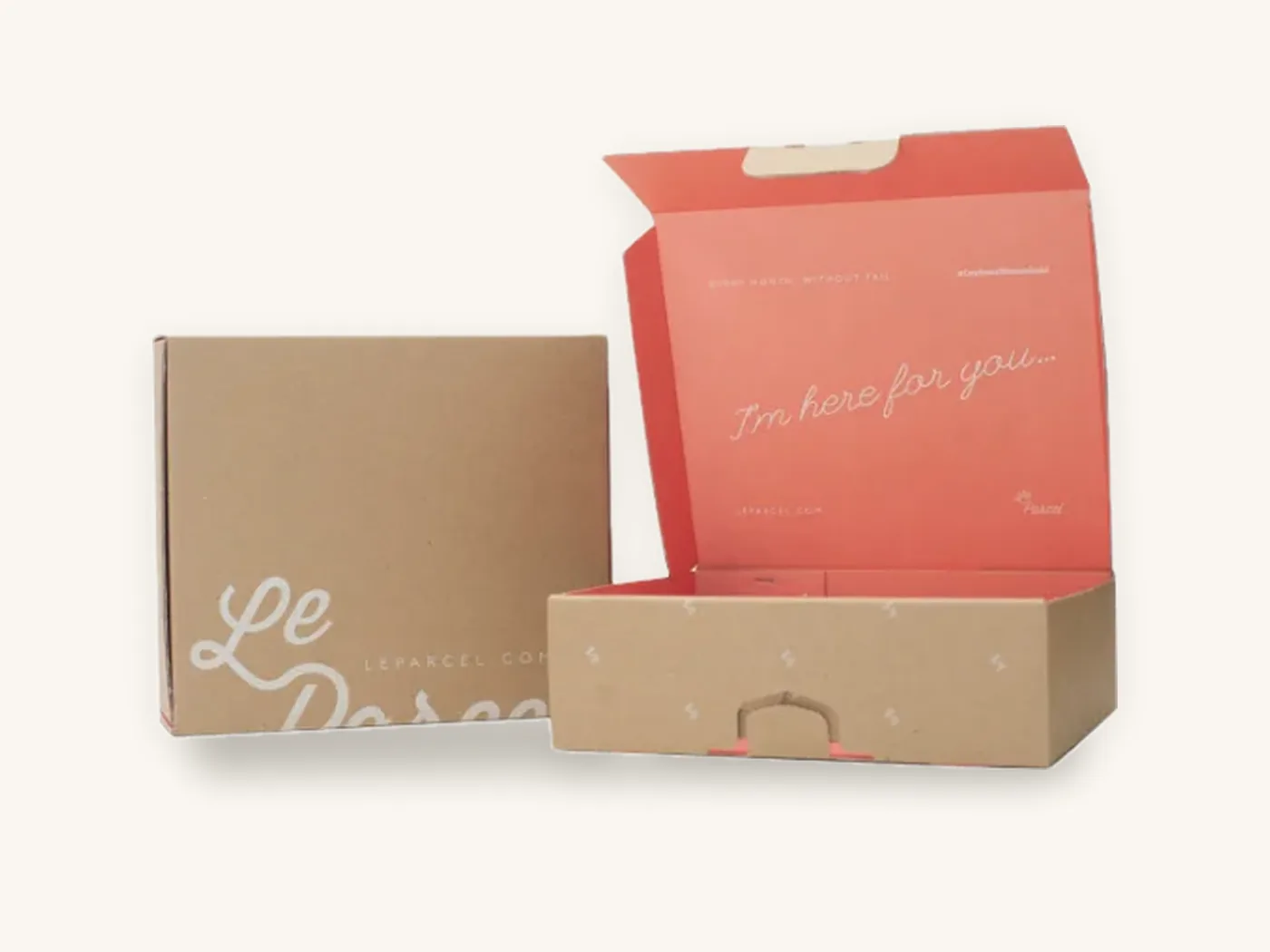
3PL packaging requirements come down to one idea: your boxes have to work inside someone else's process. A third-party logistics warehouse needs to receive your packaging without surprises, store it efficiently, pack orders quickly and ship them at predictable carrier rates. That means documented dimensions and weights, correctly labeled inbound cartons, box sizes that match your order profile, and a reorder plan so the warehouse never runs out.
Most onboarding friction between brands and 3PLs is not about the product. It is about packaging data nobody wrote down, custom boxes that arrive loose on a pallet, or a beautiful mailer that takes two minutes to assemble on a pack bench built for twenty-second orders.
This guide covers the specs warehouses ask for, how to prepare inbound shipments, how to design fulfillment center packaging for speed, and how to keep supply steady. Box Sense does not operate warehouses; we manufacture the printed boxes your 3PL will stock and ship.
Key takeaways
- Build a packaging spec sheet for every box and insert: internal and external dimensions, flat size, weight, bundle count and a photo.
- Inbound cartons need clear labels, consistent counts and sensible weights. Ask your 3PL for their receiving guide before your first delivery.
- Fewer, well-chosen box sizes usually beat a custom size for every SKU. Match sizes to your real order profile, not your catalog.
- Self-locking mailers and auto-lock bottoms save packing time; confirm with the warehouse whether they bill by the minute, by the touch or by the order.
- Leave a light, unprinted label panel so shipping labels and barcodes scan on the first try.
- Set a reorder point that covers production time plus transit plus a safety buffer, and share it with your 3PL.
How a 3PL uses your packaging, step by step
Before writing specs, it helps to picture the journey your packaging takes inside a fulfillment center.
- Receiving. Flat-packed boxes arrive on pallets or as loose cartons. Staff count them, check labels against your advance shipping notice and put them into inventory.
- Storage. Packaging sits in racking, often in a dedicated supplies area, and is charged by pallet position, bin or cubic foot depending on the contract.
- Replenishment. Staff move packaging to pack stations as stock runs down.
- Picking. Products are pulled for each order.
- Packing. A packer selects the box (or the warehouse system tells them which one), assembles it, adds inserts and product, seals it and applies the label.
- Shipping. The parcel is weighed and measured, often automatically, and billed by the carrier.
Every one of those steps has a cost, and packaging choices affect each of them. A box that stores flat and compact reduces storage fees. A box that assembles without tape speeds packing. A box sized tightly to the order reduces dimensional weight charges.
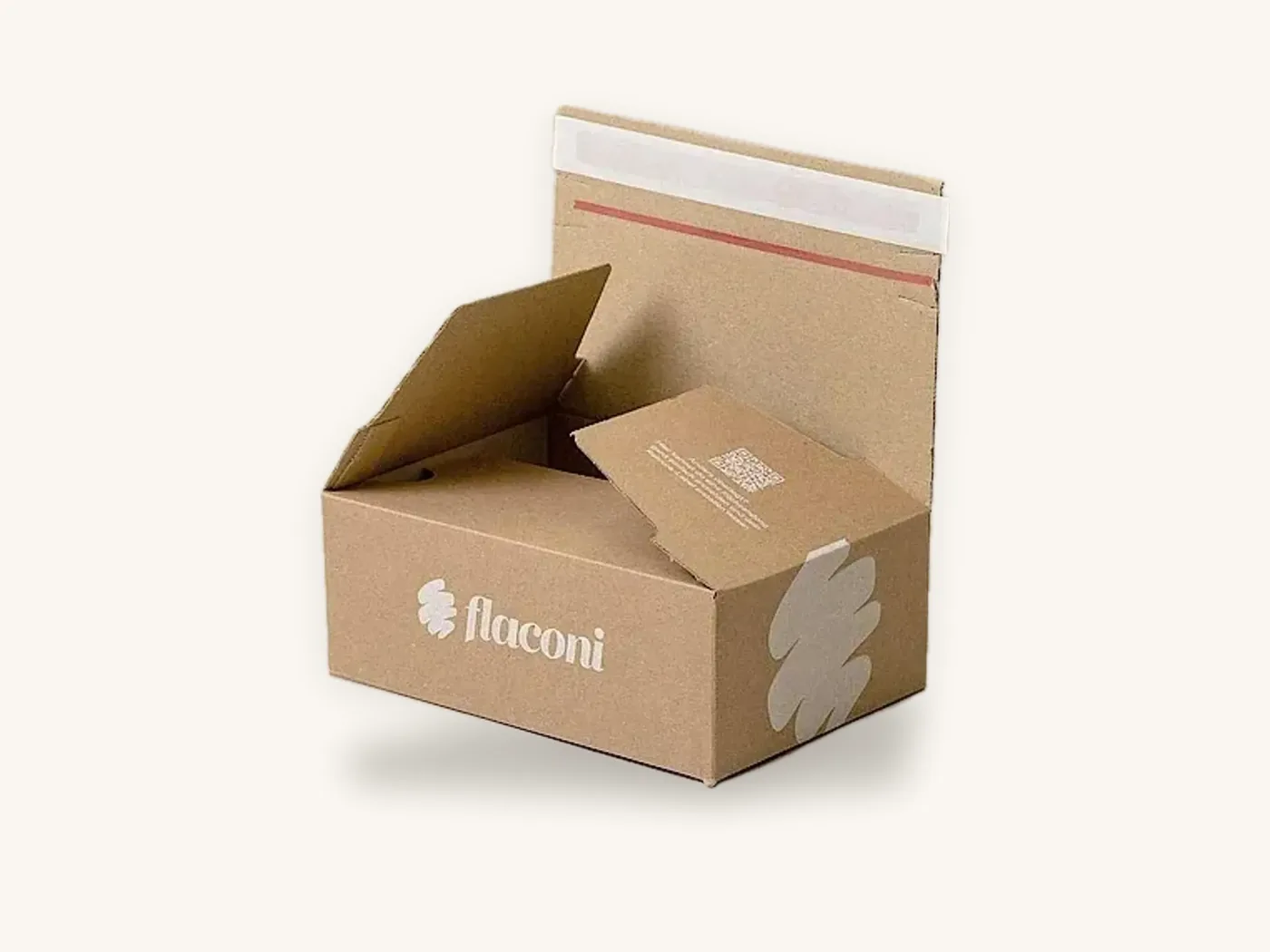
The packaging spec sheet your warehouse will ask for
Most 3PLs have an onboarding form for products. Fewer have one for packaging, which is why you should make your own. Give the warehouse one row per packaging item, and keep it updated whenever you reorder with a change.
| Field | What to record | Why the warehouse needs it |
|---|---|---|
| Packaging SKU and name | A code such as "MLR-8x6x3-KRAFT" and a plain name | So staff and systems select the right box |
| Style | Mailer, RSC, tuck-top mailer, folding carton, insert | Tells packers how it assembles |
| Internal dimensions | Length x width x depth in inches | For cartonization rules that choose the box |
| External dimensions | Assembled outside size | For carrier rate estimates and dimensional weight |
| Flat dimensions | Size of one unassembled box | For storage planning |
| Empty weight | Weight of one assembled box with any insert | For accurate shipping weight |
| Bundle count | Boxes per strapped bundle or inner pack | For counting on receipt |
| Carton or pallet count | Bundles per carton, cartons per pallet | For put-away and storage fees |
| Which products or orders it fits | SKU list or order rules | So packers do not guess |
| Photo and assembly notes | Flat and assembled photos, fold sequence | For training new packers |
Why external dimensions matter as much as internal
You design boxes around internal dimensions, but carriers bill on the outside. Corrugated adds its board thickness to every wall: roughly 1/16 in per side for E-flute and about 1/8 in for B-flute. Many warehouse systems and carrier rate tools calculate dimensional weight from the external figure, so give the 3PL both. The dimensional weight guide shows how that calculation works.
Tip: weigh a finished box with its insert on a scale rather than estimating. Many 3PL systems add packaging weight automatically to every order, and a wrong figure throws off every rate quote and label.
Inbound requirements: how to send packaging to a 3PL
Receiving is where most onboarding problems happen. Warehouses publish receiving guides for good reason: a mixed, unlabeled pallet can take hours to sort, and many contracts bill that time back to you.
Common receiving rules
Requirements vary by warehouse, so treat this as the list of questions to ask, not a universal standard:
- Advance shipping notice. Most 3PLs want an ASN or inbound form listing every item and quantity before the delivery arrives.
- Carton labels. Each carton labeled with packaging SKU, description, quantity and carton number (for example "carton 3 of 12").
- One SKU per carton. Mixing box sizes in one carton slows counting.
- Carton weight limits. Many warehouses set a maximum weight per carton for manual handling. Ask for the figure.
- Pallet specs. Maximum pallet height and weight, stretch wrap, corner boards, and labels on at least two sides.
- Delivery appointments. Freight deliveries often need a booked dock slot.
If you also send inventory into Amazon, their inbound rules are stricter and change periodically; our Amazon FBA packaging requirements guide covers them, and Amazon FBA boxes are built with those specs in mind.
Ask your packaging supplier for warehouse-ready delivery
When you order boxes, request that they arrive in labeled cartons with consistent bundle counts, and give your supplier the 3PL's receiving guide. It is much cheaper to get labels right at the factory than to relabel at the dock.
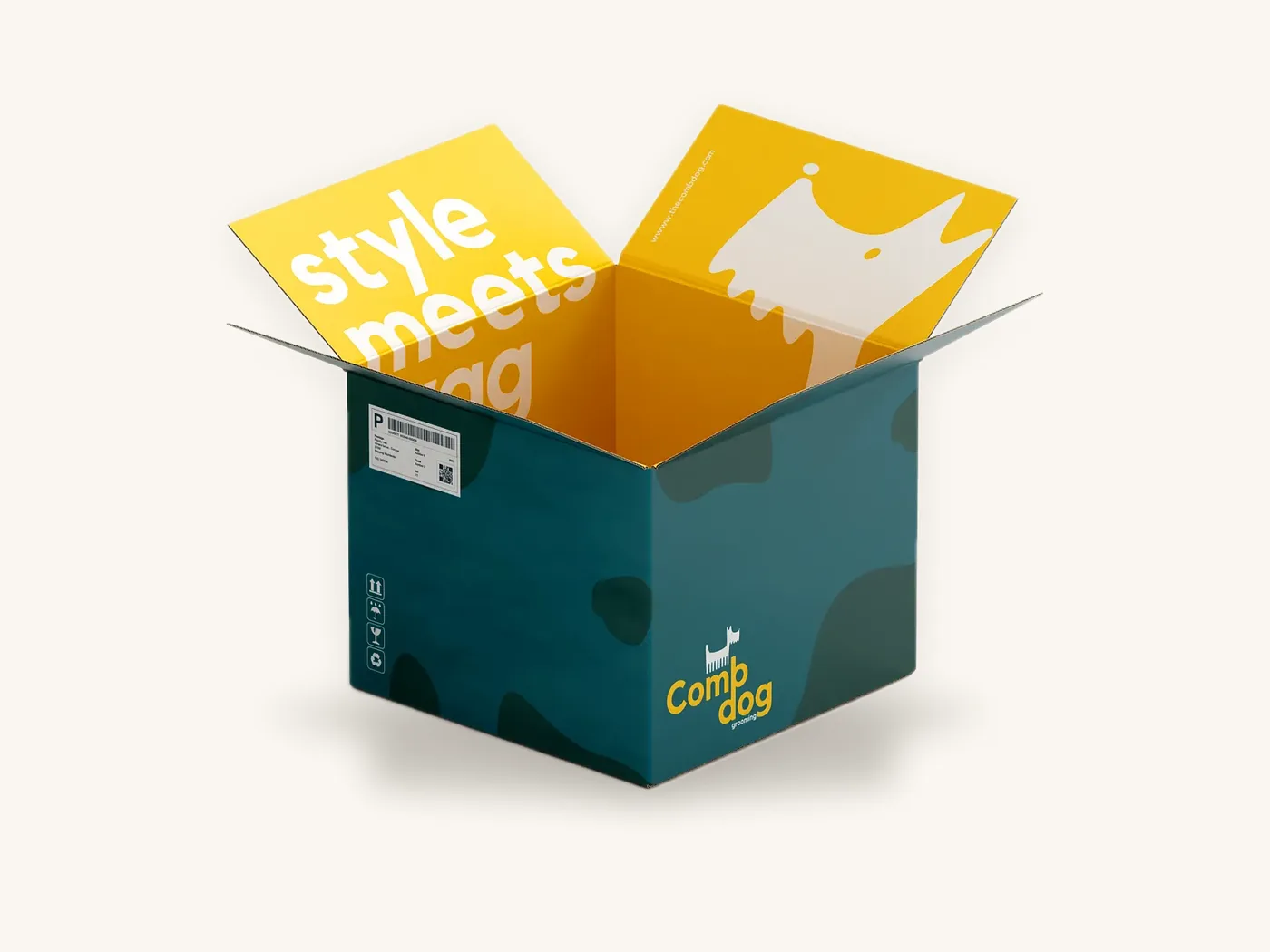
Choosing box formats that work on a pack bench
The right format depends on how your 3PL charges and how many orders you ship. A premium format that doubles pack time might be worth it for a gift brand; for a replenishment product it usually is not.
| Format | Assembly | Tape needed | Flat storage | Best fit in a 3PL |
|---|---|---|---|---|
| Regular slotted container (RSC) | Fold flaps, tape bottom and top | Yes | Very compact | Multi-item orders, heavy goods, overboxing |
| Roll-end tuck-front mailer | Fold and lock, no tape | Optional seal | Compact | Branded DTC orders, one to a few items |
| Tuck-top mailer with tear strip | Fold and lock, tuck over front | No | Compact | Subscriptions, tamper-evident orders |
| Auto-lock bottom carton | Bottom pops into place | No | Compact | Retail units, inner cartons, kits |
| Poly mailer | None | Adhesive strip | Very compact | Soft goods that cannot be damaged |
| Rigid box | Pre-assembled | No | Bulky | Low-volume luxury only; storage is costly |
Mailers versus shipping boxes in fulfillment
Custom mailer boxes give a strong unboxing experience and need no tape, which helps pack speed once packers learn the fold. Custom shipping boxes are faster for large or mixed orders and store very efficiently flat. Many brands use both: a mailer for single-item orders and an RSC for bigger ones. If you are weighing flexible mailers too, the poly mailer vs mailer box guide compares cost, protection and pack time.
Design details that save seconds
- Fold sequence that is obvious. A printed arrow or "fold here first" inside a flap helps new staff.
- Tear strips instead of tape on mailers, so no extra sealing step.
- Inserts that drop in without being folded at the bench.
- One insert per box size, not one per product variant, where possible.
- Consistent orientation so labels always go on the same panel.
Box sizes: build a menu around your order profile
A 3PL can only choose from the boxes you provide. Too few sizes and orders ship in oversized cartons with lots of void fill. Too many and packers pick the wrong one, storage fees rise and minimums multiply.
How to choose your box sizes
- Export three to six months of orders with the items in each.
- Group orders by what they contain, for example single small item, single large item, two to three items, bulk.
- Measure the packed bundle for the most common combination in each group.
- Pick one box per group that fits that bundle with minimal clearance.
- Check coverage. Aim for your sizes to cover the large majority of orders without heavy void fill.
- Define the rule the warehouse follows for each box, and put it in the spec sheet.
- Review every quarter as products and bundles change.
Say you sell skincare. Single-item orders fit an 8x6x3 in mailer, two- to three-item orders fit a 10x8x4 in mailer, and larger restock orders go in a 12x10x6 in RSC. Three sizes, clear rules, and very little empty space. The right-sized packaging guide goes deeper on the math.
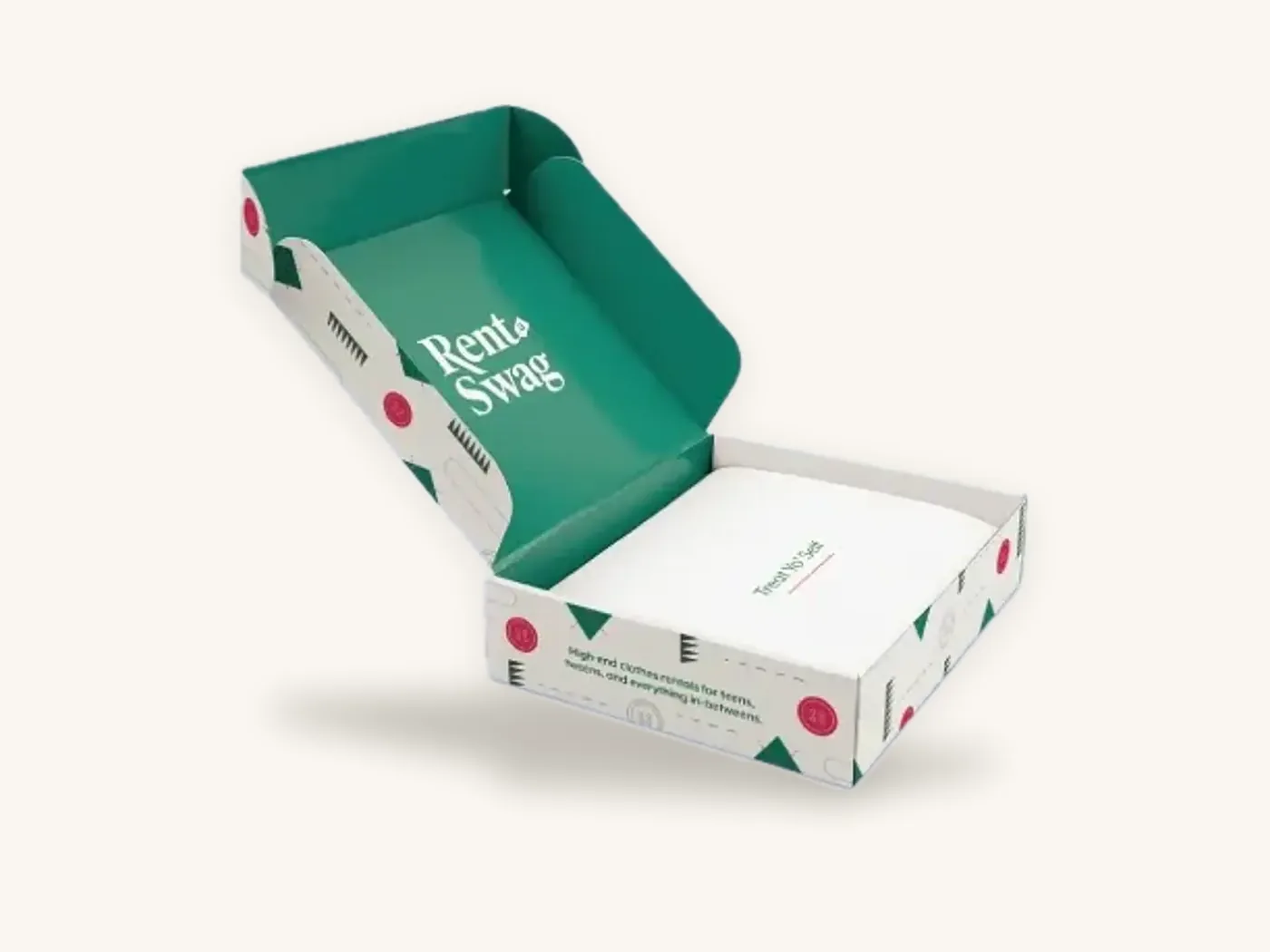
Labels, barcodes and printing for warehouse handling
Printed packaging should help the warehouse, not fight it.
The shipping label panel
Carrier labels need a flat, light-colored area large enough for a standard 4x6 in label, away from folds and seams. Dark flood colors, heavy texture or high-gloss surfaces under a label can reduce scan reliability and adhesion. Leave the panel unprinted or print it in a light tone, and tell the 3PL which panel it is.
Barcodes on packaging
If your 3PL scans packaging to track usage, print or label each bundle carton with a barcode for the packaging SKU. Retail product boxes that carry a UPC need adequate size, contrast and a quiet zone around the code; our UPC barcodes on packaging guide covers placement and GS1 basics.
Inside versus outside print
Warehouse handling and carrier networks scuff the outside of boxes. Inside printing survives untouched and is seen at the moment of opening, so brands that ship through 3PLs often keep exterior print simple and spend on the inside lid.
Protection and damage: agree who owns what
When a parcel arrives damaged, the brand, the 3PL and the carrier can each point at the others. A short written packing standard avoids that.
- Define void fill by box size: paper type and roughly how much.
- Define sealing: tape type and pattern, or tear strip only.
- Define fragile handling: which SKUs need an insert, a second box or a specific orientation.
- Photograph a correctly packed order for each box size.
- Track damage by box and SKU so you can tell a packing problem from a packaging problem.
If damage clusters on one SKU, test it through a real carrier route before blaming the warehouse. The reduce shipping damage guide has a diagnostic approach.
Watch out: changing a box's board grade, size or insert without updating the 3PL's spec sheet is a common cause of wrong weights, failed cartonization and surprise dimensional weight charges. Treat every packaging change as a warehouse change.
Keeping packaging in stock: reorder points and lead times
Running out of your branded box means the warehouse either stops shipping or substitutes a plain carton, and neither is good. A simple reorder point prevents it.
Setting a reorder point
Your reorder point is the stock level at which you place the next order. A workable formula:
Reorder point = daily usage x (production days + transit days + buffer days)
Say your 3PL uses 60 mailers a day. Box Sense standard production is 8–12 business days after proof approval; plan on the upper end plus transit and a week of buffer, roughly 24 business days in total. That gives a reorder point of about 1,440 mailers. For a repeat order with unchanged artwork there is no new proof to wait for, but the buffer covers surprises like a sales spike.
Share the reorder point with your 3PL and ask them to alert you when stock crosses it. Many warehouse systems can send an automatic low-stock notice for supplies.
Balancing storage fees and unit price
Larger runs lower your unit price, but they also fill pallet positions. Compare the saving per box with the monthly storage cost for the extra stock. For fast movers, bigger orders usually win; for seasonal or slow SKUs, smaller, more frequent runs often make more sense.
What fulfillment center packaging costs
These indicative per-unit prices come from our current rates, with free US shipping included:
| Spec | 250 | 500 | 1,000 | 2,500 | 5,000 |
|---|---|---|---|---|---|
| Mailer box, E-flute, 8x6x3 in, full color outside | $1.88 | $1.41 | $1.17 | $1.00 | $0.83 |
| Mailer box, E-flute, 10x8x4 in, full color inside+outside | $3.08 | $2.31 | $1.92 | $1.63 | $1.36 |
| Shipping box RSC, B-flute, 12x10x6 in, 1-color | $3.33 | $2.50 | $2.08 | $1.77 | $1.48 |
In the skincare example above, the 8x6x3 in mailer is about $1.17 at 1,000 units and the 12x10x6 in RSC about $2.08. Enter your own sizes in the price estimator to model each box in your menu.
How to order 3PL-ready boxes from Box Sense
We make the boxes; your 3PL stores and packs them. To make the handoff smooth, send us both your packaging needs and the warehouse's requirements.
Information to include
- Box sizes needed, with the products or order groups each one covers
- Style for each: mailer, tuck-top mailer, RSC or carton
- Board grade and print preferences, including the label panel location
- Inserts and whether packers should drop them in unfolded
- Quantities per size, and your expected monthly usage
- The 3PL's receiving guide: carton labeling, bundle counts and pallet limits
- Delivery address, dock hours and appointment requirements
What happens next
- Quote within 24 hours for each size and quantity.
- Free design support: dielines, artwork setup and 3D digital proofs, with two revision rounds.
- Samples: free unprinted structural samples let your 3PL test assembly at a real pack station. A printed sample is free on orders of 100 or more; details on the samples page.
- Production: 8–12 business days after proof approval; rush in 5 business days on most corrugated styles.
- Delivery: free shipping to US warehouses; international shipping quoted at cost.
Orders start at 10 boxes per design, with no die or plate charges, so you can trial a new size with your warehouse before committing. Defective boxes reported within 14 days are reprinted free. See how it works for the full process.
Frequently asked questions
What packaging information does a 3PL need?
A 3PL typically needs, for each packaging item, a SKU and name, the style, internal and external dimensions, flat dimensions, empty weight, bundle and carton counts, which products or orders it fits, and photos with assembly notes. Many also need inbound details such as carton labels, pallet specs and an advance shipping notice before your first delivery arrives.
Will a 3PL supply boxes or do I need my own?
Many 3PLs stock generic boxes and poly mailers and charge for them per order, which works for launching quickly. Brands usually switch to their own custom packaging when they want branded unboxing, better-fitting sizes to cut dimensional weight or tighter control of cost. If you supply your own, the warehouse will need specs, inbound labeling and a reorder plan.
How should I label cartons of packaging sent to a warehouse?
Label every carton with the packaging SKU, a plain description, the quantity inside and the carton number, such as "carton 2 of 10," on at least two sides. Keep one SKU per carton and consistent bundle counts. Follow your 3PL's receiving guide for label format, pallet height and weight limits, and send an advance shipping notice.
How many box sizes should I give my fulfillment center?
Most small and mid-sized brands cover the large majority of orders with three to five sizes. Export several months of orders, group them by contents, measure the most common packed bundle in each group, and choose one box per group. Too many sizes slow packing and raise storage costs; too few leads to oversized boxes and higher shipping charges.
Do mailer boxes slow down 3PL packing?
A well-designed mailer is usually quick once packers learn the fold, and it needs no tape, which can offset assembly time. Tuck-top mailers with tear strips and drop-in inserts are fastest. Complex inserts that must be folded at the bench, or rigid boxes with ribbons, add real time. Test a structural sample at the warehouse and ask how they bill packing.
How far ahead should I reorder custom boxes for my 3PL?
Reorder when stock covers production time, transit and a safety buffer. With standard production of 8–12 business days after proof approval, plus delivery and about a week of buffer, many brands set a reorder point of roughly four to five weeks of usage. Share that figure with the warehouse and ask for a low-stock alert.
Can Box Sense ship boxes directly to my 3PL warehouse?
Yes. Boxes can be delivered directly to your fulfillment center, and shipping is free on every US order. Send us the warehouse's receiving guide so cartons are labeled with the right SKU, quantity and carton count, and tell us about dock hours or appointment requirements. International warehouse deliveries are quoted at cost.
Next steps
Pull a few months of order data, pick your box sizes and build the spec sheet before you talk to suppliers. Then model each size in the price estimator, and request a quote for your fulfillment packaging with your 3PL's receiving guide attached. We will confirm pricing within 24 hours and send structural samples your warehouse can test at the pack bench.
Boxes in this guide
Order the packaging we covered

Written by the Box Sense Packaging Team
Our structural designers, prepress technicians and production staff print and convert custom boxes every day for brands in the United States, United Kingdom and UAE. Questions about this guide? Talk to us.