Subscription box fulfillment is the recurring cycle of receiving products and packaging, assembling identical kits, and shipping them to every subscriber inside a fixed window. Unlike regular e-commerce, where each order is picked as it arrives, a subscription program ships hundreds or thousands of near-identical boxes at once, so the process is closer to a small production line than a pick-and-pack warehouse.
That makes packaging a scheduling problem as much as a design problem. The box, insert, tissue and printed card all have to arrive before kitting starts, fit the month's products, and be quick to assemble. This guide covers the three ways brands run fulfillment, how to plan a monthly packaging timeline, which packaging choices speed up kitting and assembly, and how to hand packaging to a third-party warehouse.
Key takeaways
- Subscription box fulfillment runs on a fixed monthly or quarterly cycle, so work backward from the ship date to set deadlines for packaging, products and kitting.
- There are three common models: in-house, a general 3PL, or a specialized kitting partner. The right one depends mainly on volume, product complexity and how much you want to control.
- Packaging decisions directly affect pack time per box: fewer loose components, flat-shipping mailers and fitted inserts make assembly faster and more consistent.
- Keep the mailer design stable across cycles and change inexpensive components (cards, stickers, tissue) to keep each month feeling fresh without reordering boxes.
- Plan packaging inventory for subscribers plus growth plus a buffer, and confirm receiving and storage requirements with your warehouse before the first delivery.
How the subscription fulfillment cycle works
Every subscription program repeats the same sequence. The details vary, but the order does not.
- Plan the box. Choose products, confirm quantities from the subscriber count and forecast.
- Order products and packaging. Components come from different suppliers with different lead times.
- Receive and check inventory. Count everything and inspect for damage or wrong items.
- Kit and assemble. Build identical boxes on a line or at stations.
- Label and ship. Generate labels from your subscription platform and hand parcels to carriers.
- Handle exceptions. Replacements, address problems, damaged-in-transit claims and late sign-ups.
The critical point is that step 4 cannot start until every component from step 2 has arrived. One late element, whether a product, an insert or a printed card, stops the entire line.
Build your timeline backward from ship day
Here is an example timeline for a monthly box with a ship window starting on the 1st. Adjust the gaps to your suppliers' real lead times and your warehouse's receiving schedule.
| Days before ship date | Milestone | Packaging-specific tasks |
|---|---|---|
| 45–60 | Box contents finalized | Confirm product dimensions; check they fit the standard mailer and insert |
| 40–50 | Packaging artwork approved | Approve monthly card, sticker or tissue artwork; approve any new insert dieline |
| 35–45 | Packaging ordered | Place orders with quantity buffer; confirm delivery address and receiving rules |
| 20–30 | Packaging produced | Standard production for custom boxes runs in business days after proof approval |
| 10–15 | Packaging and products received | Count, inspect, stage flat boxes near kitting area |
| 7–10 | Test kit built | Build a few full boxes; time assembly; ship one to yourself |
| 3–7 | Kitting | Assemble full run in batches |
| 0 | Ship window opens | Labels printed, parcels handed to carriers |
Leave slack for proof revisions and freight delays, especially in the fourth quarter when carriers and warehouses are busiest. A reusable mailer ordered in larger quantity removes the biggest item from this monthly calendar, which is one reason brands standardize the outer box.
Choosing a fulfillment model: in-house, 3PL or kitting partner
There is no universally correct model. Many programs start in-house, move to a partner as volume grows, and sometimes bring special editions back in-house.
| Factor | In-house | General 3PL | Specialized kitting partner |
|---|---|---|---|
| Best volume range | Early stage, up to a few hundred boxes per cycle | Steady volume with regular e-commerce orders alongside | High-volume or complex kits, multiple box variants |
| Control over presentation | Highest; you see every box | Depends on work instructions and quality checks | High, if kitting is their core service |
| Cost structure | Your labor, space and time | Receiving, storage, pick/pack and kitting fees | Project or per-kit pricing, plus storage |
| Speed at scale | Limited by team size | Good for standard picks; kitting may be scheduled around other clients | Built for batch assembly |
| Flexibility for special editions | Very high | Moderate; changes need new instructions | Moderate to high |
| Main risk | Burnout and missed ship windows as you grow | Kitting treated as low priority in busy months | Less day-to-day visibility |
When to stay in-house
Stay in-house while volume is small enough that your team can kit the full run in a few days without disrupting everything else. You learn exactly how long assembly takes, which components cause problems, and what customers notice. That knowledge makes you a much better client when you hand the work to a partner later.
When to move to a 3PL
A general third-party logistics provider makes sense when you also sell one-off products, need storage for many SKUs, and want carrier rates you cannot get alone. Ask specifically how they handle kitting projects: whether they run dedicated lines, how they schedule around other clients, and how they check quality. Our packaging for 3PL guide covers what warehouses need from your packaging.
When to use a kitting specialist
Specialized kitting and assembly partners focus on batch builds, such as subscription boxes, PR kits and promotional bundles. They suit programs with multiple box variants per cycle, many components per kit, or tight presentation standards. Confirm how they receive packaging, what they charge for storage between cycles, and how they report counts and damages.
Tip: before signing with any partner, build a complete kit yourself and time it. Knowing that your box takes roughly two minutes to assemble versus five changes how you read a quote, and it shows which packaging components are slowing things down.
Kitting and assembly: what happens on the line
Kitting means gathering individual components into a single ready-to-ship unit. For subscription programs, kitting and assembly usually happens in batches on a line or at stations, with each person adding specific items.
A typical assembly sequence
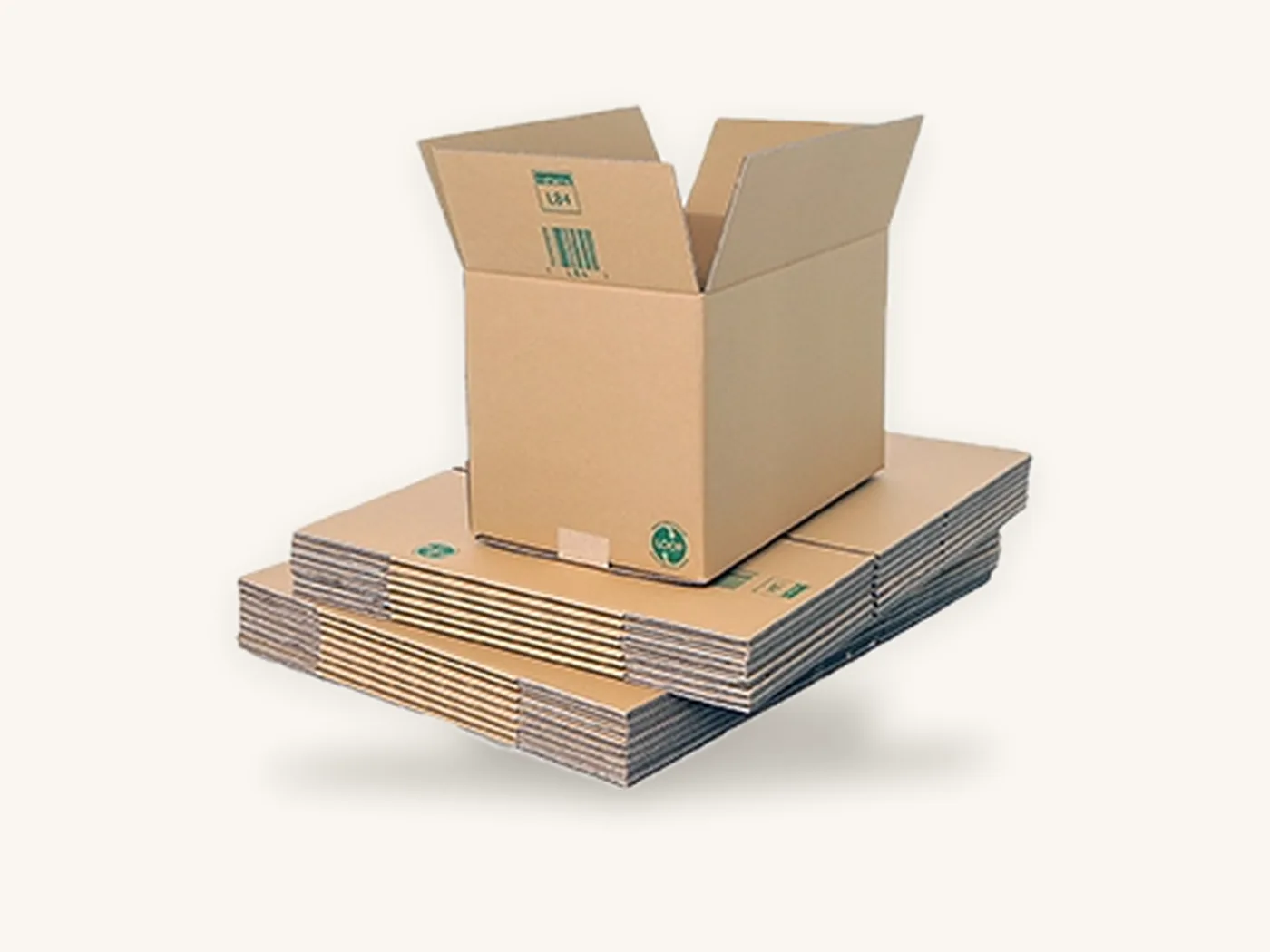
- Erect the mailer from its flat state.
- Place the insert or tissue base.
- Add products in a fixed order and position.
- Add printed materials: welcome card, product guide, discount code.
- Wrap or cover with tissue and apply a sticker seal.
- Close the box, apply a tear strip closure or tape.
- Quality check a sample of boxes against a reference photo.
- Label and stack for carrier pickup.
Each step is a place where time and errors accumulate. The packaging design determines how many steps there are and how easy each one is.
Work instructions that prevent errors
Whether you kit in-house or with a partner, write a one-page work instruction for each cycle: a photo of the finished box, the component list with quantities, the placement order, and what to do when something is missing or damaged. Keep a completed reference box at every station.
Build quality checks into the instruction too. A common approach is to open and inspect a set number of boxes from each batch, such as one per stack or pallet, and to weigh finished boxes: a kit that is noticeably lighter than the reference is probably missing an item. Weight checks catch errors without unpacking every box.
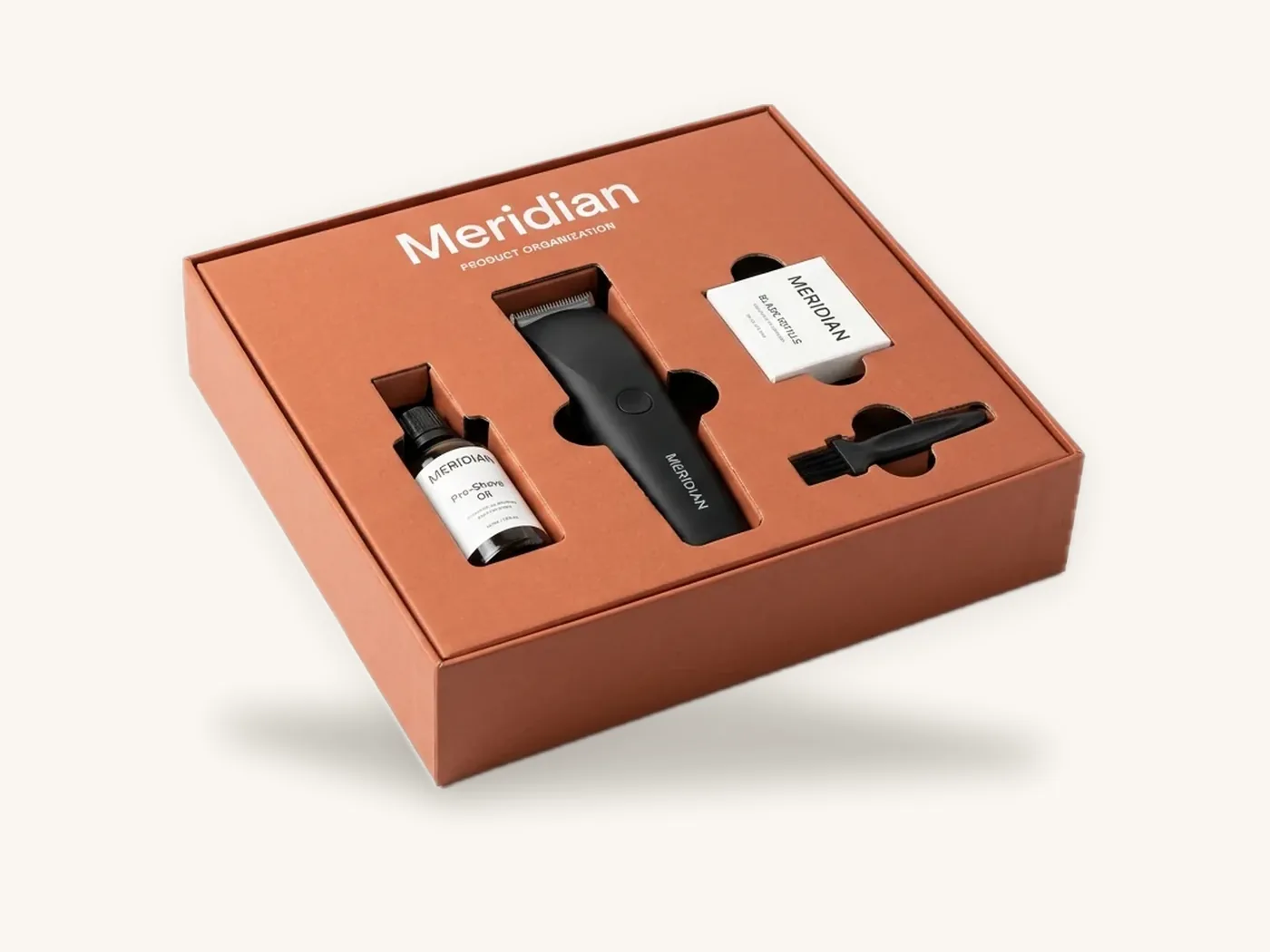
Designing packaging for faster, more consistent kitting
Small structural choices can make a large difference in pack time across a run of thousands. Here is how common subscription packaging decisions affect assembly.
| Packaging decision | Effect on kitting | Effect on cost and logistics |
|---|---|---|
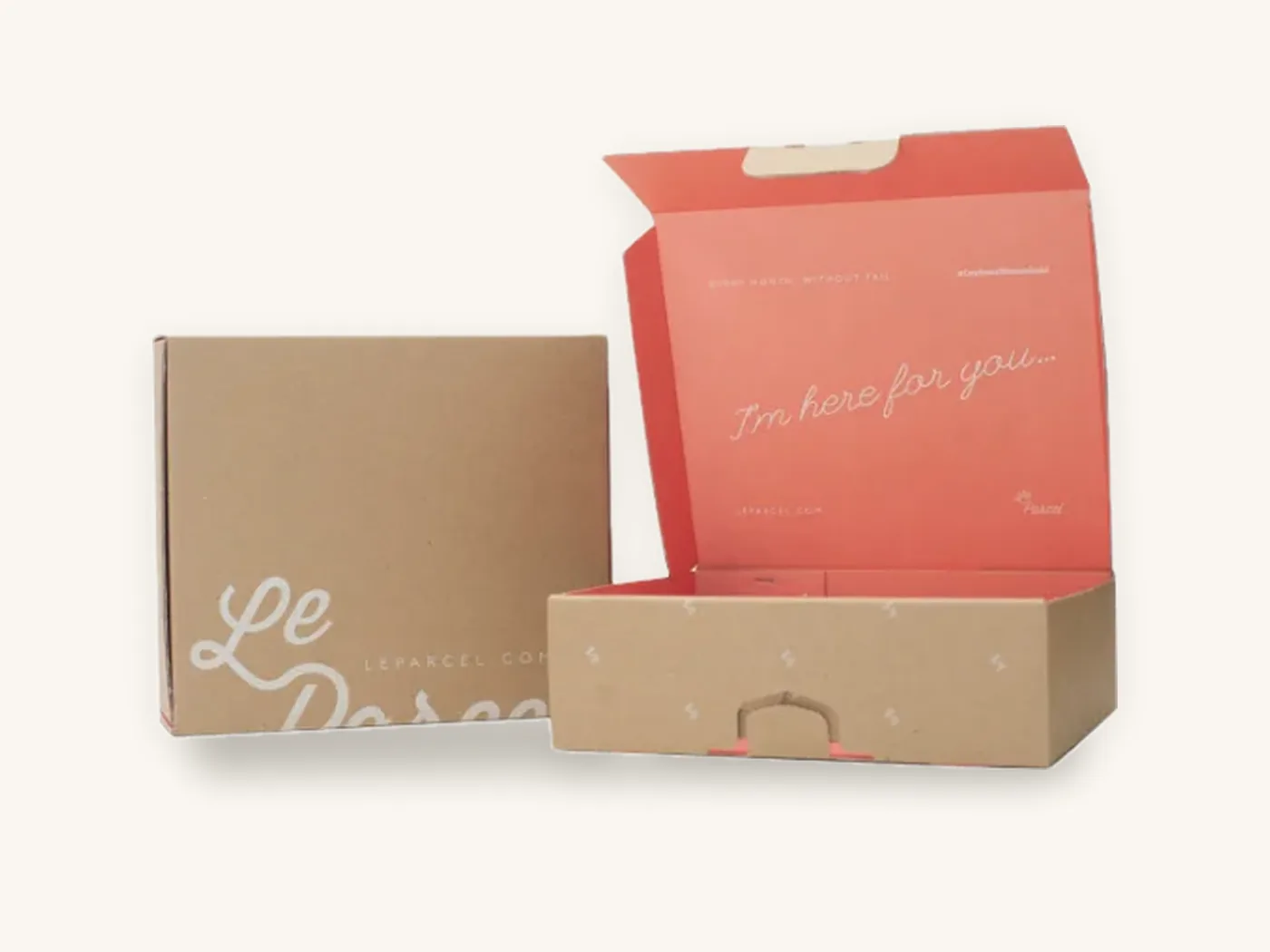
| Self-locking mailer vs tape-closed box | Mailers fold together without tape; faster and neater | Mailers ship flat and stack compactly |
| Fitted die-cut insert vs loose fill | Insert shows exactly where items go; fewer errors and less rework | Insert adds unit cost and needs accurate product dimensions |
| One standard box size across all cycles | Packers learn one assembly; no confusion between sizes | Larger order quantities per reorder, lower unit price |
| Tear strip closure vs tape | Close by tucking; no taping step | Tear strip adds a small cost; gives tamper evidence |
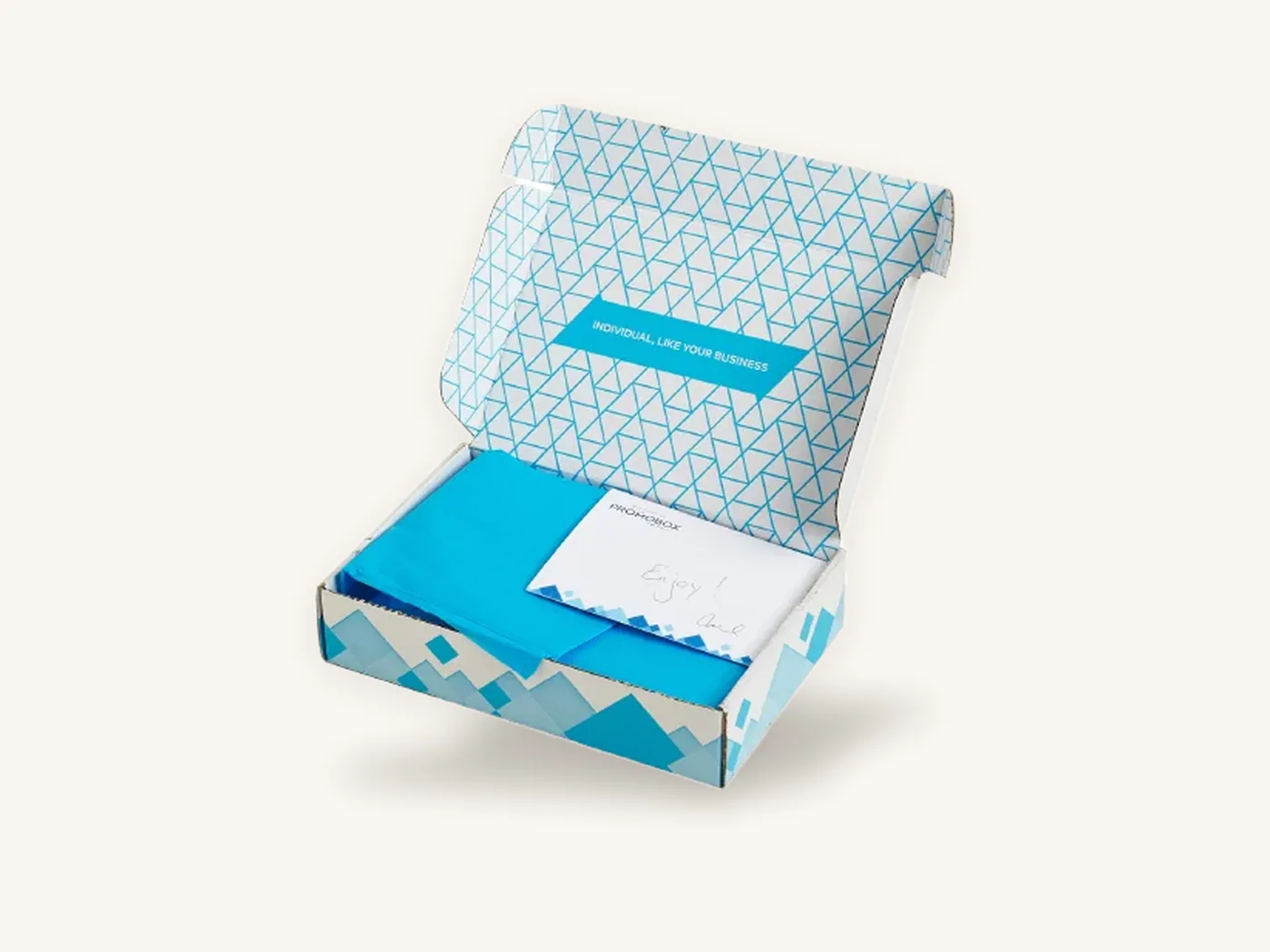
| Printed inside lid vs separate printed insert card | One less component to place | Inside print is fixed per order; cards can change monthly |
| Pre-folded or glued inserts | Removes a folding step | May cost more; takes more storage space |
| Stickers or seals | An extra step, but a strong visual cue | Cheap to change each cycle |
Standardize the structure, rotate the details
The most efficient subscription programs keep the outer box, insert footprint and size consistent, then change the surprise elements. A standard subscription box with a strong exterior design can run for many cycles, while monthly printed tissue paper, stickers from custom labels and stickers and printed cards carry the theme. The unboxing experience ideas guide has more on building variety this way.
Rotating components also lowers risk. If a monthly card arrives late, a packer can ship with last cycle's generic card; if a custom box arrives late, nothing ships. Keep a small reserve of evergreen cards and seals for exactly that situation.
Design inserts that tolerate product changes
If contents change every month, a fixed-cavity insert may not fit next month's items. Options include adjustable dividers, a flat platform insert that raises products to the lid, or a modular insert with a few standard cavity sizes you always source products to fit. Box inserts and dividers can be designed around those constraints.
Consider a tuck top for security
Tuck top mailer boxes close over the outside of the front wall and can include a tear strip, giving a secure, tamper-evident closure without tape, which removes a step from the line.
Subscription packaging logistics: inventory, storage and reorders
Running out of boxes mid-cycle is one of the most avoidable fulfillment failures. So is paying to store three years of boxes you designed out of the program.
How many boxes to order
Estimate each cycle as: current active subscribers, plus expected new sign-ups before the cutoff, minus expected cancellations, plus a buffer for replacements, damaged boxes, samples and influencer sends. A buffer in the range of a few percent to around ten percent is common, depending on how volatile your sign-ups are. If the mailer is standard across cycles, order several cycles at once to reach a better quantity tier, while keeping printed monthly elements to single-cycle quantities.
Storing flat packaging
Mailers and inserts arrive flat, bundled and usually palletized. Store them dry, off the floor, and away from loading doors, since corrugated board absorbs moisture and loses strength. Ask your warehouse how it charges for storage (by pallet, bin or cubic foot) so you can compare the cost of holding stock with ordering more often. The packaging storage and inventory guide goes deeper on reorder points.
Handing packaging to a 3PL: receiving checklist
- Confirm the warehouse's receiving hours, dock requirements and appointment rules
- Send an advance shipping notice with component names, quantities, carton counts and pallet counts
- Label every carton with your company name, component name, quantity per carton and cycle or version
- Separate different cycles or versions so old and new packaging do not mix
- Provide a written packaging specification and a photo of the assembled box
- Ask for a receiving count and damage report within an agreed number of days
Shipping subscription boxes efficiently
Once the boxes are built, carrier costs are usually the largest variable expense per shipment.
Keep size and weight under control
Carriers bill larger parcels by dimensional weight, a formula based on the box's outer volume. A mailer that is an inch deeper than it needs to be adds cost on every shipment of every cycle. Size the box to the largest realistic kit, not the most generous one. The dimensional weight guide and right-sized packaging guide show how to trim dimensions safely.
Choose board for the route
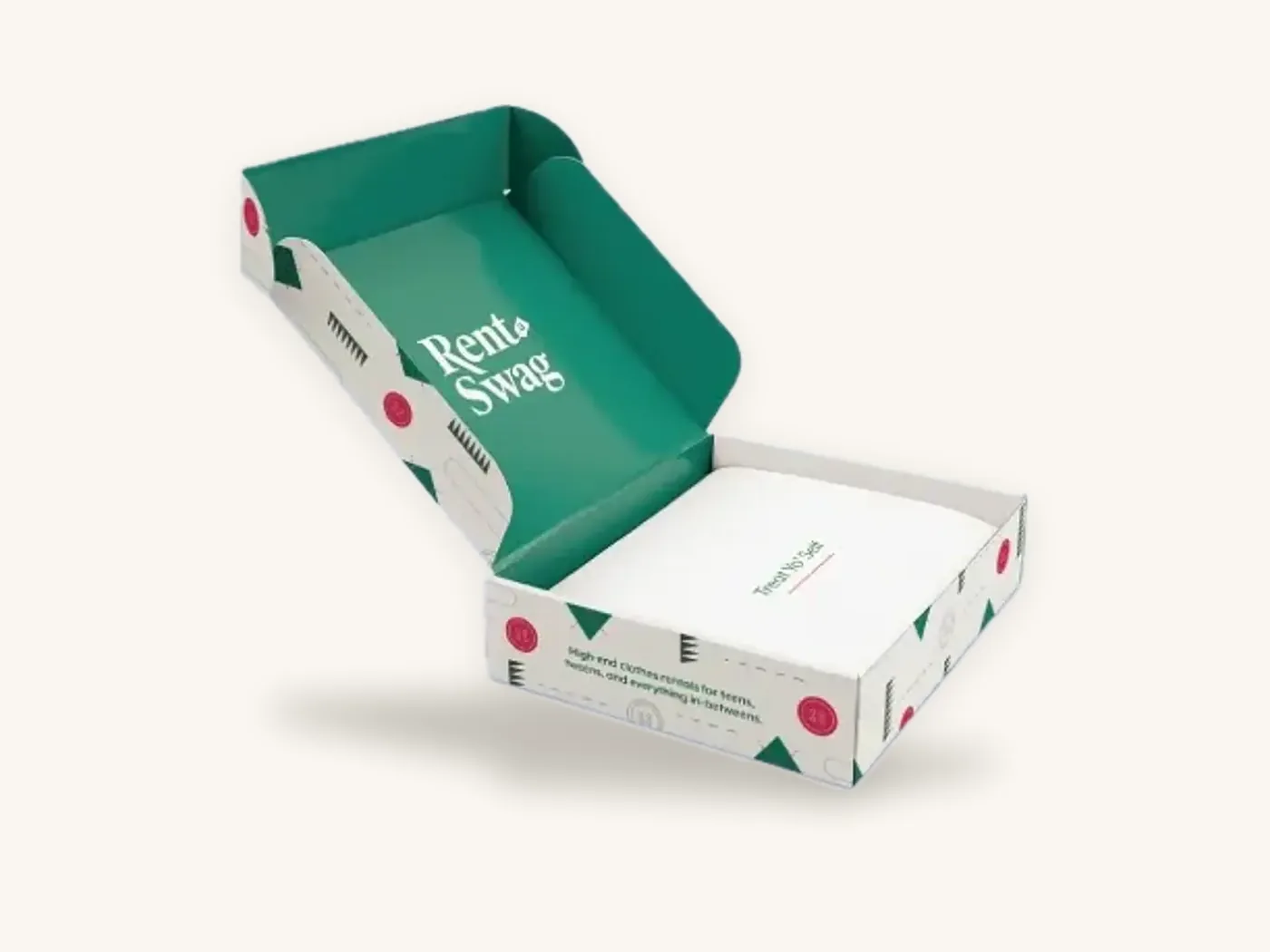
Most subscription kits under a few pounds ship well in E-flute mailers. Heavier kits with glass, liquids or dense products may need B-flute or partitions. International subscribers add longer transit and more handling; the international shipping packaging guide covers export considerations, and food or perishable boxes should follow the cold-chain packaging guide.
Stagger shipping windows
Shipping every box on the same day strains the line and the carrier pickup. Many programs split subscribers into waves by region or sign-up date, which spreads kitting work and helps delivery dates feel consistent across the country.
Ordering subscription packaging from Box Sense
Box Sense manufactures subscription mailers, inserts and printed accessories. We supply the packaging; kitting and shipping are handled by you, your 3PL or a kitting partner. We can deliver to your own address or your warehouse's receiving dock.
Specs to send
- Kit contents with dimensions and weights, including the largest expected configuration
- Box style: standard custom mailer boxes, tuck top with tear strip, or a recommendation
- Print coverage: outside, inside lid, full interior
- Insert type and whether contents change every cycle
- Accessories: tissue, stickers, cards
- Quantities, reorder frequency and delivery address, plus receiving requirements if shipping to a 3PL
- Target in-hand date, working backward from your ship window
Timeline and terms
Quotes are confirmed within 24 hours. Free design support covers the dieline, artwork setup and a 3D digital proof with two revision rounds. Unprinted structural samples are free, which is useful for timing a test kit; a printed sample of approved artwork is free on orders of 100 or more. Standard production is 8–12 business days after proof approval, with rush in 5 business days on most corrugated styles, and shipping is free on every US order.
The minimum order is 10 boxes with no die or plate charges; custom inserts carry a one-time tooling charge. As a reference, a 12x9x4 in E-flute subscription mailer printed full color on both sides with an insert and tear strip is about $5.85 per box at 100 units, about $2.60 at 1,000, and about $1.84 at 5,000. The pricing estimator shows figures for your size. The e-commerce and subscription industry page and our subscription boxes guide cover design options in more detail.
Frequently asked questions
What is subscription box fulfillment?
It is the recurring process of receiving products and packaging, assembling identical kits, and shipping them to all subscribers within a set window each cycle. Because boxes are built in batches rather than picked one order at a time, fulfillment works like a small assembly line. It can be done in-house, by a 3PL or by a kitting partner.
What does kitting and assembly mean?
Kitting is gathering separate components into one ready-to-ship unit. For a subscription box, that means erecting the mailer, placing the insert, adding products and printed materials in a set order, closing the box and labeling it. Kitting partners and many 3PLs charge for this work per kit or per project, alongside receiving and storage fees.
Should I fulfill subscription boxes myself or use a 3PL?
Fulfill in-house while your team can kit a full cycle in a few days without missing other work; you learn assembly times and common problems. Move to a 3PL or kitting partner when volume, space or staff time becomes the bottleneck. Build and time a full kit yourself before comparing partner quotes.
How far in advance should I order subscription box packaging?
Work backward from your ship date. Allow time for artwork approval and proof revisions, production, freight to your warehouse, receiving and a test build. For custom printed mailers, standard production runs 8–12 business days after proof approval, so many programs order packaging roughly five to eight weeks before the ship window.
How can I make kitting faster?
Reduce the number of loose components and steps. Use self-locking mailers instead of taped boxes, fitted inserts that show where items go, printed inside lids instead of extra cards, and tear strip closures instead of tape. Keep one box size across cycles so packers repeat the same assembly, and post a reference photo at every station.
How many subscription boxes should I order each cycle?
Start with active subscribers, add expected sign-ups before the cutoff, subtract expected cancellations, then add a buffer for replacements, damage and samples. Many programs carry a buffer from a few percent up to about ten percent. Order standard mailers for several cycles at once, and keep monthly printed items to single-cycle quantities.
What should I send my 3PL with packaging deliveries?
Send an advance shipping notice with component names, quantities and carton or pallet counts. Label each carton with your company, component, quantity and cycle version. Include a written packaging specification and a photo of the assembled box, and ask for a receiving count and damage report within an agreed timeframe.
Next steps
Map your next cycle's timeline backward from ship day, then build and time one complete kit to see where packaging slows assembly. When you are ready to price a standard mailer and insert, use the subscription packaging price estimator and request a quote with your kit dimensions, quantities and delivery address.
Boxes in this guide
Order the packaging we covered

Written by the Box Sense Packaging Team
Our structural designers, prepress technicians and production staff print and convert custom boxes every day for brands in the United States, United Kingdom and UAE. Questions about this guide? Talk to us.