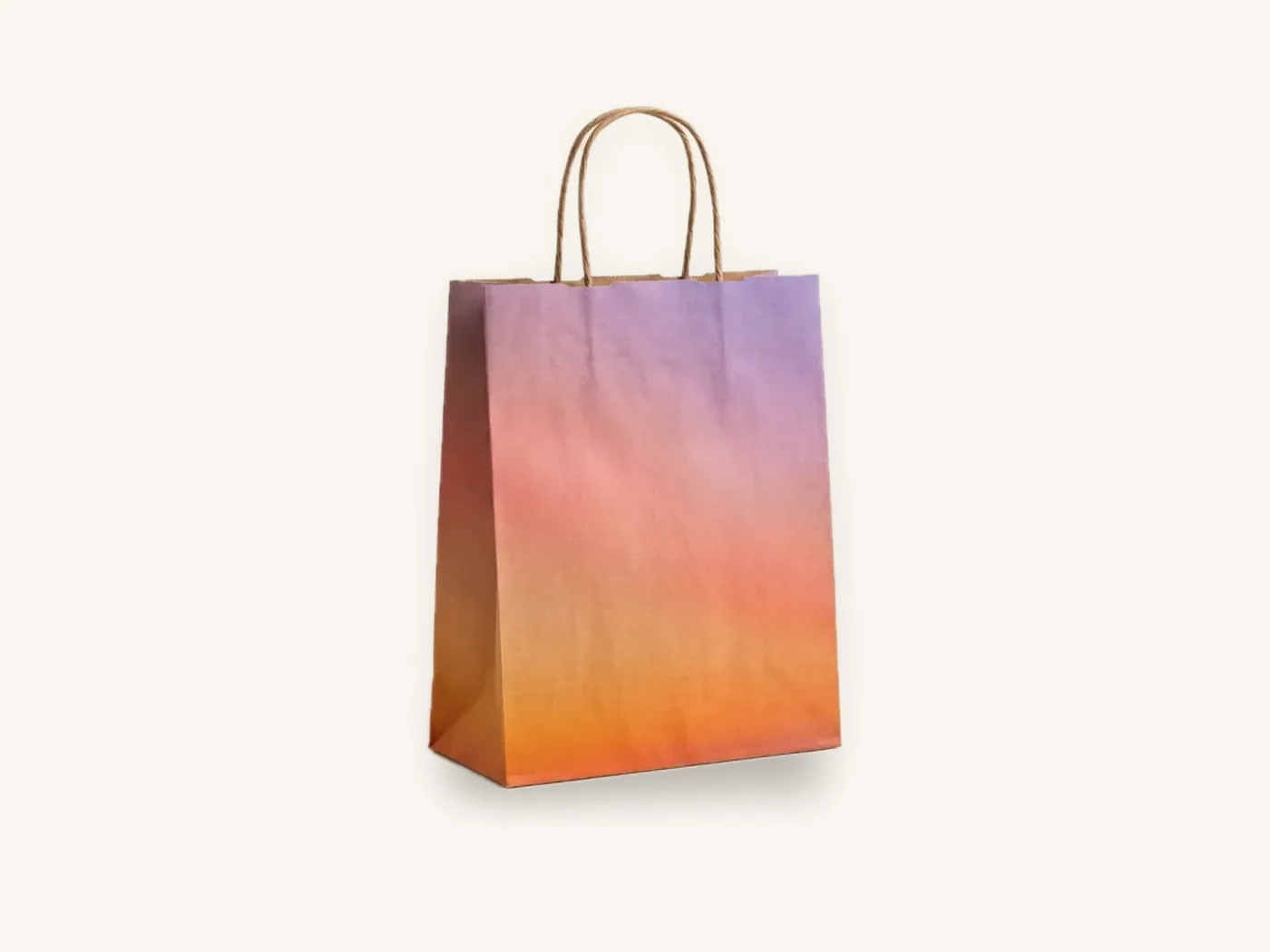
Custom paper bags are printed shopping bags made to your size, paper stock, handle type and artwork, used at checkout, events and pickup counters to carry purchases and carry your brand down the street. For most retail brands the decision comes down to two families: kraft bags with twisted or flat paper handles, which are economical and recyclable, and laminated art-paper bags with rope or ribbon handles, which feel like part of a premium purchase.
Everything else follows from that choice: the paper weight that carries your heaviest sale, the size range that covers your products, the print method your artwork needs and the finishes worth paying for. This guide works through each decision in the order a buyer should make them, and ends with a spec sheet you can send for a quote.
Key takeaways
- Choose kraft with paper handles for everyday retail, food and high-volume use; choose laminated art paper with rope or ribbon handles for fashion, beauty, jewelry and gifting.
- Handle type is as much about load and comfort as looks. Twisted paper and cotton rope handles carry more comfortably than flat paper strips.
- Paper weight and reinforcement matter more than bag size for strength. Heavy items need a heavier sheet, a top-turn reinforcement and a bottom card.
- Keep a size range of two or three bags rather than one bag for everything; oversized bags look empty and waste paper.
- Printed paper bags reproduce best with bold, simple artwork; full coverage on kraft looks muted unless you use white ink or a white stock.
- Box Sense makes custom paper bags from 10 units with free artwork setup and a digital proof; bag pricing is quoted to your spec.
Anatomy of a paper shopping bag
Knowing the parts makes it easier to read quotes and compare samples.
- Front and back panels: the main print areas. Most artwork lives here.
- Gussets: the folded side panels that let the bag expand. They are a secondary print surface and a good place for a URL or social handle.
- Bottom: folded and glued flat. A bottom card, a piece of stiff board laid inside, keeps the base square and stops sagging under weight.
- Top turn (fold-over): the top edge folded inward, usually 1–2 in deep. It reinforces the opening and gives handles something strong to anchor into.
- Handle patches: strips of paper or board glued inside the top turn where handles attach, spreading the load so handles do not tear out.
- Handles: twisted paper, flat paper, cotton or polyester rope, ribbon, or a die-cut hole in the panel itself.
Types of branded shopping bags
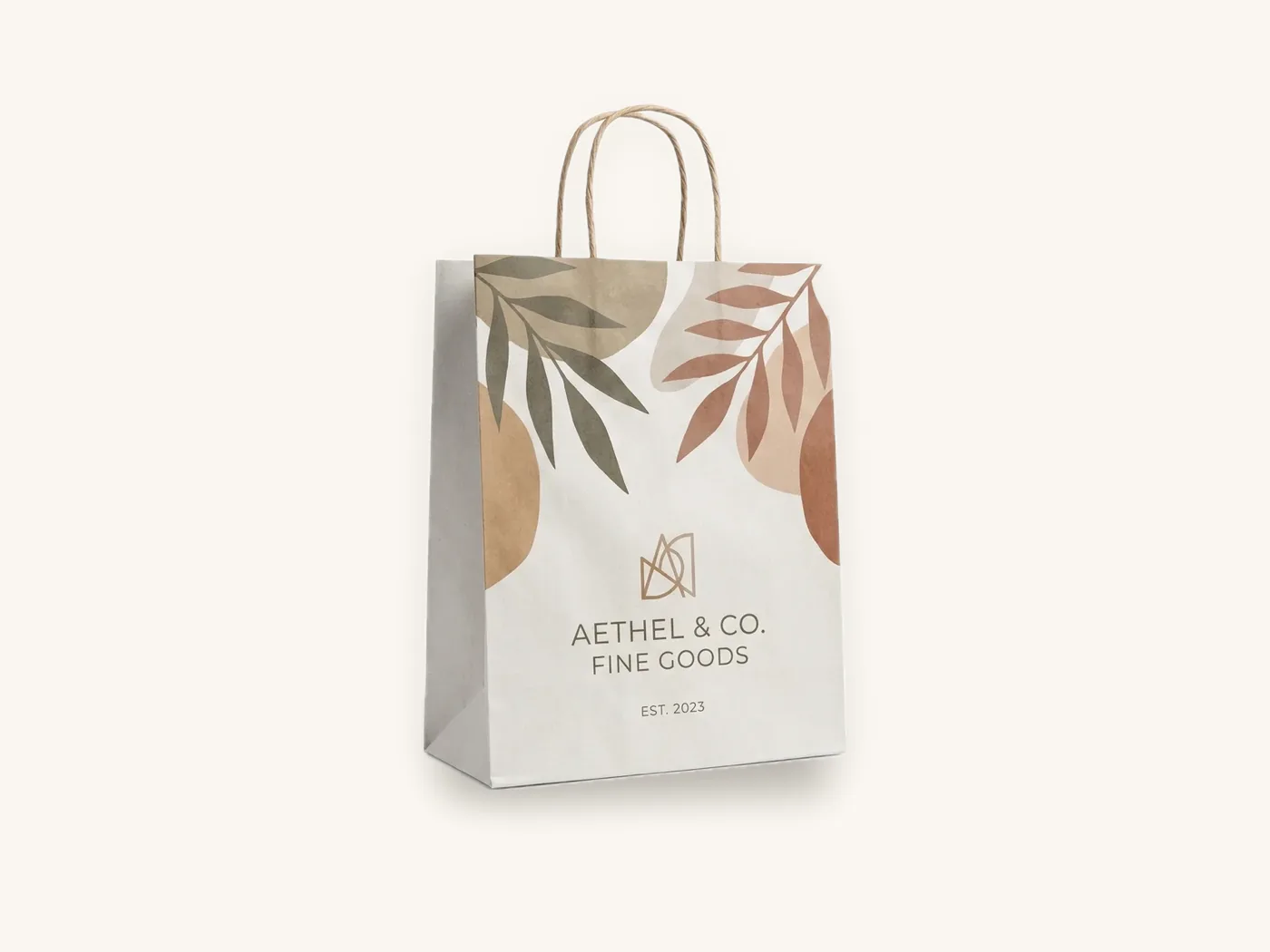
The bag type sets the price range, the look and how the bag is made.
| Bag type | Construction | Typical paper | Handles | Best for |
|---|---|---|---|---|
| SOS (self-opening sack) | Flat bottom, no handles, opens and stands by itself | Kraft or white kraft | None | Bakeries, pharmacies, takeout, small retail items |
| Kraft twisted-handle bag | Machine-made, glued handles inside top turn | Brown or white kraft | Twisted paper | Everyday retail, grocery, cafes, gift shops |
| Kraft flat-handle bag | Machine-made, flat paper strip handles | Brown or white kraft | Flat paper | High-volume retail, food delivery, promotions |
| Laminated Euro tote | Largely hand-finished, top turn with board reinforcement | Art paper laminated, often over a heavier board | Cotton rope, ribbon or grosgrain | Fashion, beauty, jewelry, luxury gifting |
| Die-cut handle bag | Handle hole punched through reinforced top | Coated or kraft paper | Integrated die-cut | Events, trade shows, boutiques wanting a clean look |
Kraft bags vs luxury shopping bags
Kraft custom paper bags are efficient to produce, light and recyclable. They signal practicality and suit brands where the bag is a convenience rather than a keepsake.
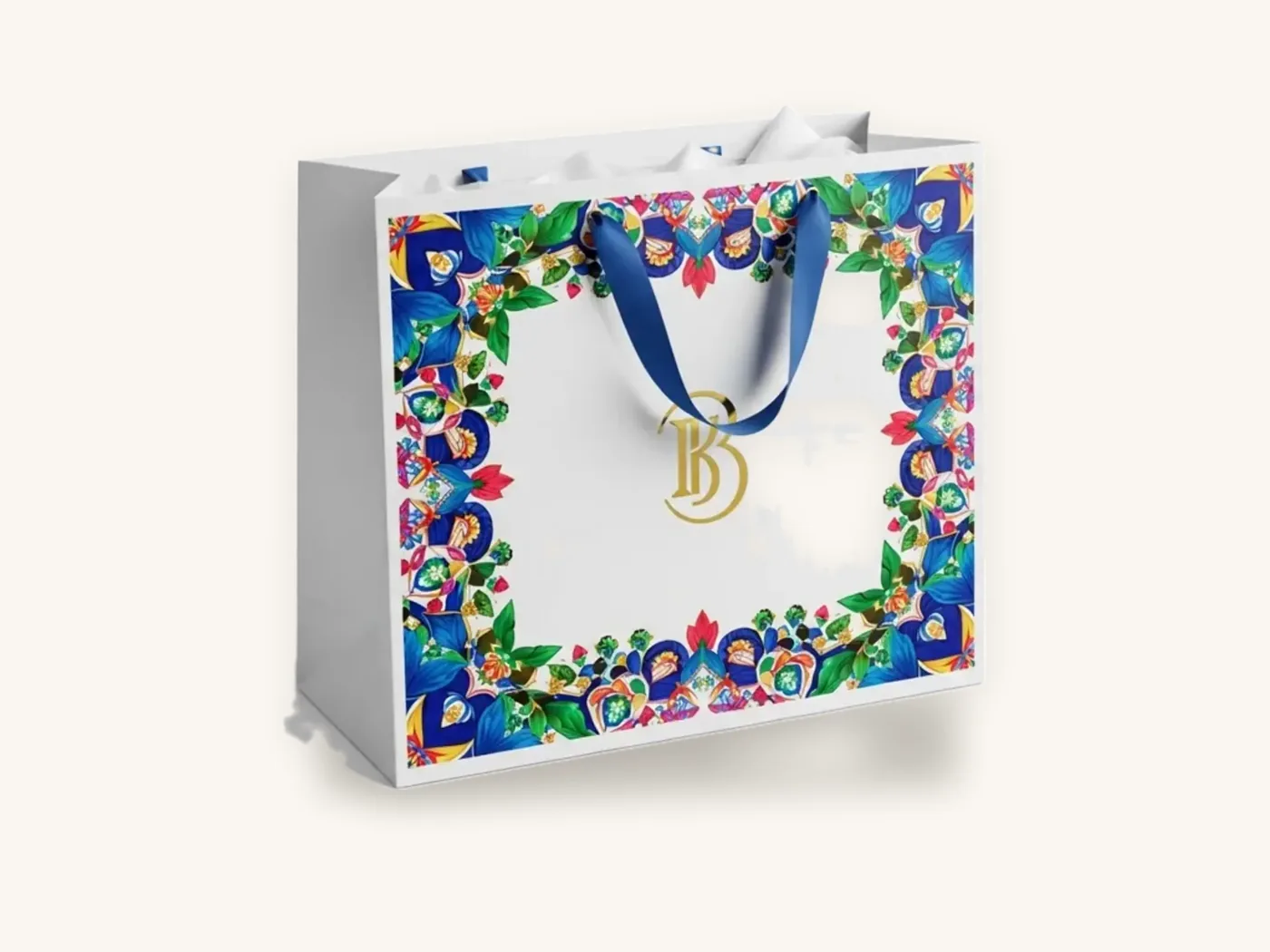
Luxury shopping bags are built differently. The heavier art paper is laminated for a smooth or soft surface, the top turn is reinforced with board, and rope or ribbon handles are threaded through punched holes and knotted or anchored inside. More hand work goes into each bag, which is why they cost several times more, and why customers often reuse them. If the bag is part of a premium experience, our luxury packaging guide explains how it should match the box inside.
Choosing handles
Handles are the part customers physically interact with, and the first part to fail if under-specified.
| Handle | Feel | Relative strength | Look | Notes |
|---|---|---|---|---|
| Twisted paper | Round, firm, comfortable | Good | Classic retail | Most common on kraft bags; recyclable with the bag |
| Flat paper | Flat strip, can cut into fingers under load | Moderate | Utilitarian | Lowest cost; fine for light purchases |
| Cotton rope | Soft, thick, comfortable | High | Premium, natural | Common on luxury bags; remove before recycling |
| Polyester or PP rope | Smooth, strong, glossy options | High | Premium, sporty | Colors match brand palettes; not paper |
| Ribbon or grosgrain | Soft, flat, elegant | Moderate to high | Boutique, jewelry, beauty | Can be printed or woven with a logo |
| Die-cut hole | No separate handle | Moderate; depends on reinforcement | Minimal, modern | Needs a reinforced top; less comfortable for heavy loads |
Matching handle to use
Choose twisted paper when purchases are moderate in weight and the bag should be fully paper. Choose cotton rope or ribbon when the bag is part of a premium purchase and will be carried around a mall or city. Choose flat paper handles for food pickup and light, high-volume use. Avoid die-cut handles for heavy items like bottles or candles; the load concentrates on a small strip of paper.
Watch out: handles rarely fail in the middle. They fail where they attach. For heavy goods, ask for handle patches or a board-reinforced top turn, and test a filled sample by lifting and swinging it, not just holding it still.

Paper stocks for printed paper bags
Paper weight is measured in grams per square meter (gsm). Higher gsm is thicker, stiffer and stronger, and costs more.
| Stock | Typical weight range | Look and feel | Print result | Best for |
|---|---|---|---|---|
| Natural brown kraft | Roughly 80–150 gsm | Natural, textured, rustic | Muted colors; strong with dark or white ink | Everyday retail, cafes, farmers markets, eco brands |
| White kraft | Roughly 80–150 gsm | Clean, slightly textured | Brighter colors than brown kraft | Bakeries, pharmacies, modern retail |
| Coated art paper, laminated | Roughly 157–250 gsm, often backed | Smooth, rigid, premium | Sharp, saturated full color | Fashion, beauty, jewelry, luxury gifting |
| Specialty and textured paper | Varies by paper | Linen, felt, pearlescent or colored | Best with foil or emboss rather than full color | Boutiques, galleries, stationery, events |
How to choose the weight
Light purchases such as cards, cosmetics or pastries are fine in lighter kraft. Clothing, shoes and books need mid-range kraft or a laminated bag. Bottles, candles and ceramics need the heavier end of the range plus a bottom card and a reinforced top. The kraft paperboard and textured and specialty papers pages describe the stock families.
Laminated or uncoated
Matte or gloss lamination on art paper protects print from scuffs and moisture and makes the bag stiffer. Soft-touch lamination adds a velvety feel. The tradeoff is recyclability: laminated bags are harder to recycle than plain kraft. If your brand leads with sustainability, choose uncoated kraft with water-based inks, or an uncoated specialty paper with foil.
Sizing custom paper bags for what you sell
Bags are specified as width x gusset x height. Width is the front panel, gusset is the side depth and height runs from base to top edge.
A sizing process
- List your top-selling items and common basket combinations, including any boxed products.
- Find the largest single purchase that should fit in your biggest bag, including tissue wrap.
- Measure its footprint to set width and gusset, then height, leaving 2–3 in above the product so handles can close without strain.
- Group products into two or three size bands, such as small for accessories, medium for apparel and large for shoes or gift sets.
- Check boxed items. If you sell in folding cartons or rigid boxes, the bag gusset should fit the box depth with a little room.
- Order a plain sample in each size and pack real purchases before approving artwork.
Common retail bag sizes
| Size band | Typical dimensions (W x G x H) | Typical contents |
|---|---|---|
| Extra small | 5 x 3 x 8 in | Jewelry box, cosmetics, gift cards |
| Small | 8 x 4 x 10 in | Candles, skincare sets, small accessories |
| Medium | 10 x 5 x 13 in | Folded apparel, books, bakery boxes |
| Large | 13 x 7 x 17 in | Multiple garments, shoe boxes, larger gifts |
| Extra large | 16 x 6 x 19 in | Coats, bedding, multiple boxed items |
| Wine or bottle | 5 x 4 x 13 in | One bottle; add a divider for two |
These are industry-typical starting points; every brand's product mix is different. Bakeries and confectioners often size bags around their cake or cookie boxes, and the bakery and confectionery page shows common pairings.
Printing custom paper bags
Print methods
Printed paper bags are made by printing flat paper before it is formed into a bag. For short runs and full-color designs, digital printing avoids plates and makes small batches practical. For larger runs, offset printing gives consistent color and a lower unit cost. In the wider industry, high-volume kraft bags with simple one- or two-color logos are also commonly printed by flexography.
Designing for kraft
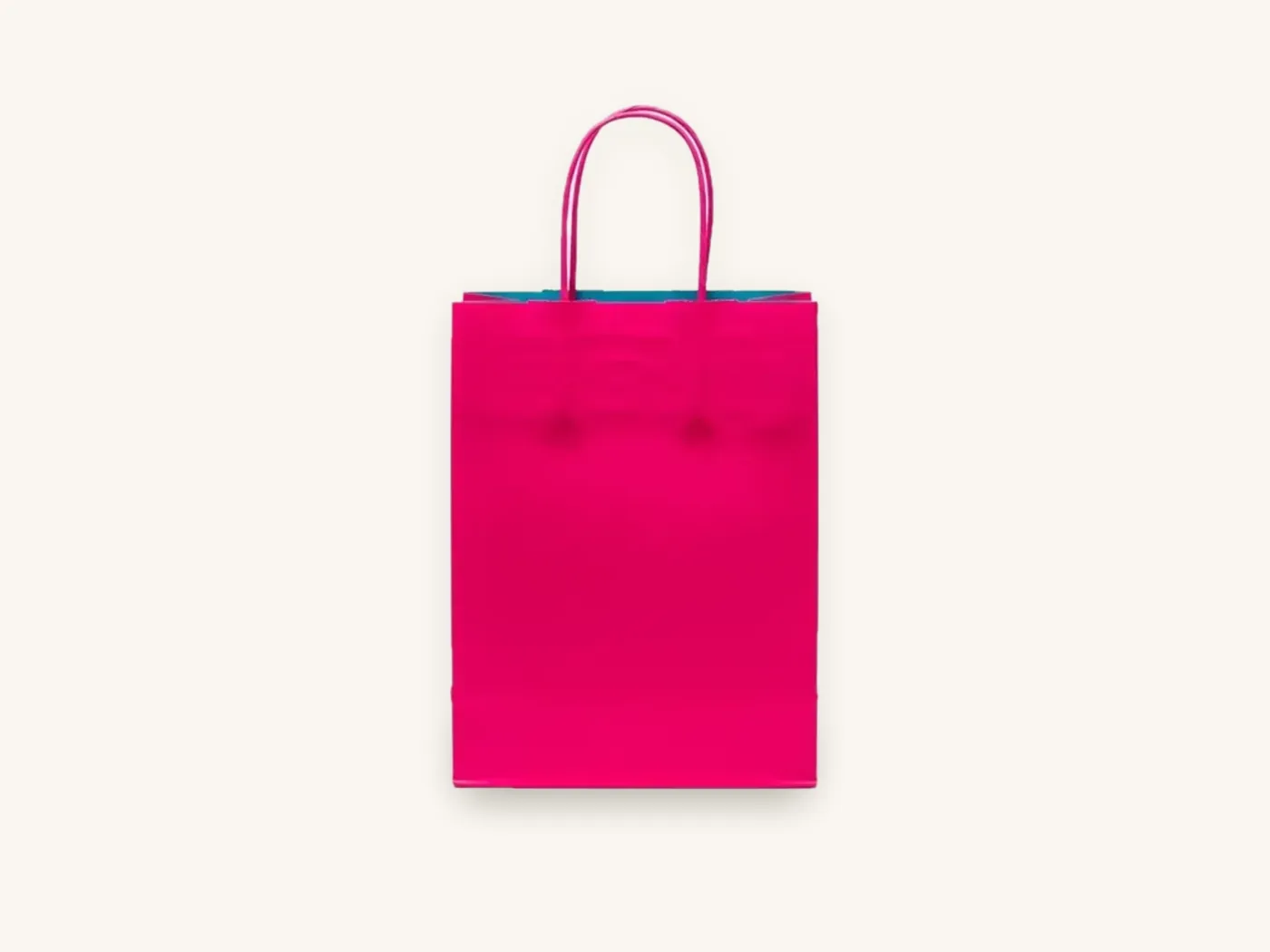
Ink on brown kraft is partly absorbed and tinted by the paper, so colors print darker and less saturated. Black, dark navy, deep green and opaque white read best. If your brand color is a pastel or bright tone, choose white kraft or a laminated art paper, or print a white underlay first.
Coverage choices
- One-color logo, one side: simple and economical; strong on kraft.
- Logo both sides plus gusset handle: better visibility when customers carry the bag.
- Full-bleed color: the bag becomes a moving billboard; best on white or laminated stocks.
- Pattern with a knocked-out logo: looks rich on kraft with a single dark ink.
Artwork setup
Ask for the bag dieline, which shows front, back, gussets, bottom and top turn. Keep logos and text away from the fold lines of the gusset and at least 1 in below the top edge, because the top turn folds inward. Extend backgrounds past the edges as bleed. Our design services team supplies the dieline, sets up artwork free and sends a digital proof.
Finishes and add-ons for branded shopping bags
The finishes available on boxes largely apply to laminated bags too. The printing and finishes page shows each option.
- Foil stamping: a metallic logo on matte or soft-touch lamination is a classic luxury bag combination.
- Embossing or debossing: a raised or pressed logo, strongest on thicker, uncoated specialty papers.
- Spot UV: a glossy logo or pattern over a matte laminated bag.
- Custom handles: rope or ribbon in a brand color, or ribbon printed with your name.
- Closures: a sticker seal, a magnetic snap on premium bags, or a ribbon tie through the top.
Keep finishes restrained. A bag is seen at a distance and in motion, so one strong logo reads better than several effects.
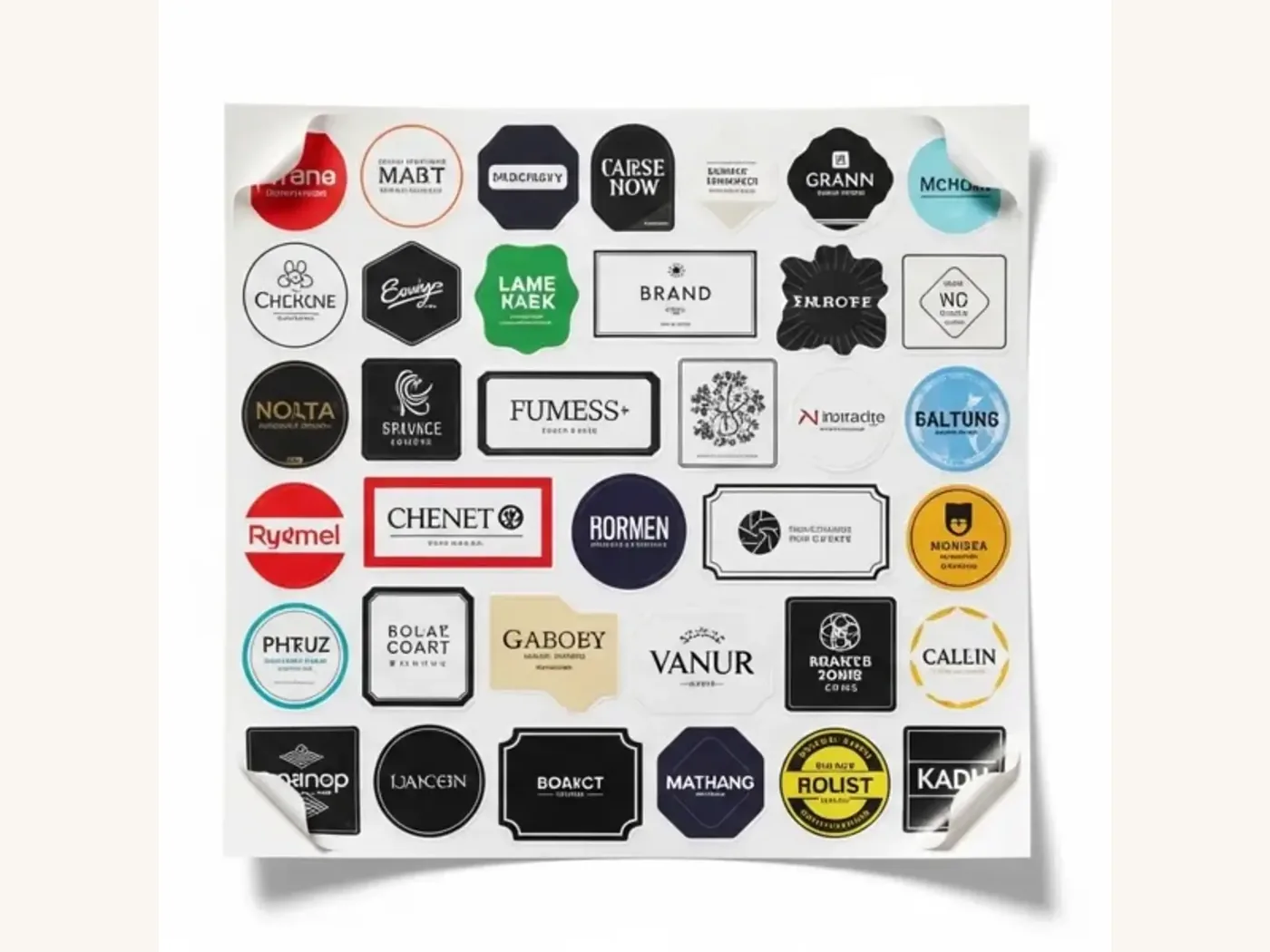
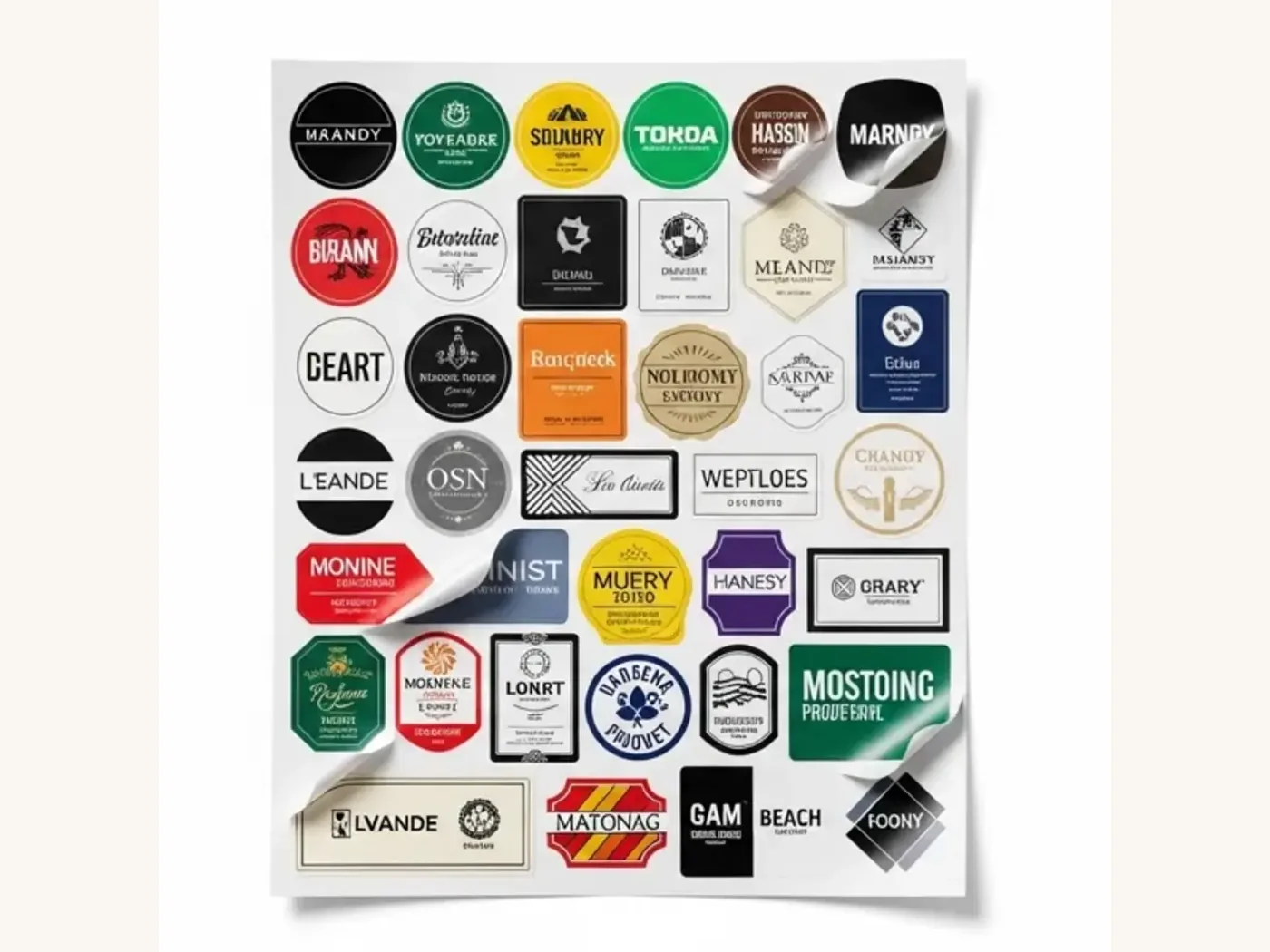
Labels, stickers and tags: a low-cost way to brand bags
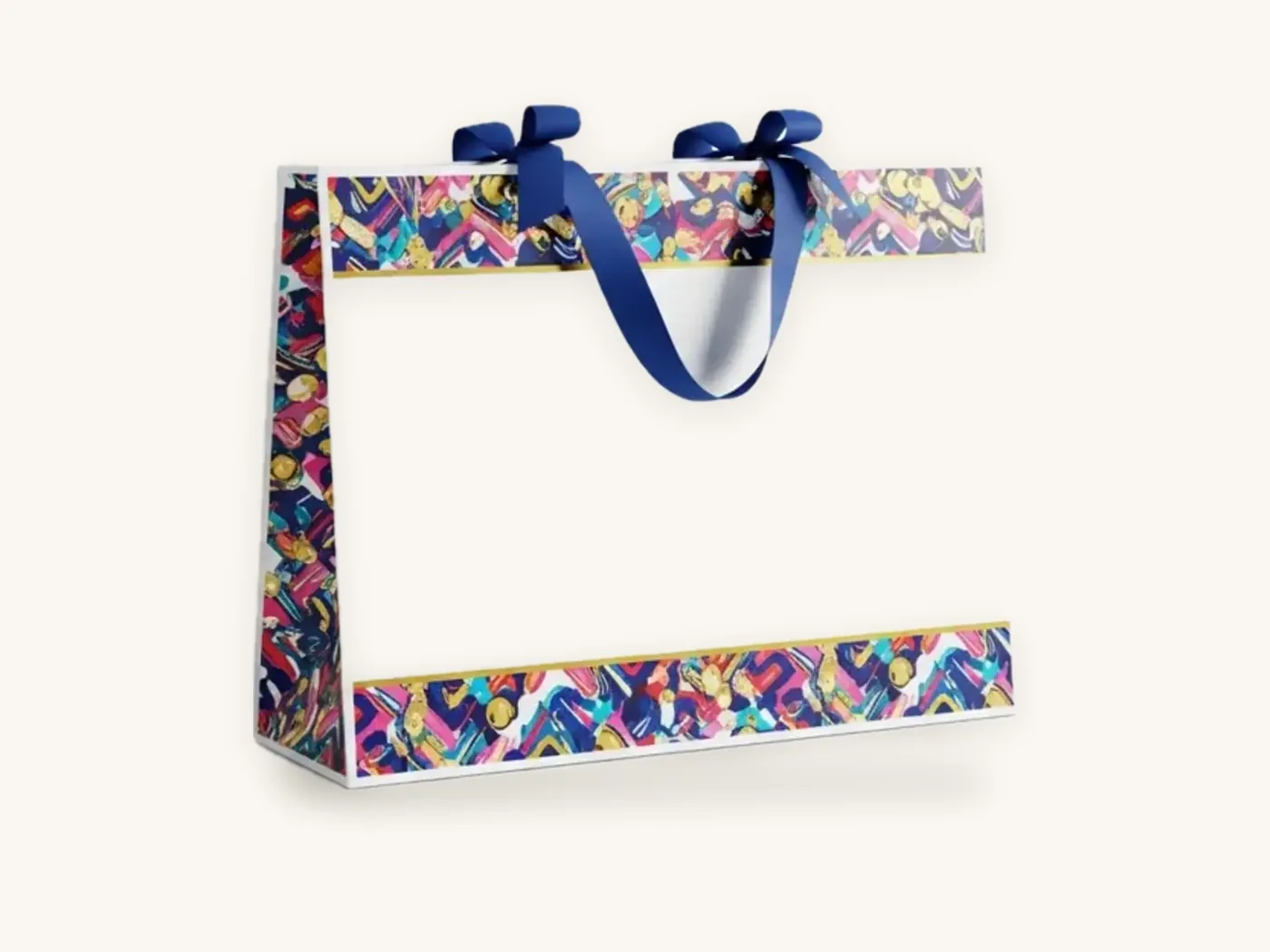
Not every business needs fully printed bags from day one. A plain kraft bag closed with a printed sticker, or tagged with a branded label, can look intentional at a fraction of the commitment.
Custom labels and stickers work in several ways: a round logo seal closing the top of the bag over tissue, a rectangular label on the front panel, or a small sticker that changes by season while the bag stays the same. Hang tags tied to rope handles add a personal note for gift purchases, and printed tissue paper inside the bag adds a reveal.
This approach suits pop-ups, seasonal stores, markets and brands testing a new identity. When volumes grow, you can move to fully printed bags and keep the sticker for seasonal campaigns.
Strength, load and quality checks
A bag that tears at the handle in front of a customer costs more goodwill than it saved. Test before you order at volume.
Quality checklist for a sample bag
- Fill the bag with your heaviest realistic purchase, then add a margin.
- Lift by the handles, walk with it and swing it gently for a minute.
- Set it down and pick it up repeatedly to stress the handle anchors.
- Check the bottom: does it stay flat, or bow and split along the glue line?
- Check print rub: rub the panel with a dry cloth and look for scuffing.
- Check that the bag stands upright when open for packing at the counter.
- If bags will be used for food or cold drinks, test with condensation or grease.
Food contact
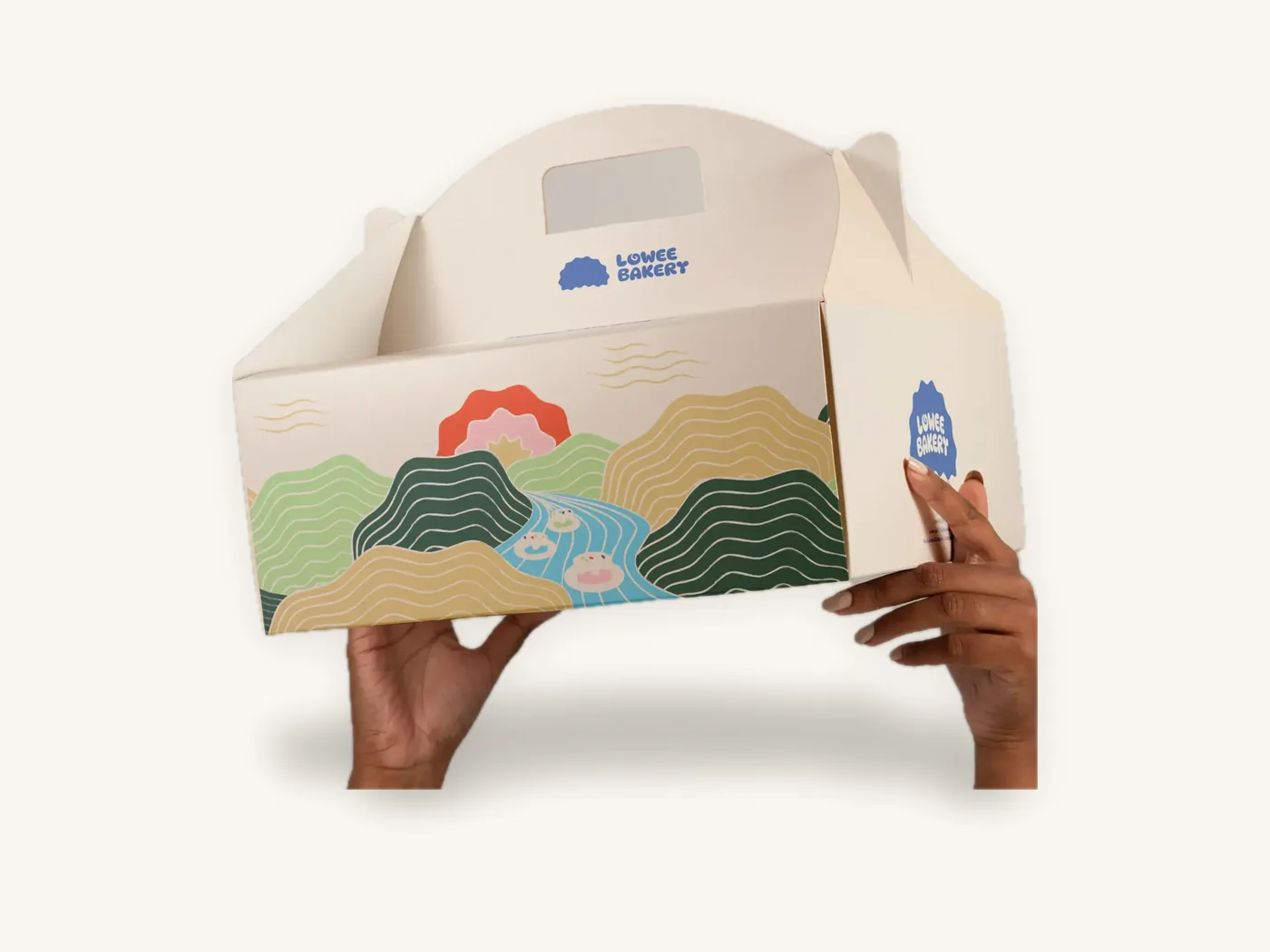
If bags will hold unwrapped food, confirm that the paper, inks and coatings are suitable for direct food contact. The US Food and Drug Administration regulates food-contact substances; confirm current requirements with your supplier and the FDA's food contact guidance rather than assuming. For hot food, pair bags with appropriate boxes; the custom gable boxes guide covers a carry-ready alternative for takeaway and gifting.
Sustainability and local bag rules
Paper bags are widely recycled when they are kept simple. To maximize recyclability, choose kraft or uncoated paper, water-based inks and paper handles, and avoid plastic lamination where the look allows. FSC-certified paper is available; see eco-friendly materials and our sustainability page.
Several US states and cities regulate carryout bags, for example through fees, recycled-content requirements or restrictions on certain bag types. These rules vary and change, so check current requirements with your state and city before specifying bags or printing claims such as "recyclable" or "made with recycled content." Environmental claims should be accurate and specific.
What drives the cost of custom paper bags
Bag pricing depends on your spec, so it is quoted rather than listed. These factors move the price, roughly in order of impact:
- Bag type and construction: machine-made kraft bags cost far less per unit than hand-finished laminated totes.
- Quantity: setup is spread across more bags as volume rises.
- Size and paper weight: larger bags and heavier stocks use more material.
- Handles: flat paper is lowest cost; rope and ribbon cost more and add assembly.
- Print coverage and colors: one-color logos cost less than full-bleed artwork on every panel.
- Lamination and finishes: matte, gloss or soft-touch lamination, plus any foil, embossing or spot UV tooling.
- Reinforcement: bottom cards, board top turns and handle patches add material and labor.
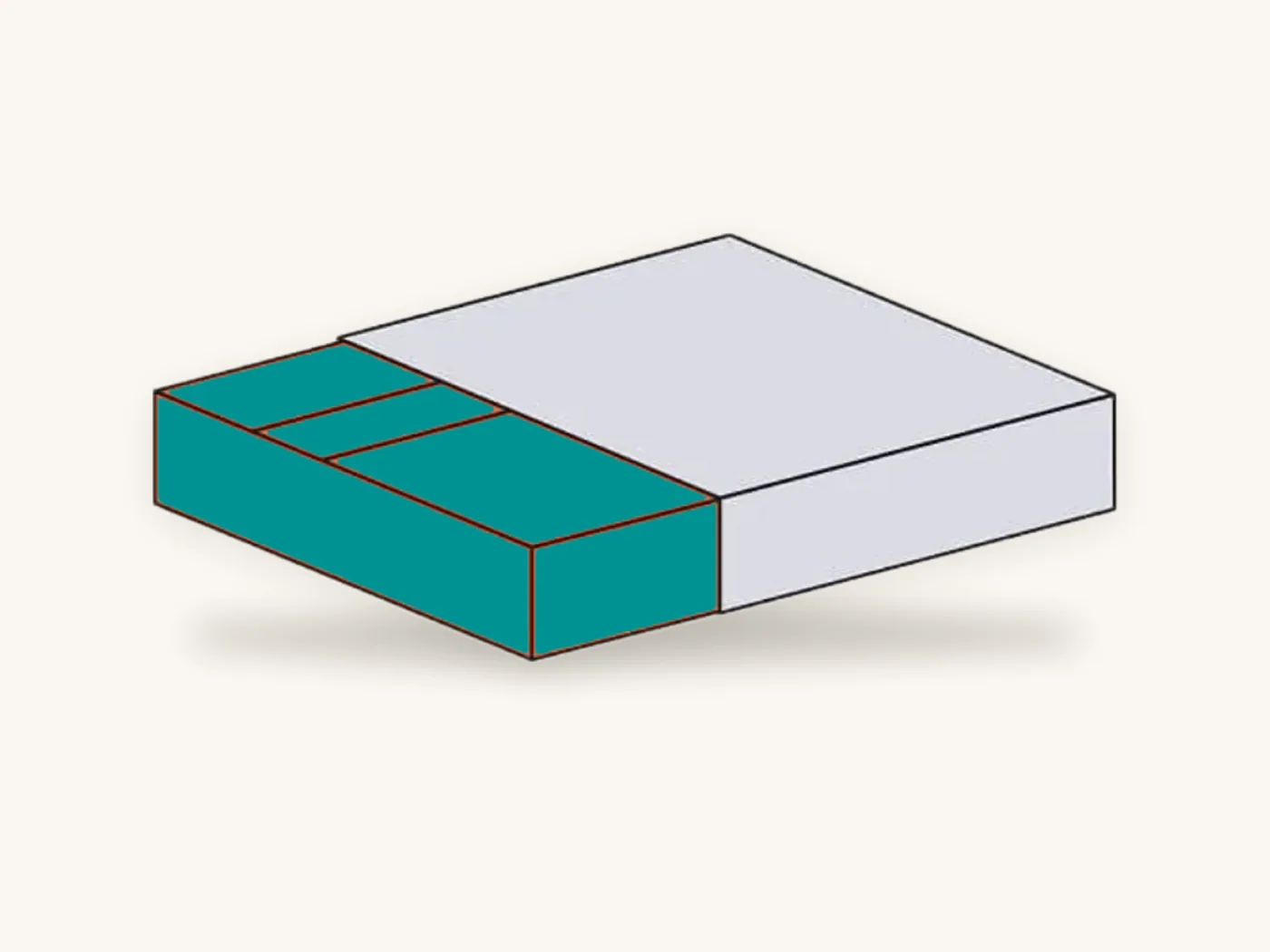
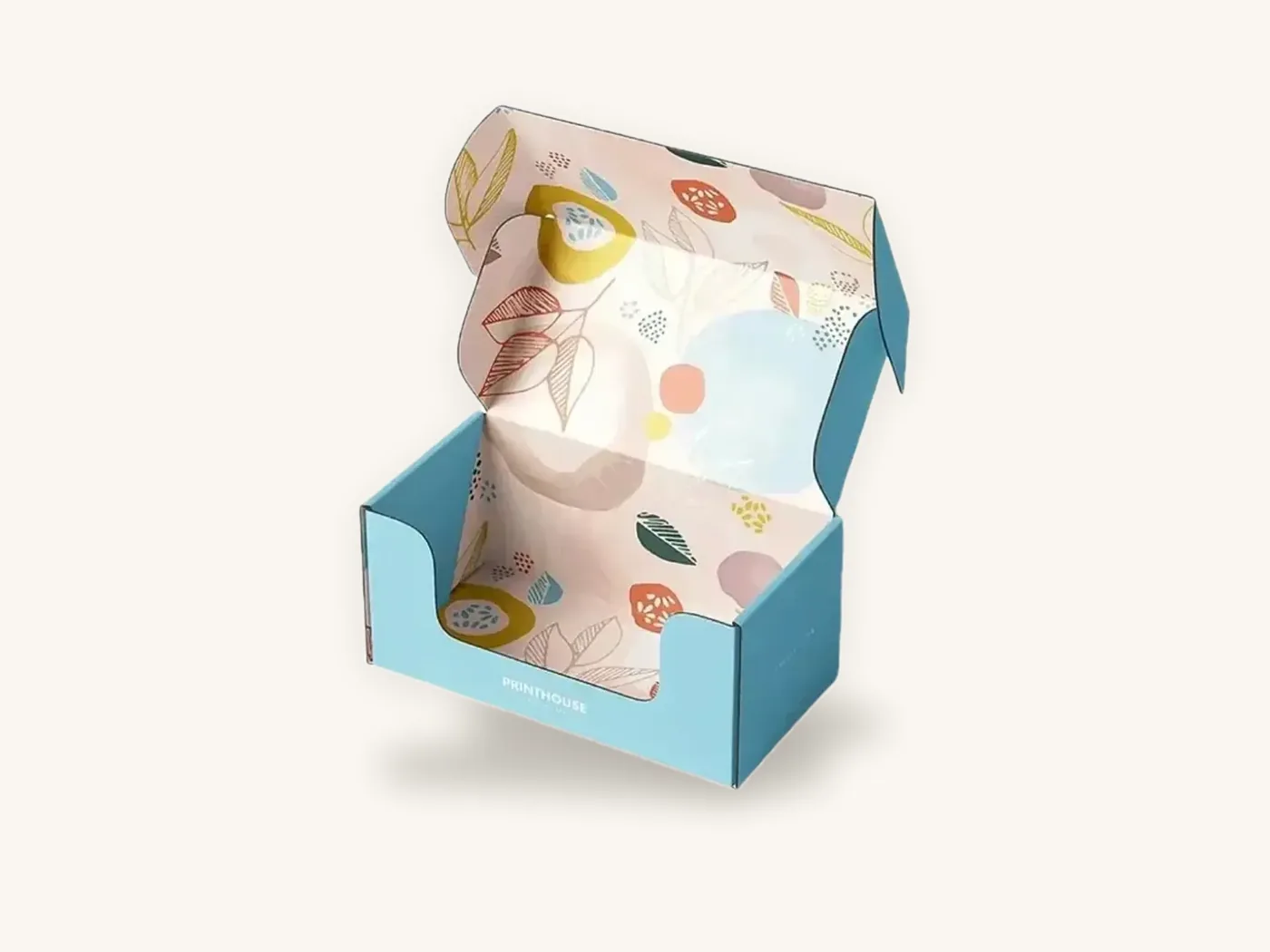
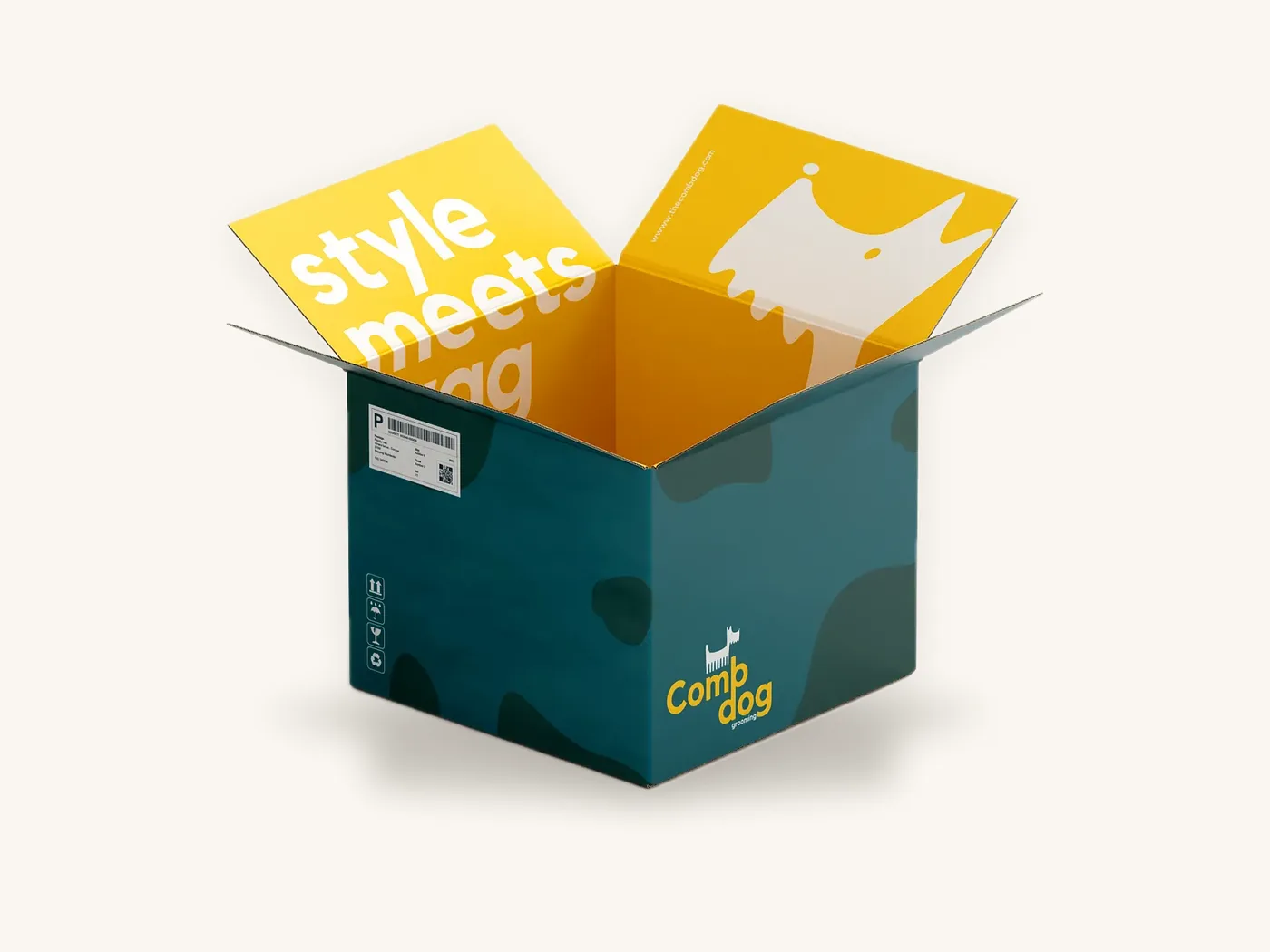
To compare options, request quotes for two or three specs at the same quantity, such as a kraft twisted-handle bag and a laminated rope-handle bag. If you also buy boxes, the pricing estimator shows how box costs sit alongside bag spend, and the sleeve boxes guide and custom mailer boxes guide cover packaging that often goes inside the bag. For online orders that skip the counter, see the custom shipping boxes guide.
How to order custom paper bags from Box Sense
Bag specification sheet
- Bag type: kraft twisted-handle, kraft flat-handle, SOS, laminated tote or die-cut handle
- Sizes: width x gusset x height for each size band
- Paper: brown kraft, white kraft, laminated art paper or specialty paper, with weight if known
- Handles: twisted paper, flat paper, cotton rope, polyester rope or ribbon, and color
- Print: one color, PMS or full color; which panels and gussets
- Finishes: lamination type, foil, embossing, spot UV
- Reinforcement: bottom card, top-turn board, handle patches
- Heaviest purchase: what the largest bag must carry
- Quantities: per size, and your in-hand date
Process and timeline
- Quote within 24 hours for your spec.
- Free design support: dieline, artwork setup and a digital proof with two revision rounds.
- Samples: unprinted samples help you test size and load; ask about sample options for your bag type on the samples page.
- Production: standard production is 8–12 business days after proof approval. Rush timing depends on bag type, so confirm when quoting.
- Delivery: free shipping on every US order; international shipping quoted at cost.
Box Sense works with a minimum order of 10 units, and defective items reported within 14 days are reprinted free. The paper bags style page shows constructions, and the apparel and fashion and retail and consumer goods pages show how bags pair with other packaging.
Frequently asked questions
What is the best paper for custom paper bags?
For everyday retail, brown or white kraft paper is the best balance of strength, cost and recyclability. For premium fashion, beauty or jewelry brands, laminated coated art paper gives sharper print and a stiffer, more luxurious bag. Specialty textured papers suit boutiques that want foil or embossing rather than full-color printing. Heavier purchases need heavier paper and reinforcement.
What handles are strongest on paper shopping bags?
Cotton and polyester rope handles are generally the strongest and most comfortable, especially when anchored through a board-reinforced top turn. Twisted paper handles are strong enough for most everyday retail purchases and keep the bag fully paper. Flat paper and die-cut handles suit lighter loads. Handle strength depends heavily on how and where handles attach.
How much do custom paper bags cost?
Paper bag prices depend on bag type, size, paper weight, handle type, print coverage, finishes and quantity. Machine-made kraft bags with paper handles cost far less per unit than hand-finished laminated bags with rope handles. Because the range is so wide, bags are quoted to your exact spec. Request quotes for two or three options at the same quantity to compare.
Can you print full color on kraft paper bags?
Yes, but colors look darker and more muted because brown kraft tints the ink and absorbs some of it. Bold, dark colors and opaque white ink work best on brown kraft. For bright colors, pastels or photography, choose white kraft or laminated art paper, or ask for a white underlay beneath the color areas.
What size paper bag do I need for my store?
Most stores need two or three sizes rather than one. List your largest common purchases, including boxed items, then size the gusset to the deepest box and leave 2–3 in above products for handles to close. Typical bands are small for accessories, medium for folded apparel and large for shoes or gift sets. Test with plain samples first.
Are printed paper bags recyclable?
Plain kraft or uncoated paper bags printed with water-based inks and fitted with paper handles are widely recyclable. Laminated bags and bags with rope or ribbon handles are harder to recycle; customers should remove handles first. If you print recycling claims on bags, make sure they are accurate and check local rules, which vary by state and city.
Can I order a small quantity of custom paper bags?
Yes. Box Sense accepts orders from a minimum of 10 units, and short runs are printed digitally, which avoids plate costs. Small runs suit pop-ups, events and new brands. If you need branding at very low volume, plain kraft bags closed with printed stickers or tagged with hang tags are another flexible option.
How long does it take to get custom paper bags?
Box Sense confirms quotes within 24 hours. After you approve the digital proof, standard production is 8–12 business days. Rush availability depends on the bag type, particularly for hand-finished laminated bags with rope handles, so confirm timing when you request a quote. Shipping is free within the US.
Next steps
Pick your bag type, handles and two or three size bands, then request a custom paper bag quote with your heaviest purchase noted so we can specify the right paper and reinforcement. If boxes travel inside your bags, check those costs in the instant pricing estimator at the same time.
Boxes in this guide
Order the packaging we covered
Written by the Box Sense Packaging Team
Our structural designers, prepress technicians and production staff print and convert custom boxes every day for brands in the United States, United Kingdom and UAE. Questions about this guide? Talk to us.