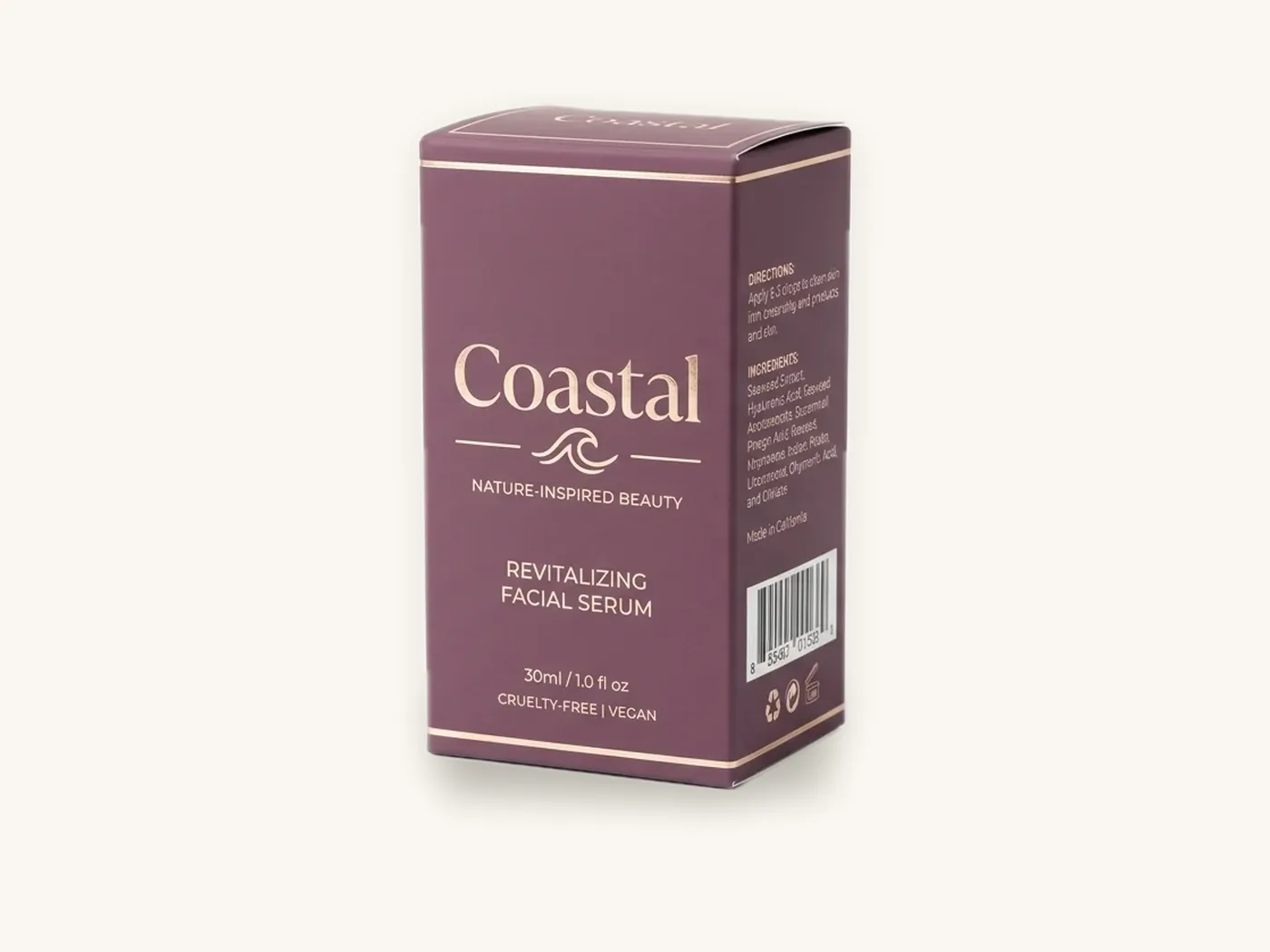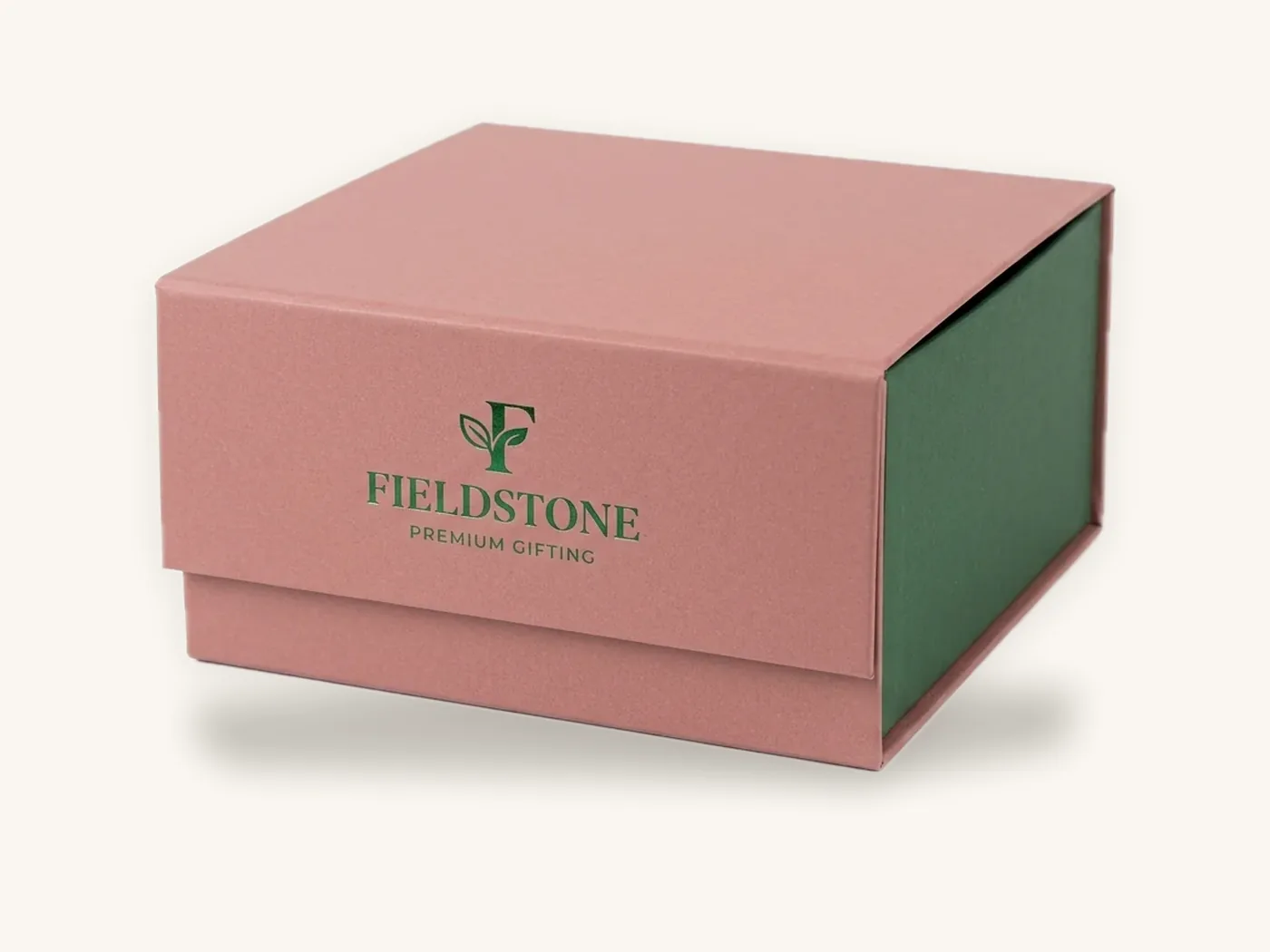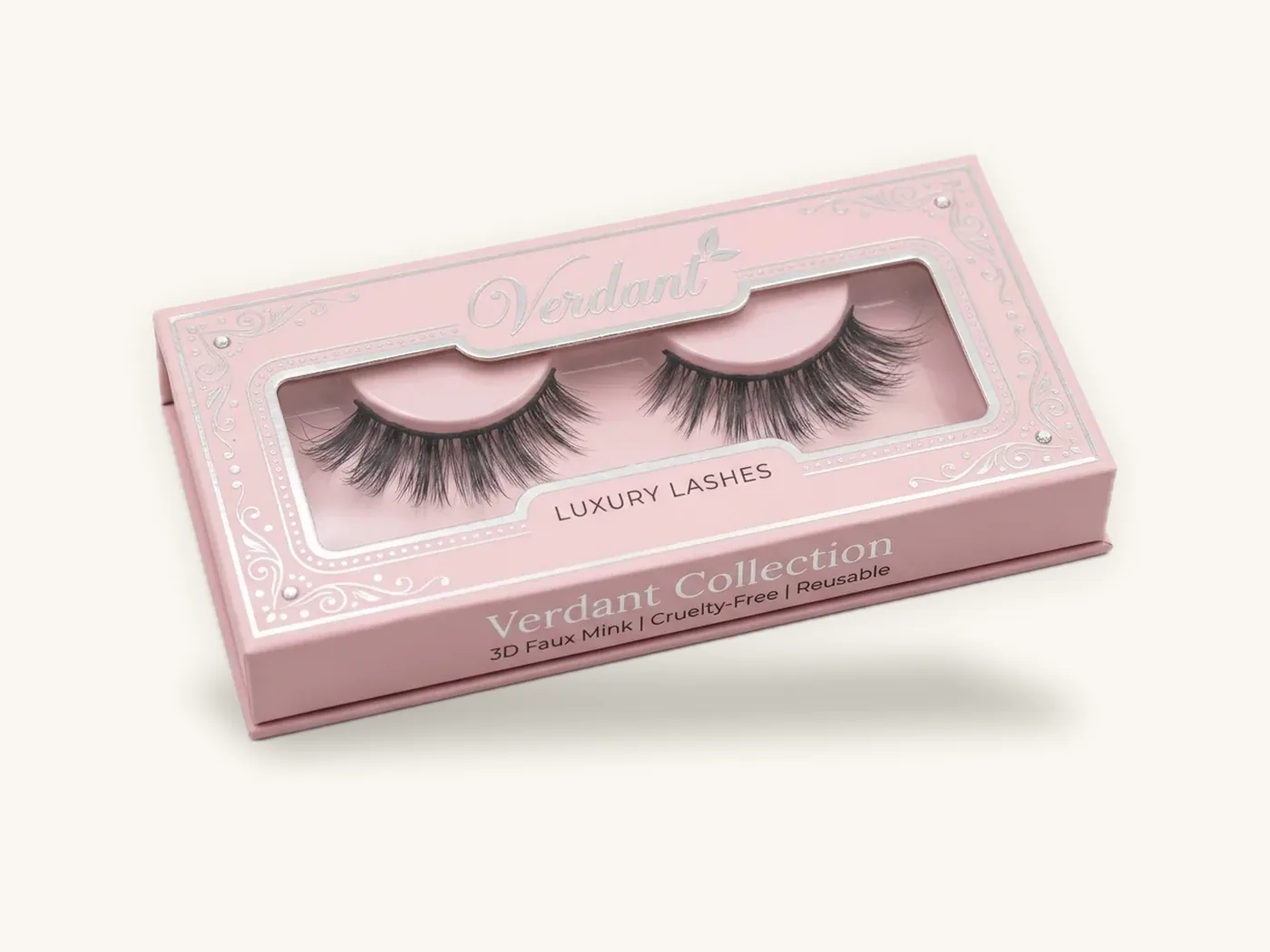
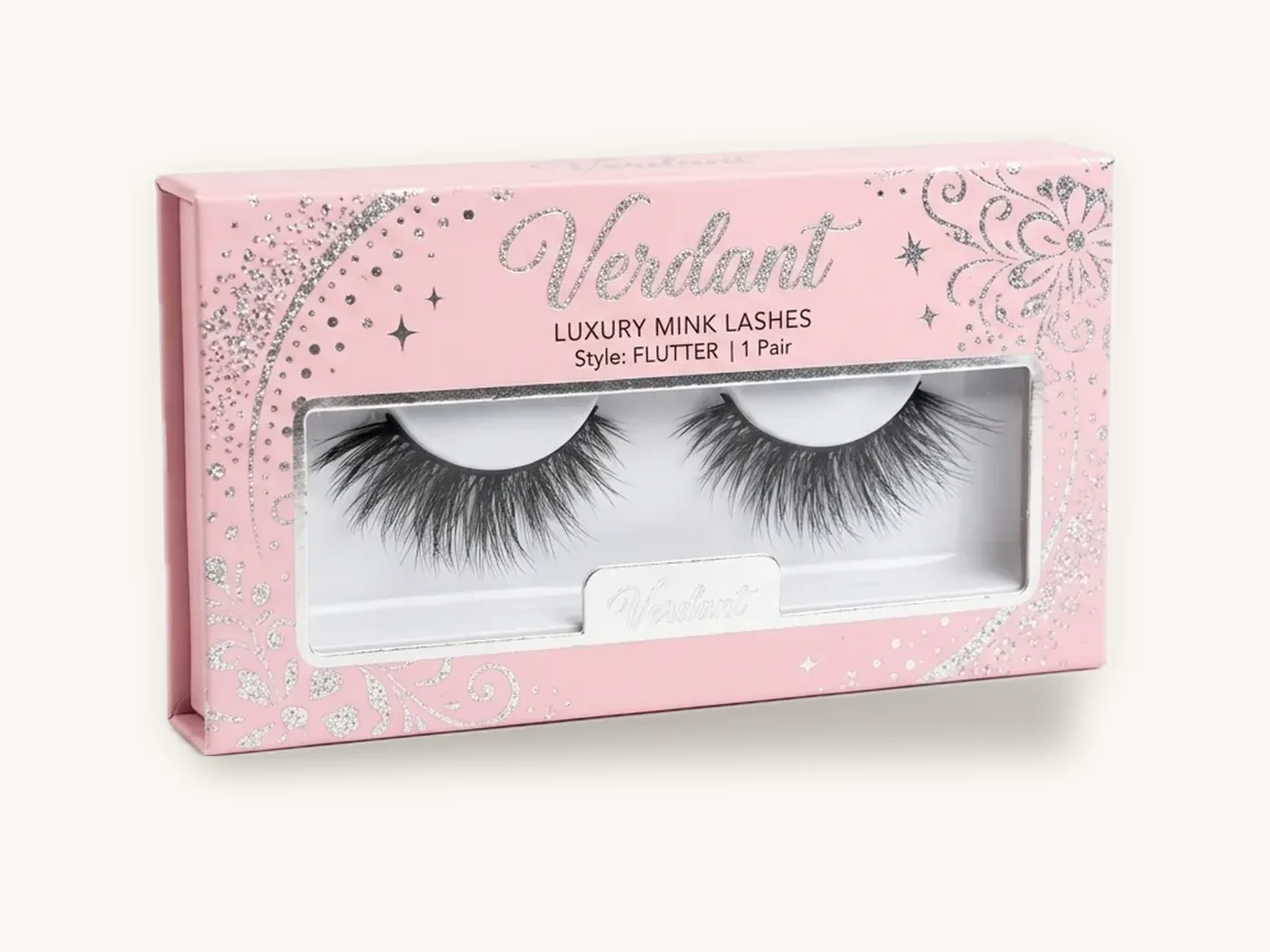
Custom eyelash packaging is a small printed box, usually a window carton, a slide-out drawer or a mini magnetic box, that holds a plastic lash tray snugly and looks good in a phone video. For most lash brands the box is not just protection: it is the thumbnail, the unboxing clip and the product photo on the listing, often before anyone sees the lashes themselves.
That changes the priorities. Lash boxes need an exact tray fit so the lashes do not bend, finishes that read well under ring lights and daylight, and a design system that stretches across a dozen lash styles without a dozen separate print runs. This guide covers formats, tray fit, eyelash box design for the camera, building a collection, wholesale and private label, shipping, cost and ordering.
Key takeaways
- The three workhorse formats are window cartons, drawer boxes and mini magnetic boxes; choose by price point and how the box opens on camera.
- Size the box around the lash tray, not the lashes, and keep the tray from sliding so the band stays curved.
- Gloss lamination and clear windows can glare under ring lights; soft-touch, matte and holographic board usually film better.
- Use one base box plus printed style labels to cover a large lash range at low quantities per style.
- A small rigid box at 3x3x1.5 in with matte lamination, foil and an insert runs about $3.35 per unit at 100 and about $1.49 at 1,000.
- Box Sense makes lash boxes from 10 units, which suits testing new styles and launching private-label lines.
What lash customers see first: the camera test
Most lash brands sell through social feeds, marketplaces and their own store, which means shoppers meet your packaging on a screen. Before you pick a format, think about the three shots your box will appear in.
The three shots that matter
- The flat lay. The closed box, photographed from above. It needs to be recognizable at thumbnail size, so a bold logo and a strong single color or finish beat detailed illustration.
- The open reveal. The moment the lid lifts, the drawer slides or the magnet releases. A smooth, one-handed motion looks good in a short video; a tuck flap that sticks does not.
- The tray close-up. The lashes sitting in the tray, framed by the box interior. Inside printing, a contrasting tray backing card or a mirror board makes this shot.
Design with those shots in mind and the box works as marketing without extra props. A quick test: photograph your structural sample on a phone under the lighting you actually use for content before you finalize finishes.
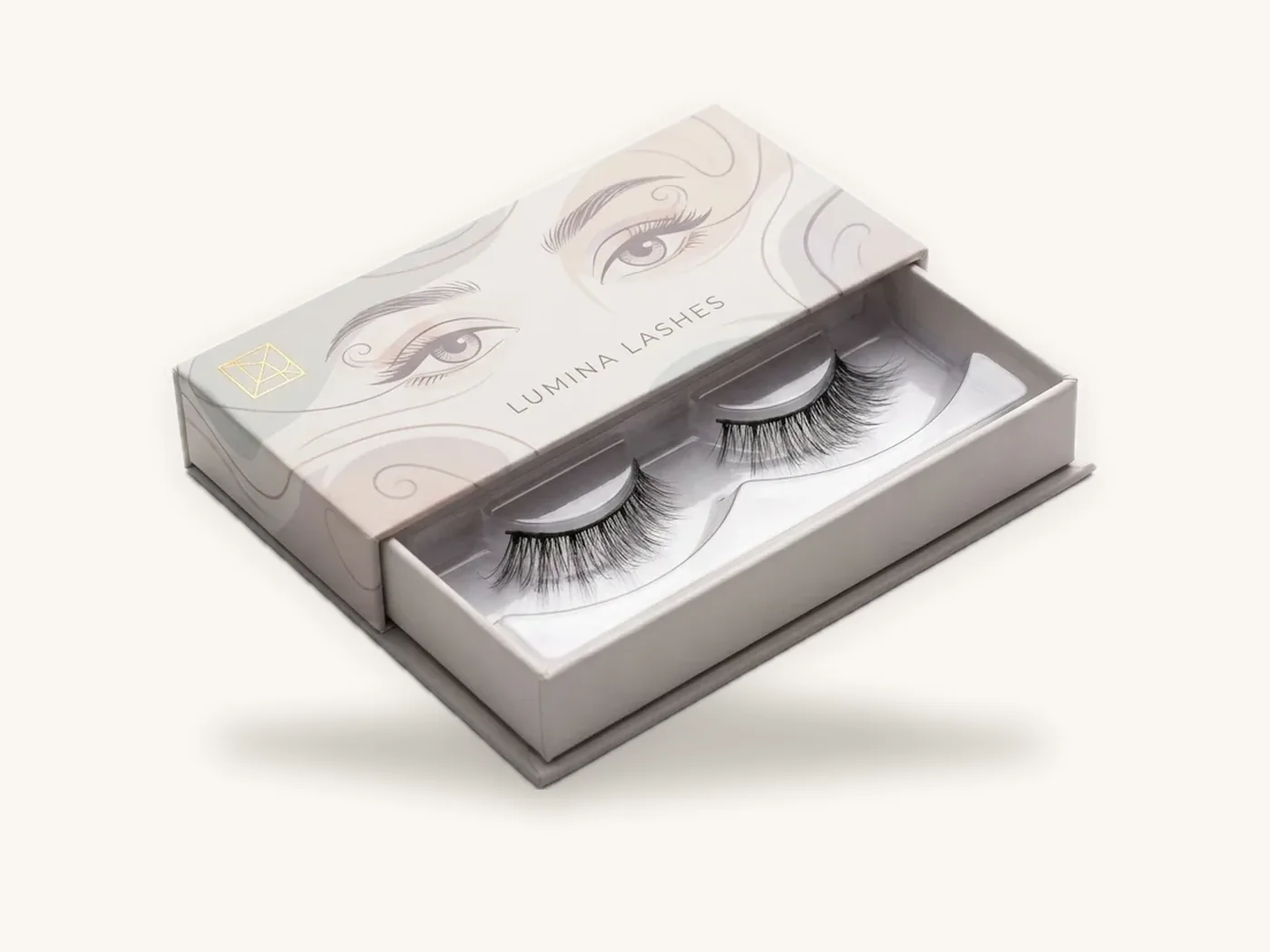
Lash box formats compared
"Lash box" covers several structures. The eyelash boxes product page shows the range; the table compares the main choices.
| Format | How it opens | Look and feel | Best for | Watch for |
|---|---|---|---|---|
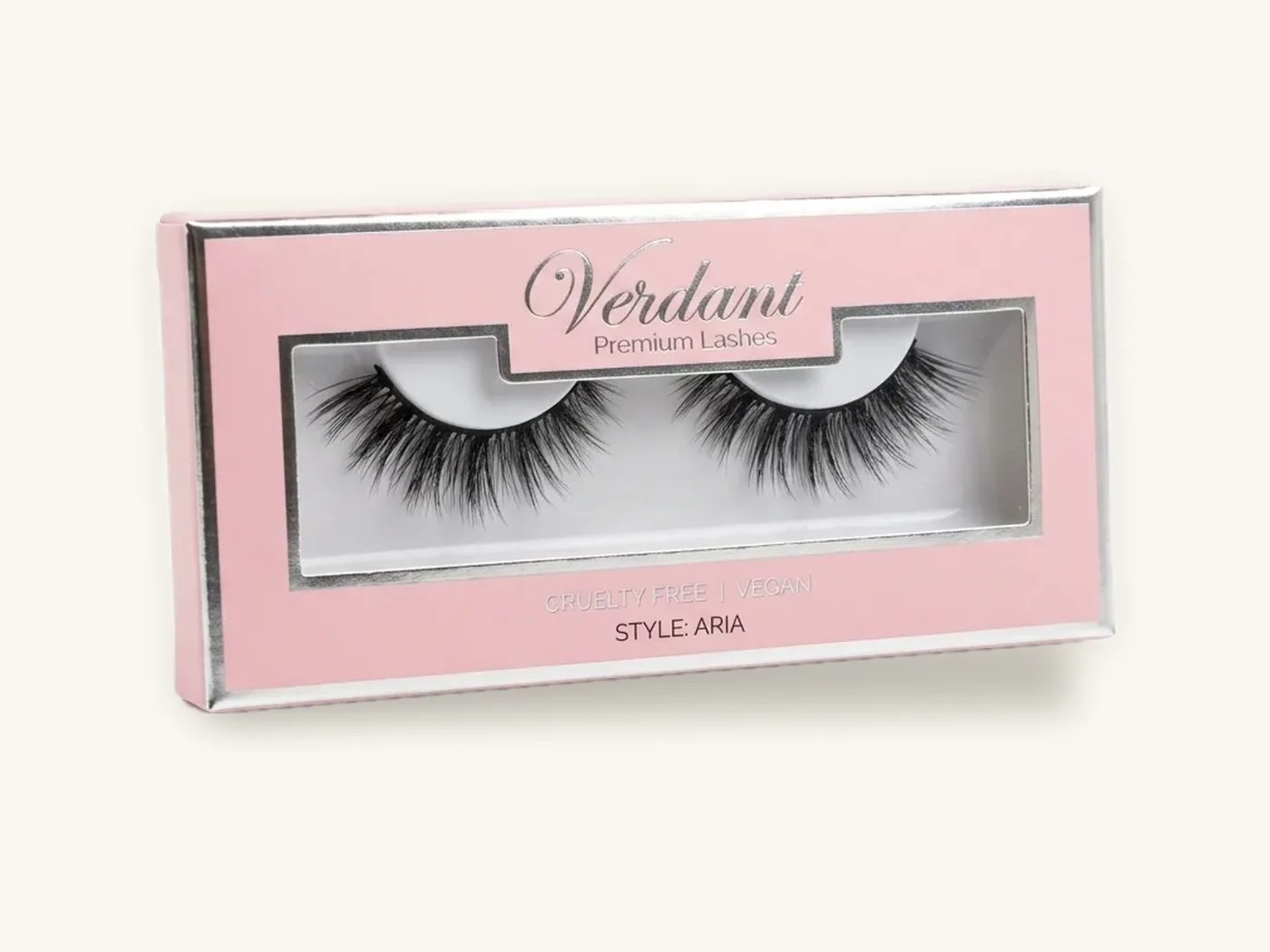
| Window carton | Tuck end, lashes visible through PET or PLA film | Light, retail-ready | Wholesale packs, lower price points, marketplace listings | Film glare on camera; lashes must sit flat behind the window |
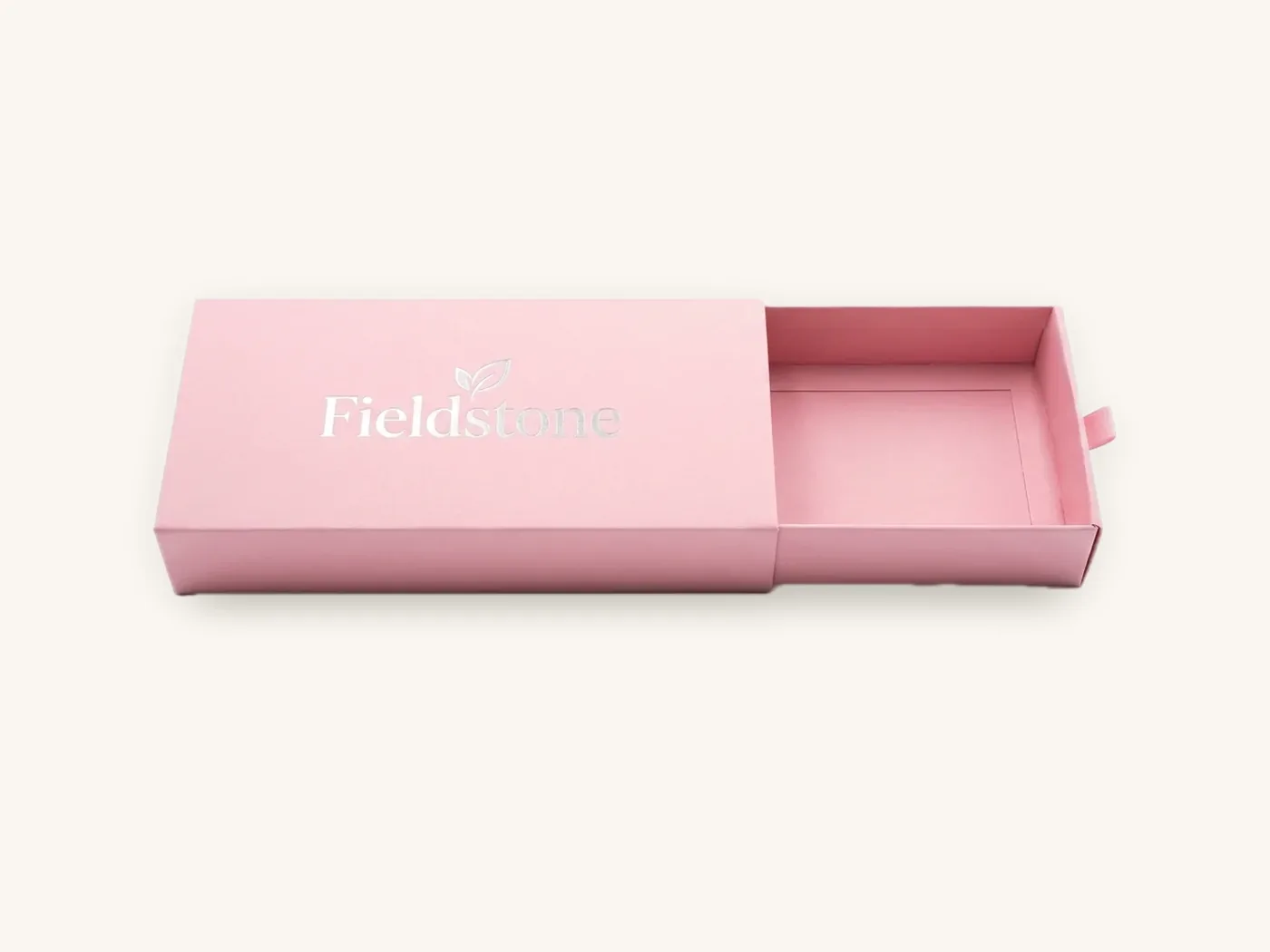
| Paperboard drawer | Printed sleeve with a slide-out tray | Playful, tactile | Mid-range single pairs, gift-with-purchase | Needs a pull tab or thumb notch |
| Rigid drawer | Greyboard sleeve and drawer, wrapped in paper | Solid, premium | Mink-style and premium lines | Higher cost per unit |
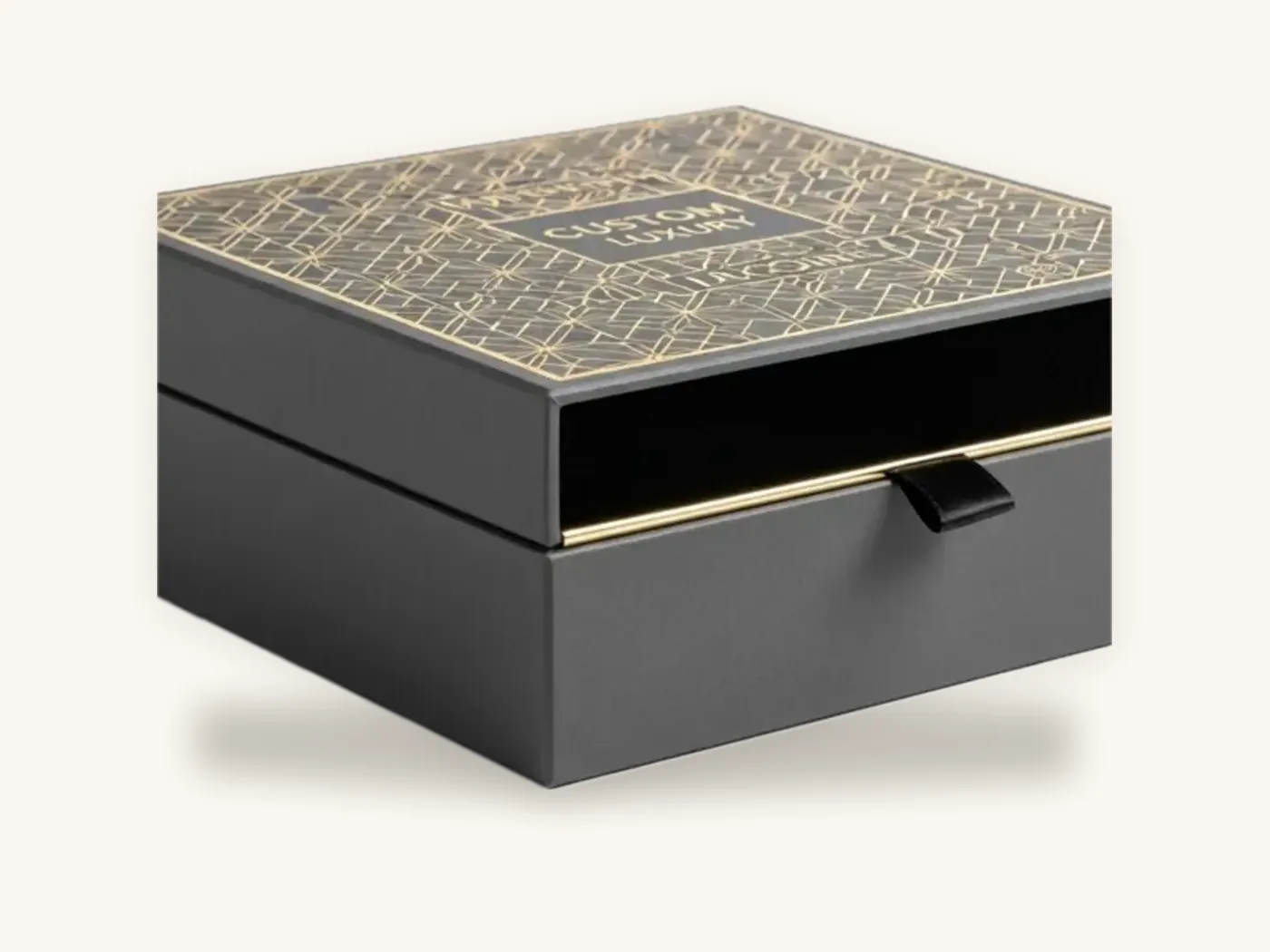
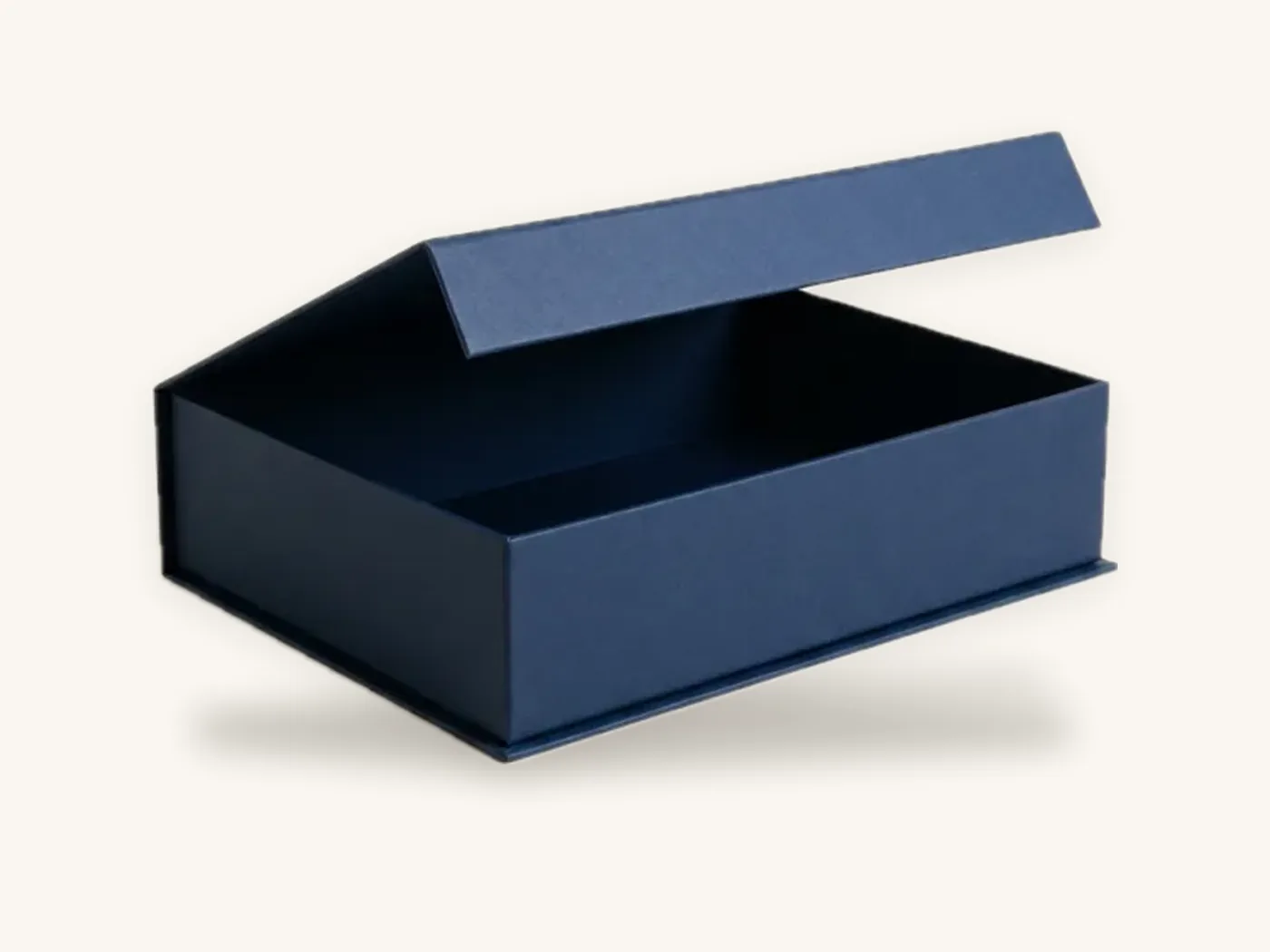
| Mini magnetic box | Hinged lid snaps shut on hidden magnets | Luxurious, satisfying click on video | Hero styles, influencer seeding, bundles | Heaviest and most expensive format |
| Two-piece lift-off | Lid lifts off a base | Classic presentation | Multi-pair sets | Lids can slide off if the fit is loose |
| Pillow box | Curved ends tuck closed | Soft, giftable | Samples, event giveaways | Hard to hold a rigid tray flat |
Choosing by price point
A useful rule: the more a pair of lashes costs, the more the opening motion matters. Budget and wholesale lashes sell on visibility and range, so a window carton is right. Mid-range lashes benefit from the reveal of a drawer. Premium and hero styles justify a mini magnetic box, which makes the most satisfying sound and motion on video.
Drawer boxes work in both paperboard and rigid builds, which lets you keep one format across tiers and change only the board. Magnetic closure boxes can be made in mini sizes for single pairs or larger for a three-pair set with glue and tweezers.
Fitting the lash tray: sizing that keeps lashes curved
The lash tray is the plastic insert that holds the pair in shape. It is the primary package, and it is what your box must fit. Lashes bend and lose their curve if the tray slides around or gets pressed against a lid.
How to size a lash box
- Get the final trays from your lash supplier. Tray sizes and depths vary by supplier and by lash length, and a tray change is the most common reason lash boxes stop fitting.
- Measure the tray's outer length, width and total depth, including any raised dome or lid on the tray itself.
- Check the lash height above the tray for dramatic or long styles. Voluminous lashes can stand proud of a shallow tray.
- Add clearance. Roughly 1 mm on length and width keeps the tray from rattling while still dropping in by hand. Add depth so nothing presses on the lash fibers.
- Decide on a backing card or insert. A printed card under or around the tray adds thickness; include it in the depth.
- Plan for accessories. If some SKUs include glue or an applicator, size a shared box that fits the largest kit, with a card insert to hold the tray centered in single-pair versions.
- Test a structural sample with your longest and shortest lash styles.
Tray and insert options
| Tray approach | What it looks like | When to use it |
|---|---|---|
| Clear plastic tray, no insert | Tray drops straight into a snug box | Simple window cartons, lowest cost |
| Tray on a printed backing card | Card shows around the tray edges, often with style name | Drawer boxes and magnetic boxes where the interior is filmed |
| Die-cut paperboard insert | Card with a cavity that holds the tray and a glue tube | Kits with accessories |
| Foam or fabric-wrapped insert | Tray sits in a cushioned bed | Premium mini magnetic boxes and gift sets |
A custom paperboard or foam insert adds a one-time insert die charge of $45, and that single die can serve every lash style that shares a tray size. See box inserts and dividers for materials.
Watch out: a tray that sits too close to a window film will press the lashes flat against it over time, especially in warm storage or shipping. Leave a visible gap between the film and the tallest lash fibers.
Eyelash box design for the camera
Lash packaging is photographed constantly, so the way finishes behave under light matters as much as how they look in the hand. The printing and finishes page shows each option in person.
How finishes behave on video
| Finish | Under a ring light | In daylight | Verdict for lash boxes |
|---|---|---|---|
| Gloss lamination | Can produce bright hotspots and reflections of the light ring | Rich, saturated | Use on small areas or angle shots carefully |
| Matte lamination | Even, low glare | Soft, understated | Reliable default for filming |
| Soft-touch lamination | Very low glare, deep color | Velvety, premium | Excellent for premium boxes |
| Holographic or metallic board | Rainbow or mirror shifts as the box moves | Eye-catching | Strong for social; plan printed areas carefully |
| Foil stamping | Flashes as the box tilts | Crisp metallic logo | Great accent; costs $60 one-time tooling |
| Spot UV on matte | Glossy logo pops against matte base | Subtle | Good middle ground; $40 one-time tooling |
| PET window | Can reflect the light and hide the lashes | Clear | Tilt or move the light when filming |
Holographic and metallic board
Holographic board has a diffraction pattern built into a metallized surface, so the box shifts color as it moves. That motion is exactly what performs in short videos. You can print opaque white ink over some areas to create solid color panels and leave others bare to show the effect. Our metallic and holographic board page explains how the layers work.
Keep text on holographic board bold. Fine type over a shifting rainbow is hard to read, both in person and on a phone screen.
Layout tips for small lash boxes
- Put the brand on the lid and the style name on a consistent spot, so a row of boxes reads as a collection.
- Use inside printing on drawer and magnetic boxes: a short message or pattern inside the lid is what appears in the reveal shot.
- Leave space for a label if you will name styles with stickers.
- Keep your handle or site small and on the back or inside; large URLs on the front look like advertising in content.
The cosmetics and beauty page has more examples of beauty box layouts.
Building a lash collection that scales
Lash brands often launch with five styles and grow to twenty or more. Packaging decisions made at launch decide how painful that growth is.
One box, many styles
The most flexible setup is a single printed box design shared by every style, with the style name added by a printed label or a small variable print area. That means:
- one dieline and one approved artwork file for the box
- small labels printed per style, which are fast and cheap to reorder
- no leftover printed boxes when a style is discontinued
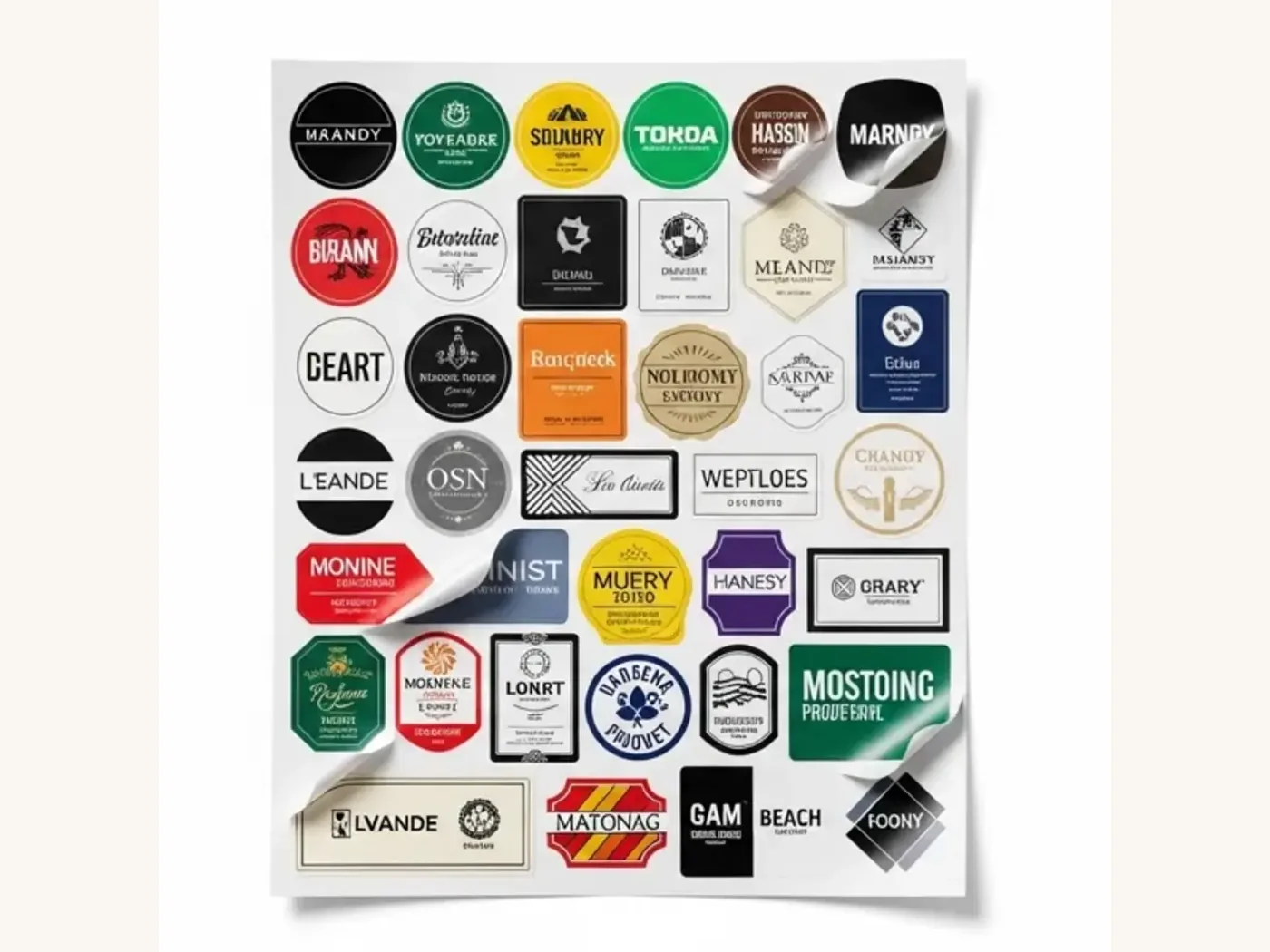
Custom labels and stickers can be printed in matte, gloss or holographic finishes to match the box. Our labels and stickers guide covers sizes and materials.
Color-coded tiers
Another approach is a box color per tier: one color for natural styles, one for everyday glam and one for dramatic volume. Customers learn the system quickly and it photographs as an obvious range. Digital printing handles roughly 10 to 500 units with no plates, so three colorways at modest quantities are practical.
Limited editions
Seasonal or collaboration lashes can use the same structure with a new print. Because the structure and tray fit are already proven, a limited edition only needs new artwork and a proof, not new sampling.
Wholesale and private-label lash packaging
Many lash businesses sell to salons, lash artists and resellers who put their own brand on the box. That creates two packaging needs.
Selling private-label lashes
If you supply lashes to other brands, offer a standard box they can customize. A common setup is a plain or lightly branded window carton or drawer box that the reseller finishes with their logo sticker, or a short run of fully printed boxes with their artwork. Since orders at Box Sense start at 10 boxes, a new lash artist can have printed boxes without buying thousands. The private label packaging guide explains how resellers typically approach this.
Buying for a salon or lash studio
Lash artists who send clients home with aftercare or strip lashes can use a small branded box as a retention tool. A drawer or pillow box with an aftercare card inside keeps the salon name in front of the client. Keep it simple: one design, one size, reordered as needed.
Labeling
Lashes are often sold with an adhesive, and kits that include glue carry cosmetic labeling obligations for that product in the US. Our cosmetic labeling requirements guide outlines the basics at a high level; confirm current rules with the FDA or a regulatory advisor for your specific kit.
Shipping lash orders safely
A lash box is small and light, so it rarely breaks, but lashes bend and boxes scuff. A few habits prevent most complaints.
- Ship in a rigid outer, not a loose poly mailer, for premium boxes. Magnetic and rigid drawer boxes dent at the corners when bags are sorted by hand. A small corrugated mailer protects the presentation.
- Group bundles in a mailer with a divider so three or four lash boxes do not rub against each other.
- Avoid hot storage. Heat can soften lash band glue and warp trays; keep stock away from windows and hot warehouses.
- Protect foil and holographic surfaces with a tissue wrap or a sleeve so they are not scratched in transit.
For multi-pair orders, an E-flute custom mailer box with inside printing doubles as a second unboxing moment. For influencer seeding, see our PR box and influencer kit guide.
Tip: film a test unboxing of the complete shipped parcel, not just the lash box. If the outer mailer looks plain and the lash box is buried in loose fill, creators will skip that part of the video. A printed inside lid and a snug fit keep the whole sequence watchable.
What custom eyelash packaging costs
The biggest cost drivers are format (paperboard vs rigid), finishes, inserts and quantity. The price sheet has no dedicated lash box row, so the table uses the closest comparable specs: a small rigid box of similar size to a mini magnetic or rigid lash box, and a mailer for shipping bundles. Paperboard window cartons and drawer boxes cost less than the rigid row. Check the instant price estimator for your exact format.
| Spec | 10 | 100 | 500 | 1,000 | 5,000 |
|---|---|---|---|---|---|
| Small rigid box, 2 mm, 3x3x1.5 in, matte, foil, insert | $5.06 | $3.35 | $1.79 | $1.49 | $1.06 |
| Mailer box, E-flute, 8x6x3 in, full color outside (bundle shipper) | $3.99 | $2.64 | $1.41 | $1.17 | $0.83 |
Prices are per unit with free US shipping. One-time tooling applies only if chosen: foil $60, embossing $60, spot UV $40, insert die $45.
Keeping lash packaging costs sensible
For a launch, many brands start with a paperboard drawer or window carton for the core range and a small quantity of mini magnetic boxes for hero styles and creators. That puts the rigid spend where it gets filmed. As styles prove themselves, the move from 100 to 1,000 units roughly halves the per-unit price on the rigid spec above.
How to order lash boxes from Box Sense
Start with your tray and a rough idea of format, and we can guide the rest.
Send us
- Lash tray dimensions or a physical tray, plus your tallest lash style
- Format: window carton, paperboard drawer, rigid drawer, mini magnetic or a recommendation
- Whether some SKUs include glue, tweezers or cards
- Finishes: matte, soft-touch, holographic board, foil, spot UV
- Number of styles and whether you will use labels or printed style names
- Quantities per format and your target date
- Artwork, or a note that you would like help from design services
What happens next
- Quote within 24 hours.
- Free dieline, artwork setup and 3D digital proof, with two revision rounds.
- Free unprinted structural sample to test tray fit and film the reveal; a printed sample of approved artwork is free on orders of 100 or more units. See samples.
- Production in 8–12 business days after proof approval, or rush in 5 business days on most paperboard styles.
- Free shipping on every US order, with international shipping quoted at cost.
The minimum order is 10 boxes, with no die or plate charges on standard structures, and defective boxes reported within 14 days are reprinted free. For the wider beauty category, our cosmetic packaging guide covers skincare and makeup cartons too.
Frequently asked questions
What kind of box is best for eyelashes?
It depends on price point. Window cartons suit budget and wholesale lashes because the product is visible. Paperboard drawer boxes give mid-range lashes a satisfying reveal. Mini magnetic or rigid drawer boxes suit premium styles and influencer kits. Whatever the format, size the box around your lash tray so it cannot slide and nothing presses on the lashes.
How do I size a custom lash box?
Measure your supplier's final lash tray, including any dome, and check how far your longest style stands above it. Add roughly 1 mm of clearance to length and width, allow enough depth that the lid never touches the lashes, and include any backing card or insert thickness. Test a free unprinted structural sample with your tallest and shortest styles.
What finish looks best on lash boxes in videos?
Matte and soft-touch lamination film well because they produce little glare under ring lights. Holographic board is popular because it shifts color as the box moves on camera. Foil stamping adds a metallic flash on a logo. Gloss lamination and clear windows can reflect ring lights, so use them selectively and adjust your lighting angle when filming.
Can I get eyelash packaging in small quantities?
Yes. Box Sense produces custom eyelash packaging from a minimum of 10 boxes, and short runs are printed digitally with no plates. That makes it practical to test a new format, launch a handful of styles, or supply a lash artist with branded boxes. Unit prices fall steeply as quantity rises, so compare a few tiers in the estimator.
How do I package many lash styles without ordering many box designs?
Use one shared box design for the whole range and add style names with printed labels or a small variable print area. You manage one dieline and one approved box file, and labels are quick to reorder. Alternatively, use a box color per tier, such as natural, everyday and dramatic, which stays manageable with digital short runs.
How much do custom lash boxes cost?
Format and quantity drive the price. A small 2 mm rigid box at 3x3x1.5 in with matte lamination, foil and an insert, similar to a mini magnetic lash box, is about $3.35 per unit at 100 and about $1.49 at 1,000, with US shipping included. Paperboard window and drawer boxes cost less. Use the pricing page for your exact spec.
Do lash boxes need a window?
No. Windows help when shoppers cannot open the box, such as in retail or wholesale packs, but many online lash brands skip the window and rely on photos and a printed tray card. Windowless boxes avoid film glare in videos and keep the reveal as a surprise. If you use a window, keep the lashes clear of the film.
Next steps
Pull a lash tray from your supplier, choose a format for each price tier, and check costs in the lash box price estimator. When you have a direction, request a custom eyelash packaging quote and we will confirm pricing within 24 hours and prepare a dieline, tray insert and 3D proof ready for your first content shoot.
Boxes in this guide
Order the packaging we covered
Written by the Box Sense Packaging Team
Our structural designers, prepress technicians and production staff print and convert custom boxes every day for brands in the United States, United Kingdom and UAE. Questions about this guide? Talk to us.