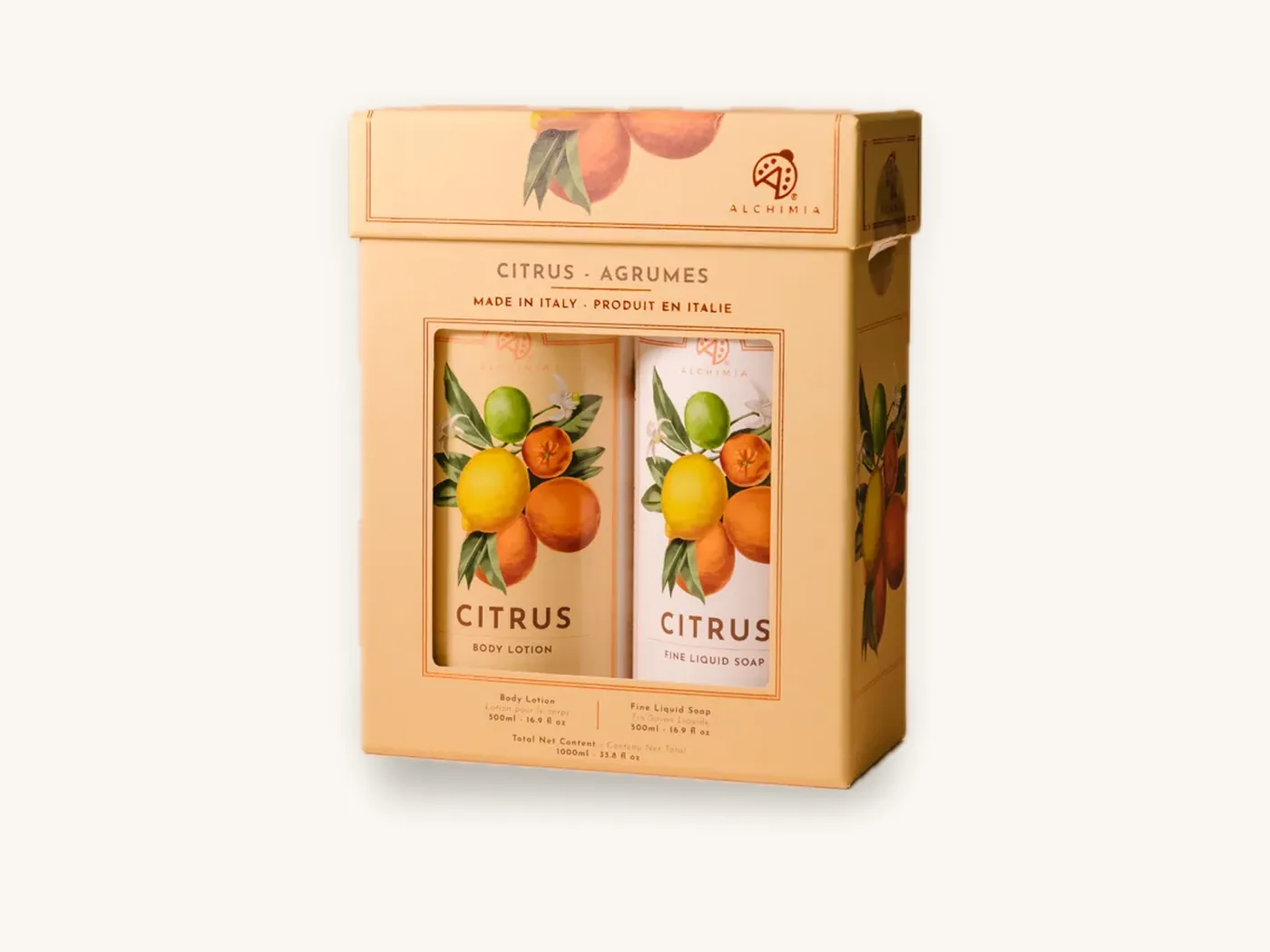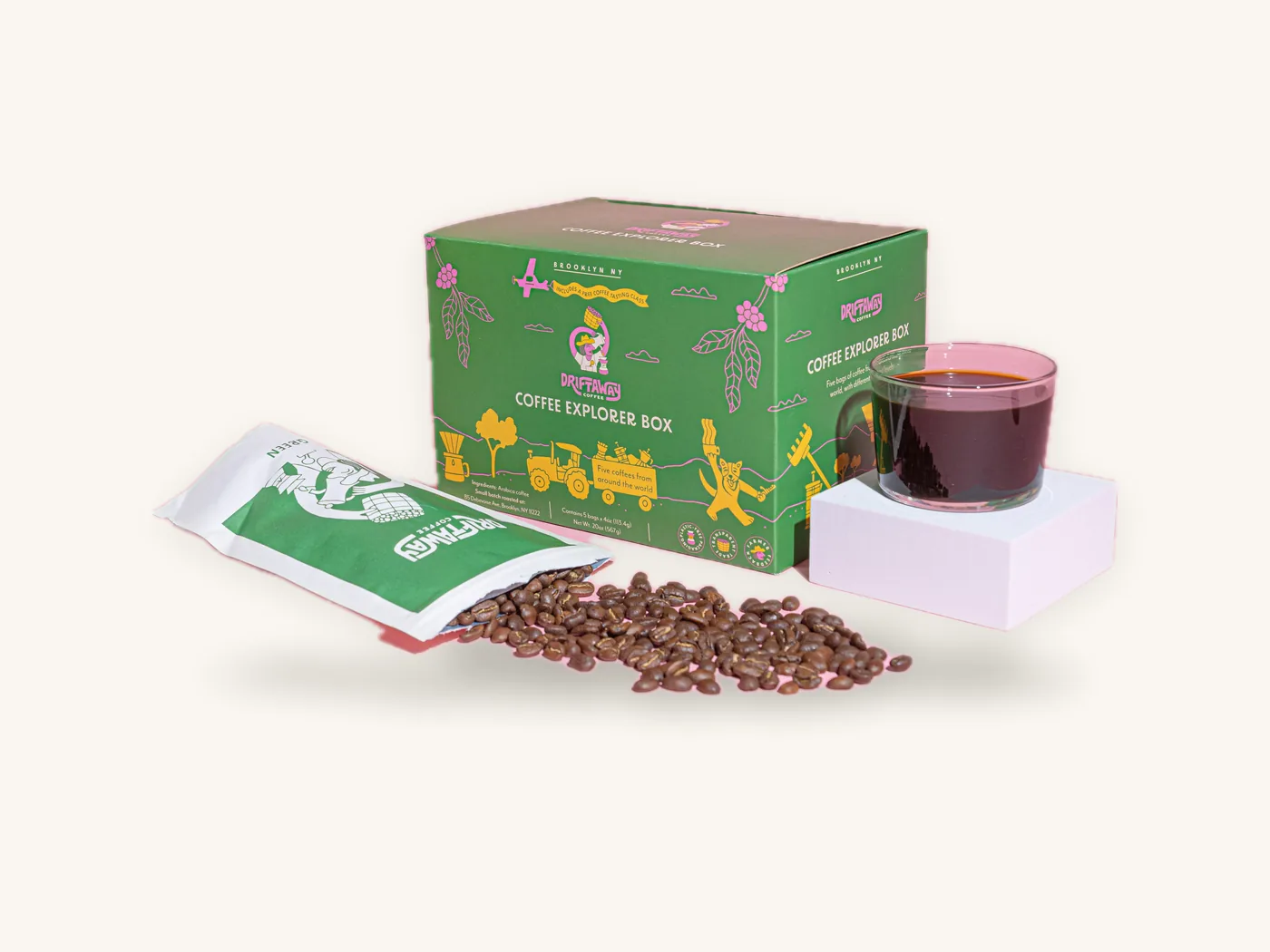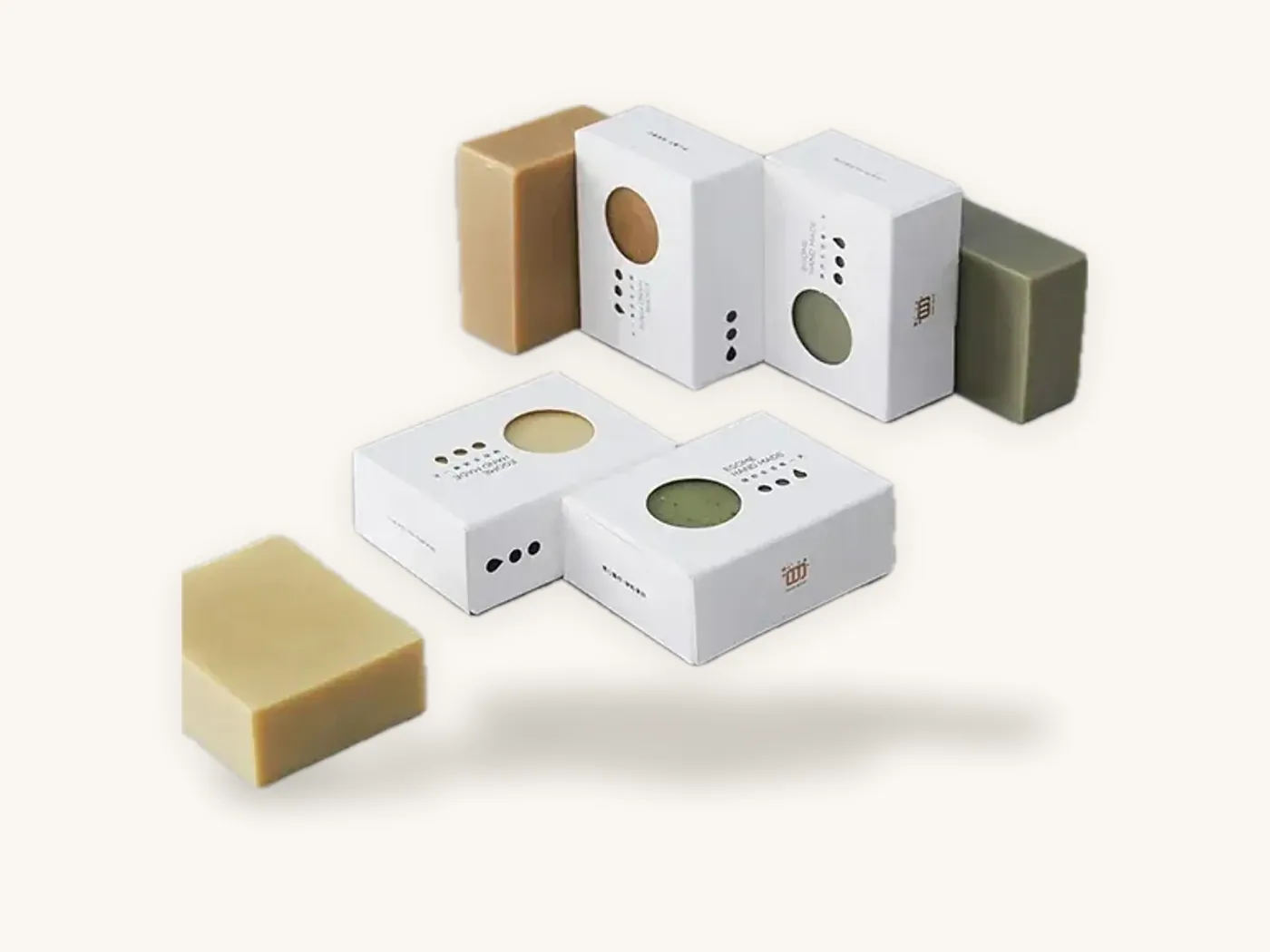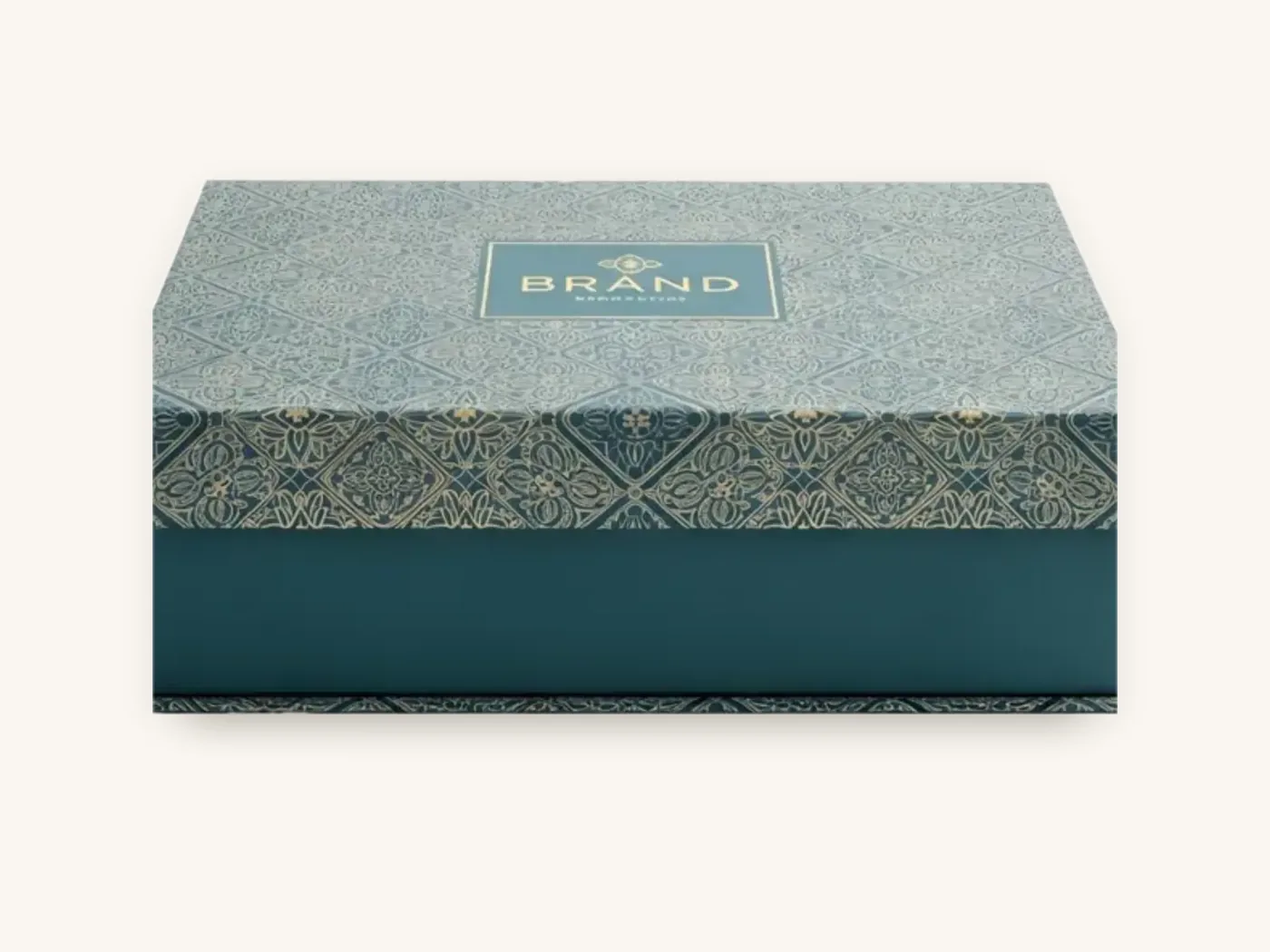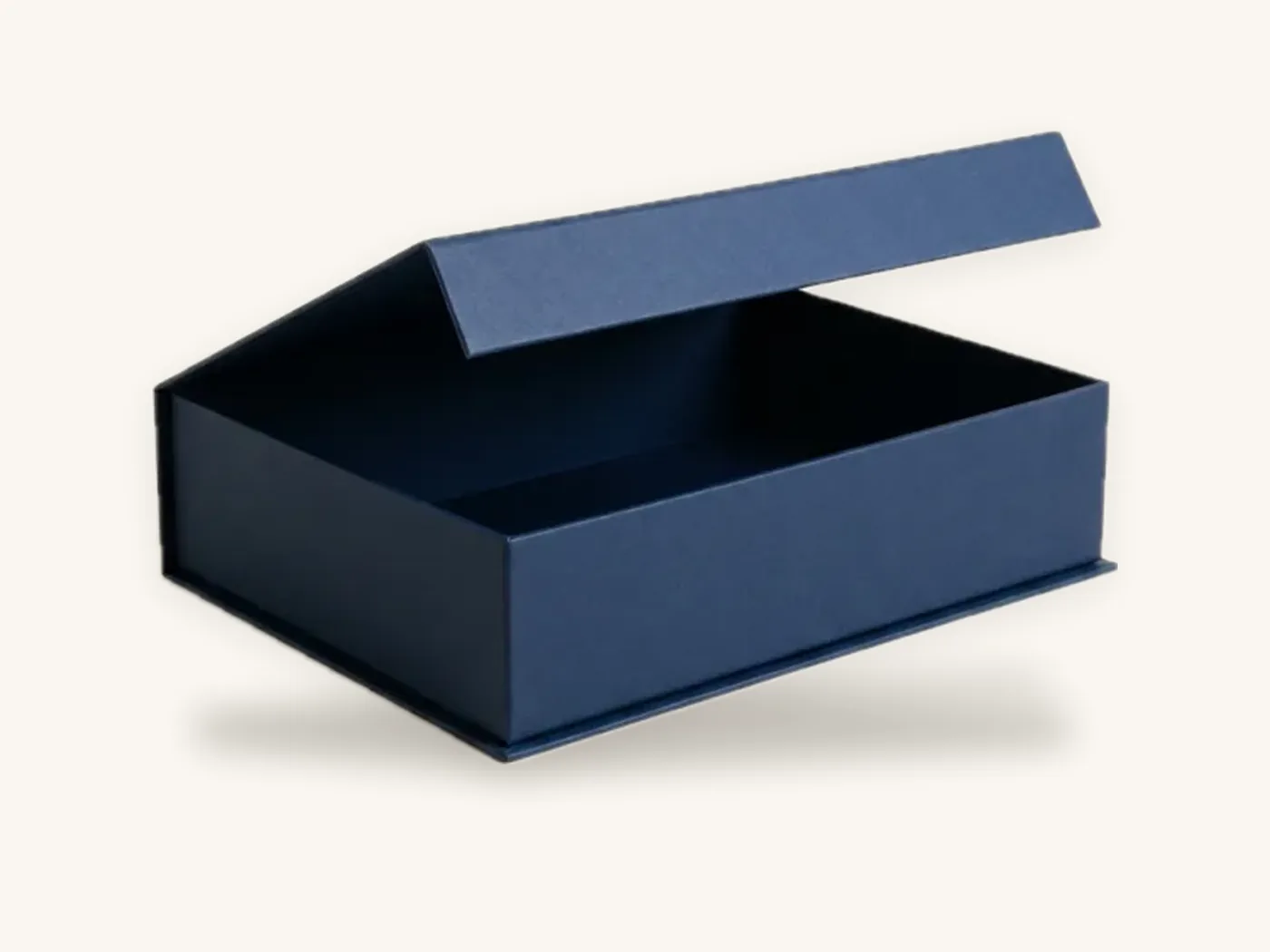
Good PR box packaging is designed for a phone camera held above a table. The box has to look deliberate from overhead, open in a clear sequence that takes a few seconds to film, and reveal the product in a layout that makes sense without explanation. When those three things work, creators have a reason to post the opening instead of just the product.
Most influencer kits are rigid or magnetic boxes with a fitted insert, shipped inside a plain protective outer box. They are made in small runs, often 25 to 250 at a time, which suits digital printing and short-run rigid production. This guide covers structure choices, how to design the reveal, finishes that film well, insert layouts, seeding budgets and the practical logistics of getting kits out on time.
Key takeaways
- Design the box for overhead filming: a clean lid, a single strong brand mark, and a reveal that works in one continuous shot.
- Magnetic closure and drawer boxes give the most filmable opening; printed mailers with inserts work well for larger seeding lists on a tighter budget.
- A fitted insert does most of the visual work. Center the hero product, keep cavities shallow enough to show it, and add a pull tab or ribbon for anything deep.
- Matte and soft-touch finishes film with less glare than gloss. Use foil or spot UV on a small area, not across the lid.
- Always ship rigid PR kits inside an outer shipper; carrier labels and scuffs ruin the first frame.
- Remind recipients that gifted products may need disclosure when they post. The FTC's endorsement guidance applies to creators and brands.
What makes a PR box worth posting
An influencer box competes with dozens of other packages a creator receives. The ones that get filmed share a few traits, and none of them require the most expensive materials.
The overhead test
Put your box design on a table and look straight down at it through a phone camera. The lid should read clearly at that size: one logo or wordmark, a clear color field or pattern, nothing crammed into the corners where a vertical video crop will cut it off. Busy lids look cluttered on a small screen.
A reveal with steps
Opening a box that simply lifts off shows everything at once. A reveal with two or three stages gives a creator something to narrate: a sleeve slides off, a magnetic flap lifts to show a printed message, tissue folds back, and the product appears in its cavity. Each stage is a few seconds of footage.
Something to say
The inside lid or a card should give a reason the kit exists: a launch date, a shade name, a short note. It gives the creator a line to read on camera and makes the kit feel addressed to them rather than mass-mailed.
Choosing a structure for your influencer box
The structure sets the opening motion, the perceived value and the cost per kit. Match it to how many kits you send and what they contain.
| Structure | Opening motion on camera | Best for | Trade-offs |
|---|---|---|---|
| Magnetic closure rigid box | Flap lifts and snaps shut; satisfying sound | Beauty launches, fragrance, premium tech accessories | Highest cost per unit; ships assembled, bulky |
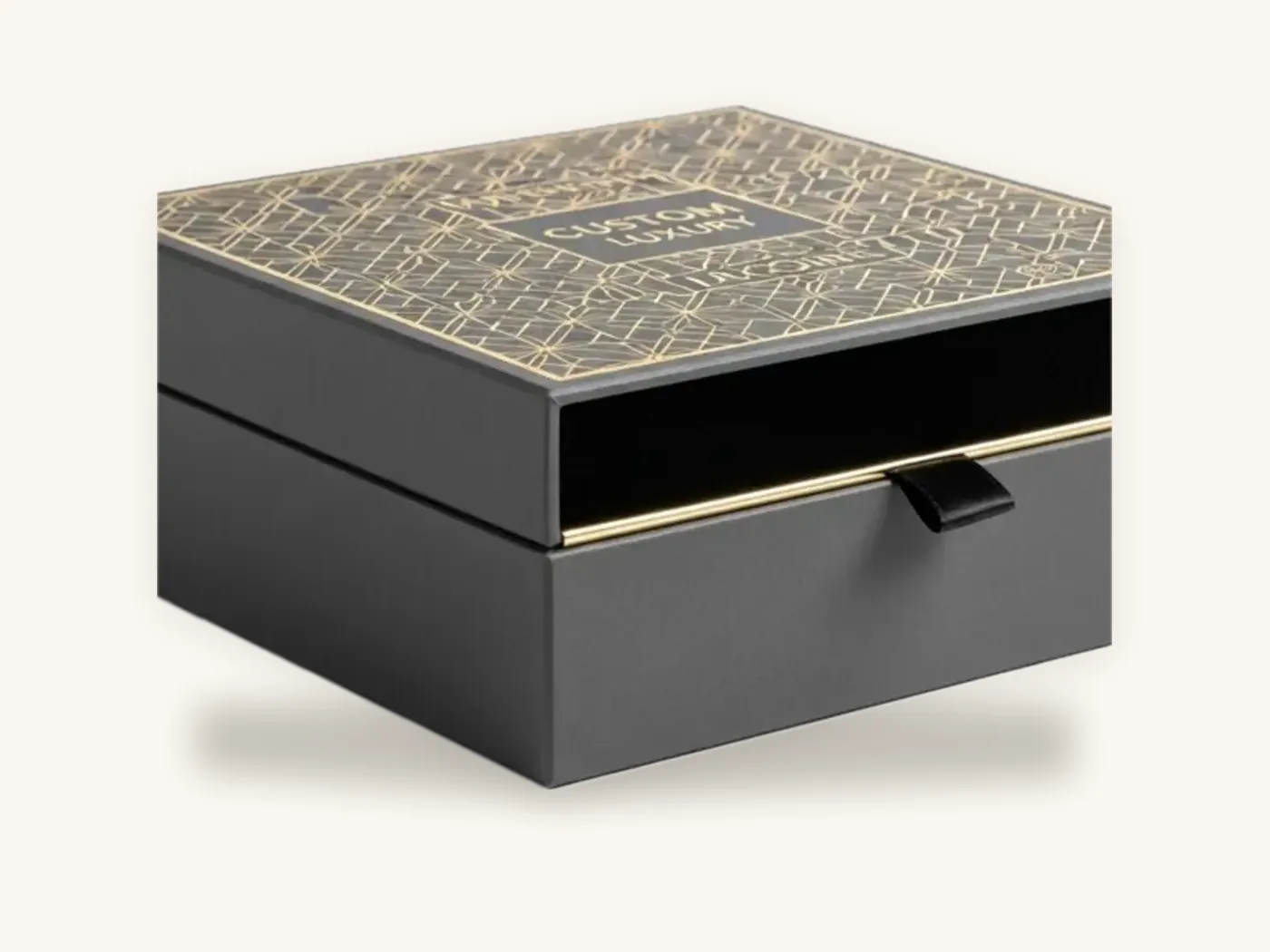
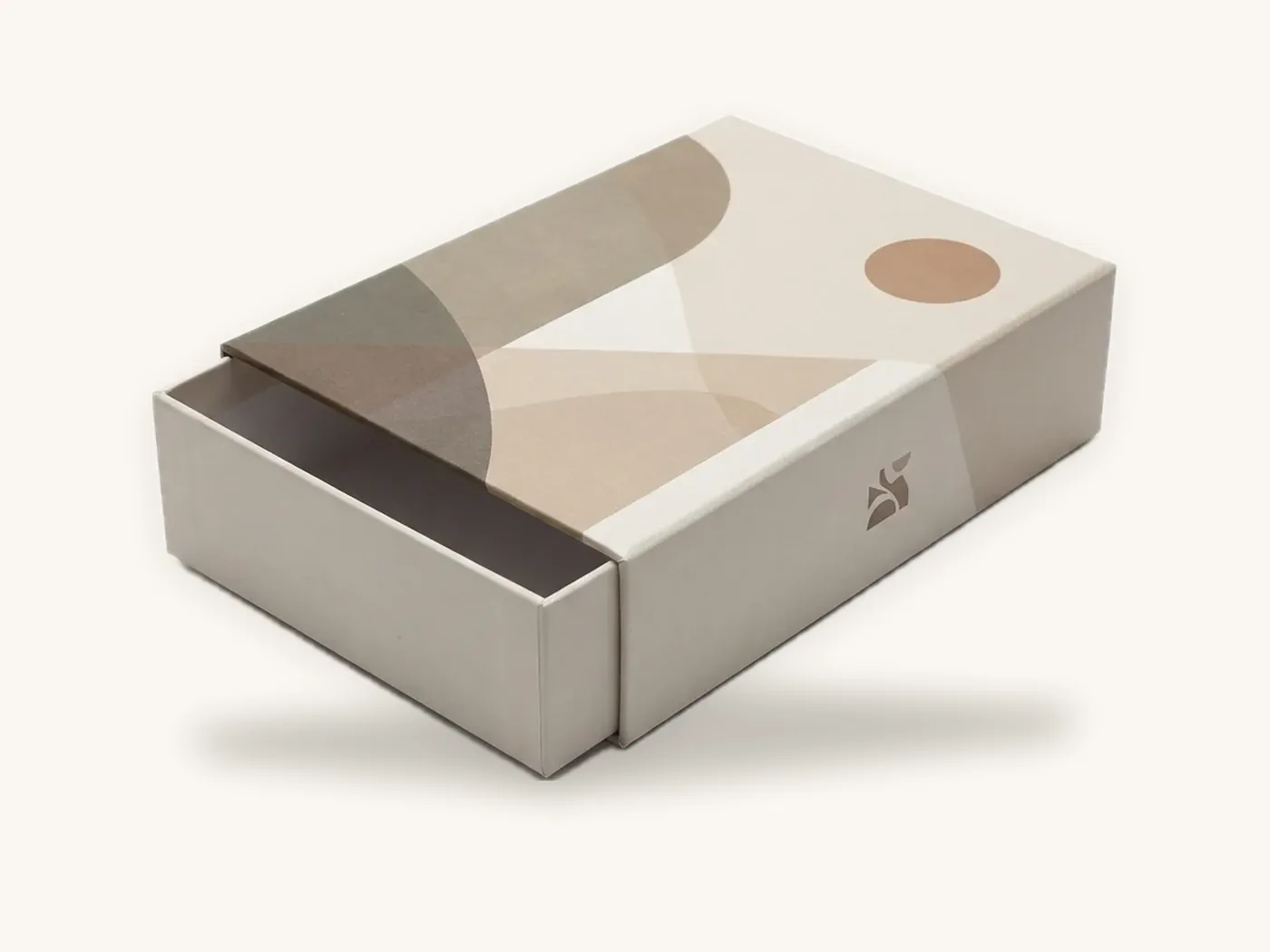
| Drawer (slide) box | Tray slides out of a sleeve, often by a ribbon tab | Palettes, jewelry, small collections | Needs a pull tab; tray fit must be precise |
| Two-piece lid and base | Lid lifts straight up, slow reveal | Gift sets, apparel, candles | Can look static on film without an inner layer |
| Printed mailer with insert | Lid hinges open like a chest | Larger seeding lists, subscription-style kits | Less weighty feel; can ship without an overbox if well protected |
| Sleeve and tray | Sleeve slides off to reveal the tray | Flat kits, cards, skincare sets | Sleeve must be snug or it slips in transit |
| Collapsible rigid box | Folds up from flat, then opens like a magnetic box | Kits shipped to many locations; saves storage | Slight assembly step for your team |
Magnetic closure boxes
Magnetic closure boxes are the most common premium PR kit format. The flap wraps from the back over the front, and hidden magnets hold it shut, so the lid lifts with one hand while the other hand holds the phone. The magnetic closure boxes style page shows the variations, including ribbon closures and window lids. Our magnetic closure boxes guide covers construction in depth.
Drawer and sleeve formats
Drawer boxes create a strong reveal for flat collections because the tray slides out horizontally, which films well from the side. Sleeve and tray boxes do something similar at lower cost when made in paperboard.
Printed mailers for larger lists
If you are seeding several hundred creators, or micro-creators who post quick unboxings, a fully printed custom mailer box with inside printing and an insert delivers most of the effect at a fraction of the rigid cost. It also ships on its own if the insert holds everything firmly.
Designing the reveal sequence
Plan the opening like a short storyboard. Write down each layer and what the camera sees at each moment, before a designer touches the dieline.
A sample reveal plan
Say you are launching a new eyeshadow palette with a matching brush. A four-stage reveal might look like this:
- Outer shipper opened off camera. The creator lifts out a clean, unscuffed kit.
- Lid. Soft-touch black lid with a single foil logo. The magnetic flap lifts.
- Inside lid and tissue. A printed line on the inside flap gives the launch date; a branded tissue sheet, sealed with a sticker, covers the contents.
- Insert. Tissue folds back to show the palette centered in a cavity with the brush beside it, and a small card with the shade names.
That sequence takes about 15 to 20 seconds to film at a relaxed pace, which suits short-form video.
Rules for each layer
- Lid: one focal point. Leave space around the logo.
- Inside lid: short copy, large enough to read on screen. A single sentence beats a paragraph.
- Tissue or wrap: optional but useful as a pause before the product. Printed tissue paper and a sticker seal work well.
- Insert: the product should be visible and identifiable the instant the last layer moves.
- Card: product names, launch timing and any hashtags or handles you want to suggest, plus a simple reminder about disclosure.
Tip: before approving artwork, film a mock unboxing with an unprinted structural sample and your real products. Watch it back on a phone. Stages that feel slow or confusing in your own footage will feel the same to a creator.
Finishes and colors that film well
Packaging that looks luxurious in hand does not always look good on a screen. Phone cameras exaggerate glare, flatten subtle textures and struggle with very dark or very reflective surfaces.
| Finish | How it looks on camera | Use it for | Be careful with |
|---|---|---|---|
| Matte lamination | Even, glare-free, colors look calm | Most lids and wraps | Very light colors can look flat without contrast |
| Soft-touch lamination | Rich, deep color, almost no glare | Premium beauty and fragrance kits | Shows fingerprints on dark colors under close-up |
| Gloss lamination | Vivid color but strong reflections | Small accents, inserts | Large glossy lids flare under ring lights |
| Foil stamping | Catches light as the box moves, very filmable | Logo or a single graphic | Full-lid foil turns into a bright blob on screen |
| Spot UV | Subtle shine visible as the box tilts | Patterns on matte lids | Nearly invisible in flat lighting |
| Embossing or debossing | Shows as shadow detail up close | Logos on plain lids | Weak effect on busy printed backgrounds |
Color choices
Strong, saturated brand colors and deep neutrals film best. Pure white lids can blow out under bright lighting, and very pale pastels can look washed out. Black soft-touch is popular for good reason, though it shows dust and fingerprints in close-ups; a deep color other than black shows less.
If you want a closer look at the tactile options, the soft-touch lamination guide explains how it is applied and how it wears, and the printing and finishes page lists every finish we offer.
Insert layouts that show off the product
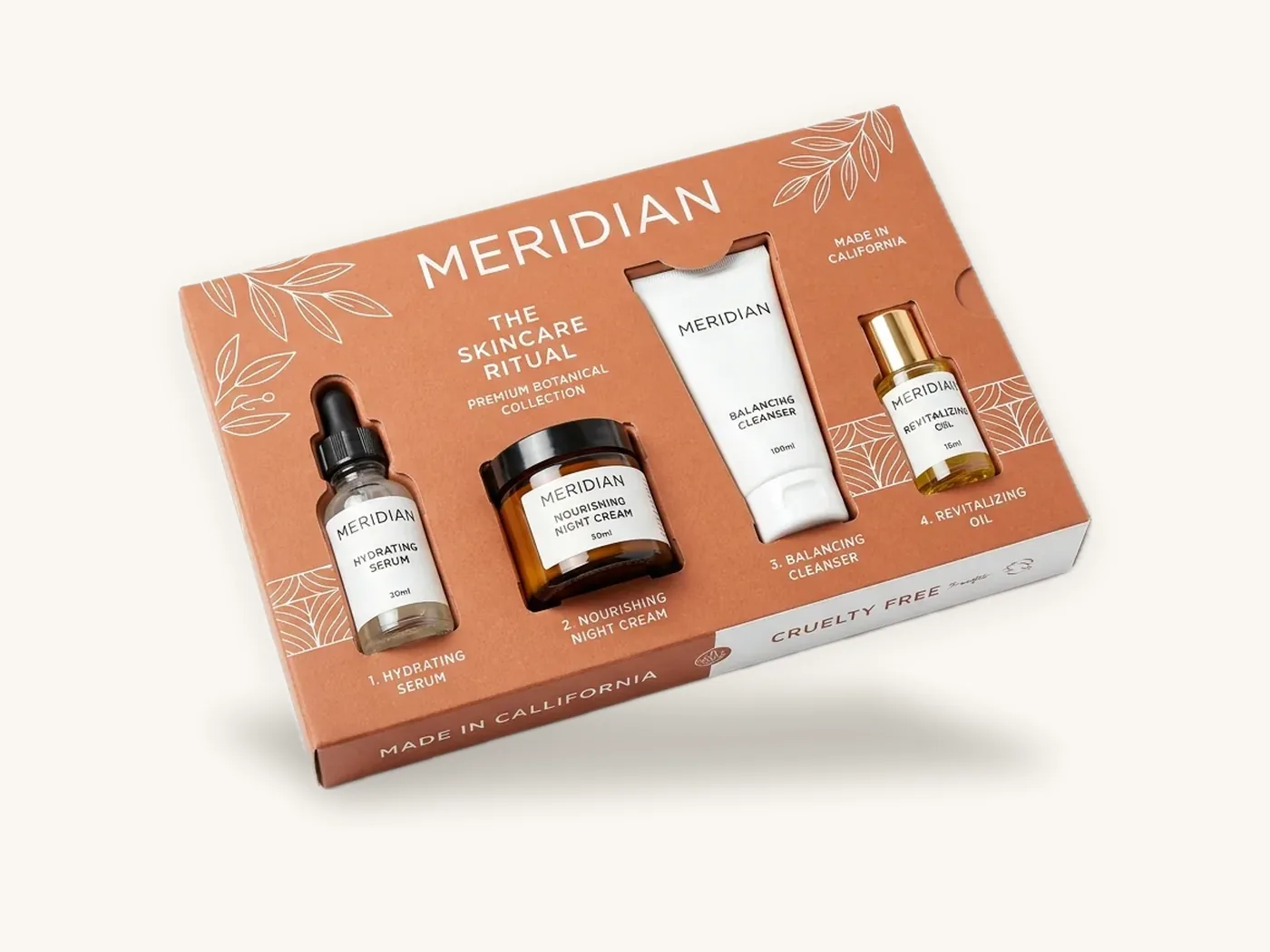
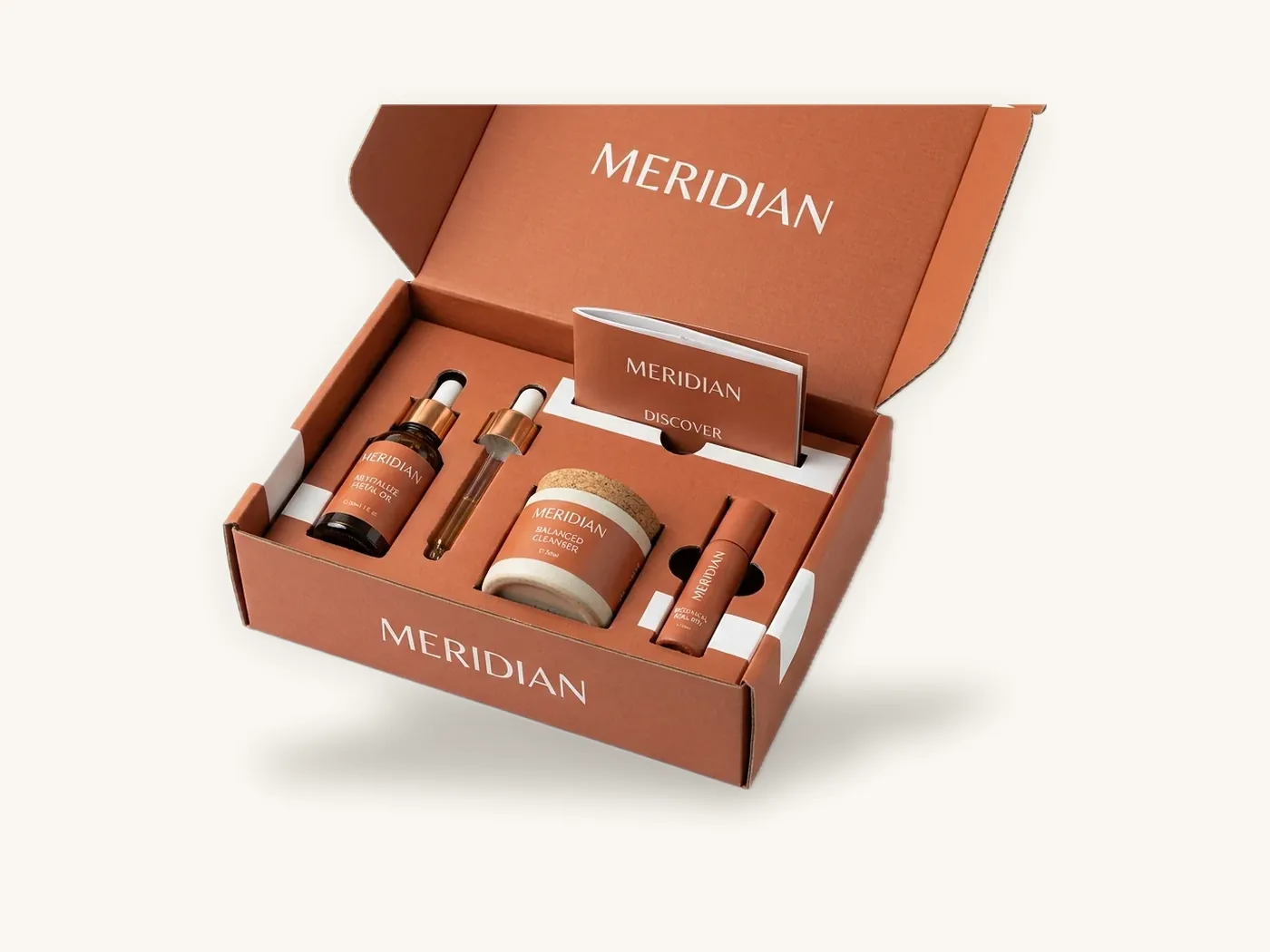
The insert is where most PR kit packaging succeeds or fails on camera. It holds products in place through shipping and presents them in a composition.
Layout principles
- Center the hero product. The launch item sits in the middle, with supporting items around it.
- Keep cavities shallow enough to show the product. A deep cavity hides it in shadow from overhead. For tall bottles, lay them on their side in a shaped cradle.
- Add finger notches or ribbon pulls for anything that sits flush, so creators can lift it gracefully on camera.
- Leave breathing room. Items packed edge to edge look like stock, not a gift.
- Plan for a card slot. A thin slit in the insert or a pocket in the lid keeps the card from sliding around.
Insert materials
Box inserts and dividers in paperboard can be wrapped or printed to match the box and are light and recyclable. Foam inserts, in EVA or PU, give precise cavities for glass bottles or electronics and look very clean on camera, but they are harder to recycle. Molded pulp is a plastic-free option with a natural texture that suits eco-positioned brands. Custom inserts carry a one-time insert die charge of about $45.
If you are new to how inserts are drawn and sized, what is a dieline explains cavities and tolerances, and the packaging glossary defines terms like cavity, greyboard and wrap.
Personalization without slowing production
A kit addressed to one creator by name tends to feel more personal than a generic one. The trick is personalizing the pieces that are easy to vary, rather than the box itself.
Where to personalize
- Name cards printed in a small run or handwritten, placed in the card slot.
- Stickers or seals with the recipient's handle, applied during kitting.
- Tissue or belly bands in a limited set of variations.
- Product variation, such as a shade chosen for the creator.
Where not to
Printing each box differently multiplies proof checks and kitting mistakes. Keep the box, insert and finish identical across the run, and move variation to cards and stickers. A short batch of custom labels and stickers is enough to cover a seeding list.
Budgeting a PR kit program
PR kit packaging costs more per unit than retail packaging because runs are short and structures are premium. Budget per kit, including contents, and decide how many creators actually warrant a rigid box.
Tiered seeding
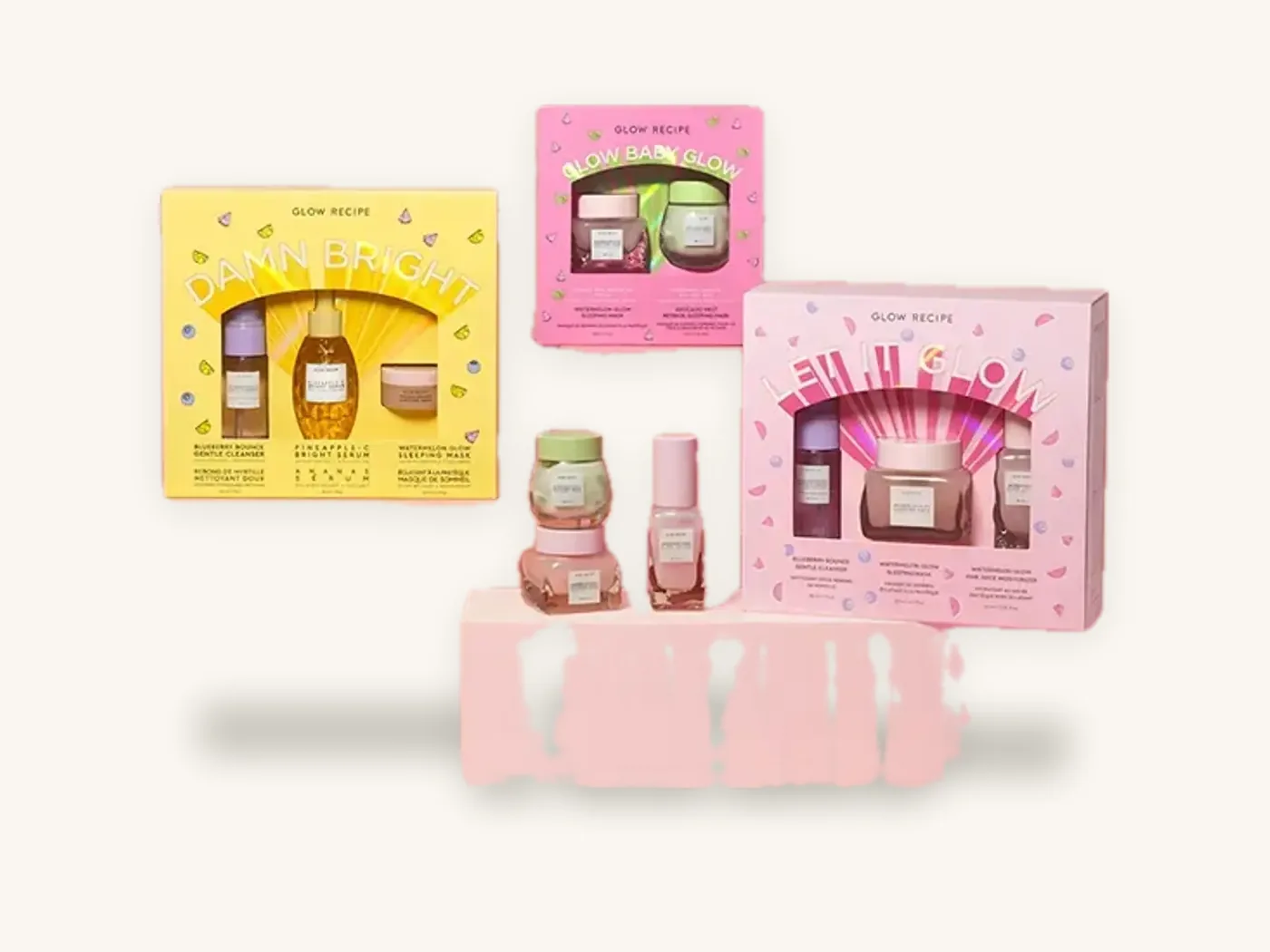
Many brands split their list into tiers. A small group of high-priority creators receives a rigid magnetic kit with a foam or wrapped insert. A wider group receives a printed mailer with a paperboard insert. Both share the same artwork system, so content looks consistent across the campaign.
| Tier | Typical list size | Packaging | Reference unit price |
|---|---|---|---|
| Top creators | 10–50 | Rigid magnetic box, 2 mm, 10x8x3 in, soft-touch, foil, insert | About $21.50 at 10, about $16.44 at 50 |
| Mid-tier creators | 50–100 | Same rigid magnetic spec at higher quantity | About $14.23 at 100 |
| Broad seeding | 250–1,000 | Subscription mailer, E-flute, 12x9x4 in, full color both sides, insert and tear strip | About $4.16 at 250, about $2.60 at 1,000 |
| Retail companion carton | Any | Cosmetic carton, 18 pt SBS, 2.5x2.5x6 in, soft-touch and foil | About $1.93 at 100 |
Prices include free US shipping. One-time tooling applies where the finish is chosen: foil about $60, embossing about $60, spot UV about $40 and an insert die about $45. Because tooling is one-time, reusing the same foil logo and insert for later campaigns lowers the cost of each new round. For a deeper look at what drives rigid pricing, see how much rigid boxes cost, and use the instant price estimator for your own size.
Watch out: a premium rigid kit shipped without an outer box often arrives with a carrier label stuck to the lid and crushed corners. Budget for a plain corrugated shipper and void fill for every rigid kit, and size the shipper so the kit cannot slide.
Shipping, timing and disclosure
A beautiful kit that arrives late or damaged misses the campaign. Build the logistics plan alongside the design.
Protecting the kit
Pack rigid or magnetic kits in a snug corrugated shipper with paper fill around all sides. Check that the magnetic flap stays closed when the kit is shaken and turned upside down. For glass or liquid products, consider a foam or molded pulp insert and a leak-resistant bag inside.
Timing the drop
Kits should arrive before any embargo or launch date so creators have time to film. Work backward: allow time for the proof, 8–12 business days of production after approval, kitting and carrier transit. Our product launch packaging timeline lays out a full 90-day plan, including a short early batch for creator seeding.
Disclosure of gifted products
In the US, the Federal Trade Commission's guidance on endorsements says that when a creator posts about a product they received for free, the connection to the brand generally needs to be clearly disclosed. Brands should not discourage disclosure. A simple line on the insert card reminding creators that the product was gifted is a common practice. Review the FTC's disclosure guidance for influencers and talk to counsel about your program, especially if you also pay creators.
A kitting checklist
- Confirm the recipient list and addresses, and check for PO boxes or international addresses
- Assemble a pilot kit and film a test unboxing before packing the rest
- Pack products in the insert in the same orientation every time
- Add the card, tissue and seal in the planned order
- Wipe lids for dust and fingerprints before closing, especially soft-touch
- Place the kit in the shipper with fill on every side; shake test
- Label the outer box only, never the kit
- Record tracking numbers against each recipient
How to order PR kit packaging from Box Sense
Short runs are normal for influencer kits, and Box Sense produces from 10 boxes, including rigid and magnetic styles.
What to send
- List of products in the kit with dimensions and weights, and any glass or liquids
- Preferred structure (magnetic, drawer, mailer, sleeve) or a request for a recommendation
- Seeding tiers and quantities for each
- Finishes you are considering, such as soft-touch, foil or embossing
- Insert type: paperboard, foam or molded pulp
- The date kits need to leave your warehouse or reach creators
- Artwork, or a request for help from our design services team
Process and timing
- Quote within 24 hours, with pricing per tier and quantity.
- Free dieline and artwork setup, including the insert layout, with a 3D digital proof and two revision rounds.
- Free unprinted structural sample, so you can film a mock unboxing with real products. A printed sample of approved artwork is free on orders of 100 or more. See samples.
- Production in 8–12 business days after proof approval. Rush in 5 business days is available on most paperboard and corrugated styles, so a mailer tier can often move faster than a rigid tier.
- Free shipping on every US order; international shipping quoted at cost.
For beauty brands, the cosmetics and beauty packaging page and our makeup and palette boxes cover the retail cartons that usually sit inside the kit.
Frequently asked questions
What is a PR box?
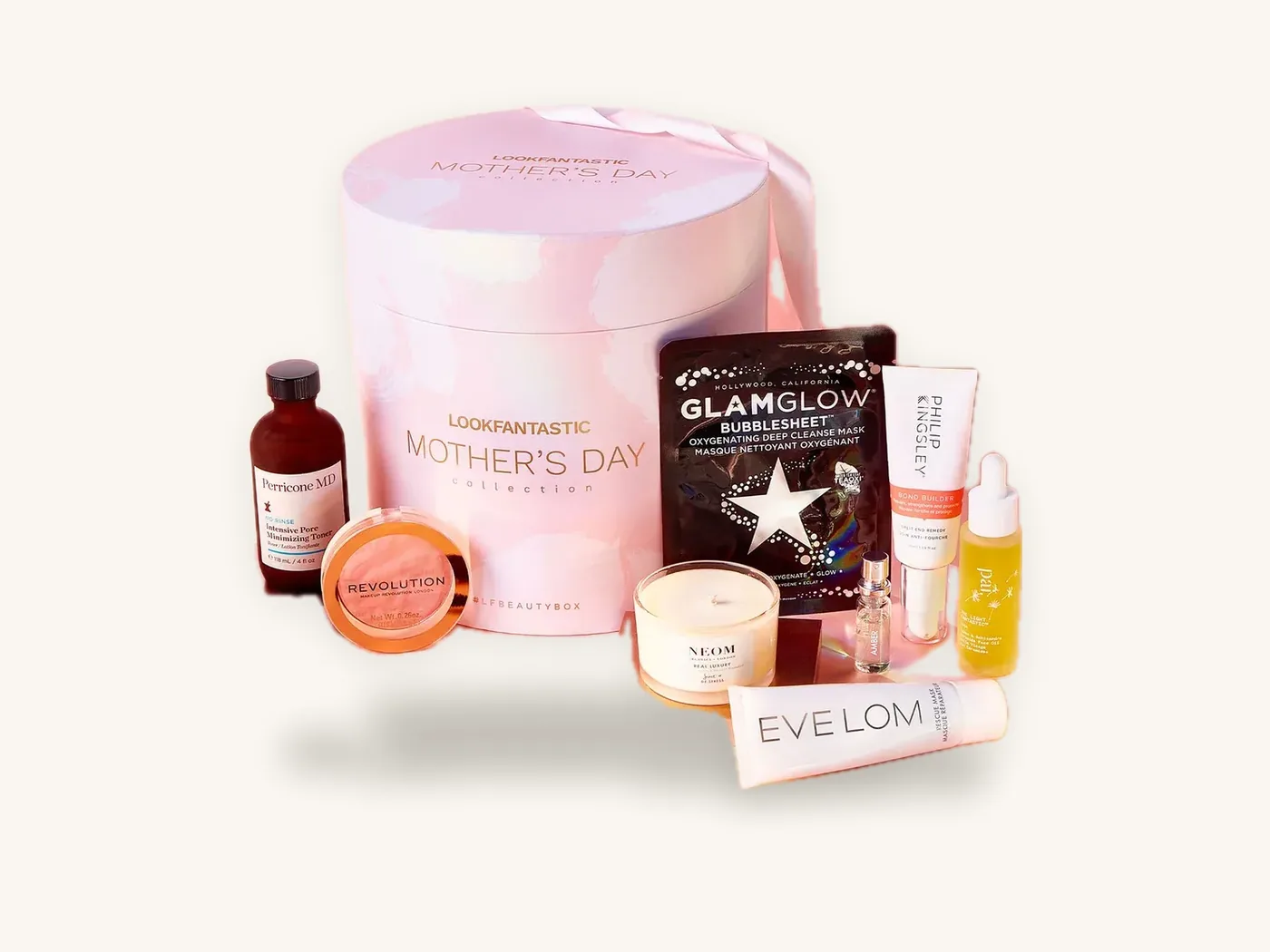
A PR box is a branded package a company sends to journalists, creators or influencers to introduce a product, usually ahead of a launch. It typically includes the product, a fitted insert, a printed card and sometimes extras, all in a premium or fully printed box designed to look good when opened on camera.
What box is best for an influencer kit?
Magnetic closure rigid boxes are the most popular choice for top-tier influencer kits because they open with one hand and feel substantial. Drawer boxes suit flat collections. For larger seeding lists on a tighter budget, a fully printed mailer box with inside printing and a paperboard insert gives a strong unboxing at lower cost per kit.
How much does PR box packaging cost?
It depends on structure, size, finish and quantity. As a reference, a 10x8x3 in rigid magnetic box in 2 mm board with soft-touch, foil and an insert is about $21.50 each at 10 units and roughly $14.23 at 100. A printed 12x9x4 in subscription mailer with an insert and tear strip is about $4.16 at 250, including US shipping.
How many influencer boxes should I order?
Order enough for your confirmed list plus spares for damage, late additions and your own content shoot. Many brands add a small buffer beyond the list. Because Box Sense produces from 10 boxes, you can run a small premium batch for top creators and a larger mailer batch for broader seeding, then reorder once you see results.
Do PR boxes need to be shipped in another box?
Rigid and magnetic PR boxes should ship inside a plain corrugated outer box with paper fill. Otherwise, carrier labels, tape and scuffs end up on the lid, which is the first thing seen on camera. Printed mailer kits can often ship on their own if the insert holds everything firmly.
Do influencers have to disclose gifted PR boxes?
In the US, FTC guidance on endorsements generally expects creators to clearly disclose a material connection to a brand, which can include receiving free products, when they post about them. Brands should not discourage disclosure. Many include a reminder on the kit's insert card. Review the FTC's current guidance and consult counsel for your specific program.
Which packaging finish looks best in unboxing videos?
Matte and soft-touch laminations usually look best because they avoid glare under ring lights and window light. Use foil stamping on a logo or small graphic, which catches light as the box moves. Avoid large glossy lids and full-lid foil, which tend to flare into bright patches on a phone camera.
Next steps
Sketch the reveal as three or four frames, decide which creators get which tier, and order an unprinted structural sample to film a mock unboxing. Then price both tiers with the packaging price estimator and request a PR box quote with your product list and ship date. For file preparation, the guide to preparing artwork for custom box printing covers bleed, foil layers and insert artwork.
Boxes in this guide
Order the packaging we covered
Written by the Box Sense Packaging Team
Our structural designers, prepress technicians and production staff print and convert custom boxes every day for brands in the United States, United Kingdom and UAE. Questions about this guide? Talk to us.