Product launch packaging needs about 90 days to go from "we know what the product is" to boxes sitting in your warehouse, with enough slack to survive a sample that does not fit or an artwork round that runs long. Production itself is the short part. The time goes into locking the product's final dimensions, testing structural samples, writing and approving artwork, and getting an early batch of boxes into photos before the main run lands.
This guide lays out a realistic 90-day launch packaging timeline built around Box Sense lead times: quotes in 24 hours, free structural samples, a 3D proof with two revision rounds, and 8–12 business days of production after proof approval. It works backward from launch day, flags the points where schedules usually slip, and shows where rush production fits as a safety net rather than a plan.
Key takeaways
- Plan backward from launch day. Boxes should be in hand around two weeks before launch, which puts proof approval roughly five weeks out.
- The critical path is final product dimensions, then structural sample, then artwork. Nothing else can start properly until the product's size is fixed.
- Production takes 8–12 business days after proof approval, about two and a half calendar weeks. Rush in 5 business days is available on most paperboard and corrugated styles, but keep it as a contingency.
- Order a short digitally printed run early for photography, press, retail buyers and pre-order fulfillment tests. Box Sense prints from 10 boxes.
- Build a written buffer of at least one to two weeks. Launches slip on approvals and regulatory copy far more often than on printing.
- Keep artwork decisions that depend on marketing (claims, pricing, QR destinations) off the fixed carton wherever possible.
Why launch packaging runs late
New product packaging rarely goes wrong at the printing press. It goes wrong upstream, because packaging depends on decisions owned by other teams.
The dependencies
The box size depends on the final product, including the bottle, closure, pump or electronics housing. The artwork depends on the product name, claims, ingredients and barcode. The quantity depends on the sales forecast. Shipping and fulfillment depend on where the boxes need to go. When any of these changes late, the packaging timeline absorbs the delay, and launch day does not move.
Business days versus calendar days
Supplier lead times are usually quoted in business days, while launch plans live in calendar days. Twelve business days is two weeks and two days on the calendar, and a public holiday in the middle adds more. Convert everything to calendar dates when you build the plan.
| Lead time quoted | Calendar time (no holidays) | Planning allowance |
|---|---|---|
| Quote confirmation, 24 hours | 1 day | 2 days |
| Rush production, 5 business days | 1 week | 1.5 weeks |
| Standard production, 8 business days | About 1.5 weeks | 2 weeks |
| Standard production, 12 business days | About 2.5 weeks | 3 weeks |
| Two artwork revision rounds | Depends on your turnaround | 1.5–2 weeks |
The 90-day product launch packaging timeline
The timeline below assumes one primary product box, an e-commerce mailer and an optional rigid gift box, shipping to a single US location. Day 90 is launch day. Adjust the phase lengths to your team, but keep the order.
| Days | Phase | Key output | Owner |
|---|---|---|---|
| 1–7 | Packaging brief and specs | Written brief, draft dimensions, quantities | Product + brand |
| 8–21 | Structural samples and fit testing | Confirmed internal dimensions, insert design | Product + supplier |
| 15–35 | Artwork development | Artwork on dielines, copy locked | Design + regulatory |
| 36–45 | Proofing and revision rounds | Approved 3D digital proof | Brand owner |
| 40–52 | Early short run | 10–50 printed boxes for content and testing | Marketing |
| 46–62 | Main production | 8–12 business days after approval | Supplier |
| 63–70 | Delivery and receiving | Boxes counted and inspected | Operations |
| 71–84 | Kitting, fulfillment setup, pre-orders | Packed inventory, tested ship flow | Operations |
| 85–90 | Buffer and launch | Reserve time for fixes | Everyone |
Note the overlaps. Artwork can start once the structure is roughly known, and the early short run happens while the main order is being set up. The critical path is the chain from brief to sample to approved proof to production.
Days 1–21: brief, specs and structural samples
The first three weeks decide whether the rest of the plan holds. The goal is to leave this phase with dimensions you will not change.
Write a one-page packaging brief (days 1–7)
- Product details. Final dimensions and weight of the product as it will be packed, including closures and any pouch or protective sleeve. If the product is still in development, get the maximum likely size from engineering.
- Channels. Direct-to-consumer, retail shelf, Amazon, wholesale or crowdfunding. Each changes the box. Retail needs a shelf-ready face and a barcode; parcel shipping needs a protective shipper.
- Packaging set. List every piece: product box, mailer or shipper, inserts, labels, insert cards, tissue.
- Quantities. Launch quantity, a likely first reorder and a small batch for content and samples.
- Budget per unit for each piece, so structure and finish choices stay realistic.
- Launch date and delivery location.
Send that brief for a quote on day 2 or 3. Box Sense confirms quotes within 24 hours, which lets you check budget against spec before the design team spends time on an unaffordable finish.
Choose structures
For most launches, the product box is a folding carton such as a tuck end or auto-lock bottom style in SBS paperboard. Custom product boxes cover these. The e-commerce layer is often a custom mailer box that protects the carton and carries the unboxing. For launch gift sets, influencer kits or a premium edition, custom rigid boxes add weight and presence, and the rigid boxes style page shows lid-and-base, magnetic and drawer variations. Unfamiliar terms like caliper, RETF or auto-lock are defined in the packaging glossary.
Order structural samples (days 8–21)
Unprinted structural samples are free. Order them as soon as the brief is written, in your best-guess size and one size up if you are unsure. When they arrive:
- Pack the real product, or a production-accurate prototype, with its insert and any tissue.
- Check that the carton closes flat and the product cannot rattle.
- Place the carton inside the mailer and shake it. Check for movement at the corners.
- Drop the packed mailer from waist height onto a hard floor on its face, an edge and a corner, then inspect.
- Check how many packed mailers fit in a standard carton or on a shelf, if that matters to your fulfillment partner.
Our custom box sizes guide explains how to measure and add clearance. If an insert is needed, size it with the box at this stage; box inserts and dividers change internal dimensions on every side they touch.
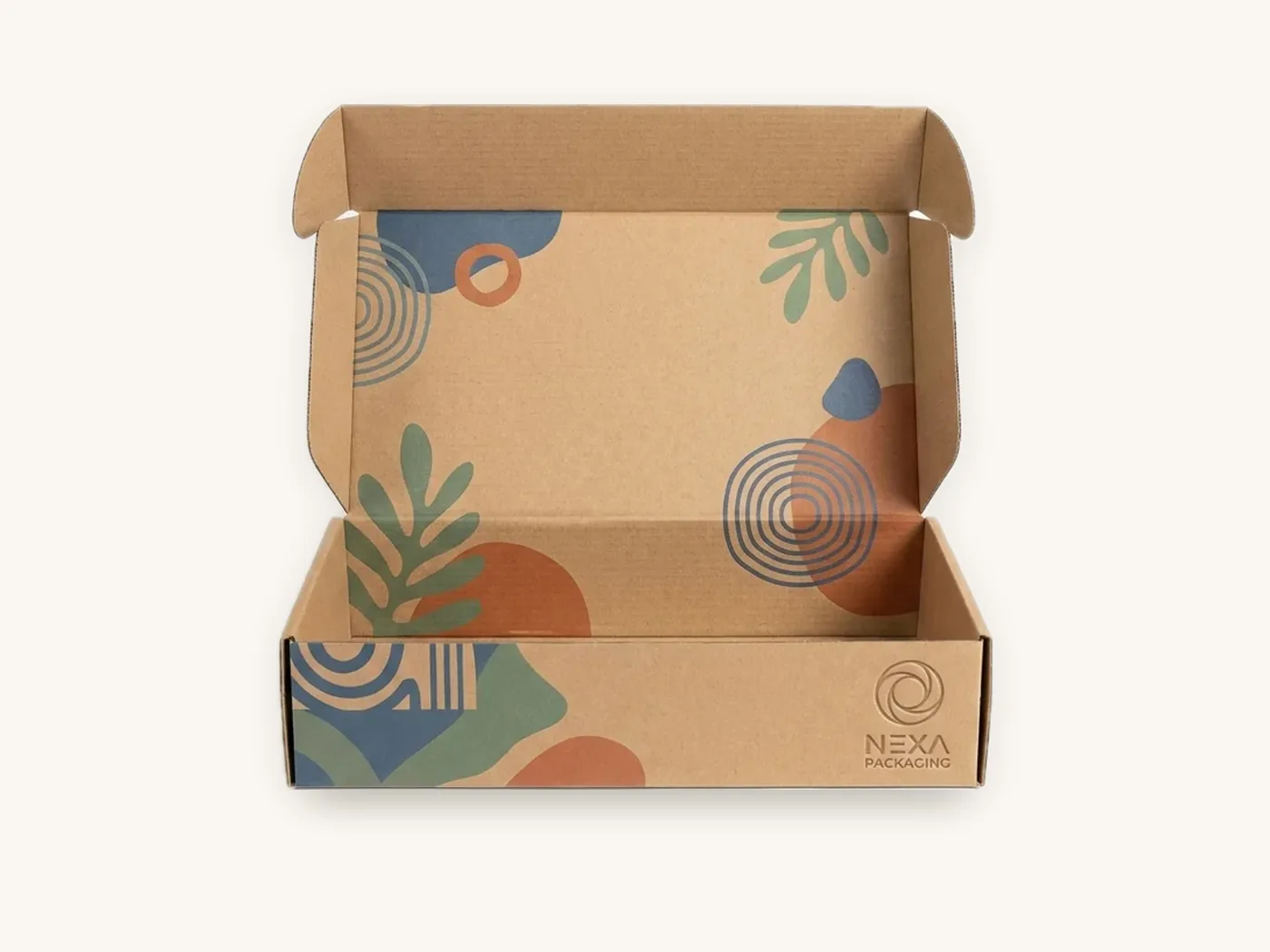
Watch out: the most common launch delay is a product component that changes size after the box is approved, such as a new pump, a thicker bottle wall or a revised charging cable. Get written sign-off from product development on final dimensions before artwork goes onto the dieline.
Days 15–45: artwork, copy and proofing
Artwork can begin once the structure is nearly settled, because the designer needs the dieline to place panels correctly. Box Sense supplies dielines and artwork setup free.
Lock the copy before the design is polished
Packaging copy has more stakeholders than most launch materials. Product names, ingredient or material lists, net contents, warnings, country of origin, company address and barcodes all need an owner. Set a copy-lock date around day 30 and treat later changes as schedule risks.
Regulated categories need extra time. Food, cosmetics, supplements, toys and CBD all have labeling rules set by federal agencies such as the FDA and CPSC, and sometimes by states. Confirm the current requirements for your category with the regulator or your counsel early in this phase, not the week before production.
Build the artwork on the dieline
If you are new to the file side, what is a dieline explains cut, crease, bleed and safe zones, and how to prepare artwork for custom box printing covers resolution, color mode, fonts and file formats. Get barcodes issued well before this stage; the UPC barcodes guide explains how that works.
Keep volatile content off the carton
Launch messaging changes. Prices, promotional claims, launch-offer copy and QR destinations are the pieces most likely to change after printing. Put them on an insert card, a sticker or a dynamic QR code rather than the carton itself. The QR codes on packaging guide covers how dynamic codes let you change the destination after printing.
Proof and revise (days 36–45)
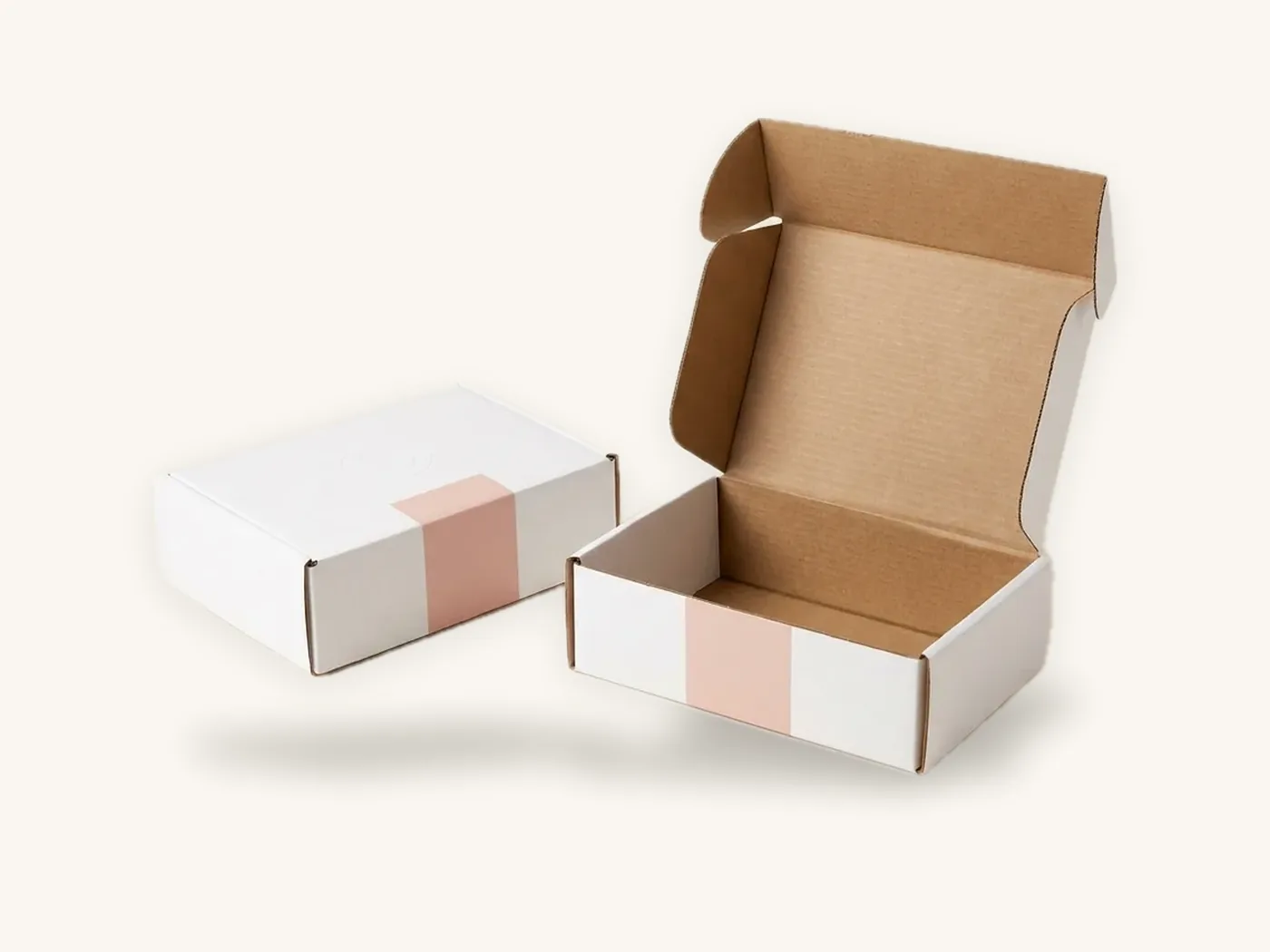
You receive a 3D digital proof showing the artwork folded into the finished box, with two revision rounds included. Plan how each round will run:
- Name one final approver. Committee approvals are the single biggest source of proof delays.
- Collect all feedback from marketing, product and regulatory review into one consolidated list per round.
- Check spelling, barcodes, net contents and warnings against the source documents, not against memory.
- Confirm inside printing reads the right way when the box is opened.
- Approve in writing. Production timing starts from that approval.
Days 40–52: the early short run
This step is the one most launch plans leave out, and it solves several problems at once. Once artwork is approved, order a small digitally printed batch of each packaging piece, separate from the main run.
What the short run is for
- Product photography and video. Launch content needs finished packaging, often weeks before the main order would arrive.
- Retail buyer and distributor samples. Buyers want to see the real shelf presence.
- Press, creator and influencer seeding. Kits need to ship ahead of launch day so content can go live on schedule.
- Fulfillment rehearsal. Your 3PL or team packs real orders, finds the slow steps and checks label placement.
- Final quality check. Real printed color on real board, before thousands of units exist.
Box Sense produces from 10 boxes, and digital printing handles short runs without plates. Keep in mind that the short run is priced for small quantities: an 8x6x3 in E-flute mailer printed full color outside is about $3.99 each at 10 units, compared with roughly $1.17 at 1,000. For a rigid box in 2 mm greyboard at 8x6x3 in, full color with matte finish, the figure is about $13.76 at 10 units and about $4.05 at 1,000. All include free US shipping. Use the packaging price estimator to model both batches.
A printed sample of approved artwork is also free on orders of 100 or more. If your main order qualifies, request it; if you need several finished boxes for a photoshoot, the short run is the more useful option. See samples for details.
Should the short run come before or after main approval?
After. Printing a short run from unapproved artwork creates photos of packaging that may change. The exception is a deliberate pre-launch prototype for investor or retailer meetings, which should be labeled internally as a prototype.
Days 46–70: production, delivery and inspection
Once the proof is approved, standard production takes 8–12 business days. With approval around day 45, finished boxes typically leave the facility between about day 57 and day 62 on the calendar. Shipping within the US is free; ask for an estimated transit window with your quote, and add it to the plan.
When to use rush production
Rush production in 5 business days is available on most paperboard and corrugated styles. Use it to recover from a slip, such as a late regulatory change or a third revision round, rather than scheduling it from the start. A plan that depends on rush has no remaining buffer.
Receiving checklist
- Count cartons against the packing list and your order quantity.
- Open several cartons from different pallets or boxes, not only the top one.
- Compare printed color and finish against your approved proof and any printed sample.
- Fold and pack a handful of each box type with the real product.
- Scan barcodes and QR codes with more than one device.
- Photograph and report any defect promptly. Box Sense reprints defective boxes free when reported within 14 days, so inspect on arrival rather than at kitting time.
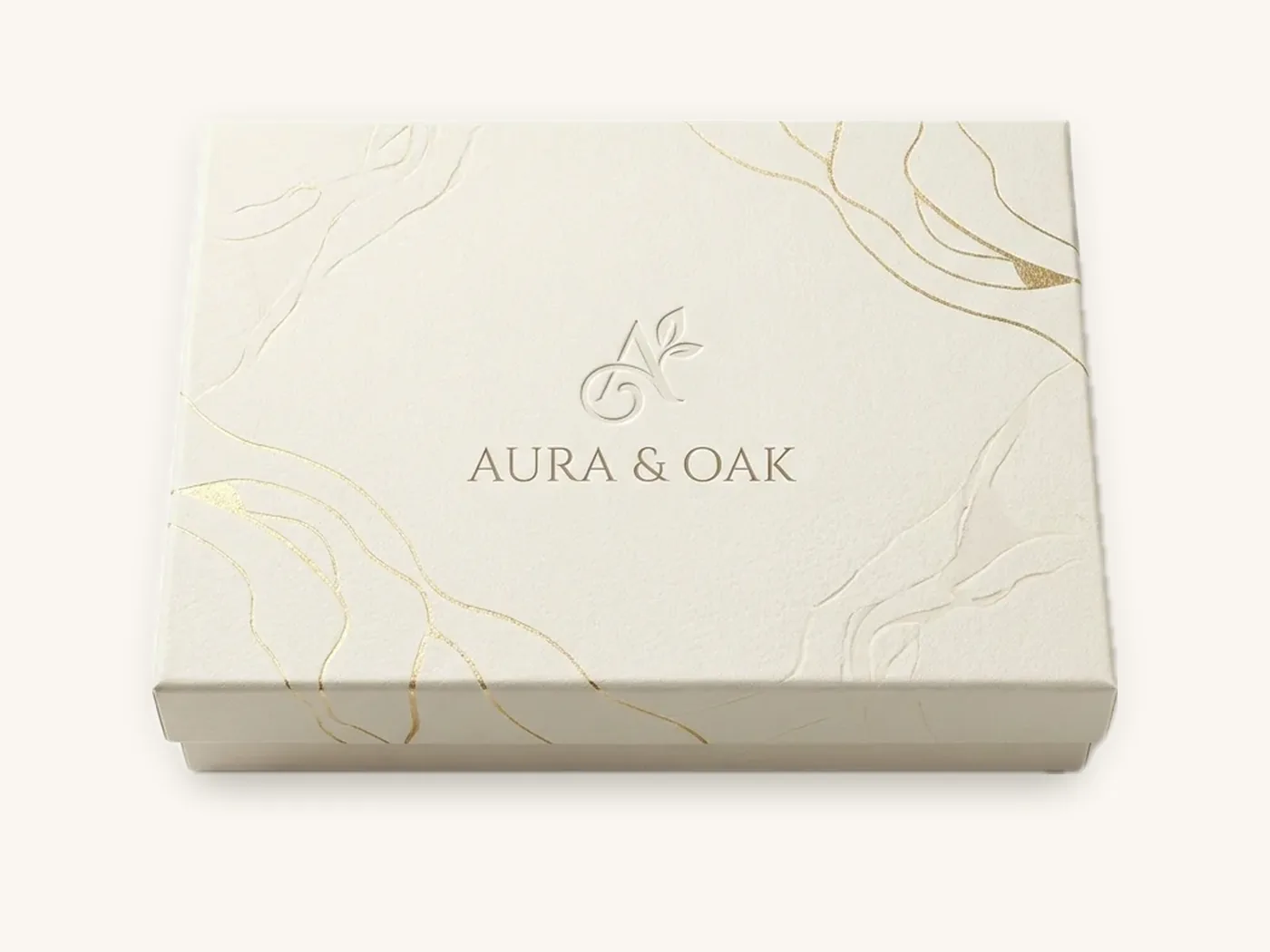
Days 71–90: kitting, fulfillment and launch buffer
Packaging that sits unassembled in a warehouse is not launch-ready. The last three weeks turn boxes into packed inventory.
Kitting and fulfillment
Mailers and cartons ship flat and need folding. Rigid boxes arrive assembled and take more storage space. Work out how many units your team or 3PL can assemble per hour, and schedule accordingly. If you pre-pack launch inventory, allow space for it. If you sell through Amazon, check current inbound packaging requirements; the Amazon FBA packaging requirements guide is a good starting point.
Launch buffer
Days 85–90 are deliberately empty. They absorb a late delivery, a reprint of an insert card, or a last-minute label. If you reach day 85 with nothing to fix, that time goes to ship-tests and final content.
Launch packaging by sales channel
The timeline shape stays the same, but the channel changes which pieces sit on the critical path.
| Channel | Critical packaging pieces | Extra time to plan for | Typical structure |
|---|---|---|---|
| Direct-to-consumer | Mailer, product box, insert card | Unboxing content and ship tests | Printed mailer plus carton |
| Retail shelf | Shelf-ready carton, display box, barcode | Retailer artwork approval and compliance checks | Tuck end or auto-lock carton, counter display |
| Amazon | Product box, shipper labeling | Inbound packaging requirements | Carton plus shipping box |
| Wholesale and distributors | Master cartons, sell sheets, samples | Buyer sample shipping | RSC shippers plus retail carton |
| Crowdfunding or pre-order | Shippers sized for reward tiers | Tier changes late in the campaign | Mailers in two or three sizes |
| Gift or influencer edition | Rigid or magnetic box, inserts | Insert tooling and finish approval | Rigid box with insert |
If shelf placement is part of the launch, the retail and consumer goods packaging page covers display and carton formats, and counter display boxes are often needed for the first retail order.
Compressing the timeline if you have less than 90 days
Sometimes the launch date is fixed and the packaging work starts late. You can compress, but choose what to trade.
What you can safely shorten
- Structure selection. Use a standard style in a common size rather than a custom structure.
- Finishes. Skip foil, embossing and spot UV, which carry one-time tooling and extra approval steps. Aqueous coating or lamination keep the look clean.
- Revision rounds. Give the designer a complete, locked copy deck on day one.
- Production. Plan for rush on paperboard or corrugated styles, accepting that this removes your buffer.
What you should not skip
- A structural sample with the real product. A box that does not fit cannot be fixed with rush production.
- Regulatory review of label copy.
- Receiving inspection.
As a rough guide, a launch using standard styles, simple finishes, locked copy and rush production can compress into about five to six weeks. It will have little room for error.
Tip: if the launch date cannot move and the carton cannot be ready, launch in a stock or simple printed mailer with a branded label and insert card, then switch to the full custom carton on the first reorder. Customers remember the product and the experience far more than the specific carton.
How to plan launch packaging with Box Sense
Treat us as part of the launch team from day one rather than at the production stage. The earlier we see the brief, the earlier we can flag sizing or structure risks.
What to send in your first request
- Product dimensions and weight, packed, plus a note on anything still subject to change
- The list of packaging pieces you need and your channels
- Quantities for the short run, the main run and a likely reorder
- Preferred styles, board and finishes, or a request for a recommendation
- Launch date, delivery address and whether any kits ship ahead of launch
- Artwork status, or a request for help from our design services team
What we provide at each stage
- Quote within 24 hours, including options at different quantities.
- Free unprinted structural samples for fit testing.
- Free dielines and artwork setup, a 3D digital proof and two revision rounds.
- Free printed sample of approved artwork on orders of 100 or more.
- Production in 8–12 business days after approval, or rush in 5 business days on most paperboard and corrugated styles.
- Free shipping on every US order; international shipping quoted at cost.
The minimum order is 10 boxes and there are no die or plate charges, so the early short run and the main run can use the same approved files. The how it works page shows each step, and our guide to custom packaging lead times goes deeper on what affects production speed. For keeping the look consistent as you add products after launch, see packaging as branding.
Frequently asked questions
How far in advance should I order packaging for a product launch?
Start about 90 days before launch for a new custom box. That allows time for a packaging brief, structural samples, artwork, proof revisions, 8–12 business days of production after approval, delivery, inspection and kitting. Aim to have boxes in hand roughly two weeks before launch day so there is a buffer for fixes.
What is the longest step in a launch packaging timeline?
Usually not production. Locking final product dimensions, writing and approving copy, and working through proof revisions take the most time, because they depend on several teams. Production at Box Sense runs 8–12 business days after proof approval, while artwork and approvals can easily take four to six weeks.
Can I get launch packaging in less than a month?
Sometimes, with trade-offs. Use a standard box style, skip finishes that need tooling, supply locked copy at the start and plan for rush production in 5 business days on paperboard or corrugated styles. You still need a structural fit check and a proof approval, so allow roughly five to six weeks for a comfortable result.
Should I order a small batch of boxes before the main run?
Yes, for most launches. A short run of 10 to 50 printed boxes from approved artwork provides finished packaging for product photography, retail buyer samples, creator kits and fulfillment rehearsals weeks before the main order arrives. The unit price is higher at small quantities, but the time it saves is usually worth it.
When should packaging artwork be finalized for a launch?
Aim to lock copy around five to six weeks before launch and approve the final proof about a week later. Production time is counted from proof approval. Put volatile content like prices, promotions and campaign links on inserts, stickers or dynamic QR codes so late changes do not force a carton reprint.
What packaging do I need for a new product launch?
Most launches need a primary product box, a shipping layer such as a printed mailer or shipper, inserts to hold the product, and small pieces like labels and insert cards. Retail launches add a barcode and often a display box. Gift editions or influencer kits may add a rigid or magnetic box.
What happens if my product dimensions change after I order boxes?
If the change is small, an existing insert may absorb it; if not, the box and insert need resizing, a new proof and a new production run. That is why product dimension sign-off should come before artwork is placed on the dieline. Test the final product in a free structural sample before approving anything.
Next steps
Pick your launch date, count back 90 days and fill in the phase table with real calendar dates for your team. Then send your brief: request a launch packaging quote and we will confirm pricing within 24 hours and arrange structural samples. To compare short-run and main-run costs before you commit, use the instant price estimator.
Boxes in this guide
Order the packaging we covered
Written by the Box Sense Packaging Team
Our structural designers, prepress technicians and production staff print and convert custom boxes every day for brands in the United States, United Kingdom and UAE. Questions about this guide? Talk to us.