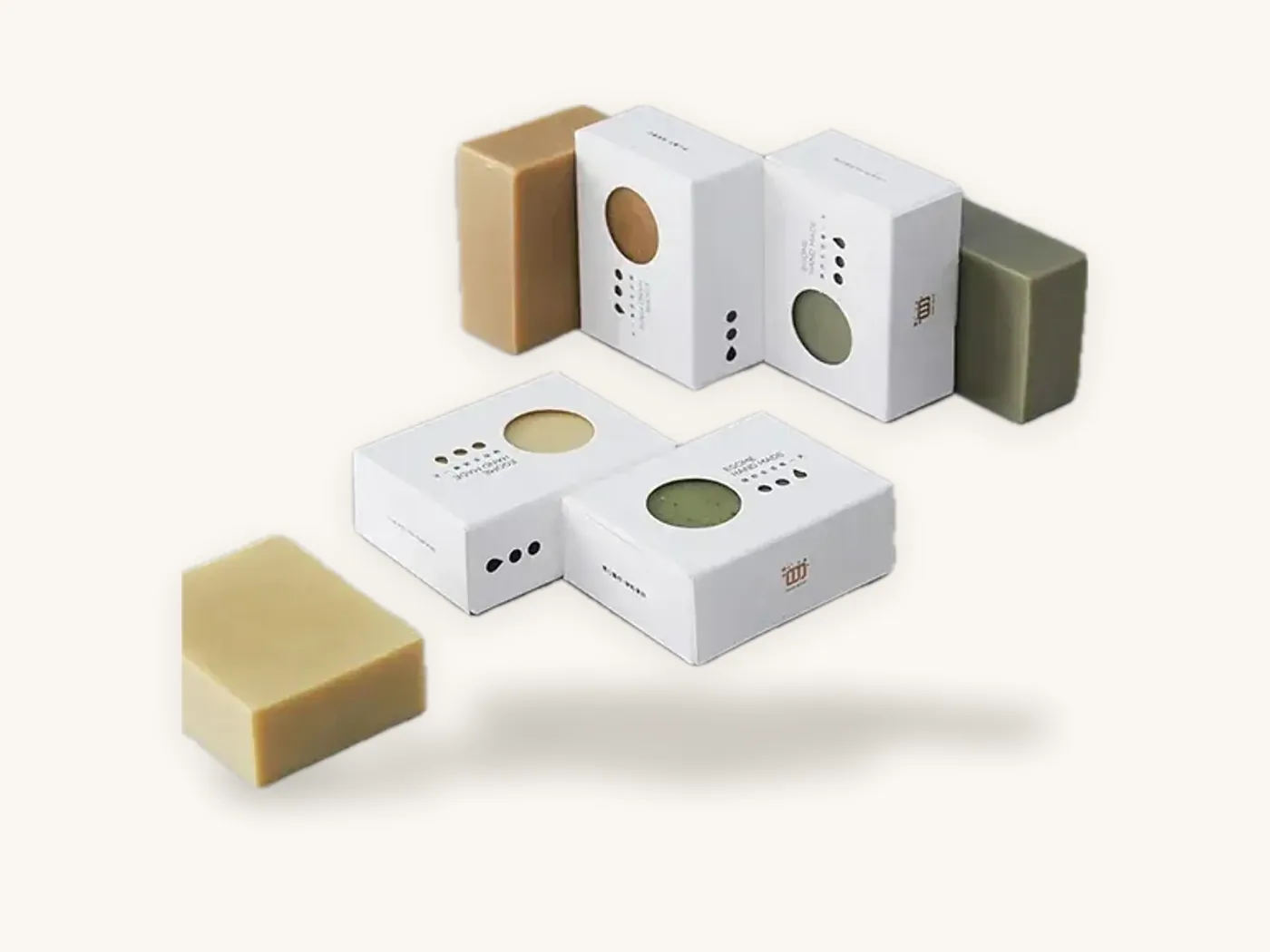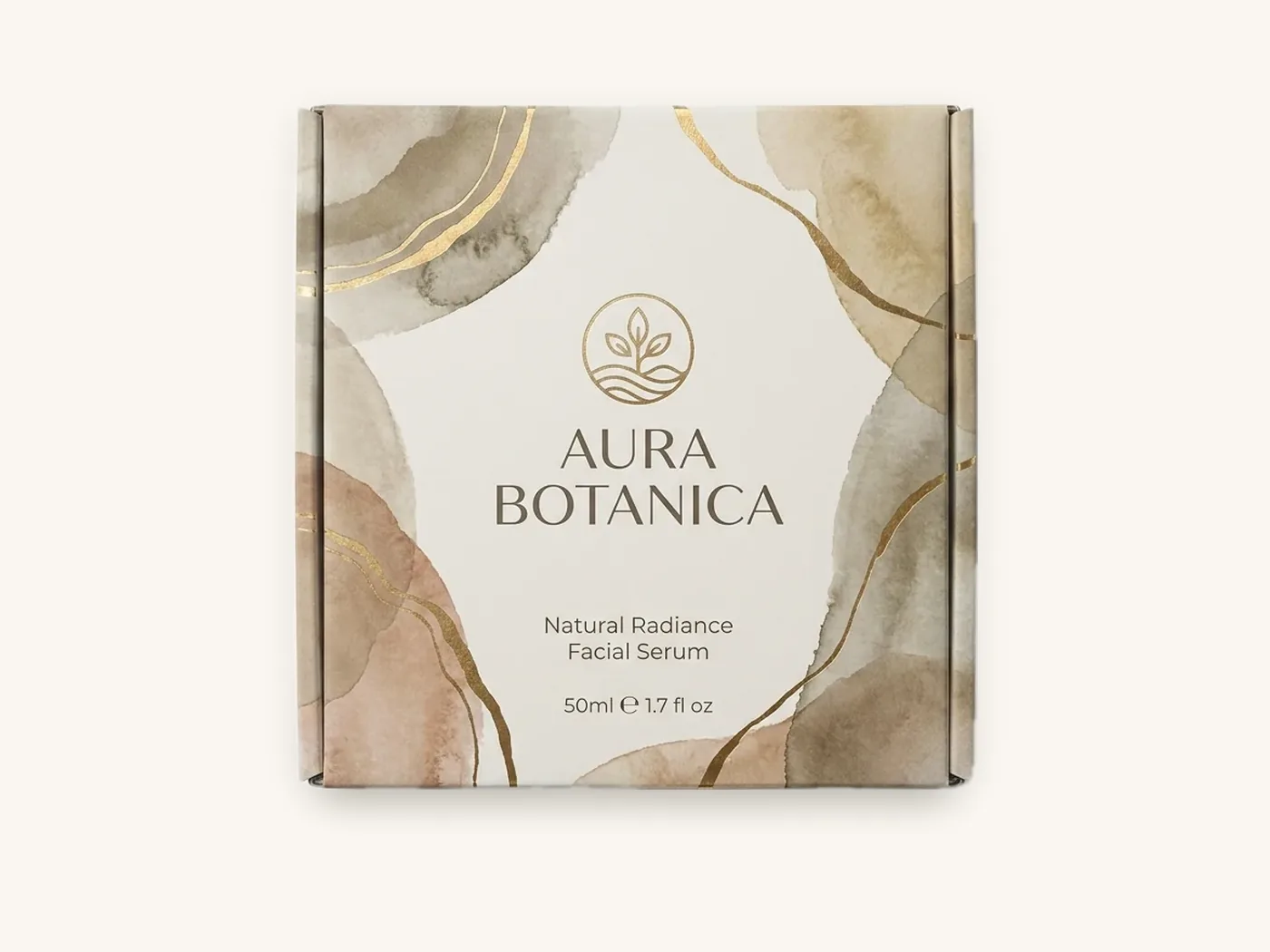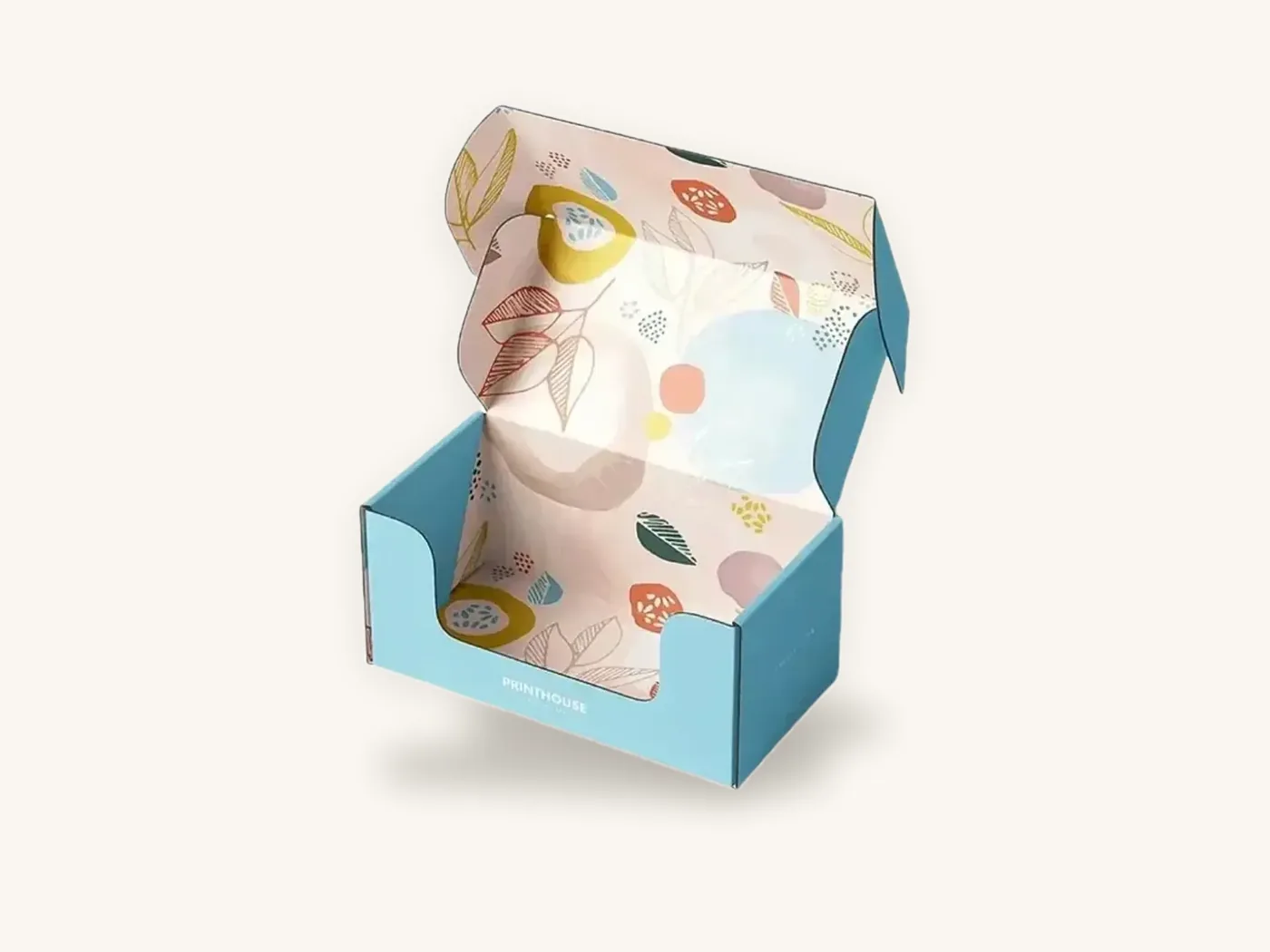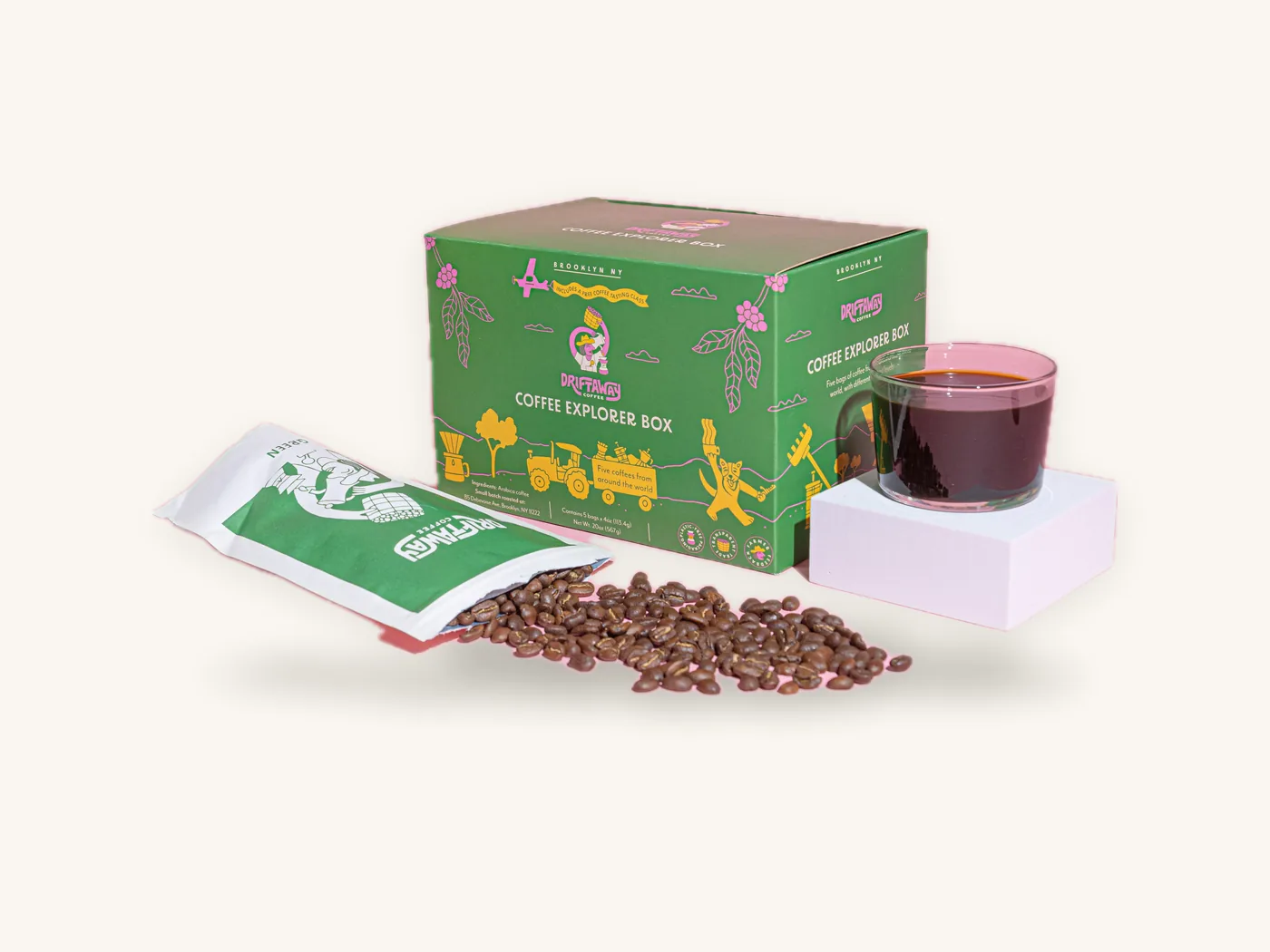
Private label packaging is the branded layer you put around a product that someone else manufactured: the carton, sleeve, label or mailer that carries your name, your claims and your legal information instead of the maker's. The product inside may be identical to what a dozen other brands sell. The packaging, and the promises printed on it, are what make it yours.
That puts a lot of weight on a few decisions. You need to know exactly which container the manufacturer ships, what the law expects the brand owner to print, and whether a label on a stock bottle is enough or a custom carton is worth the extra step. This guide walks through each decision in the order a new private label brand actually meets them.
Key takeaways
- In private label, the manufacturer usually supplies the primary container (bottle, jar, tube, pouch). You typically own the label, the secondary carton and the shipper.
- The company named on the package generally carries responsibility for its claims and required labeling, so treat copy review as your job, not the factory's.
- Get a physical sample and a spec sheet of the stock container before anyone draws a dieline. Catalog dimensions are often nominal.
- A single dieline in 18 pt SBS paperboard, printed in color variants, lets several SKUs share one structure and one proof cycle.
- A straight tuck end carton in 18 pt SBS, 3x2x5 in, full color with aqueous coating, runs about $1.15 each at 100 units and about $0.51 at 1,000.
- Box Sense prints private label boxes from 10 units, which lets you launch, test retail reaction and revise before you commit to volume.
Private label vs white label packaging: what you are actually buying
The two terms get used interchangeably, but the difference changes how much packaging work lands on you.
White label usually means a finished, generic product that the supplier sells to many brands with minimal change. You pick from a catalog, send a logo, and the supplier often applies a templated label. Private label usually means a product made for your brand, sometimes with your own formula tweaks, fragrance, flavor or colorway, and packaged to your specification.
In practice there is a spectrum, and your packaging responsibility grows as you move along it.
| Model | Who designs the product | Typical supplier packaging | What the brand usually adds | Differentiation |
|---|---|---|---|---|
| White label | Supplier, sold to many brands | Stock container, generic or templated label | Logo label, sometimes a sticker on a stock box | Low: brand and price only |
| Private label (stock formula) | Supplier's formula, exclusive branding | Stock container, often unlabeled | Custom label, custom carton, shipper, inserts | Medium: packaging, story, claims |
| Private label (custom formula) | Supplier with your changes | Stock or custom-molded container | Full packaging system, often custom colors and finishes | High: product and packaging |
| Contract manufacturing | You own the formula and spec | Whatever you specify and supply | Everything, including primary components | Highest |
If you are on the white label end, the fastest win is usually replacing the templated label and adding a printed carton. If you own a custom formula, you have more room, and more obligation, to build a complete packaging system around it.
Why packaging carries the brand in private label
When the product itself is sourced, shoppers compare what they can see: the shelf presence, the ingredient panel, the claims, the feel of the box in hand. Two identical serums in different cartons will be judged as different products. That is the core logic of private label, and it is why the carton budget deserves real attention even when margins are tight.
Who supplies what: mapping the packaging layers
Before design starts, write down every packaging layer and who is responsible for it. Gaps here cause the most expensive private label surprises, like a finished carton run that arrives before anyone confirms the bottle height.
| Layer | Examples | Usually supplied by | What to confirm |
|---|---|---|---|
| Primary container | Bottle, jar, tube, dropper, pouch, blister | Manufacturer | Exact dimensions, closure type, fill level, label panel size |
| Primary label | Wraparound label, front and back labels | Brand (printed by label supplier or manufacturer) | Label panel height, curvature, who applies it |
| Secondary packaging | Folding carton, sleeve, rigid box, window box | Brand | Fit around the container, retail requirements, required copy |
| Inner protection | Paperboard insert, divider, molded pulp tray | Brand | Whether the container needs to be held upright or separated |
| Shipper | Mailer box, corrugated case, master carton | Brand or fulfillment partner | Units per case, e-commerce or wholesale routing |
Questions to ask your manufacturer first
- What is the exact container, including supplier name and part number if they will share it?
- Can you send three filled and capped units, not empty stock samples?
- Will you apply labels and pack cartons, or do finished goods ship loose to my warehouse?
- What case pack and carton orientation does your filling line expect?
- Will the container or closure ever be substituted if stock runs short?
- What lead time do you need between receiving packaging and shipping finished goods?
The substitution question matters more than it looks. A closure swap that adds a few millimeters of height can stop a tuck flap from closing. Ask to be told before any component changes.
Label only, sleeve or full carton: choosing your private label boxes
Not every private label product needs a box. The right format depends on where it sells, how much copy you need to fit and how much the product needs to stand out.
When a label on the stock container is enough
A well-printed label works when the product sells mostly online, ships in a protective mailer, and the container has a large enough flat panel for all required information. Many coffee, spice and bath products live happily on a label alone. Custom labels and stickers are also the quickest way to test a new SKU before investing in structure.
The limit is space. Supplements, cosmetics with long ingredient lists and anything that needs directions, warnings and a barcode can outgrow a small bottle label fast.
When a sleeve or wrap adds enough
A printed sleeve slides over a jar, soap bar or tray and gives you a larger print surface without a full box. Sleeve and tray boxes are a middle step: they feel intentional, show off the product and cost less board than a closed carton.
When a full carton earns its place
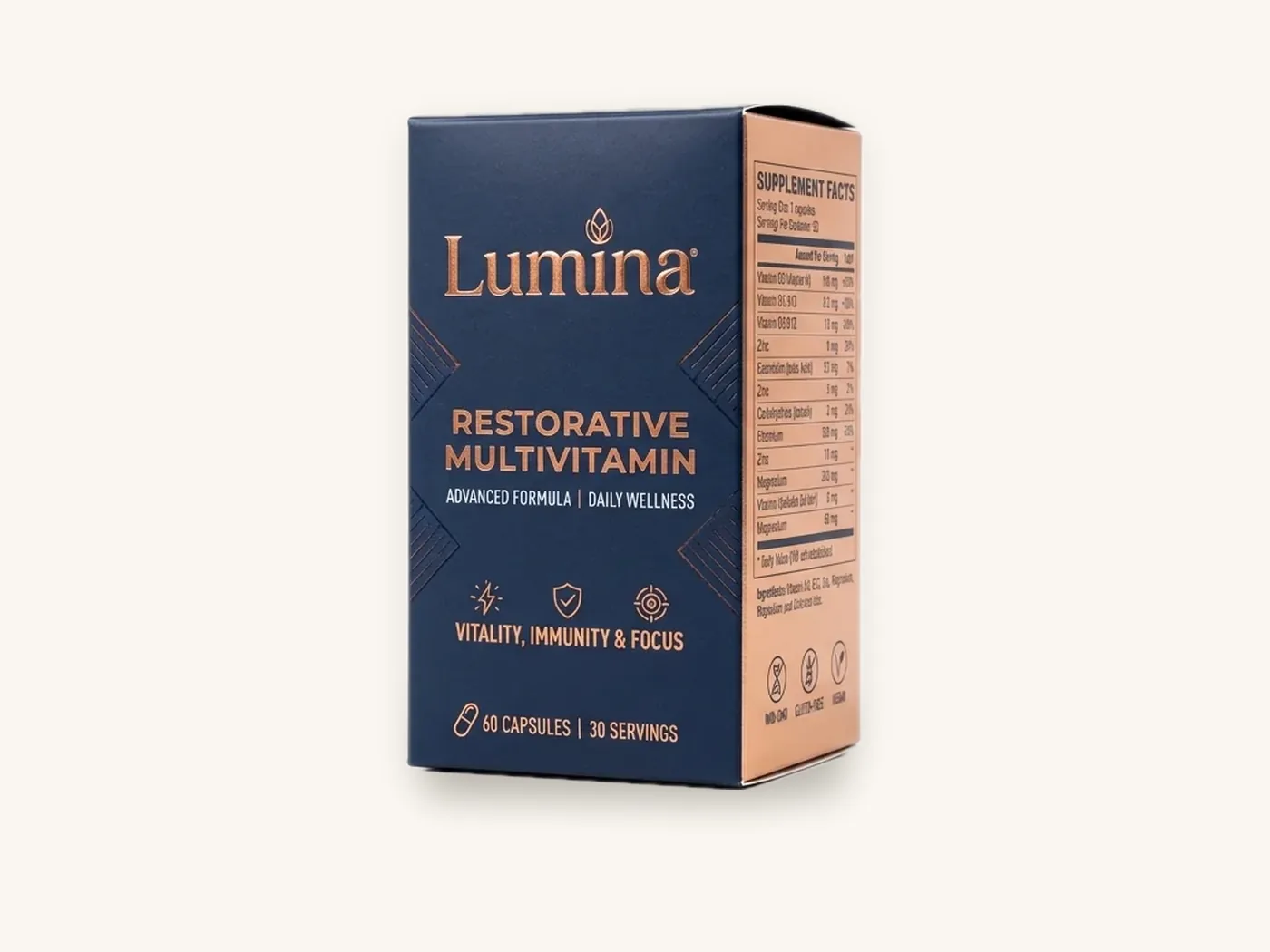
Choose a folding carton when the product goes to retail shelves, when you need extra panels for regulated copy, when the container is plain or generic, or when the price point needs a more premium presentation. Custom product boxes in tuck end styles cover most cases, and the folding cartons style page shows the structural options.
| Format | Print area | Protection | Shelf impact | Best fit |
|---|---|---|---|---|
| Label only | Container panel | None added | Depends on container | Online-first, simple copy, testing SKUs |
| Sleeve | Three to four sides | Light | Moderate | Soap, candles, food trays, gift sets |
| Tuck end carton | Six panels plus flaps | Moderate | High | Supplements, cosmetics, retail SKUs |
| Window carton | Five panels plus a window | Moderate | High, shows product | Items that sell on appearance |
| Rigid box | Wrapped panels, insert | High | Very high | Premium kits, gift editions |
Tip: if your manufacturer's container is generic, cover it. A printed carton hides the stock bottle that shoppers may recognize from other brands and moves the comparison to your branding and claims.
Labeling responsibilities when your name is on the box
Regulations do not disappear because someone else filled the bottle. For many US product categories, the business named on the label is expected to stand behind the claims and required statements, and a manufacturer's compliance on its own products does not automatically cover yours. What follows is general orientation, not legal advice. Confirm the current requirements for your category with the relevant agency or a regulatory attorney.
Name and place of business
Food, dietary supplement and cosmetic labels in the US generally must identify the manufacturer, packer or distributor. When that is not the company that made the product, the name is typically qualified with a phrase such as "Manufactured for" or "Distributed by." That lets you use your own brand name and address without claiming you run the factory.
Category rules to research before you write copy
- Dietary supplements: the FDA sets requirements for the statement of identity, net quantity, Supplement Facts panel, ingredient listing and the disclaimer that accompanies structure/function claims. Read the supplement label requirements guide before you lay out a carton.
- Cosmetics: FDA labeling rules cover identity, net contents, ingredient declaration and warnings, and recent federal law added responsibilities for the company named on the label. The cosmetic labeling requirements guide covers the panel-by-panel details.
- Food: nutrition labeling, allergen declaration and ingredient order follow FDA rules; some products fall under USDA instead.
- Marketing claims: the FTC expects advertising and packaging claims, including "natural," "eco-friendly" and "made in USA," to be truthful and substantiated.
- Country of origin: imported goods generally need origin marking under US Customs and Border Protection rules, which affects private label products made overseas.
Get the supplier's documentation in writing
Ask for the ingredient list in the order it must appear, allergen information, certificates of analysis where relevant and the basis for any claim the supplier suggests you use. If a claim appears in the supplier's sales sheet but they cannot document it, leave it off your box.
Designing private label boxes around a stock container
This is where private label differs most from designing packaging for your own product. You are fitting a box around an object you did not design and cannot change, so measurement and sampling come before artwork.
Measure the real filled unit
Measure a filled, capped unit with calipers at its widest points, including the shoulder, the closure and any pump or dropper. Measure three units, because blow-molded bottles vary slightly. Use the largest reading. Our box sizing guide explains how to turn those numbers into inside carton dimensions.
For a paperboard tuck carton, a clearance of roughly 1/16 in to 1/8 in on each dimension lets the container slide in on a packing line without rattling. Tall, narrow bottles often need an insert or a partition so they do not tip inside the carton.
Pick board and structure
Most private label cartons use SBS paperboard because its bright white surface reproduces color accurately. Use 14 pt to 16 pt for light items like lipsticks and serum vials, 18 pt for typical supplement and skincare bottles, and 20 pt to 24 pt for heavier glass. Kraft paperboard suits natural and eco-positioned lines.
Straight tuck end cartons open at opposite ends on the same panel side, which prints cleanly on the front. Reverse tuck end cartons put the flaps on opposite sides, which runs efficiently on automated cartoners. Auto lock bottoms are worth it for heavier bottles above roughly a pound.
Build a SKU family on one dieline
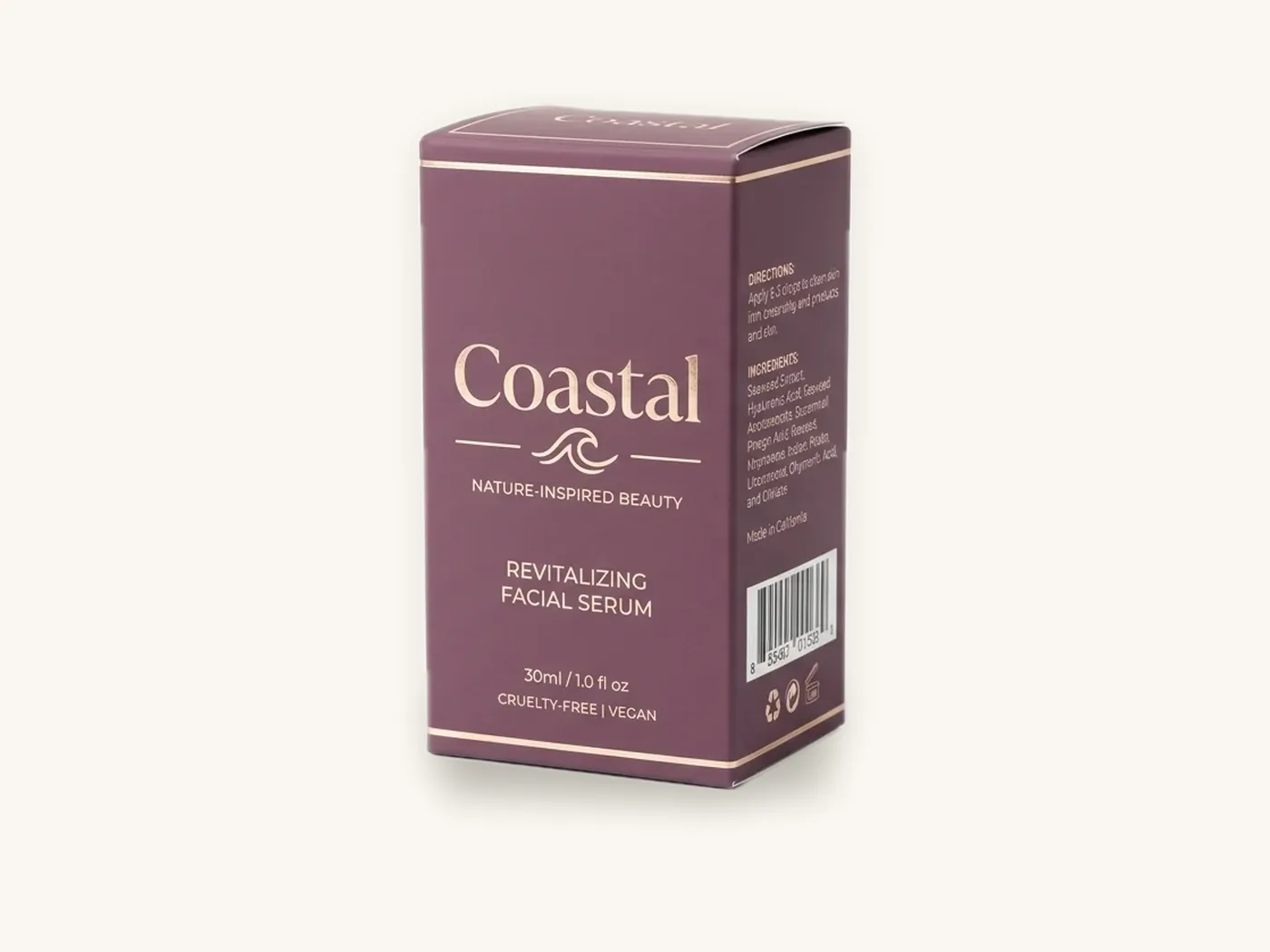
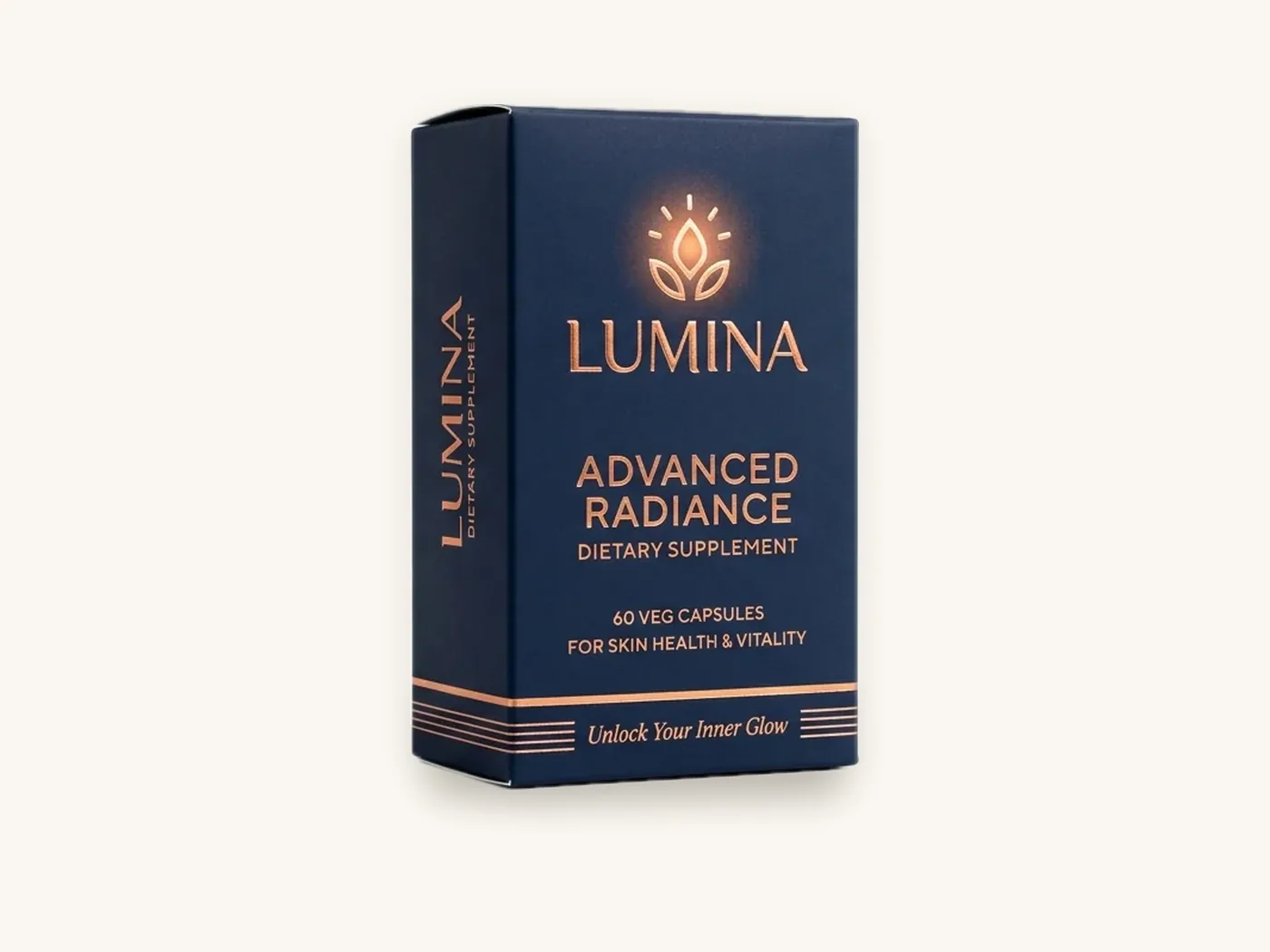
Private label brands often launch with several products in the same container: three serums in the same 30 ml bottle, or four supplements in the same 60-count bottle. Put them all on one carton size and change only the artwork. You get one dieline, one structural sample, faster proofing, and consistent shelf blocking when the products sit side by side.
Plan panels before decorating them
Assign every panel a job before a designer starts on graphics. A typical private label carton layout:
- Front panel: brand, product name, the single most important benefit, net quantity
- Side panel one: Supplement Facts, Nutrition Facts or ingredient list, in the format your category requires
- Side panel two: directions, warnings, storage
- Back panel: story, secondary claims, barcode, "Distributed by" statement with address
- Top and bottom flaps: lot and expiry area, recycling guidance, a short brand line
Leave a clear, unprinted or light-colored area for the manufacturer's lot code and expiry date if they will inkjet or stamp it. A dark flood coat under that area makes codes unreadable. Our UPC barcode guide covers barcode size and quiet zone rules.
Artwork, proofing and the handoff to your manufacturer
Private label adds a third party to the proofing chain. The carton has to satisfy you, fit the manufacturer's container and survive their packing process.
A proof-to-pack checklist
- Request the dieline for your exact carton size, then place artwork on it with bleed and safe zones; the dieline guide explains each line type
- Follow the file setup steps in the artwork preparation guide: 1/8 in bleed, outlined fonts, 300 dpi images, CMYK plus named PMS colors
- Confirm every regulated statement against supplier documentation and your own review
- Send the 3D digital proof to the manufacturer so they can check the lot code area and case pack orientation
- Test fit an unprinted structural sample around three filled units
- Scan the barcode from a printed proof or sample, not from the screen
- Approve in writing, noting the SKU, carton size and version number on each file
Ship packaging to the right place
Decide early whether finished cartons go to the manufacturer for packing or to your own warehouse or 3PL. Ask the manufacturer for their receiving hours, labeling requirements for inbound pallets and how they want cartons bundled. Cartons ship flat, so a few thousand units take far less space than people expect, but they still need to arrive before the filling date.
Watch out: do not approve a carton on a container photo or a catalog drawing alone. Wait for filled samples of the actual container. Nominal bottle dimensions routinely differ from what arrives, and a carton that is 2 mm too short is waste.
What private label packaging costs and where the money goes
Private label brands feel packaging cost more sharply because the product margin is already shared with the manufacturer. Knowing the drivers helps you spend where shoppers notice.
Indicative carton pricing
These per-unit figures come from our current rates and include US shipping. Your exact price depends on size and spec, so check the instant pricing estimator.
| Spec | 100 units | 500 units | 1,000 units | 5,000 units |
|---|---|---|---|---|
| Straight tuck end carton, 18 pt SBS, 3x2x5 in, full color, aqueous | $1.15 | $0.61 | $0.51 | $0.36 |
| Cosmetic carton, 18 pt SBS, 2.5x2.5x6 in, full color, soft-touch + foil | $1.93 | $1.03 | $0.86 | $0.61 |
| CBD tincture box, 18 pt SBS, 1.5x1.5x4.5 in, full color, gloss, spot UV | $1.31 | $0.70 | $0.58 | $0.41 |
| Kraft tuck carton, 18 pt kraft, 4x3x2 in, 1-color print | $0.81 | $0.43 | $0.36 | $0.25 |
Foil, embossing, spot UV and custom inserts each carry a one-time tooling charge; there are no die or plate charges otherwise. For a full breakdown of what moves the number, see the custom packaging cost guide.
Where to spend and where to save
- Spend on accurate color and a clean front panel, because that is what sells a sourced product.
- Spend on one signature finish, such as foil on the logo, rather than several finishes competing for attention.
- Save by sharing one carton size across SKUs and printing the variants digitally.
- Save by starting with aqueous coating instead of lamination if the product is not handled heavily.
- Save on reorders by fixing artwork errors at proof stage; a reprint for a missing warning costs far more than an extra revision round.
A launch timeline for private label brands
Packaging rarely delays a private label launch because of printing time. It delays launches because containers arrive late, copy is not finalized, or the carton is sized before samples exist. Work backward from your target ship date.
- Confirm container and formula. Get filled samples and the manufacturer's spec sheet.
- Write and review all copy. Include required statements, claims and the distributor line.
- Choose format and board. Label, sleeve or carton, then board grade.
- Request a quote and dieline. Send dimensions from the filled samples.
- Test a structural sample. Fit three units, close the flaps, shake it.
- Design on the dieline and proof. Review the 3D proof with your manufacturer.
- Approve and produce. Standard production is 8–12 business days after approval.
- Deliver to the packer. Build in receiving time before the filling date.
If your manufacturer's filling slot is fixed, ask about rush production, which is 5 business days on most paperboard and corrugated styles. The packaging design process guide goes deeper on the design and approval stages.
How to order private label boxes from Box Sense
We work with brands at every point on the private label spectrum, from a first test run of a white label product to a full carton system for a custom formula line.
What to send for a quote
- Filled container dimensions (height, diameter or width and depth, including closure) and weight
- A photo of the container, plus the manufacturer's spec sheet if you have it
- Preferred format: tuck end carton, window box, sleeve, rigid box or mailer
- Number of SKUs sharing the size, and quantity per SKU
- Print and finish preferences, or a note that you want recommendations
- Whether cartons ship to you or directly to your manufacturer or 3PL
- Your target in-hand date
What you get
- A quote confirmed within 24 hours
- Free design support: dieline, artwork setup, a 3D digital proof and two revision rounds, through our design services team
- Free unprinted structural samples to test fit on your filled containers, and a free printed sample of approved artwork on orders of 100 or more; details on the samples page
- A minimum order of 10 boxes, with digital printing for short runs and offset for larger quantities
- Standard production in 8–12 business days after proof approval, rush in 5 business days on most styles
- Free shipping on every US order, including delivery direct to your manufacturer's dock
If you sell in health and wellness or cosmetics and beauty, those industry pages show carton styles and finishes common in each category. Boxes reported defective within 14 days are reprinted free.
Frequently asked questions
What is private label packaging?
Private label packaging is the branded packaging a company uses for a product made by a third-party manufacturer. The manufacturer typically supplies the product in a stock container, and the brand provides the label, carton, inserts and shipper carrying its own name, design and required information. The packaging is the main way a private label brand distinguishes an otherwise shared product.
What is the difference between white label and private label packaging?
White label products are generic and sold to many brands, usually with a simple logo label or template. Private label products are made for one brand, often with exclusive branding or formula changes, and are packaged to that brand's specification. Private label usually means more packaging responsibility, including custom cartons, inserts and complete regulatory copy.
Does the manufacturer or the brand handle labeling compliance?
Both have a role, but the business named on the package generally answers for the claims and required statements on it. Get ingredient, allergen and claim documentation from the manufacturer, then review the copy yourself or with a regulatory professional. Confirm current requirements with the FDA, FTC or the agency that governs your category.
Can I put my own address on a product I did not manufacture?
In many US categories, yes, when the name is properly qualified. Labels for foods, supplements and cosmetics commonly use phrases such as "Distributed by" or "Manufactured for" before the brand's name and address. This tells regulators and consumers who is responsible without implying you made the product. Check the exact wording rules for your product type.
How many private label boxes do I need to order?
Box Sense produces private label boxes from 10 units, so you can test a design or a new SKU without a large commitment. Unit prices drop steeply with volume: an 18 pt SBS tuck carton at 3x2x5 in costs about $1.15 each at 100 units and about $0.51 at 1,000. Many brands launch small, then reorder in larger runs.
Should I order packaging before my product samples arrive?
No. Wait for filled, capped samples of the exact container before finalizing carton dimensions. Catalog measurements are often nominal, closures change height, and bottles vary slightly. You can request a quote and start copywriting early, but approve the dieline only after a structural sample fits the real product.
Can several private label products share one box design?
Yes, and it is often the smartest route. If products use the same container, one carton size and one dieline can serve every SKU, with only the artwork changing. That speeds proofing, keeps shelf presence consistent and lets short digital runs of each variant stay affordable.
Next steps
Collect filled samples of your container, finalize the copy for each panel, and run the carton size through our private label box price estimator to see your cost at a few quantities. When you are ready, request a private label packaging quote and we will confirm pricing within 24 hours and send a dieline built around your manufacturer's container.
Boxes in this guide
Order the packaging we covered
Written by the Box Sense Packaging Team
Our structural designers, prepress technicians and production staff print and convert custom boxes every day for brands in the United States, United Kingdom and UAE. Questions about this guide? Talk to us.