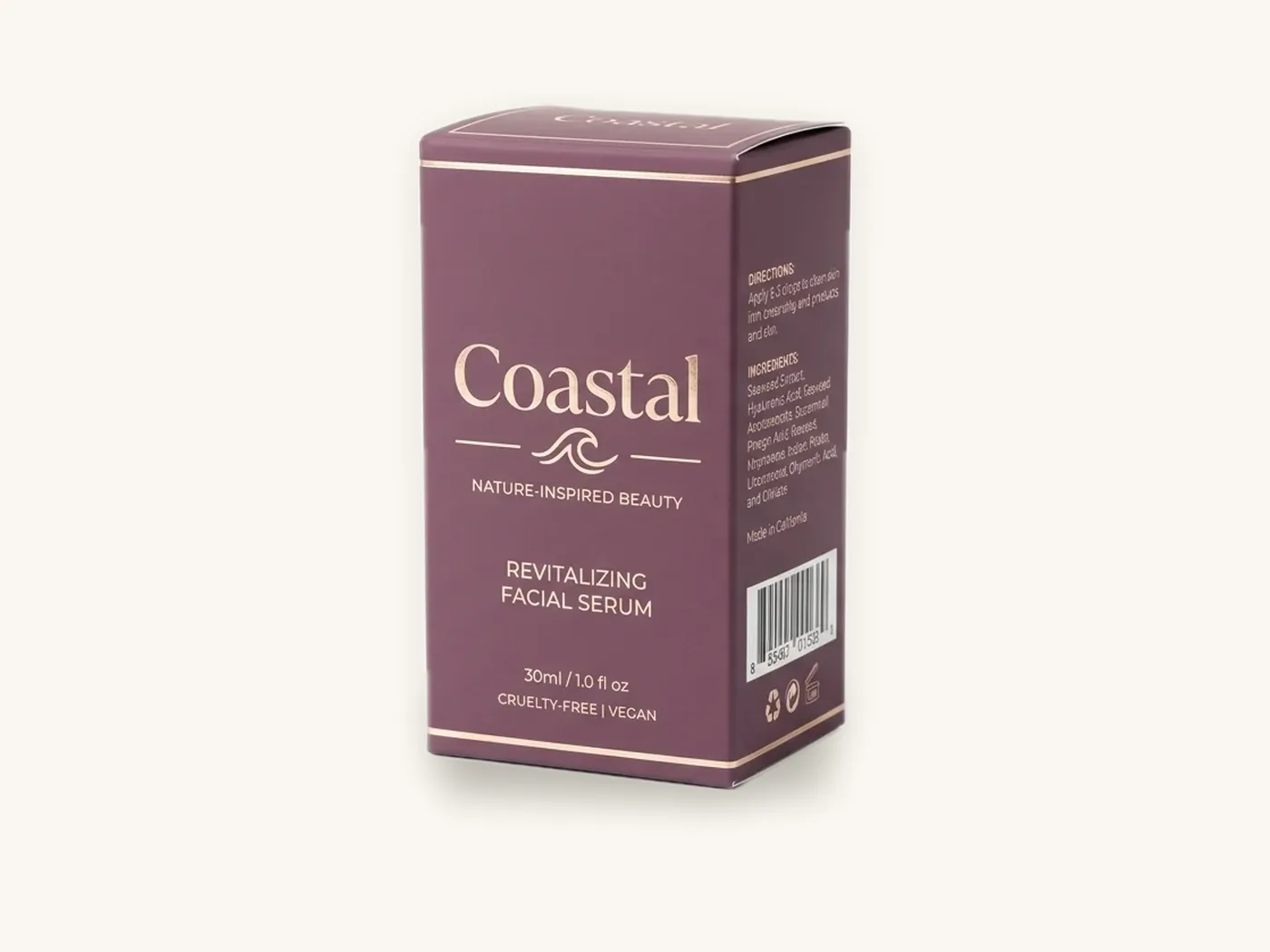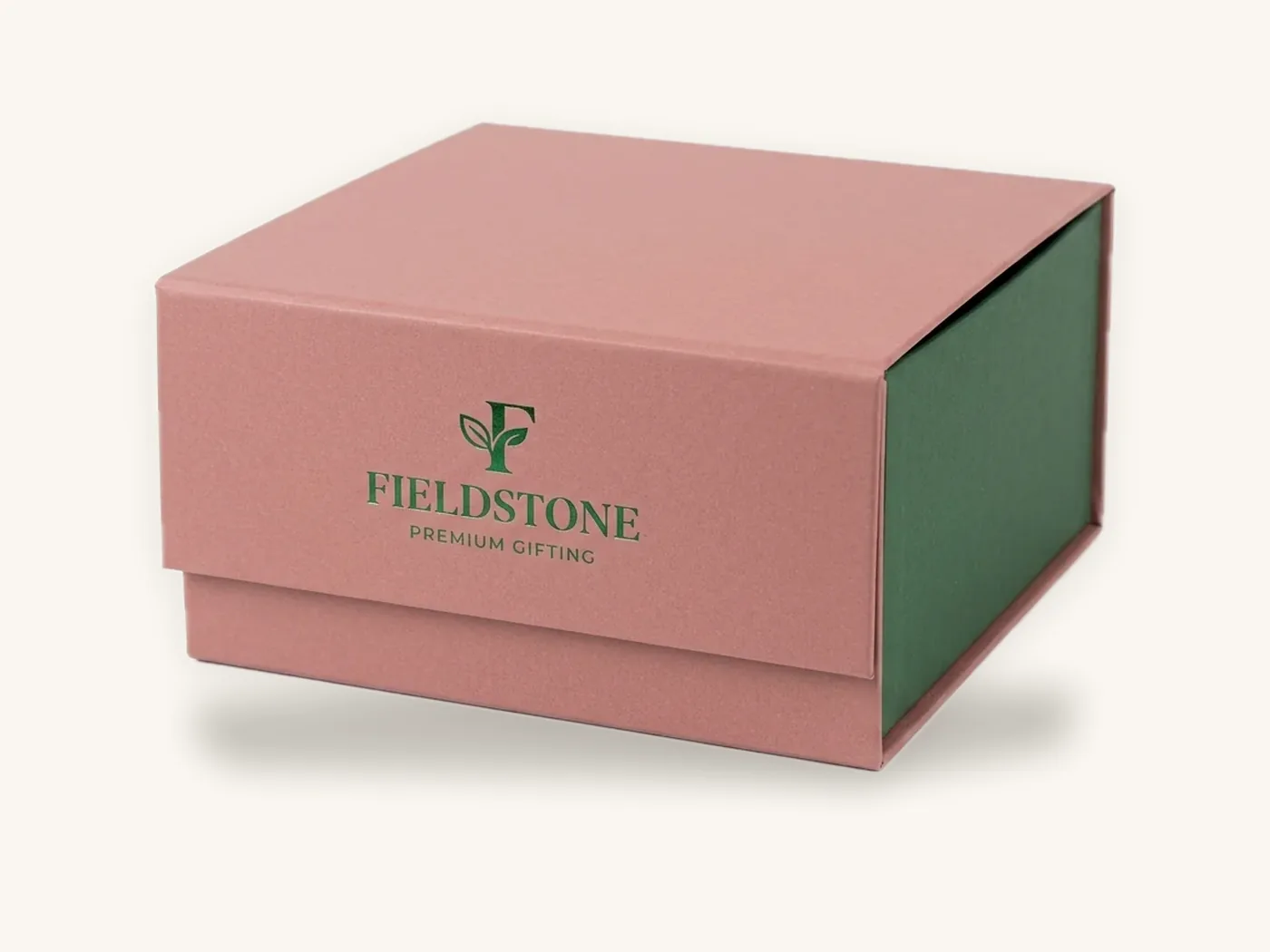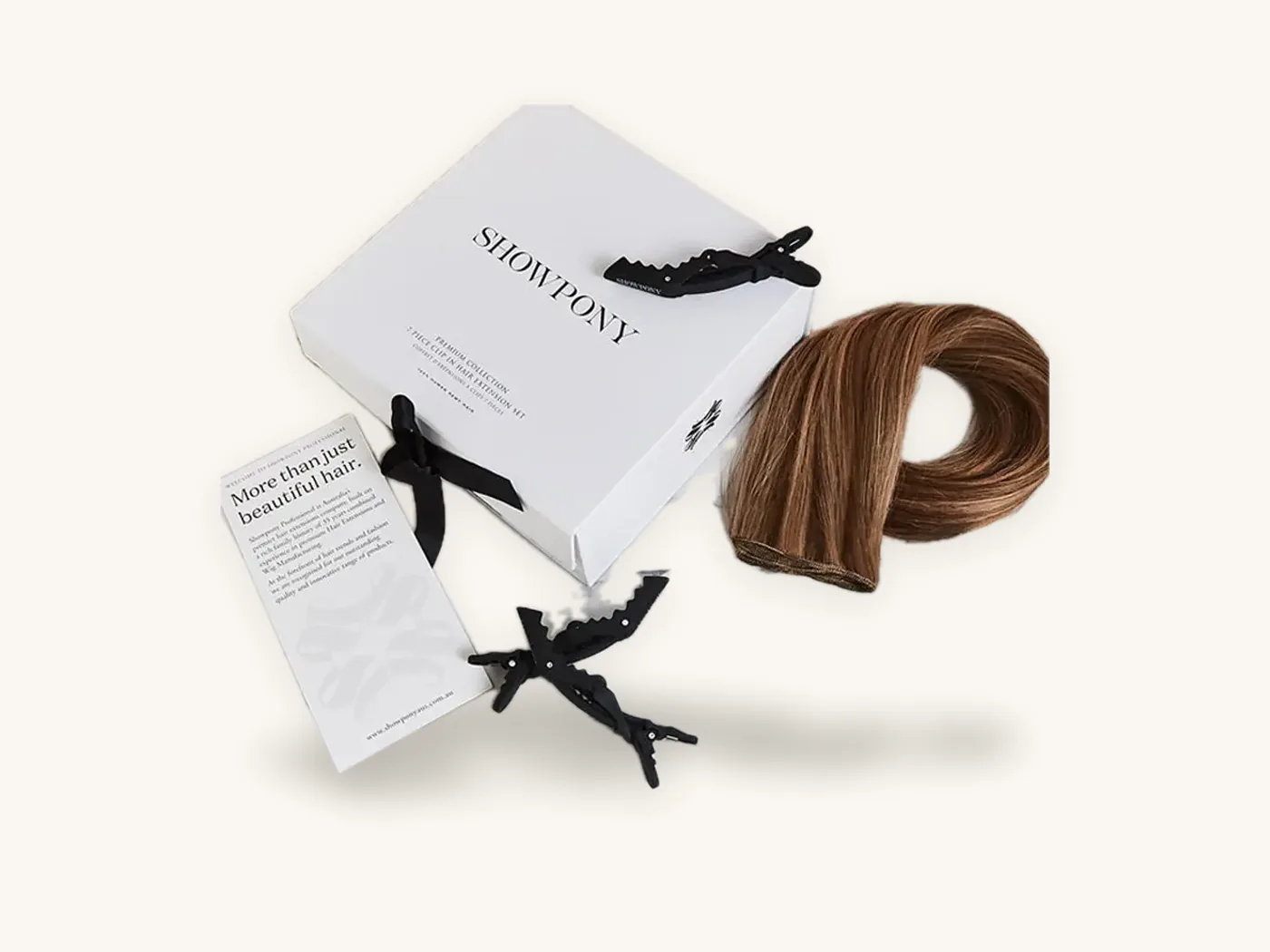
Hair extension packaging is usually a long-format box, most often a rigid magnetic book box, a pillow box or a window box, sized to hold hair laid flat or gently coiled so it arrives without kinks, tangles or a crushed lace. The format depends on the product: bundles and clip-in sets fit shallow book boxes, wigs need deeper boxes that protect the cap shape, and single wefts or samples suit pillow boxes.
Because hair is a high-value product that customers cannot touch before buying online, the box carries a lot of the trust. It needs to show care in handling, name the texture and length clearly, and look worth the price. This guide goes product by product, then covers sizing, keeping hair in condition, labeling across many lengths and textures, bundle deals, shipping, cost and ordering.
Key takeaways
- Match the box to the product: book-style magnetic boxes for bundles and clip-ins, deeper rigid or two-piece boxes for wigs, pillow boxes for single wefts, samples and accessories.
- Size from the hair as it will be packed (laid flat, folded once or coiled), not from its stretched length.
- Protect the hair with a satin or tissue wrap and a hair net or tie; never let a lace front or closure be creased by the lid.
- Use one box design plus hang tags or labels for length, texture and density instead of printing a box for every variant.
- A rigid magnetic box at 10x8x3 in with soft-touch, foil and an insert costs about $14.23 per unit at 100 and about $6.32 at 1,000.
- Box Sense makes hair extension boxes from 10 units, which lets new hair brands and stylists start with a fully printed box.
Hair extension boxes by product type
Hair businesses sell a surprisingly wide spread of products, and each one needs something different from the box. Start here before thinking about finishes.
| Product | How it is packed | Box format | Key requirement |
|---|---|---|---|
| Weft bundles | Coiled or laid flat, tied, often in a sealed bag | Magnetic book box, two-piece rigid, window box | Enough length that hair is not folded tightly |
| Closures and frontals | Lace base laid flat, hair folded over | Shallow rigid box with a flat base | Lace must not crease or bend |
| Wigs | On a hair net or with a card former, cap shape preserved | Deeper magnetic or two-piece rigid box | Depth to avoid crushing the cap and hair |
| Clip-in sets | Pieces stacked by width, clips facing one way | Book box with a card divider or insert | Stops clips snagging the hair |
| Tape-in and keratin tip extensions | Small packs of strands on a card | Slim box, sleeve and tray, or pillow box | Keeps tape tabs and tips clean |
| Ponytails | Wrapped around a comb or clip | Book box or two-piece rigid | Room for the clip mechanism |
| Samples and swatches | Short weft piece | Pillow box or small window box | Low cost per unit for sending out |
Bundles
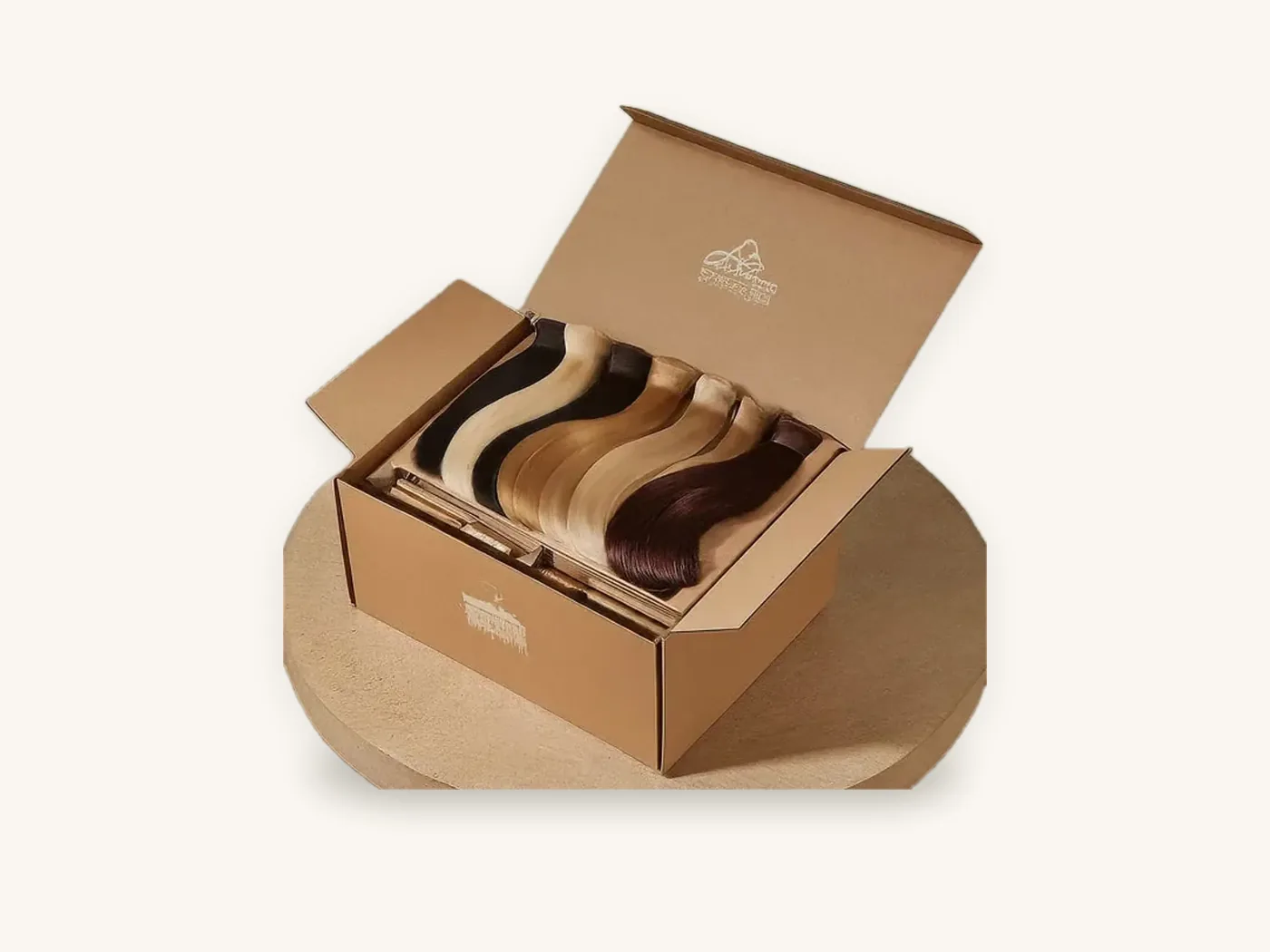
Bundles are the core product for many hair brands and are usually sold in sets of two, three or four. They are packed either coiled in a loose spiral or laid out and folded once. Coiling keeps the box compact but can leave a kink in straight textures, so for longer straight hair many brands prefer a longer, flatter box. Hair extension boxes come in long-format magnetic, pillow and window builds for exactly this reason.
Wigs
Wigs are the most demanding. The cap has a shape, the lace front is delicate, and styled or curly hair can be flattened by a shallow lid. A wig box needs depth. Many sellers place the wig in a hair net, fold the hair gently inward over the cap and lay it in a box with a satin lining. A card former or small insert inside the cap can help it keep its shape during shipping.
Clip-ins and tape-ins
Clip-in sets have hard metal clips next to soft hair, which means snagging and scratching. A card divider or a folded insert that separates pieces keeps clips from pulling at other wefts. Tape-in and keratin tip extensions need the adhesive tabs or tips protected from dust and pressure, so a slim card mount inside a sleeve and tray box is common.
Choosing the right box format for hair
With the product mapped, pick the structure. Most hair brands use two or three formats across their range rather than one.
Magnetic book boxes
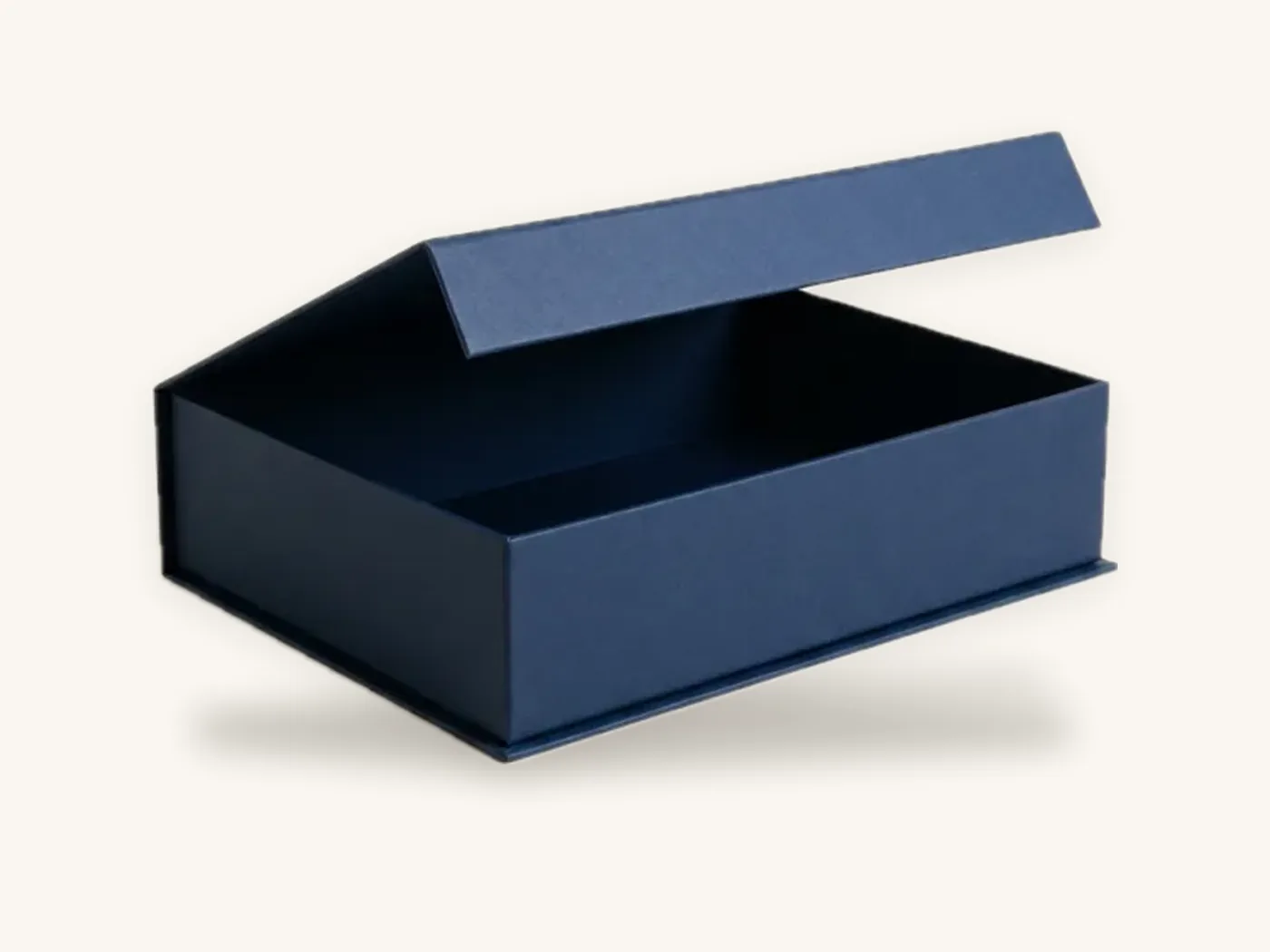
A rigid book-style box with a hinged lid and hidden magnets is the signature format for premium hair. It opens like a book, reveals the hair laid on a satin or printed base, and closes with a snap that feels secure. Magnetic closure boxes can also be made collapsible, which saves storage space for brands packing to order. Our magnetic closure boxes guide explains the construction options.
Two-piece rigid boxes
A lift-off lid over a rigid base gives more usable depth than a book box, which suits wigs and curly or voluminous textures. The lid can be deeper than the base for a dramatic reveal, and the full lid surface is available for print.
Pillow boxes
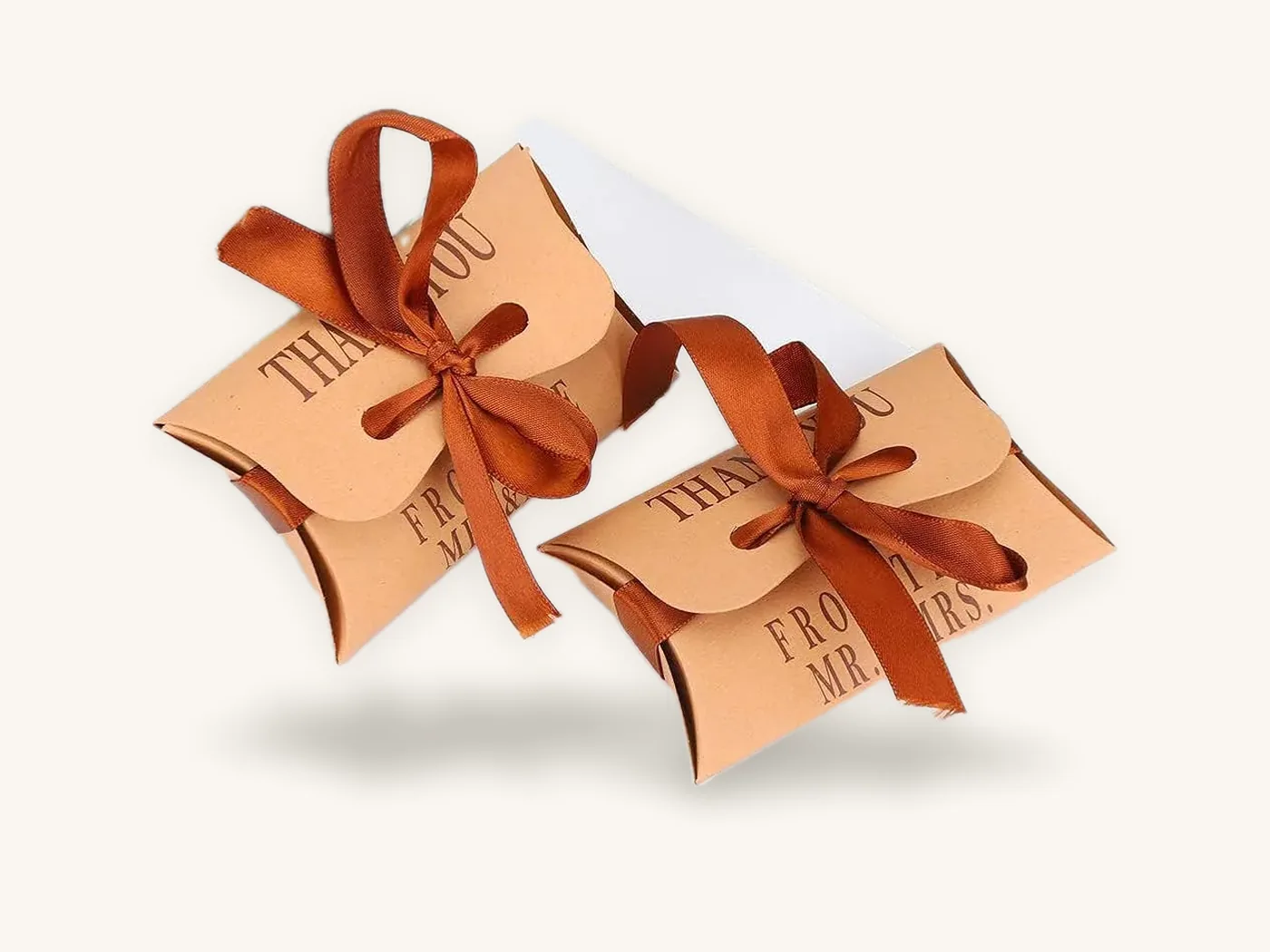
Pillow boxes are curved paperboard boxes with tuck ends. They are light, inexpensive and giftable, which makes them a good fit for single wefts, samples, hair accessories and bonnets. Their curved shape cannot hold a flat lace base, so they are not suitable for closures, frontals or wigs. The custom pillow boxes guide covers sizes.
Window boxes
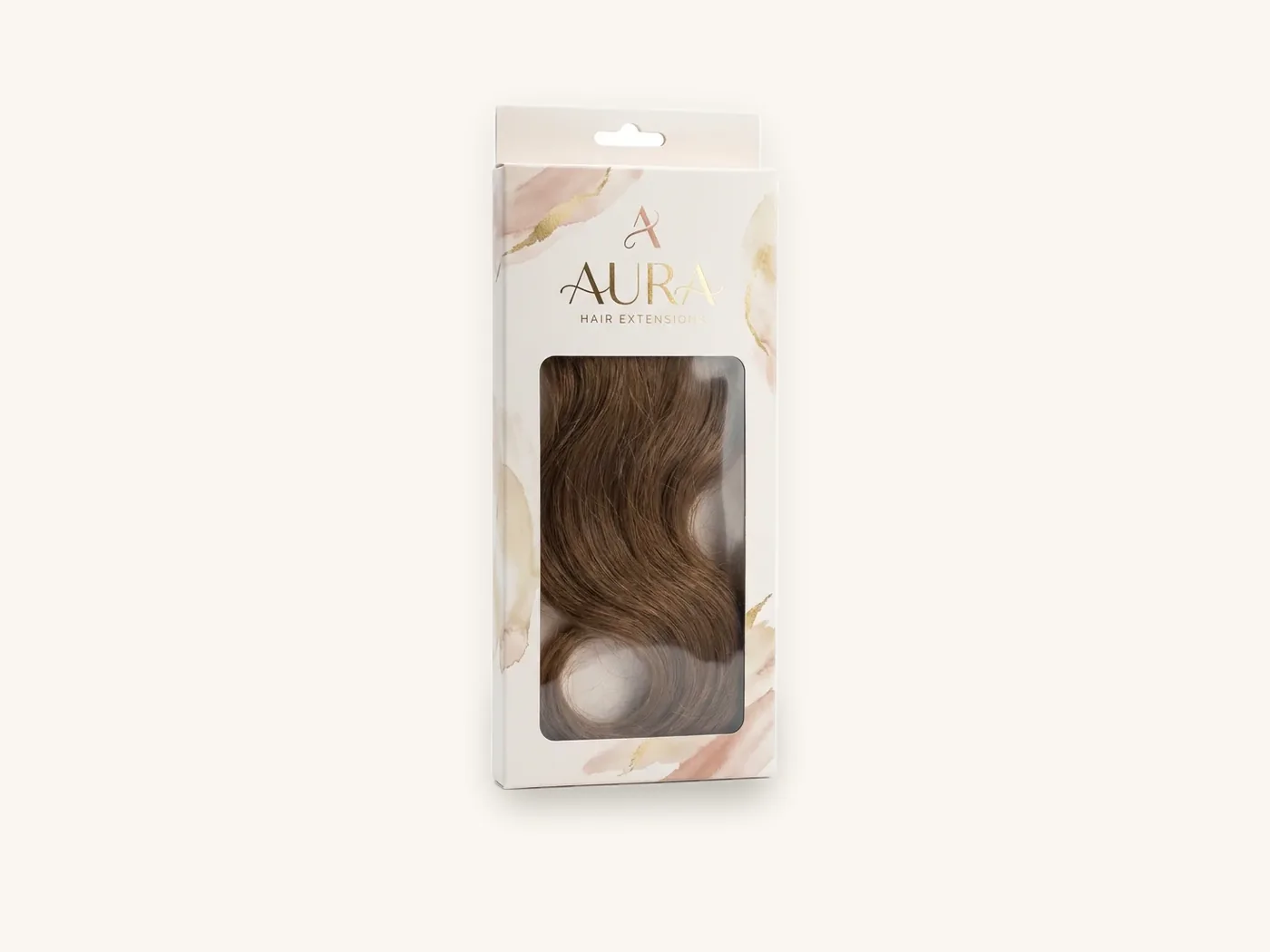
A paperboard box with a die-cut film window shows texture and color without opening. That helps at trade shows, in beauty supply stores and for retail displays. For online sales it matters less, since customers see photos first.
Format decision matrix
| If you sell... | Choose | Why |
|---|---|---|
| Premium bundles online | Magnetic book box | Reveal, perceived value and secure closure |
| Wigs and units | Deep magnetic or two-piece rigid | Depth protects the cap and styling |
| Bundles plus closure deals | Larger magnetic box with a divider | One package for the full install |
| Samples for stylists | Pillow box or small window box | Low cost to send in quantity |
| Retail or beauty supply stores | Window box | Texture visible on shelf |
| Hair accessories and bonnets | Pillow box or tuck end carton | Light and inexpensive |
Sizing hair extension packaging
Hair is soft and compressible, which tempts brands to squeeze it into a small box. That is how kinks, tangles and flattened curls happen. Size with the hair's condition in mind.
Sizing process
- Pack the product exactly as you will ship it. Tie the bundle, wrap it in its satin or tissue, add the hair net for wigs, and include any card former or insert.
- Decide on the packing method per length. Short lengths may lie straight; longer lengths are folded once or coiled. Pick one method for each length and stick to it.
- Measure the packed bundle's length, width and height at the widest points.
- Group lengths into box sizes. Rather than a box for every length, set two or three box sizes, for example short, medium and long, each covering a range.
- Add clearance. For hair, a little extra room on length and depth prevents crushing. Avoid so much space that the bundle slides.
- Add insert and lining thickness. A satin-wrapped board base or a card divider adds height.
- Check lace clearance. For closures, frontals and wigs, make sure the lid does not touch the lace area when closed.
- Test with a structural sample. Pack your longest length and most voluminous texture, ship it to yourself and inspect the hair on arrival.
Watch out: body wave, deep wave and kinky curly textures take up far more depth than straight hair of the same length and weight. If your range includes several textures, size the box for the fullest one, or use a slightly deeper lid.
Dimension conventions
Give internal dimensions as length x width x depth. For a book box, length runs along the spine, width is spine to opening edge, and depth is the inside height of the base. For a two-piece box, give the inside of the base and let us size the lid.
Keeping hair in condition inside the box
The box shell protects from crushing. The inside protects the hair itself from friction, tangling and dust.
Lining and wrapping
- Satin or silk-look wraps reduce friction and signal care. Many brands wrap each bundle individually.
- Printed tissue paper works for bundles and wigs and can carry a repeat logo. See printed tissue paper.
- Sealed bags inside the box keep hair clean and show it has not been handled.
- Hair nets hold wigs and loose curls in place during transit.
Inserts and bases
A fabric-wrapped board base gives a smooth, finished surface for the hair to rest on and hides the box floor. A card divider separates bundles from a closure in a set, or clip-in pieces from one another. For wigs, a small cap former or folded card keeps the crown from collapsing. Inserts and dividers are covered in our box inserts range, and a custom insert die carries a one-time charge of $45.
Hygiene and tamper evidence
Customers expect hair to arrive unused. A sealed inner bag, a printed seal sticker across the box opening or a band around the bundle all make that visible. They also help with return decisions, since an intact seal shows the product was not tried on.
Labeling lengths, textures and densities
A hair brand can easily carry dozens of variants: several textures, lengths in 2-inch steps, and multiple densities or cap sizes for wigs. Printing a unique box for each is rarely practical.
A system that scales
- Print one box design per format. The magnetic bundle box, the wig box and the pillow sample box each get one approved design.
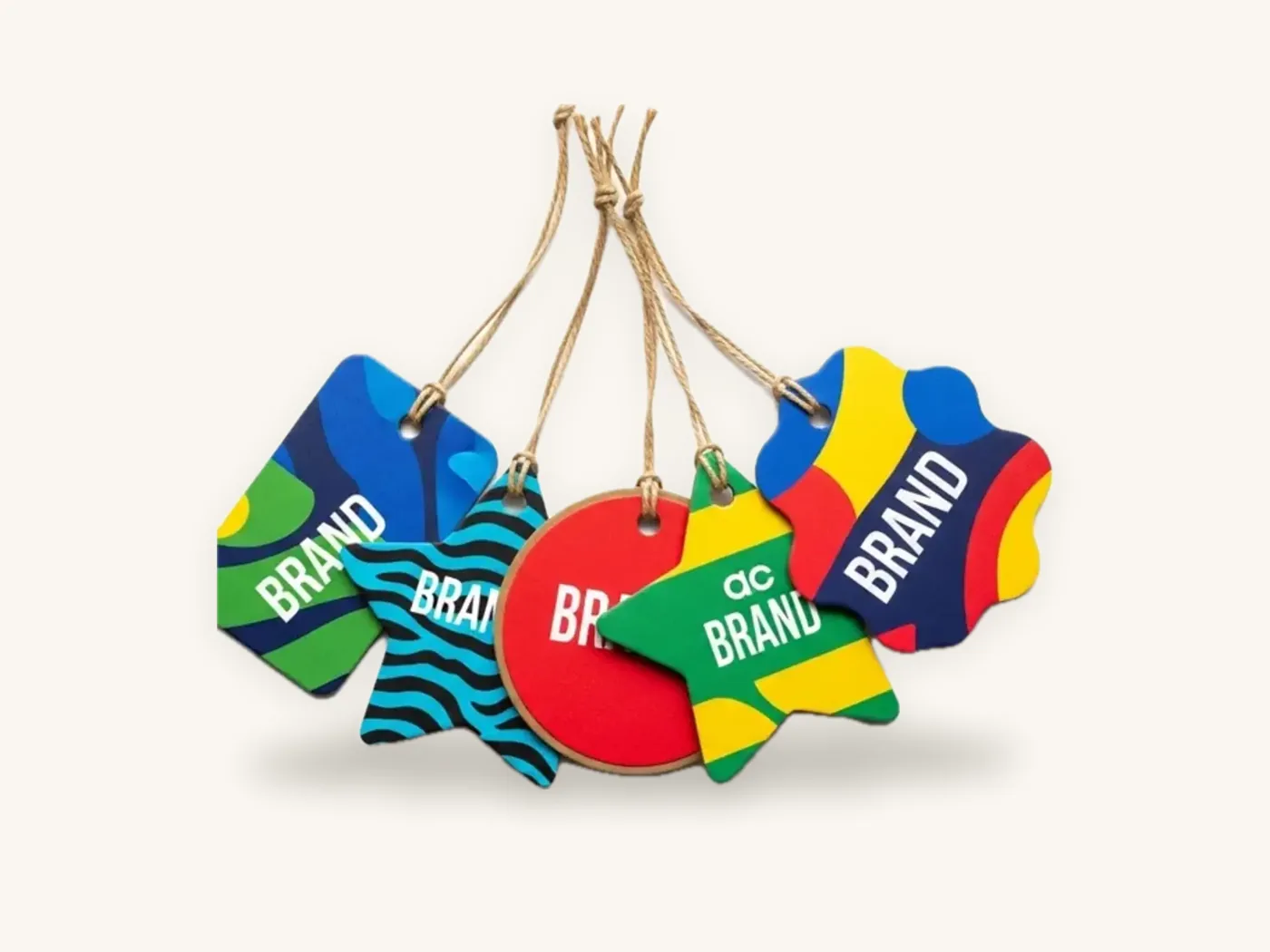
- Identify variants with a hang tag, label or insert card. Show texture, length, origin description, density and care instructions.
- Color-code textures if you want visual sorting. A different tag color per texture makes picking and packing faster.
- Add a small sticker on the box exterior so packed boxes can be identified without opening.
Hang tags tied to the bundle weft are a natural fit for hair: they stay with the product when it leaves the box and can carry care instructions. Our custom hang tags guide explains materials and attachment. Custom labels and stickers work for box exteriors.
Claims and label copy
Hair descriptions often include terms about origin, processing or fiber type. Keep every claim accurate and supportable, since the FTC treats misleading product claims seriously. If a product is imported, country-of-origin marking rules may apply; our country of origin labeling guide gives an overview. Confirm current requirements with the relevant agency or counsel for your products.
Packaging bundle deals and install kits
Bundle deals are a big part of hair sales: three bundles plus a closure, or a full install kit with bundles, a frontal and aftercare products. How you package a deal affects how premium it feels and how easily it ships.
Option one: one large box
A single larger magnetic box with a divider holds all bundles and the closure together. It gives the strongest reveal and one parcel to pack. It costs more per unit and needs its own size.
Option two: individual boxes in a mailer
Each bundle keeps its standard box, and the set ships together in a printed mailer. This keeps your box sizes to a minimum and lets customers split bundles among clients if they are stylists. The outer custom mailer box with inside printing creates a second opening moment.
Option three: bundles bagged in one presentation box
Bundles in sealed bags go into one box with a printed base and a care card. This is the lowest-cost deal format and suits wholesale buyers and stylists who care about the hair more than the box.
Tip: if you sell to stylists as well as consumers, consider two presentations for the same hair: a premium magnetic box for retail customers and a simpler bagged format for professional bulk orders. The hair and labels stay identical, and only the outer packaging changes.
Shipping hair extension boxes
Hair itself does not break, but boxes do. Rigid boxes dent at corners and soft-touch or foil surfaces scuff, which damages the first impression of a premium product.
- Always overbox rigid boxes in a corrugated mailer or shipping box. A small void around the rigid box, filled with paper, absorbs corner impacts.
- Avoid tape directly on printed surfaces. Removing it can lift soft-touch lamination.
- Keep parcels right-sized. An oversized outer box lets the rigid box slide and can increase dimensional weight charges.
- Use a tamper-evident seal on the outer shipper for high-value orders.
For e-commerce hair brands, our e-commerce and subscription page shows how retail boxes and mailers work together.
What hair extension packaging costs
Structure and size drive most of the cost, followed by finishes, inserts, linings and quantity. The table uses price-sheet specs close to common hair formats. Longer or deeper boxes will cost more, and pillow boxes cost considerably less than the rigid rows. Use the instant price estimator for your size.
| Spec | 10 | 100 | 500 | 1,000 | 5,000 |
|---|---|---|---|---|---|
| Rigid magnetic box, 2 mm, 10x8x3 in, soft-touch, foil, insert | $21.50 | $14.23 | $7.59 | $6.32 | $4.49 |
| Rigid box, 2 mm greyboard wrapped, 8x6x3 in, full color, matte | $13.76 | $9.10 | $4.85 | $4.05 | $2.87 |
| Mailer box, E-flute, 10x8x4 in, full color inside+outside | $6.54 | $4.33 | $2.31 | $1.92 | $1.36 |
Prices are per unit and include free US shipping. One-time tooling applies only if chosen: foil $60, embossing $60, spot UV $40, insert die $45.
Balancing cost and presentation
Because hair sells at a high price per unit, a rigid box is often a small fraction of the product price even at low quantities. The bigger risk is over-ordering too many box sizes. Two or three well-chosen sizes, a single design per format and variant labels keep inventory lean. Collapsible magnetic boxes reduce storage space if you pack to order in a small studio.
How to order hair extension boxes from Box Sense
Send us your packed product dimensions, and we will recommend formats and sizes.
What to include
- Product types: bundles, closures, frontals, wigs, clip-ins, tape-ins, samples
- Packed dimensions for your shortest and longest lengths, and your fullest texture
- Format preferences: magnetic book, two-piece rigid, pillow, window, or a recommendation
- Linings and inserts: satin base, dividers, cap formers
- Finishes: soft-touch, matte, foil, embossing
- Whether you also need hang tags, labels or tissue
- Quantities per box size and target date
- Artwork, or a request for design services
The process
- Quote within 24 hours.
- Free design support: dieline, artwork setup and a 3D digital proof, with two revision rounds.
- Samples: a free unprinted structural sample lets you test your longest length and wig depth; a printed sample of approved artwork is free on orders of 100 or more units. See samples.
- Production: 8–12 business days after proof approval as standard; rush in 5 business days is available on most paperboard and corrugated styles.
- Delivery: free shipping on every US order; international shipping quoted at cost.
Orders start at 10 boxes, with no die or plate charges. Defective boxes reported within 14 days are reprinted free. For the wider beauty category, see our cosmetics and beauty page and the cosmetic packaging guide.
Frequently asked questions
What kind of box is best for hair extensions?
For premium bundles and clip-in sets, a rigid magnetic book box is the most common choice because it looks high-value and closes securely. Wigs need a deeper magnetic or two-piece rigid box to protect the cap and styling. Pillow boxes suit single wefts, samples and accessories. Window boxes help when hair is sold in stores and texture needs to be visible.
How do you package a wig for shipping?
Place the wig in a hair net, gently fold the hair inward over the cap, and lay it in a satin-lined box deep enough that the lid does not press on the lace or crown. A card former inside the cap helps it keep its shape. Overbox the presentation box in a corrugated shipper with paper fill so it cannot slide.
What size box do I need for hair bundles?
Pack the bundle as you will ship it, tied and wrapped, then measure its packed length, width and height. Most brands group lengths into two or three box sizes instead of one per length. Size for the fullest texture you sell, since curly hair needs more depth than straight hair, and test your longest bundle in a structural sample.
How do I stop hair extensions from tangling in the box?
Tie or band each bundle, wrap it in satin or tissue, and choose a box long enough that hair is not tightly folded or crushed. Separate multiple bundles or clip-in pieces with card dividers so clips do not snag other wefts. A snug fit that stops the hair sliding around also reduces friction and tangling during transit.
Do I need a different box for every hair length?
No. Most brands use two or three box sizes that each cover a range of lengths, then identify the exact length, texture and density with a hang tag, label or insert card. This keeps one approved design per format, reduces inventory and makes it easy to add new lengths without ordering new boxes.
How much do custom hair extension boxes cost?
It depends on format, size, finishes and quantity. For reference, a 2 mm rigid magnetic box at 10x8x3 in with soft-touch lamination, foil and an insert is about $14.23 per unit at 100 and about $6.32 at 1,000, including US shipping. Pillow boxes and paperboard window boxes cost much less. The pricing page shows your exact spec.
Can I order wig boxes in small quantities?
Yes. Box Sense produces custom wig boxes and hair extension boxes from a minimum of 10 units, with no die or plate charges on standard structures. That suits new hair brands, stylists launching a product line and limited collections. Unit prices drop significantly at higher quantities, so it is worth comparing a few tiers before ordering.
Next steps
Pack your longest bundle and your fullest wig the way you ship them, measure them, and check costs in the hair box price estimator. Then request a hair extension packaging quote and we will confirm pricing within 24 hours, recommend box sizes for your range and prepare a dieline and 3D proof.
Boxes in this guide
Order the packaging we covered
Written by the Box Sense Packaging Team
Our structural designers, prepress technicians and production staff print and convert custom boxes every day for brands in the United States, United Kingdom and UAE. Questions about this guide? Talk to us.