Packaging customer retention comes down to what happens after the parcel arrives. The box is the only piece of your brand that every customer physically holds, and it arrives at the exact moment they judge whether the purchase was worth it. Packaging that protects the product, makes reordering easy and asks for feedback at the right time turns a first order into a second one.
Most retention advice focuses on email flows and loyalty programs. Those work, but they compete with every other message in an inbox. The package is opened with full attention, on a known day, with the product in hand. This guide explains the mechanisms that connect packaging and customer loyalty, the specific components that carry retention messages, how to ask for packaging reviews without breaking platform or FTC rules, and how to measure whether any of it works.
Key takeaways
- The first retention job of packaging is not losing the customer: damaged, late-looking or confusing deliveries cause returns, refund requests and negative reviews.
- Put one clear next action in the box: reorder, refill, subscribe, register the product or leave a review. Several competing asks usually get ignored.
- For consumables, a reorder label with the product name, size and a short URL or QR code on the product itself outlives the box.
- Ask for reviews neutrally. Offering rewards only for positive reviews, or suppressing negative ones, can break FTC rules and marketplace policies.
- Measure with unique codes or URLs per insert, so you can see which packaging message produced repeat orders.
- A printed 8x6x3 in mailer box is about $1.41 each at 500 units, and small additions like a printed label or card add far less. Price your spec at /pricing.
How packaging affects whether customers come back
Retention is decided in a chain of small moments. Packaging touches several of them directly.
Arrival: confirmation that the order is right
A box that arrives crushed, wet or rattling starts the relationship on a defensive footing, even if the product inside survived. A clearly branded box tells the customer immediately which order arrived, which matters when people buy from several online stores in a week.
Opening: the first use of the product
The opening sequence sets up the first use. If the customer needs to hunt through fill, figure out which item is which or find setup instructions online, frustration attaches to your brand. If the first thing they see is the product and a short "start here" card, the first use goes smoothly.
After the box is gone: a way back to you
Most outer packaging goes into the recycling bin within a day. Anything that should prompt a reorder has to live on something the customer keeps: the product container, a label on it, a card that fits in a drawer or a reusable box.
When the product runs out or the occasion comes around again
For consumables such as candles, coffee, skin care or supplements, the reorder moment is predictable. For durable goods, the next purchase is a gift, an accessory or a replacement. Packaging can plant the reminder, but it has to be visible at the right time, which usually means on the product, not the carton.
Stop losing customers to damage and confusion first
Before adding any retention message, fix the problems that drive customers away. They are usually cheaper to solve than a loyalty program and have a more direct effect.
| Problem at delivery | What the customer experiences | Packaging fix |
|---|---|---|
| Crushed corners, dented box | Doubt about product condition, possible return | Right-size the box, move up a flute grade, add corner-protecting insert |
| Product rattling or broken | Refund request, negative review | Die-cut insert that holds items in place; test with a drop from waist height |
| Leaking liquids | Damage to other items, strong negative reaction | Seal caps, bag liquids, upright orientation marks, absorbent insert |
| Wrong item or missing item confusion | Support ticket, frustration | Packing slip in a consistent place; insert layout that shows each item's slot |
| Box too big for the item | Perception of waste, possible higher shipping cost | Size the box to the packed product; see our dimensional weight guide |
| Hard to open | Frustration, knife damage to the product | Tear strip or tuck front mailer, not multiple layers of tape |
| No idea how to use the product | Poor first experience, return | "Start here" card or printed inside lid instructions |
The reduce shipping damage guide covers testing and board selection in detail, and the dimensional weight guide explains why oversizing costs money twice.
Watch out: premium finishes do not compensate for a product that arrives broken. If your returns or damage complaints are above what you would expect, spend on inserts and board grade before foil or soft-touch lamination.
The packaging components that carry retention messages
Each component in a shipment has a different lifespan and a different job. Put the message where it will be seen at the right moment.
Outer box
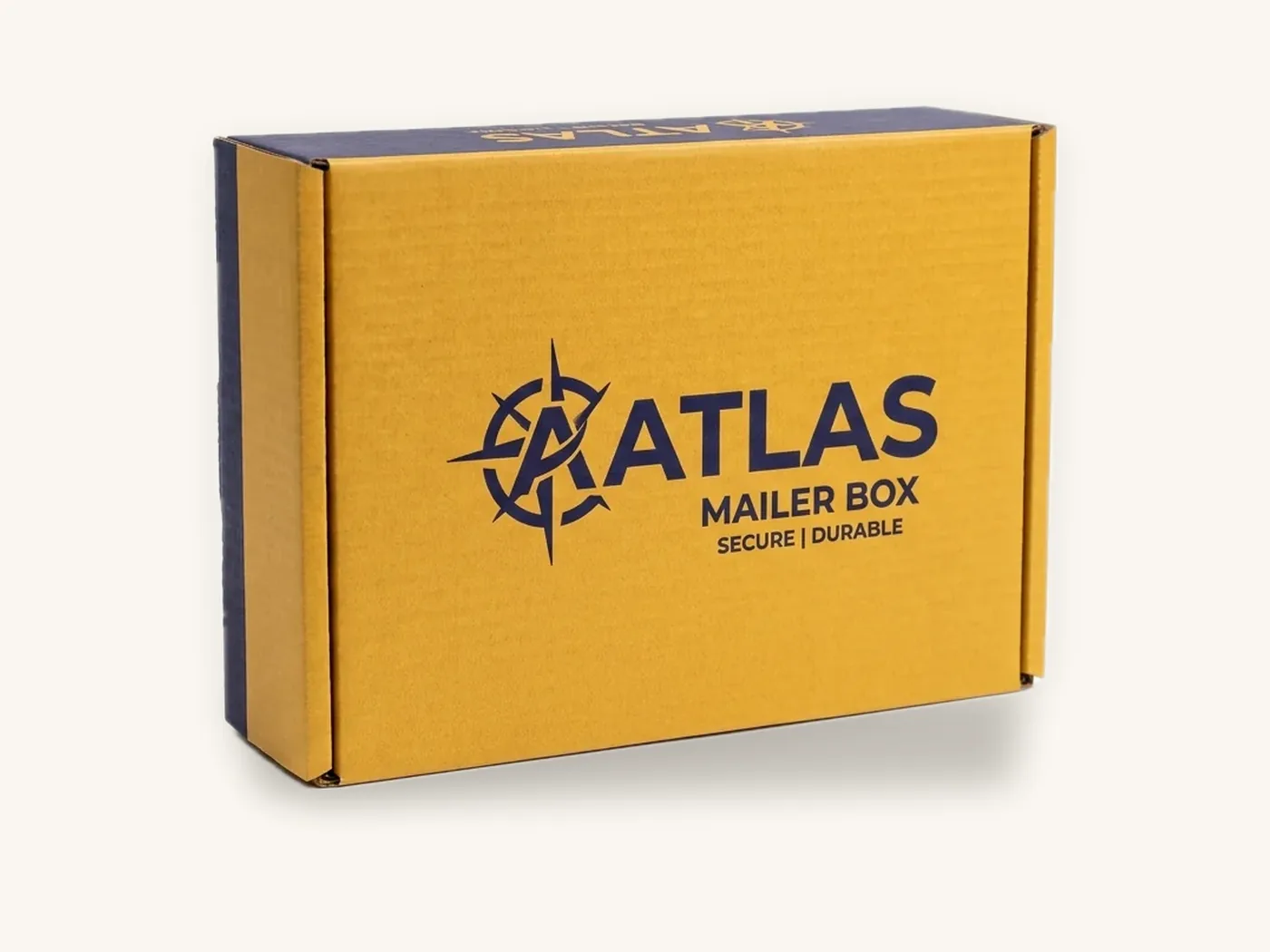
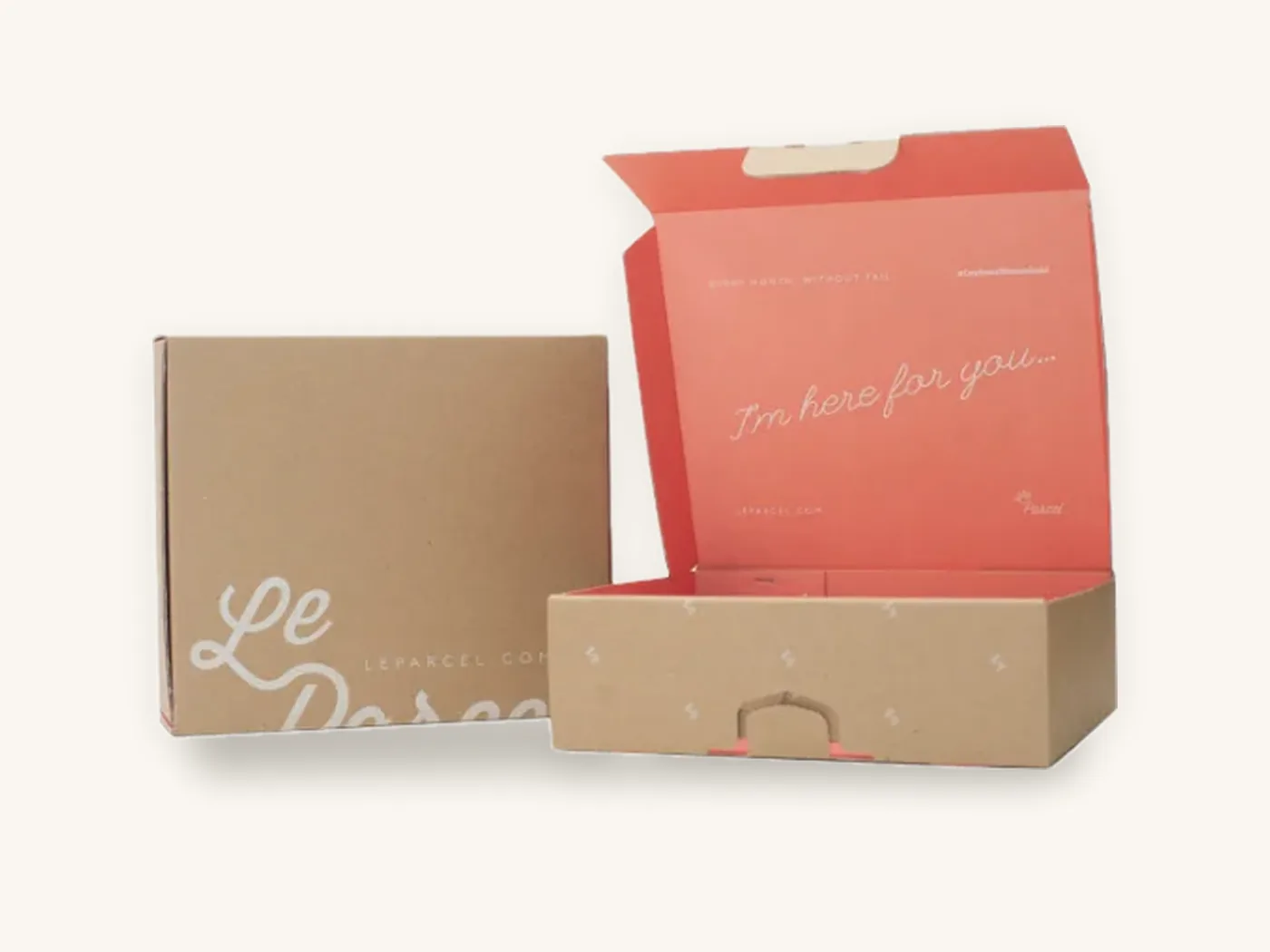
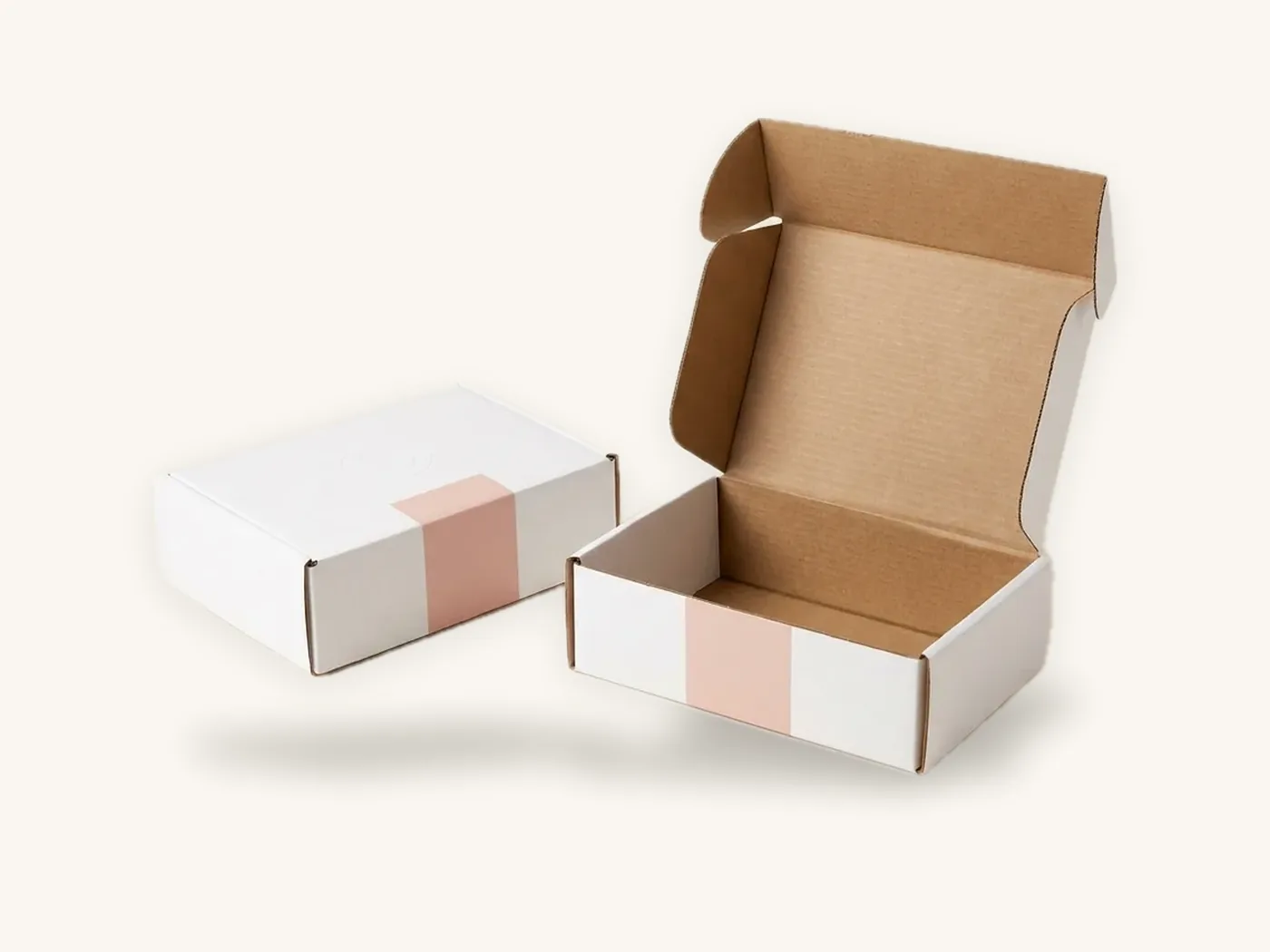
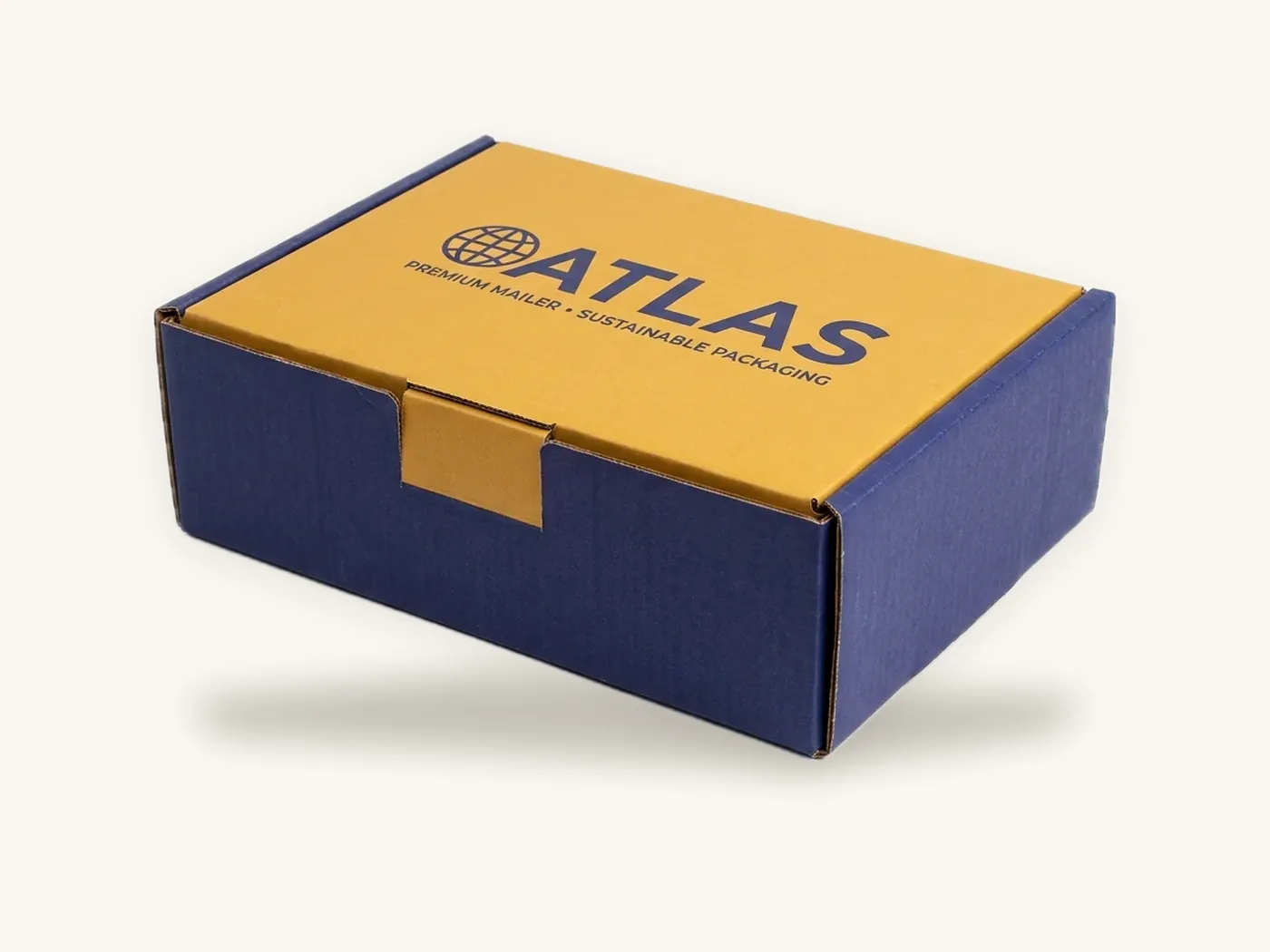
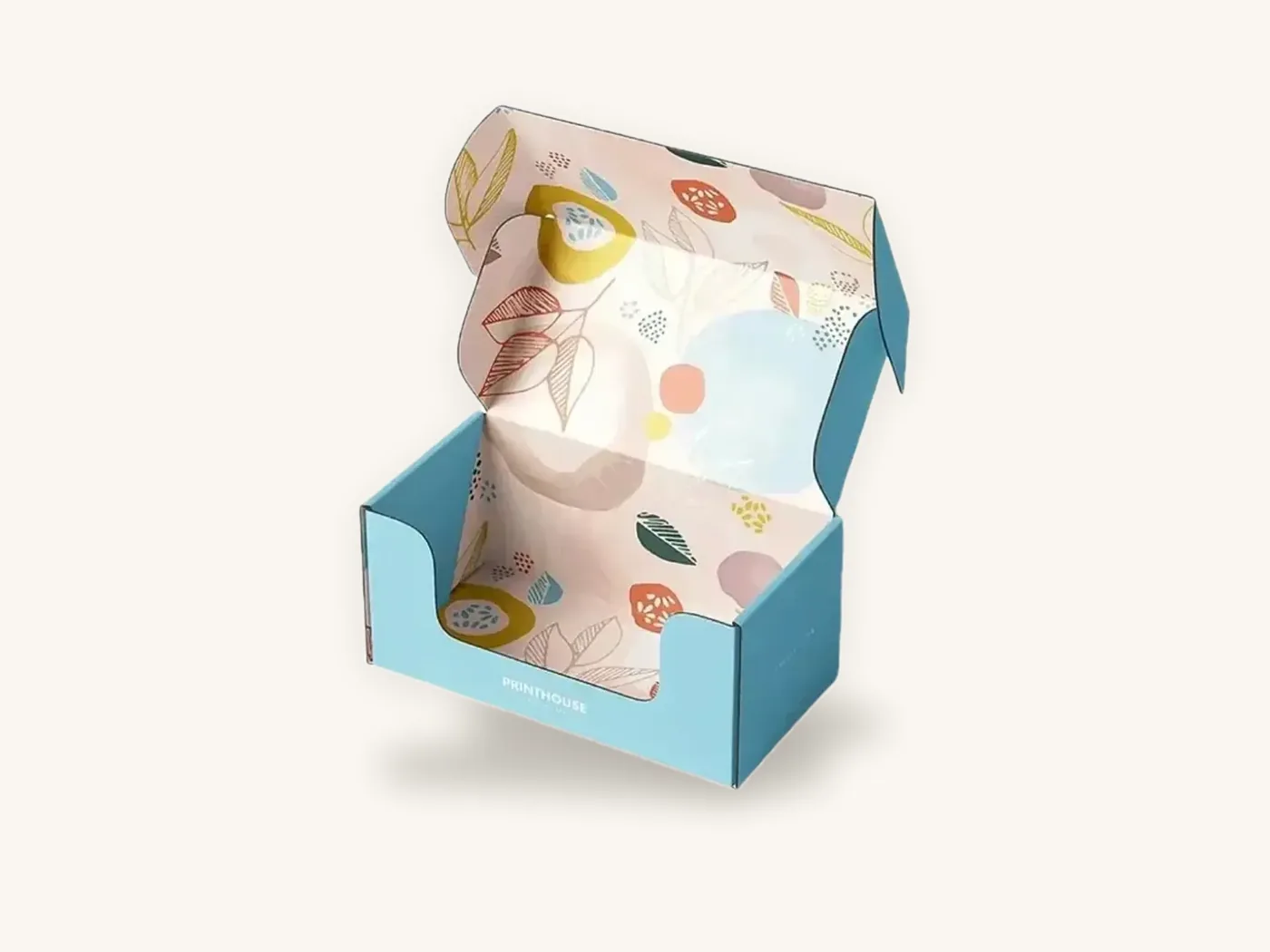
The custom mailer box identifies the brand on the doorstep and frames the opening. Its lifespan is short, so use the outside for brand recognition and the inside lid for the first message, such as a thank-you and a single call to action. Our custom mailer boxes cost guide shows what inside printing adds.
Insert cards
A printed card is the most flexible retention tool because you can change it without changing the box. Use it for a reorder code, a care guide, a referral offer or a review request. Keep it to one primary ask per card. A card the size of a postcard or smaller is more likely to be kept.
Labels on the product
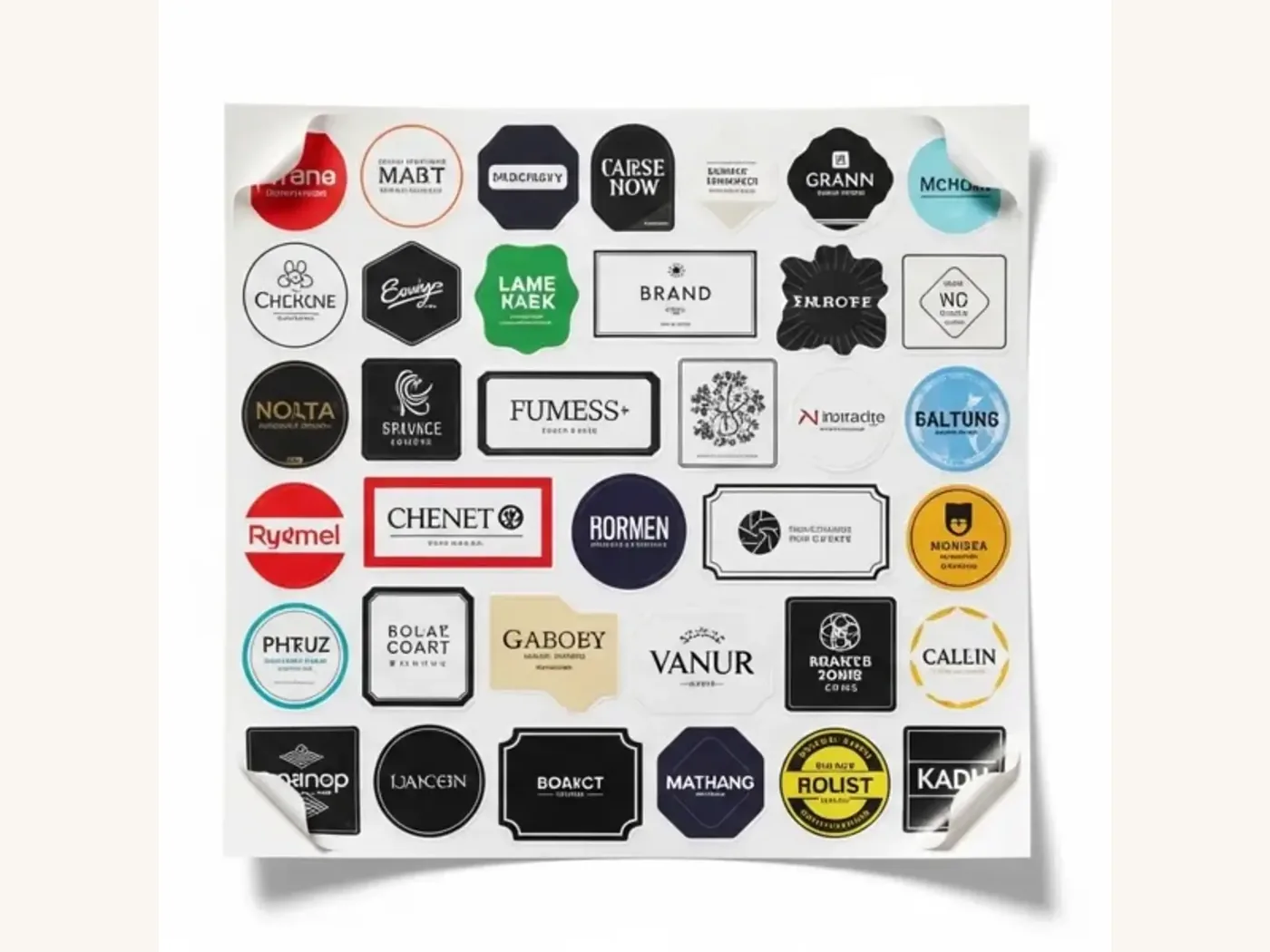
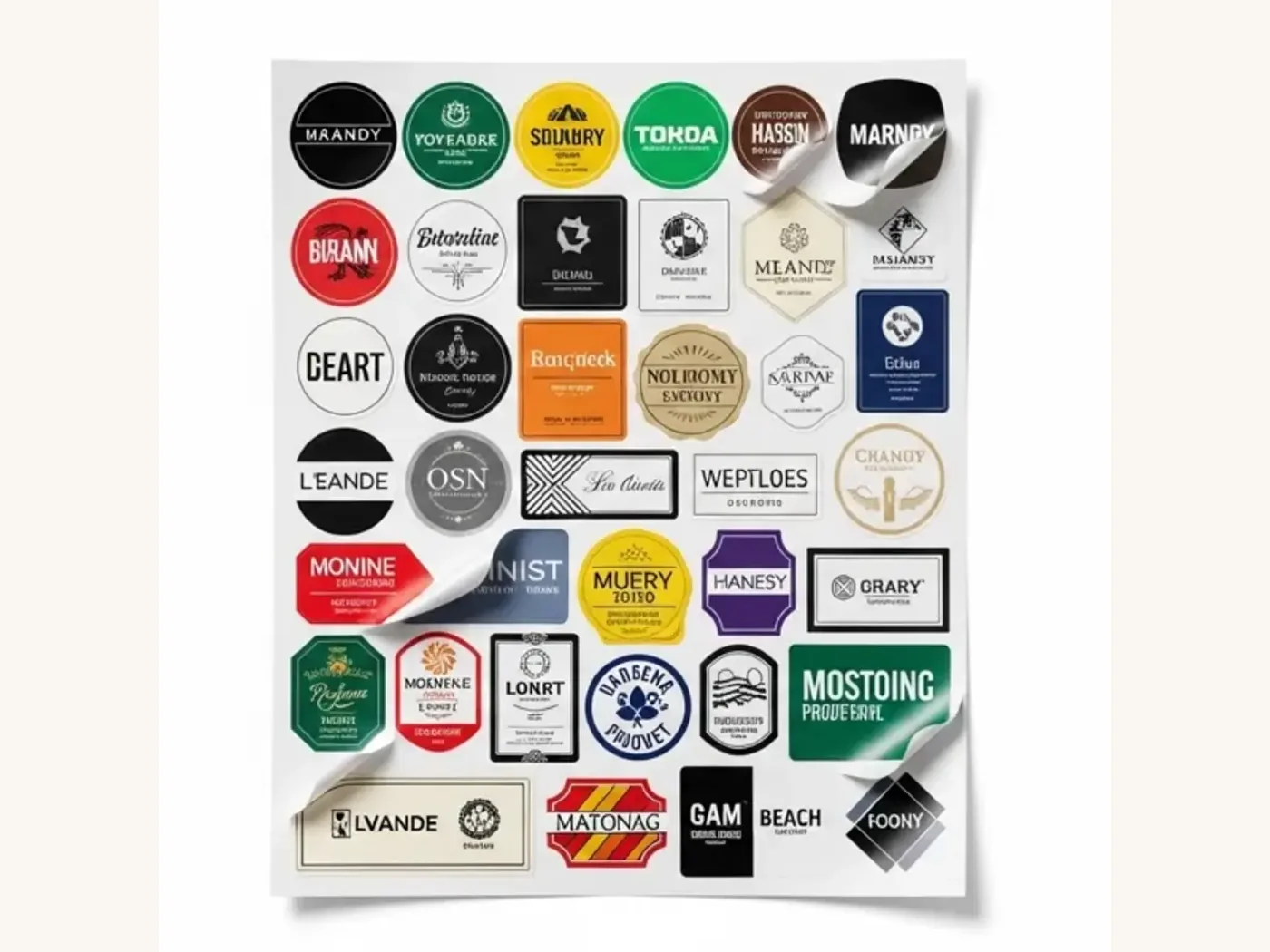
Custom labels and stickers are how retention messages survive after the box is recycled. A label on a candle base, a jar lid or a bottle can carry the product name, scent or size, and a short URL or QR code for reordering. This is especially useful when the customer wants to reorder the exact variant months later.
Hang tags and care cards
For apparel, accessories and gifts, hang tags carry size, care and product-line information. A tag that tells the customer how to wash the product also makes it last longer, which protects the review.
Tissue, seals and wraps
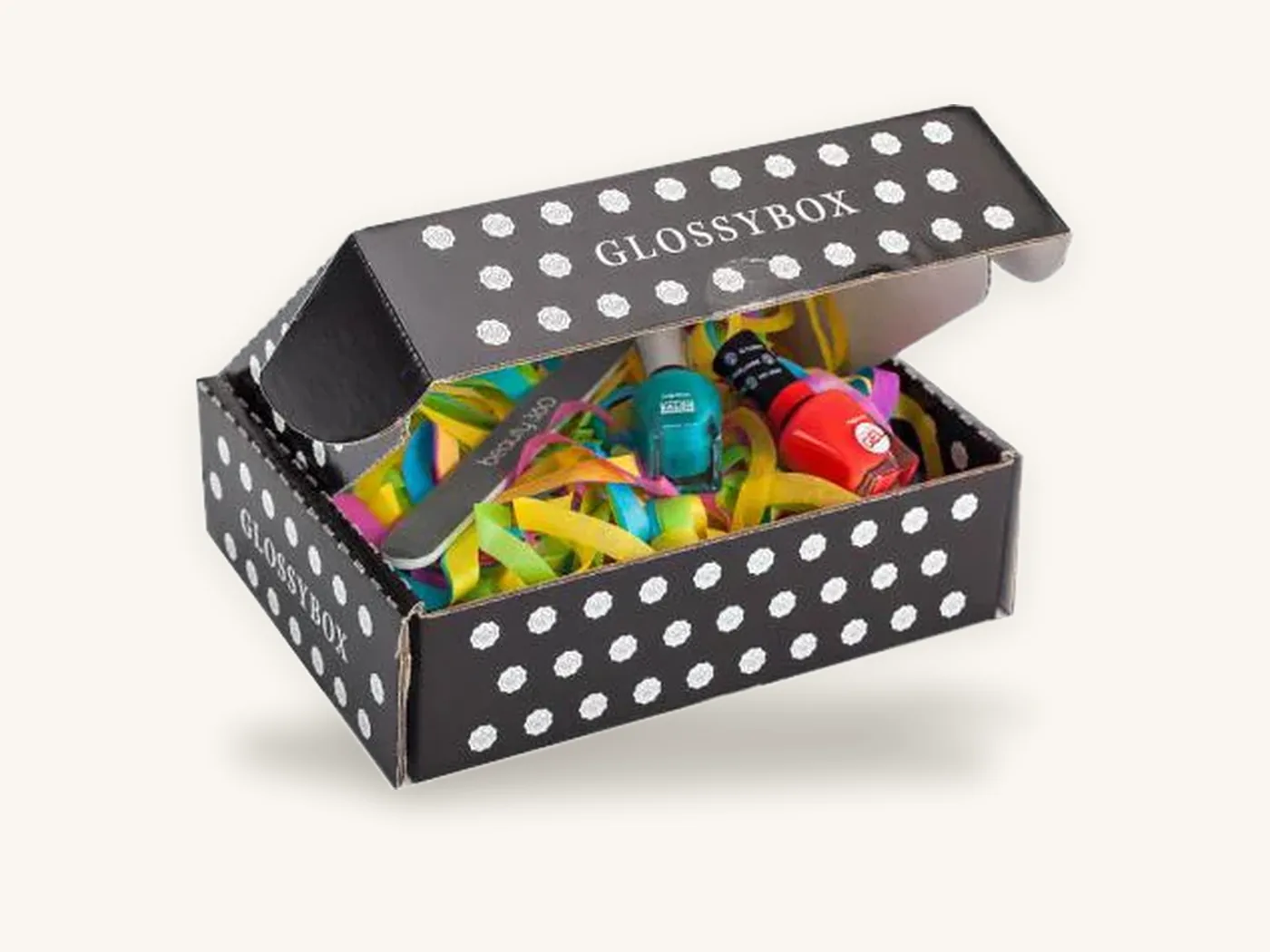
Printed tissue paper and a branded seal sticker make the opening feel deliberate. They do not ask for anything, which is their strength: they build the association between the brand and a good experience.
Reusable packaging
A box worth keeping, such as a rigid box, a tin or a sturdy drawer box, sits in the customer's home with your brand on it. It works best for gifts, jewelry and premium products where the box has an obvious second use.
Designing for repeat purchases
A repeat purchase needs three things: the customer remembers you, knows exactly what to reorder and has an easy path to do it. Packaging can supply all three.
Make the reorder obvious
Print the exact product name, variant and size on the product itself. "Lavender 8 oz" on a jar label is far easier to reorder than a generic brand name. Add a short, typeable URL as well as a QR code, since not everyone scans.
Match the reminder to usage time
Say you sell a coffee blend that a typical household finishes in three or four weeks. A reorder card in the box is seen on day one, which is too early. A label on the bag that says "Running low? Reorder at [short URL]" is seen on the last day, which is when it matters. The same logic applies to refills, filters, supplements and pet treats.
Offer a subscription or bundle at the right moment
A subscription offer makes most sense after the customer has tried the product. Placing it on a card underneath the product, or on the inside lid rather than the outside, means the customer sees it after first contact with the product. For subscription businesses, the subscription boxes page and the e-commerce and subscription page cover formats that support recurring shipments.
Vary the experience for returning customers
Sending exactly the same package to a fifth-time customer as to a first-time customer misses a chance. Options that do not require a new box run:
- Add a "thanks for coming back" card to repeat orders.
- Include a sample of a product they have not bought yet.
- Use a seasonal sticker or sleeve on the standard box.
- For high-value customers, upgrade to a printed inside lid or a gift box on milestone orders.
Short runs make this practical. Since Box Sense produces from a minimum of 10 boxes and prints short runs digitally, a small quantity of milestone boxes does not require a large inventory commitment.
Using packaging to earn honest reviews
Reviews help future customers decide, and packaging is a natural place to ask for them. How you ask matters, both for the quality of reviews and for compliance.
When and where to ask
Ask when the customer has had time to use the product. A card that says "Tell us how it's going after your first week" sets a realistic expectation. For marketplace sellers, follow the marketplace's rules on buyer contact and review requests, which may limit what inserts can say.
How to ask without breaking rules
The Federal Trade Commission's rules on consumer reviews and endorsements prohibit practices such as buying fake reviews, conditioning incentives on positive sentiment and suppressing negative reviews. Marketplaces have their own, often stricter, policies on incentives and review requests. In practice:
- Ask for honest feedback, not positive feedback.
- Do not offer a discount or gift in exchange for a review, especially one tied to a star rating, unless you have confirmed it is allowed for your channel and disclosed properly.
- Do not route only happy customers to public review sites while sending unhappy ones to private support.
- Provide a support contact alongside the review request so problems get resolved.
Read the FTC's current guidance on endorsements and reviews and check your marketplace policies, or ask counsel, before printing a review request on a large run.
Tip: print review requests on insert cards, not on the box. Platform policies and your own wording will change, and a card can be reprinted in a short run while a box inventory cannot.
Design the package people want to photograph
Customers who share photos of their order in reviews or on social media help future buyers see what arrives. You cannot ask for this in exchange for rewards on most platforms, but you can make it more likely: a neat product layout, a printed inside lid, a clean insert and a box that still looks good after shipping.
Packaging retention ideas by business type
Different businesses have different reorder cycles, and the best packaging tactics follow those cycles.
| Business type | Reorder pattern | Most useful packaging tactic | Components |
|---|---|---|---|
| Consumables (coffee, candles, skin care) | Predictable, weeks to months | Reorder label on the product with variant and short URL | Product labels, mailer, insert card |
| Subscription boxes | Monthly or quarterly | Reduce cancellation by making each box feel curated; preview next box | Printed subscription mailer, inserts, cards |
| Apparel and accessories | Seasonal, occasional | Care guide that extends product life; referral card | Mailer, tissue, hang tags |
| Gifts and occasion products | Annual, event-driven | Keepsake box with brand and a way to find you next occasion | Rigid or gift box, gift note card |
| Handmade and small-batch goods | Irregular, loyal core customers | Personal note, story card, maker's mark sticker | Kraft mailer, stickers, handwritten card |
| Electronics and durable goods | Accessories and replacements | Product registration card, accessory insert | Carton with insert, registration card |
If you sell handmade goods or on marketplaces, the guides to packaging for Etsy sellers and packaging for handmade products cover budget-friendly versions of these tactics.
Measuring whether packaging improves retention
Packaging changes are easy to make and hard to evaluate unless you plan measurement from the start.
Tracking methods that work
- Unique discount codes per insert. A code used only on a specific card tells you how many orders it produced.
- Unique URLs or QR destinations. A URL printed only on a product label shows how many people used it to reorder.
- Customer cohorts. Compare repeat purchase rates for customers who received the new packaging against those who received the old packaging over the same period.
- Support tickets and returns tagged by reason. Track damage and "how do I use this" tickets before and after a change.
- Review content. Read reviews for mentions of packaging, arrival condition and gifting.
A simple test process
- Choose one change, such as a reorder label or a new insert card.
- Define the metric, such as reorder rate within 60 days.
- Run the new packaging for a set period or alternate it with the old version.
- Compare cohorts of similar size and similar acquisition channel.
- Keep the change if it helps; otherwise try a different message.
Short print runs make testing cheaper. You can order a small quantity of a new card or label, test it, and scale only the version that works.
What retention-focused packaging costs
Most retention tactics add small components rather than expensive boxes. The table below uses indicative per-unit prices with free US shipping included. Labels, cards and tissue are priced by spec, so use the packaging price estimator or ask for a quote.
| Spec | 100 | 500 | 1,000 | 5,000 |
|---|---|---|---|---|
| Mailer box, E-flute, 8x6x3 in, full color outside | $2.64 | $1.41 | $1.17 | $0.83 |
| Mailer box, E-flute, 10x8x4 in, full color inside and outside | $4.33 | $2.31 | $1.92 | $1.36 |
| Subscription mailer, E-flute, 12x9x4 in, full color both sides, insert and tear strip | $5.85 | $3.12 | $2.60 | $1.84 |
Where to spend first
- Fit and protection. Inserts and correct sizing prevent the losses that no message can recover.
- Inside lid printing. Moving from outside-only to inside and outside print is the most visible upgrade.
- Product labels with reorder information. Low cost per unit and long lifespan.
- Insert cards. Cheap to reprint and easy to test.
- Finishes. Foil, soft-touch and spot UV make sense once the basics work.
The custom packaging cost guide explains how each choice affects price, and our guide to packaging for startups covers how to phase upgrades as order volume grows.
How to order retention-focused packaging from Box Sense
Tell us what you want the packaging to do, not only what it should look like. That lets our team suggest where to put each message.
What to send
- Product dimensions and weight, packed as shipped
- Box style and board preference, or a request for a recommendation
- Where you want messages: inside lid, insert card, product label, tissue
- Quantities for each component; consider a smaller test run of new cards or labels
- Any variants (first order versus repeat order boxes)
- Artwork, or a request for help from our design services team
What happens next
- Quote within 24 hours.
- Free design support: dieline, artwork setup and a 3D digital proof with two revision rounds.
- Samples: unprinted structural samples are free; a printed sample of approved artwork is free on orders of 100 or more. See samples.
- Production: standard 8–12 business days after proof approval; rush in 5 business days on most paperboard and corrugated styles.
- Delivery: free on every US order; international shipping quoted at cost.
The minimum order is 10 boxes with no die or plate charges. Defective boxes reported within 14 days are reprinted free.
Frequently asked questions
Does packaging really affect customer retention?
Packaging affects retention through concrete mechanisms: whether the product arrives undamaged, whether the first use goes smoothly, and whether the customer knows exactly what to reorder and where. It is not a substitute for a good product, but damaged or confusing deliveries lose customers, and clear reorder information on the product makes a second purchase easier.
What should I put in a package to get repeat customers?
Include one clear next step rather than several. For consumables, a label on the product with the variant name and a short reorder URL works well. For other products, a card with a care guide, a referral offer or a first-reorder code can help. Test one message at a time using unique codes so you can see what works.
Is it legal to ask for reviews in my packaging?
Asking customers for honest reviews is generally fine. Problems arise when businesses offer rewards only for positive reviews, pay for fake reviews or suppress negative ones, which the FTC's rules address. Marketplaces have their own stricter policies. Check current FTC guidance and your platform's rules, or ask counsel, before printing review requests.
How can packaging reduce negative reviews?
Most packaging-related negative reviews come from damage, leaks, oversized boxes, difficult opening and missing instructions. Fix fit with inserts and correct sizing, choose a board grade suited to the product weight, seal liquids, use a tear strip or tuck front closure, and include a short "start here" card. These changes address the causes directly.
Are custom boxes worth it for customer loyalty?
Custom boxes help customers recognize your brand on arrival and give you printable space for messages, which supports loyalty. Whether they are worth it depends on your margins and order volume. Start with a printed mailer and product labels, measure repeat orders, and add finishes later. An 8x6x3 in printed mailer is about $1.17 each at 1,000 units.
How do I measure if my packaging is improving retention?
Use unique discount codes or URLs on each insert or label, compare repeat purchase rates between customers who received new and old packaging, and track damage-related support tickets and returns. Change one element at a time and compare similar cohorts over the same period, such as reorder rate within 60 days of delivery.
Should repeat customers get different packaging?
It can help. A thank-you card for returning customers, a sample of a product they have not tried, or an upgraded box on milestone orders recognizes loyalty without changing your whole packaging program. Because Box Sense produces from 10 boxes, a small run of special boxes or cards is practical.
Next steps
Start by listing the damage and confusion problems in your support tickets, then decide on one retention message to test. Use the instant packaging estimator to price boxes and components, and request a quote when you are ready; we confirm pricing within 24 hours and can send a free structural sample to test fit and inserts.
Boxes in this guide
Order the packaging we covered
Written by the Box Sense Packaging Team
Our structural designers, prepress technicians and production staff print and convert custom boxes every day for brands in the United States, United Kingdom and UAE. Questions about this guide? Talk to us.