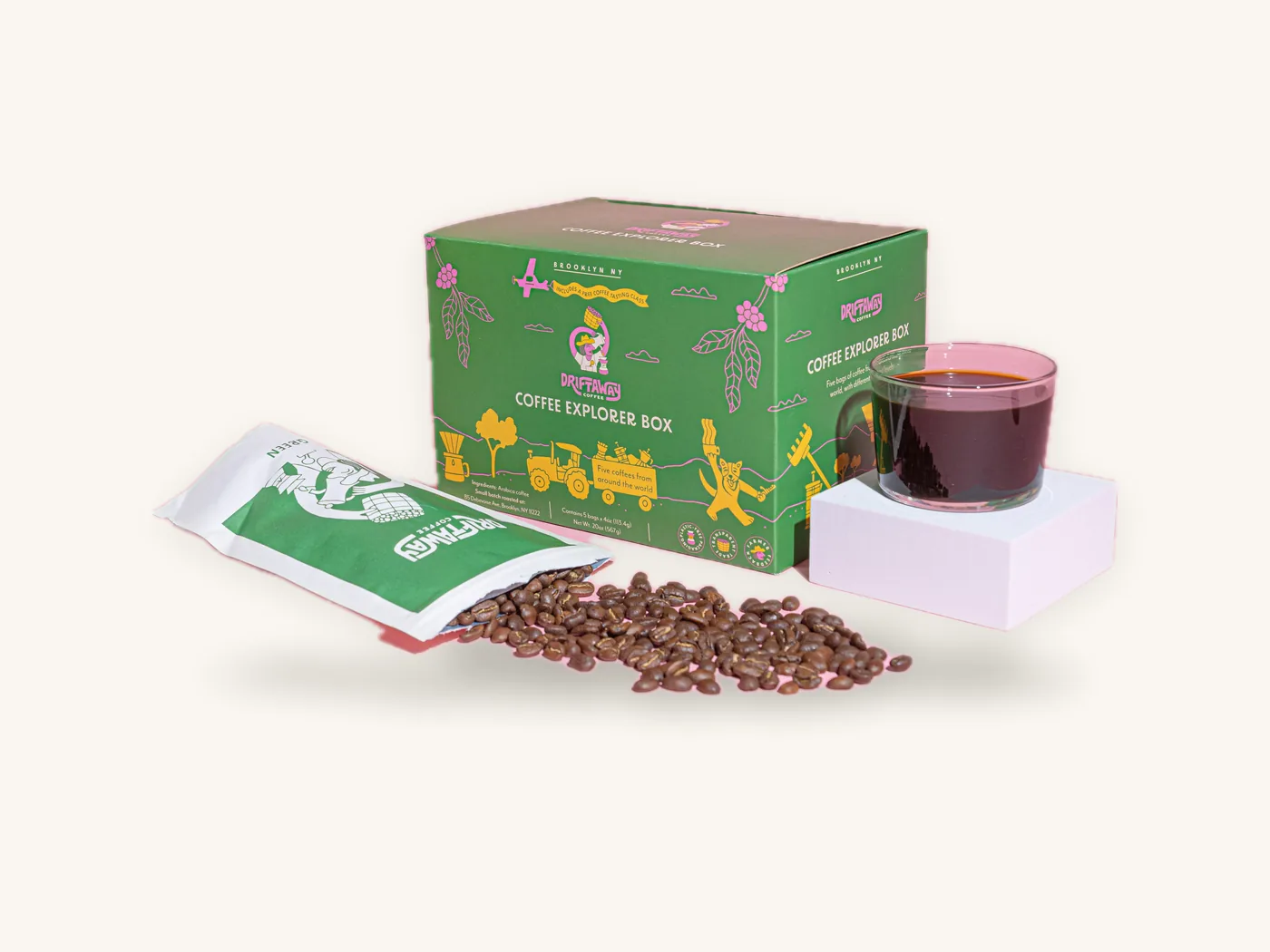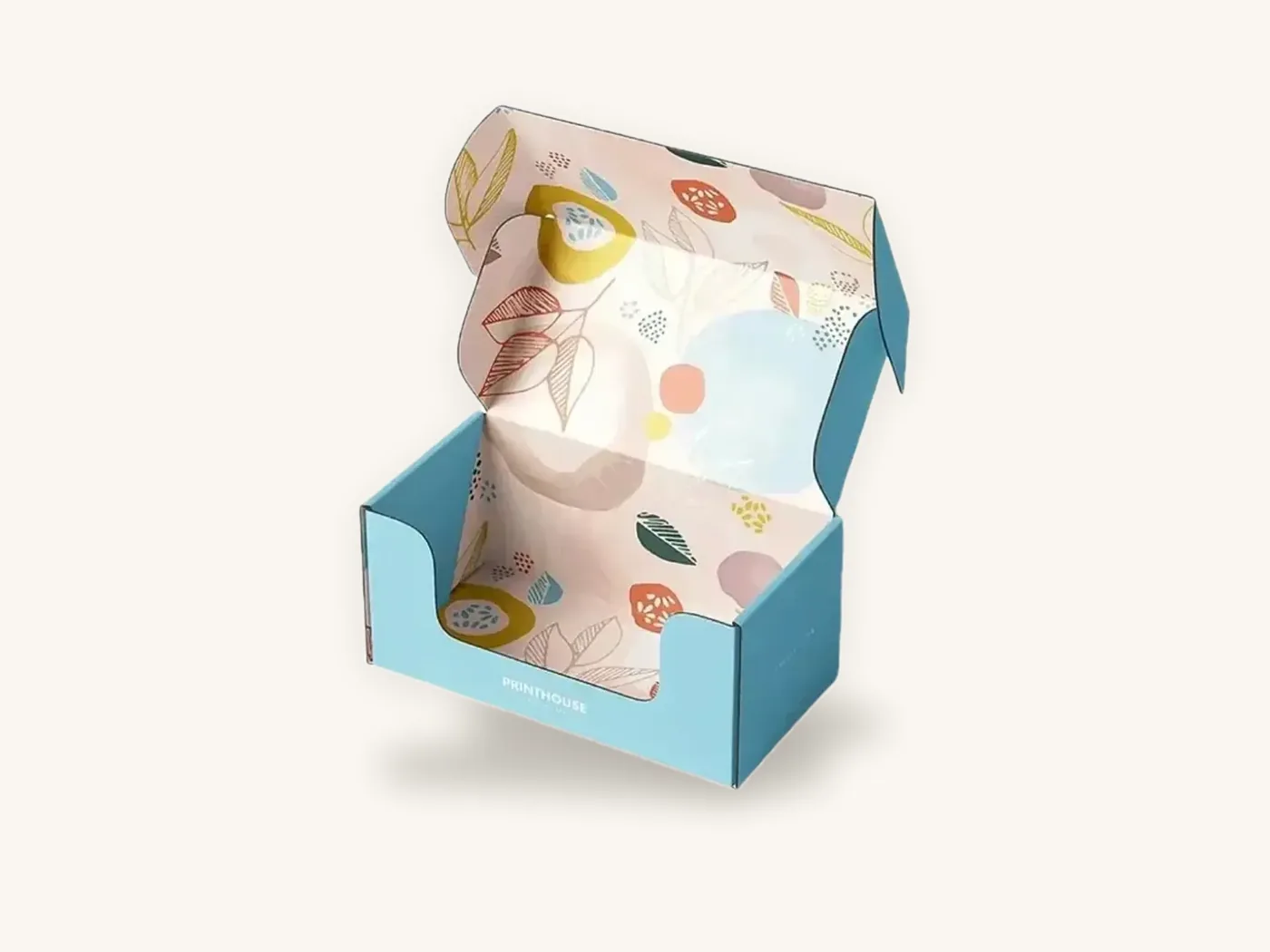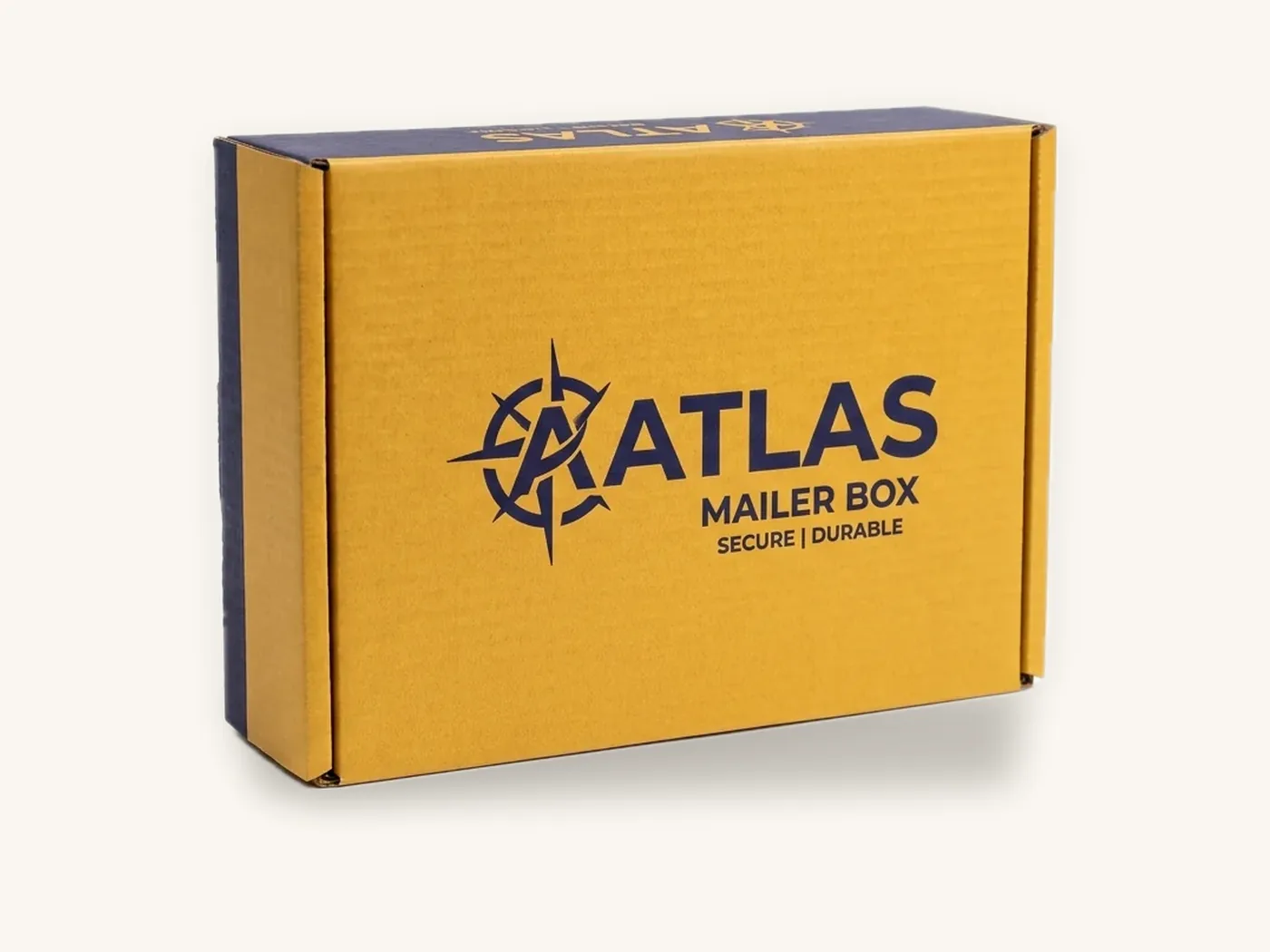
Handmade product packaging looks professional when it is consistent, fits the product and carries clear, well-set typography, not when it is expensive. A plain kraft box with a crisp printed label, a snug fit and the same look on every order reads as a real brand. A beautiful box used for one batch and replaced by whatever was on hand for the next does not.
The good news for makers is that custom packaging no longer requires thousands of units. With digital printing and a 10-box minimum, you can put your own printed box around a batch of 40 soaps or a run of 25 ceramic mugs. This guide explains how to build artisan packaging in stages, which materials suit a handmade look, what small runs cost, and the labeling details that separate a craft-fair table from a shop-ready product.
Key takeaways
- Consistency beats cost. One box style, one label layout and one color palette used on every product looks more professional than a mix of expensive pieces.
- Kraft board, one-color print and a good label deliver a natural, artisan packaging look at a modest price.
- Build in stages: labels on stock packaging first, then custom sleeves or cartons for best sellers, then printed mailers when order volume justifies them.
- Small minimums are a strength for makers: a 10-box run lets you package a limited batch, a seasonal scent or a new product without a large inventory.
- A 3.5x2.5x1.25 in kraft soap sleeve or box with one-color print is about $0.66 each at 100 units; a 4x3x2 in kraft tuck carton is about $0.81 at 100.
- Check category labeling rules for soaps, cosmetics, candles, food and children's items before printing.
What makes handmade packaging look professional
Shoppers judge quality quickly, and handmade goods face a specific doubt: is this a hobby or a business? Packaging answers that question before the product does. A few details carry most of the signal.
Fit
A product rattling in an oversized box, or squeezed into one too small, looks improvised. Packaging sized to the product looks intentional. This is the single biggest difference between stock and custom boxes.
Consistent brand elements
Use the same logo placement, the same two fonts and the same one or two colors across every box, label and card. A customer who buys three of your products should see a family, not three separate decisions.
Clean typography
Hand-drawn logos can look great, but the product name, size, ingredients and care instructions should be set in a legible typeface at a readable size. Mixing four decorative fonts on a small label is one of the most common signs of an amateur design. The packaging typography guide covers type sizes and pairing.
Honest materials
Handmade buyers often value natural materials. Kraft board, uncoated paper and simple finishes fit the story better than high-gloss plastic lamination, and they usually cost less.
Build your packaging in three budget stages
Most makers do not need fully custom packaging on day one. Grow into it as sales grow, keeping the brand look consistent at each step.
| Stage | When it fits | What you use | Look you get | Typical spend focus |
|---|---|---|---|---|
| 1. Stock plus labels | Just starting, many products, low volume | Plain kraft boxes, jars, bags with custom printed labels and stickers | Clean and consistent | Labels, a logo sticker, a rubber stamp |
| 2. Custom for best sellers | A few products sell steadily | Printed sleeves, tuck cartons or soap boxes for top products; stock plus labels for the rest | Shop-ready retail packaging | Short runs of 10 to 250 per design |
| 3. Branded shipping | Regular online orders | Printed kraft mailer boxes, tissue, insert cards | Recognizable brand on the doorstep | Mailers at 100 to 500 units |
Stage 1: stock packaging with custom labels
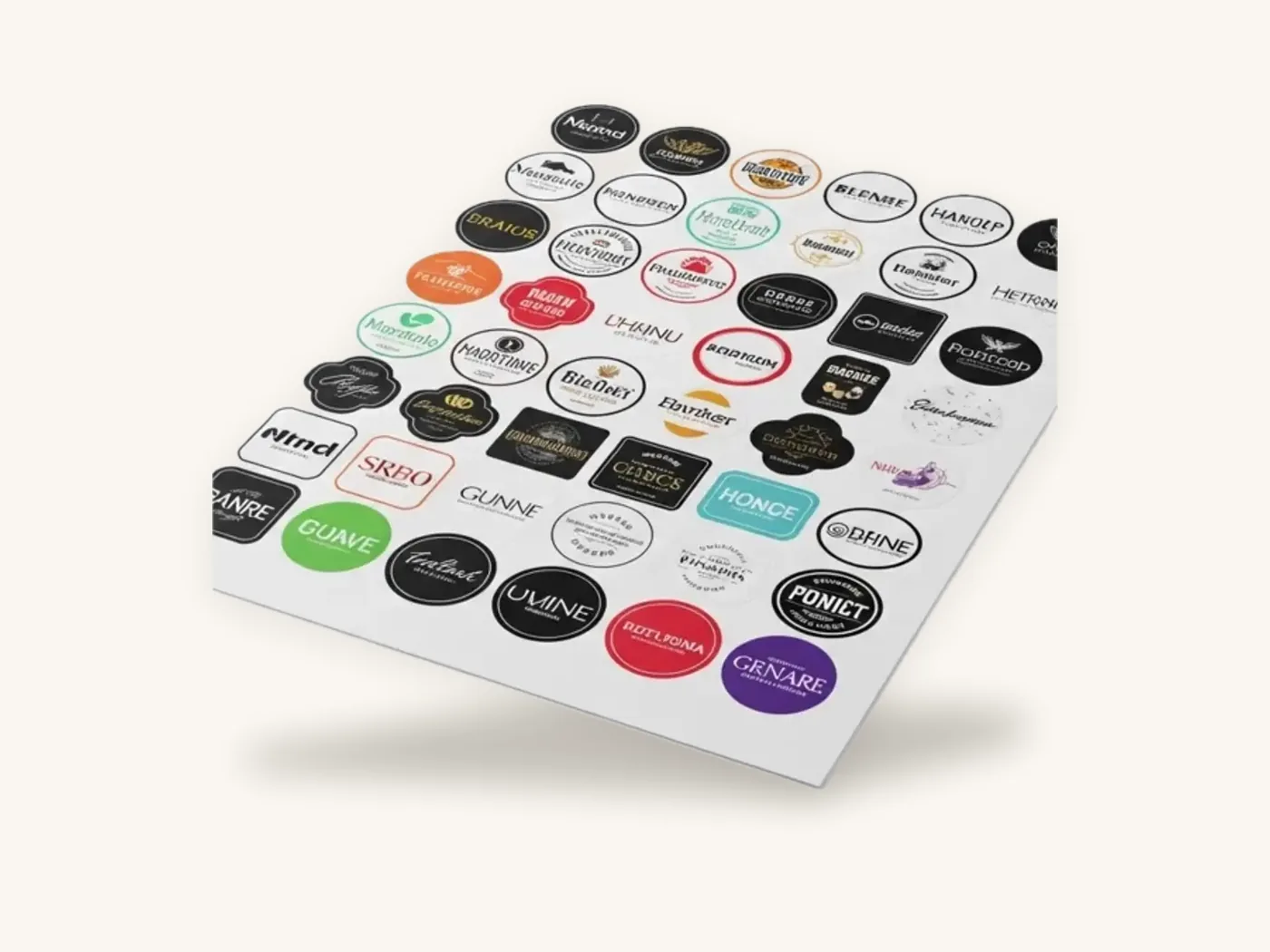
Start with plain packaging that fits and a well-designed label. Custom labels and stickers turn a plain box, jar or bag into a branded product. Use one label size across as many products as possible, and change only the product name and details. That keeps design and print simple.
A round logo sticker used as a box seal is the cheapest brand element with the biggest effect. It also works as tamper evidence for shipped items.
Stage 2: custom packaging for best sellers
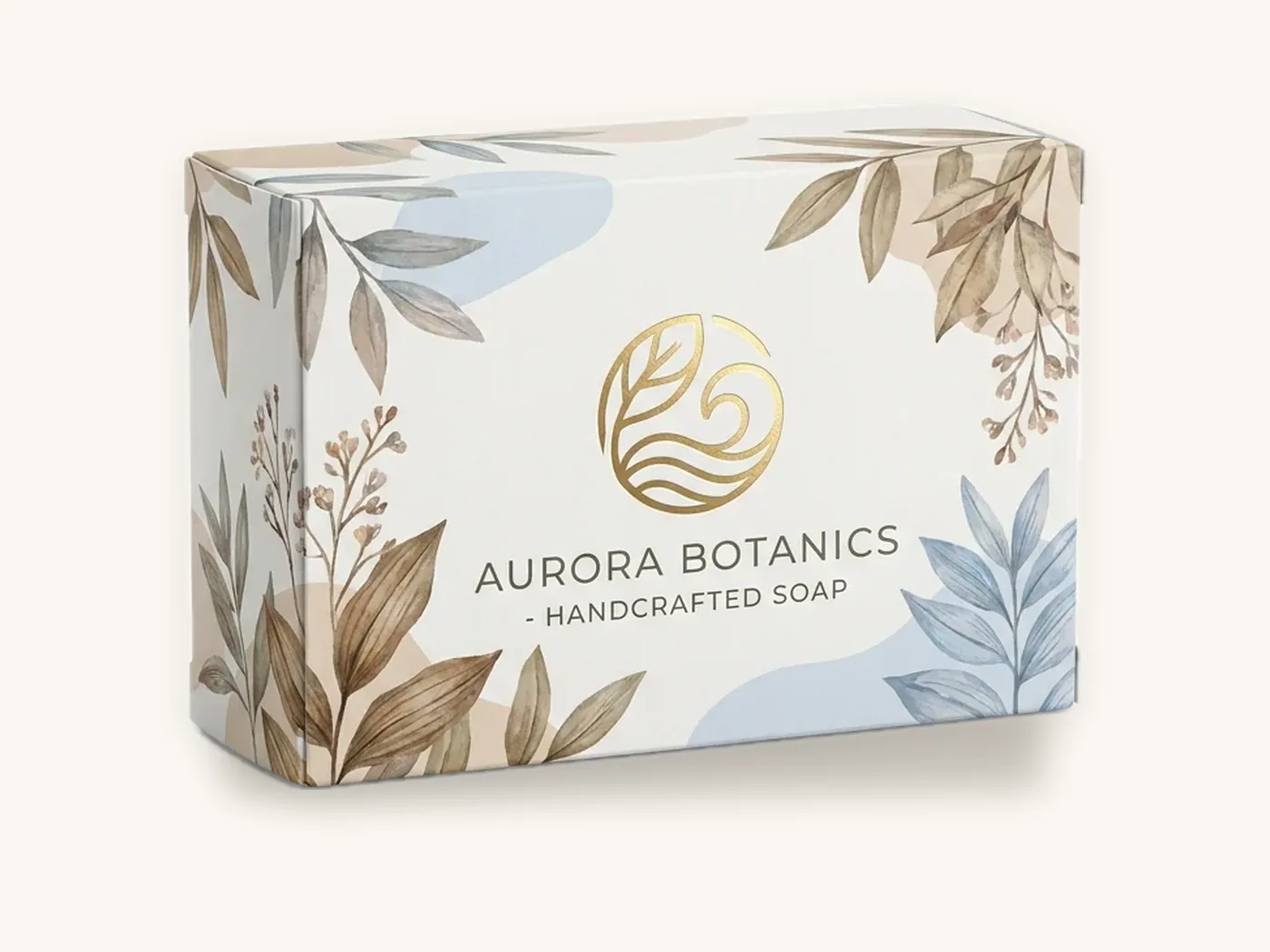
Once a product sells steadily, give it its own printed box. Custom sizing improves fit and presentation, and a printed box carries ingredients and product details without a label. For soaps and bath products, soap boxes and sleeves are the natural choice; for candles, see candle boxes; for jewelry, see jewelry boxes.
Stage 3: branded shipping boxes
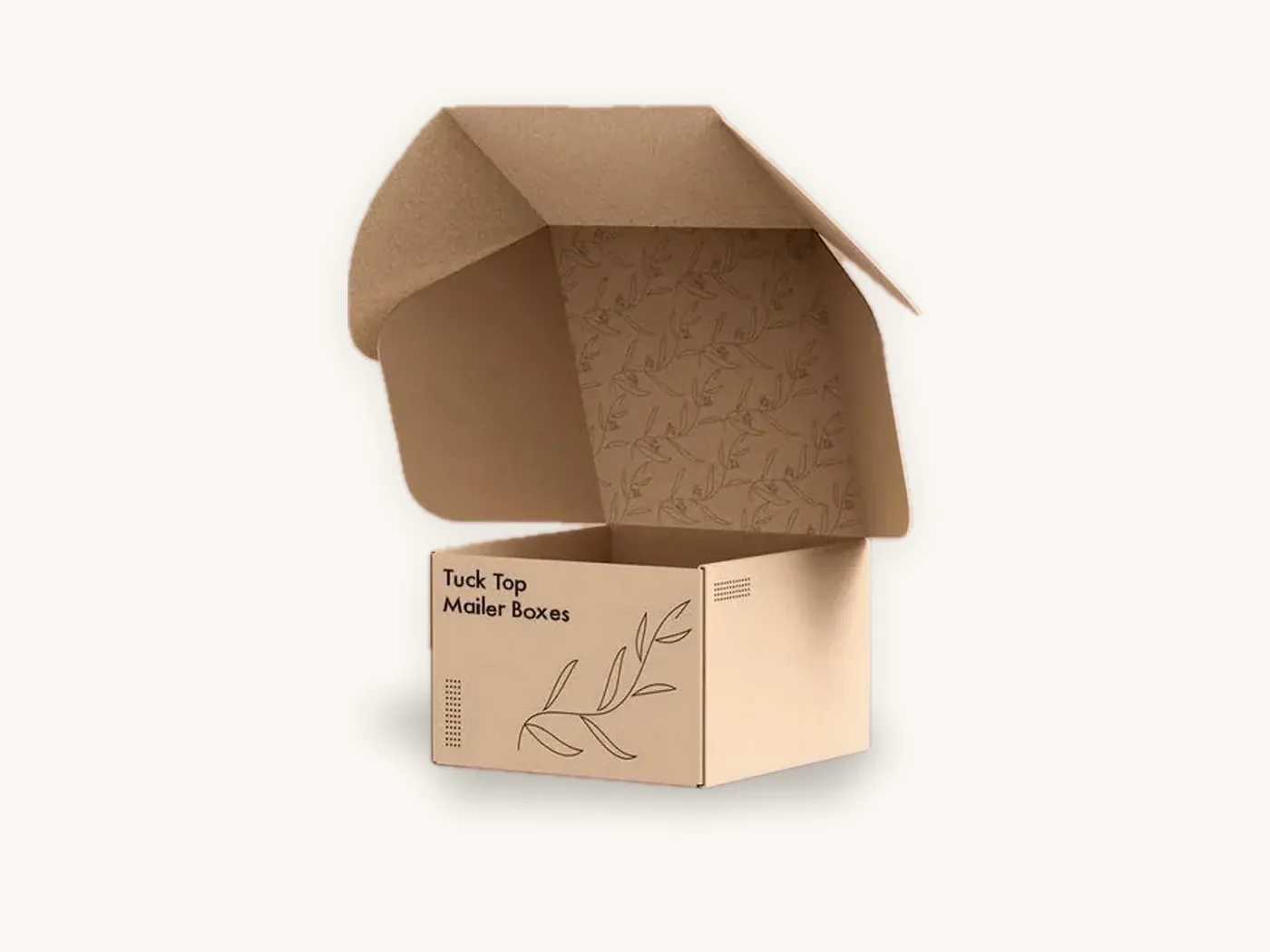
When online orders become regular, a printed kraft mailer box makes every delivery look like it came from an established shop. Keep the outside simple, perhaps a one-color logo, and use the inside or an insert card for your story.
Materials that suit an artisan look
The board sets both the look and the budget. Handmade brands rarely need more than the options below.
Kraft paperboard
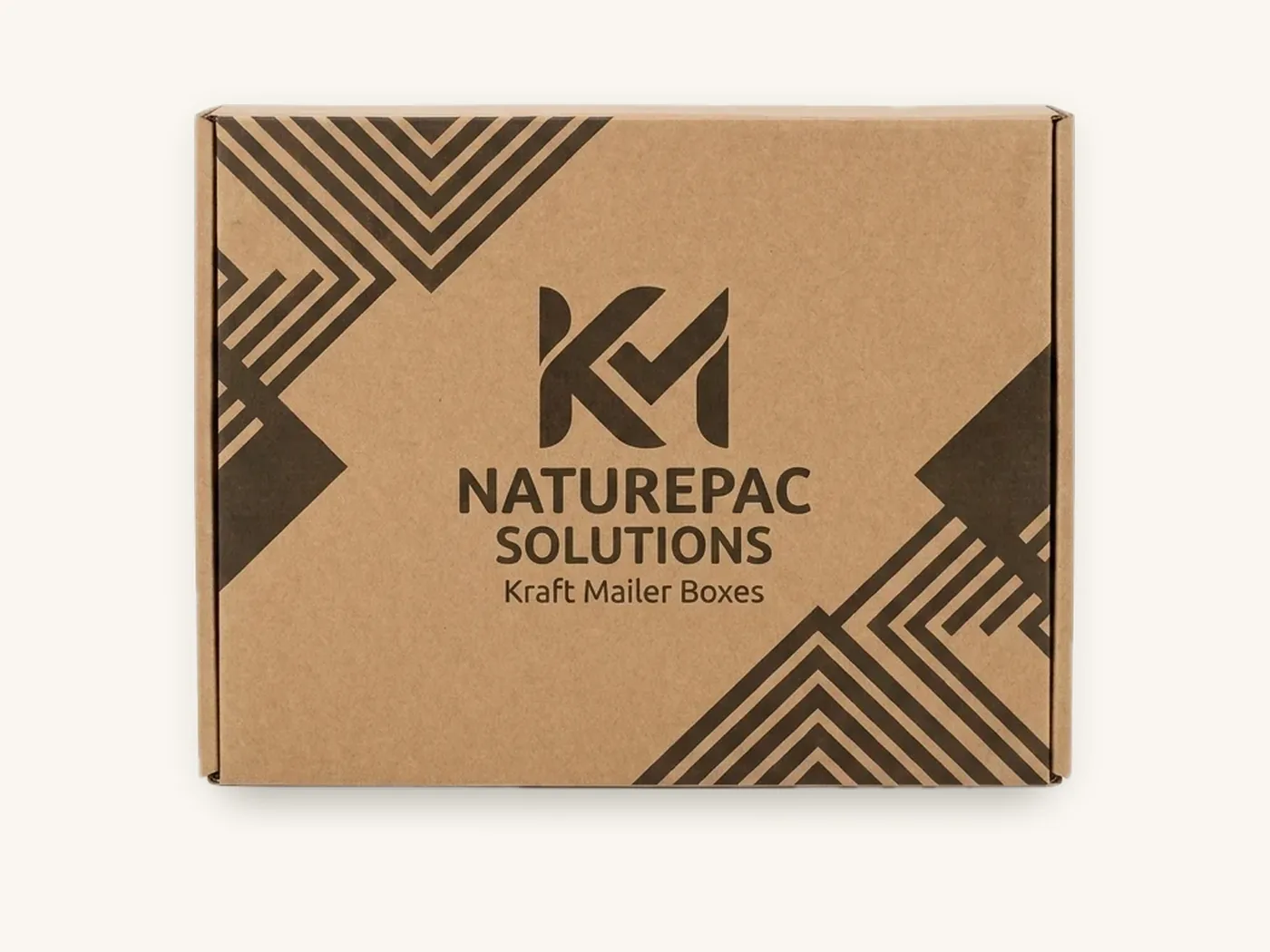
Kraft paperboard is natural brown board used for cartons, sleeves and tags. It looks earthy and handmade, hides small marks and pairs well with black, dark green, navy or white ink. It is the default for soaps, candles, tea, natural skin care and small gifts.
Kraft corrugated
Kraft liner on corrugated board, usually E-flute, is used for mailer boxes that ship. It protects the product through the parcel network and keeps the same natural look.
White SBS paperboard
If your products are colorful, such as bath bombs, art prints or bright ceramics, a white board prints full color accurately. You can still keep a handmade feel with matte finishes and simple layouts.
| Material | Look | Best handmade uses | Print approach |
|---|---|---|---|
| Kraft paperboard | Natural, rustic | Soap boxes and sleeves, candle cartons, tea, hang tags | One or two dark colors; white ink for light details |
| Kraft corrugated (E-flute) | Natural, sturdy | Shipping boxes for online orders, gift sets | One-color logo outside; optional inside print |
| White SBS paperboard | Clean, bright | Colorful cosmetics, bath bombs, prints | Full color, matte or aqueous finish |
| Textured or specialty paper | Tactile, premium | Small luxury items, wedding favors | Simple print or foil logo |
Printing on kraft
Colors printed directly on kraft look darker because the brown shows through. Pale colors almost disappear. Choose one strong dark color, or add opaque white ink under or instead of color for light details. The white ink on kraft guide shows how that works.
Tip: design your label and box artwork in one dark color first. If it looks good in one color on kraft, it will look good everywhere, and you can add a second color later without a redesign.
Why a 10-box minimum suits handmade businesses
Traditional packaging runs start in the thousands, which does not fit how makers work. Small minimums change the math.
Limited batches and seasonal products
A maker might pour 30 candles in a holiday scent or cut 50 bars of a seasonal soap. With a 10-box minimum, each batch can have its own printed packaging instead of a generic box with a sticker.
Many products, small quantities each
A shop with twelve soap varieties does not need 1,000 boxes of each. Ordering a small run per variety, or one shared box design with variety-specific labels, keeps inventory manageable.
Testing before committing
Before ordering hundreds, order a small run, sell through it at a market or online, and see how customers respond. Adjust the design, then order more.
Keeping cash for materials
For a small business, cash tied up in boxes is cash not spent on wax, clay, fabric or ingredients. Smaller orders keep it available.
The tradeoff is price per unit. Small runs cost more per box than large ones. A 3.5x2.5x1.25 in kraft soap box with one-color print is about $0.99 each at 10 units, about $0.66 at 100 and about $0.47 at 250. Pick the run size that balances unit cost against cash and storage. The custom boxes with no minimum guide explains how short-run pricing works.
What handmade product packaging costs
These indicative per-unit prices include free US shipping. Labels, tags and tissue are priced by spec, so check the instant price estimator or request a quote for those.
| Spec | 10 | 50 | 100 | 250 | 500 |
|---|---|---|---|---|---|
| Soap sleeve/box, 18 pt kraft, 3.5x2.5x1.25 in, 1-color | $0.99 | $0.76 | $0.66 | $0.47 | $0.35 |
| Kraft tuck carton, 18 pt kraft, 4x3x2 in, 1-color print | $1.22 | $0.93 | $0.81 | $0.57 | $0.43 |
| Candle box, 18 pt SBS, 3.5x3.5x4 in, full color, matte + foil + insert | $3.52 | $2.69 | $2.33 | $1.66 | $1.24 |
| Jewelry rigid box, 2 mm, 3x3x1.5 in, matte, foil, insert | $5.06 | $3.87 | $3.35 | $2.38 | $1.79 |
| Mailer box, E-flute, 8x6x3 in, full color outside | $3.99 | $3.05 | $2.64 | $1.88 | $1.41 |
A hypothetical small-shop budget
Say you make soap and sell about 200 bars a month across eight varieties at markets and online. One approach:
- One kraft soap box design with one-color print, 250 units, at about $0.47 each
- A small round label per variety with scent name and ingredients
- A logo sticker as a seal
- Plain kraft mailers with a logo sticker for online orders until volume justifies printed mailers
That keeps the packaging look consistent across all eight varieties while committing to only one printed box design.
Where to save and where not to
Save on: finishes, number of print colors, custom inserts for products that do not need them, and packaging layers such as boxes inside boxes.
Do not save on: fit, legible label information, and a board strong enough for the way the product travels. A crushed box costs more than the difference between two board grades.
One-time tooling applies only to foil (about $60), embossing (about $60), spot UV (about $40) and custom insert dies (about $45). If you want foil, put it on a design used across many products so the tooling pays off.
Packaging for crafts by product type
Different handmade goods need different structures. Here is a quick guide for common categories.
Soap and bath products
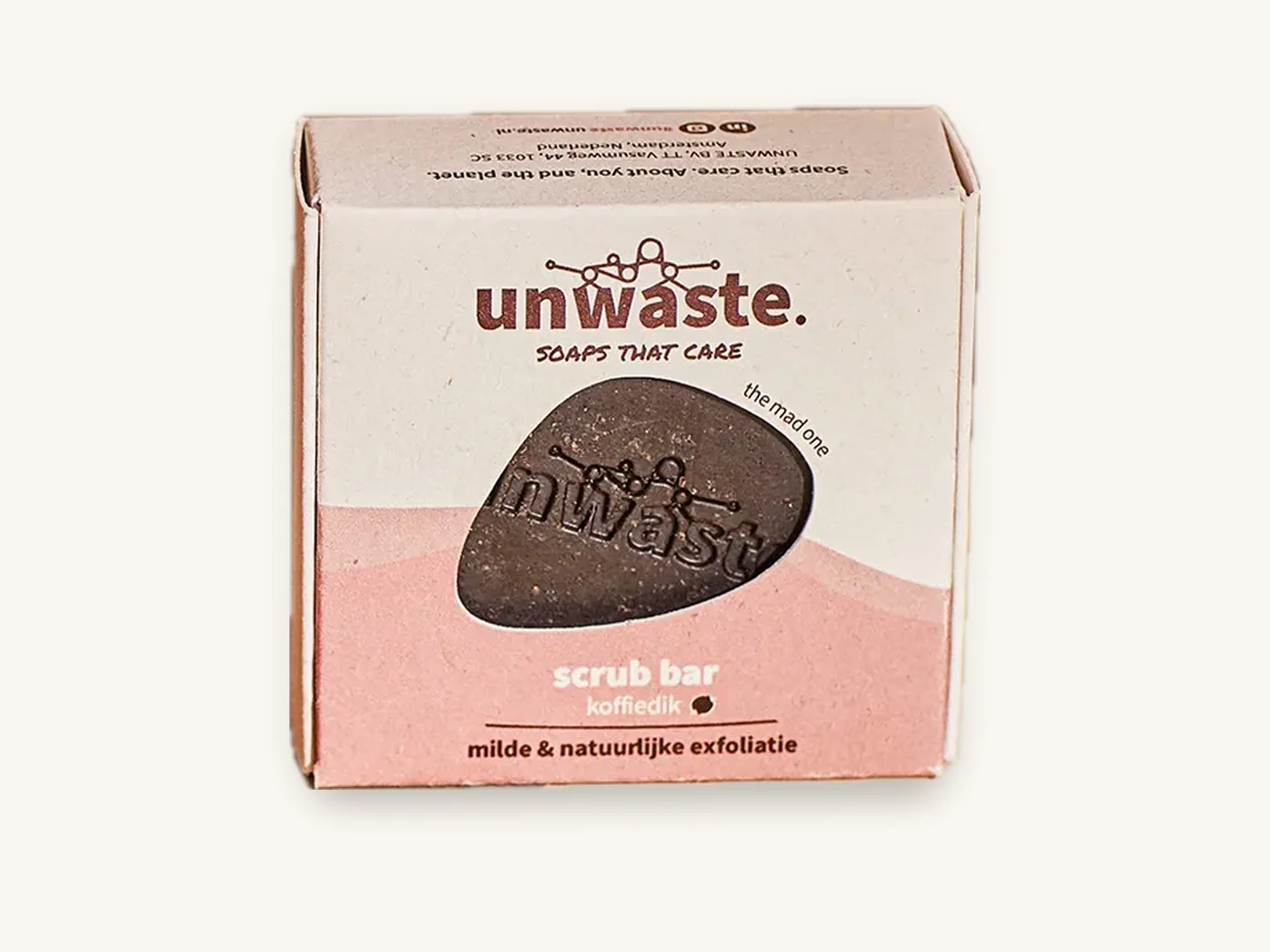
Soap sleeves and small tuck cartons let customers smell the bar through a cutout while protecting it. Wrapped bars ship well in small kraft mailers. The soap and bath page shows common formats, and the soap packaging guide goes deeper.
Candles
Glass and tin candles need a carton with an insert or a snug fit to avoid breakage. Kraft or white cartons with a single-color logo look clean. Include burn safety instructions; many candle makers follow industry safety labeling standards.
Jewelry
Small rigid boxes or two-piece boxes with an insert present rings, earrings and necklaces well. Because the items are small, even a premium box stays affordable per unit.
Ceramics and glass
Fragile goods need corrugated shipping boxes and inserts or dividers, not only a pretty carton. Test your packed box with a drop from waist height onto a hard floor before shipping many.
Textiles and knitwear
Soft goods need little protection. A kraft mailer or custom paper bag with tissue and a hang tag for care instructions is usually enough.
Food and baked goods
Food contact, ingredient and allergen labeling have specific rules. See the FDA food labeling guide and confirm requirements for your state's cottage food rules before selling.
Labeling basics for handmade products
Professional packaging includes the information buyers and regulators expect. Requirements vary by category, so treat this as a starting list and confirm details for your products.
- Product name and variety on the front
- Net quantity, such as weight or volume, where required
- Your business name and location
- Ingredients for cosmetics, soaps marketed with cosmetic claims, food and candles where relevant
- Warnings and care instructions, such as burn safety for candles or care for textiles
- Allergen information for food
- Age grading and safety labeling for toys and children's products
Regulators differ by product. True soap is generally regulated by the Consumer Product Safety Commission, while soap marketed with cosmetic claims is regulated by the FDA as a cosmetic. The FDA's page on soap regulation explains the distinction. Children's products fall under CPSC rules. Confirm current requirements with the relevant agency or counsel before printing large runs. The cosmetic labeling requirements guide covers cosmetics specifically.
Watch out: do not print ingredient lists on a large run of boxes if your recipes still change. Put ingredients on a variety label, and keep the box artwork to brand and product-line information that stays constant.
Telling your maker story on the package
Handmade buyers often choose you because of who you are and how you work. Packaging is where that story lives after the market stall closes.
Where the story fits
- Inside a mailer lid: a short note about how the product was made
- An insert card: your story, care instructions and a way to reorder
- The back panel of a carton: a two-line description of the process
- A hang tag: the maker's name and a signature
Keep it short: three or four sentences. The why custom packaging matters guide covers the brand effect, and the packaging marketing strategy guide shows how to connect packaging to repeat sales. If you sell mainly online, the packaging for Etsy sellers guide covers marketplace-specific shipping and presentation.
Handwritten touches, scaled sensibly
A handwritten note is personal but becomes impractical as orders grow. A printed card with a short handwritten signature or initial keeps the personal feel at a speed you can sustain.
How to order handmade product packaging from Box Sense
You do not need a finished design or a large order to start.
What to send
- The products you want to package, with dimensions and weight
- Box style or a request for a recommendation
- Material preference: kraft, white or specialty
- Print: one color, two colors or full color
- Quantities, including a small first run
- Your logo, or a request for help from our design services team
What happens next
- Quote within 24 hours.
- Free design support: dieline, artwork setup and a 3D digital proof with two revision rounds, which helps if you do not have a designer.
- Samples: unprinted structural samples are free, so you can check fit with your actual product. A printed sample of approved artwork is free on orders of 100 or more. See samples.
- Production: standard 8–12 business days after proof approval; rush in 5 business days on most paperboard and corrugated styles.
- Delivery: free shipping on every US order.
The minimum is 10 boxes, with no die or plate charges. FSC-certified boards and soy or water-based inks are available if sustainable materials are part of your story. Defective boxes reported within 14 days are reprinted free.
Frequently asked questions
What is the cheapest way to package handmade products professionally?
Use plain packaging that fits your product well, add a consistent custom printed label, and seal it with a logo sticker. Keep the same fonts, colors and label layout on every product. When a product sells steadily, move it into a custom printed kraft box or sleeve, which can cost less than a dollar per unit at small quantities.
Can I order custom boxes in small quantities for handmade goods?
Yes. Box Sense produces custom boxes from a minimum of 10 units using digital printing, with no die or plate charges. That suits limited batches, seasonal products and shops with many varieties. Unit prices fall as quantity rises, so compare a few quantity tiers in the pricing estimator before deciding how many to order.
Is kraft packaging good for handmade products?
Kraft is a strong choice for handmade goods because its natural brown look suits artisan brands, it hides small marks and it prints well in one or two dark colors. Pale colors look muted on kraft, so use white ink for light details. If your products rely on bright colors, white paperboard may suit better.
What information should be on handmade product labels?
Typically the product name and variety, net quantity, your business name and location, and ingredients or materials where relevant, plus warnings or care instructions. Soaps, cosmetics, candles, food and children's products each have specific rules. Confirm requirements with the relevant agency, such as the FDA or CPSC, or with counsel.
How much does custom packaging cost for a small handmade business?
It depends on style, size, material, print and quantity. As a reference, a 3.5x2.5x1.25 in kraft soap box with one-color print is about $0.66 each at 100 units, and a 4x3x2 in kraft tuck carton is about $0.81 at 100. Labels and tags are priced by spec, so use the pricing estimator for your products.
Should I use one box design for all my handmade products?
Often, yes. A shared box design with variety-specific labels keeps your look consistent, lets you order a larger run at a lower unit price and simplifies reorders. Give a product its own printed box when it sells steadily, needs a different size, or when you want it to stand out as a signature product.
How do I make handmade packaging look less homemade?
Focus on fit, consistency and typography. Use boxes sized to the product, apply the same logo placement and color palette across everything, and set product information in a clean, legible font. Avoid mixing many decorative fonts, crooked labels and a different box for every batch. A simple, repeated system looks more professional than elaborate one-offs.
Next steps
List your best-selling products with their dimensions, decide which budget stage fits your shop today, and price a small first run in the packaging price estimator. When you are ready, request a quote for handmade product packaging and we will confirm pricing within 24 hours and send a free structural sample so you can check the fit with your own products.
Boxes in this guide
Order the packaging we covered
Written by the Box Sense Packaging Team
Our structural designers, prepress technicians and production staff print and convert custom boxes every day for brands in the United States, United Kingdom and UAE. Questions about this guide? Talk to us.