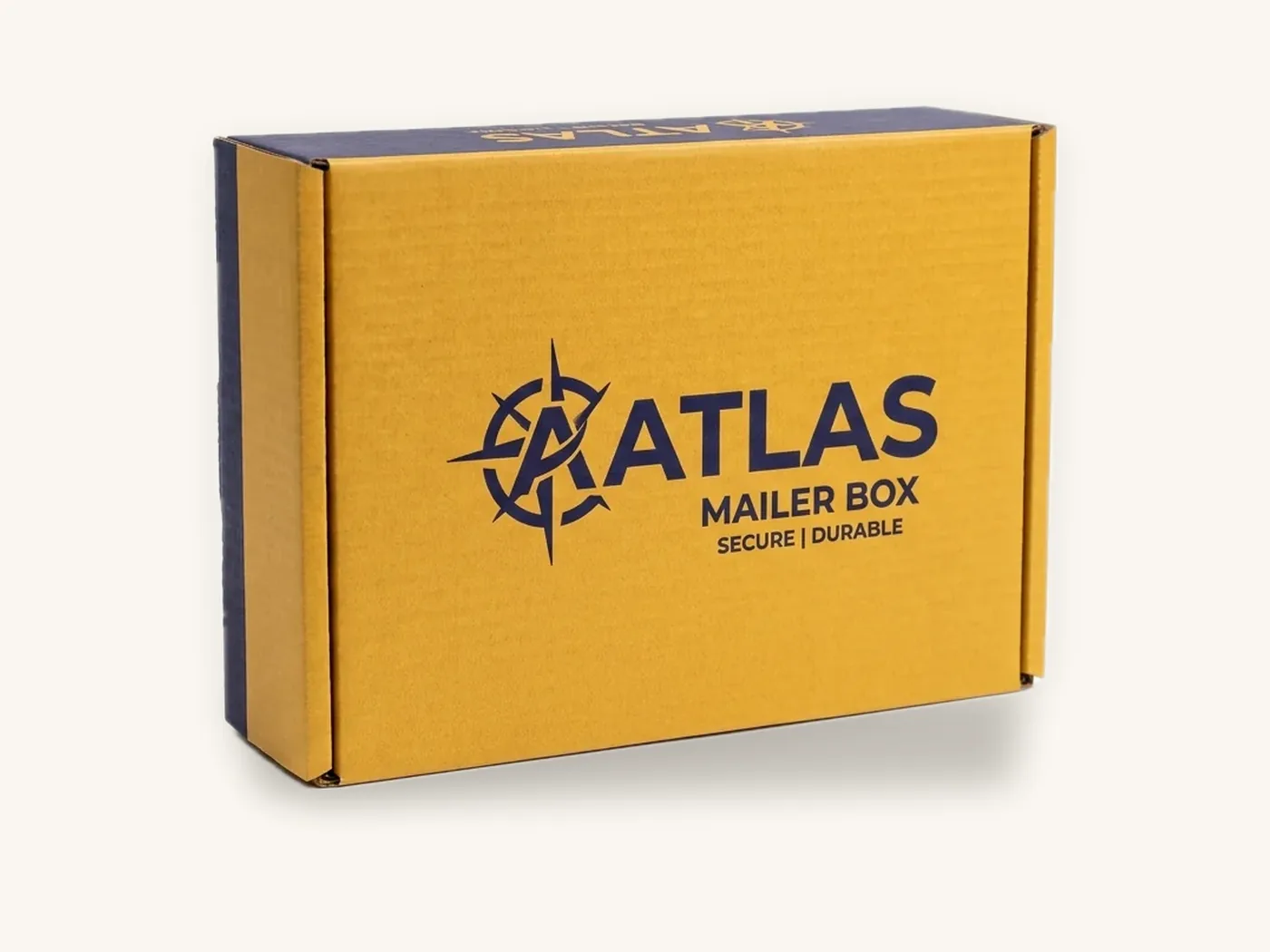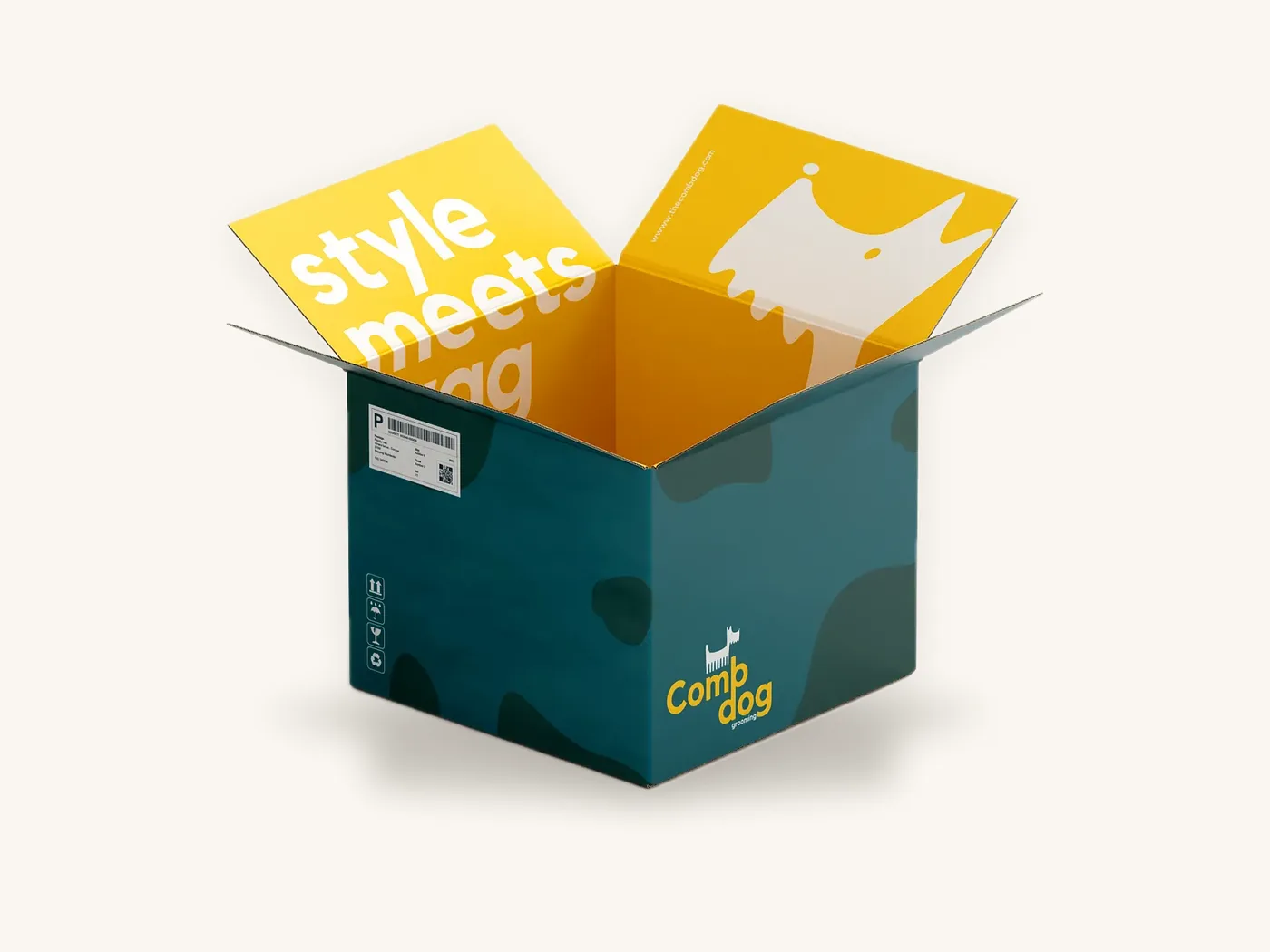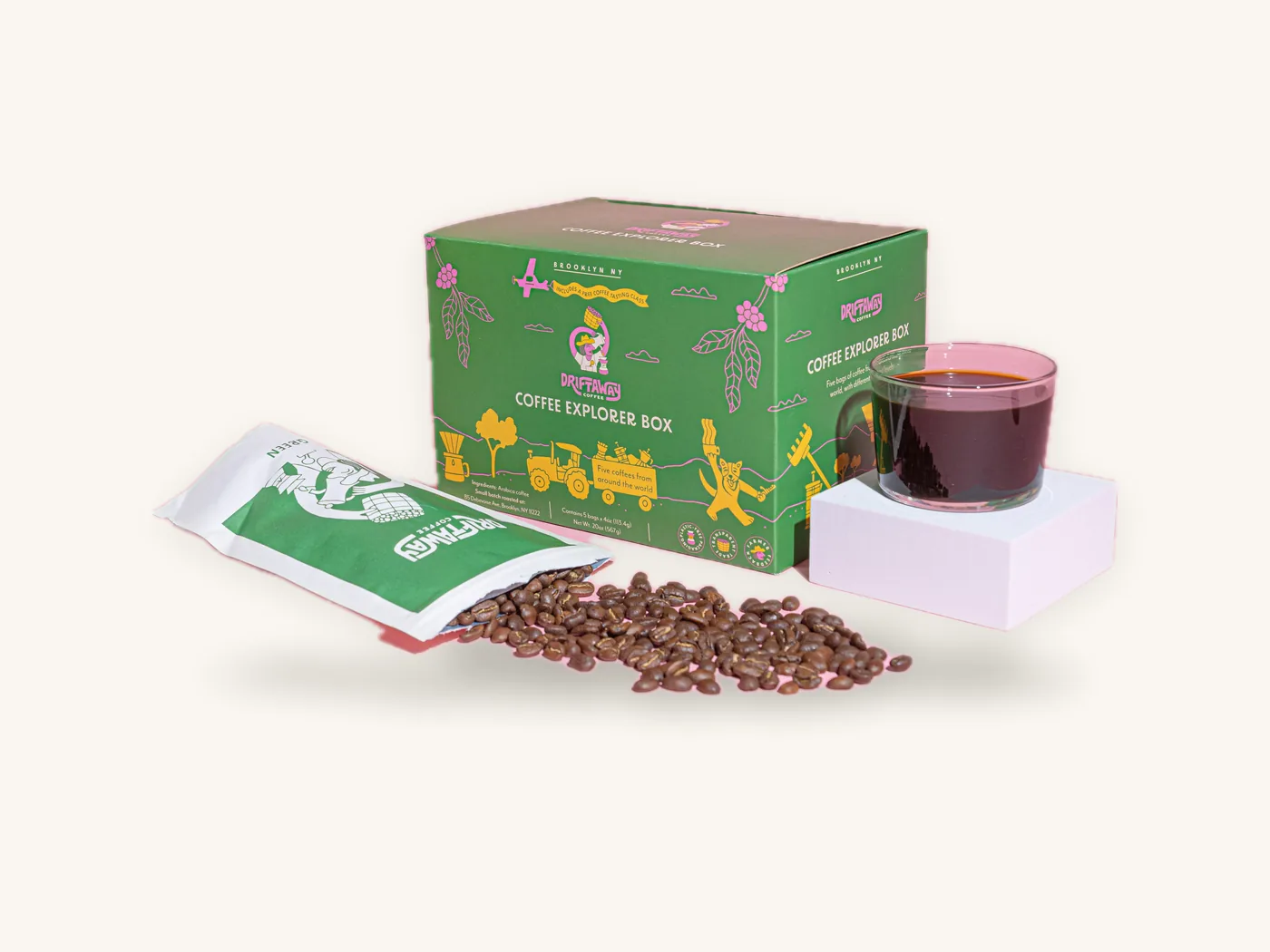
The benefits of custom packaging are mostly operational and financial, not cosmetic. A box built to your product's exact size ships in less space, protects better, packs faster, carries the information regulators and retailers require, and supports the price you want to charge. The branding is real, but it is the last of the reasons, not the first.
This guide walks through ten concrete business reasons, grouped by where they show up on your profit and loss: fulfillment, shipping, product integrity, retail, and brand equity. It also covers when stock boxes are the smarter choice, because custom packaging is not automatically right for every product or every stage of a business.
Key takeaways
- Custom packaging advantages start in the warehouse: fewer filler materials, faster packing and fewer box sizes to stock.
- Right-sized boxes reduce dimensional weight charges and damage, which often matter more than the box price itself.
- A custom box gives you controlled space for required labeling, barcodes, warnings and tamper evidence.
- Retailers and marketplaces have packaging expectations; a box designed for the shelf or the fulfillment center avoids rework and rejected shipments.
- Packaging shapes perceived value, which affects the price customers accept and how often they return products.
- Stock boxes still make sense for prototypes, very low volumes and products shipped inside another branded box.
Stock boxes versus custom packaging: what actually changes
"Custom" is often misunderstood as "printed." In practice it means three separate things, and you can buy any of them without the others: a custom size, a custom structure, and custom print.
| Attribute | Stock box | Custom packaging | Business effect |
|---|---|---|---|
| Size | Nearest standard size | Built around the packed product | Less void fill, lower dimensional weight, less movement |
| Structure | Generic slotted box or tuck carton | Mailer, tuck end, auto-lock bottom, rigid, with inserts | Faster assembly, better presentation, better protection |
| Board | Whatever the stock size comes in | Chosen for weight, fragility and print | Fewer crushed corners; no overpaying for heavy board |
| Plain or a sticker | Outside, inside, one color to full color | Recognition, instructions, compliance copy | |
| Minimums | Available by the bundle | From 10 boxes at Box Sense | Low-volume testing is realistic |
| Lead time | Same day or next day | 8–12 business days after proof approval | Needs planning, but reorders are predictable |
The rest of this article explains why packaging is important in each of these dimensions, starting with the ones that show up before the box ever leaves your building.
Fulfillment reasons: faster, simpler packing
1. Packing time drops when the box fits the product
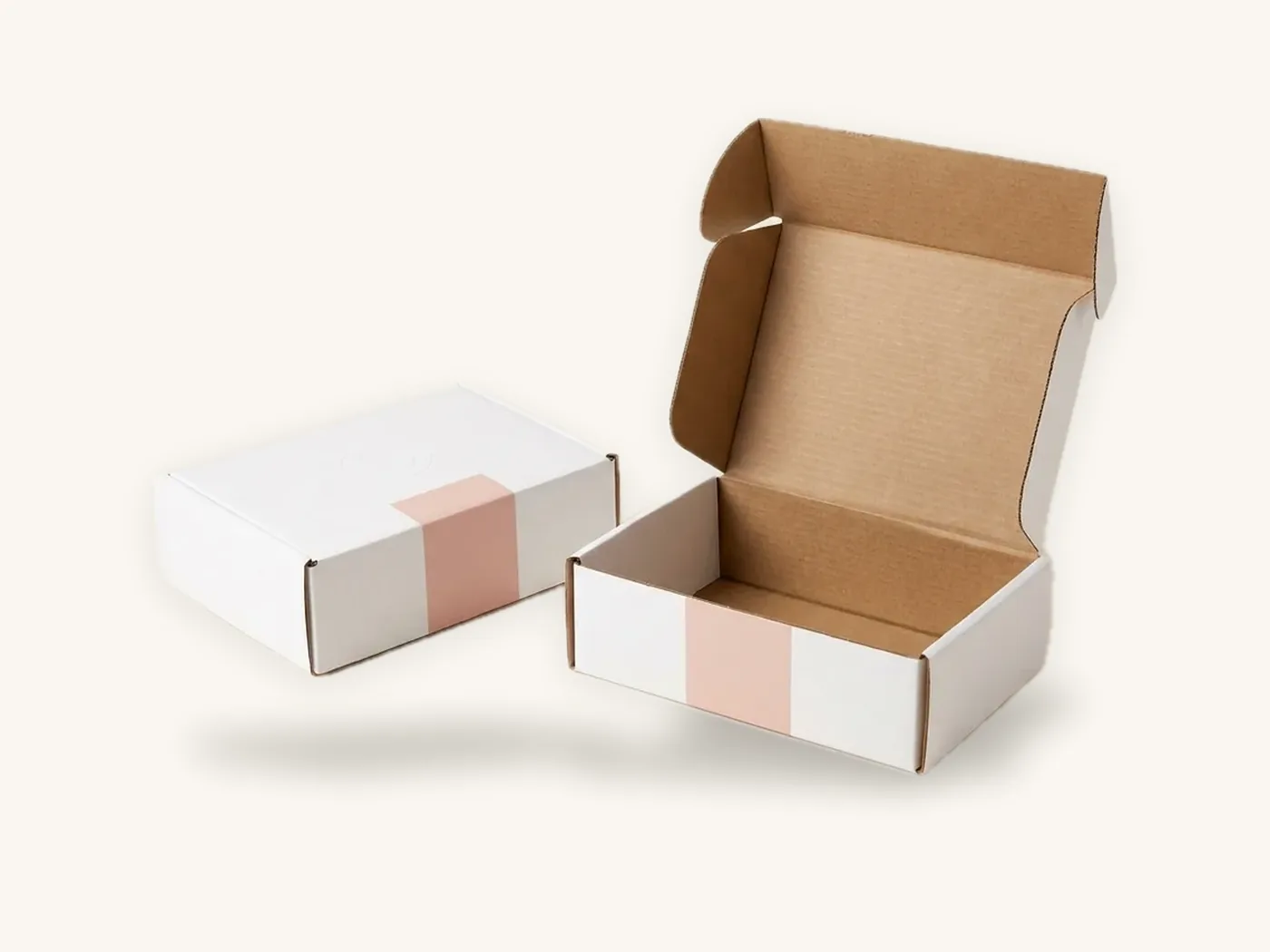
Every extra motion at a packing station is labor. A generic box needs someone to choose the size, add void fill, check for rattle, tape the flaps and sometimes add a second layer of protection. A box sized to the product, with an insert if needed, turns that into place, close, label.
Say a packer spends an extra 20 seconds per order fighting fill in an oversized stock box. Across 300 orders a day, that is well over an hour and a half of labor, every day, for something the box itself should do. The exact number depends on your operation, but the mechanism is universal: fit removes work.
2. Fewer consumables to buy, store and count
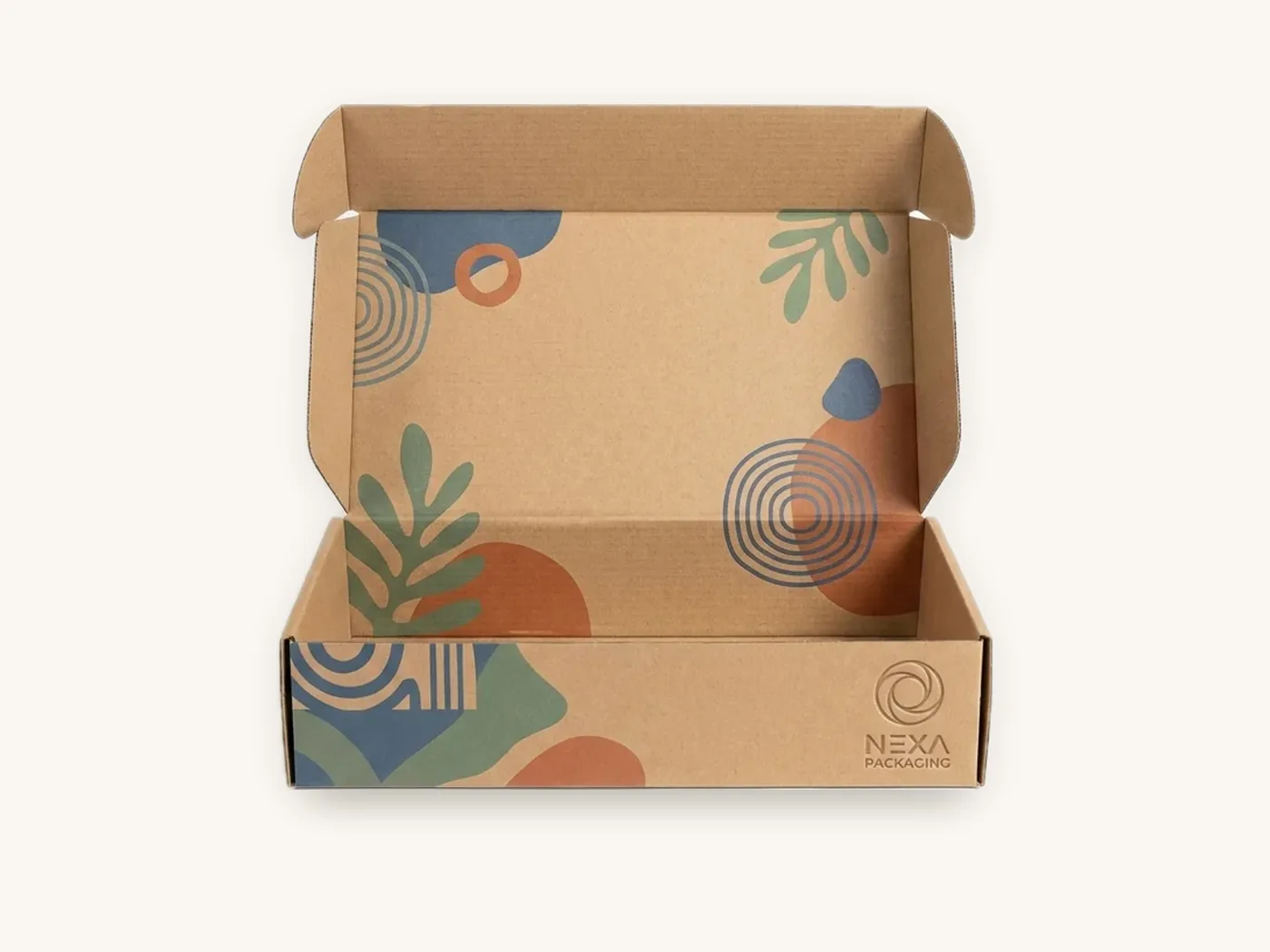
Loose fill, bubble wrap, extra tape and dividers each have their own purchase order, storage space and stockout risk. A mailer box that locks without tape and holds the product with a die-cut insert can eliminate several of those line items at once. That simplifies purchasing and removes the day your packing line stops because you ran out of fill.
3. Assembly that works for temporary staff
Seasonal peaks bring in people who have never packed your product. A structure that only closes one way, with the insert cavity shaped to the item, is harder to pack wrong. Mistakes that would otherwise surface as customer complaints get prevented at the bench.
Shipping reasons: lower freight and fewer damaged orders
4. Smaller boxes cost less to ship
Parcel carriers generally bill larger packages by dimensional weight, a calculation based on the outer volume of the box, when that figure exceeds the actual weight. Light products in oversized boxes are billed as if they were heavy. Trimming even an inch from each dimension can move a parcel into a lower billing tier.
That is why right-sizing often pays back more than any discount on the box. Our guides to dimensional weight and right-sized packaging show how to run the numbers for your shipments. Always confirm current dimensional weight rules with USPS, UPS or FedEx for your service level.
5. Damage and returns fall when products cannot move
Most transit damage comes from movement inside the box and impacts on corners, not from the box being too thin. A custom size removes the empty space that lets products gain momentum, and a matched board grade handles the product's weight. Every damaged order costs the replacement product, a second shipment, customer service time and some goodwill.
For shipments that face rough handling, see how to reduce shipping damage. The fix is usually fit first, board second.
Tip: before upgrading to heavier board, pack a product in your current box, close it and shake it. If you hear or feel movement, fix the fit with a smaller box or an insert. Heavier board on a loose pack just adds cost.
Product integrity and compliance reasons
6. Controlled space for required information
Many product categories carry labeling expectations. Food, cosmetics, supplements and over-the-counter products fall under FDA labeling rules; toys and children's products under CPSC requirements; and most retail goods need a scannable barcode. The details depend on the product, so confirm current requirements with the relevant agency or your counsel.
What custom packaging gives you is room planned for that information from the start. With a stock box and a sticker, required copy often ends up crowded, covered by a shipping label, or printed too small to read. When you design the carton, you decide exactly which panel carries the ingredient list, warnings, net contents and barcode.
7. Tamper evidence and child resistance built into the structure
Tear strips, glued seal-end cartons and child-resistant designs are structural features, not add-ons. For categories where tamper evidence or child resistance is expected, building it into the box is cleaner and more reliable than taping over a stock carton. Our guide to tamper-evident packaging explains the options in general terms.
Retail and sales reasons
8. Retailers and marketplaces accept it more easily
Stores think about how a product sits on a shelf, hangs on a peg or fits in a display. Buyers look for clear front panels, readable barcodes and structures that stand upright. Marketplaces and their fulfillment centers have their own packaging and labeling requirements for inbound inventory.
A custom product box designed for the channel avoids relabeling, repacking or a rejected inbound shipment. If you sell through retail, packaging is part of the pitch, not something to fix after the order.
9. Perceived value supports your price
Customers judge quality before they touch the product, and the box is the evidence they have. A product that arrives in a snug, well-printed carton reads as considered; the same product loose in a generic carton reads as cheap, and invites price comparison.
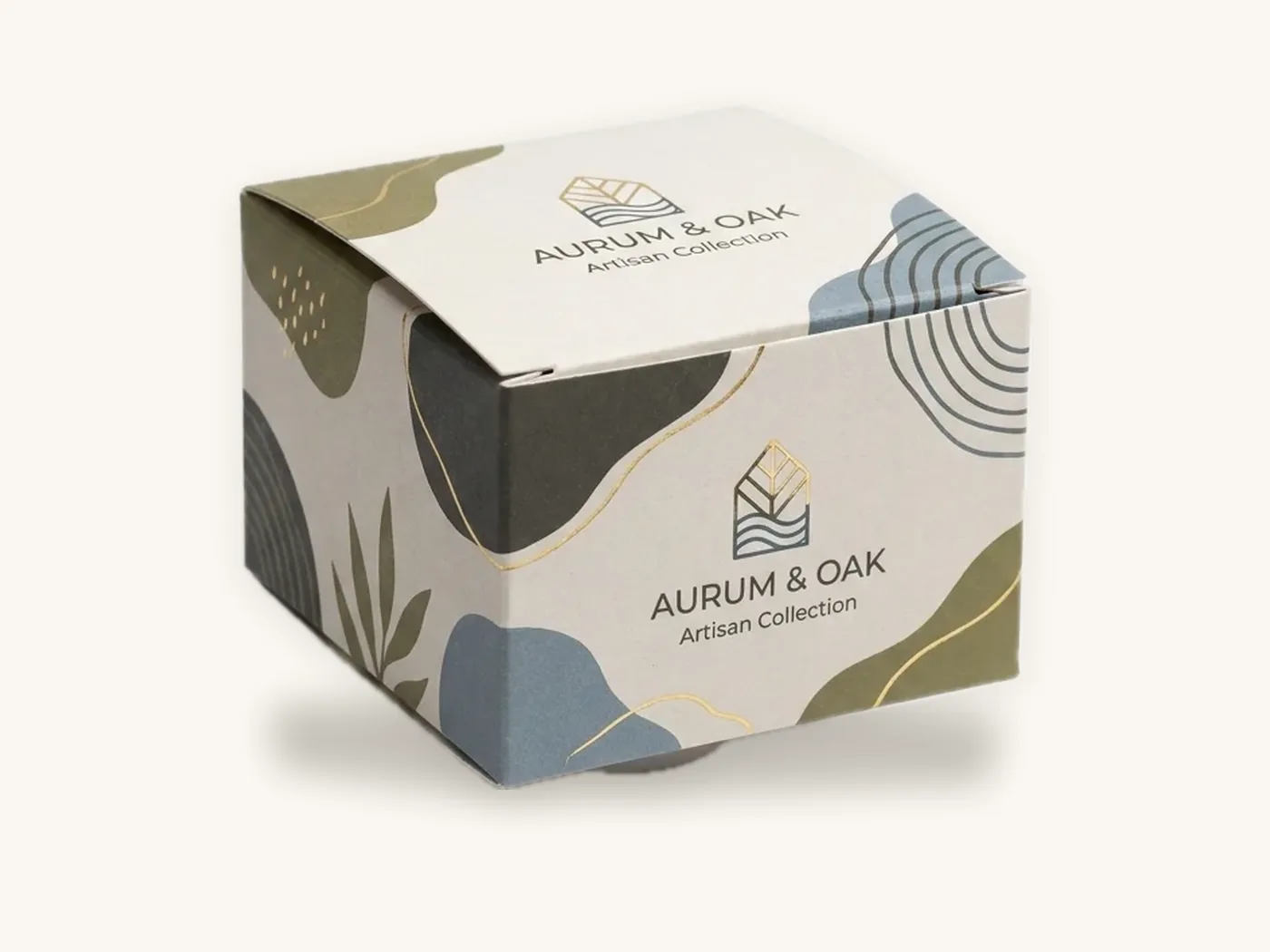
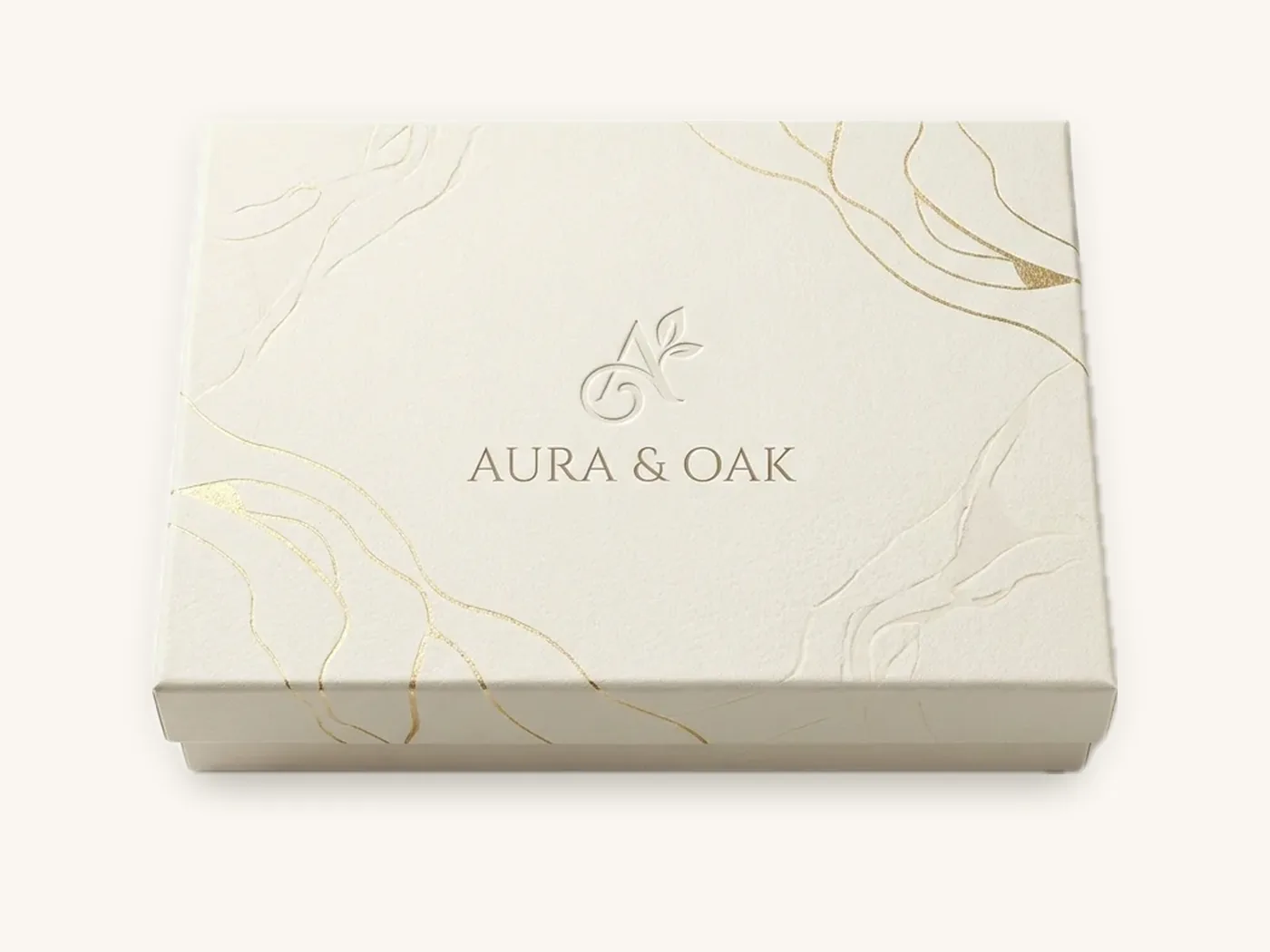
This is not about spending the most. A simple one-color carton with good structure can signal quality better than a busy full-color box that does not fit. The goal is alignment: packaging that matches the price point. At the high end, custom rigid boxes make sense when the box is part of what the customer is paying for, such as jewelry, electronics or gift sets.
Brand equity reasons
10. Packaging becomes an asset you own
Every order you ship builds recognition, but only if the packaging is consistent enough to be remembered. Over time, a distinctive box does work that would otherwise require advertising: people recognize it on a doorstep, on a shelf, in a photo and in a gift exchange. It also makes counterfeits and gray-market products easier for customers to spot, because the real packaging has details a copier gets wrong.
That equity depends on consistency. Changing box designs every quarter resets recognition. The companion guide on packaging as a marketing channel covers how to run campaigns through inserts and stickers while keeping the base box stable.
How the ten reasons add up
No single reason usually justifies the switch on its own. The case gets strong when several stack. Consider a hypothetical brand shipping a boxed ceramic mug in a stock carton two sizes too big.
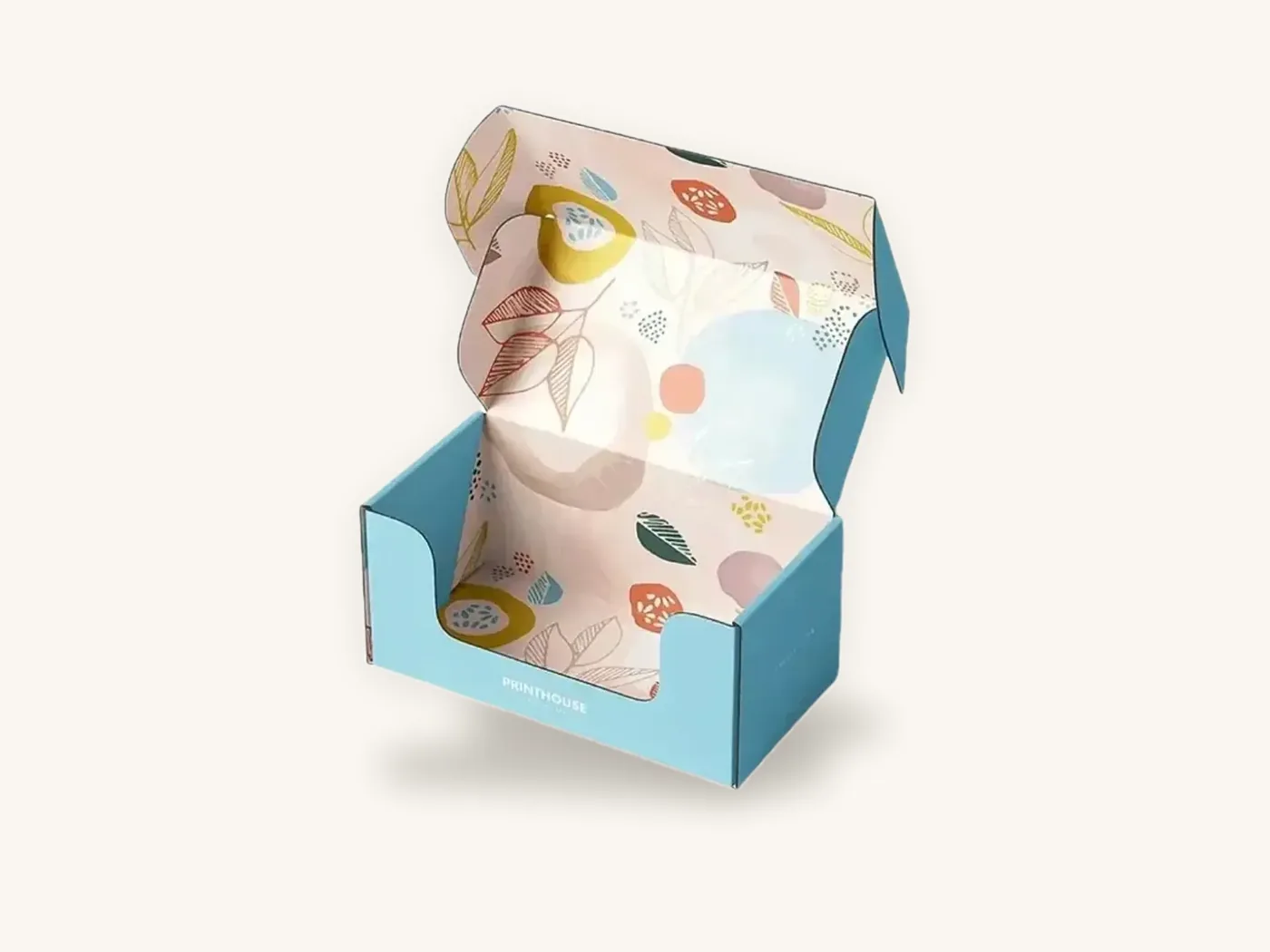
Moving to a fitted mailer with a paperboard insert changes several lines at once. The parcel shrinks, so fewer shipments fall into a higher dimensional weight tier. The mug no longer slides, so fewer arrive chipped and fewer replacements go out. The packer stops wrapping and filling, so each order takes less time. The printed interior carries care instructions that used to be a loose slip of paper. And the customer who receives it is more likely to gift the next one, because the box already looks like a gift.
To test this for your own product, gather four numbers from the last quarter: average shipping charge per order, damage and replacement rate, packing minutes per order, and consumables spend. Then estimate each figure with a fitted custom box and compare the total, not the box price alone.
Comparing packaging tiers by what they do for the business
Custom packaging advantages scale with the tier you choose, and so does cost. The reference prices below are indicative per-unit figures from our current rates, with free US shipping included.
| Tier | Example spec | About per unit at 100 | About per unit at 1,000 | Primary business benefit |
|---|---|---|---|---|
| Retail carton | Straight tuck end, 18 pt SBS, 3x2x5 in, full color, aqueous | $1.15 | $0.51 | Shelf presence, compliance copy, barcode |
| Kraft carton | Kraft tuck, 18 pt kraft, 4x3x2 in, 1-color | $0.81 | $0.36 | Low-cost identity, natural look |
| Shipping mailer | E-flute mailer, 8x6x3 in, full color outside | $2.64 | $1.17 | Ships alone, fewer consumables, unboxing |
| Presentation box | Rigid, 2 mm greyboard, 8x6x3 in, full color, matte | $9.10 | $4.05 | Perceived value, keepsake, gifting |
Most brands do not need all four. A common setup is a retail carton for the product and a mailer for direct orders, with a rigid box reserved for a flagship or gift edition. Use the instant price estimator for your size and quantities.
When stock packaging is the smarter choice
Being honest about the limits helps you spend where it counts. Stock boxes are reasonable when:
- You are still changing the product. If dimensions may change after customer feedback, wait before committing to a custom size.
- The product ships inside another branded box. An inner carton that nobody sees until it is unpacked from a branded mailer does not need its own print.
- Volume is tiny and irregular. If you ship a handful of orders a month in wildly different sizes, a small set of stock boxes may be simpler for now.
- The product is a commodity sold on price alone. Some wholesale and industrial goods are bought by spec, and packaging only needs to protect and identify.
- You cannot plan around a lead time yet. If orders spike without warning and you have no storage for a buffer of boxes, a stock supply you can buy locally the same day may be the safer bridge until your demand becomes predictable enough to schedule reorders.
Even then, custom sizing without print is often worth considering, because it captures the shipping and damage savings without design work. Our guides to packaging for handmade products and packaging for Etsy sellers cover low-volume options.
Deciding whether custom packaging is worth it now
Work through these questions in order. Each "yes" strengthens the case.
- Do you ship more than a few dozen orders a month of the same product or a few similar sizes?
- Is your current box oversized, needing fill to stop movement?
- Are damaged orders or returns a recurring cost?
- Does your product need printed ingredients, warnings, instructions or a barcode?
- Are you selling, or about to sell, through retail stores or a marketplace fulfillment program?
- Is your price point high enough that presentation influences the purchase or the gift?
- Do you want customers to recognize and reorder from you directly?
If you answered yes to the first three, start with custom size and structure. If four or five apply, add a printed retail carton. If six and seven apply, printed mailers or rigid boxes will likely pay back. For a staged plan as you grow, read scaling a packaging program and packaging for startups.
Getting custom packaging from Box Sense
Box Sense manufactures in-house, with printing, die-cutting, gluing and finishing under one roof, and serves brands in the United States, the United Kingdom and the UAE.
What to send for a quote
- Product dimensions and weight, including any inner pouch or tray
- How it sells: direct shipping, retail shelf, marketplace fulfillment, or several
- Any required copy or barcodes that need a panel
- Your preferred style, or a request for a recommendation from the folding cartons or mailer ranges
- Print coverage and finishes you are considering
- Quantities to compare, for example 100, 500 and 1,000
How the process works
- Quote within 24 hours, with the instant estimator available straight away.
- Free design support: dieline, artwork setup, a 3D digital proof and two revision rounds.
- Samples: unprinted structural samples are free, and a printed sample of approved artwork is free on orders of 100 or more.
- Production: 8–12 business days after proof approval as standard, or rush in 5 business days on most paperboard and corrugated styles.
- Delivery: free shipping on every US order; international shipping quoted at cost.
The minimum order is 10 boxes, with no die or plate charges. One-time tooling applies only for foil, embossing, spot UV and custom inserts. FSC-certified boards and soy or water-based inks are available, and defective boxes reported within 14 days are reprinted free.
Frequently asked questions
What are the benefits of custom packaging?
The main benefits are lower shipping costs from right-sized boxes, fewer damaged orders, faster packing with less filler, planned space for required labeling, easier acceptance by retailers and marketplaces, and stronger perceived value that supports your price. Brand recognition builds on top of those operational gains when the packaging stays consistent over time.
Why is packaging important for a business?
Packaging affects costs and revenue at the same time. It determines how much you pay to ship, how often products arrive damaged, how long packing takes, and whether required information is legible. It also shapes how customers judge quality and whether they recognize your brand when deciding to buy again.
Is custom packaging more expensive than stock boxes?
The box itself usually costs more per unit, especially at low quantities. But total cost can be lower once you account for reduced dimensional weight charges, less void fill and tape, faster packing and fewer replacements for damaged orders. Compare total cost per shipped order, not just the price of the box.
Does custom packaging reduce shipping costs?
It often does. Carriers typically bill larger parcels by dimensional weight, based on the box's outer volume, so a box sized to the product can move a shipment into a lower billing tier. Less movement inside the box also means fewer damaged orders and reshipments. Confirm current carrier rules for your service.
What is the difference between custom and printed packaging?
Custom packaging can mean a custom size, a custom structure, custom print, or any combination. You can order a right-sized plain box to get the shipping and protection benefits without artwork, or a printed stock-style box for branding. Many businesses start with custom size and add print once volume grows.
When should a small business switch to custom boxes?
A good trigger is steady volume of the same product, recurring damage or fill costs, a move into retail or marketplace fulfillment, or a price point where presentation influences buying. With a 10-box minimum and digital printing for short runs, a small business can test custom boxes before committing to larger quantities.
Can custom packaging be sustainable?
Yes. Right-sizing uses less board and fill, and paper-based structures with aqueous coatings, soy or water-based inks and FSC-certified board keep packaging recyclable in most curbside programs. Any environmental claim printed on the box should be accurate and qualified in line with FTC Green Guides.
Next steps
List your product dimensions, current box size and monthly order volume, then compare custom sizes and tiers in the packaging price estimator. When you know which reasons matter most for your business, request a custom packaging quote and we will confirm pricing within 24 hours and recommend a structure.
Boxes in this guide
Order the packaging we covered
Written by the Box Sense Packaging Team
Our structural designers, prepress technicians and production staff print and convert custom boxes every day for brands in the United States, United Kingdom and UAE. Questions about this guide? Talk to us.