Tamper evident packaging is packaging that cannot be opened without leaving visible, hard-to-hide evidence that it was opened. It does not stop a determined person from getting in; it makes sure the next person to handle the package can tell. For carton-based products, that evidence usually comes from glued seal end flaps, perforated tear strips, destructible security labels or a combination of them.
For some products it is a legal requirement. The US Food and Drug Administration requires most over-the-counter (OTC) human drugs to be sold in tamper-evident packaging with a label statement describing the feature. For many other products, including supplements, cosmetics, food delivery and subscription kits, it is a quality and trust decision. This guide explains how each seal works, what the rules require in general terms, and how to choose and test a design.
Key takeaways
- The goal is evidence, not prevention. "Tamper proof boxes" do not exist; good designs make opening obvious and resealing difficult.
- Under 21 CFR 211.132, most OTC drugs need packaging with at least one indicator or barrier to entry, plus a prominent statement telling consumers what to look for.
- Glued seal end cartons are the simplest tamper-evident carton, because the end flap tears when opened; perforated tear strips and security labels add more obvious signs.
- The strongest programs layer features, such as an inner bottle seal, a glued carton and a printed statement, so defeating one does not defeat all.
- Test every design by trying to open and reclose it yourself, with ordinary tools, before you approve it.
- Box Sense prints seal end cartons, tuck top mailers with tear strips and custom labels from 10 units, so you can prototype and test a design before a full run.
What tamper evidence can and cannot do
Most disappointment with tamper-evident packaging comes from expecting the wrong outcome. Setting expectations early leads to better design choices.
| Tamper evidence can | Tamper evidence cannot |
|---|---|
| Show a shopper or customer that a package has been opened | Physically prevent a determined person from opening it |
| Deter casual opening in stores, warehouses and delivery | Detect contamination introduced without opening, such as through a needle hole in soft material |
| Help retailers identify returned product that has been opened | Guarantee a package was not opened and perfectly resealed with specialist tools |
| Support a consistent "do not use if" instruction on the label | Replace child-resistant closures, which serve a different purpose |
| Reduce disputes about whether an item arrived sealed | Make up for a supply chain with no custody controls |
Why the industry stopped saying "tamper resistant"
FDA regulations used the term tamper-resistant for years and later changed it to tamper-evident, because no consumer package can truly resist a determined attempt. The wording matters on your packaging too. Claims such as "tamper proof" can overstate what the design does, so describe the specific feature instead: "Sealed for your protection. Do not use if carton end flaps are torn or open."
Tamper evident vs child resistant
These solve different problems. Child-resistant packaging is designed to be difficult for young children to open but usable by adults, and it is tested with panels of children and adults. Tamper-evident packaging shows whether anyone has opened it. A product can need both, one or neither. If yours needs child resistance, see child resistant boxes and our child-resistant packaging guide.
The FDA rule for OTC drugs in plain terms
The rule most people mean when they talk about required tamper-evident packaging is 21 CFR 211.132, which followed the product tampering deaths of the early 1980s.
What the rule requires
In general terms, it requires manufacturers and packagers of OTC human drug products for retail sale to use packaging with one or more indicators or barriers to entry that, if breached or missing, can reasonably be expected to give consumers visible evidence of tampering. The package must also carry a labeling statement that identifies the tamper-evident feature and is placed so it will not be affected if the feature is breached or missing.
That last point is a design detail with real consequences. If your only statement is printed on the seal that gets torn away, the warning disappears when it is most needed. Put it on a panel that stays intact.
The rule lists certain product categories that are exempt and sets stricter expectations for some formats, such as certain capsule types. Read the current text of 21 CFR 211.132 on eCFR and confirm your product's status with FDA guidance or regulatory counsel.
Cosmetics and other regulated products
FDA has separate tamper-evident packaging provisions for some cosmetics, such as certain liquid oral hygiene products. Many state cannabis programs require tamper-evident packaging for retail sale. Supplements, food and personal care products are often packaged with tamper evidence as a retailer or marketplace expectation rather than a general federal mandate. Check your own category with the relevant regulator; our cosmetic labeling requirements and FDA food labeling guides cover the wider label rules in those categories.

Watch out: a carton alone is rarely the whole tamper-evident system for a drug product. Many OTC programs rely on an inner feature, such as a bottle induction seal or blister, plus a statement on the carton. Design the carton as one layer of that system, not the entire solution.
Tamper-evident carton and seal designs compared
Here are the features we see most often on printed paperboard and corrugated packaging, compared on what matters: how obvious the evidence is, how hard it is to hide, and what it does to cost and packing speed.
| Feature | How it shows tampering | Difficulty to defeat | Packing line impact | Best for |
|---|---|---|---|---|
| Glued seal end carton | End flap fibers tear when pulled open | Moderate; careful regluing can hide a clean open | Needs glue at closing, by hand or machine | OTC drugs, supplements, food cartons |
| Perforated tear strip or tear tab | Strip must be torn away to open | Moderate to high; a missing strip is obvious | None if pre-glued at factory | Mailers, subscription kits, cartons |
| Tuck with breakaway lock tab | A perforated tab snaps off on first opening | Moderate | Minimal | Retail cartons without glue |
| Destructible or void security label | Label breaks up or leaves a pattern when peeled | High, when placed across the opening | Labor or labeler to apply | Premium goods, electronics, add-on to cartons |
| Printed clear seal or wafer seal | Seal tears or lifts across the flap | Moderate | Labor to apply | Short runs, bakery, cosmetics |
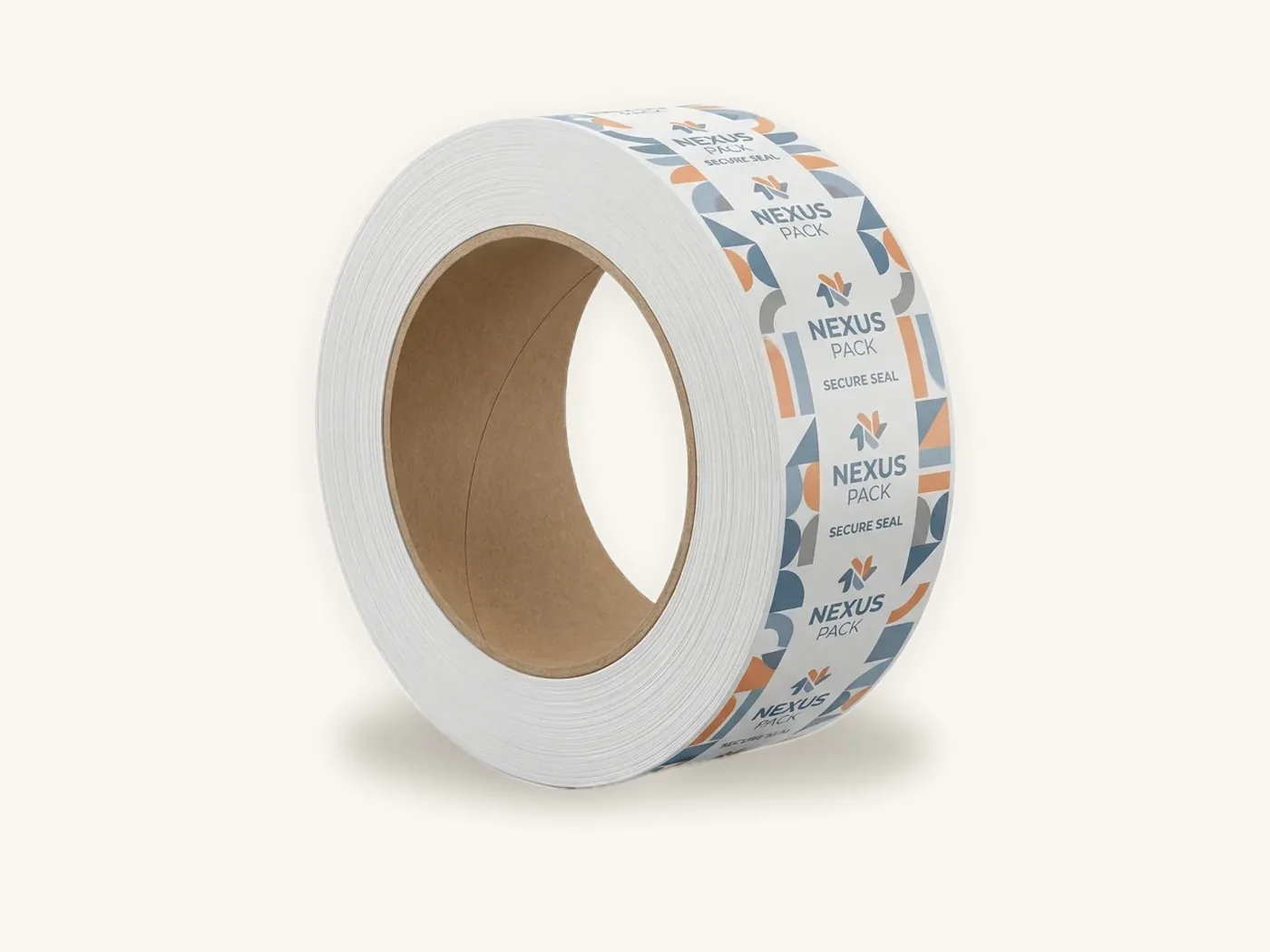
| Printed packaging tape | Branded tape tears and cannot be matched on reseal | Moderate; plain tape reseals are visible | Taping step | Shipping cartons and mailers |
| Shrink wrap or band | Film is visibly cut or missing | Low to moderate; rewrapping is possible | Heat tunnel | Outer overwrap, multi-packs |
Seal end cartons
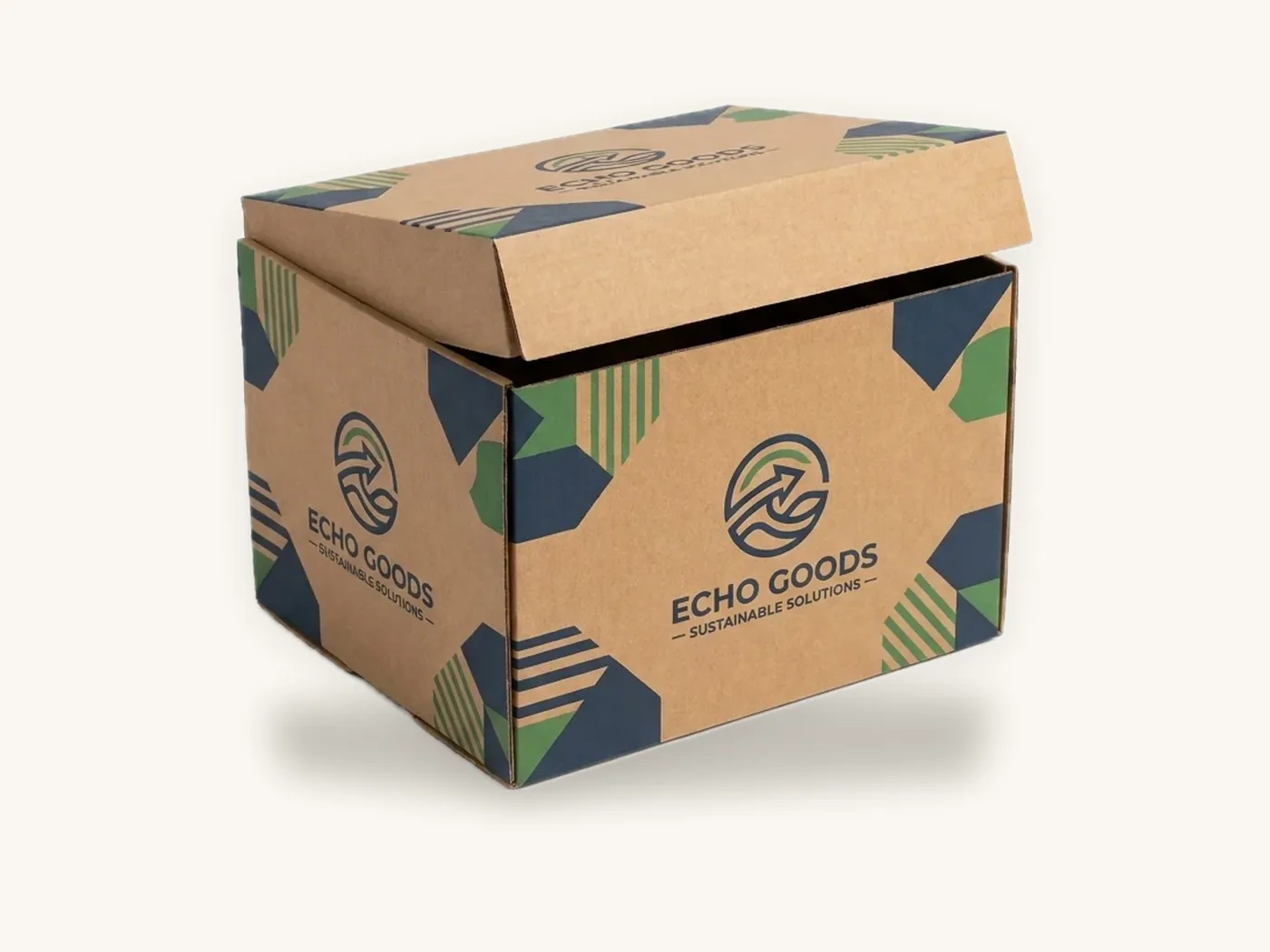
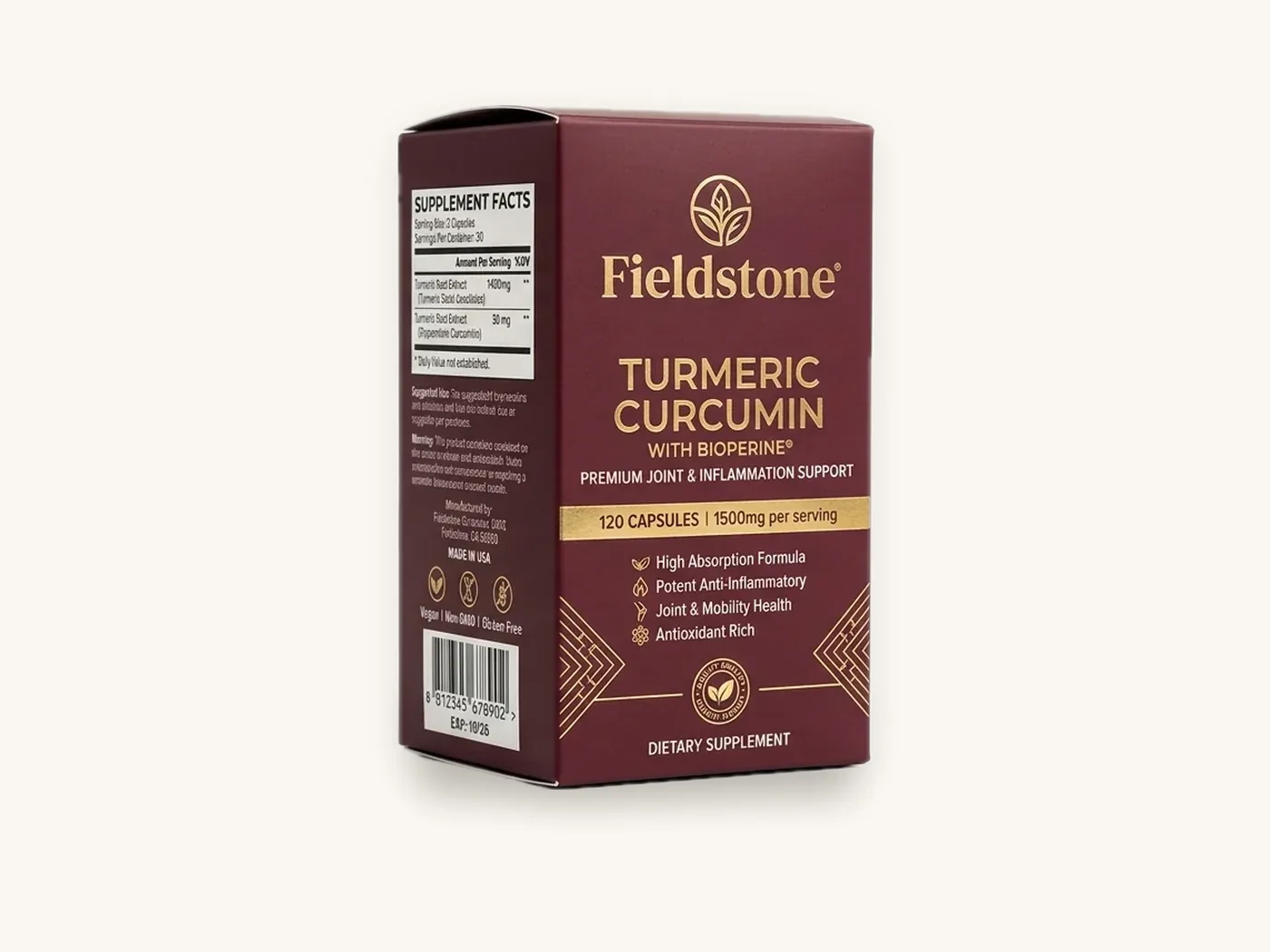
A seal end box closes with flaps that are glued rather than tucked. Opening it tears the paperboard surface or the flap itself, which leaves visible damage. It is the most common tamper-evident carton for medicines, supplements and dry foods, and it runs well on automatic cartoning machines. Our seal end boxes guide covers flap geometry and glue patterns in detail.
For hand packing, brands often use a peel-and-seal adhesive strip on the closing flap, which works without glue equipment.
Tear strips and breakaway tabs
A tear strip is a narrow band defined by two perforation or zipper lines. Pulling it opens the box and removes the band, so an opened box looks different at a glance. On tuck top mailer boxes the tear strip usually runs along the front, and on cartons it can run around the top.
A breakaway tab is lighter: the tuck flap has a small perforated tab that locks into a slot and snaps off on first opening. It is cheaper than a full strip and suits retail cartons that need some evidence without adhesive.
Security labels and seals
A label placed across the opening flap is a flexible way to add tamper evidence to a box you already use. Three constructions are common:
- Destructible film that fragments when peeled, so it cannot be removed in one piece
- Void labels that leave a pattern or the word "void" on the box surface when lifted
- Clear or printed paper seals that tear the paper face when removed
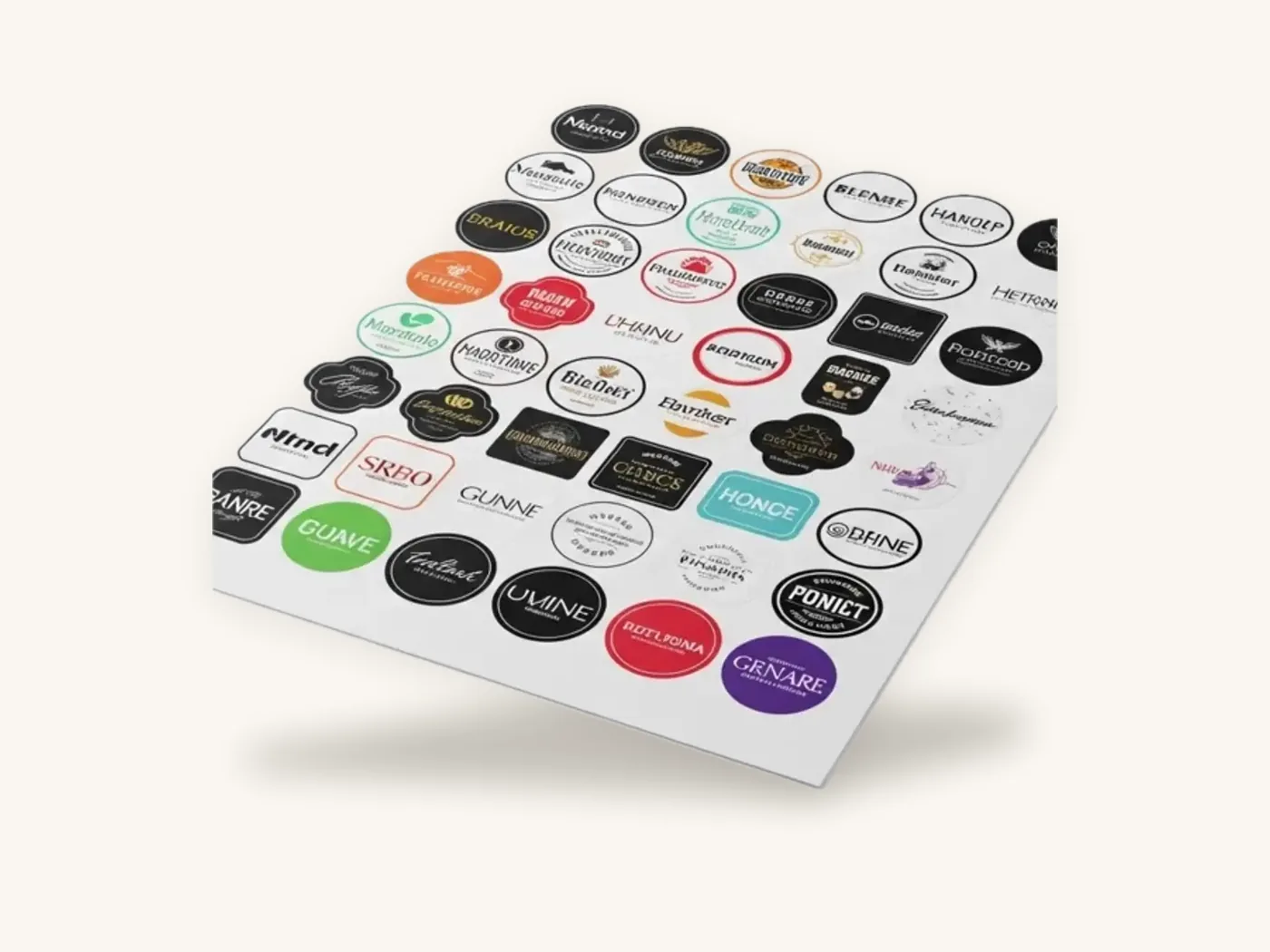
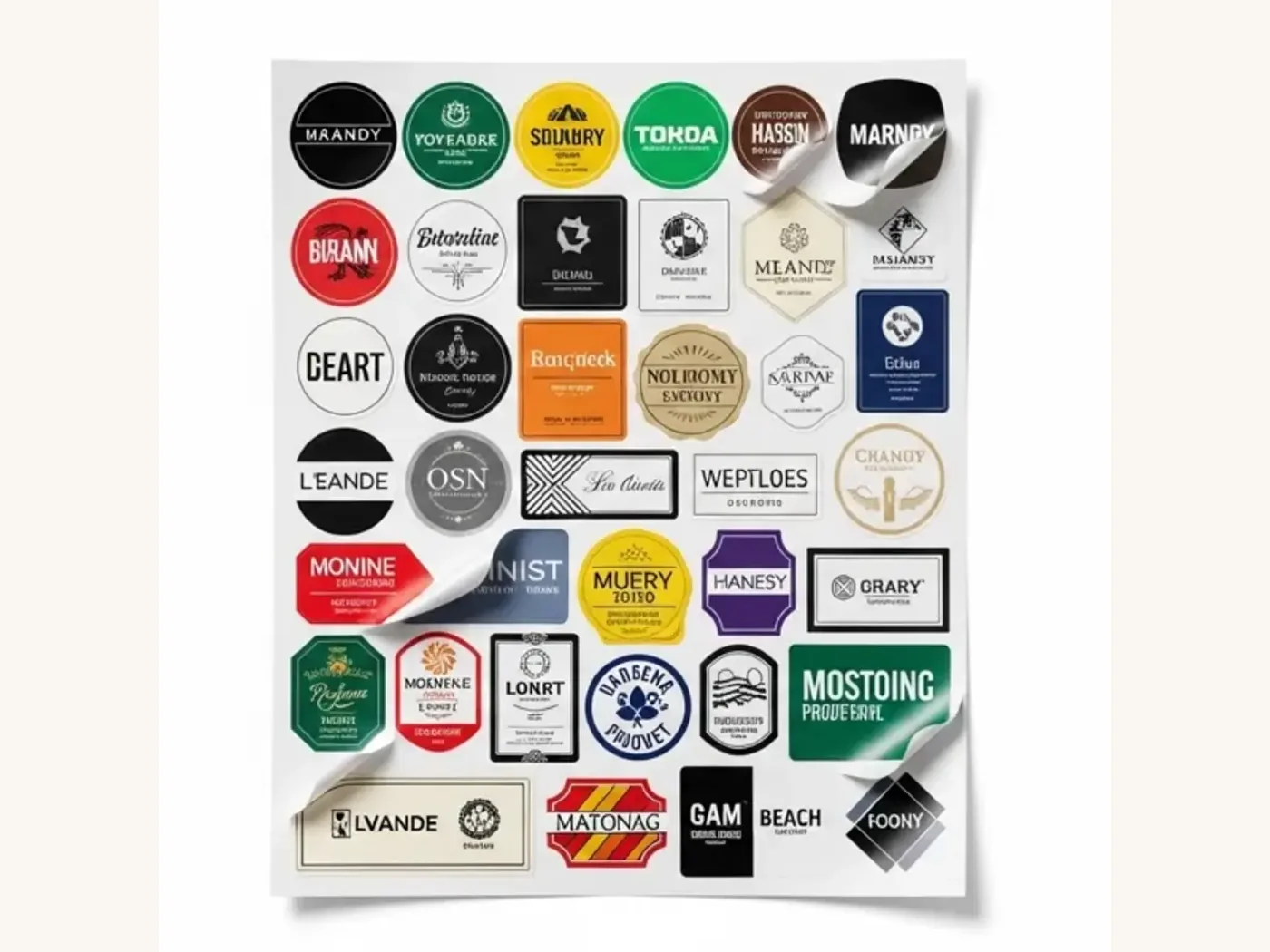
Custom labels and stickers can be printed with your brand, a statement and a serial number, which also helps with traceability. See our custom labels and stickers guide for adhesive and material choices.
Choosing the right level of tamper evidence
Not every product needs the heaviest solution. Match the number of layers to the risk, the regulations and the channel.
| Product or channel | Typical risk | Suggested layers |
|---|---|---|
| OTC drugs | Regulated; high consequence | Inner seal or blister, glued carton, prominent statement on an intact panel |
| Supplements and vitamins | Consumer trust; retailer expectations | Inner bottle seal, glued or tabbed carton, statement |
| Cosmetics and skincare | Returns and swatching in store | Carton with seal label or glued end; inner seal for liquids |
| Food delivery and bakery | Handling by couriers | Printed seal label or tape across the lid |
| Subscription and e-commerce kits | Porch and transit handling | Mailer with tear strip; printed tape |
| Electronics and high-value goods | Returns fraud, theft | Security label with serial number, sealed inner carton |
| Wholesale shippers | Warehouse pilferage | Printed tape on RSC; shrink wrap on pallets |
Layering in practice
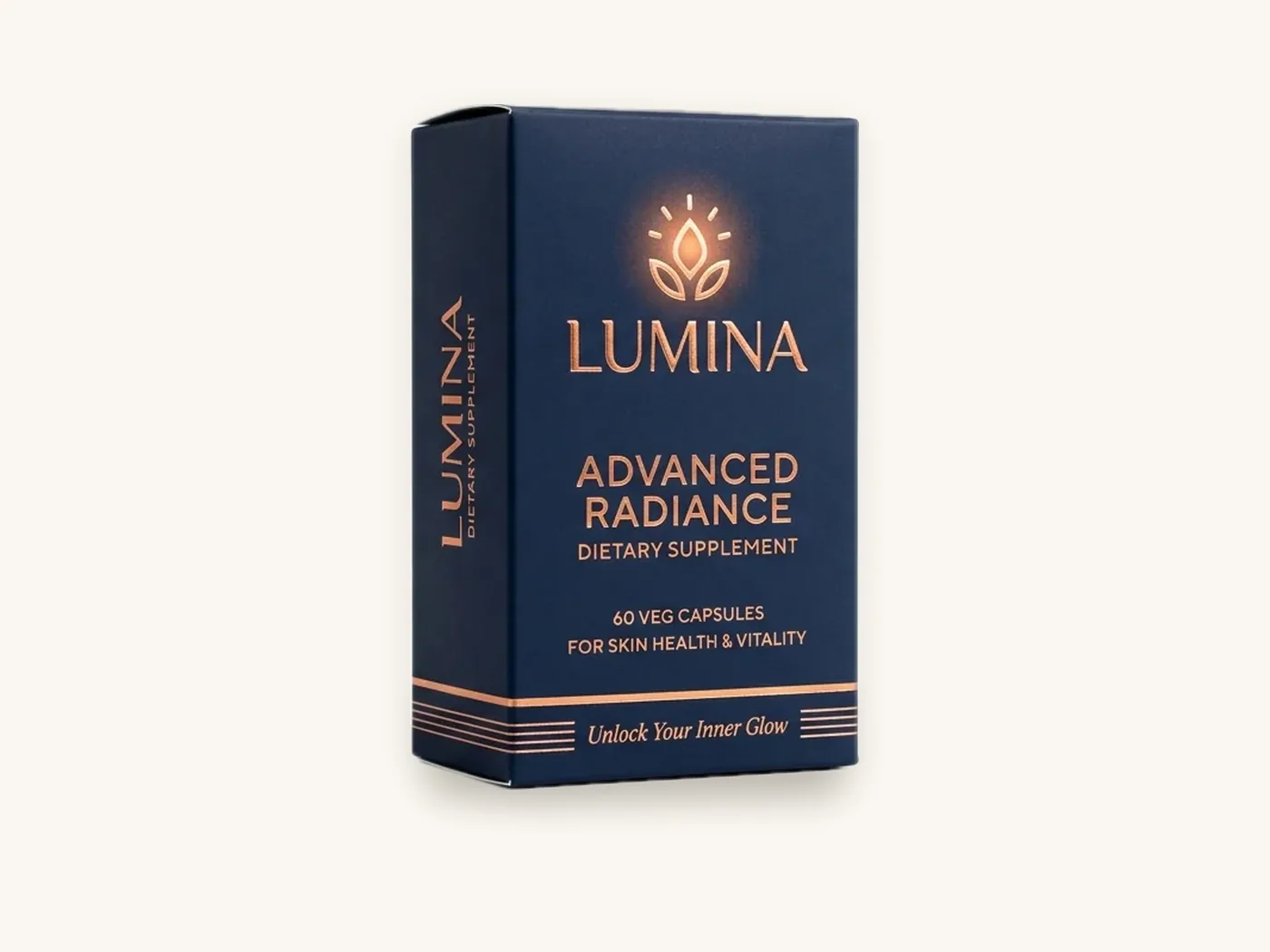
Say you sell a vitamin gummy in a bottle. A sensible system is an induction seal under the cap from your bottle supplier, a glued seal end supplement box from us, and a statement on the side panel: "Do not use if the carton seal is broken or the printed seal under the cap is torn or missing." Each layer is modest, but together they make undetected tampering much harder.
If you ship through Amazon, marketplace prep and packaging rules also apply. Our Amazon FBA packaging requirements guide explains how sealed cartons and poly bags fit those rules.
Designing the carton and statement
Once you have chosen features, the details of the design decide whether they work.
Placement of the statement
- Put the tamper-evident statement on a panel that remains intact after opening, usually the front or a side panel.
- Name the specific feature ("carton end flaps", "printed seal", "tear strip"), not a vague phrase.
- Use clear, legible type on a plain background, not over photography or foil.
- If there is an inner seal, reference it in the same statement so consumers check both.
Making the evidence visible
Tamper evidence only works if the damage is noticeable. On a dark flood color, a small paper tear may disappear. Consider a light or contrasting color under glue flaps and tear strips, so torn fibers show clearly. Printing a message such as "Opened" under a tear strip or on the flap underside is another simple way to make an opened box obvious.
Glue and board choices
Glued seal end cartons tear better on boards with a strong surface bond. Most medicine and supplement cartons use 16 pt to 18 pt SBS paperboard; the folding cartons style page shows the options. Heavy lamination can let a glued flap peel cleanly instead of tearing, so leave glue areas uncoated or specify a coating that glues well.
Tip: ask for glue flaps to be left free of lamination and varnish. A raw board surface gives a stronger bond, so the carton tears when opened instead of peeling apart neatly, which is exactly the evidence you want.
How to test a tamper-evident design
A design is only as good as the easiest way around it. Run this test on printed samples before approving production.
- Open it the normal way. Confirm the evidence is obvious to someone who is not looking for it.
- Try to open it carefully. Use a thin blade, a hair dryer on glue or labels, and slow peeling.
- Try to reclose it. Reglue, retape or press flaps back and look at it from arm's length.
- Ask someone else to spot it. Mix opened and unopened samples and see if a colleague can pick the opened ones.
- Check the statement. Make sure it remains readable after the feature is breached.
- Test in real conditions. Put samples through shipping, cold storage or humidity if your product sees them; some adhesives weaken or strengthen.
- Test on the packing line. Confirm the feature can be applied consistently at your speed. A seal that is sometimes missed is a gap.
- Document the result. Record what was tested, by whom and when, with photos, for your quality file.
Our packaging quality control guide explains how to build these checks into incoming inspection for every run.
What tamper-evident cartons cost
Most tamper-evident features are structural and add little to the carton price, while applied labels and tapes add material and labor.
As printed carton reference points, a straight tuck end carton in 18 pt SBS, 3x2x5 in, full color outside with aqueous coating is about $1.15 per unit at 100 and about $0.51 at 1,000. A reverse tuck end carton in 14 pt SBS, 2x2x6 in, full color with gloss lamination is roughly $1.17 at 100 and $0.52 at 1,000. For shipped kits, a 12x9x4 in E-flute subscription mailer printed on both sides with an insert and tear strip is about $5.85 at 100 and $2.60 at 1,000. All include US shipping.
Seal end construction, glue flaps and tear strips change the die, not the tooling bill, since Box Sense does not charge for dies or plates. For your exact size and feature, use the price estimator or send the spec for a quote.
Ordering tamper-evident boxes from Box Sense
We make the printed outer carton, mailer or label. Inner seals, induction liners, blisters and shrink bands come from your container or co-packing suppliers, and regulatory compliance remains with the product owner.
What to include in a request
- Product and container dimensions, including cap and any inner seal
- Closure you want: glued seal end, breakaway tab, tear strip or label across the opening
- Whether cartons are packed by hand or machine, and the machine type if known
- Board, print and coating, with glue areas noted
- Your tamper-evident statement and where it should sit
- Quantities to price and your target in-hand date
Proofing, samples and timing
Quotes are confirmed within 24 hours. Our design services team provides the dieline, marks glue zones and tear lines on the artwork, and sends a 3D digital proof with two revision rounds, free. Unprinted structural samples are free, so you can run the opening test above before printing; a printed sample of approved artwork is free on orders of 100 or more. More on samples.
Standard production is 8–12 business days after proof approval, with rush in 5 business days on most paperboard and corrugated styles. The minimum order is 10 boxes, US shipping is free, and defective boxes reported within 14 days are reprinted free. For regulated categories, the pharma and healthcare packaging page and the pharmaceutical packaging guide show the carton formats we produce most.
Frequently asked questions
What is tamper evident packaging?
Tamper evident packaging uses one or more features, such as glued flaps, tear strips, breakable seals or security labels, that show visible evidence if the package has been opened. It does not prevent access. Its job is to let a retailer or consumer notice tampering before using the product, and it is usually paired with a label statement describing what to check.
Are tamper proof boxes the same as tamper evident boxes?
"Tamper proof" is a common search term, but no consumer box can truly prevent a determined person from opening it. The accurate term is tamper evident, meaning opening leaves visible signs. FDA regulations also moved from "tamper-resistant" to "tamper-evident" wording. On packaging, describe the specific feature rather than claiming a box cannot be tampered with.
Which products legally require tamper-evident packaging in the US?
Under 21 CFR 211.132, most over-the-counter human drug products sold at retail must use tamper-evident packaging and carry a statement about the feature, with some listed exemptions. FDA also has provisions for certain cosmetics, and many state cannabis programs require it. Other categories often use it by choice or retailer requirement. Confirm your product's status with the regulator or counsel.
Where should the tamper evident seal statement go?
Place it on a panel that stays intact after the feature is broken, such as the front or side of the carton. If the statement is printed on the seal itself, it disappears when the seal is torn. Name the exact feature consumers should check, for example glued end flaps or a printed seal under the cap, and keep the type clear and legible.
Is a seal end carton enough tamper evidence on its own?
For some products, a glued seal end carton with a clear statement is a reasonable layer. For OTC drugs and higher-risk products, it is usually combined with an inner seal or blister, because careful regluing can hide a clean opening. Test samples by trying to open and reclose them, and choose layers that match your regulatory requirements and risk.
Can I add tamper evidence to boxes I already use?
Yes. Security labels or printed seals placed across the opening flap add tamper evidence without changing the box. Void or destructible labels give the clearest evidence, while printed paper seals are cheaper and suit short runs. Printed packaging tape does the same for shipping cartons. Apply them in the same position every time so a missing seal stands out.
Do tear strips make mailer boxes tamper evident?
A tear strip has to be torn away to open the box, so an opened mailer looks different from a sealed one. That makes it a useful tamper-evident feature for subscription kits and e-commerce orders. It is not impossible to disguise, so higher-value shipments often add a security label or printed tape across the closure as a second layer.
Next steps
List the layers your product needs, then send us the carton size and closure you want tested. Price the carton at a few quantities in the instant estimator, and when you are ready, request a tamper-evident packaging quote. We will confirm pricing within 24 hours and send a dieline with glue zones and tear lines marked.
Boxes in this guide
Order the packaging we covered
Written by the Box Sense Packaging Team
Our structural designers, prepress technicians and production staff print and convert custom boxes every day for brands in the United States, United Kingdom and UAE. Questions about this guide? Talk to us.