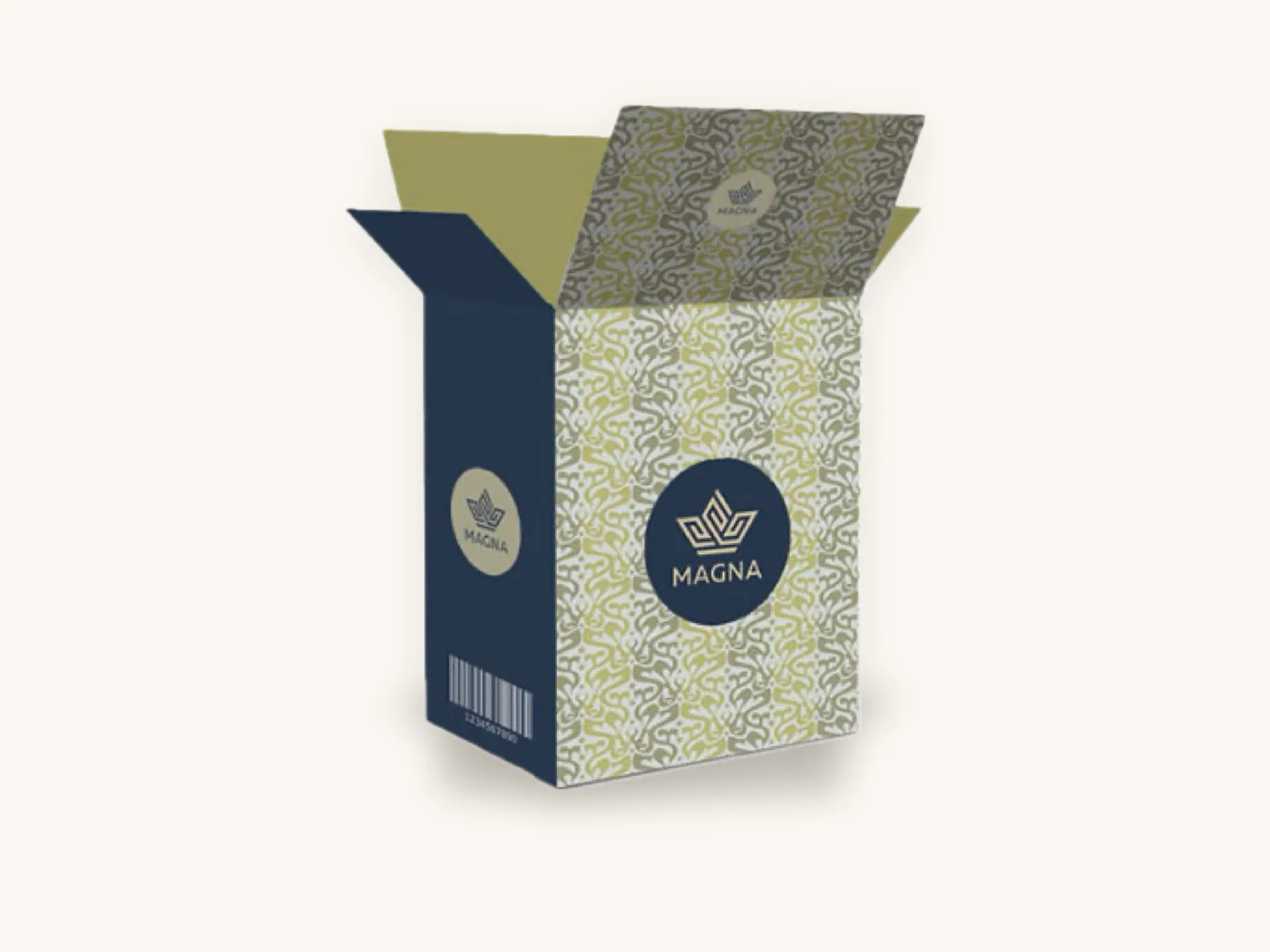
Seal end boxes are folding cartons whose top and bottom flaps are glued shut instead of tucked in. The carton ships flat with its side seam already glued, gets squared up and filled, and then both ends are sealed with adhesive, usually on an automated cartoning machine. The result is a closed box that cannot be opened and reclosed without leaving evidence, which is why cereal, crackers, pharmaceuticals and many household products use the format.
A seal end carton beats a tuck end box in three situations: when you pack at speed on a machine, when the contents are loose or heavy enough to push a tuck flap open, and when the customer needs to see that nobody opened the box before them. When none of those apply, a tuck end is usually simpler. This guide explains the tradeoffs, how glued cartons run on packing lines, what tamper evidence actually involves, and how to spec a seal end box that works the first time.
Key takeaways
- A seal end carton has glued major and minor flaps at both ends, so it stays closed under the weight of loose or granular contents.
- Tuck end boxes close by friction and can be reopened cleanly; seal ends trade that reclosability for security and strength.
- Seal end cartons are built for automated cartoners, which erect, fill and glue them. Machine-run cartons need consistent board, accurate flat dimensions and glue areas kept free of coating.
- A glued end with a perforated tear strip or zip opening makes a practical tamper evident carton; FDA rules require tamper-evident packaging for most OTC drug products.
- Seal ends can be closed by hand with hot melt or glue dots for short runs, so you do not need a machine to start.
- Box Sense makes seal end boxes from 10 units, with no die or plate charges and standard production of 8–12 business days after proof approval.
What a seal end carton is
Picture a cereal box. The body is a rectangular tube formed from one sheet of paperboard, closed along one vertical edge by a glued side seam. Each end has four flaps: two small minor flaps (sometimes called dust flaps) that fold in first, and two large major flaps that fold over them and overlap. On a seal end carton, adhesive is applied between the major flaps, and between the majors and the minors, so the whole end becomes one bonded panel.
That construction has two consequences. First, the end is structurally continuous; weight pressing down on the bottom is carried by four glued flaps, not held by friction. Second, opening the carton requires tearing or peeling a bond, so the box cannot be returned to its original state.
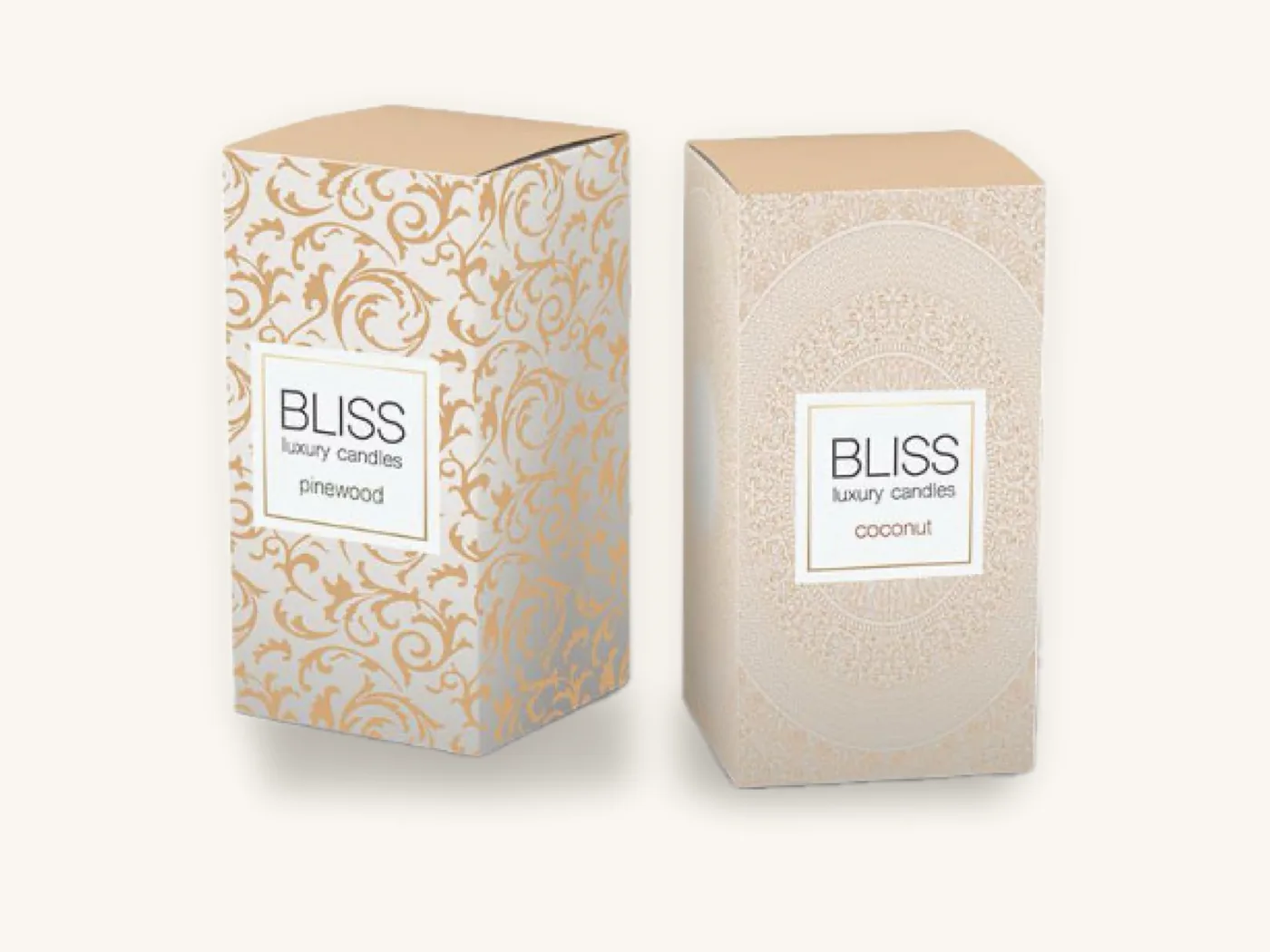
Variations on the basic seal end
- Full overlap seal end: the major flaps overlap almost completely, which gives the strongest end and a large printable surface. Common on heavy dry food.
- Standard seal end: major flaps meet or overlap slightly. The general-purpose version.
- Seal end with tear strip: a perforated band on one end or across a panel gives a clean, obvious opening.
- Seal end with pour spout or reclosable tuck: one end is glued for security, the other has a perforated spout or a tuck flap for reuse.
Seal end vs tuck end vs auto-lock bottom
Seal end boxes are one of three common closures for rectangular folding cartons. Here is how they compare. For a closer look at the other two, see the tuck end boxes guide and the auto lock bottom boxes guide.
| Factor | Seal end | Straight or reverse tuck end | Auto-lock bottom with tuck top |
|---|---|---|---|
| How it closes | Glued flaps at both ends | Tuck flaps held by friction and slit locks | Pre-glued bottom locks when opened; tuck top |
| Reclosable | No, unless one end has a tuck or spout | Yes | Top yes, bottom no |
| Tamper evidence | Built in | Needs a label or seal added | Top needs a label or seal |
| Handles loose or granular fill | Very well | Poorly; flaps push open | Well at the bottom |
| Handles weight | Well | Light products only | Well |
| Packing method | Best on automated cartoners; possible by hand with glue | Hand or machine | Mostly hand packing |
| Assembly effort by hand | Higher; needs adhesive | Lowest | Low |
| Typical products | Cereal, crackers, pharma, detergent, frozen food | Cosmetics, supplements, small retail goods | Candles, bottles, heavier retail items |
When glued cartons beat tuck ends
Choose a seal end carton when:
- You pack on a cartoner. Machines are built to glue ends at speed, and a glued end never pops open on a conveyor.
- The product is loose. Cereal, rice, powders, pet treats and granular products slide against the end flaps; a tuck flap eventually gives way.
- The box is stacked or shipped in cases. A bonded end resists bulging when cartons are palletized.
- Customers need to trust the seal. Medicines, supplements and food buyers expect to be the first person to open the box.
- Pilferage is a concern. A shopper cannot slip a product out of a sealed carton without obvious damage.
When a tuck end is still the better choice
Stay with a straight tuck end box or a reverse tuck end box when you pack by hand in modest volumes, the product is a single solid item like a bottle or jar, customers will open and reclose the box repeatedly, or you want to present the product at the point of sale. A tamper-evident sticker on a tuck flap gives light security without adhesive on the line.
How seal end cartons run on packing lines
The seal end format exists because of cartoning machines. Understanding the process helps you give your supplier the specs a machine needs, and avoid cartons that jam.
The cartoning sequence
- Magazine feed. Flat cartons, side seam already glued, are stacked in a magazine.
- Erecting. Suction cups pull one carton and pop it open into a square tube.
- Bottom closing, on vertical machines. Minor and major flaps fold and are glued, so the carton can be filled from the top. Loose products like cereal or powder often run this way.
- Loading. On horizontal machines, the product or an inner bag is pushed into the open tube from the side. On vertical machines, product drops in from above.
- Top or end closing. Flaps fold, hot melt or cold glue is applied to the flap overlaps, and the flaps close.
- Compression. Rails or belts hold the ends under pressure while the glue sets.
- Coding and inspection. A printer adds lot and expiry codes, and sensors check for open flaps or missing product.
- Case packing. Finished cartons go into shipping cases.
What a machine-run carton needs
Automated lines are far less forgiving than packing by hand. A carton that is slightly out of square or a little too stiff can cause misfeeds and downtime. When ordering for a cartoner, share the machine make and model or its carton specification sheet, and expect your supplier to confirm:
- Flat carton dimensions and tolerances that match the machine's magazine and erecting settings.
- Consistent board caliper across the run, since thickness variation changes how cartons feed and fold.
- Pre-broken creases, where the side seam folds are flexed at the factory so cartons open easily.
- Grain direction running the right way for the folds.
- Glue areas free of lamination, varnish or heavy ink, so hot melt bonds reliably.
- A clean coding area, left uncoated, where the inkjet can print lot and expiry codes that do not smear.
Watch out: a matte or soft-touch lamination that runs over the glue flaps can make hot melt peel off after a few days, especially in warm warehouses. Glue areas must be knocked out on the dieline. If you change finishes between orders, ask for the glue zones to be checked again.
Tamper evident cartons: what glued ends do and do not provide
A tamper evident carton is one that shows visible evidence if it has been opened. A glued seal end provides this by default, because the flaps tear, delaminate or leave adhesive residue when pulled apart. Adding a designed opening makes the evidence clearer and the opening easier for honest customers.
Common tamper-evident features on seal end boxes
- Perforated tear strips across one end or a panel, which must be removed to open the carton.
- Zipper or zip-pull openings, a strip of perforation with a pull tab, often used for dispensing.
- Glued end flaps with fiber tear, where a strong bond pulls paper fibers when opened.
- Tamper-evident labels across a flap seam, which tear or leave a void pattern when removed.
- Inner seals on the product itself, such as a bottle induction seal, used together with the carton.
Regulatory context
In the United States, FDA regulations require tamper-evident packaging for most over-the-counter human drug products, along with a statement on the package that describes the tamper-evident feature so consumers know what to look for. Some other product categories carry similar expectations. Requirements change and depend on the exact product, so confirm current rules with the FDA or regulatory counsel before finalizing packaging.
Tamper evidence is about visibility, not prevention. A determined person can still open a carton; the goal is that the customer can tell. The broader tamper evident packaging guide covers labels, bands and seals across packaging types, and the custom labels and stickers guide explains void and destructible label options that pair well with glued cartons.

Seal end boxes for food, cereal and dry goods
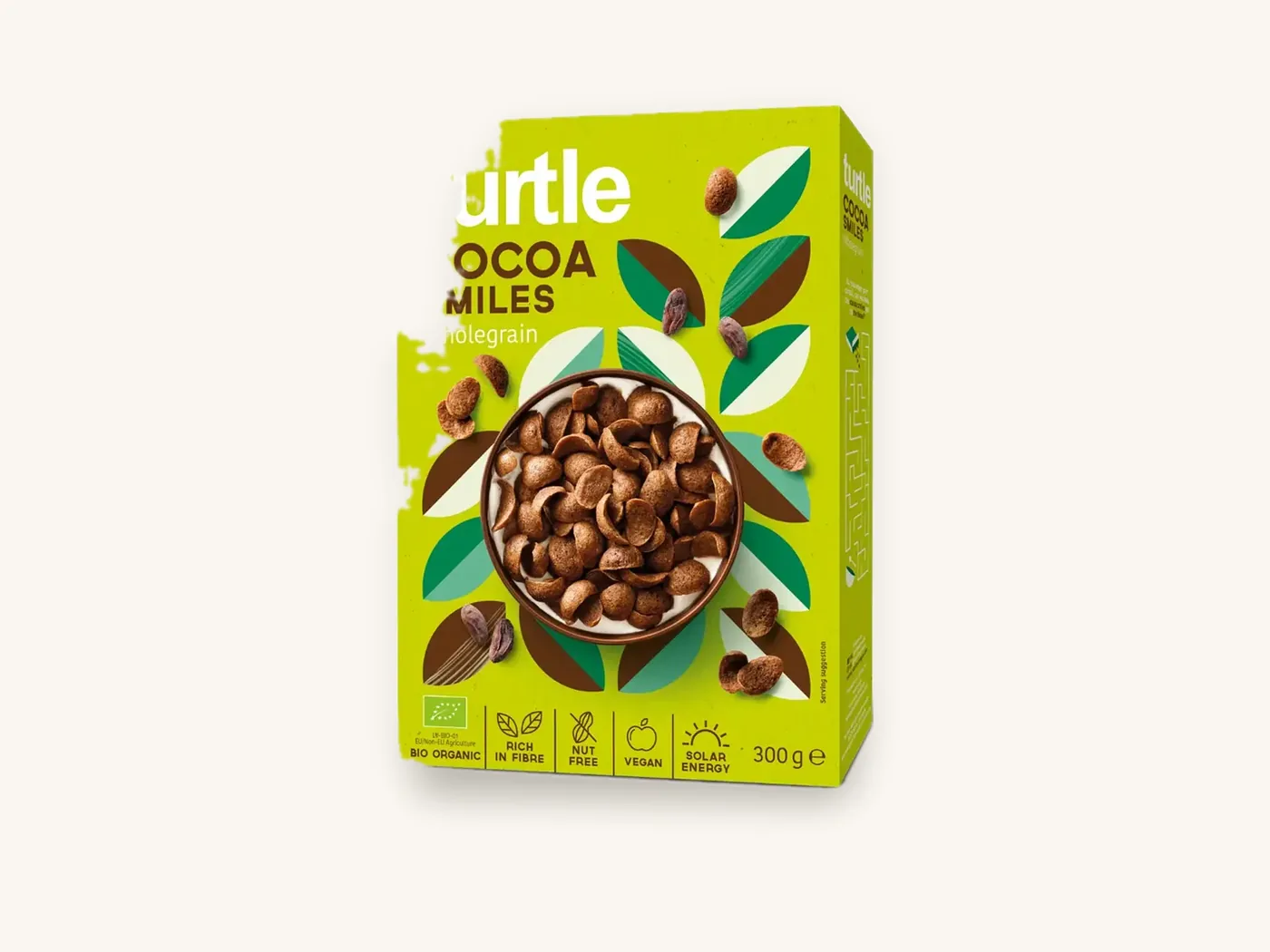
Food is the largest use for glued cartons. Dry cereal, crackers, pasta, cake mixes, frozen meals and pet food all come in seal end form because they fill loose, pack at speed and stack on pallets.
Bag-in-box and inner liners
Most dry food in a seal end carton sits in an inner bag, which provides the moisture and aroma barrier while the carton provides structure and print. For products that contact the board directly, choose a food-safe board and coating. The FDA regulates food-contact materials in the US, so confirm your board, inks and adhesives are appropriate for your product with your supplier and regulatory advisor. Cereal boxes are available with or without inner bags, and the cereal box guide covers panel layout and sizing in more depth.
Print area and required panels
A seal end carton gives you a large front panel, a back panel for recipes or story, two side panels for nutrition facts and ingredients, and two glued ends that can carry a barcode or brand repeat. Plan the nutrition and ingredient panels early; they need a flat, uninterrupted area and legible type. The food and beverage packaging page shows related formats.
Seal end cartons for pharma, supplements and health products
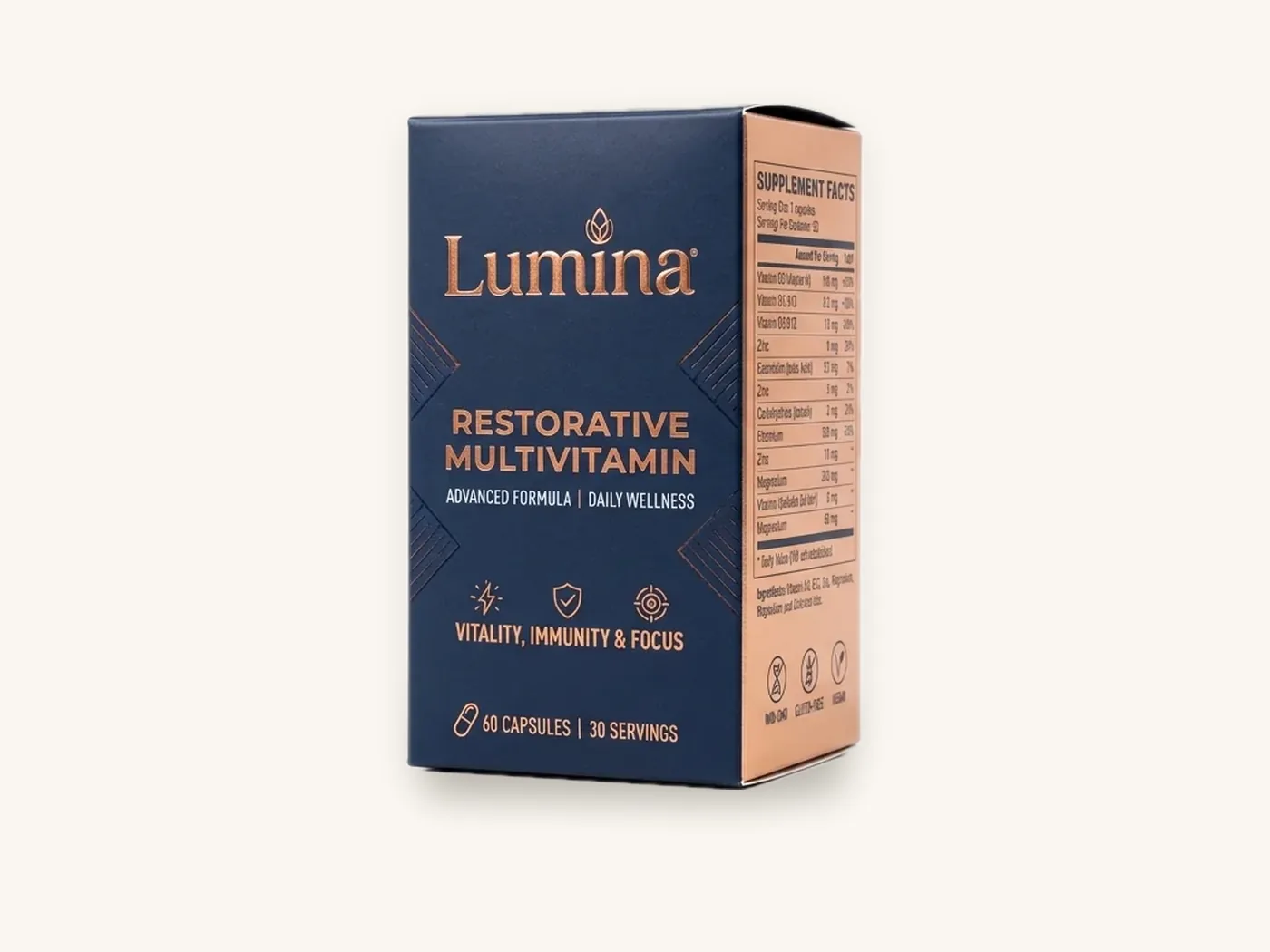
Pharmaceutical and health cartons use seal ends for tamper evidence and for high-speed packing lines that load blister cards or bottles with leaflets.
Details that matter on health cartons
- Coding panel. Leave an uncoated area for lot number and expiry date printed on the line.
- Leaflet space. Size the carton for the product plus a folded information leaflet.
- Braille. Medicines sold in the EU and UK generally need the product name in Braille on the carton; this requires raised embossing on a clear panel, so plan it into the dieline.
- Serialization. Some markets require unique codes on medicine cartons; leave space for a 2D code if needed.
- Label changes. If regulatory copy may change between runs, a printed label on a blank panel avoids reprinting whole cartons.
Medicine boxes and supplement boxes can be built as seal end cartons, and the pharma and healthcare packaging page covers related options.
Hand-sealing seal end boxes without a machine
A cartoner is not a requirement. Small brands and short runs can close seal end cartons by hand, and many start that way before moving to a co-packer.
Options for closing by hand
- Hot melt glue gun. Fast bond, strong fiber tear, the closest match to a machine seal. Practice keeps beads consistent.
- Glue dots or adhesive strips. Clean, no heat, good for short runs and light products.
- Double-sided tape. Quick and tidy; less tamper evident than glue because it can sometimes be peeled.
- Hybrid carton. Glue only the bottom at your bench and use a tuck top, or order the carton with a pre-glued end so you only seal one end.
Hand-sealing checklist
- Square the carton fully before folding the flaps.
- Fold minor flaps first, then the inner major flap.
- Apply adhesive to the inner major flap and to the edges of the minors where the outer major will land.
- Close the outer major flap and press evenly along the full width.
- Hold pressure for a few seconds, or stack cartons under light weight while the glue sets.
- Check a sample by pulling the flap; you want paper fiber to tear, not the glue to peel cleanly.
Specifying board and finishes for glued cartons
Glued cartons use the same boards as other folding cartons, but the application changes the ideal spec.
| Application | Suggested board | Finish notes |
|---|---|---|
| Dry food with inner bag | 18–24 pt SBS or recycled board | Aqueous coating; knock out glue areas |
| Heavy dry goods or pet food | 24 pt SBS | Aqueous or gloss varnish; full overlap ends |
| Pharma and OTC | 16–18 pt SBS | Uncoated coding panel; Braille if required |
| Supplements and wellness | 18 pt SBS or kraft | Matte or gloss lamination kept off glue flaps |
| Natural or eco positioning | 18 pt kraft paperboard | Aqueous coating, soy or water-based inks |
SBS paperboard gives the brightest print and is the usual choice for pharma and food. Kraft paperboard suits natural and minimal brands. FSC-certified boards, soy or water-based inks and aqueous coatings are available across the folding cartons range.
What seal end boxes cost
A seal end carton uses about the same board as a tuck end of the same size, sometimes slightly less because it has no long tuck flaps. Its cost differs mainly in gluing and in the tighter tolerances machine-run cartons require.
As a reference for a small printed carton, a straight tuck end carton in 18 pt SBS at 3x2x5 in, full color with aqueous coating, is about $1.15 each at 100 units, about $0.61 at 500, about $0.51 at 1,000 and about $0.36 at 5,000. A seal end carton of similar size and print will be in the same general range, adjusted for size, board, tear strips and finish. Enter your spec in the instant estimator for your figure.
Costs rise with larger sizes, thicker board, tear strips and zip openings, window film, lamination and foil. Tooling applies only to foil, embossing, spot UV or custom inserts, never to the die itself.
How to order seal end boxes from Box Sense
What to send
- Internal carton dimensions and the product or inner bag size
- Fill type and weight: solid item, bagged, loose or granular
- Packing method: by hand or on a cartoner, with the machine specification sheet if you have one
- Tamper-evident features: tear strip, zip, label or none
- Required panels: nutrition, drug facts, coding area, Braille, barcode
- Board, print coverage and finishes
- Quantities to compare and target delivery date
- Artwork, or a request for help from our design services team
From quote to delivery
- Quote confirmed within 24 hours.
- Free dieline and 3D proof, with glue areas and coding panel marked, and two revision rounds.
- Free unprinted structural samples, useful for trial runs on a cartoner; a printed sample of approved artwork is free on orders of 100 or more. See samples.
- Production in 8–12 business days after proof approval as standard, with rush in 5 business days on most paperboard styles.
- Free shipping on every US order; international shipping quoted at cost.
The minimum order is 10 boxes, with no die or plate charges, and defective boxes reported within 14 days are reprinted free. See the seal end boxes product page for standard builds.
Cartons packed into cases need an outer shipper sized to the case count; the custom shipping boxes guide covers that, and the custom mailer boxes guide covers direct-to-consumer shipping. If your product hangs on a peg rather than sitting on a shelf, the hang tab boxes guide is the better starting point, and for shaped structures see the die cut boxes guide.
Frequently asked questions
What is a seal end box?
A seal end box is a folding paperboard carton whose end flaps are glued closed rather than tucked in. It ships flat with the side seam glued, is squared and filled, and then both ends are sealed with adhesive, usually on a cartoning machine. The format is common for cereal, crackers, pharmaceuticals, supplements and household goods because it is strong, fast to pack and tamper evident.
What is the difference between a seal end and a tuck end carton?
A tuck end carton closes with flaps that tuck into the box and hold by friction, so it can be opened and reclosed. A seal end carton glues its flaps shut, so it cannot be reopened without visible damage. Seal ends handle loose contents, weight and machine packing better; tuck ends are easier to pack by hand and suit products customers open repeatedly.
Are seal end cartons tamper evident?
Yes, by design. Because the end flaps are glued, opening the carton tears paper fibers or breaks the bond, leaving visible evidence. Adding a perforated tear strip, a zip opening or a tamper-evident label across the seam makes that evidence clearer. For regulated products such as OTC drugs, confirm the specific tamper-evident and labeling requirements with the FDA or your regulatory advisor.
Do I need a machine to close seal end boxes?
No. Seal end boxes can be closed by hand with a hot melt glue gun, glue dots or double-sided tape, which works well for short runs and new products. Hot melt gives the closest result to a machine seal. As volumes grow, brands often move to a co-packer with a cartoning machine, and the same carton design can usually carry over.
Why do cereal boxes use seal ends?
Cereal is a loose product that presses against the carton ends, and cereal boxes are filled at high speed, stacked on pallets and handled heavily in stores. Glued ends stay closed under that weight, run reliably on automated cartoners and show if a box has been opened. The inner bag keeps the cereal fresh while the carton provides structure and print area.
Can a seal end box be reclosable?
A standard seal end box is not reclosable, but hybrid designs are common. One end can be glued for security while the other uses a tuck flap, or a perforated pour spout or zip strip can be added so the carton opens cleanly and stays usable. These options keep tamper evidence on first opening while giving customers a practical way to store the product.
How much do seal end boxes cost?
Seal end boxes cost about the same as tuck end cartons of similar size and print, with differences for board grade, tear strips, finishes and tolerances for machine running. For reference, an 18 pt SBS straight tuck end carton at 3x2x5 in with full color and aqueous coating is about $0.51 each at 1,000 units. Use the pricing estimator for your exact spec.
Next steps
Decide whether you will seal by hand or on a machine, list the tamper-evident features and required panels, and measure your product or inner bag. Then get a baseline from the seal end box price estimator and request a seal end carton quote. We will confirm pricing within 24 hours and mark glue areas and coding panels on your dieline.
Boxes in this guide
Order the packaging we covered
Written by the Box Sense Packaging Team
Our structural designers, prepress technicians and production staff print and convert custom boxes every day for brands in the United States, United Kingdom and UAE. Questions about this guide? Talk to us.