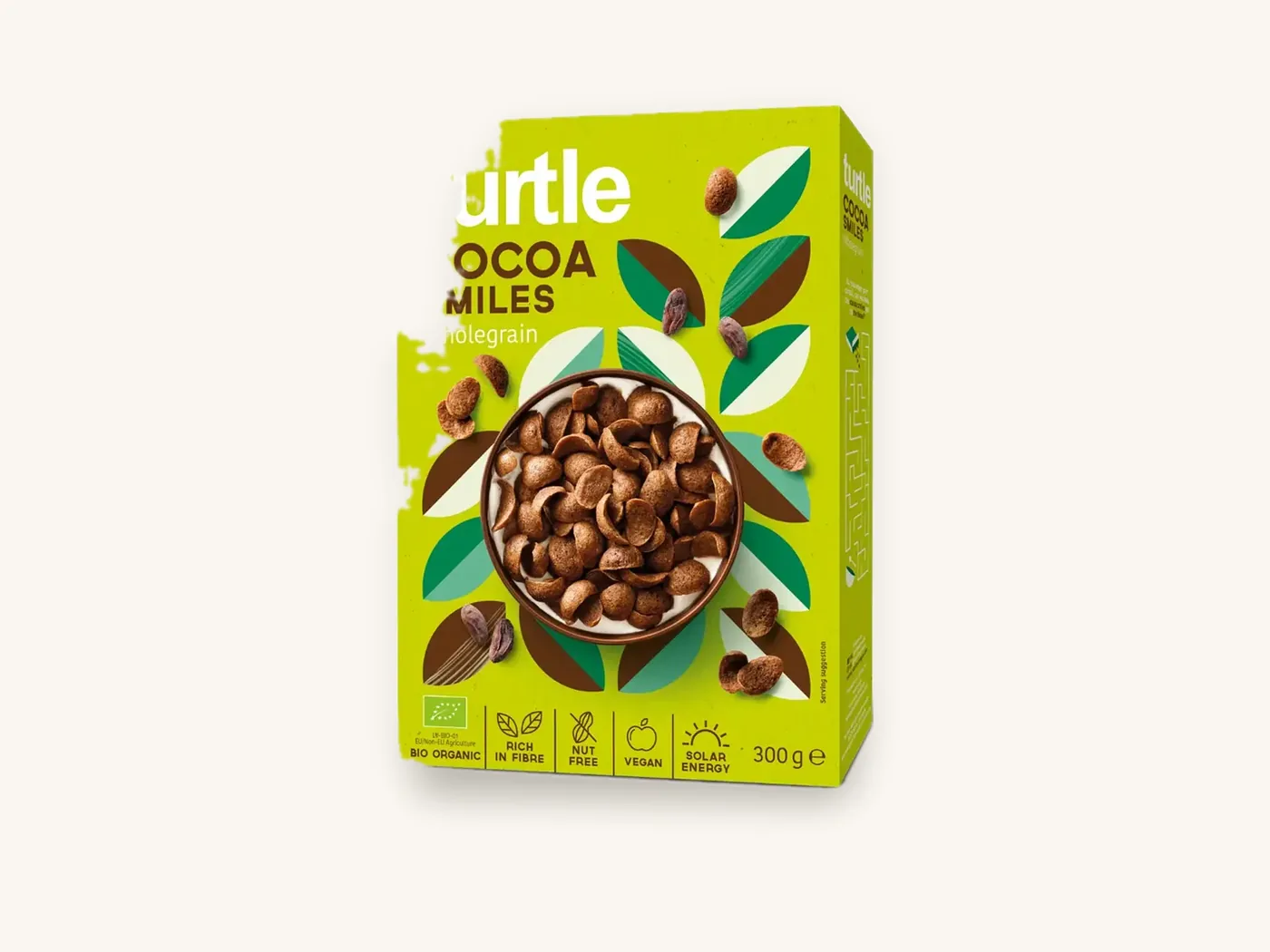
Custom cereal boxes are printed paperboard folding cartons, usually glued seal end cartons, that hold a sealed inner liner bag of cereal. The carton provides structure, stacking strength and a large billboard for the shelf; the liner keeps the cereal crisp. Neither works well alone, so plan them together.
If you are launching a granola, muesli, puffed grain or kids' cereal brand, the key decisions are the closure style (seal end for machine filling, tuck end for hand filling), the board and caliper, the liner, the carton size relative to fill weight and settling, and a front panel that wins attention in a crowded aisle. This guide covers each in the order you will actually make them, with practical numbers and the labeling basics that shape cereal box design.
Key takeaways
- A cereal box is two packages: a printed paperboard carton for structure and branding, and a sealed liner for freshness. Specify both.
- Seal end cartons glue shut and suit automated or semi-automated lines; tuck end cartons close by hand and suit small-batch brands filling in-house.
- Board around 18 to 24 pt suits most cereal cartons; taller, heavier family sizes sit at the thicker end of that range.
- Size the carton for fill after settling, not just fill weight. Test with real product shaken down, and understand the FDA's rules on nonfunctional slack-fill.
- Cereal box design is a hierarchy problem: brand, product name and flavor must read from several feet away, with the net quantity statement in the lower portion of the front panel.
- Box Sense makes custom cereal boxes from 10 units, with free dielines and 3D proofs and standard production of 8–12 business days after proof approval.
How a cereal carton is built
Understanding the structure makes it easier to read a dieline and talk to a co-packer.
The body
A cereal carton is a four-panel tube: a large front panel, a matching back panel and two narrow side panels. A glue flap along one edge joins the tube during manufacturing, so the carton ships to you pre-glued and flat. The front and back are the main print areas, and the side panels usually carry nutrition and ingredient information.
The ends
Each end has a set of flaps. On a seal end carton, the major flaps are glued over the minor flaps, forming a closed, tamper-evident end. On a tuck end carton, one flap tucks into the body instead of being glued, so the carton can be closed by hand and reopened.
Opening and reclosing features
Many cereal cartons use a glued top with a perforated or scored opening area and a reclose tab that tucks into a slot. This gives the customer the tamper evidence of a glued end and the convenience of a tuck closure after opening. A tear strip or a perforated pour spout are other options.
The cereal boxes product page shows standard cereal carton styles, and the folding cartons style page shows the broader family they belong to.
Seal end or tuck end: choose by how you fill
The biggest structural decision depends less on the cereal and more on how the cartons will be filled and closed.
| Factor | Seal end carton | Tuck end carton |
|---|---|---|
| How it closes | Flaps glued shut, usually with hot melt adhesive | Flap tucks into the body by hand |
| Filling method | Automated or semi-automated cartoning line, or a co-packer | Hand filling at a commercial kitchen or small facility |
| Tamper evidence | Built in; the customer must break the seal | Needs a sticker, shrink band or seal label |
| Reclosing | Via a perforated opening and reclose tab | Built in; the tuck reopens and closes |
| Speed at volume | Fast on a line | Slow at volume, fine for small batches |
| Best for | Established brands, retail distribution, co-packed products | Launches, farmers markets, specialty granola, gift sets |
When seal end makes sense
Choose seal end cartons if your cereal is filled by a co-packer or on a cartoning machine. Line equipment is set up around specific carton dimensions, board caliper and glue flap positions, so get the co-packer's machine specifications before finalizing the dieline. Our seal end boxes guide goes deeper into glue patterns and machine tolerances, and the seal end boxes page shows the style.
When tuck end makes sense
Choose tuck end cartons if you fill by hand. They close without glue, and staff can pack a few hundred per shift without equipment. Add a round seal sticker or a printed tamper-evident label across the top tuck. The tuck end boxes guide compares straight and reverse tuck layouts.
A common growth path
Many small cereal and granola brands start with tuck end cartons filled by hand, then switch to seal end cartons when they move to a co-packer. Keeping the same carton footprint and artwork layout across the switch makes it much easier to transition without reshooting product photography or rebuilding the design.
Board and caliper for cereal box packaging
Board choice sets print quality, stacking strength and the look of the carton on shelf. Caliper is measured in points, where 1 pt equals 0.001 in.
| Carton size and use | Typical caliper | Notes |
|---|---|---|
| Single-serve and sample cartons | about 14 to 16 pt | Light contents, small panels |
| Standard retail cartons, roughly 8 to 14 oz | about 18 pt | The most common range for small brands |
| Family and club sizes, 18 oz and up | about 20 to 24 pt | Taller panels need more stiffness to avoid bulging |
| Cartons shipped direct to consumers | about 20 to 24 pt, or a corrugated shipper | Parcel handling is harder on thin board |
These are starting ranges. Density and height matter as much as weight: a tall, light puffed cereal can bulge the front panel more than a short, dense granola of the same weight. The paperboard thickness guide explains how caliper affects stiffness.
Board types
- [SBS paperboard](/materials/sbs-paperboard): bright white through the sheet, with the smoothest print surface and the sharpest color. The natural choice for vivid, photographic cereal box design.
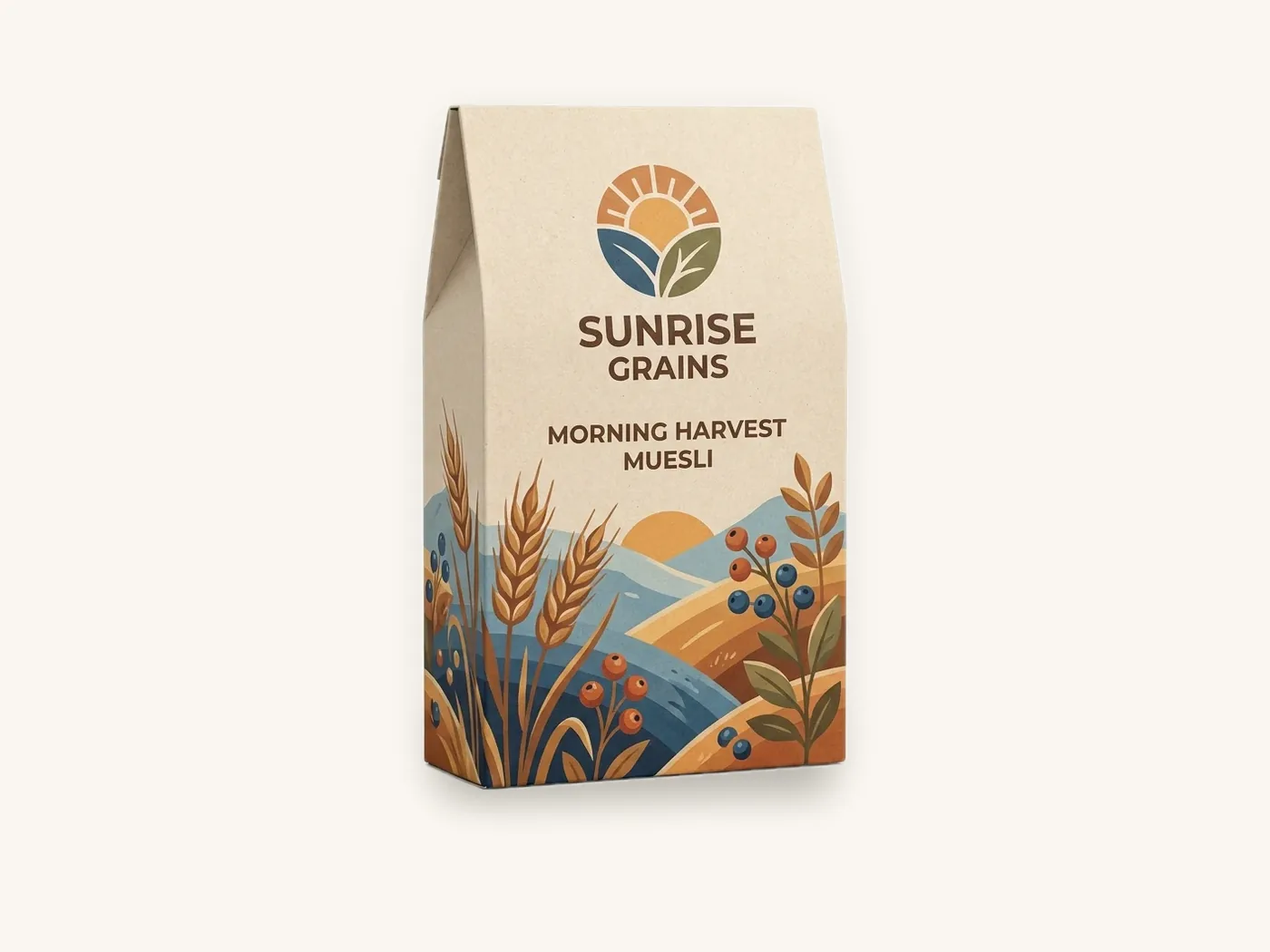
- [Kraft paperboard](/materials/kraft-paperboard): natural brown, suits organic, ancient-grain and minimalist brands, typically printed with one or two strong colors or white ink.
- Coated recycled boards: many mass-market cereal cartons use recycled board with a white coated top surface, which is cost-effective at very large volumes. The gray interior is visible when the box is opened.
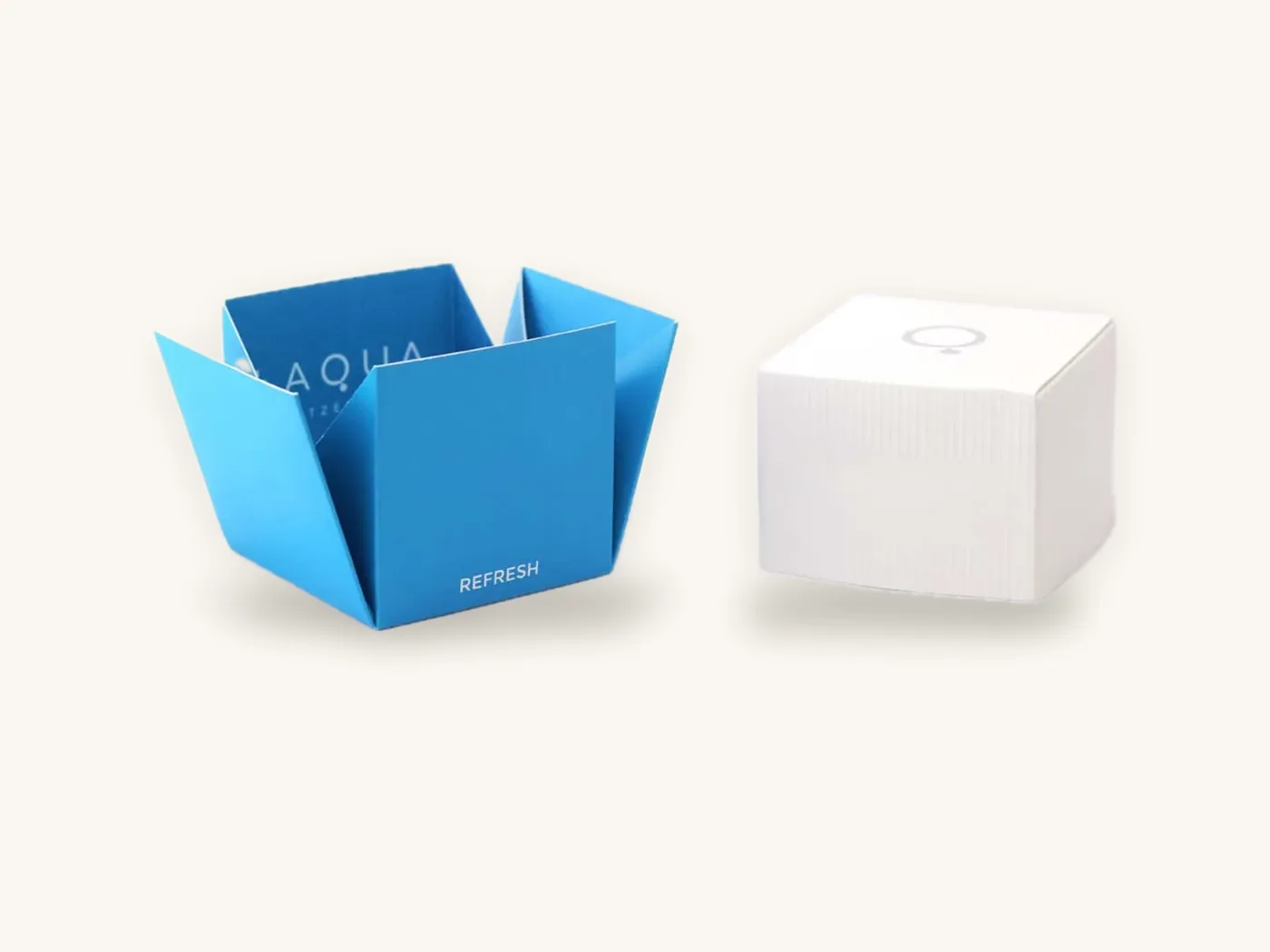
Watch out: if a cartoning machine will form your boxes, do not change board caliper without telling the co-packer. Even a small caliper change can affect how the carton opens, feeds and folds on the line.
Inner liners and freshness
Paperboard is porous. It slows moisture and oxygen very little, so a cereal carton without a liner lets crisp cereal go stale quickly, especially in humid climates. The liner does the freshness work.
Liner options
- Bag-in-box: a pre-made sealed bag of cereal is placed into the carton. Simple for hand-filling and small batches.
- Formed liner: on larger lines, the liner is formed, filled and sealed by machine, then inserted into the carton in one sequence.
- Liner materials: plastic films such as HDPE are common because they balance moisture barrier, sealability and cost. Paper-based and glassine-style liners are used by some brands seeking lower plastic content, but barrier performance varies, so test shelf life before switching.
Liner and carton fit
The liner should drop into the carton without forcing, and the top seal should sit below the carton opening so it does not get caught when the flaps close. Leave about 1/4 to 1/2 in between the top of the sealed liner and the inside of the top flaps.
Box Sense produces the printed carton; liners are typically sourced from a flexible packaging supplier or provided by your co-packer. Share the liner dimensions with us so the carton is sized correctly. If you are considering a pouch-only format instead of a carton, stand-up pouches are an alternative for granola and muesli.
Sizing custom cereal boxes for fill and settling
Cereal settles. Flakes, puffs and clusters pack down during shipping and handling, so a carton that looks full on the filling line may look partly empty when the customer opens it.
Understanding slack-fill
The FDA treats nonfunctional slack-fill, meaning empty space in a package that serves no legitimate purpose, as misleading. Settling during shipping and handling is one of the recognized functional reasons for some headspace, as is protecting the product. The practical takeaway: size the carton so headspace is explainable, and do not choose a bigger box just to look larger on shelf. Review the FDA's regulations or talk to counsel for your specific product.
Step-by-step carton sizing process
- Define the fill weight you want to sell, such as 10 oz or 14 oz.
- Measure the settled volume. Fill a clear container with that weight, tap and shake it for a minute to simulate shipping, and measure the settled height.
- Choose a footprint that suits shelving and your brand. Taller, wider front panels give more billboard; deeper, narrower cartons are more stable.
- Calculate the height from the settled volume and footprint, then add headspace for the liner seal and a little settling tolerance.
- Account for the liner. Add its thickness and seal area to the internal dimensions.
- Check shelf and case constraints. Retail shelf heights and shipping case dimensions often cap carton height.
- Order structural samples and fill them with real product in real liners. Ship a case to yourself and inspect the fill level after it arrives.
- Adjust before printing. A small height change at this stage is free; after printing, it is a new run.
A worked example
Say you sell a 12 oz granola that settles to about 115 cubic inches. A carton with an internal footprint of 7.5 x 2.5 in gives about 18.75 square inches, so 115 cubic inches needs about 6.1 in of settled height. Adding about 0.5 in for the liner seal and headspace suggests an internal height of roughly 6.6 in. A structural sample confirms whether the liner fits and the fill looks right.
Cereal box design that wins the aisle
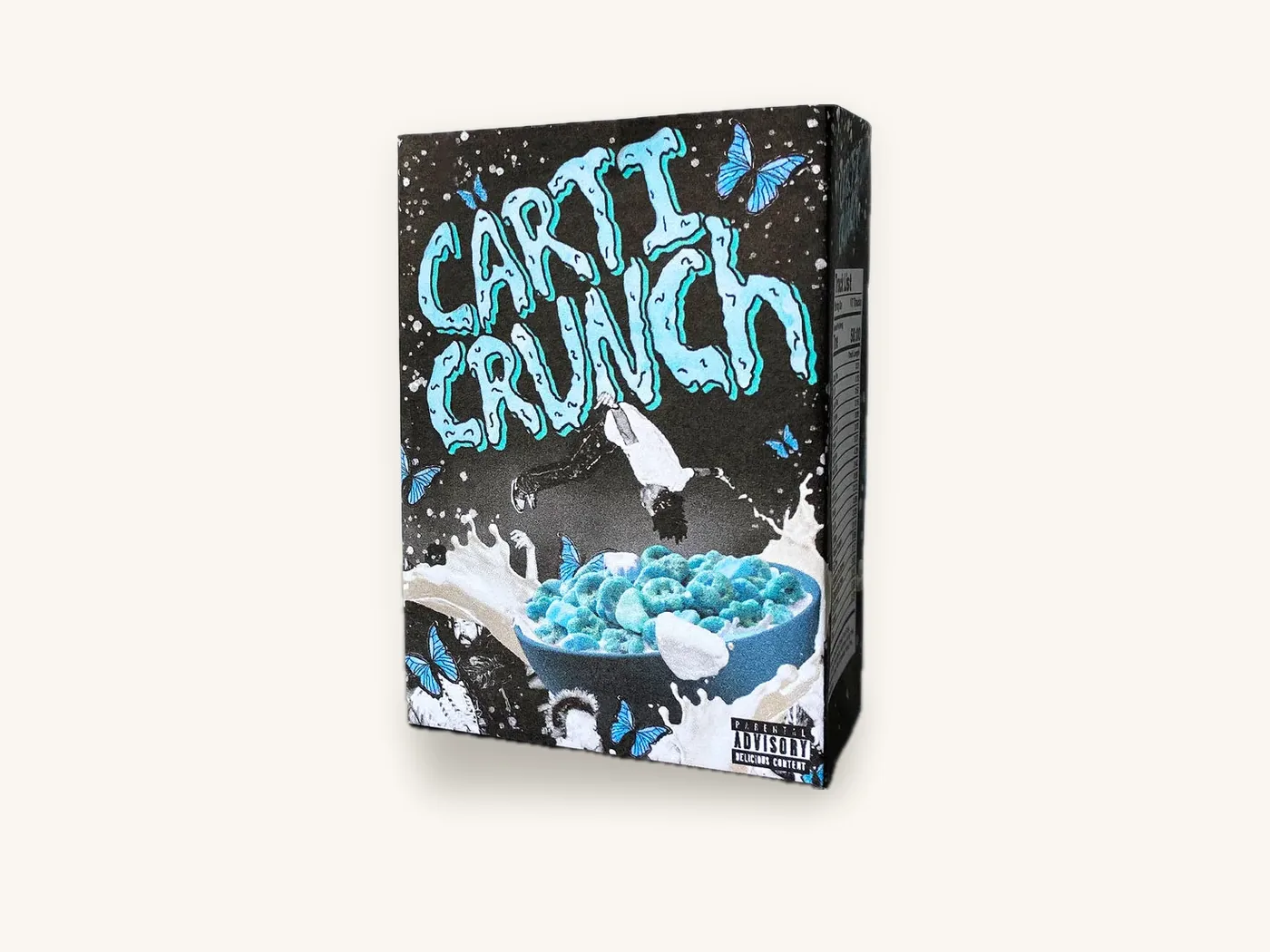
A cereal shelf is one of the most crowded places in a grocery store. Shoppers scan from a distance, then pick up a carton to read the side panel. Design for both moments.
Front panel hierarchy
- Brand name: readable from about 6 to 10 feet.
- Product name and flavor: the second thing a shopper reads, often color-coded across the range.
- Product image: a clear photo or illustration of the cereal. If the image shows fruit or milk not included in the box, many brands add a "serving suggestion" note to avoid misleading shoppers.
- Key benefit: one or two short claims, such as protein content or grain type, if they are accurate and substantiated.
- Net quantity statement: placed in the lower portion of the front panel.
Required label elements
Packaged cereal typically needs a statement of identity, net quantity of contents, Nutrition Facts, ingredient list, allergen declaration and the name and place of business of the manufacturer, packer or distributor. FDA rules place the net quantity statement in the bottom 30% of the principal display panel, generally parallel to the base. Nutrient content claims such as "high fiber" have specific definitions. Our FDA food labeling guide covers placement, and you should confirm details with the FDA or a labeling consultant.
Back and side panels
The back panel offers a large, relatively uncluttered area for your brand story, recipes, activities or a QR code linking to recipes or a subscription. The side panels usually carry Nutrition Facts and ingredients. Keep text off glue flaps and fold lines, and keep a clear area for the UPC barcode. The UPC barcodes guide covers size and quiet-zone requirements.
Designing a range
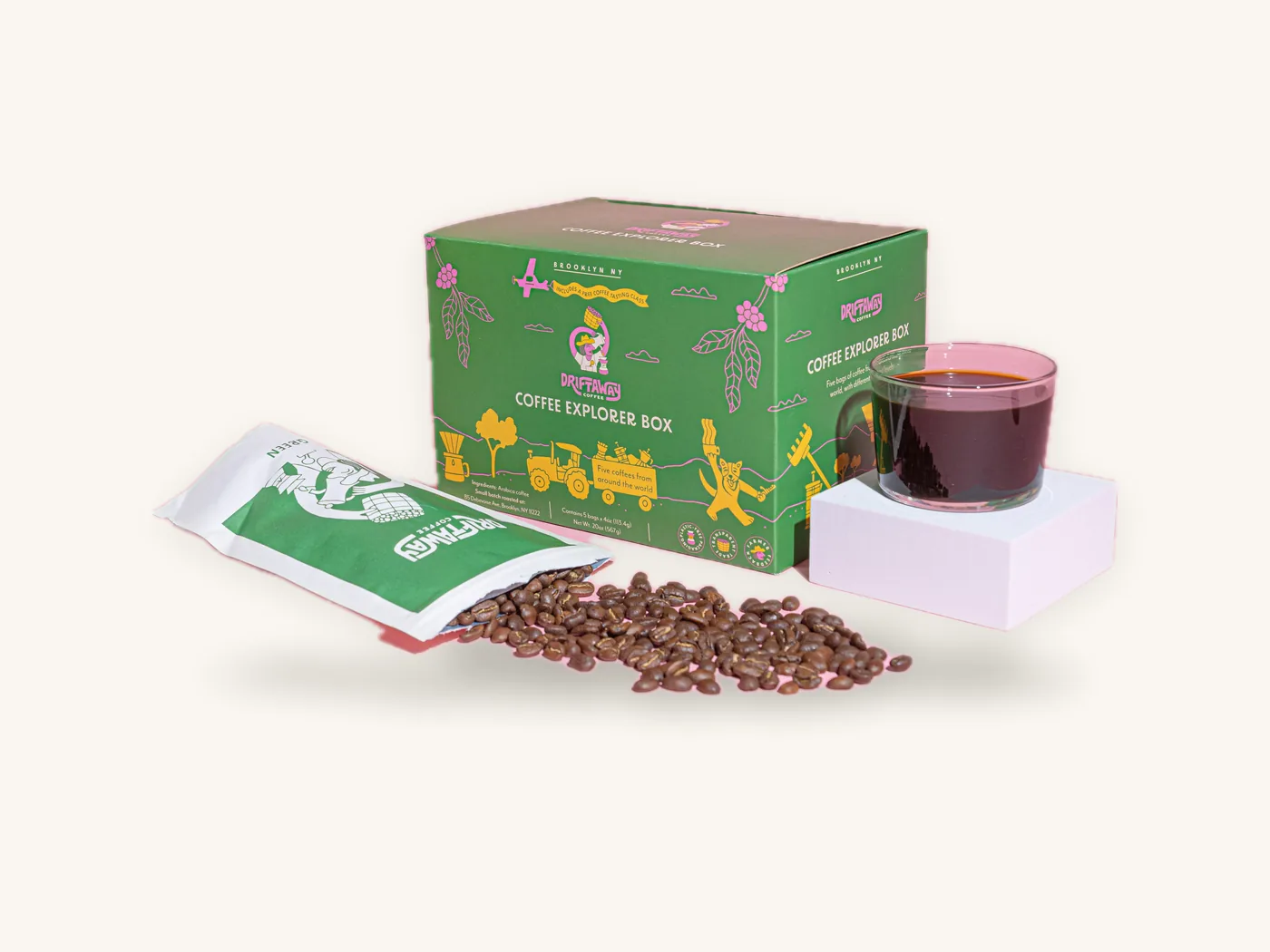
If you sell several flavors, keep the layout, typography and brand block identical and change a dominant color and the product image. When several cartons sit side by side, a consistent layout creates a brand block that is easier to find than any single box.
Tip: print a full-size proof, tape it to a real carton and stand it on a shelf next to competing boxes. View it from 8 feet. If you cannot read the flavor name, enlarge it before approving artwork.
Printing and finishes for cereal cartons
Cereal cartons are printed and handled heavily, so durable, cost-effective finishes are usually the right call.
Digital or offset
For test batches, farmers markets and launch quantities of roughly 10 to 500 cartons, digital printing requires no plates, so you can print several flavors in small quantities. Larger retail runs move to offset for the lowest unit cost and the most consistent color across batches. If you are launching into retail, plan for offset once volumes justify it. The digital vs offset printing guide compares the two.
Coatings
- Aqueous coating: the practical default. It protects print from scuffing, keeps the carton recyclable and suits food packaging.
- Gloss finishes: make bright, saturated artwork pop for kids' cereals and colorful ranges.
- Matte finishes: suit premium granola and natural brands with a quieter look.
- Spot UV, foil and embossing: possible for premium or gift editions, with one-time tooling of about $40 for spot UV and about $60 each for foil or embossing. Most everyday cereal cartons skip them.
Windows
A die-cut window showing granola clusters can work for specialty brands, but it weakens the panel and exposes the liner. If you add one, keep it small and away from folds. For small granola gift boxes, an 18 pt SBS window box at 4x4x4 in, full color with aqueous coating, runs about $1.66 each at 100 units and about $0.74 at 1,000. The window boxes page shows window shapes.
What cereal box packaging costs
Cereal carton pricing depends mostly on carton size, board caliper, print coverage, finishes and quantity. Family-size cartons use far more board than single-serve sizes, so size is a major driver.
For a small-carton reference point, an 18 pt SBS straight tuck end carton at 3x2x5 in, full color with aqueous coating, runs about $1.15 each at 100 units, about $0.51 at 1,000 and about $0.36 at 5,000. That is roughly the size of a single-serve or sample carton; full retail cereal sizes cost more per unit. Use the instant price estimator with your exact dimensions.
Cost levers
- Consolidate carton sizes across flavors so they share one structure and dieline.
- Choose aqueous coating unless a premium finish clearly supports the price point.
- Print larger runs of best sellers and smaller digital runs of seasonal or test flavors.
- Right-size the carton for settled fill; oversized cartons cost more and can raise slack-fill concerns.
How to order custom cereal boxes from Box Sense
Specs to send
- Fill weight and the settled dimensions of your product in its liner
- Filling method: hand filling, semi-automated line or co-packer (with machine specs if available)
- Closure: seal end, tuck end or glued top with reclose tab
- Board preference: SBS, kraft or a recommendation, and target caliper if known
- Print: full color, number of panels, coating and any special finishes
- Number of flavors or designs, and quantities to price for each
- Delivery location and target in-hand date
- Artwork, or a request for help from our design services team
What happens next
- Quote within 24 hours for each quantity.
- Free design support: we supply the dieline, set up artwork and send a 3D digital proof, with two revision rounds.
- Samples: unprinted structural samples are free, so you can test liner fit and settled fill. A printed sample of approved artwork is free on orders of 100 or more. See samples.
- Production: standard production takes 8–12 business days after proof approval; rush in 5 business days on most paperboard styles.
- Delivery: free shipping on every US order; international shipping quoted at cost.
The minimum order is 10 boxes, with no die or plate charges. Defective boxes reported within 14 days are reprinted free. For more food categories, see the food and beverage industry page, the custom product boxes page, or the candy packaging guide if you also sell snacks.
Frequently asked questions
What material are cereal boxes made of?
Cereal boxes are made from folding carton paperboard, commonly around 18 to 24 pt. Mass-market brands often use coated recycled board, while smaller brands frequently choose SBS paperboard for bright print or kraft paperboard for a natural look. The carton holds a separate sealed liner, usually a plastic film bag, which provides the moisture barrier that keeps cereal fresh.
What is the difference between a seal end and tuck end cereal box?
A seal end cereal box has end flaps glued shut, which makes it tamper evident and suits automated filling lines and co-packers. A tuck end box closes with a flap tucked into the body, so it can be filled and closed by hand without glue. Small-batch brands often start with tuck end cartons and move to seal end when volumes grow.
Do cereal boxes need a liner?
Yes, for almost all cereals. Paperboard is porous and does little to stop moisture, so cereal in an unlined carton goes stale quickly. A sealed liner bag keeps it crisp, while the carton provides structure and branding. Hand-filled brands usually place a pre-sealed bag in the carton; larger lines form and seal the liner by machine.
How do I choose the right cereal box size?
Start with your fill weight, measure the volume the cereal occupies after shaking and settling, then pick a footprint and calculate the height. Add space for the liner seal and a little headspace. Check shelf and case limits, then fill a free structural sample with real product in its liner before printing.
What must be printed on a cereal box?
Packaged cereal typically needs a statement of identity, net quantity on the lower front panel, Nutrition Facts, ingredients, allergen information and the manufacturer or distributor name and location. Nutrient content claims have specific FDA definitions. Requirements and exemptions vary, so confirm your label with the FDA's guidance or a labeling consultant before printing.
How much do custom cereal boxes cost?
Cost depends on carton size, board caliper, print coverage, finishes and quantity. For a small reference, an 18 pt SBS tuck end carton at 3x2x5 in with full color and aqueous coating is about $1.15 each at 100 units and about $0.51 at 1,000. Full-size retail cereal cartons cost more. Use the Box Sense estimator for your size.
Can I order a small run of cereal boxes for a product launch?
Yes. Box Sense produces custom cereal boxes from 10 units, printed digitally for short runs, which suits launches, market testing, trade shows and retailer samples. You can print several flavors in small quantities and move to larger offset runs once demand is proven, keeping the same dieline and artwork layout.
Next steps
Settle your fill weight, measure settled volume, and decide whether you will fill by hand or on a line. Then enter your carton dimensions in the cereal box price estimator and request a custom cereal box quote. We will confirm pricing within 24 hours and send a dieline sized around your liner.
Boxes in this guide
Order the packaging we covered
Written by the Box Sense Packaging Team
Our structural designers, prepress technicians and production staff print and convert custom boxes every day for brands in the United States, United Kingdom and UAE. Questions about this guide? Talk to us.