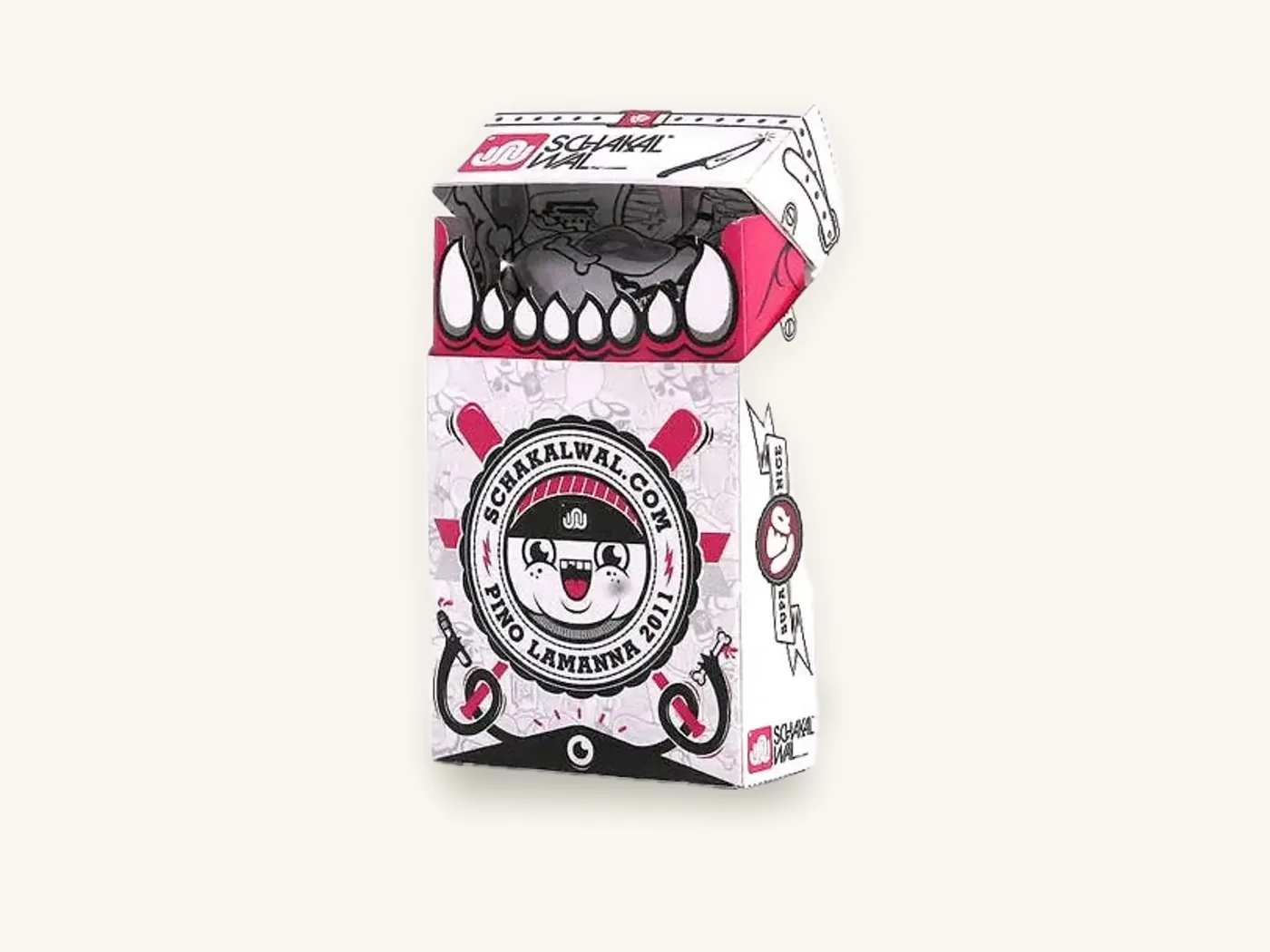
Custom cigarette boxes come in four main styles: the flip-top hard pack, the soft pack, the slide box and the sleeve. They hold the same product but differ in how they open, how well they protect the sticks, how they are filled and what they cost to make. Choosing the style first, before any artwork, saves the most time, because the style fixes the dieline, the board and the finishes that are possible.
This guide compares the four styles side by side, explains the standard sizes, and lists what a manufacturer needs from you to quote accurately. It is written for tobacco brands, private-label buyers, and makers of herbal and hemp cigarettes and pre-rolls who use the same box formats.
One note before the detail. Cigarette packaging is heavily regulated, and the rules on warnings and marketing change. Box Sense prints the warnings and text you supply, exactly as supplied. Checking that content against current law is your job or your compliance adviser's.
Key takeaways
- The flip-top hard pack is the default for a reason: it protects the sticks, recloses, and gives the most print area.
- Soft packs cost the least in material but offer little protection and need an outer film or wrap.
- Slide boxes and sleeves are presentation styles, best for premium, limited and herbal products, and for pre-rolls.
- Size is set by the stick length, the stick diameter and the count. Send those three numbers and the style, and a dieline follows.
- Board for hard packs is usually solid bleached paperboard in the 12 pt to 16 pt range; foil, embossing and matte or gloss coatings are the common finishes.
- Tell your manufacturer whether packs are filled by hand or by machine. Machine filling has tight tolerances and its own carton specification.
- The minimum order is 10 boxes at Box Sense, so you can test a design before a large run. Request a quote with your stick size and count.
The four cigarette box styles at a glance
| Style | How it opens | Protection | Typical use | Relative cost |
|---|---|---|---|---|
| Flip-top hard pack | Hinged lid lifts at the top | High | Mainstream and premium cigarettes | Medium |
| Soft pack | Tear the top foil or paper | Low | Value brands, traditional styles | Low |
| Slide box (shell and slide) | Inner tray pushes out of an outer shell | High | Premium, limited editions, pre-rolls | Medium to high |
| Sleeve | A band slides off an inner pack or tray | Depends on the inner pack | Gift packs, multi-packs, promotions | Low to medium |
The cost column compares the styles with each other at the same quantity and print. Actual prices depend on size, board, finishes and how many you order, so they are quoted per job.
Flip-top hard pack
The flip-top, also called a hinge-lid pack, is a one-piece paperboard carton with a lid that hinges at the back. An inner frame, a separate piece of board glued inside the front and sides, stands slightly above the body so the lid has something to close over. That inner frame is what gives the pack its snap shut and keeps the lid aligned.
Why most brands choose it
- Protection. The rigid walls keep sticks from being crushed in a pocket or bag.
- Reclosing. The lid closes after every use, which keeps the remaining sticks in place.
- Print area. Front, back, both sides, top and bottom are all printable, and the lid gives a natural break for a logo.
- Machine compatibility. It is the format most packing lines are built around.
What to know before you order
The inner frame adds a second piece to print or leave plain. Many brands leave it unprinted or print one flat color. The lid's front edge is small, so keep logos and fine text clear of the fold, where slight movement in cutting and creasing would show.
A flip-top is made from thin, stiff board. Solid bleached paperboard prints sharply and scores cleanly; see our SBS paperboard page for how it behaves. The paperboard thickness guide explains how point sizes compare.
Soft pack
A soft pack is a paper or thin-board wrap around a foil-lined bundle of cigarettes, with no rigid walls. The top is sealed and torn open by the smoker. It is the oldest format still in use and has a loyal following among traditional brands.
Strengths
- Low material cost. It uses the least board or paper of any style.
- Slim and flexible. It takes little pocket space.
- A distinct look. Some brands use it deliberately for a heritage feel.
Limits
- Little crush protection. Sticks bend or break more easily than in a hard pack.
- No reclosing. Once torn, the top stays open.
- Needs an outer wrap. Soft packs normally rely on a film overwrap and tear tape for freshness and tamper evidence.
- Mostly machine-made. Soft packs are formed around the bundle on a packing line, so they are less suited to hand filling.
If you are a small or new brand filling by hand, a soft pack is usually the wrong starting point. A flip-top or a slide box is easier to fill and looks finished without an overwrap.
Slide box (shell and slide)
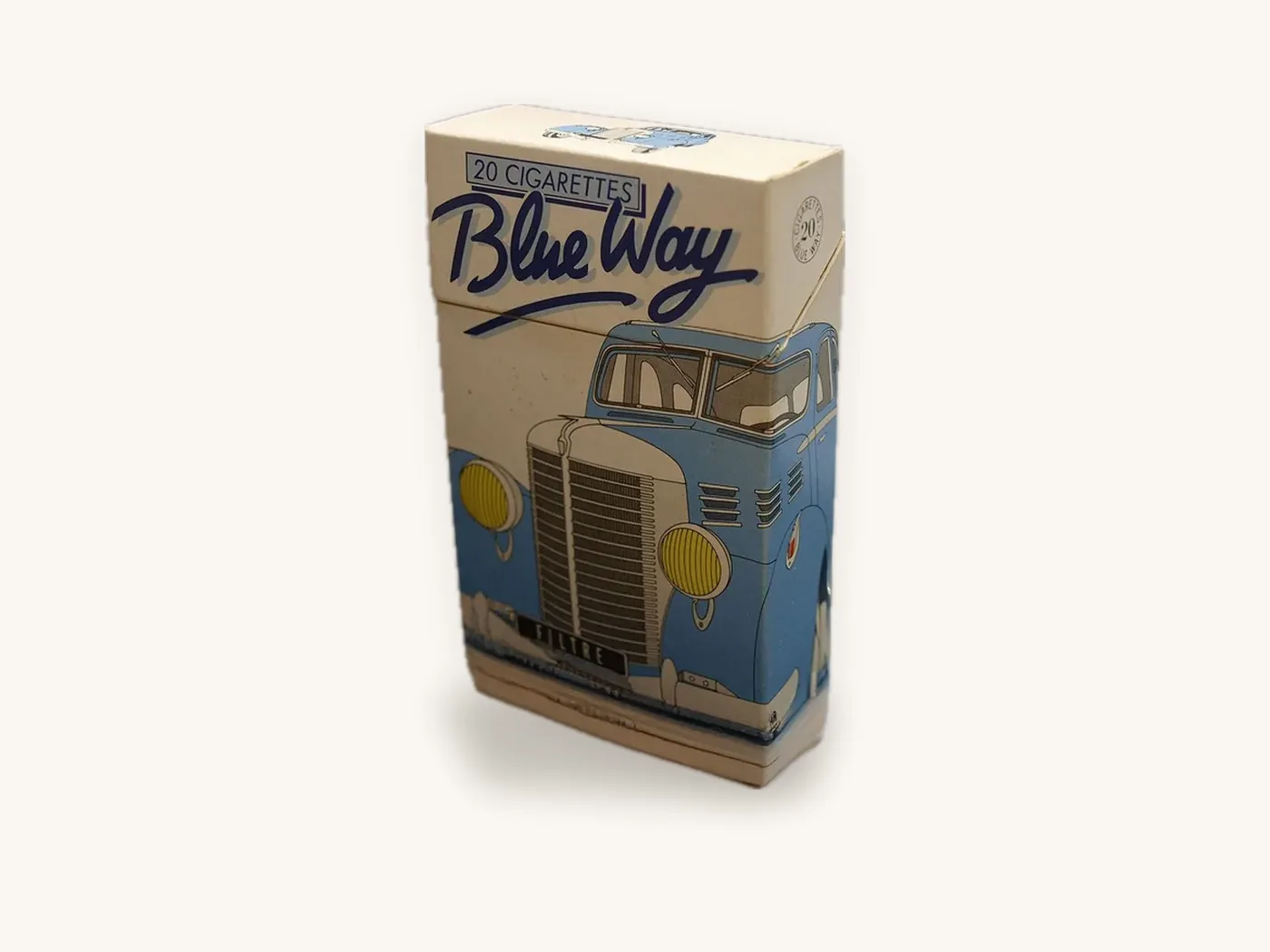
A slide box has two parts: an outer shell, open at one or both ends, and an inner tray that holds the sticks and pushes out. It is the same structure as a matchbox, scaled up. It is also called a shell-and-slide or push pack.
Strengths
- A deliberate opening. Pushing a tray out feels different from flipping a lid, and brands use that to mark a premium line.
- Good protection. Two layers of board surround the sticks.
- Two print surfaces. The shell and the tray can carry different colors, which makes for a reveal.
- Easy hand filling. The open tray is simple to load.
Limits
- More board and more assembly than a flip-top, so it usually costs more.
- Two parts to keep together. The fit between tray and shell has to be right: too loose and the tray falls out, too tight and it sticks.
Slide boxes are the most common format for pre-rolls and herbal cigarettes, where counts are lower and presentation matters more. Our pre-roll boxes page shows the usual versions, and the drawer boxes guide covers the structure in more depth.
Sleeve
A sleeve is a printed band of board that slides over something else: a plain inner pack, a tray, or a bundle of several packs. On its own it is not a complete cigarette box. It is the outer layer that carries the design.
Where a sleeve makes sense
- Multi-packs and cartons. A sleeve around two, five or ten packs makes a retail bundle.
- Promotions and limited editions. Keep a standard inner pack and change only the sleeve.
- Gift sets. A sleeve over a tray with a lighter or accessory.
Because the sleeve carries all the special print, you can order sleeves in short runs for a season or an event without changing the pack underneath. Our sleeve boxes guide explains fit and tolerances.
Standard cigarette box sizes
A cigarette box is sized from three numbers: the length of the stick, its diameter, and how many sticks go in the pack. The arrangement of the sticks, usually three rows such as 7-6-7 for a pack of 20, then sets the width and depth.
| Format | Stick length | Common count | Notes |
|---|---|---|---|
| King size | About 84 mm | 20 | The most common format worldwide |
| 100s | About 100 mm | 20 | A taller pack with the same footprint |
| Slims and super slims | 97 mm to 100 mm, narrower diameter | 20 | A narrower, often taller pack |
| Shorts or regular | About 70 mm | 20 | A shorter pack, less common |
| Small counts | Varies | 5, 10 or 12 | Used for samples, pre-rolls and herbal products |
These figures are typical, not a specification. Sticks vary by maker, and filters, tips and cones change the length. Measure your own product, or send samples, before a dieline is drawn.
Tip: send the manufacturer five to ten actual sticks or pre-rolls with your quote request. A dieline built from the real product fits better than one built from nominal sizes.
Sizing for pre-rolls and herbal cigarettes
Pre-rolls are cone-shaped, so the widest point is at the tip, not along the whole length. Size the box to the widest diameter and the full length including the twisted end. If the pre-rolls ship in tubes, size the box to the tube. The pre-roll packaging guide covers counts and inserts for these products.
Board and materials
Paperboard
Hard packs, slide boxes and sleeves are made from paperboard. Solid bleached sulfate (SBS) board is the usual choice because its white, coated surface prints fine detail and takes foil cleanly. A typical range is 12 pt to 16 pt: thick enough to hold its shape, thin enough to fold into a small pack with tight creases.
Kraft board gives a brown, natural look that suits herbal and hand-rolled products. Colors print darker on kraft, and white needs its own ink layer.
Inner liner
Inside most cigarette packs is a liner of foil-laminated paper or metallized paper that wraps the sticks. It helps hold in moisture and aroma. If your packs need a liner, say so in the quote request and state whether you supply it or need it sourced.
Overwrap film and tear tape
The clear film around a finished pack, with its pull tape, is applied after filling, usually by machine. It adds freshness protection and shows whether a pack has been opened. It is a separate step from making the box, so decide early who applies it.
Printing and finishes
Cigarette boxes are small, so finishes do a lot of work in a little space. The ones used most are:
- Foil stamping. Metallic gold, silver or colored foil on a logo or border. See the foil stamping guide.
- Embossing and debossing. A raised or pressed logo you can feel. See the embossing and debossing guide.
- Matte or gloss coating. Matte reads as premium and modern; gloss makes colors brighter and resists scuffs.
- Soft-touch lamination. A velvety surface for premium lines.
- Spot UV. A glossy highlight on a matte background.
- Metallic board or inks. An all-over metallic look without foil.
Digital or offset printing?
Short runs are printed digitally, with no plates, which is what makes a small test order practical. Larger runs move to offset printing, where the cost per box falls and Pantone spot colors are easier to hold. The digital vs offset printing guide explains where the crossover sits.
Keeping small text sharp
Warning text and fine legal type must stay legible. Keep small type in a single solid color where you can, avoid reversing very small white text out of a multi-color background, and leave required text clear of folds, the lid edge and foil areas.
Warnings and regulation: what the box has to carry
Cigarettes and other tobacco products are among the most regulated consumer goods in the United States. Federal law requires health warnings on cigarette packages, and the rules on their wording, size and placement have changed over time and have been the subject of court cases. States and some cities add their own rules on sales and marketing.
For packaging, the practical points are:
- Get the current requirements for your exact product category from your compliance adviser or the regulator before artwork starts. Cigarettes, cigars, roll-your-own tobacco, herbal cigarettes and hemp pre-rolls are treated differently.
- Reserve the warning area first, then design around it. Adding a warning to finished artwork rarely works.
- Supply warnings as final, approved files. We print them exactly as supplied and do not check or edit regulatory content.
- Some products need child-resistant packaging. That applies to certain cannabis and vape products. The child-resistant packaging guide explains what the term means and what to ask a supplier.
Nothing in this guide is legal advice. Rules differ by product, by state and over time.
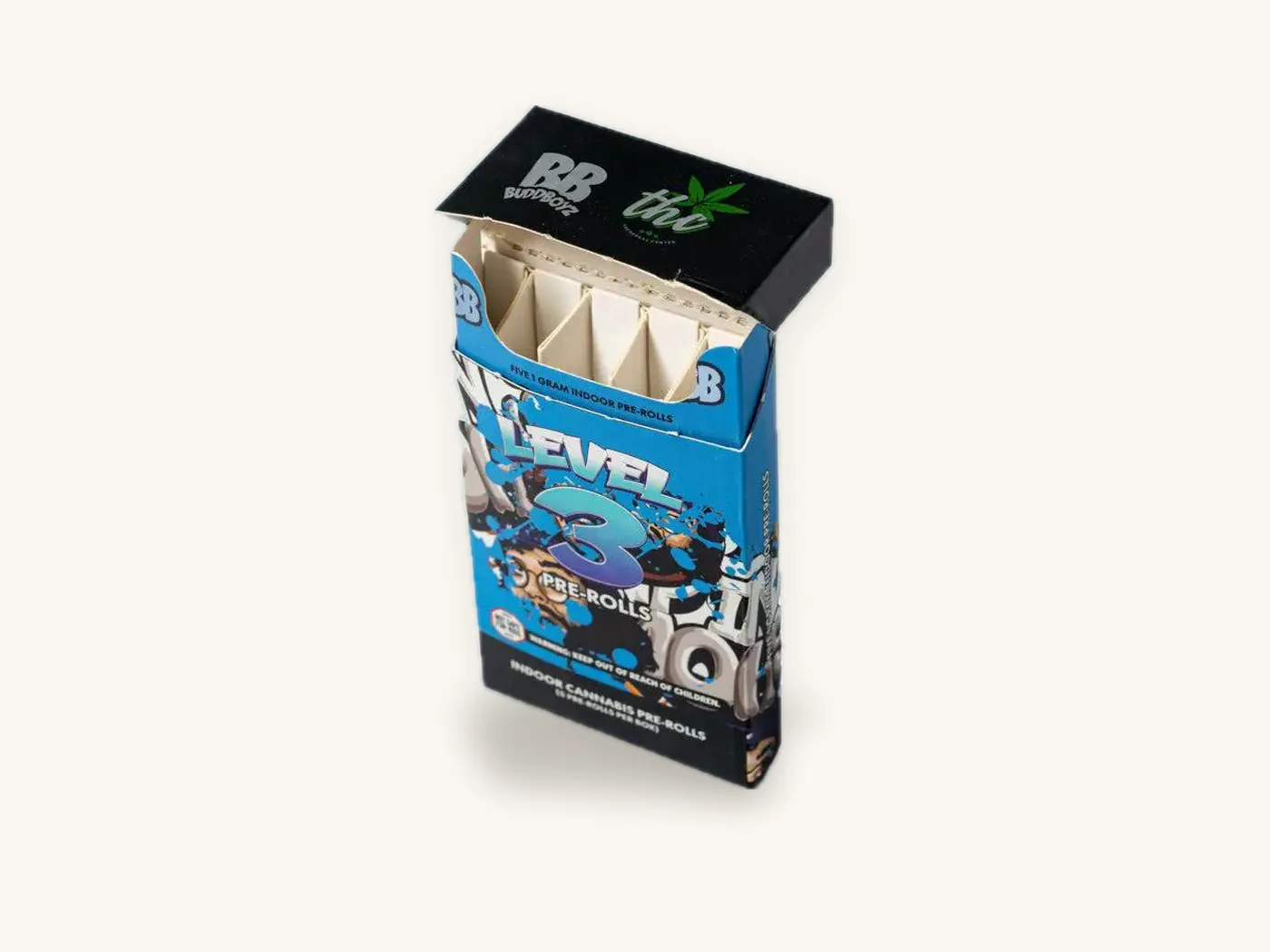
Hand filling or machine filling
How the packs are filled changes the box more than most buyers expect.
Hand filling. Small brands, herbal makers and pre-roll producers usually fill by hand. Slide boxes and flip-tops both work. The priority is a box that opens easily and holds its shape, and small differences in size are tolerable.
Machine filling. A packing line needs cartons made to the machine's specification: exact dimensions, board caliper, crease positions, glue areas and how the blanks are stacked. Send the machine maker's carton drawing with your quote request. Run a small trial on the line before committing to a large order.
If you plan to start by hand and move to a machine later, tell your manufacturer. It is sometimes possible to design the hand-filled pack so the later change is small.
Displays and multi-packs
Single packs are rarely sold alone at the counter. Most brands also need:
- A counter display that holds a set number of packs and opens into a tray. See counter display boxes.
- A carton or bundle of 10 packs, usually a sleeve or a tuck-end outer.
- A shipping case in corrugated board for distribution.
Size these together. The display is built from the pack's outside dimensions, and the shipping case from the display's.
How to choose: a short decision guide
- Filling on a machine? Start with the machine's specification. It will usually point to a flip-top or soft pack.
- Mainstream product, sold in volume? Choose a flip-top hard pack.
- Premium, limited or gift product? Choose a slide box, or a flip-top with a sleeve.
- Pre-rolls or herbal cigarettes in small counts? Choose a slide box sized to the widest point of the product.
- Seasonal or promotional pack? Keep your standard pack and add a printed sleeve.
- Tight budget and hand filling? A flip-top in standard board with one finish is the best balance.
What to send for a quote
A complete request gets an accurate quote the first time. Send:
- The style: flip-top, slide box, sleeve or soft pack
- Stick length and diameter, or samples
- Count per pack and, if you know it, the row arrangement
- Quantity, and whether you want prices at two or three quantities
- Board preference: white or kraft
- Finishes: foil, embossing, coating
- Whether you need an inner frame printed, a liner, or a display box
- Hand or machine filling, with the machine's carton drawing if there is one
- Your artwork, or a note that you need design help
- Where the order ships and the date you need it
At Box Sense, quotes come back within 24 hours. Design support is free and includes the dieline, artwork setup, a 3D proof and two rounds of revisions through our design services team. Production takes 8–12 business days after you approve the proof, with a 5-day rush option on many styles. Shipping is free to any address in the United States. See custom cigarette boxes for the product details, or the tobacco and vape industry page for related packaging such as vape boxes.
Frequently asked questions
What is the most common type of cigarette box?
The flip-top hard pack, also called a hinge-lid pack. It protects the sticks, recloses after each use and gives the most space for printing, which is why most brands use it.
What size is a standard cigarette box?
It depends on the cigarette. A king size pack of 20 holds sticks about 84 mm long, and a 100s pack holds sticks about 100 mm long. Slim formats are narrower. Because sticks vary, a manufacturer should size the box from your actual product.
What board is used for cigarette boxes?
Usually solid bleached paperboard in the 12 pt to 16 pt range, because it prints sharply and folds cleanly at small sizes. Kraft board is used for a natural look.
Can I order a small quantity of custom cigarette boxes?
Yes. Box Sense has a minimum order of 10 boxes. Small orders are printed digitally, which suits testing a design or a limited edition.
Do you print the health warnings?
We print the warnings and legal text you supply, exactly as supplied. We do not write, check or approve regulatory content, so confirm the current requirements for your product before you approve the proof.
Are slide boxes good for pre-rolls?
Yes. A slide box protects cone-shaped pre-rolls well and is easy to fill by hand. Size it to the widest part of the pre-roll and the full length.
What finishes work best on cigarette boxes?
Foil stamping and embossing on a logo, with a matte or gloss coating, are the most used. They add a premium feel without crowding a small panel.
Next steps
Pick the style, measure your sticks, and decide how the packs will be filled. With those three answers a manufacturer can draw a dieline and quote. When you are ready, request a quote with your size, count and quantity, and we will reply within 24 hours.
Boxes in this guide
Order the packaging we covered
Cigarette & Flip-Top Boxes
Pre-Roll Boxes
Vape & Cartridge Boxes
 Popular
Counter Display Boxes
Written by the Box Sense Packaging Team
Our structural designers, prepress technicians and production staff print and convert custom boxes every day for brands across the United States. Questions about this guide? Talk to us.