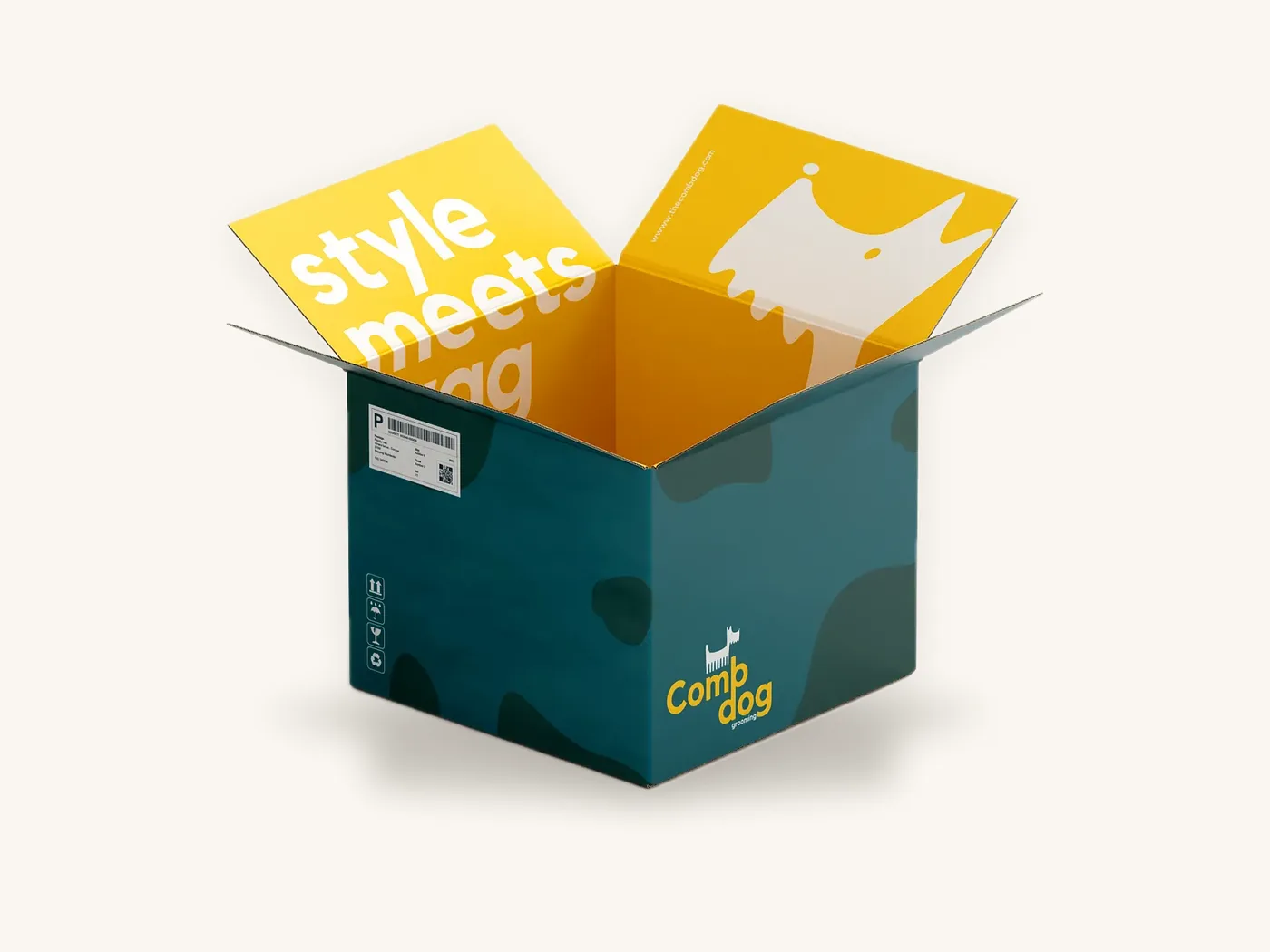
When brands compare packaging manufacturers USA vs China or other overseas sources, the overseas quote usually wins on unit price and the domestic quote usually wins on everything that happens after the price is agreed: speed, flexibility, communication and predictability. The right answer depends on your volume, your cash position, how often your packaging changes and how much a late or defective shipment would cost you.
The mistake is comparing factory unit prices side by side. A fair comparison uses landed cost, which adds freight, duties, customs handling, inventory carrying cost and the cost of risk. This guide breaks down both sourcing models on those terms, with a decision matrix and a supplier checklist you can use no matter where you buy.
Key takeaways
- Compare landed cost per usable box, not factory unit price. Freight, duties, brokerage, storage and defects can close much of the gap.
- Overseas sourcing typically makes sense for large, stable, repeat orders with long planning horizons.
- Domestic or nearshore sourcing typically makes sense for short runs, launches, frequent design changes, seasonal products and tight deadlines.
- Tariffs and trade rules change. Check the current US tariff schedule and consult a licensed customs broker before relying on any duty assumption.
- Quality problems are harder and slower to fix across oceans, so inspection and sampling plans matter more for overseas orders.
- Many brands use a hybrid: a responsive supplier for launches and top-ups, and bulk production for proven, high-volume SKUs.
Unit price is not the price: build a landed cost comparison
An overseas box supplier can often offer a lower factory price, especially at high volume, because of differences in labor, materials, energy and scale. But the factory price is only where your cost starts.
What goes into landed cost
| Cost component | Domestic supplier | Overseas supplier |
|---|---|---|
| Factory unit price | Often higher per unit | Often lower per unit, especially at large volume |
| Tooling and setup | Varies; some suppliers charge dies and plates | Varies; often quoted separately |
| Samples and sample shipping | Fast, inexpensive courier | International courier for each round |
| Freight to your warehouse | Domestic parcel or truck freight | Ocean or air freight, plus origin and destination charges |
| Customs duties and tariffs | Not applicable for domestic production | Depends on product classification and current trade rules |
| Customs brokerage and entry fees | Not applicable | Broker fees and government entry fees |
| Inland transport from port | Not applicable | Drayage or trucking from port to warehouse |
| Inventory carrying cost | Lower, because orders are smaller and more frequent | Higher, because large orders tie up cash and space longer |
| Defects and replacements | Faster remakes, domestic shipping | Slow remakes, freight again, or local emergency orders |
| Payment terms | Often shorter production cycle before delivery | Deposits often paid weeks or months before goods arrive |
A hypothetical example
Say you need 5,000 printed product boxes for a supplement line. An overseas quote shows a noticeably lower unit price than a domestic quote. Before choosing, add:
- Ocean freight for the shipment, plus port and destination charges
- Any duties that apply under the current classification for that packaging
- Customs broker fees and entry fees
- Trucking from the port to your warehouse
- The cost of storing all 5,000 boxes until used, and the cash tied up in them
- An allowance for defects or a quantity shortfall you cannot quickly replace
Sometimes the overseas option still wins by a wide margin. Sometimes the gap nearly disappears, especially on bulky corrugated boxes where freight is charged on volume. Run the numbers for your specific order; the packaging landed cost guide walks through a full worksheet, and the custom packaging cost guide explains what drives the factory price.
Tip: calculate landed cost per usable box, not per box ordered. Divide total cost by the number of boxes that arrive in sellable condition and are actually used before a redesign makes them obsolete.
Lead time: production is only one part of the calendar
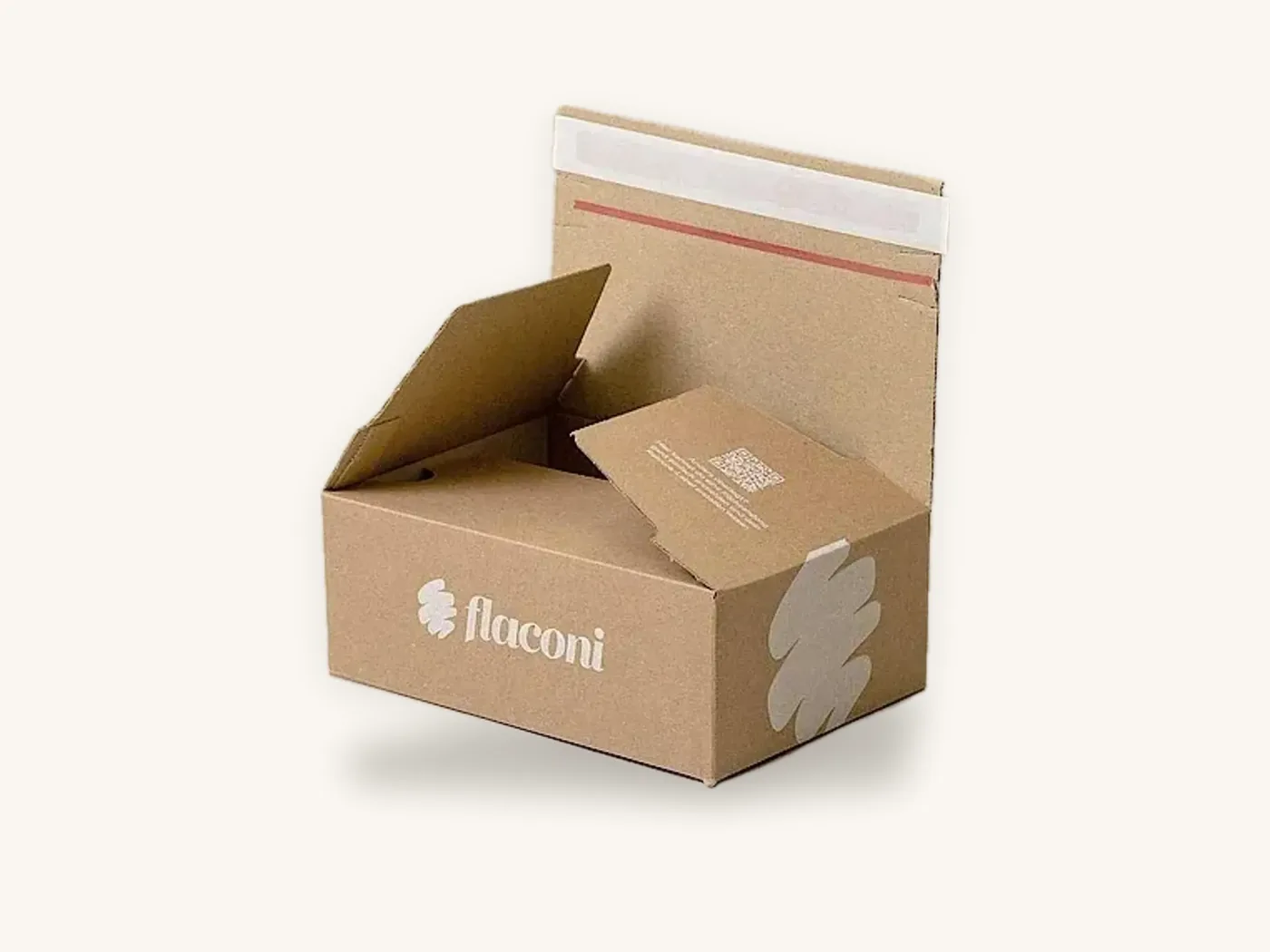
Lead time is where the two models differ most. A domestic supplier's lead time is roughly production time plus a few days of ground shipping. An overseas lead time stacks several stages, each with its own variability.
| Stage | Domestic supplier | Overseas supplier |
|---|---|---|
| Quote and spec confirmation | Same business day to a few days | A few days, time zones can add delays |
| Sample rounds | Days per round | International courier adds time to each round |
| Production | Days to a few weeks | Often longer for large runs; affected by holidays and factory load |
| Transit | Ground shipping, days | Ocean freight measured in weeks; air freight faster but costly |
| Customs clearance | None | Usually quick, but inspections or paperwork issues can hold cargo |
| Port to warehouse | None | Additional days for drayage and delivery appointments |
| Recovery from a problem | Remake and reship in days to weeks | Often means a new production cycle and another ocean crossing |
Why the variability matters more than the average
A predictable eight-week lead time can be planned around. What causes stockouts is the unpredictable part: port congestion, vessel schedule changes, extended factory holidays or a customs hold. Build a buffer into overseas timelines, and ask how the supplier handles delays before you place a deposit. The custom packaging lead times guide covers how to plan backward from a launch date.
For comparison, Box Sense confirms quotes within 24 hours, runs standard production in 8–12 business days after proof approval, and offers rush production in 5 business days on most paperboard and corrugated styles.
MOQs, inventory and cash flow
Minimum order quantities shape cost as much as unit price does. Overseas factories running offset or flexographic production commonly set high minimums because setup costs must be spread across many units. Domestic suppliers using digital printing can often make short runs economically.
How high MOQs affect a business
- Cash is tied up longer. You may pay a deposit at order and the balance before shipment, then wait weeks for goods to arrive and months to use them.
- Storage costs rise. Thousands of boxes occupy pallet space, and rigid boxes ship assembled, filling even more.
- Obsolescence risk increases. A new regulatory panel, rebrand, new SKU or claim change can make leftover stock unusable.
- Testing becomes expensive. Trying a new design means committing to a large quantity before you know whether it works.
A low minimum is especially valuable for launches, seasonal packaging, limited editions and brands still refining their product line. Box Sense's minimum order is 10 boxes, which lets you test before scaling. For more on why suppliers set minimums, see the how much custom boxes cost article.
A simple rule of thumb
If your packaging design is likely to change within the time it would take to use an overseas order, the lower unit price may never materialize. Stable designs with steady, forecastable demand are where bulk overseas orders earn their savings.
Communication, proofing and samples
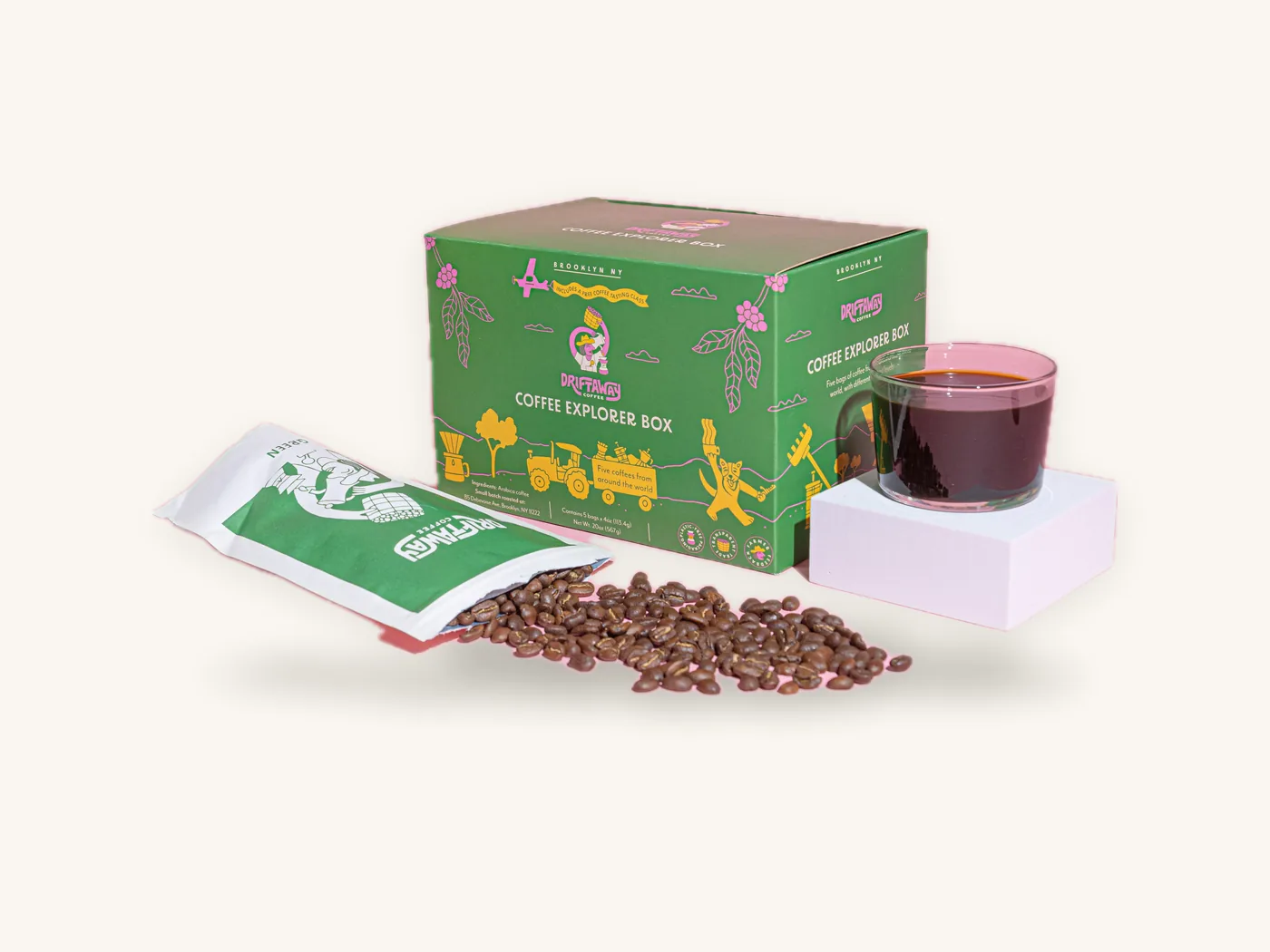
Packaging is detail work. Dielines, bleed, PMS colors, foil placement and insert tolerances all need clear back-and-forth, and every misunderstanding costs time.
Where friction appears
- Time zones. A question sent at the end of your day may be answered overnight, turning each exchange into a 24-hour cycle.
- Terminology. Terms such as "tuck," "mailer," "rigid" or "sample" can mean different things to different suppliers. Confirm definitions in writing.
- Physical samples. Each round of printed or structural samples ships internationally, which adds cost and time to every revision.
- Color approval. Approving color from photos is unreliable; physical samples or a trusted color standard are essential.
None of these problems are unique to overseas suppliers, and many overseas factories communicate very well. But distance amplifies every small misunderstanding. The packaging samples guide explains which sample types to insist on before approving production, wherever the boxes are made.
Quality control across distance
Every manufacturer can make a defective batch. The difference is how quickly you find out and how quickly it gets fixed.
Domestic quality control
With a domestic supplier, boxes arrive quickly, you can inspect a sample of the delivery within days, and a remake travels by ground. Some buyers visit the facility or review a press proof in person.

Overseas quality control
With an overseas supplier, you may not see the goods until after a long transit and customs clearance. By then, your deposit and balance are paid and freight is spent. Common safeguards include:
- Detailed written specifications covering dimensions, board grade, color references, finishes and tolerances.
- Approved physical samples kept by both parties as the reference standard.
- Pre-shipment inspection by an independent inspection service before the balance is paid.
- An agreed sampling plan that defines how many boxes are checked and what defect levels are acceptable.
- Clear remedy terms stating who pays for remakes, freight and delays if goods fail inspection.
Even with those steps, a failed batch discovered at your warehouse can leave you without packaging for weeks. The packaging quality control guide and the article on packaging supplier red flags cover inspection practices and warning signs.
Watch out: a pre-shipment inspection checks boxes at the factory, not after transit. Moisture and humidity during ocean freight can soften corrugated board and warp paperboard, so ask how goods will be wrapped and palletized for the journey.
Freight, tariff and trade risk
Importing packaging adds exposure to forces outside both your control and the supplier's.
Freight cost volatility
Ocean and air freight rates can move sharply with fuel prices, capacity, demand and disruptions to shipping routes. A quote that looked favorable when you ordered can look very different by the time the next order ships. Corrugated boxes are especially sensitive, because they are bulky relative to their value and freight is often priced by volume.
Tariffs and duties
Imported packaging may be subject to duties that depend on the product's tariff classification, its country of origin and the trade measures in force at the time of entry. Rates and rules have changed repeatedly in recent years and can change again with little notice.
Do not rely on an old quote, a supplier's estimate or a general article for duty rates. Check the current Harmonized Tariff Schedule for the classification of your packaging, review importer guidance from U.S. Customs and Border Protection, and work with a licensed customs broker who can confirm classification and current duties for your specific shipment.
Importer responsibilities
When you import, you or your broker are typically responsible for accurate entry documentation, correct classification and valuation, and paying any duties and fees. Country-of-origin marking rules may apply to imported goods and their containers. The country of origin labeling guide gives an overview, but confirm current requirements with CBP or counsel.
"Made in USA" claims
If you want to market packaging or products as made in the USA, the claim must meet the FTC's standard. Broadly, an unqualified "Made in USA" claim means all or virtually all of the product is made domestically. Review current guidance from the Federal Trade Commission and ask any supplier exactly where your order will be produced and with what materials before printing a claim.
Decision matrix: which sourcing model fits your order
| Your situation | Domestic or nearshore | Overseas | Hybrid |
|---|---|---|---|
| Launching a new product or brand | Strong fit | Risky, high MOQ and long lead time | Start domestic, move volume later |
| Short runs, under a few thousand units | Strong fit | Unit savings often eaten by freight and fees | Domestic |
| Large, stable, repeat orders | Competitive on speed | Strong fit on unit cost | Bulk overseas with domestic backup |
| Design changes often | Strong fit | Obsolescence risk | Domestic for changing SKUs |
| Seasonal or holiday deadline | Strong fit | Needs very early commitment | Domestic for top-ups |
| Bulky corrugated shippers | Often strong on landed cost | Freight by volume adds up | Compare landed cost carefully |
| High-value rigid gift boxes | Competitive for short runs | Can suit large planned programs | Samples and PR kits domestic |
| Limited cash or warehouse space | Strong fit | Large deposits and inventory | Domestic |
How a hybrid program works
A hybrid approach splits packaging by risk. New SKUs, launch kits, PR boxes and seasonal editions go to a responsive supplier with low minimums. Proven, high-volume items with stable artwork can be sourced in bulk wherever landed cost is best, with a responsive supplier available for emergency top-ups if a shipment is delayed. For example, a brand might keep everyday custom shipping boxes on a large planned order while producing custom rigid boxes for influencer kits in short runs.

Supplier evaluation checklist, wherever they are
Use these questions for any packaging supplier, domestic or overseas.
- Is the company the manufacturer, or a broker outsourcing to other factories? Where will my order actually be produced?
- What is the minimum order, and how does the unit price change across quantity tiers?
- What is included in the quote: dies, plates, samples, proofs, freight, duties?
- What is the production lead time after proof approval, and what is the realistic door-to-door time?
- What samples are available, and what do they cost?
- How is color managed: CMYK, PMS, physical proofs?
- What are the quality standards and tolerances, and what happens if boxes are defective?
- What are the payment terms, and when is the balance due relative to inspection?
- Are sustainable materials such as FSC-certified board available?
- Who is my contact, and how quickly do they respond?
The answers usually reveal more about fit than the unit price does.
Where Box Sense fits
Box Sense is a manufacturer with in-house printing, die-cutting, gluing and finishing, with locations in the United States, the United Kingdom and the United Arab Emirates, and it ships worldwide. We are built for the parts of a packaging program where speed, low minimums and responsiveness matter most.
- Minimum order of 10 boxes, with digital printing for short runs and offset for larger runs
- Quotes within 24 hours, plus an instant price estimator
- Free design support: dieline, artwork setup, 3D digital proof and two revision rounds, through our design services team
- Free unprinted structural samples, and a free printed sample of approved artwork on orders of 100 or more
- Standard production in 8–12 business days after proof approval, with rush in 5 business days on most paperboard and corrugated styles
- No die or plate charges; one-time tooling only for foil, embossing, spot UV and custom inserts
- Free shipping on every US order, with international shipping quoted at cost
- Defective boxes reported within 14 days are reprinted free
As a price reference that already includes US shipping, an 18 pt SBS straight tuck end carton at 3x2x5 in with full-color print and aqueous coating is about $1.15 each at 100 units and about $0.51 at 1,000. A 12x10x6 in B-flute shipping box with one-color print is about $2.08 at 1,000. Compare those with the landed cost of an overseas quote for the same spec. You can also read about Box Sense or see how it works.
Frequently asked questions
Is it cheaper to buy packaging from China or the USA?
Overseas factories often quote lower unit prices, especially on large runs. The fair comparison is landed cost, which adds freight, duties, customs brokerage, inland transport, storage and defect risk. On short runs, bulky corrugated boxes or frequently changing designs, a domestic supplier can be competitive or cheaper overall. Run a landed cost calculation for your specific order and quantity.
How long does it take to get packaging from overseas?
Total time includes sampling, production, ocean or air freight, customs clearance and delivery from the port. Ocean freight alone is measured in weeks, and delays from port congestion, holidays or customs holds add variability. Domestic suppliers are usually much faster; Box Sense produces most orders in 8–12 business days after proof approval.
What tariffs apply to imported packaging?
It depends on the packaging's tariff classification, its country of origin and the trade measures in effect when it enters the country, and those rules change. Check the current Harmonized Tariff Schedule, review U.S. Customs and Border Protection guidance and ask a licensed customs broker to confirm the classification and duties for your shipment before relying on any figure.
What are the risks of using an overseas box supplier?
The main risks are longer and less predictable lead times, high minimum orders that tie up cash, slower communication, harder quality control, freight cost swings and changes in tariffs or trade rules. Many can be managed with written specifications, approved samples, pre-shipment inspection and clear remedy terms, but a defective batch still takes longer to replace.
When does overseas packaging sourcing make sense?
It tends to make sense for large, stable, repeat orders with forecastable demand, artwork that rarely changes, enough warehouse space and cash to hold inventory, and planning horizons long enough to absorb delays. Many brands combine it with a responsive domestic supplier for launches, seasonal packaging and emergency top-ups.
Can I label my packaging as made in USA?
Only if the claim meets the Federal Trade Commission's standard. Broadly, an unqualified Made in USA claim requires that all or virtually all of the product be made in the United States. Ask your supplier exactly where the packaging is produced and with which materials, review current FTC guidance and consult counsel before printing the claim.
What should I ask a packaging supplier before ordering?
Ask whether they manufacture in-house and where your order will be produced, the minimum order and quantity tiers, what the quote includes, realistic door-to-door lead time, available samples, color management, quality tolerances, defect remedies, payment terms and sustainable material options. Clear answers to these questions matter more than a small difference in unit price.
Next steps
Take your current or planned spec and build a landed cost comparison, then check the domestic side with the instant price estimator. If speed, low minimums or a launch deadline matter, request a quote and we will confirm pricing within 24 hours and send a free structural sample so you can compare quality firsthand.
Boxes in this guide
Order the packaging we covered

Written by the Box Sense Packaging Team
Our structural designers, prepress technicians and production staff print and convert custom boxes every day for brands in the United States, United Kingdom and UAE. Questions about this guide? Talk to us.