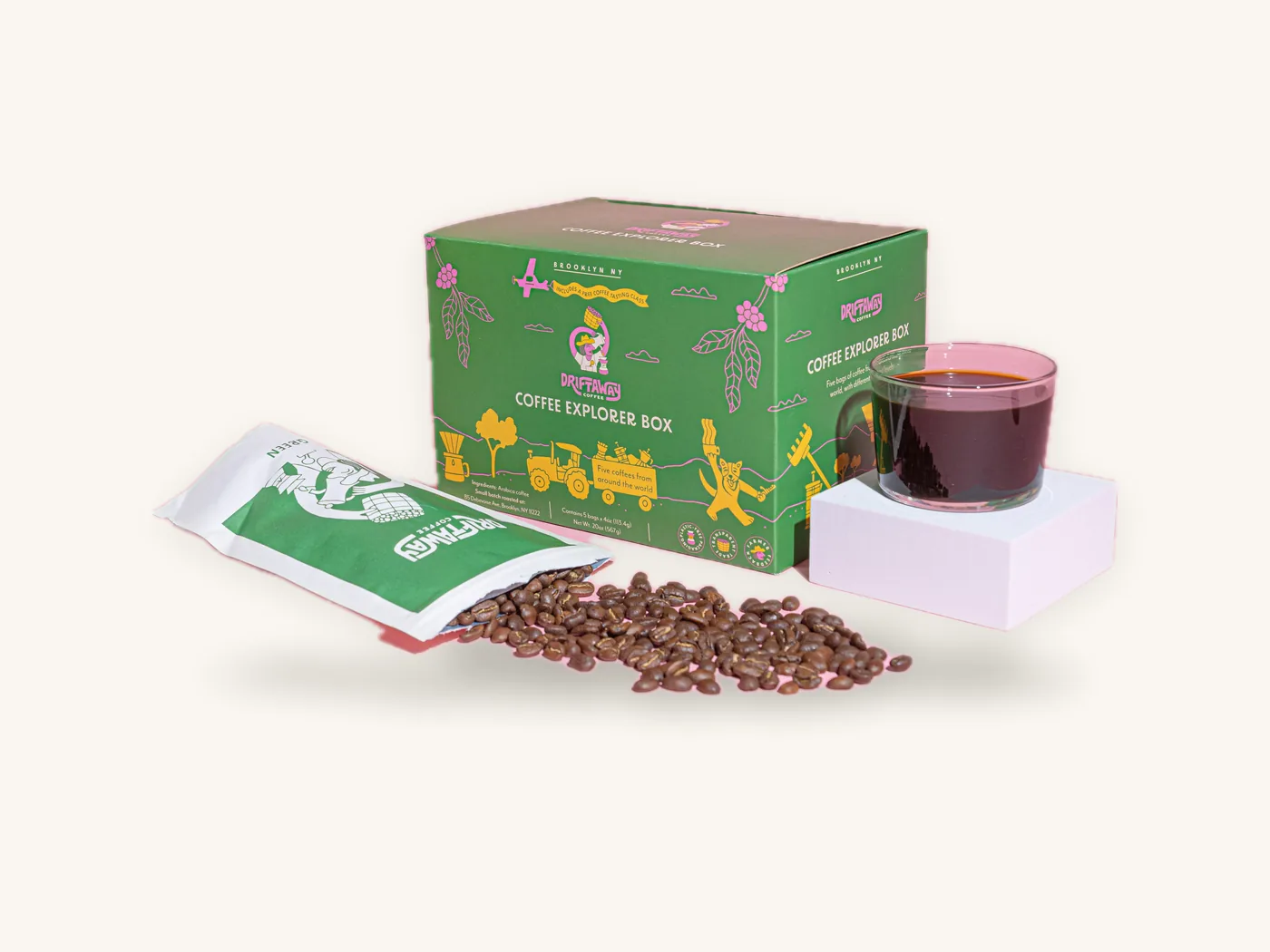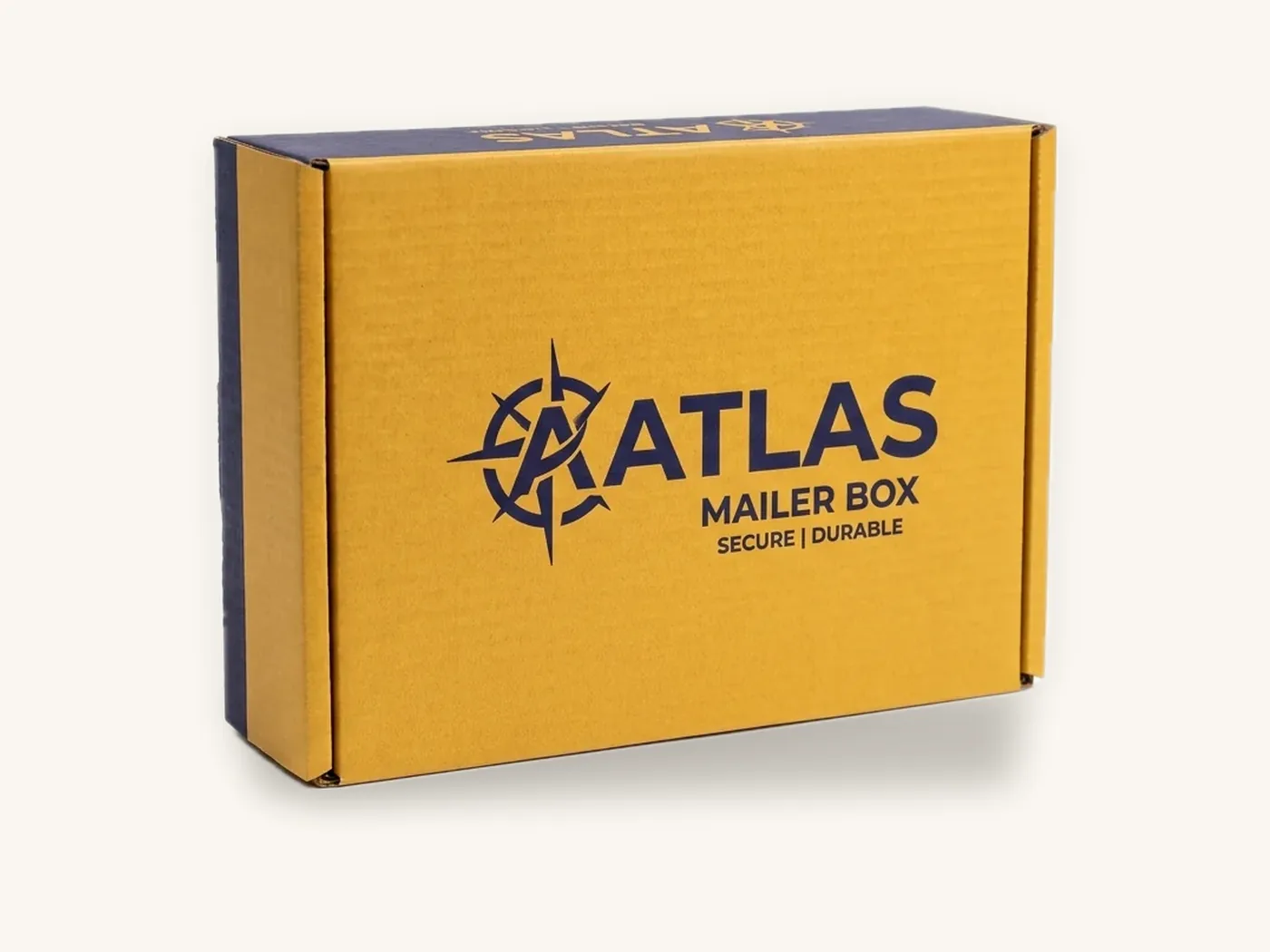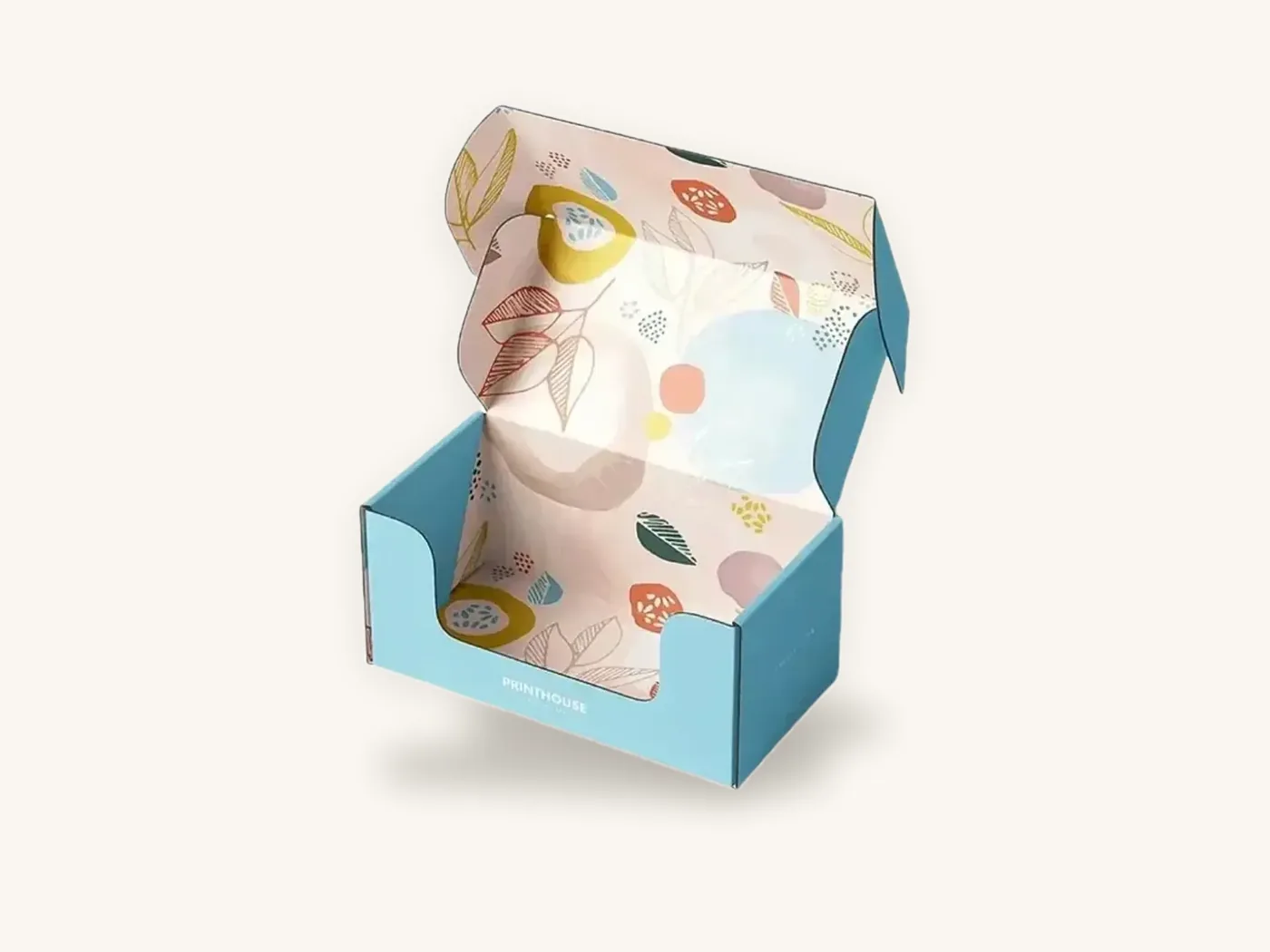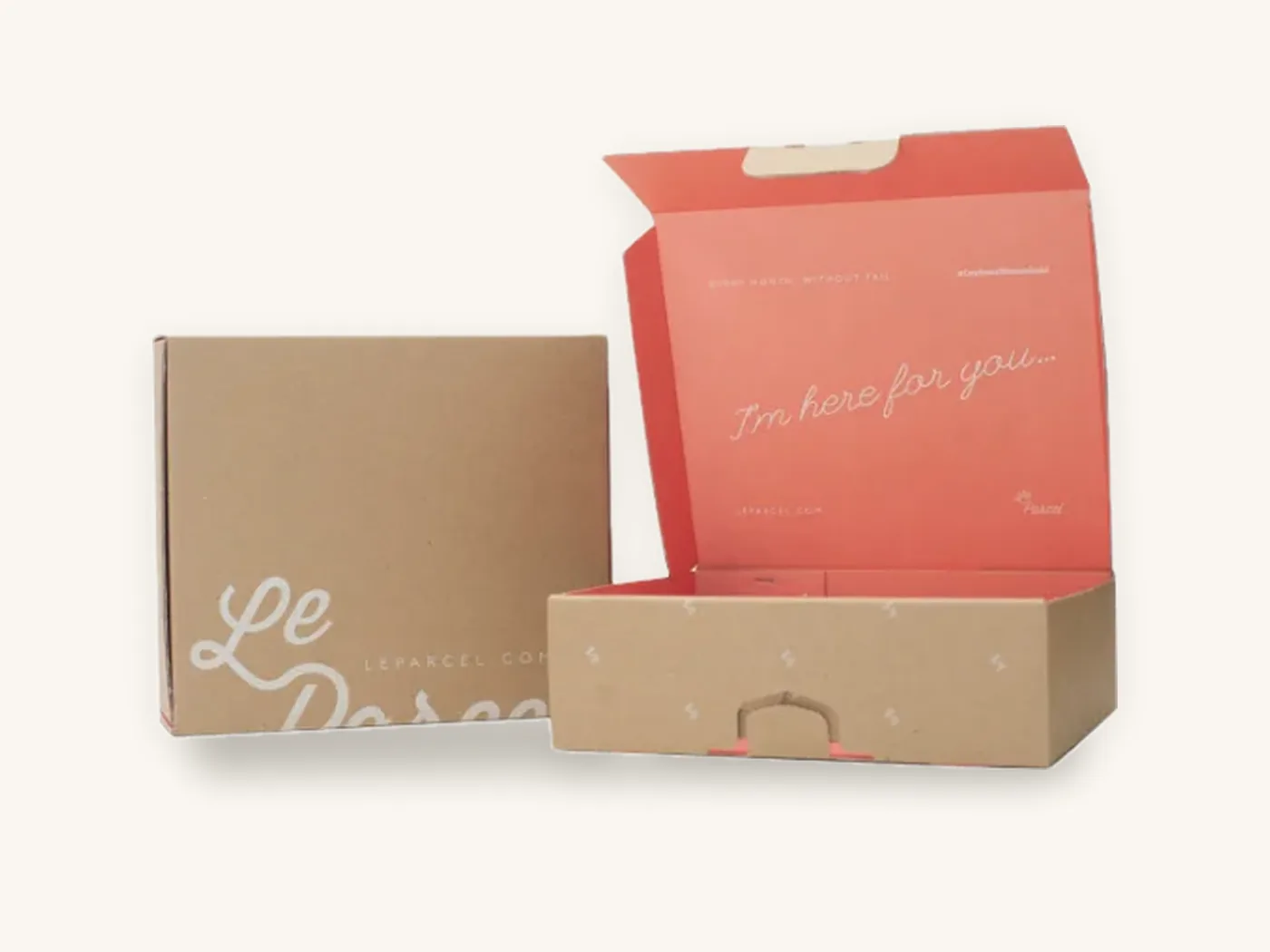
Beauty subscription box packaging has a problem that most product packaging does not: the contents change every cycle. One month holds a glass serum bottle, a lipstick and a sheet mask; the next holds a palette, a tube of cream and a travel-size fragrance. The winning strategy is a fixed outer mailer that stays the same for months, paired with inserts and printed pieces that flex around whatever goes inside.
Get that split right and you can reorder shippers at volume pricing, keep packing fast, and still make each month feel new. Get it wrong and you are paying for a new box design every cycle, fighting items that rattle loose, and cleaning up leaked product. This guide covers the architecture, insert, protection and cost decisions specific to a cosmetic subscription box.
Key takeaways
- Separate what stays constant (the outer mailer and its structure) from what changes (inserts, cards, tissue, stickers). Reorder the constant parts at volume; print the variable parts in short runs.
- Design inserts for a range of product shapes, not one month's lineup. Graduated cavities and removable dividers outlast a single assortment.
- Liquids, powders and glass need different protection. Bag liquids, lock powders flat, and keep glass off the box walls.
- An evergreen 12x9x4 in subscription mailer bought quarterly at the 2,500 tier costs about $2.21 each, versus about $2.60 at 1,000 units for a monthly redesign.
- Nail polish and alcohol-based fragrance can fall under carrier hazardous materials rules. Check carrier guidance before those items go in a box.
Why beauty subscription boxes need their own packaging strategy
A generic subscription kit, such as snacks or socks, usually holds items of similar size and fragility. A beauty box mixes shapes and materials that behave very differently in transit: heavy glass, thin plastic compacts that crack, pressed powders that shatter, and liquids that can leak under pressure changes or a crushed cap.
Beauty buyers are also used to polished packaging. The products themselves come in carefully finished cartons, so a plain box that arrives scuffed or messy stands out immediately. That raises the bar for print quality and fit.
If you are still deciding on the basics of box style, board and sizing for any kit, start with the subscription boxes guide. This guide assumes you have a subscription model and focuses on the beauty-specific decisions layered on top.
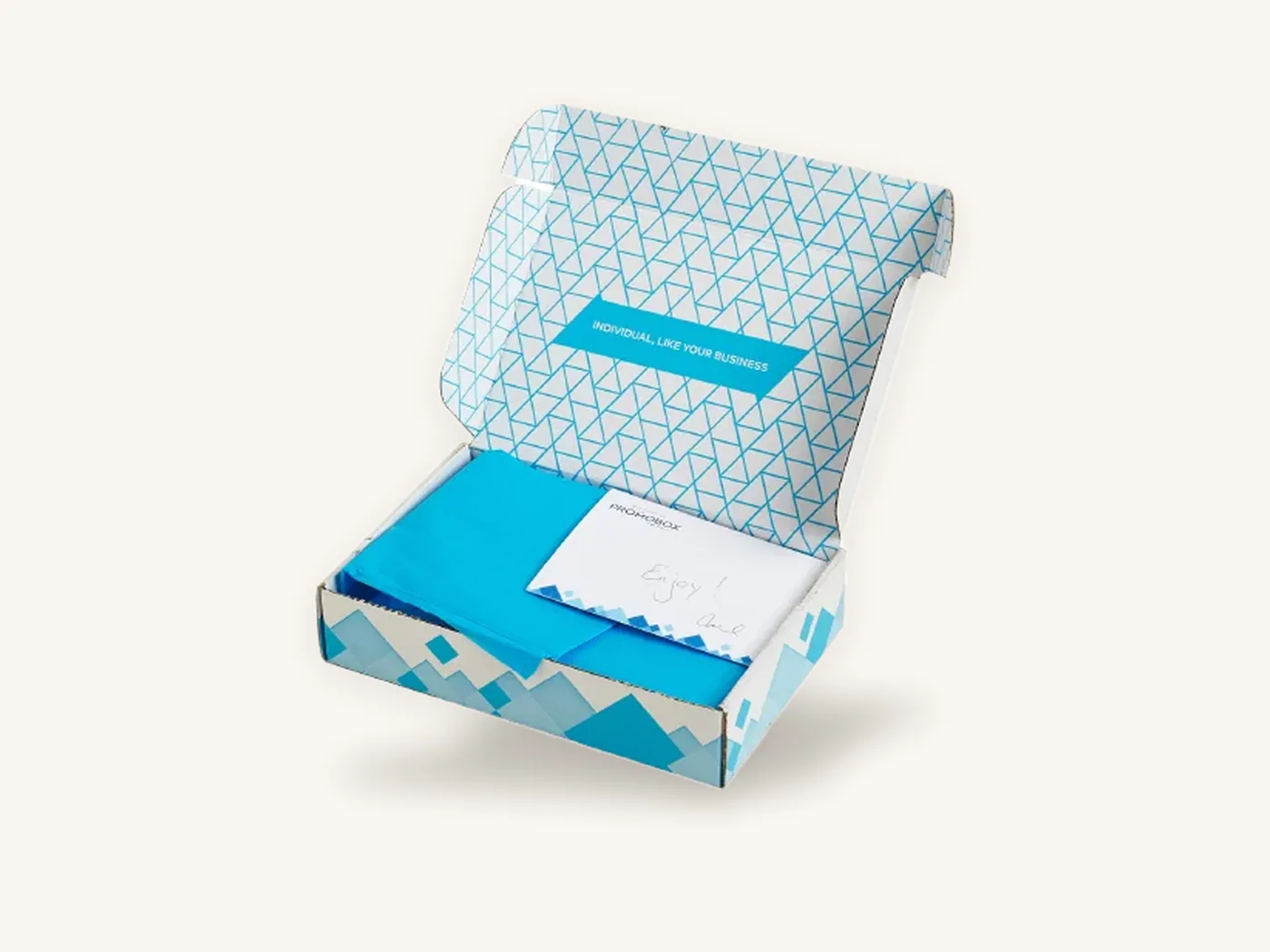
Choosing your box architecture: evergreen, seasonal or monthly
The first strategic call is how often the outer box changes. That single choice drives unit cost, storage, lead time and how much design work lands on your team every cycle.
| Architecture | What changes each cycle | Best for | Tradeoffs |
|---|---|---|---|
| Evergreen mailer | Only inserts, cards, tissue or a sticker | Most beauty boxes, especially early on | Outer box never feels new on its own |
| Seasonal mailer | Outer artwork four times a year; inserts monthly | Brands with strong seasonal themes | Four print runs a year to plan and store |
| Monthly custom mailer | Full outer artwork every cycle | Established boxes with steady subscriber counts | Highest cost and design load; tight timelines |
| Evergreen mailer plus printed sleeve | A paperboard sleeve or band around the box | Adding a "new" feel without reprinting shippers | Adds a packing step and a second component |
When evergreen is the right call
Choose an evergreen mailer when subscriber numbers still move month to month, when your team is small, or when you have not yet validated your insert layout. The inside lid can carry the brand message, while a monthly printed card or custom stickers mark the theme.
When monthly redesigns earn their cost
Monthly custom outer boxes make sense when the box itself is a collectible and subscribers post it, and when your subscriber count is stable enough to forecast each run accurately. Even then, most brands keep the same size and insert structure so only the artwork changes.
Tip: if you want a fresh look without a full reprint, design the evergreen box with a strong, mostly single-color exterior and put the variety inside. A printed inside lid, a themed card and colored tissue change the unboxing more than a new outer panel that gets covered by a shipping label anyway.
Sizing the mailer for a changing assortment
With a fixed box, the dimensions have to handle the largest reasonable lineup, not the average one. Oversize it and every lighter month rattles. Undersize it and a single tall product forces a redesign.
A sizing method for rotating contents
- List the last several cycles of products, or your planned lineups, with each item's packed dimensions.
- Find the tallest and widest single item. A fragrance carton or tall serum usually sets the depth.
- Lay out a heavy month on a table in the arrangement you want customers to see, then measure the footprint.
- Add the insert board thickness on every side it touches, plus any raised platform.
- Set a rule for future lineups: for example, no item taller than 3.5 in, no more than six items. Share it with whoever curates products.
- Order a structural sample and pack your two most different lineups into it.
A 12x9x4 in internal size is a common starting point for full beauty boxes because it accommodates a palette lying flat alongside several upright items. Smaller "mini" boxes built around deluxe samples often fit an 8x6x3 in or 10x8x4 in mailer. The subscription boxes product page lists standard kit sizes, and the mailer boxes range shows other structures.
Running two box tiers
Many beauty subscriptions offer a standard and a premium tier. Resist the urge to design two unrelated boxes. Using the same structure in two depths, or the same footprint with a different insert, keeps dielines, artwork rules and packing training consistent.
Designing inserts for products that change every month
Inserts are where beauty subscription box packaging succeeds or fails. A beautiful mailer with items sliding around inside feels careless, and a cracked palette or leaked serum is a refund, not just a scuff.
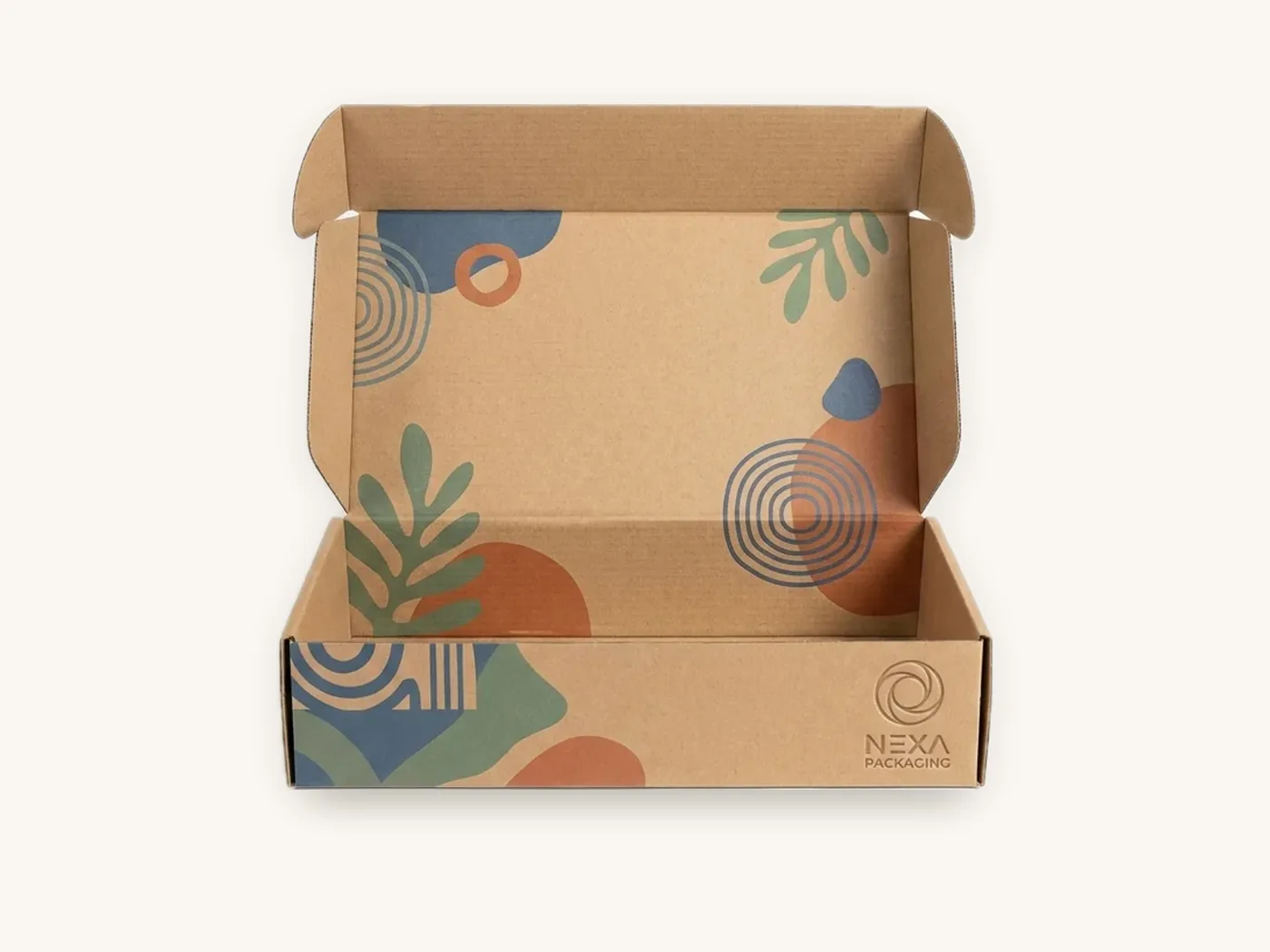
Four insert strategies compared
| Insert approach | How it works | Handles variety | Typical use |
|---|---|---|---|
| Fixed die-cut cavities | Cutouts sized to exact products | Poorly; one layout per lineup | Brand-owned kits that rarely change |
| Graduated universal cavities | Several slot sizes (tube, jar, compact, bottle) in one insert | Well, if lineups follow size rules | Most curated beauty boxes |
| Removable dividers | Slotted paperboard partitions that create compartments | Very well | Boxes with widely varying item counts |
| Platform with crinkle fill | Raised paperboard base with paper fill around items | Very well, less precise | Mini boxes, lighter lineups |
Designing a universal beauty insert
A universal insert works when you define product "families" and give each one a home. For example: a round slot about 1.5 in across for lipsticks and slim tubes, a wider slot for jars, a flat bay for a palette or sheet masks, and a tall corner cavity for a bottle. The curator then selects items that fit those slots, rather than packaging chasing the curator.
Paperboard inserts print well and keep the box recyclable. Corrugated inserts add cushioning for glass. Foam gives the most precise hold for heavy bottles but complicates recycling claims. Our foam vs paperboard inserts guide goes deeper on that trade, and the box inserts and dividers page shows the structures we cut.
Insert dies carry a one-time tooling charge of about $45, so a universal insert that lasts a year is far cheaper than a new die every month.
Protecting liquids, powders and glass in transit
Beauty products fail in transit in predictable ways. Designing around each failure mode is cheaper than replacing product and handling refunds.
Liquids and creams
Caps loosen with vibration, and pumps can be depressed if the box is crushed. Place liquid items upright in a snug cavity, seal them in a small resealable bag so a leak stays contained, and keep them away from paper cards that would absorb spills. Ask partner brands whether their items ship with shrink bands or pump locks.
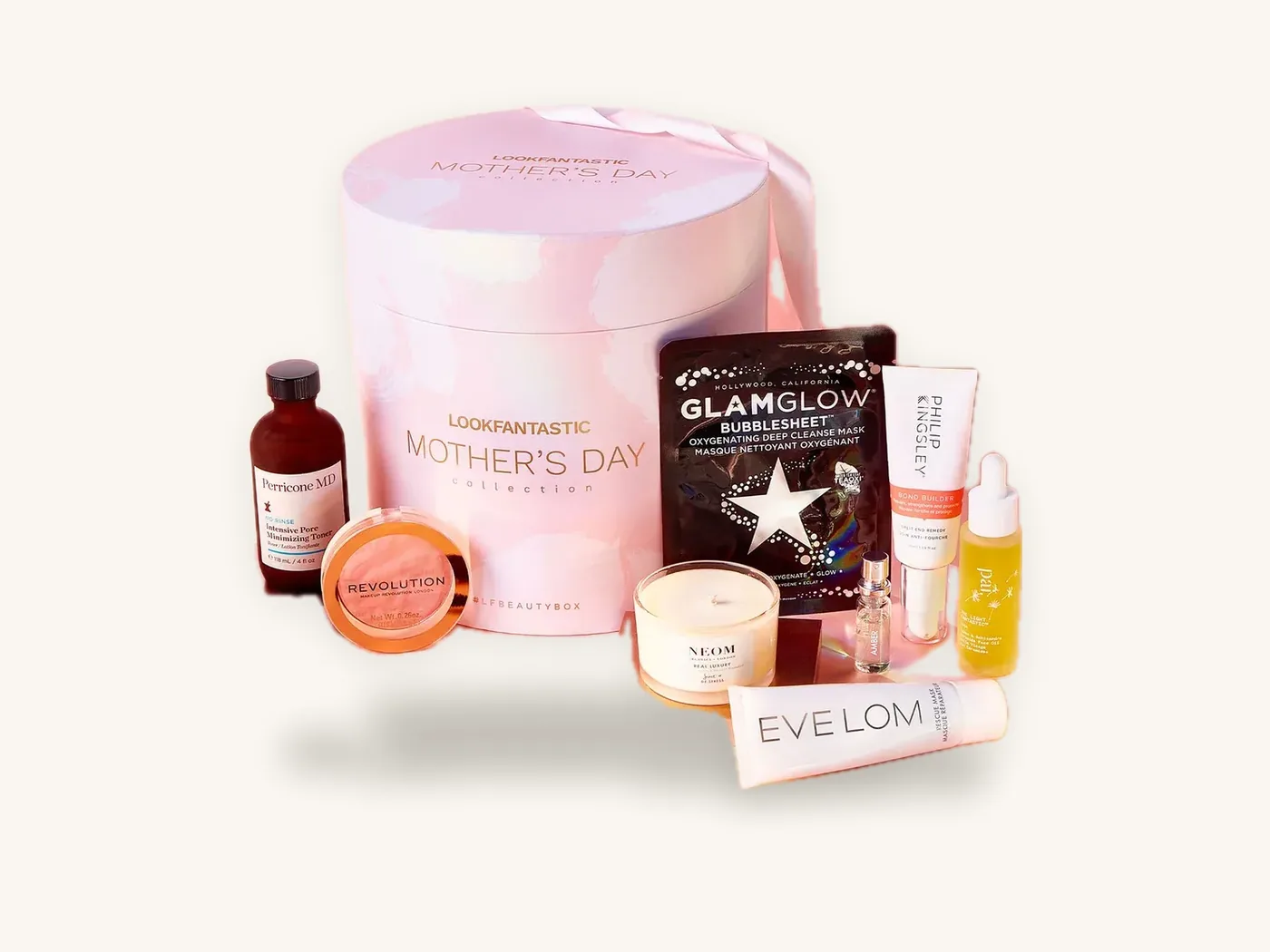
Pressed powders and palettes
Eyeshadow pans and pressed powders crack from sharp impacts, especially when stored vertically. Lay palettes flat on the insert base, ideally at the bottom of the box where drops are cushioned by the product above. The makeup and palette boxes page shows cartons designed for this.
Glass bottles and jars
Glass should never touch the outer box walls. Leave a gap filled by insert board or paper fill on every side, and keep heavy glass low and centered so the box does not tip or concentrate impact on one corner.
Watch out: nail polish, many fragrances and some aerosol products contain flammable ingredients that carriers may treat as hazardous materials, with limits on quantity, packaging and service type. Check current USPS, UPS or FedEx guidance before including them, and see our hazmat shipping packaging guide for the general principles.
Artwork strategy across a subscription year
The artwork plan should match the architecture you chose. The goal is to spend design effort where subscribers actually look.
Where subscribers look, in order
- The shipping label side, briefly, as they pick up the parcel
- The tear strip or tuck front, as they open it
- The inside lid, which is seen at the moment of reveal
- The top layer: tissue, a card or the first product
- The insert and products, as they unpack
The outside of a subscription mailer gets labeled, scuffed and handled by carriers. The inside lid, the card and the tissue are seen in good light, at close range, when attention is highest. A common approach is a clean exterior with the brand mark, full inside printing on the lid, and a monthly card that names each product and its full-size price or use instructions.
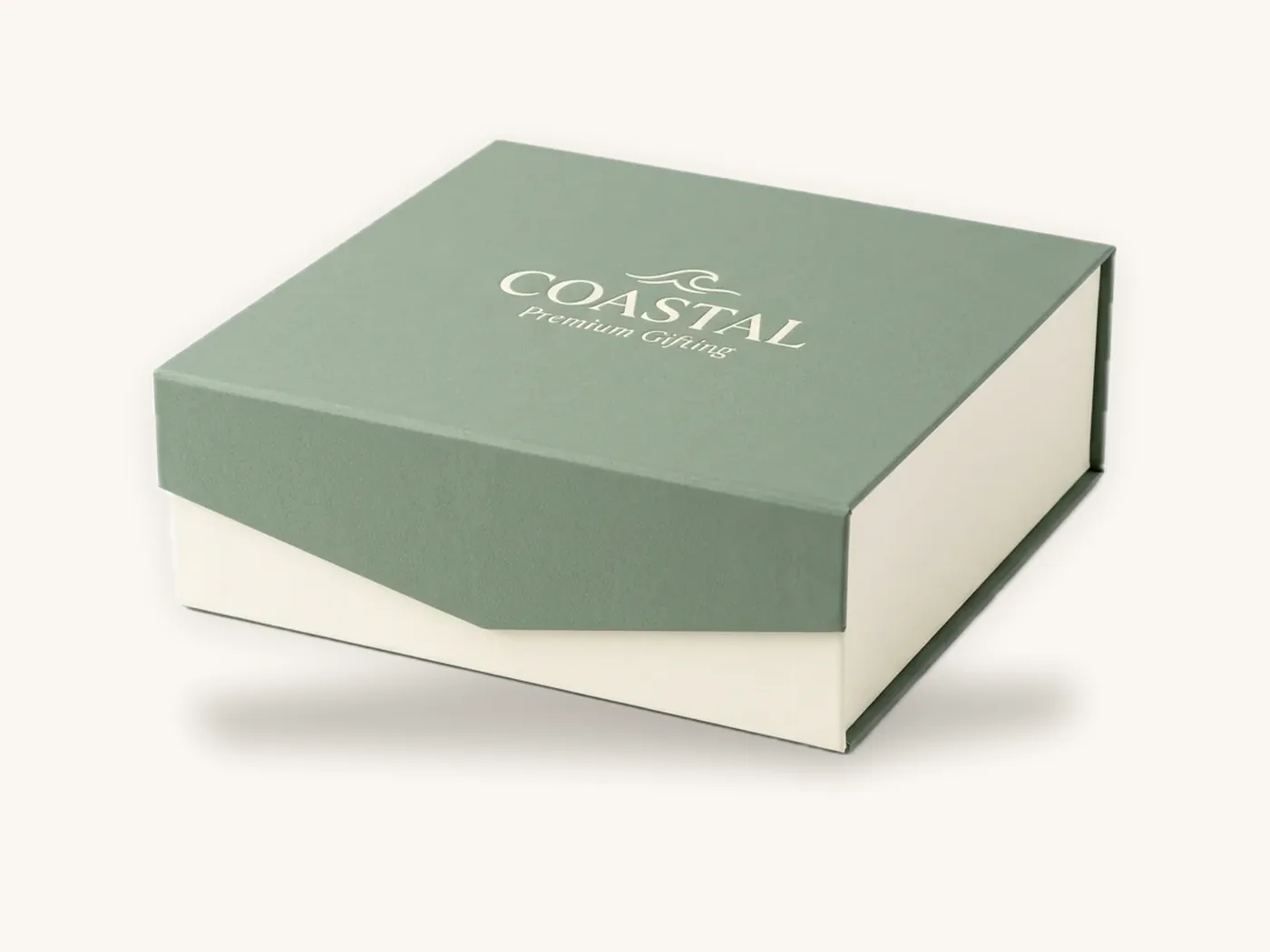
Components that change cheaply
- Printed cards: product details, how-to steps and a discount code for full sizes.
- [Printed tissue paper](/products/printed-tissue-paper): a seasonal color or pattern can carry a theme.
- Stickers and seals: a monthly seal over the tissue gives a moment of reveal at low cost.
- Sleeves or belly bands: a paperboard band over the closed mailer signals a special edition.
For more creative ideas at the component level, see unboxing experience ideas for subscription boxes. The cosmetics and beauty page shows print finishes that suit the category, such as soft-touch lamination and foil.
What beauty subscription packaging costs
Cost depends on mailer size, print coverage, inserts, finishes and above all how many boxes you order in each run. Architecture choice changes which quantity tier you buy at.
Indicative prices for common components
These per-unit figures include free US shipping. Use the instant price estimator for your exact spec.
| Spec | 250 | 1,000 | 2,500 | 5,000 | 10,000 |
|---|---|---|---|---|---|
| Subscription mailer, E-flute, 12x9x4 in, full color both sides, insert and tear strip | $4.16 | $2.60 | $2.21 | $1.84 | $1.66 |
| Mailer, E-flute, 10x8x4 in, full color inside and outside | $3.08 | $1.92 | $1.63 | $1.36 | $1.23 |
| Cosmetic carton, 18 pt SBS, 2.5x2.5x6 in, full color, soft-touch and foil | $1.37 | $0.86 | $0.73 | $0.61 | $0.55 |
Worked example: evergreen vs monthly redesign
Say you have about 1,000 subscribers and ship 12 boxes a year, so roughly 12,000 mailers. Using the 12x9x4 in subscription mailer row:
- Monthly custom artwork, ordered 1,000 at a time: about $2.60 each.
- Evergreen artwork, ordered 2,500 at a time roughly every quarter: about $2.21 each.
- Evergreen artwork, ordered 5,000 at a time twice a year: about $1.84 each, if you have storage space and a stable subscriber count.
Moving from monthly to quarterly evergreen orders saves roughly thirty-nine cents per box, or around four and a half thousand dollars across a year at this volume. That budget can pay for monthly printed cards, tissue and stickers several times over.
Where exclusive cartons fit
Some beauty subscriptions commission an exclusive product, such as a limited shade, and want its own carton. A 2.5x2.5x6 in cosmetic carton with soft-touch and foil is about $0.86 at 1,000 units. Foil adds one-time tooling of about $60. For more on that packaging, see cosmetic boxes.
Labeling, claims and quality checks
The subscription mailer itself is shipping packaging, but what goes inside it often is not. If you package or relabel samples yourself, or create your own branded products, cosmetic labeling rules apply to those items. In the US, the FDA regulates cosmetic labeling, including ingredient declarations and net contents. Confirm current requirements with the FDA or counsel, and see our cosmetic labeling requirements guide for an overview.
Environmental claims printed on the box, such as "recyclable," should be accurate and qualified where needed. The FTC's Green Guides describe how to make those claims in the US.
Pre-launch quality checklist for each cycle
- Pack one full box with the actual products, not stand-ins
- Shake test: nothing should rattle or shift
- Drop the packed box from waist height onto each face and one corner
- Check that the tear strip opens cleanly and the lid closes flat
- Confirm liquids are bagged and caps are tight
- Verify the card lists every product that is actually in the box
- Photograph the approved packed box as the reference for the packing team
The packaging quality control guide covers inspection of incoming packaging stock, and the subscription box fulfillment guide covers packing-line setup and timing.
Choosing a packaging partner for a beauty box
A subscription is a recurring commitment, so the supplier relationship matters more than a single quote. You need reliable reorders, consistent color from run to run, and quick turnaround on short-run components when a lineup changes late.
Ask any supplier how they handle color consistency between runs, whether they keep approved samples on file, and how fast they can turn a short run of inserts or cards. Our packaging supplier red flags guide lists warning signs to watch for. If you are just launching and testing the concept, the packaging for startups guide covers first-order decisions.
How to order beauty subscription packaging from Box Sense
Box Sense manufactures mailers, inserts and cosmetic cartons in-house, so the outer box and insert can be designed and proofed together.
What to send
- Your subscription model: evergreen, seasonal or monthly artwork
- Two or three representative product lineups with packed dimensions
- Target box size, or a request for a sizing recommendation
- Insert approach (fixed, universal cavities, dividers or platform)
- Print coverage: outside, inside lid, full interior
- Finishes: aqueous, matte or soft-touch lamination, foil
- Quantities per run, for example 1,000, 2,500 and 5,000
- Your first ship date and warehouse or fulfillment partner location
How it works
- Quote within 24 hours at the tiers you name.
- Free design support: dieline for the mailer and insert, artwork setup, a 3D digital proof and two revision rounds. Our design services team can adapt your brand assets to the dieline.
- Samples: unprinted structural samples are free, so you can pack real lineups before approving. A printed sample of approved artwork is free on orders of 100 or more. See samples.
- Production: standard 8–12 business days after proof approval, with rush in 5 business days on most paperboard and corrugated styles.
- Delivery: free shipping on every US order, international shipping quoted at cost.
The minimum order is 10 boxes, which makes pilot boxes for early subscribers or influencer previews practical. There are no die or plate charges; one-time tooling applies only to foil, embossing, spot UV and custom inserts. Defective boxes reported within 14 days are reprinted free.
Frequently asked questions
What is the best box for a beauty subscription?
Most beauty subscriptions use a corrugated E-flute mailer with a tear strip, printed on the outside and inside lid, around 12x9x4 in for full boxes or smaller for mini boxes. It ships without an outer carton and opens cleanly. Pair it with a paperboard insert designed around the range of product shapes you expect to include over several months.
How do I design an insert when products change every month?
Build a universal insert with graduated cavities for product families, such as slim tubes, jars, compacts and one tall bottle, or use removable paperboard dividers. Then give curators size rules so future lineups fit the insert. This avoids a new insert die for every cycle and keeps packing consistent for your fulfillment team.
Should a beauty subscription box change design every month?
Not necessarily. An evergreen outer mailer ordered in larger runs costs less per box and simplifies inventory, while monthly cards, tissue, stickers or a printed sleeve create a fresh feel. Monthly redesigns make sense when the box itself is collectible and subscriber numbers are stable enough to forecast each run confidently.
How do I stop beauty products leaking in a subscription box?
Keep liquid items upright in a snug insert cavity, seal each in a small resealable bag, and confirm caps are tight and pumps are locked. Store liquids away from printed cards and tissue that would absorb spills. Shake and drop test a fully packed box each cycle, especially when a new liquid product joins the lineup.
Can I ship nail polish and perfume in a subscription box?
Often, but with care. Nail polish and many fragrances contain flammable ingredients that USPS, UPS and FedEx may regulate as hazardous materials, with limits on quantity, packaging, markings and shipping service. Rules differ by carrier and service level and can change, so confirm current guidance with your carrier before building those items into a lineup.
How much does beauty subscription box packaging cost?
It depends on size, print, inserts and run size. As a reference, a 12x9x4 in E-flute subscription mailer printed on both sides with an insert and tear strip is about $2.60 per box at 1,000 units and about $1.84 at 5,000, including US shipping. Price your exact spec in the estimator.
What size should a beauty subscription box be?
Size it to your largest reasonable lineup, not an average month. Measure the tallest and widest items you expect, lay out a full lineup, and add insert thickness. Many full-size beauty boxes land near 12x9x4 in, while deluxe-sample boxes often fit 8x6x3 in or 10x8x4 in. A free structural sample confirms the fit.
Next steps
Collect two or three representative lineups, measure them packed, and decide whether your outer box will be evergreen or seasonal. Then price mailer quantities in the subscription packaging estimator and request a beauty subscription box quote, and we will send dielines for the mailer and insert within 24 hours.
Boxes in this guide
Order the packaging we covered
Written by the Box Sense Packaging Team
Our structural designers, prepress technicians and production staff print and convert custom boxes every day for brands in the United States, United Kingdom and UAE. Questions about this guide? Talk to us.