The main types of packaging materials brands buy are corrugated board, paperboard (bleached SBS, natural kraft and recycled grades), rigid greyboard wrapped in paper, flexible films and laminates, molded fiber, and a handful of insert materials such as foam. Each exists because it solves a different problem: corrugated protects in transit, paperboard sells on a shelf, rigid board creates a keepsake, and films hold back moisture and oxygen.
Most confusion comes from the names. "Cardboard" can mean any of the first three, and suppliers use calipers, flute letters and grammage interchangeably. This guide sorts the packaging material options into plain categories, explains what each one actually does, and gives a decision table by product so you can match material to job before you think about print.
Key takeaways
- Corrugated board (a fluted layer between liners) is for shipping and heavier products; E-flute is about 1.5 mm thick and B-flute about 3 mm.
- Paperboard is a single solid sheet measured in points (thousandths of an inch). SBS is bright white for premium print, kraft is natural brown, and recycled grades like CUK and bux board trade some brightness for cost.
- Rigid greyboard, roughly 1.5 to 3 mm thick and wrapped in printed or specialty paper, is for boxes customers keep.
- Flexible materials (films, foil laminates, paper bags) are the choice when barrier, weight or shelf format matters more than structure.
- Pick material by the job first (protect, display, present, preserve), then finish and print.
- Box Sense converts all the major board types in-house, from 10 units, with free structural samples so you can feel the material before committing.
The four jobs packaging materials do
Before comparing box materials, it helps to name what you need the package to do. Nearly every choice maps to one of four jobs, and a single package sometimes combines two materials to cover two jobs.
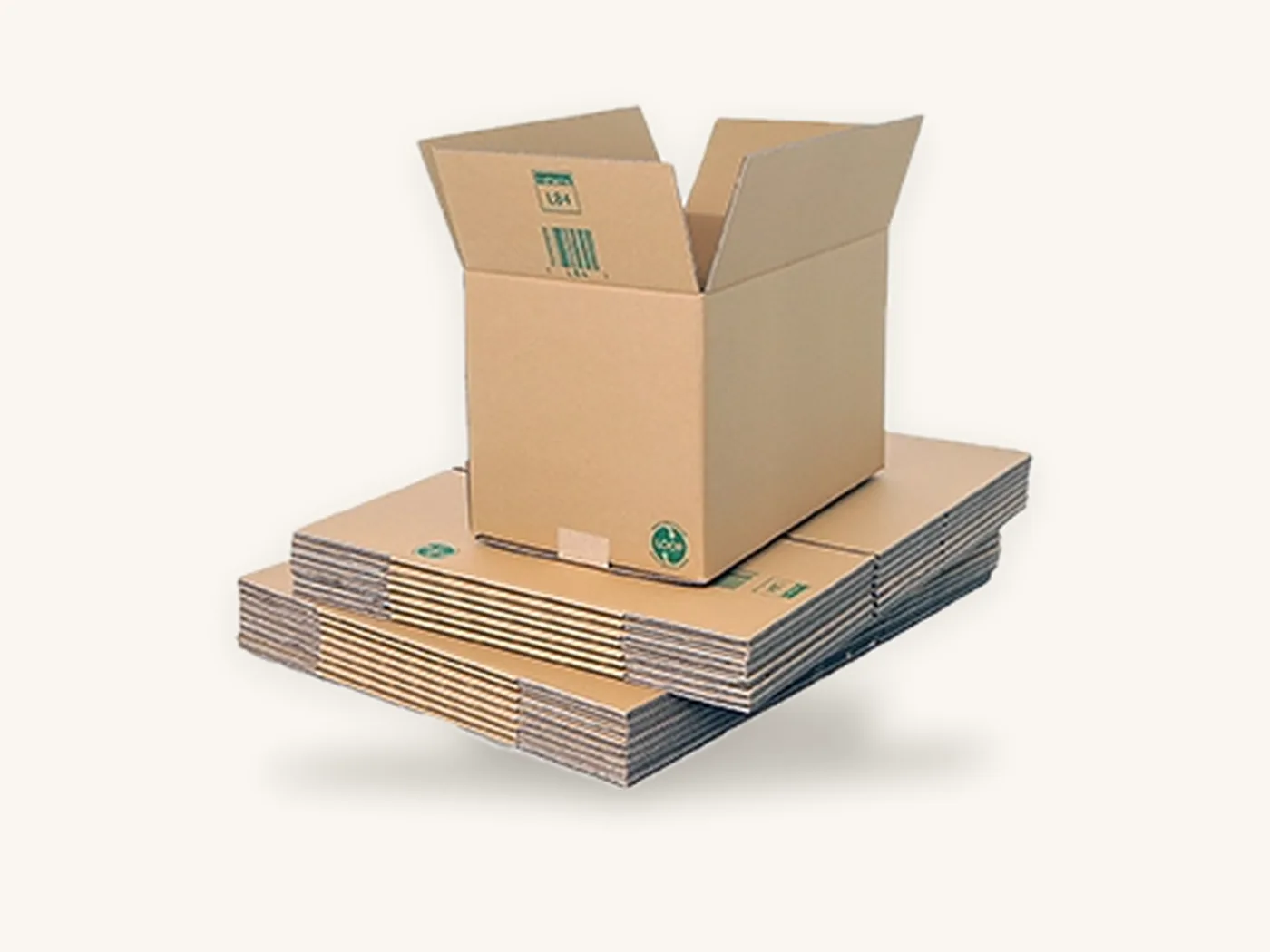
- Protect in transit. Survive drops, compression in a truck and conveyor impacts. This is what corrugated board is engineered for.
- Sell on a shelf or screen. Carry sharp print, fit a retail planogram and look good in a product photo. Folding-carton paperboard does this best per dollar.
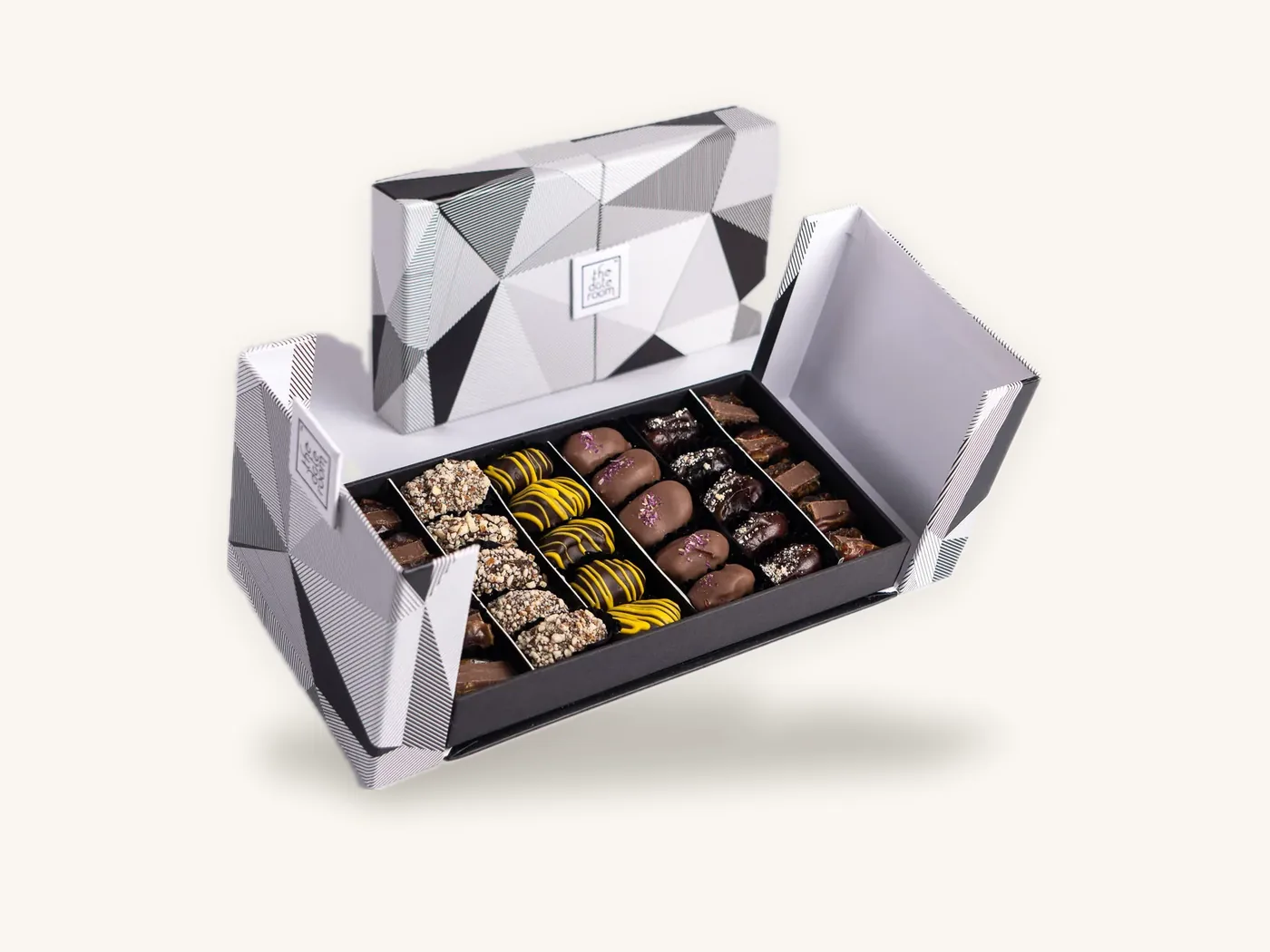
- Present and be kept. Feel substantial in the hand and survive being opened many times. Rigid greyboard wrapped in paper does this.
- Preserve the contents. Keep out moisture, oxygen, light or grease. That usually requires films, foil, coatings or specialized barrier boards.
Say you sell a scented candle online and in boutiques. The candle might sit in a printed paperboard carton (job 2), which ships inside a corrugated mailer (job 1). If the candle is a gift set, a rigid box replaces the carton (job 3). Knowing the jobs keeps you from paying for rigid board where a carton would do, or shipping a carton naked through the parcel network.
Corrugated board: the protection material
Corrugated board is made of a wavy sheet called the medium glued between flat liners. The arches of the flutes act like tiny beams, which is why a light sheet resists crushing and cushions impact. Our corrugated board page lists the grades we run.
Flute sizes in brief
| Flute | Approximate thickness | Typical use |
|---|---|---|
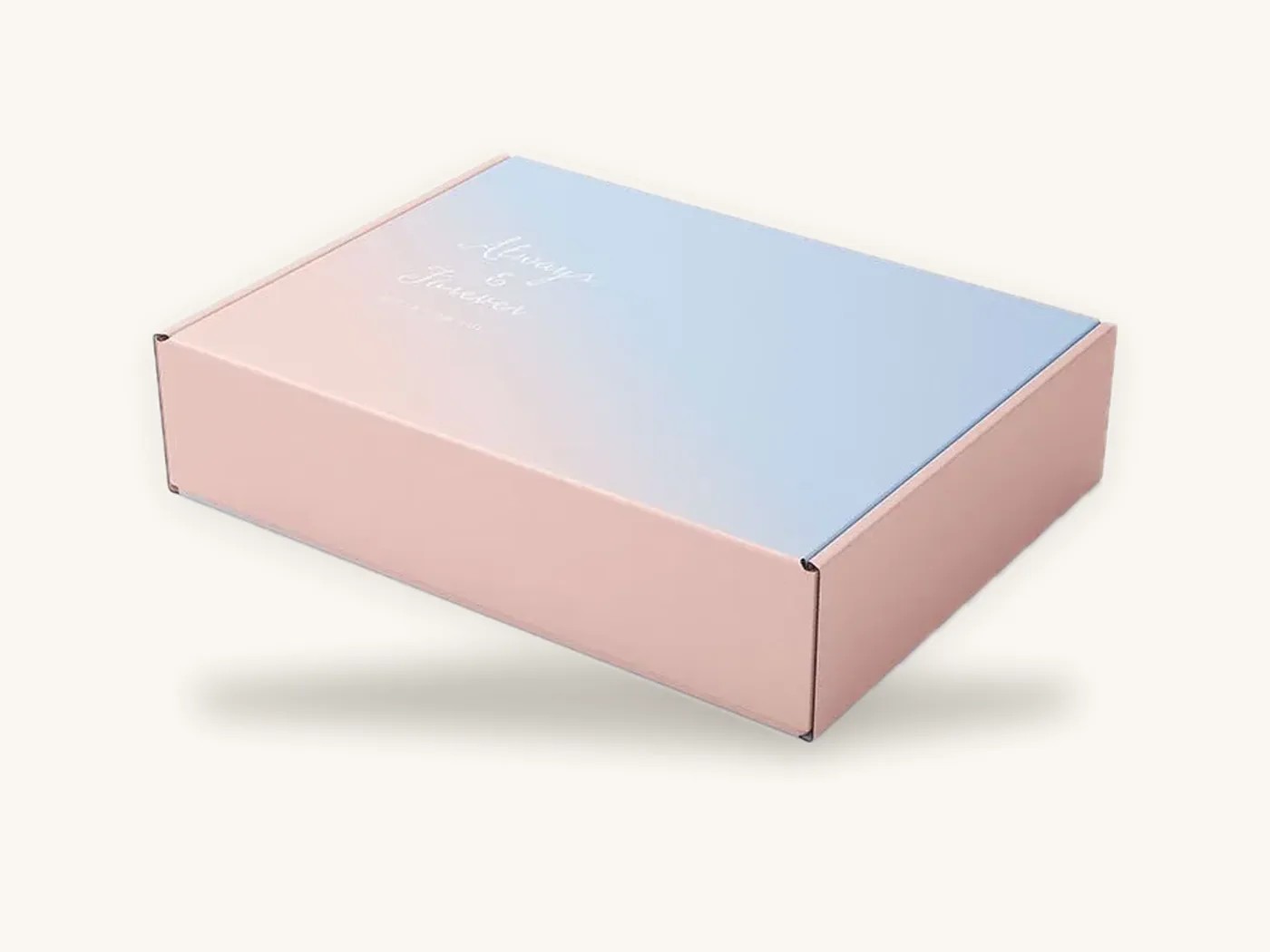
| E-flute | 1.5 mm | Printed mailer boxes, retail-ready shippers, display boxes |
| B-flute | 3 mm | Shipping boxes, heavier mailers, inner packs |
| C-flute | 4 mm | General shipping cartons with more cushioning |
| BC double wall | 7 mm | Heavy, fragile or high-value goods |
Thinner flutes print more smoothly and fold into crisper corners. Thicker flutes stack and cushion better. For the full comparison, including when to move up a grade, see corrugated flutes explained. Strength ratings on corrugated are quoted as edge crush (ECT) or burst strength, and the difference between them is covered in ECT vs burst strength.
Liner colors
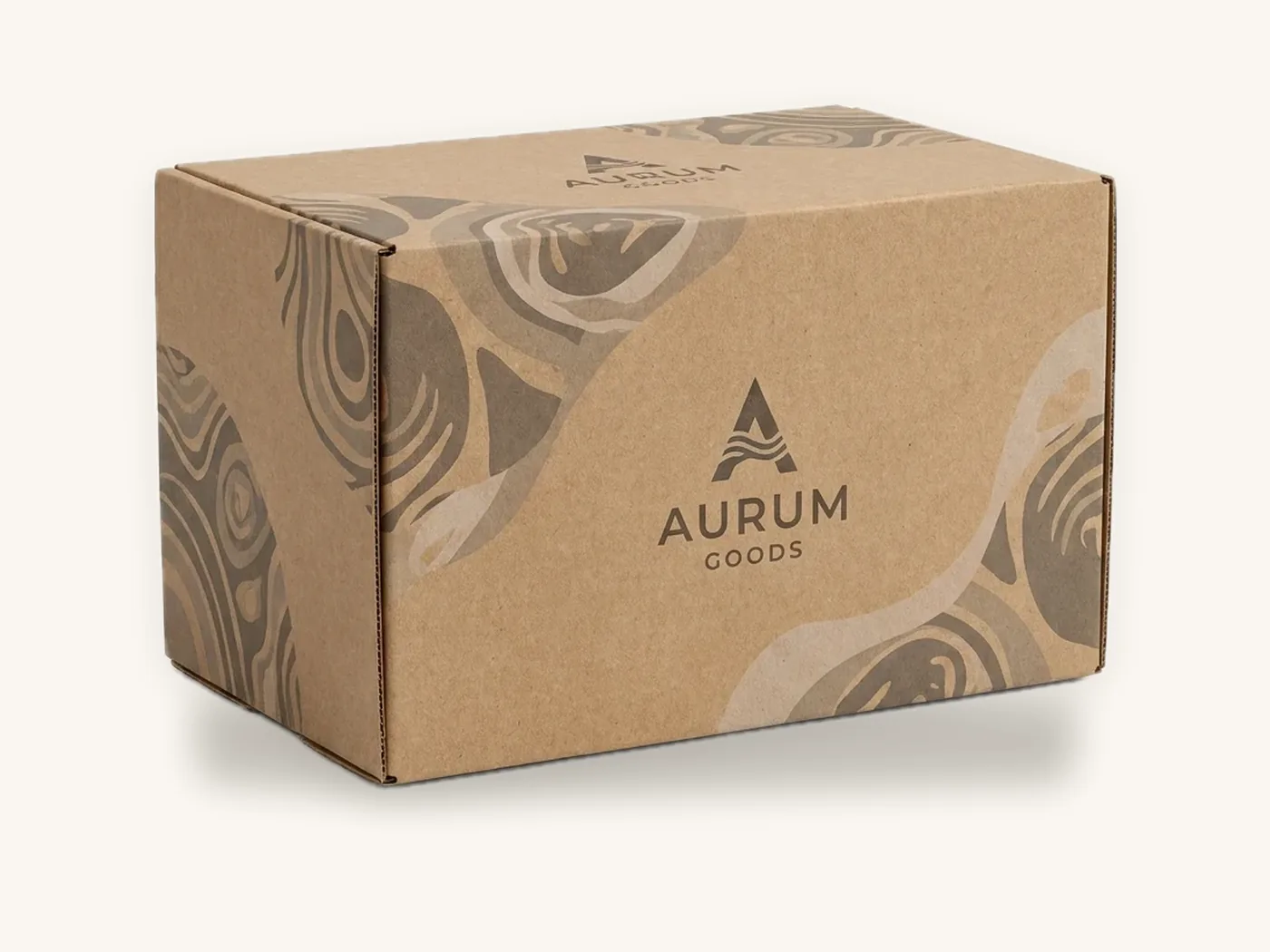
Corrugated liners come in natural kraft, white and mottled white. Kraft hides scuffs and suits one or two dark ink colors. White gives far better full-color reproduction. You can see standard structures on the corrugated boxes product page.
Paperboard: the retail and product-box material
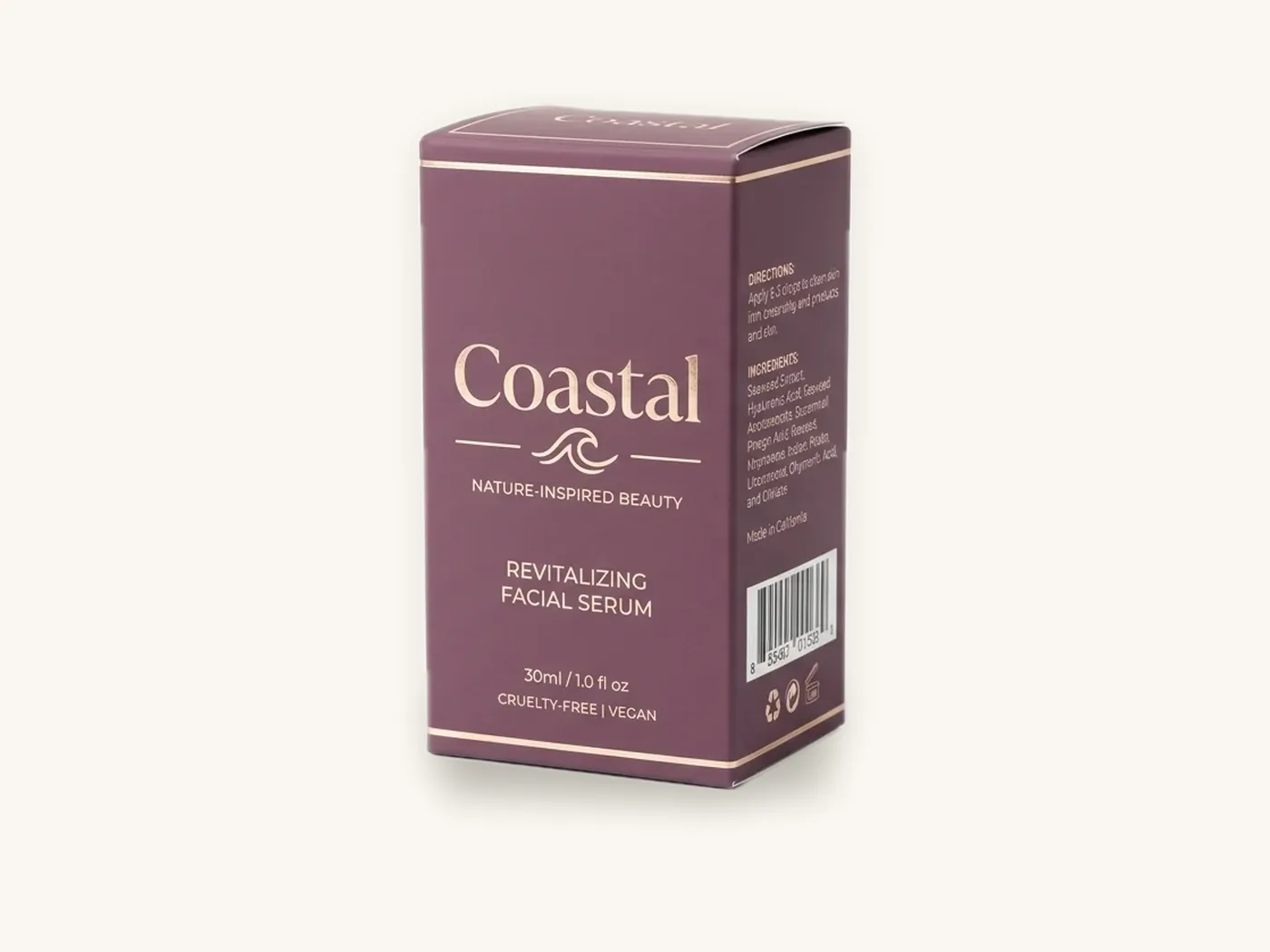
Paperboard is a single, dense sheet with no flutes, usually coated on the printed side. It is what cereal, cosmetic, supplement and most product boxes are made from. Thickness is given in points, where 1 pt is 0.001 in, so 18 pt board is 0.018 in (about 0.46 mm). Outside the US, the same board is often specified by weight in grams per square meter (gsm).
Paperboard grades differ mainly in fiber source and coating. Here are the three you will be offered most often.
SBS (solid bleached sulfate)
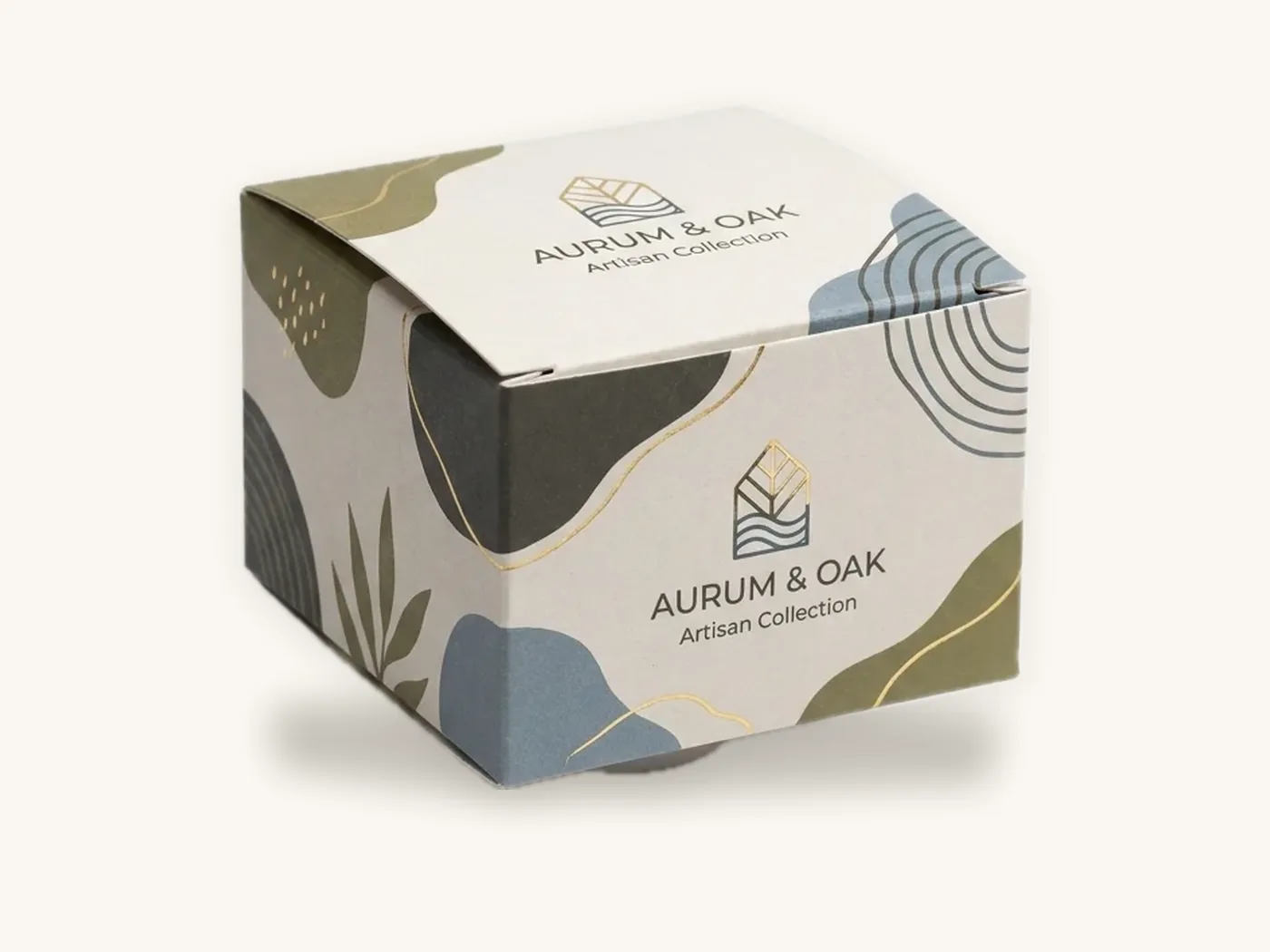
SBS is made from bleached virgin fiber, which gives a bright white, uniform surface throughout the sheet. It prints the most accurate color, takes foil and embossing crisply and is the standard for cosmetics, pharma and food cartons. It is usually coated on one side (C1S), or both sides (C2S) when the inside is printed. Our SBS paperboard page covers calipers from 12 to 24 pt.
Kraft paperboard
Kraft board is unbleached, so it has a warm brown color and visible fiber. It is strong for its weight and reads as natural or eco-minded. Full-color ink looks muted on kraft because the brown shows through, so designs usually use dark inks, one or two colors, or opaque white ink as an underlay. See kraft paperboard for options.
Recycled and budget grades: CUK, CRB and bux board
Coated unbleached kraft (CUK) has a kraft core with a white clay coating on top, giving a printable white face with a brown back. Coated recycled board (CRB) is made from recovered fiber and is typically gray inside with a white coated face. Bux board is a cost-effective, lightweight coated board for medium-weight retail and promotional cartons. These grades cost less than SBS and perform well for many products, but the surface is slightly less bright and the gray or brown core shows at cut edges and cracked folds. Our SBS vs kraft vs CUK guide goes deeper on the tradeoffs.
Tip: if you are unsure between 14, 18 and 24 pt, pick the board by product weight and box size, not by how "premium" you want it to feel. A heavier board on a small box just makes folds harder to close. The paperboard thickness guide has a sizing table.
Rigid greyboard: the presentation material
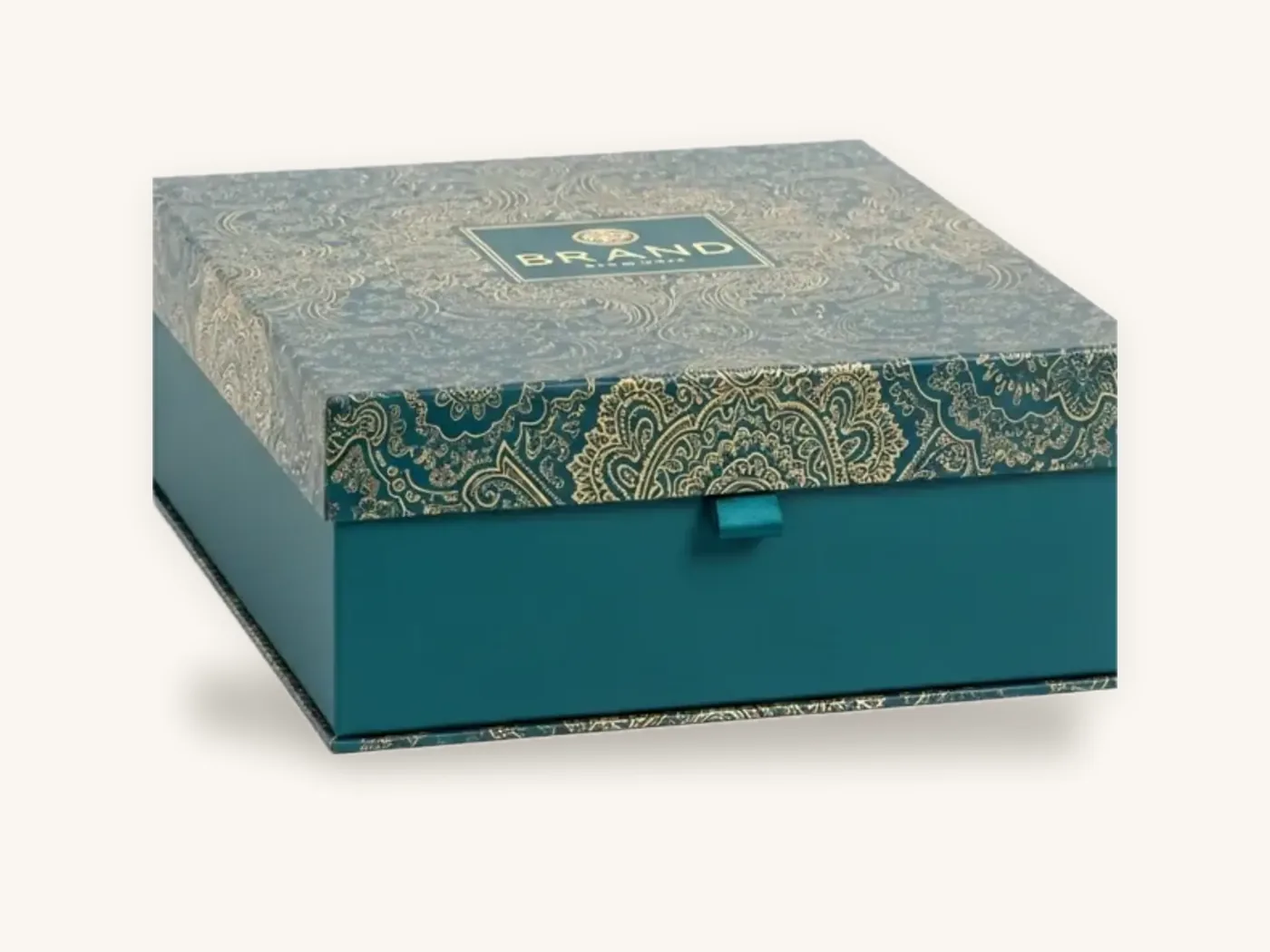
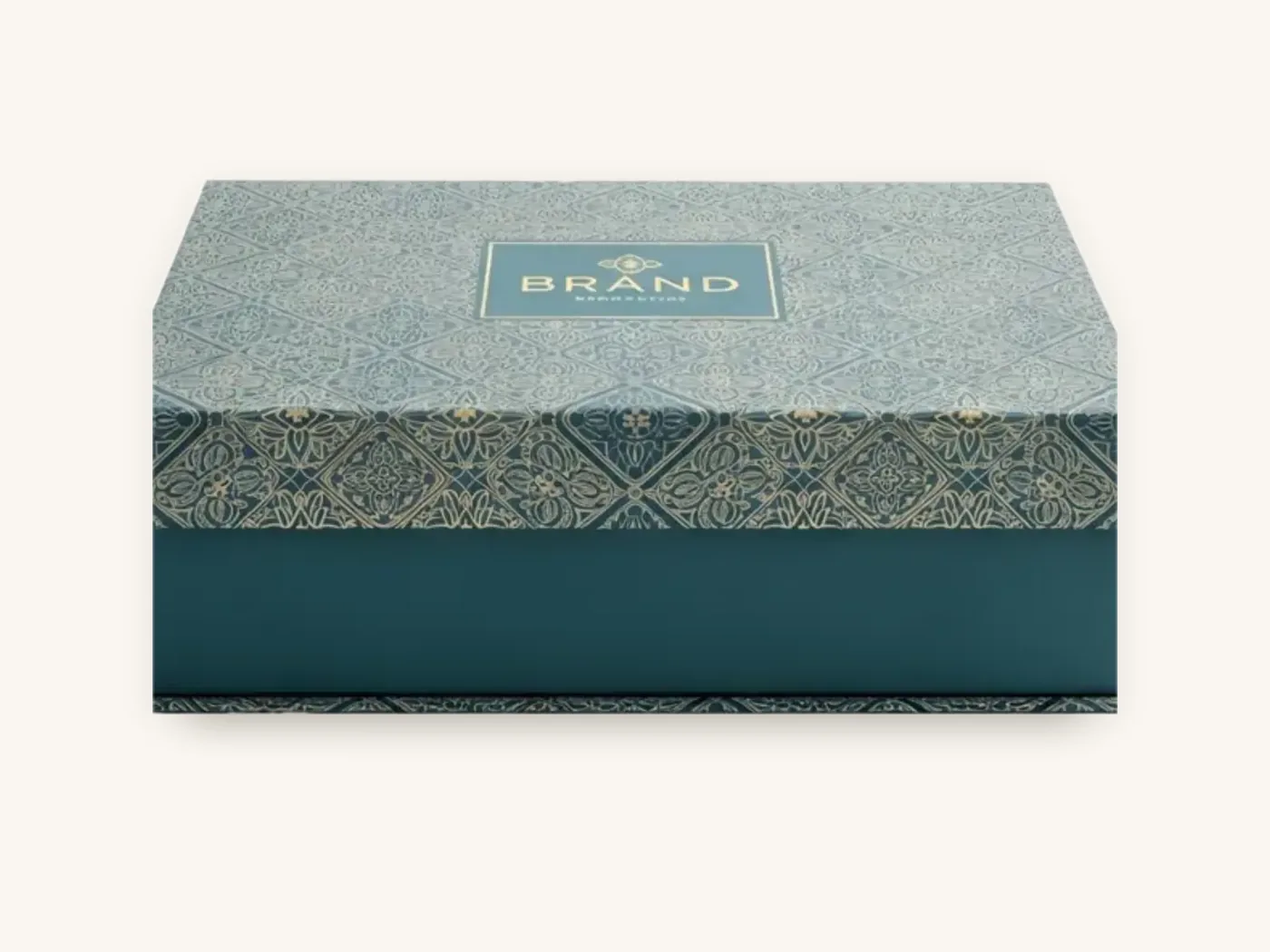
Rigid boxes are built, not folded. A thick, dense chipboard, typically 1.5 to 3 mm, is cut and formed into a tray and lid, then wrapped with printed art paper, specialty paper or fabric. The board is usually made from recycled fiber, and the wrap does all the visual work.
The result does not collapse, it feels heavy for its size and it is kept after opening, which is why jewelry, electronics, fragrance and gift sets use it. The tradeoffs are cost, more manual assembly and bulk: most rigid boxes ship already formed, so they take up far more space in freight and storage than flat cartons. Collapsible rigid styles solve the storage problem at some added complexity.
See rigid greyboard for board details, and custom rigid boxes for structures including lift-off lids, magnetic closures and drawers.
Wrapping papers
The wrap is where rigid boxes become distinctive. Standard printed art paper handles full-color artwork. Textured papers such as linen, felt and leather-grain, and pearlescent or metallic papers, add a tactile layer before any print. Our guide to specialty and textured papers covers those in detail.
Specialty boards and surface materials
Some box materials are defined by their surface rather than their core.
- Metallic and holographic board has a metallized film or foil laminated to paperboard, giving a mirror or rainbow base that ink prints over. It is popular for cosmetics, vape and gift cartons. See metallic and holographic board.
- Textured specialty papers are usually wraps for rigid boxes and sleeves rather than folding-carton board.
- Eco-friendly grades include post-consumer recycled boards, FSC-certified virgin fiber and plastic-free combinations with aqueous coatings and PLA windows. See eco-friendly materials.
Coatings and laminations sit on top of any of these. Aqueous coating is a thin water-based layer; laminations are thin films in matte, gloss or soft-touch. Our packaging finishes guide and soft-touch lamination guide explain how they change durability and recyclability.
Flexible packaging, paper bags and tubes
Not every product belongs in a box. Flexible and formed materials cover the cases where boxes are too bulky, too porous or the wrong shape.
Films and laminated pouches
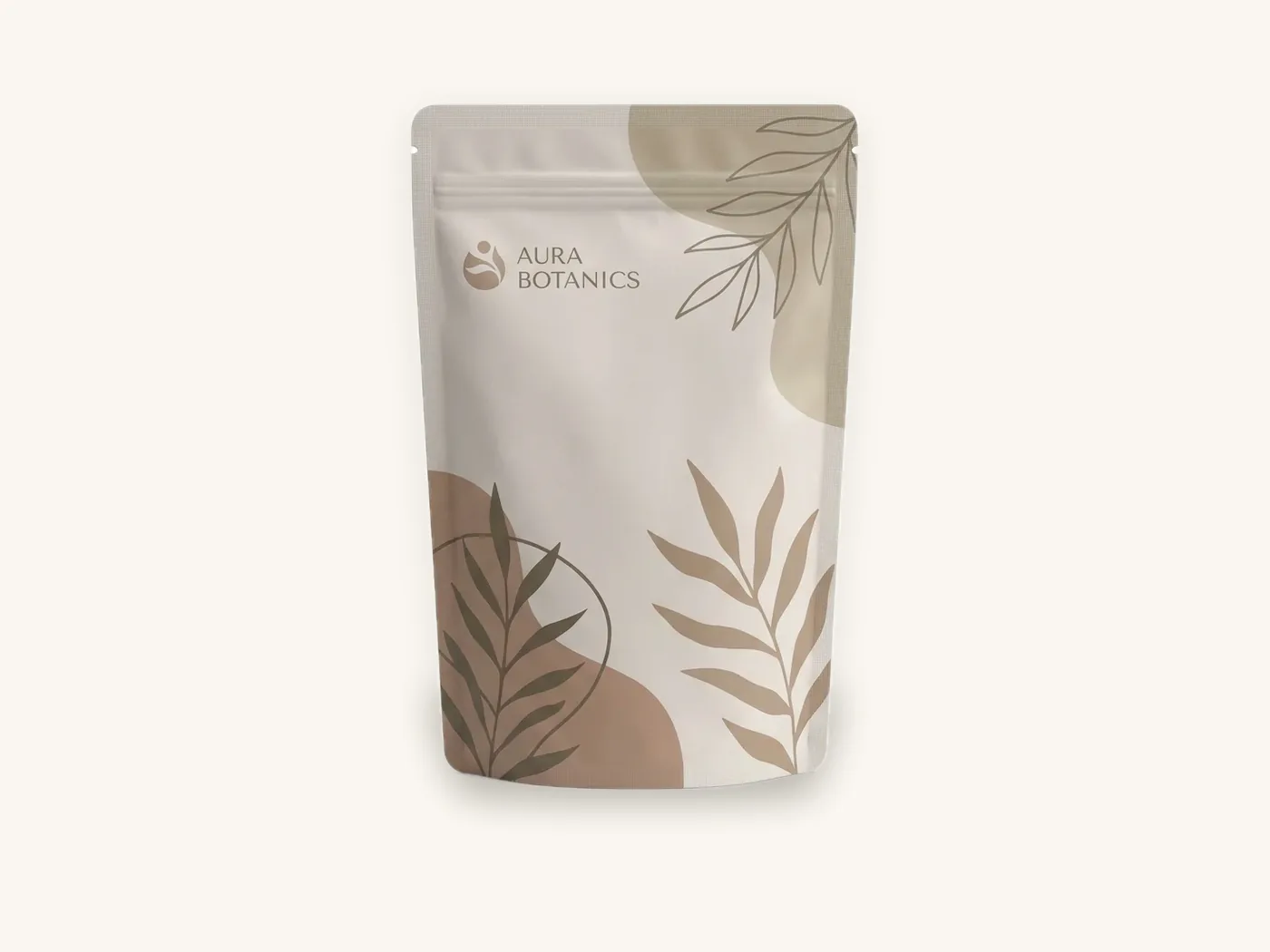
Stand-up pouches and mylar bags are made from layered films, sometimes with a metallized or foil layer. The layers are chosen for barrier: moisture, oxygen, aroma and light. They are the go-to for coffee, snacks, supplements in powder form and anything that must stay fresh after opening, often with a zipper and a degassing valve for coffee. The tradeoff is recyclability: multi-material laminates are hard to recycle in most US curbside programs, though mono-material structures are increasingly available.
Paper bags
Paper shopping bags use kraft or bleached paper, sometimes laminated, with rope, twisted-paper or ribbon handles. They are a retail carry material, not a shipping one. See custom paper bags.
Paper tubes
Spiral or convolute wound paperboard tubes make cylindrical packaging for tea, candles, cosmetics and apparel. They feel premium, are mostly paper and can be wrapped like rigid boxes.
Insert and cushioning materials
Inserts hold products in place and absorb shock. The material choice here often matters more for damage rates than the outer box.
| Insert material | How it works | Best for | Tradeoffs |
|---|---|---|---|
| Paperboard | Die-cut and folded to hold items | Light products, cosmetics, sets | Limited cushioning |
| Corrugated | Die-cut flute board partitions | Glass, bottles, heavier kits | Bulkier; plainer look |
| Molded pulp | Formed from wet recycled fiber | Electronics, fragile items, plastic-free kits | Tooling per shape; textured look |
| EVA or PU foam | Cut or routed cavities | High-value, precision or electronics items | Plastic; harder to recycle |
| Paper fill and tissue | Crinkle paper or tissue takes up space | Apparel, gift boxes, loose kits | Less precise positioning |
See box inserts and dividers for structures we produce.
Choosing packaging materials by product
This is where the categories come together. Start from your product in the left column and read across.
| Product situation | Primary material | Common second layer | Why |
|---|---|---|---|
| Light retail product sold in stores | 14–18 pt SBS carton | None, or a display box | Best print per dollar, fits shelves |
| Same product shipped DTC | 18 pt SBS carton | E-flute corrugated mailer | Carton sells, corrugated protects |
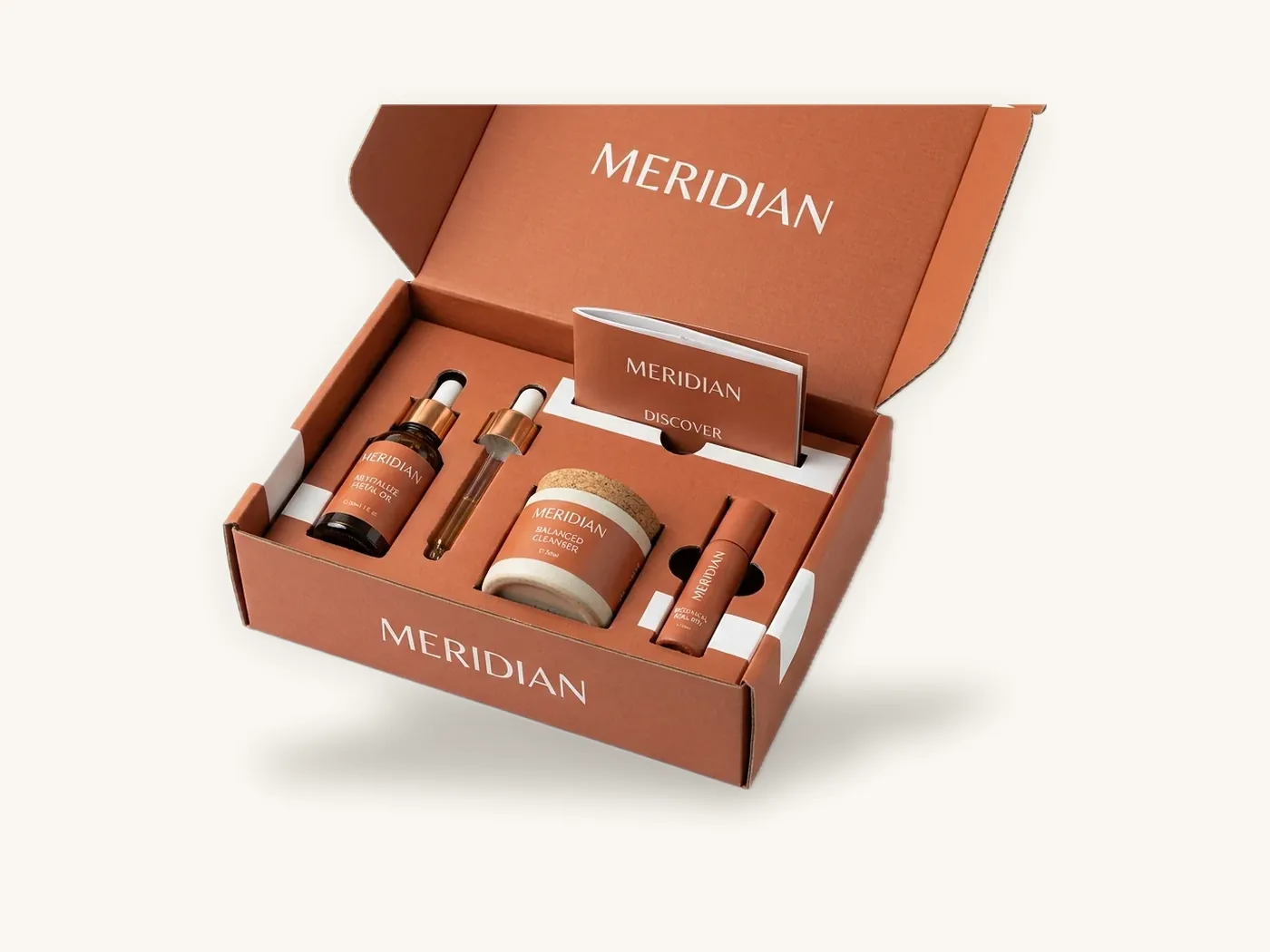
| Brand-forward DTC product under a few pounds | E-flute printed mailer | Paperboard insert | One box ships and presents |
| Heavy or bulk goods | B, C or BC corrugated | Corrugated partitions | Compression and puncture strength |
| Natural, handmade or eco brand | Kraft paperboard or kraft corrugated | Paper fill | Look matches positioning, easy to recycle |
| Premium gift, jewelry, fragrance | Rigid greyboard with specialty wrap | Foam, pulp or paperboard insert | Weight, feel and keepsake value |
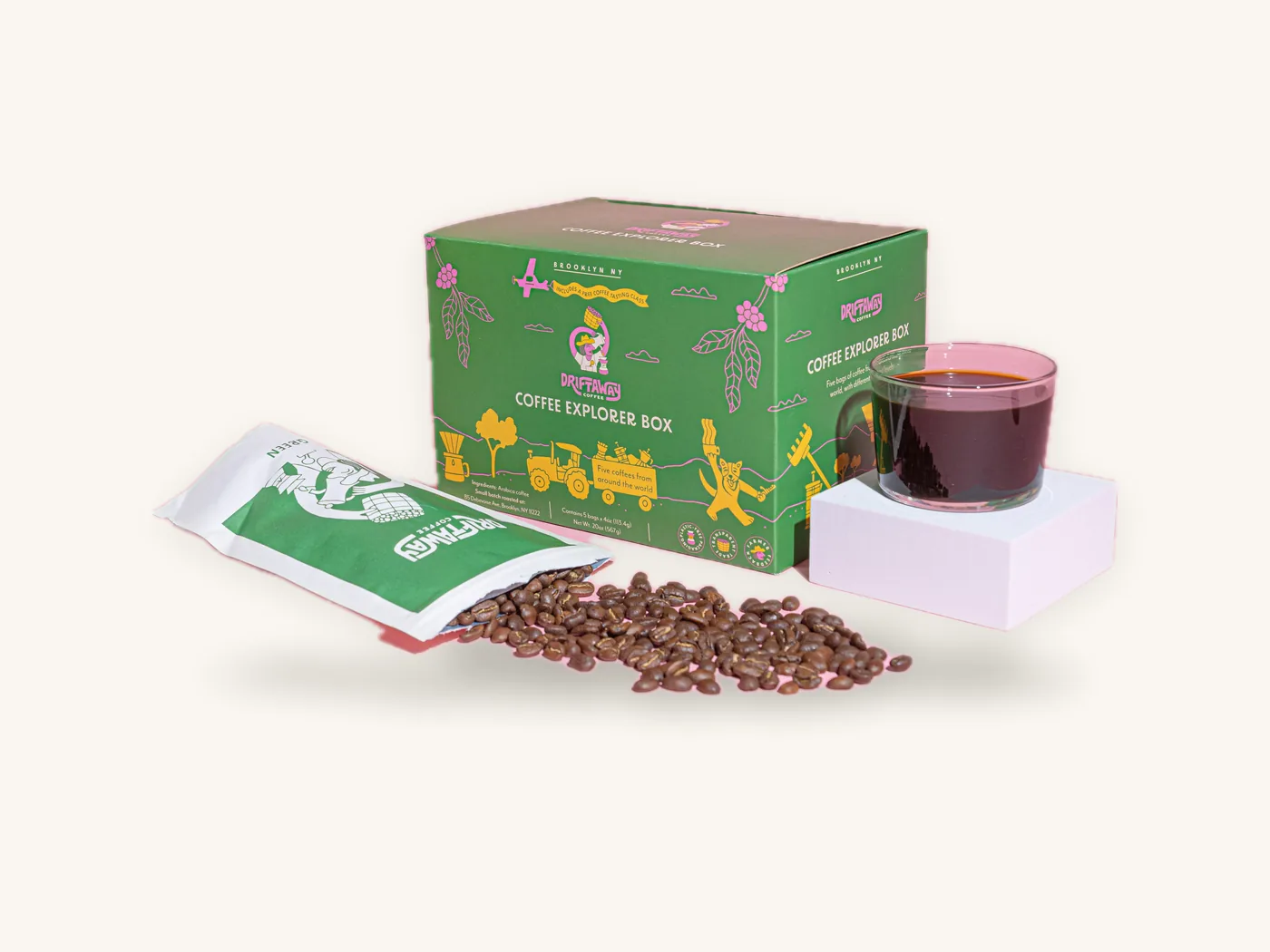
| Coffee, snacks, powders | Laminated film pouch | Printed carton for retail sets | Moisture and oxygen barrier |
| Bakery and takeout | Grease-resistant SBS or kraft board | PET or PLA window | Food contact and grease handling |
How material affects print and finish
The same artwork looks different depending on the surface it lands on. Knowing this before design saves a proof cycle.
- Coated SBS gives the brightest, most accurate color and the finest detail.
- Kraft darkens and warms every color; use white ink underneath where you need brightness. Our guide to white ink on kraft shows how.
- Corrugated prints well on E-flute, but large solid floods can show faint flute lines. Litho-laminating a printed sheet onto corrugated avoids this for premium boxes.
- Textured papers break up fine halftones and small type, but hold foil and embossing beautifully.
- Metallic board lets you leave areas unprinted for a mirror effect, with white ink used to block the metal where colors need to look normal.
Sustainability by material type
No material is automatically "sustainable." What matters is fiber source, recycled content, how the finished package is disposed of, and whether any claim you print is accurate.
Paper-based materials (corrugated, paperboard, rigid board, paper bags) are widely recyclable in US curbside programs when they are not heavily laminated or combined with plastics. FSC certification speaks to responsible fiber sourcing. Films and multi-layer laminates are harder to recycle, and compostable films only compost in facilities that accept them. Our sustainability page describes the options we offer, including FSC-certified boards, soy and water-based inks and aqueous coatings.
If you print environmental claims, the FTC's Green Guides set expectations for how those claims should be qualified. Review current guidance or ask counsel first.
What different materials cost
Material is one of several cost drivers, alongside size, print coverage, finishes and quantity. These specs from our current rates show roughly how the main box materials compare at the same order sizes, with free US shipping included. Sizes differ between rows, so treat this as a ladder, not a like-for-like test.
| Spec | 100 | 1,000 | 5,000 |
|---|---|---|---|
| Kraft tuck carton, 18 pt kraft, 4x3x2 in, 1-color | $0.81 | $0.36 | $0.25 |
| Straight tuck end carton, 18 pt SBS, 3x2x5 in, full color, aqueous | $1.15 | $0.51 | $0.36 |
| Mailer box, E-flute, 8x6x3 in, full color outside | $2.64 | $1.17 | $0.83 |
| Rigid box, 2 mm greyboard wrapped, 8x6x3 in, full color, matte | $9.10 | $4.05 | $2.87 |
The jump from an E-flute mailer to a rigid box of the same size is the clearest material effect: about $1.17 versus about $4.05 each at 1,000 units. That gap comes from thicker board, wrapping labor and bulk. Use the instant price estimator for your own size and material.
How to choose and order materials with Box Sense
We manufacture corrugated, paperboard and rigid packaging in-house, so we can recommend a material based on your product rather than on what one machine can run.
A five-step material selection process
- Name the jobs. Protect, sell, present, preserve: which matter for this SKU?
- Weigh and measure the packed product, including any bottle, pouch or insert.
- Shortlist two materials, using the product table above.
- Request free unprinted structural samples in both, and test fit, closing and a waist-height drop.
- Price both at your realistic quantities, then decide.
What to include in your request
- Product dimensions, weight and fragility
- Where it is sold: retail shelf, online, both, or gifting
- Material shortlist, or a request for a recommendation
- Print and finish preferences
- Quantities to price and target in-hand date
- Any sustainability requirements, such as FSC board or plastic-free
Quotes are confirmed within 24 hours. We provide free design support including a dieline, artwork setup and a 3D digital proof with two revision rounds. Printed samples of approved artwork are free on orders of 100 or more. Standard production is 8–12 business days after proof approval, with rush production in 5 business days on most paperboard and corrugated styles. The minimum order is 10 boxes, there are no die or plate charges, and US shipping is free. See how it works for the full sequence.
Frequently asked questions
What are the most common types of packaging materials?
The most common are corrugated board for shipping boxes, paperboard for retail cartons, rigid greyboard for premium boxes, flexible films and laminates for pouches and bags, and molded pulp or foam for inserts. Paper-based materials dominate product boxes because they print well, fold efficiently and are widely recyclable. The right one depends on whether the package mainly needs to protect, sell, present or preserve.
What is the difference between cardboard and paperboard?
"Cardboard" is an informal word people use for several materials. In the packaging trade, paperboard means a single solid sheet, usually 12 to 24 pt thick, used for folding cartons. Corrugated board has a fluted layer between liners and is used for shipping boxes. Rigid greyboard is a much thicker solid board used for set-up boxes. Specifying the actual material avoids confusion in quotes.
Which box material is best for shipping?
Corrugated board is the best general-purpose shipping material. E-flute suits lighter direct-to-consumer products and printed mailers, B-flute and C-flute handle heavier items and bulk shipments, and double-wall BC board suits heavy or fragile goods. Paperboard cartons and rigid boxes usually need a corrugated outer box when shipped through parcel carriers, unless they are specifically designed for it.
Is kraft paperboard stronger than SBS?
Kraft paperboard is typically strong for its weight because its unbleached fibers are long and retain more strength, while SBS is chosen mainly for its bright, smooth printing surface. At the same caliper, both are suitable for most retail cartons. Choose kraft for a natural look and toughness, SBS for accurate color and premium finishes. Samples in both are the easiest way to compare.
What is the cheapest packaging material for custom boxes?
Recycled and kraft paperboards with minimal printing are usually the least expensive for small product boxes. For example, an 18 pt kraft tuck carton at 4x3x2 in with one-color print is about $0.36 each at 1,000 units, including US shipping. Price still depends heavily on size, print coverage and quantity, so compare specs in the pricing estimator.
Which packaging materials are recyclable?
Corrugated board, paperboard and paper bags are widely accepted in US curbside recycling when they are not heavily laminated or combined with plastic. Rigid boxes are recyclable as paper in many areas once magnets, ribbons and foam are removed. Multi-layer film pouches are harder to recycle. Acceptance varies by local program, so check guidance before printing a recyclability claim on your packaging.
How do I choose between a folding carton and a rigid box?
Choose a folding carton when price, shelf efficiency and flat storage matter, which covers most retail products. Choose a rigid box when the packaging should feel substantial, be kept after opening, or justify a premium price, as with jewelry, fragrance and gift sets. A rigid box costs several times more per unit than a carton of similar size, so reserve it for products where presentation drives value.
Next steps
Shortlist two materials for your product, then compare them in the packaging price estimator. When you are ready to test, request a quote and free structural samples, and we will recommend a material and confirm pricing within 24 hours.
Boxes in this guide
Order the packaging we covered
Written by the Box Sense Packaging Team
Our structural designers, prepress technicians and production staff print and convert custom boxes every day for brands in the United States, United Kingdom and UAE. Questions about this guide? Talk to us.