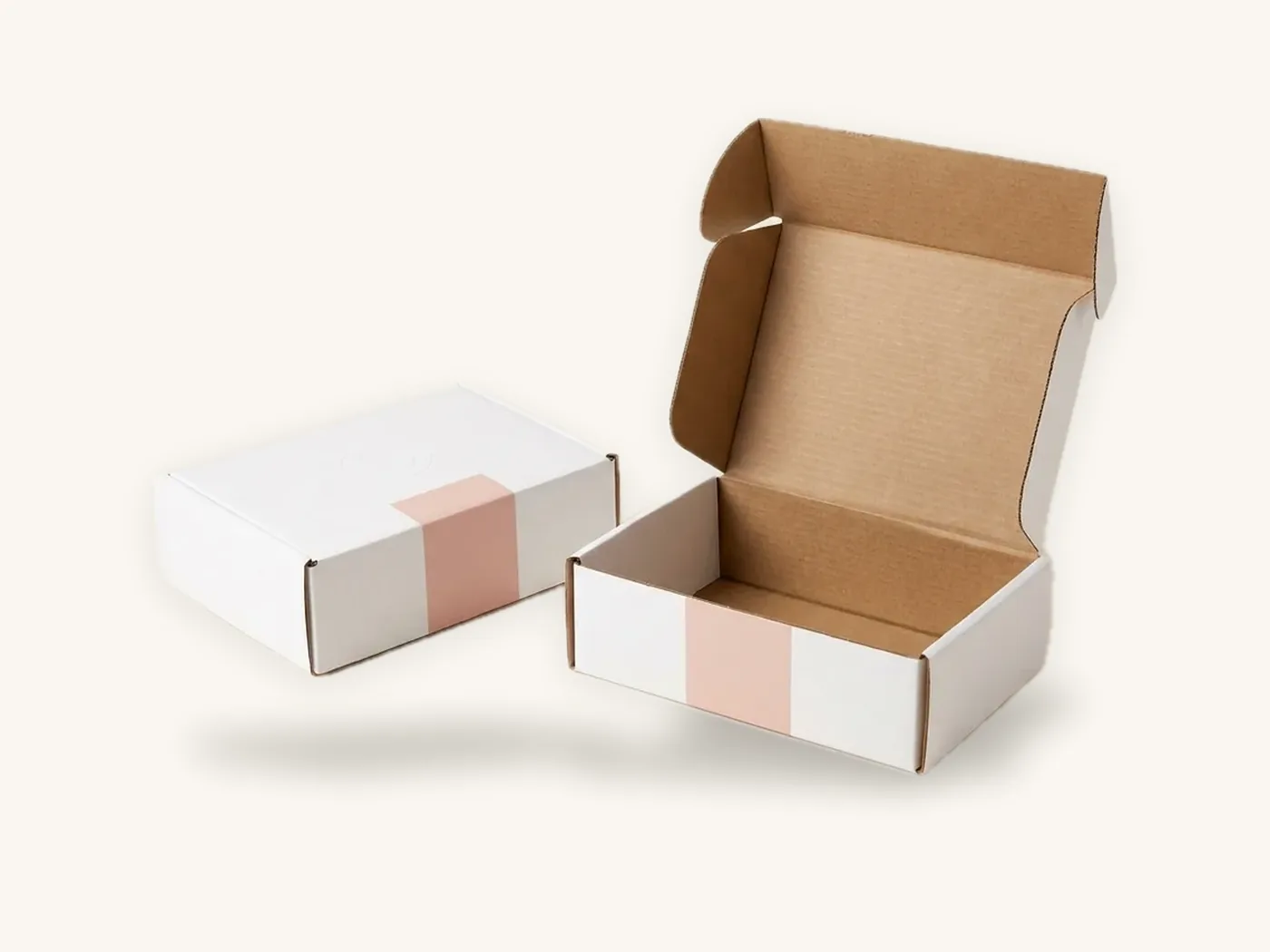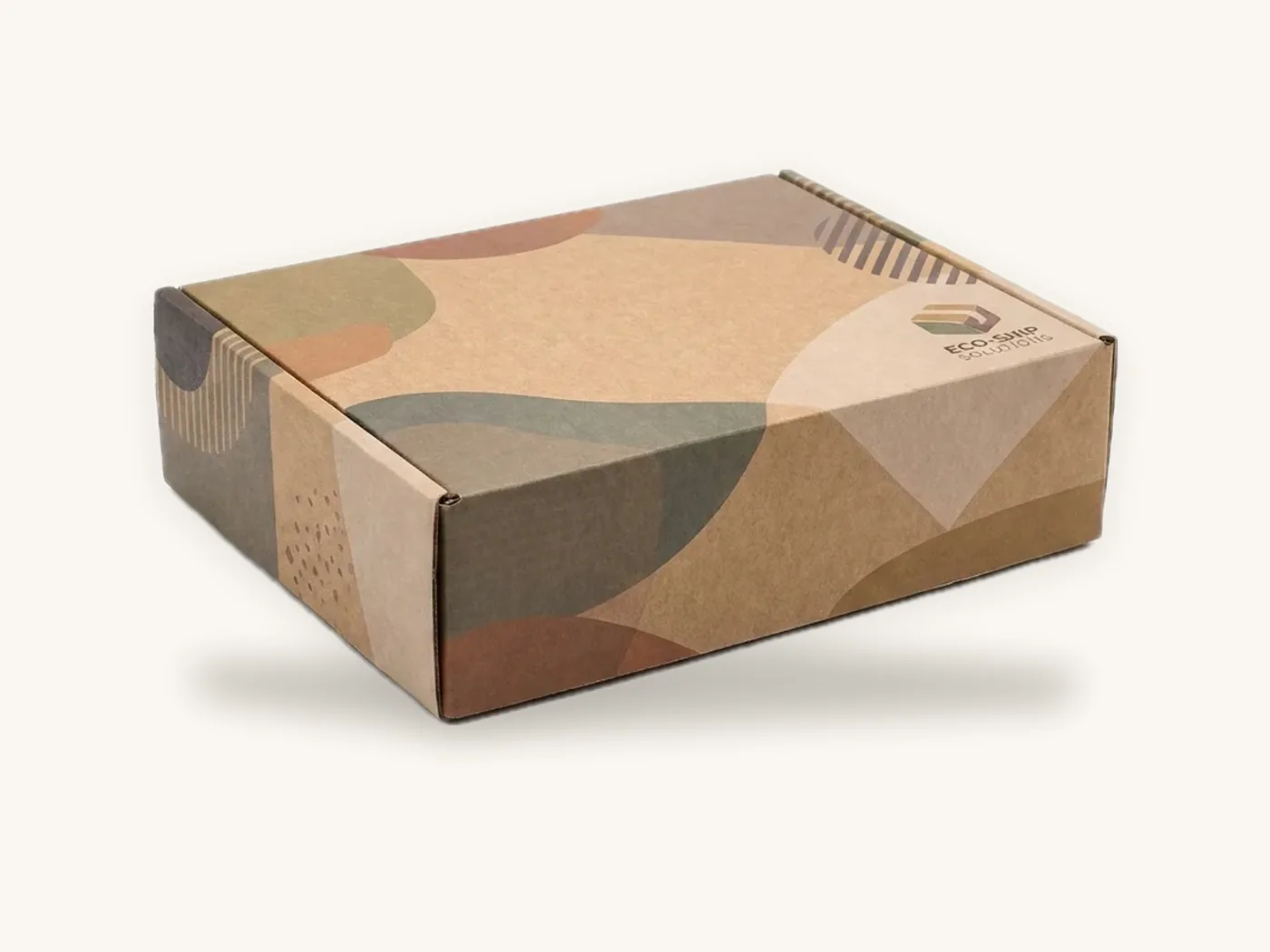
The best custom packaging companies are not the ones at the top of a ranking; they are the ones whose capabilities, minimums, lead times and quality control match your product and your order size. A supplier that is perfect for a 50,000-unit cereal carton run can be a poor fit for a 200-box beauty launch, and the reverse is just as true.
So instead of a list of names, this is a buyer's guide. It explains the different kinds of packaging suppliers, the criteria that separate a reliable partner from a risky one, the questions to ask before you pay a deposit, how to compare quotes fairly, and the red flags that should make you walk away.
Key takeaways
- Define your needs first: box types, quantities, reorder frequency, finish level and deadline. "Best" only means something against those needs.
- Know whether you are talking to a manufacturer, a broker or a distributor; each can be a good choice, but accountability differs.
- Compare quotes on an identical spec, and check what is included: dies, plates, tooling, proofs, samples and freight.
- A physical sample and a clear proof process tell you more about a packaging supplier than any website claim.
- Ask about defect policies, color tolerances and who pays for a reprint before you order, not after.
- Start with a small trial order when you can; it tests communication and quality at low risk.
Start with your own requirements
Before you contact anyone, write down what you actually need. This short brief keeps every conversation focused and makes quotes comparable.
- Box types: mailers, shipping boxes, folding cartons, rigid boxes, displays, bags or labels.
- Quantities: first order and expected reorder size, per SKU.
- Frequency: a one-off launch, seasonal runs or monthly replenishment.
- Finish level: simple one-color print, full color, or premium finishes such as foil and soft-touch.
- Deadline: your in-hand date, including time for proofs and samples.
- Delivery: one address or several, domestic or international, pallets or cartons.
- Constraints: food contact, child-resistant requirements, FSC-certified board, retailer specifications.
- Support needed: whether you have print-ready artwork or need structural and graphic help.
With that brief in hand, the right supplier becomes easier to spot. A brand ordering 100 custom mailer boxes with help on artwork needs short-run digital printing and design support. A brand ordering 20,000 retail cartons with in-house designers needs offset capacity, strict color control and palletized freight.
Types of packaging suppliers and how they differ
"Packaging company" covers several very different businesses. None is automatically better; what matters is that you know which one you are dealing with and who is accountable when something goes wrong.
| Supplier type | What they do | Strengths | Watch for |
|---|---|---|---|
| Manufacturer with in-house printing | Prints, cuts, glues and finishes in its own facility | Direct control of quality and schedule, one point of accountability | May specialize in certain box types |
| Broker or reseller | Takes your order and places it with partner factories | Wide catalog, one contact for many product types | Less direct control; ask where each item is made |
| Overseas factory | Produces abroad, often at high volume | Low unit price at large quantities | Longer transit, deposits, harder to resolve defects |
| Stock box distributor | Sells plain boxes in standard sizes | Fast, no artwork | Limited or no custom printing and sizing |
| Local print shop | Prints labels, sleeves and sometimes short-run cartons | Convenient for very small runs | Limited structural capability and board range |
Why the difference matters
When a manufacturer prints and converts in-house, the same team that approved your proof controls the press and the die-cutter, so problems are traced and fixed quickly. With a broker, your issue may pass through two companies before anyone looks at the press sheet. That does not make brokers bad; many run well. It means you should ask more questions about where and how each item is produced.
Our guide to domestic vs overseas packaging goes deeper on the offshore tradeoff, including freight time and cash tied up in transit.

Eight criteria for evaluating custom packaging manufacturers in the USA
Use these criteria to score every packaging supplier on your shortlist. Weight them by what matters most to your brand.
1. Capability for your box types
Ask which structures and materials the company produces in its own facility. Corrugated mailers, folding cartons and rigid boxes each use different equipment. A supplier strong in SBS paperboard cartons may outsource rigid boxes, and that is useful to know before you place a mixed order.
2. Minimums that fit your volume
Minimum order quantities range from a handful of boxes to many thousands. A low minimum matters when you are launching or testing; a supplier with high minimums may offer better pricing on big runs. Our explainer on packaging MOQs covers why minimums exist.
3. Price transparency
A good quote lists unit price at each quantity, and says clearly whether dies, plates, finish tooling, proofs, samples and freight are included. Vague totals make comparison impossible.
4. Proofing and samples
Look for a dieline, a digital or 3D proof, a defined number of revision rounds and access to physical samples. The packaging samples guide explains the difference between structural, digital and printed pre-production samples.
5. Lead time and reliability
Ask for standard and rush production times, and when the clock starts. "Ten days" from order and "ten business days after proof approval" are very different schedules.
6. Quality control and defect policy
Ask how color is checked on press, what tolerances apply to cutting and folding, and what happens if boxes arrive damaged or wrong. A written reprint policy is a strong signal.
7. Communication
Response time on your first inquiry is a preview of response time when a deadline is at risk. Note whether you get a named contact and specific answers.
8. Sustainability options and honest claims
If it matters to your brand, ask about FSC-certified board, recycled content, water-based inks and plastic-free finishes. Be wary of sweeping green claims without detail; the Federal Trade Commission's Green Guides describe how environmental claims should be qualified. Our sustainable packaging guide explains which options are meaningful.
A simple scorecard
| Criterion | Weight (1 to 3) | Supplier A score (1 to 5) | Supplier B score (1 to 5) | Notes |
|---|---|---|---|---|
| Makes our box types in-house | 3 | |||
| Minimum fits first order | 2 | |||
| Clear, itemized pricing | 3 | |||
| Proof and sample process | 3 | |||
| Lead time meets deadline | 2 | |||
| Written defect policy | 3 | |||
| Responsiveness | 2 | |||
| Sustainability options | 1 |
Multiply each score by its weight and add the column. The totals will not decide for you, but they make the tradeoffs visible when two quotes look similar.
Questions to ask a packaging supplier before you order
These questions work by email or on a call. Good suppliers answer them directly and in writing.
- Which of the items in my quote are produced in your own facility, and which are outsourced?
- Which printing method will you use at my quantity, digital or offset, and why?
- What exactly is included in the unit price: dies, plates, tooling for finishes, proofs, samples, freight?
- How many proof revision rounds are included, and what does a 3D proof show?
- Can I get an unprinted structural sample, and what does a printed sample cost?
- When does the production clock start, and what is the standard and rush lead time?
- How do you control color between the proof and the run, and between reorders?
- What cutting, folding and color tolerances should I expect?
- How do I report a defect, how long do I have, and who pays for a reprint?
- How will the boxes be packed and delivered: cartons or pallets, and how many?
- What board grades do you recommend for my product weight, and why?
- Do you keep my dieline and artwork on file for reorders?
For a ready-made version you can copy into an email, see the packaging quote checklist.
Tip: send the same written brief and the same questions to every supplier on your shortlist. Answers to identical questions are easy to compare; answers to different conversations are not.
How to compare quotes fairly
Two quotes for "custom boxes" can describe very different products. Before comparing prices, line them up spec by spec.
| Line item | What to confirm | Why quotes differ |
|---|---|---|
| Internal dimensions | Same length x width x depth | A larger box uses more board |
| Board | Same flute or caliper and liner | E-flute and B-flute differ in cost and protection |
| Same sides, color count and method | Inside print and PMS colors add cost | |
| Coating and finishes | Same lamination, foil, spot UV | Each finish adds press passes and sometimes tooling |
| Inserts | Same material and design | Foam, pulp and paperboard vary widely |
| Quantity tiers | Same breakpoints | Unit prices only compare at equal quantities |
| One-time charges | Dies, plates, tooling listed separately | Some quotes hide these; some suppliers charge none |
| Freight | Included or extra, and to where | Pallet freight on large boxes can be significant |
| Lead time | Business days from proof approval | Faster timelines may carry rush pricing |
An example of how finishes change a quote
On our own price sheet, a 10x8x3 in rigid magnetic box with soft-touch lamination, foil and an insert costs about $14.23 each at 100 units, while a simpler 8x6x3 in wrapped rigid box with matte finish is about $9.10. Those are different specs, which is exactly the point: if one supplier quotes the first and another quotes the second, the lower number tells you nothing. The custom packaging cost guide and how much custom boxes cost explain the main cost drivers by box type.
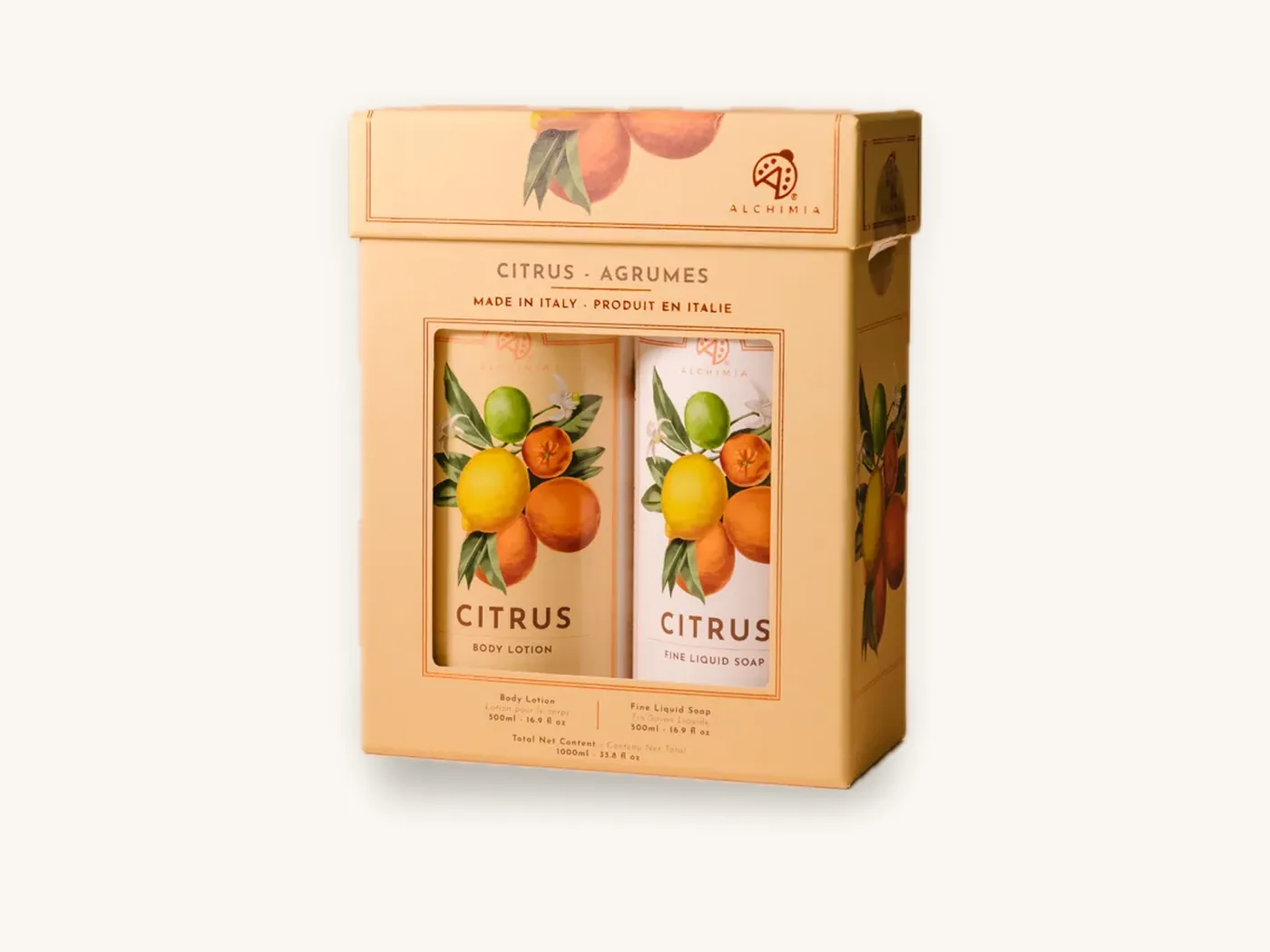
Red flags when choosing a packaging supplier
Most packaging problems are predictable. These warning signs show up before the order, if you look for them.
During the quote
- A price with no itemized spec, or a spec that does not match what you asked for
- Refusal to say where the boxes are made
- No mention of proofs, or a proof available only after payment in full
- Unit prices far below every other quote on an identical spec, with no explanation
- Pressure to pay immediately to "lock in" a price
During proofing and samples
- No dieline, or artwork placed without showing bleed and safe zones
- A flat PDF instead of any view of how panels fold together
- Unwillingness to provide a structural sample for a new size
- Vague answers about color matching or tolerances
About policies
- No written defect or reprint policy
- A reporting window too short to inspect a delivery
- Sustainability or certification claims with no supporting detail
Watch out: a very low quote with a very long timeline can cost more than it saves. Weeks of extra transit mean ordering earlier, holding more stock and having less room to fix a problem before your launch. Our packaging supplier red flags guide covers more warning signs.
Test a supplier with a trial order
Reading websites and quotes only gets you so far. The most reliable way to evaluate a packaging supplier is to place a small, real order before committing to a large run.
What a trial order tells you
- How clearly they explain the dieline and proof
- How quickly they respond to revisions
- Whether print color matches the approved proof
- How accurately boxes are cut, creased and glued
- How well boxes are packed for delivery
- Whether they deliver when promised
How to run it
Order a short run of your most important box, ideally 50 to 250 units. Pack real products, ship several to different addresses, and inspect the rest against your approved proof. Keep notes and photos. If a supplier handles a small order carefully, it is a good sign for larger runs; if the small order is chaotic, a big one will not be better. Once a supplier passes, our custom boxes wholesale guide explains how to size and schedule the bulk orders that follow.

Matching supplier strengths to your situation
Different buyers should weight the criteria differently. Here is how priorities typically shift.
| Buyer profile | Weight most heavily | Weight less |
|---|---|---|
| First product launch | Low minimum, design help, samples, communication | Lowest unit price at scale |
| Growing DTC brand | Consistent reorders, lead time, price at 500 to 5,000 | Very large volume capacity |
| Retail brand entering stores | Color control, retailer specs, pallet delivery | Very short runs |
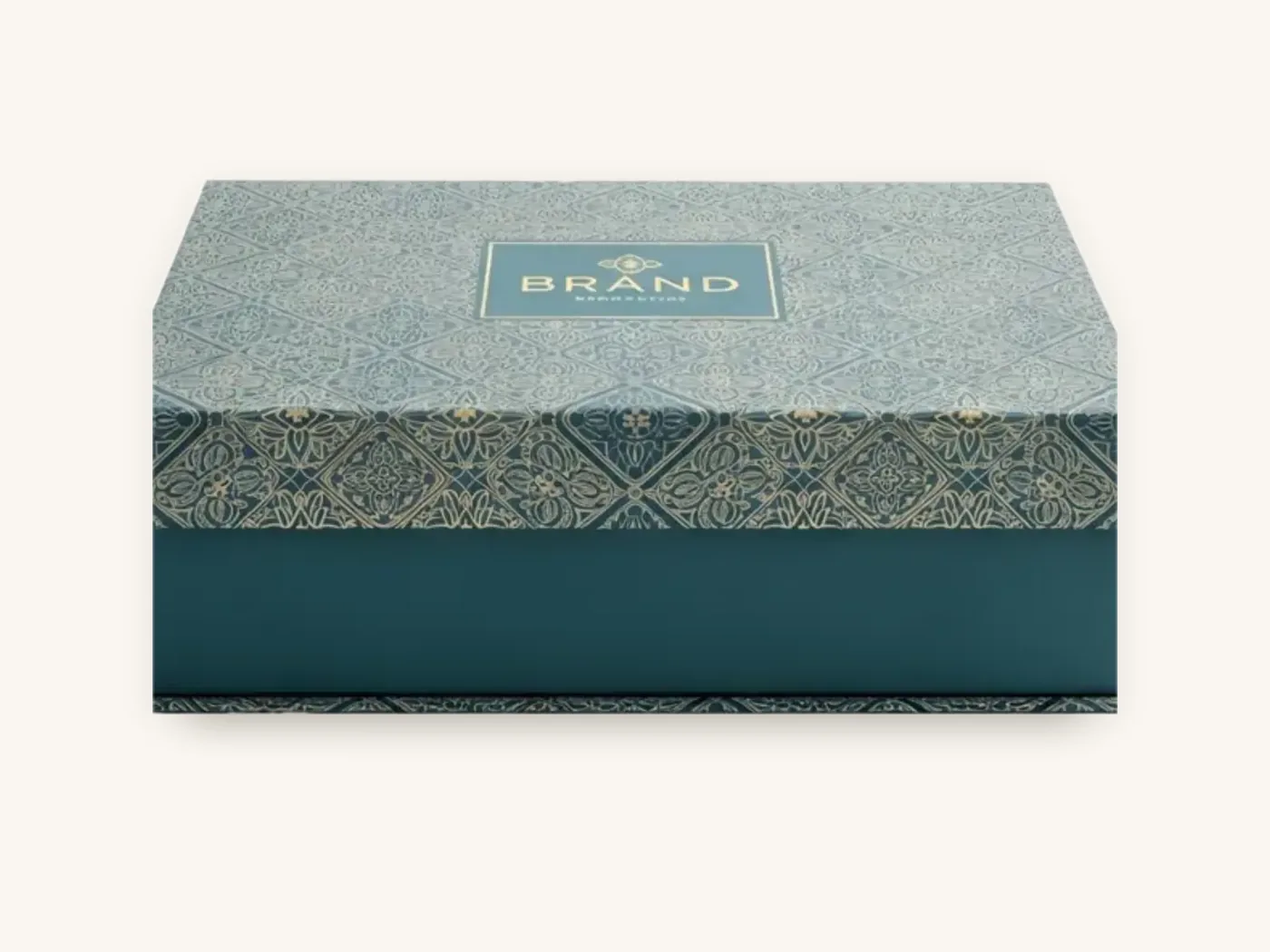
| Premium or gift brand | Finish quality, rigid box capability, inserts | Cheapest board options |
| Seasonal or promotional buyer | Rush capability, clear deadlines | Long-term reorder programs |
| Brand with sustainability goals | FSC board, plastic-free finishes, honest claims | High-gloss laminations |
A single supplier may cover several profiles. What matters is that you know which criteria decide your choice before quotes arrive.

How Box Sense answers these questions
We would rather you evaluate us on the same criteria as everyone else, so here are our answers in plain terms.
- Production: Box Sense is a manufacturer with in-house printing, die-cutting, gluing and finishing, with locations in the United States, United Kingdom and United Arab Emirates.
- Minimum order: 10 boxes. Digital printing handles short runs of roughly 10 to 500; offset handles larger runs.
- Pricing: instant estimates on the pricing page, quotes confirmed within 24 hours, no die or plate charges. One-time tooling applies only to foil, embossing, spot UV and custom inserts.
- Design and proofs: free dieline, artwork setup and 3D digital proof, with two revision rounds through our design services team.
- Samples: unprinted structural samples are free; a printed sample of approved artwork is free on orders of 100 or more.
- Lead time: standard production 8–12 business days after proof approval; rush in 5 business days on most paperboard and corrugated styles.
- Delivery: free shipping on every US order; international shipping quoted at cost.
- Defects: defective boxes reported within 14 days are reprinted free.
- Materials: FSC-certified boards, soy and water-based inks, aqueous coatings and PLA windows available.
What to send us
Send your brief from the first section: box type, internal dimensions, product weight, print and finish preferences, quantities and in-hand date. If you are still deciding how to brand the box, our guide to custom boxes with logo compares the options. You can also see our range of custom rigid boxes and custom product boxes, or read how it works step by step.
Frequently asked questions
How do I find the best custom packaging company for my business?
Write a short brief covering box types, quantities, finishes, deadline and delivery, then send the same brief to three or four suppliers. Compare itemized quotes on an identical spec, check proof and sample processes, and ask about defect policies. Where possible, place a small trial order before committing to a large run with any single supplier.
What is the difference between a packaging manufacturer and a packaging broker?
A manufacturer prints and converts boxes in its own facility, so it controls quality and schedule directly. A broker takes your order and places it with partner factories. Brokers can offer a broad catalog, but accountability runs through more than one company. Ask any supplier which items they make in-house and which they outsource.
What questions should I ask a custom packaging supplier?
Ask where the boxes are made, which printing method they will use, what the unit price includes, how many proof revisions you get, whether structural samples are available, when the lead time starts, how color is controlled, what tolerances apply, how defects are handled and how delivery works. Get the answers in writing.
Are custom packaging manufacturers in the USA more expensive than overseas factories?
Overseas unit prices can be lower on very large runs, but the total picture includes ocean freight, longer lead times, deposits, cash tied up in transit and the difficulty of fixing defects from far away. Domestic production is often competitive once those costs are added, especially for short runs, frequent reorders and tight deadlines.
What are red flags when choosing a packaging supplier?
Watch for quotes without an itemized spec, refusal to say where boxes are made, no dieline or proof before payment, unexplained prices far below other quotes, pressure to pay immediately, no structural samples and no written defect or reprint policy. Any one of these is worth questioning; several together suggest looking elsewhere.
Should I order samples before choosing a packaging company?
Yes. A structural sample confirms fit and strength, and a printed sample shows how the supplier handles color and finishing. Samples also reveal how well a company communicates. At Box Sense, unprinted structural samples are free, and a printed sample of approved artwork is free on orders of 100 units or more.
How many packaging suppliers should I get quotes from?
Three or four is usually enough to understand the market without drowning in comparisons. Choose suppliers that make your box type and serve your order size, send each the same written brief, and score the responses on the same criteria. More quotes than that rarely change the decision and slow down your launch.
Next steps
Write your packaging brief, then see where your spec lands in the custom packaging price estimator. If Box Sense looks like a fit, request a quote with the same brief you send other suppliers, and we will reply with itemized pricing within 24 hours.
Boxes in this guide
Order the packaging we covered
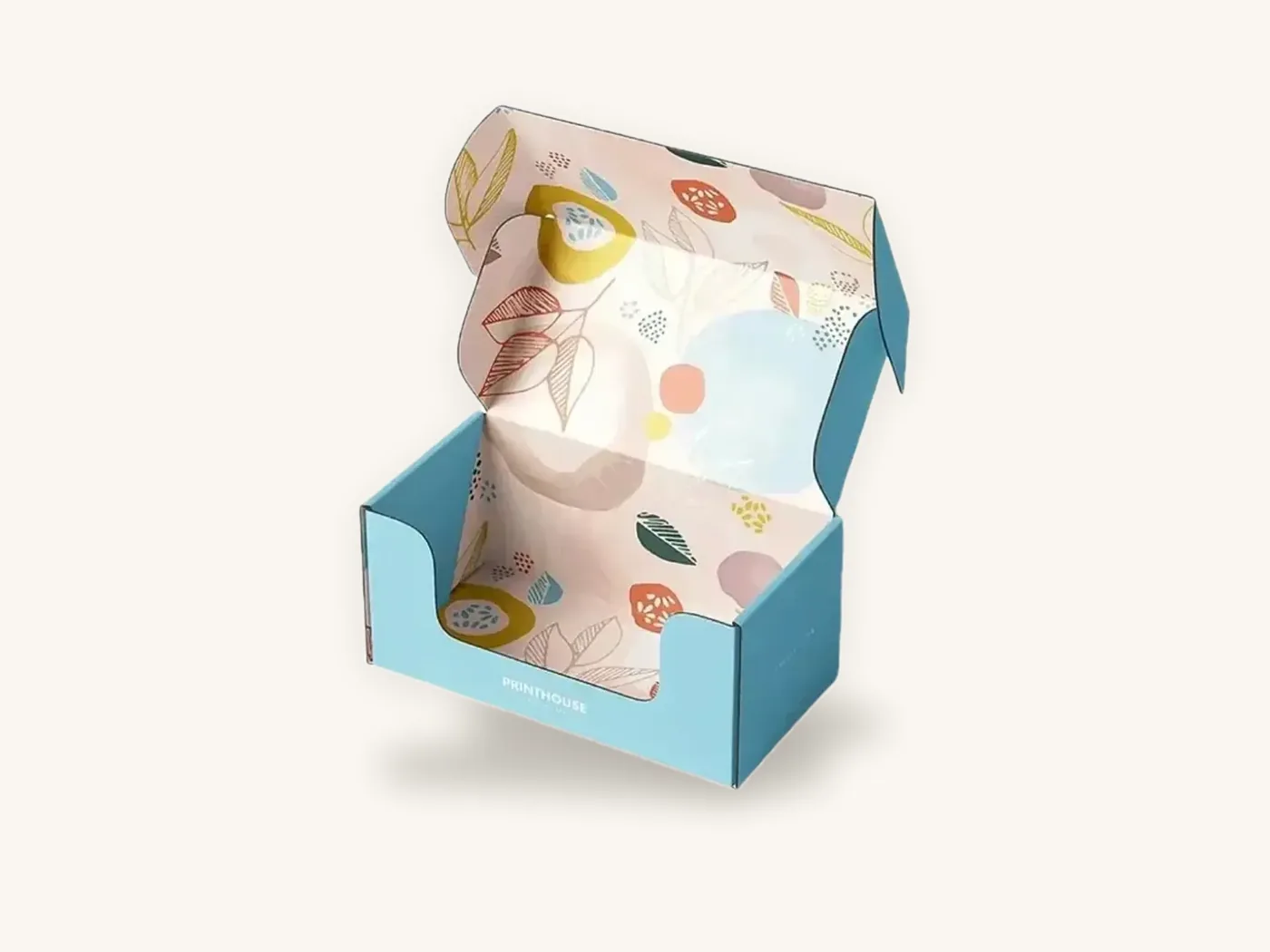
Written by the Box Sense Packaging Team
Our structural designers, prepress technicians and production staff print and convert custom boxes every day for brands in the United States, United Kingdom and UAE. Questions about this guide? Talk to us.