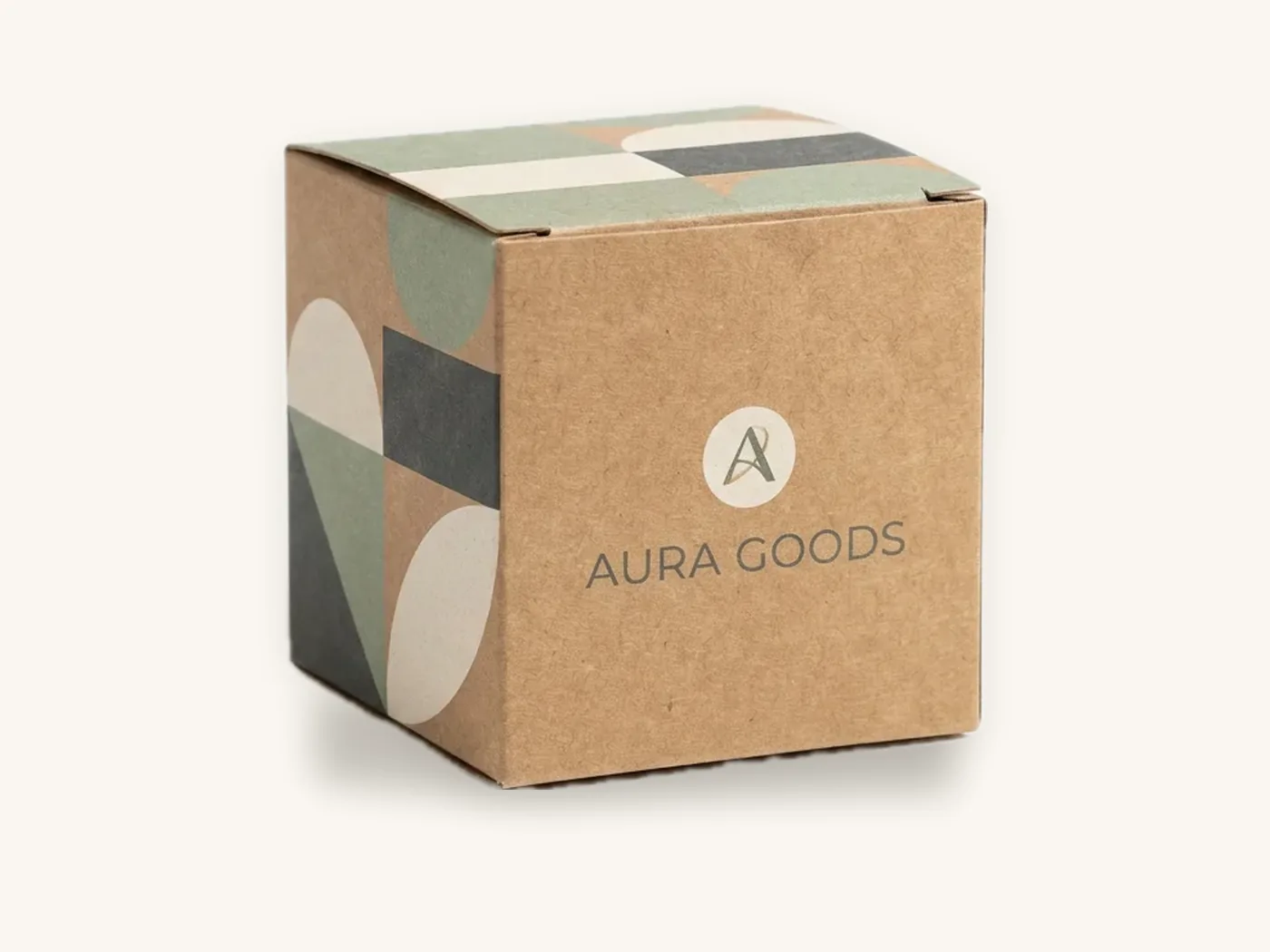
Cardboard vs corrugated comes down to structure. Cardboard, in the strict sense, is a single thick sheet of paper stock, properly called paperboard. Corrugated board is three or more layers: a wavy fluted sheet glued between flat liners. Paperboard is thin, smooth and made for printed retail cartons. Corrugated is thicker, stronger and made for mailers and shipping boxes.
The confusion comes from everyday speech. Most people call every brown box cardboard, including the shipping boxes that are actually corrugated. Packaging suppliers use the two words differently, so it helps to know which one you mean before you ask for a quote.
This guide explains how each material is made, compares them on strength, print, cost and recycling, and shows how to pick the right one. If you already know the box you need, you can request a quote and name the product and its weight; we will recommend the board.
Key takeaways
- Cardboard usually means paperboard: one solid sheet, typically 0.3 mm to 0.6 mm thick, used for cereal boxes, cosmetic cartons and other retail packaging.
- Corrugated board has a fluted middle layer that makes it stiff, light and shock-absorbing. It is used for mailers and shipping boxes.
- Paperboard prints more sharply; corrugated protects far better.
- Choose by the job. If the box sits on a shelf and holds a light product, use paperboard. If it travels through a parcel network or carries weight, use corrugated.
- Many products use both: a printed paperboard carton inside a corrugated mailer.
- Both are widely recyclable.
- Box Sense makes both from 10 boxes. See custom cardboard boxes and corrugated boxes.
Cardboard vs corrugated at a glance
| Cardboard (paperboard) | Corrugated board | |
|---|---|---|
| Structure | One solid sheet | Fluted sheet between two or more liners |
| Typical thickness | 0.3 mm to 0.6 mm (12 pt to 24 pt) | 1.5 mm to 7 mm |
| Strength | Low to moderate | High; resists crushing and stacking loads |
| Cushioning | Very little | Good, from the flutes |
| Print quality | Excellent; fine detail and photographs | Good on E flute; coarser on thicker flutes |
| Weight | Very light | Light for its strength |
| Folds | Tight, precise creases | Broader folds |
| Typical boxes | Tuck end cartons, sleeves, cosmetic and food cartons | Mailer boxes, shipping boxes, displays |
| Ships product on its own? | No | Yes |
| Relative cost | Lower per box at small sizes | Higher per box, lower than a carton plus a shipper |
The cost row compares the two at the same box size and quantity. Real prices depend on size, print and quantity and are quoted per order.
What cardboard really is
In packaging, the accurate word for cardboard is paperboard. It is paper made thick enough to stand up: a single sheet, formed in one or several plies pressed together, with no air inside.
How paperboard is made
Wood or recycled fiber is pulped, spread into a sheet, pressed and dried. The surface is often coated with a thin layer of white clay so it prints well. Thickness is measured in points, where one point is a thousandth of an inch, so 18 pt board is 0.018 in thick, about 0.46 mm. The paperboard thickness guide has a full conversion chart.
The main grades
- SBS (solid bleached sulfate). White throughout, with a smooth coated face. The standard for cosmetics, food and consumer goods cartons. See SBS paperboard.
- Kraft paperboard. Unbleached and brown, for a natural look. See kraft paperboard.
- Coated duplex board. A white printing face with a grey recycled back, used where economy matters. See bux board.
- Rigid greyboard. A much thicker, dense board, 1.5 mm to 3 mm, used inside rigid gift boxes. See rigid greyboard.
Our SBS vs kraft vs CUK guide compares the carton grades in detail.
What paperboard is good at
- Print. The smooth surface holds fine type, photographs, foil and embossing.
- Precision. Thin board folds into small, exact shapes, which is why lipstick and tincture cartons are made from it.
- Weight and storage. Cartons ship flat and take little room.
- Shelf appeal. Almost every finish is available on paperboard.
Where it falls short
- Crush resistance. A paperboard carton will not survive being shipped on its own.
- Weight capacity. Heavy products need thicker board or a stronger base, and beyond a few pounds paperboard is the wrong material.
- Moisture. Uncoated board softens when wet.
What corrugated board is
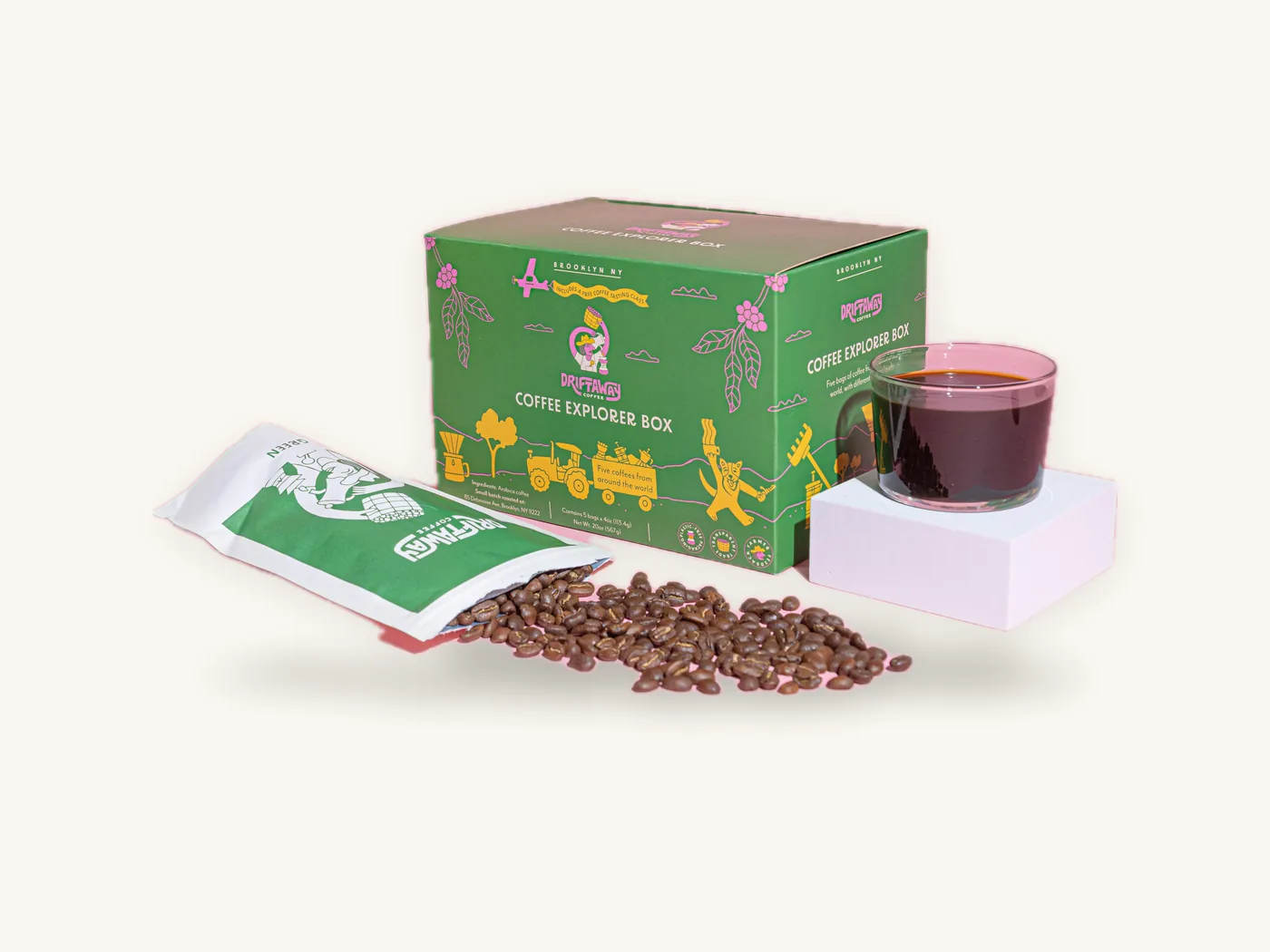
Corrugated board is an engineered sandwich. A sheet of paper is pressed into waves, called flutes, and glued between two flat sheets, called liners. The arches act like a row of small columns, so the board resists bending and crushing while staying light.
How corrugated is made
Paper is fed through heated, ridged rollers that form the flutes. Starch adhesive is applied to the tips, and liners are bonded to each side. The result is single wall board. Add a second fluted layer and a third liner and you have double wall.
Flutes
The flute sets the thickness and behavior of the board.
| Flute | Approximate thickness | Character | Common use |
|---|---|---|---|
| F | About 0.8 mm | Very thin, very smooth | Small retail packs |
| E | About 1.5 mm | Thin, prints sharply | Printed mailer boxes |
| B | About 3 mm | Strong, good puncture resistance | Heavier mailers, die-cut boxes |
| C | About 4 mm | Good stacking strength | Regular shipping cartons |
| BC double wall | About 7 mm | Very strong | Heavy and fragile goods |
Our corrugated flutes guide covers these in depth, and corrugated board summarizes the options.
Liners
The liner is the surface you see and print on. A kraft liner is brown and hides scuffs. A white liner gives brighter, more accurate color. Inside and outside liners are chosen separately. The kraft vs white mailer boxes guide explains how each prints.
What corrugated is good at
- Protection. The flutes absorb impact and resist crushing.
- Stacking. Corrugated boxes carry load on a pallet or in a truck.
- Shipping on its own. A corrugated mailer or carton is the parcel.
- Value for strength. No other paper material gives as much strength per pound.
Where it falls short
- Fine print. Thicker flutes show through as faint ridges, and very small type can soften.
- Bulk. A corrugated box takes more room than a carton, flat or assembled.
- Small shapes. Tight folds and tiny boxes are harder to make.
Strength: how far apart they are
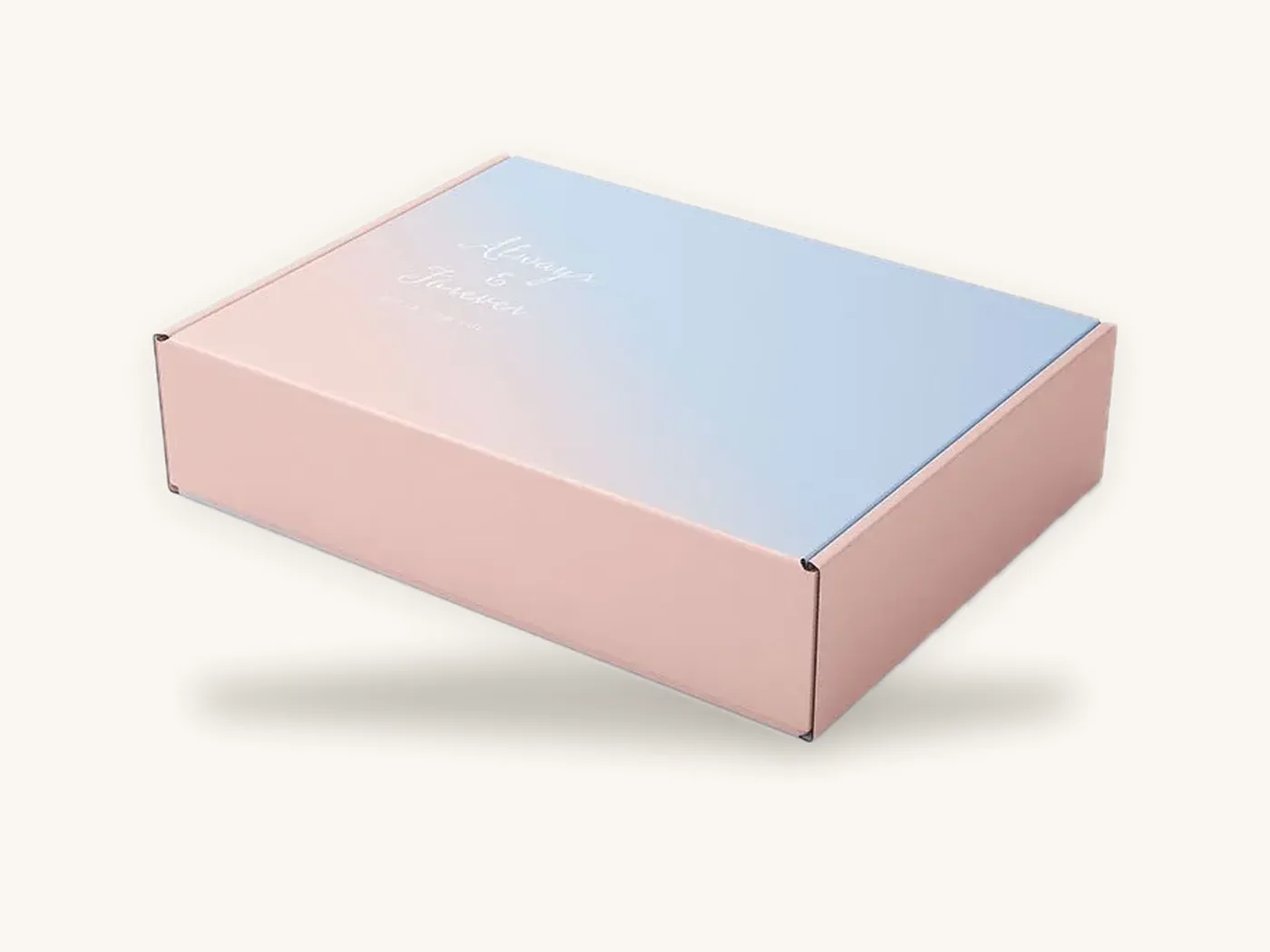
A typical 18 pt paperboard carton is under half a millimetre thick. A typical E-flute mailer is about 1.5 mm, and a C-flute shipping carton about 4 mm. That thickness, plus the arch structure, is why a corrugated box can be stacked and dropped while a carton cannot.
Corrugated strength is measured in two ways:
- Edge crush test (ECT) measures how much force the board edge takes before it buckles, which predicts stacking strength.
- Burst strength measures resistance to puncture.
If a carrier or customer specifies a rating, send it with your quote request. The ECT vs burst strength guide explains which matters when.
Paperboard has no equivalent shipping rating, because it is not meant to carry loads. Its job is to present the product.
Print quality
Paperboard wins on print. Its surface is flat and usually clay-coated, so ink sits on top and stays sharp. Offset and digital presses can reproduce photographs, fine lines and small text cleanly, and finishes such as foil stamping, embossing, spot UV and soft-touch lamination all work well.
Corrugated print has improved a great deal. E flute with a white liner prints close to carton quality, which is why branded mailers look as good as they do. On thicker flutes, the surface is slightly uneven, so solid colors and bold graphics work better than fine detail.
Tip: if your design depends on small text, photographs or exact brand colors, put it on a paperboard carton or an E-flute mailer with a white liner, and keep thicker flutes for simpler artwork.
Cost
There is no single answer to which is cheaper, because they rarely compete for the same job.
- For a small retail box, paperboard uses less material and costs less.
- For anything that ships, a corrugated box is cheaper than a carton plus the outer box you would need to protect it.
- Size drives cost in both. A bigger box uses more board, and with corrugated a bigger box also costs more to ship, because carriers charge by dimensional weight.
- Quantity lowers the price per box for both materials.
The custom packaging cost guide breaks down what moves the price.
Sustainability
Both materials are paper-based and widely recyclable.
- Corrugated is one of the most recycled packaging materials and usually contains recycled fiber.
- Paperboard is recyclable in most paper streams. Some grades are made from recycled fiber; SBS is usually virgin fiber.
- Finishes matter more than the board. Plastic film lamination, foil-laminated surfaces and plastic windows make either material harder to recycle. A water-based coating keeps it simple.
- Right-sizing helps most. A box that fits the product uses less board.
If you plan to print an environmental claim, check what the finished pack can support. See the recyclable packaging guide.
Which products use which
Usually paperboard
- Cosmetics, skincare and fragrance cartons
- Supplements, tinctures and pharmacy-style cartons
- Cereal, tea and dry food cartons
- Soap, candle and small gift boxes
- Toys and small electronics accessories on shelves or pegs
- Sleeves and bands
Usually corrugated
- E-commerce and subscription mailers
- Shipping cartons and outer cases
- Pizza boxes and bulk food delivery
- Heavy, fragile or bulky products
- Counter and floor displays that carry weight
Both together
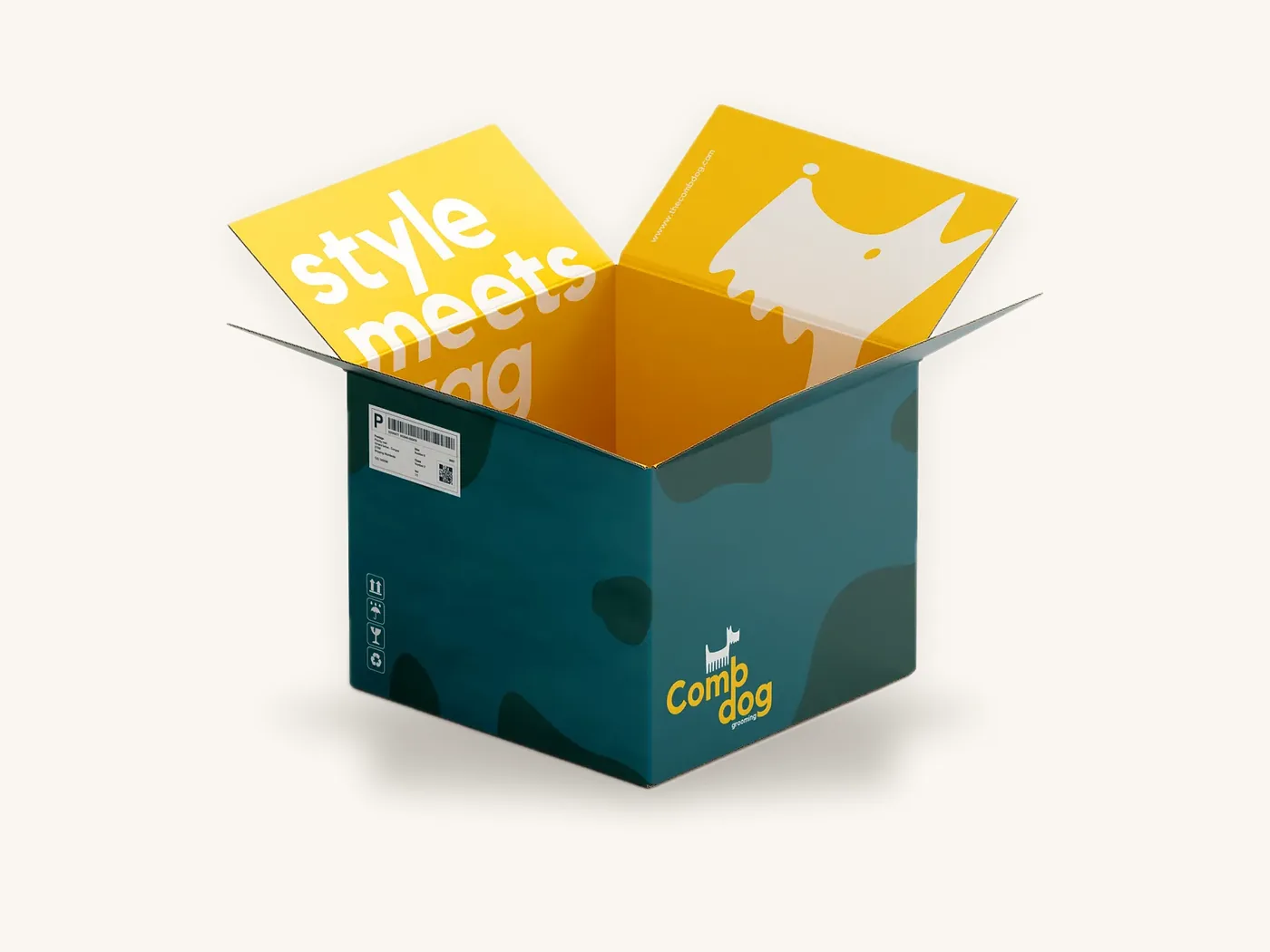
Many products need two layers: a printed paperboard carton as the retail pack, and a corrugated mailer or shipper to get it to the customer. Sizing the two together avoids wasted space and filler.
How to choose: a short decision guide
- Does the box ship on its own? Choose corrugated.
- Is the product heavier than a few pounds? Choose corrugated, or a paperboard carton with an auto-lock bottom for moderate weights.
- Is it fragile? Corrugated with an insert, or a carton inside a corrugated mailer.
- Does it sit on a retail shelf or hang on a peg? Choose paperboard.
- Is the box very small or does it need fine detail? Choose paperboard.
- Do you want a premium unboxing by mail? An E-flute mailer printed inside and out.
- Unsure? Send the product size, weight and how it reaches the customer, and ask for a recommendation.
Paperboard and corrugated by industry
How the two materials split in practice, by the kind of business.
Beauty and personal care
Almost all retail packs are paperboard: tuck end cartons for skincare, small cartons for lipstick, sleeves for soap. Corrugated enters when the brand ships to customers, as a mailer around the cartons, or for subscription and gift sets. A typical online beauty brand buys both, in matching designs.
Food and drink
Dry goods such as cereal, tea and snacks use paperboard cartons with an inner bag. Bakery boxes are paperboard too. Pizza boxes, meal-kit shippers and bulk delivery boxes are corrugated, because they carry heat, weight and stacking loads. Beverage carriers use a strong, moisture-tolerant paperboard.
E-commerce and subscriptions
The shipping box is corrugated, usually an E-flute mailer printed inside and out. Paperboard appears inside it as product cartons, inserts and sleeves.
Electronics
Accessories on pegs and shelves use paperboard cartons. Devices that ship use corrugated or rigid boxes with inserts, often with a plain corrugated shipper outside.
Retail and consumer goods
Shelf packs are paperboard. Counter and floor displays are corrugated when they carry weight, and the cases that deliver products to stores are always corrugated.
Industrial and automotive
Corrugated throughout, often double wall, with part numbers printed in one color. Paperboard is rare, used only for small parts cartons.
Three terms that cause confusion
Chipboard. In packaging this usually means a dense recycled board. Thin chipboard is a low-cost paperboard; thick chipboard, also called greyboard, forms the walls of rigid boxes. It is not corrugated.
Cardstock. A light, stiff paper used for cards, tags and inserts. It is thinner than carton board and is not used to make boxes on its own.
Kraft. Kraft describes the unbleached brown fiber, not the structure. Kraft paperboard is a brown single sheet. Kraft corrugated is corrugated board with brown liners. If you ask for a kraft box, say which one you mean, or see custom kraft boxes.
Common mistakes
- Shipping a paperboard carton without protection. It arrives crushed.
- Using thick corrugated for a small, light product. It adds cost and shipping size for no benefit.
- Asking for cardboard without saying which kind. State the use, or name paperboard or corrugated.
- Designing fine artwork for a thick flute. Use E flute or paperboard.
- Choosing by habit. A product that moved from store shelves to online sales often needs a different box, and the reverse is true too.
- Skipping the sample on a new size. An unprinted sample shows quickly whether the board is strong enough. See packaging samples.
- Ignoring dimensional weight. An oversized corrugated box costs more on every parcel. See the dimensional weight guide.
What to send for a quote
- The product's dimensions and weight
- How the box will be used: shelf, shipping or both
- The style, if you know it: tuck end carton, mailer, shipping box
- Print: outside only or inside too, and the number of colors
- Quantity, and two or three quantities to compare
- Artwork, or a note that you need design help
Box Sense replies within 24 hours. Design support is free and includes the dieline, artwork setup, a 3D proof and two rounds of revisions through our design services team. Production takes 8–12 business days after proof approval, with a 5-day rush option on many styles, and shipping is free to any US address. Browse custom cardboard boxes, product boxes, custom mailer boxes and custom shipping boxes.
Frequently asked questions
Is corrugated the same as cardboard?
Not strictly. Cardboard is a general word for stiff paper board. Corrugated board is a specific material with a fluted layer between flat liners. In everyday speech people call both cardboard.
Which is stronger, cardboard or corrugated?
Corrugated. Its fluted structure resists crushing and stacking loads far better than a single sheet of paperboard.
Are cereal boxes cardboard or corrugated?
Cereal boxes are paperboard, a single thin sheet. The shipping cases they arrive in at the store are corrugated.
Can you print on corrugated boxes?
Yes. E-flute board with a white liner prints close to carton quality. Thicker flutes suit bolder, simpler artwork.
Which is cheaper?
For small retail boxes, paperboard. For anything shipped, a corrugated box usually costs less than a carton plus the outer box needed to protect it.
Are both recyclable?
Yes. Both are paper-based and widely recyclable. Plastic lamination and film windows make recycling harder for either.
What is the minimum order?
The minimum order at Box Sense is 10 boxes for both paperboard and corrugated boxes.
Next steps
Decide how the box will be used, measure the product and weigh it. Those three facts settle most of the choice between paperboard and corrugated. Then request a quote and we will confirm the board, the size and the price within 24 hours.
Boxes in this guide
Order the packaging we covered
PopularCustom Cardboard Boxes
Corrugated Boxes
Custom Product Boxes
PopularCustom Shipping Boxes
 Popular
Custom Mailer Boxes
Written by the Box Sense Packaging Team
Our structural designers, prepress technicians and production staff print and convert custom boxes every day for brands across the United States. Questions about this guide? Talk to us.